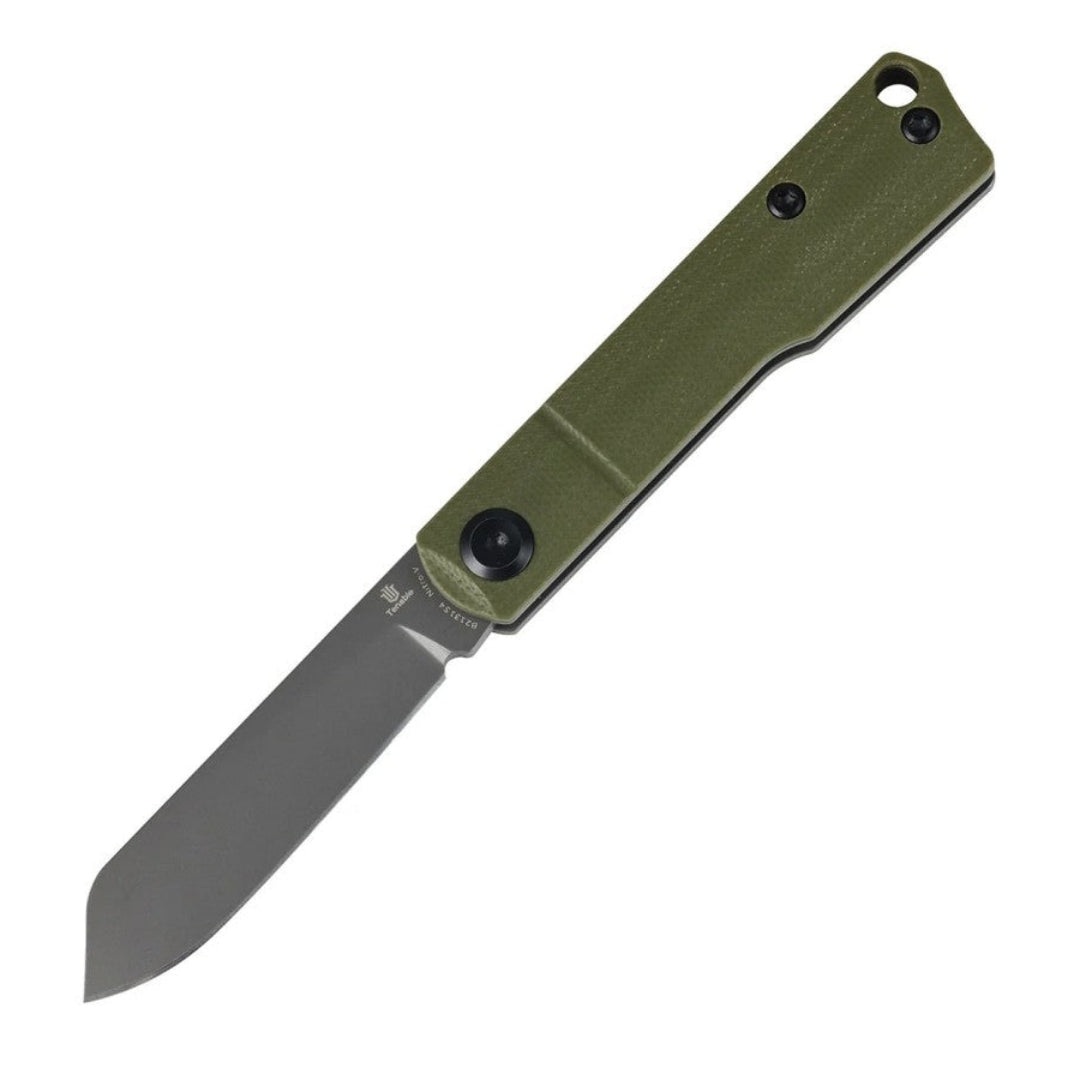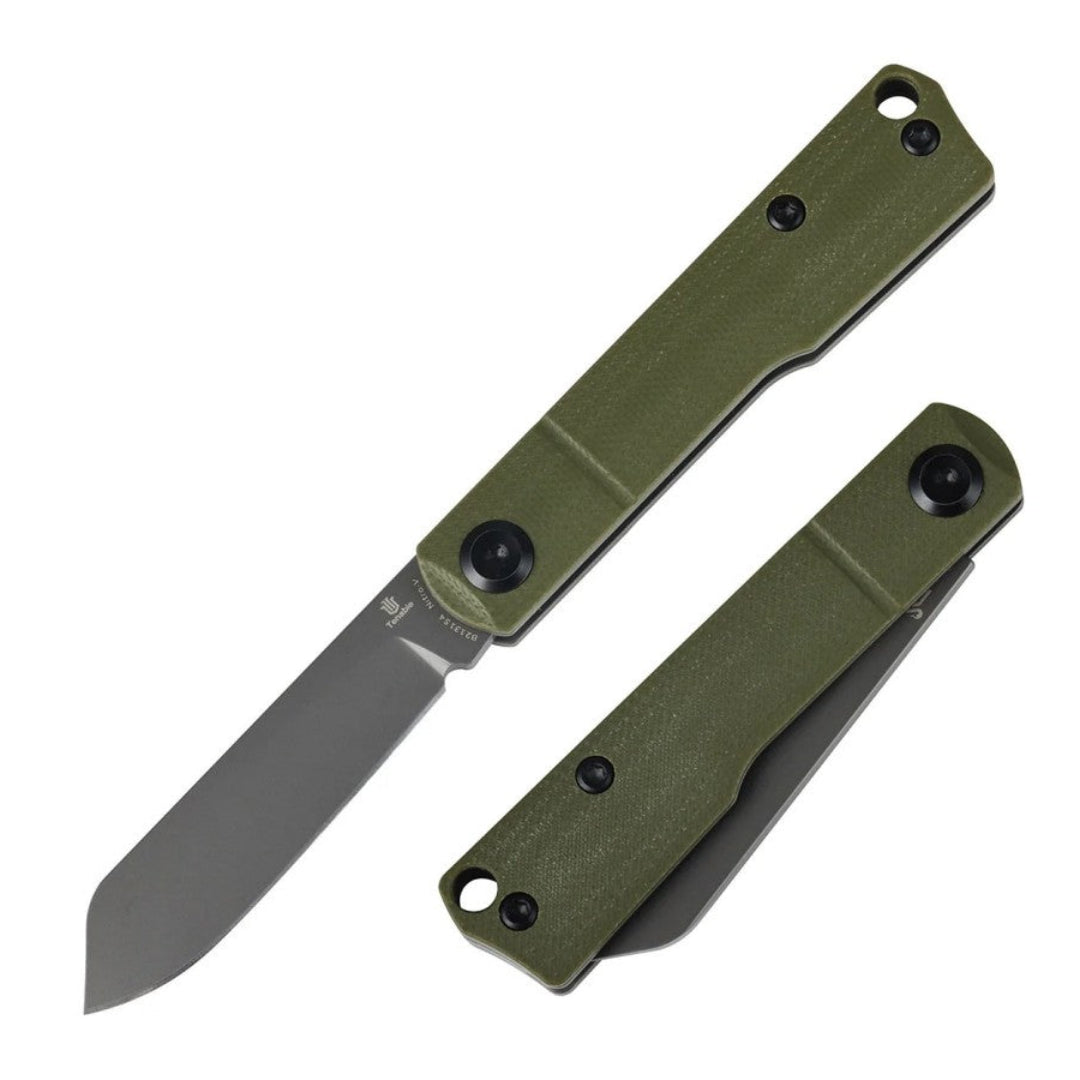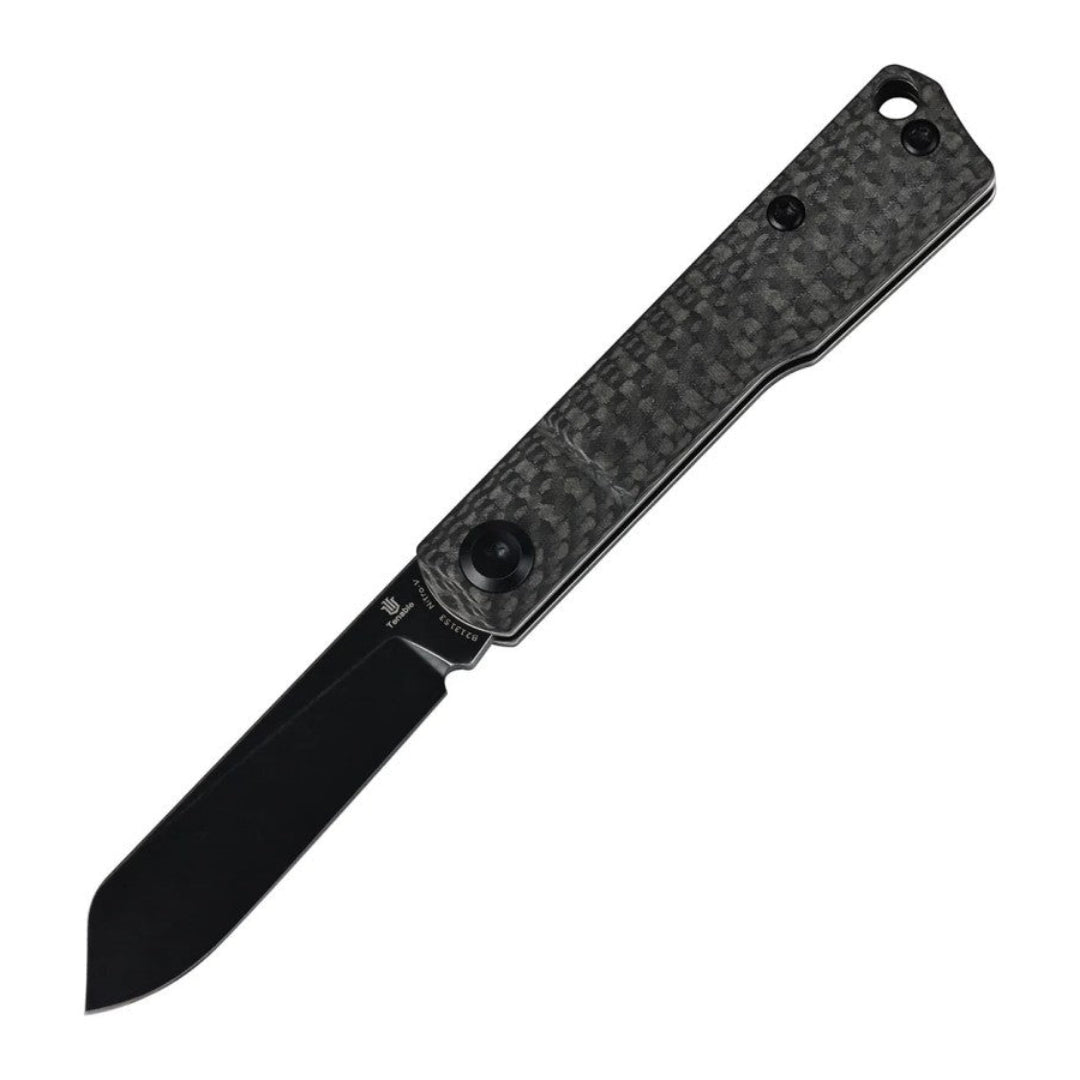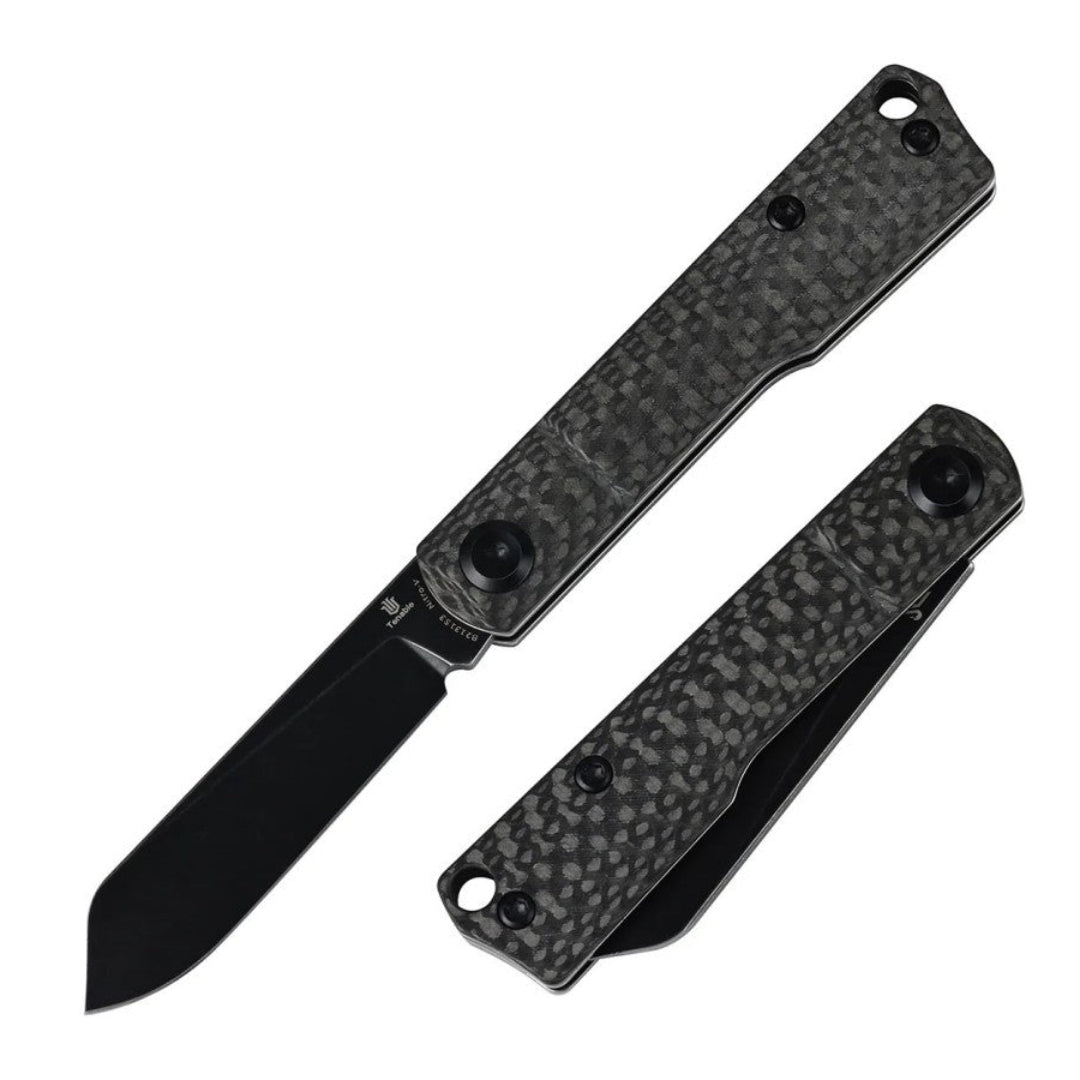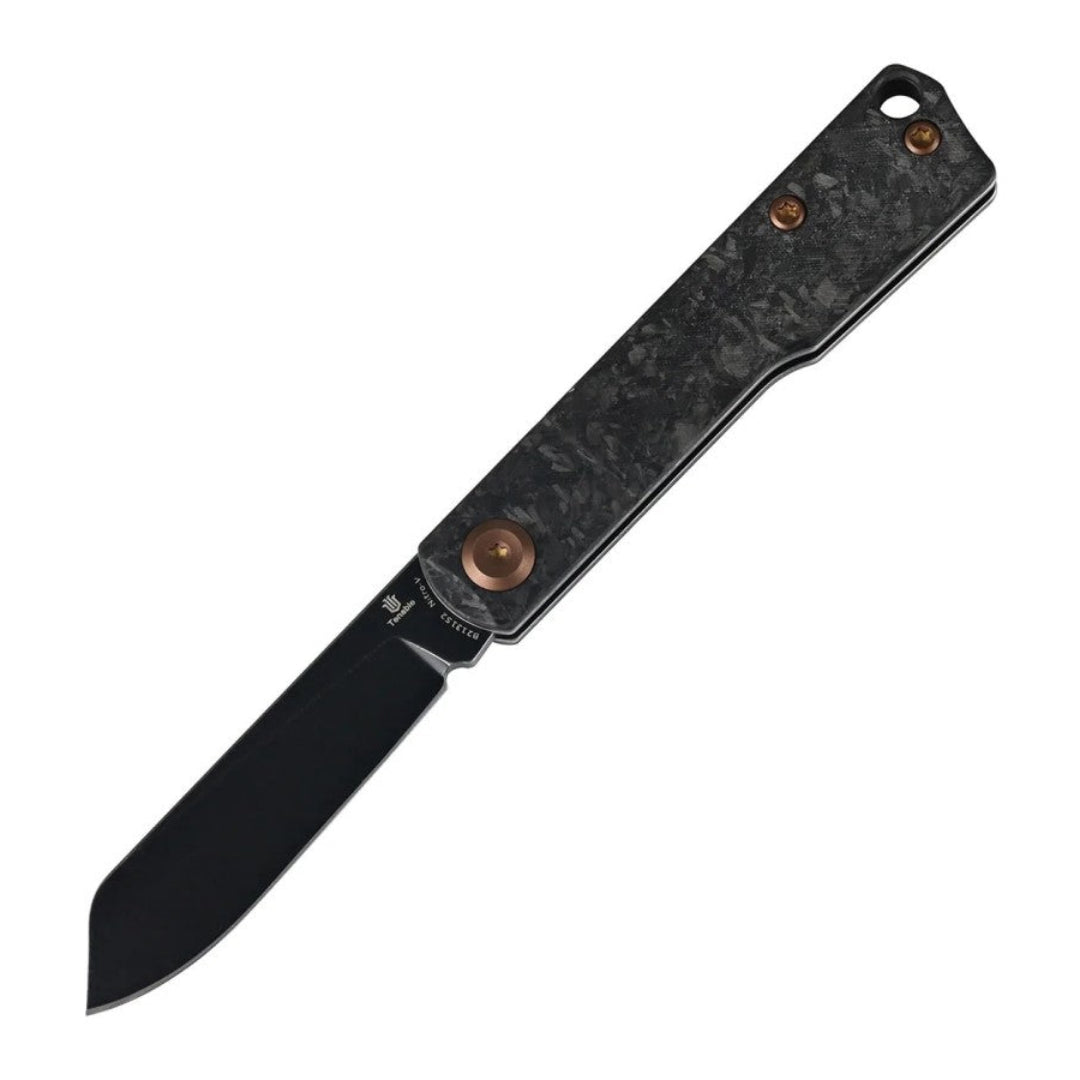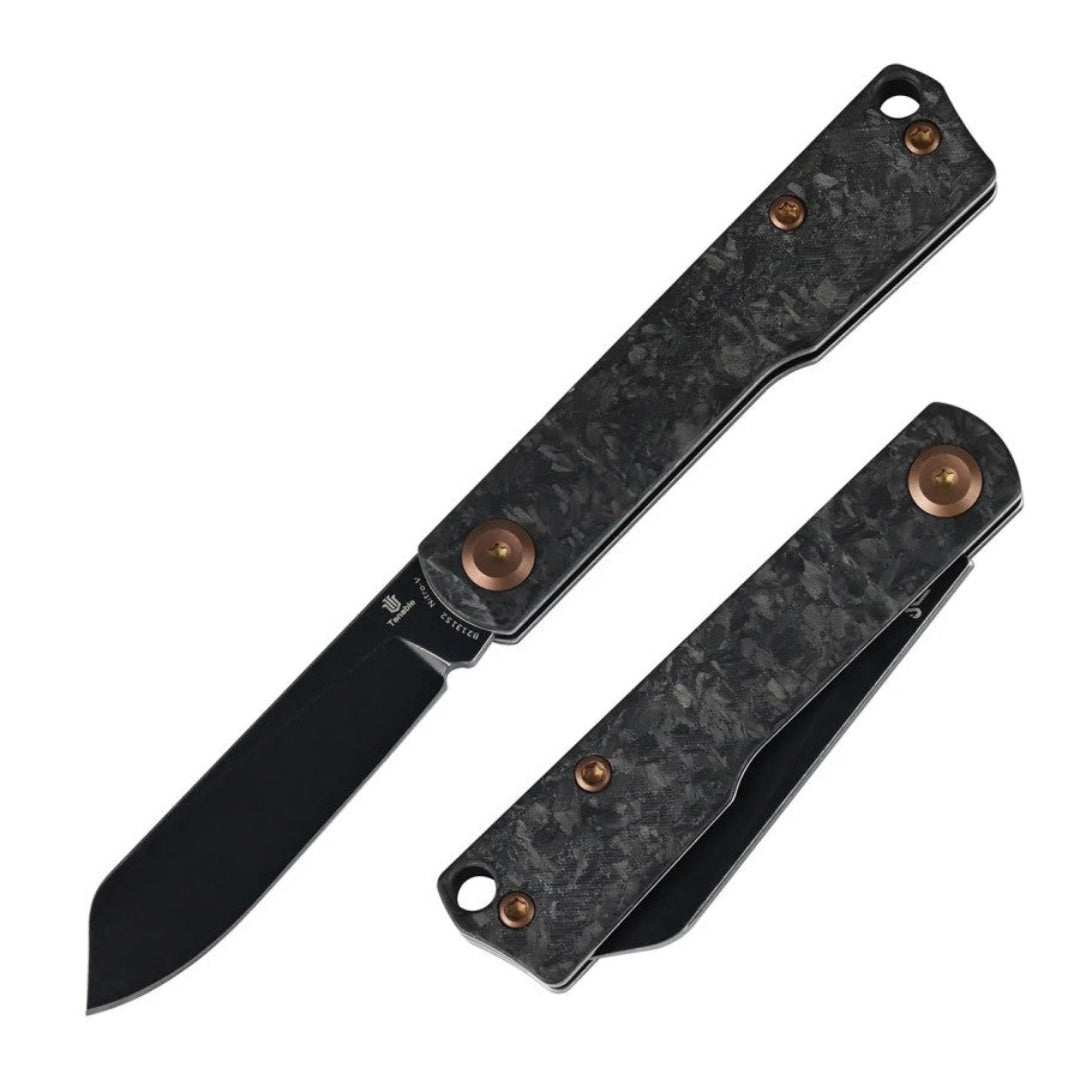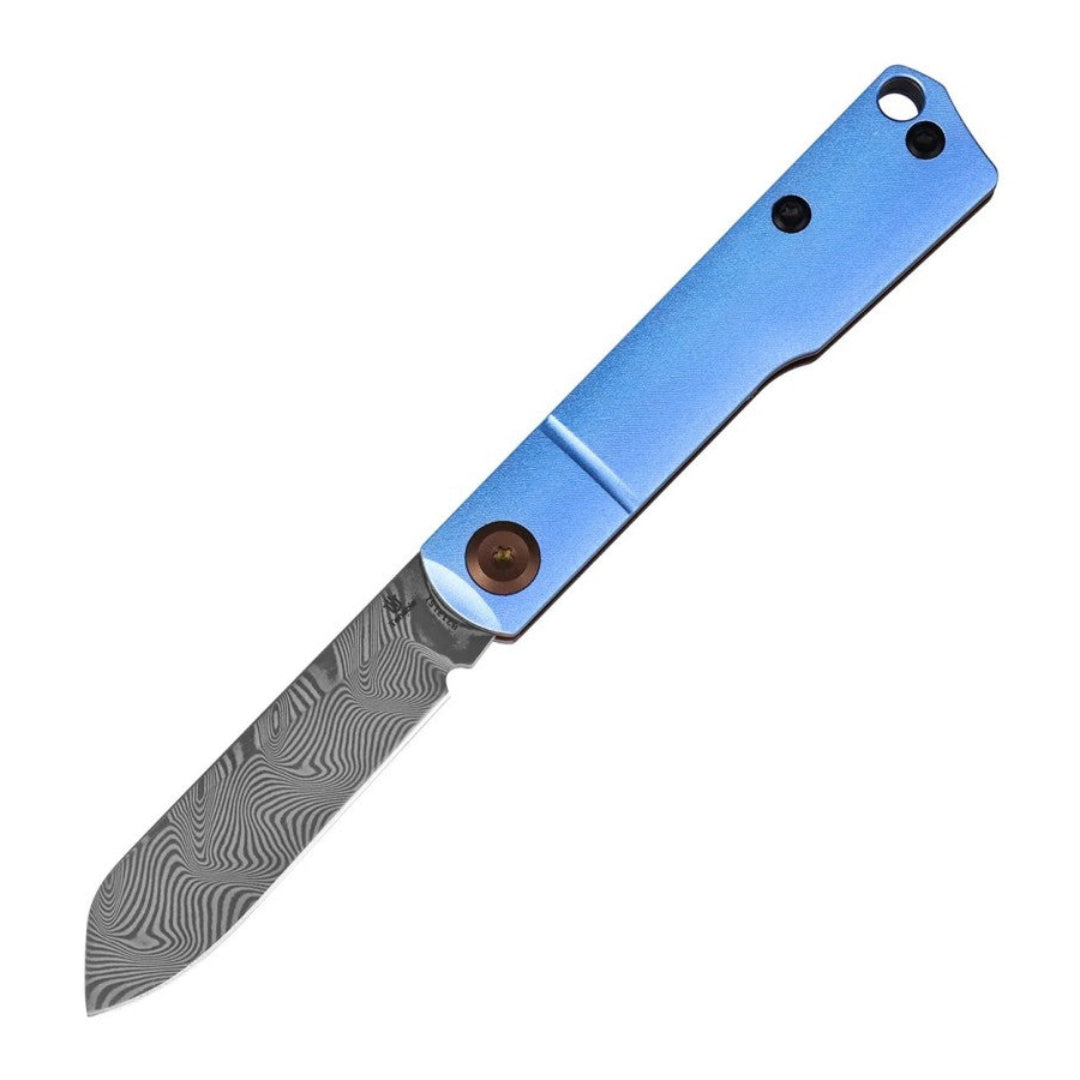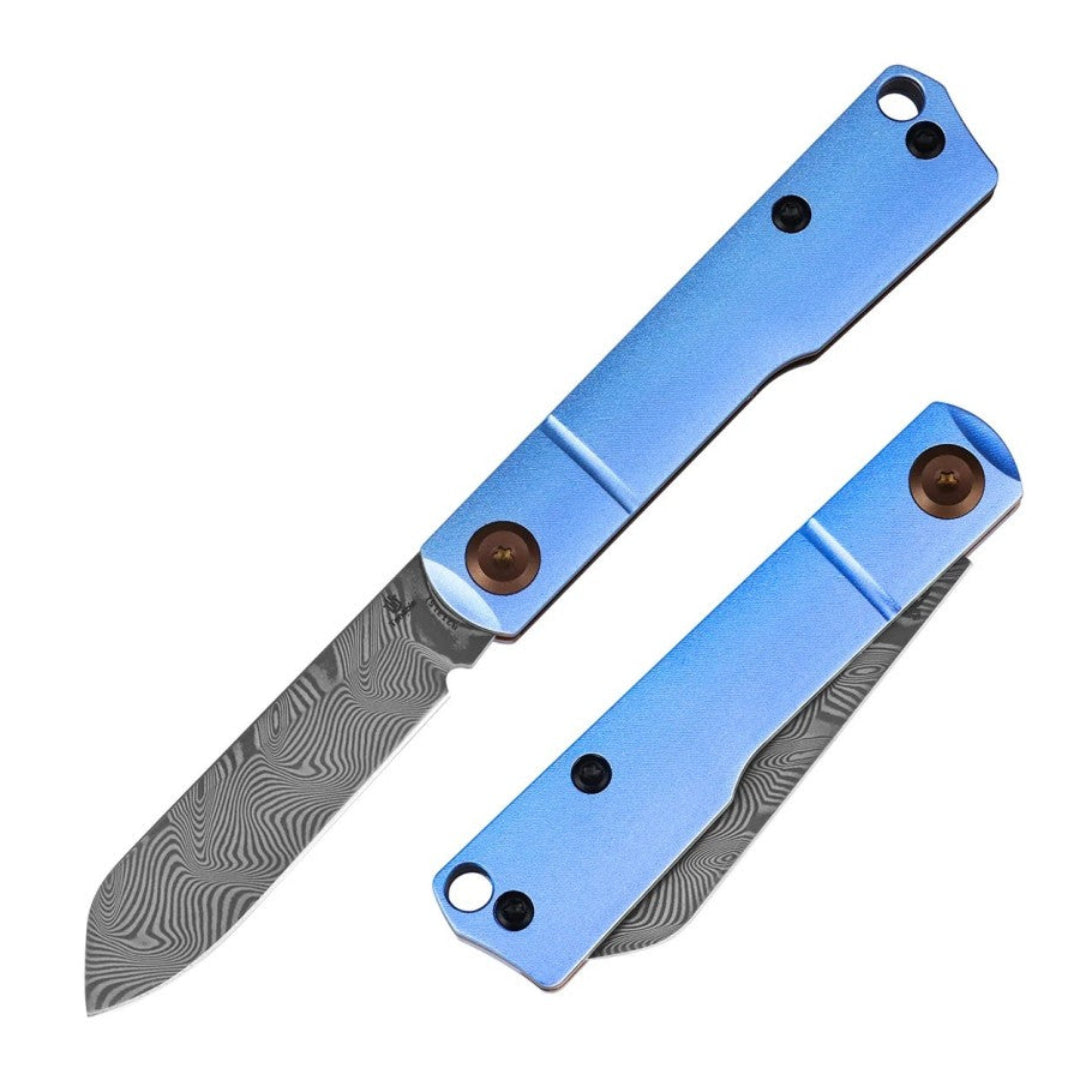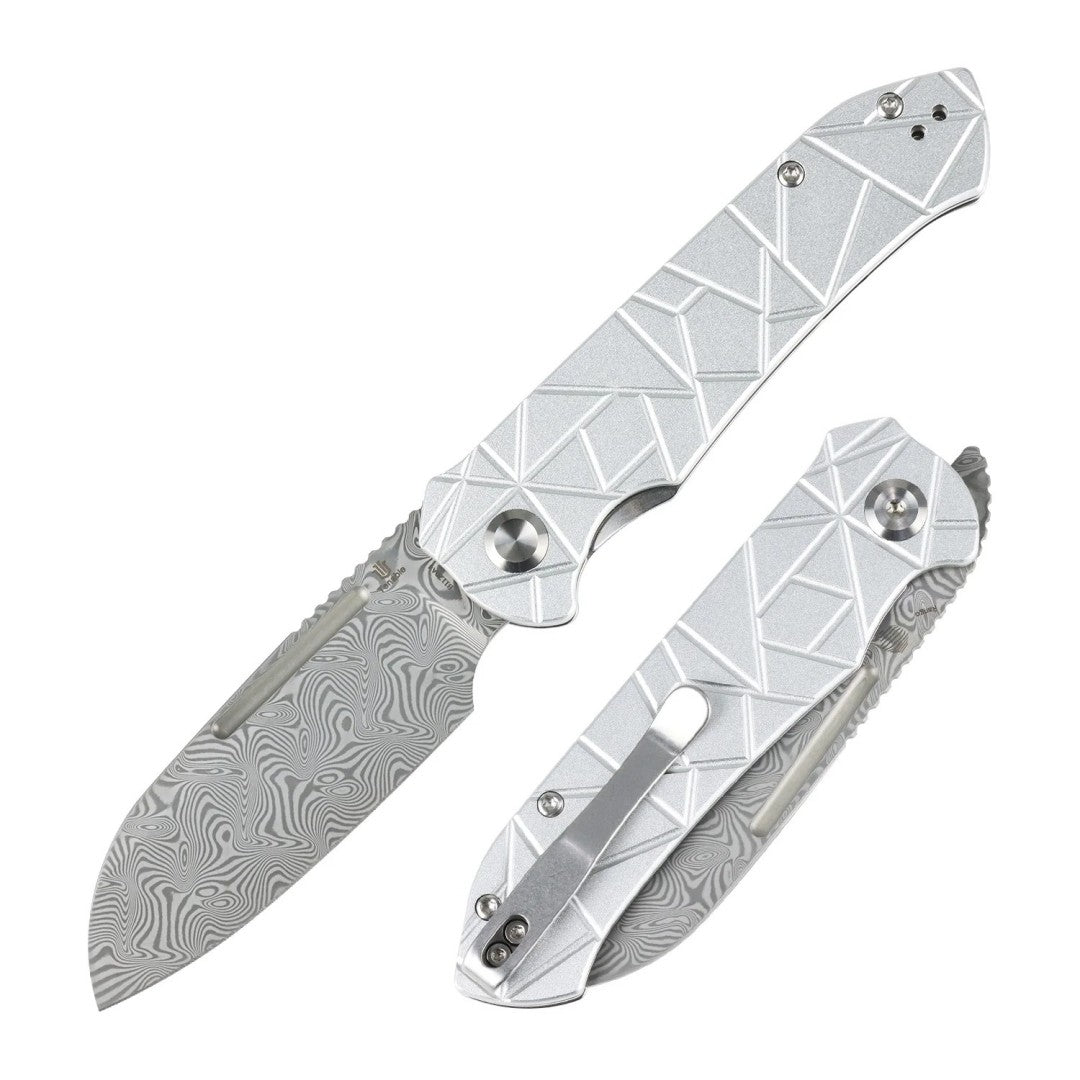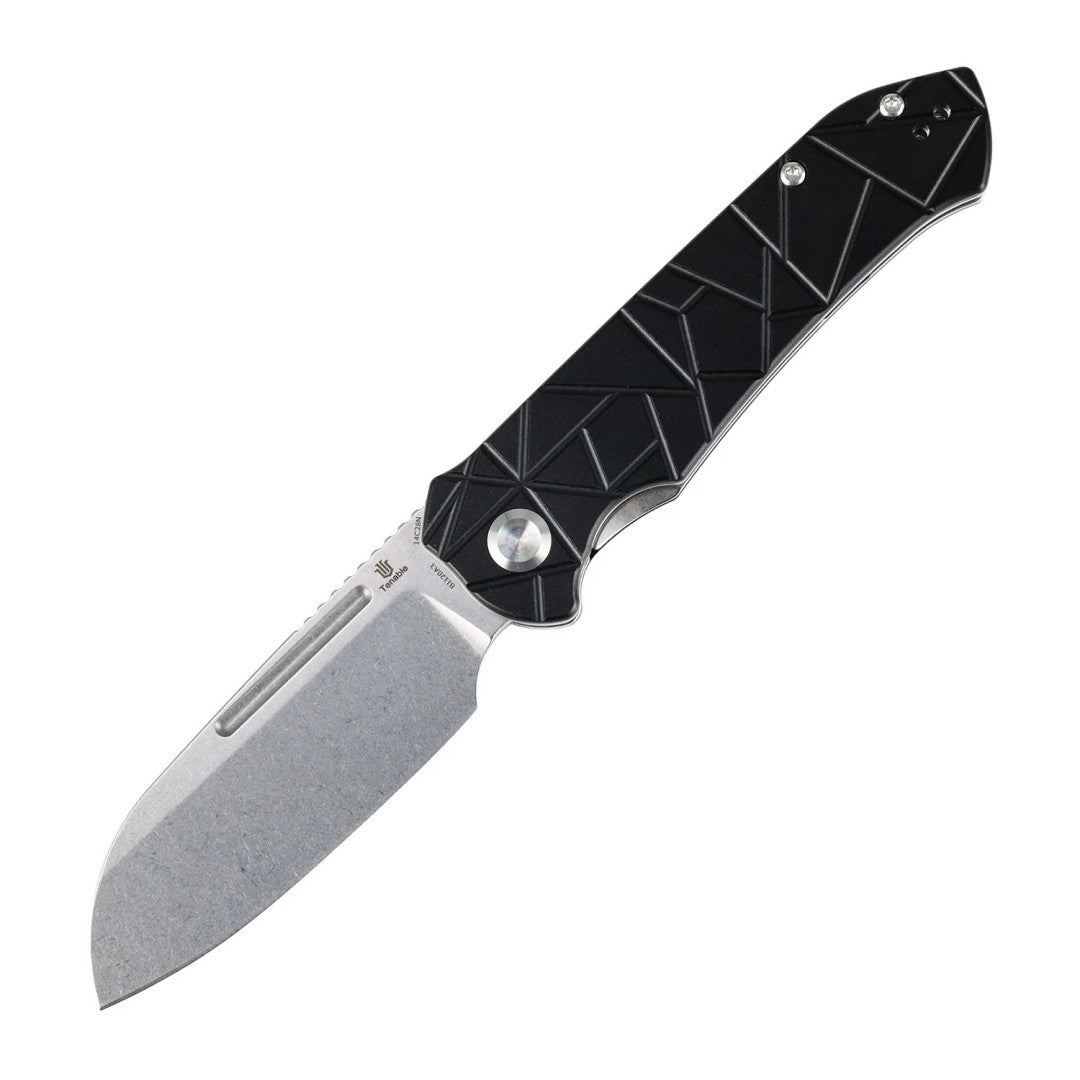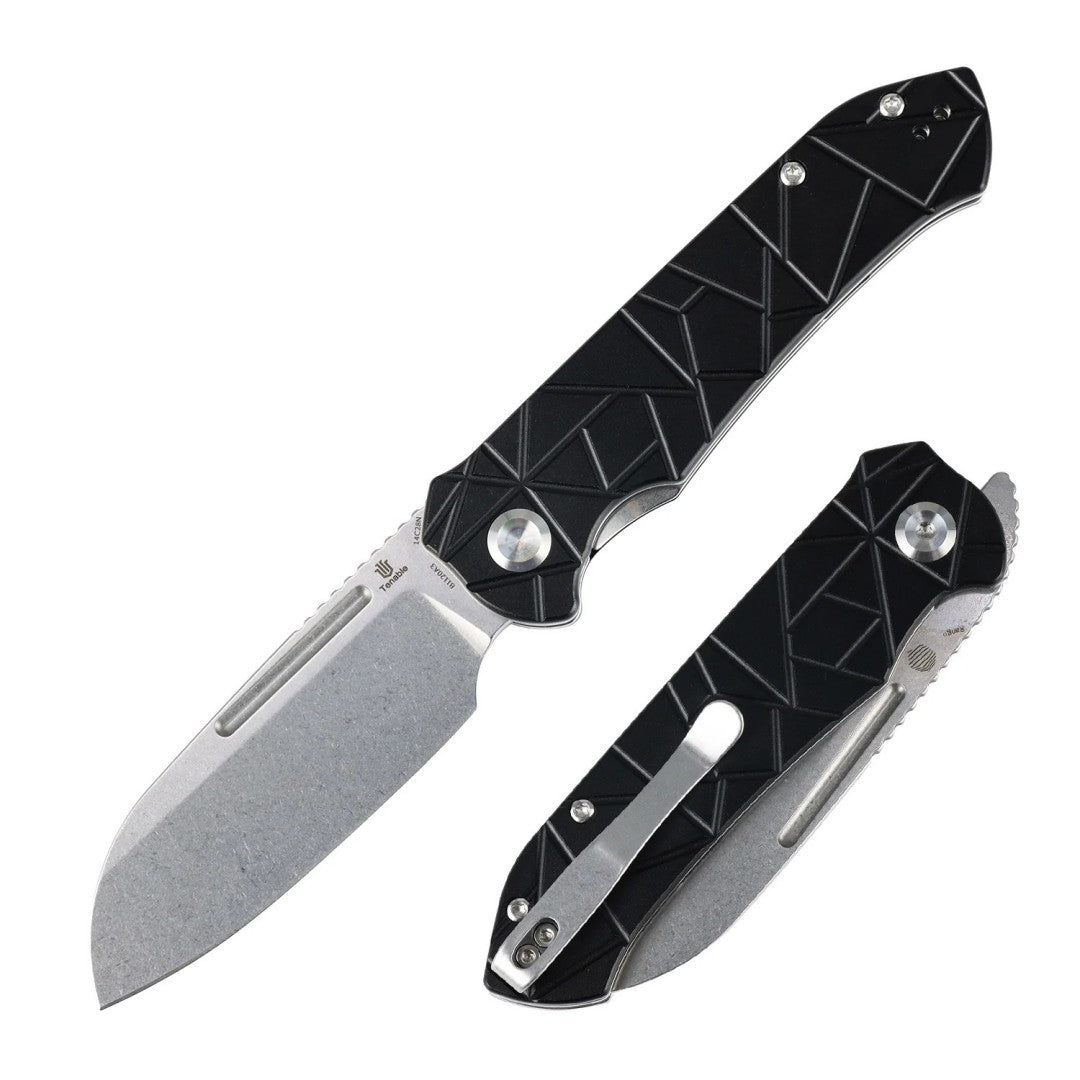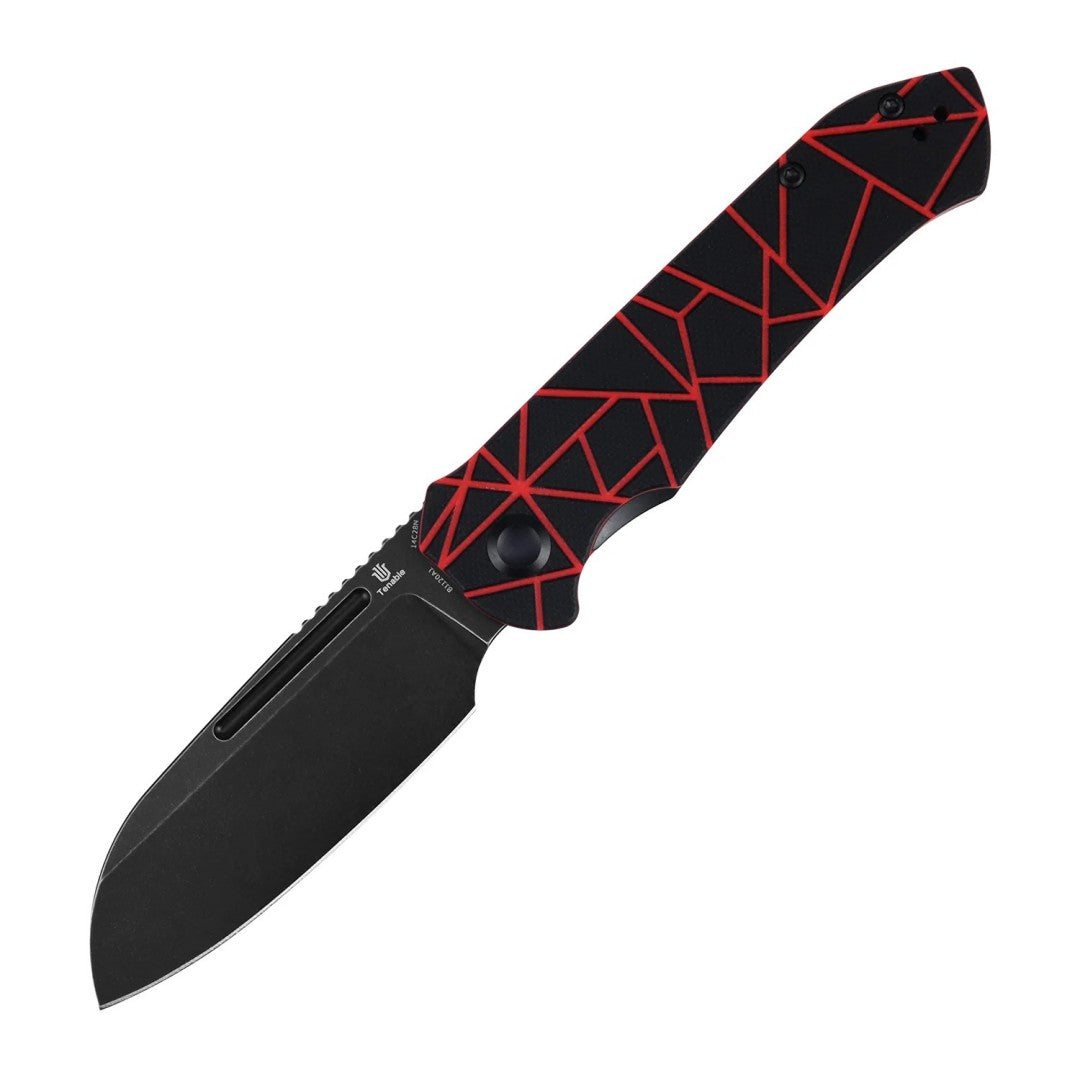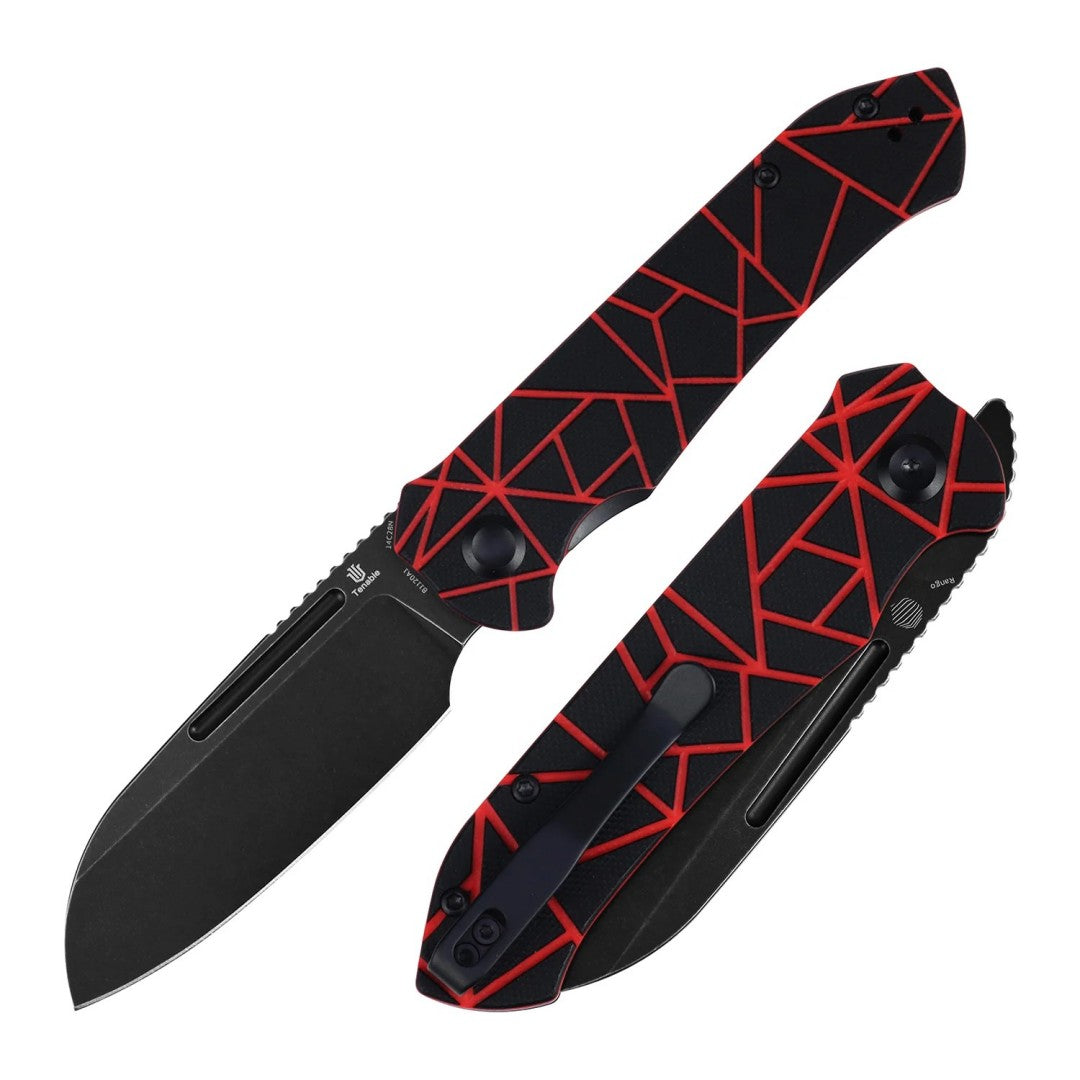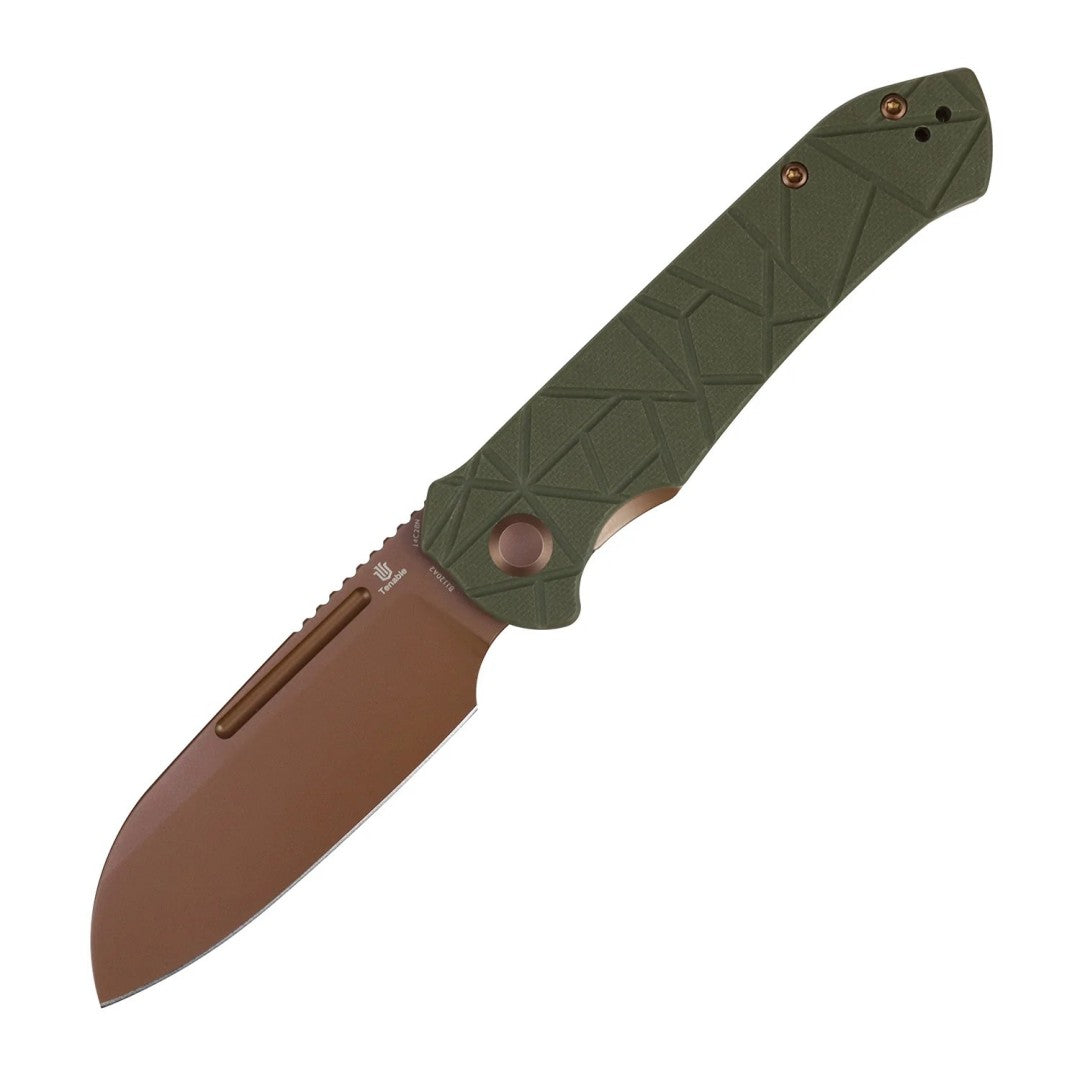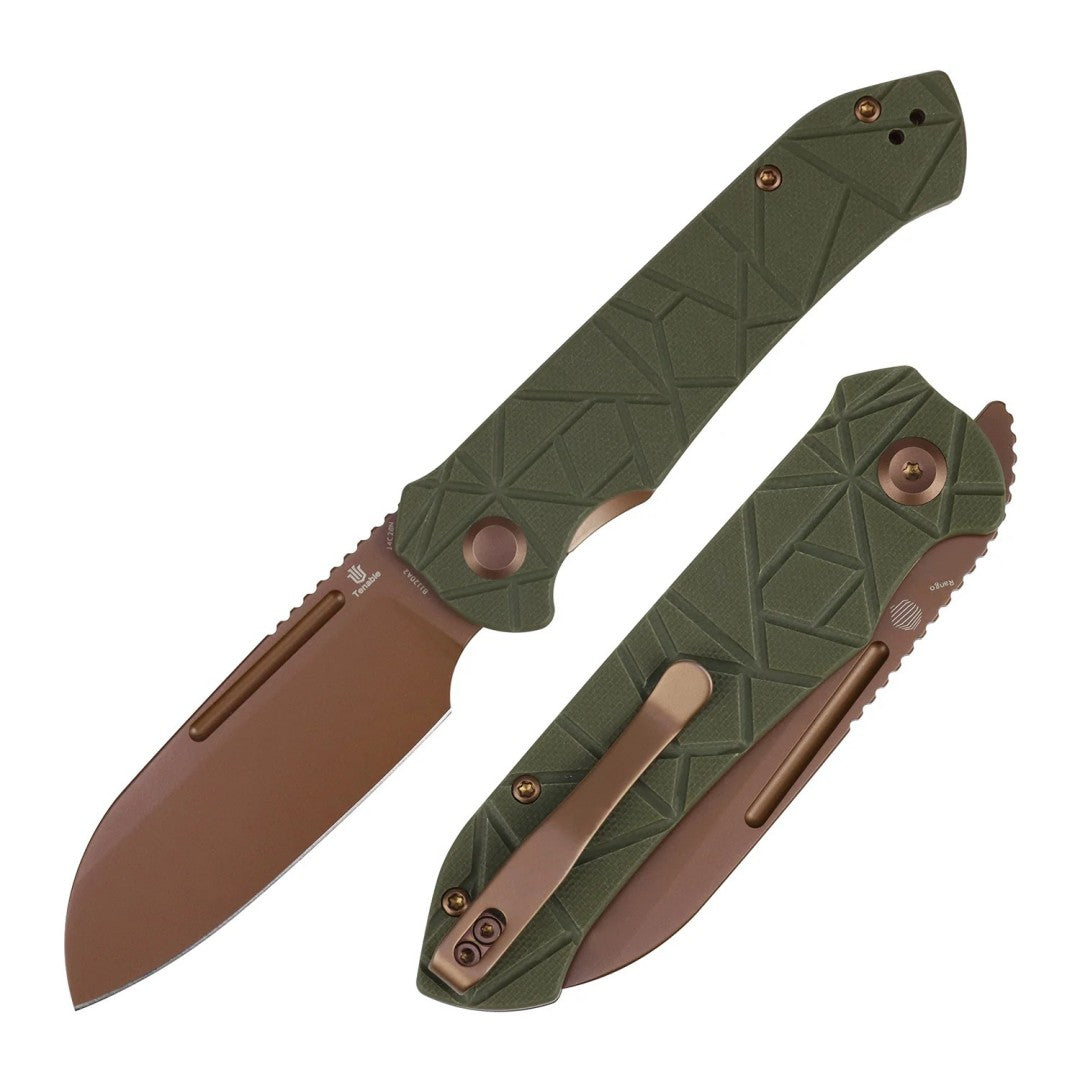

Sharpening a Higonokami Sada-kanekoma is not just about restoring the edge; it is a ritual of maintenance for traditional Japanese craftsmanship. Here are the core techniques to master:
1. Tool Preparation
- Whetstone Selection: Japanese waterstones are highly recommended. You should have at least two grits: a Medium Grit (#800 - #1000) for basic sharpening and creating the edge, and a Fine Grit (#3000 - #6000) for polishing and removing burrs.
- Soaking: Before use, soak your whetstones in water for 10–15 minutes until air bubbles stop appearing. This ensures proper lubrication and the creation of "slurry" (the muddy paste that aids sharpening).
2. Core Sharpening Methods
Depending on your preference, you can choose between two common styles:
-
Micro-Bevel Sharpening (Standard):
- Angle: Maintain an angle of 15–20 degrees between the blade and the stone (roughly the height of two stacked coins).
- Process: Sharpen only the very tip of the edge (the secondary bevel). This is the easiest method for daily maintenance.
-
Scandi-Grind (Zero Grind):
- Angle: Lay the wide primary bevel completely flat against the whetstone.
- Process: Sharpen the entire slanted surface until the secondary bevel disappears. This results in an incredibly keen edge perfect for woodworking, though it requires more effort to maintain.
3. Key Tips and Execution
- Pressure Control: Apply pressure with your fingers close to the edge of the blade. Apply firm pressure on the "push" stroke (away from the edge) and relax the pressure on the "pull" stroke to avoid rounding the edge.
- Checking for the Burr: Sharpen one side until you feel a tiny curl of metal (a "burr") on the opposite side. This indicates you have reached the edge. Flip the knife and repeat until the burr is gone.
- Stropping: For a razor-sharp finish, use a leather strop with honing compound after using the fine-grit stone. This removes microscopic burrs and creates a mirror finish.
4. Common Mistakes to Avoid
- Washing away the Slurry: Do not wash off the muddy paste that forms on the stone during sharpening. This "slurry" is essential for a fine, smooth finish.
- Inconsistent Angles: The most important factor is maintaining a steady angle. Do not rush; slow, deliberate strokes are much more effective than fast, erratic ones.
Pro Tip: Because Higonokami knives are made of high-carbon steel, always dry the blade immediately after sharpening and apply a thin coat of Camellia oil to prevent rust.