

Overview & First Impressions
Streetlight crews work when the rest of the city sleeps. A bucket truck parks under a pole, the luminaire comes down, the driver is tested and swapped, and the van moves on to the next address on a long list. The EDC flashlight in a technician's vest is the tool that gets used at every single stop, and the small knife in the same pocket opens boxes of connectors and trims wire on the spot. Both have to work in cold, wet, awkward conditions.
Materials & Construction
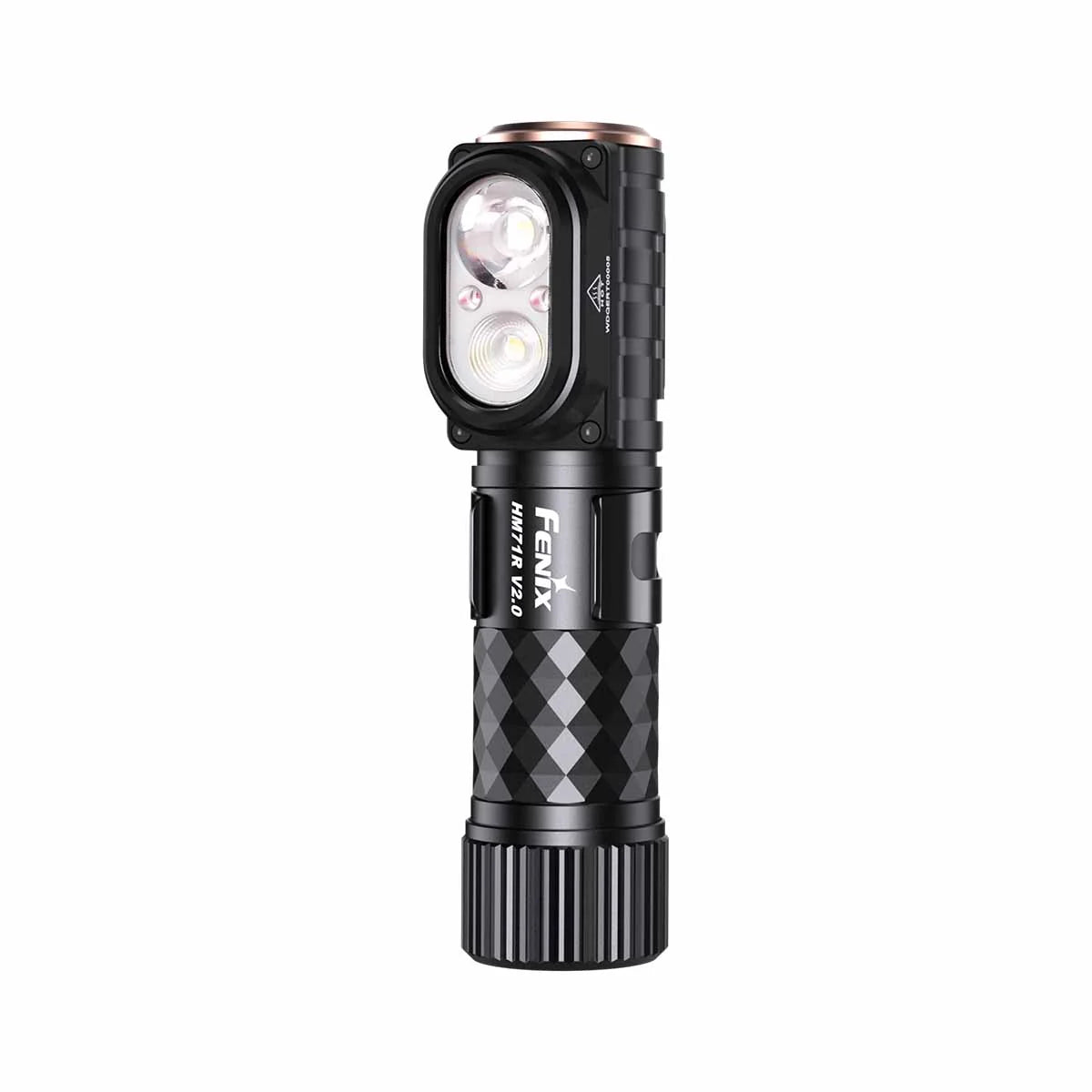
A work light such as the Fenix WT26RM is built for exactly this job: 2500 lumens of high-output illumination, a magnetic base that sticks to a pole or a truck panel, and a body designed to survive being dropped from hand height onto asphalt. Fenix flashlights of this class combine a flood pattern for close work with enough throw to check an overhead span. A sealed aluminium body also means the light simply does not care about rain.

Design & Details
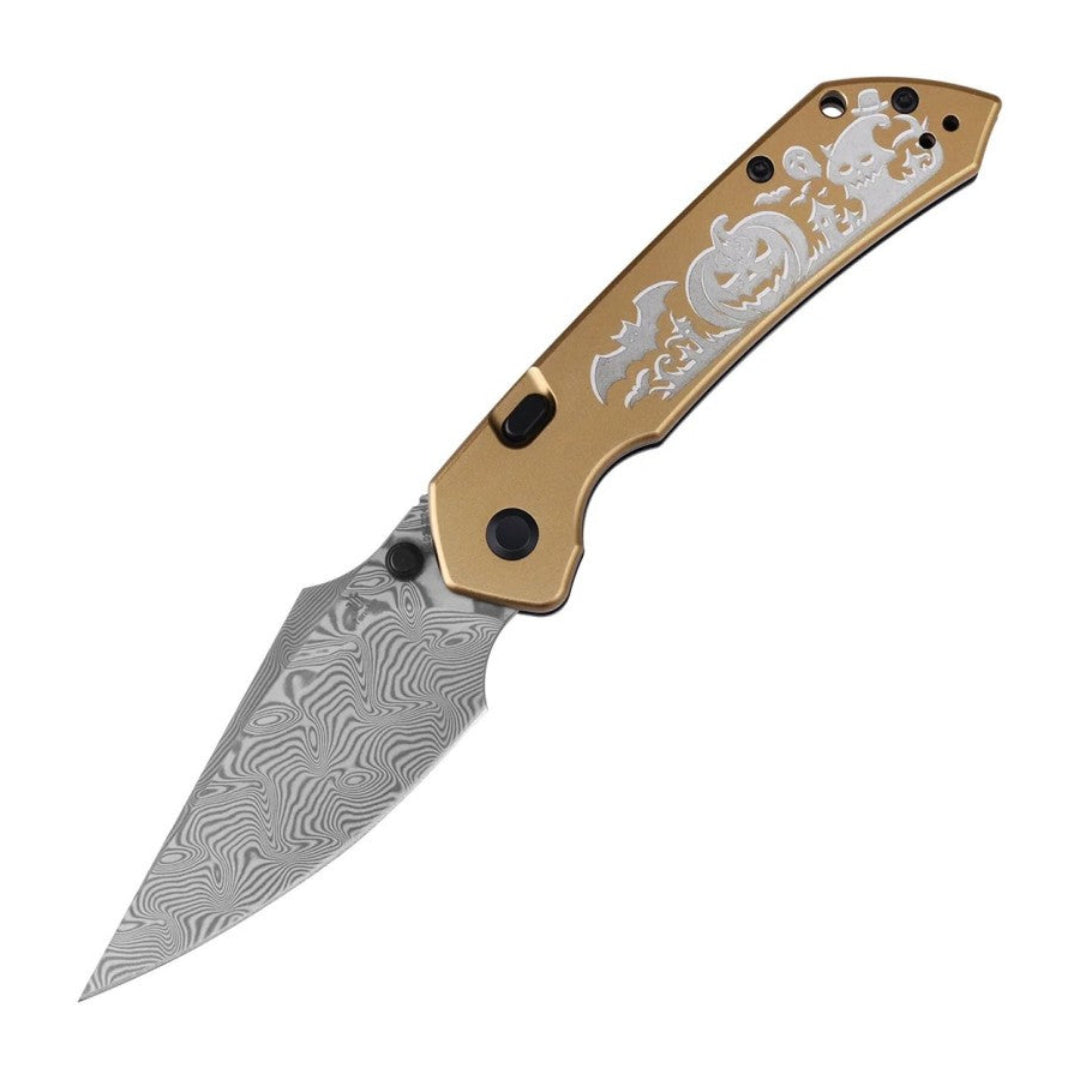
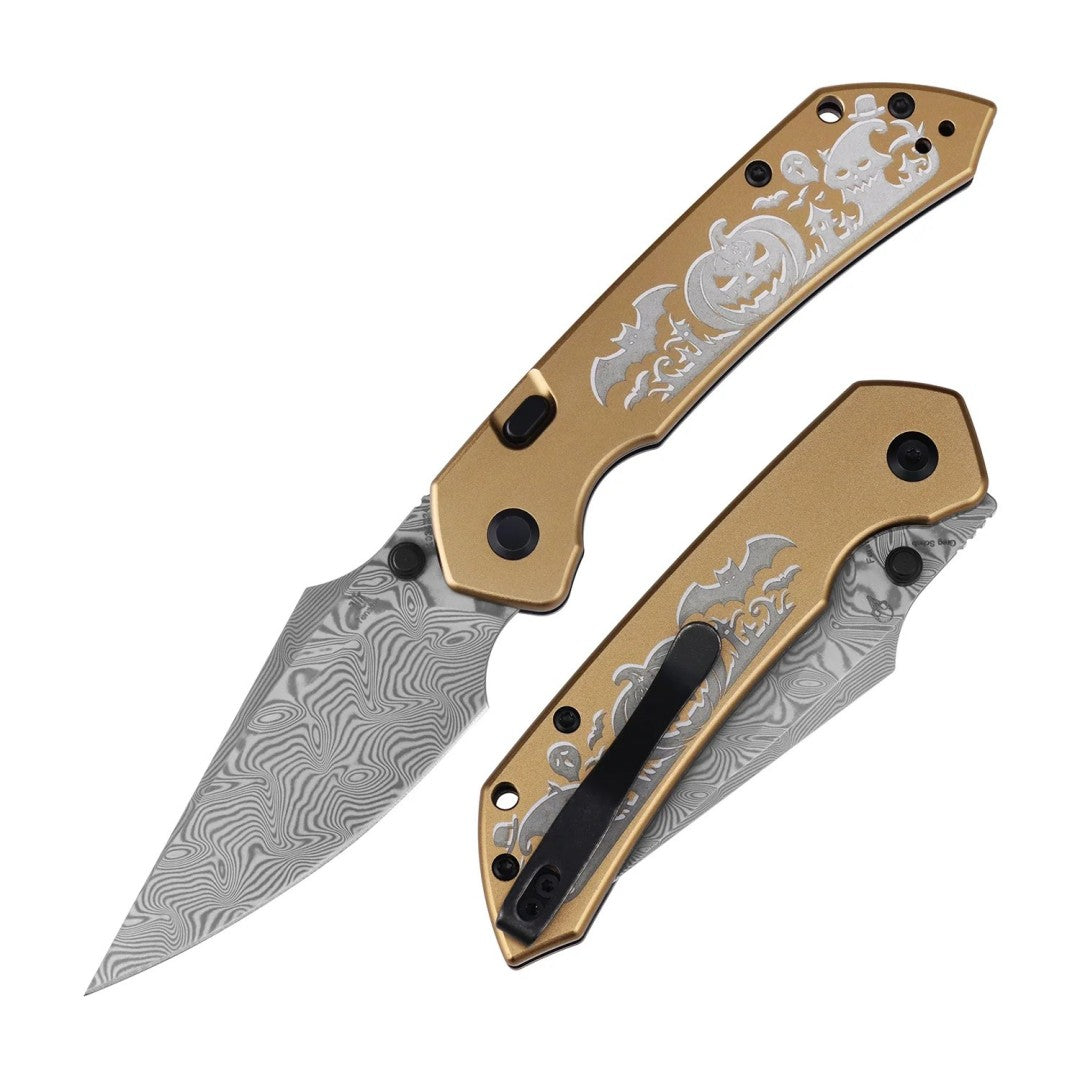
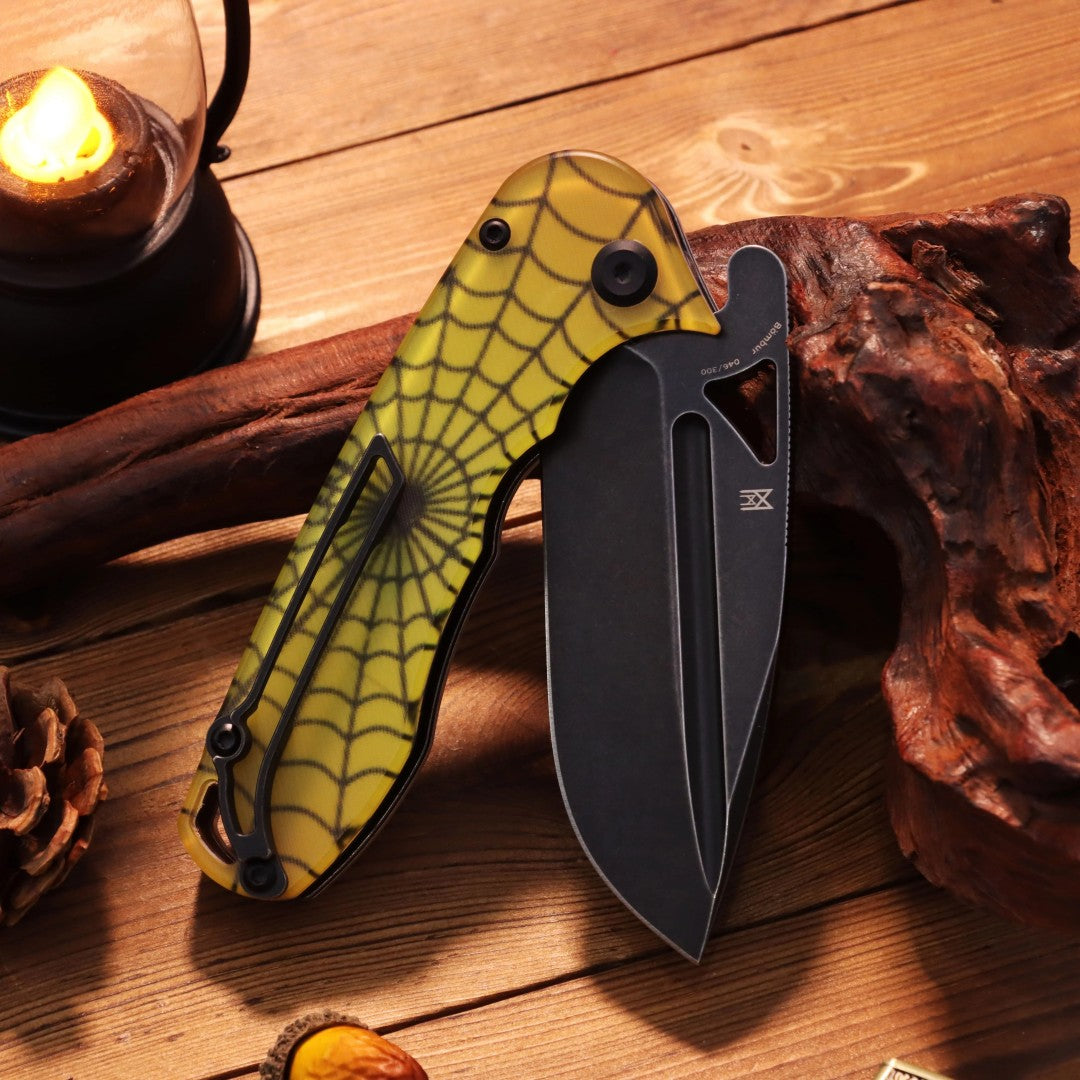
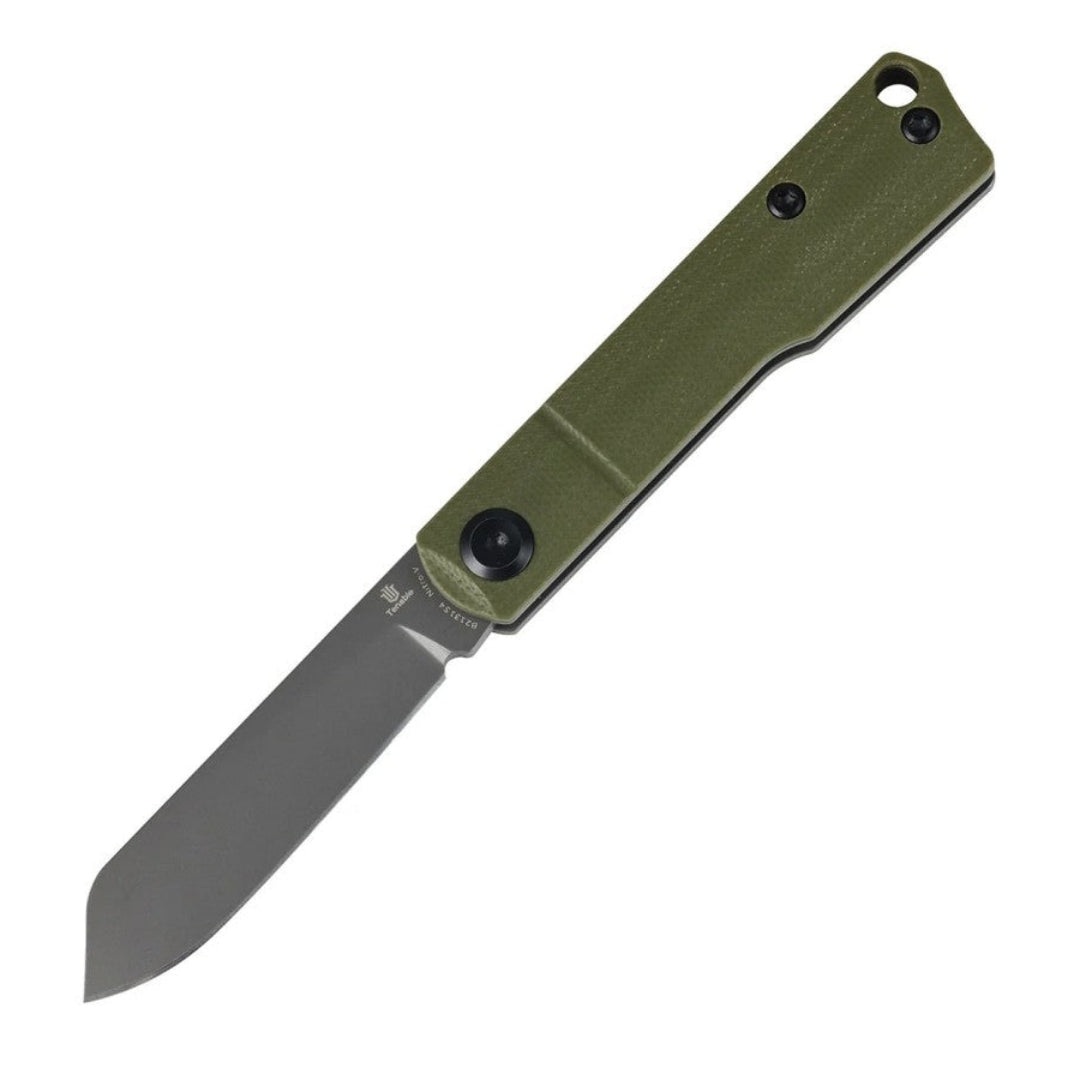
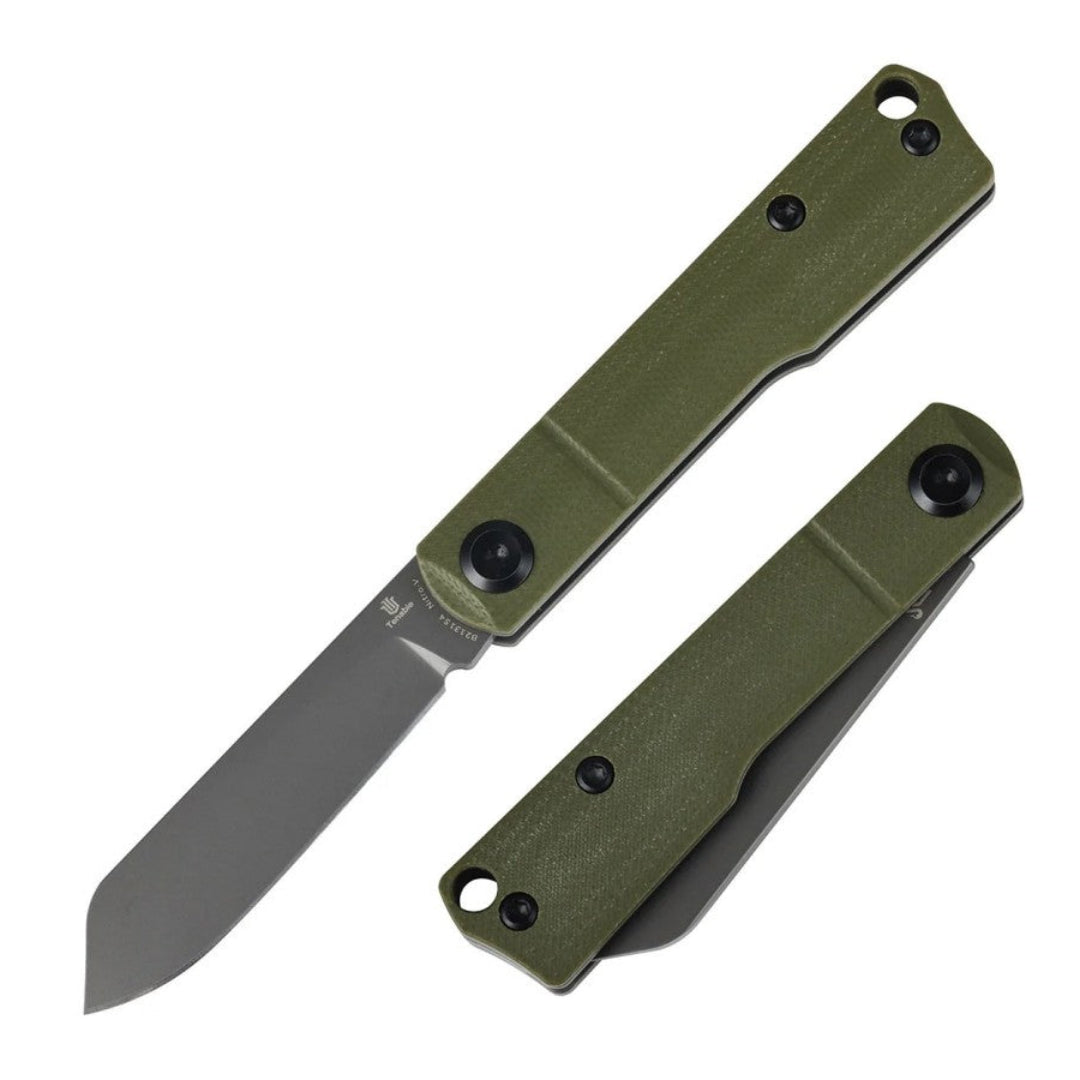
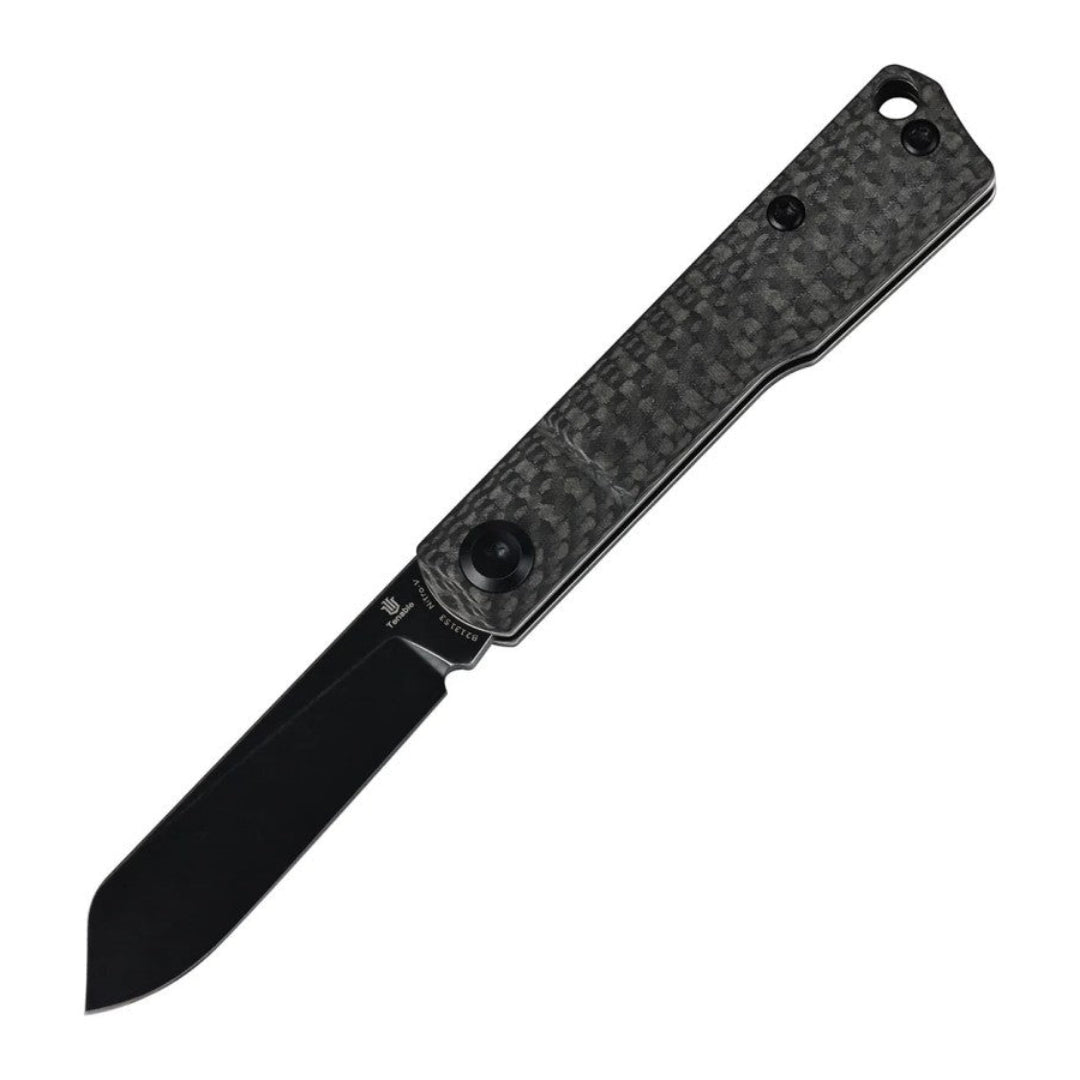
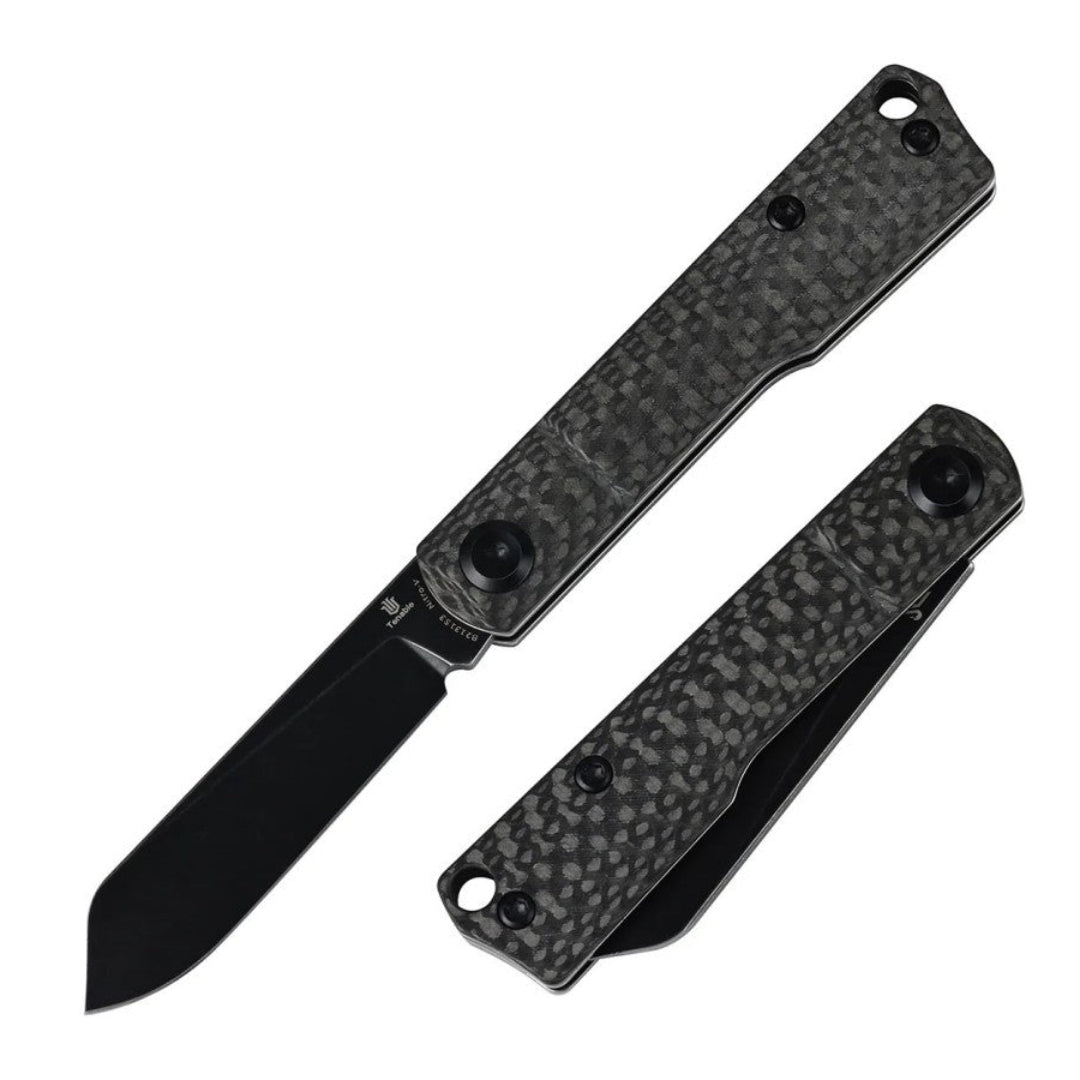
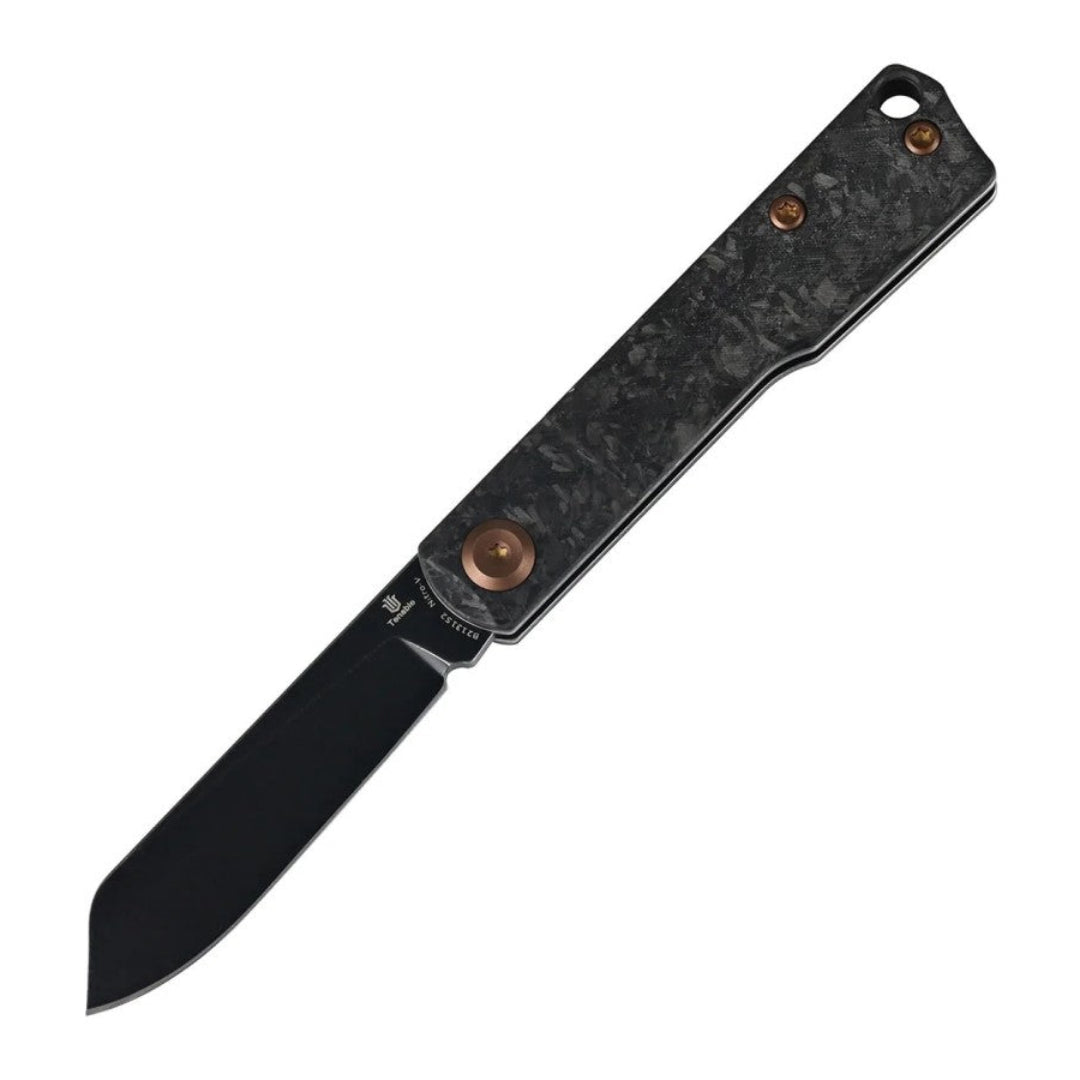
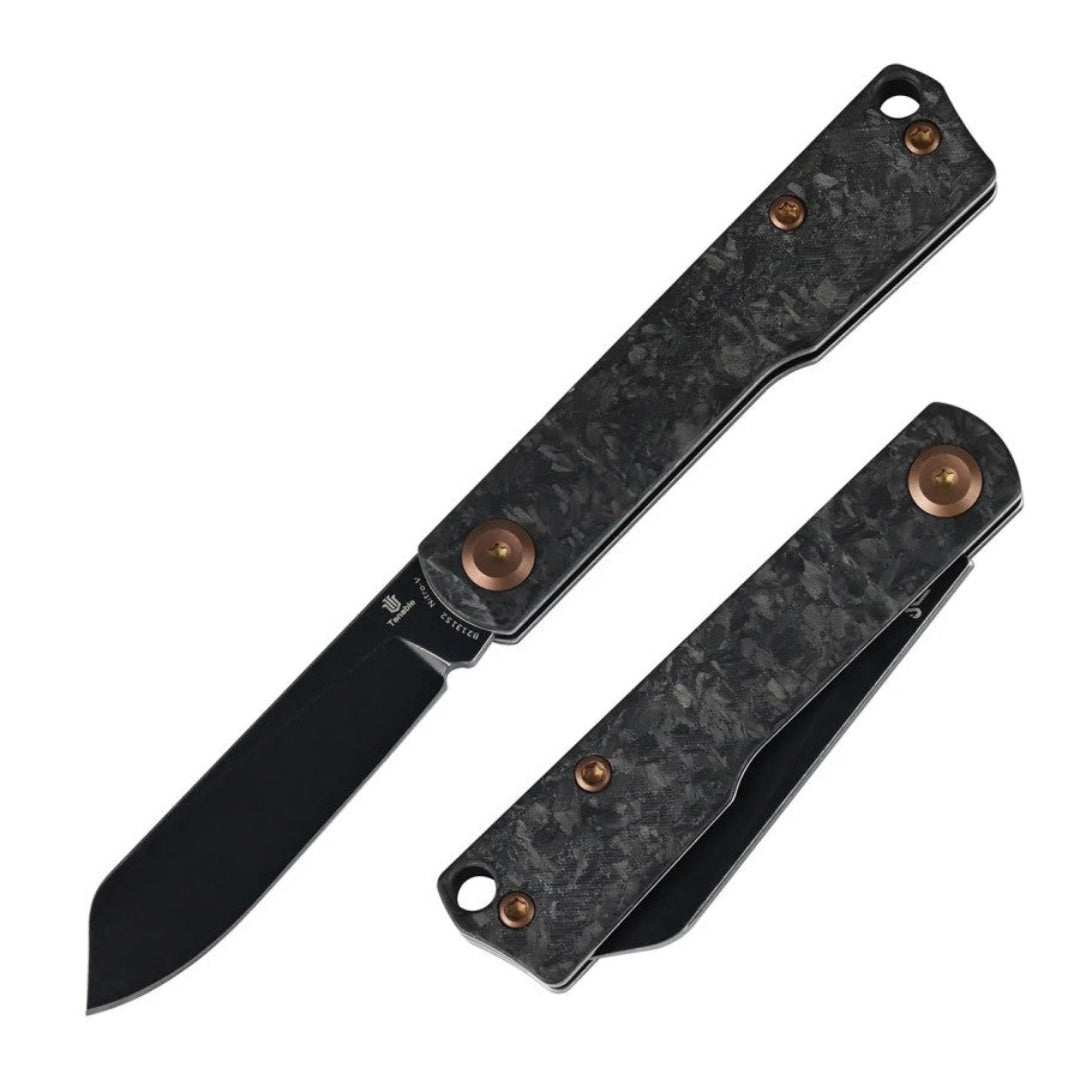
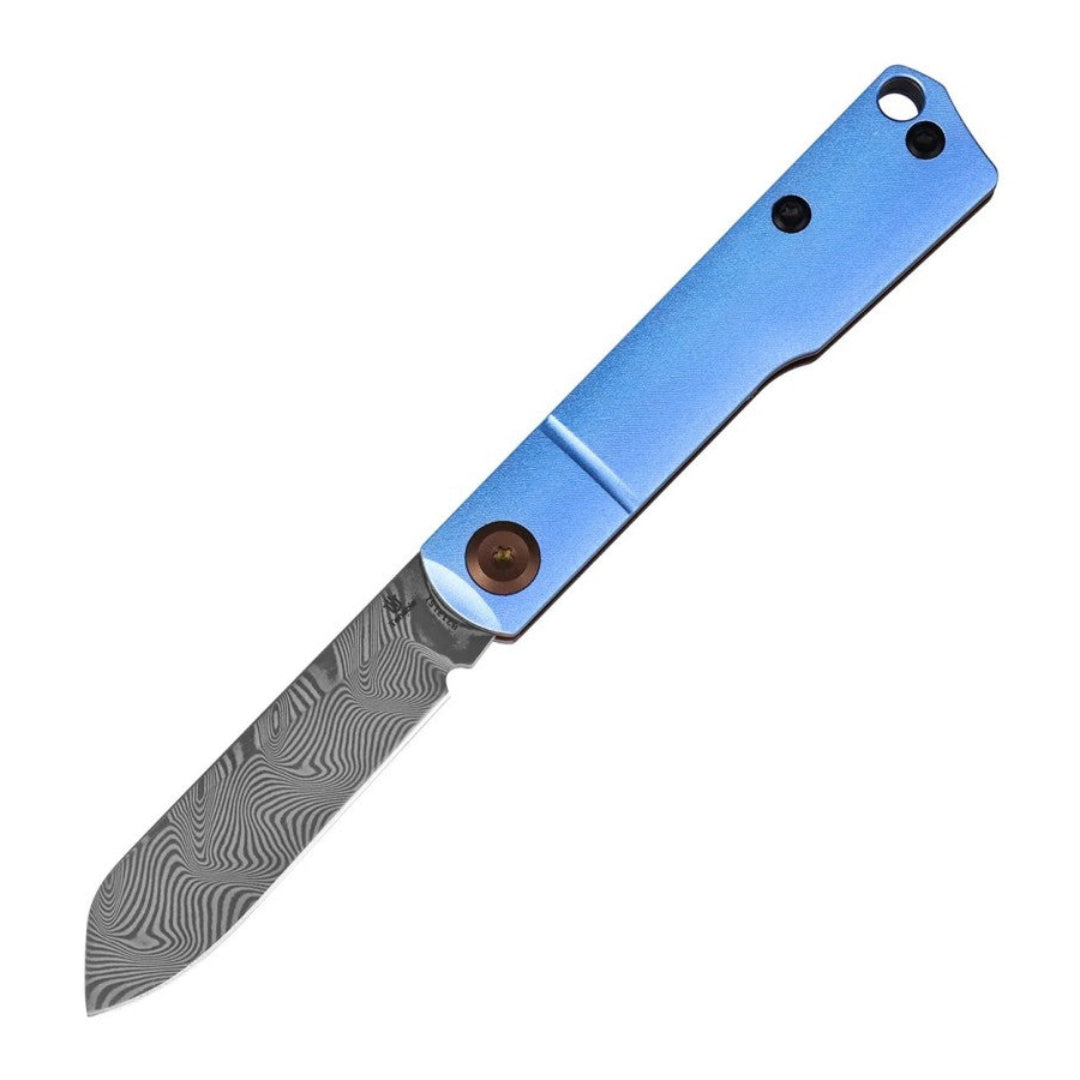
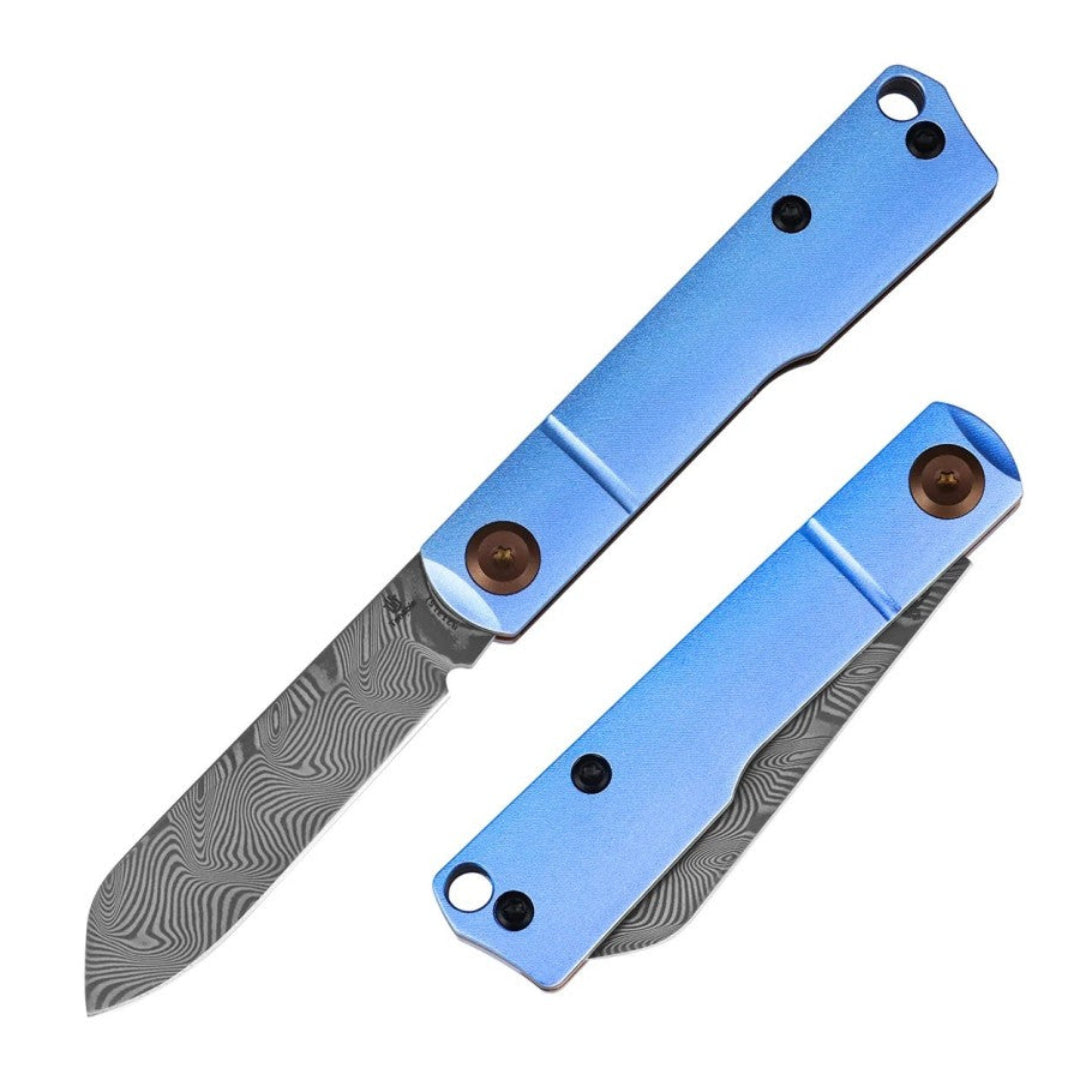
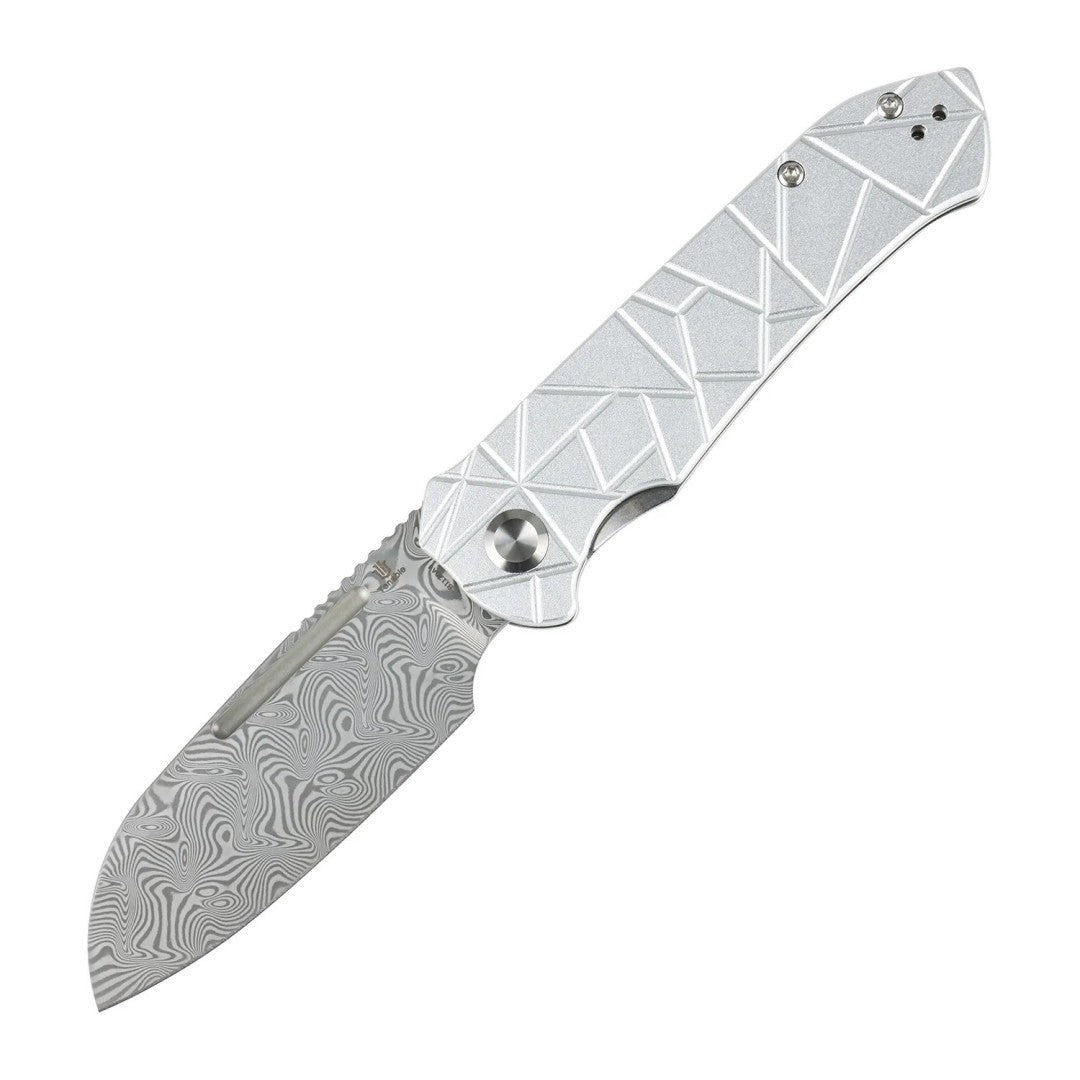
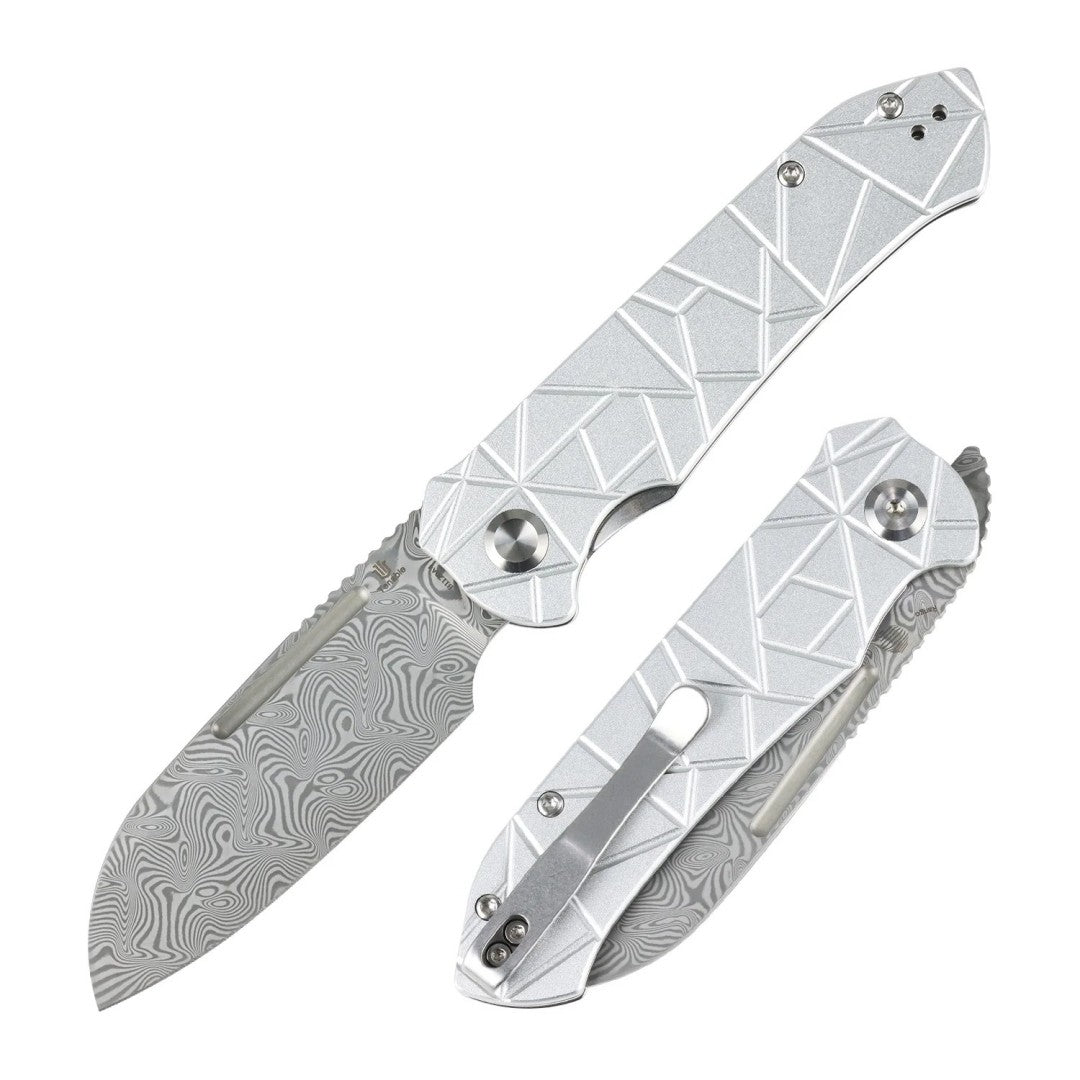
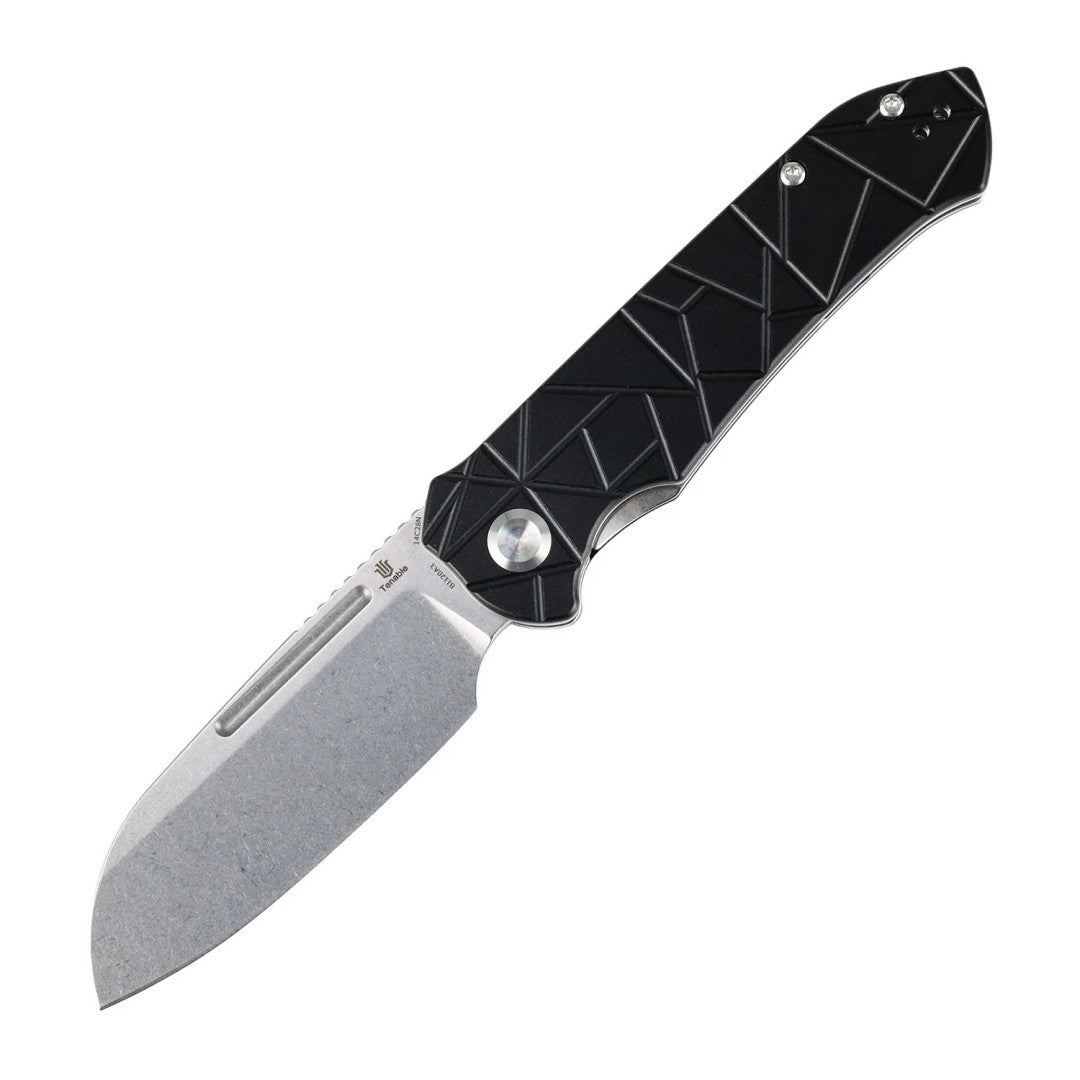
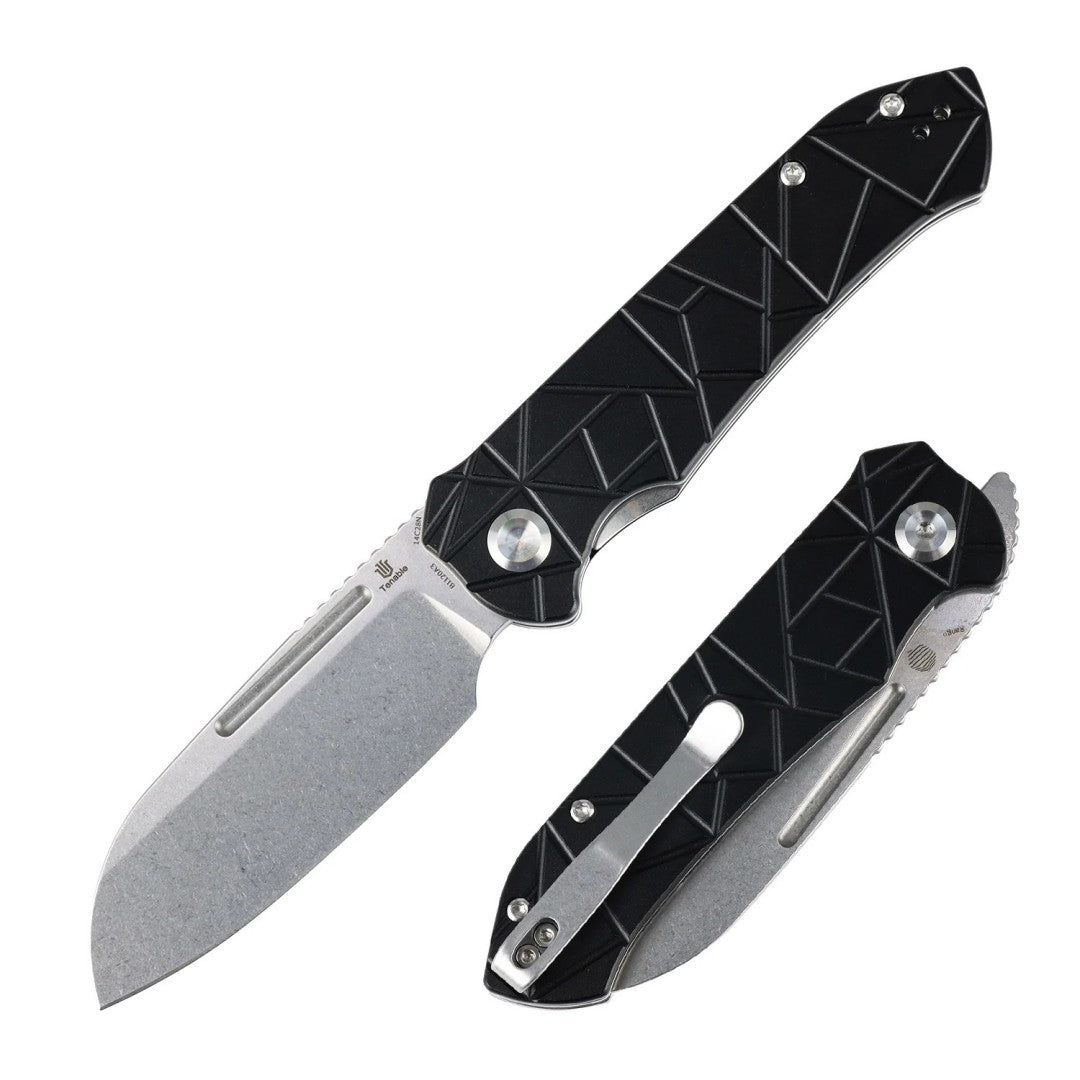
The geometry matters more than the output figure. A magnetic tail and an adjustable head let a technician light a connector while both hands are busy, and a wide, even beam shows wire colours accurately where a tight hotspot would leave the ends in shadow. On the knife side, folding knives with a deep clip and a no-nonsense blade are ideal, because they are opened with one gloved hand and put away the same way.
Real-World Use
The light checks a photocell, illuminates a terminal block, lights the inside of a control cabinet and helps read a serial number on a pole tag. The EDC knives in the same kit strip insulation, open a carton of drivers, cut the tape on a splice kit and free a jammed latch on a pole compartment. Together they remove almost every reason to walk back to the truck.

Ownership Notes
Night work lives and dies on battery discipline. Charge the light at the end of every shift, carry a spare cell in the vest and check the seal after a wet night. Keep the knife sharp and dedicated to cutting, and put a spare in the truck so a dropped blade never stops the route. EdcMall stocks the work lights and folders that suit municipal crews. Route discipline also matters more at night than in daylight. Fuel the truck before the shift, note the pole numbers that need a second visit and keep the vest loaded so a single trip up the bucket handles the whole pole. When the light is charged, the knife is sharp and the connectors are in the same pouch every time, a route that could run long finishes on schedule and the crew goes home on time.
Who Is This For?
This is written for streetlight and signal maintenance crews, bucket truck operators, municipal electricians and the apprentices who ride with them. A homeowner changing a bulb does not need it. If you work a night route, charge everything before you leave the yard.
Final Verdict
A night route rewards two tools above all: a light that sticks where you point it and a knife that opens with one hand. A magnetic work light and a slim folder will carry a shift. Everything else is weight in a vest.