

Overview & First Impressions
Every knife owner eventually faces the same question: is a strop enough, or do you need a stone? The answer depends on what has actually happened to the edge. A stone removes metal and rebuilds geometry; a strop realigns and polishes. Understanding that difference is what turns a random sharpening habit into a repeatable routine, and it changes how much time a pocket knife spends being sharpened rather than being used. The EDC knives in a daily rotation depend on that routine.
Materials & Construction
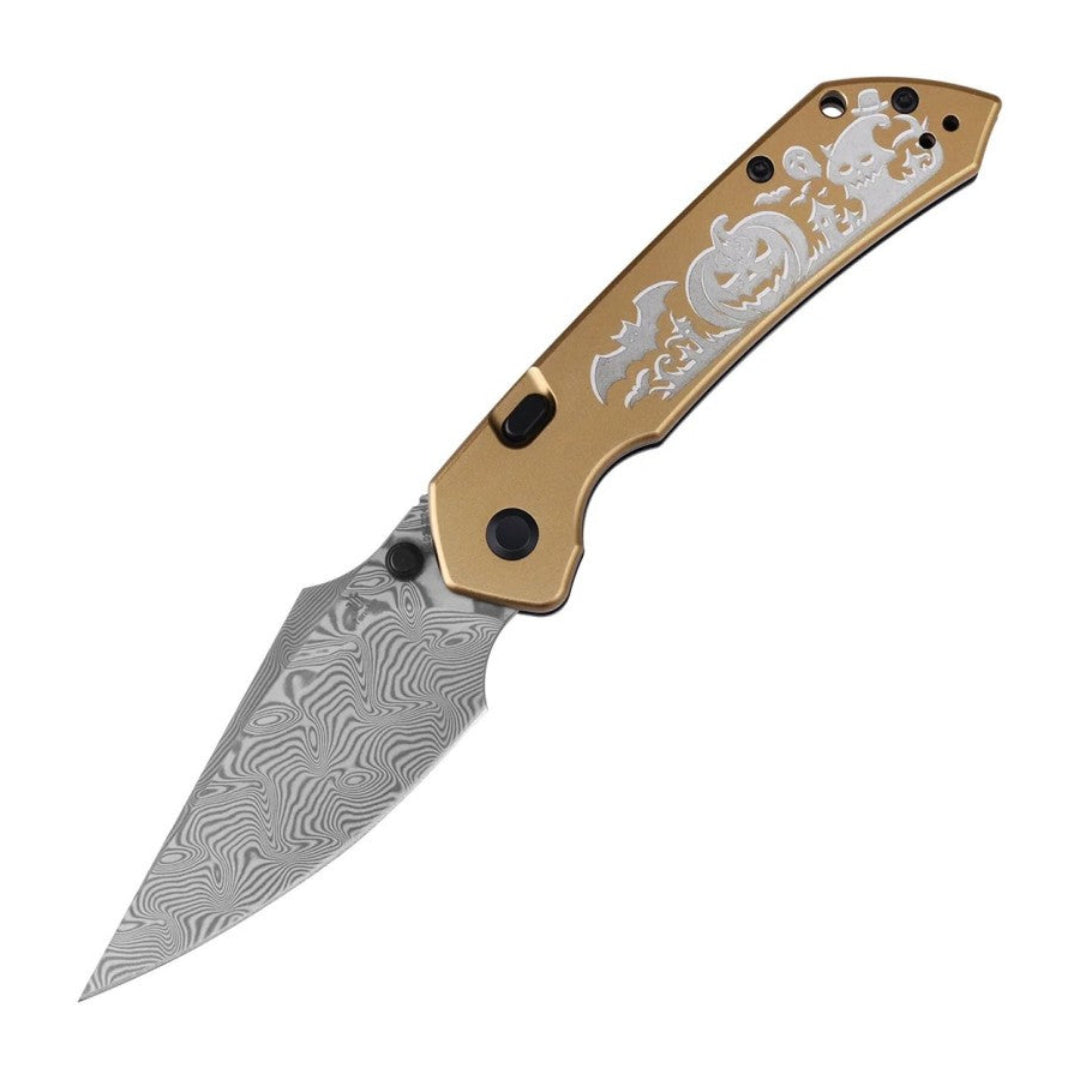
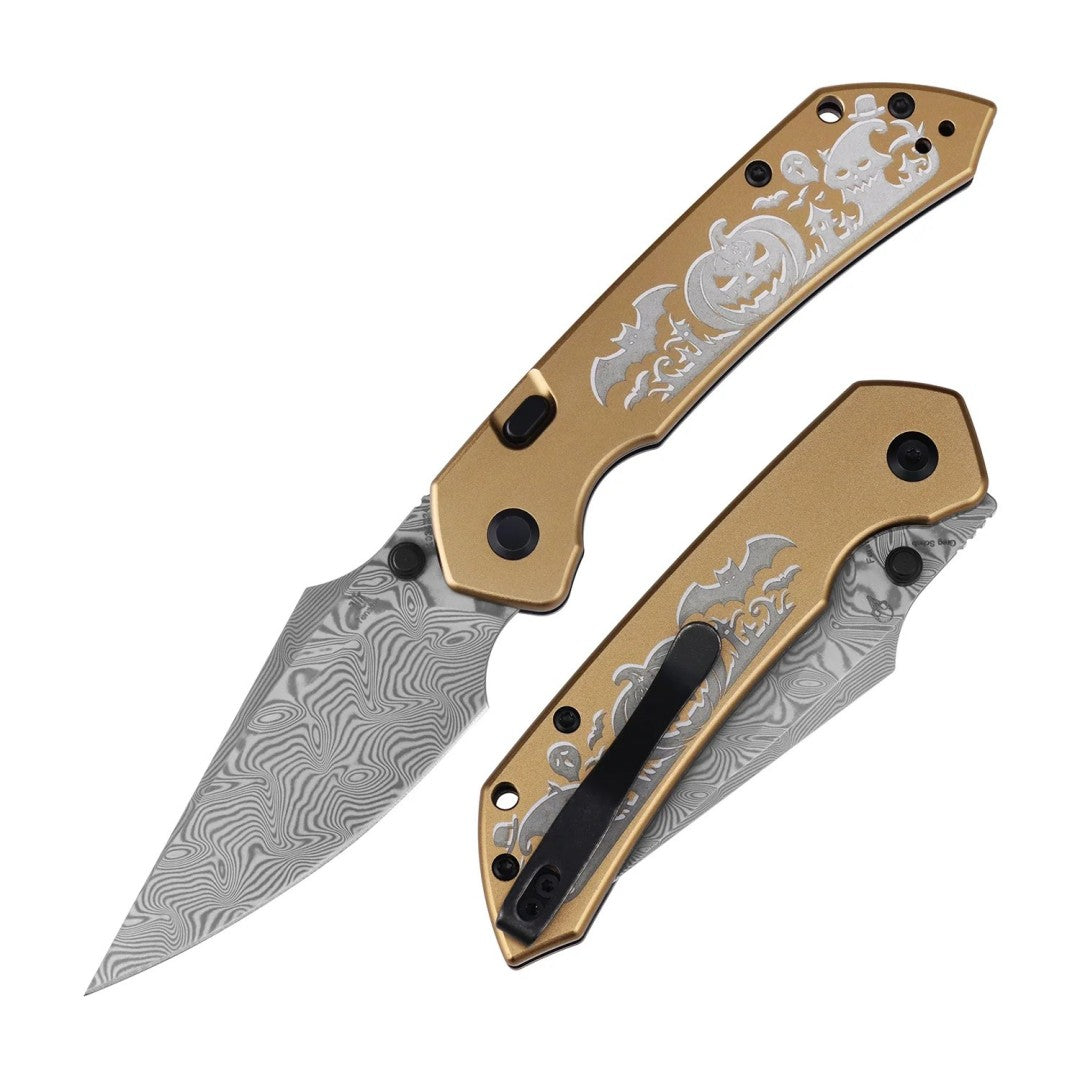
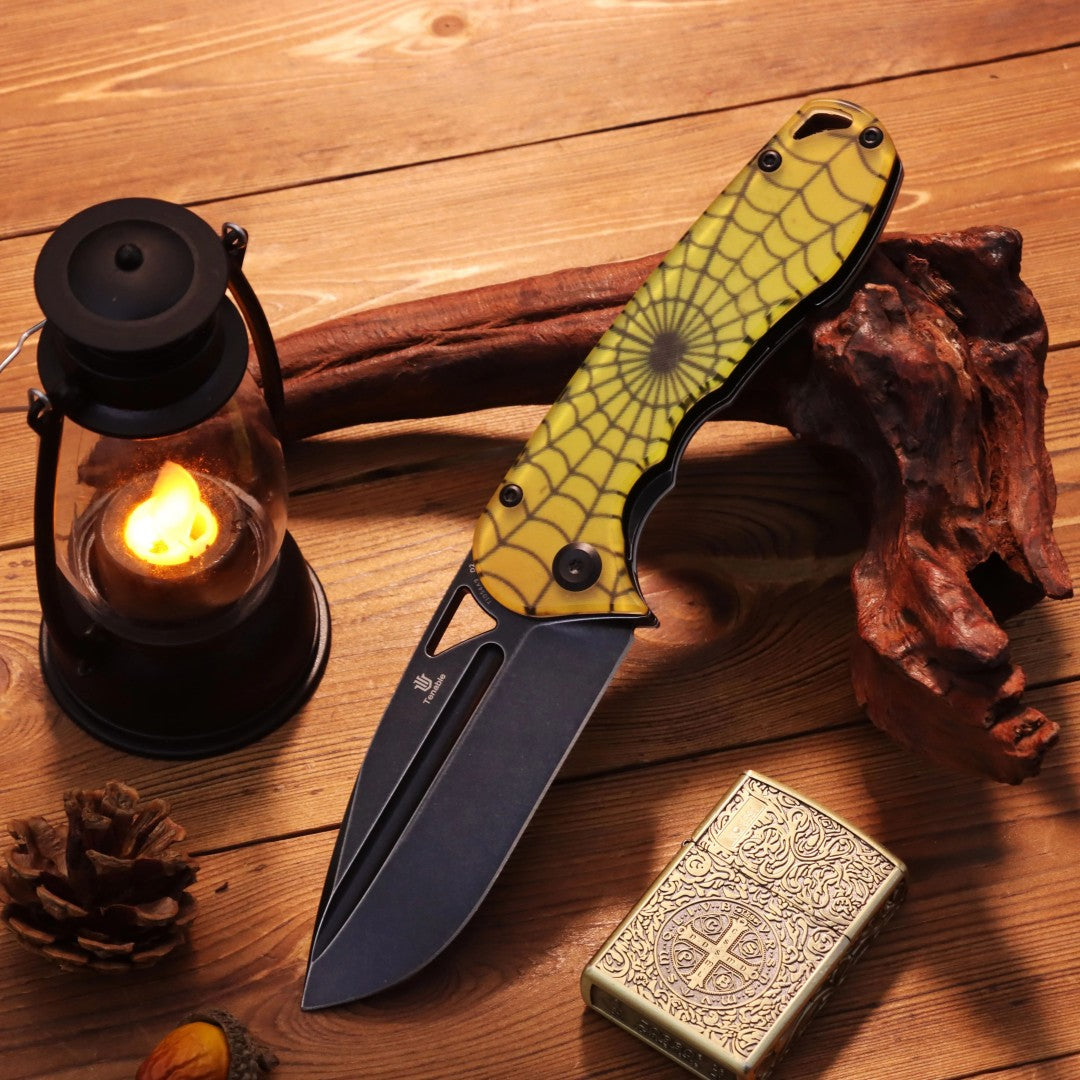
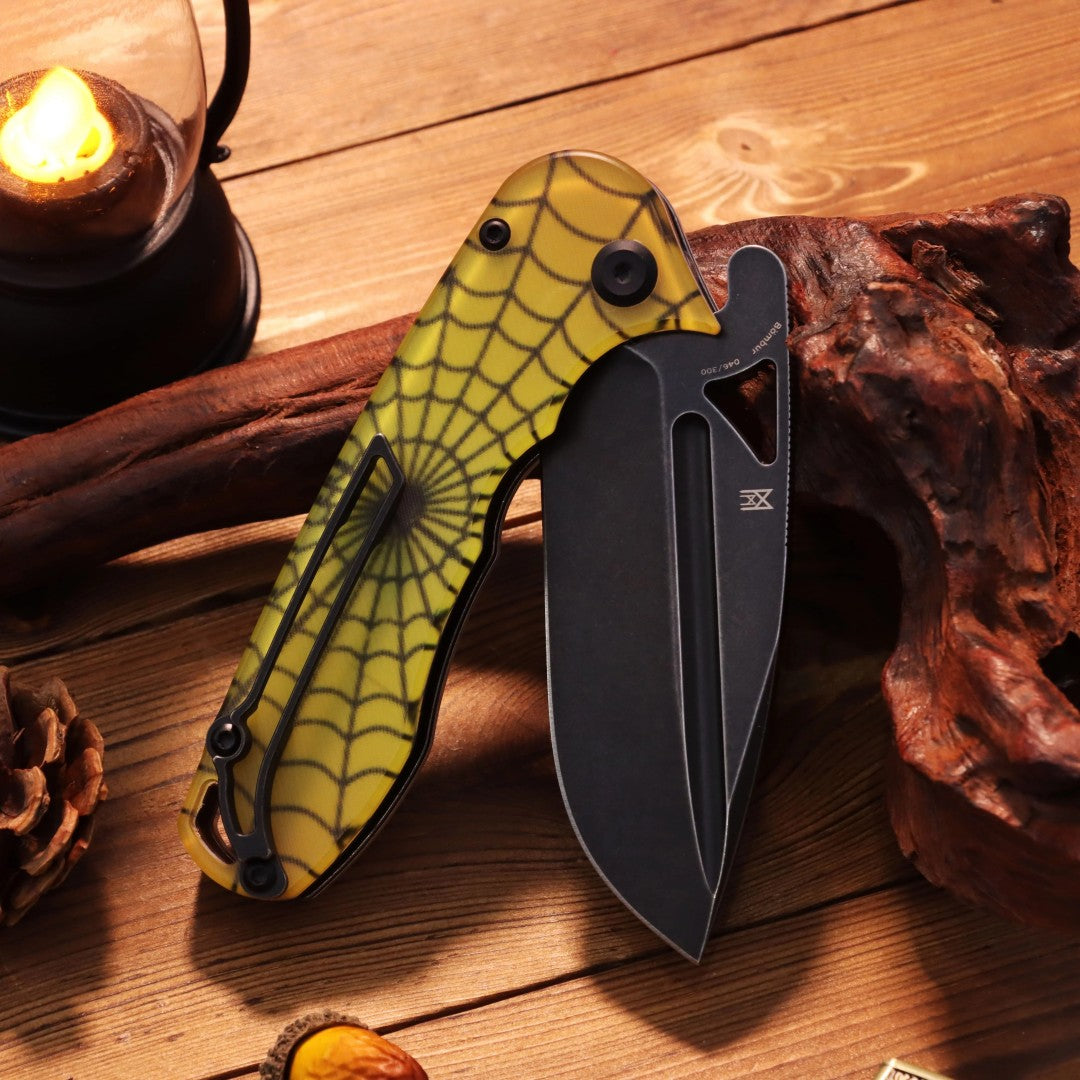
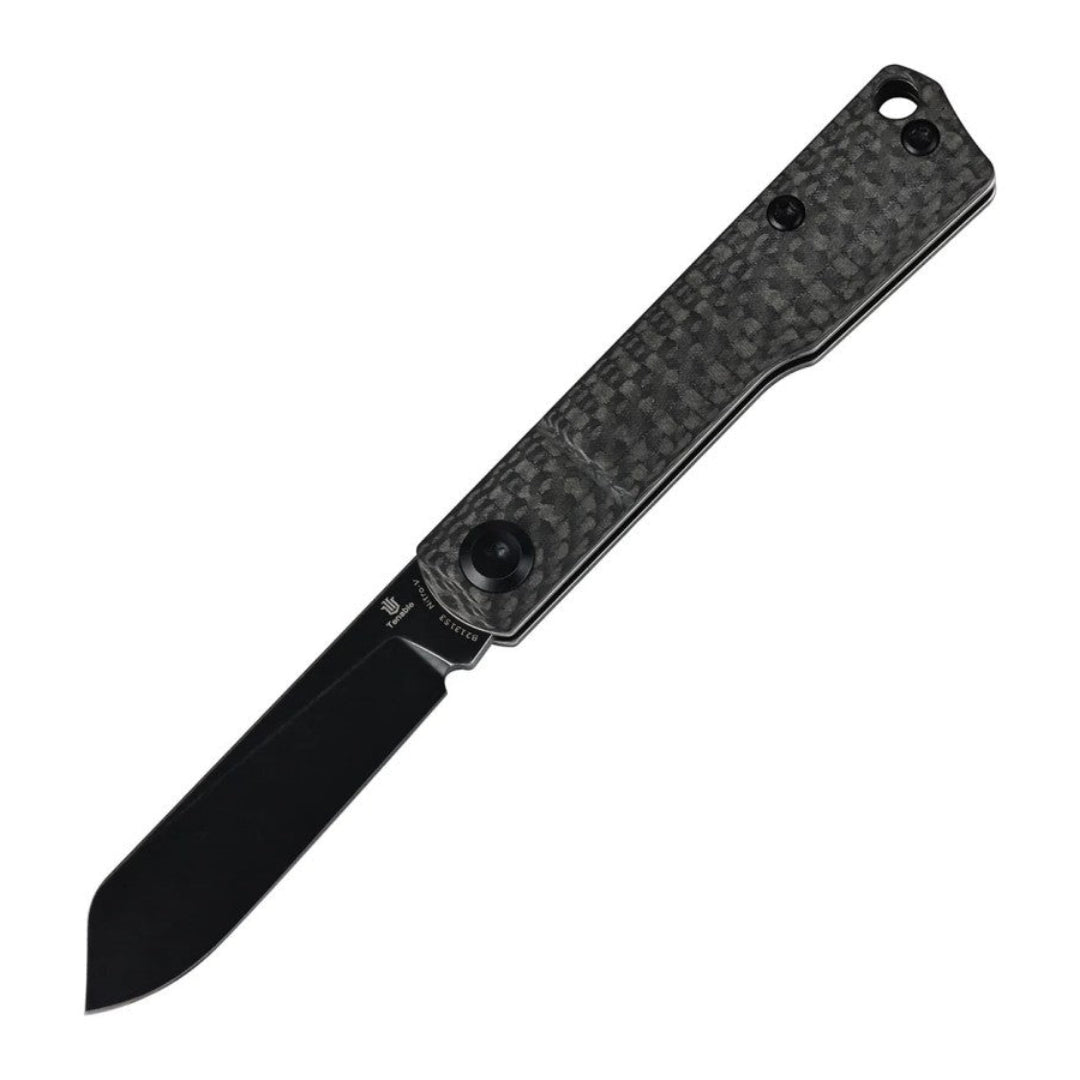
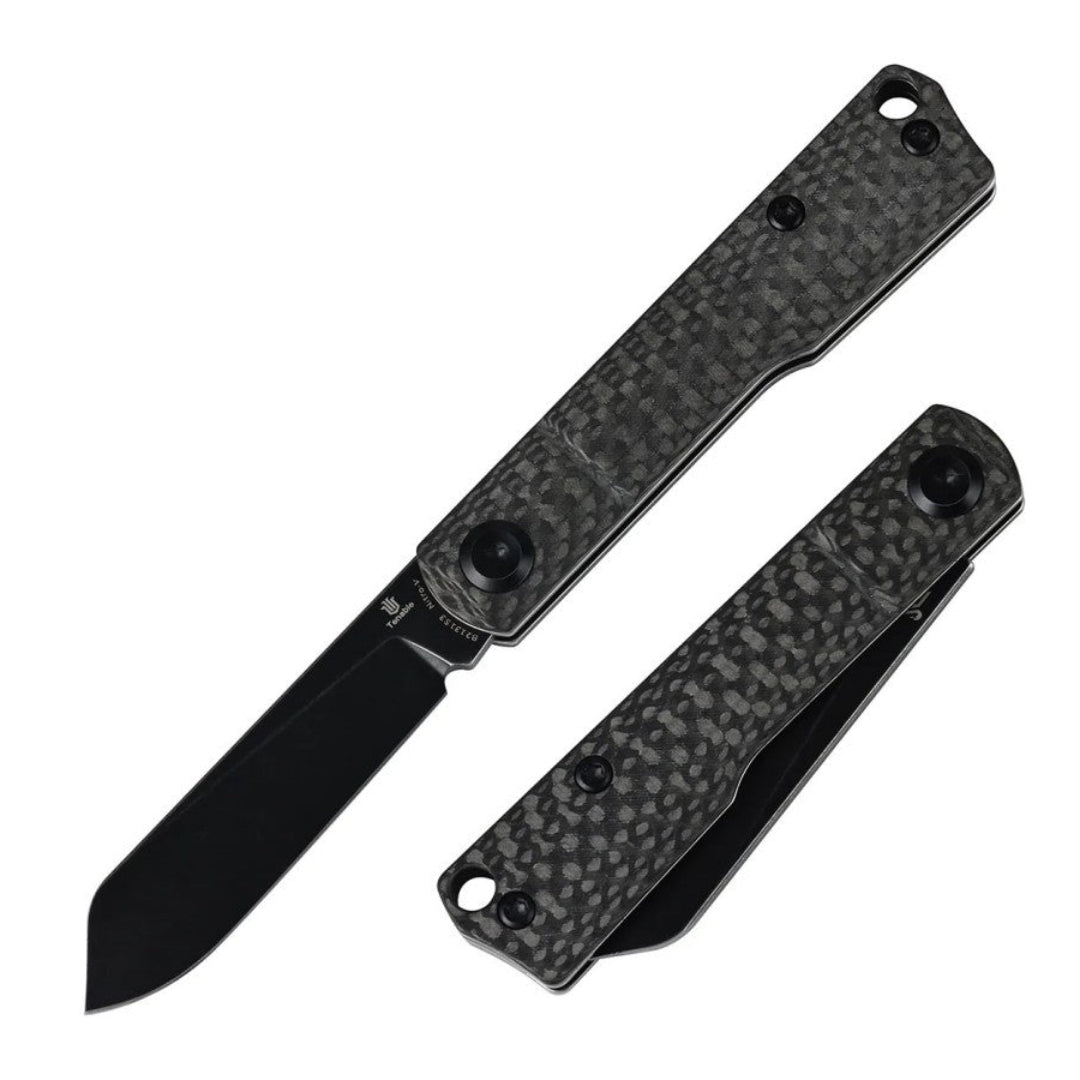
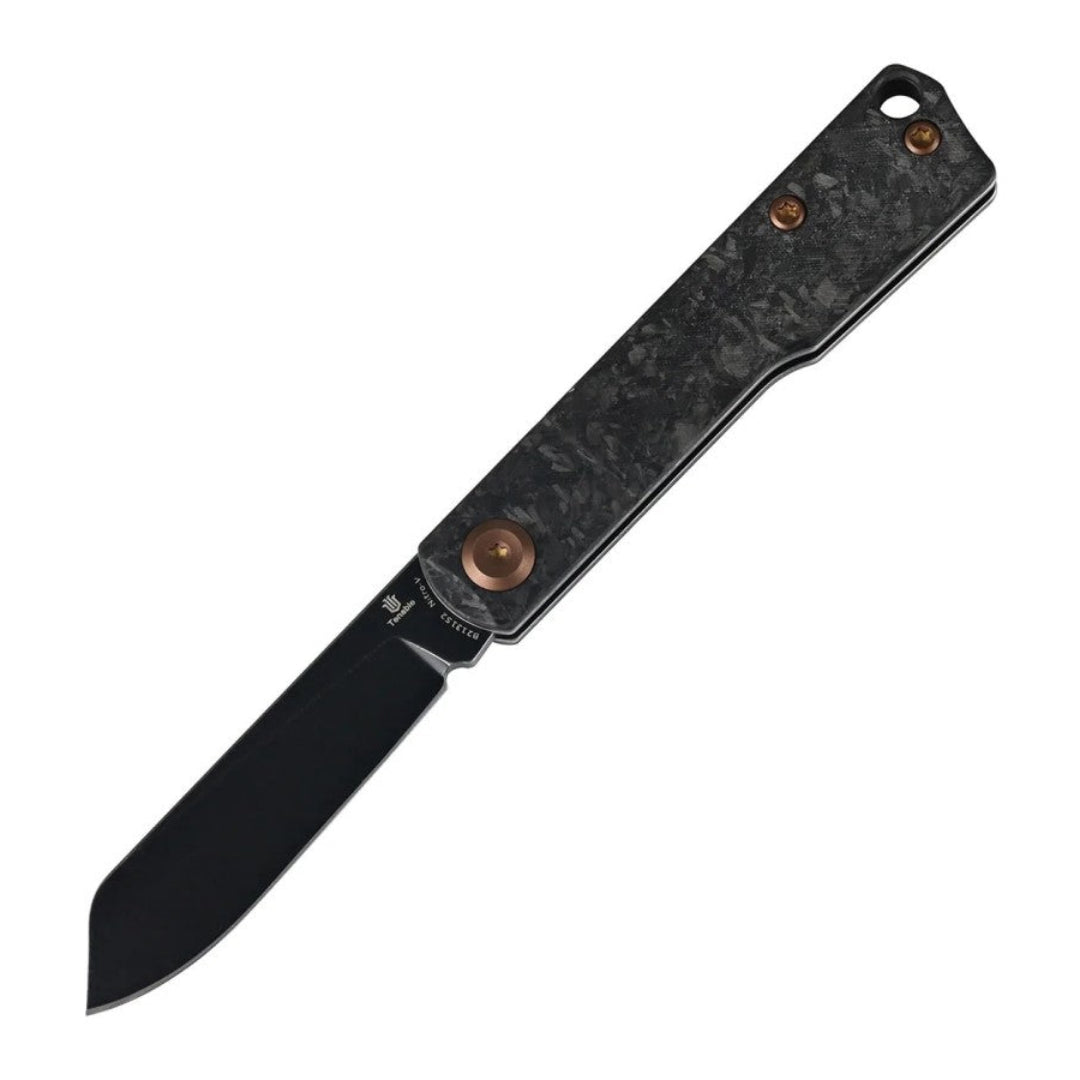
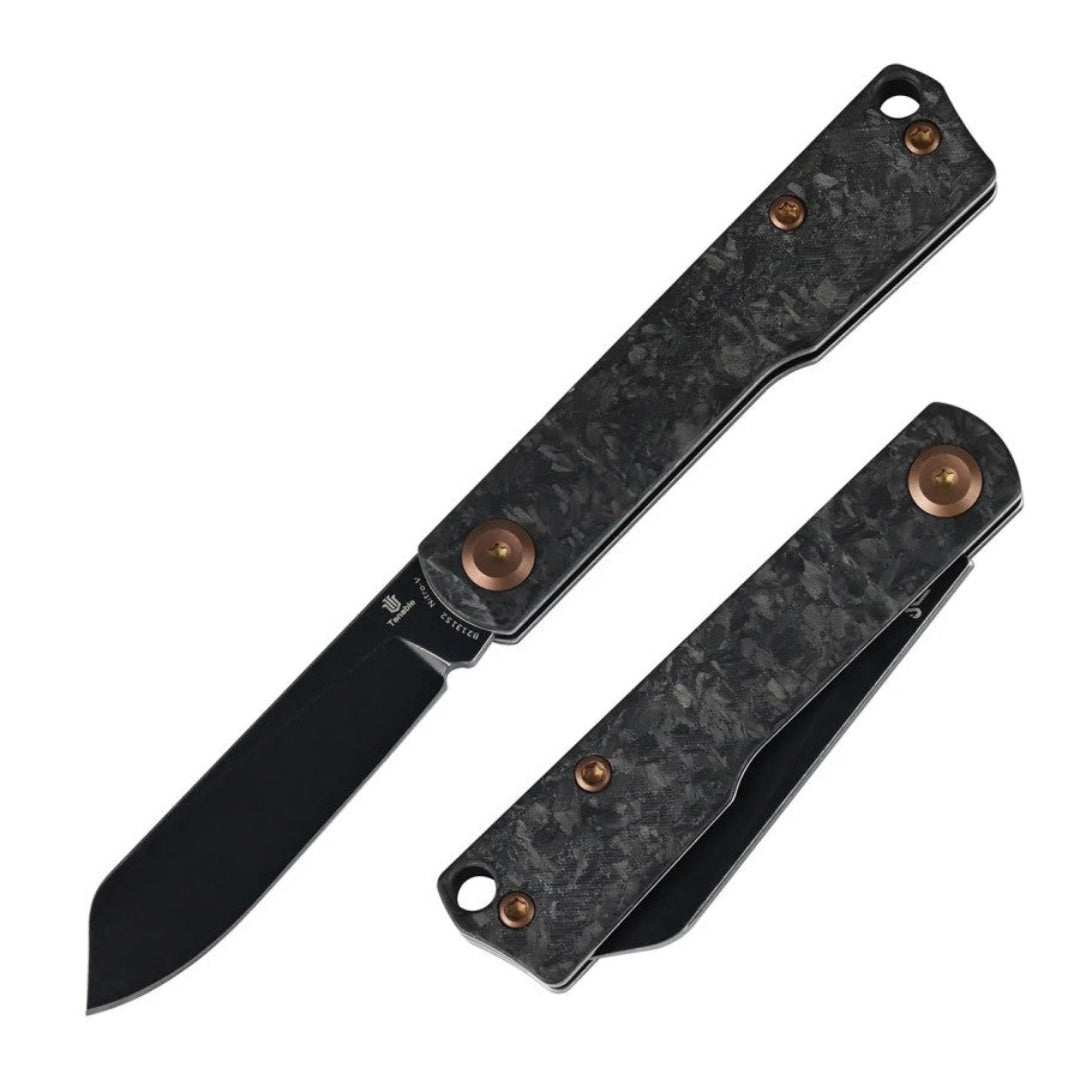
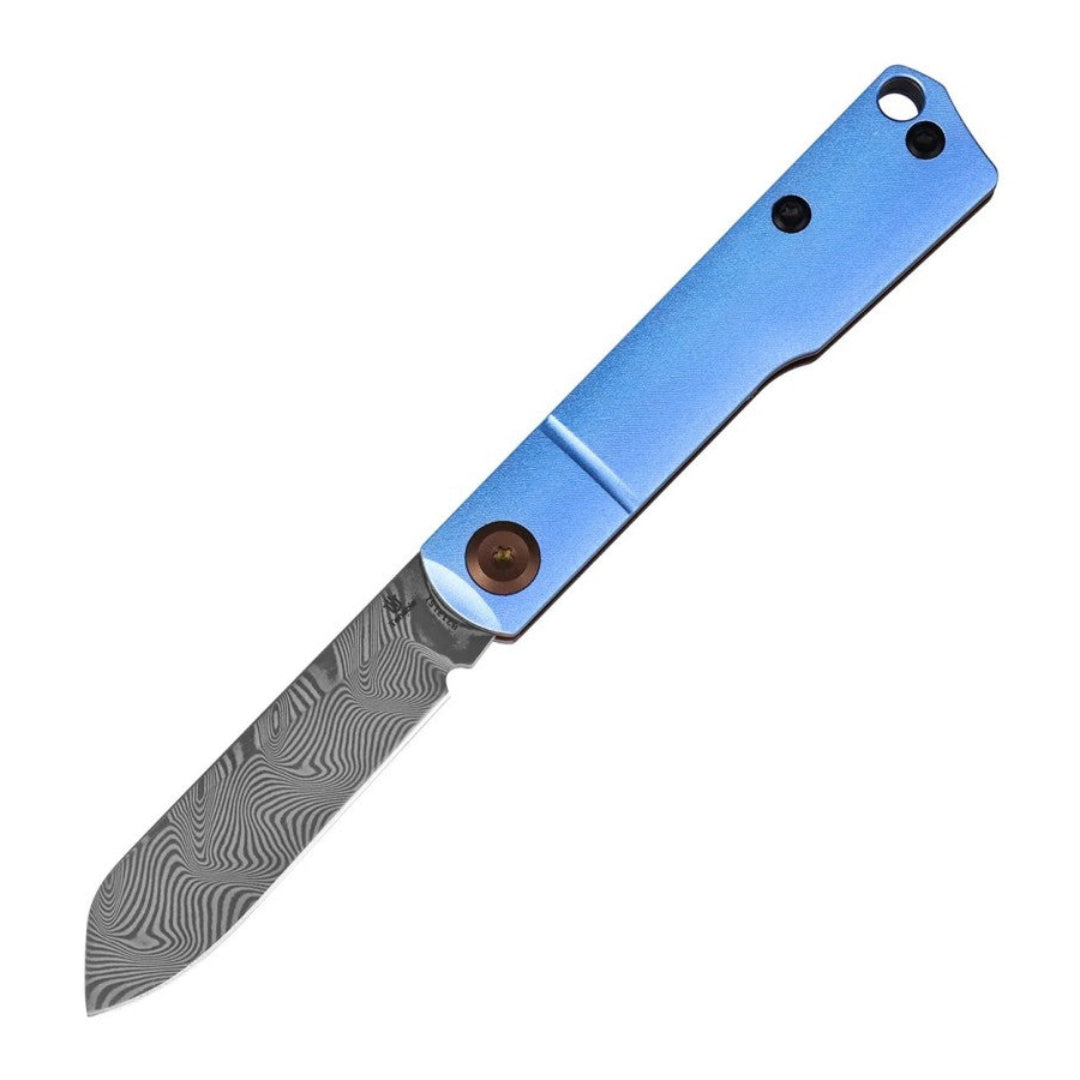
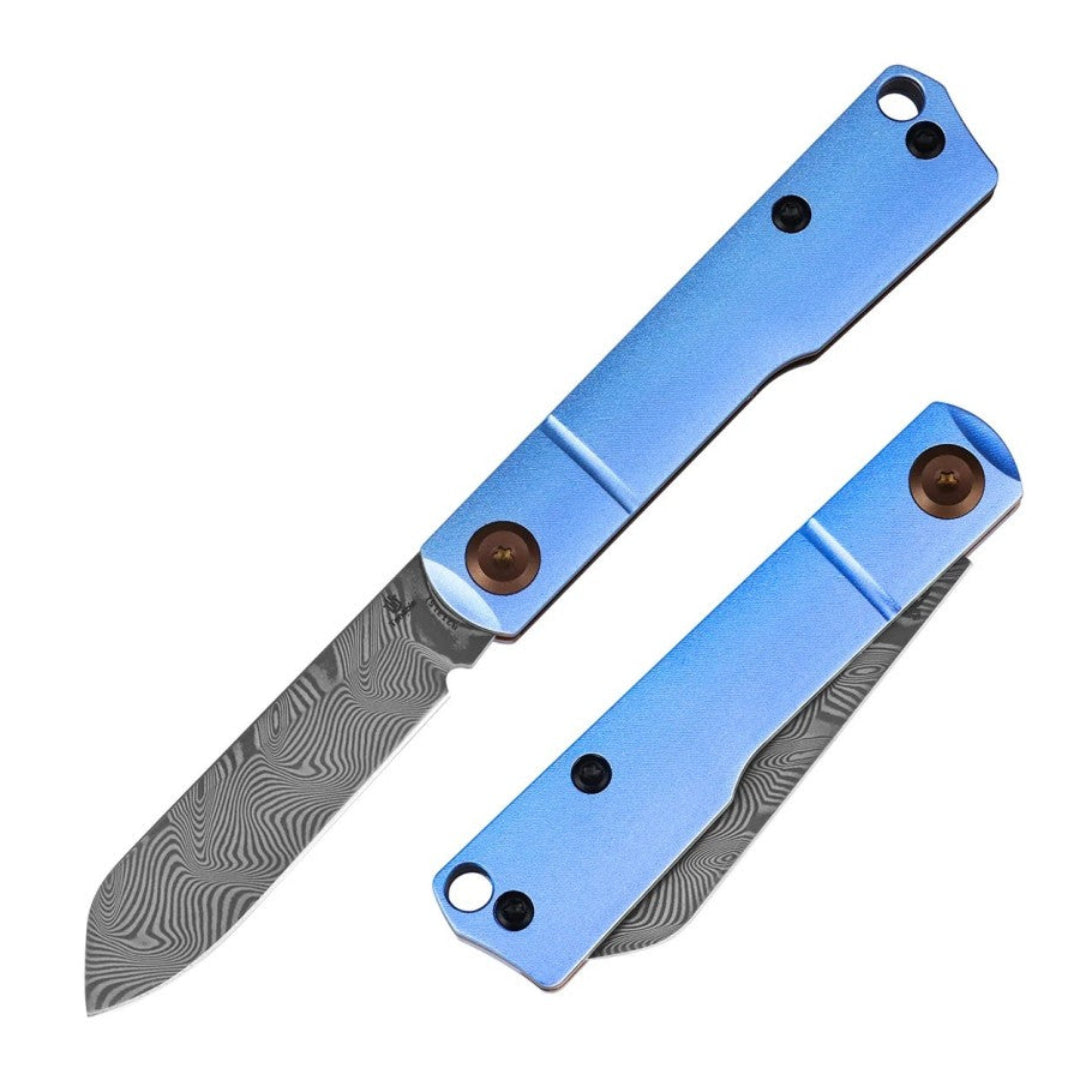
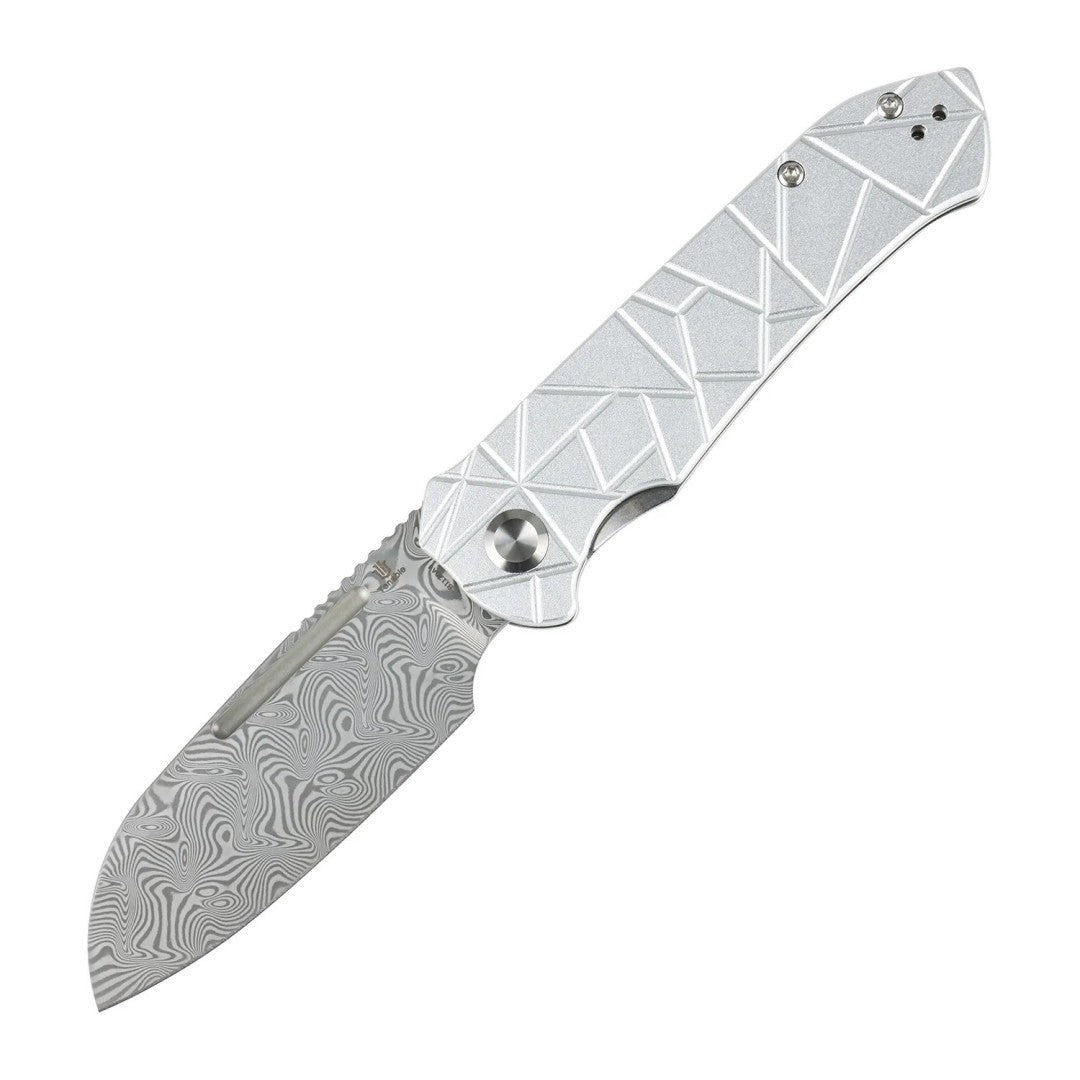
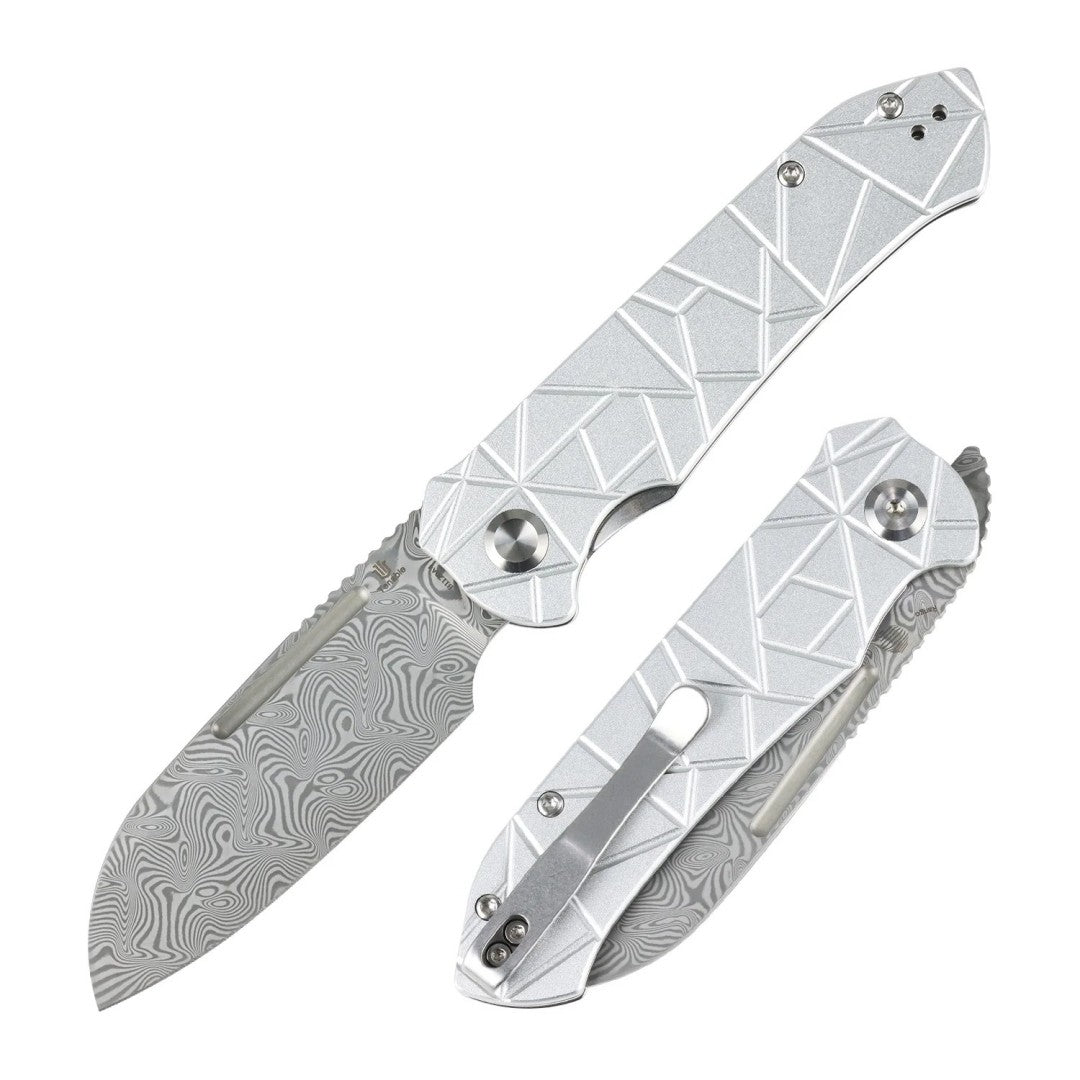
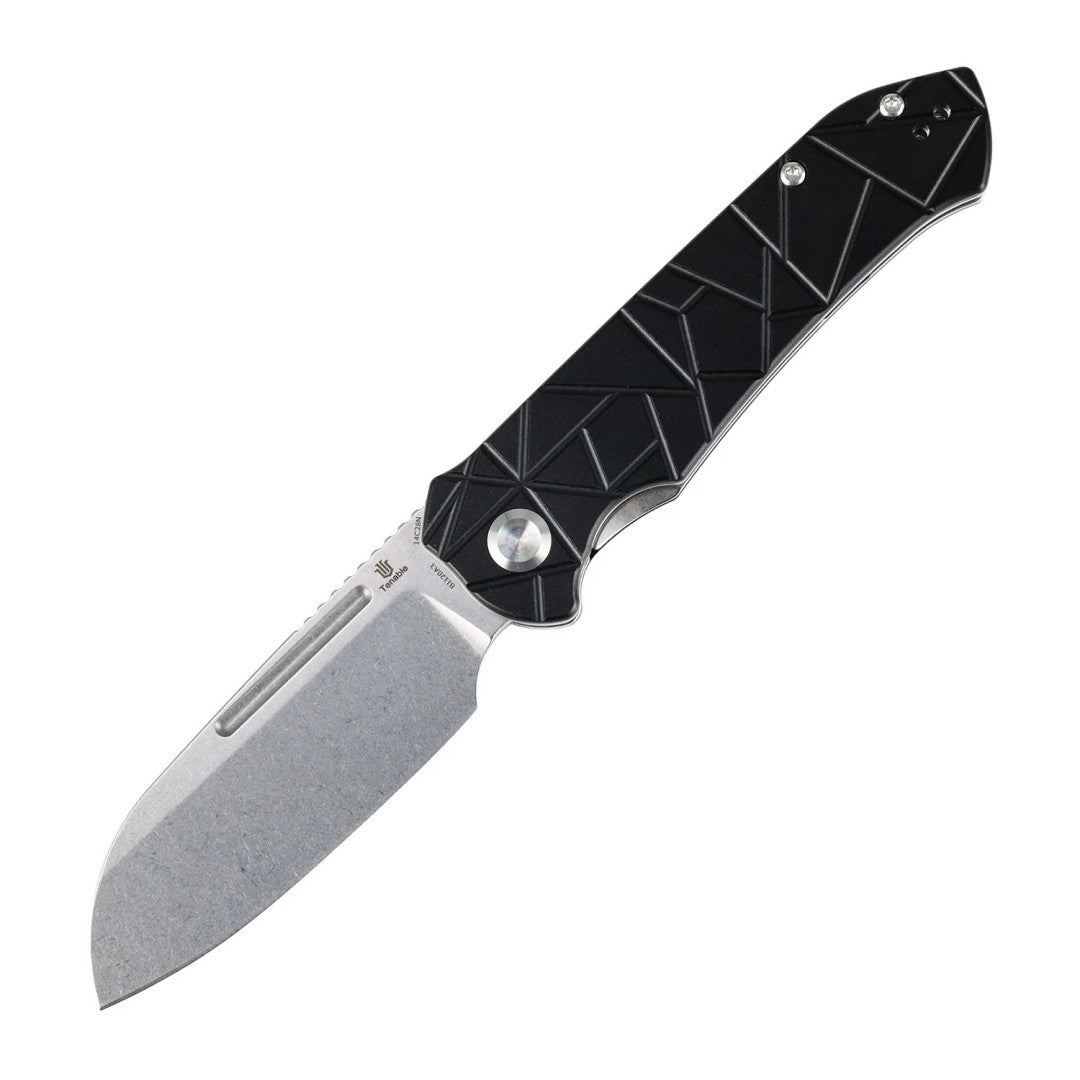
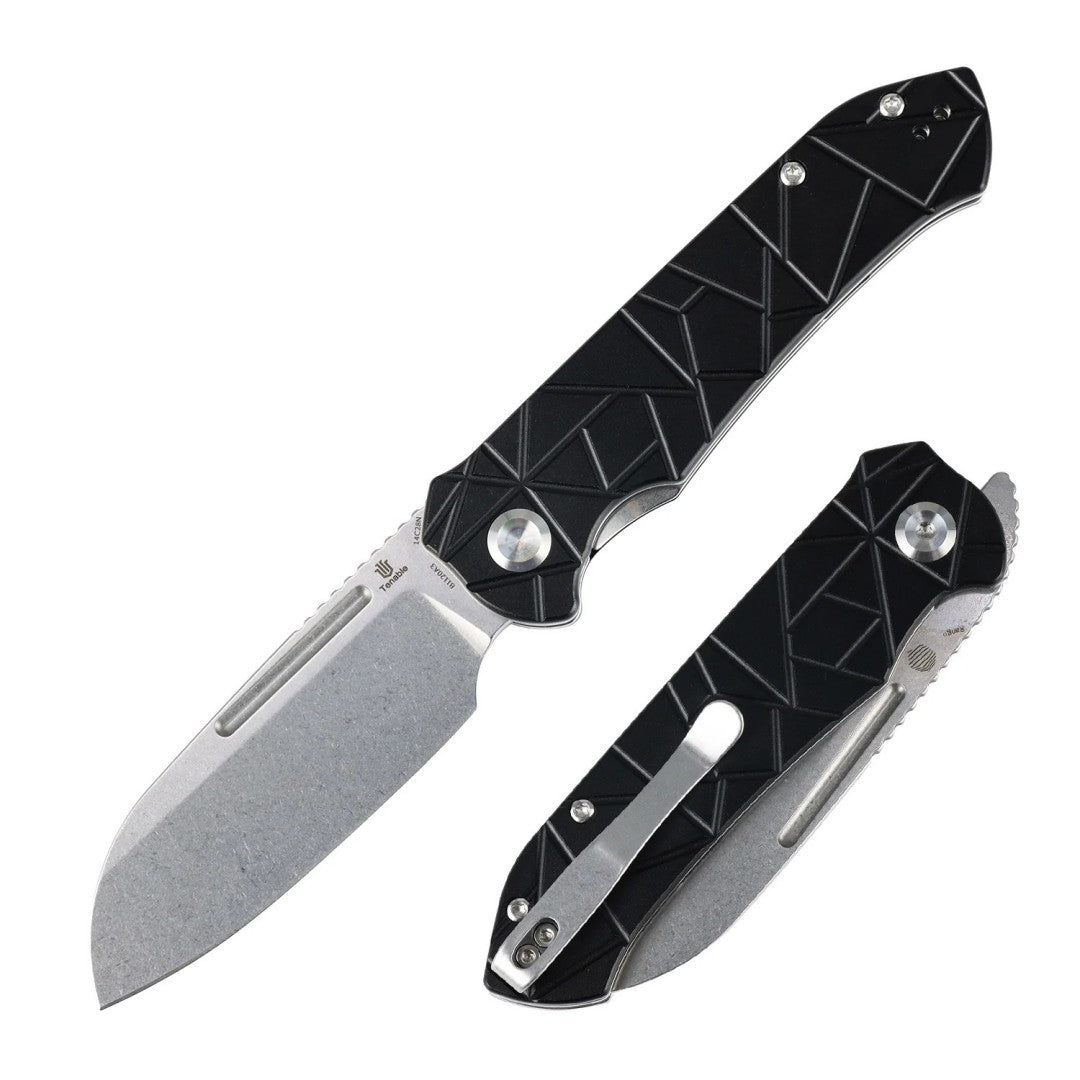
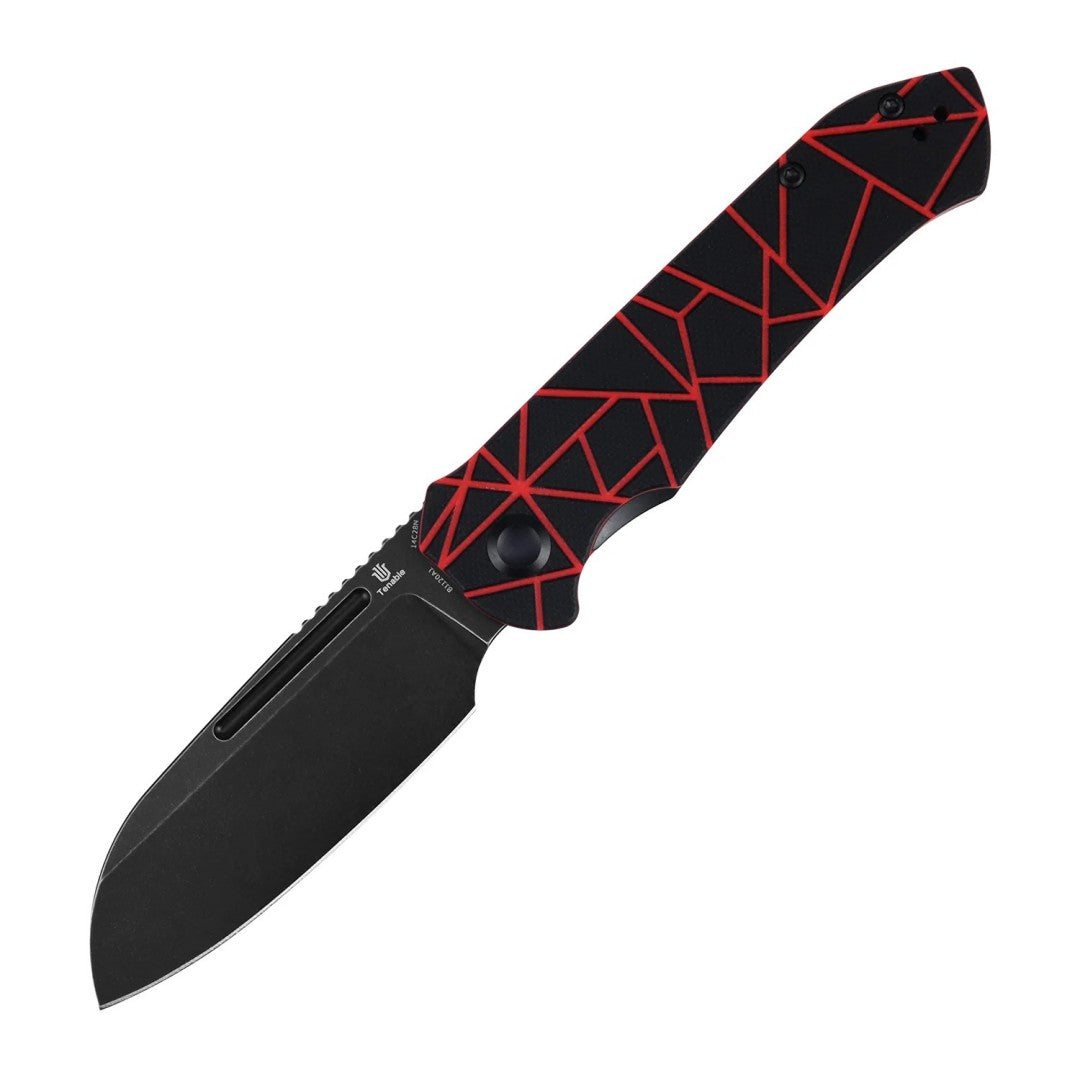
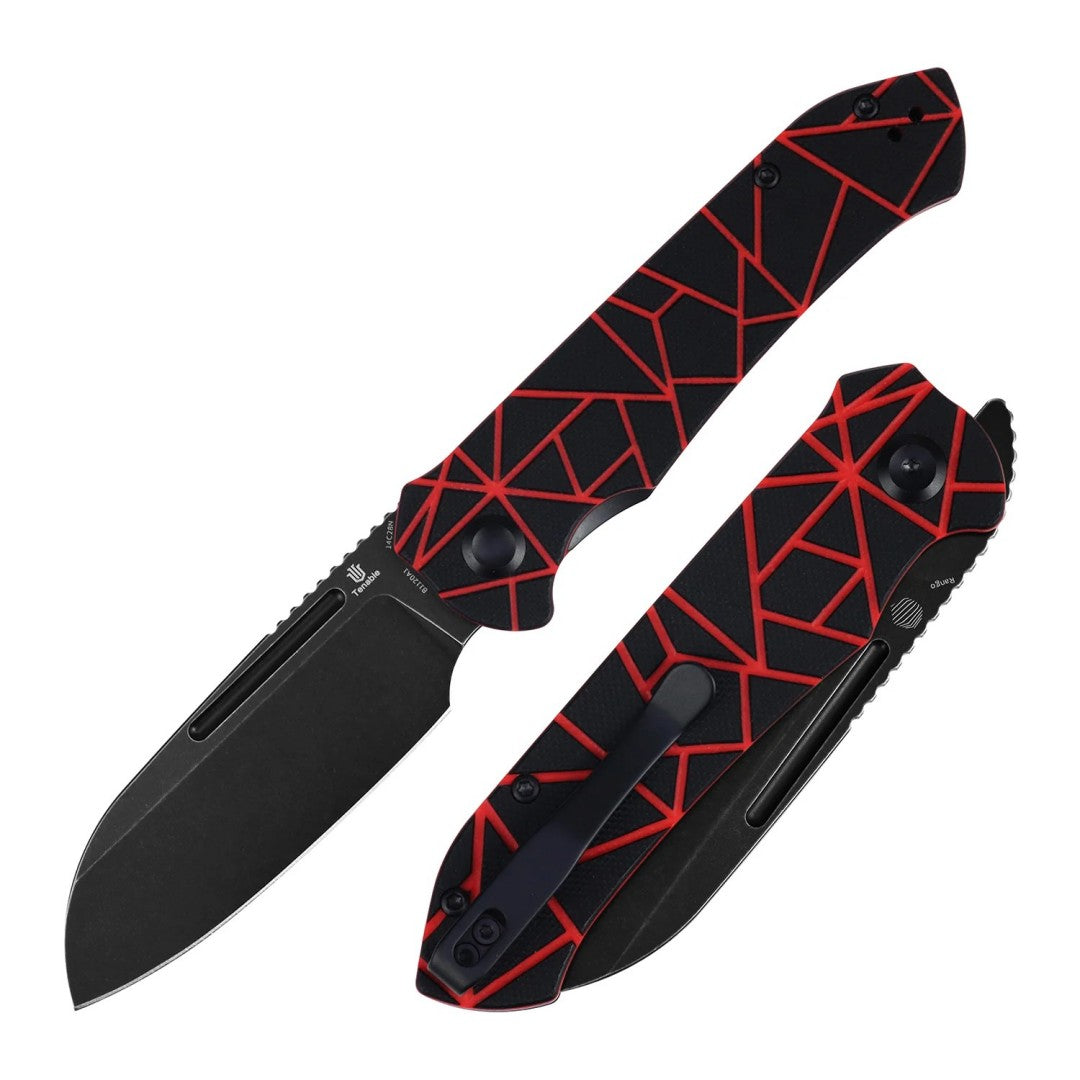
A blade in Damascus steel is a good example of why the sequence matters. The layered structure responds well to a light strop once the bevel is clean, and over-polishing before the geometry is right simply hides a problem. The Tenable Rango B1120A4 carries a water ripple Damascus blade and a liner lock, and it rewards a routine of stone first, strop second, then honest use. Tenable knives are built to keep an edge that has been set properly.

Design & Details
The practical setup is simple. A coarse to medium stone sets the bevel, a fine stone refines it, and a strop with compound removes the burr and leaves a polished apex. Skipping the stone on a genuinely dull knife wastes hours on leather, while touching the strop too aggressively on a fresh edge can round the apex and undo a good sharpening. Two tools, one order, no shortcuts.
Real-World Use
In practice a working knife touches the strop after every few days of cardboard and tape, and returns to the stone every few weeks once the strop stops bringing the edge back. A kitchen knife at home may only ever need a strop between proper sharpenings, while a knife used on hose and cable ties will always need the stone first.

Ownership Notes
Keep the routine visible. A small stone, a loaded strop and a marker pen to check the bevel should live in a drawer, not a toolbox, so the habit survives a busy week. Track how long an edge lasts before the strop stops helping, because that interval is the real scheduling signal. EdcMall carries the folders and accessories that make a good routine easy to keep. Storage also matters more than most owners expect. Keep the stone flat, the strop clean and the compound sealed, and never store a knife wet against a leather strop because the leather will draw moisture into the pivot. A simple drawer with a stone, a strop and a marker is a complete sharpening station, and once it is set up the routine costs minutes rather than an evening.
Who Is This For?
This matters to anyone who carries a knife daily, to collectors who want to preserve blade geometry, and to cooks who want a genuinely sharp edge at home. If you sharpen once a year, buy the strop and skip the rest until the edge stops responding.
Final Verdict
Stone and strop are not rivals; they are a sequence. Use the stone to rebuild, the strop to finish, and the honest test is whether the knife still cuts cleanly after a week of real work.