
Overview & First Impressions
Running a cornice by hand is one of the last genuinely skilled jobs on a plastering site. A zinc or steel profile is dragged along a straightedge through wet plaster, and the profile has to be shaped exactly, because any error repeats along the whole wall. Before the profile touches plaster, it is cut and filed from sheet metal, and the knife that marks and trims the template decides how clean the finished moulding reads.
Materials & Construction
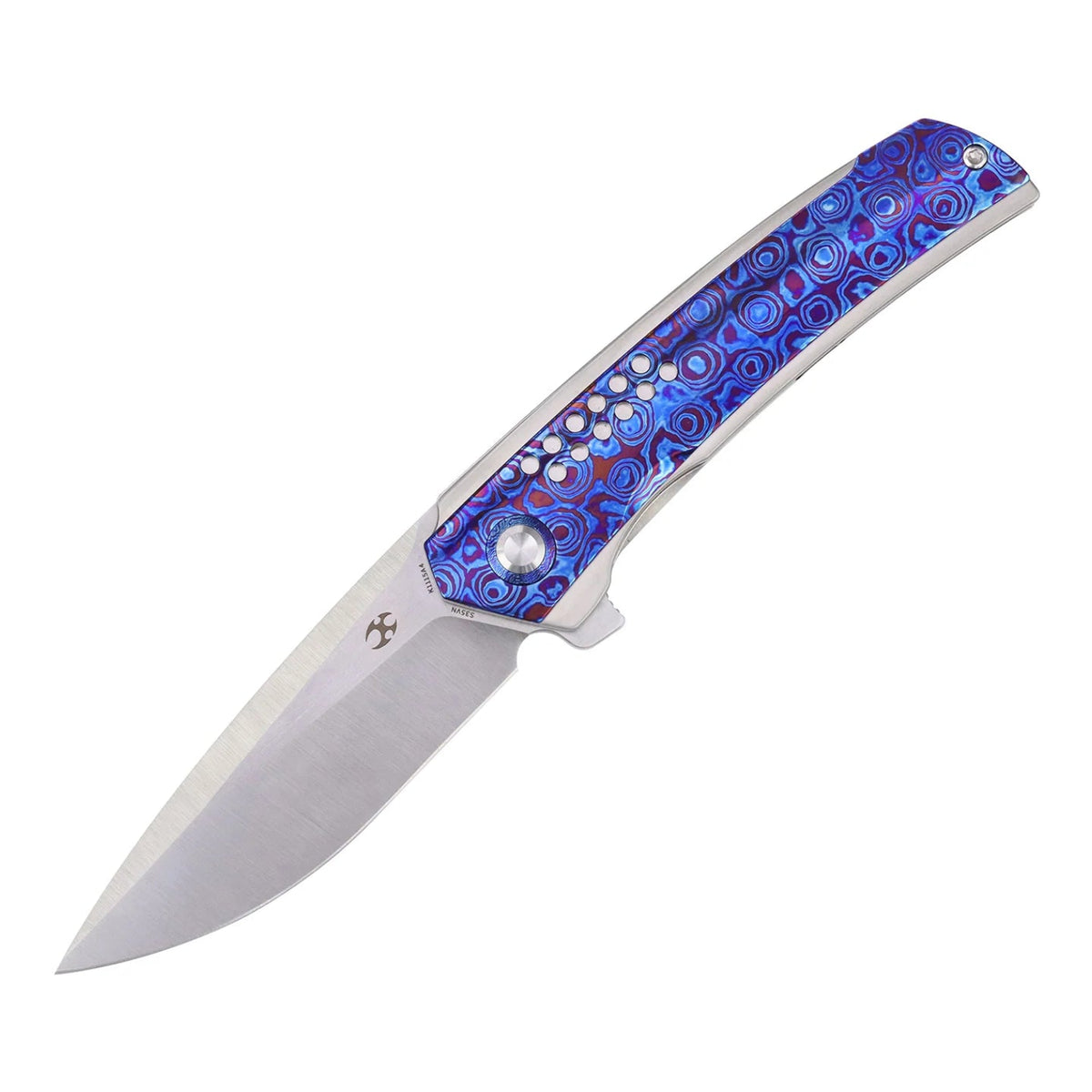
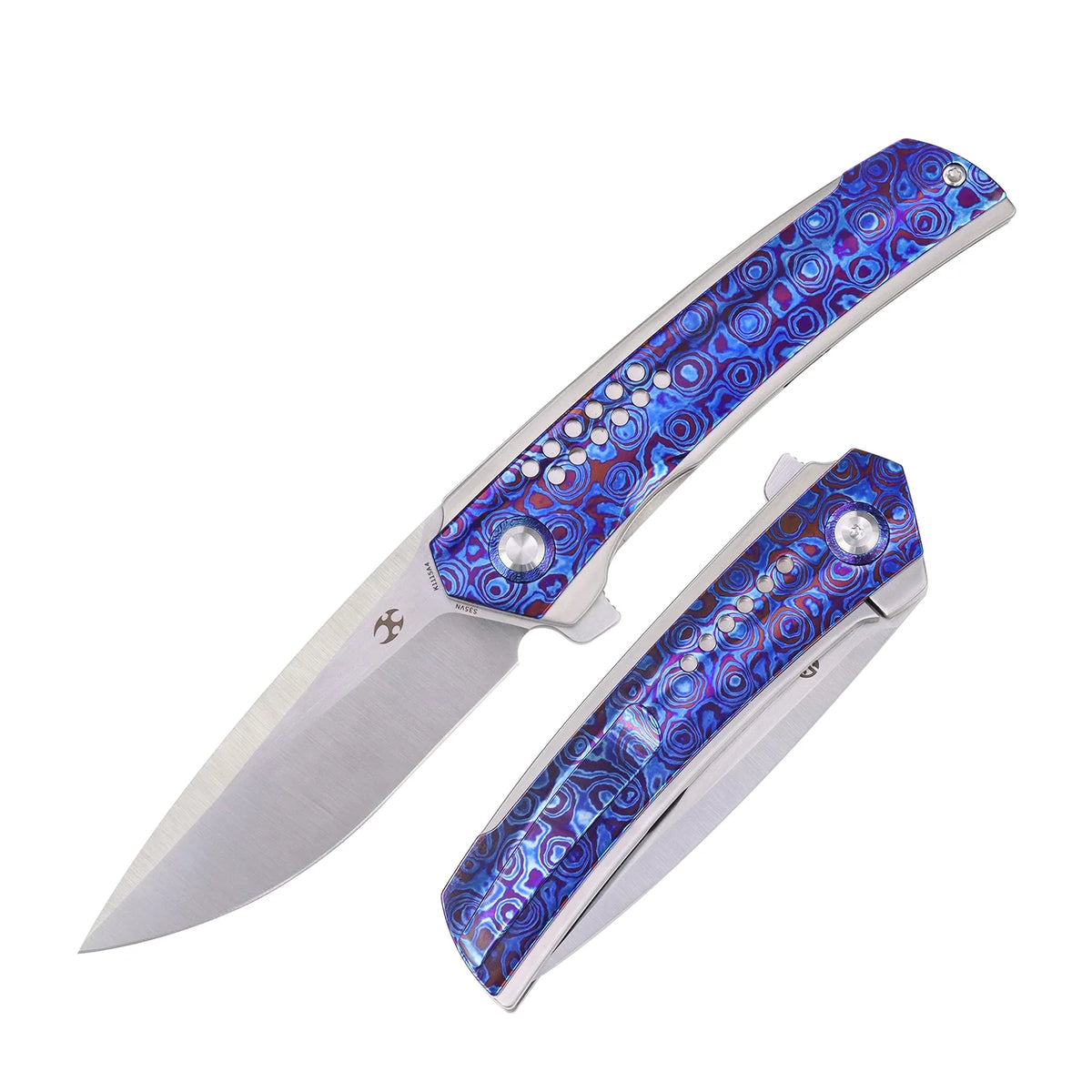
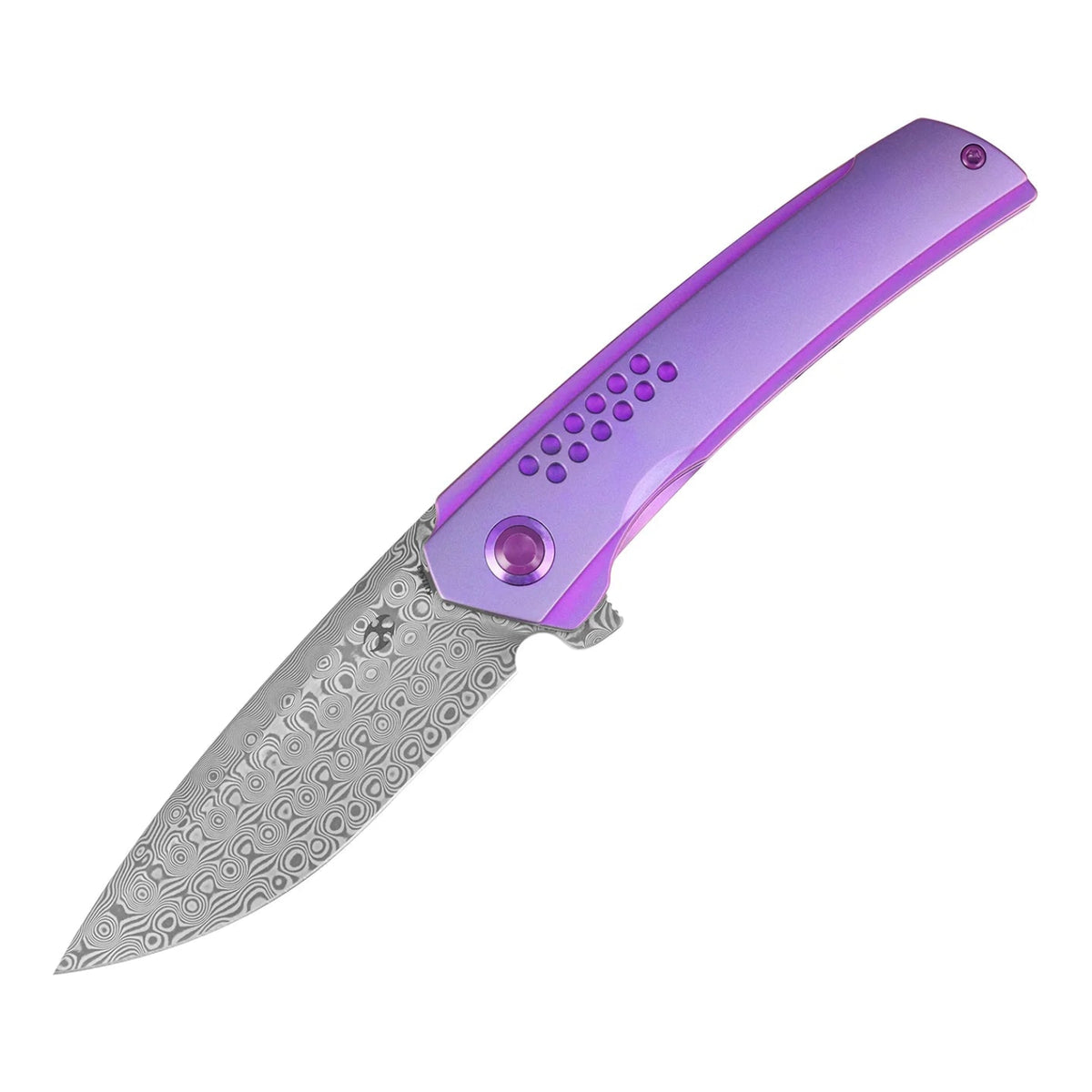
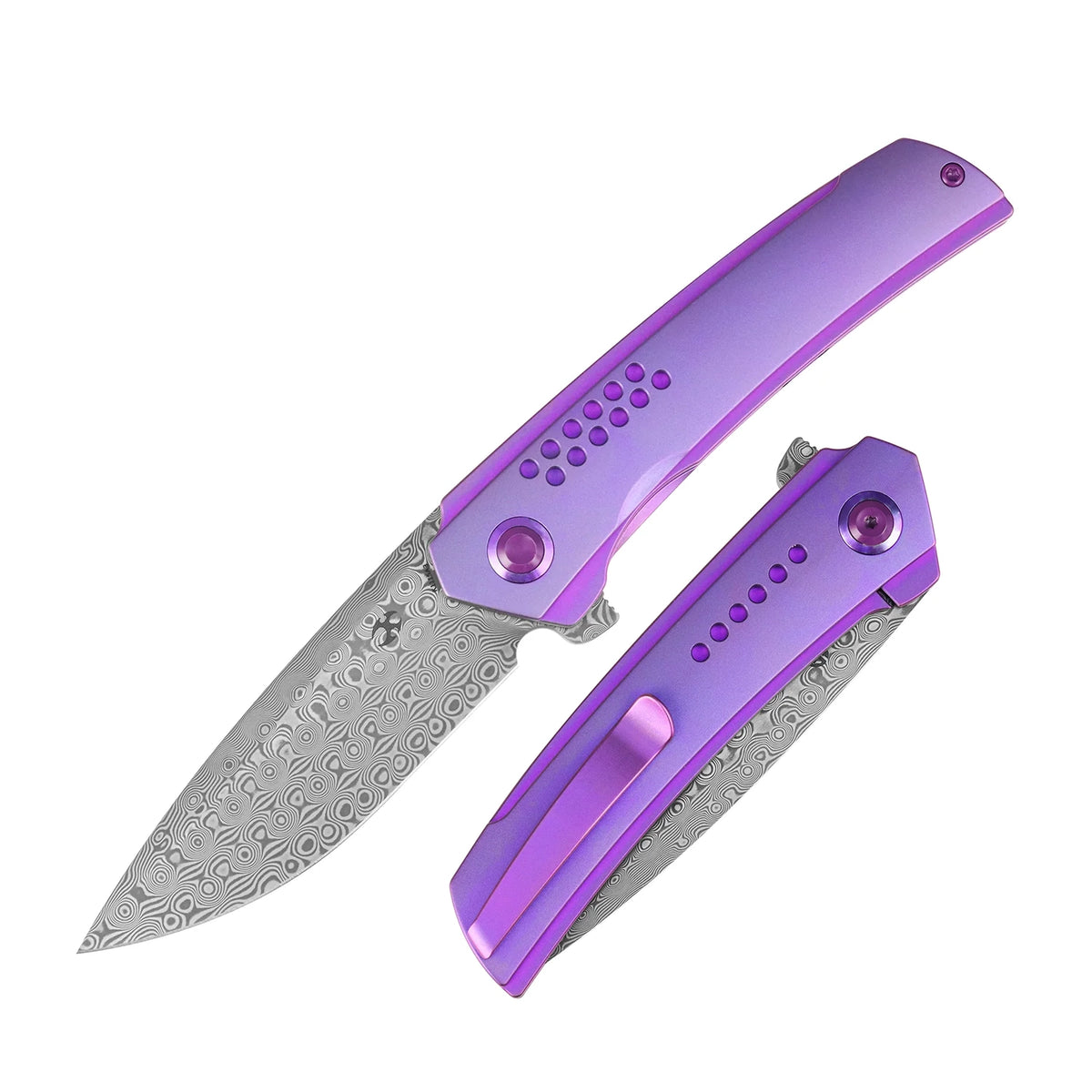
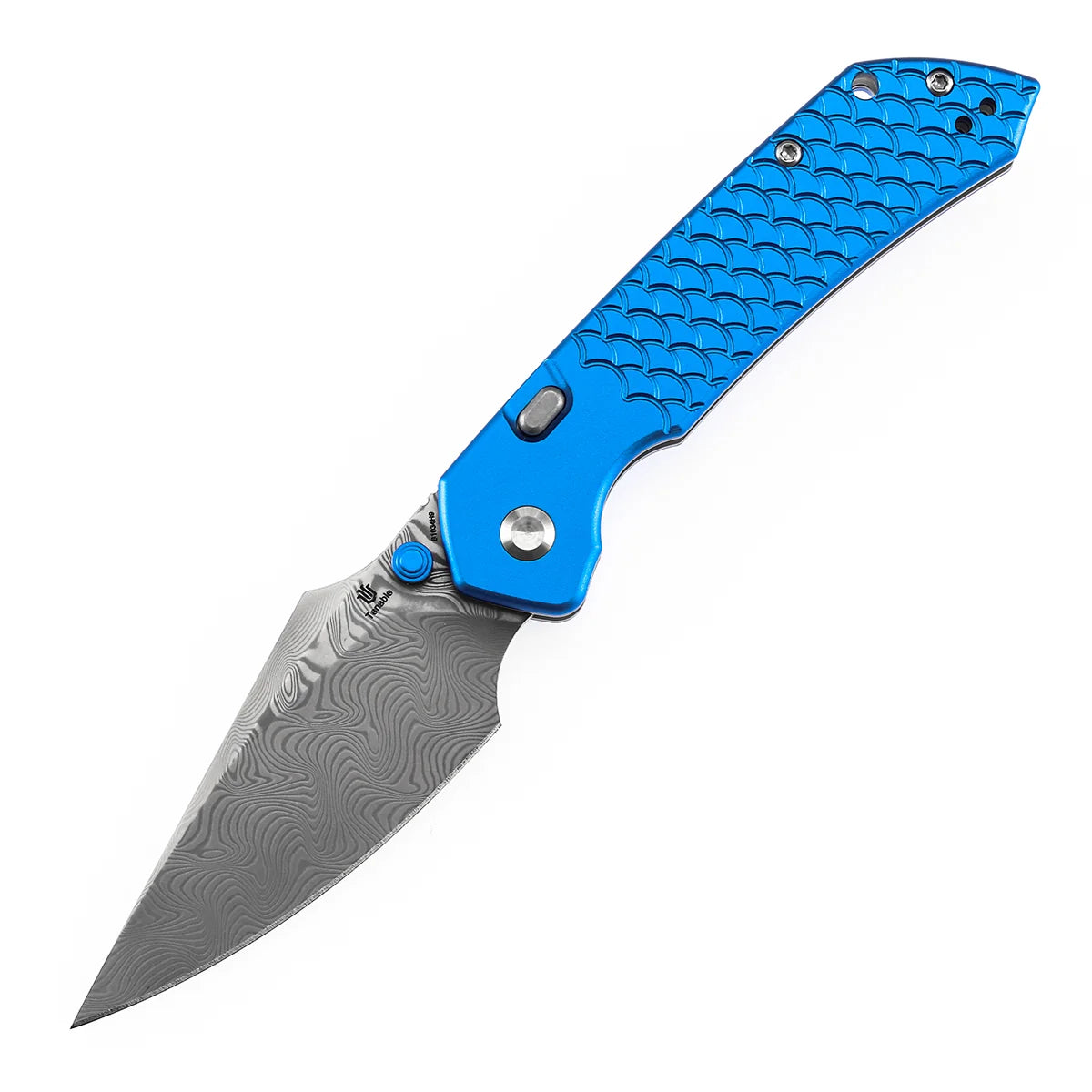
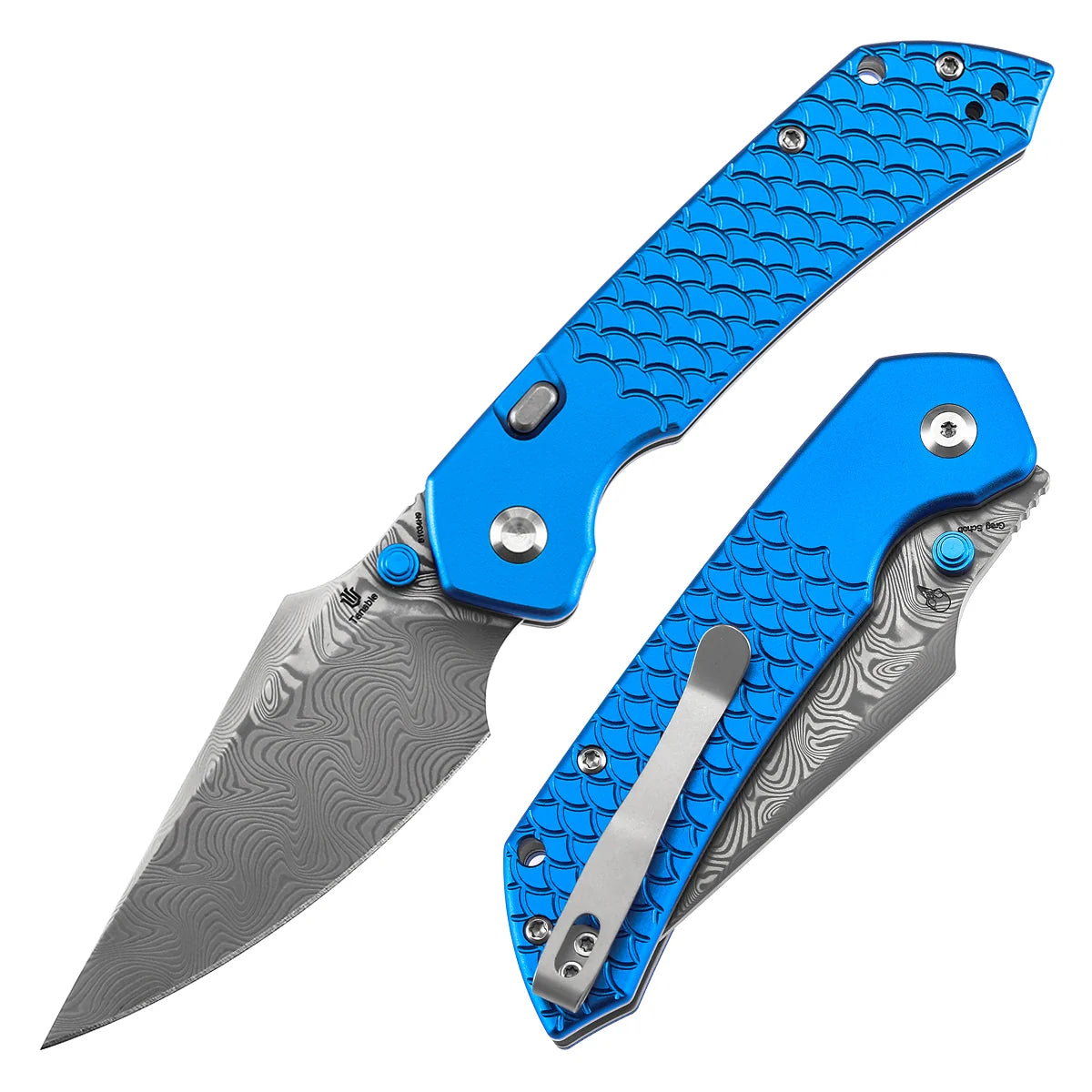
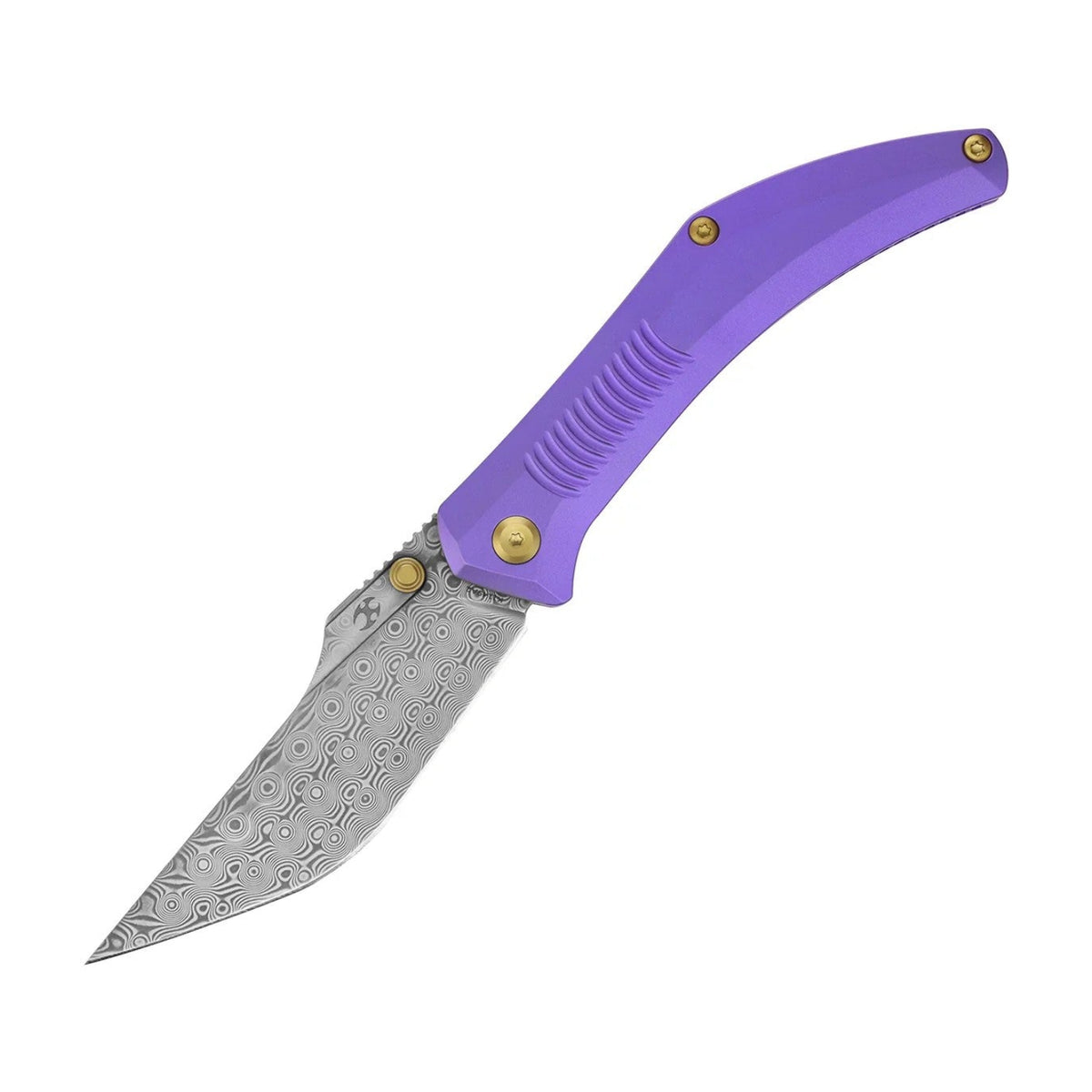
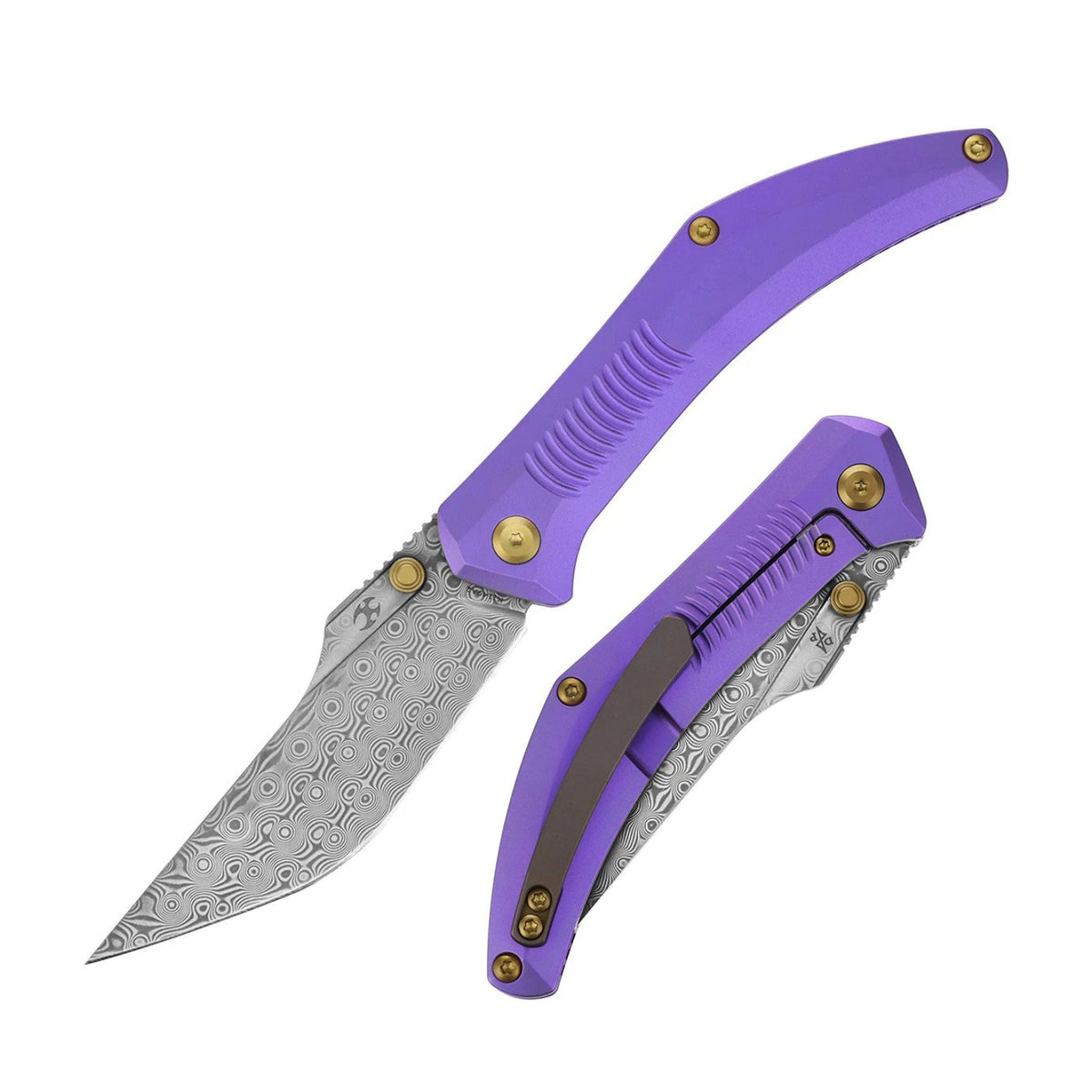
Stucco is abrasive, and the run itself is a wet, gritty process. For template work the demands are different: the blade has to scribe a profile onto sheet metal, trim a card or ply template cleanly, and hold an edge through repeated contact with plaster dust. Damascus steel is a reasonable choice here because a layered blade keeps a keen apex on the soft side of the pattern while the harder layers resist wear.

Design & Details
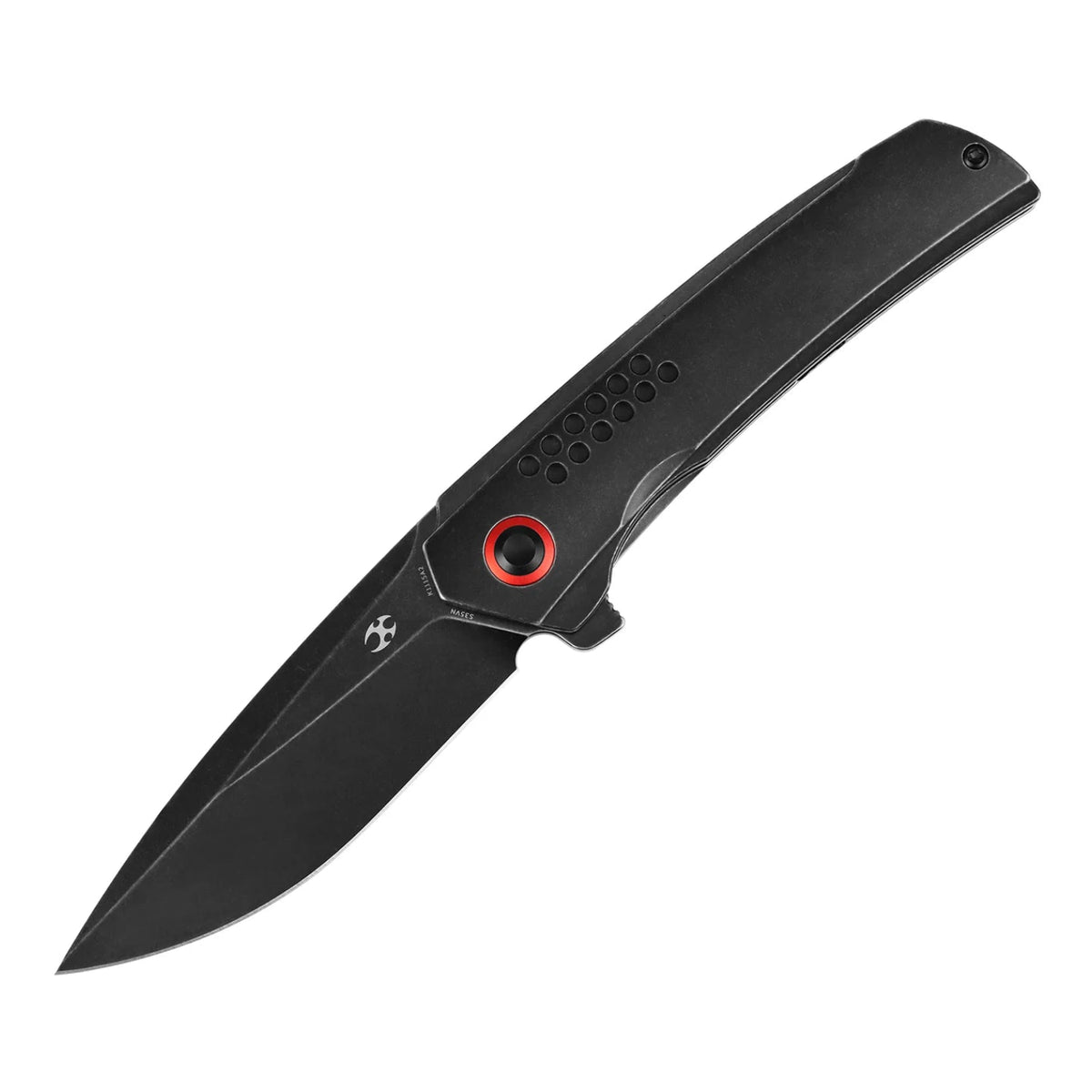
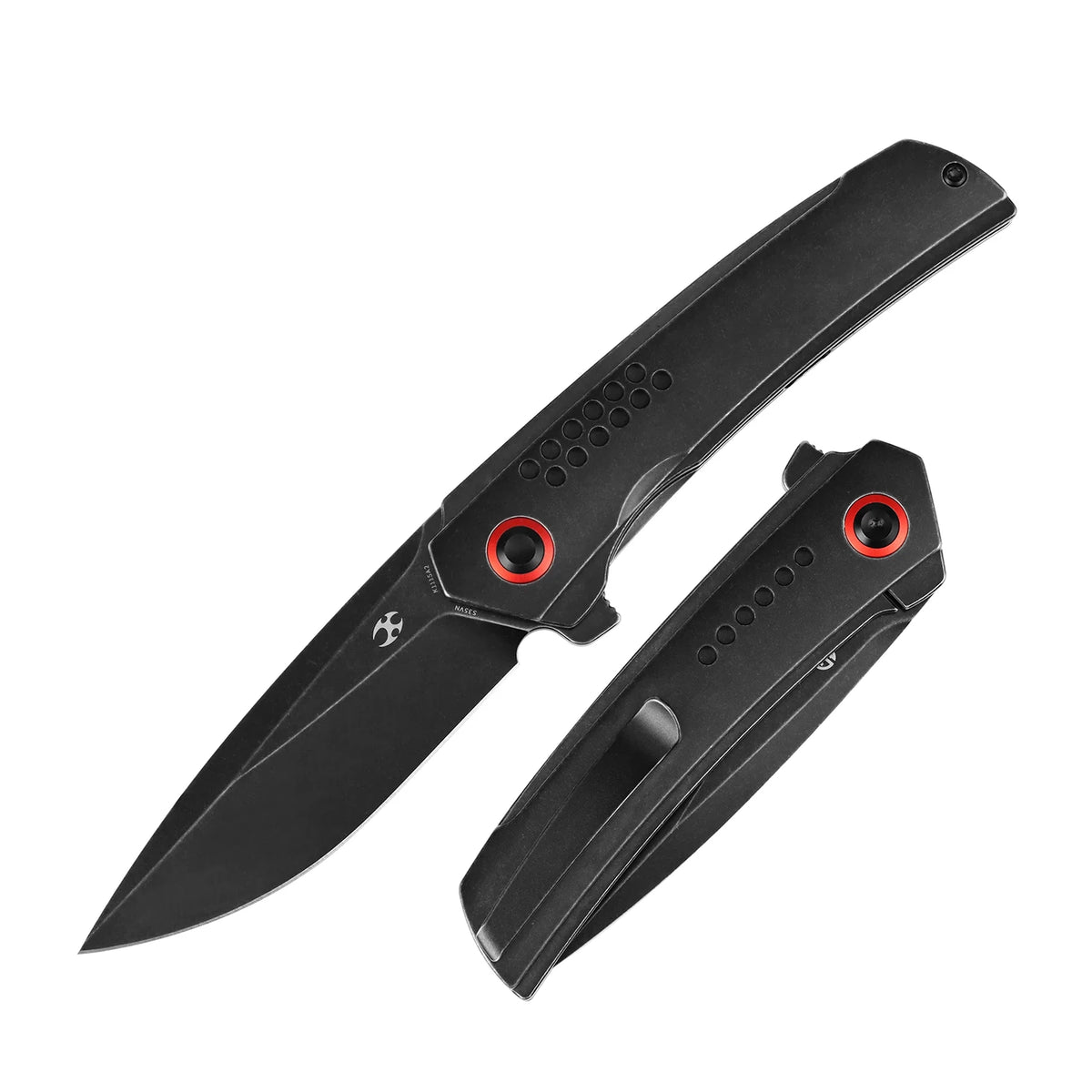
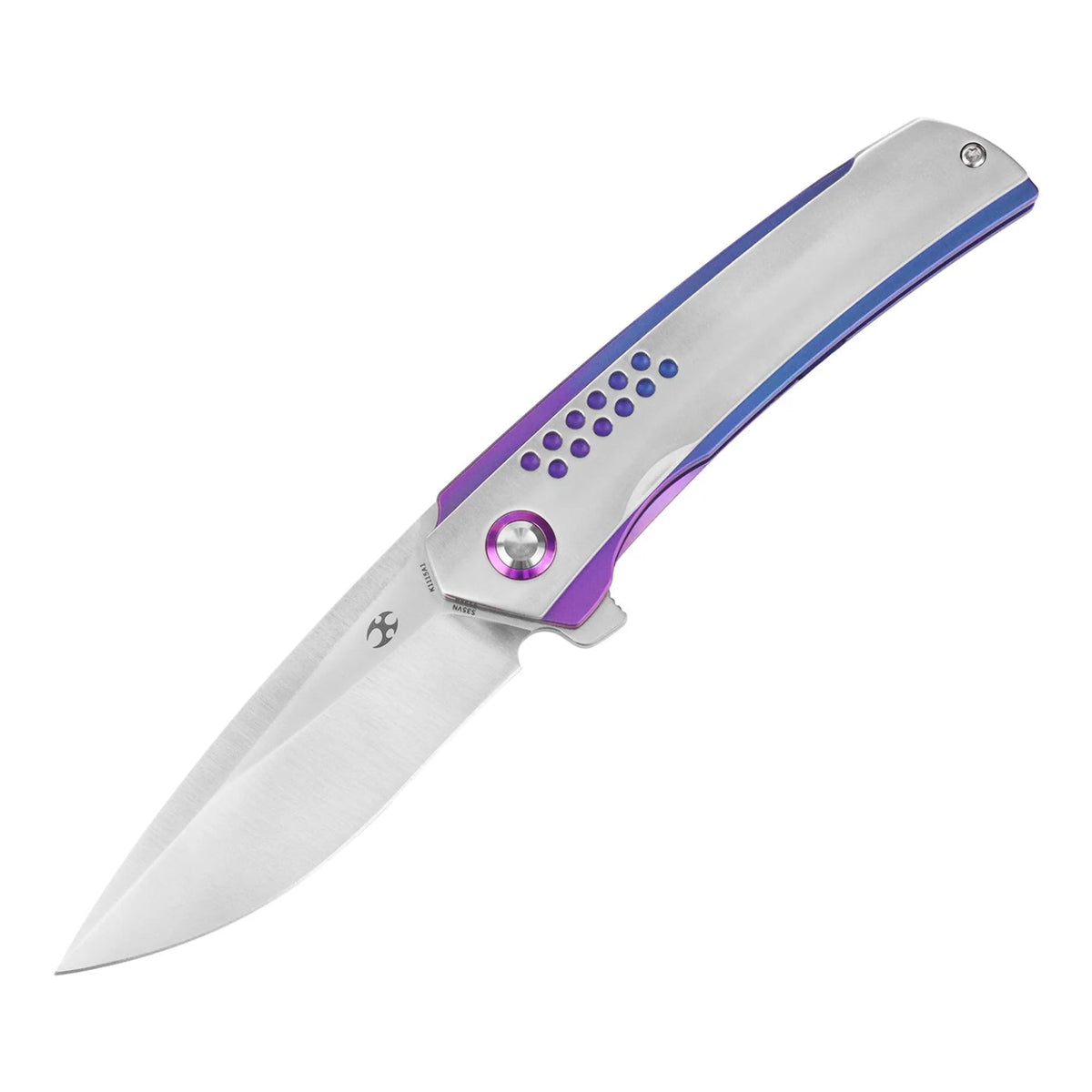
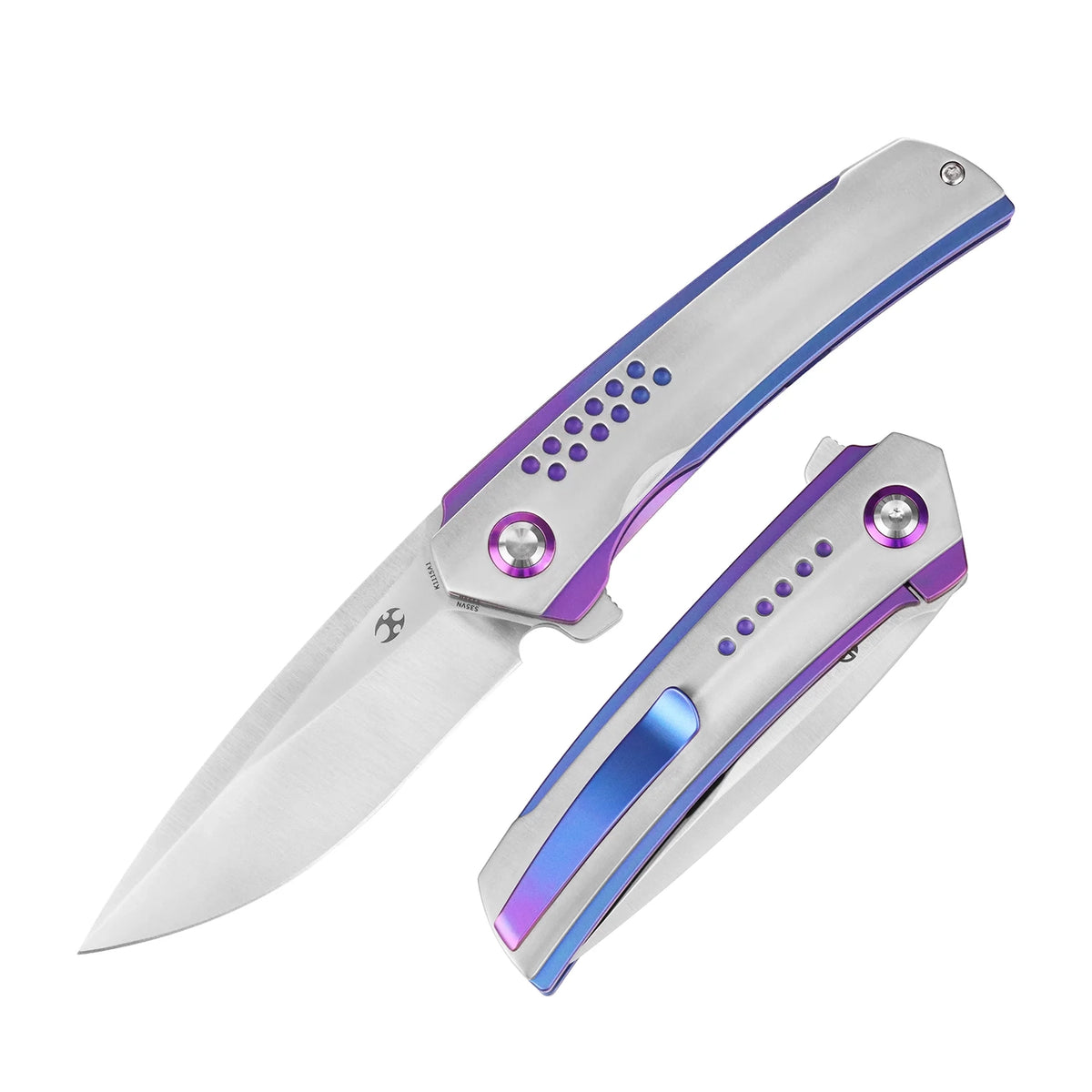
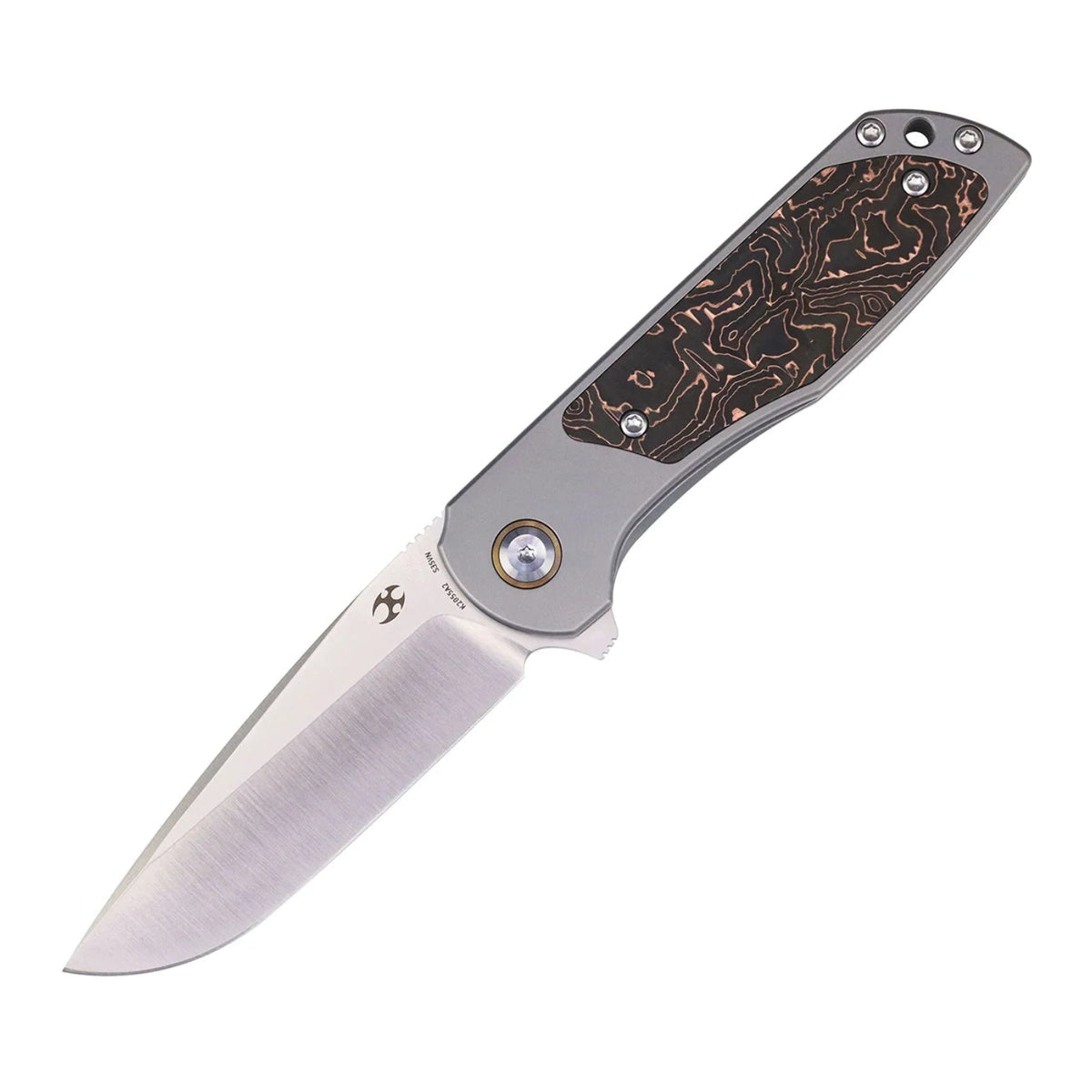
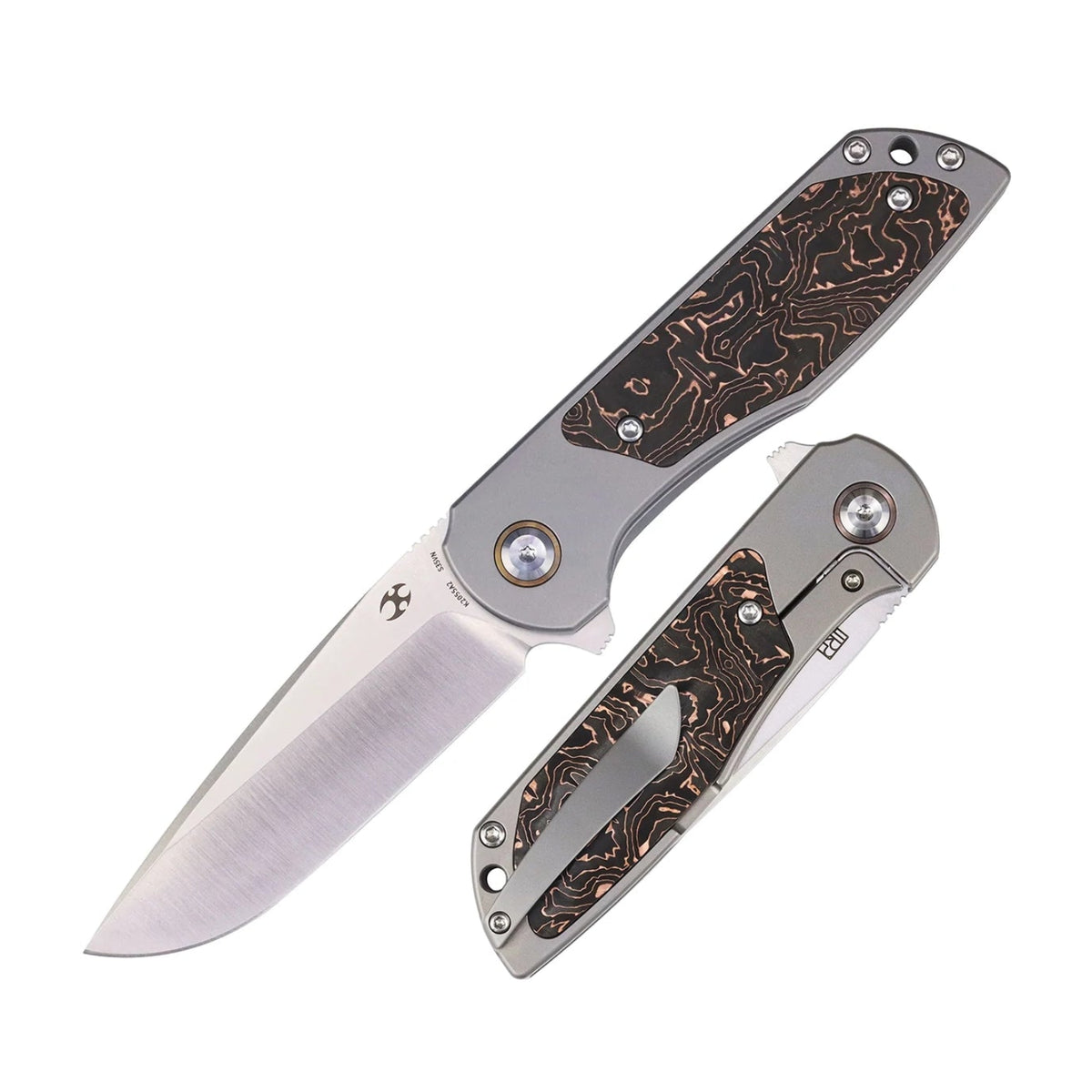
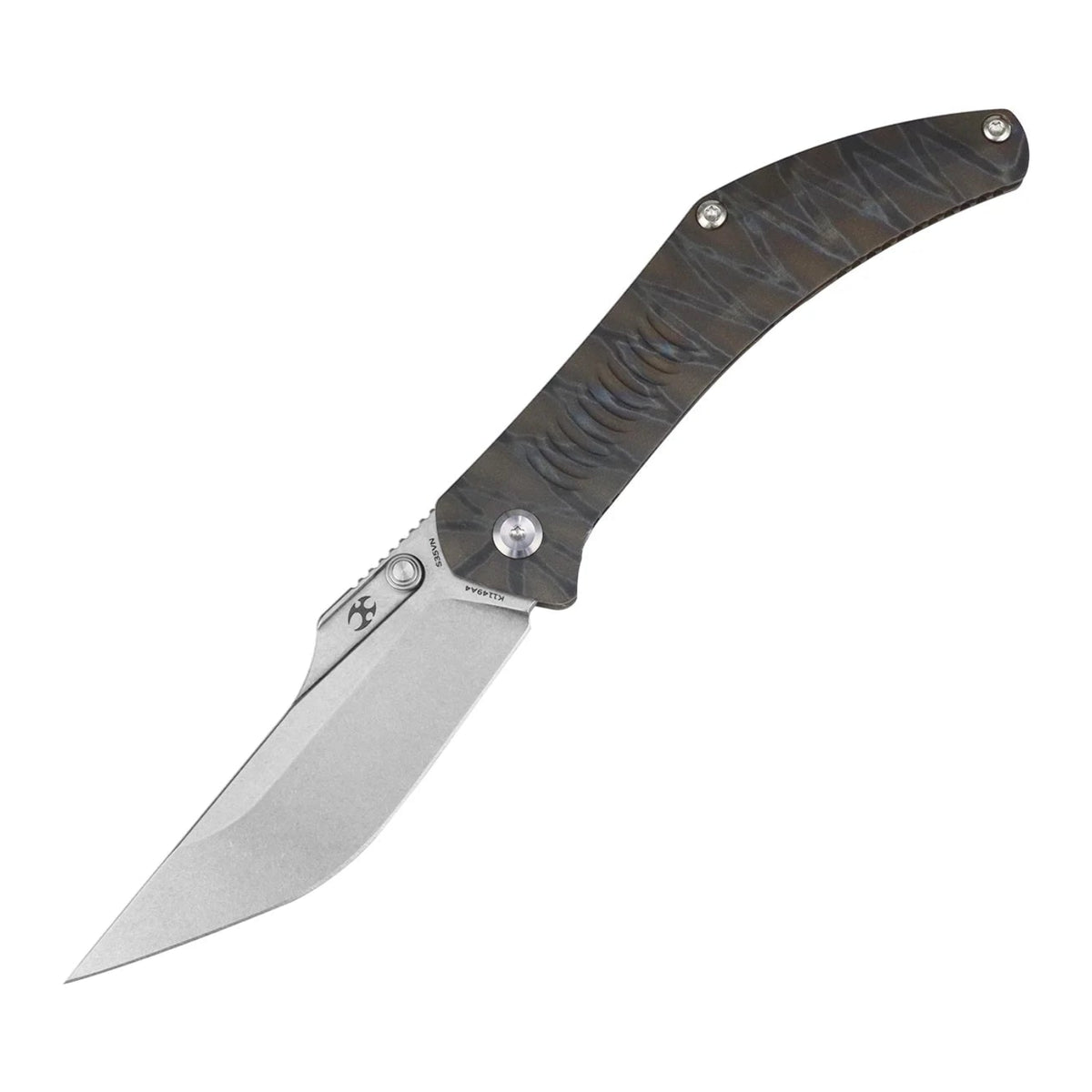
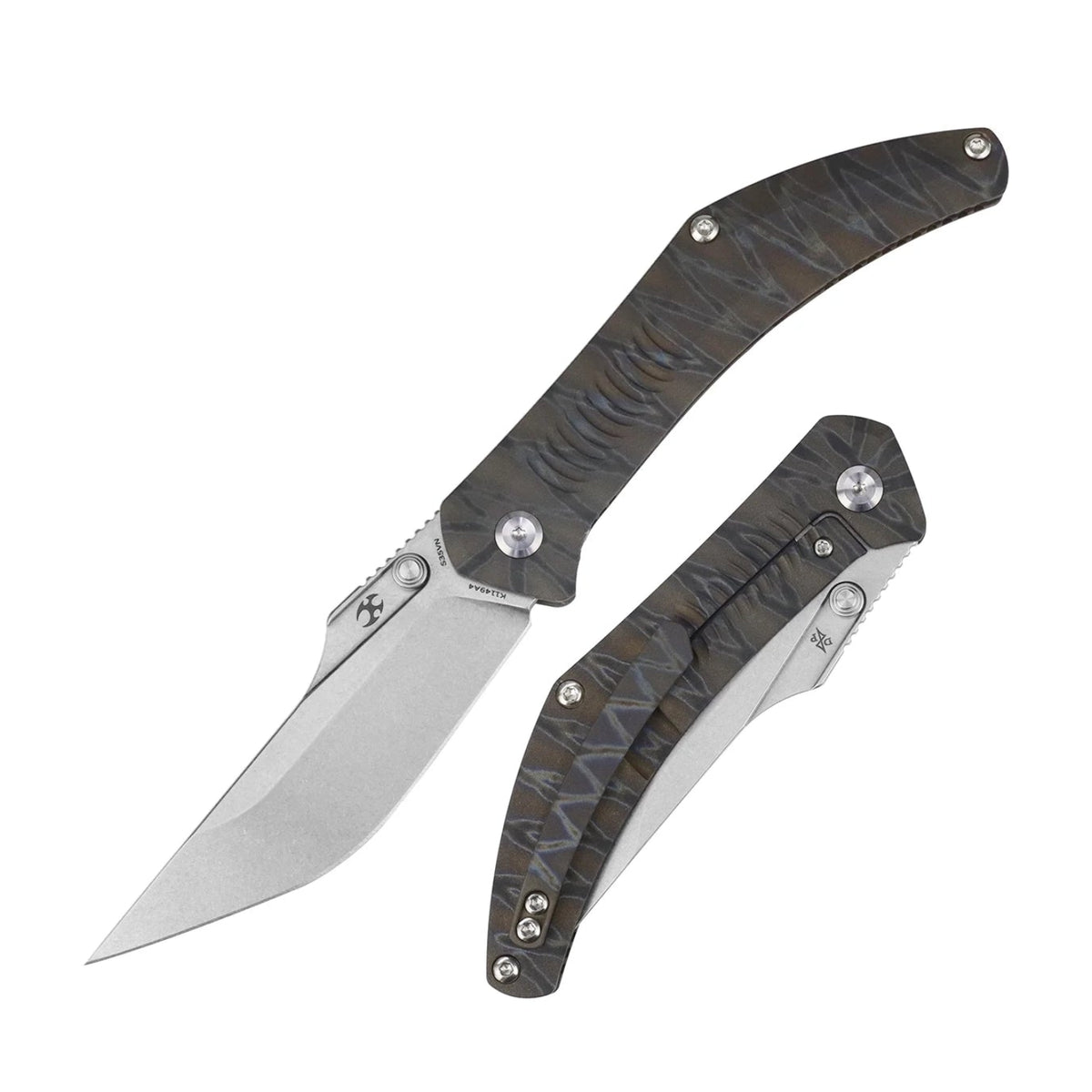
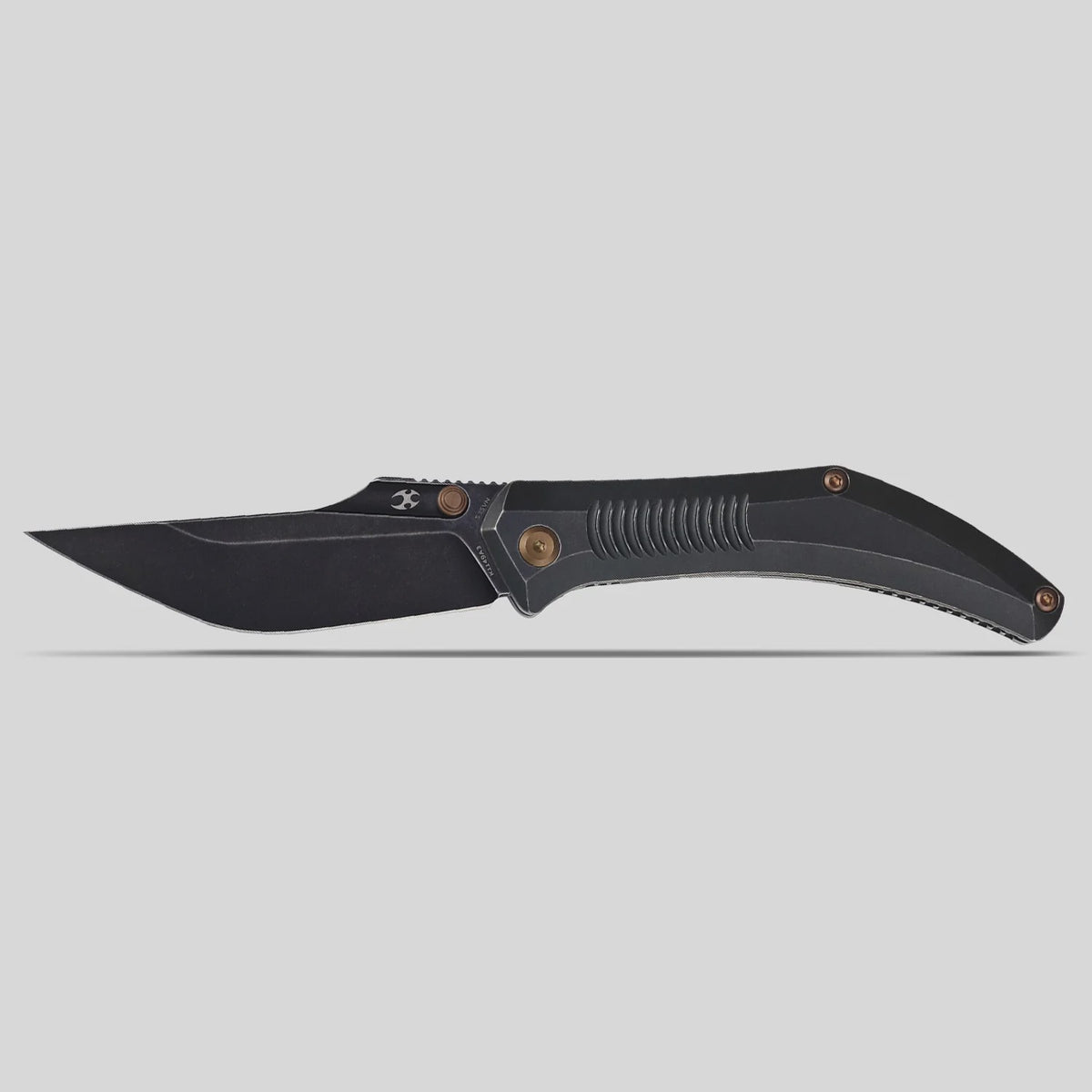
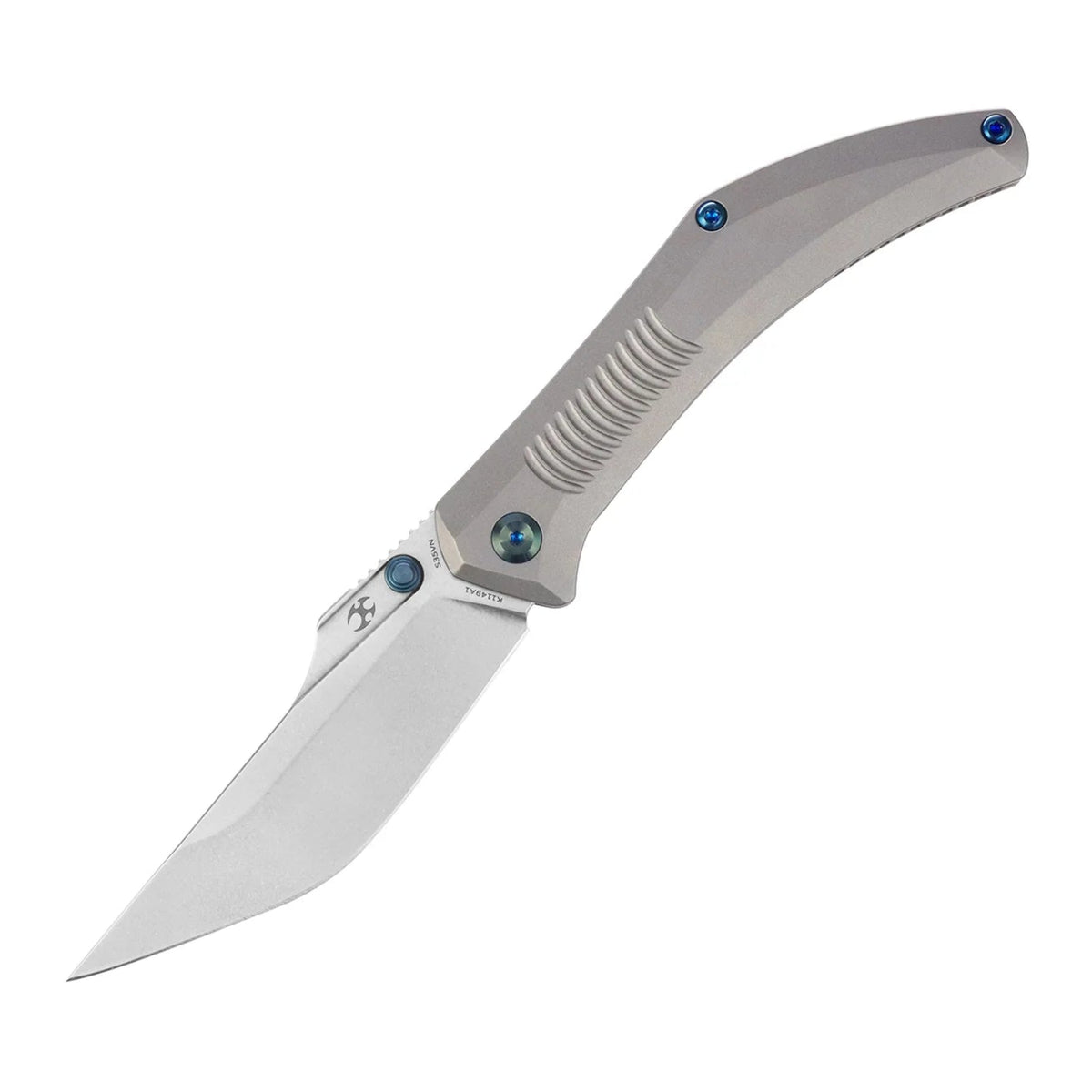
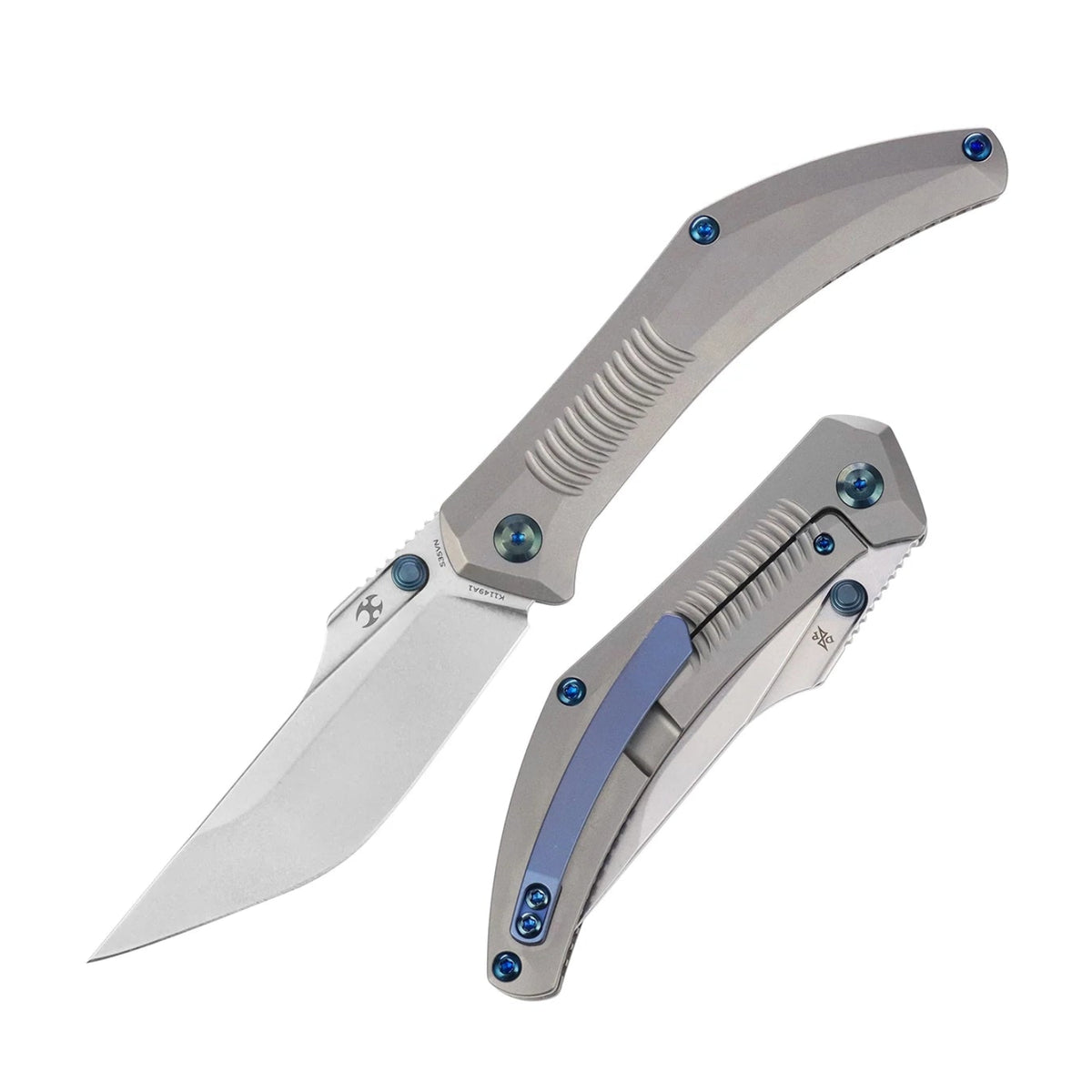
The Tracer is a titanium frame lock folder with a slender blade and a handle that sits flat in the hand. Flat matters when the knife is used against a straightedge: a bulky handle lifts the blade off the line and the cut drifts. The frame lock is simple, positive, and easy to clean, which is exactly what a workshop covered in plaster dust requires. The blade's fine tip handles template detail without flexing.
Real-World Use
Three operations. Scribing the profile shape onto a sheet of zinc or aluminium before cutting and filing. Trimming the card template that gets offered up to the wall to check a run. And cutting the plasterboard or ply backing that supports a deep cornice. All are short, precise cuts made along a guide, and none of them tolerate a blade with side play or a handle that rocks in the hand.

Ownership Notes
Plaster workshops are dusty in a way that destroys mechanisms, so a folder that closes tight and wipes clean is worth more than one with a fancy action. Folding knives also travel from workshop to site in a tool bag without a sheath, which is how most profiles actually get finished. EdcMall carries the Tracer in several handle materials, and the lighter builds are the ones that suit detail work with a straightedge. Kansept knives turn up on plaster benches less often than on wood benches, but the flat profile is the reason: folding knives that lie flat against a straightedge cut a truer line than anything with a fat handle.
Who Is This For?
Buy it if you make templates, cut sheet metal or trim card to a line and want an edge that tracks a guide. It suits plasterers, fibrous plasterers, sheet metal workers and model makers. Skip it if your work is heavy leverage or prying; a slim folding knife is a cutting tool, and a chisel or a scraper is the right answer for lifting material.
Final Verdict
The Tracer makes sense for profile work because it is flat, light and precise. The Damascus steel blade keeps a scribing edge through metal and plaster dust, the frame lock stays clean, and the slim handle lets the blade follow a straightedge instead of fighting it. For hand-run moulding, that is the difference between a crisp profile and a wavy one.