

Overview & First Impressions
Few knife debates generate as much heat as tanto versus clip point. Both are common on modern EDC knives, both have devoted defenders, and both are frequently chosen for reasons that have less to do with cutting than with how they look. Stripping the argument back to geometry makes the choice much clearer, because each profile is genuinely better at different jobs.
Materials & Construction
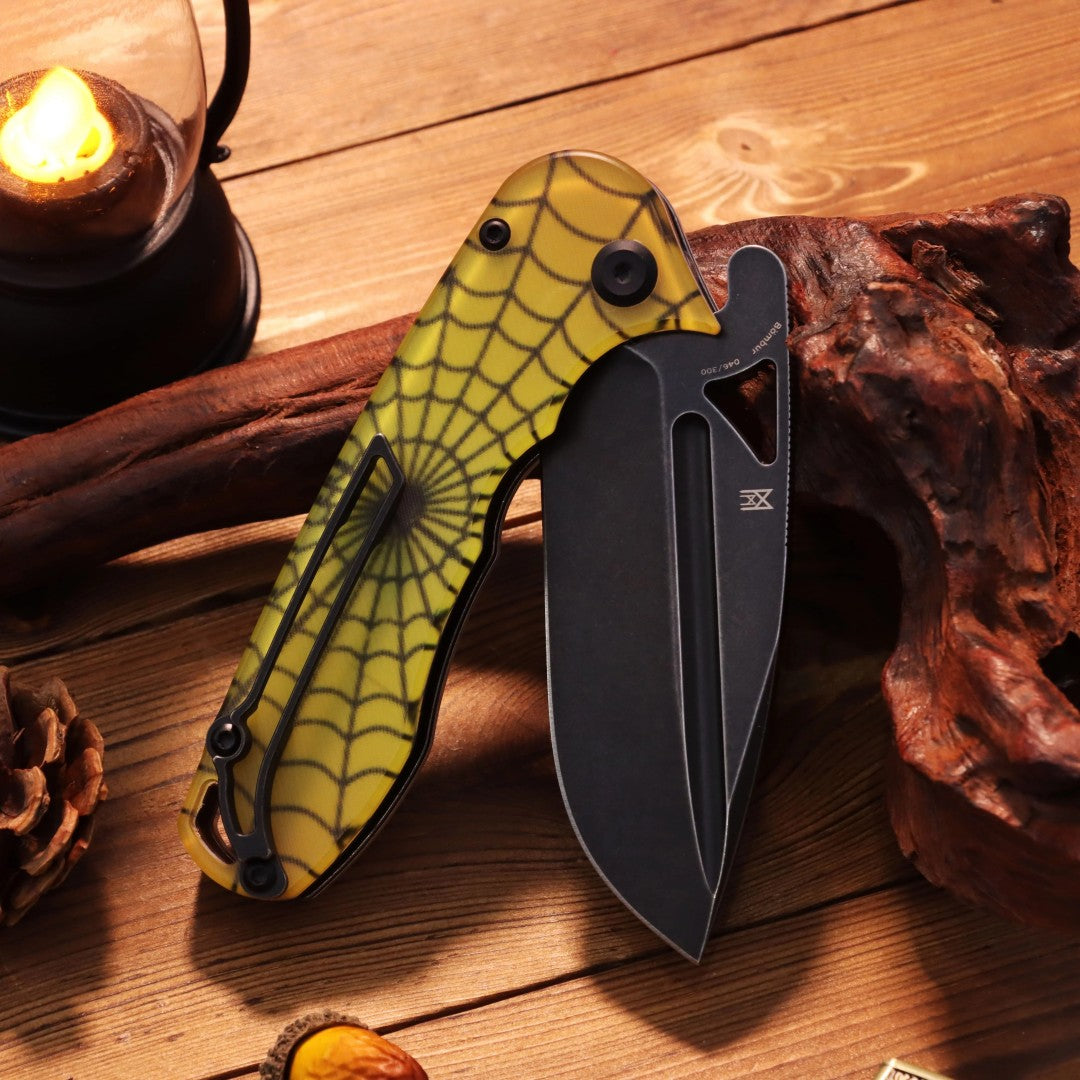
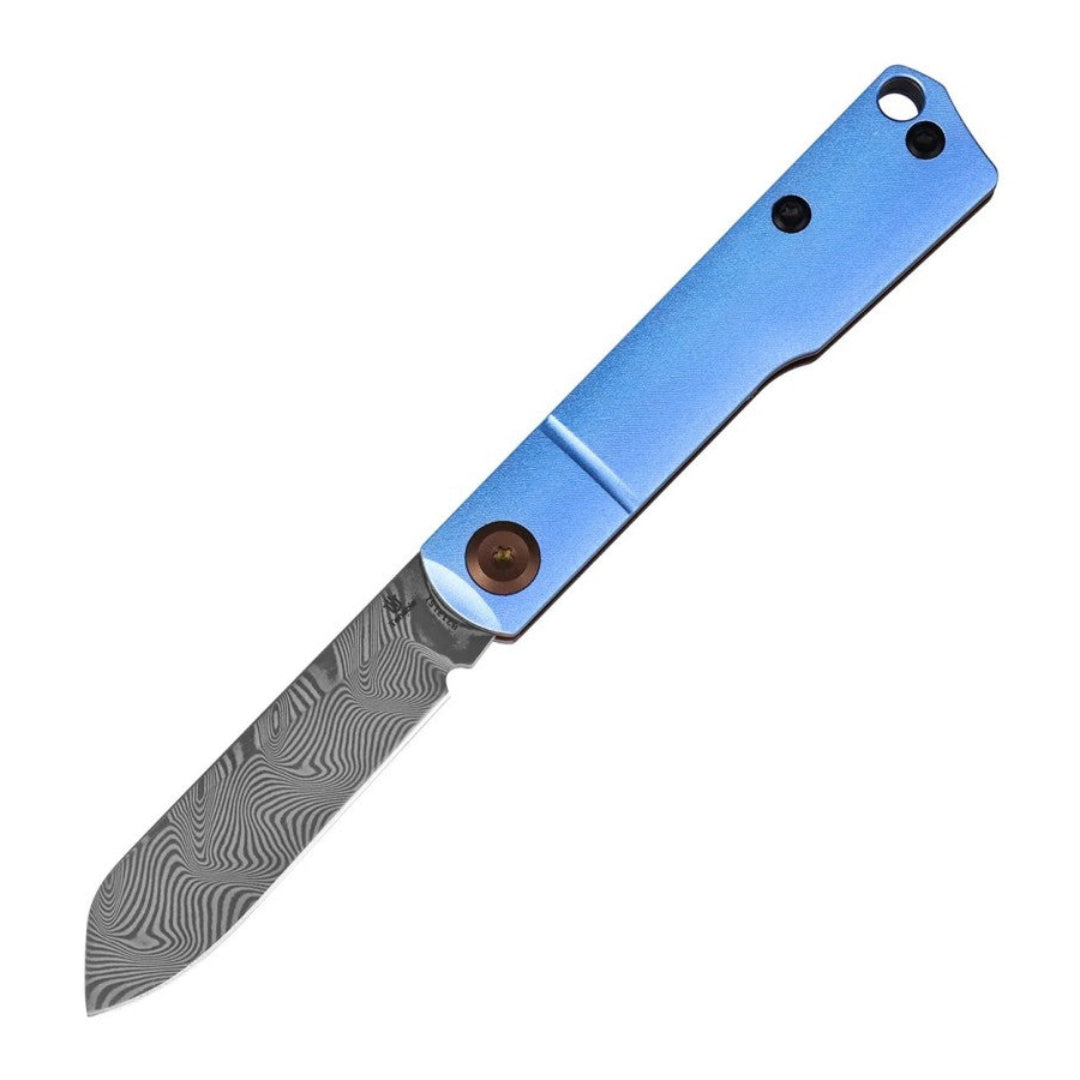
A tanto profile uses a straight edge that meets a second, angled edge at a distinct point. That geometry puts a great deal of material directly behind the tip, which makes it extremely resistant to breaking and effective at piercing hard material. The trade-off is a shorter usable cutting edge and a shape that is less efficient at long slicing strokes. Damascus steel or a high-wear stainless in a tanto can look dramatic, but the performance difference comes from the profile, not the finish.

Design & Details
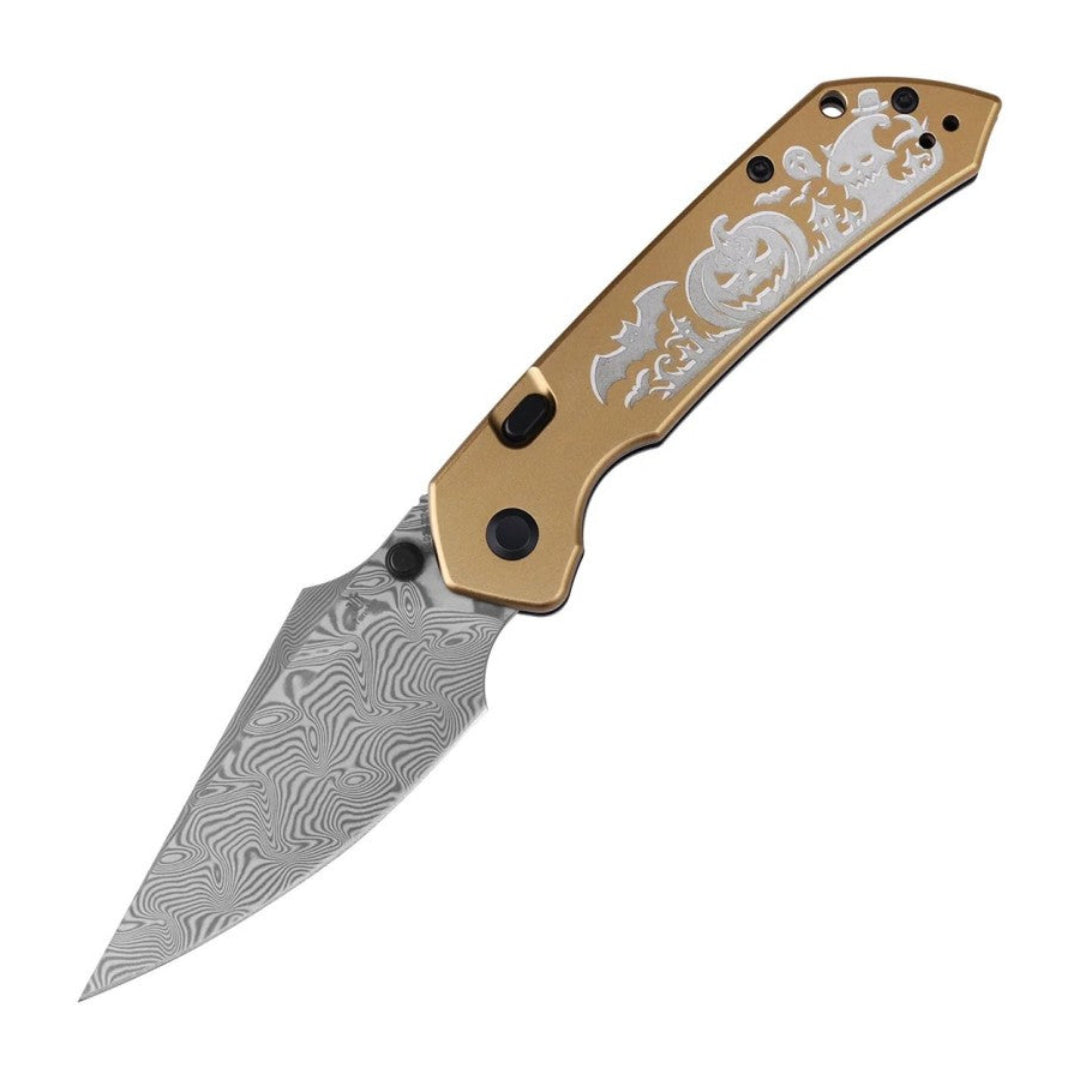
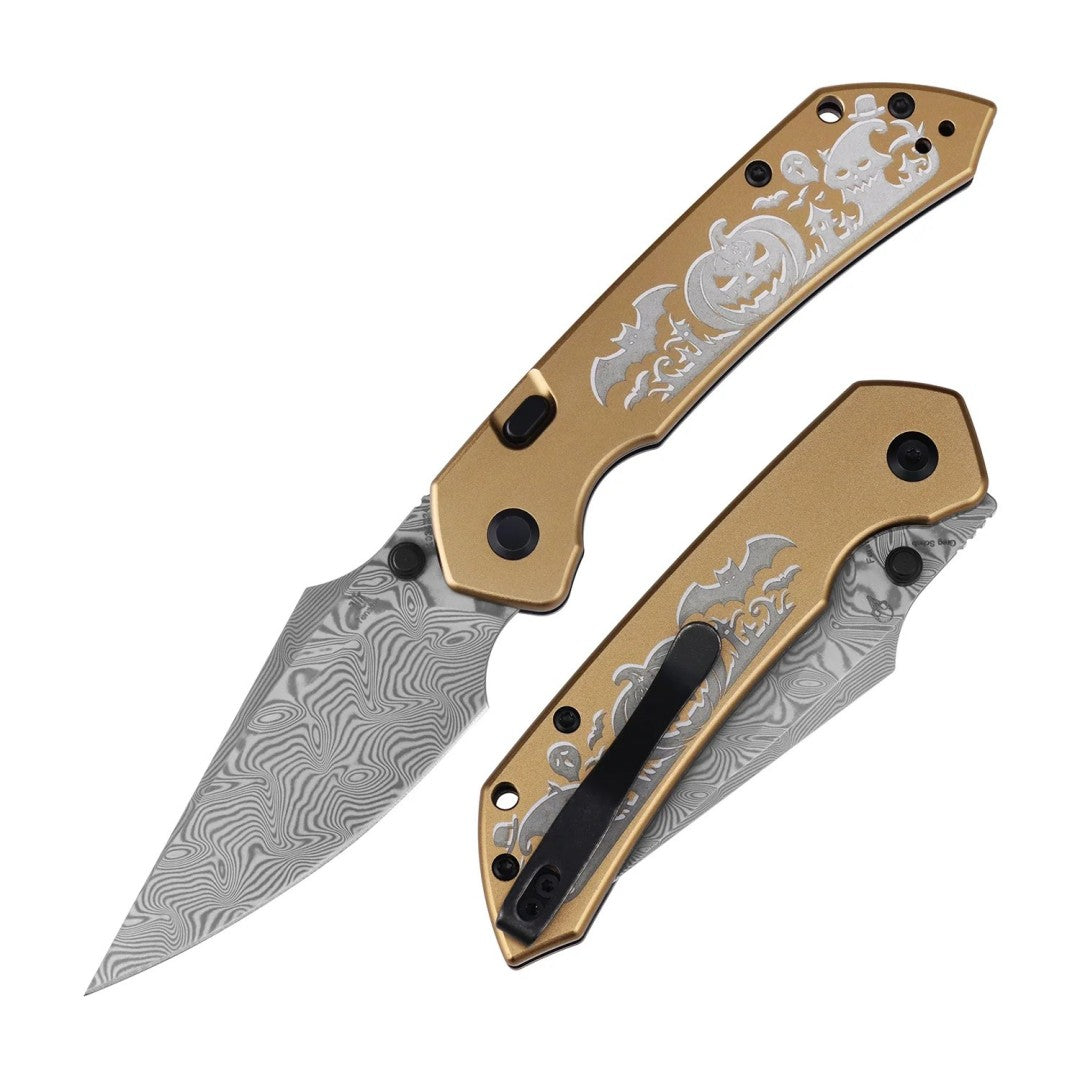
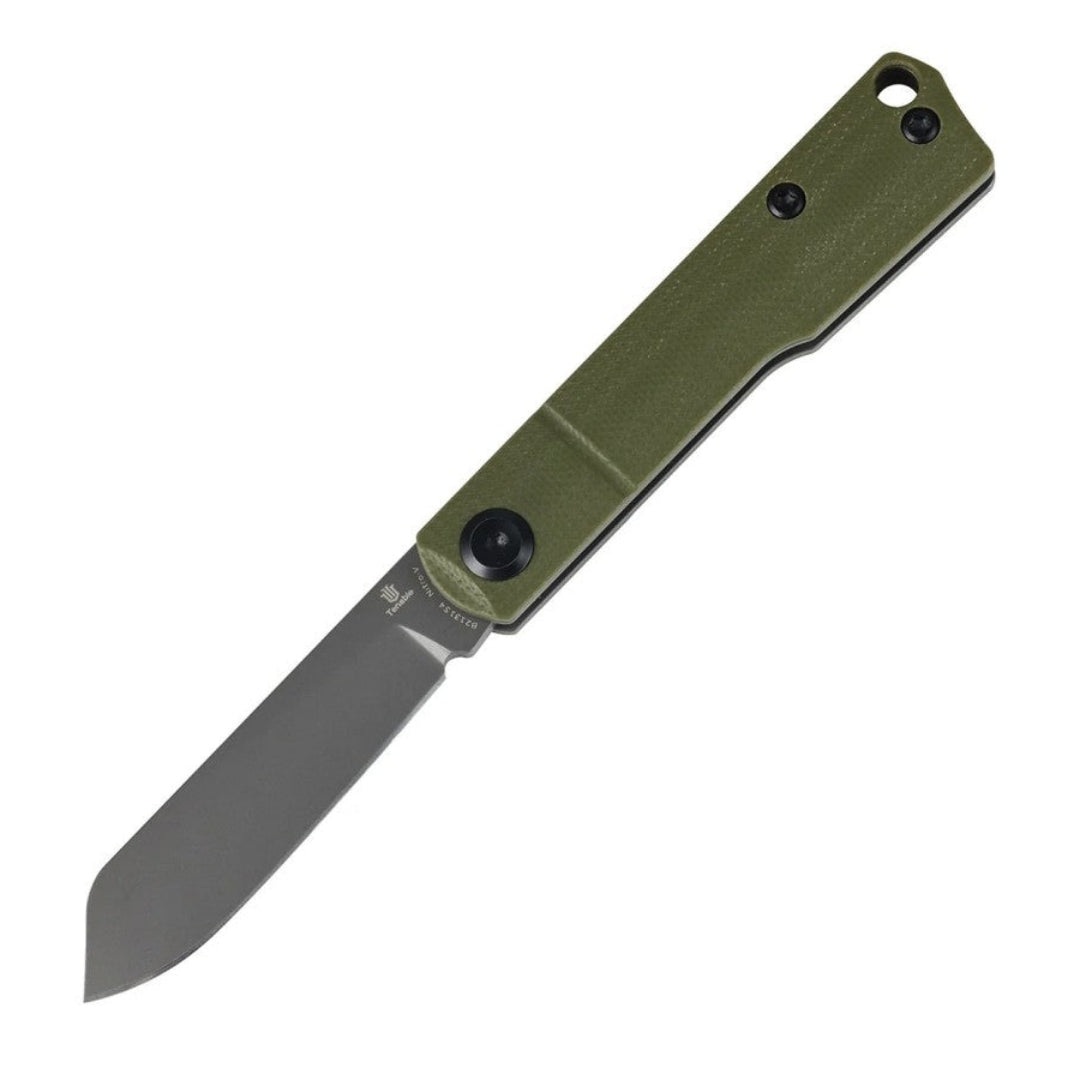
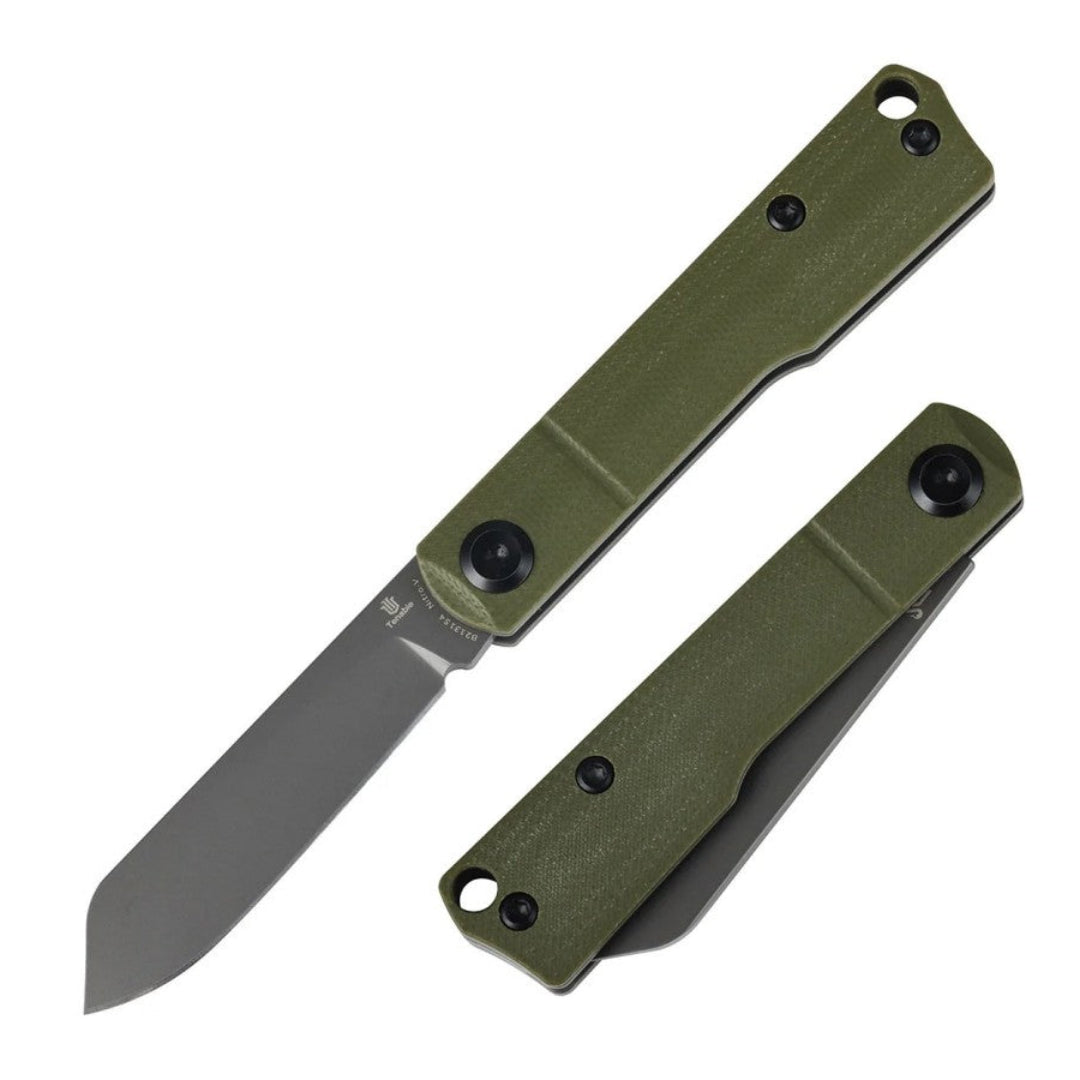
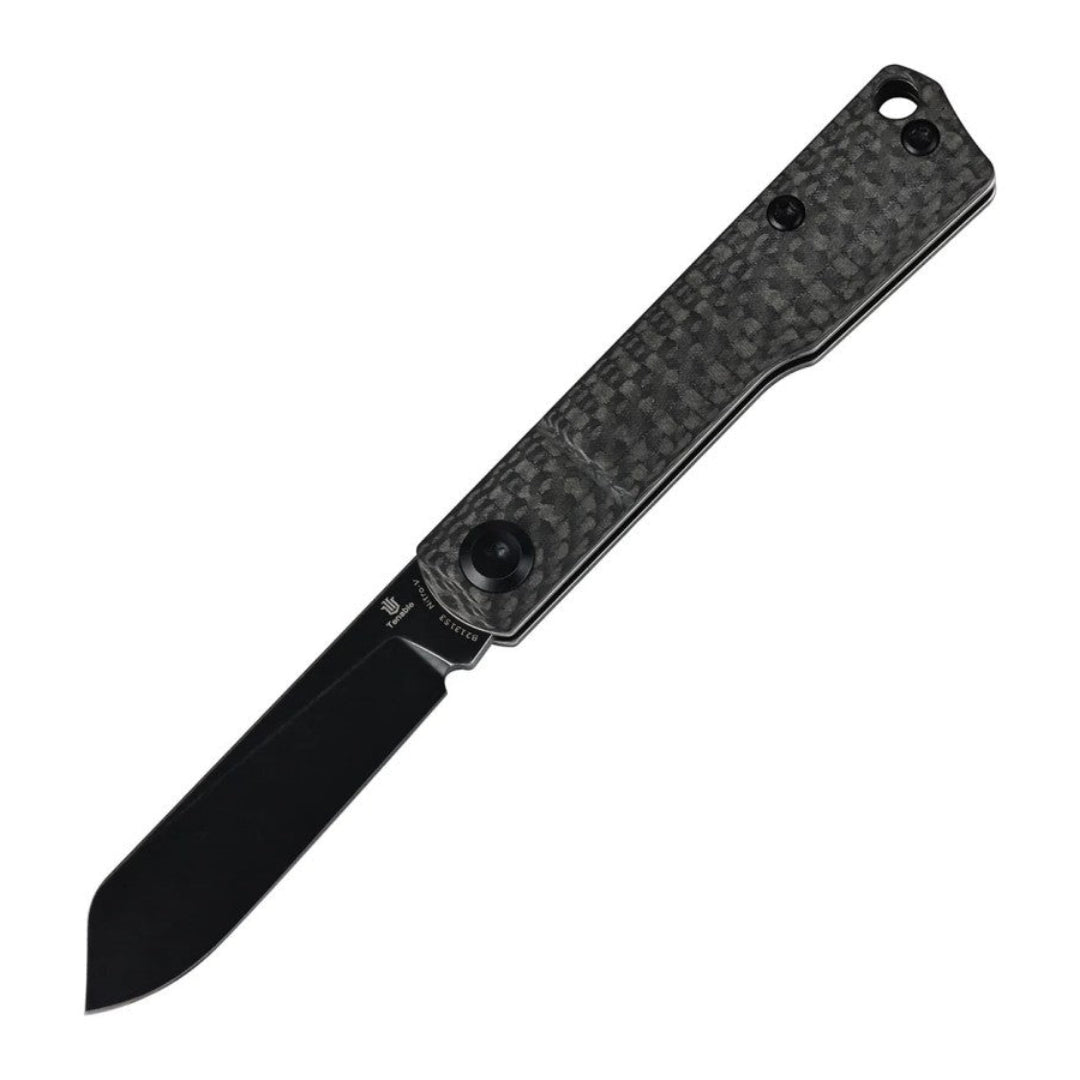
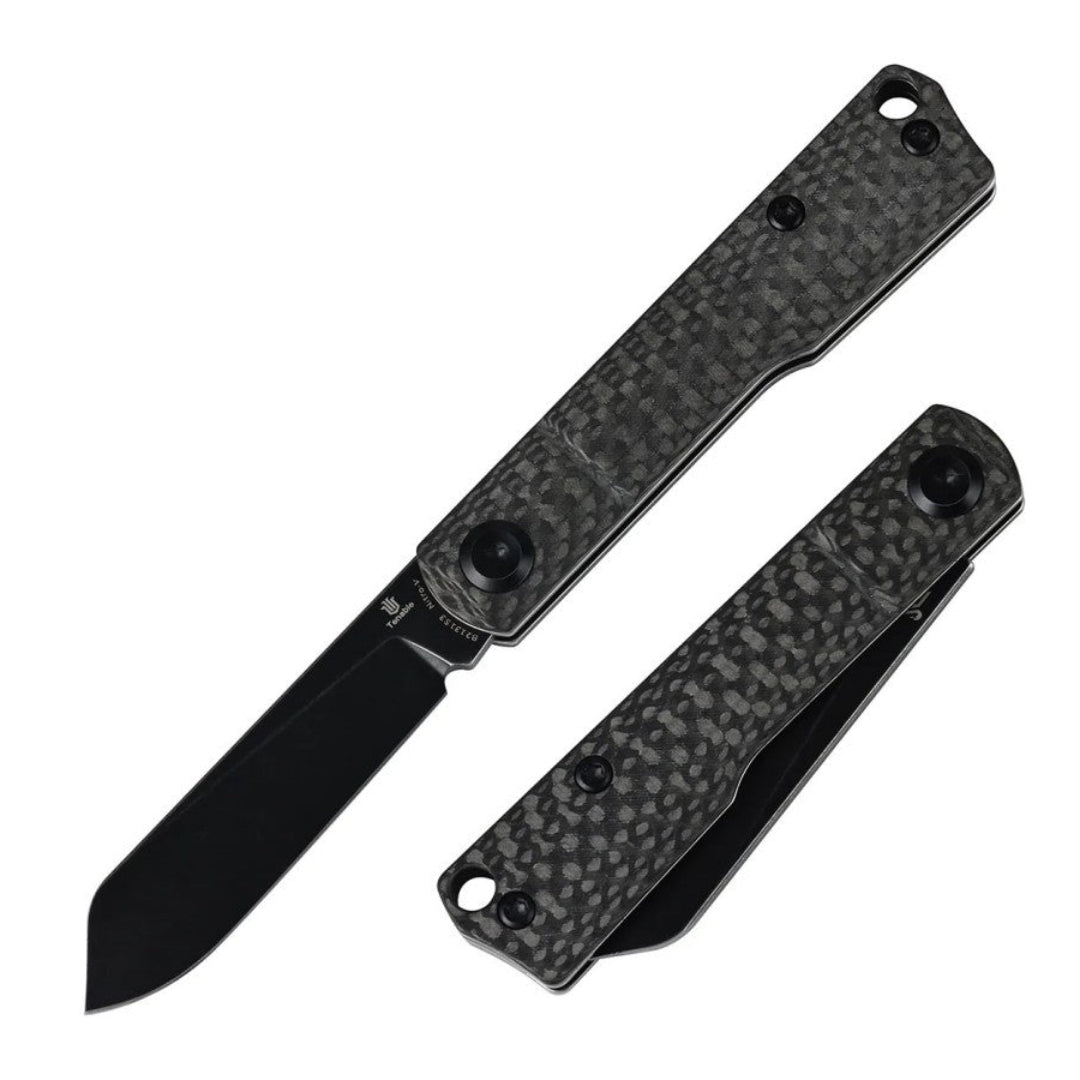
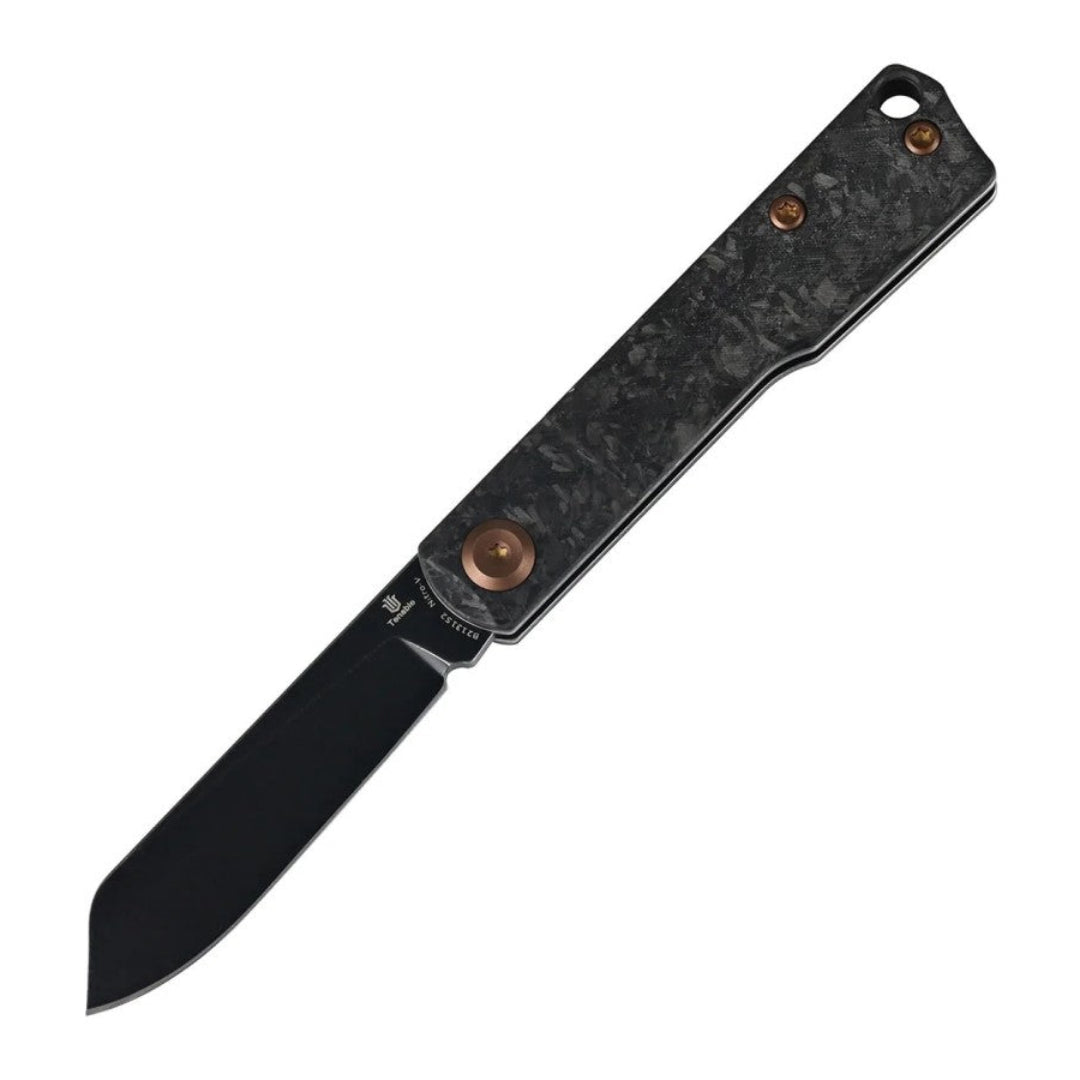
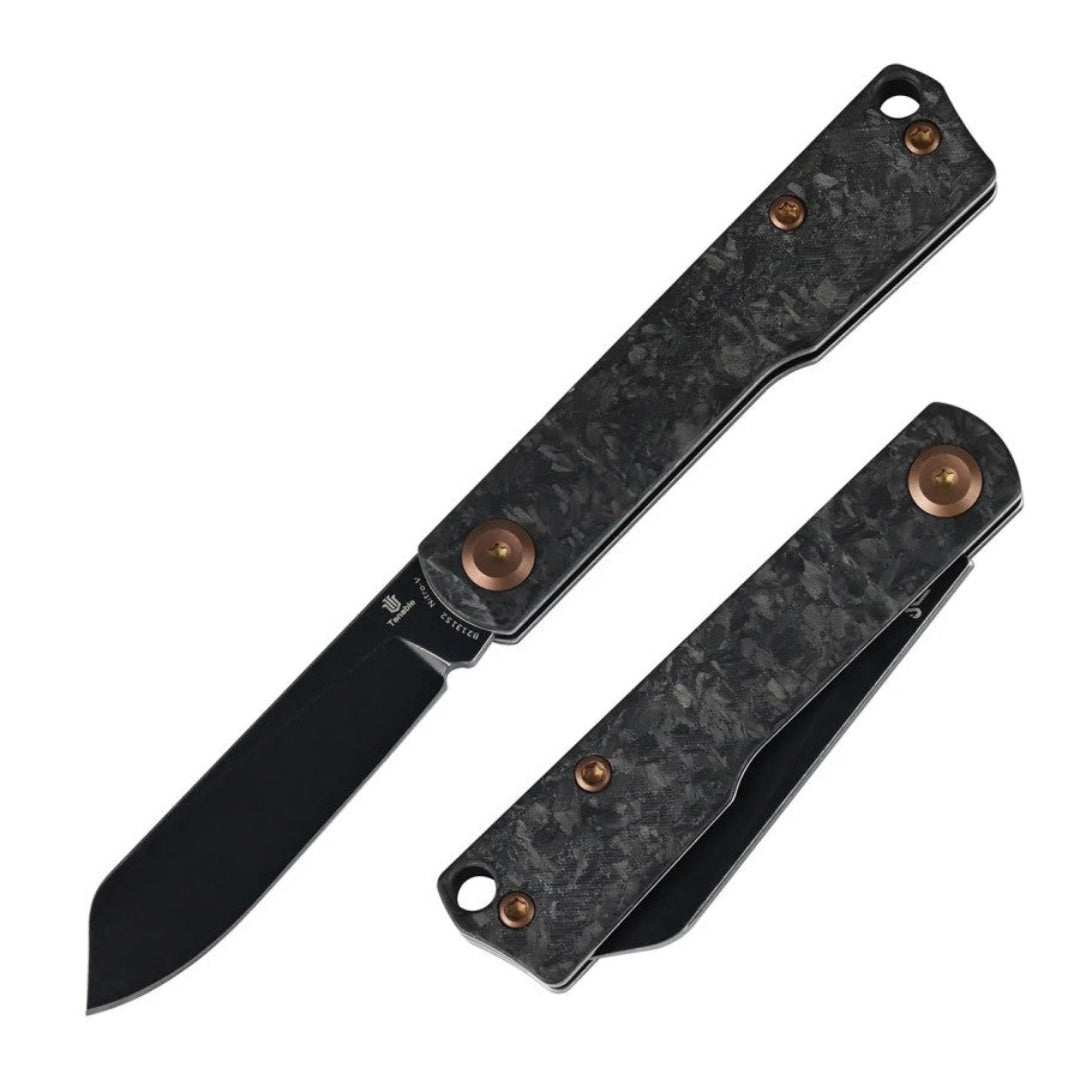
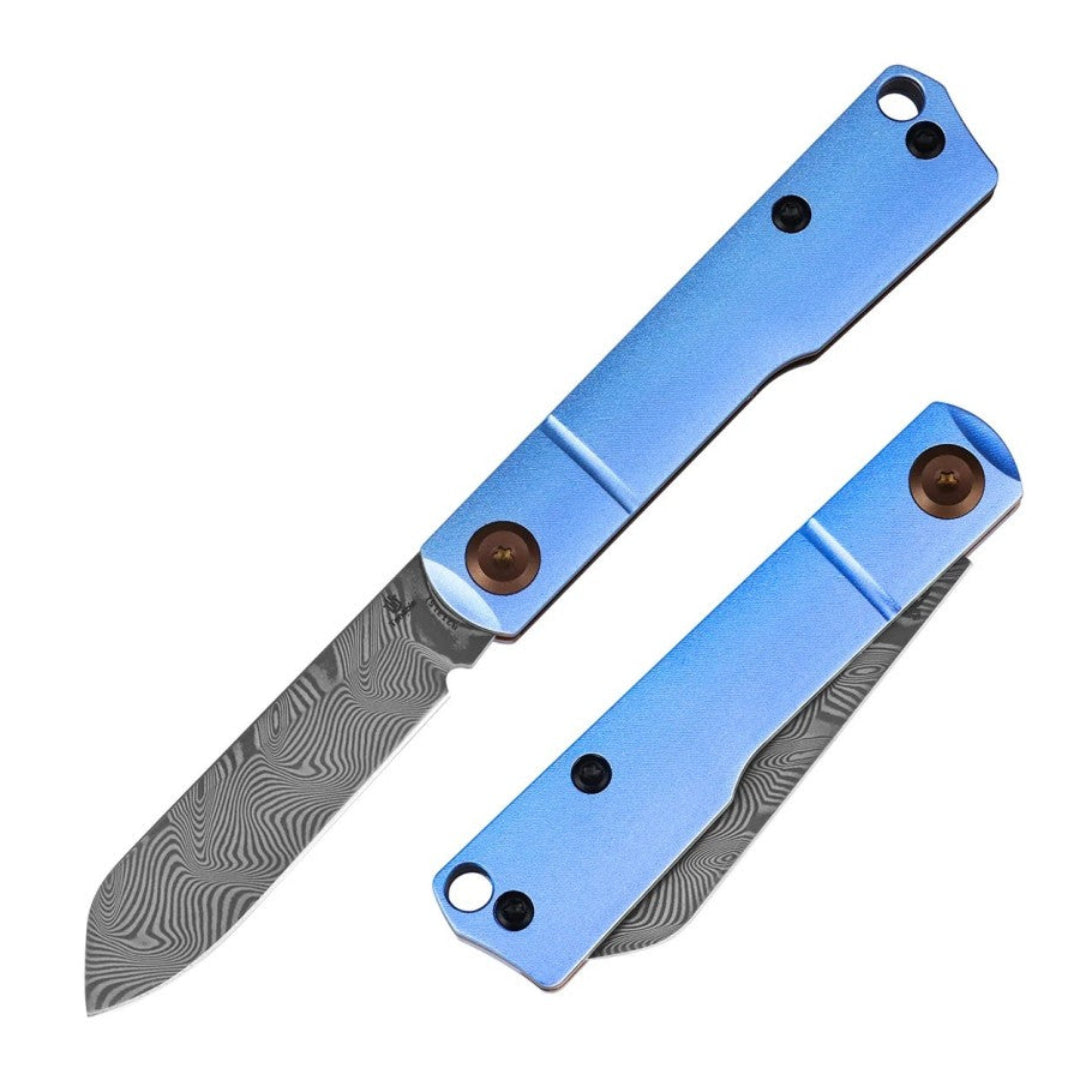
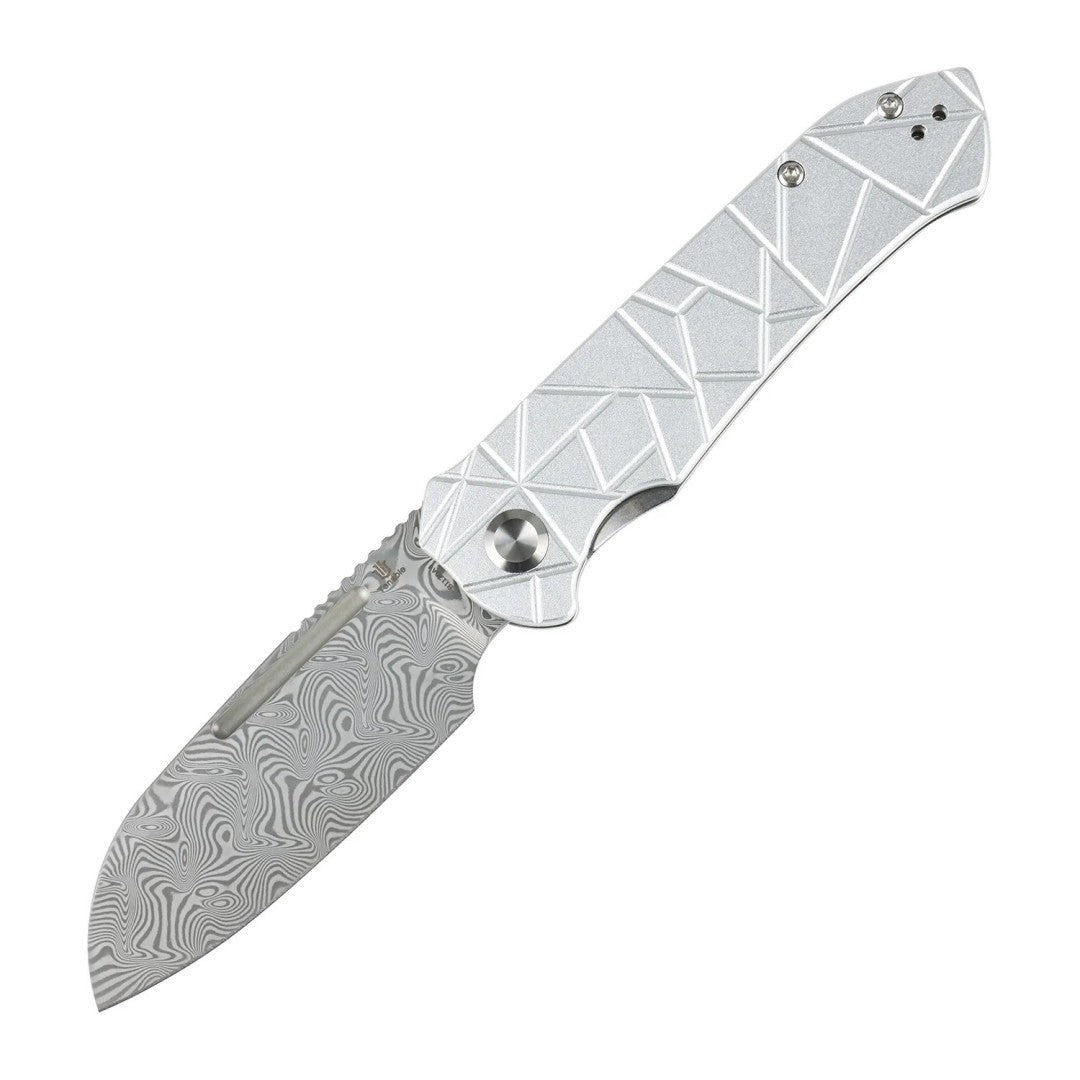
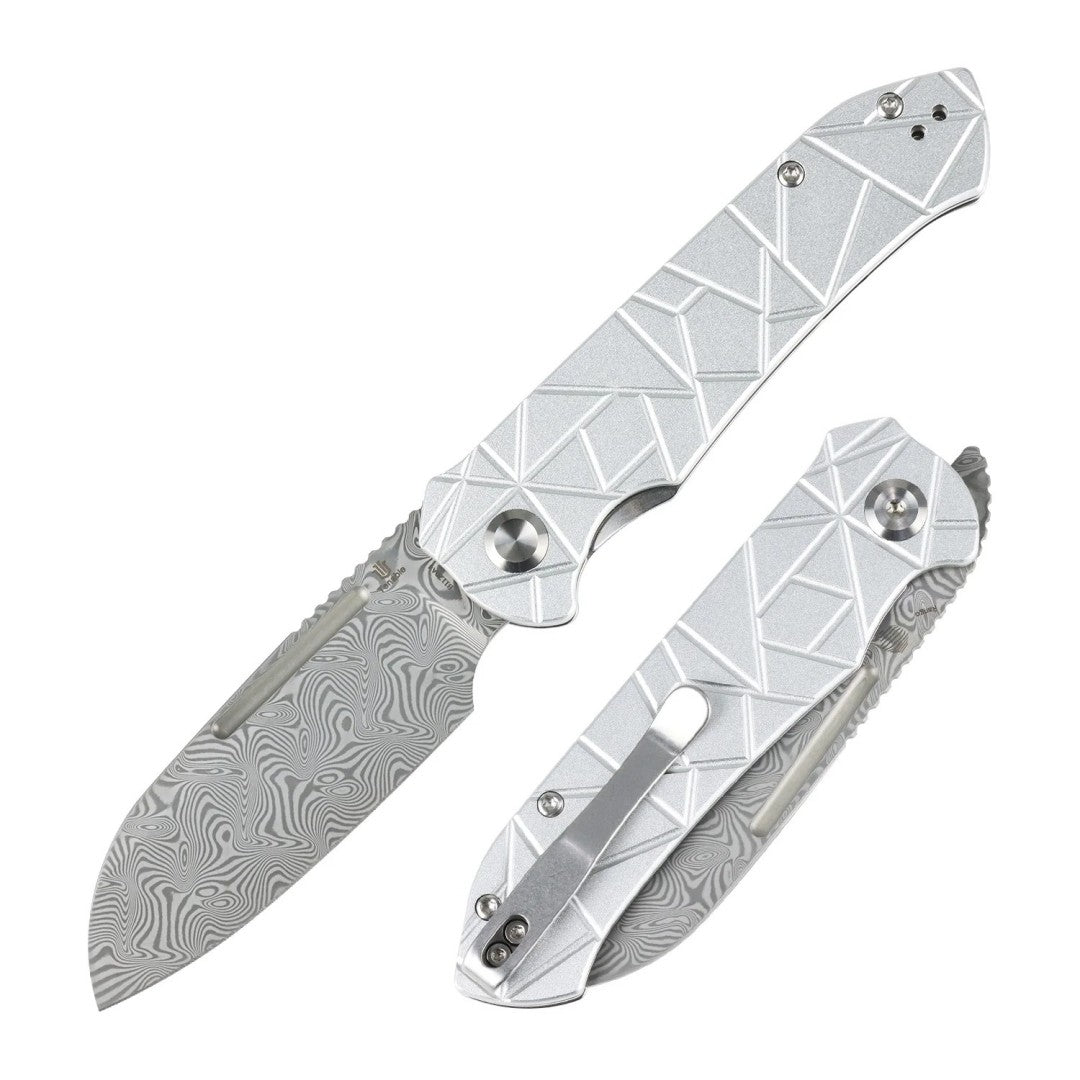
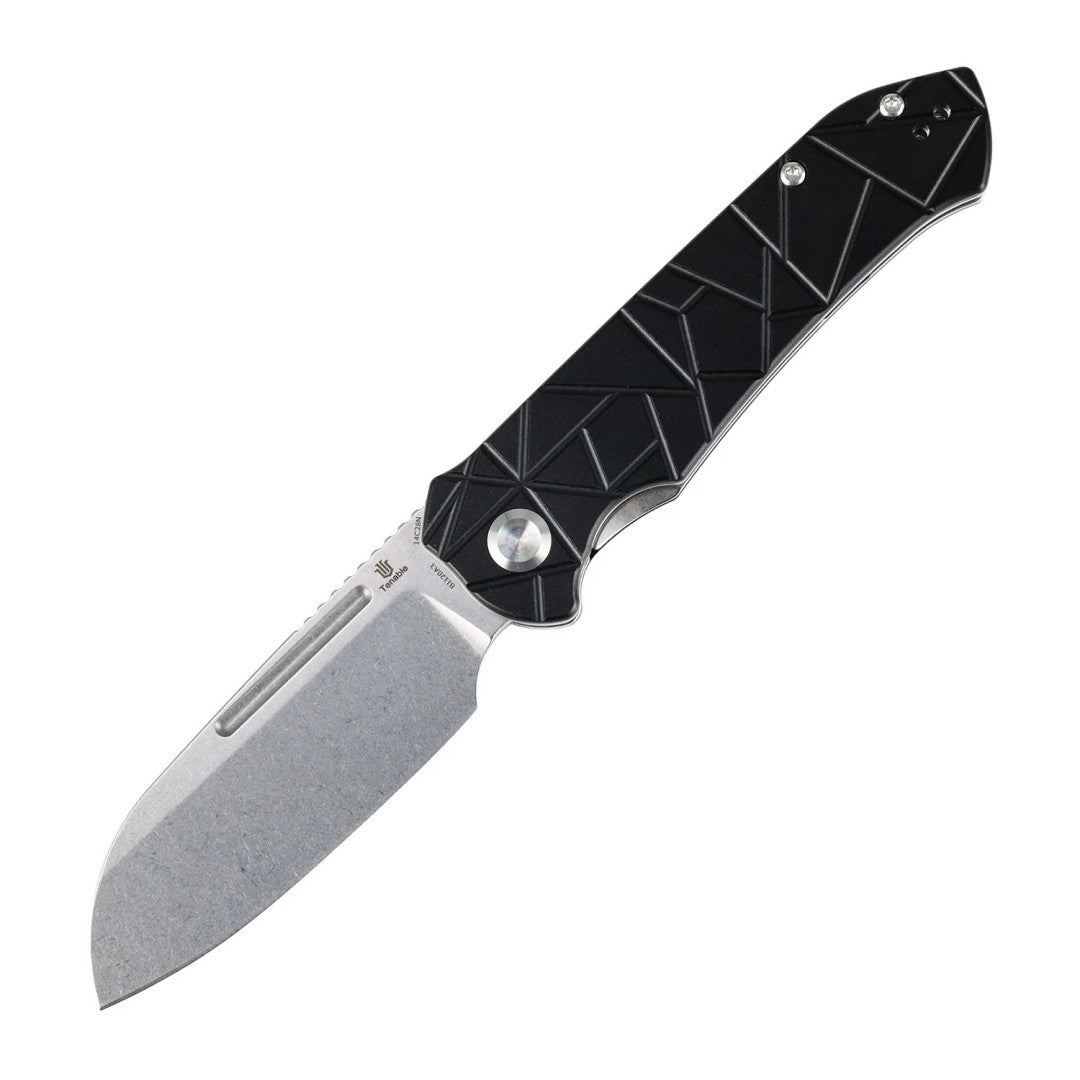
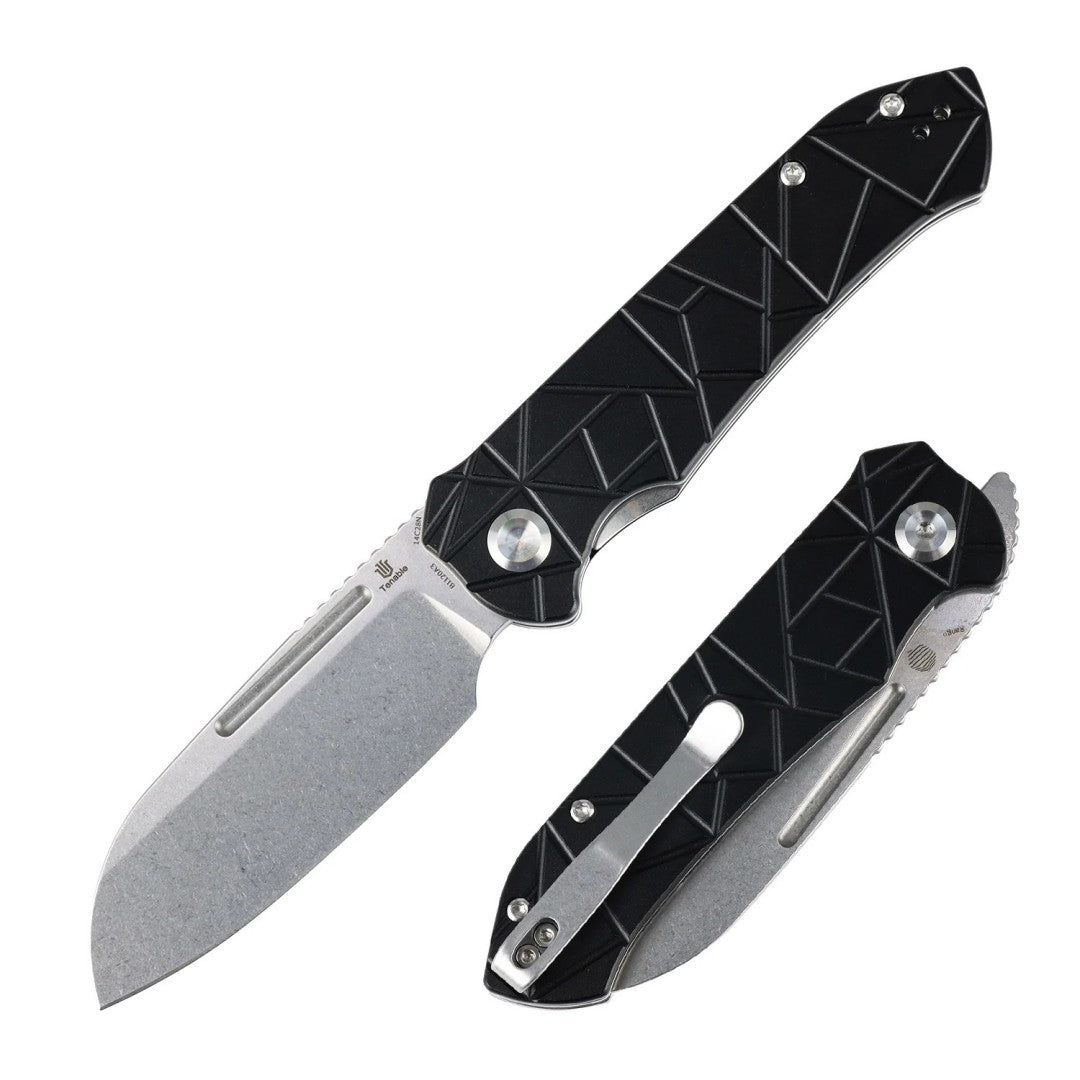
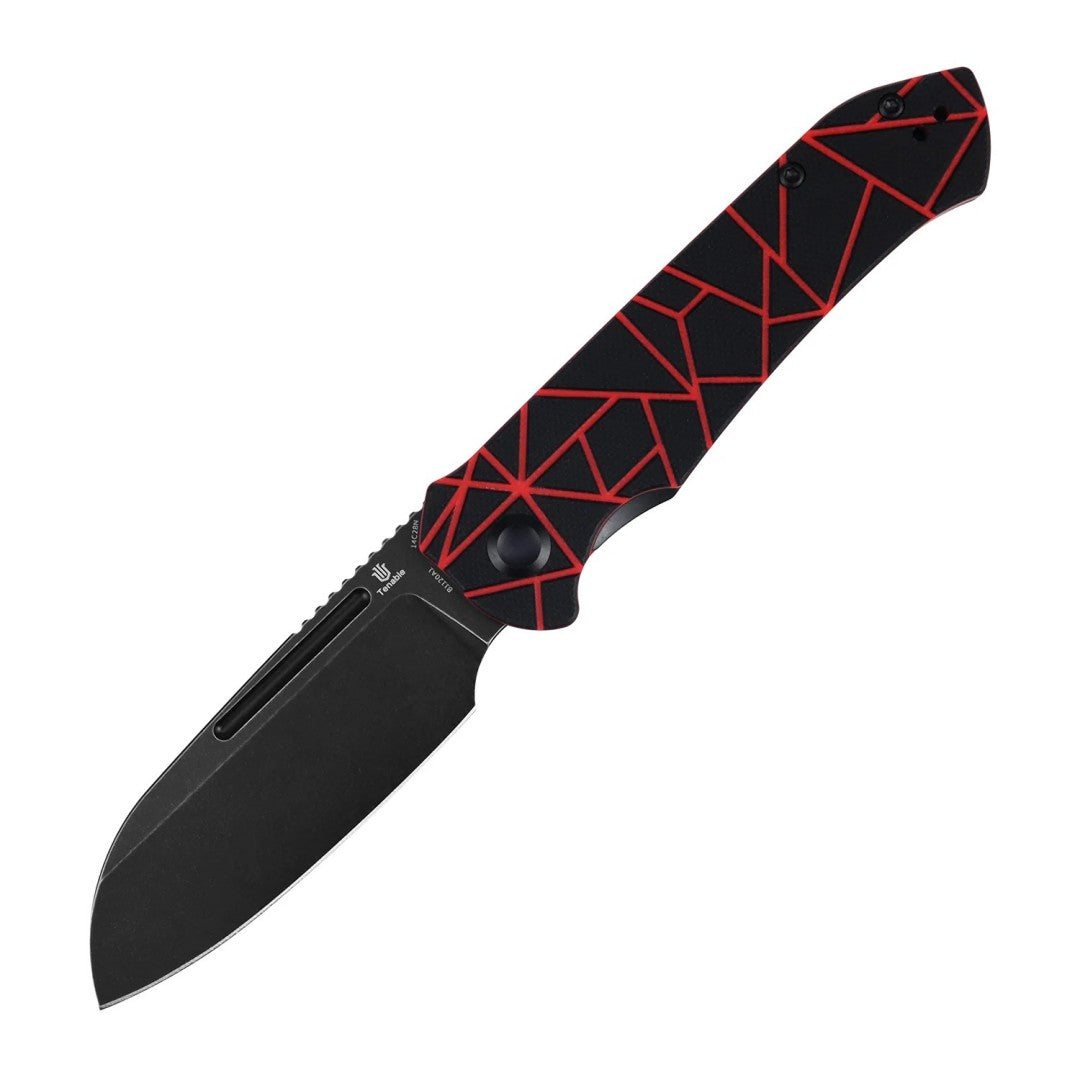
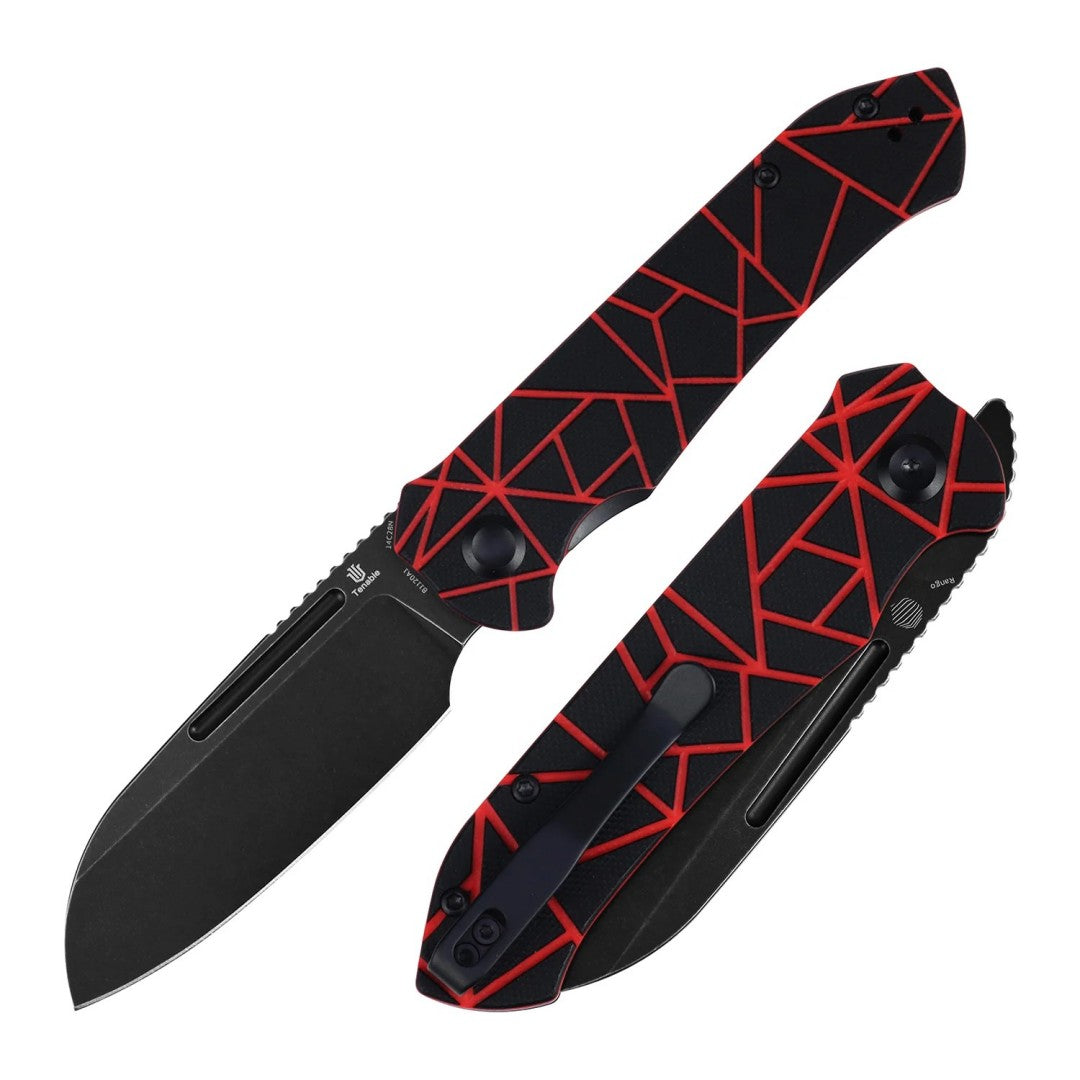
A clip point removes material from the spine near the tip, creating a narrow, sharp point aligned close to the axis of the blade. That makes it excellent at fine work, at reaching into tight spaces and at cutting with control rather than force. The price is a more delicate tip that will not tolerate the same abusive prying or piercing as a tanto. Tenable knives offer both profiles, which lets a buyer judge the difference in the hand.
Real-World Use
In everyday use a clip point is the friendlier blade, opening packaging, trimming, slicing and performing food work with little effort. A tanto is better when the job involves scraping, piercing or working in a scrape-and-draw motion, such as cutting heavy strapping or freeing a screw head from paint. Folding knives with a tanto are popular because the shape photographs well, not because the average user needs the strength.

Ownership Notes
The honest conclusion is that most users are better served by a clip point or a drop point, and that a tanto is worth owning for the specific tasks it handles well. Tenable knives and similar makers build both, so the sensible path is to buy the profile that matches your actual work. EdcMall carries enough variety to try each before committing. Buyers also benefit from testing both shapes with real work. Buying folding knives in both profiles quickly shows which one gets picked up, and the answer is usually quieter than any forum argument. Cut strapping with a tanto, open packaging with a clip point, and note which one leaves your hand first. The shape that disappears into the task is the one worth buying twice.
Who Is This For?
This is for buyers comparing two popular profiles, collectors deciding whether a tanto is worth adding and anyone who has had a tip snap off. If your work involves scraping and piercing, consider the tanto seriously. If it involves slicing and control, the clip point is almost always the better answer.
Final Verdict
Tanto and clip point are answers to different questions. Choose the tanto for tip strength and scraping, the clip point for precision and slicing, and accept that the rest is preference. Buy the geometry that matches the work and neither profile will disappoint you.