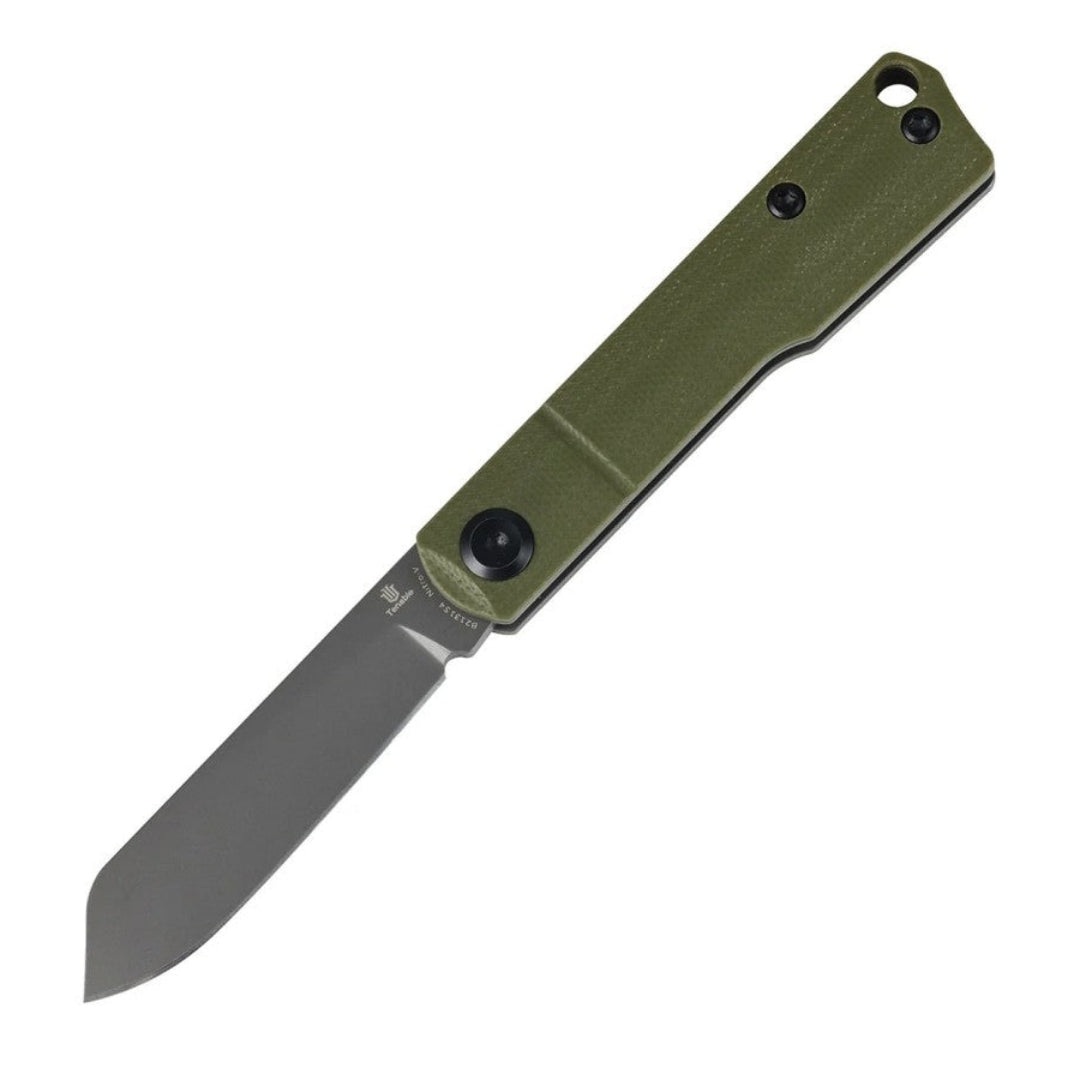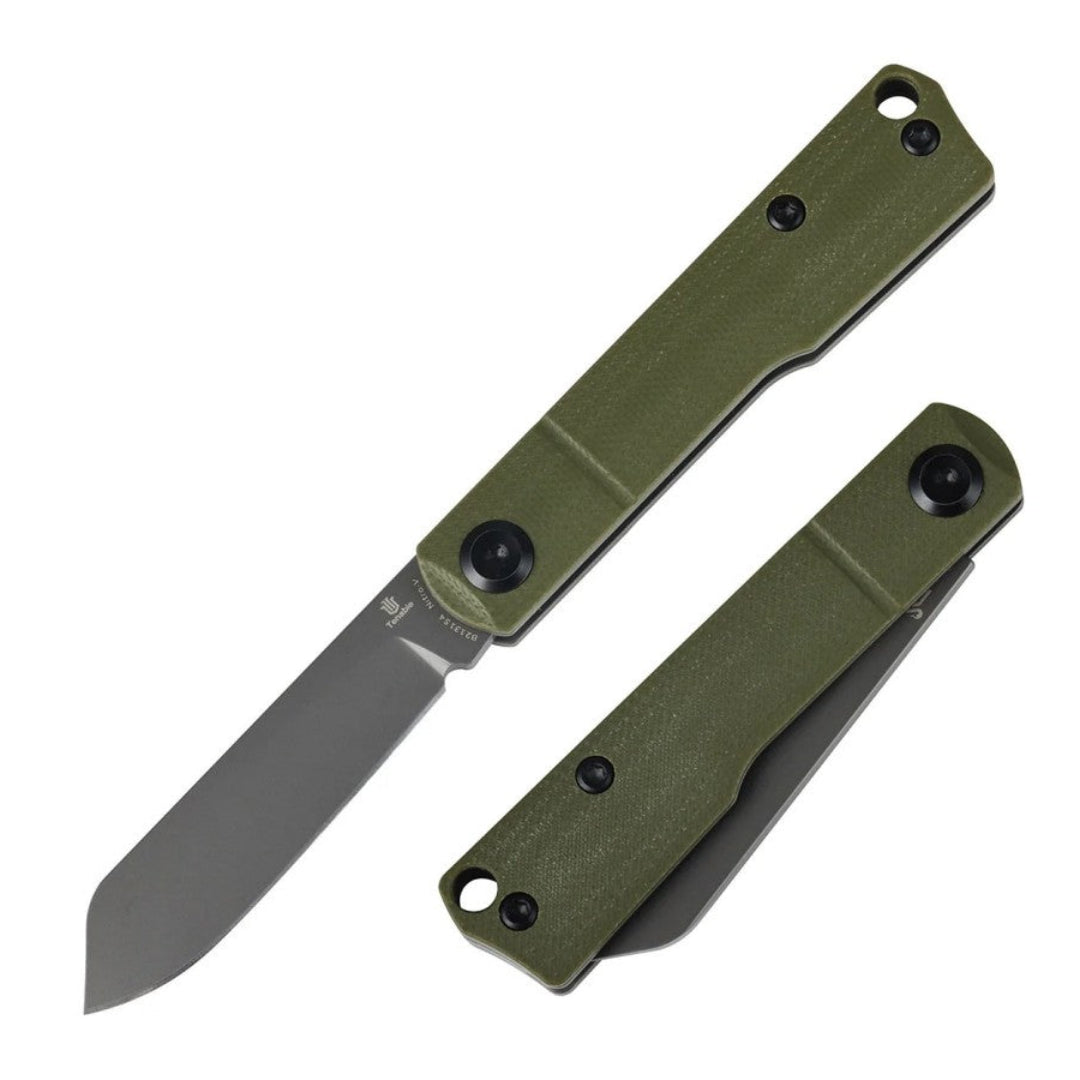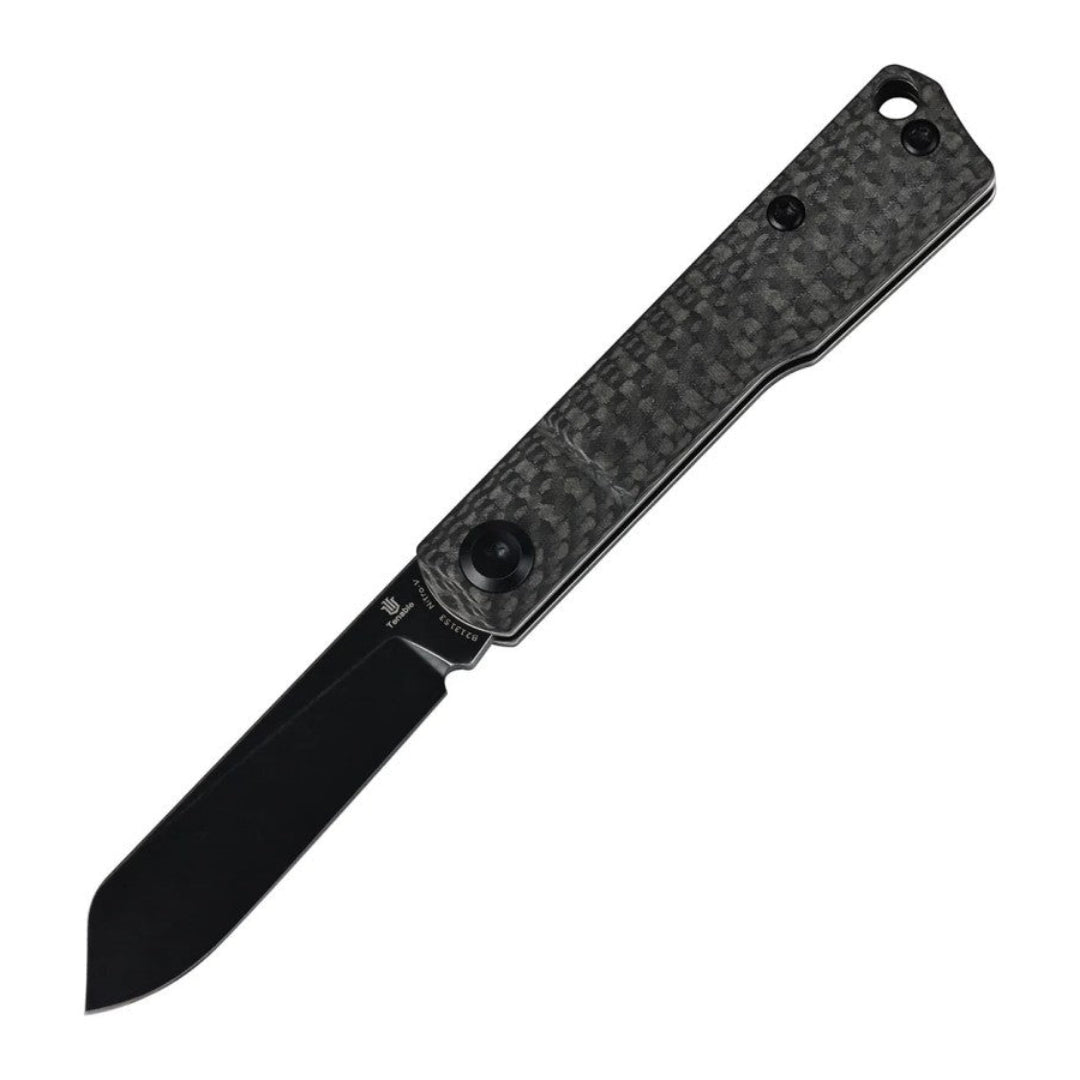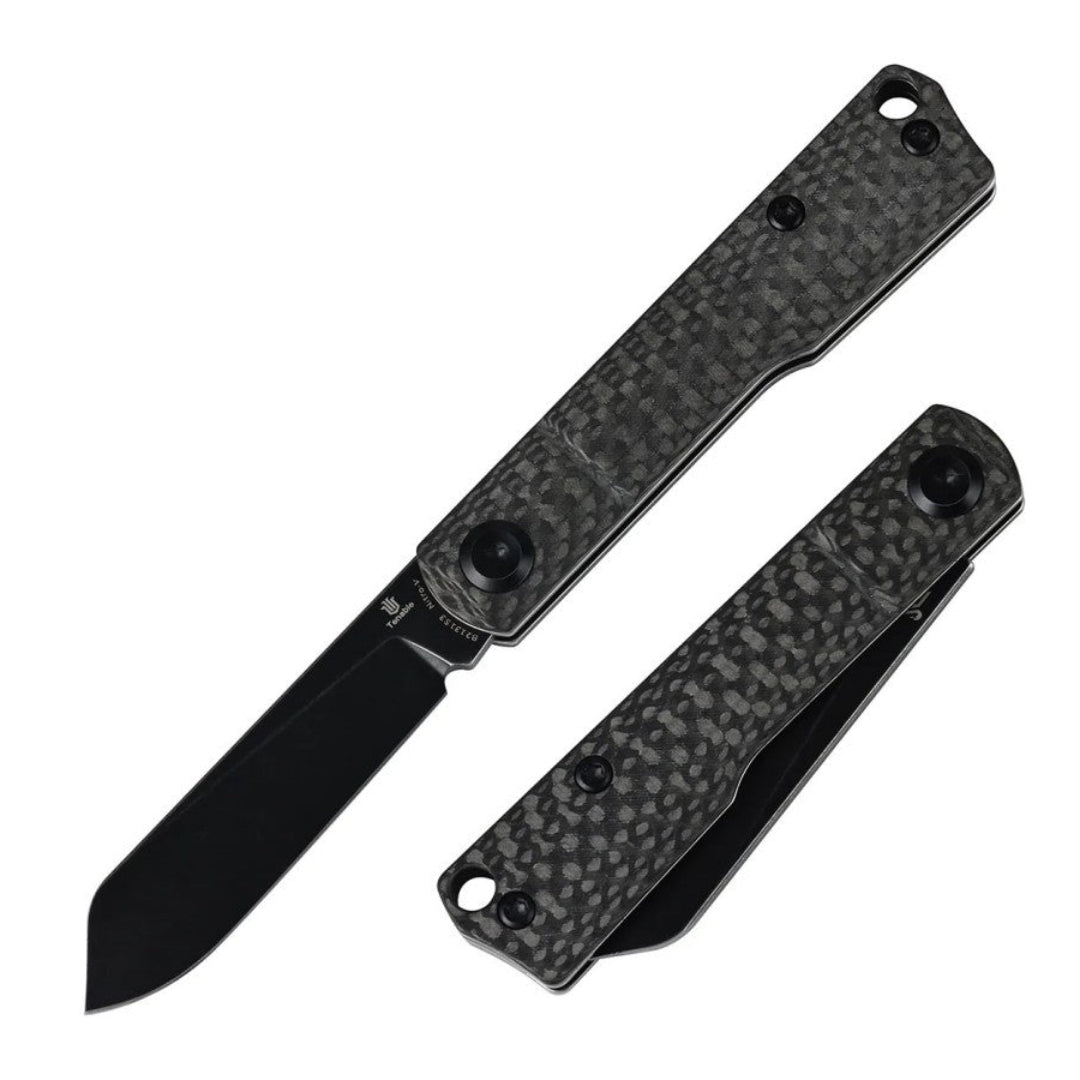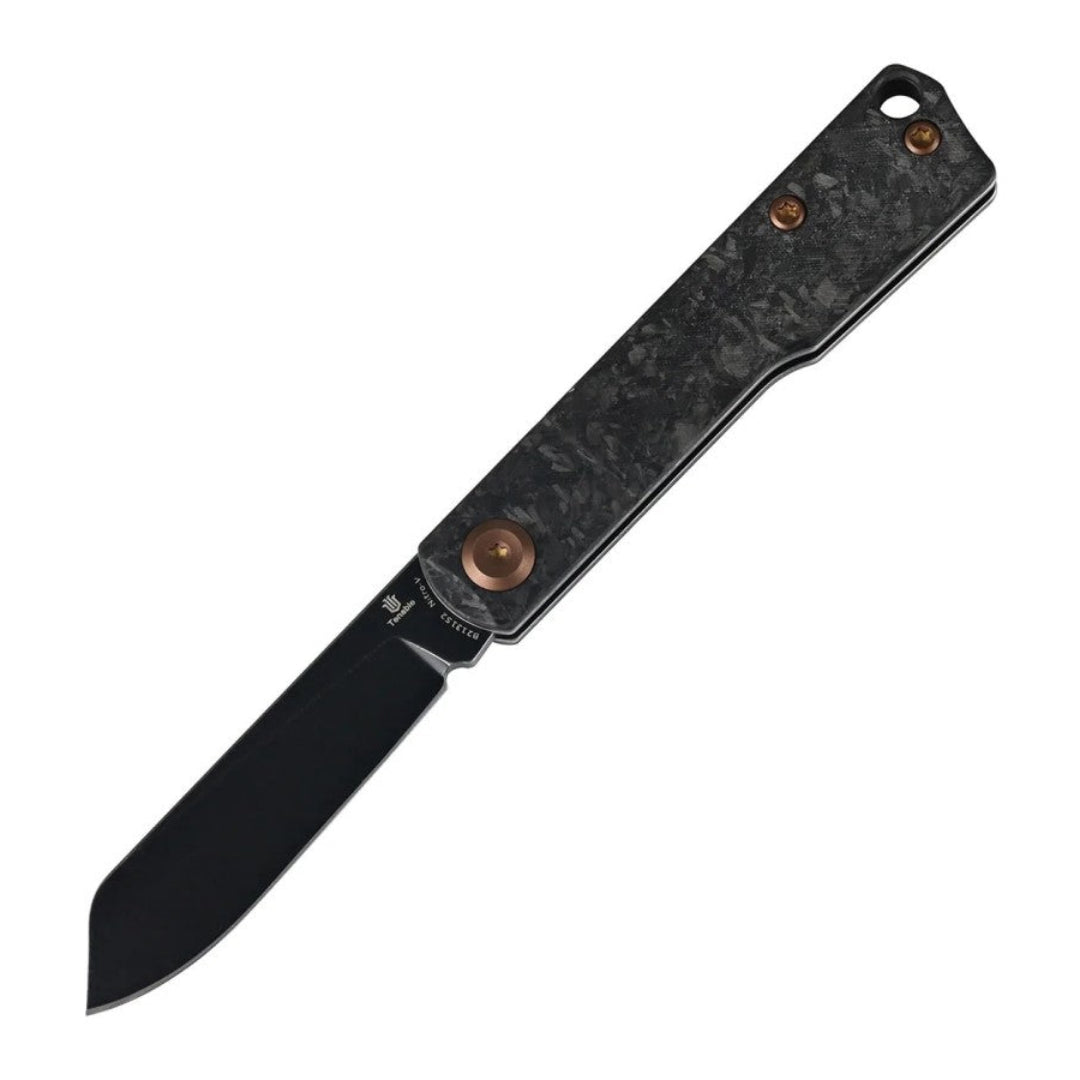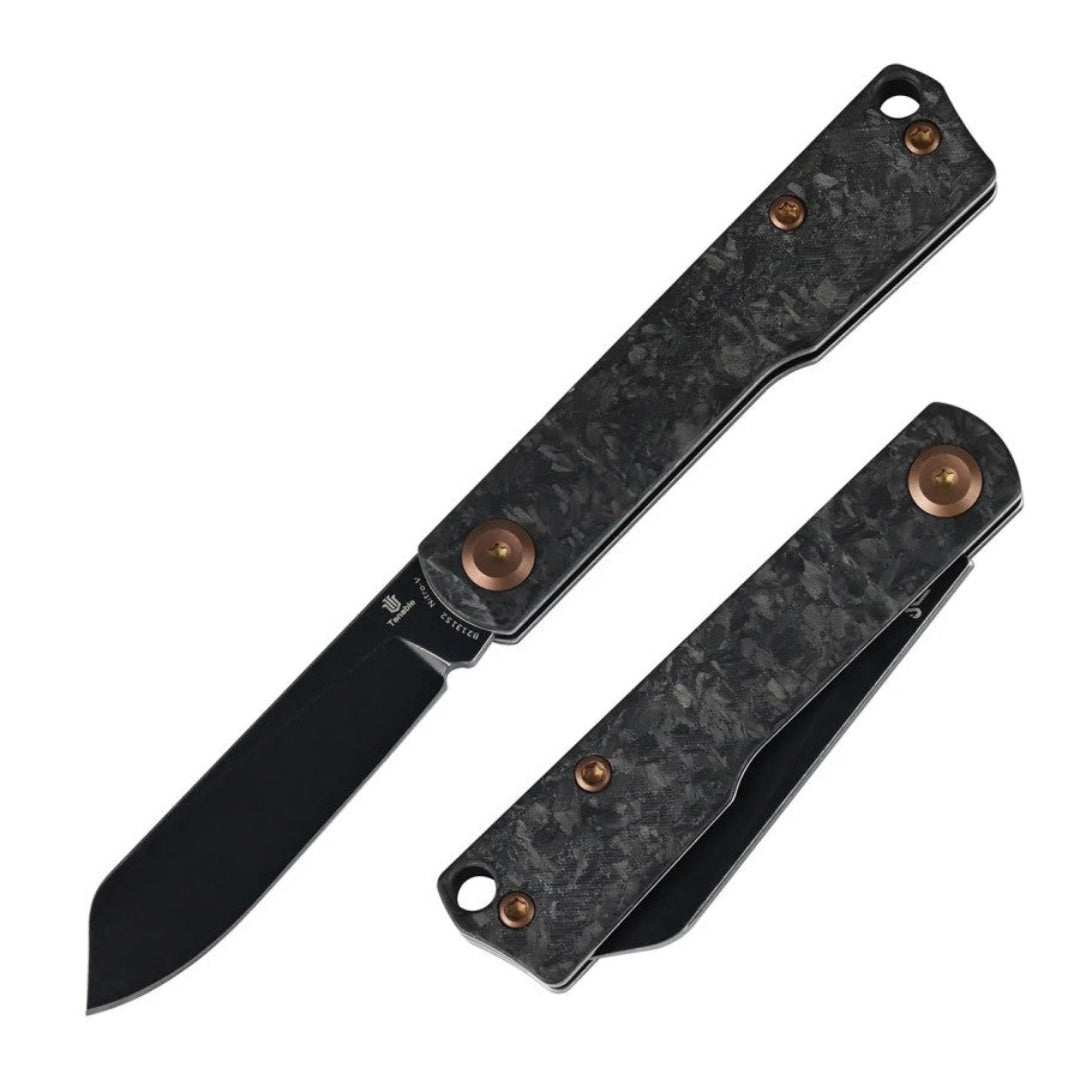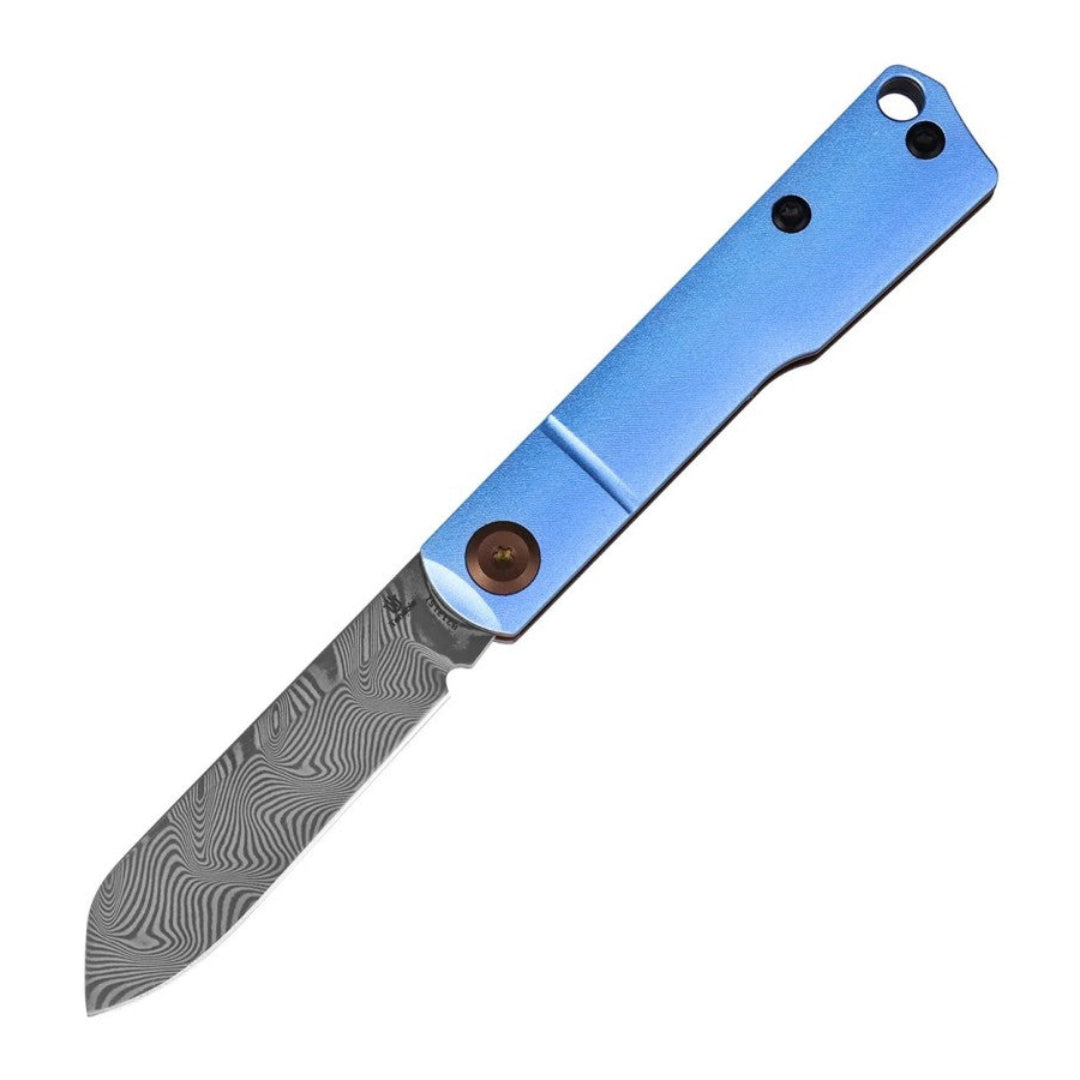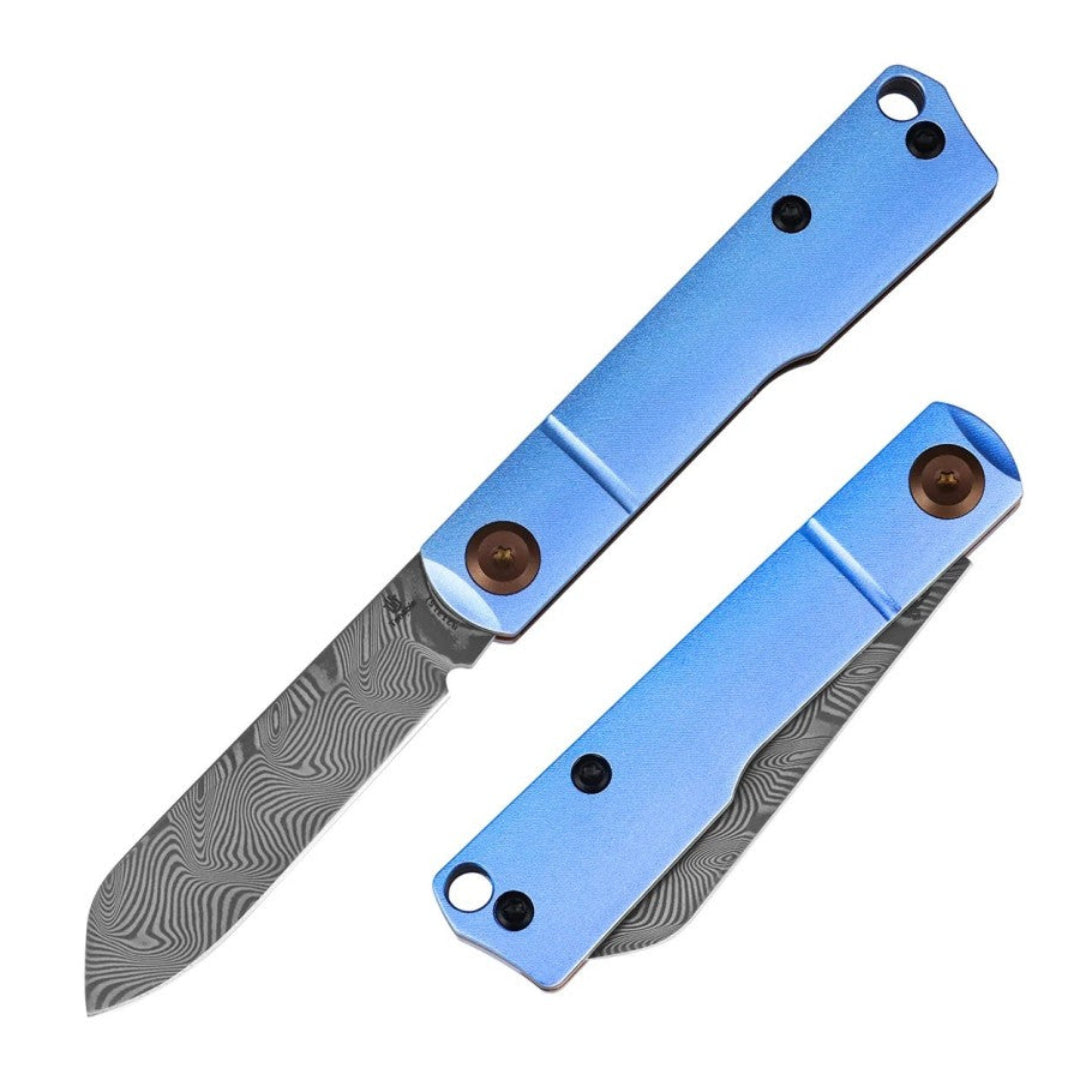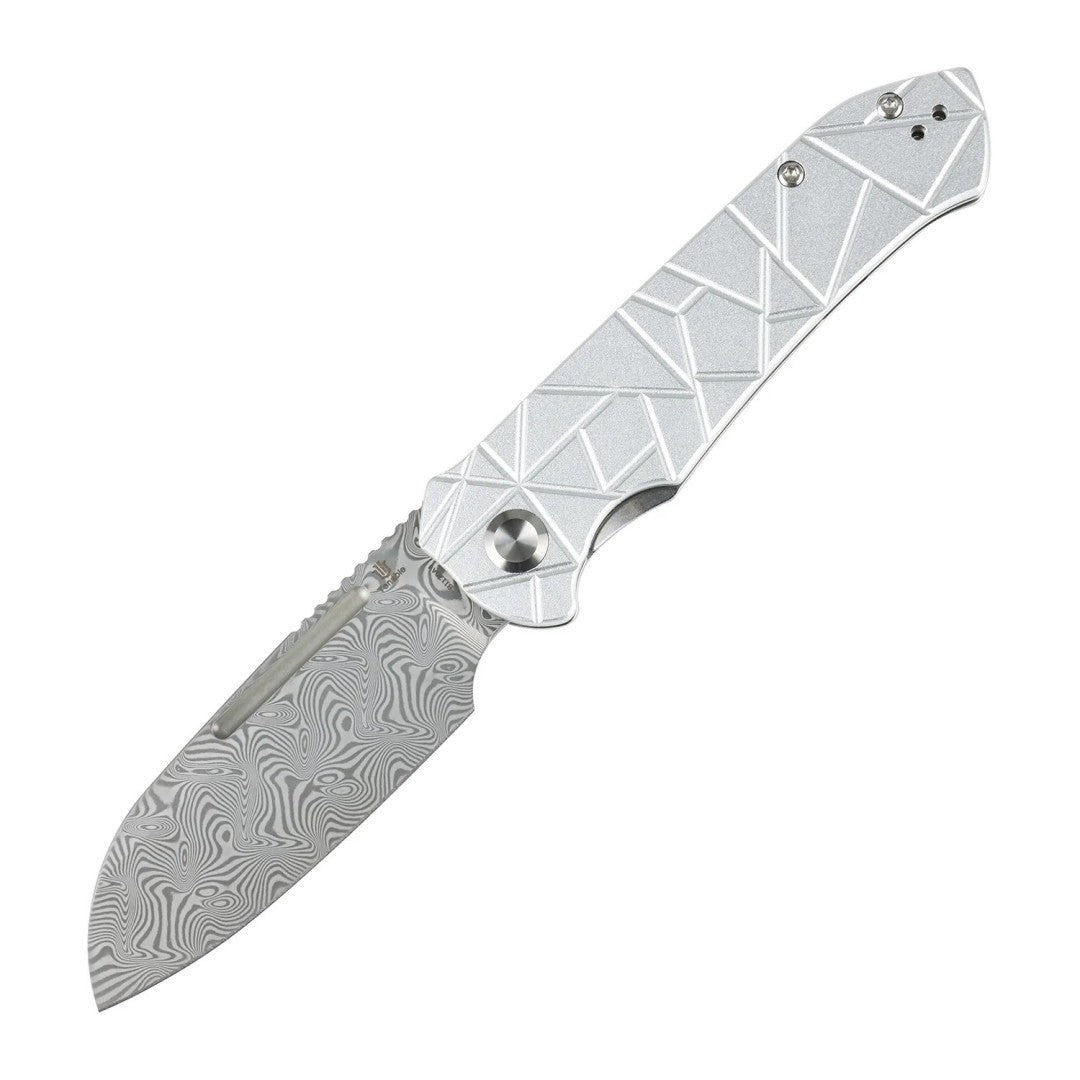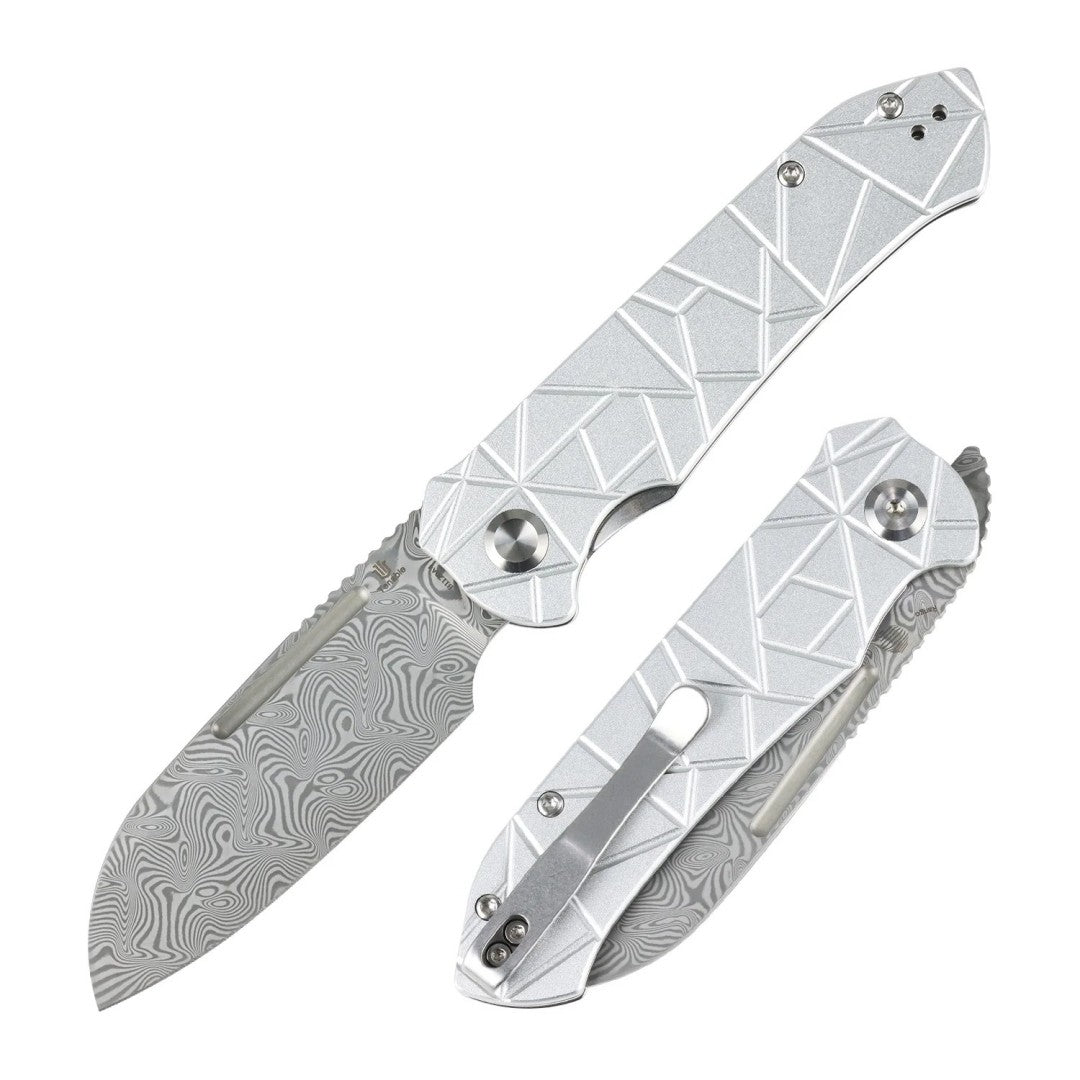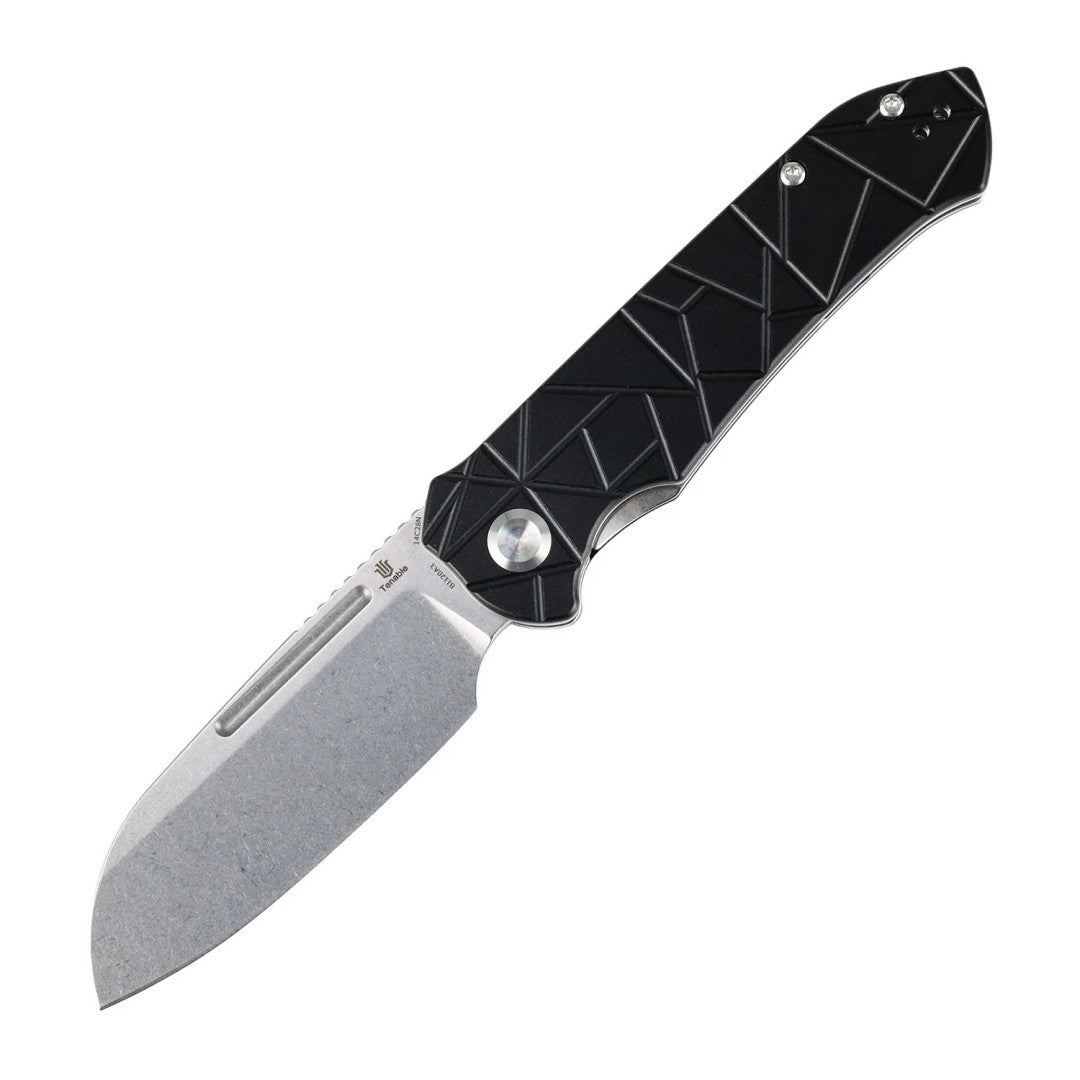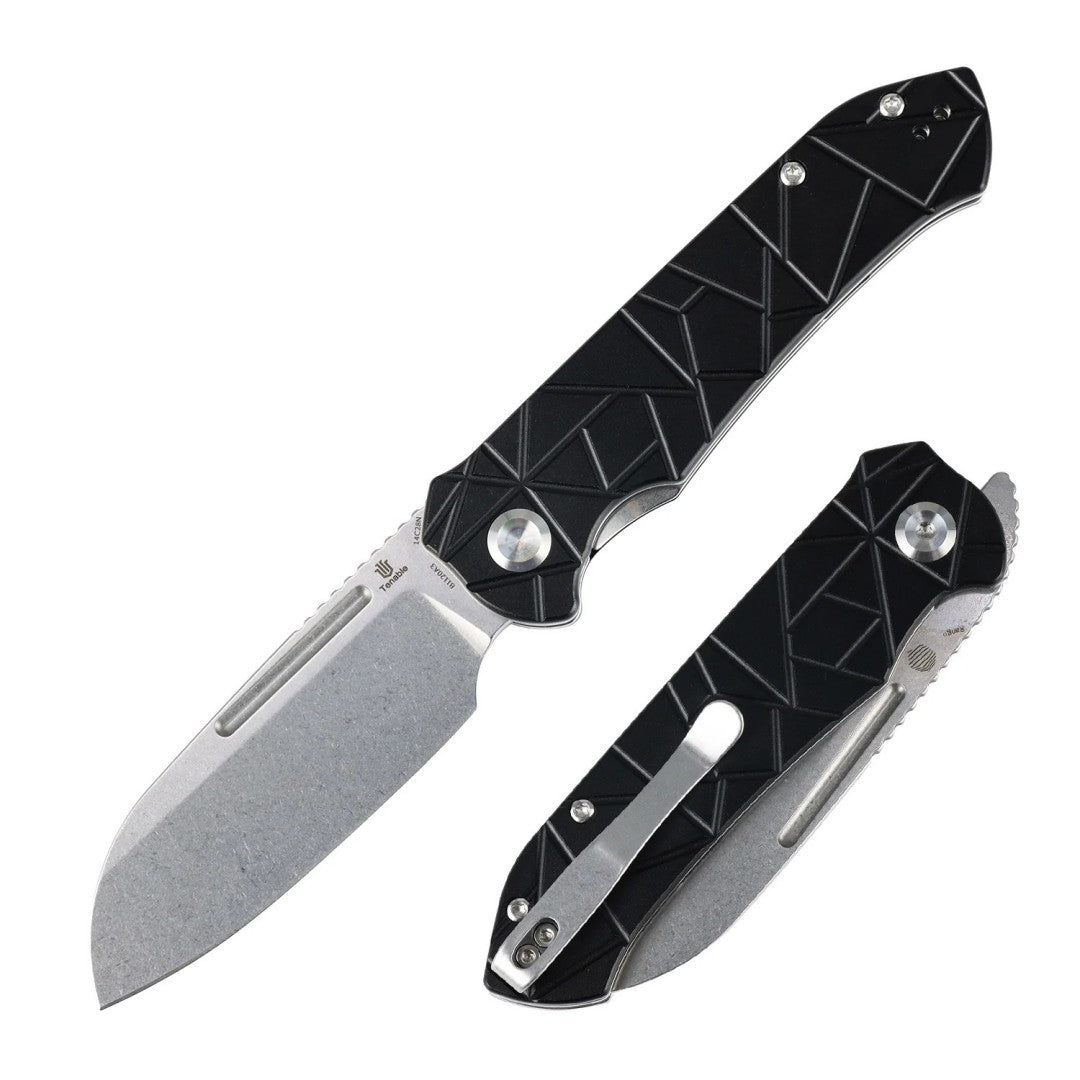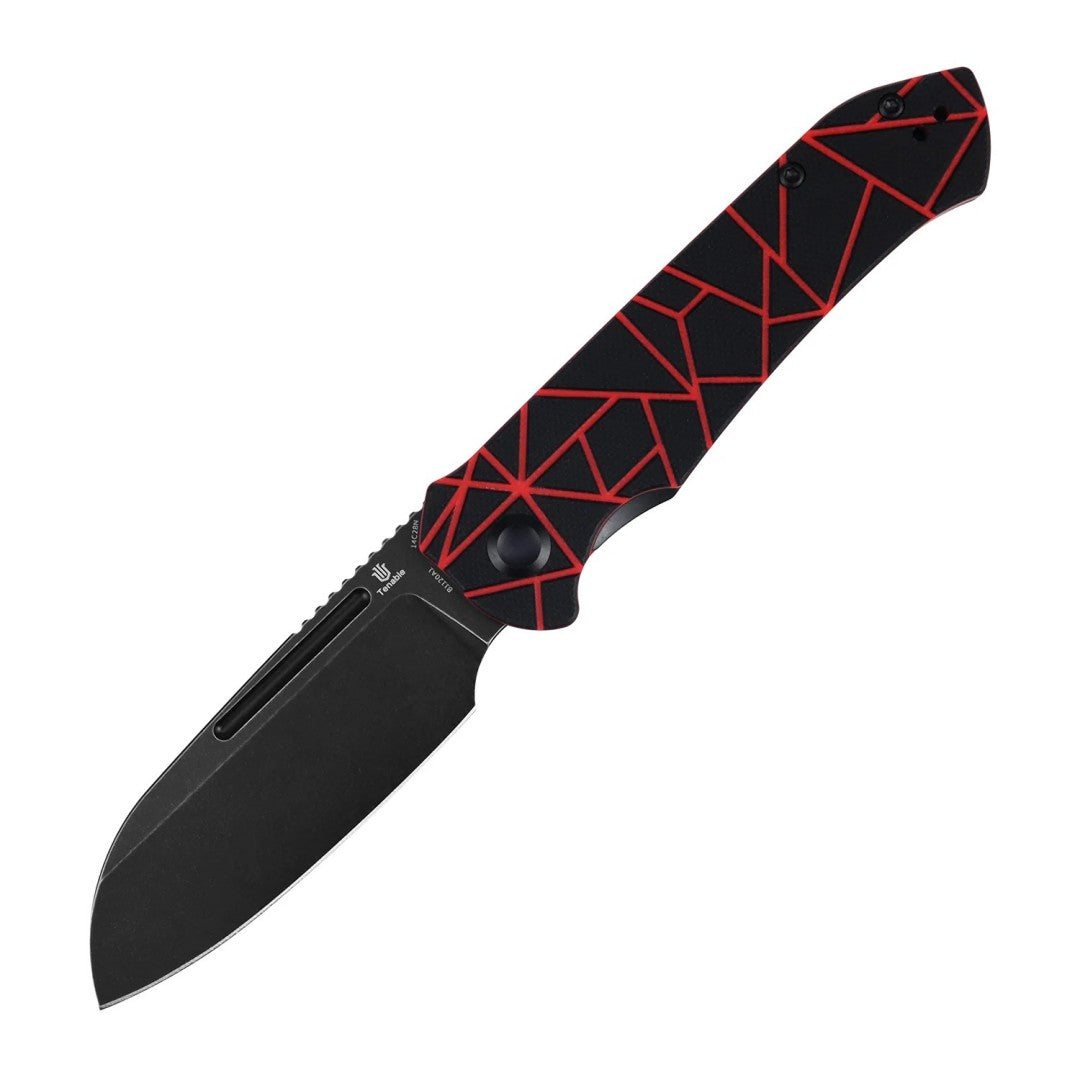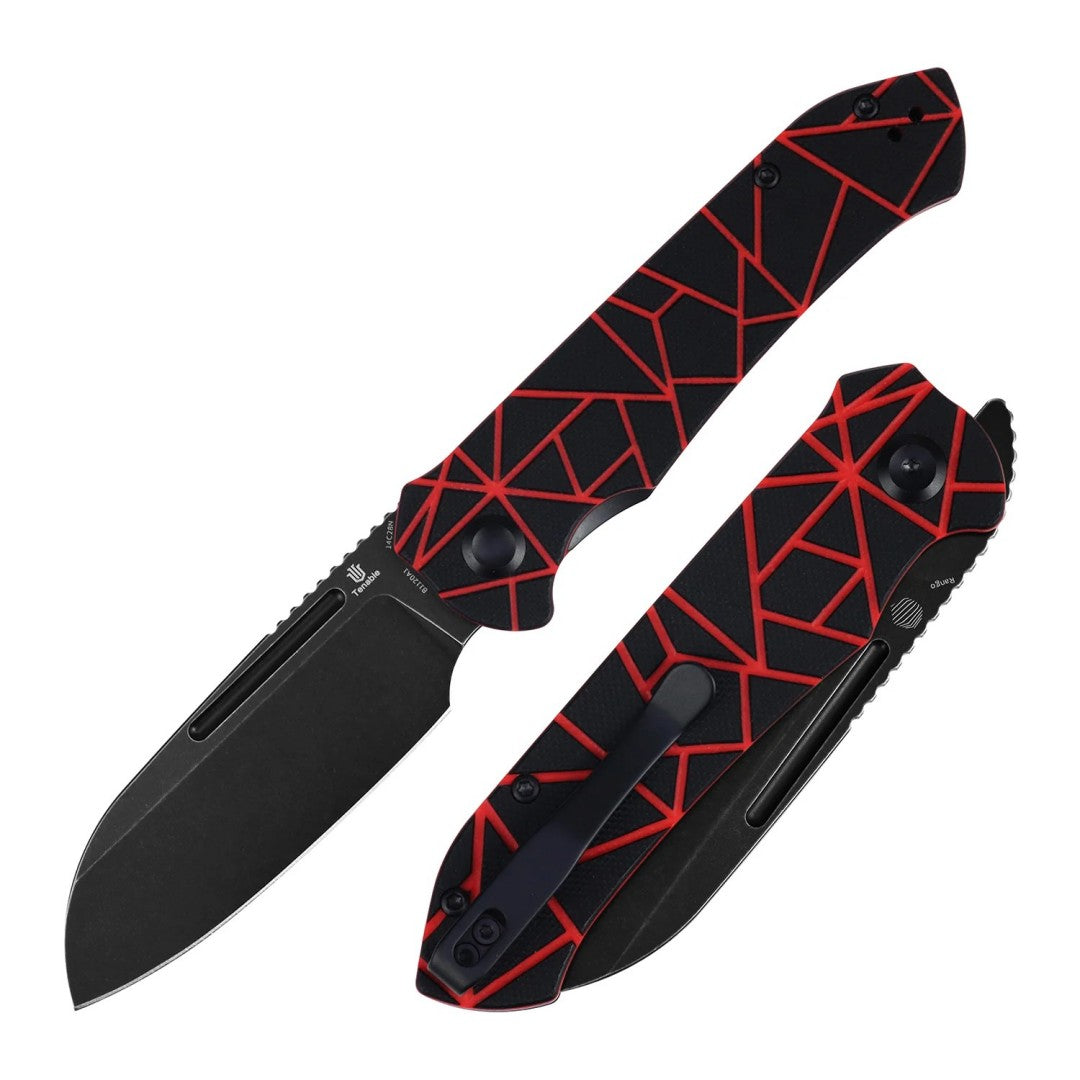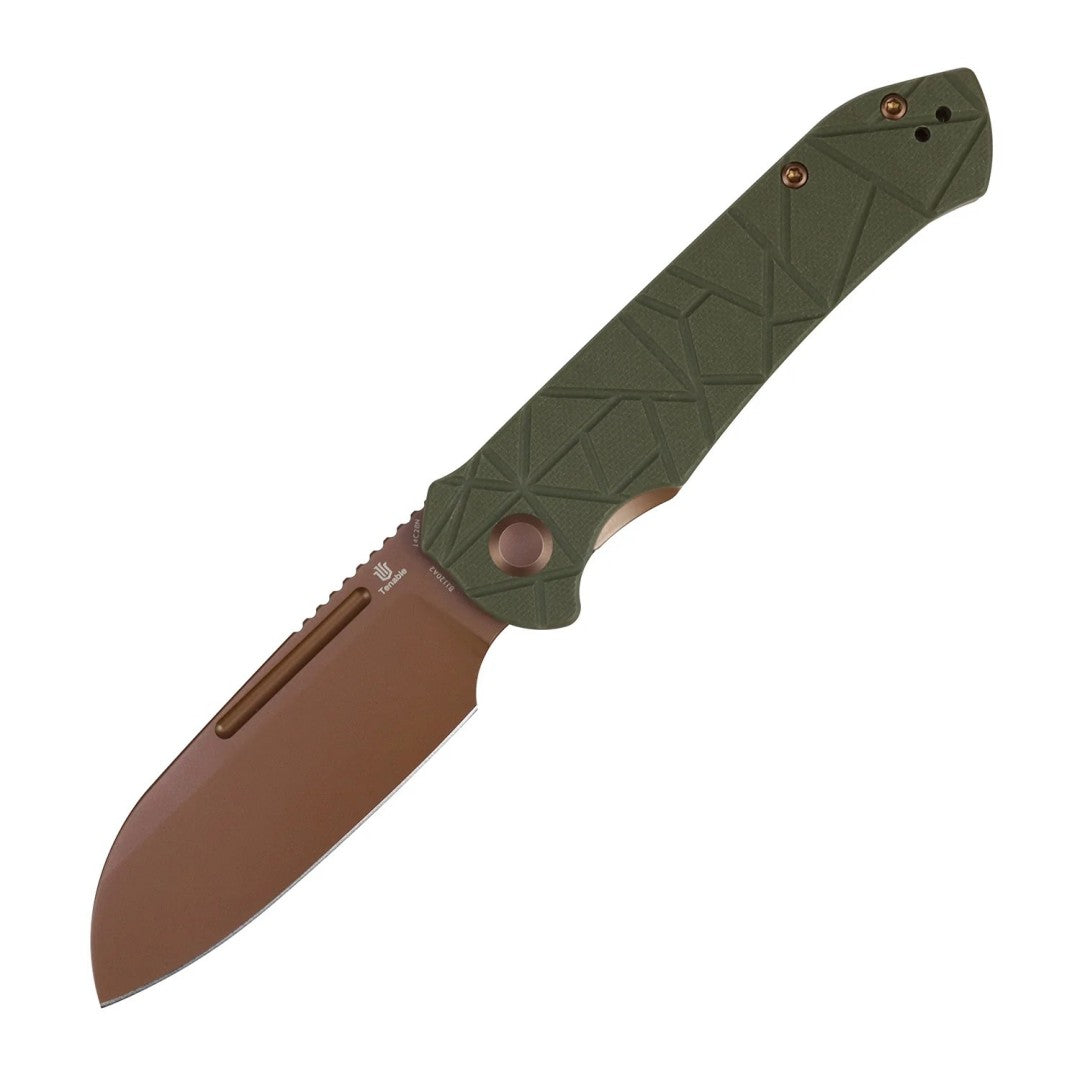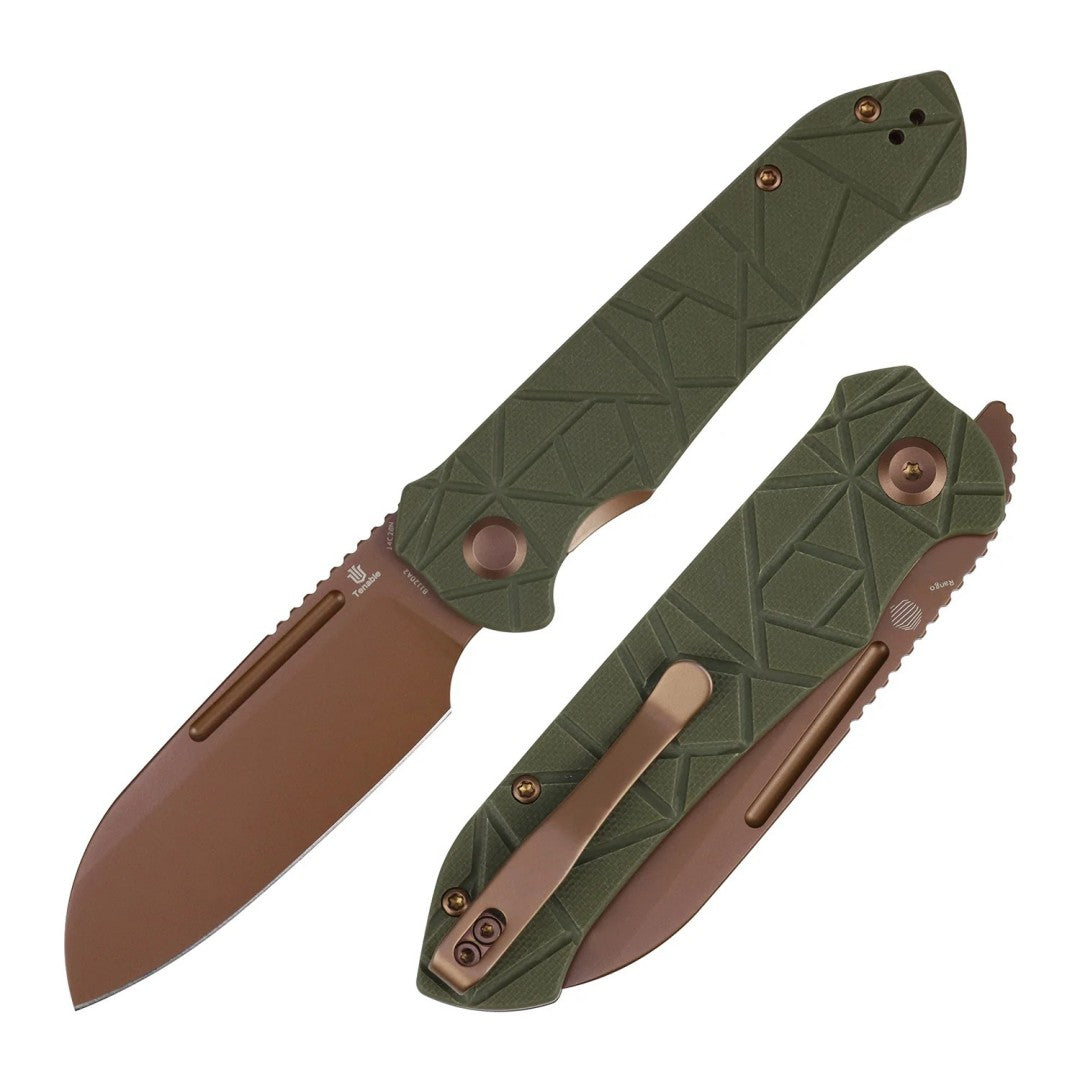
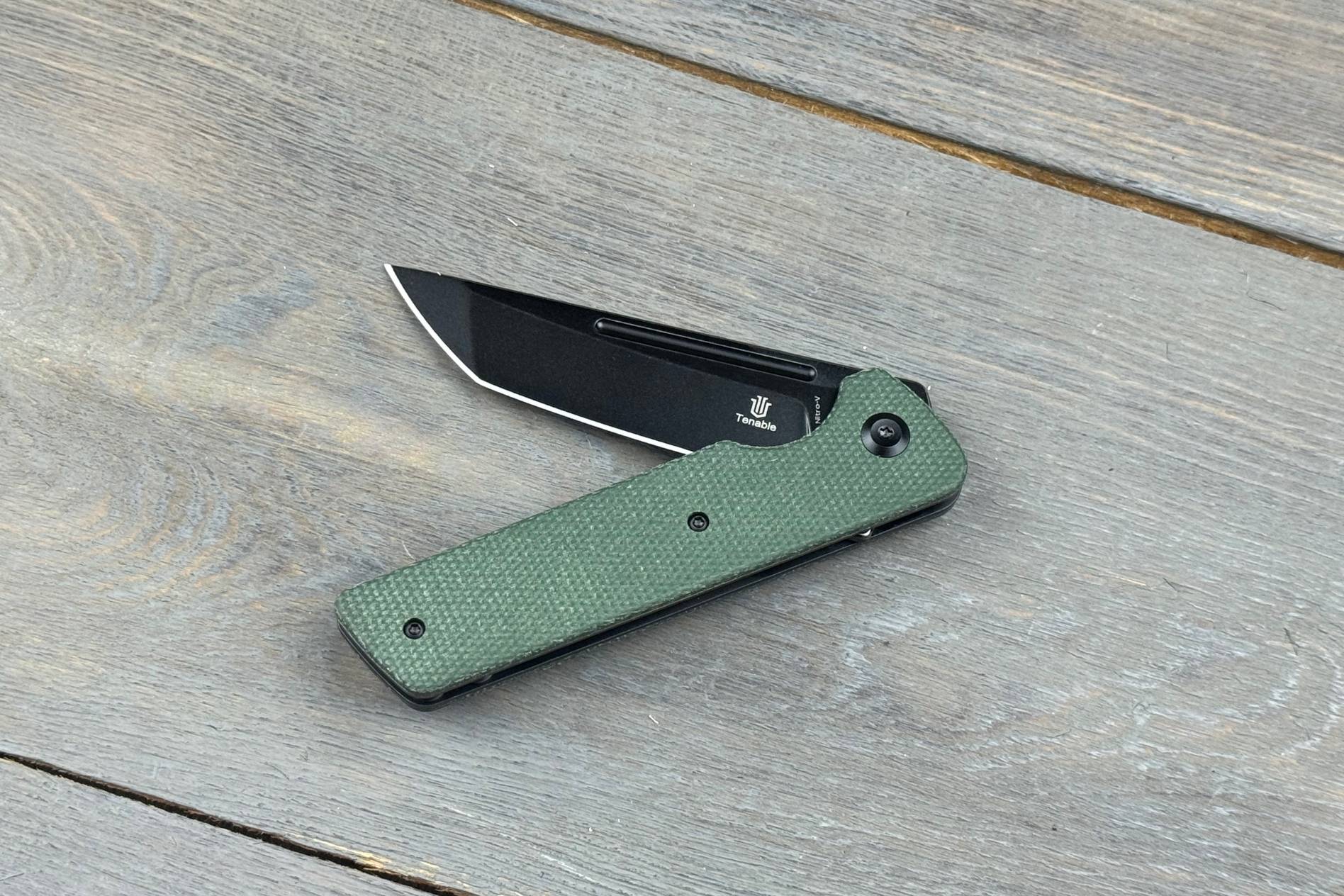
When shopping for a new everyday carry (EDC) pocket knife, you will inevitably face a classic dilemma: do you go with a traditional, standard blade shape that has been around for centuries, or do you opt for a specialized modern design like the Tenable Anomaly Tanto?
Choosing the right blade shape isn't just about looks. The geometry of your knife dictates how it cuts, how long the edge lasts, and how safely it handles specific materials.
In this comprehensive guide, we will break down the differences between the highly engineered Tenable Anomaly Tanto (designed by Dirk Pinkerton) and standard blades (like drop points and clip points) to help you decide which one deserves a permanent spot in your pocket.
The Competitors at a Glance
Before diving into performance metrics, let’s look at how these blade silhouettes differ visually and structurally:
| Blade Type | Tip Geometry | Edge Curvature (Belly) | Primary Use Case |
| Tenable Anomaly Tanto | Angular, heavily reinforced | Straight edge with a secondary angular sweep | Piercing, tactical use, heavy utility scraping |
| Standard Drop Point | Convex, lowered tip | Continuous curved belly | General slicing, hunting, everyday tasks |
| Standard Clip Point | Concave, fine needle-like tip | Pronounced curved belly | Detail cutting, piercing softer targets |
1. Tip Strength: Puncture vs. Precision
The most dramatic difference between the Tenable Anomaly Tanto and standard blades lies at the very tip of the knife.
The Anomaly Tanto Advantage
Traditional standard blades taper down significantly at the spine, leaving the tip relatively thin. The Tenable Anomaly Tanto retains almost full spine thickness until it reaches the angular front grind. This creates an incredibly robust, triangular geometric tip that is built to absorb massive amounts of force.
The Verdict: If your daily tasks involve puncturing tough materials (like thick plastics, metal drum lids, or heavy carpet) or light scraping, the Anomaly Tanto is nearly indestructible. Standard blades are prone to snapping at the tip under the exact same stress.
2. Slicing Performance and Blade "Belly"
How a knife slices depends entirely on its "belly"—the curved portion of the cutting edge.
Standard Blades for Long Slices
Standard blades feature a continuous, sweeping curve. When you slice through a piece of meat, cardboard, or rope, this curve naturally rolls through the material, distributing wear evenly across the edge.
The Anomaly Tanto Approach
The Anomaly Tanto features a straight primary edge that meets a secondary forward edge at a sharp angle. It doesn't "roll" through a slice the way a drop point does. Instead, it offers two completely straight, flat cutting surfaces.
This layout is excellent for making precise straight lines or pulling cuts (like opening packages or trimming materials against a flat surface), but it requires a bit more wrist adjustment for long, deep slicing motions.
3. Materials and Edge Retention: Nitro-V Steel
Blade shape means nothing without the right metal backing it up. Many standard budget knives on the market rely on older steel compositions like 8Cr13MoV or basic 440C, which can dull quickly under heavy use.
The Tenable Anomaly Tanto elevates the playing field by utilizing Nitro-V stainless steel. This specialized steel is enriched with nitrogen and vanadium, offering major upgrades over standard pocket knife steels:
-
Corrosion Resistance: Nitro-V handles humidity and pocket sweat perfectly without staining.
-
Toughness: The nitrogen formulation makes the steel less brittle, allowing the Tanto's angular edges to handle impacts without chipping.
-
Micro-Cleanliness: It takes a terrifyingly sharp edge that is easy to touch up on standard sharpening stones.
4. Deployment, Action, and Practical Ergonomics
A pocket knife is an extension of your hand, and deployment speed matters in both utility and self-defense situations.
The Standard Fold
Many traditional pocket knives rely on standard thumb studs or simple nail nicks. While functional, they can sometimes be clumsy to operate with gloved hands or under stress.
The Anomaly Tact-Aesthetics
The Tenable Anomaly Tanto uses a streamlined manual flipper tab coupled with a premium ceramic ball-bearing pivot. The action is lightning fast and butter-smooth; a quick pull on the tab snaps the blade open with a mechanical click.
Furthermore, the Anomaly’s handle profile is completely straight, mirroring a traditional Japanese kwaiken. When closed, the blade is entirely hidden within the handle scales (available in rugged G10 or textured Micarta). This gives it a slim, low-profile carry that standard, bulky tactical knives simply cannot match.

Head-to-Head: Which Blade is Right For You?
Choose the Tenable Anomaly Tanto if:
-
You need maximum tip durability for prying, scraping, or heavy puncturing.
-
You prefer a slim, modern, gentleman-tactical aesthetic that fits in a suit or tactical gear.
-
You want fast, one-handed deployment via a ceramic bearing flipper.
-
Your primary cutting tasks involve opening boxes, cutting zip-ties, and heavy utility work.
Choose a Standard Blade if:
-
Your main use case involves roll-slicing (e.g., food prep or skinning game).
-
You prefer traditional, curved knife aesthetics over modern geometric lines.
-
You do not want to manage two separate straight edges when resharpening your knife.
Final Thoughts
Standard blades will always have a place in the knife world for their all-purpose slicing capabilities. However, if you want a knife that tackles the realities of modern everyday carry—where tip strength, low-profile pocket space, rapid deployment, and structural durability matter most—the Tenable Anomaly Tanto stands as a superior evolution of the pocket knife.
Frequently Asked Questions (FAQ)
Is the Tenable Anomaly Tanto harder to sharpen than a standard blade?
It requires a slightly different technique. Instead of a continuous sweeping motion, you sharpen the long primary edge first, and then sharpen the short secondary front edge as two separate flat surfaces.
Can the Anomaly Tanto handle outdoor camping tasks?
Yes. While it is optimized for modern urban EDC and tactical utility, its high-toughness Nitro-V steel and robust tip make it more than capable of handling outdoor tasks like feather-sticking, notch-cutting, and opening supplies.
Why does the Anomaly Tanto feel lighter than standard tactical knives?
At just 3.03 ounces, its straight, minimalist frame eliminates all excess handle bulk and heavy steel liners, giving you a full 3.14-inch blade without the weighed-down feel of a traditional tactical folder.