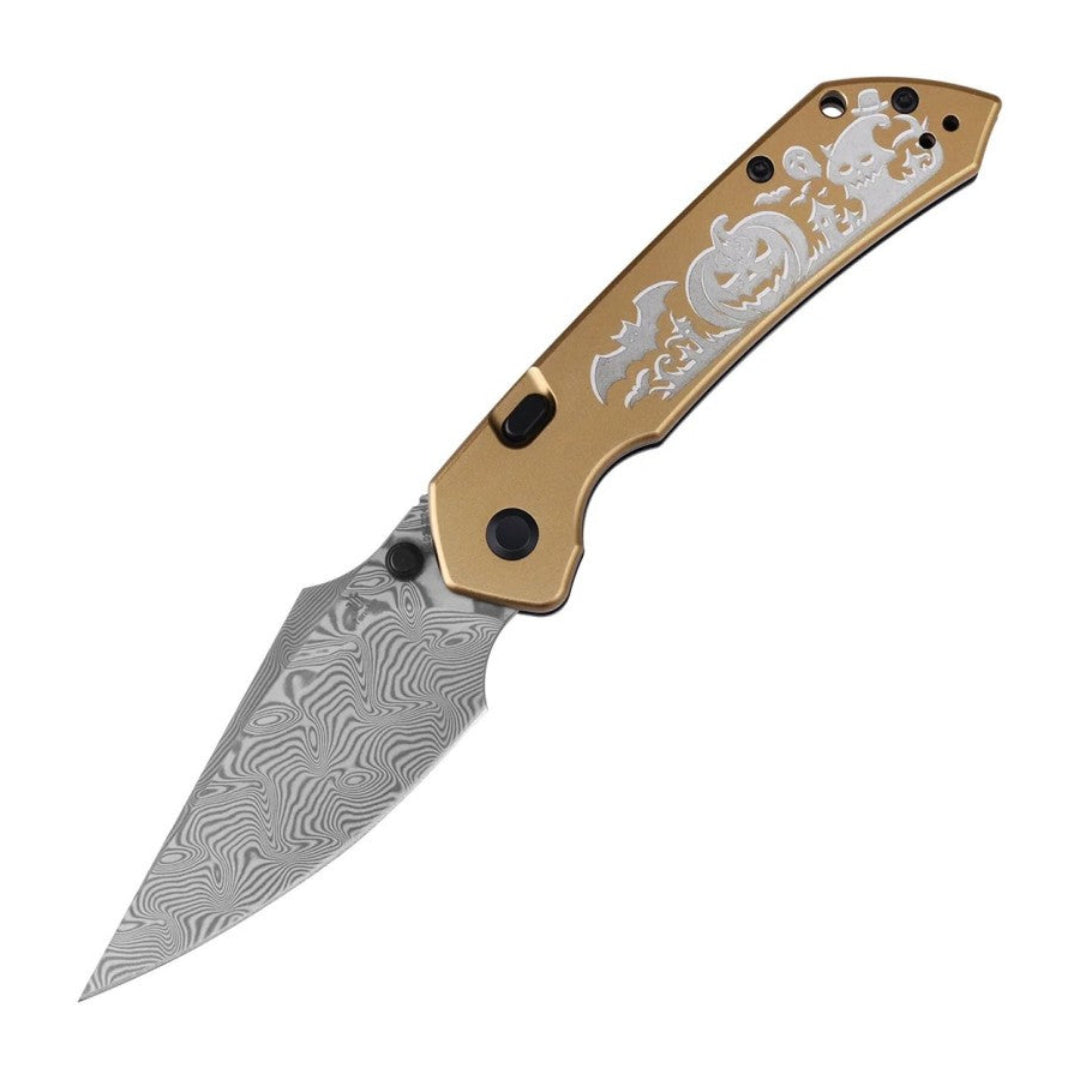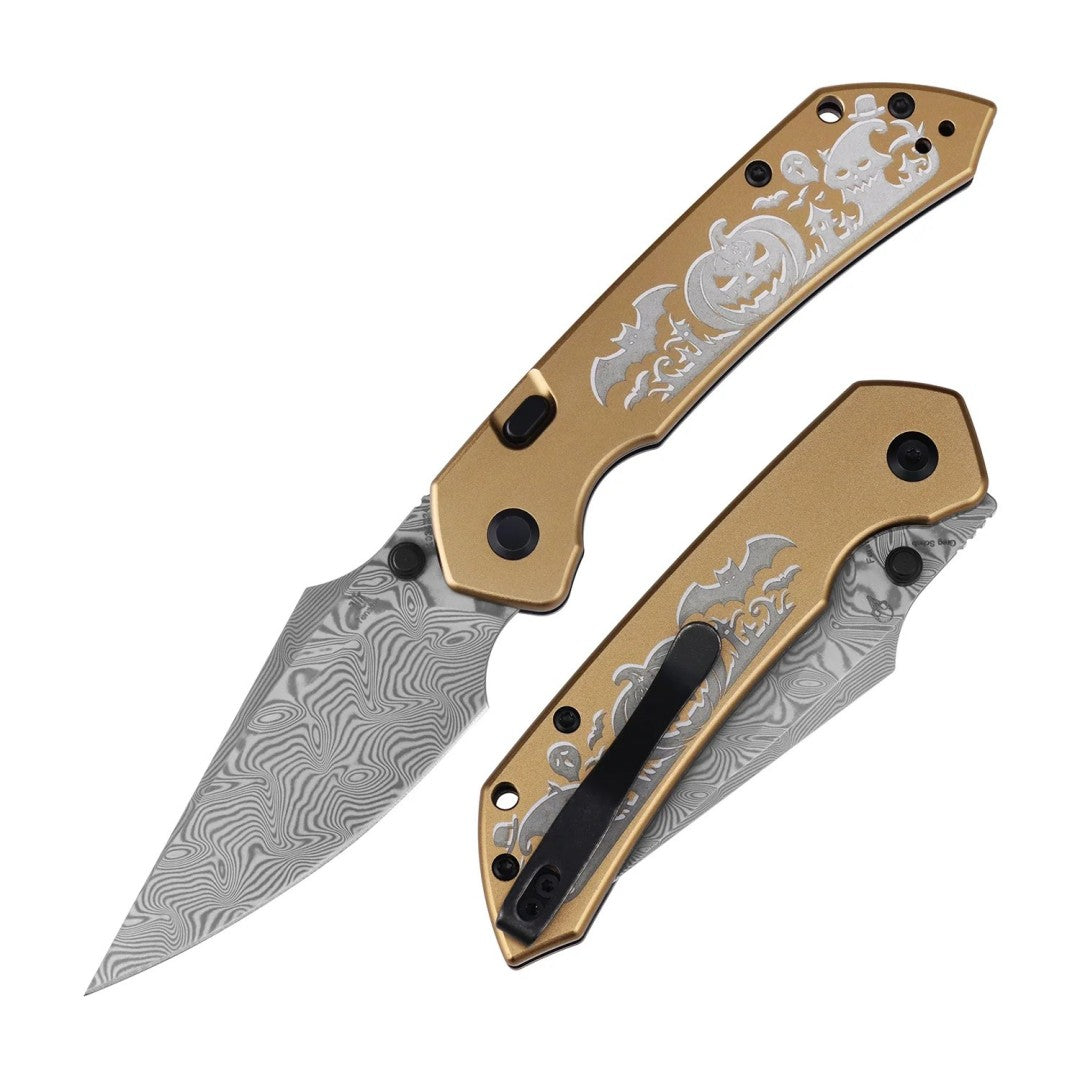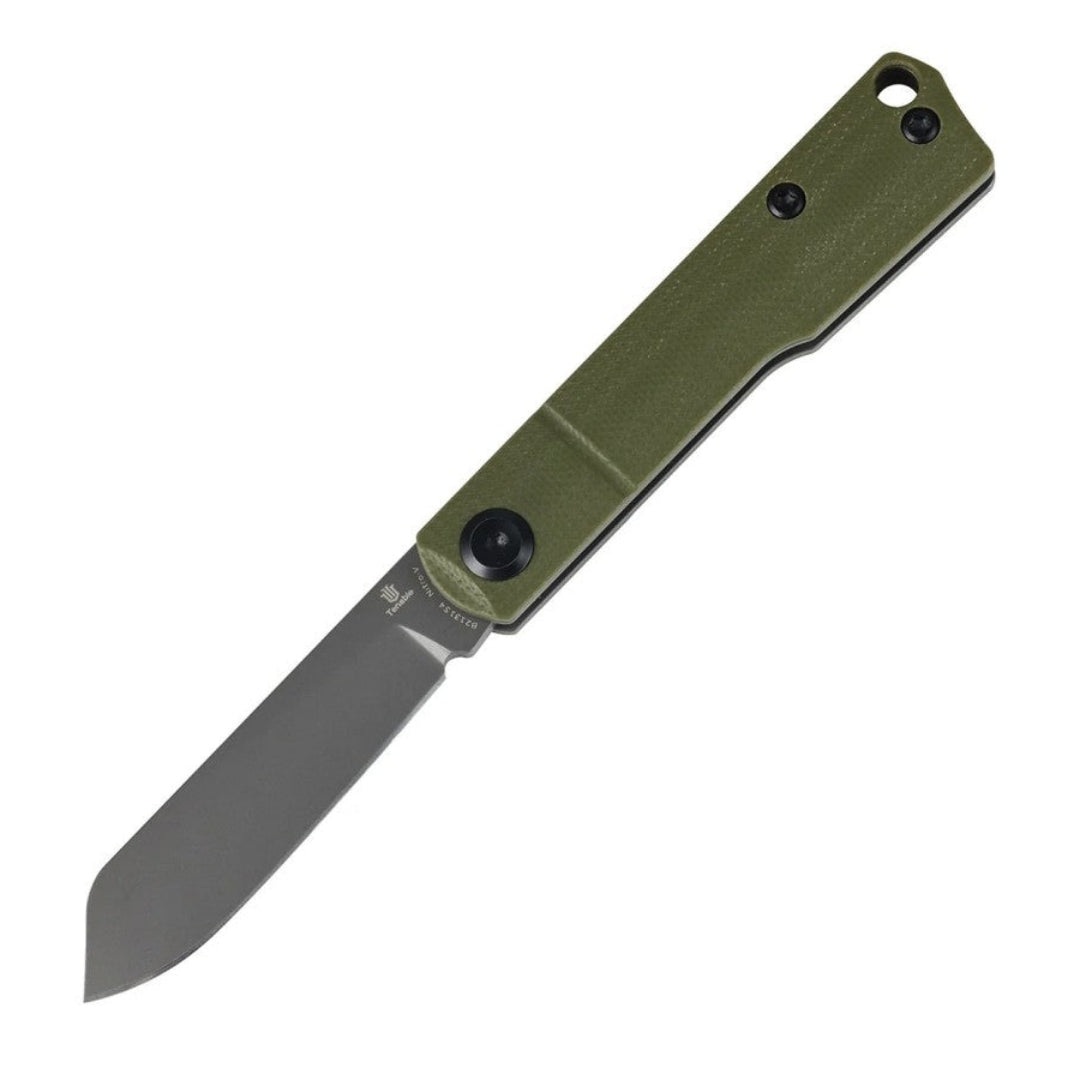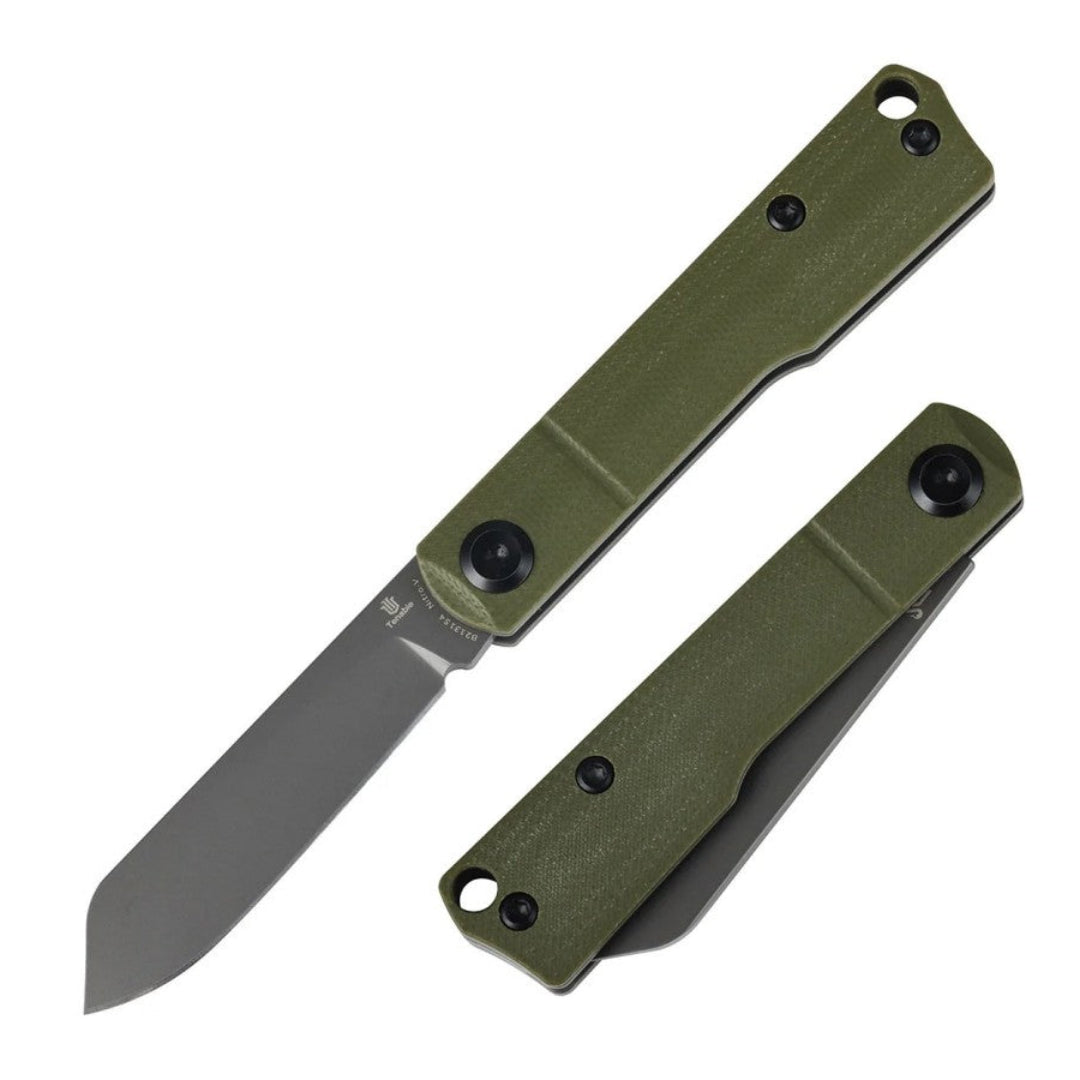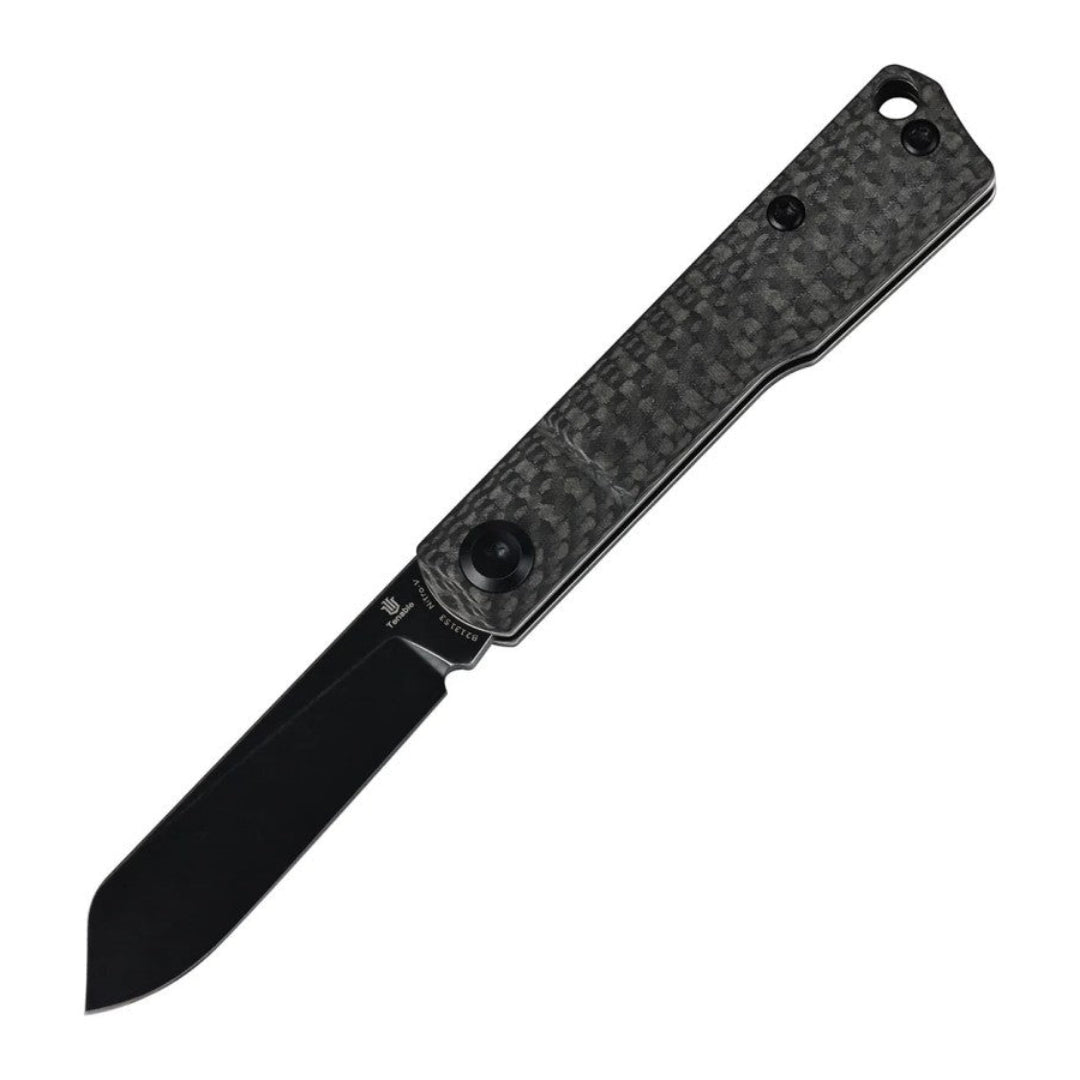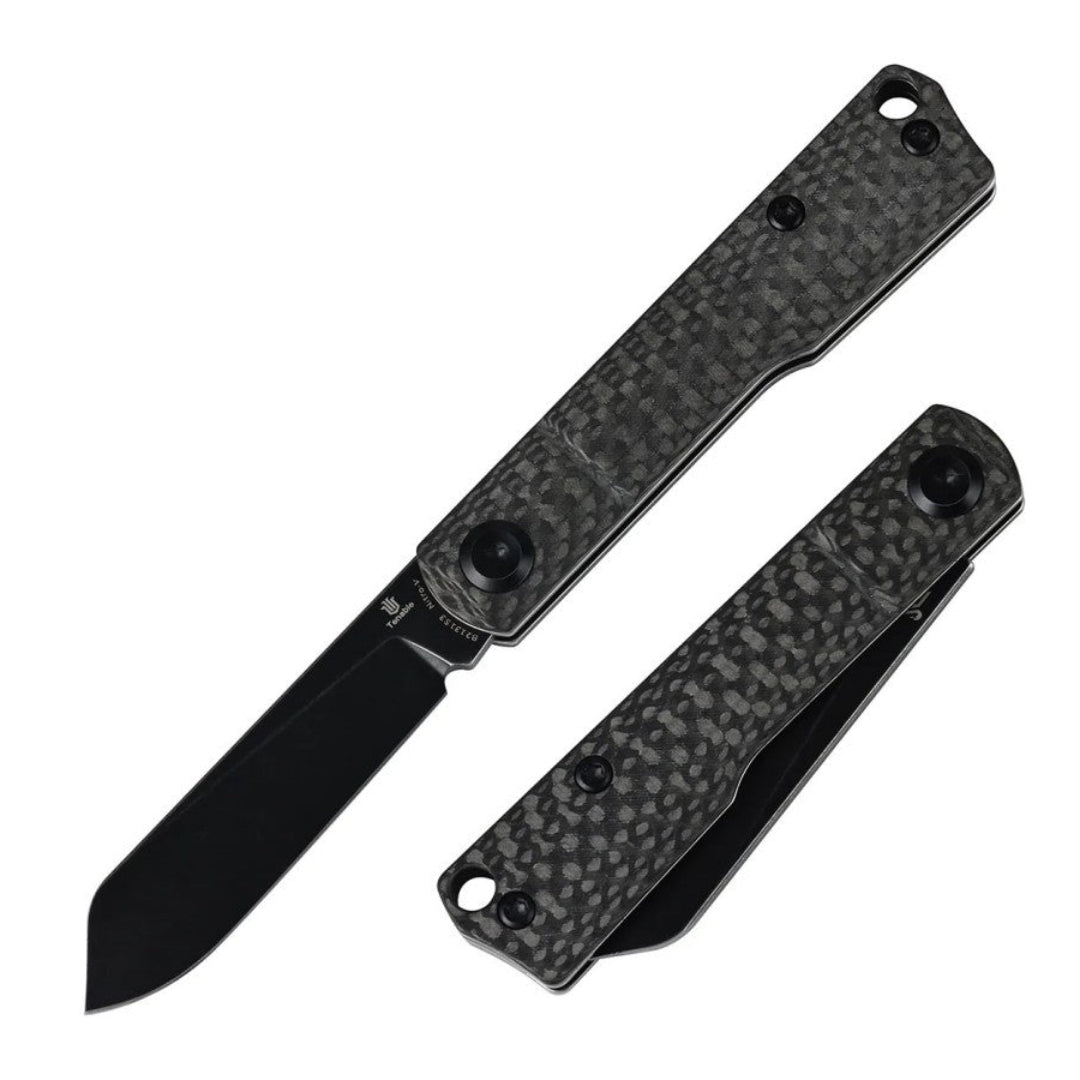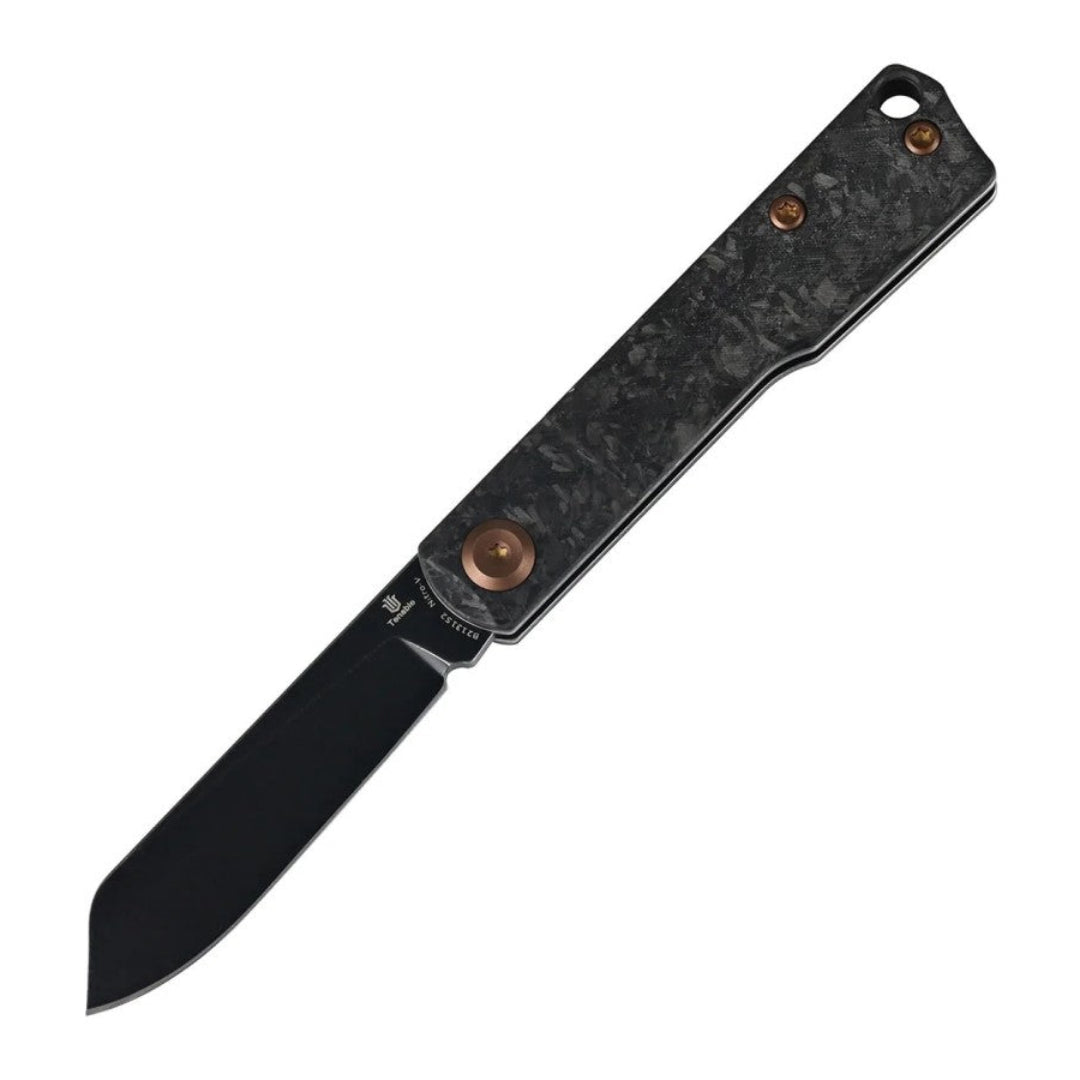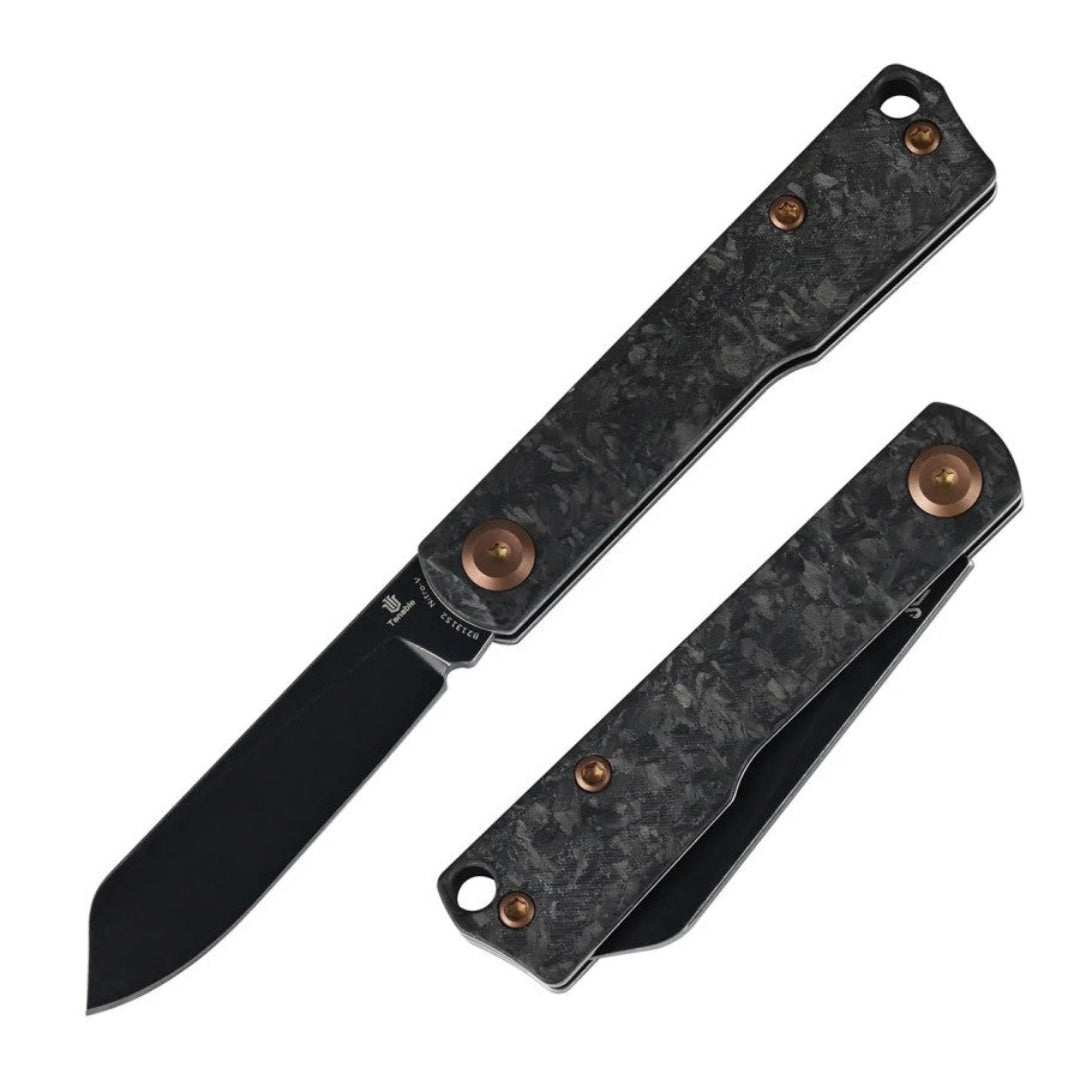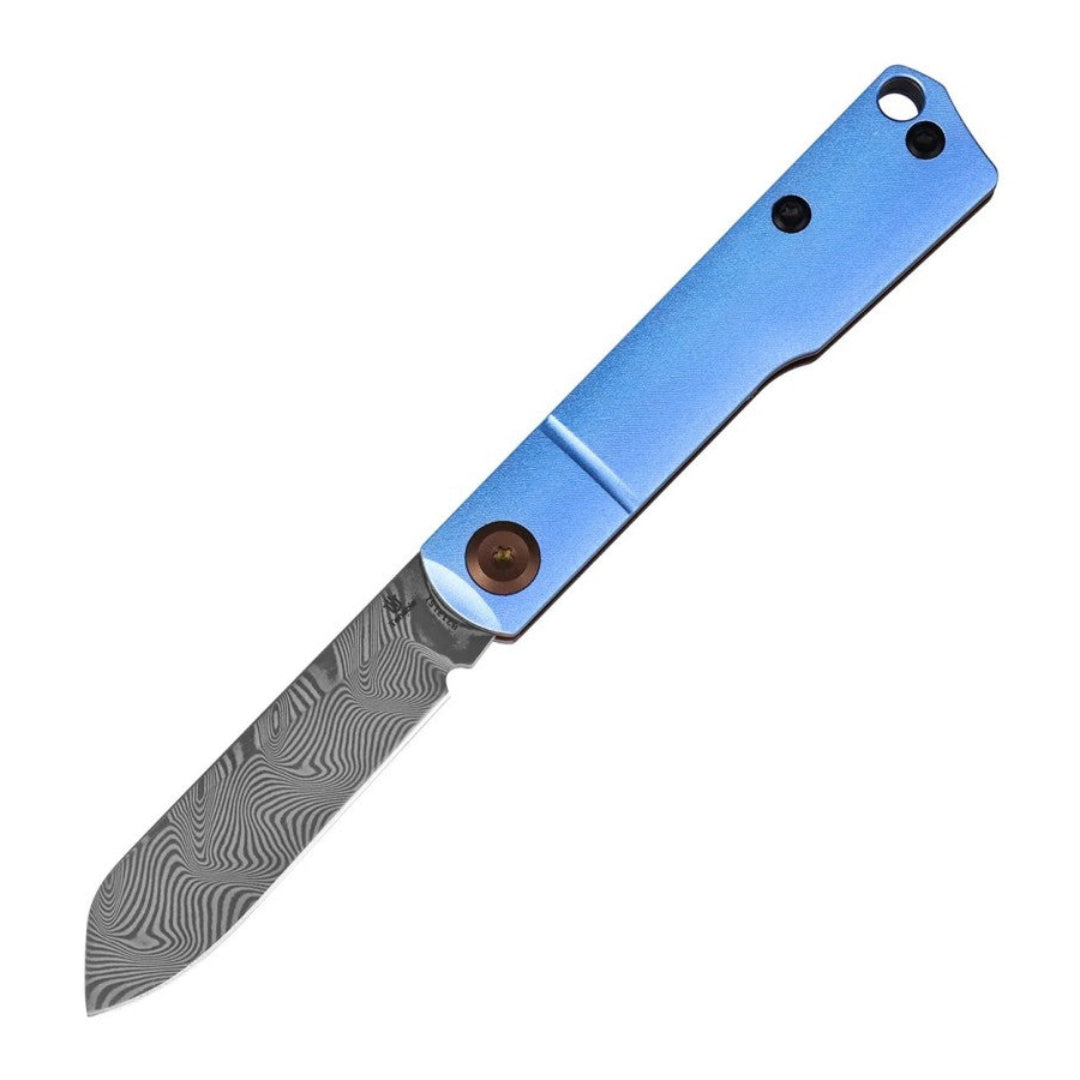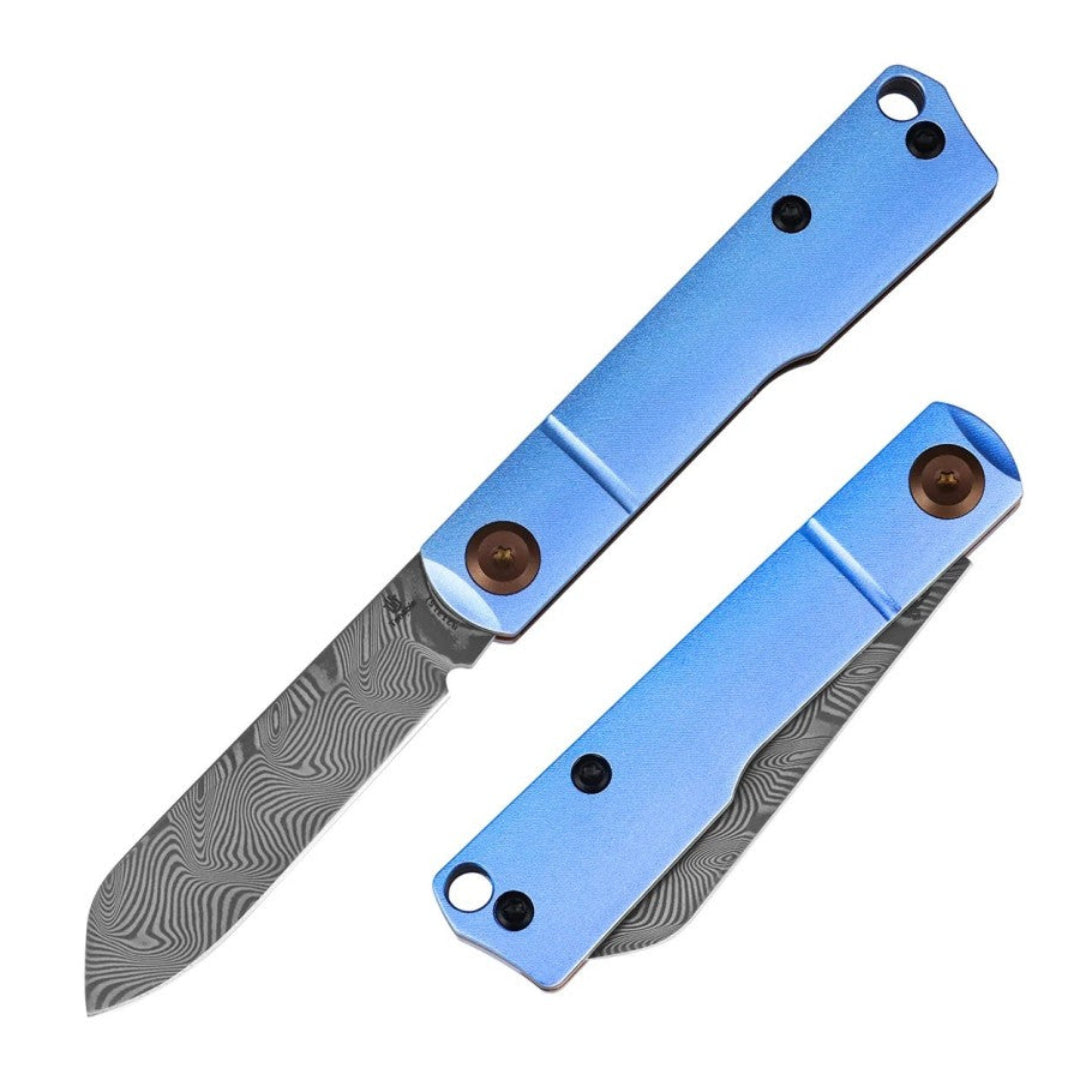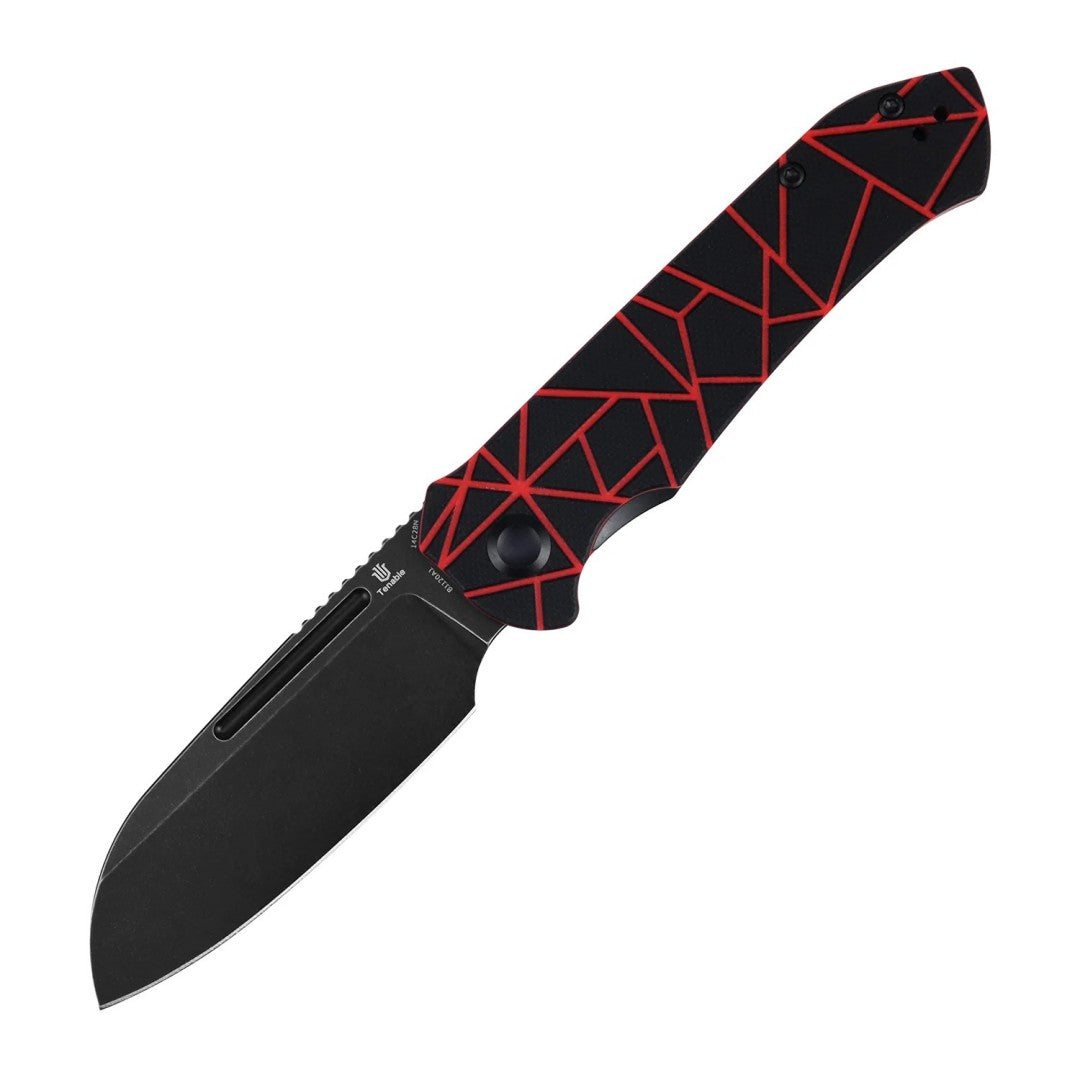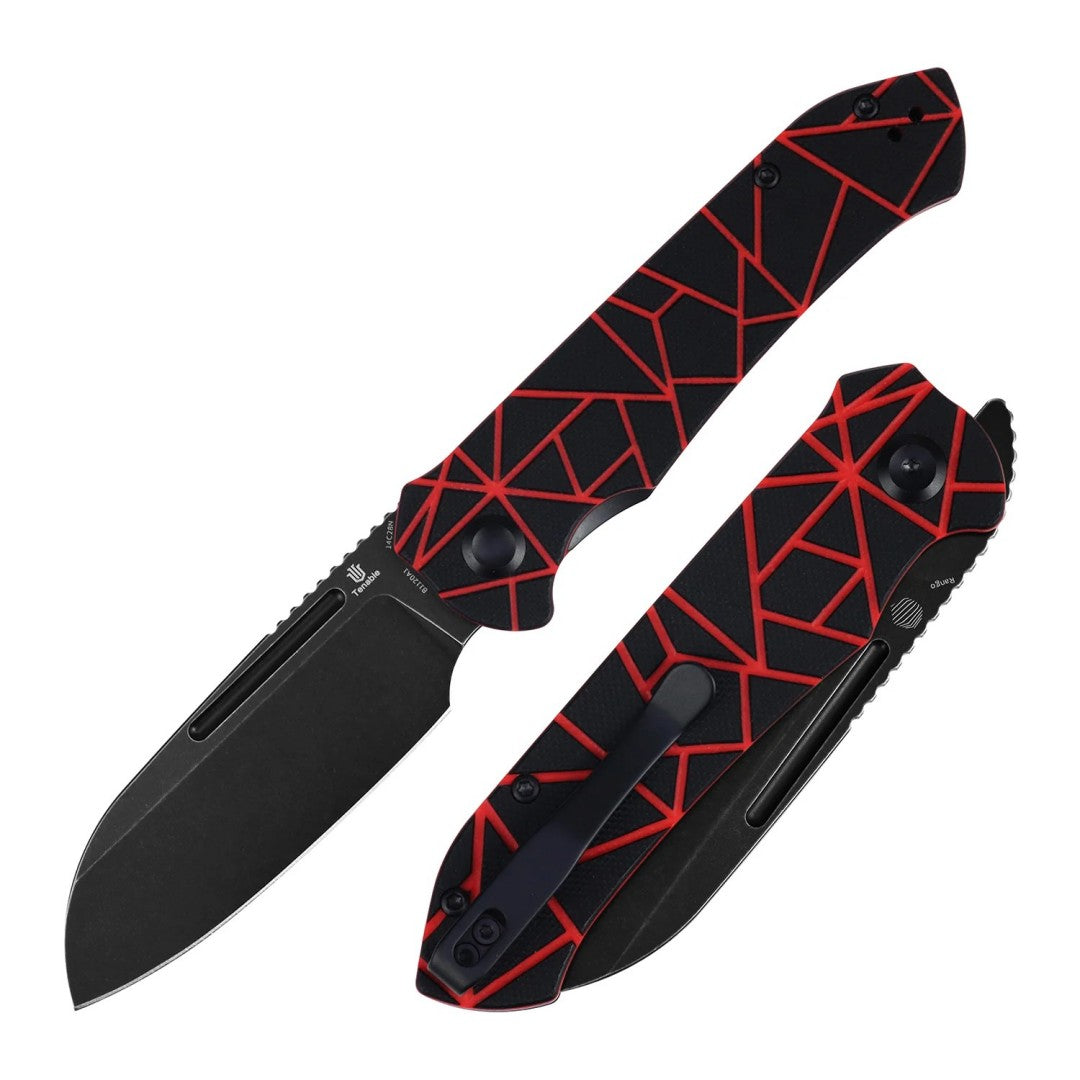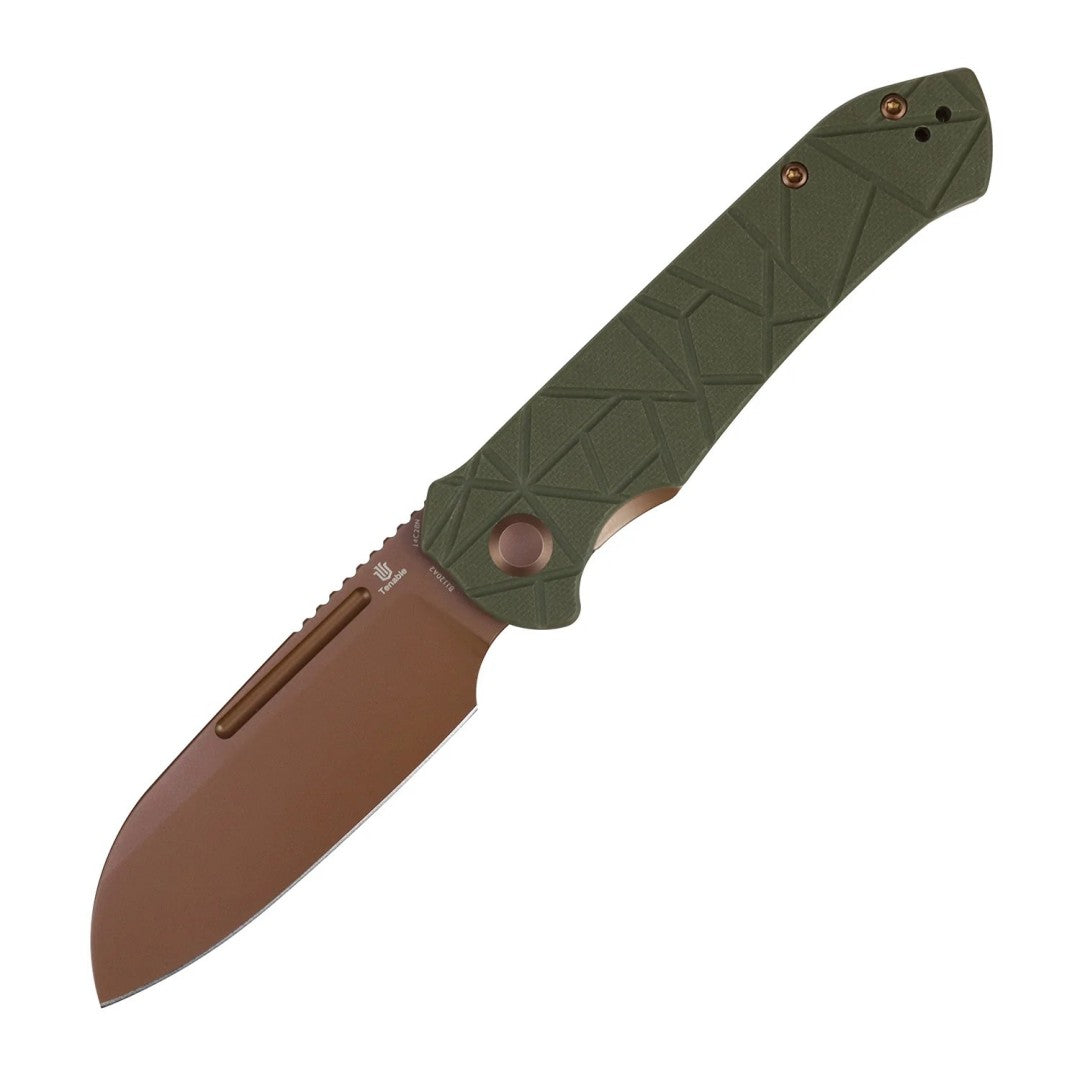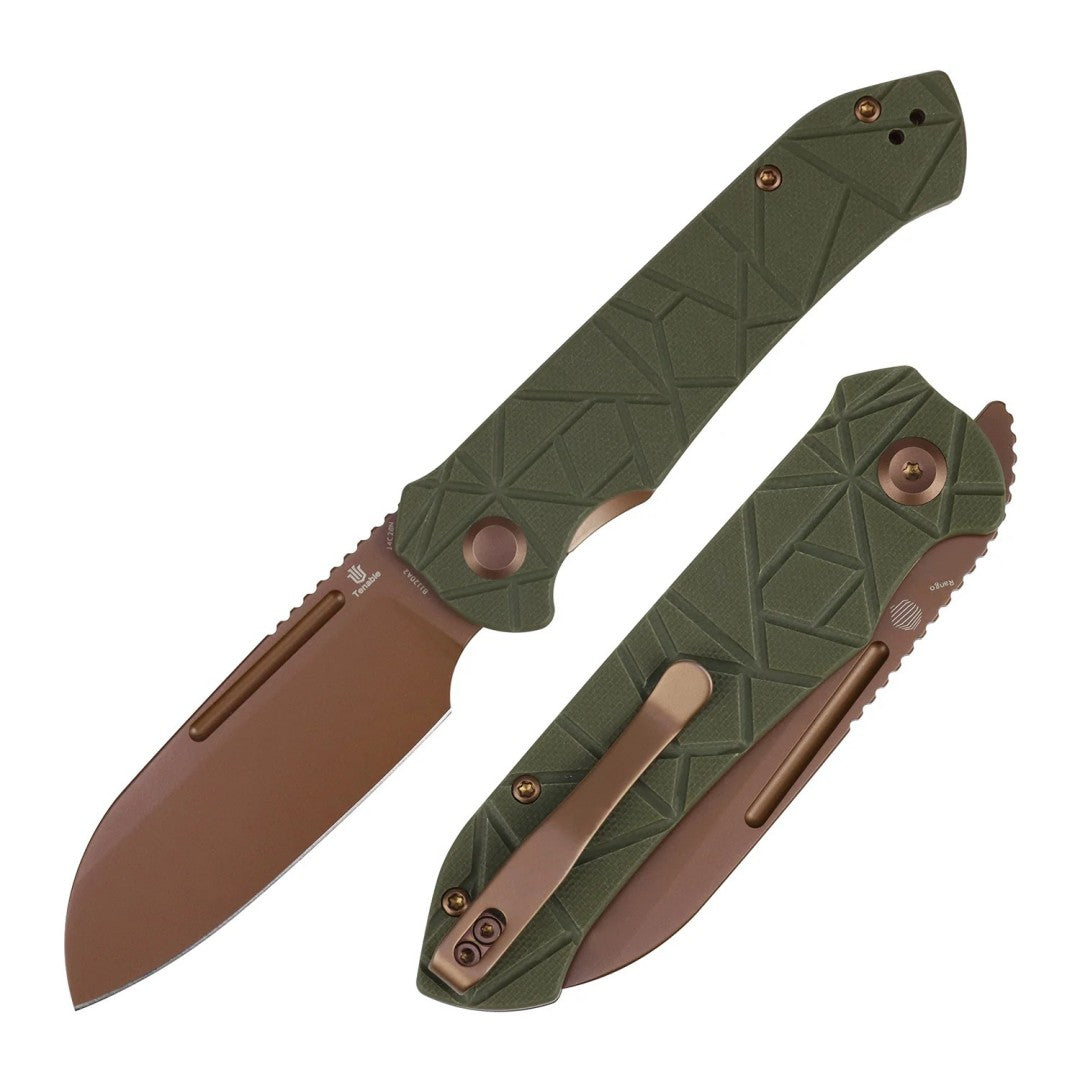
When evaluating a hard-use everyday carry (EDC) folding knife, aesthetic design and premium steel are only half the battle. The true heart of any pocket knife’s reliability lies in its locking mechanism. If the lock fails under pressure, the tool becomes an immediate hazard to your fingers.
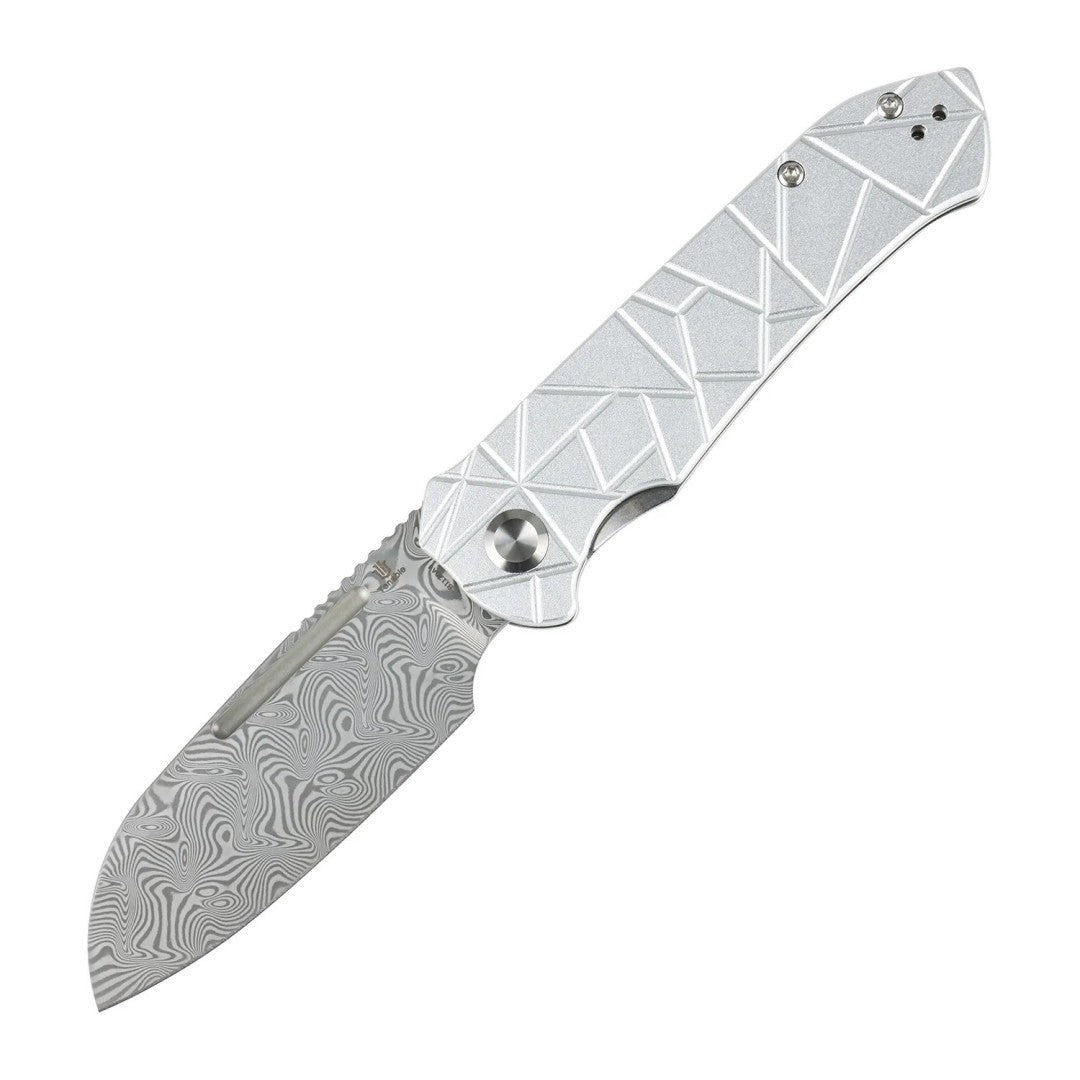
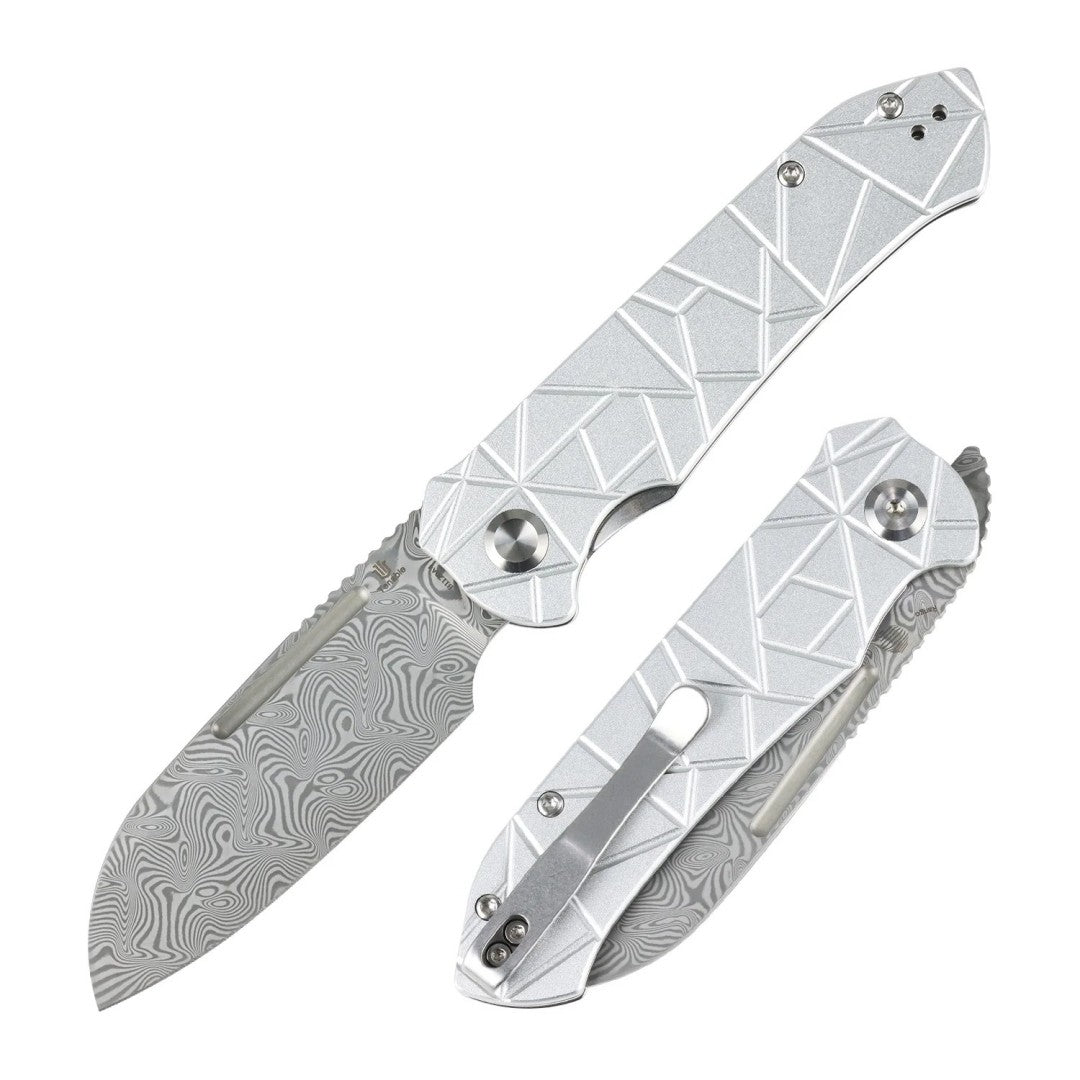
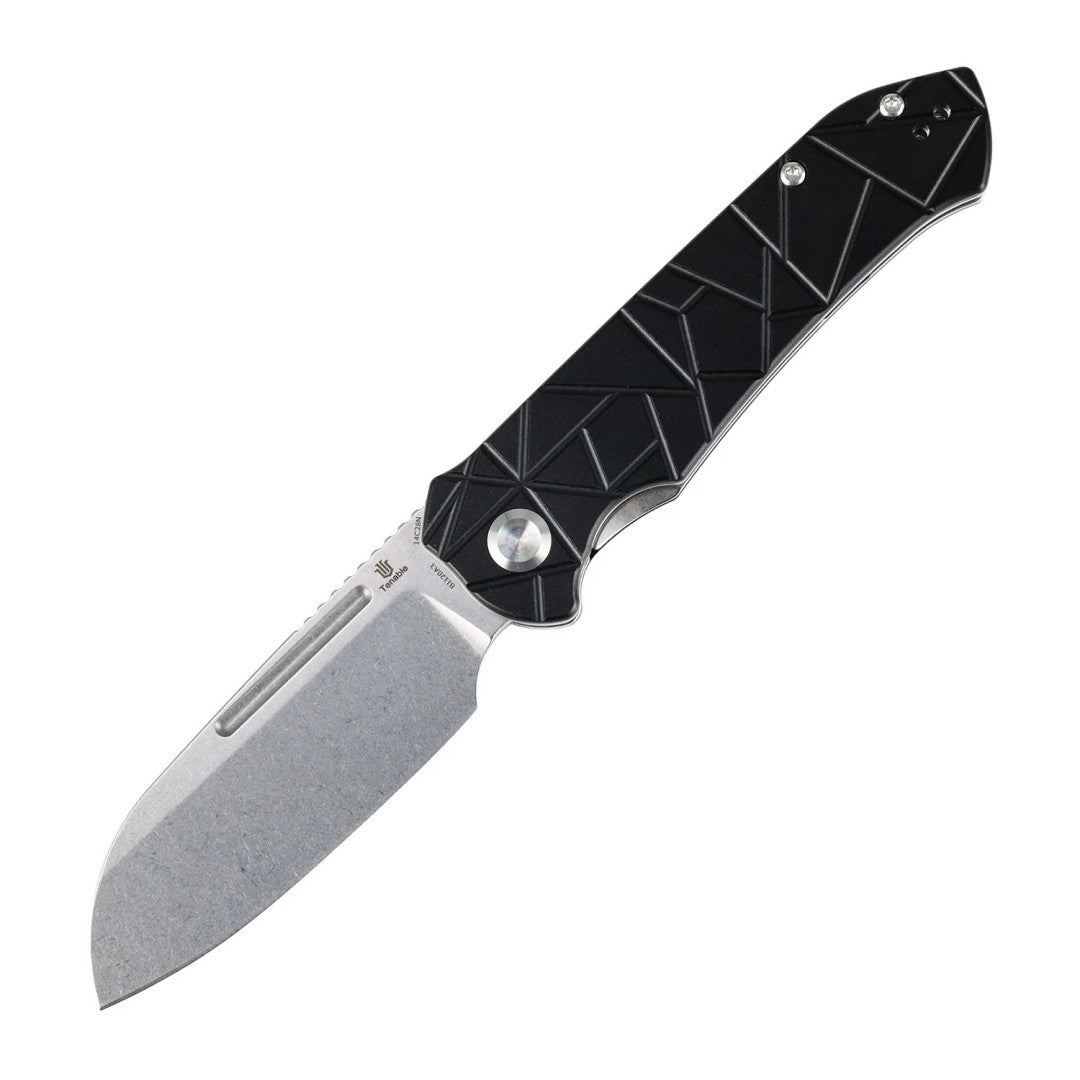
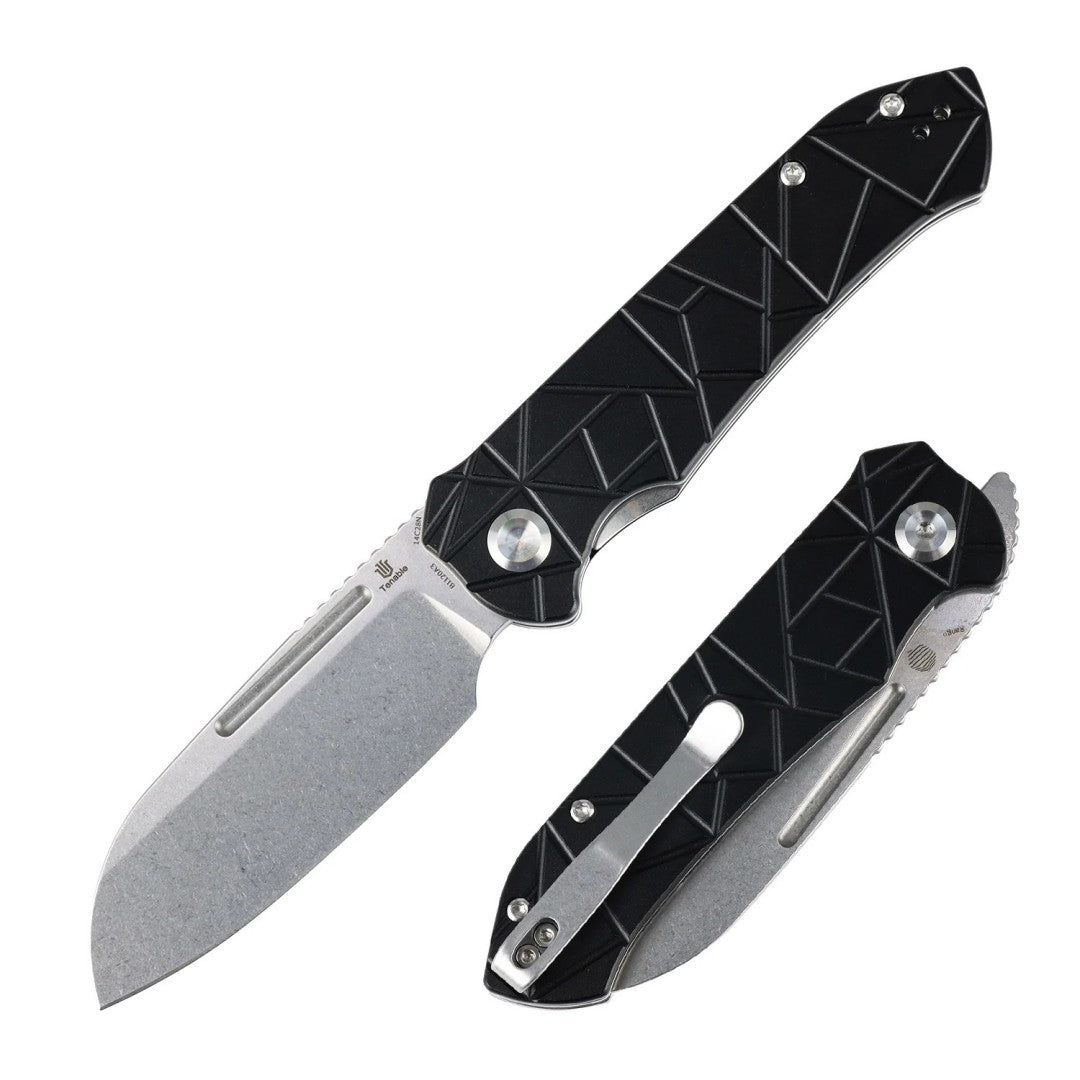
The Tenable Deadite, designed by the legendary Geoff Blauvelt of TuffKnives, has taken the EDC community by storm with its radical geometric lines and smooth action. But how does its locking system hold up when pushed to the absolute limit? In this comprehensive review and torture test, we put the Tenable Deadite’s Crossbar Lock through its paces to see if this stylish folder can handle real-world abuse and extreme stress.

Understanding the Anatomy of the Crossbar Lock
Before diving into the torture testing, it is essential to understand why the crossbar lock (often referred to generically as an axis lock style mechanism) has become a gold standard for modern folding knives.
The mechanism relies on a solid steel bar that passes completely through the skeletonized internal stainless steel liners of the knife. Driven by two high-tension omega springs, this bar slides forward into a deep notch milled directly into the tang of the blade when it is deployed.
Why It Is Inherently Safer
Unlike traditional liner locks or frame locks, where your fingers must cross the path of the closing blade to disengage the lock, the crossbar lock is operated completely from the sides of the handle. Your hand stays entirely clear of the cutting edge at all times. Furthermore, the lock is completely symmetrical, making it just as easy and intuitive for left-handed users as it is for right-handed users.

The Torture Tests: Pushing the Deadite to the Limit
To truly evaluate the lock integrity of the Tenable Deadite, we subjected the 3.52-inch blade variants to a series of rigorous mechanical tests. Our goal was simple: attempt to force the crossbar lock to fail, slip, or develop horizontal or vertical blade play.
Test 1: The Spine-Whack Test
The spine-whack test is an industry-standard safety check to ensure a lock won’t accidentally disengage if the back of the blade hits an object. We struck the spine of the open Deadite blade against a solid wooden workbench with increasing force.
-
The Result: The crossbar lock held flawlessly. Because the steel bar is wedged tightly between the liners and the blade tang notch, forward momentum only forces the lock bar deeper into its nesting position. There was absolutely zero lock slippage or unexpected closing.
Test 2: Heavy-Duty Wood Batoning
Batoning—using a mallet or log to strike the spine of a knife to split wood—is typically reserved for fixed blades. Doing this to a folding knife places immense kinetic shock and stress directly onto the pivot and locking bar. We batoned the Sandvik 14C28N (V2/V3) and Damascus (V1/V4) models through knotty oak planks.
-
The Result: While we do not recommend making this a daily habit with any folder, the Deadite absorbed the shock remarkably well. The solid structural rigidity of the aluminum (V1/V2) and Micarta/PEI (V3/V4) handles kept the internal liners perfectly aligned. After splitting three logs, the crossbar lock disengaged smoothly without a hint of "lock stick."
Test 3: The Dirt, Sand, and Pocket Lint Mud Bath
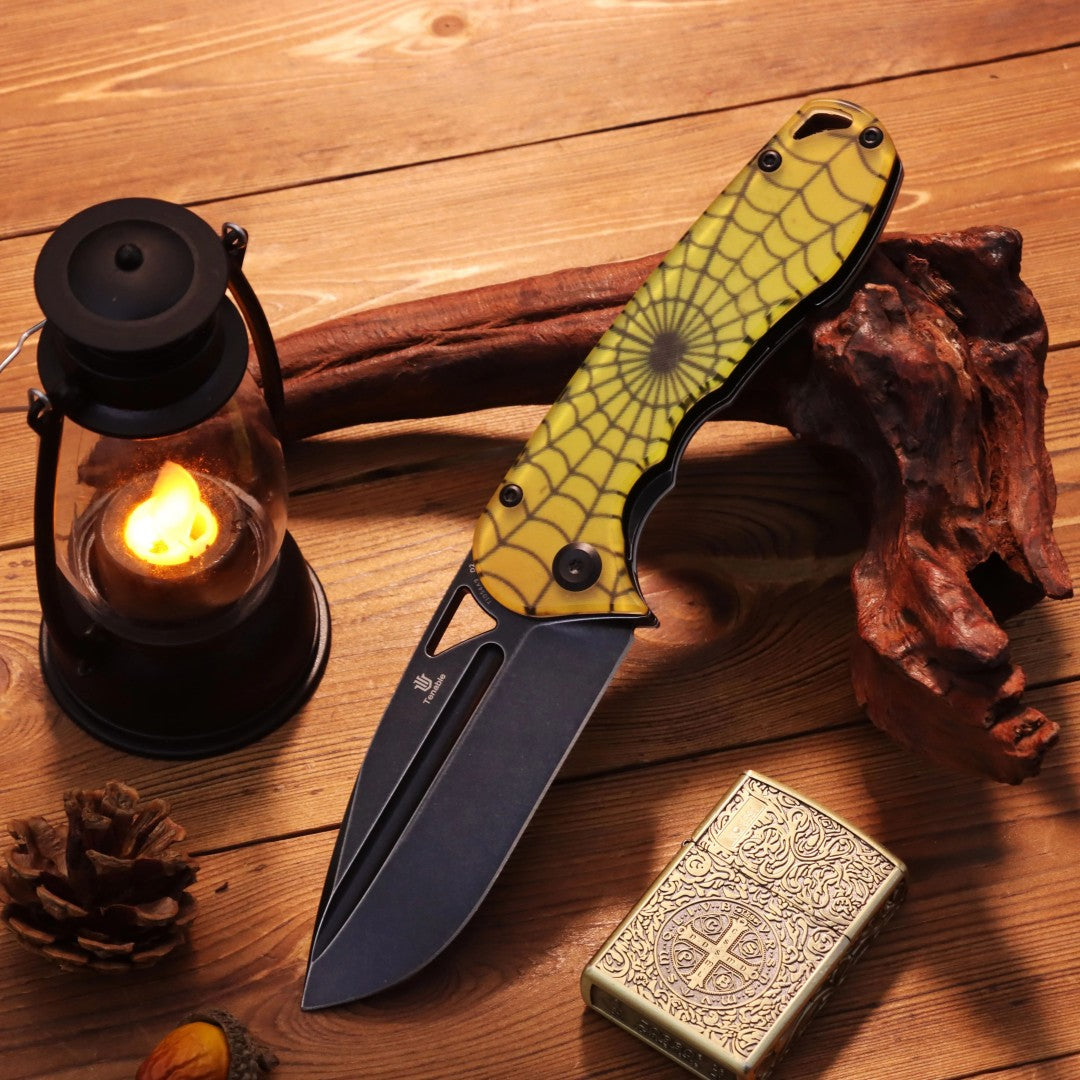
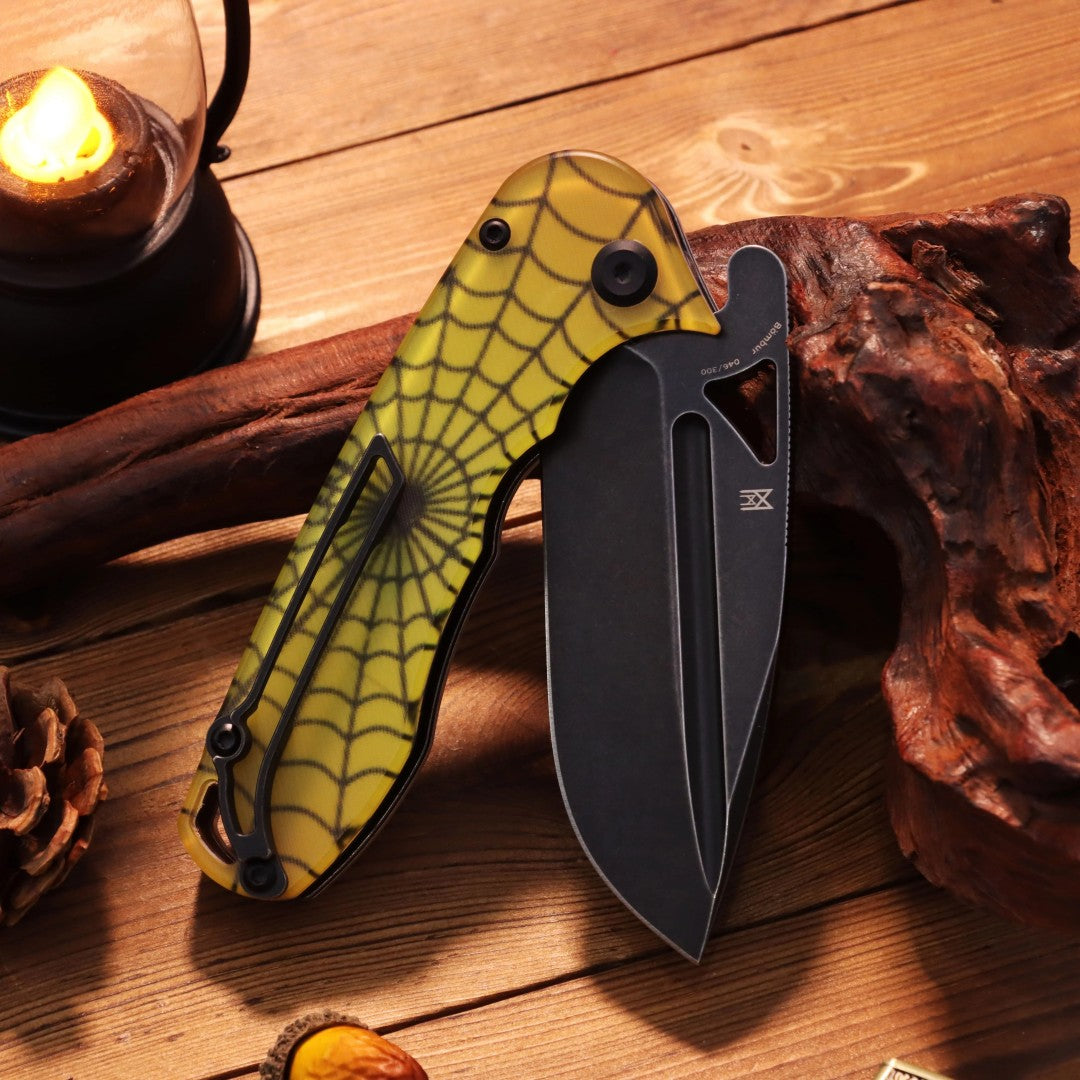
One common critique of crossbar style locks is that the internal omega springs and track can become jammed if exposed to fine debris. We packed the lock channel of the Amber PEI (V4) variant—which allows you to visually see the inner workings—with a mixture of dry sand and pocket lint, then attempted to operate the knife.
-
The Result: The dual thumb studs allowed us to muscle the blade open without issue. The lock bar still successfully engaged the tang notch, though the action felt gritty. A quick rinse under a tap washed out the debris instantly. Thanks to the open-back construction of the Deadite handle, dirt passes right through rather than getting permanently trapped.
Ergos and Performance After Torture Testing
After surviving the mechanical stress tests, we cleaned the knives to check for permanent damage.
Surprisingly, the pivot assembly remained perfectly centered. TuffKnives’ distinct handle geometry—featuring chamfered edges and aggressive structural cuts—prevented the knife from twisting or slipping out of alignment during heavy hand pressure. The edge retention on both the 14C28N stainless steel and the Water Ripple Damascus held up beautifully, requiring only a light stropping to return to hair-shaving sharpness.
Whether you choose the sleek anodized aluminum models, the organic texture of the black Micarta, or the futuristic semi-transparent Amber PEI, the internal structural integrity remains identical. This knife is built to work, not just sit in a display case.
Final Verdict: Is the Deadite Lock Reliable?
The verdict is a resounding yes. The Tenable Deadite successfully proves that a knife can possess high-end custom design aesthetics without sacrificing an ounce of rugged utility. The crossbar lock configuration utilized here is incredibly resilient, safe, and highly reliable for heavy everyday carry applications. It blends incredible fidget-factor with the peace of mind that your blade will stay locked in place when you need it most.
Frequently Asked Questions (FAQ)
Will the omega springs in the Tenable Deadite break over time?
While all springs can eventually wear out after years of constant cycling, Tenable uses heavy-duty, corrosion-resistant omega springs designed for tens of thousands of actuations. The dual-spring design also means the lock remains functional even if one spring happens to fail.
Does the crossbar lock develop blade play after heavy use?
No. Because of the self-adjusting nature of the crossbar lock design, the steel locking bar naturally seats itself deeper into the blade tang notch over time, automatically compensating for any mechanical wear and keeping the lockup rock-solid.
Can I easily disassemble the Tenable Deadite for cleaning after a dirty job?
Yes, the Deadite is constructed with standard Torx hardware. You can easily remove the handle scales to thoroughly clean and lubricate the crossbar tracks and pivot washers if the knife gets bogged down with heavy mud or grime.