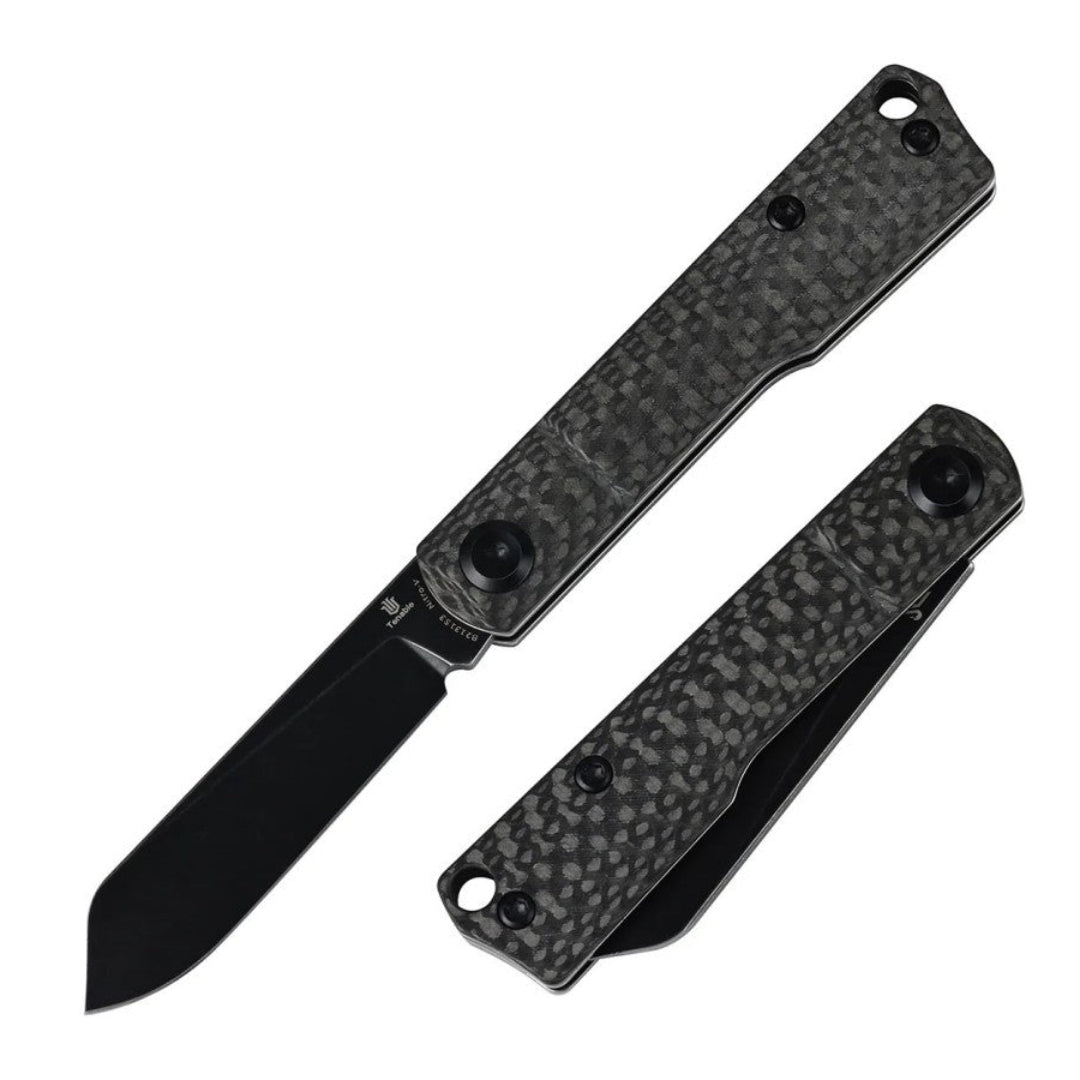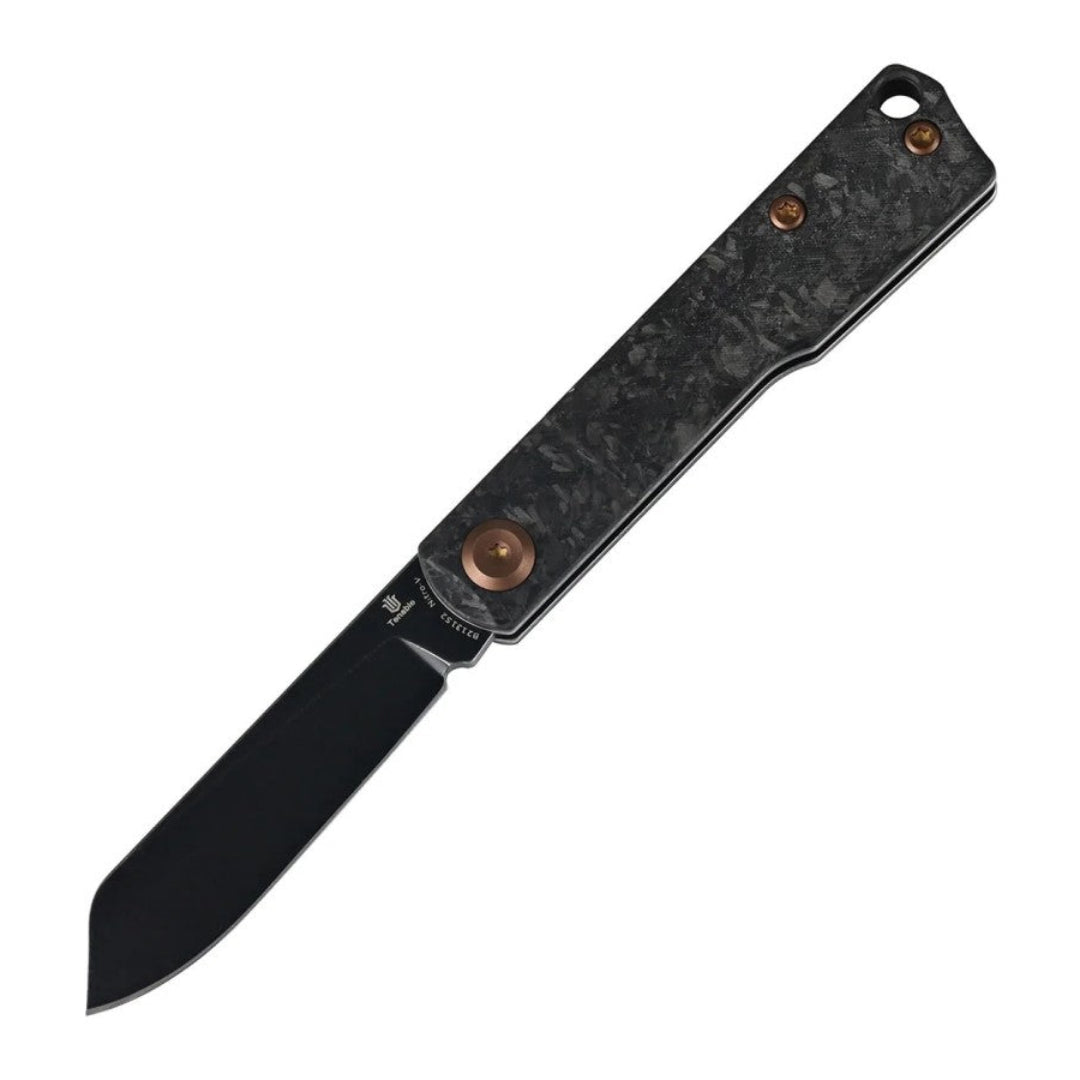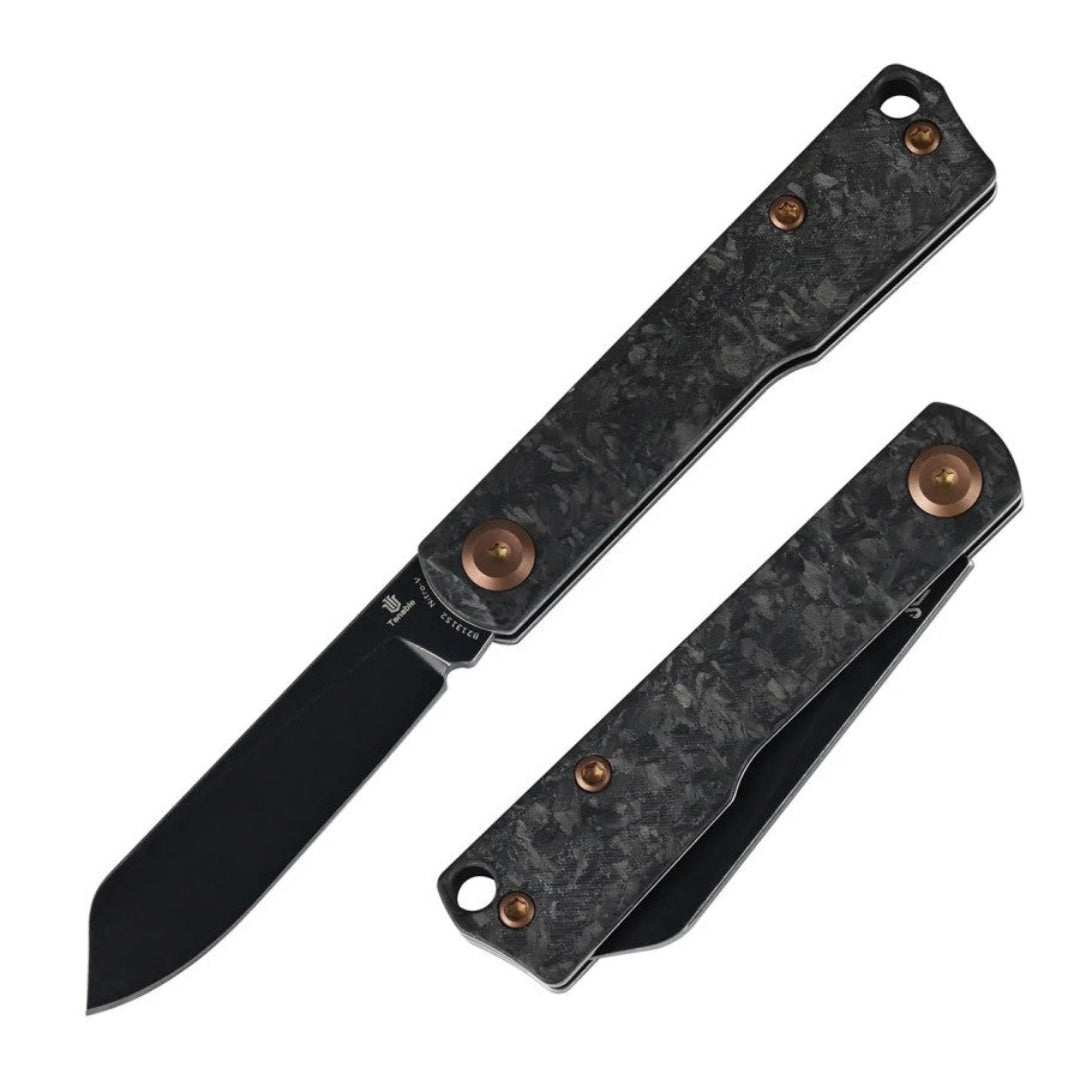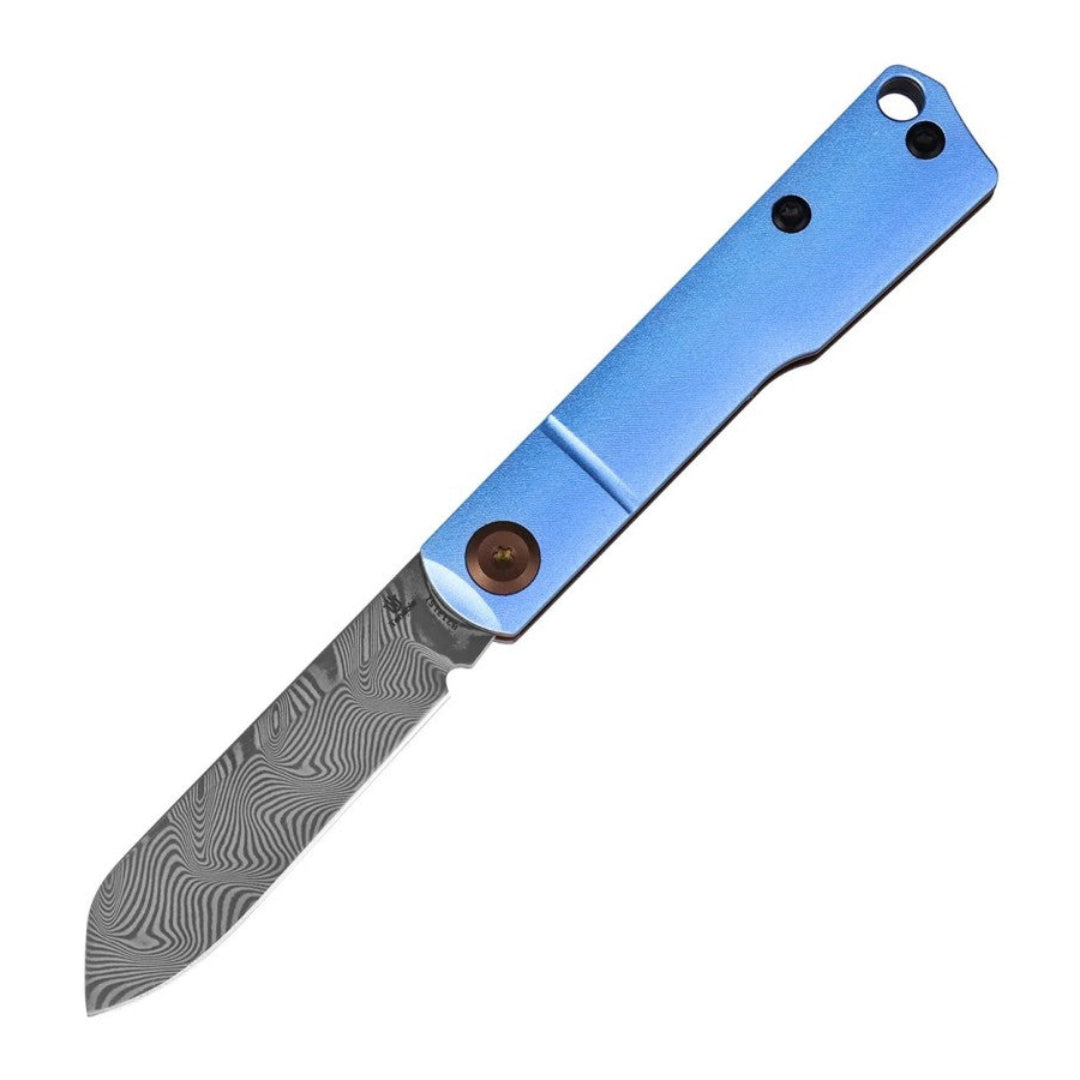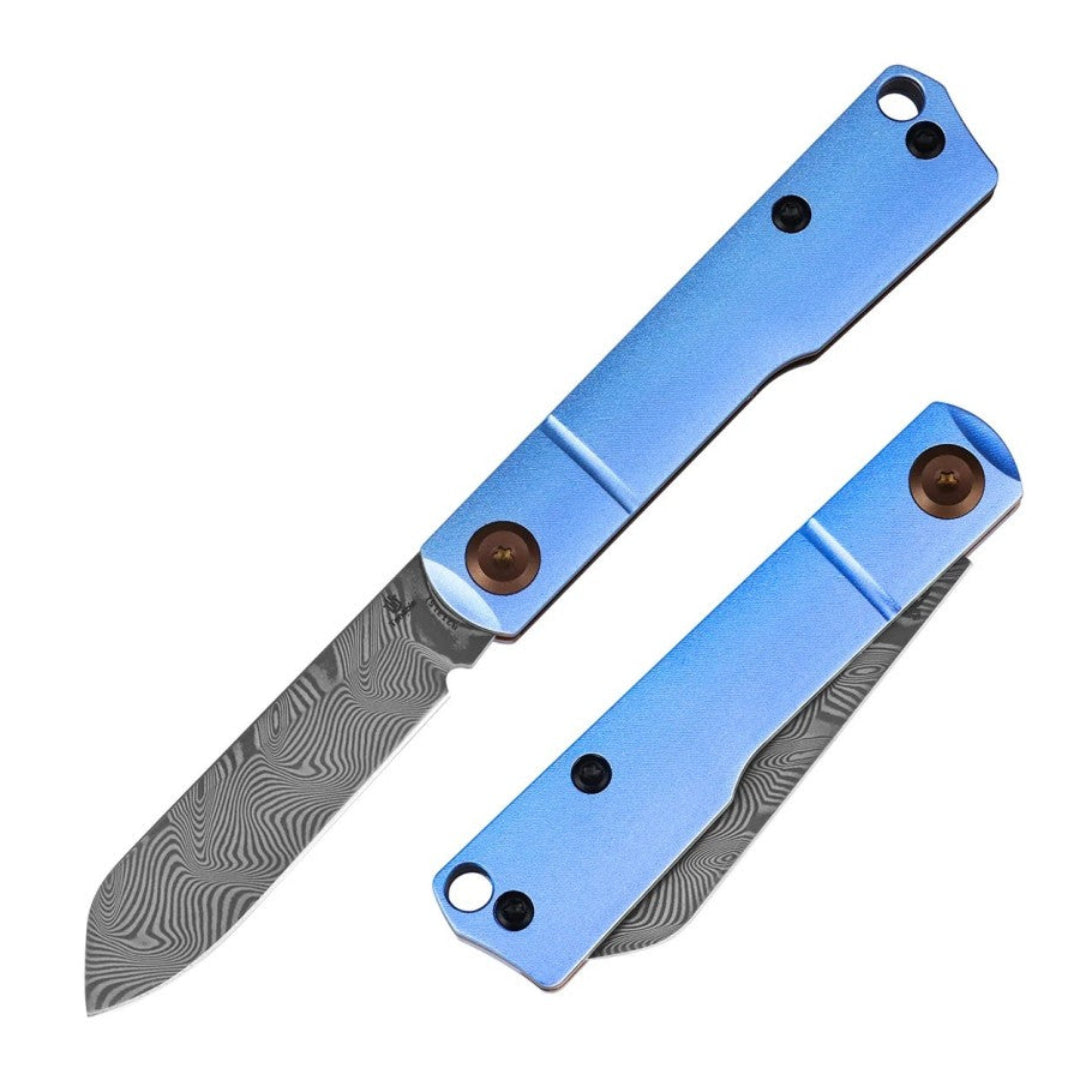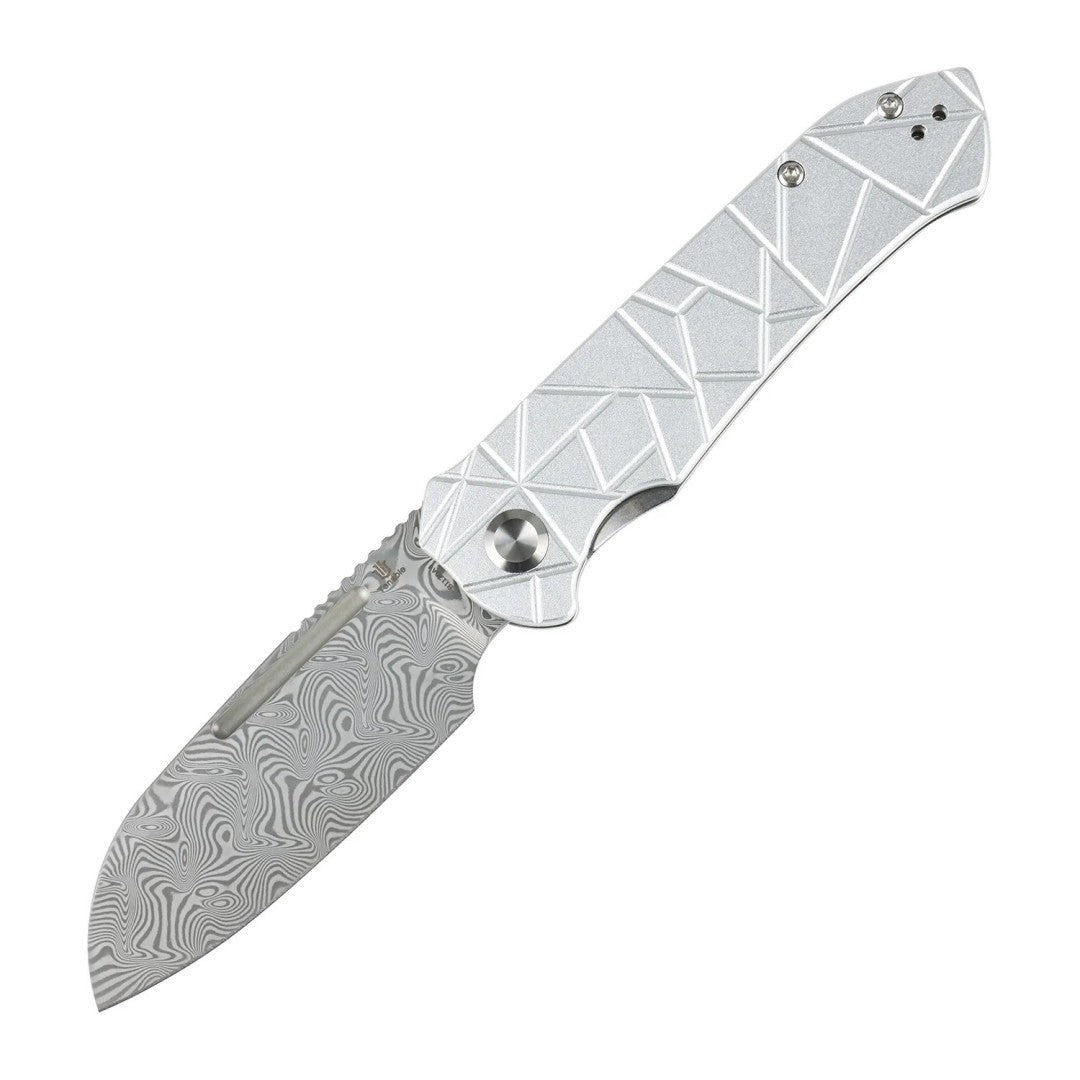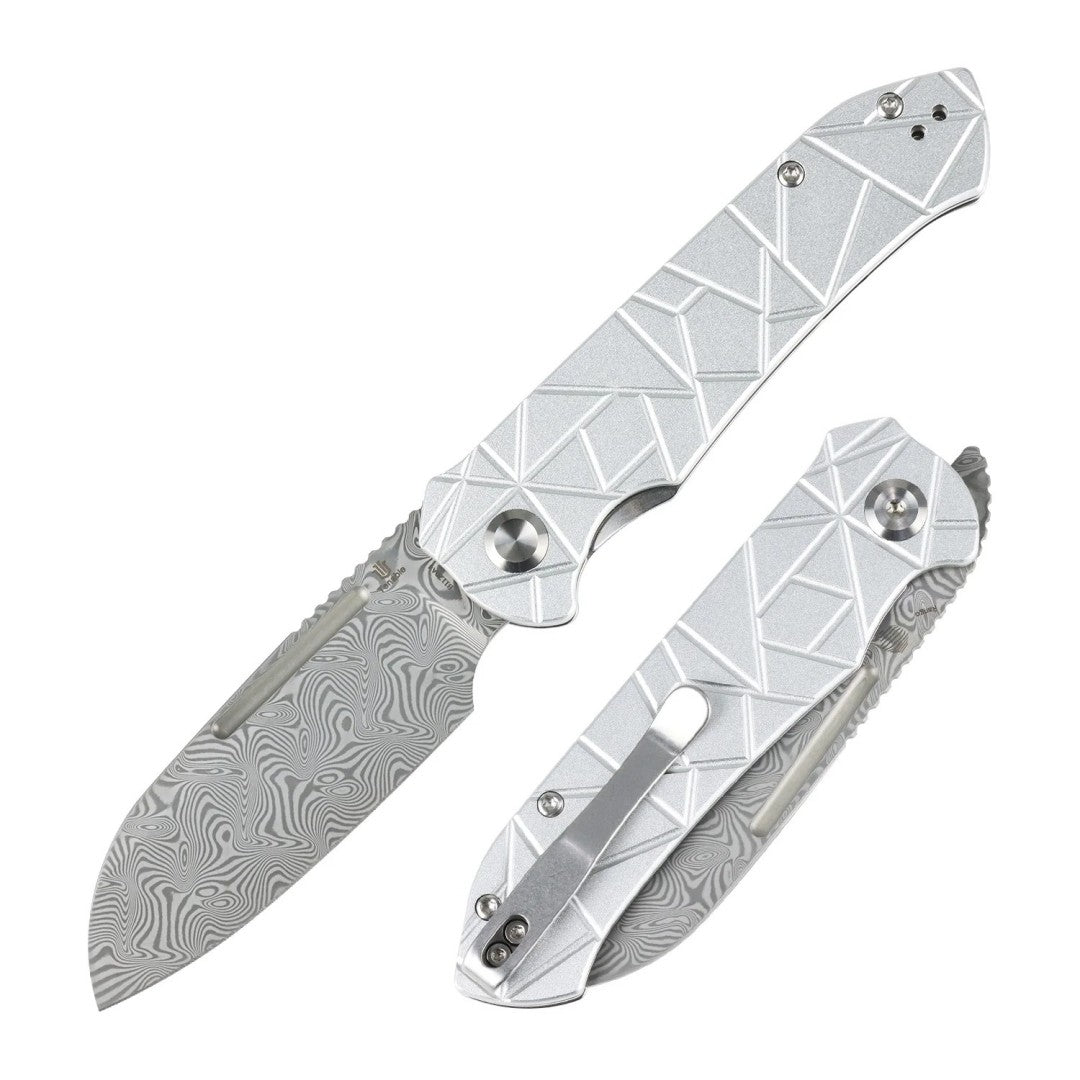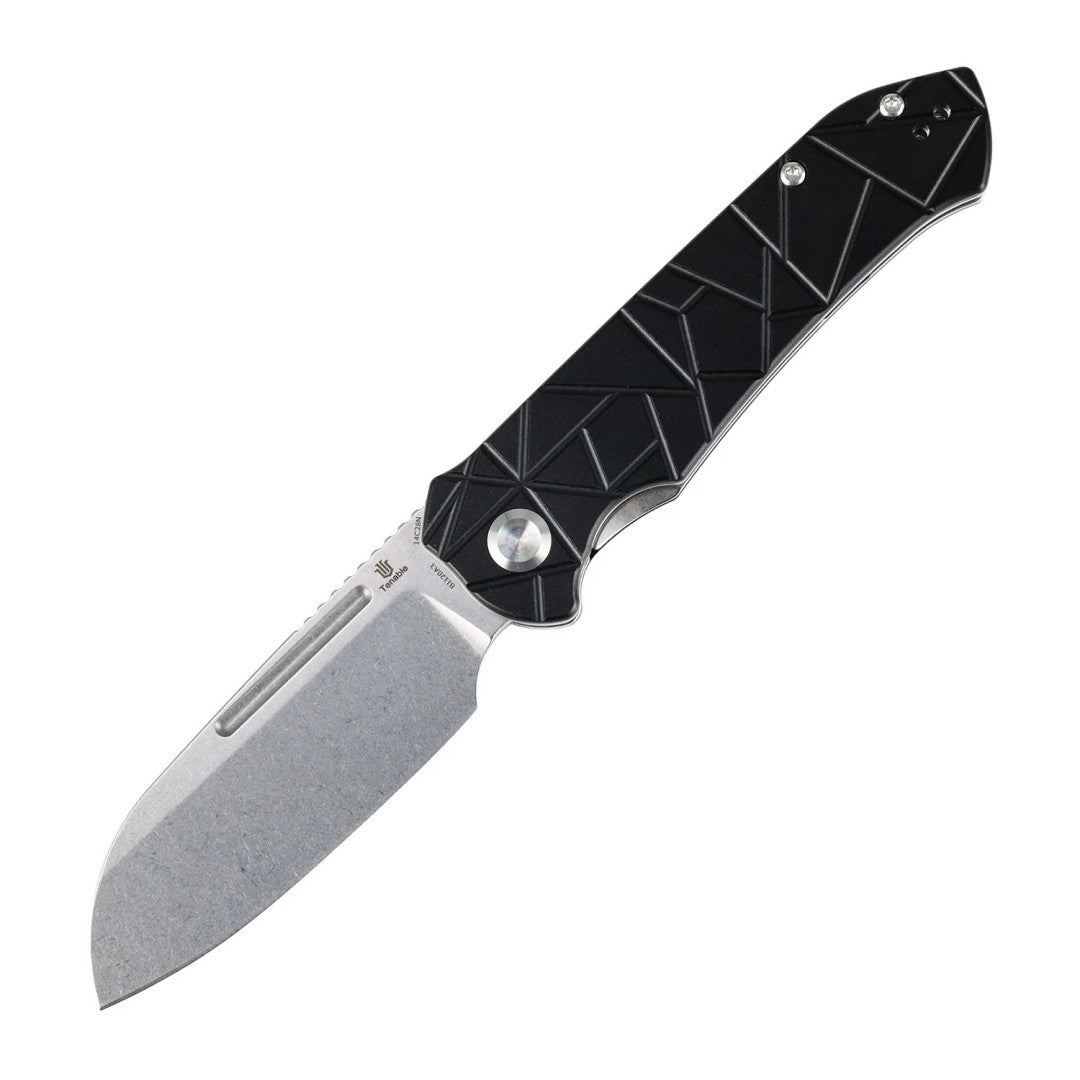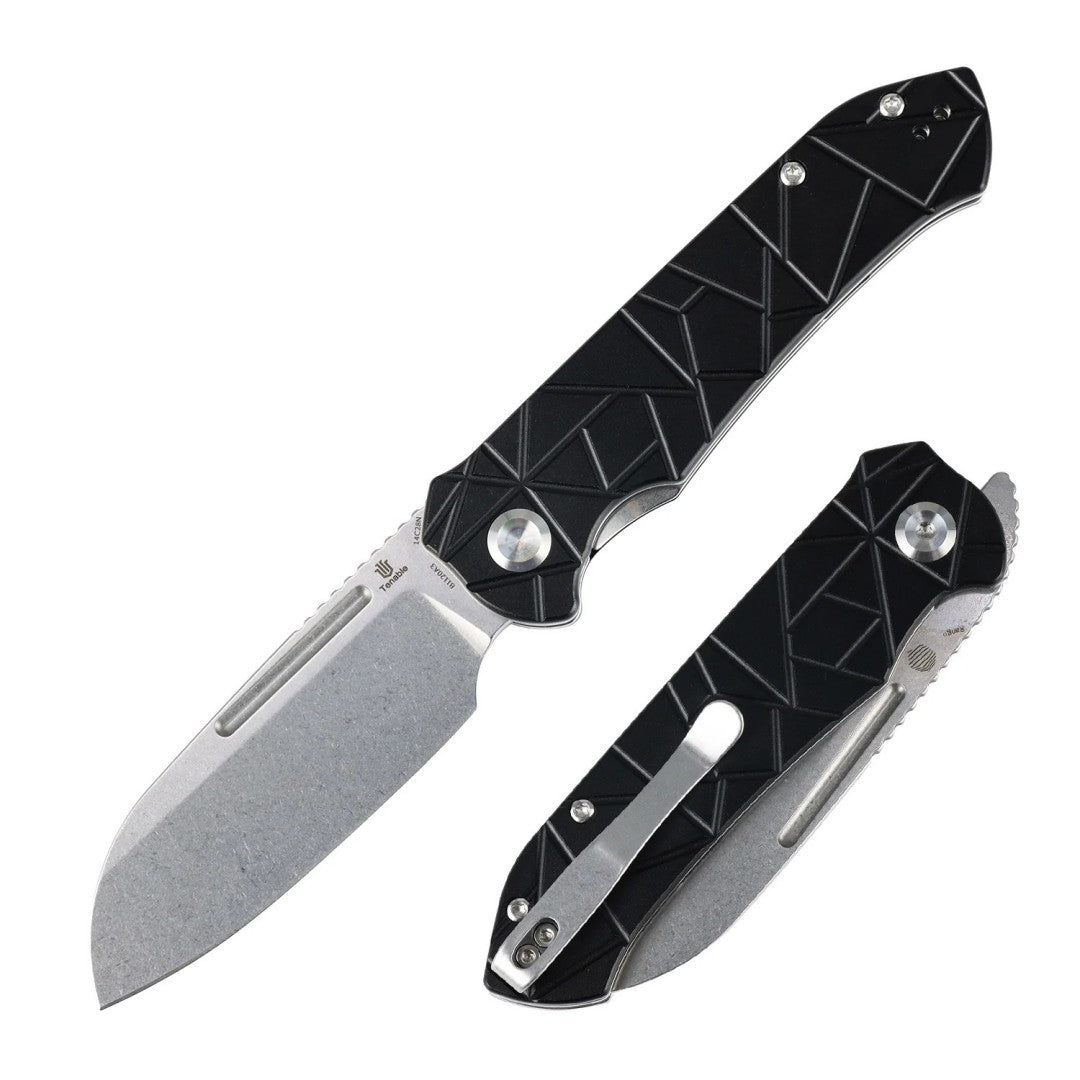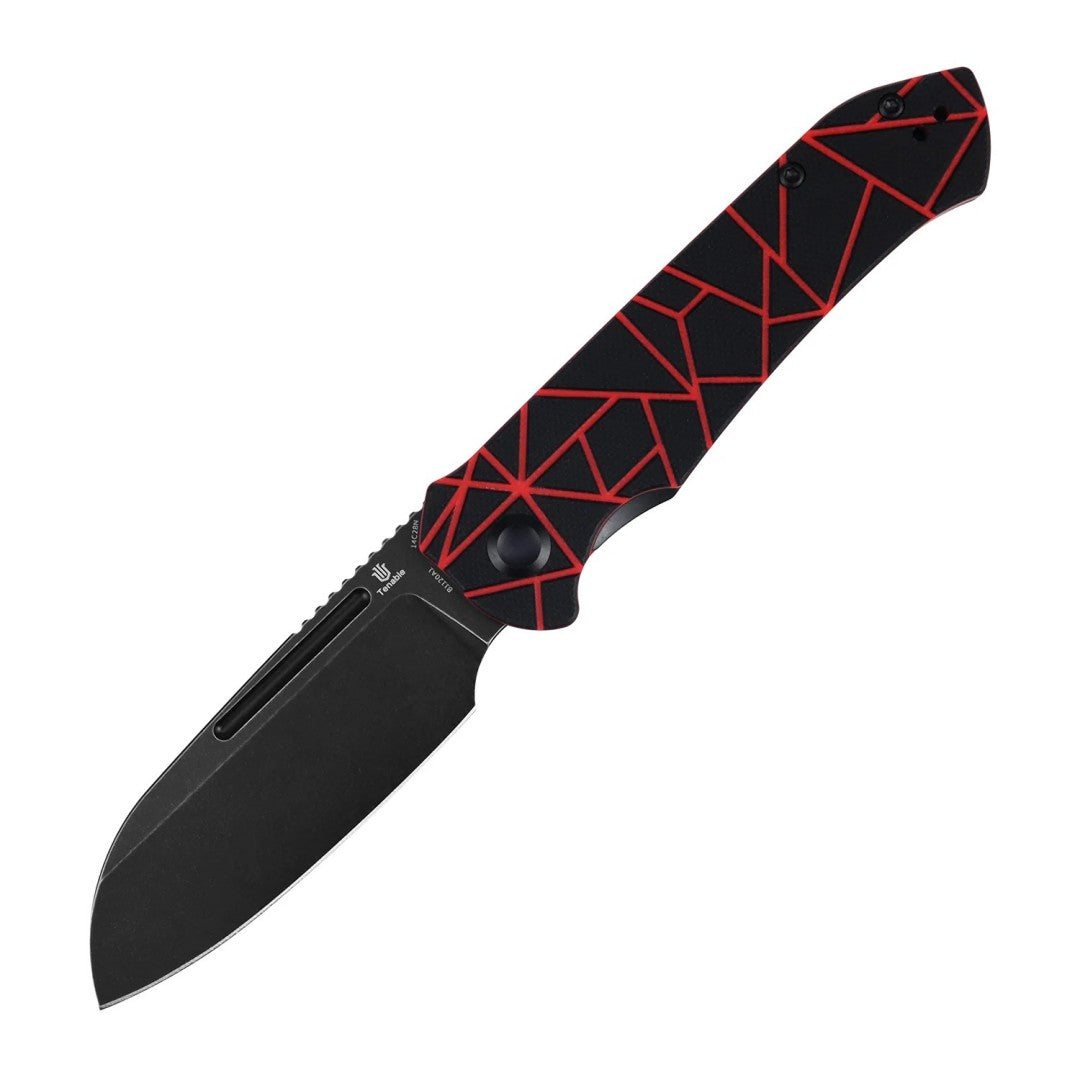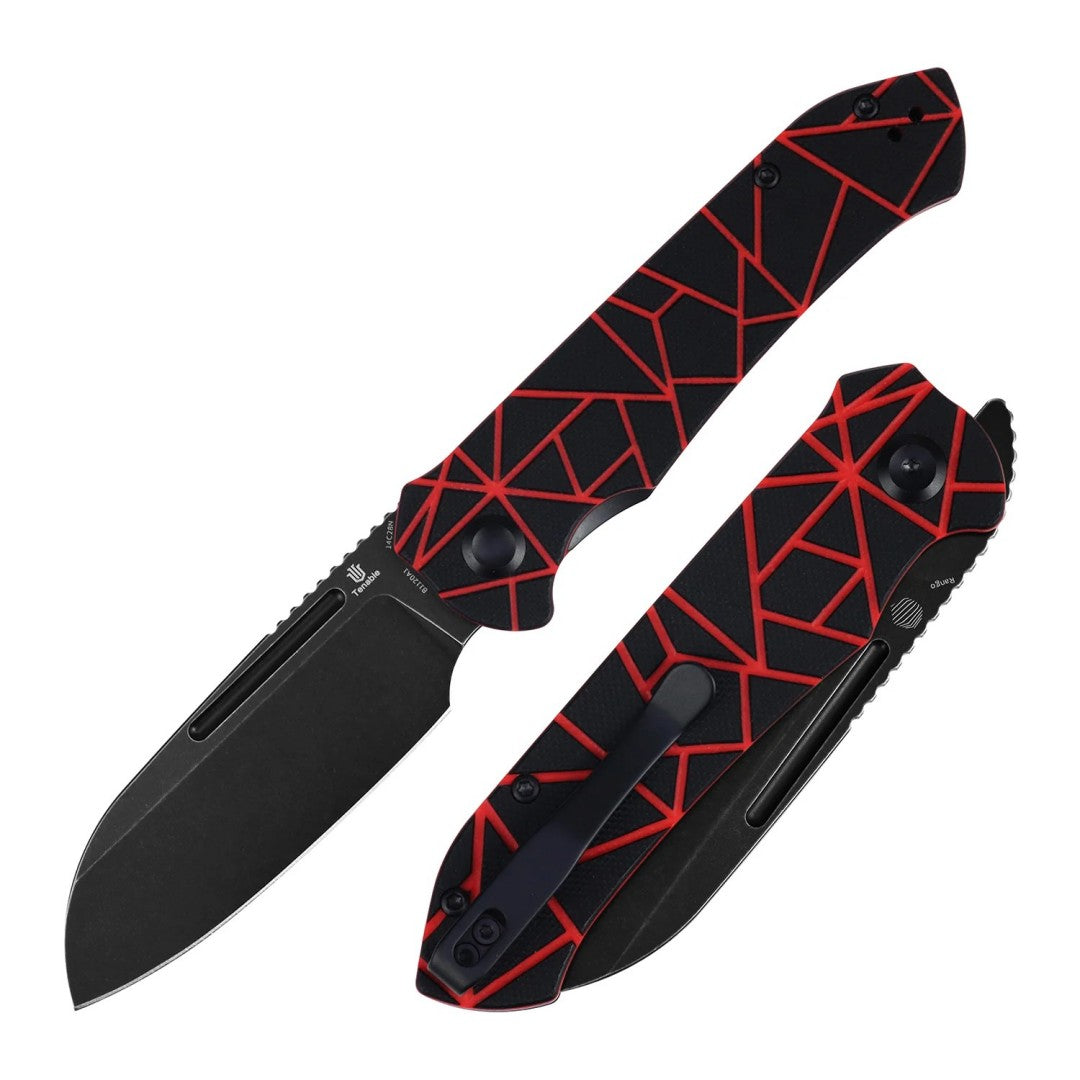

When evaluating a sub-2-inch pocket folder for daily carry, it is easy to focus entirely on the blade. However, the mechanism that houses, deploys, and locks that blade is what transforms a simple piece of sharpened steel into a high-performance industrial tool. The Bestech DUCI, a masterpiece born from the mind of custom designer Ostap Hel, handles this challenge through exceptional handle engineering.
Instead of cutting production costs with simple liner locks or plastic handles, Bestech constructed the DUCI with a full titanium handle integrated frame lock system. Let’s break down the advanced machining, physics, and material science that make this structural chassis so incredibly reliable.
 Technical Structural Specifications
To appreciate the structural integrity of this micro-folder, we must examine the premium metals and machining metrics used in its handle architecture.
| Structural Component | Factory Material / Specification | Engineering Advantage |
| Handle Geometry | 6Al4V Grade 5 Titanium Alloy | Superior strength-to-weight ratio |
| Lock Type | Integrated Titanium Frame Lock | Maximum mechanical lockup security |
| Lock Interface | Hardened Steel Lockbar Insert | Eliminates lock stick, prevents wear |
| Overtravel Protection | Integrated Steel Tab Stop | Prevents over-flexing the titanium |
| Handle Length | 2.75 inches (70 mm) | Optimized for compact three-finger grip |
| Chassis Weight | Combined with blade: 1.90 oz (54 g) | Complete pocket concealment |
The Choice of 6Al4V Grade 5 Titanium
The handle scales of the DUCI are milled entirely from 6Al4V titanium, an alpha-beta alloy containing 6% aluminum and 4% vanadium. This specific grade of titanium is a staple in aerospace engineering due to its extreme tensile strength, fracture toughness, and complete resistance to atmospheric corrosion.
By utilizing this premium alloy, Bestech ensures that the folder remains highly rigid under heavy lateral cutting pressures. Despite the handle scales being robust enough to take daily abuse, the low density of titanium keeps the total weight down to just 54 grams. This makes the knife virtually unnoticeable when clipped inside light dress slacks, athletic shorts, or heavy denim.

Anatomy of the Integrated Frame Lock
An integrated frame lock represents the gold standard for folding knife security. Unlike a liner lock, where a thin internal leaf spring holds the blade open, a frame lock utilizes a major portion of the handle scale itself to wedge behind the blade tang.
As the user wraps their hand around the handle to perform a heavy downward cut, their natural grip pressure forces the locking arm deeper into the blade tang. This creates a self-reinforcing safety mechanism: the harder you work the tool, the tighter the lock secures itself. This eliminates any risk of accidental vertical collapse while processing tough materials like wood or heavy plastic bindings.
Combatting Lock Stick: The Hardened Steel Insert
While titanium is an elite structural material, it possesses one major physical limitation when used in locking mechanisms: it is softer than heat-treated tool steel. If raw titanium rubs directly against the ultra-hard CPM-20CV steel blade tang, the two metals can micro-weld under friction, creating an annoying mechanical failure known as "lock stick."
Bestech solved this issue on the DUCI by installing a hardened steel lockbar insert at the interface point.
-
Flawless Disengagement: The steel insert meets the steel blade tang seamlessly, allowing the user to unlock the blade smoothly with one hand.
-
Integrated Overtravel Stop: The insert features a molded tab that blocks the lockbar from being pushed too far outward when closing the knife. This prevents the titanium from losing its spring tension over years of repetitive cycling.
Chamfered Geometry and Ergonomics
A common complaint regarding compact EDC folders is that they feel blocky or sharp in the palm. To eliminate this issue, Ostap Hel applied a series of complex 3D CNC chamfers along the perimeter of the titanium frame.
Every single straight edge is mathematically beveled to blend smoothly into the next geometric plain. This fluid contouring ensures that despite the compact 2.75-inch handle scale, the frame molds comfortably into a secure three-finger grip. The indexing finger is naturally funneled into a subtle front choil, while the palm rests against a gently curved spine, distributing force evenly during intensive slicing tasks.

Summary Verdict
The handle assembly of the Bestech DUCI is a brilliant exercise in micro-industrial engineering. It takes the unyielding strength of aerospace-grade titanium, pairs it with a precision-tuned frame lock, and adds a hardened steel insert to guarantee lifetime longevity. It proves conclusively that a pocket tool does not need to be massive to offer world-class mechanical security and structural integrity.