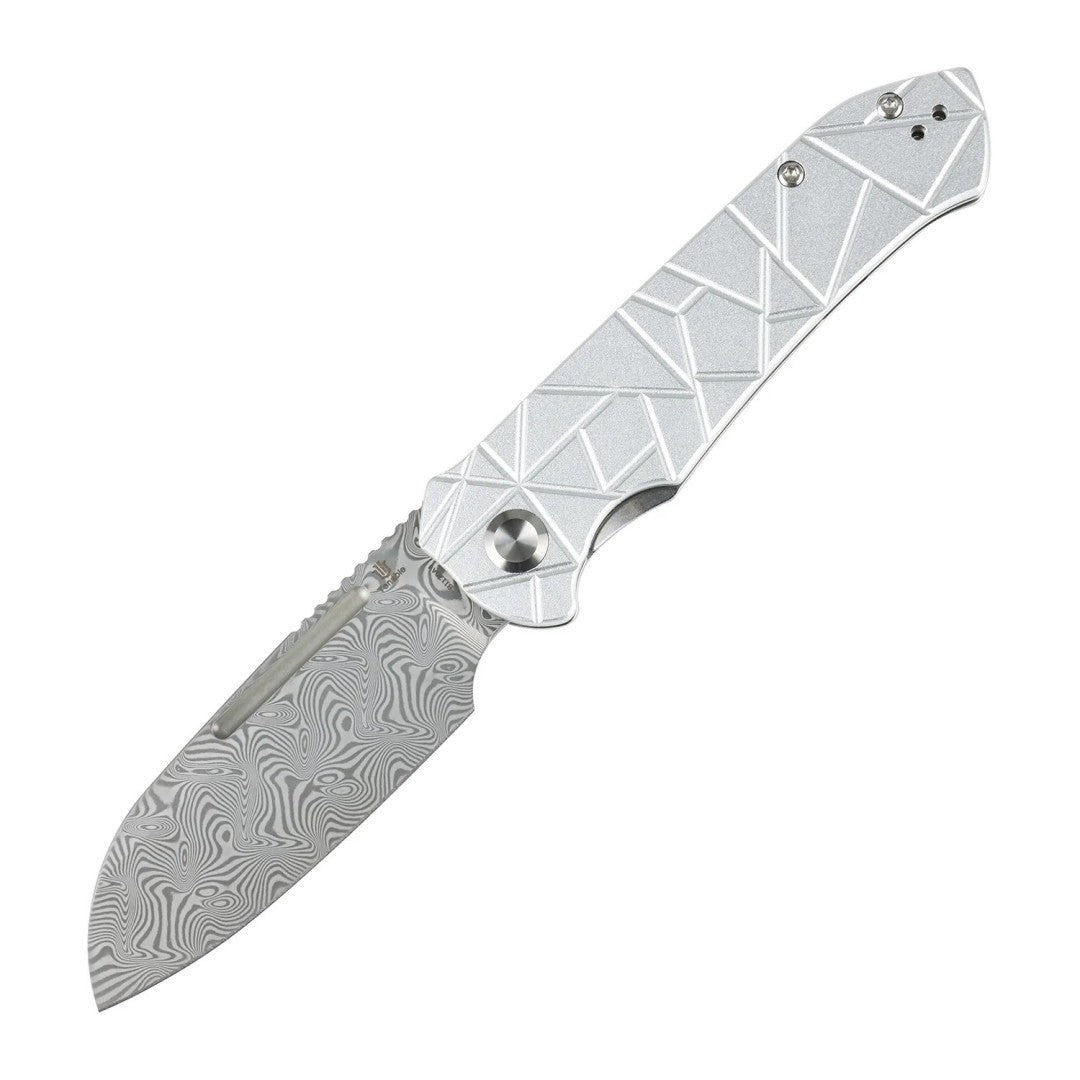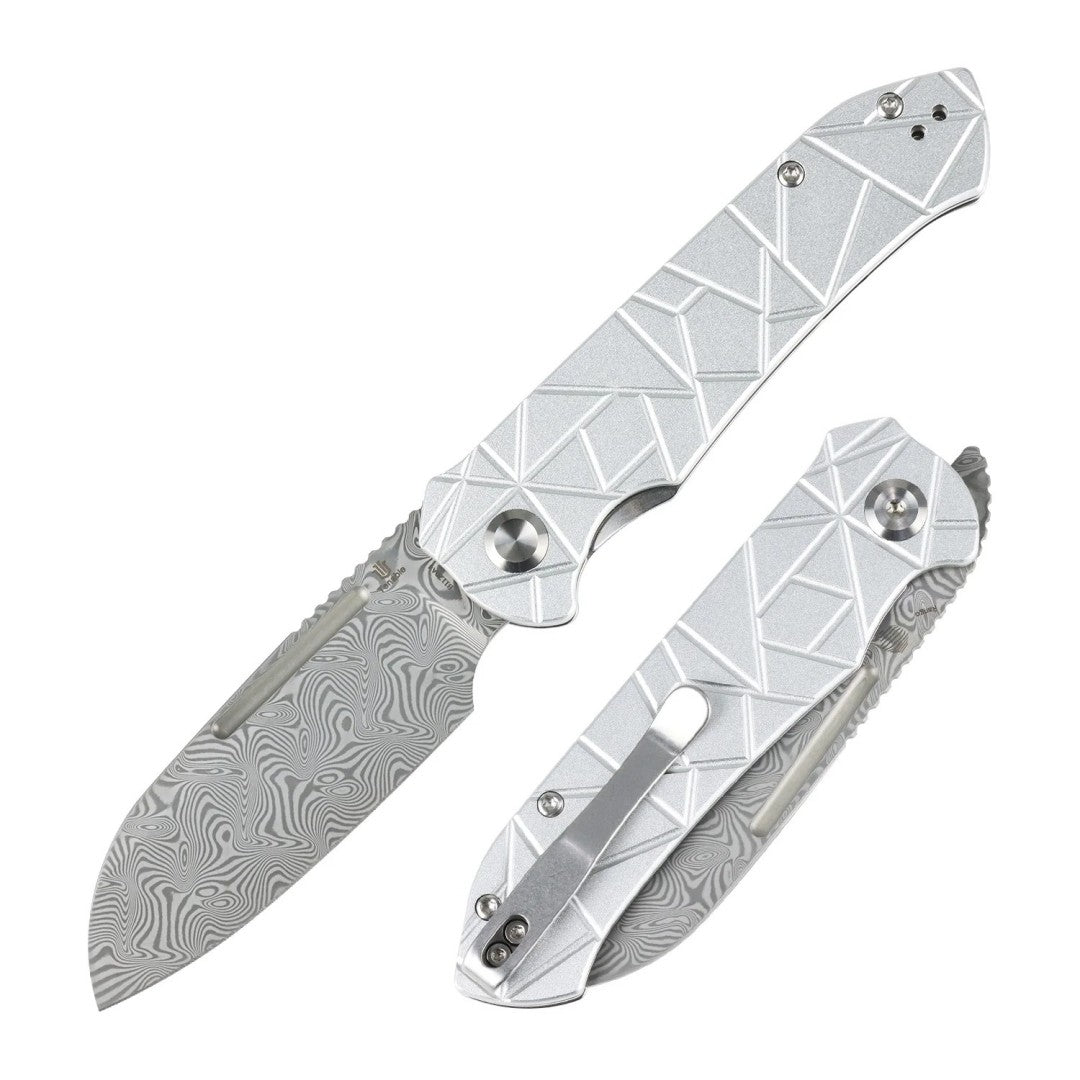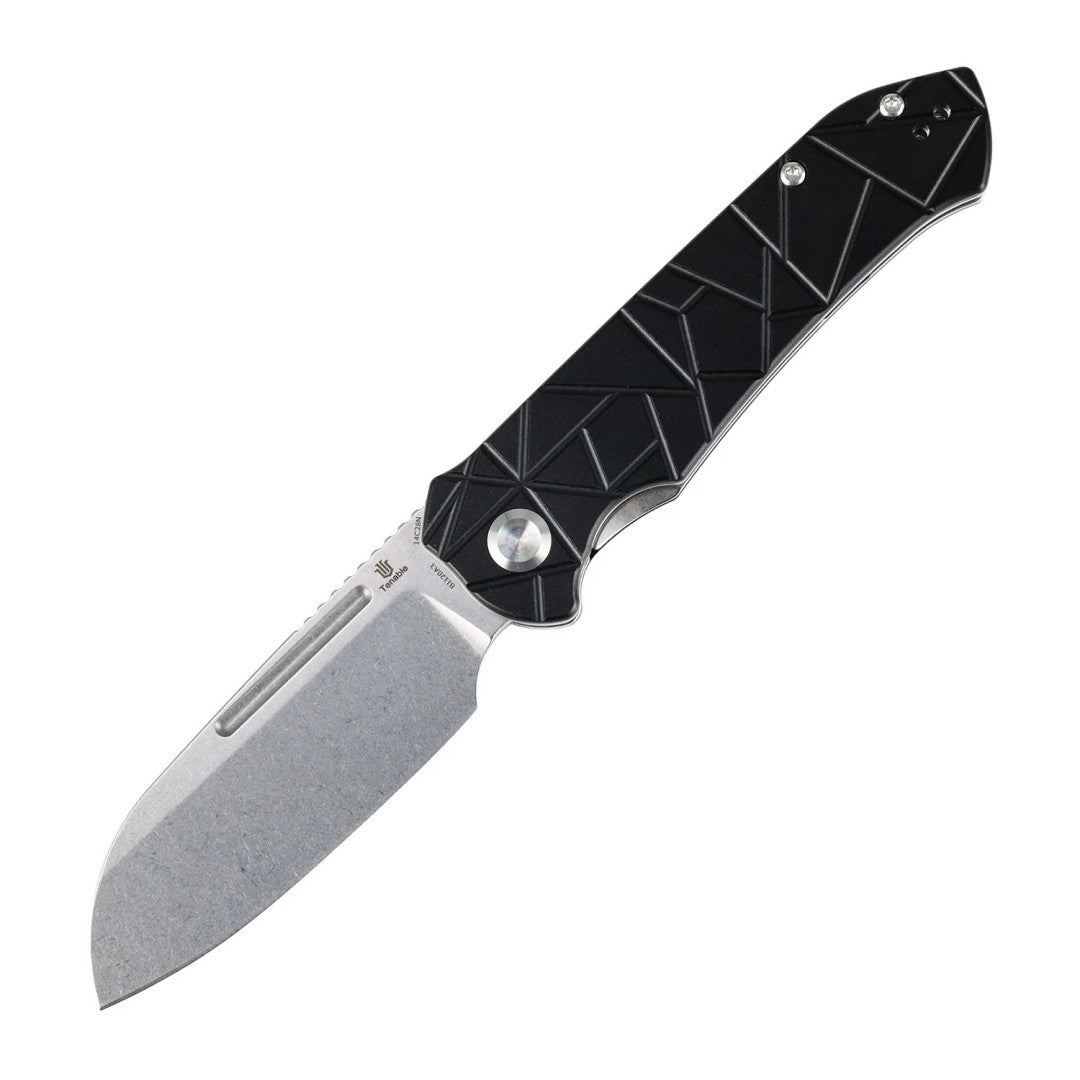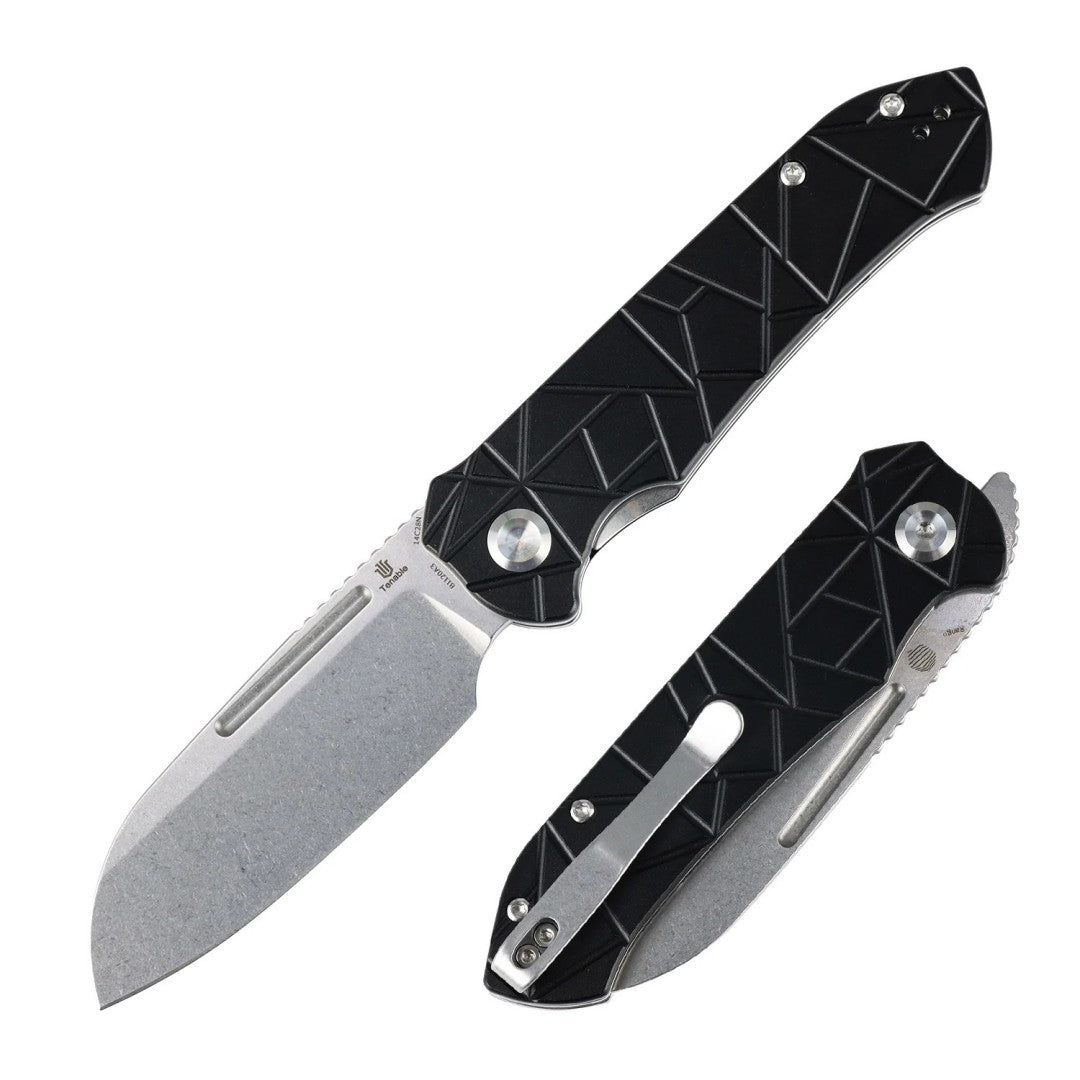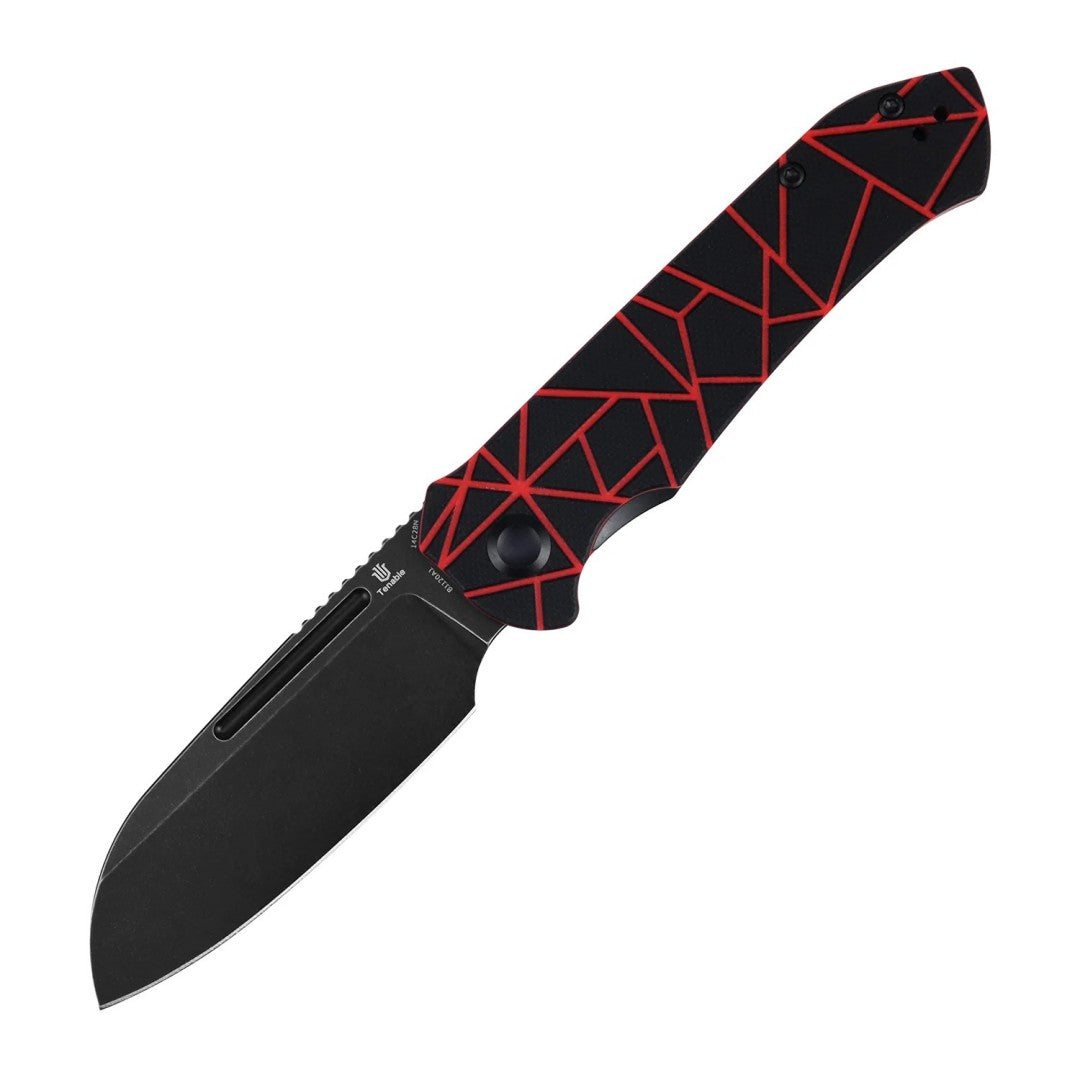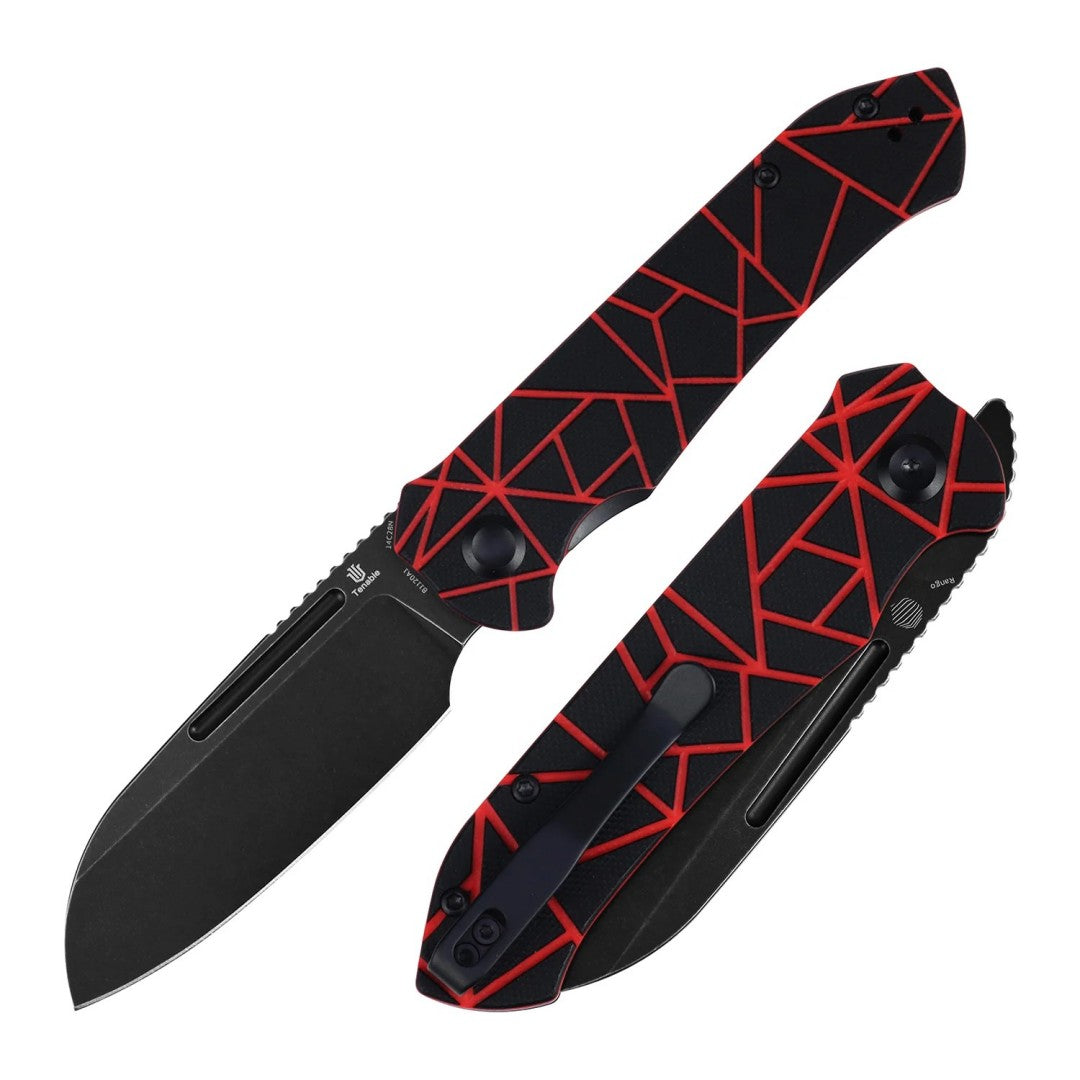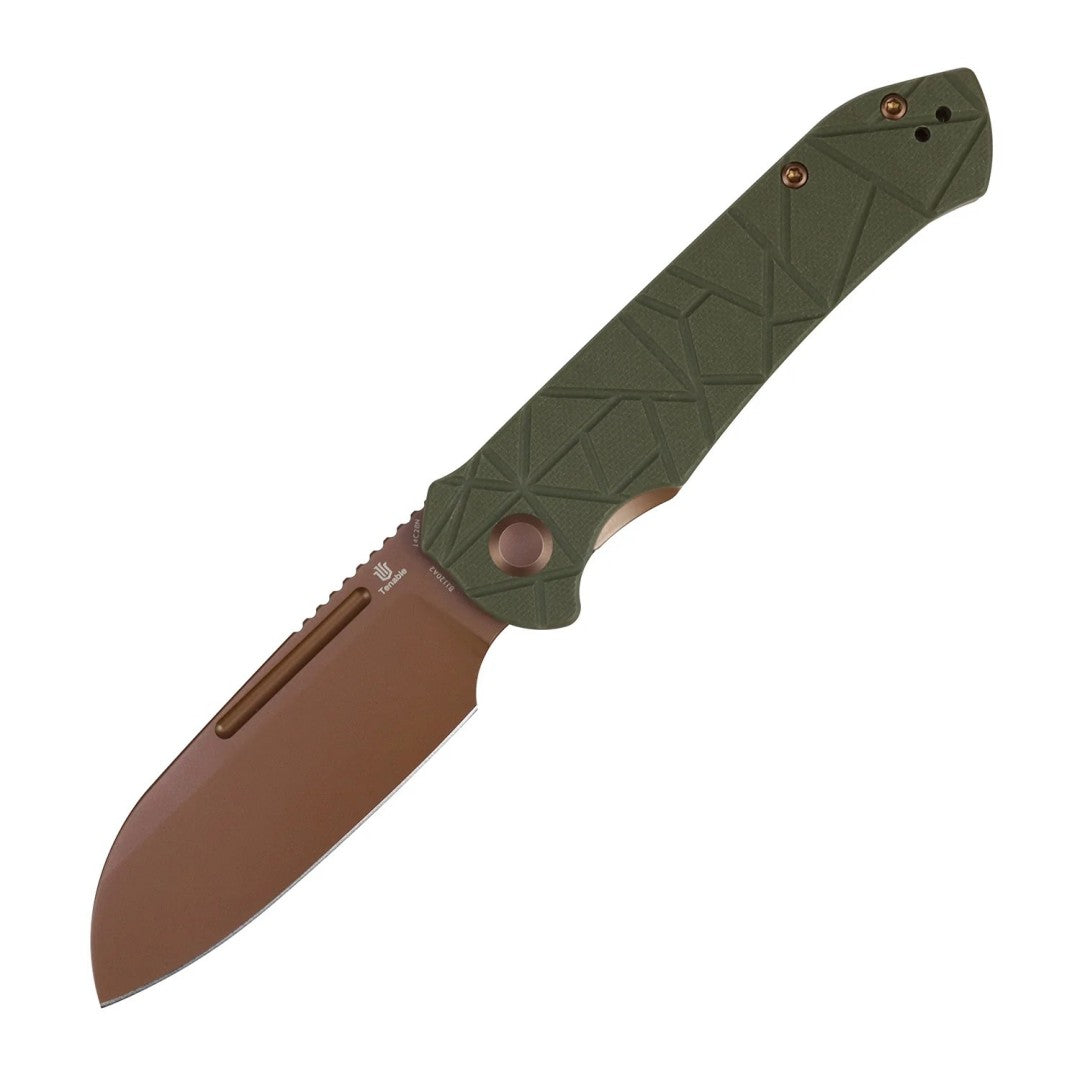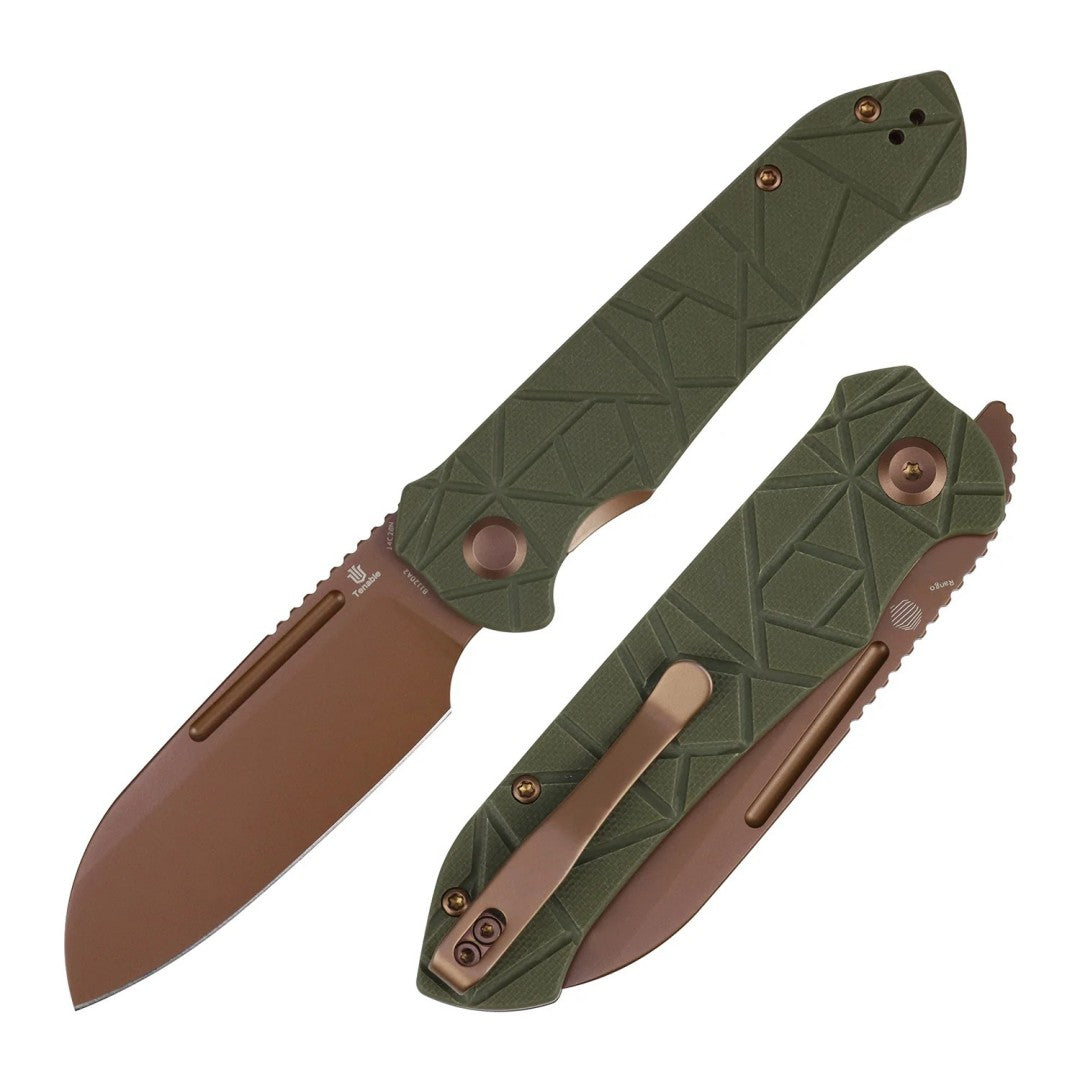
When evaluating luxury consumer goods—be it a Swiss watch, a bespoke leather jacket, or a high-end folding knife like the Rockstead SHU-KOI—the initial conversation almost always revolves around price. To the uninitiated, the price tag attached to a Rockstead folder seems astronomical for a pocket tool. However, in the realm of elite Everyday Carry (EDC) and custom cutlery, price is a direct reflection of manufacturing complexity, resource scarcity, and long-term asset value.

To understand the price of the SHU-KOI, one must look past the surface and analyze the unique economic ecosystem that Rockstead operates within.
1. The Cost of Metallurgical Risk: Handling ZDP-189 at 67 HRC
The primary driver of the SHU-KOI’s retail price is the extreme difficulty of its manufacturing process. The knife features a Hitachi ZDP-189 powder metallurgy steel blade, heat-treated to an astonishing ~67 HRC (Rockwell Hardness).
In industrial manufacturing, hardening steel to this degree introduces a massive financial risk:
-
High Failure Rates: Standard production knives stop around 60–62 HRC because steel becomes incredibly brittle and volatile beyond that point. During Rockstead’s proprietary thermal cycling, a tiny microscopic imperfection or a fraction of a degree in temperature variance can ruin an entire batch of blades.
-
Tooling Wear and Tear: Machining and grinding steel that sits at 67 HRC obliterates standard factory grinding wheels and CNC bits. The cost of replacing industrial abrasives and diamond-coated tools is factored directly into the final price of the knife.
When you buy the SHU-KOI, a significant portion of your money pays for the immense quality control and the high scrap rate that Rockstead absorbs to ensure only flawless blades leave their facility in Sakai, Japan.
2. The Labor Economy of the Mirror Polish
Another critical aspect of the price equation is the famous Rockstead mirror finish. Unlike automated factory finishes—such as stonewashing, bead-blasting, or satin machine-grinding—a true mirror polish cannot be completed purely by a machine.
It requires consecutive stages of hand-polishing by master craftsmen who have spent decades perfecting the trade. This process takes hours per knife. If the artisan applies slightly too much pressure or alters the angle by a millimeter, the geometry is ruined, and the blade must be discarded. Because you are paying for highly specialized, artisanal Japanese labor rather than automated mass assembly, the price naturally reflects the hours of human expertise poured into the steel.
3. Material Costs: Aerospace-Grade Titanium and the Button Lock
The SHU-KOI pairs its hyper-advanced blade with a premium Titanium handle and a highly precise Button Lock mechanism.
Titanium is a notoriously expensive raw material, not just to source, but to mill. It is tough on machinery and requires slow, precise CNC runtime to prevent warping. Furthermore, executing a button lock on a luxury knife requires virtually zero-tolerance lockup. If the internal dimensions are off by a fraction of a human hair, the blade will exhibit "blade play" or stick when pressing the button. The precision engineering required to make the action buttery smooth while maintaining absolute vault-like lockup demands a premium retail price.
4. Amortization and the Lifetime "Spa Service"
To truly understand the value relative to the price, one must look at the long-term utility of the knife. Most production knives are consumable items; once they are dull, scratched, and heavily used, their value plummets, and they eventually need to be replaced.
Rockstead treats the SHU-KOI as a lifetime investment. Every knife comes with access to their legendary Factory Spa Service. When your knife eventually loses its factory edge after months or years of use, you can send it back to Japan. Rockstead’s craftsmen will disassemble the knife, tune the button lock mechanism, and completely re-grind and re-polish the ZDP-189 blade back to its original, mirror-shining, razor-sharp state.
If you amortize the initial cost of the SHU-KOI over ten, twenty, or thirty years of ownership—backed by factory-certified restorations—the "cost per carry" drops dramatically. It ceases to be an expensive, disposable tool and becomes a multi-generational heirloom.
5. Value Retention in the Secondary Market
Finally, from an investment standpoint, Rockstead knives hold their value exceptionally well. Because their production numbers are strictly limited by the physical constraints of hand-polishing and volatile heat-treating, demand in the global EDC market almost always outstrips supply.
Unlike standard consumer goods that lose 50% of their value the moment they leave the store, a well-maintained Rockstead SHU-KOI retains a vast majority of its retail value on the secondary collector market. In many cases, specific discontinued or limited-run variations even appreciate over time.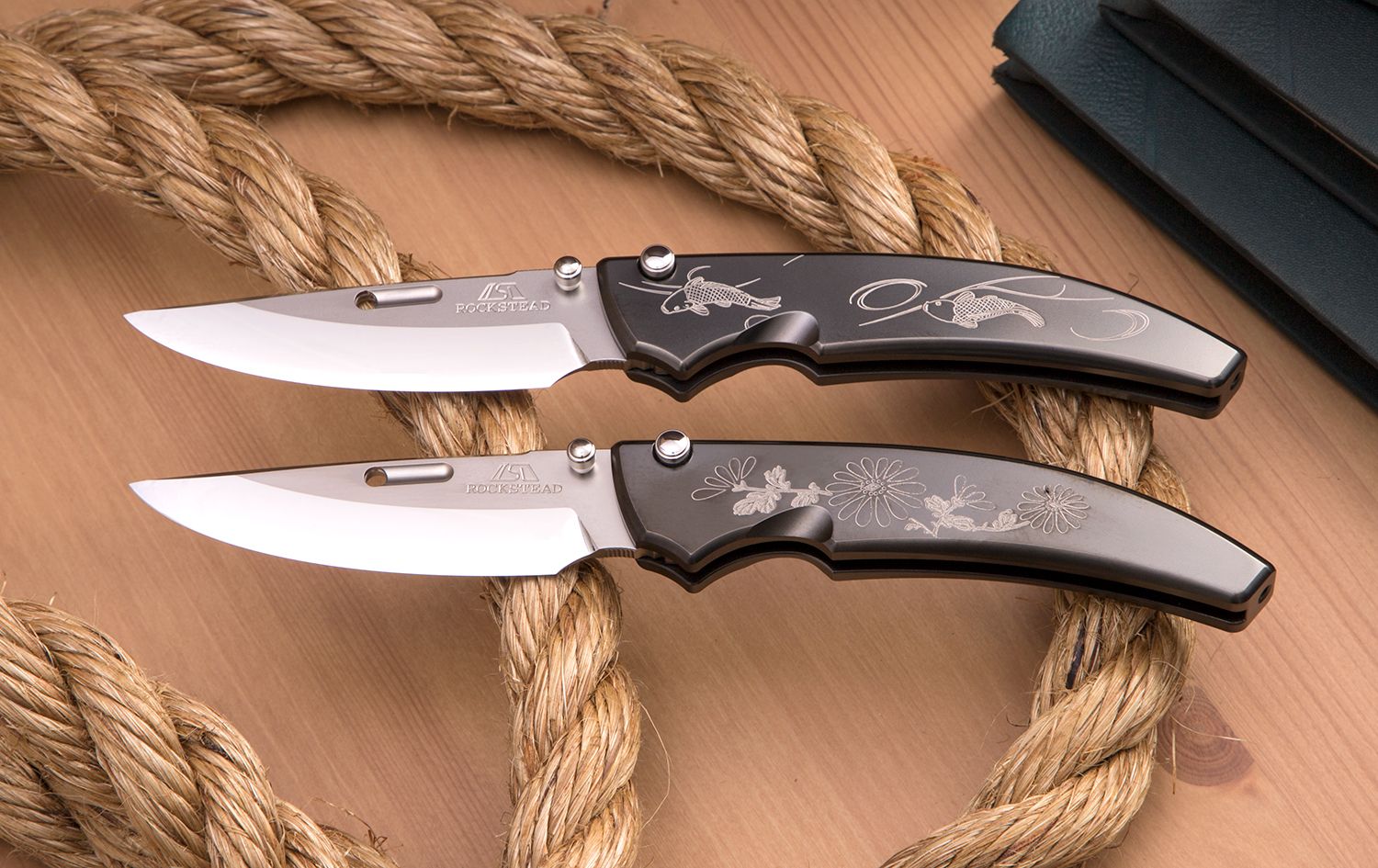
Conclusion: Price is What You Pay, Value is What You Get
The Rockstead SHU-KOI is undeniably an expensive item, but it is not overpriced. Every dollar of its retail cost can be accounted for in advanced metallurgical science, hours of master artisan labor, premium titanium construction, and a lifetime maintenance guarantee.
It is a tool designed for the individual who has moved past mass-produced items and wishes to own the absolute pinnacle of what is industrially possible. For those who appreciate flawless execution and uncompromising quality, the price of the SHU-KOI is a fair trade for a masterpiece that will outlast almost every other tool in their collection.