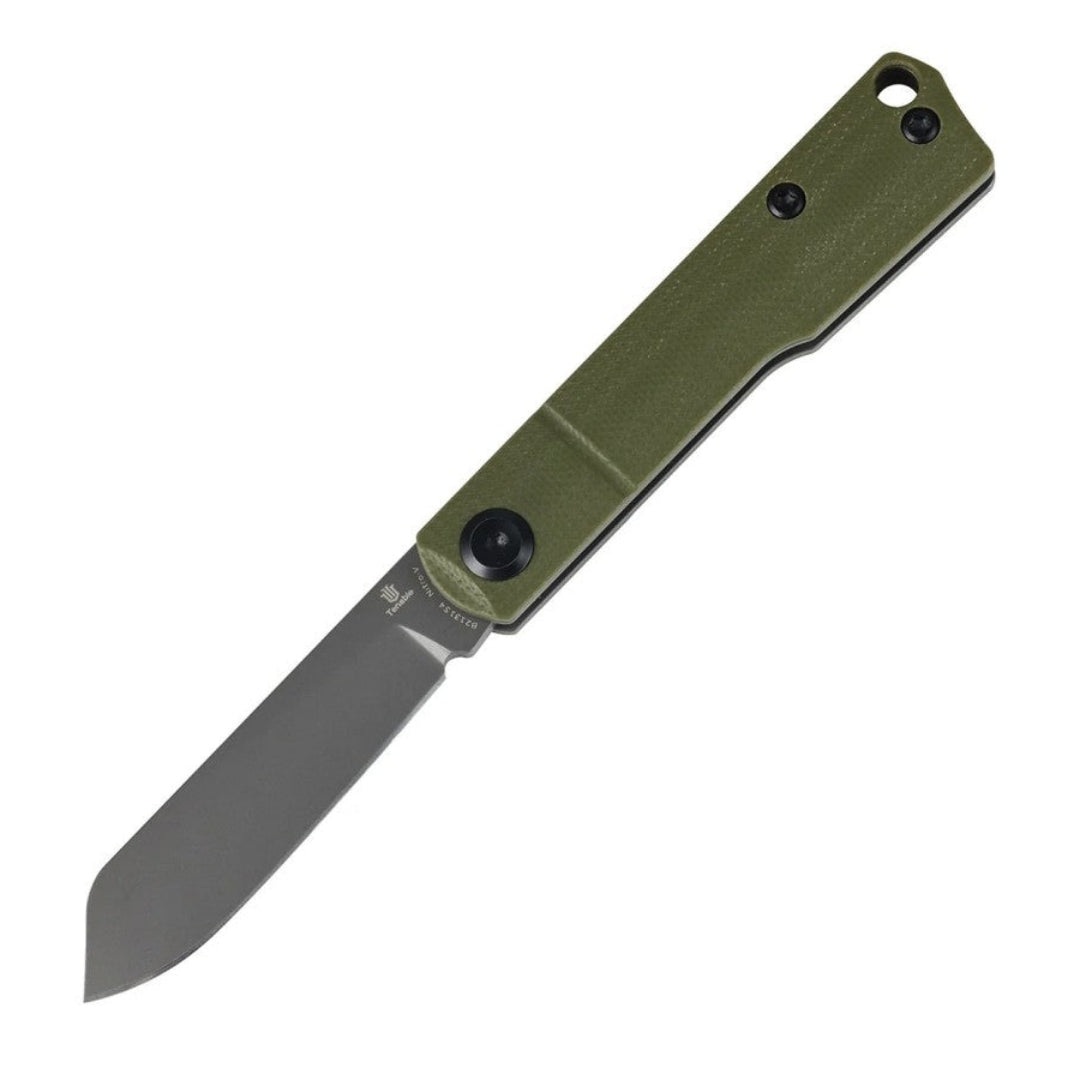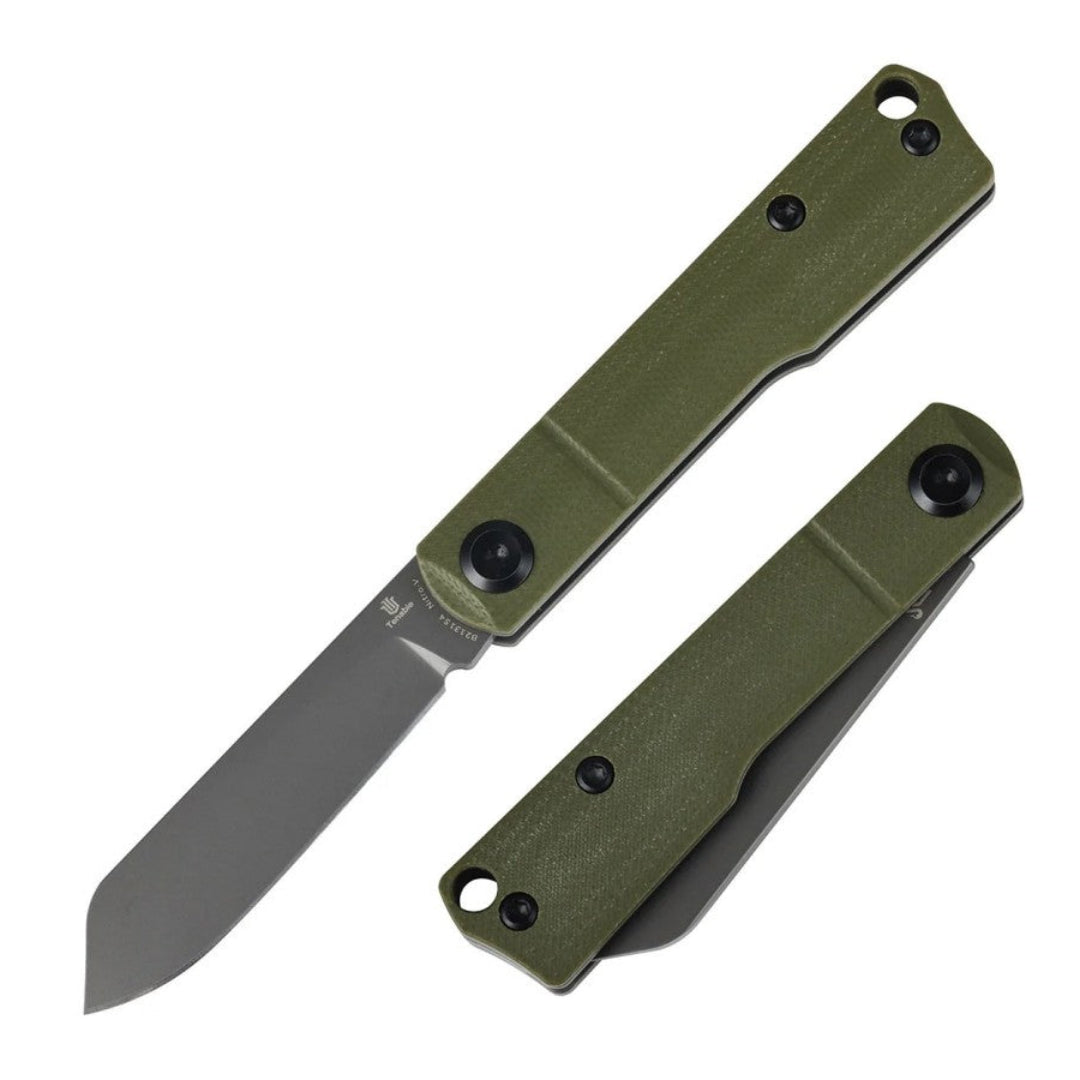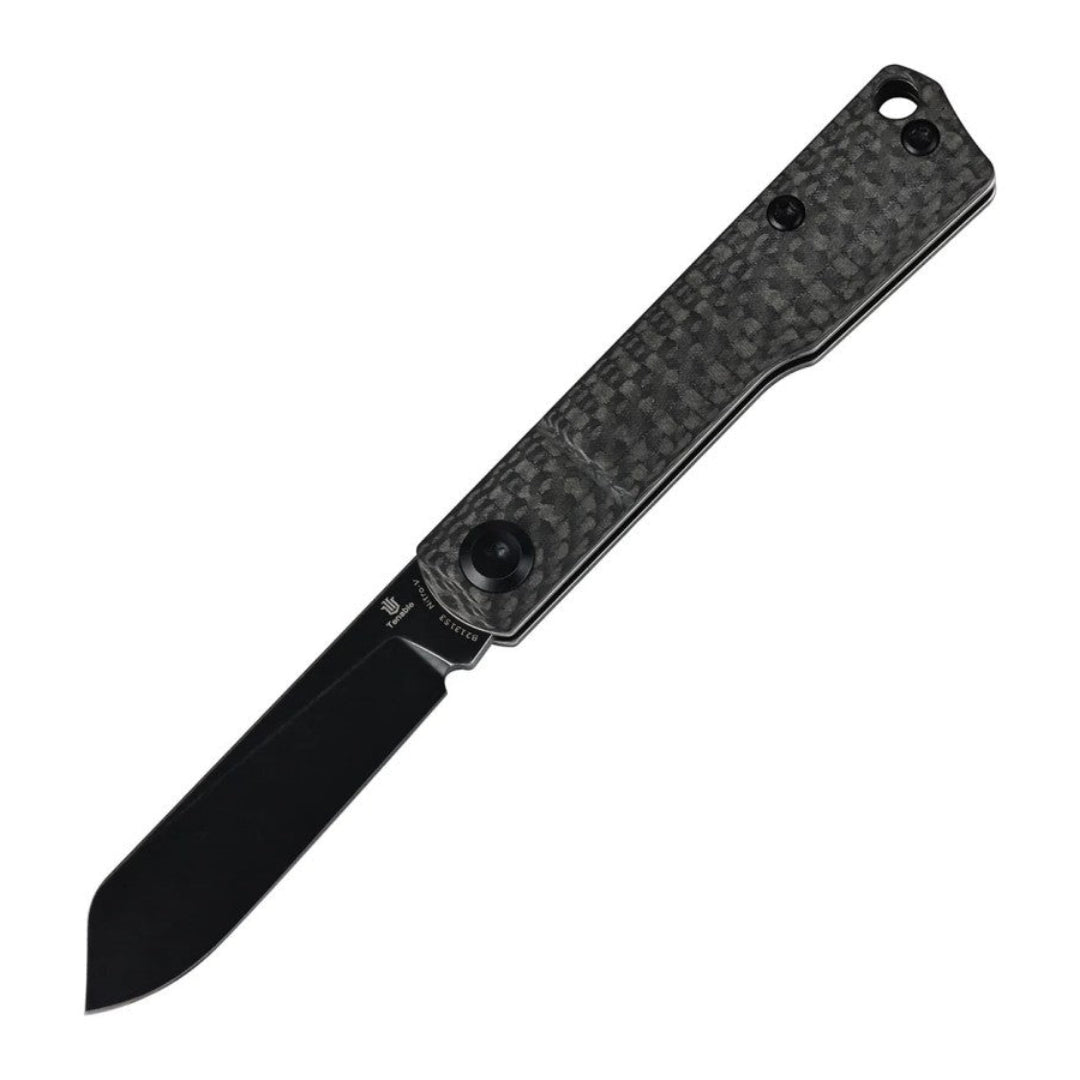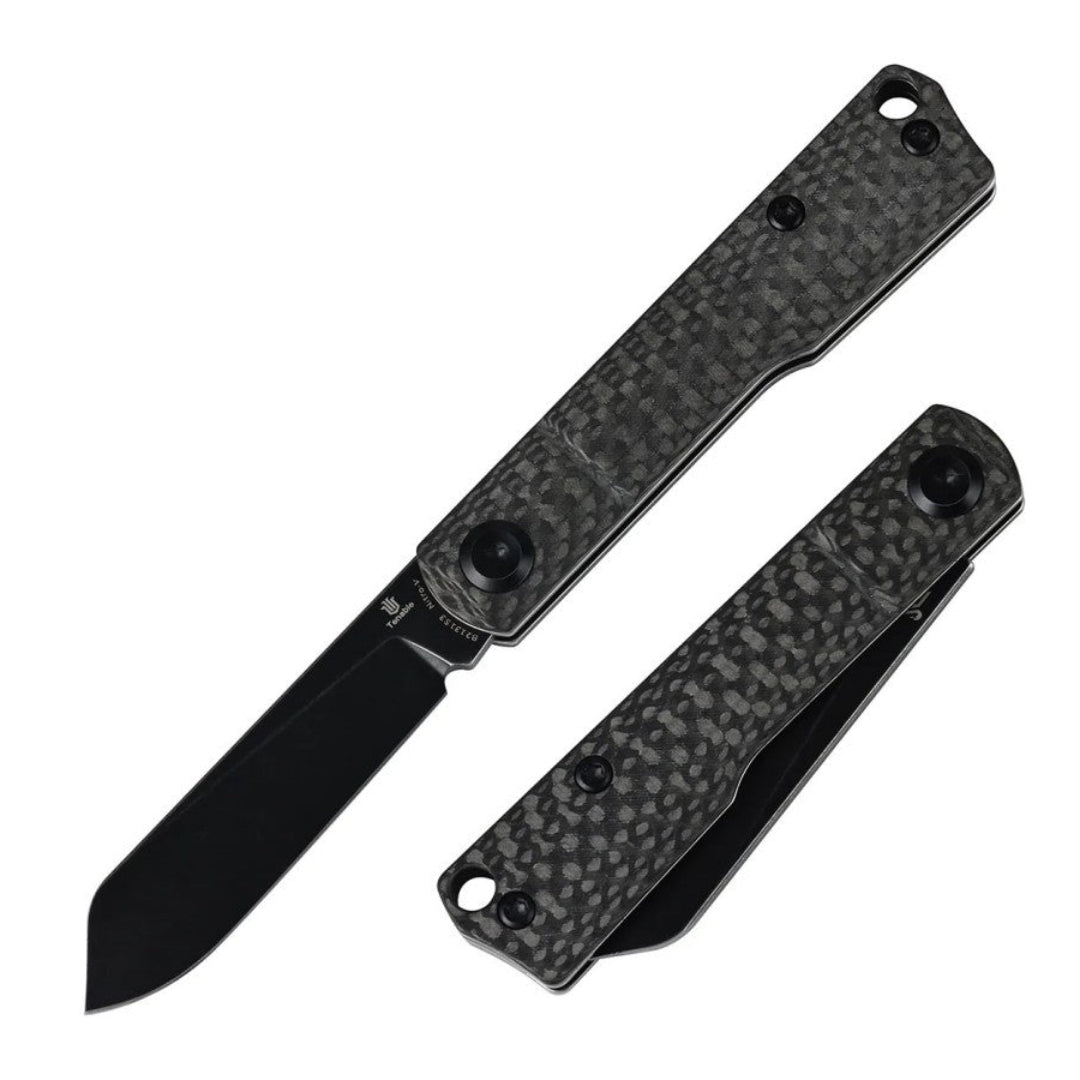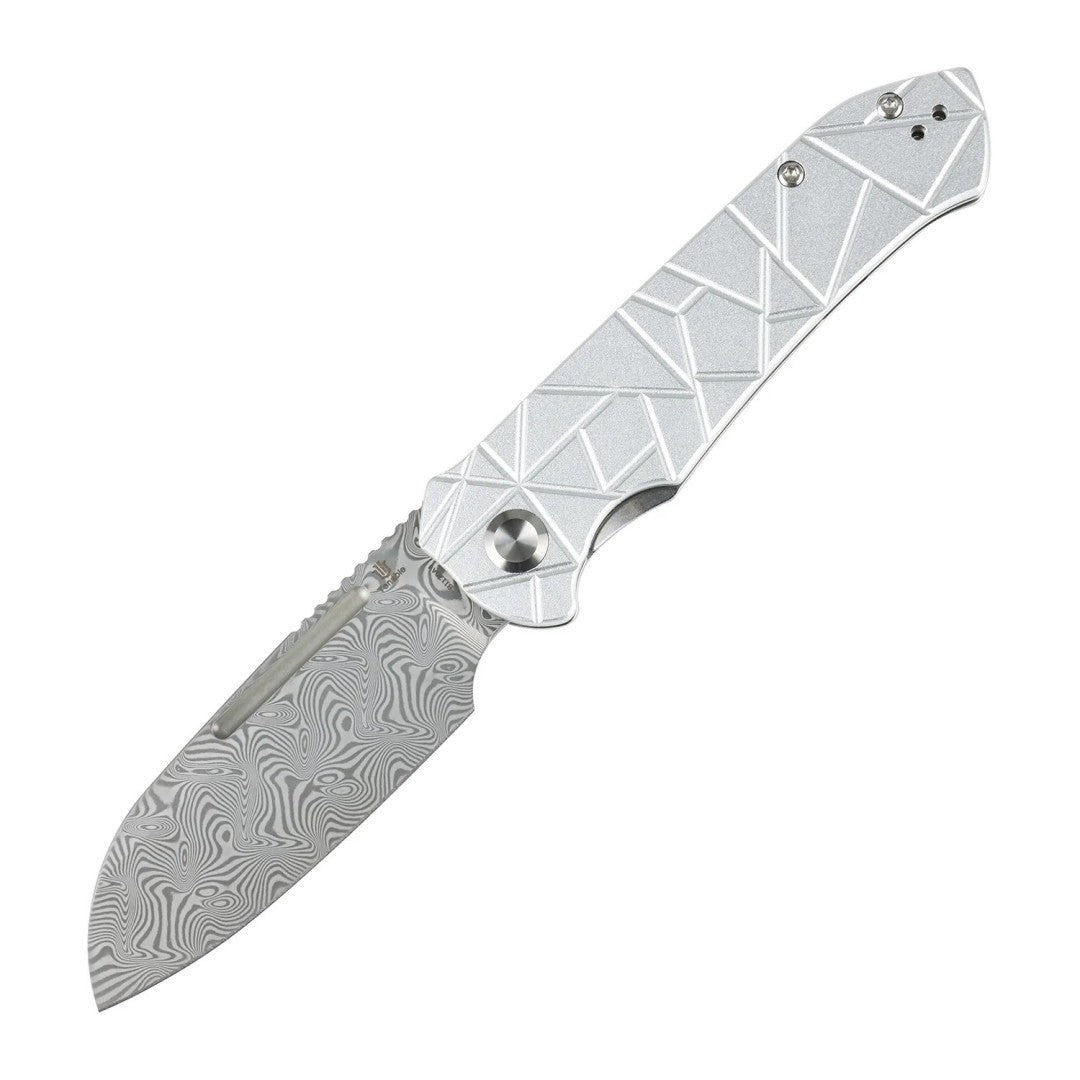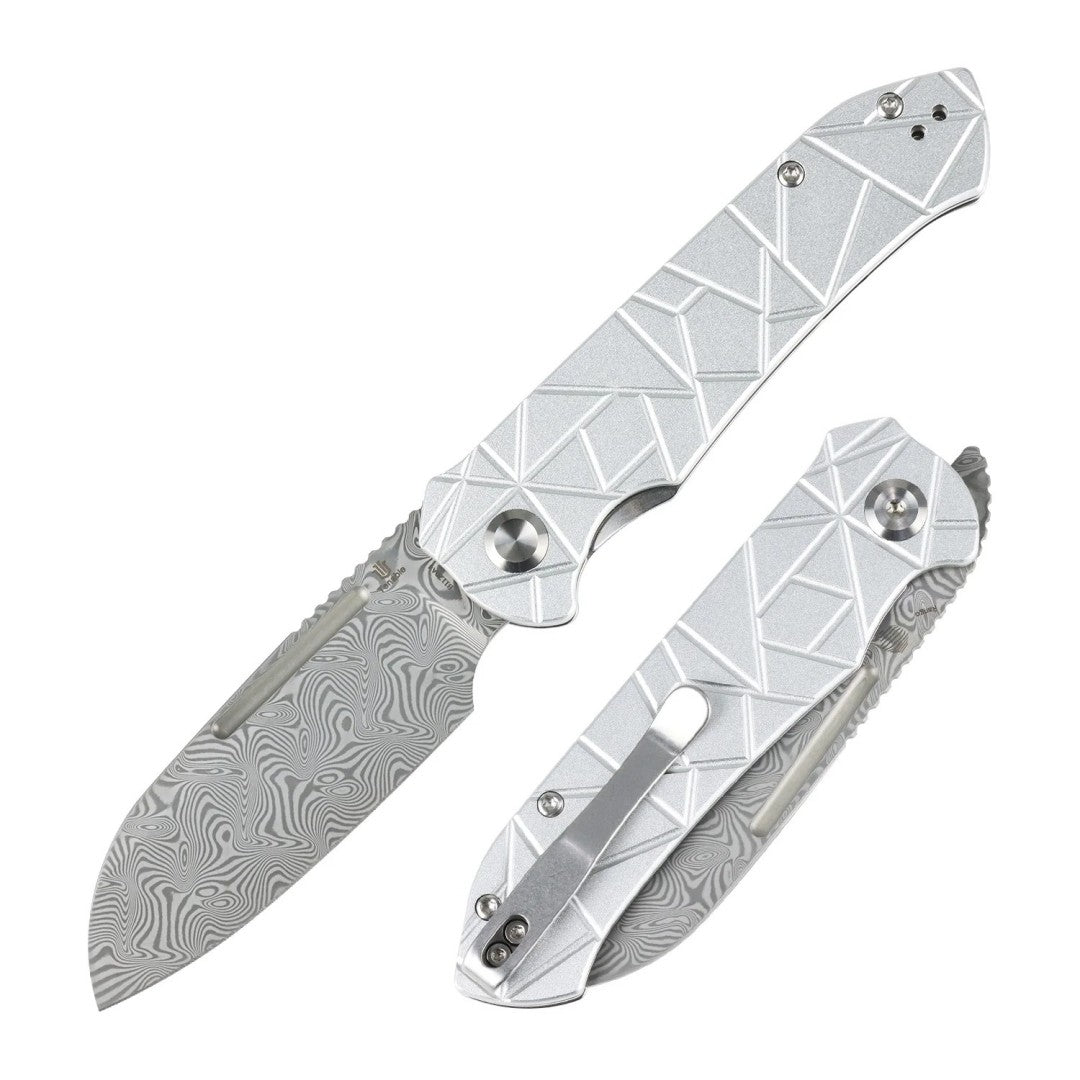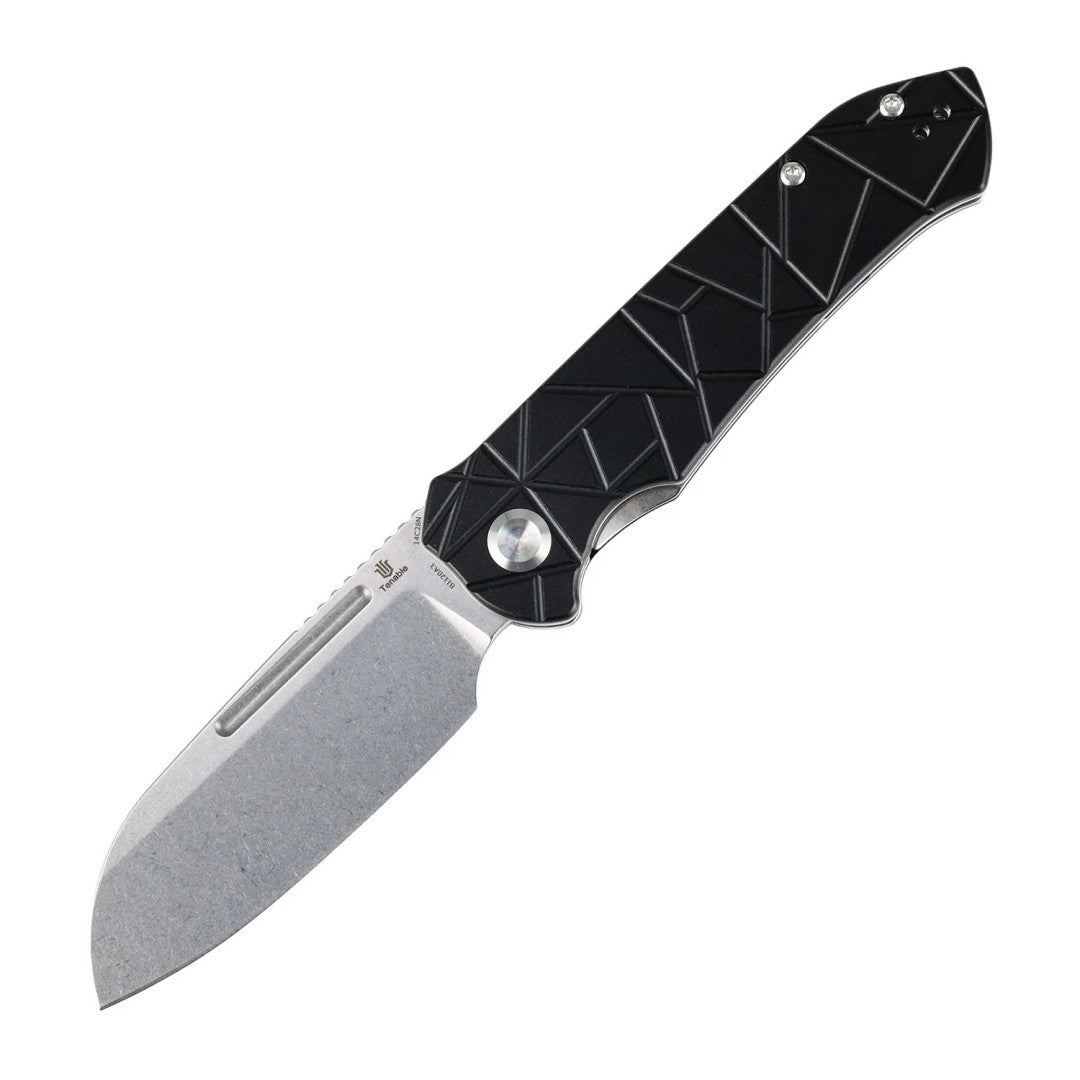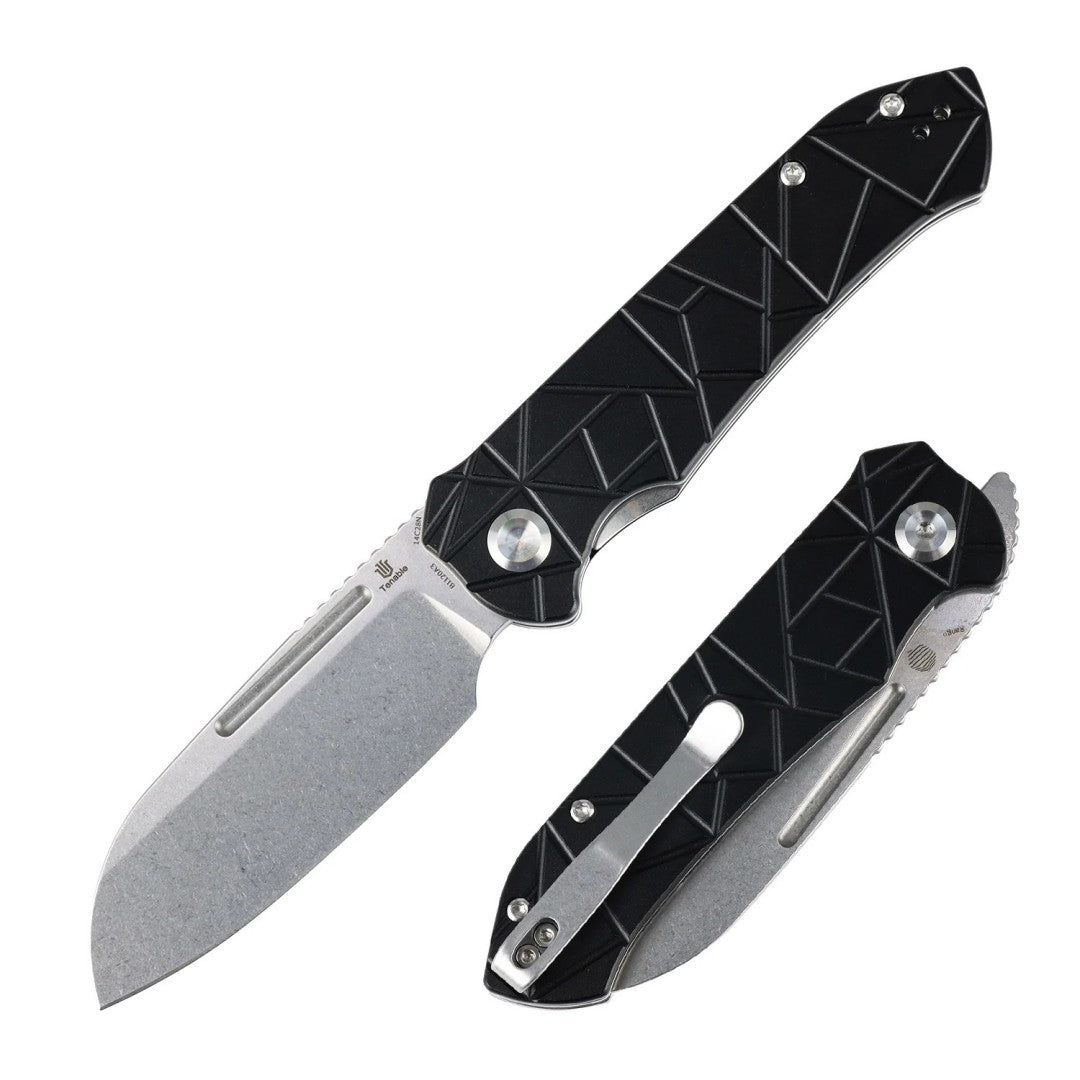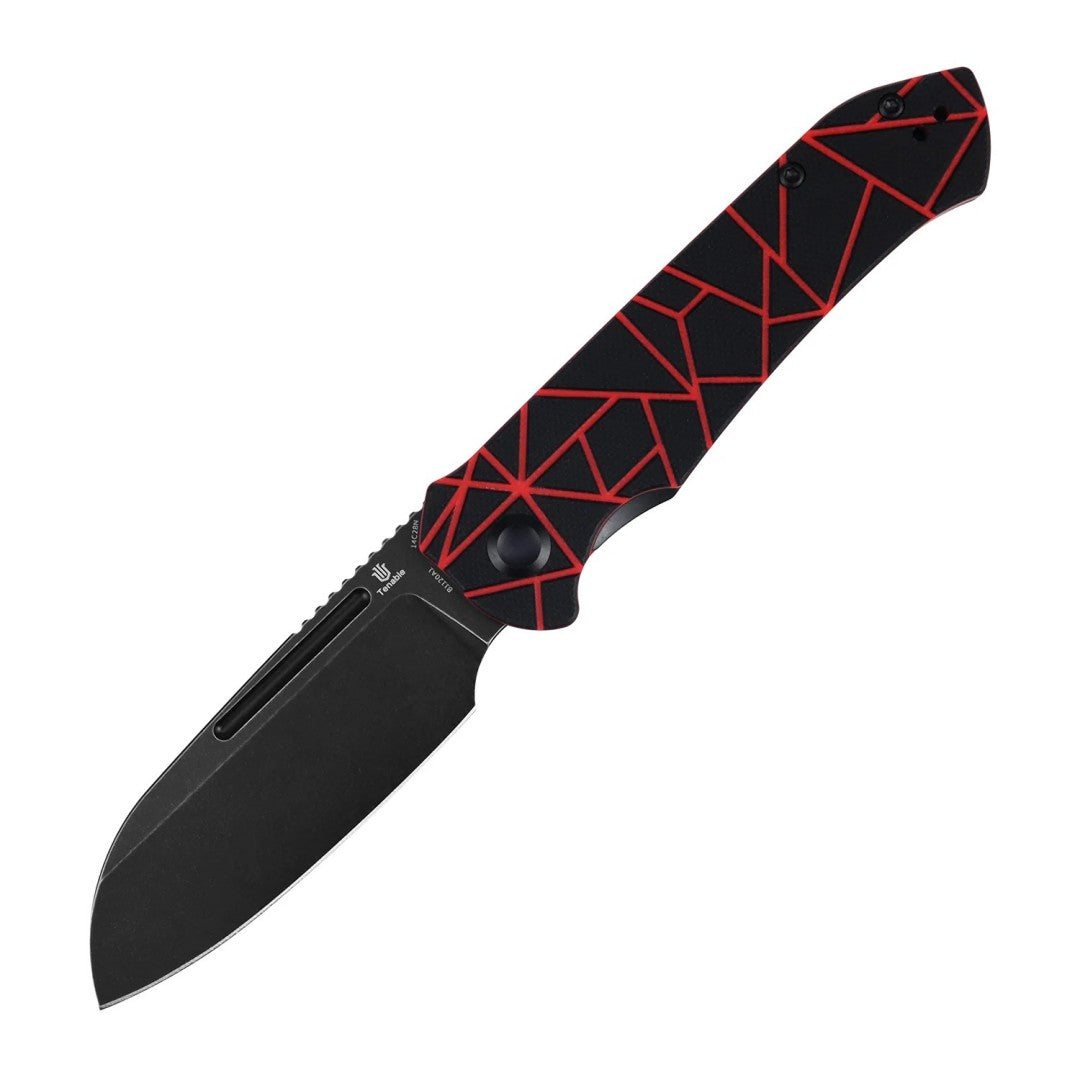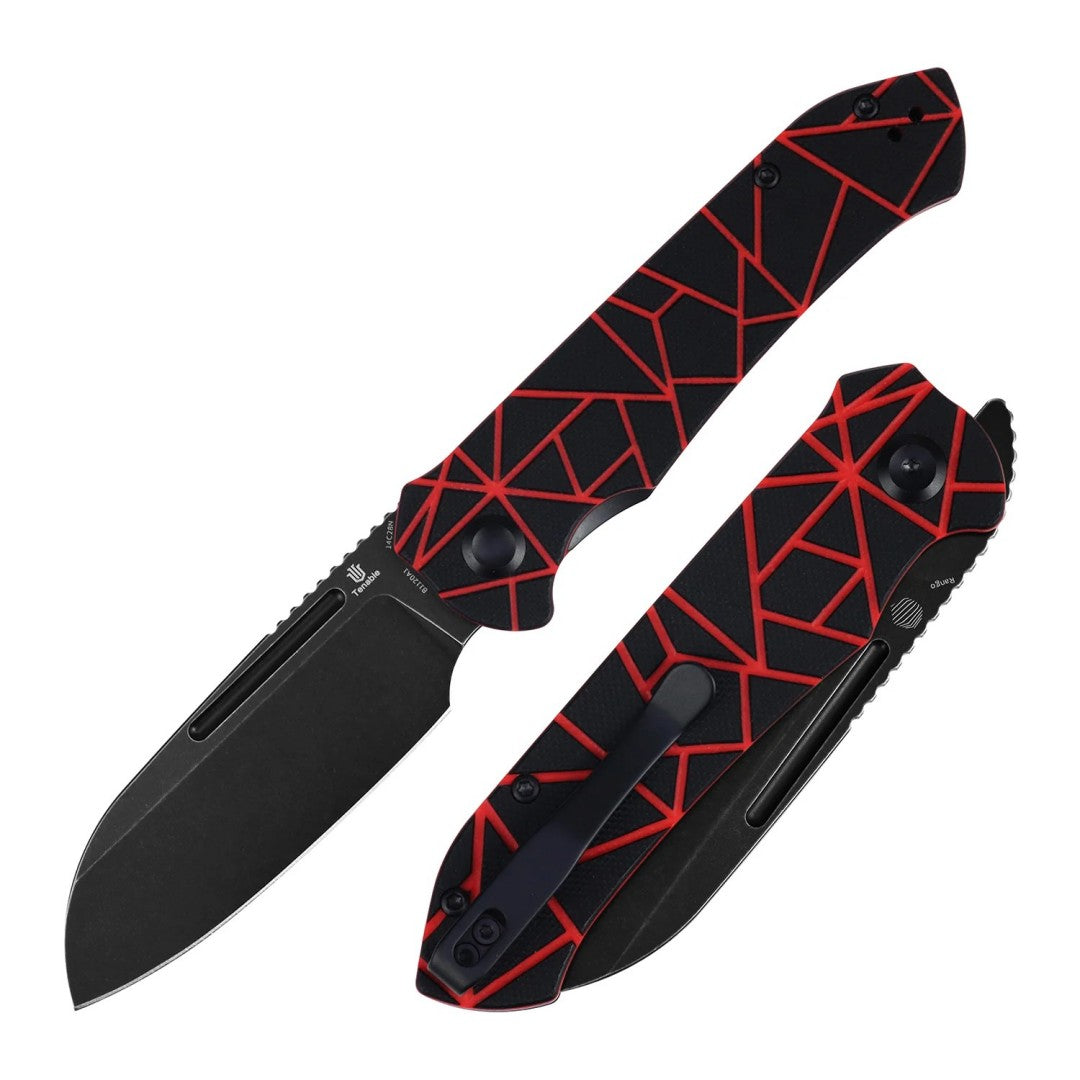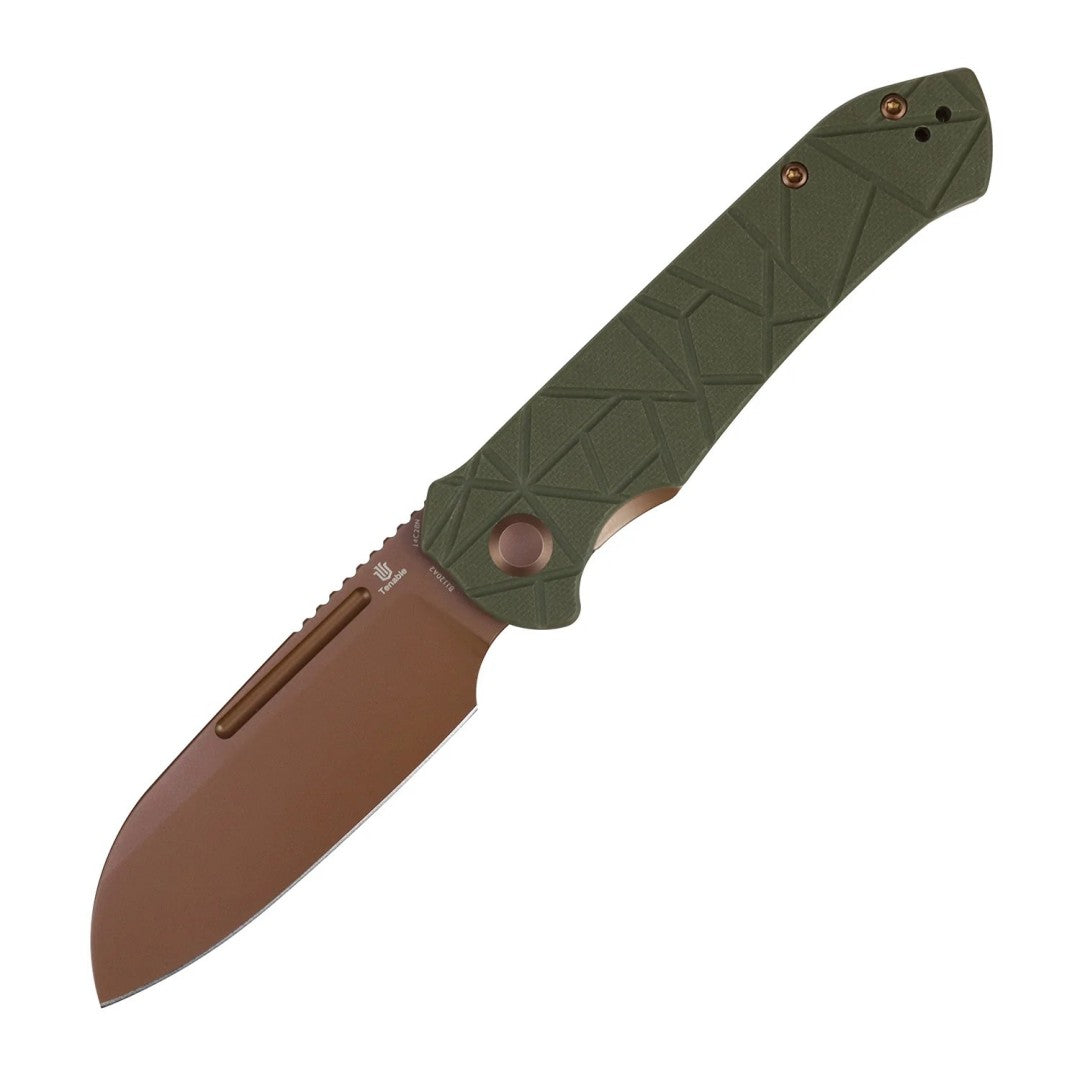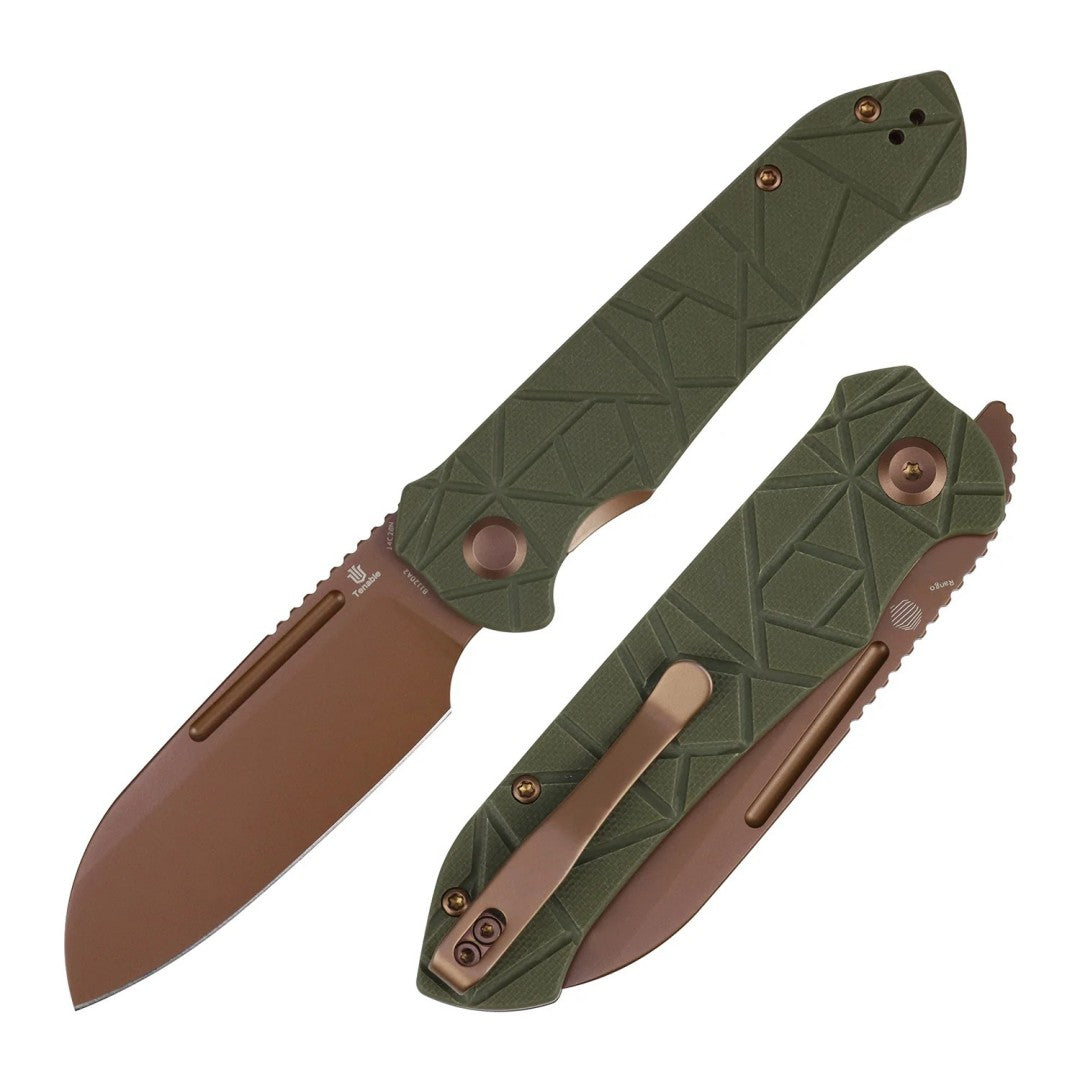
A high-performance pocket knife blade is a fascinating blend of metallurgy, surface engineering, and geometric design. While many casual knife users appreciate a brilliant reflective finish purely for its dramatic aesthetic appeal, the science behind a mirror-polished edge goes far deeper than visual elegance. In the QSP Dolphin, advanced steel metallurgy intersects with precision mechanical polishing to create a tool that excels in both real-world utility and long-term durability.
Crafted by QSP, a manufacturer celebrated for bringing high-end machining standards to accessible production knives, this model relies on a specially formulated Swedish stainless steel to deliver exceptional cutting dynamics. Here is an exploration of the material science, metallurgical breakdown, and practical benefits behind its mirror-finished blade.
Metallurgical & Finishing Specifications
Understanding blade science requires examining the precise chemical composition and manufacturing parameters that dictate steel performance.
| Parameter | Engineering Specification |
| Blade Steel Grade | Sandvik 14C28N Stainless Steel |
| Chemical Composition | 0.62% Carbon, 14.0% Chromium, 0.11% Nitrogen |
| Target Hardness | 59-61 HRC (Vacuum Heat Treated) |
| Blade Surface Finish | Ultra-High Luster Mirror Polish |
| Locking Mechanism | Stainless Steel Liner Lock |
| Pivot Mechanics | Caged Ceramic Ball Bearings |
The Metallurgical Foundation: Sandvik 14C28N
At the core of this blade is Sandvik 14C28N, a stainless steel developed specifically for high-demanding professional cutting applications. Unlike standard budget steels, this alloy relies on a precise balance of chromium, carbon, and nitrogen:
-
Nitrogen Additive: Nitrogen partially replaces carbon in the crystal lattice, increasing both corrosion resistance and hardness without forming coarse, brittle carbides.
-
Fine Carbide Structure: The fine grain structure allows the steel to take an exceptionally keen edge during sharpening while resisting micro-chipping under impact.
-
Optimal Hardness: Heat treated to 59-61 HRC, the alloy achieves ideal balance—hard enough to maintain sharpness through heavy slicing, yet resilient enough to avoid brittle fractures.
 The Friction Reduction Science of Mirror Polishing
Standard satin or stonewashed finishes leave microscopic ridges, directional grind lines, and peaks across the steel surface. When slicing through dense media—such as cardboard, heavy rope, or synthetic rubber—these micro-ridges create friction, causing material to drag against the sides of the blade.
During the manufacturing process of this folder, progressive mechanical polishing passes remove these surface imperfections down to the micron level. This optical-grade reflective surface offers significant functional advantages:
-
Slicing Drag Reduction: The ultra-smooth surface glides effortlessly through materials, requiring less physical force during deep, continuous cuts.
-
Enhanced Corrosion Barrier: Microscopic pits and grind lines are prime locations for moisture, dirt, and corrosive salts to settle. By polishing the surface to a mirror finish, the total surface area exposed to oxygen and moisture is reduced, making it significantly harder for rust spots to initiate.
-
Easier Decontamination: Tape residue, sap, food particles, and adhesives struggle to stick to the pore-free surface, making cleanups after daily tasks quick and effortless.
Real-World Cutting Dynamics and Edge Longevity
For an everyday carry (EDC) folder, the combination of 14C28N steel and a mirror finish creates a highly effective cutting tool. The drop point blade geometry transitions cleanly into a thin, razor-sharp primary edge that bites deep into target materials.
Because the fine-grained steel matrix accepts micro-honing exceptionally well, bringing the factory edge back to hair-shaving sharpness requires minimal effort. A brief stropping routine on leather or fine ceramic is usually all that is needed to maintain razor performance after days of cardboard slicing and utility work.
Long-Term Maintenance and Polish Care
While a mirror-polished finish delivers superior slicing efficiency and corrosion resistance, keeping it looking pristine involves simple care practices:
-
Wipe Down After Use: Use a soft microfiber cloth to remove fingerprints, oil, and tape residue from the mirror surface after dirty jobs.
-
Avoid Abrasive Cleaners: Never use harsh scouring pads or coarse abrasives, as these can leave hairline scratches on the reflective finish.
-
Light Surface Protection: Apply a thin coating of mineral oil or food-safe blade lubricant periodically to protect the steel during long storage periods.
 Final Perspective
The mirror-polished blade on this folder is far more than a stunning visual feature. It represents a thoughtful integration of nitrogen-alloyed metallurgy and surface engineering designed to maximize cutting speed, reduce friction, and enhance rust resistance. For gear enthusiasts who demand both scientific performance and undeniable style from their cutting tools, this knife delivers an exceptional experience on every level.