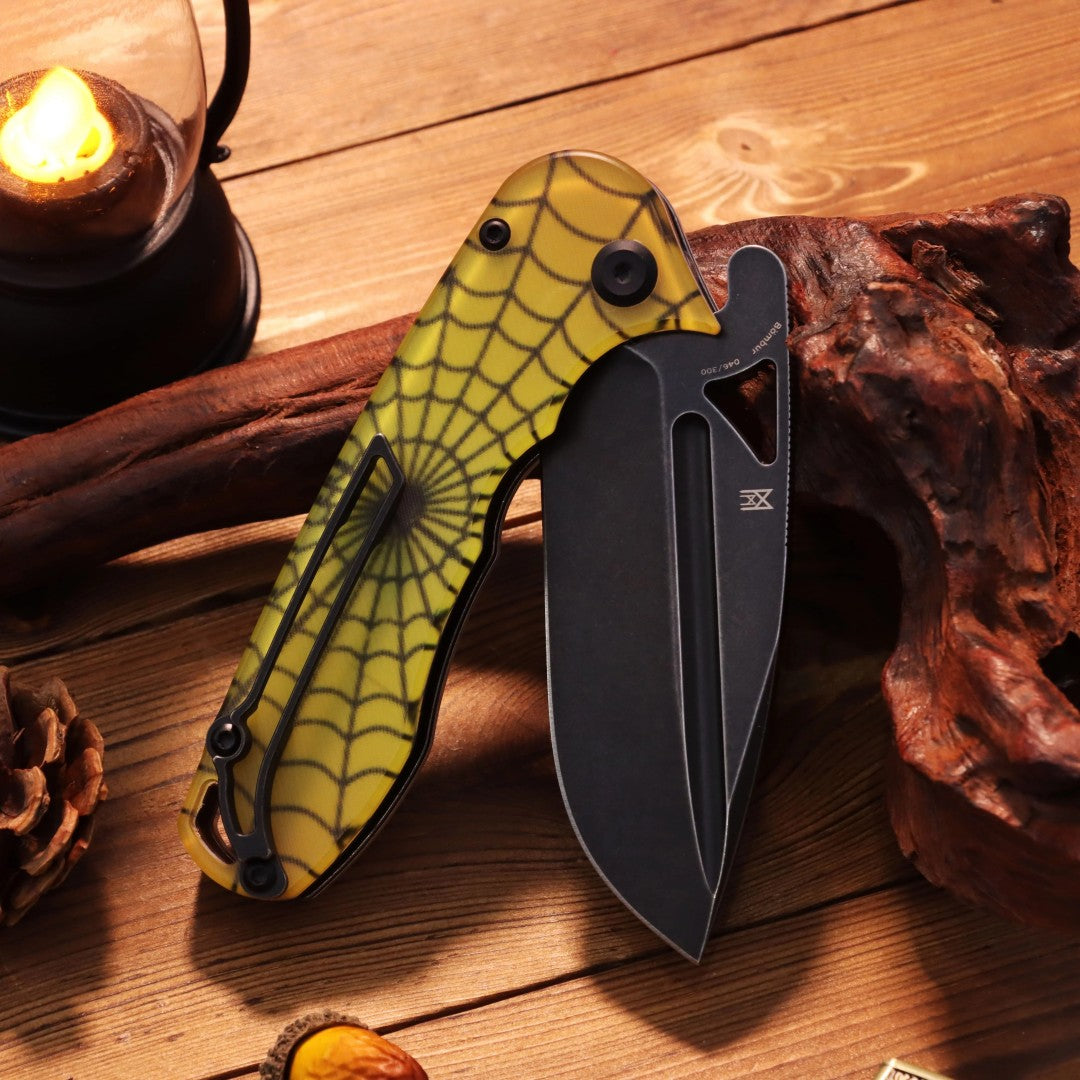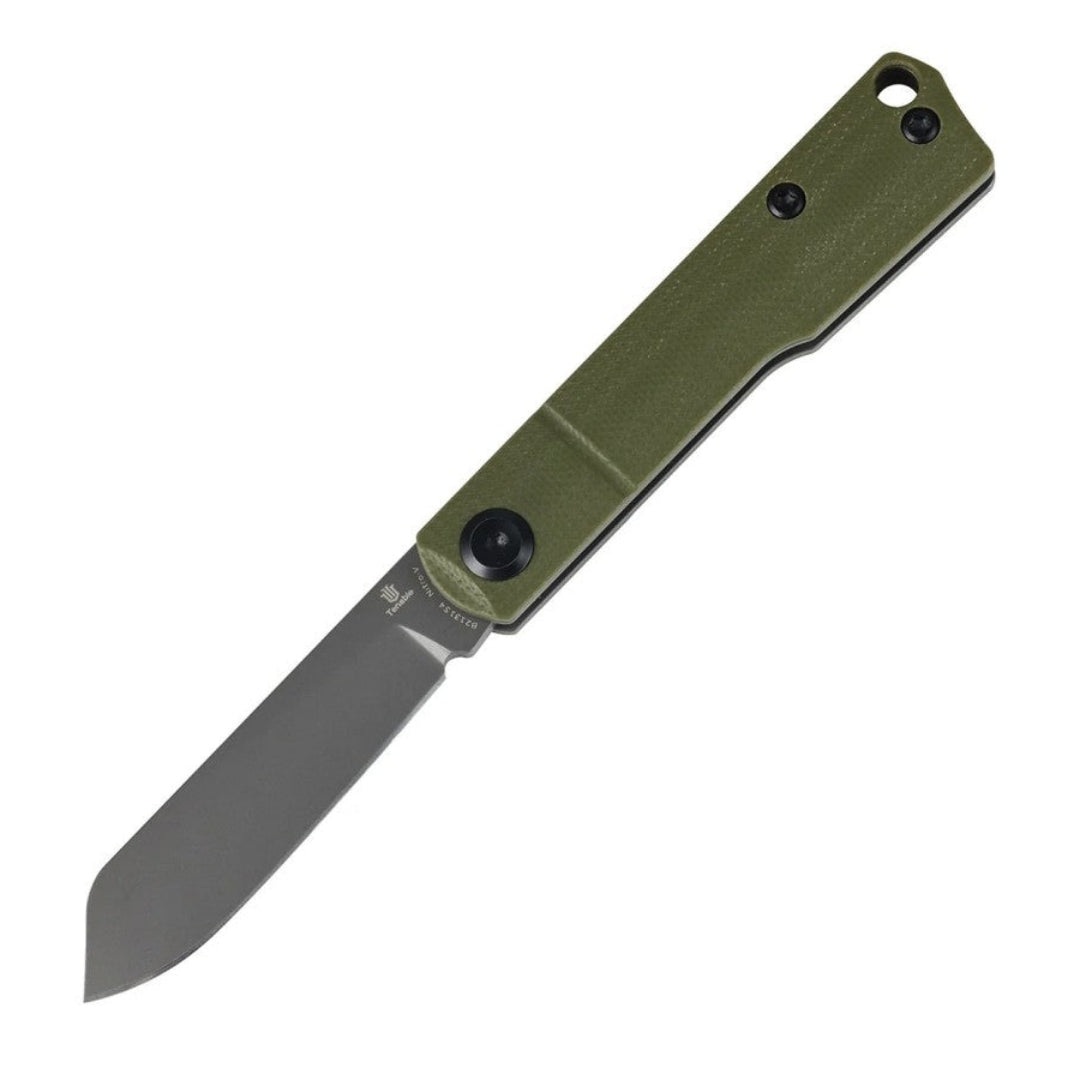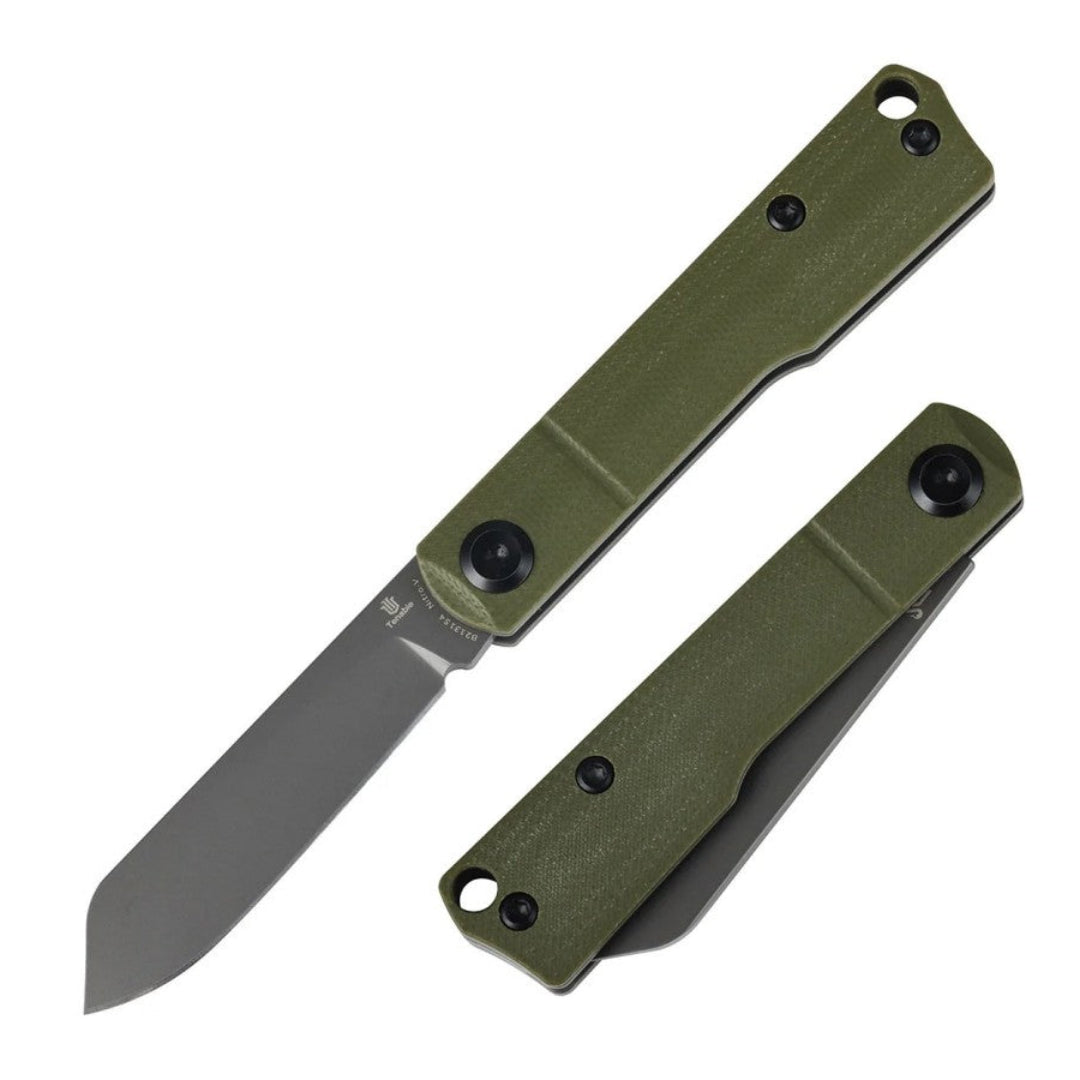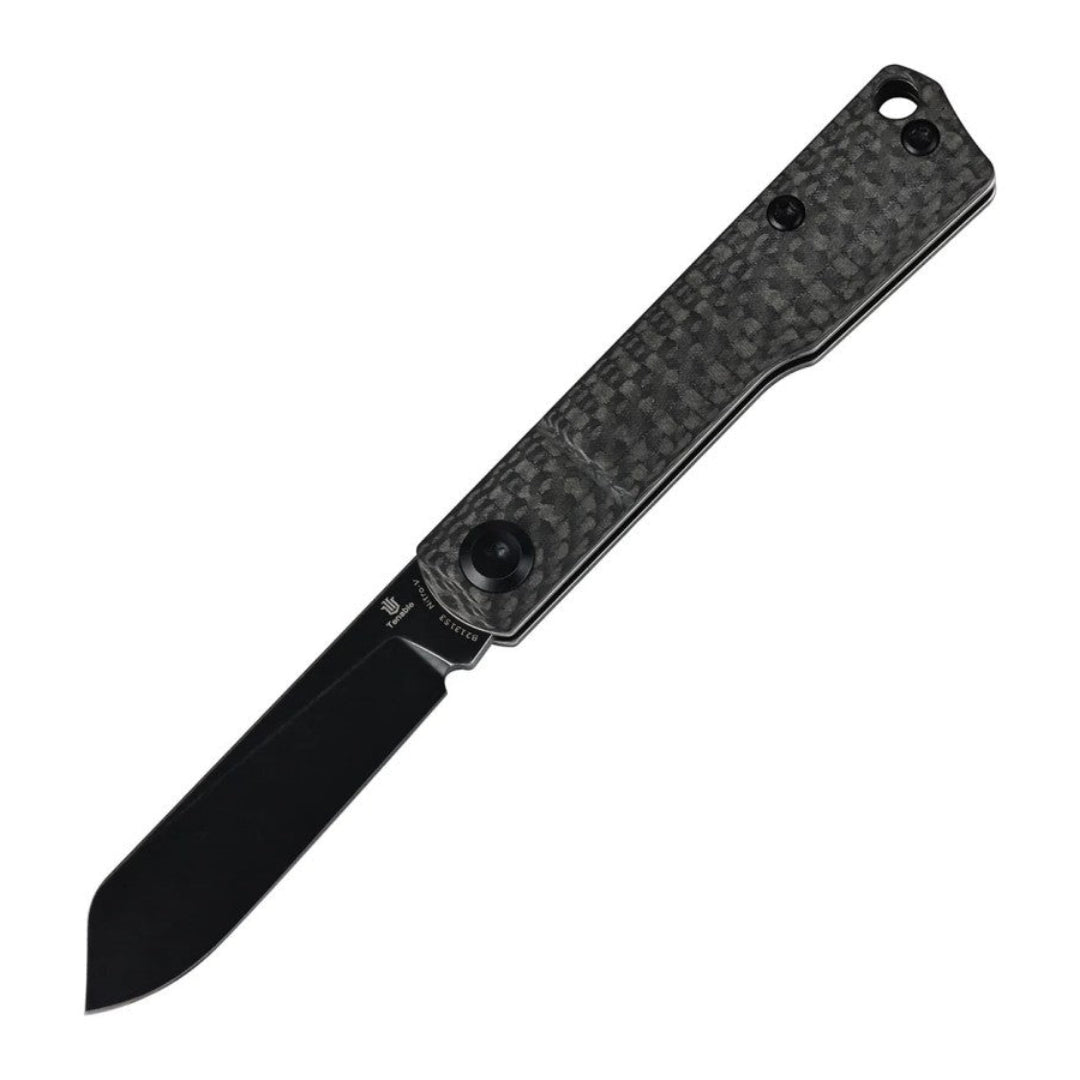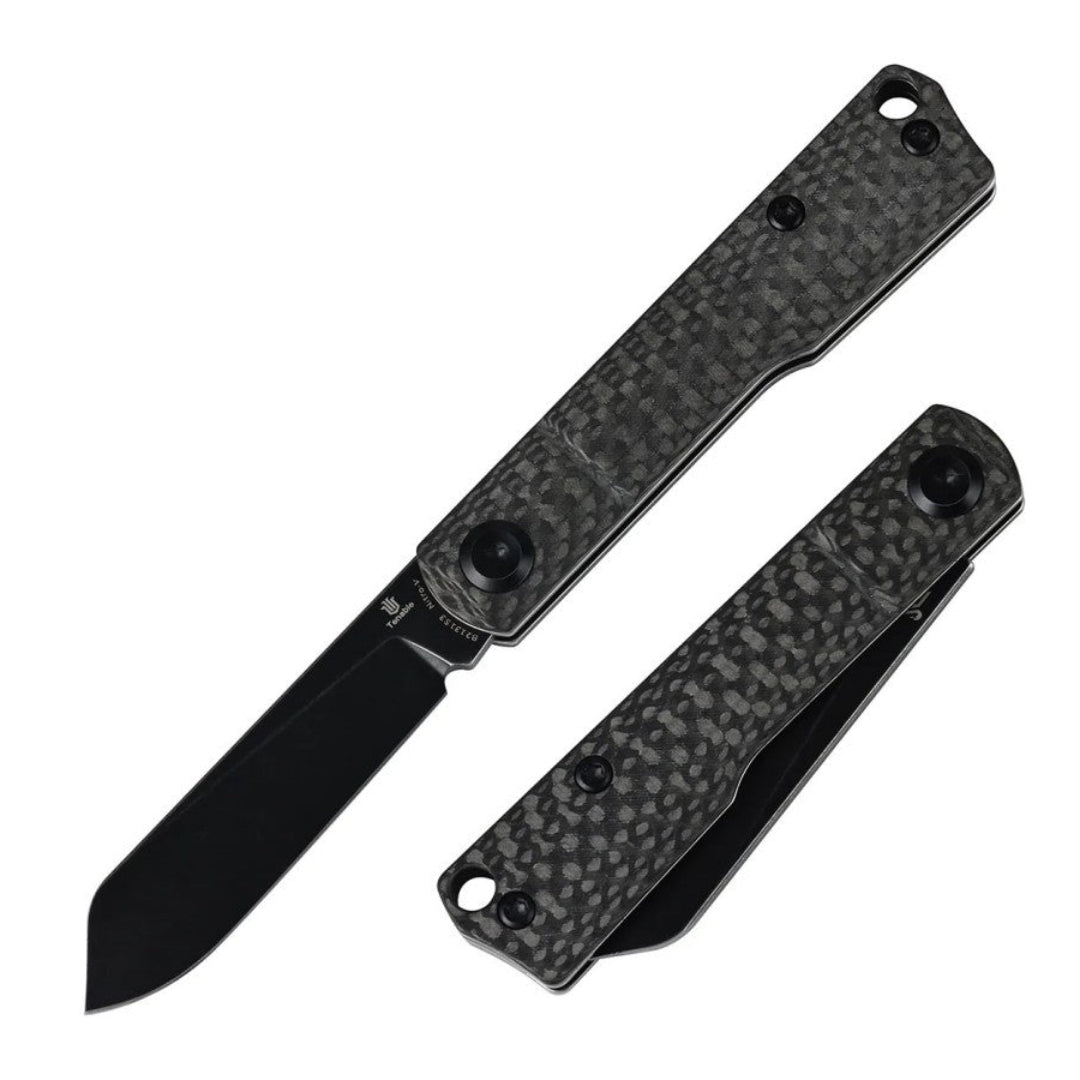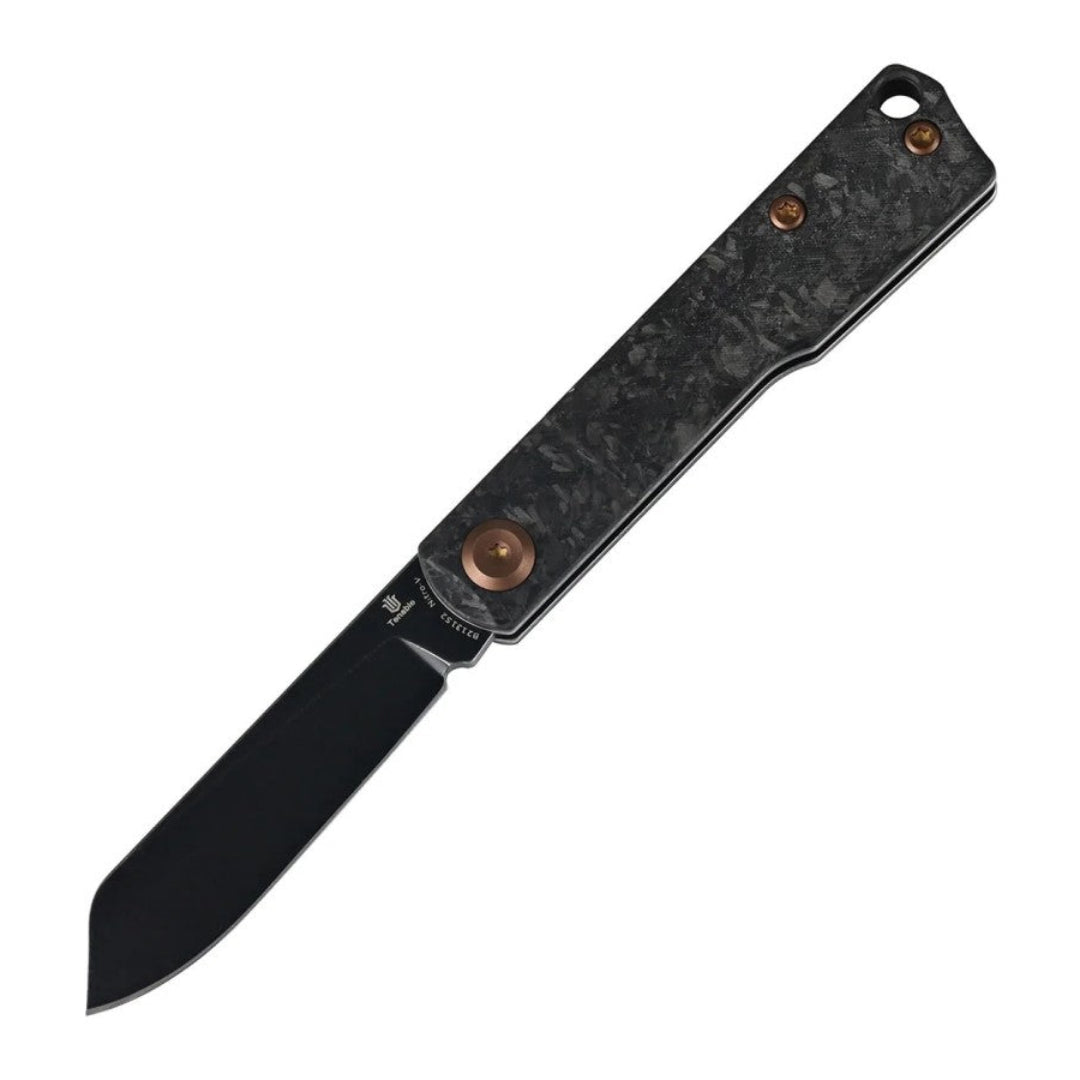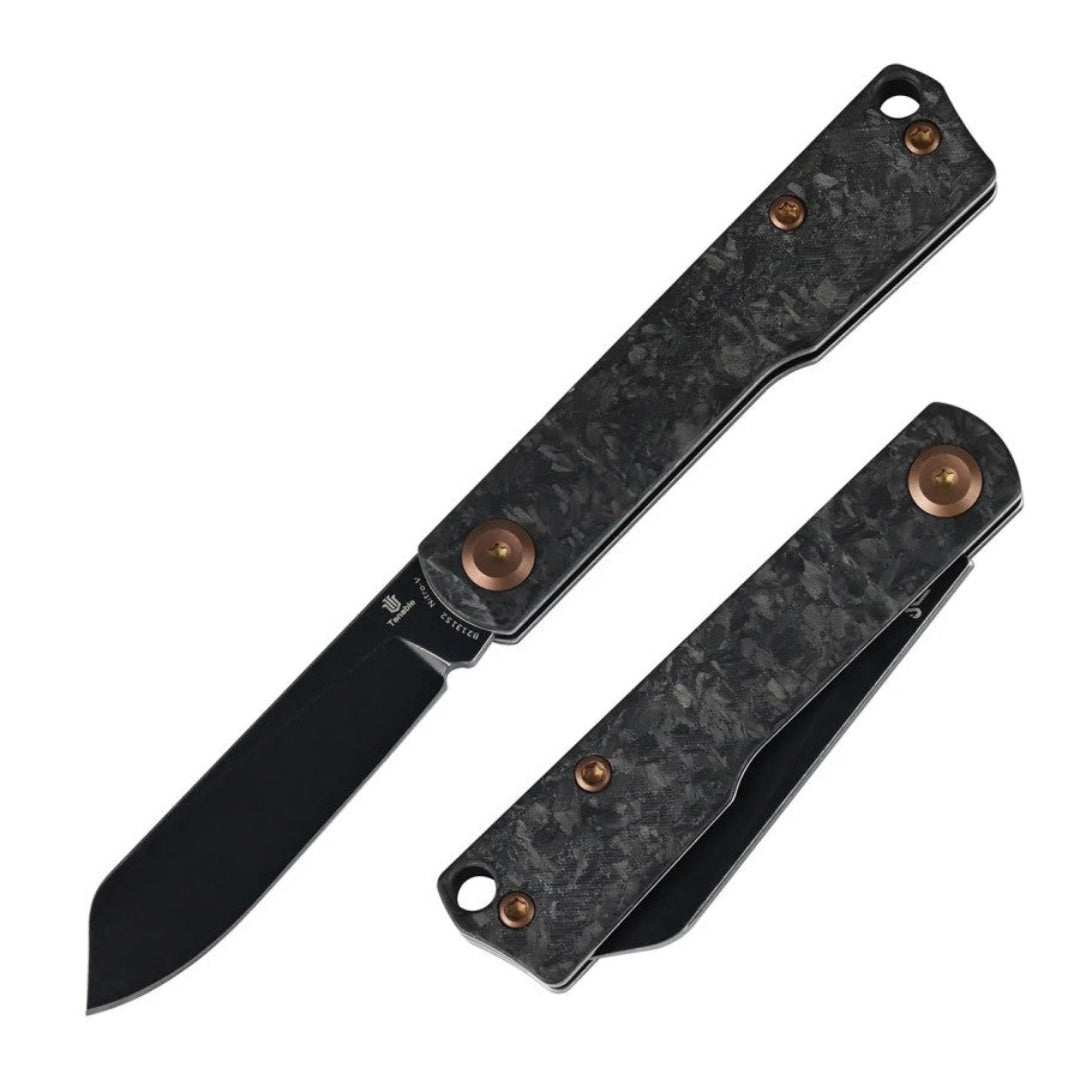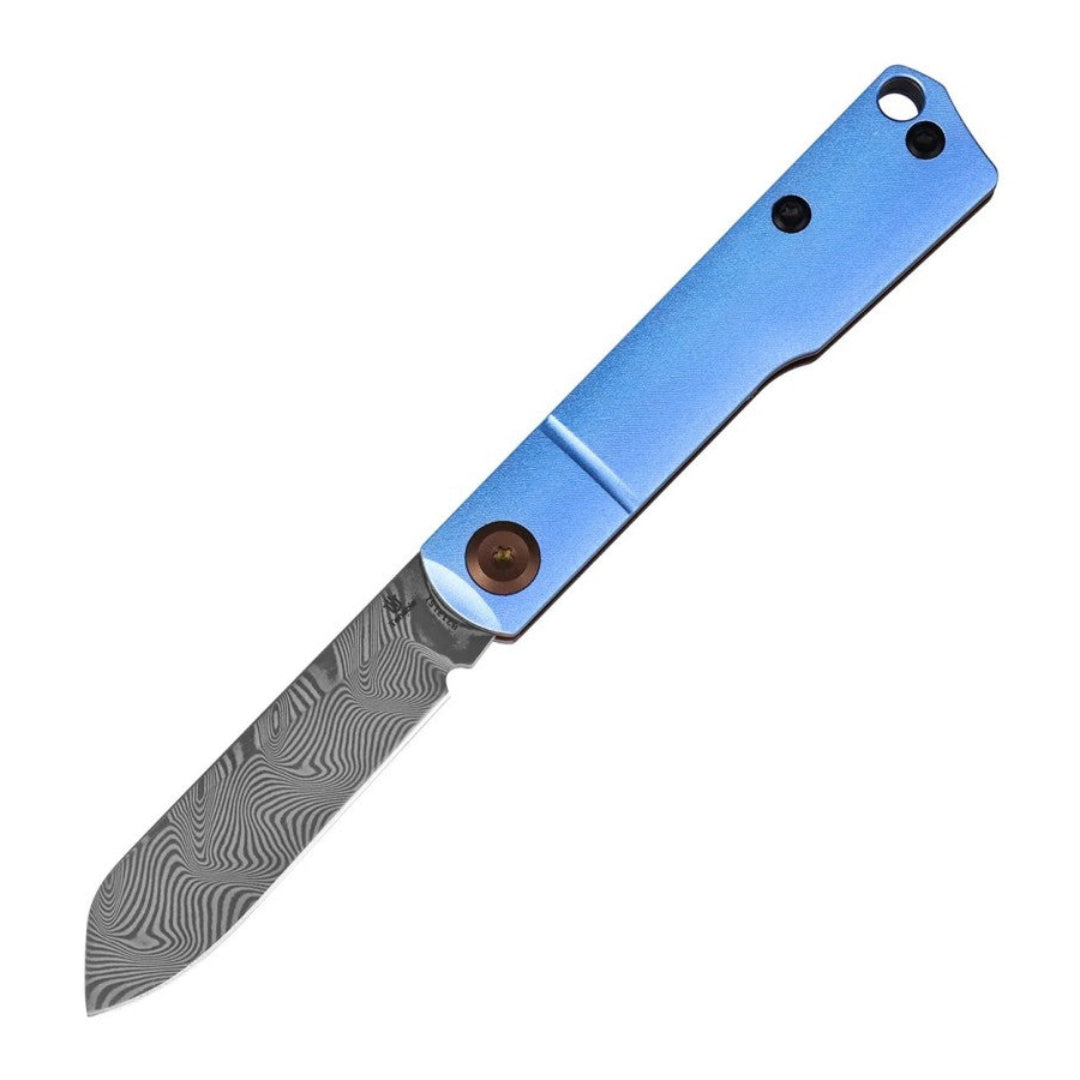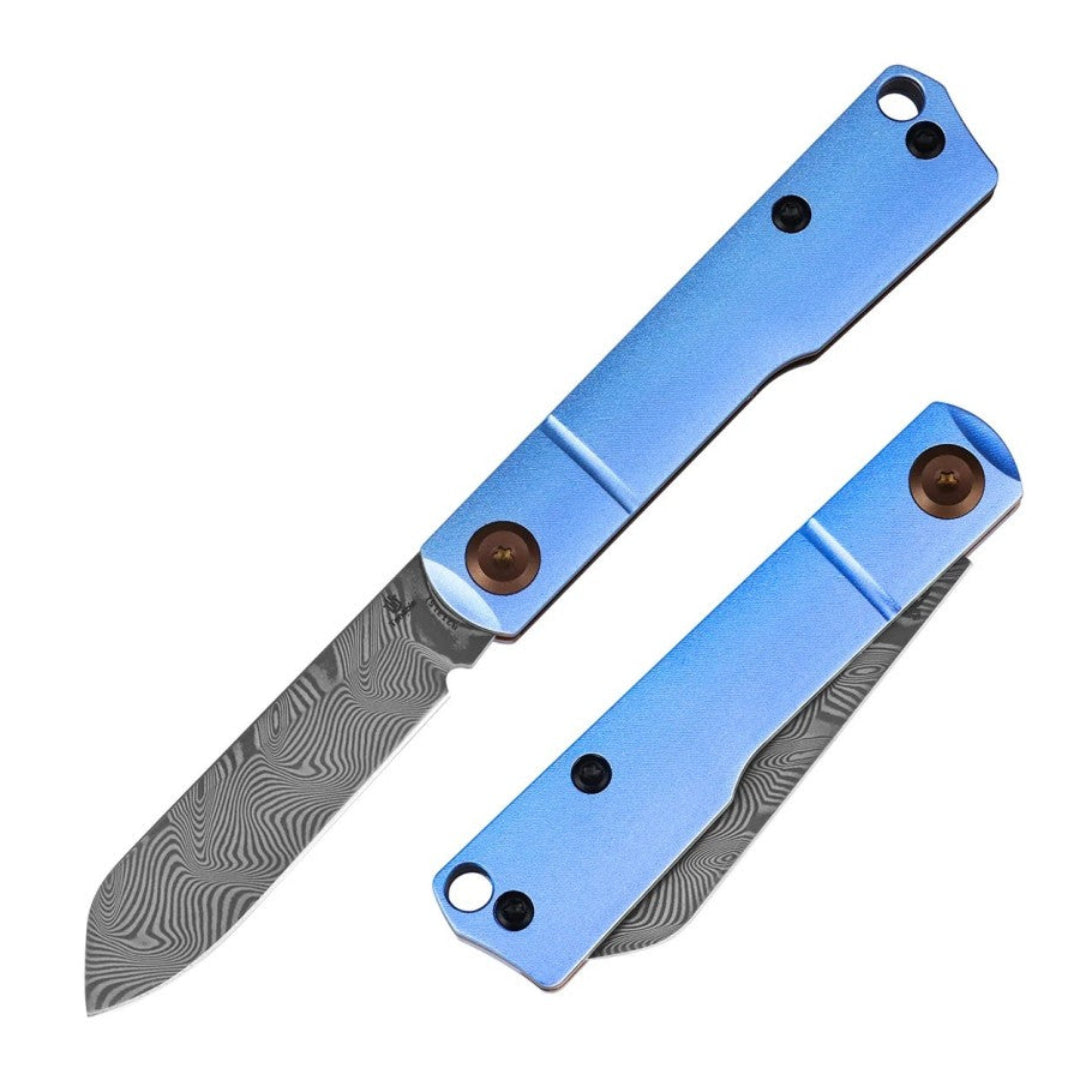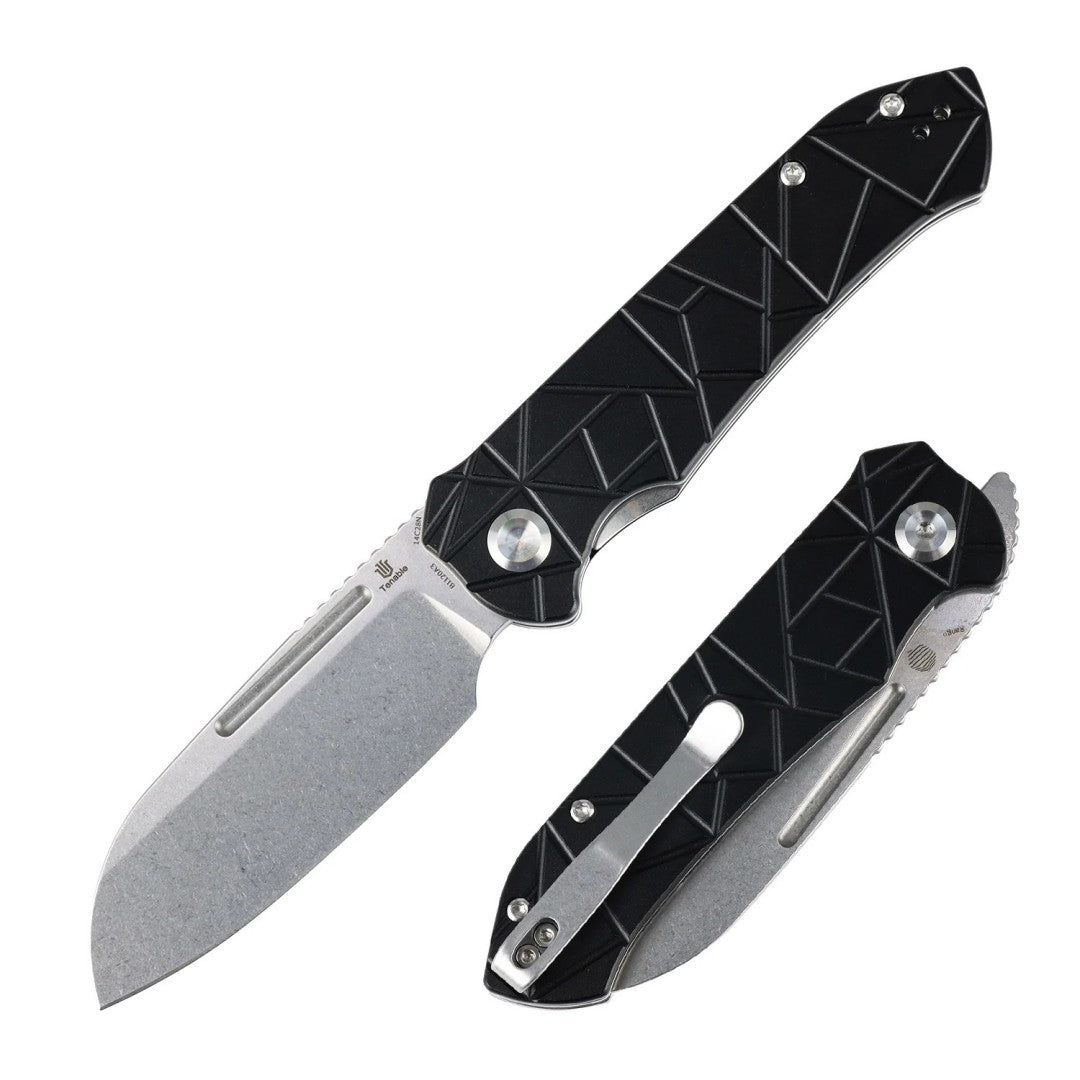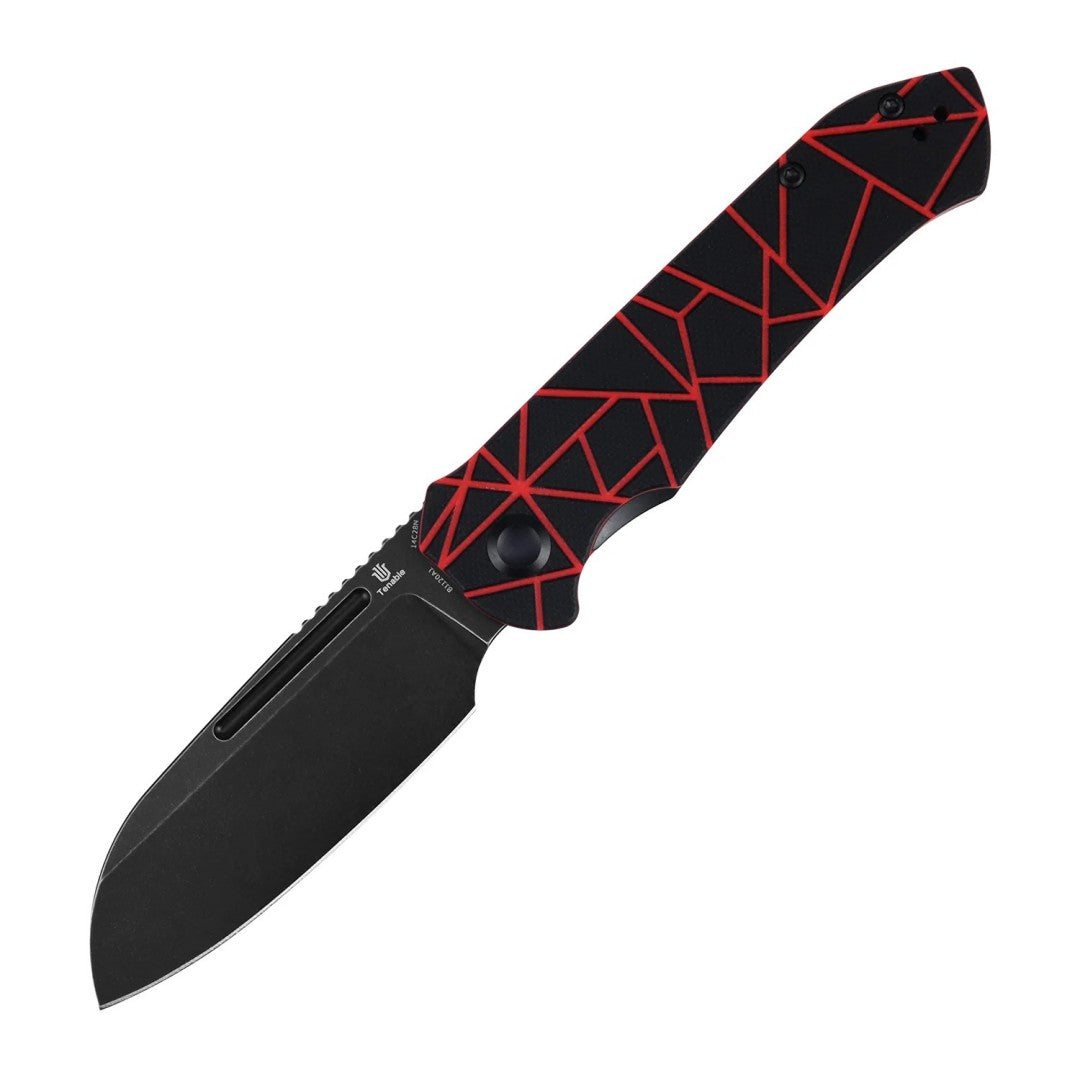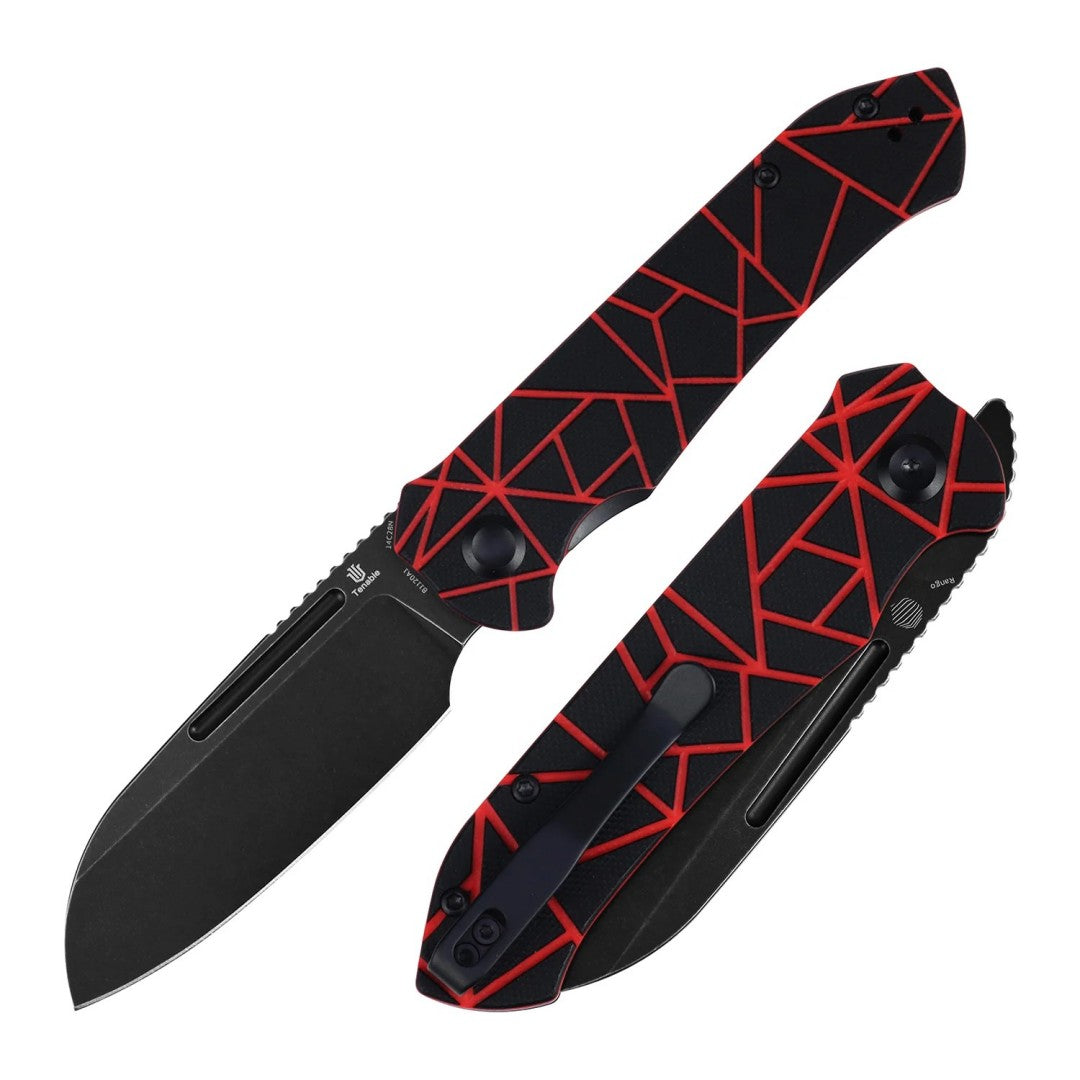
Nagao Higonokami Friction Folder Knife Brass Handle White Steel Hand Forging Tanto

For enthusiasts of Everyday Carry (EDC), few tools possess the historical soul and minimalist elegance of the Japanese Higonokami. While modern pocket knives rely on complex ball-bearing pivots and advanced frame locks, the Higonokami remains a masterpiece of simplicity. At the heart of its design is a single, distinctive feature: the Chikiri.
In this guide, we dive deep into the mechanics, history, and technique of mastering the Chikiri, ensuring you get the most out of this legendary Japanese folding knife.
What is the Chikiri?
The Chikiri is the forged lever extending from the spine of a Higonokami blade. Unlike a friction folder that relies solely on handle tension, the Chikiri provides the user with manual control over the blade's stability. In the world of tools, it is a brilliant example of "user-interfaced safety."
When the knife is open, your thumb rests firmly on this lever. This pressure prevents the blade from folding back onto your fingers during use. Because the Higonokami lacks a mechanical locking system, the Chikiri is essentially the "human lock" that makes the knife functional for modern tasks.
Why the Chikiri Defines the Higonokami Experience
The Higonokami is more than just a cutting instrument; it is a ritual. For those who appreciate EDC gear with a story, mastering the thumb lever offers several unique advantages:
-
Speed of Deployment: With a bit of practice, the Chikiri allows for smooth, one-handed opening.
-
Variable Tension: Unlike a fixed lock, you control exactly how much resistance the blade offers based on your thumb pressure.
-
Longevity: Mechanical locks can fail or wear down. The Chikiri is a solid piece of steel—there are no springs to snap or liners to bend.
Mastering the Technique: How to Use the Lever
Using a Higonokami safely and effectively requires a slight shift in how you handle tools. If you are used to modern flippers, follow these steps to master the "Chikiri Grip":
1. The Opening Arc
Hold the brass or steel handle in your palm. Use your thumb to push down on the Chikiri. As the blade rotates out, follow the curve until the blade is fully extended.
2. The Power Grip
Once open, do not move your thumb to the handle. Instead, keep your thumb planted firmly on the flat of the Chikiri. This creates a triangle of support between your palm, your fingers on the handle, and your thumb on the lever.
3. Managing the Pressure
When performing "push cuts" (cutting away from yourself), increase the downward pressure on the Chikiri. This ensures the blade stays seated against the internal stop of the handle.
Maintenance: Keeping the Lever Responsive
Because the Higonokami is a friction folder, the relationship between the blade, the pivot, and the Chikiri can change over time. To keep your knife in top shape:
-
Pivot Tuning: If the blade feels too loose, a light tap on the pivot rivet with a hammer can tighten the friction.
-
Cleaning the Tang: Ensure the area around the Chikiri remains free of lint and debris. Since many Higonokami knives use high-carbon Blue Paper Steel (Aogami), keeping the lever wiped down prevents corrosion from thumb oils.
-
Patina Development: Over time, the Chikiri will develop a unique patina. This isn't just aesthetic—it actually provides a slightly more tactile, non-slip surface for your thumb.
The Role of the Higonokami in Modern EDC
Why choose a centuries-old design for a modern EDC setup? In an era of over-engineered gadgets, the Higonokami offers a "back-to-basics" philosophy. It is lightweight, incredibly slim in the pocket, and features some of the finest Japanese steel available.
The Chikiri represents a time when the safety of a tool was a partnership between the object and the craftsman using it. Whether you are sharpening a pencil, opening a package, or performing detailed wood carving, the feedback you receive through the thumb lever is unparalleled.
Choosing Your Next Higonokami
When browsing for your next addition to your tool collection, look for the "Chikiri's" craftsmanship. A well-forged lever should have a comfortable flare—not too sharp to cause discomfort, but prominent enough to catch your thumb easily.
At EDCmall, we specialize in authentic Japanese cutlery that honors these traditional designs while meeting the demands of modern users. From the classic brass-handled versions to premium folders featuring multi-layered Damascus steel, the "Secret of the Chikiri" is waiting for you to discover it.
Final Thoughts
Mastering the Chikiri is a rite of passage for any serious knife enthusiast. It transforms a simple piece of sharpened steel into an extension of your hand. Respect the history, practice the grip, and enjoy the timeless utility of Japan’s most famous pocket knife.
Ready to upgrade your Everyday Carry? Explore our full collection of authentic Higonokami knives and professional sharpening tools today.