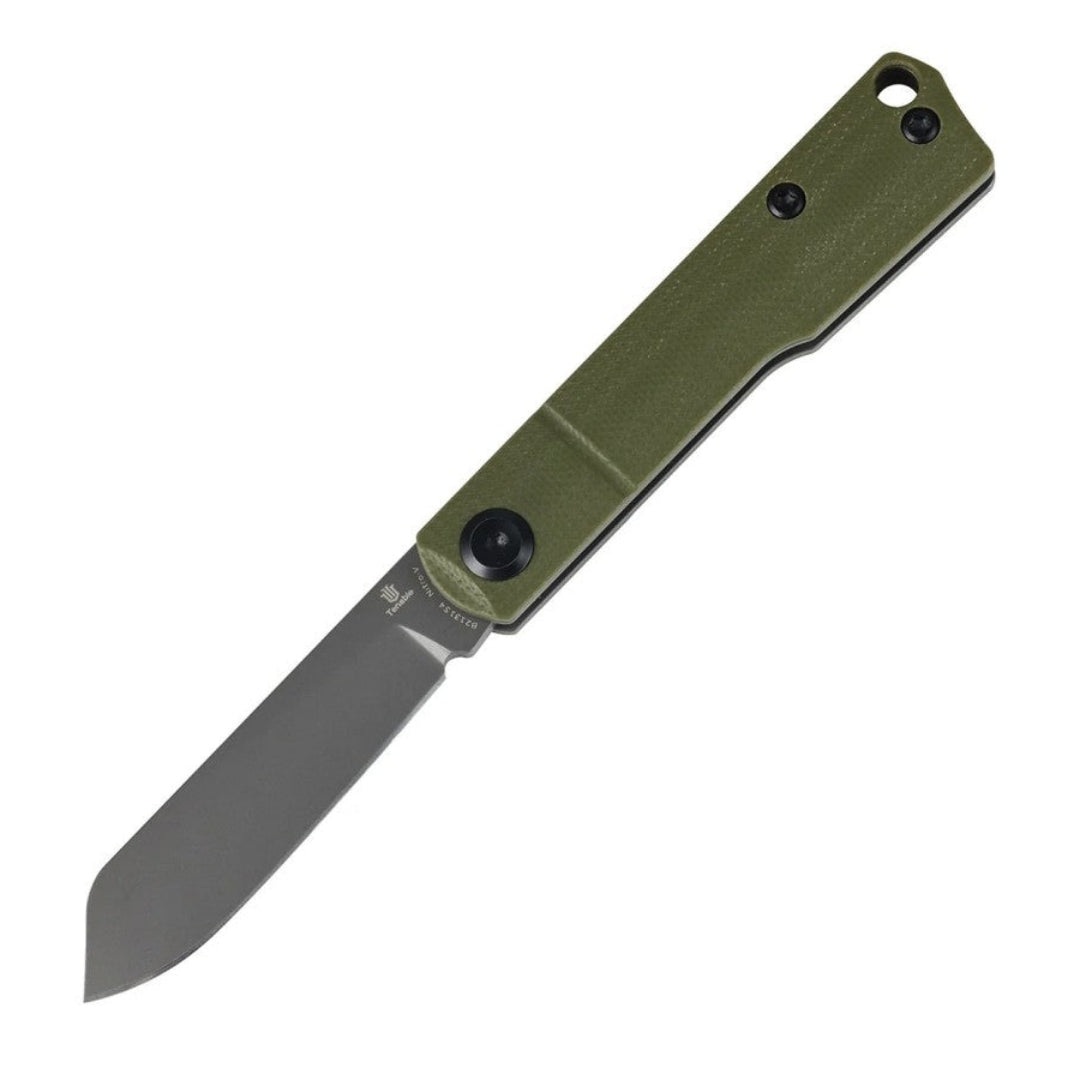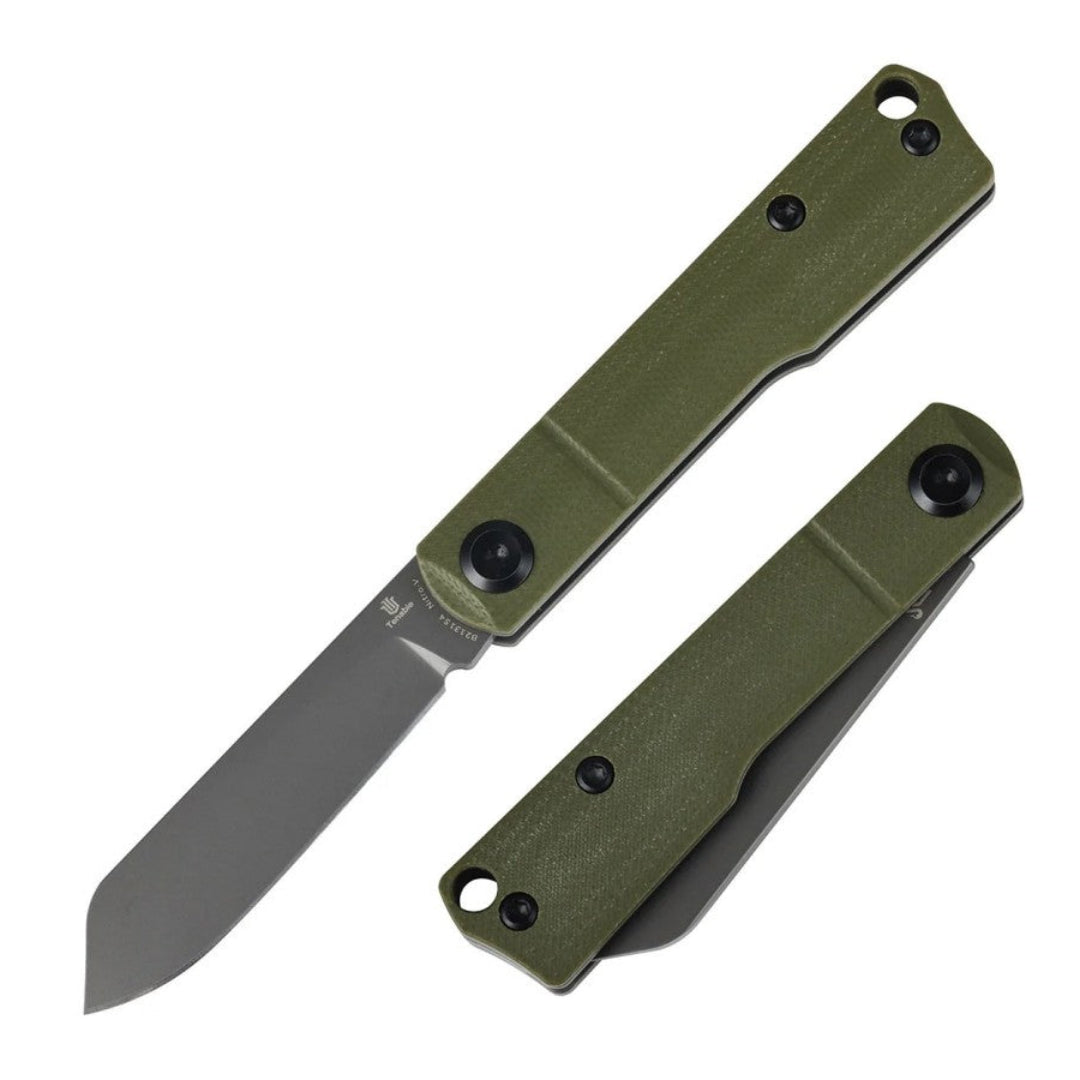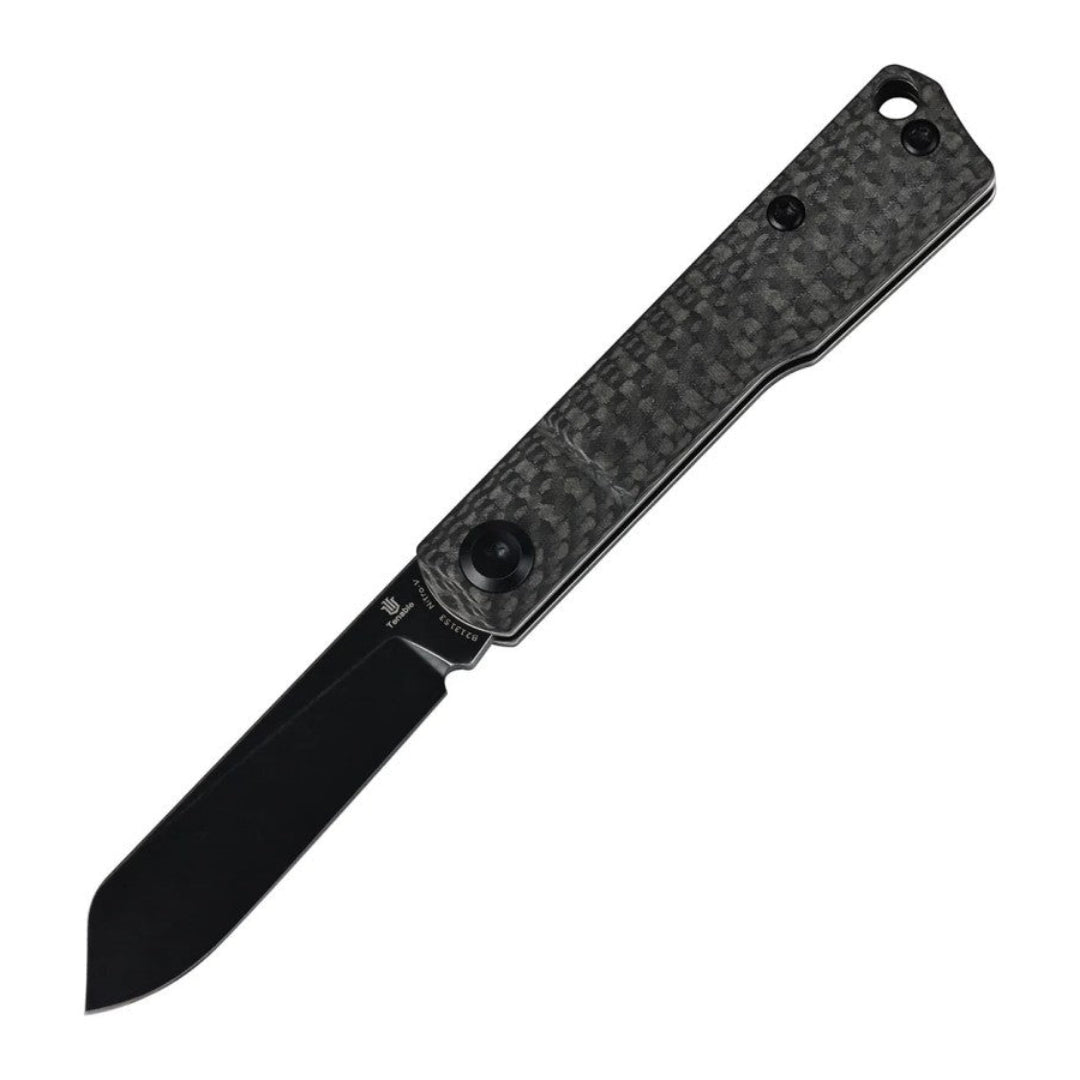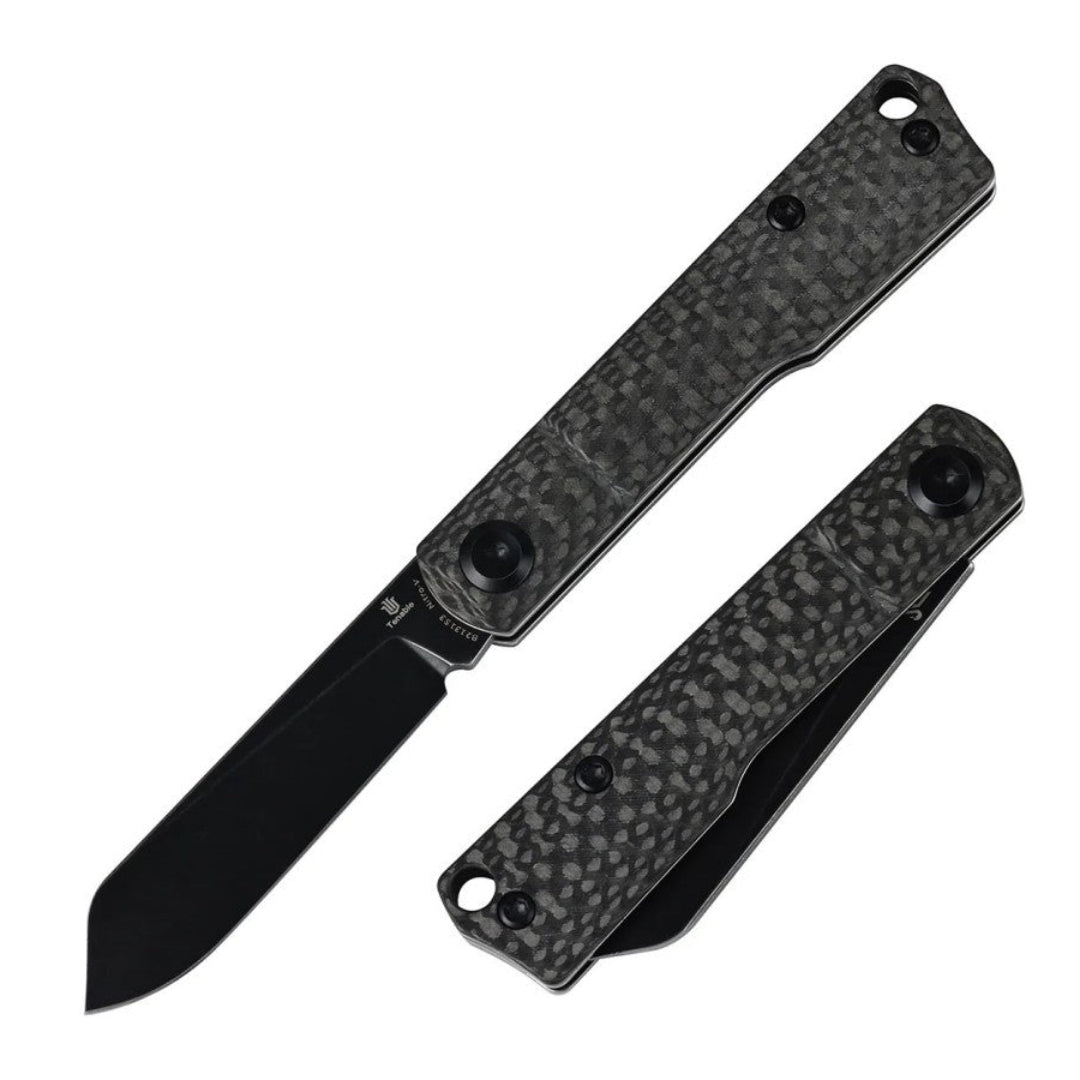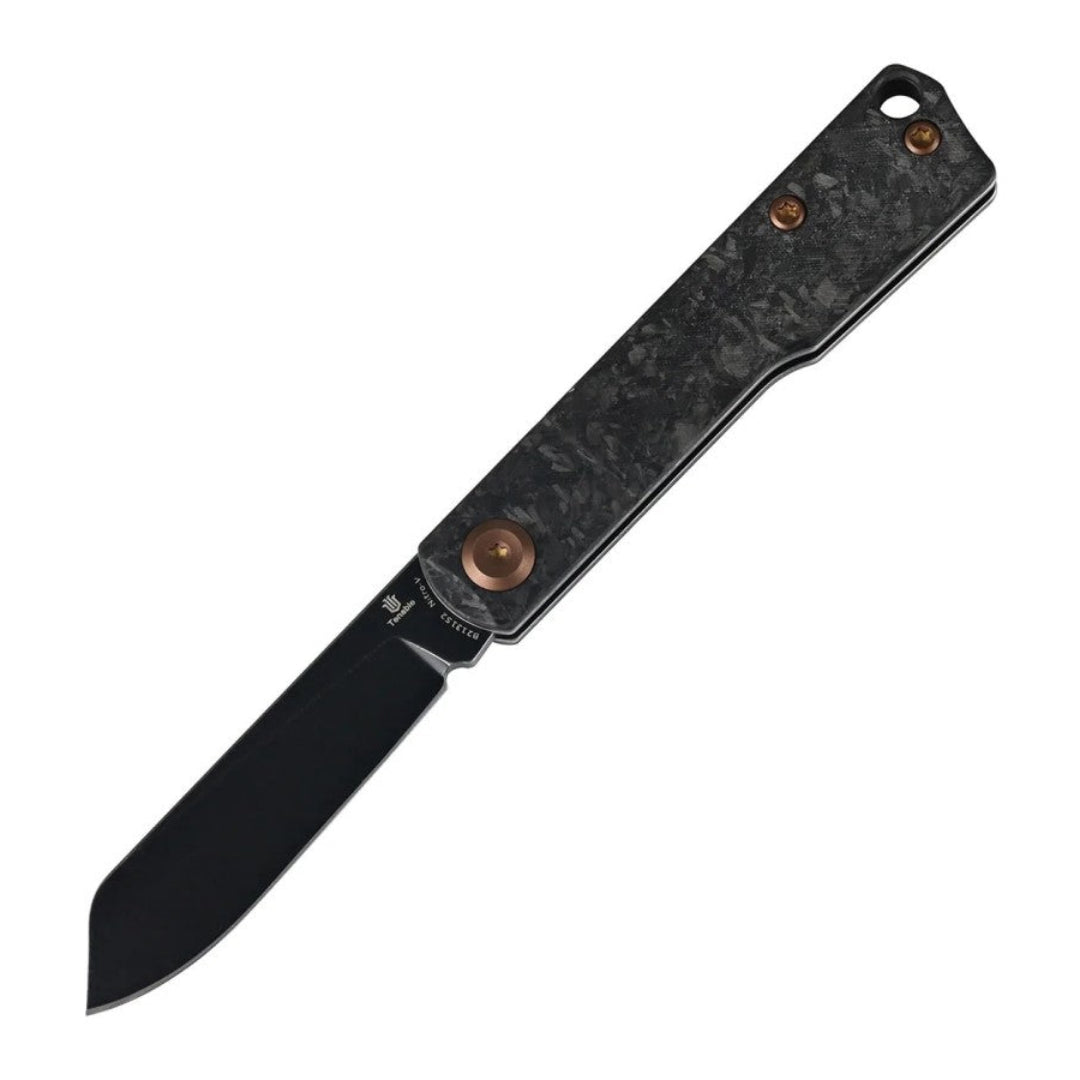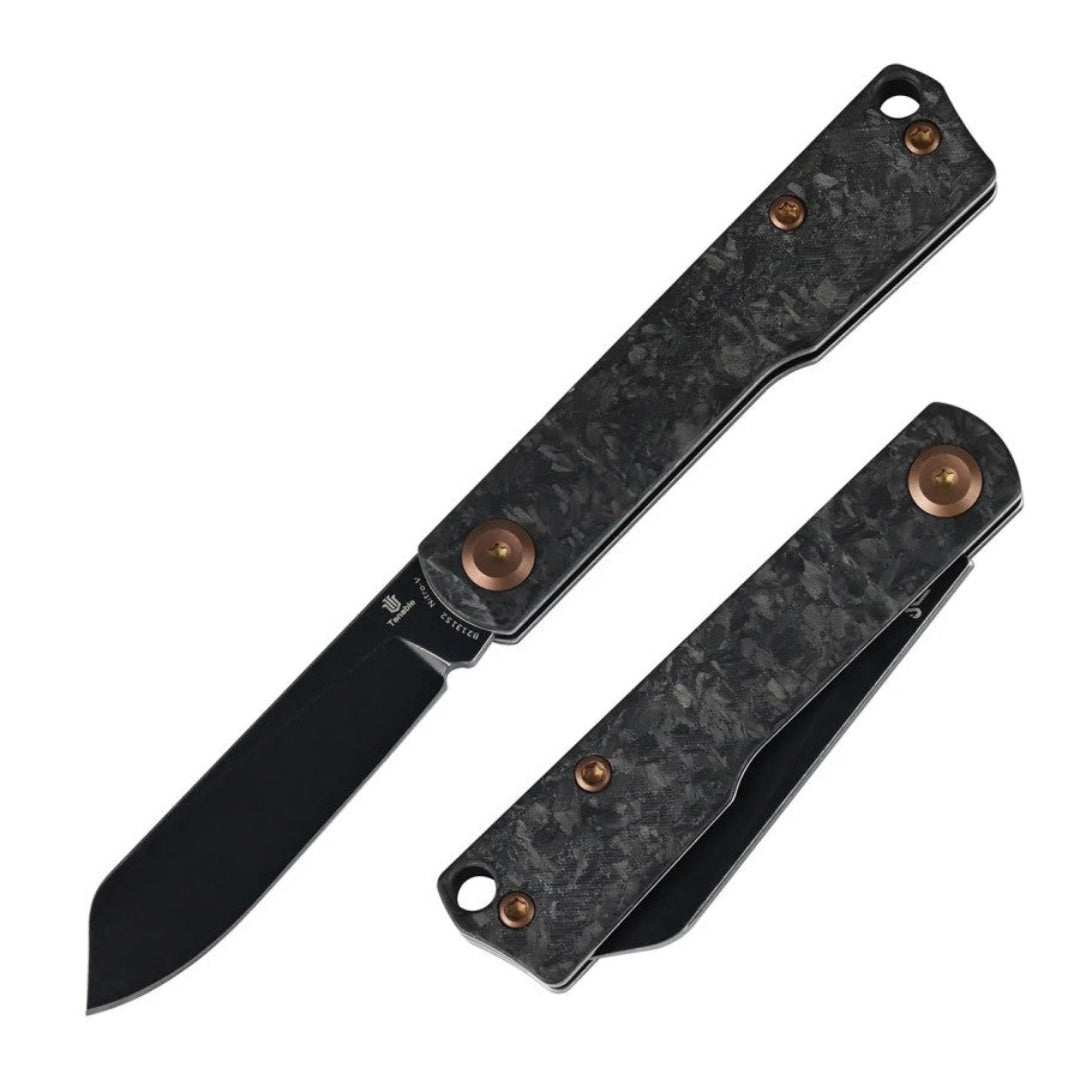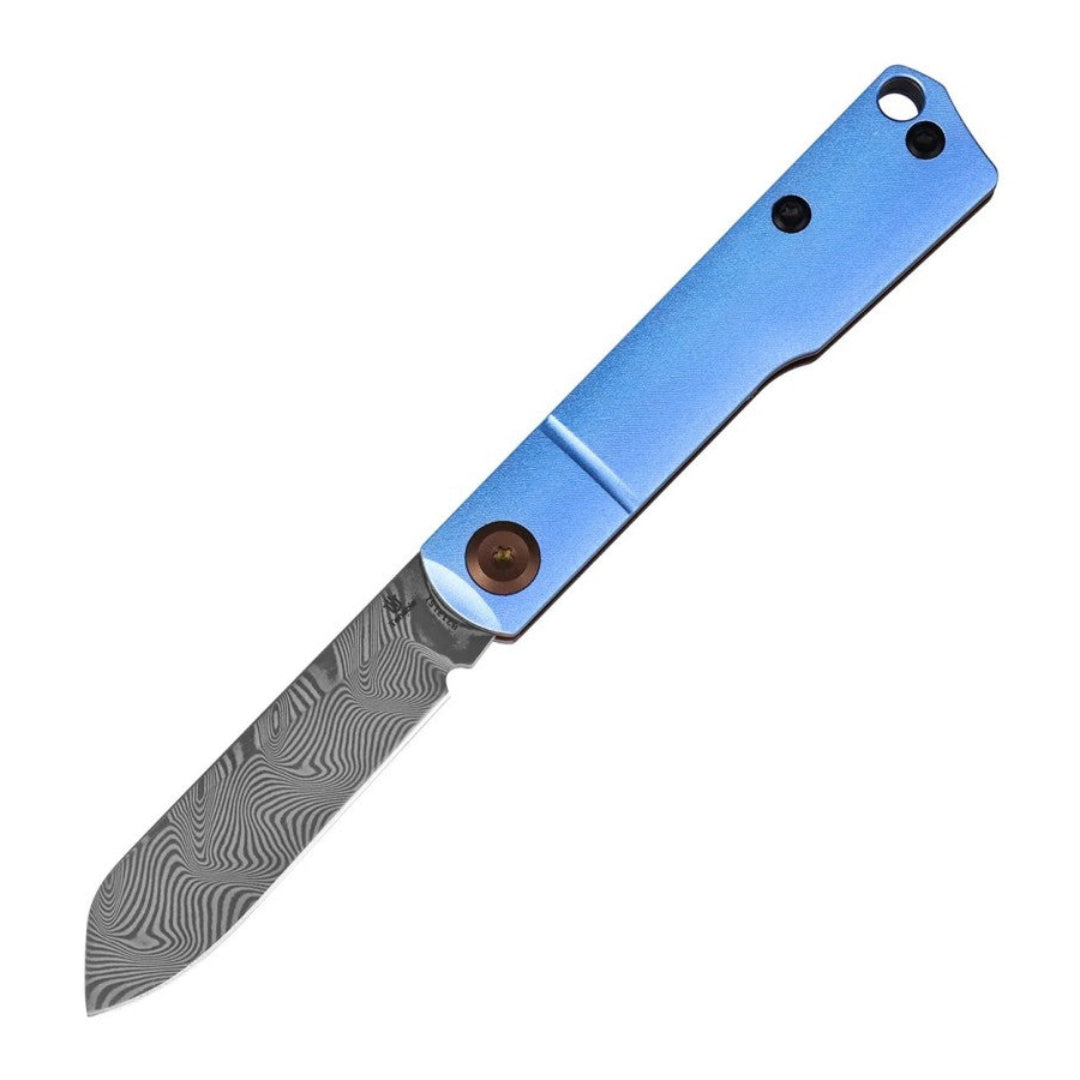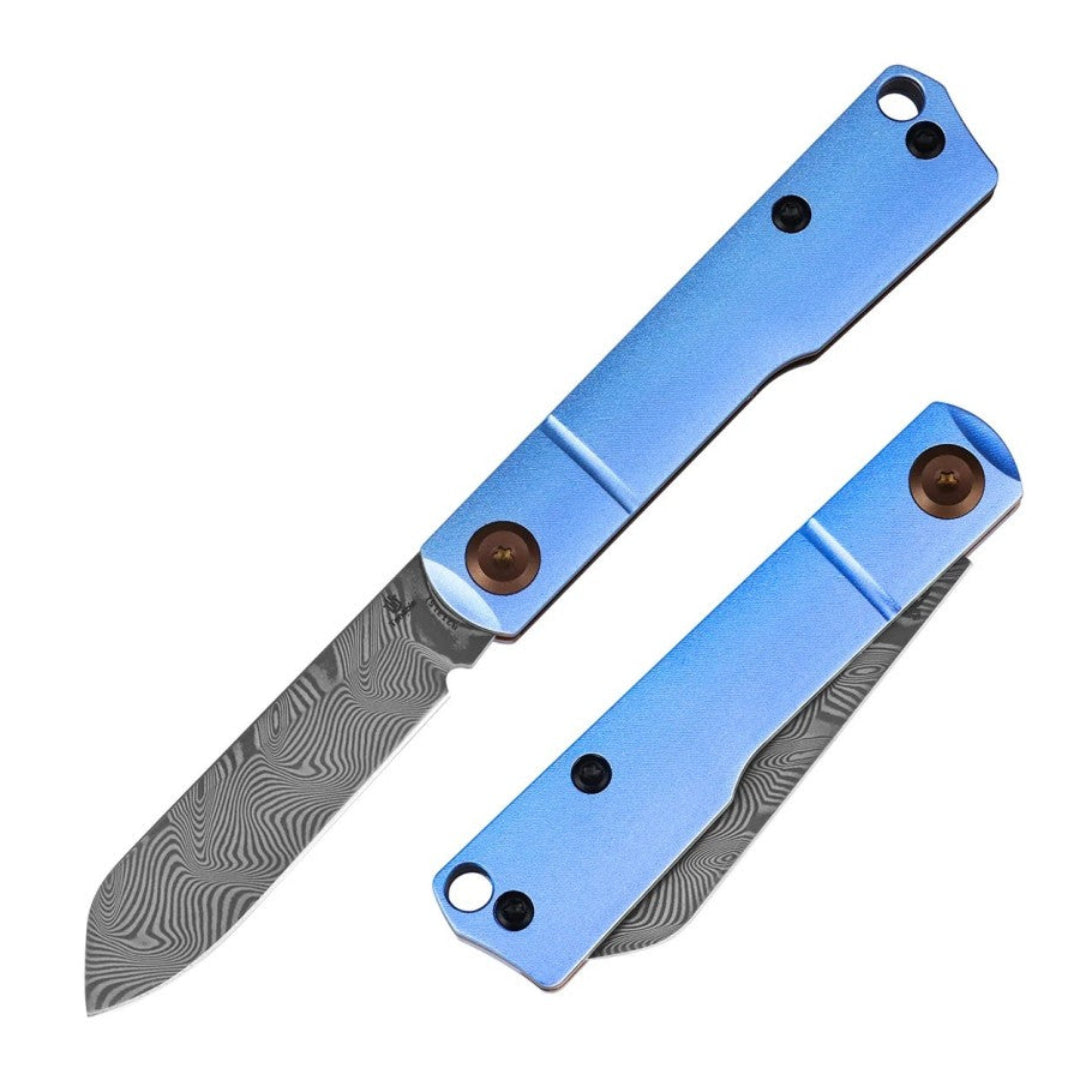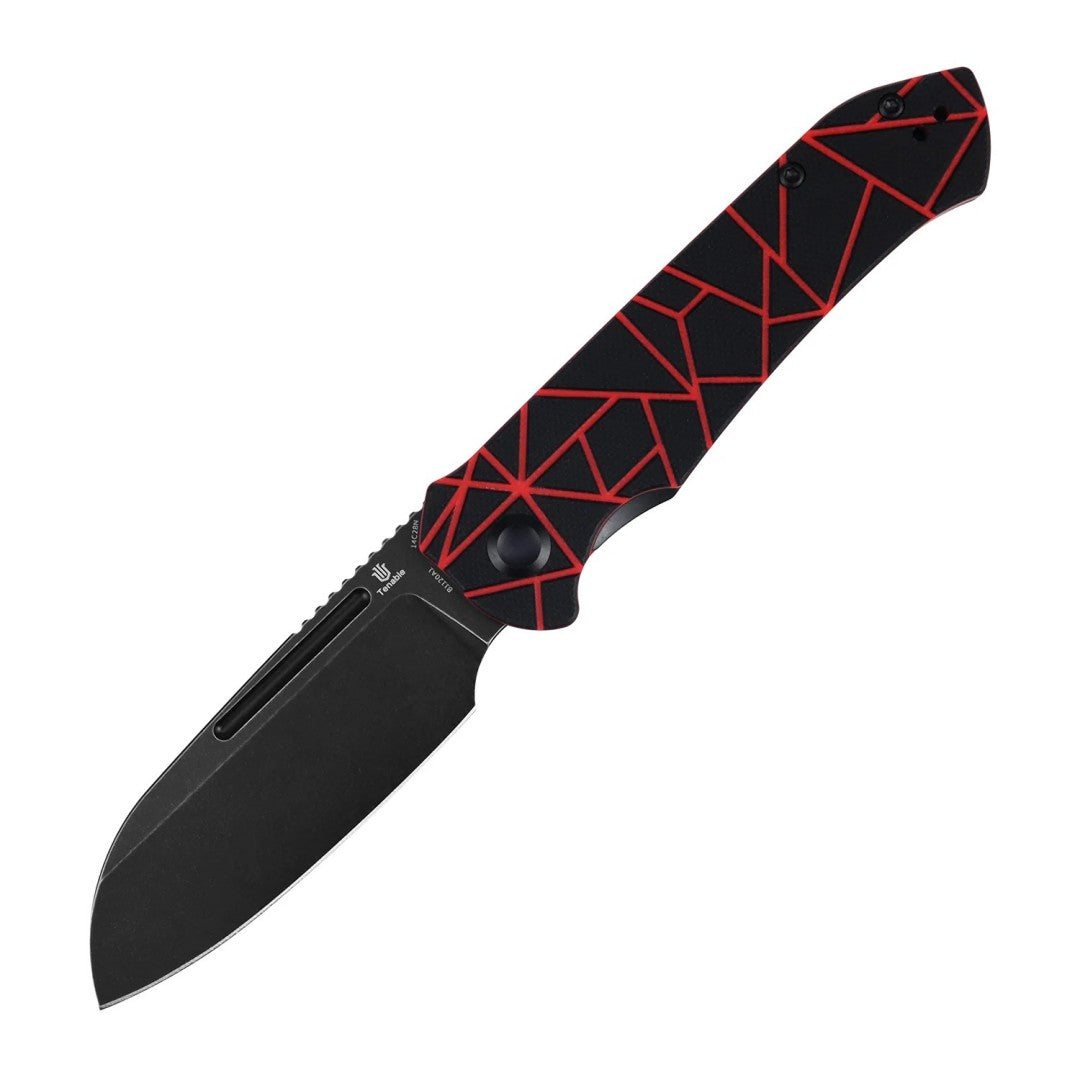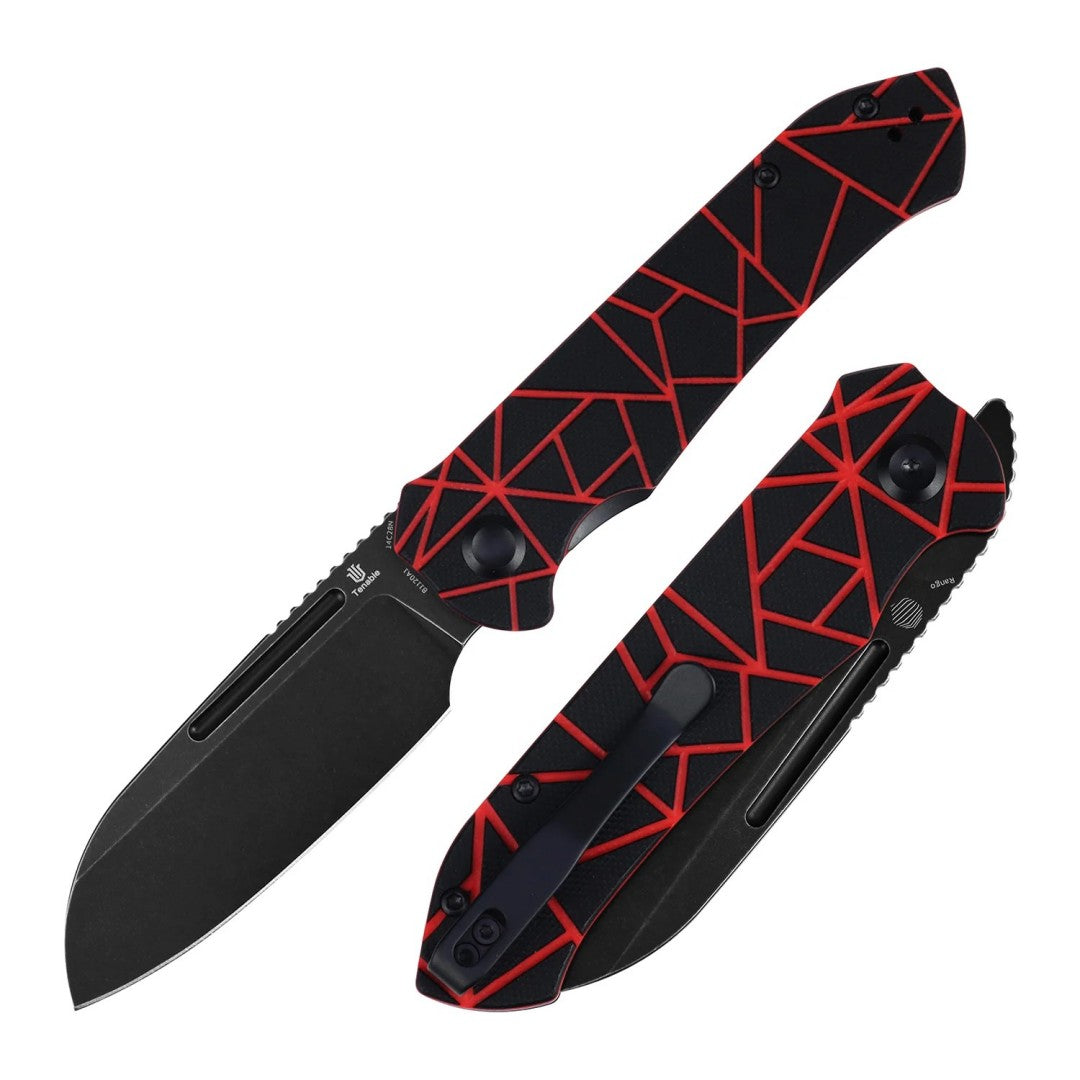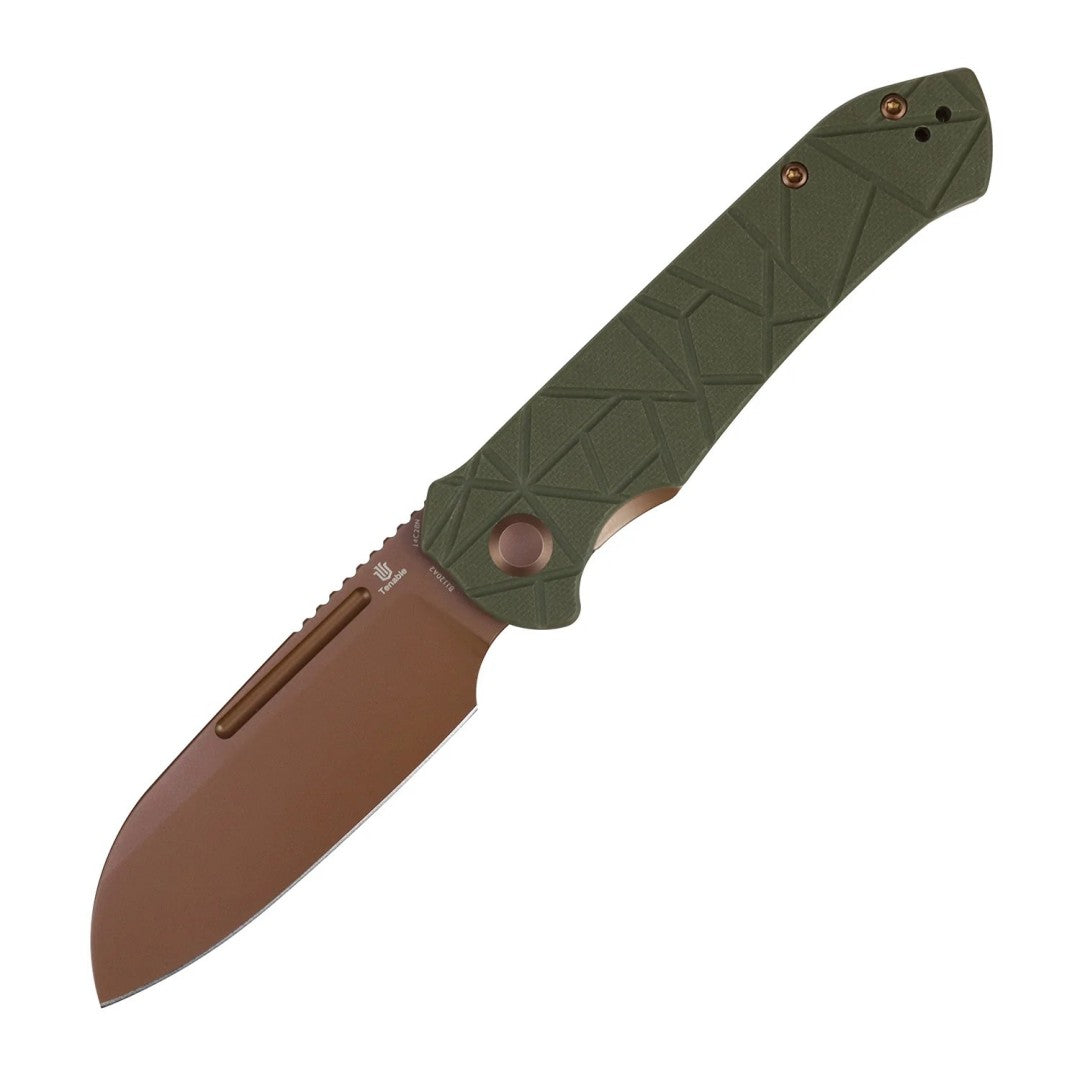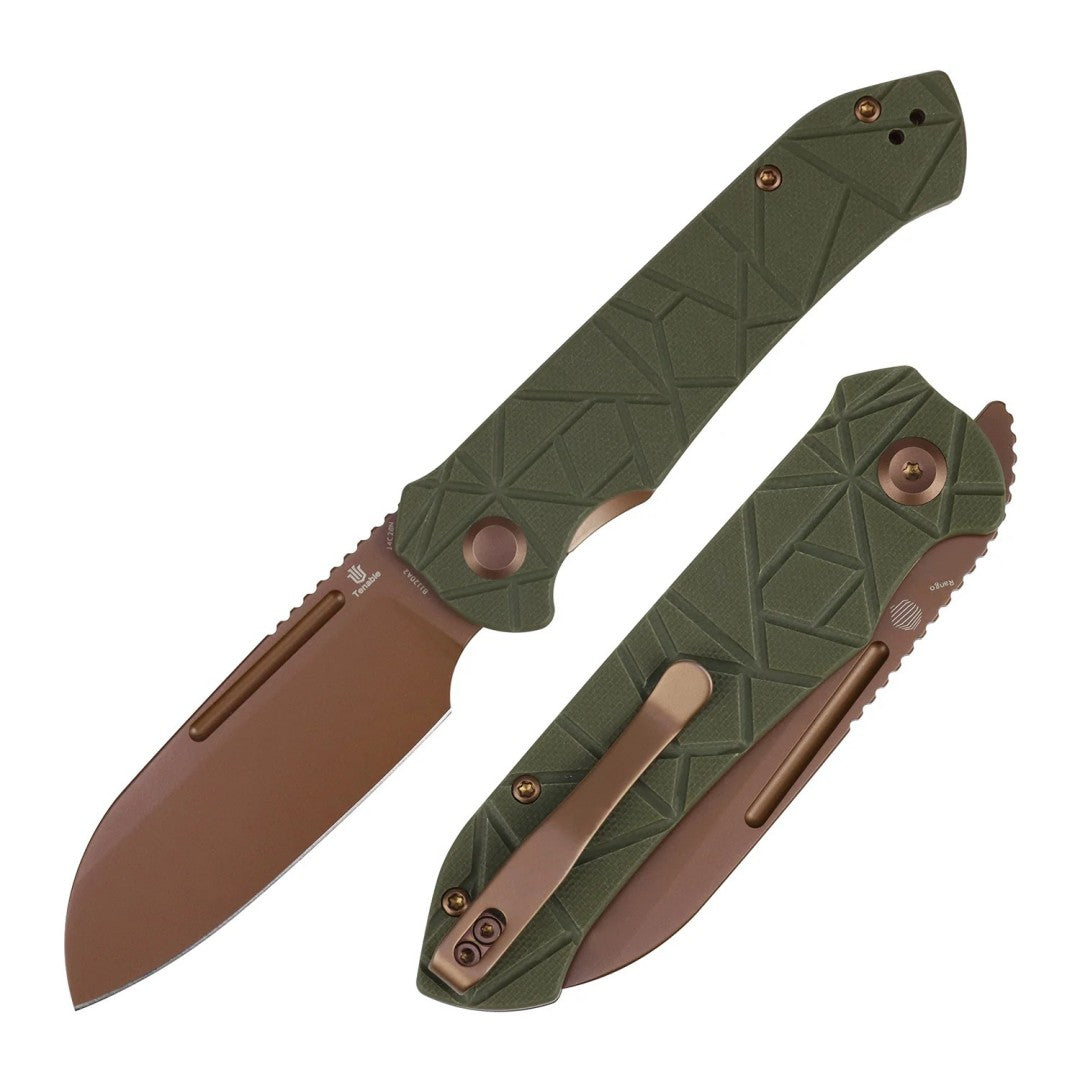
In the world of custom knifemaking, transition from individual workshop craft to full-scale production requires a distinct vision. The story behind the Kansept Fenrir represents a bridge between custom metalwork, military discipline, and precision engineering. Born from a collaboration between Kansept and custom maker Greg Schob of Sparrow Knife Co., this folder embodies a journey rooted in practical craft.
From Coast Guard Metalwork to Custom Knifemaking
Greg Schob’s path to knife design is tied to hands-on fabrication. Serving in the United States Coast Guard along the Gulf Coast of Mississippi, Schob brought a trade background as a metal fabricator into his workshop. He began making custom knives, leather goods, and gear with a simple objective: creating rugged, functional tools that withstand hard everyday use.
Operating as Sparrow Knife Co., Schob gained recognition for bold lines, functional blade shapes, and intuitive handle geometry. His custom builds stood out for balancing aggressive tactical styling with ergonomic comfort, capturing the attention of daily tool users and knife collectors alike.
 Translating the Fenrir to Production
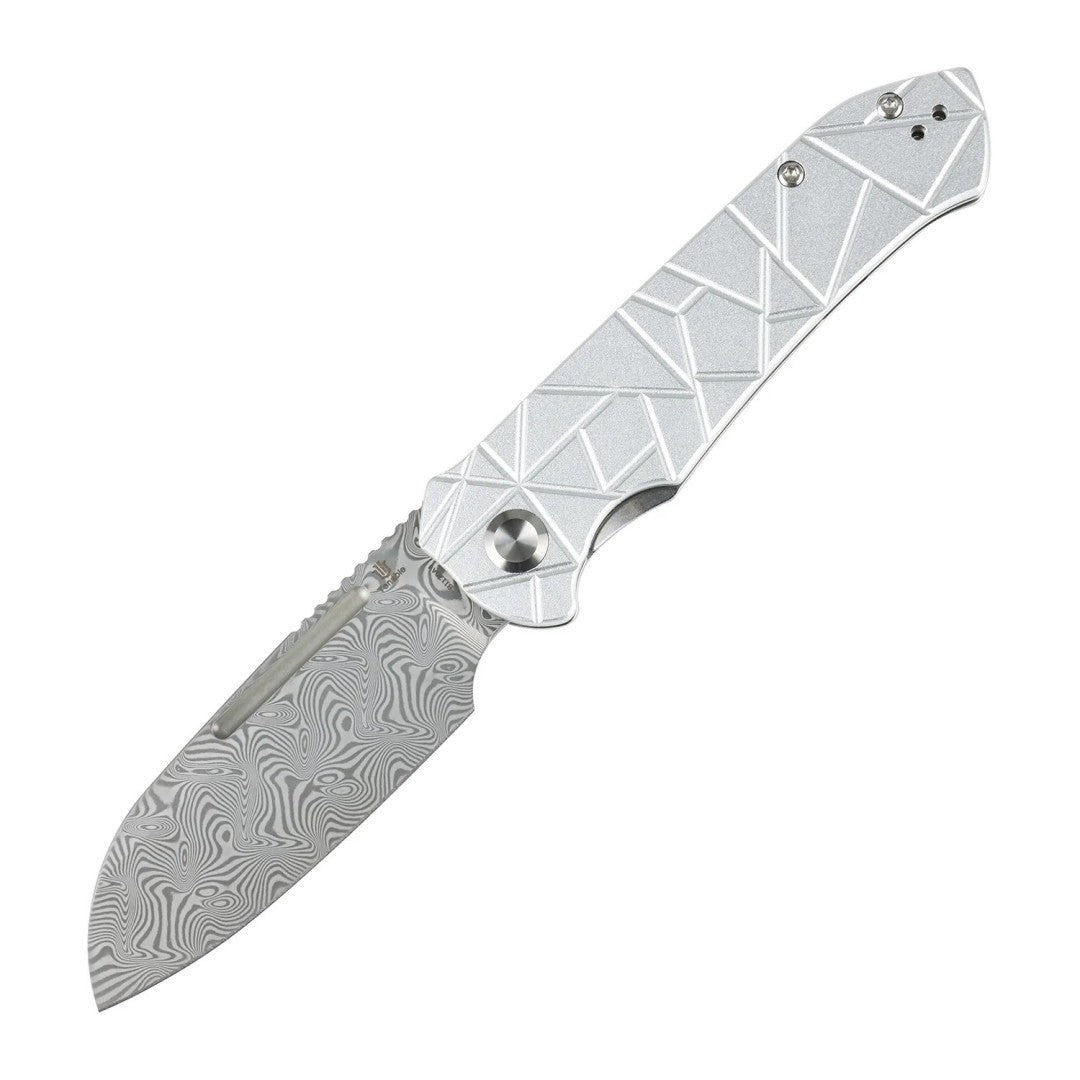
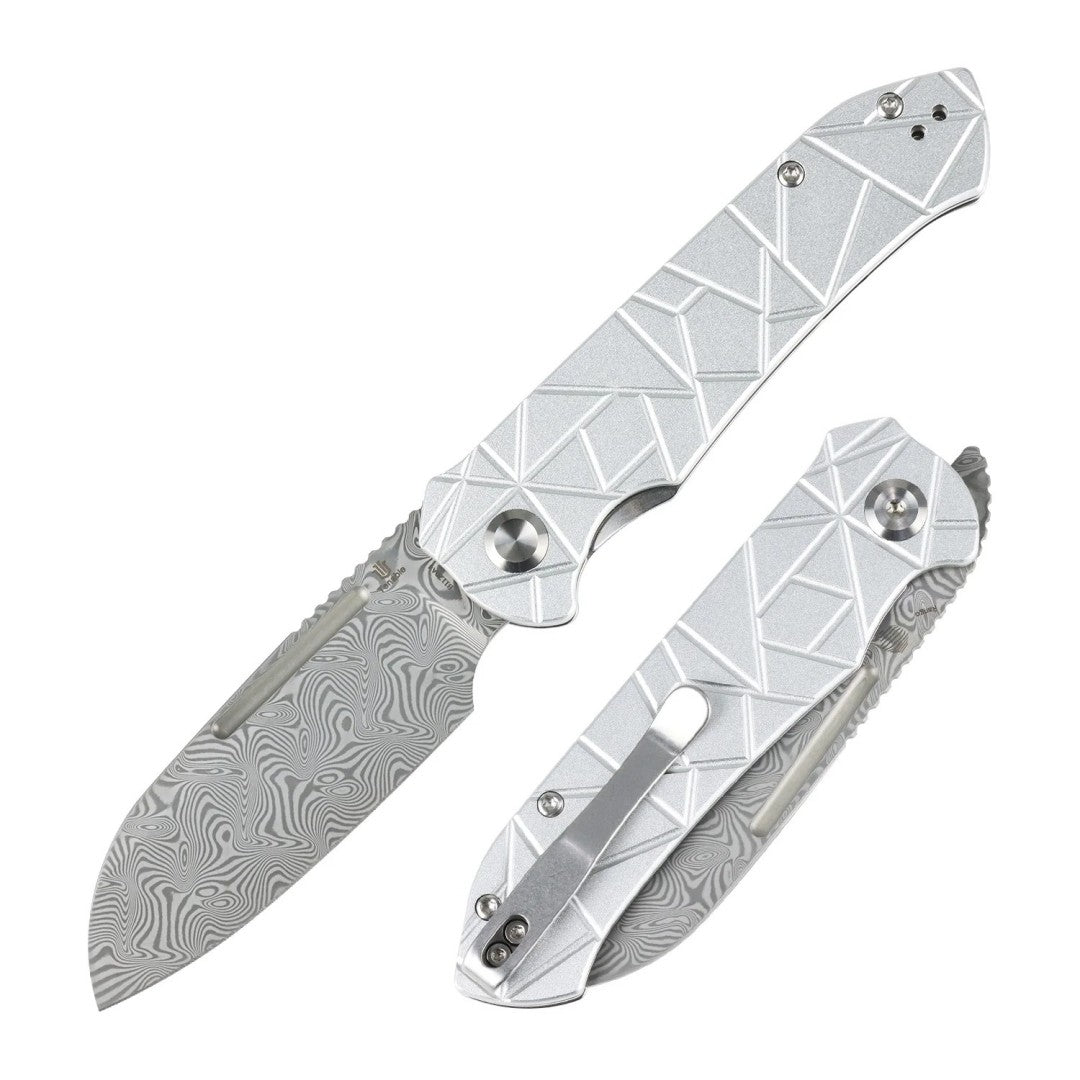
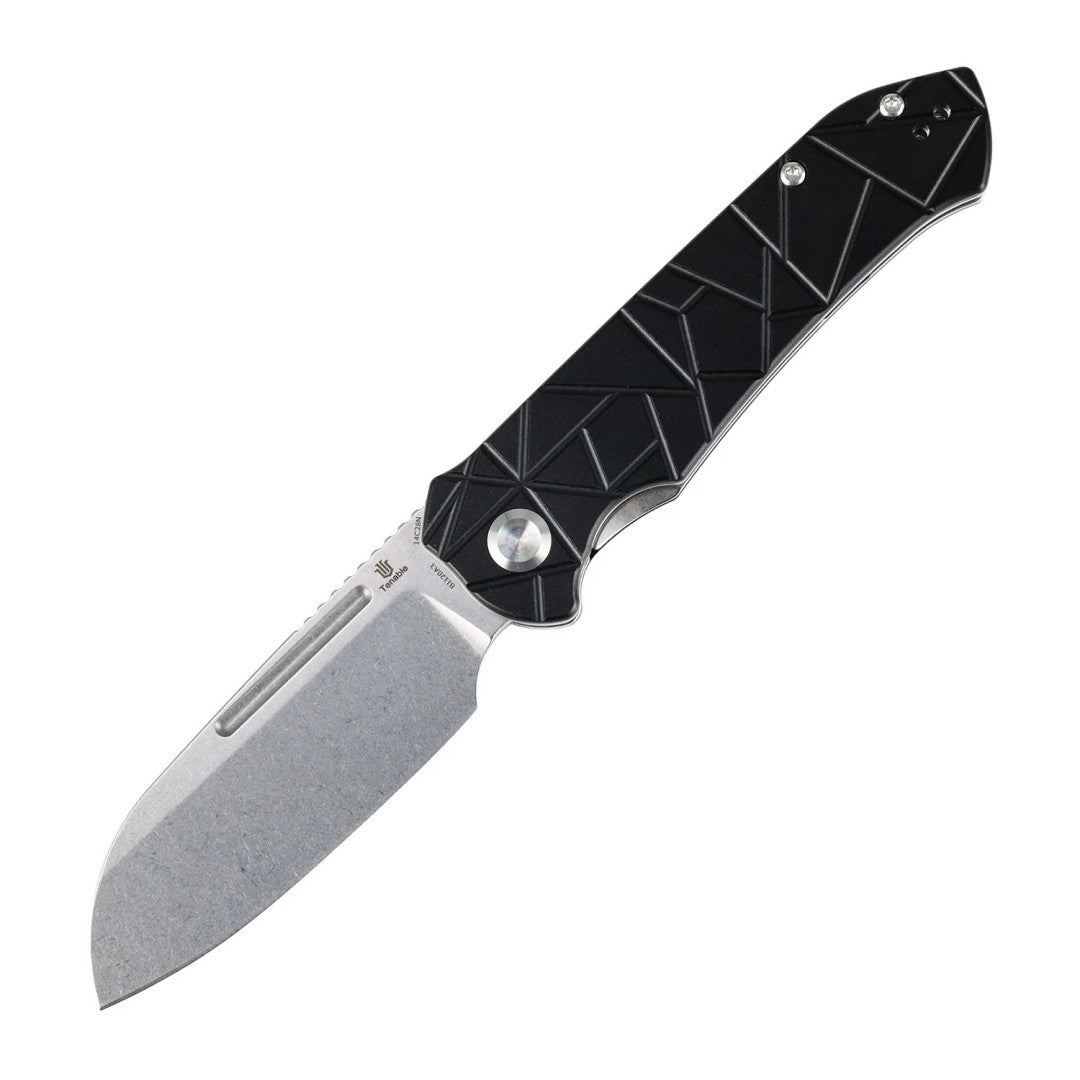
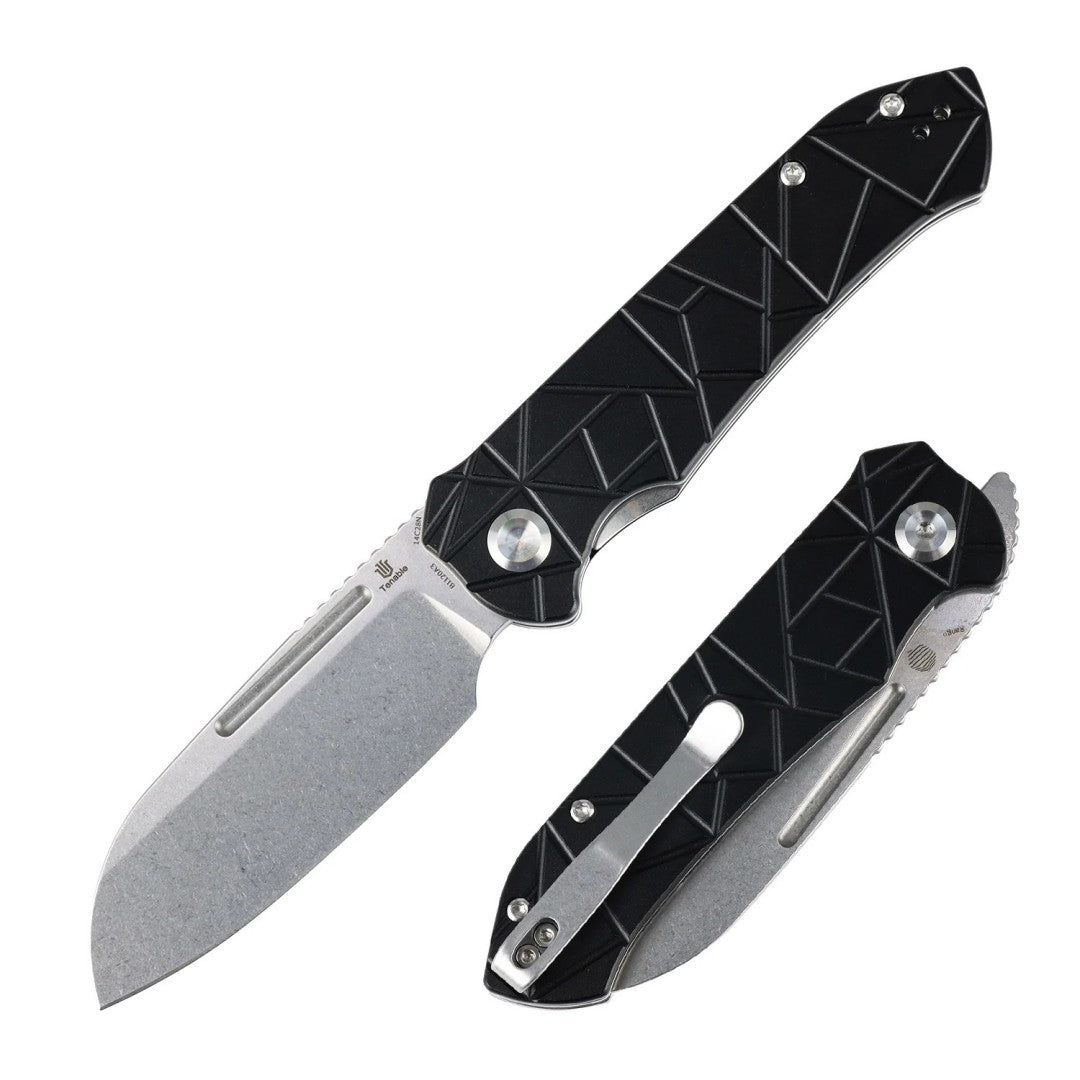
When Kansept Knives partnered with Greg Schob, the goal was to take his iconic custom Fenrir model and manufacture it at scale without losing the hand-crafted feel. Named after the formidable wolf of Norse mythology, the knife needed to project strength while maintaining refined cutting dynamics for daily tasks.
Preserving Custom Geometry
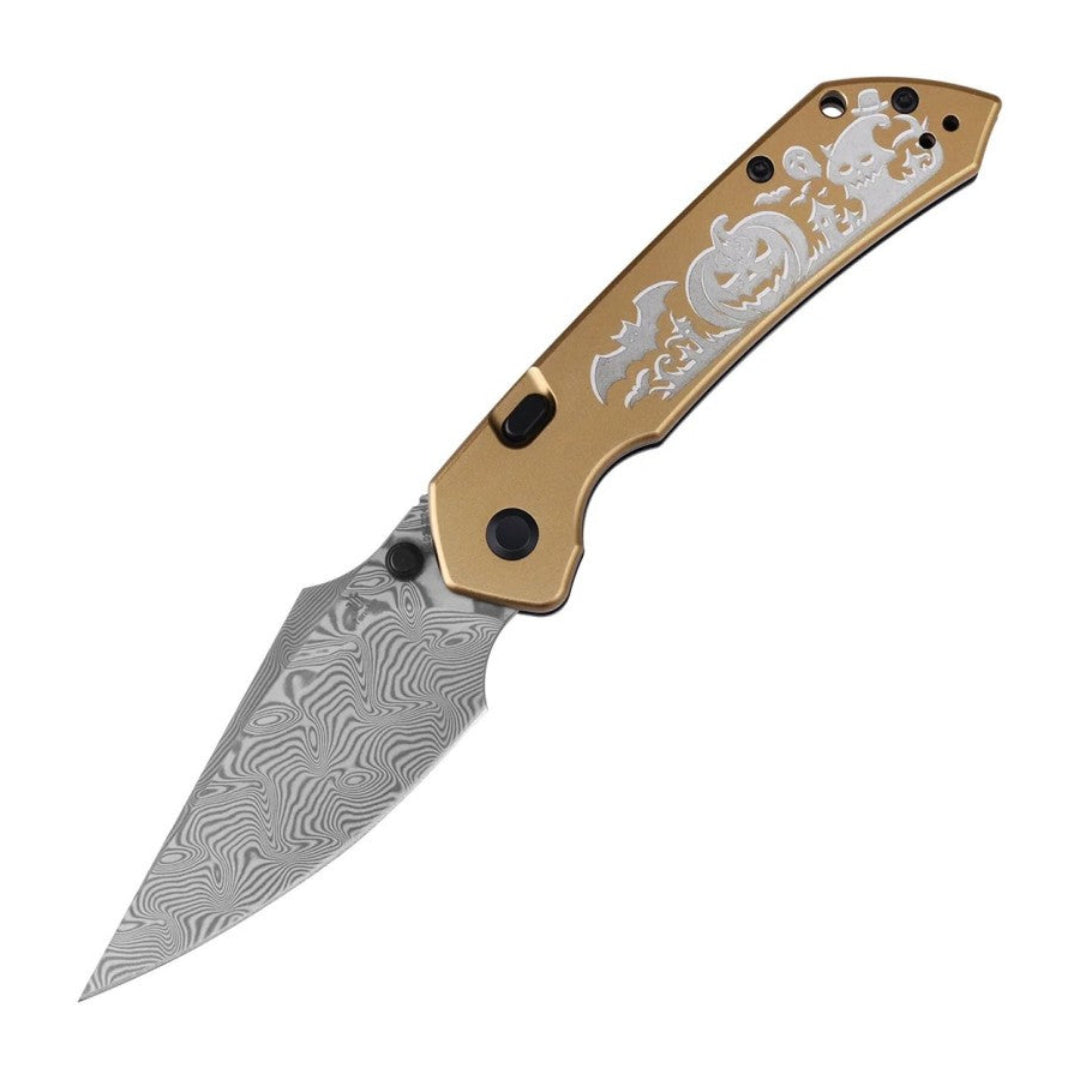
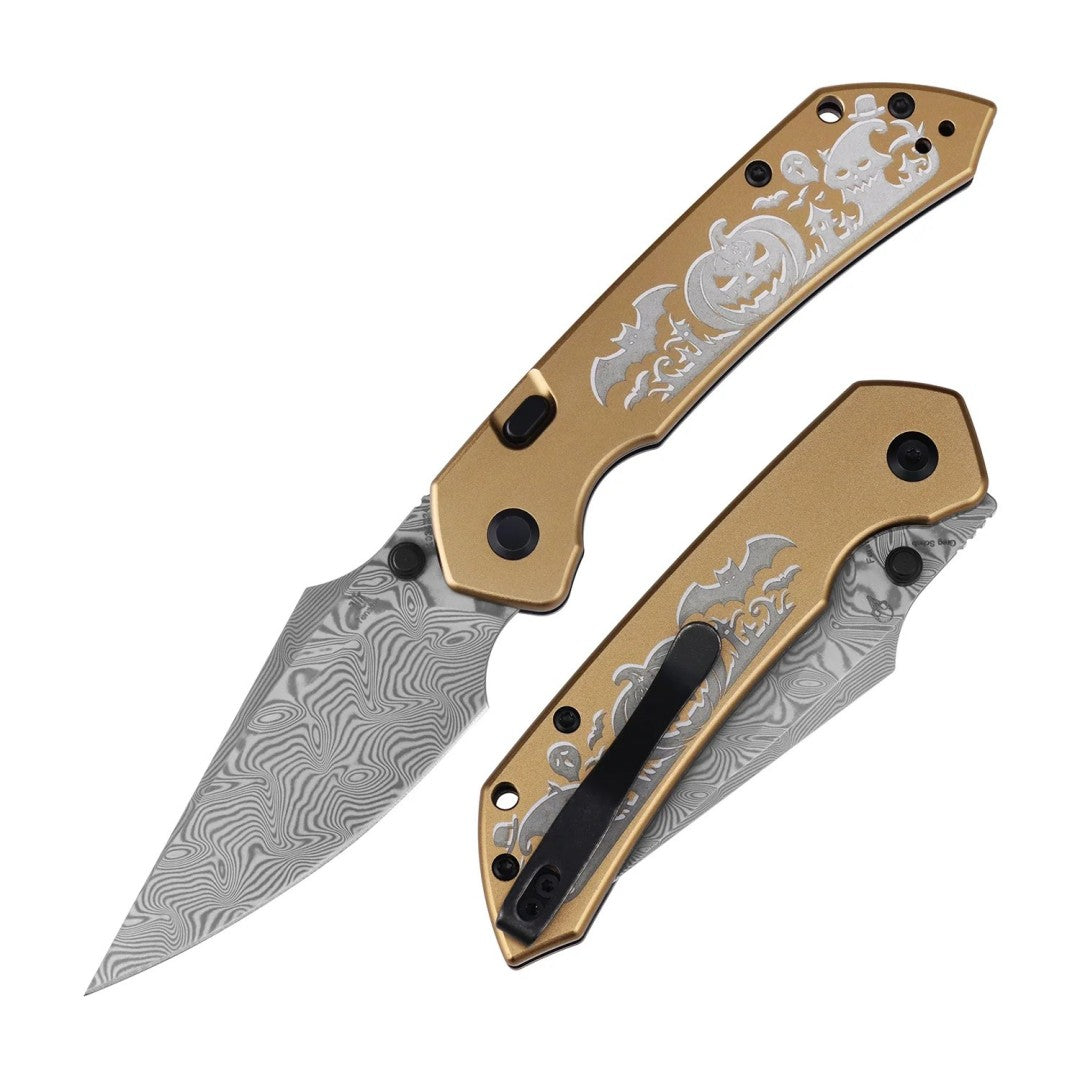
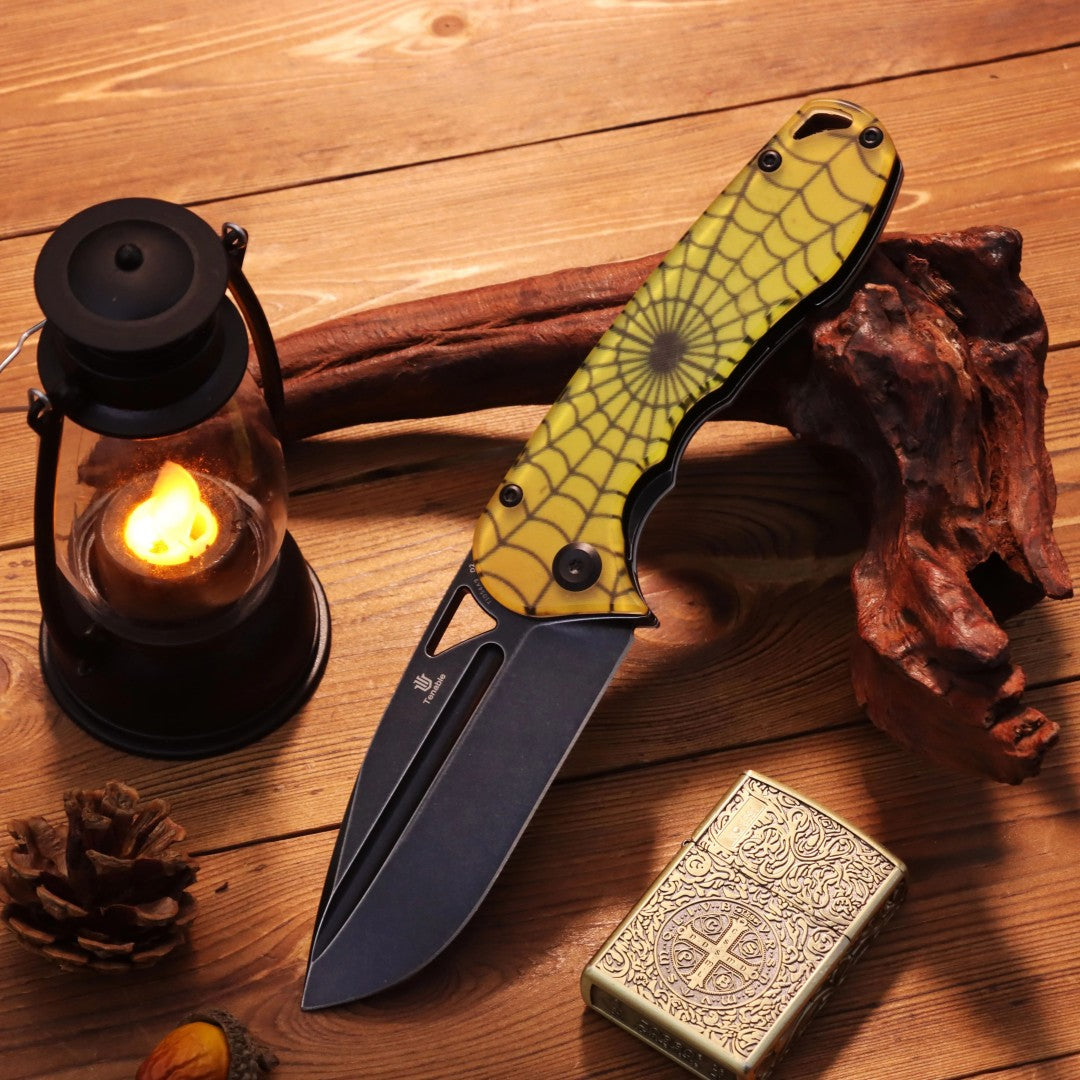
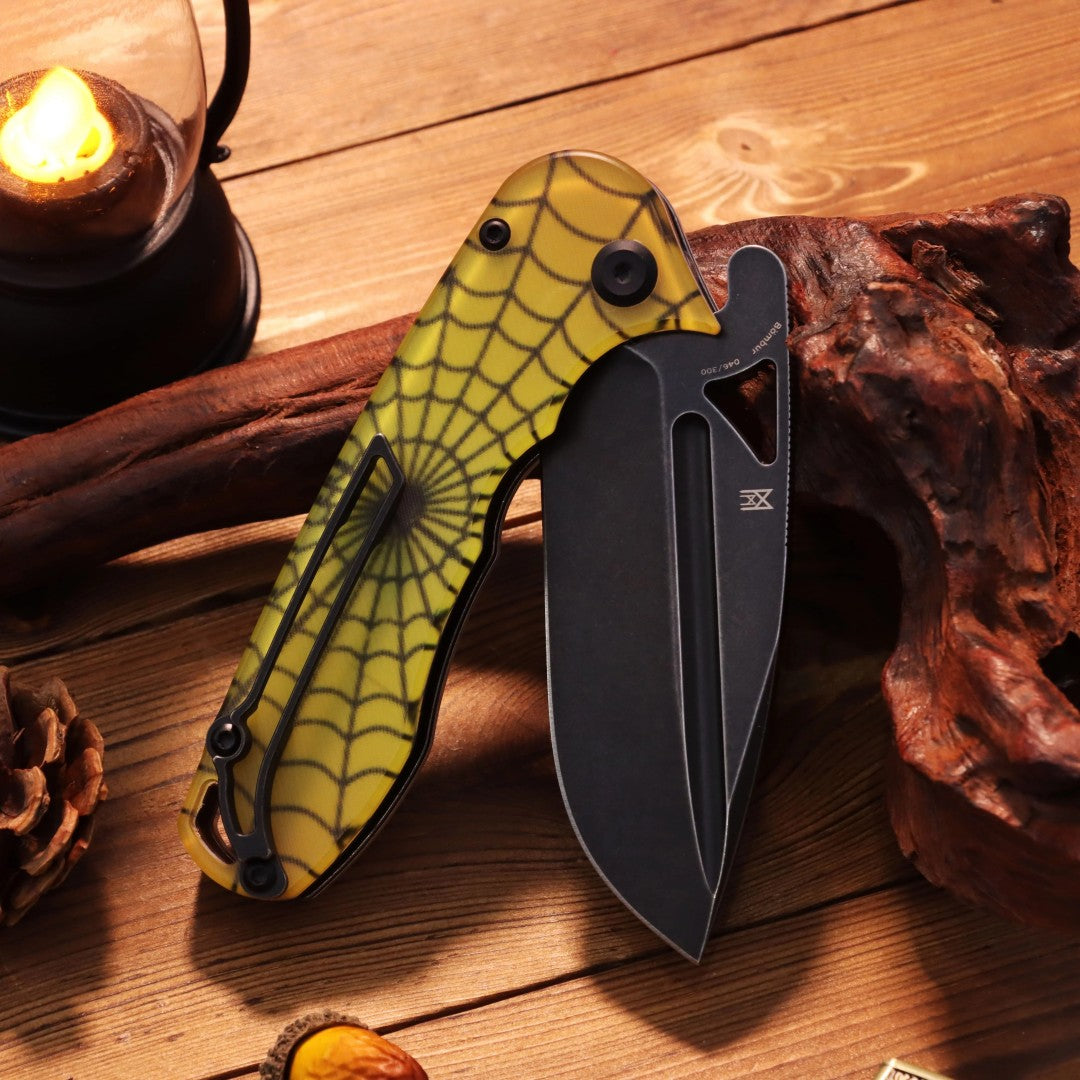
Production engineers worked closely with Schob to ensure every angle of the original custom piece was preserved. The sweeping harpoon drop point blade, broad belly, and distinct handle bolster shape were translated directly into computer-aided manufacturing models, ensuring zero compromise in ergonomics.
Expanding Mechanical Versatility
While custom builds are often limited to single lock types, the production platform expanded the concept into a versatile collection. The table below illustrates how Schob’s core design was adapted across different locking mechanisms and material tiers:
| Production Tier | Blade Steel Options | Lock Mechanism Types | Key Design Focus |
| Flagship Custom | CPM-20CV / Damascus | Top Liner Lock | Premium Fatcarbon, Crystallized Titanium, exotic aesthetics |
| Tactical Workhorse | CPM-S35VN | Frame Lock | Full titanium construction, maximum strength and lockup |
| Ambidextrous Utility | CPM-S35VN / Damascus | Crossbar Lock | Smooth axis action, dual thumb stud deployment, everyday fidget factor |
| Classic Value | CPM-S35VN / Damascus | Liner Lock | Micarta, Ultem PEI, and G10 handle scale combinations |
Design Features That Define the Legacy
The enduring popularity of the model comes down to specific functional details that Greg Schob built into the original concept.
The Harpoon Drop Point Profile
The blade’s harpoon dip on the spine acts as a natural resting point for the thumb, allowing users to apply direct downward pressure during heavy cuts. Combined with a wide belly, the blade excels at slicing through thick rope, leather, or cardboard, while keeping the tip sharp for detailed work.
Rear-Weighted Balance
Schob designed the handle bolster architecture to draw the knife's center of gravity backward into the hand. This prevents the tool from feeling tip-heavy, creating a natural extension of the user's grip whether executing power cuts or fine carving.
 A Lasting Collaboration
The collaboration stands as a testament to what happens when custom maker artistry meets modern production precision. By combining Greg Schob's practical metalworking heritage with high-end materials like CPM steels and titanium, the Fenrir continues to thrive as an iconic option in the world of modern EDC folders.