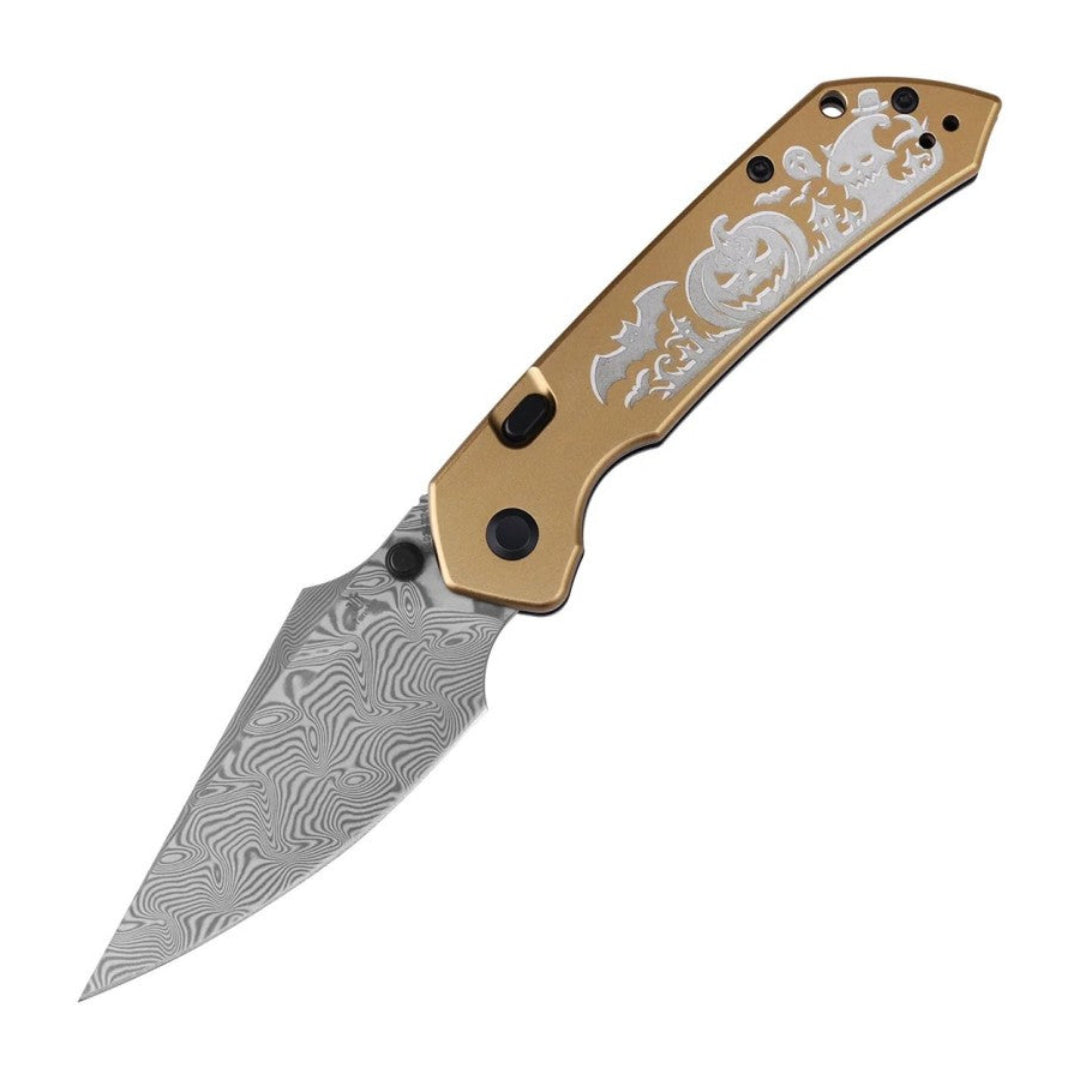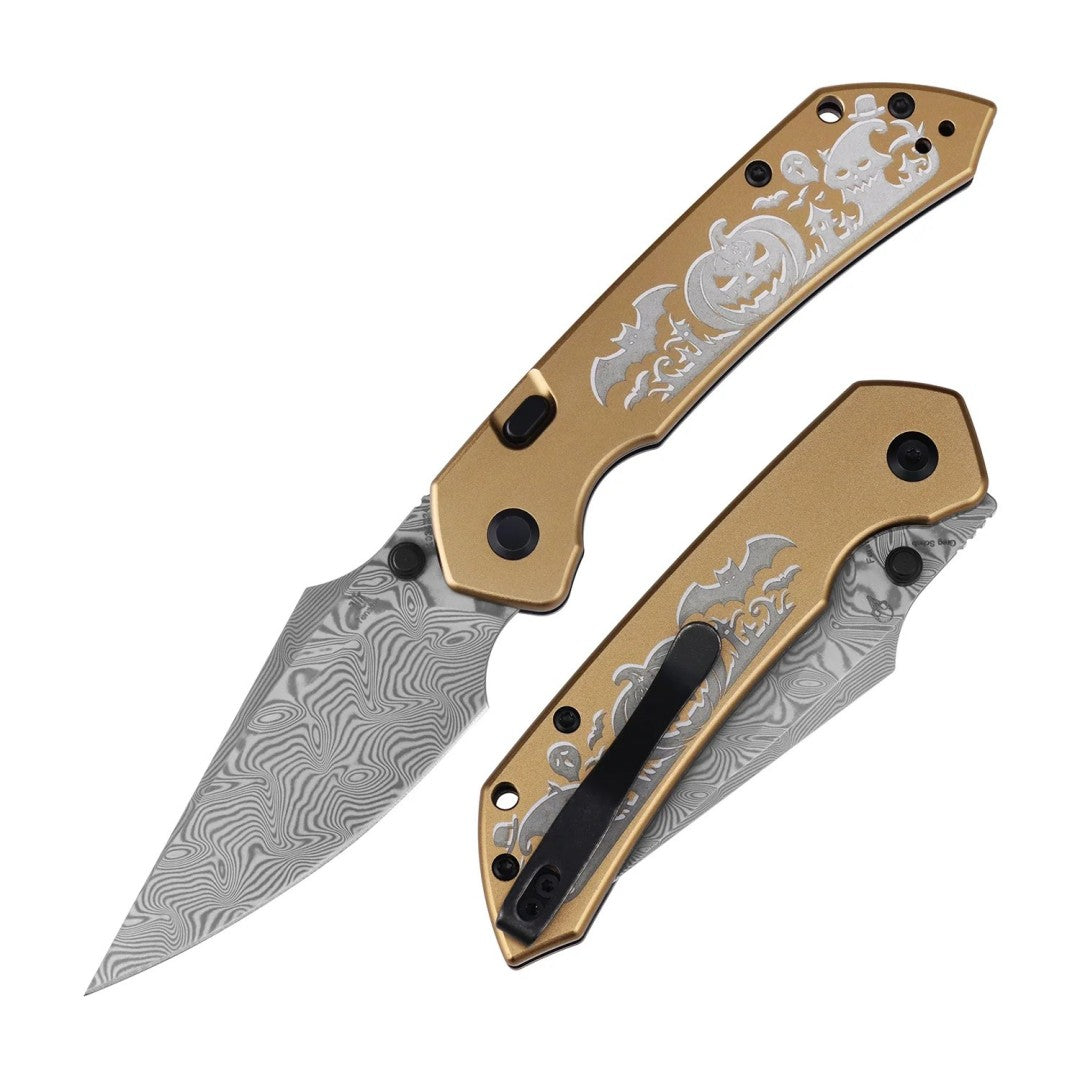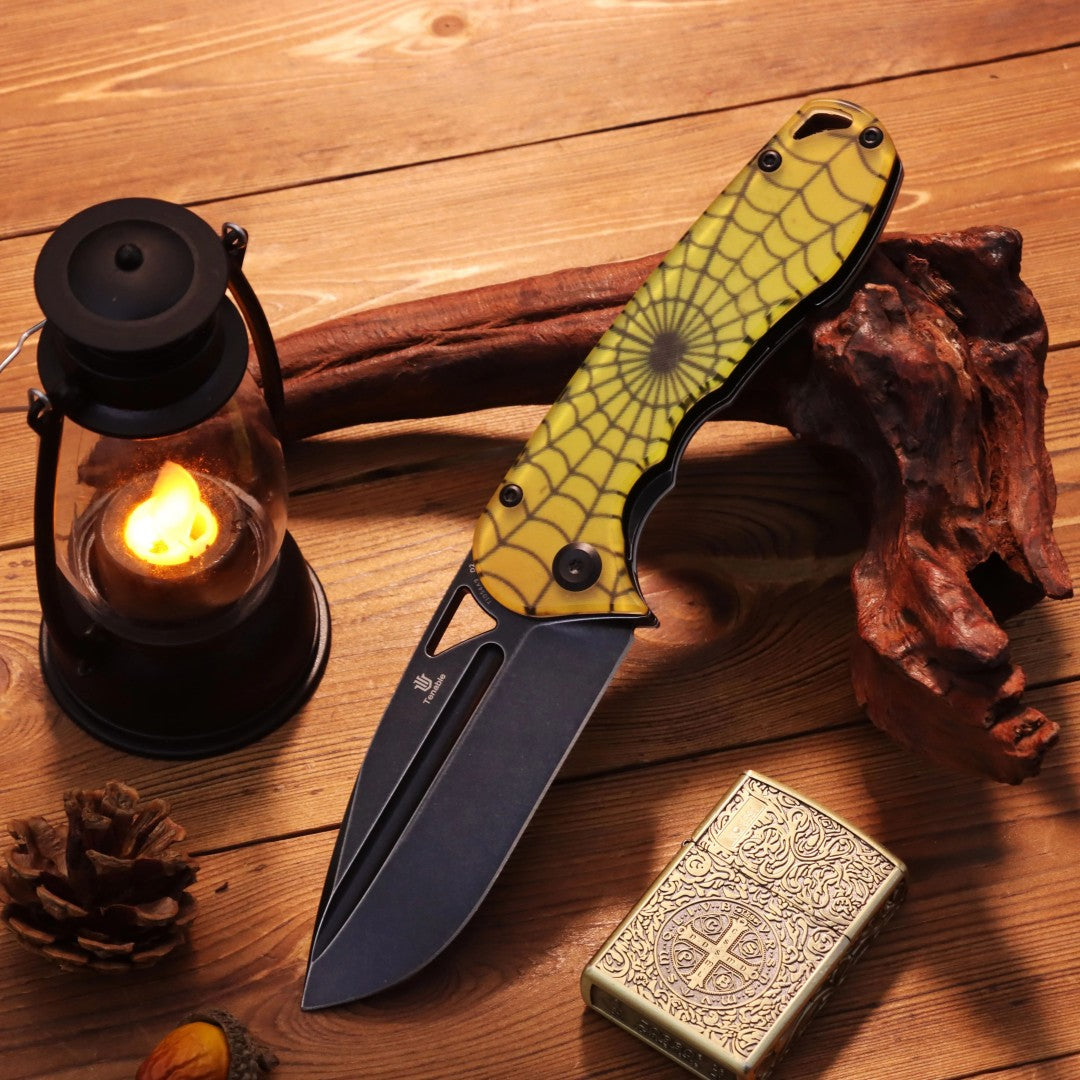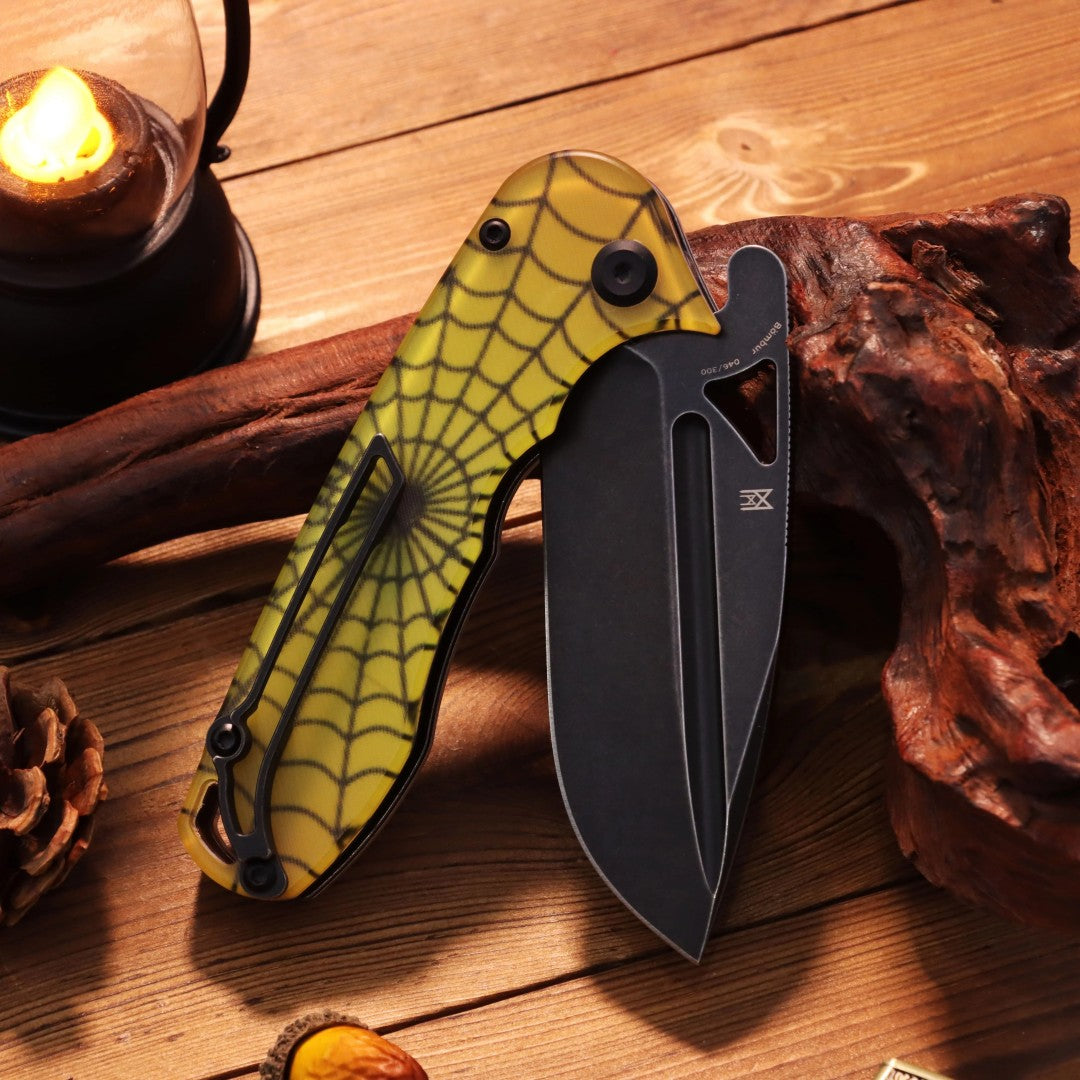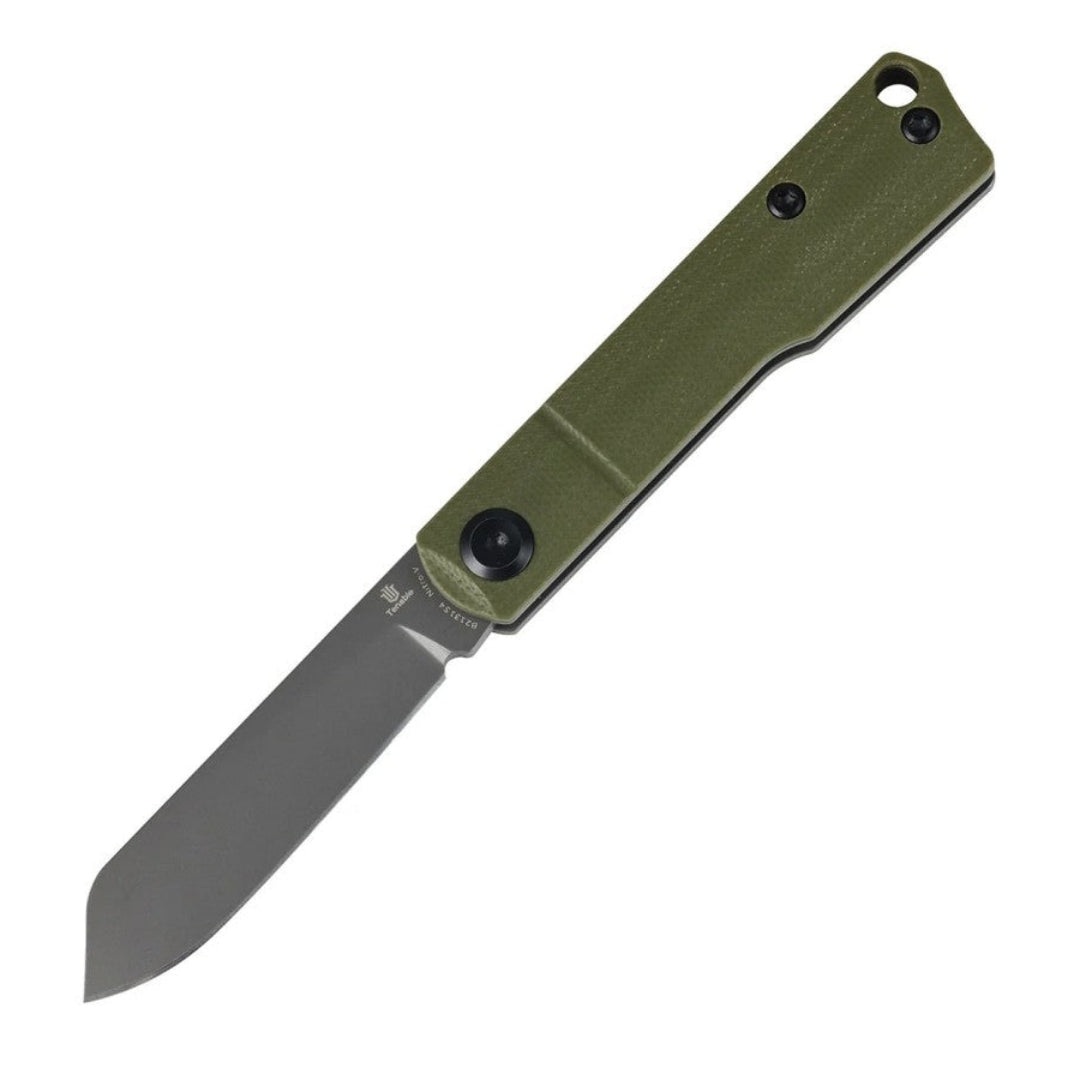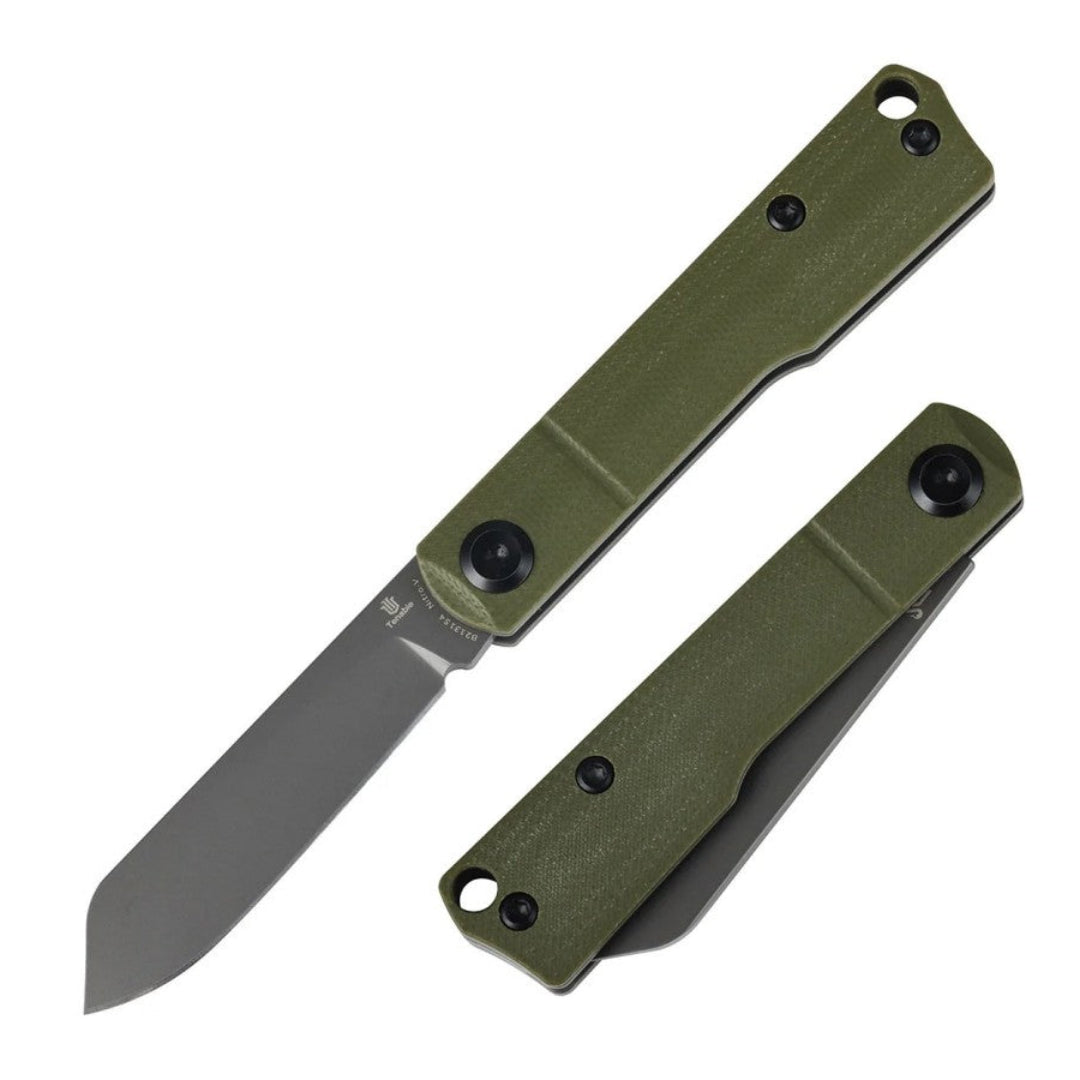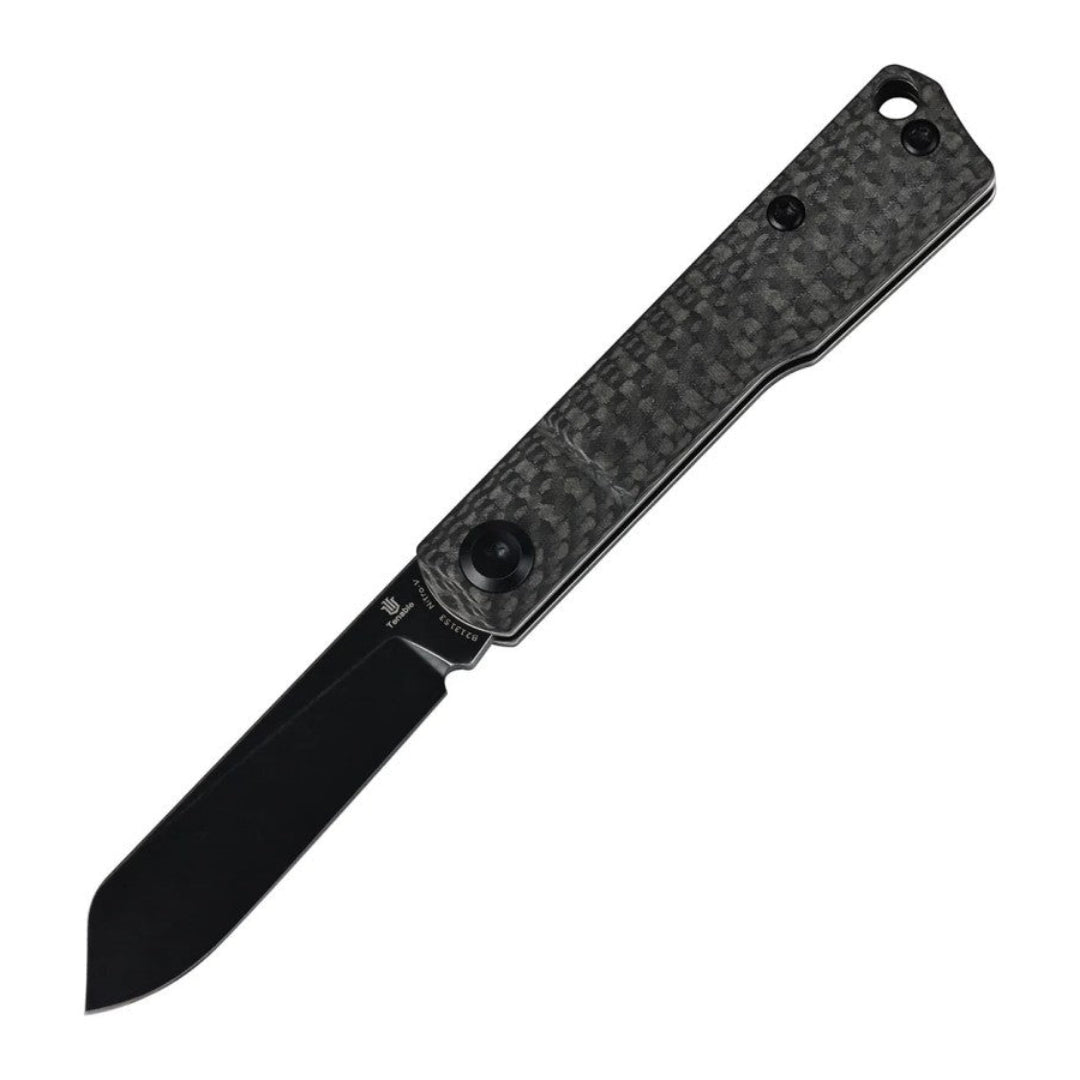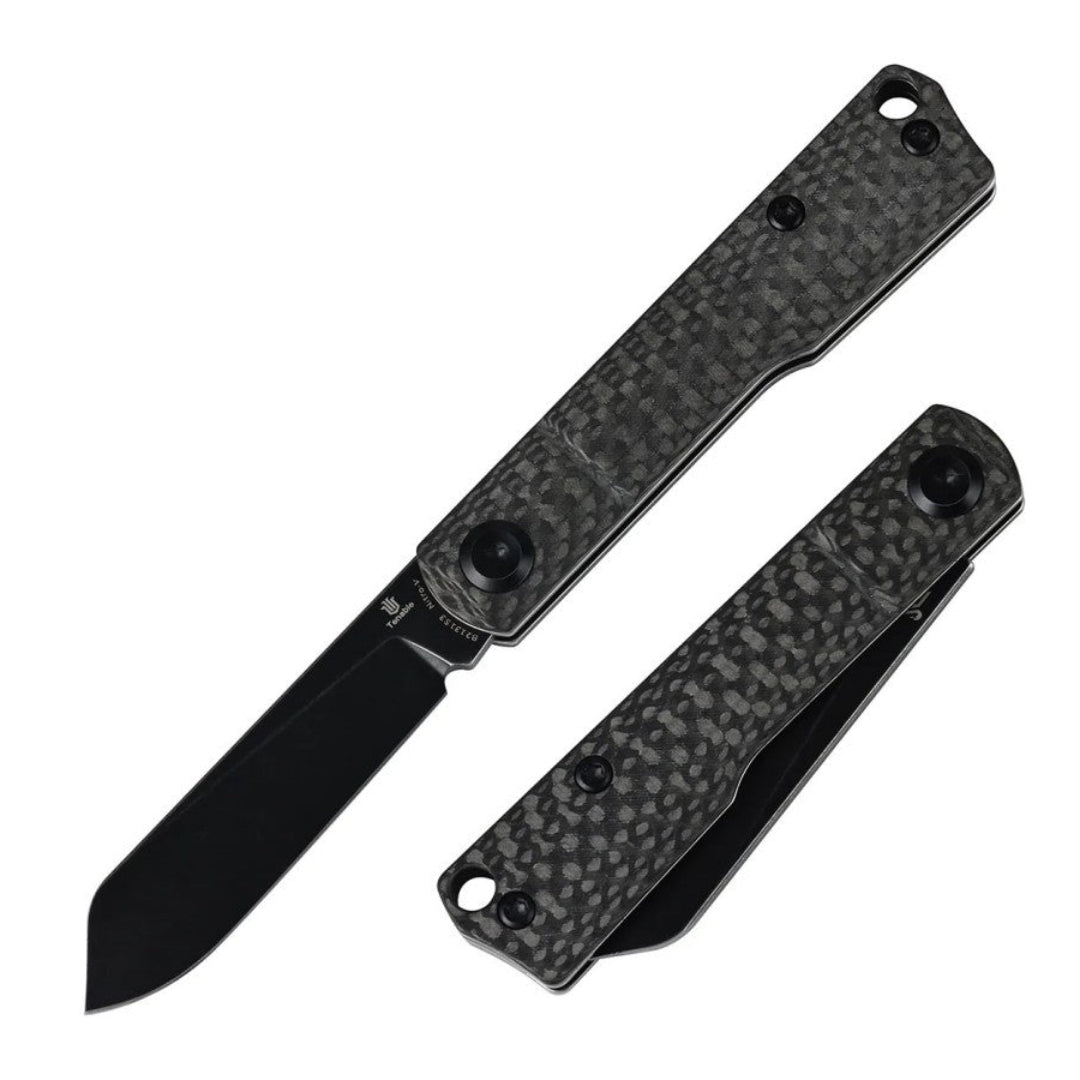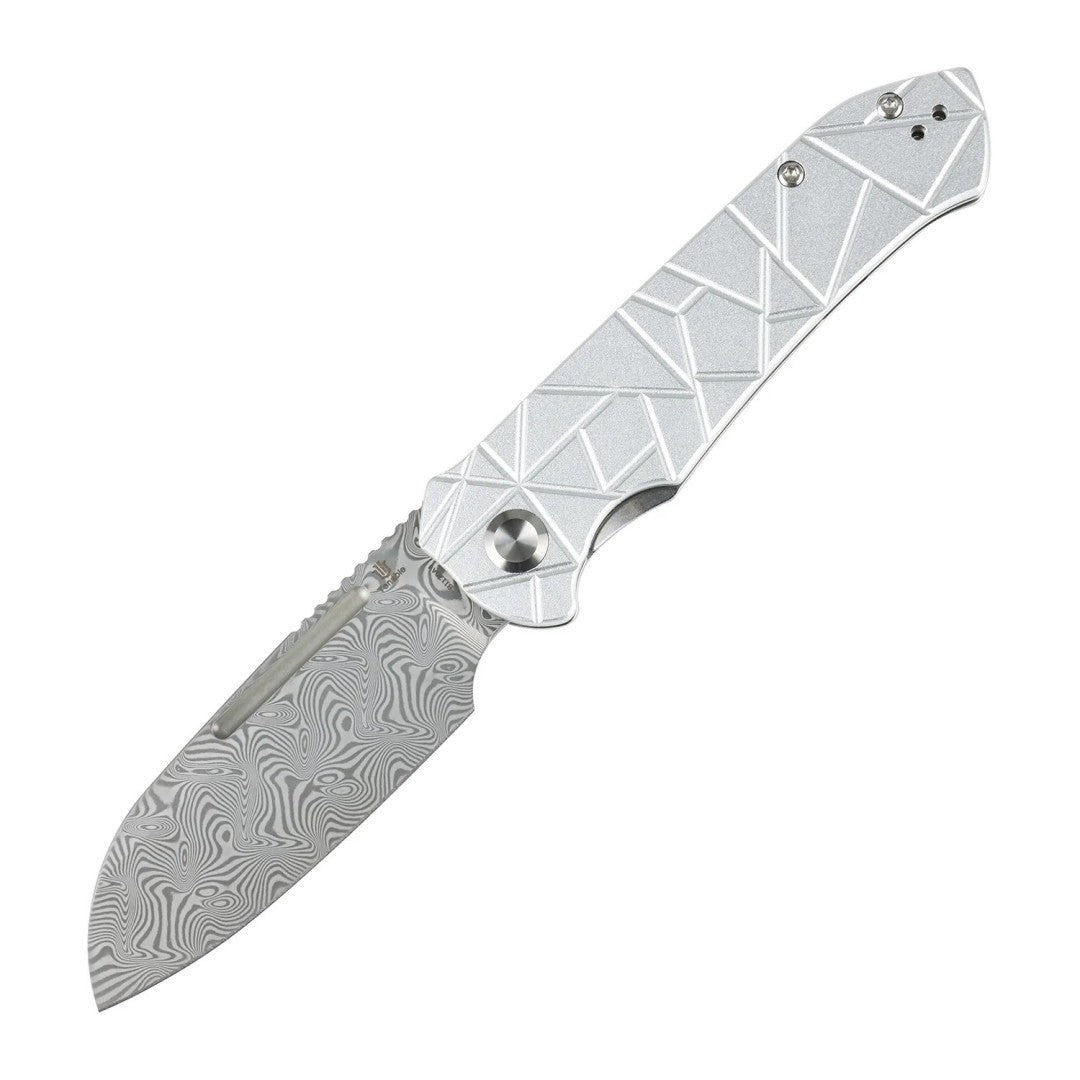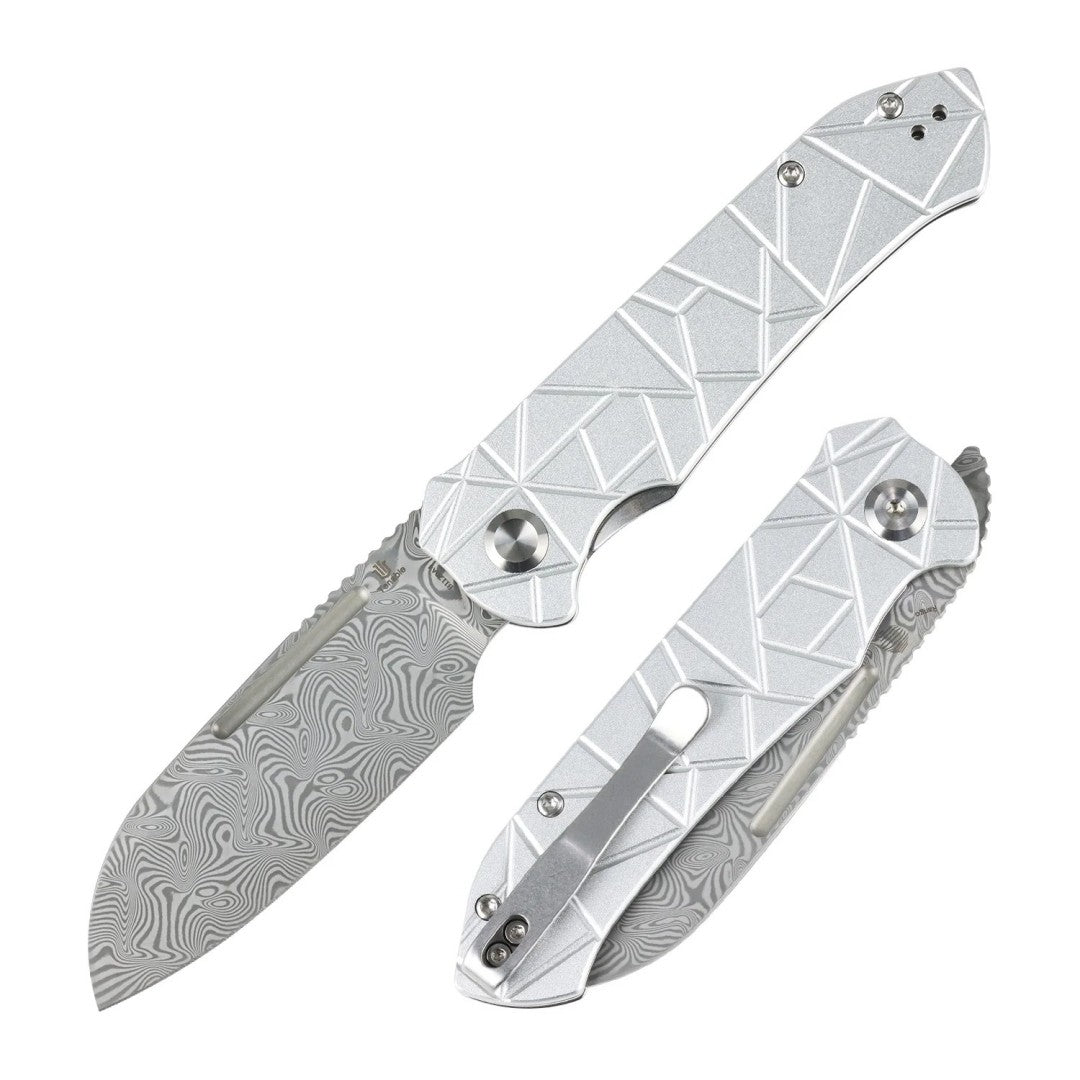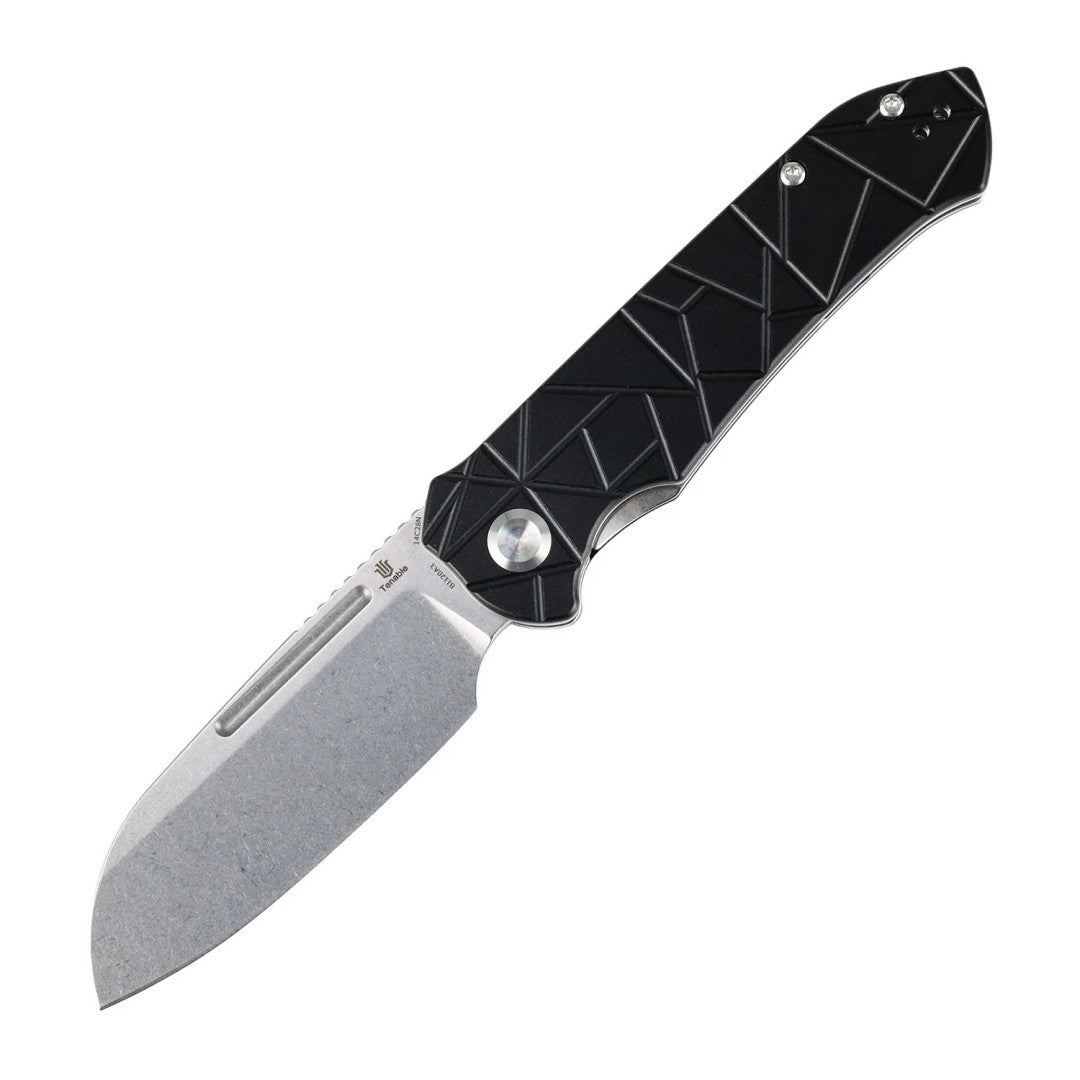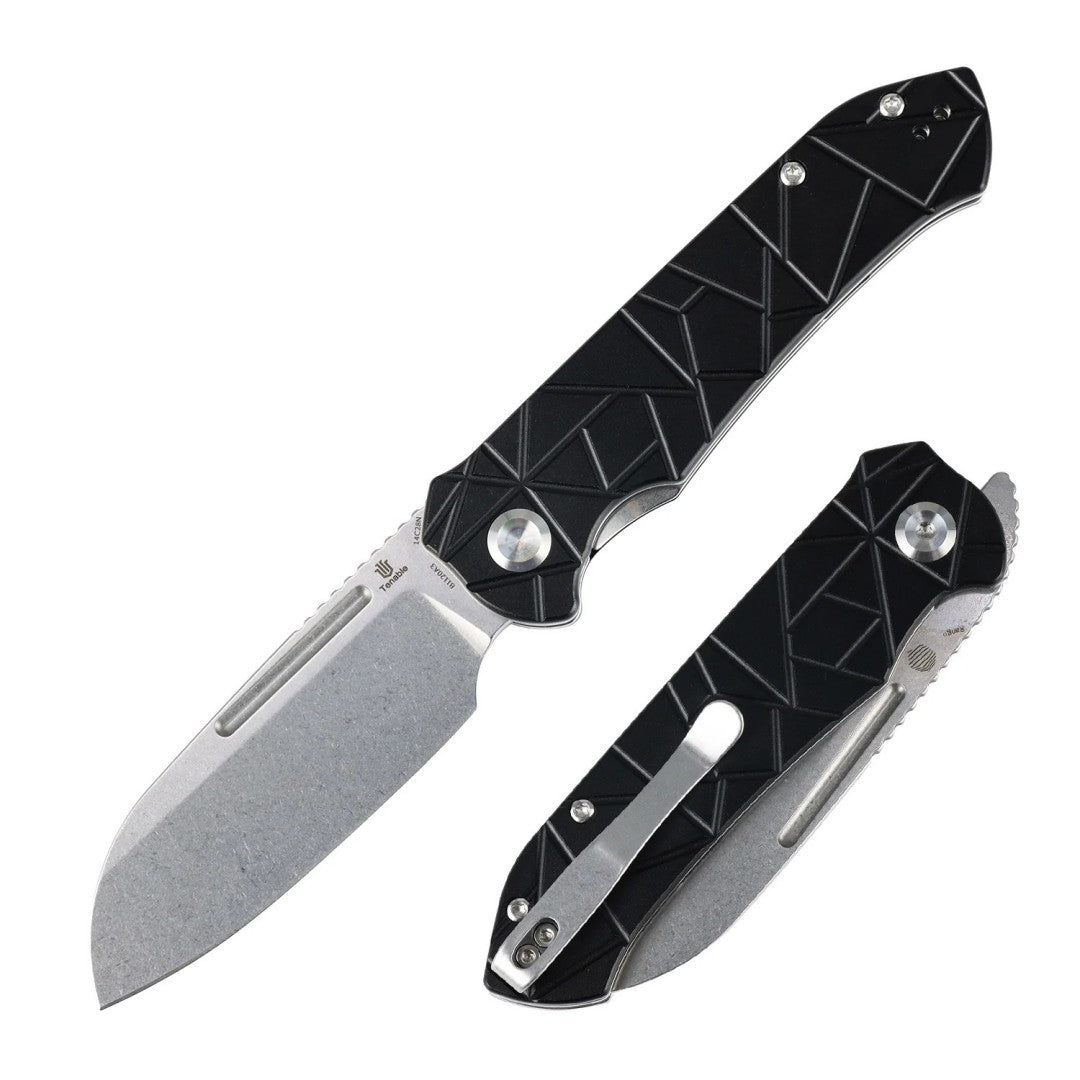
When building a dependable EDC cutting setup, selecting the right blade steel involves balancing edge retention, structural toughness, and corrosion protection. While modern powder metallurgy alloys like CPM-S35VN or CPM-20CV dominate the high-end market, high-carbon semi-stainless steels remain widely popular in budget-friendly folding builds.
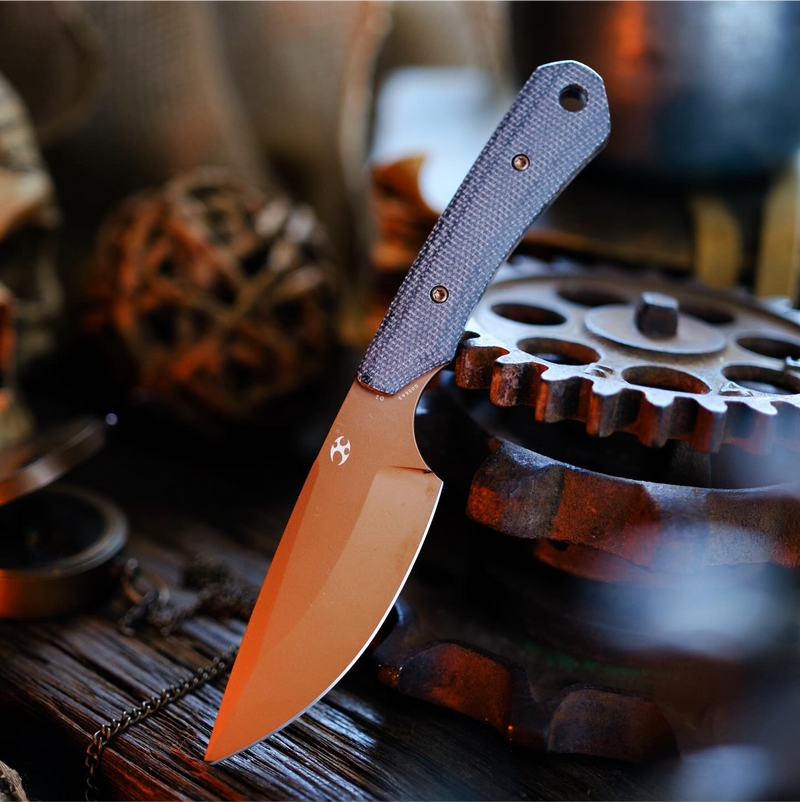
Renowned manufacturer Kansept utilizes D2 steel across its accessible entry-level tool lines. However, misconceptions persist regarding how well D2 resists rust and moisture in real-world environments. Understanding the chemical composition, protective coatings, and proper maintenance of D2 helps users maximize performance without unexpected oxidation.
What Makes D2 a Semi-Stainless Steel?
Steel classification depends heavily on chromium content. To earn a true stainless designation, a steel alloy typically requires at least 13.0% free chromium in solution. D2 sits right on the boundary of this classification.
| Chemical Component | Average Percentage | Primary Metallurgical Role |
| Carbon (C) | 1.50% | Delivers high hardness and long-lasting wear resistance. |
| Chromium (Cr) | 11.5% – 12.0% | Provides semi-stainless stain resistance and forms hard chromium carbides. |
| Vanadium (V) | 0.90% | Refines grain structure and boosts micro-toughness. |
| Molybdenum (Mo) | 0.80% | Enhances hardenability and resistance to pitting. |
Because much of D2's 12.0% chromium is tied up in forming hard chromium carbides for wear resistance, less free chromium is available to form a passive oxide film. As a result, D2 offers significantly better rust protection than traditional carbon steels, yet requires slightly more care than fully stainless options.
Steel Metallurgy & Stain Resistance Comparison
Comparing D2 against other common blade alloys highlights where it stands in edge retention, toughness, and stain immunity.
| Steel Alloy | Corrosion Resistance | Edge Retention | Impact Toughness | Maintenance Needs |
| D2 Tool Steel | Moderate (Semi-Stainless) | High | Moderate | Light Oiling Required |
| 14C28N | High | Medium | Very High | Minimal |
| Nitro-V | High | Medium | High | Minimal |
| 154CM | Very High | Moderate | High | Minimal |
| M390 | Exceptional | Outstanding | Moderate | Minimal |
| Magnacut | Exceptional | Very High | High | Minimal |
While ultra-hard stainless alloys like CPM-S90V or Elmax demand complex heat treatment and high production costs, D2 provides impressive slicing durability at a far more accessible price point.
How Kansept Enhances D2 Corrosion Resistance
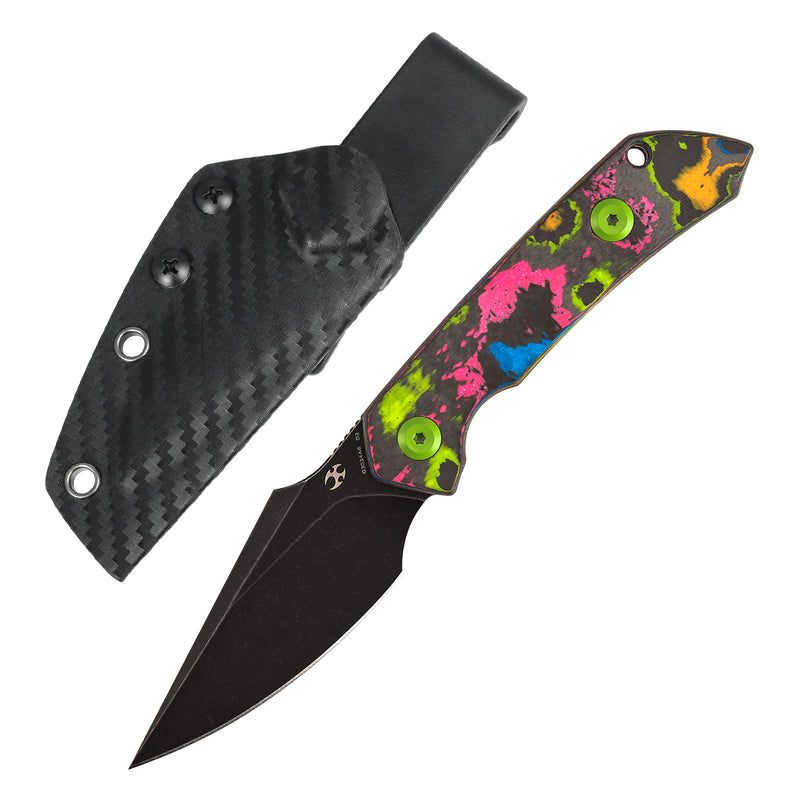
Uncoated D2 exposed to humidity, saltwater, or acidic fruit juices can develop surface patina or localized pitting. To counteract this, Kansept applies protective surface finishes and strict heat-treating controls across their D2 production models:
-
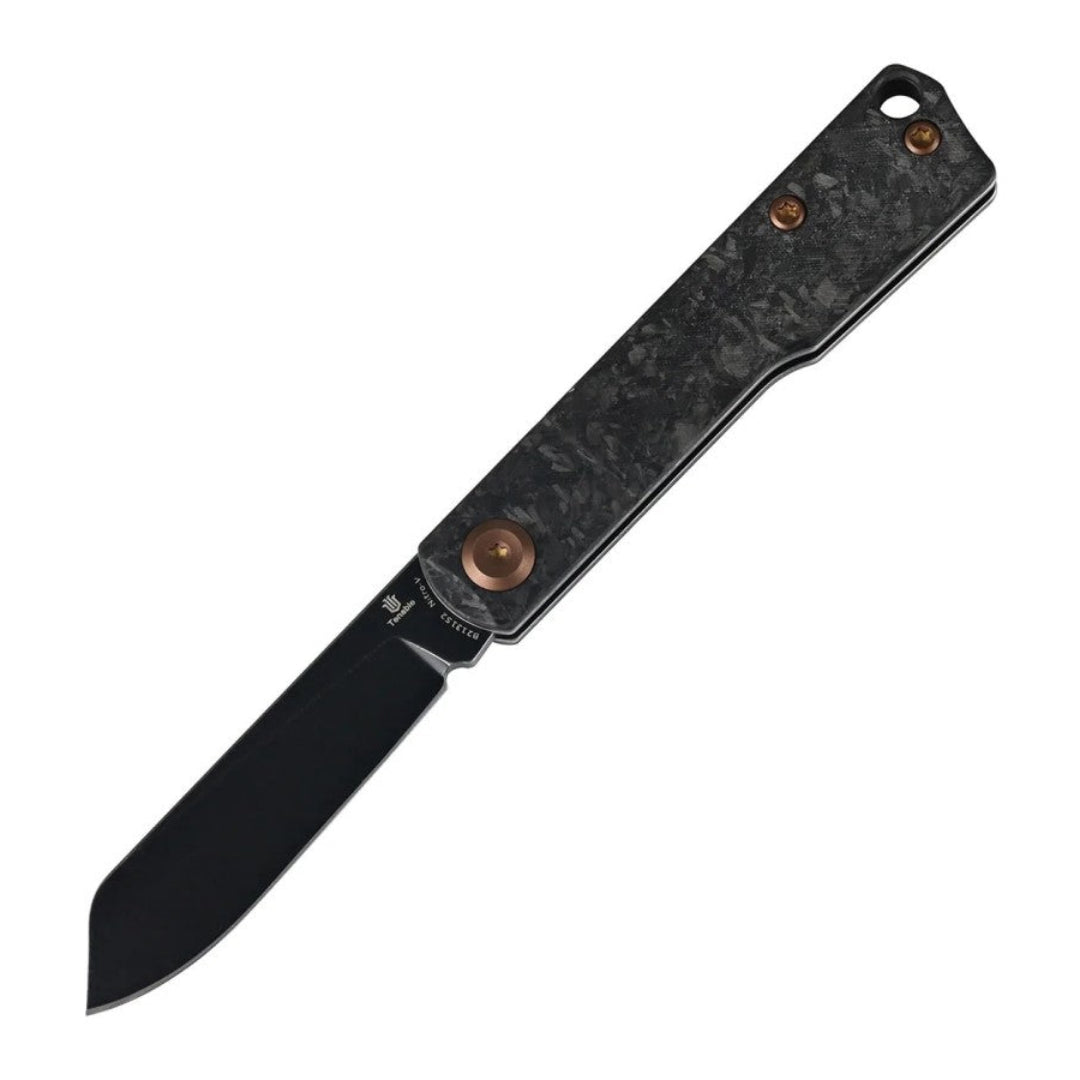
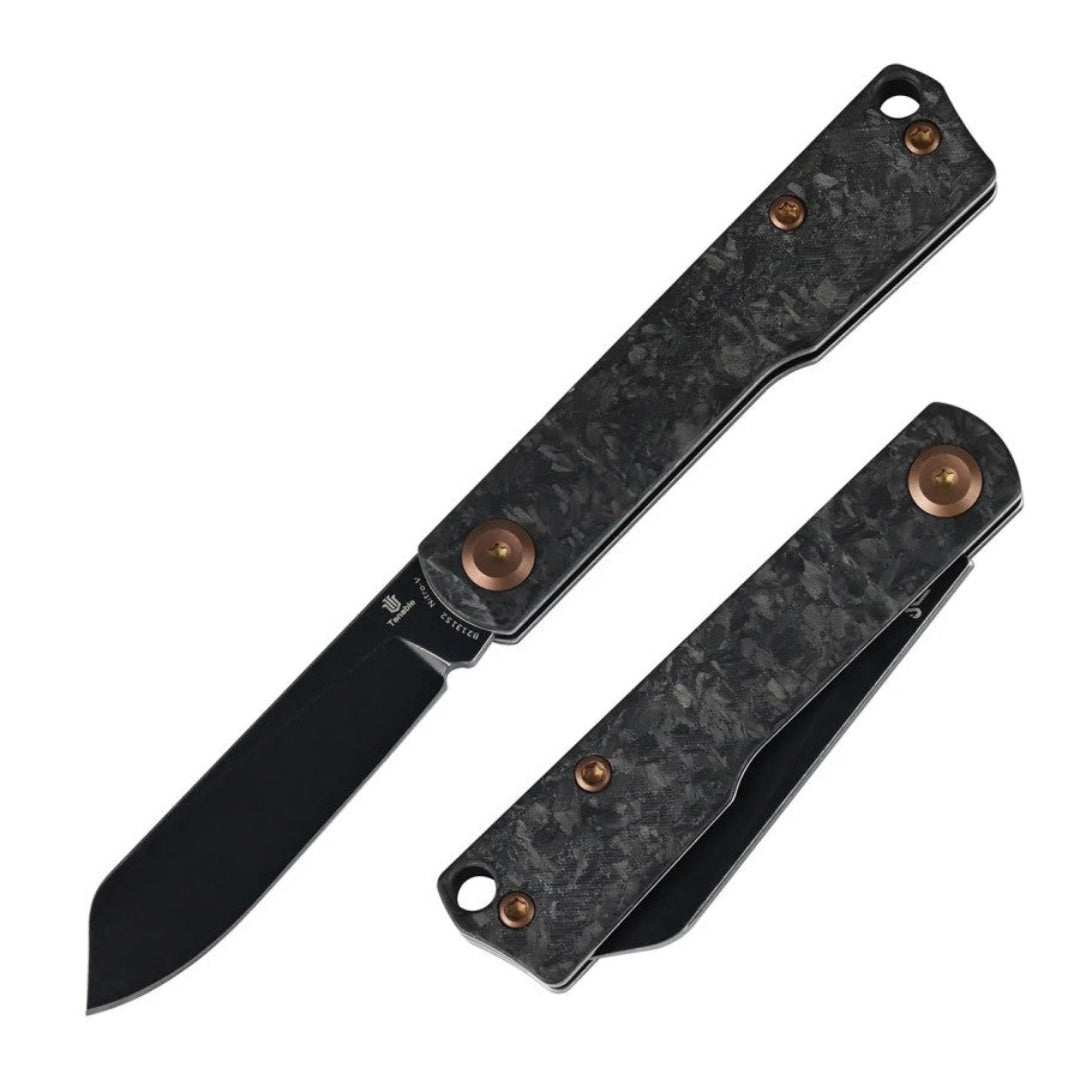
Black Titanium / PVD Coatings: Physical Vapor Deposition creates an impenetrable barrier over the steel, completely isolating it from moisture and atmospheric oxygen.
-
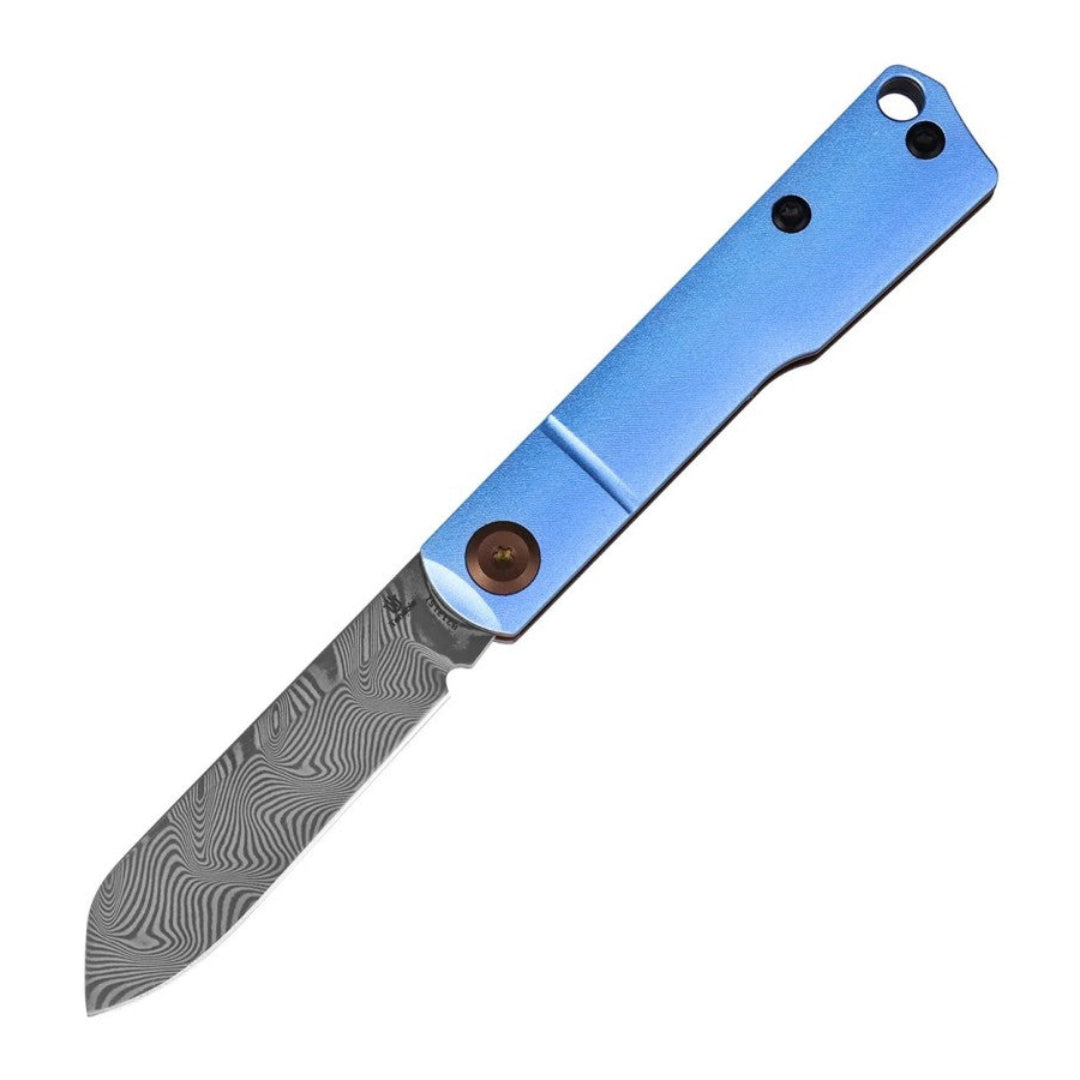
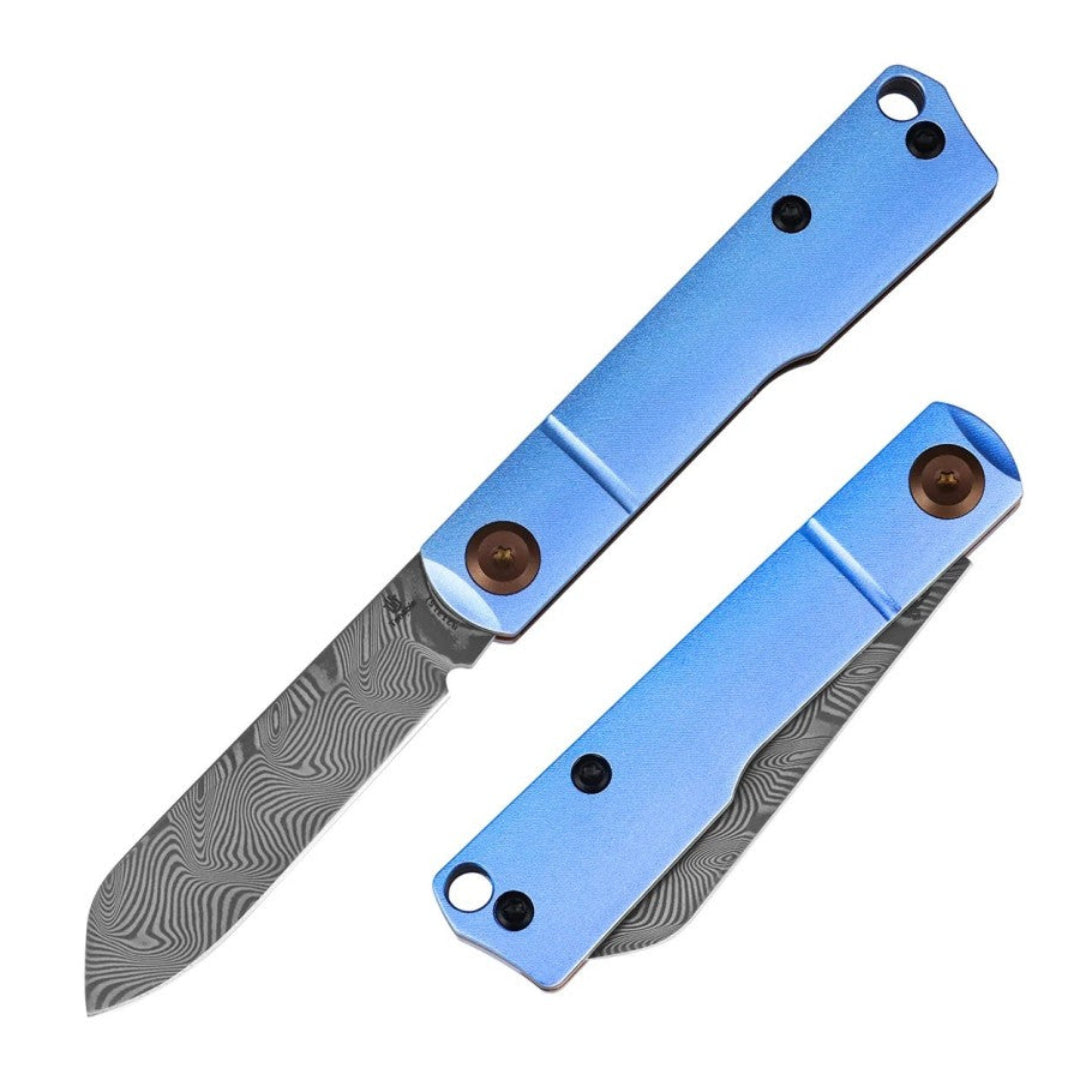
Stonewashed Finishes: Satin and stonewash treatments smooth out micro-cavities on the steel surface, making it harder for moisture to trap and initiate spot rust.
-
Precision Vacuum Heat Treatment: Proper thermal cycles ensure maximum free chromium remains in the matrix, optimizing the alloy's natural stain resistance.
Real-World Cutting: Pocket Tools vs. Outdoor Blades
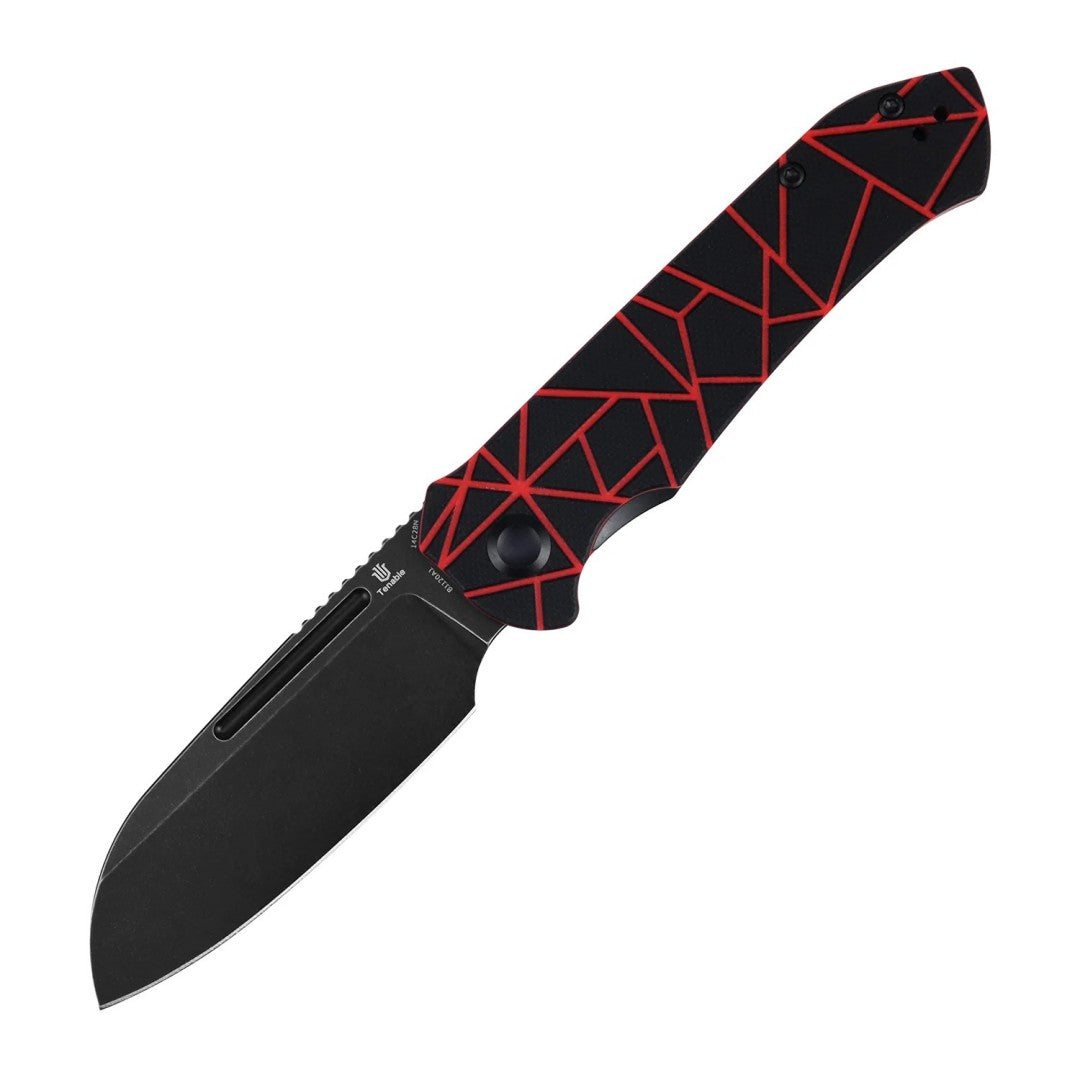
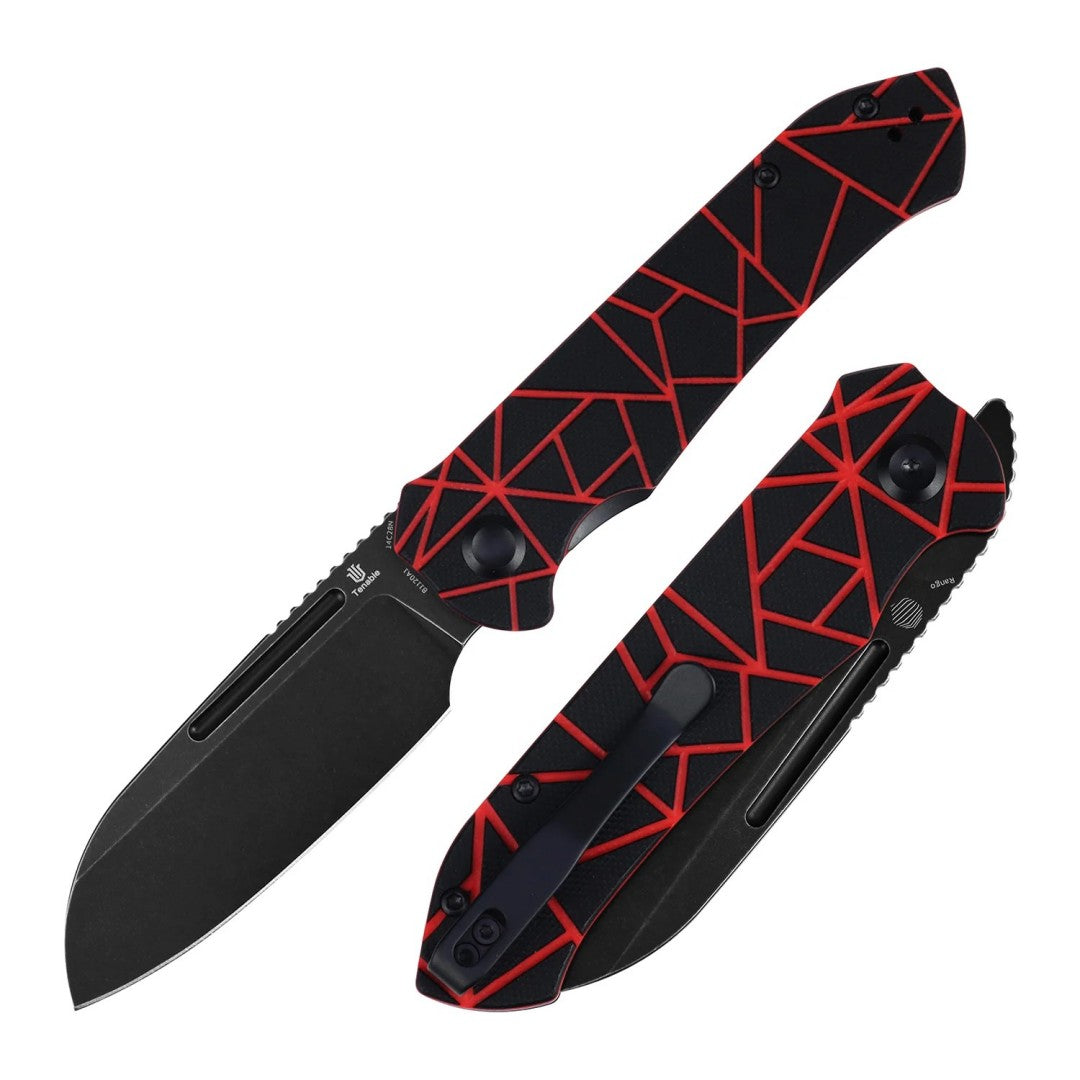
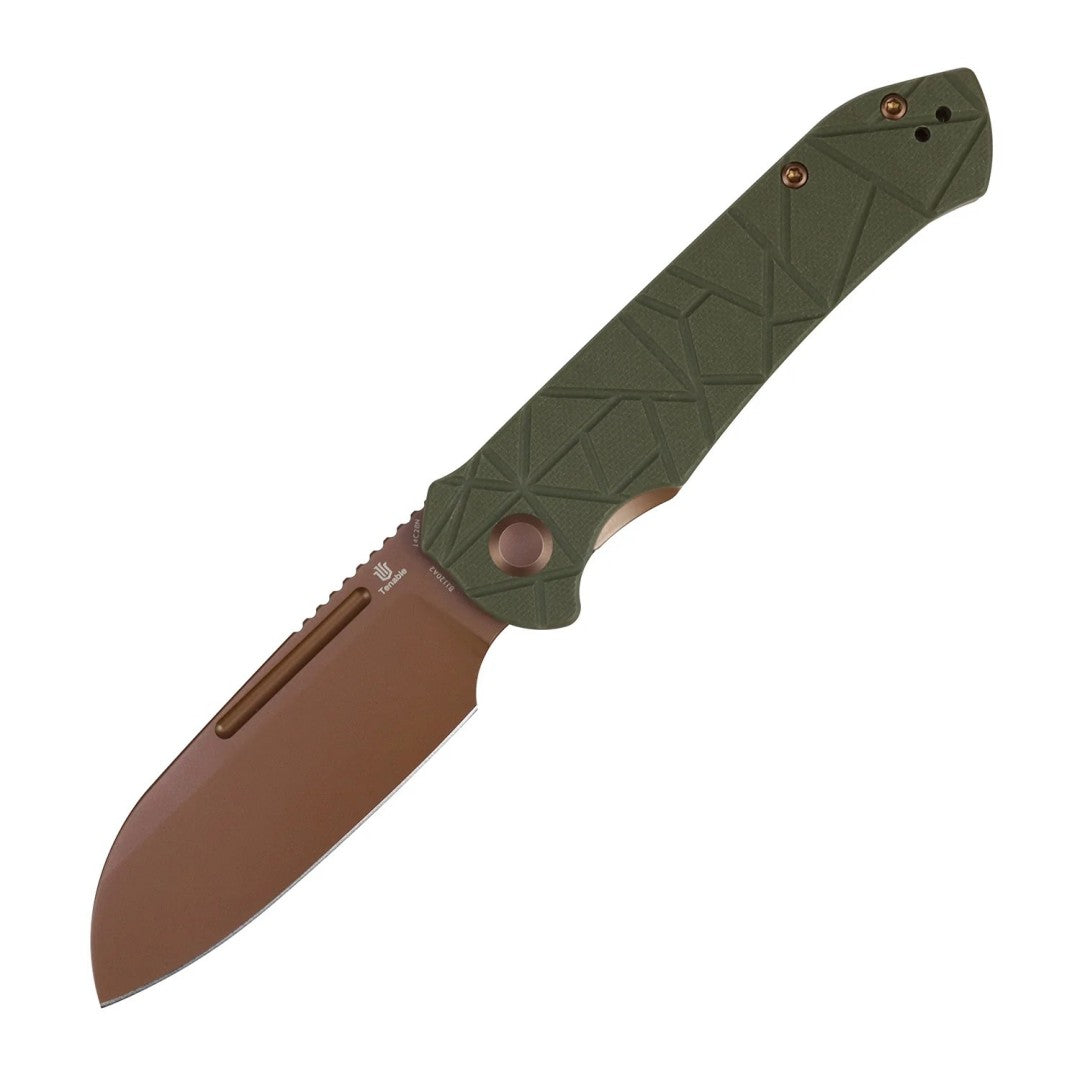
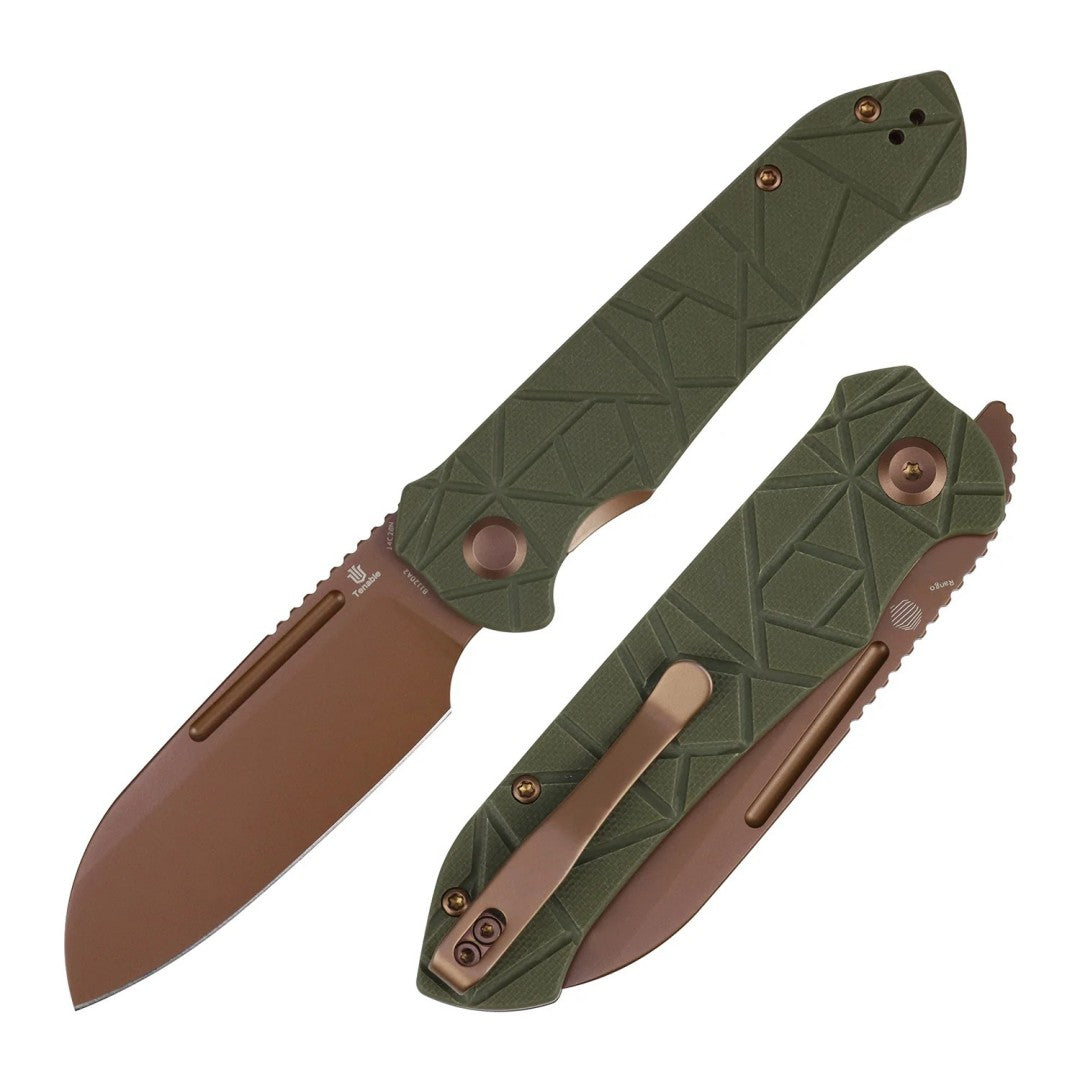
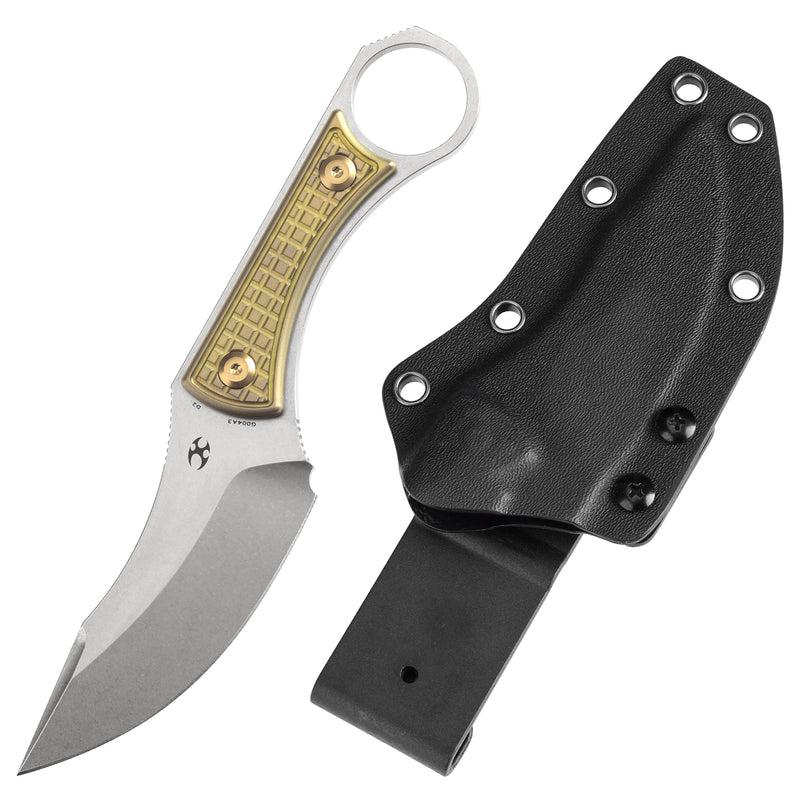
For heavy-duty wilderness chopping, outdoorsmen frequently prefer full-tang Fixed Blade Knives made from high-toughness alloys. However, a compact Folding Knife in coated D2 steel provides ideal wear resistance for urban utility tasks such as slicing cardboard, cutting plastic straps, and opening packages.
Routine Care Tips for D2 Blades
Preventing corrosion on D2 steel is straightforward with basic maintenance habits:
-
Wipe Dry After Use: Never store a D2 blade wet or covered in acidic plant juices or food residue.
-
Apply Light Protection: Periodically wipe the exposed steel with a thin layer of food-safe mineral oil or corrosion inhibitor.
-
Avoid Humid Storage: Store folding tools in dry, ventilated areas rather than damp leather sheaths or high-humidity pockets.
Final Truth Summary
D2 is not immune to rust, but calling it prone to corrosion is a myth. When supported by Kansept's high-quality surface treatments and combined with basic routine care, a D2 folder provides hard-wearing slicing longevity, excellent edge stability, and dependable daily performance without breaking the bank.