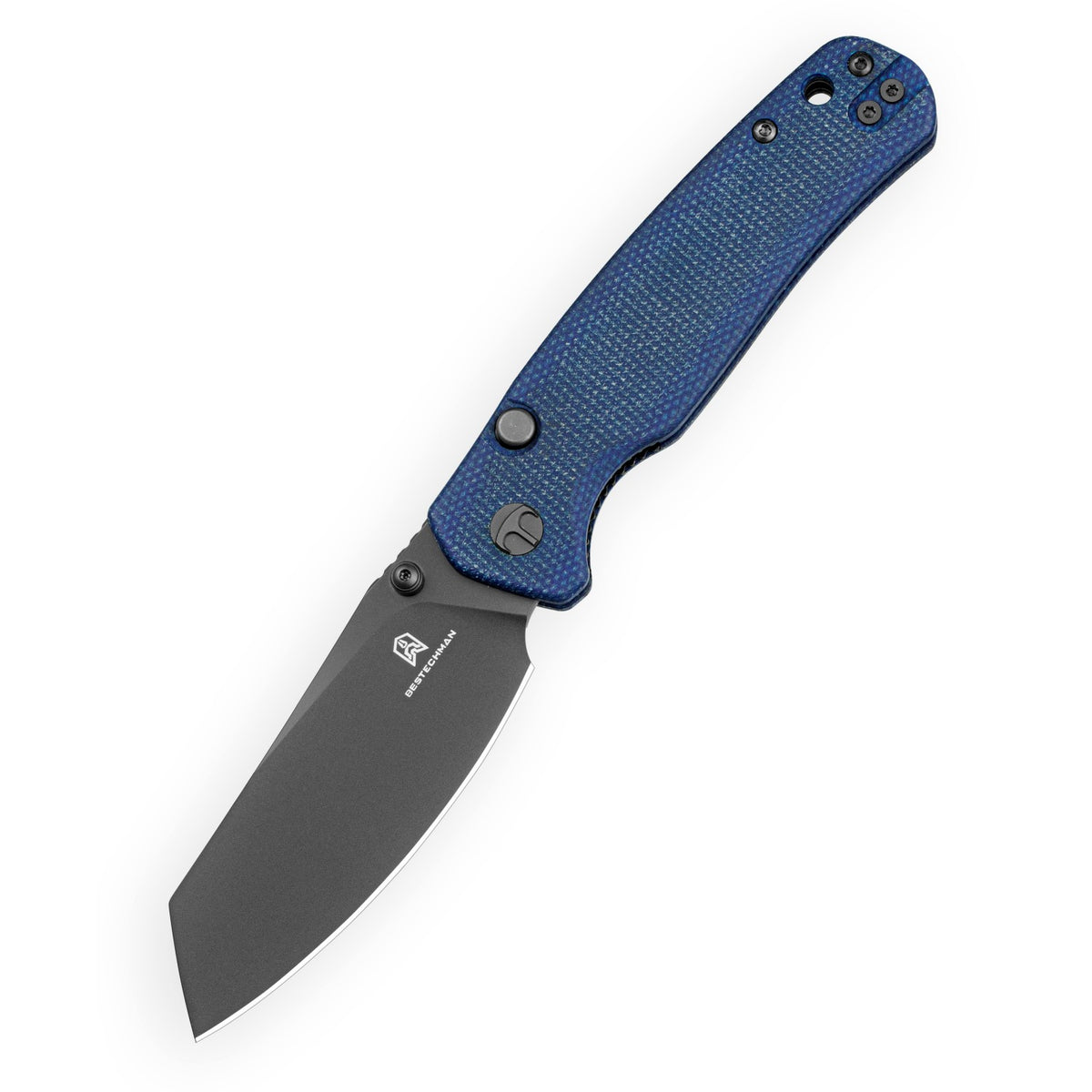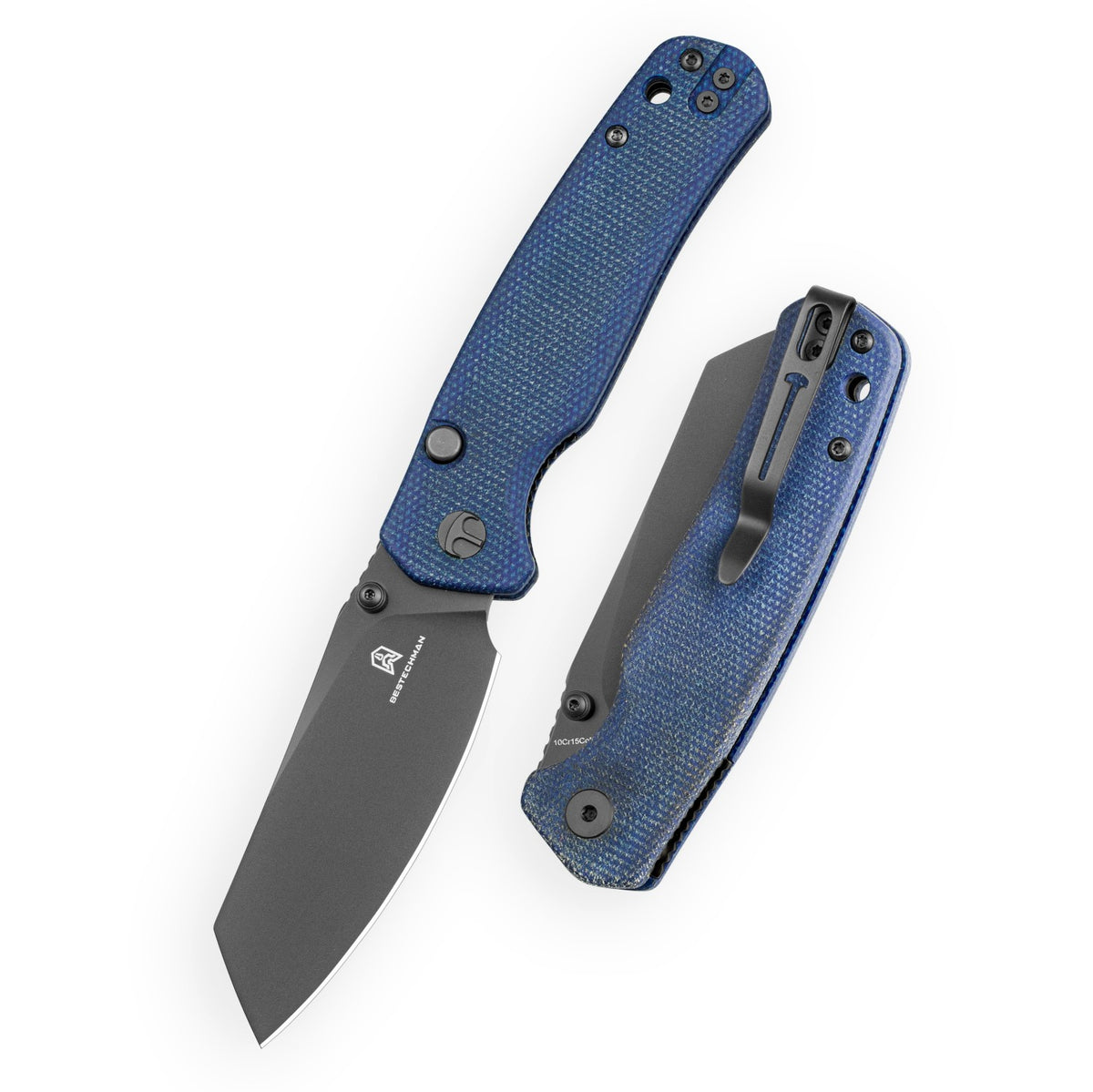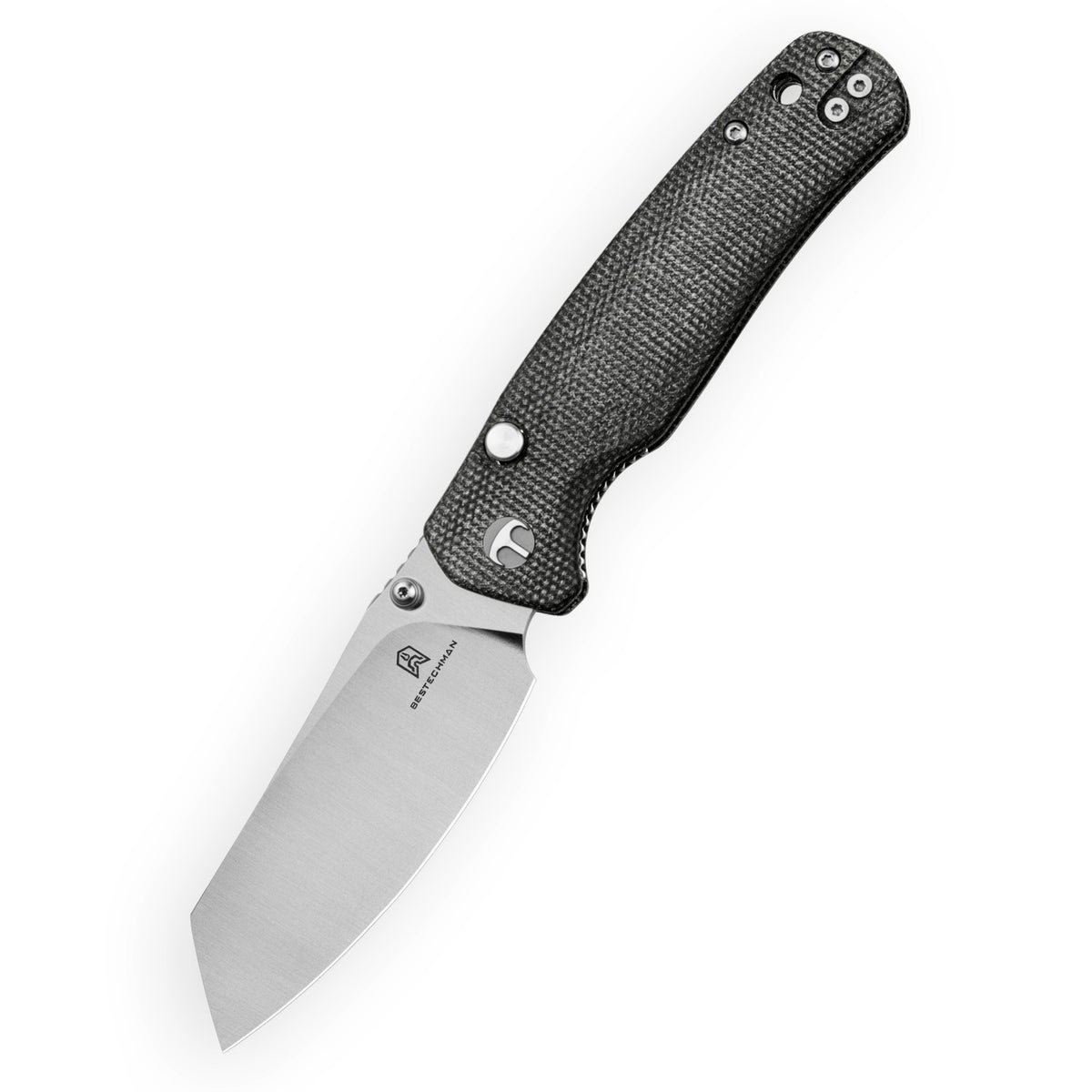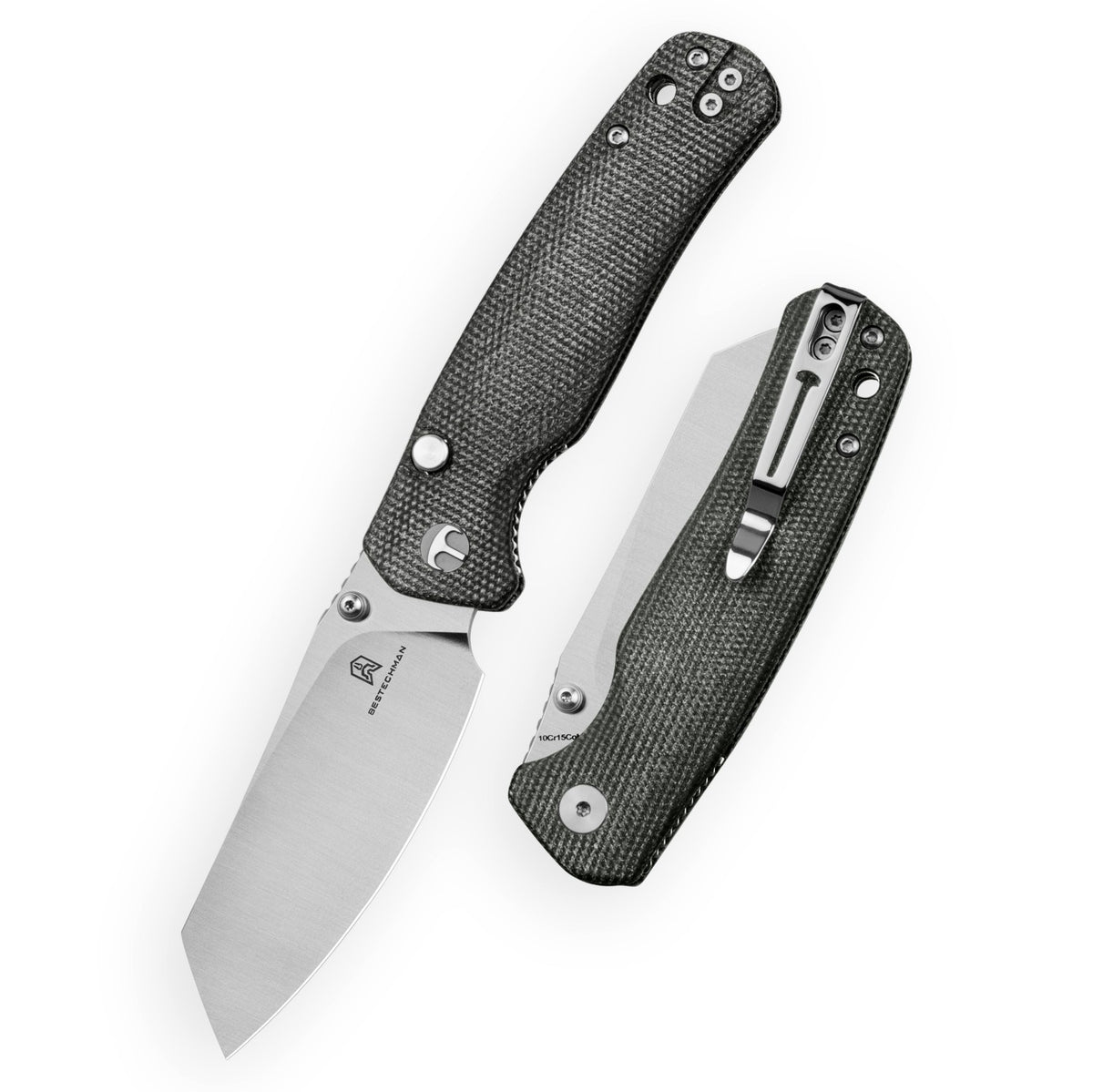


Overview & First Impressions
Titanium is one of the few handle materials that lets you change its color without applying anything to it. Anodizing grows a thin oxide layer on the surface, and the thickness of that layer determines which wavelengths of light reflect back, producing what is known as interference color. That means the color is a property of the metal itself, not a coating, and it will not chip or peel the way paint does.
Materials & Construction
Electric anodizing uses a controlled DC current in an electrolyte bath, and the voltage sets the color precisely: roughly fifteen volts gives bronze, around twenty-five gives blue, and higher voltages push toward violet and green before the oxide becomes too thick and dulls. Flame anodizing uses heat instead, producing a gradient that runs from gold through purple into blue. The flame method is less predictable, which is exactly why collectors value a good one.

Design & Details
Surface preparation decides how good the result looks. A bead blasted or stonewashed surface takes anodizing evenly and reads as a matte color, while a polished surface produces brighter, more saturated hues. Machined edges and chamfers catch light differently from flat faces, so a well-anodized handle shows deliberate structure rather than a flat wash. Two-tone effects come from masking, polishing or re-anodizing selected areas.
Real-World Use
Anodized titanium is durable but not indestructible. Sharp contact with harder metal will scratch through the oxide and reveal the grey metal beneath, which is the honest failure mode of the process. Keep keys away from an anodized handle, and if you scratch one, you can strip the piece with a mild abrasive and re-anodize it. Chlorine and strong acids should be avoided entirely. Oil from your hands will not damage the finish but will dull the saturation slightly.

Ownership Notes
For buyers, anodizing is a useful authenticity signal. A deep, even color across a complex machined surface suggests a maker who invested in surface finishing, while patchy color with visible blotches usually indicates a rushed process. On a premium build, the anodizing is often the cheapest place to see whether the rest of the work was done carefully. Collectors who own both blades and accessories will recognize the logic immediately: a titanium finish is only worth paying for if the underlying machining is clean, and the same is true of every anodized piece in the Kansept EDC gear range. Building a small rotation of EDC knives in matching finishes is a cheaper way to make a kit feel considered than buying a new knife every season.
Who Is This For?
This is for buyers choosing between handle finishes, and for anyone who has bought a titanium piece with a color they did not expect. It is also useful for collectors who want to understand why two apparently identical handles look so different in person.
Final Verdict
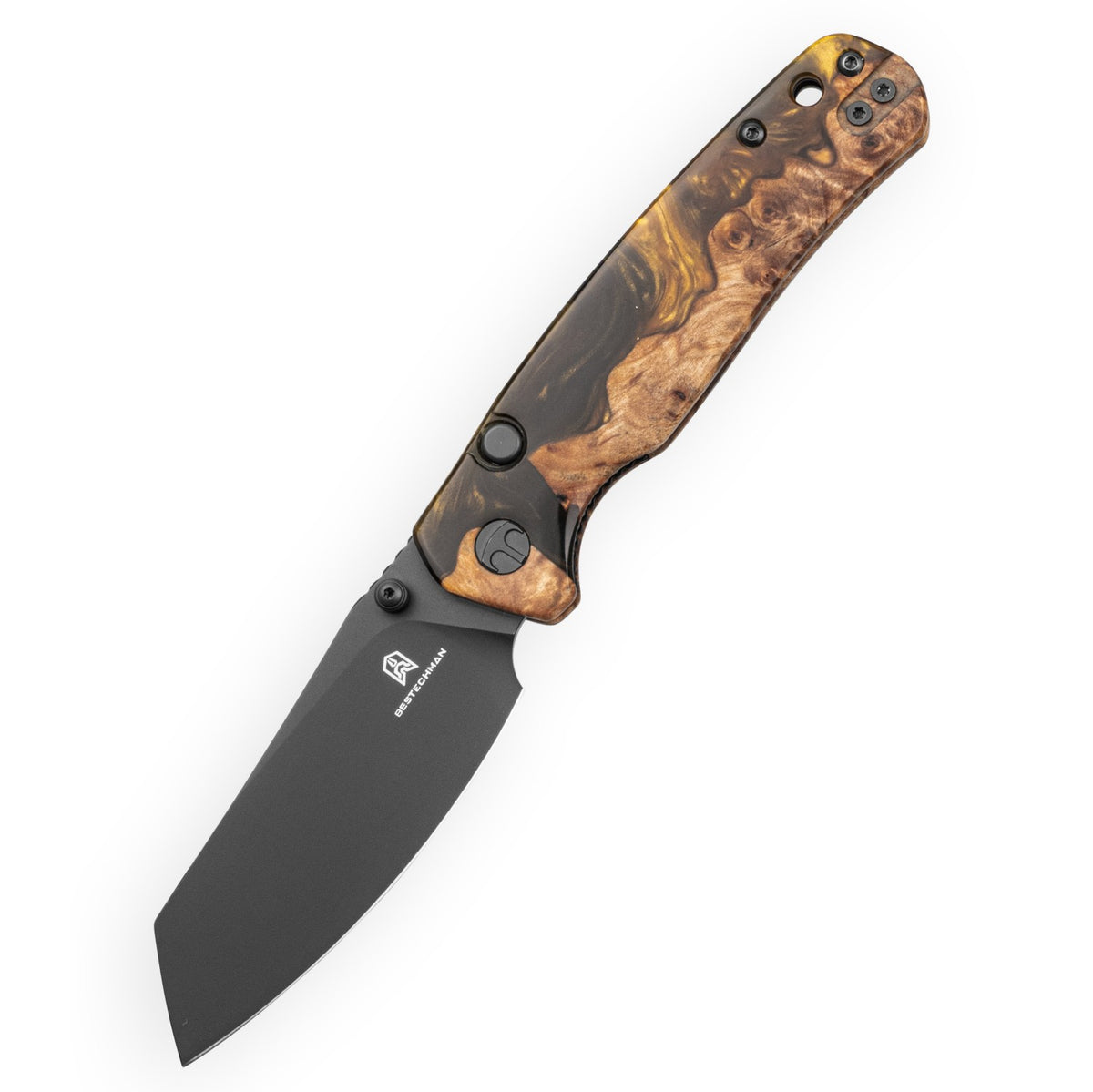
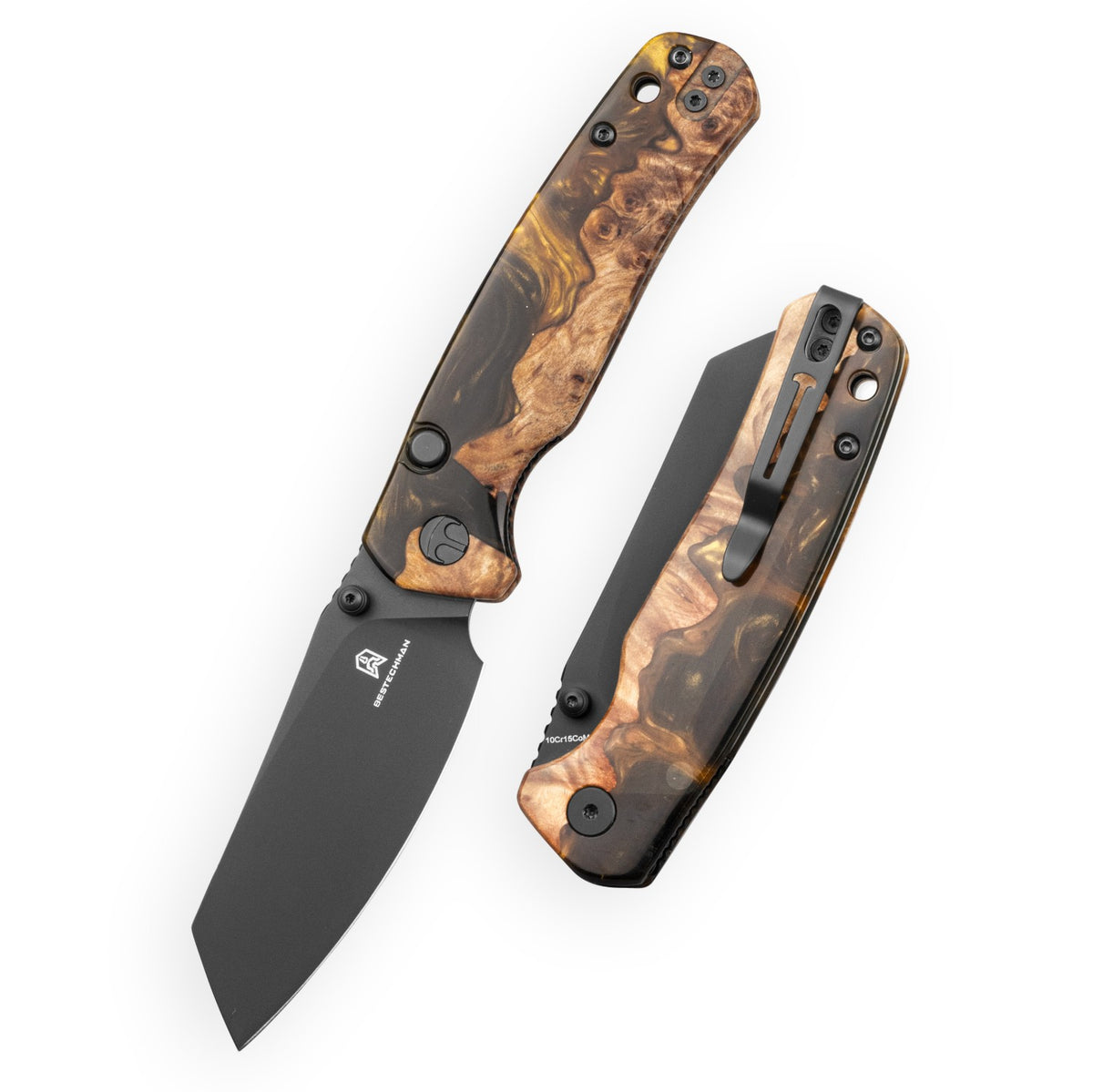
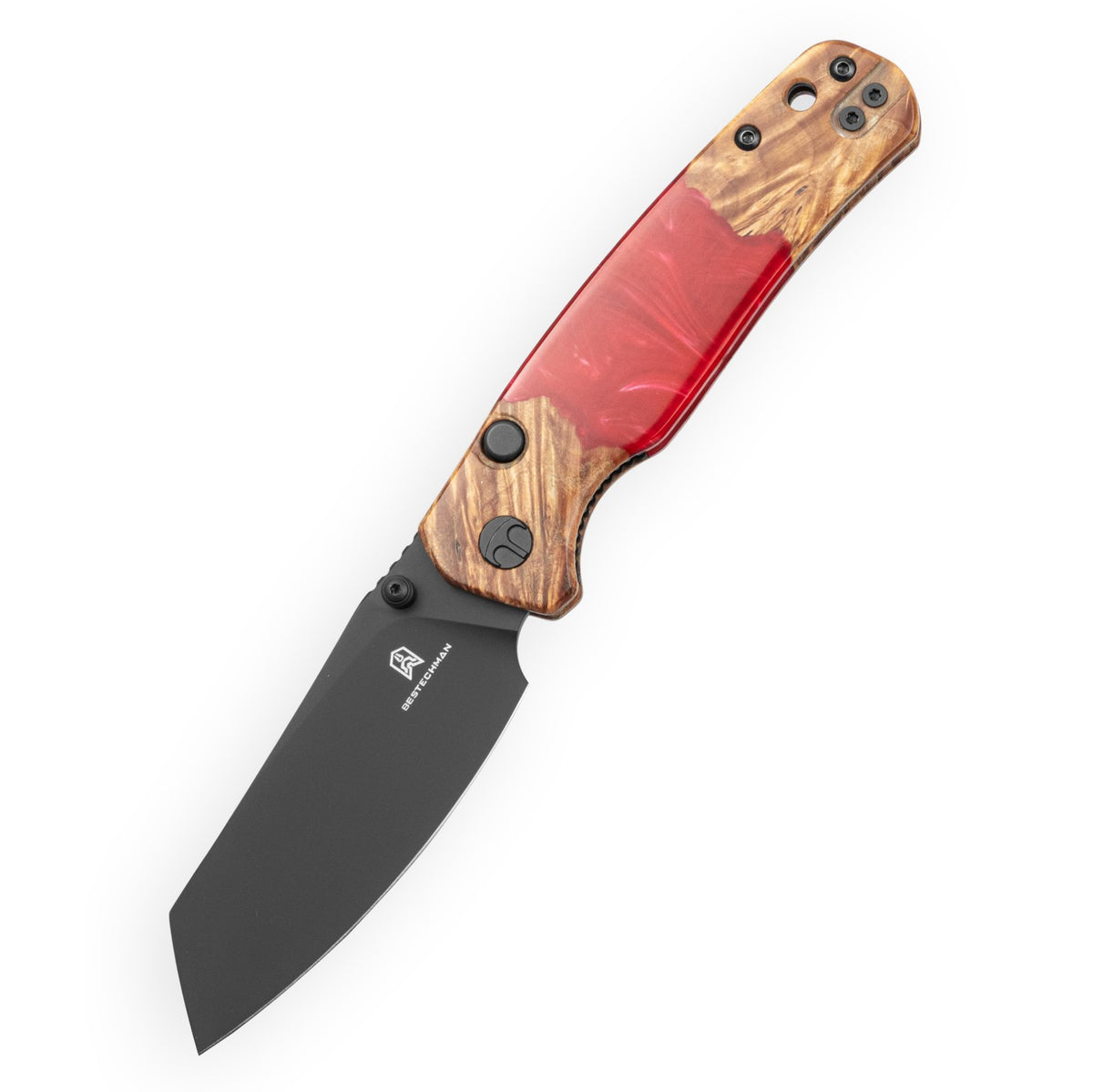
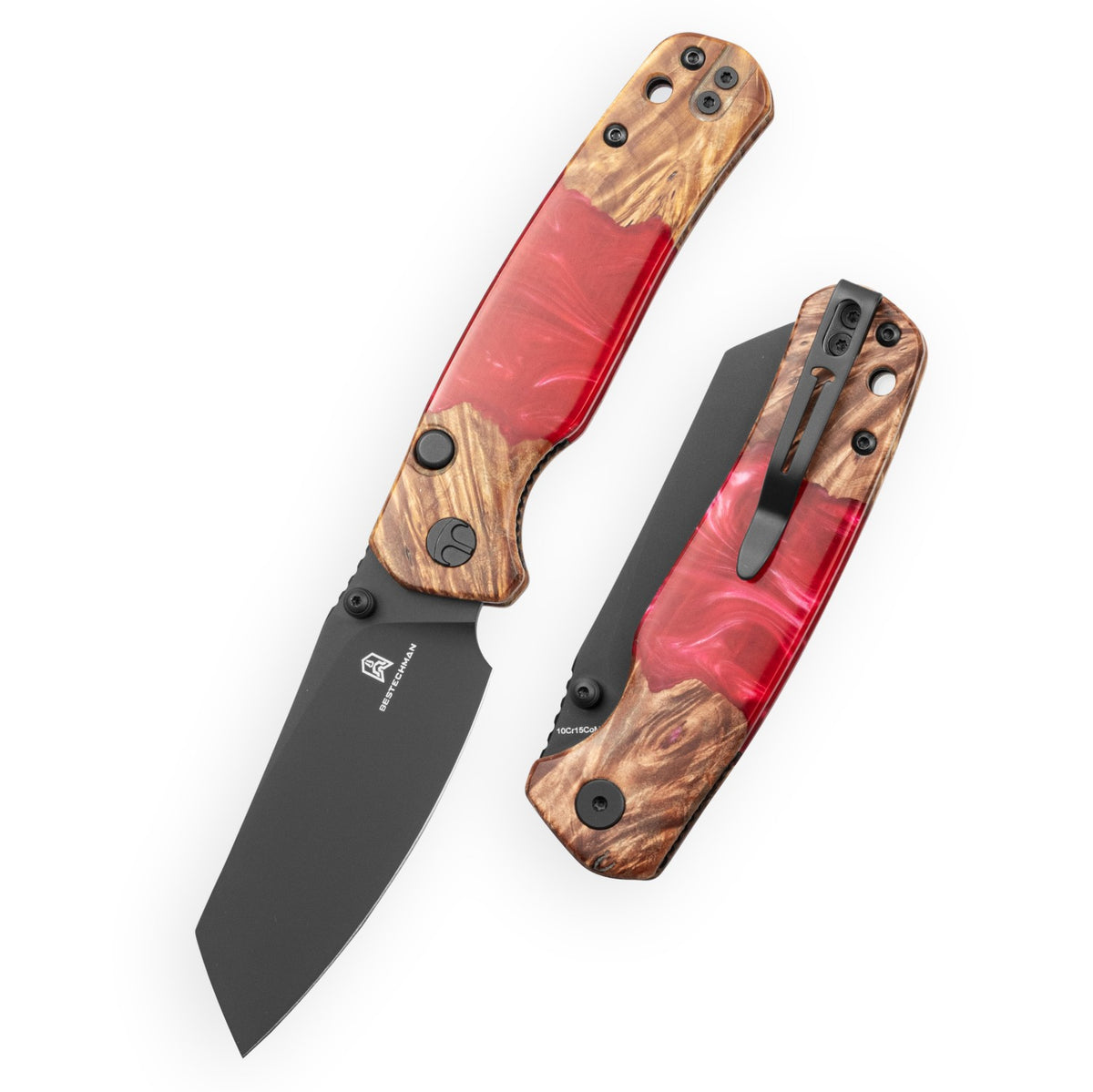
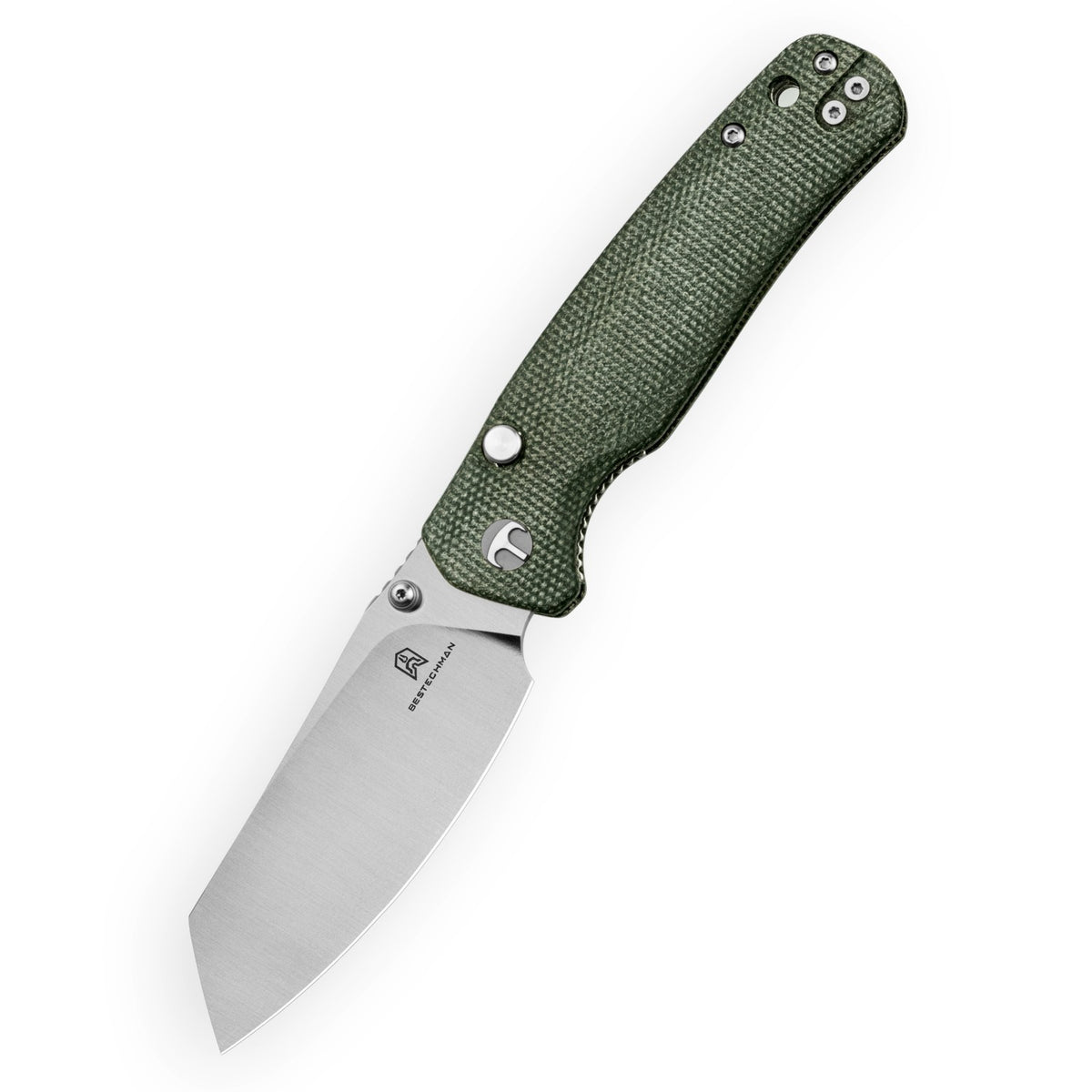
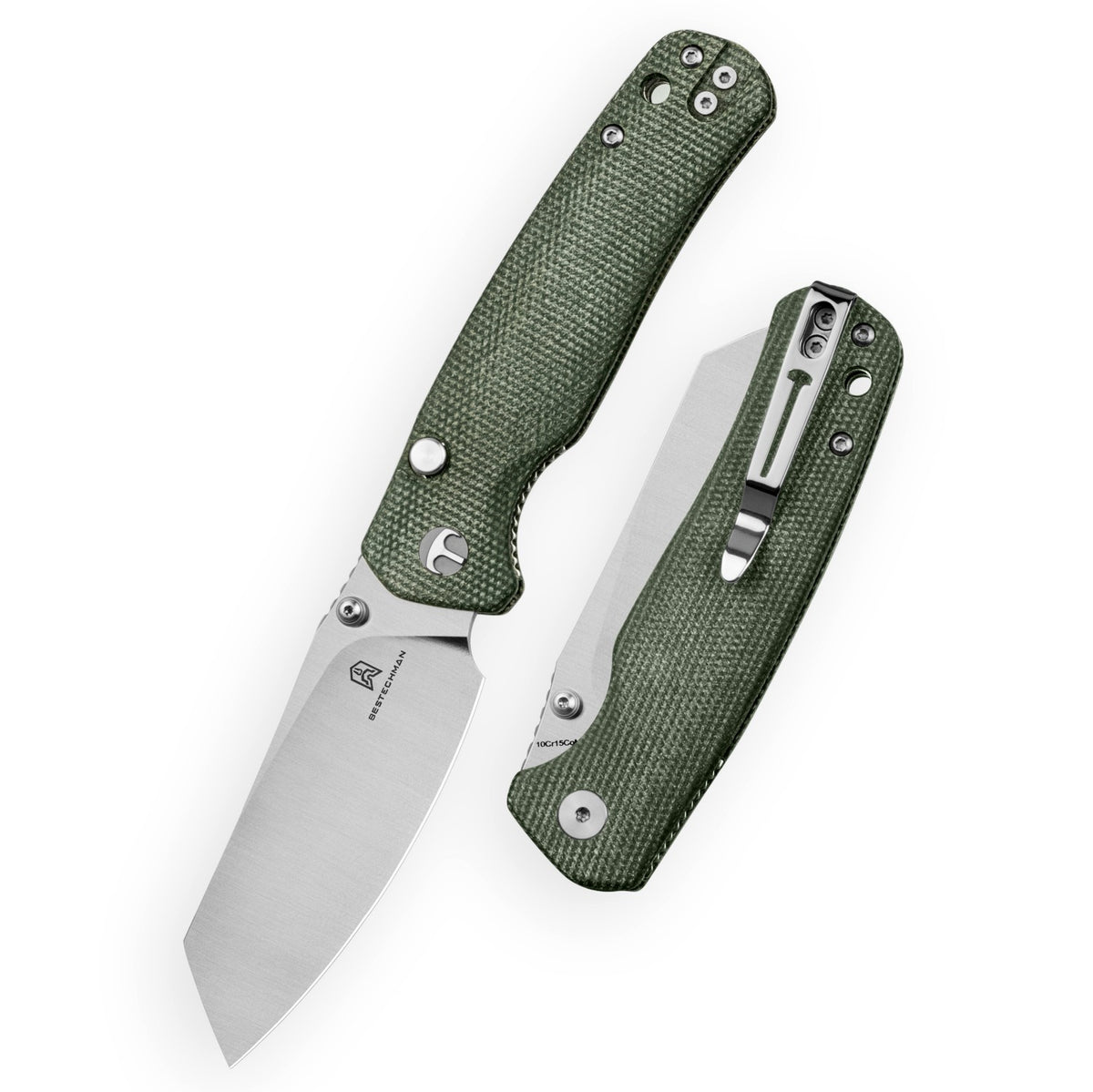
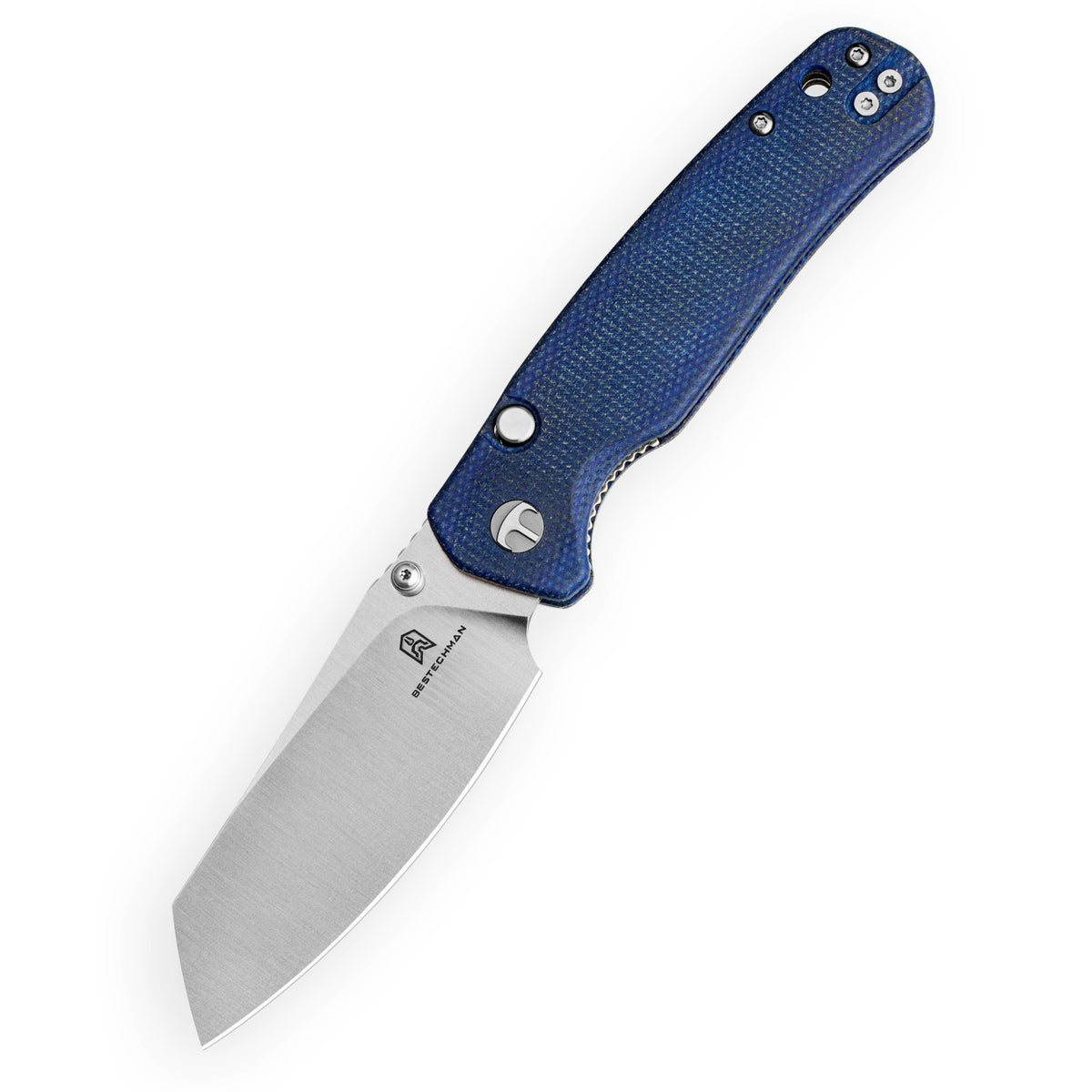
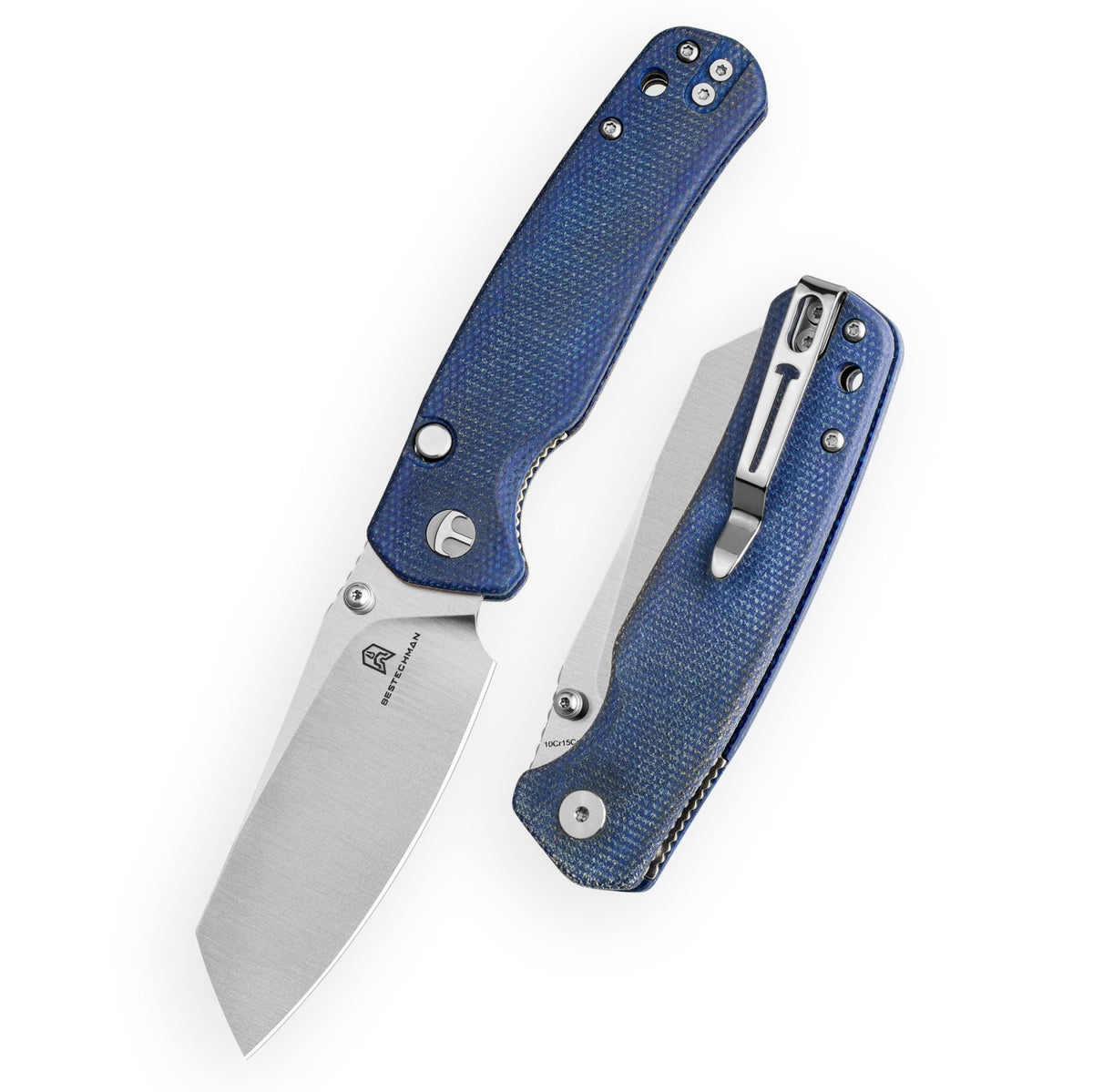
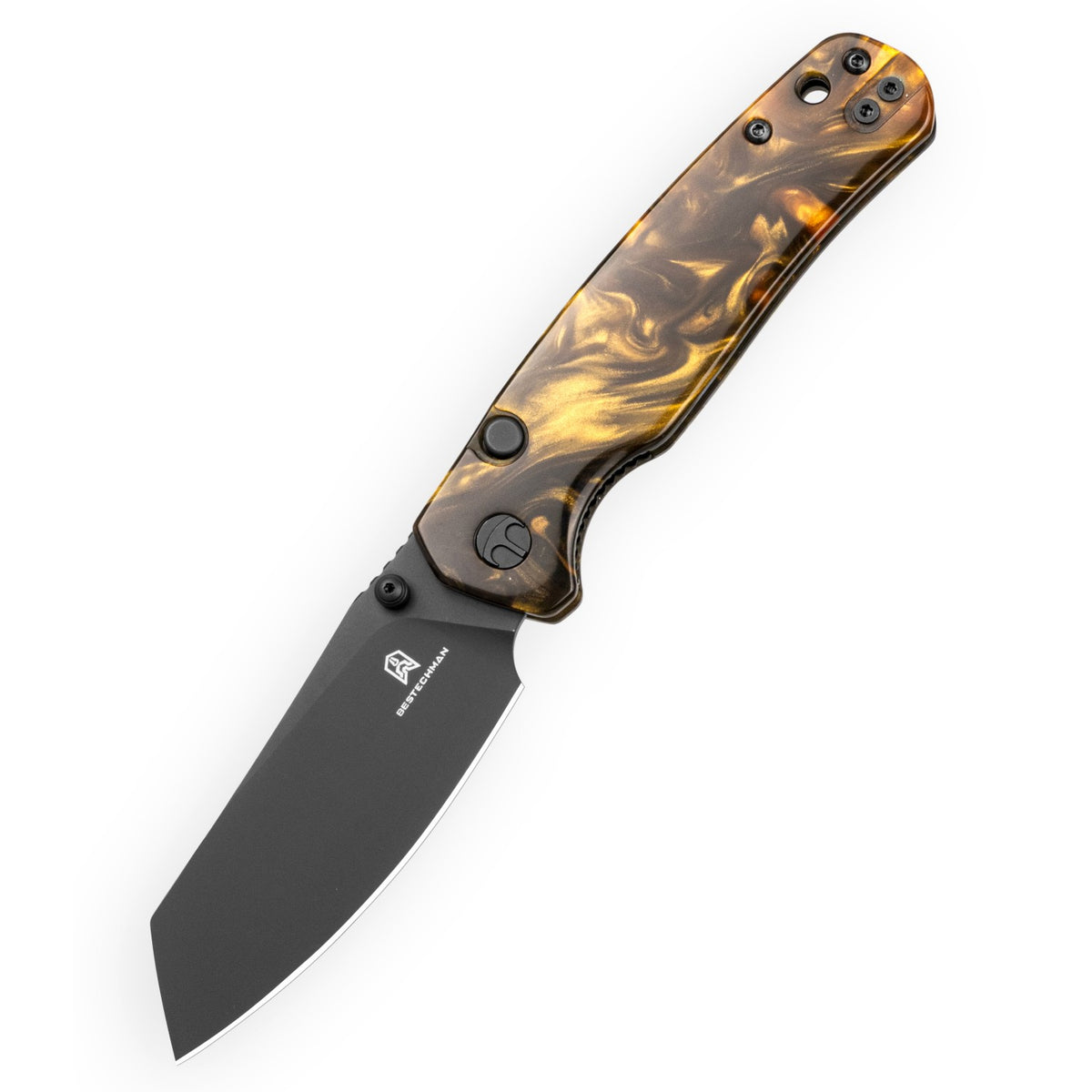
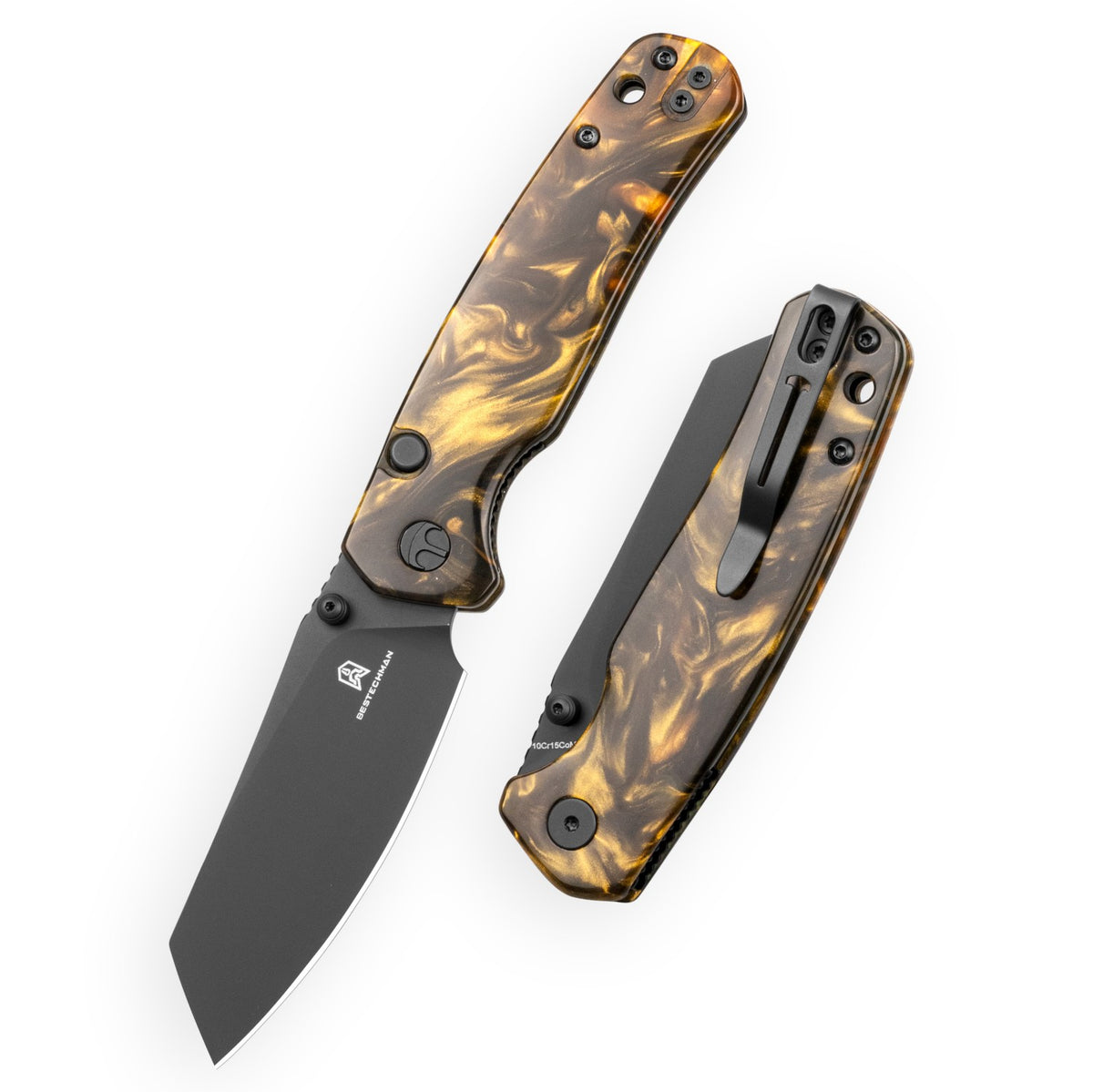
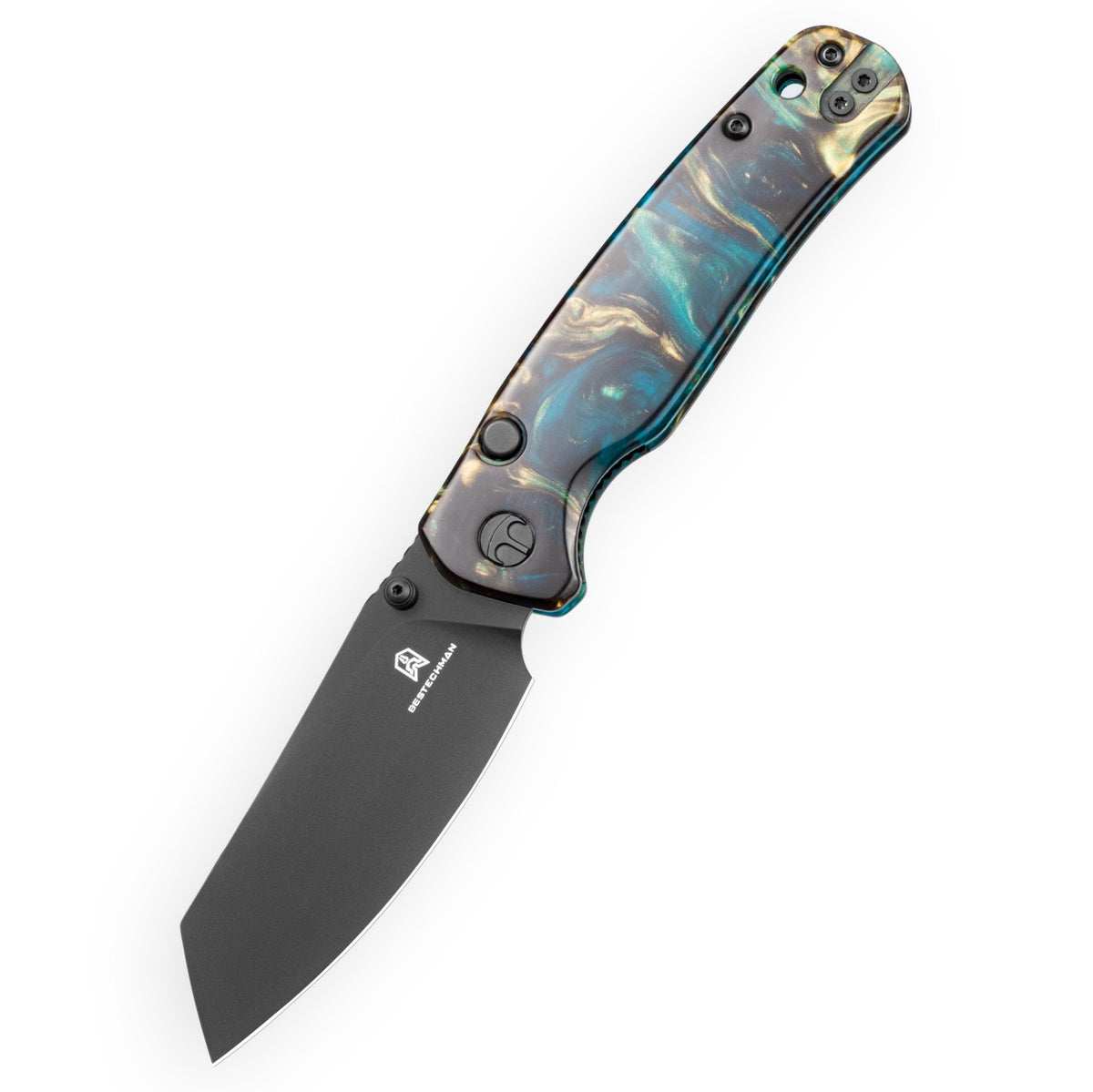
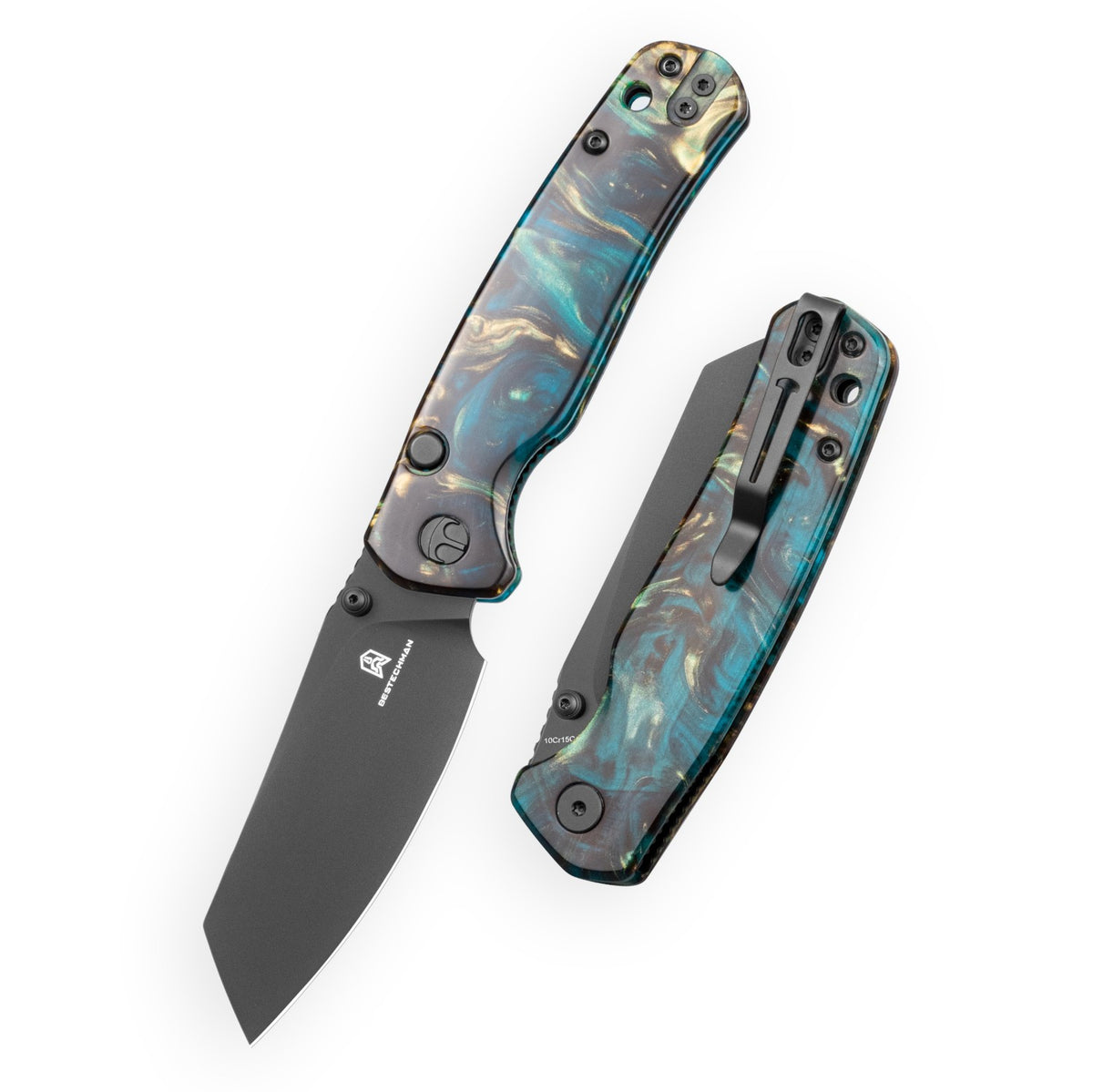
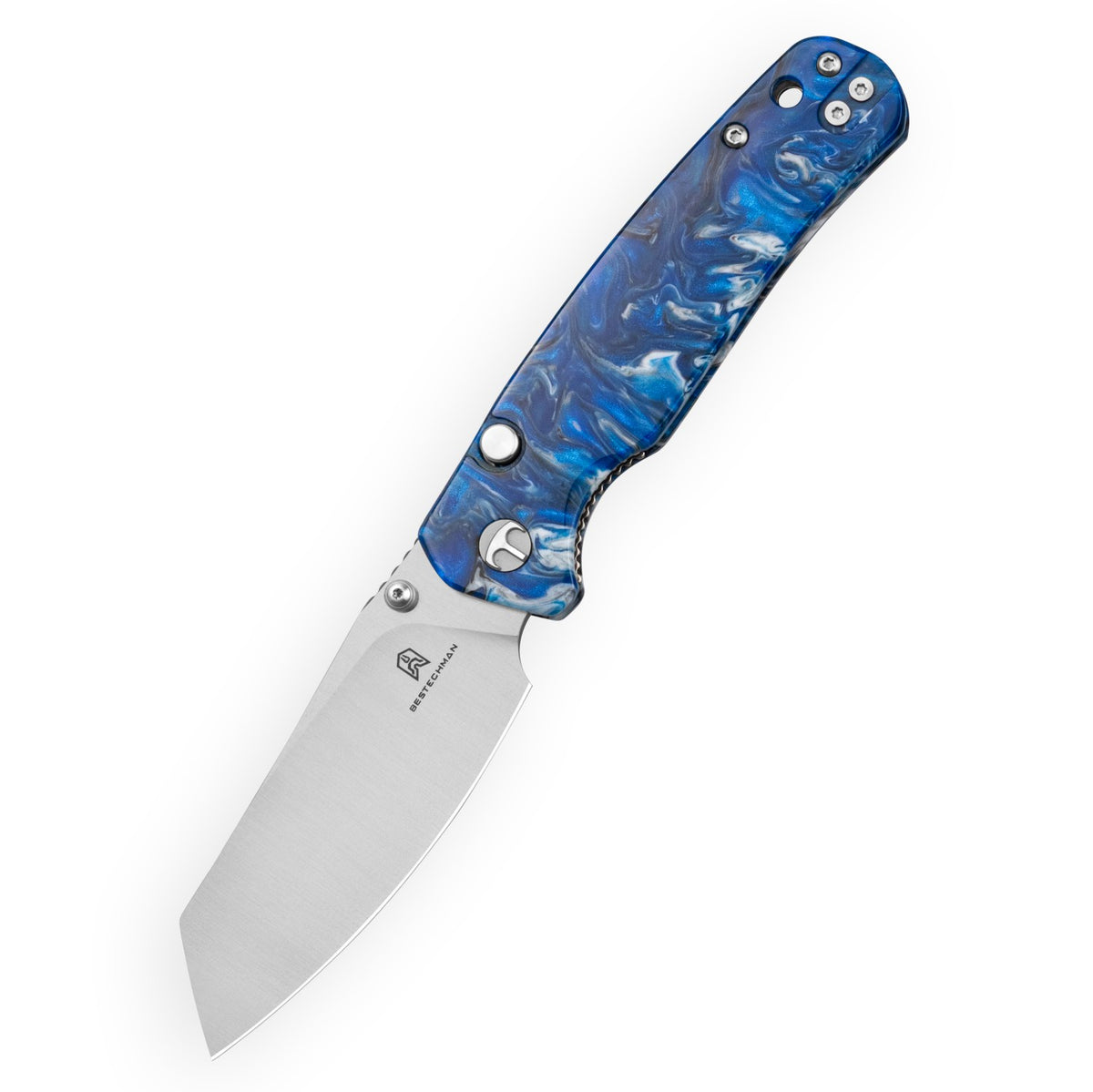
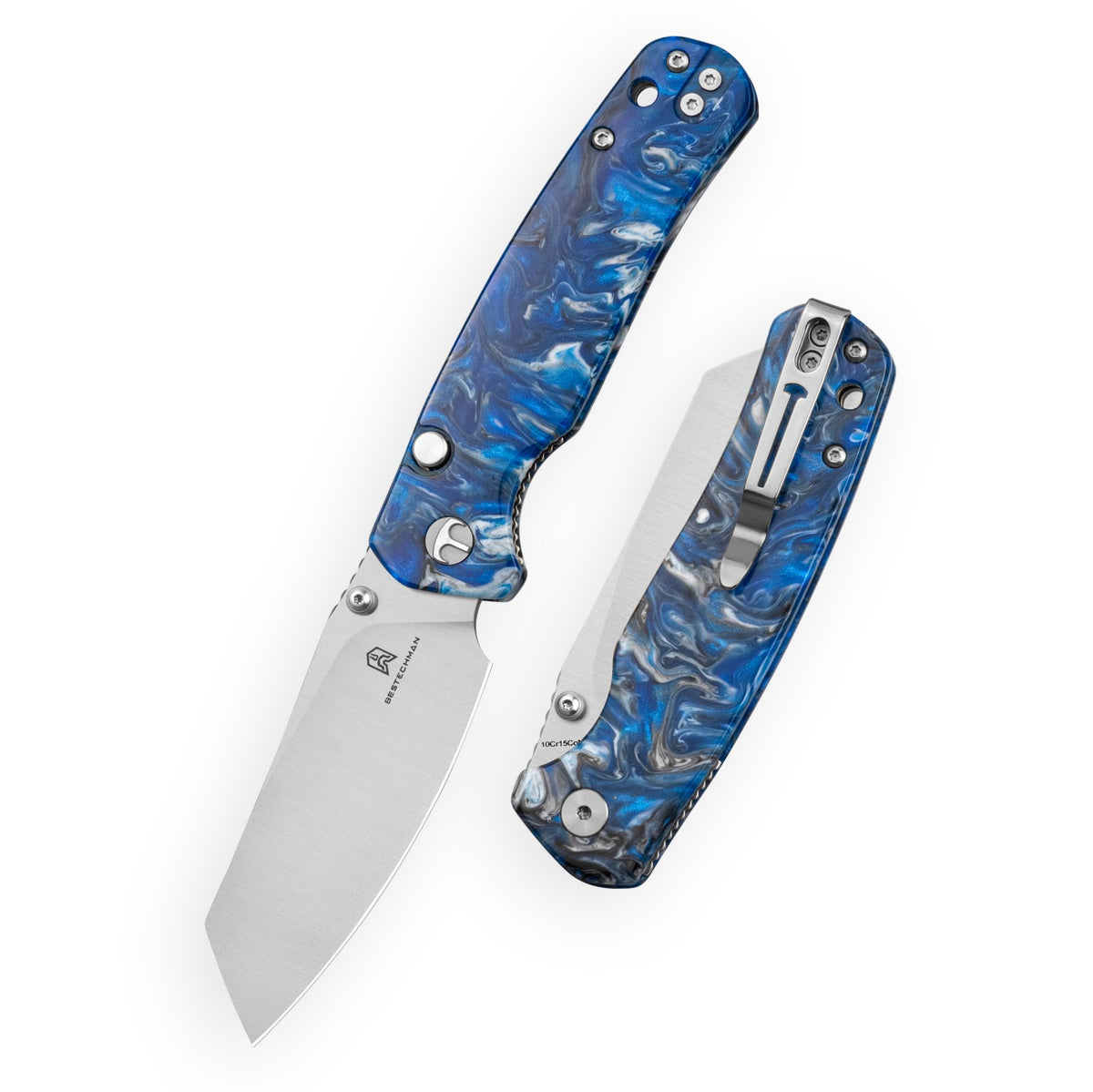
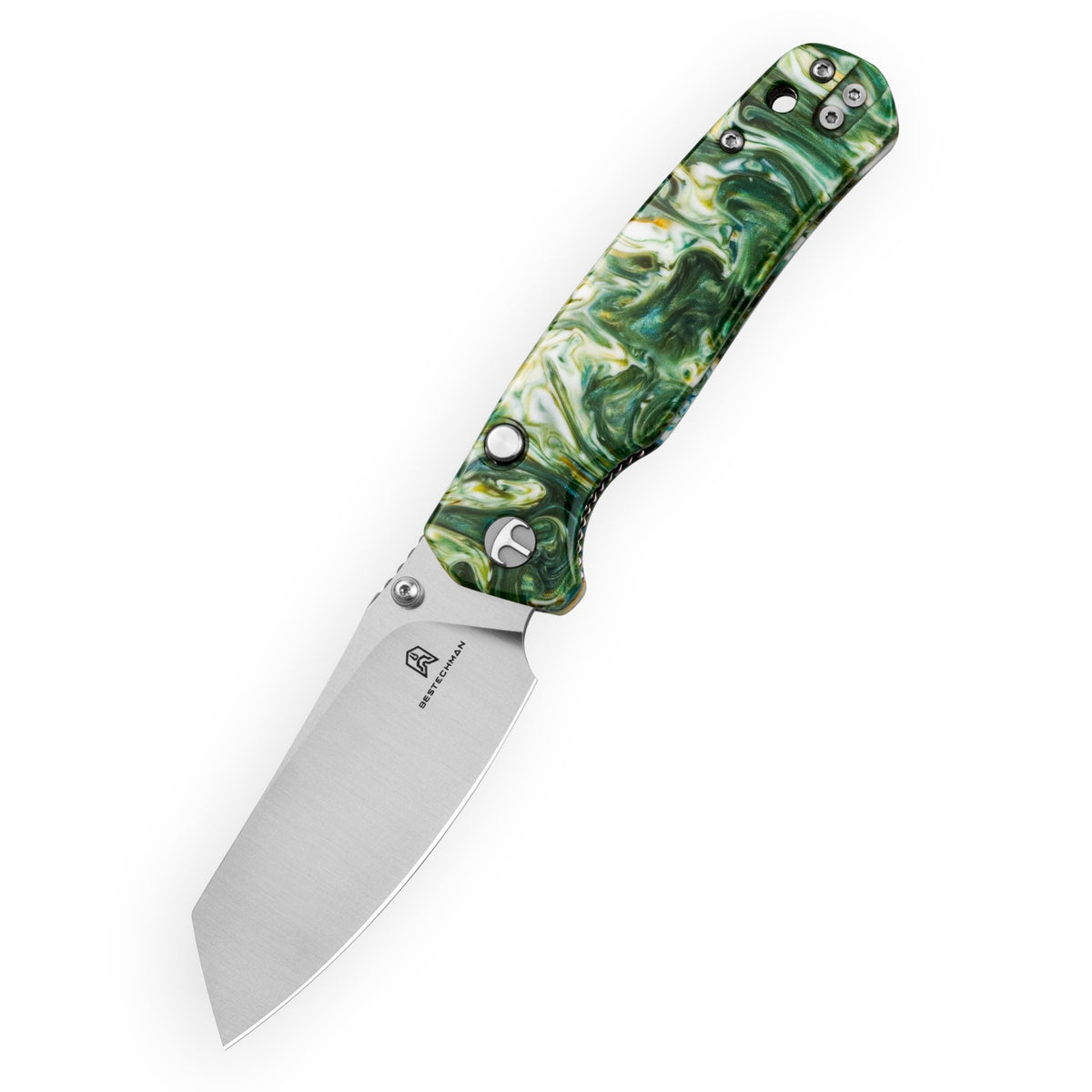
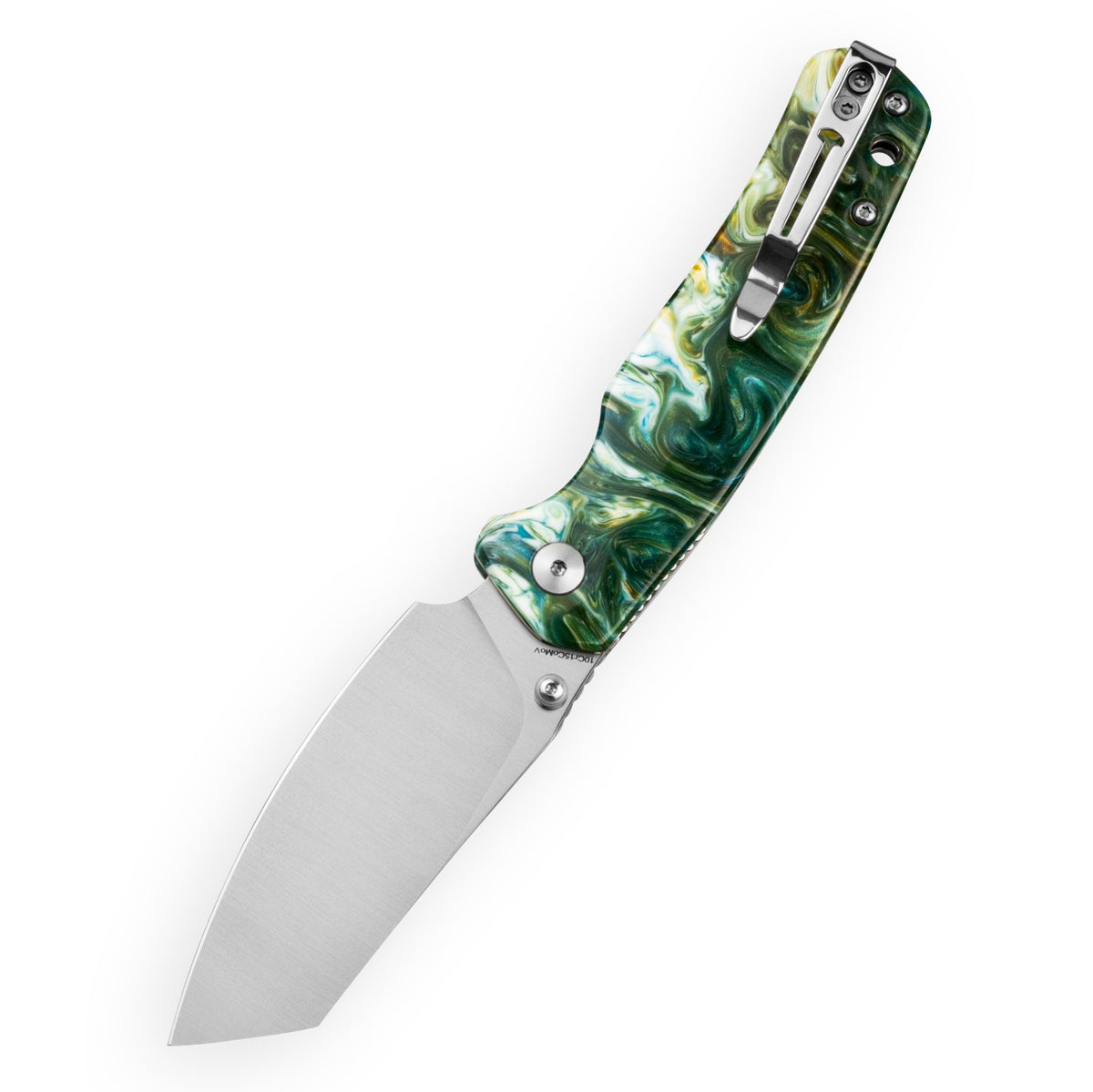
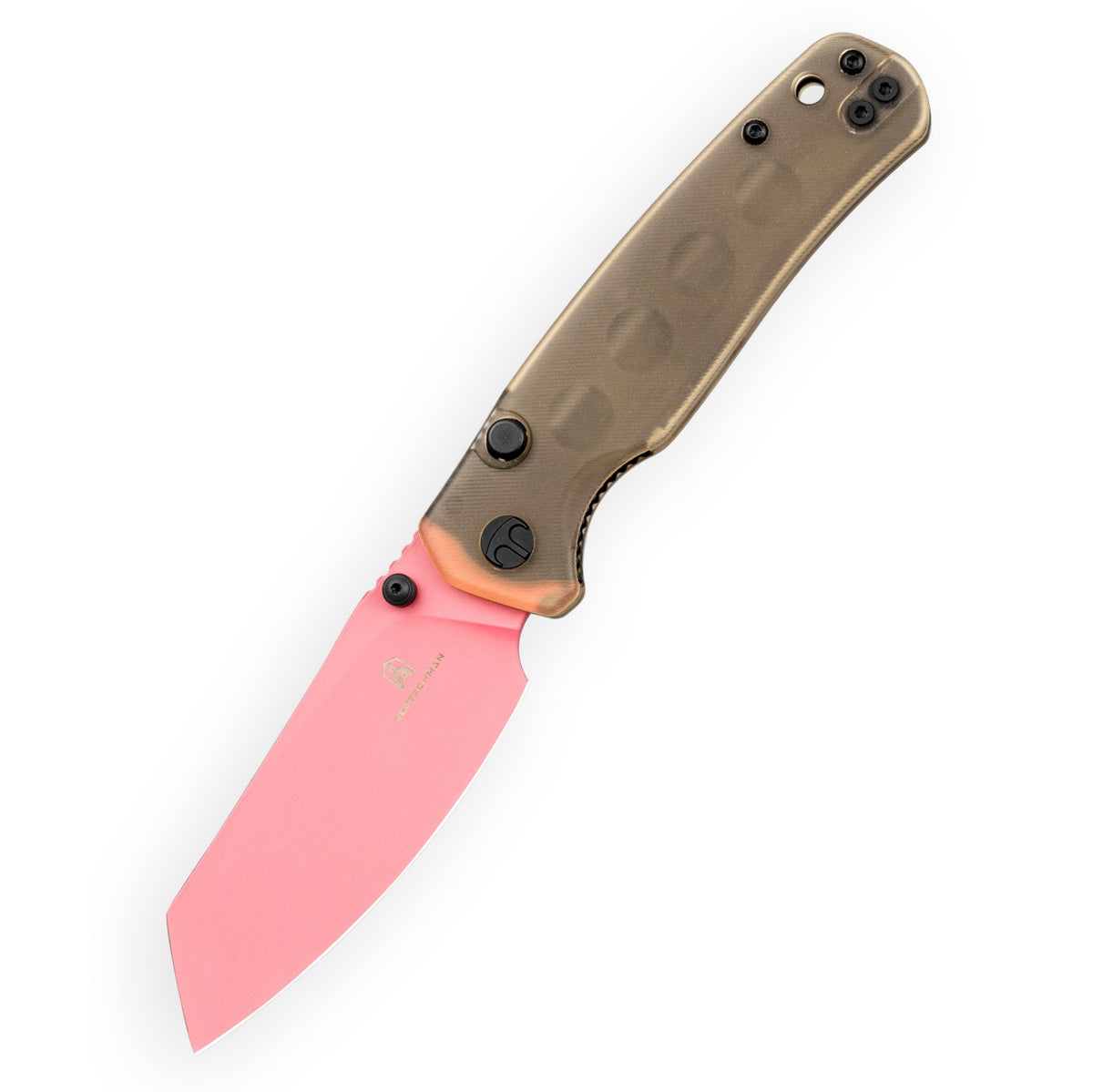
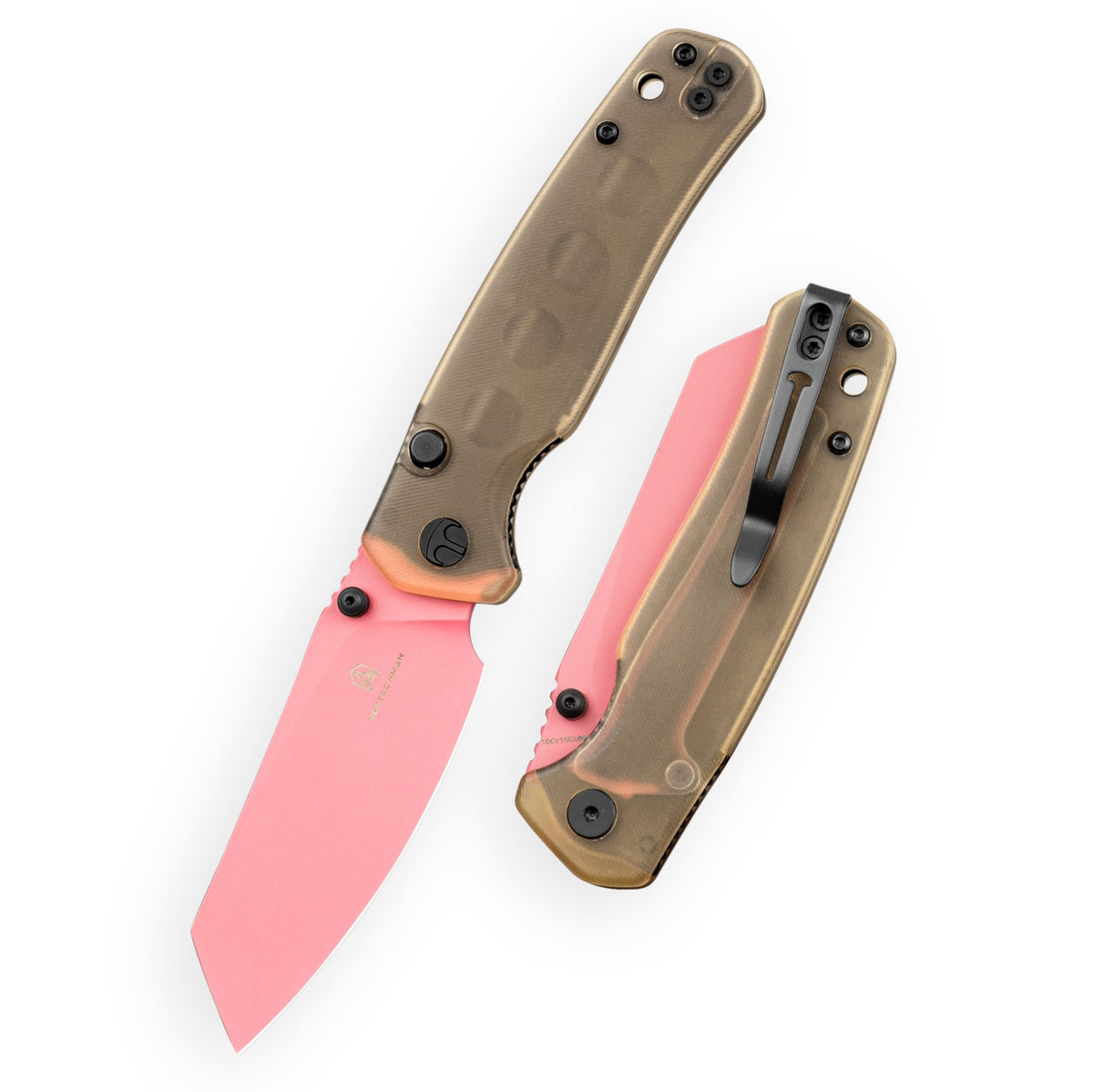
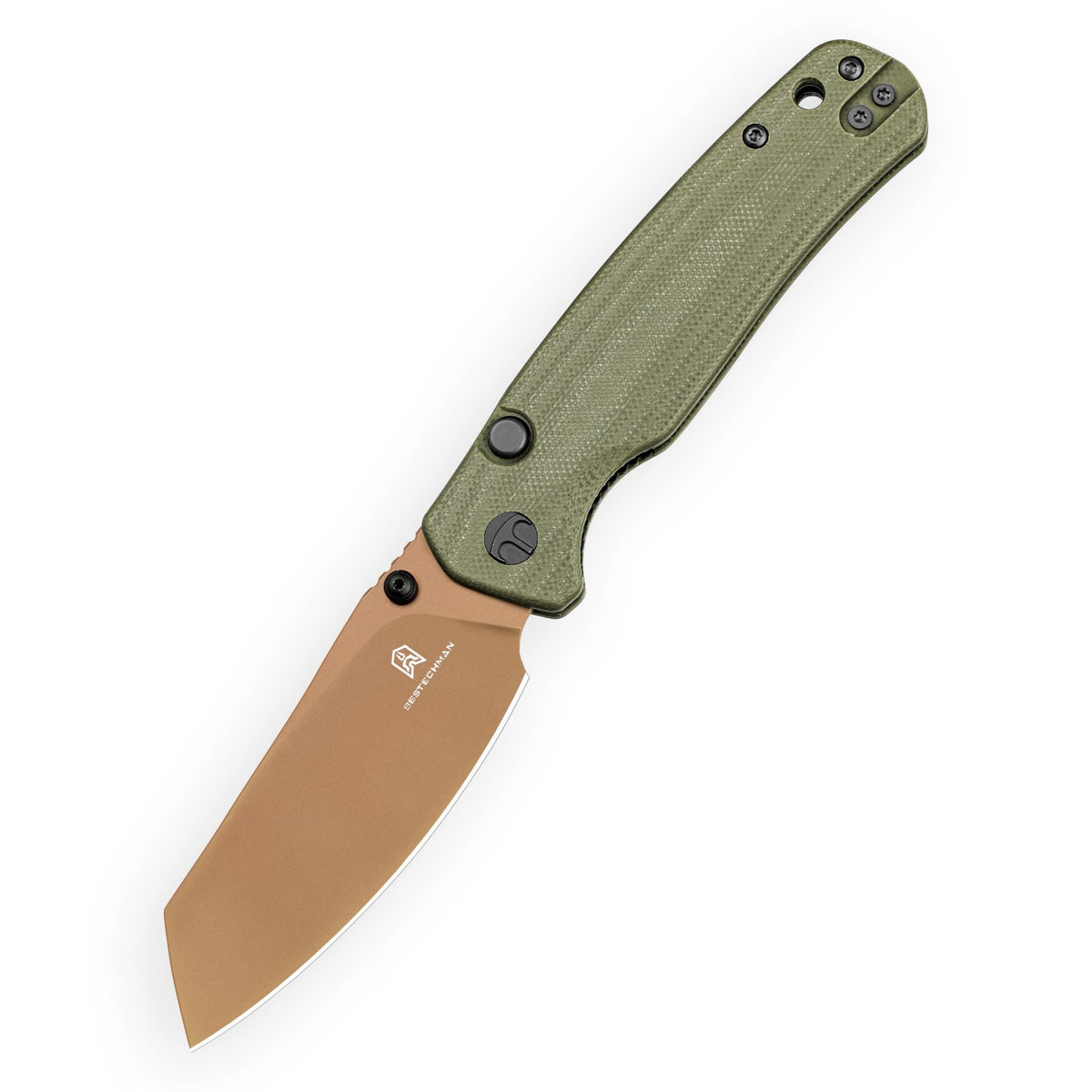
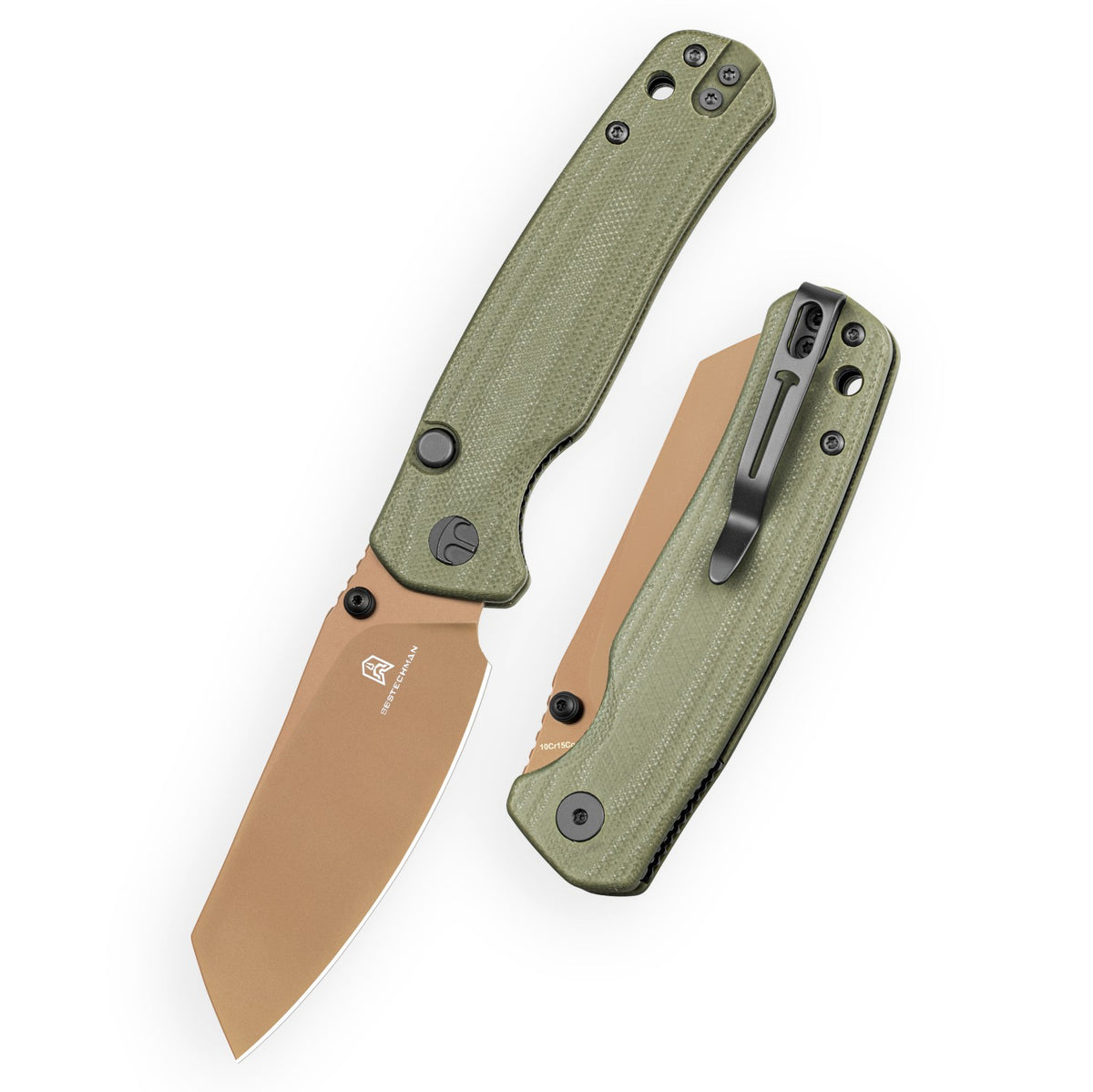
Treat anodizing as a property of the metal rather than decoration, choose the voltage for the color you want, and accept scratch-through as normal aging. The Bestechman Turtle wears titanium with a button lock that suits the material, and the full Bestechman knives range at EdcMall shows how many finish variants a single model can carry.
Shop the Bestechman Turtle BM20C 14C28N Titanium Button Lock at EdcMall