

Overview & First Impressions
A tow operator never knows what the next call looks like. It might be a dead battery in a car park or a rollover on a highway shoulder at two in the morning, with traffic passing feet away. The job is physical, dirty and often urgent, and the EDC knives a driver keeps in the cab are used on straps, tarps, packaging and debris far more often than on anything heroic.
Materials & Construction
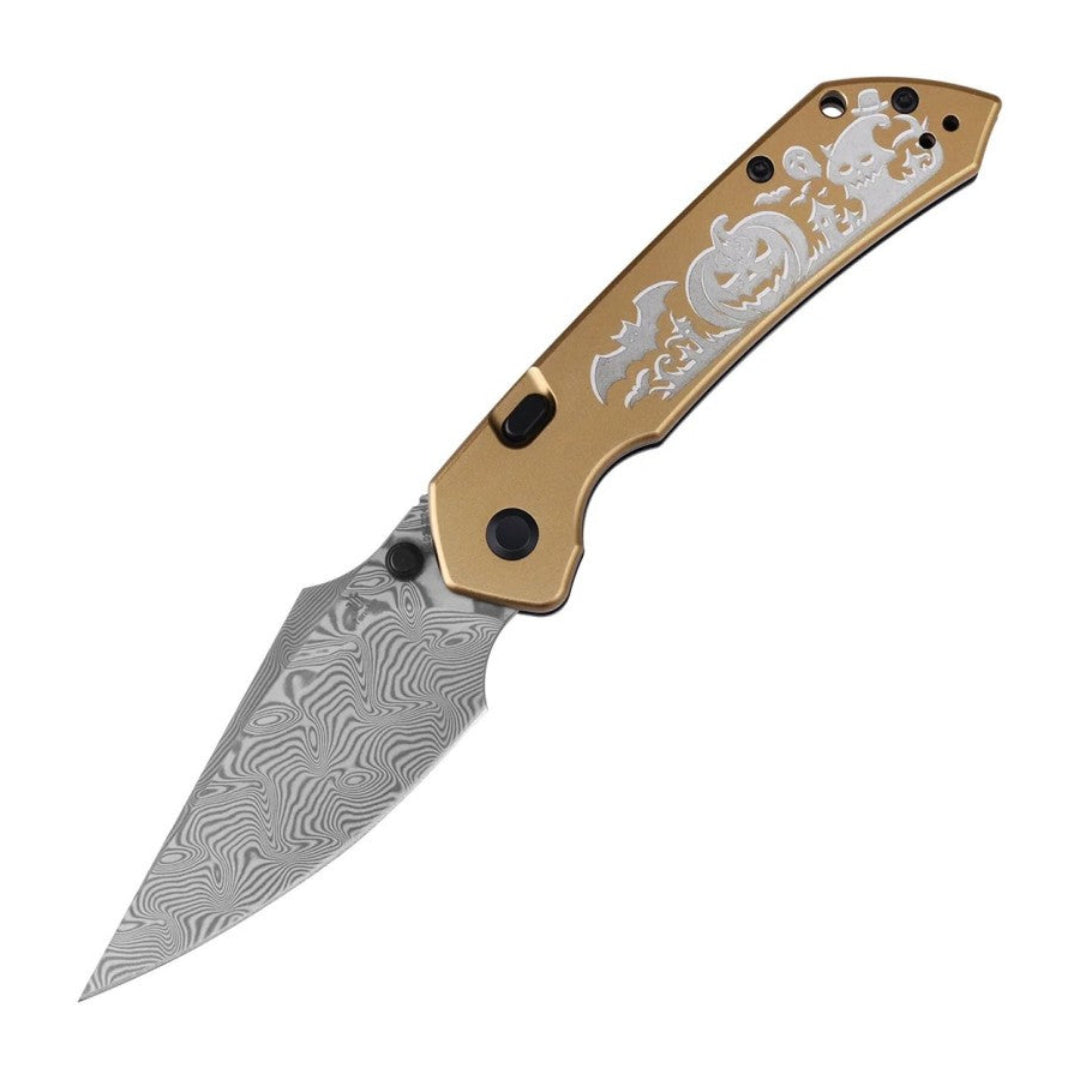
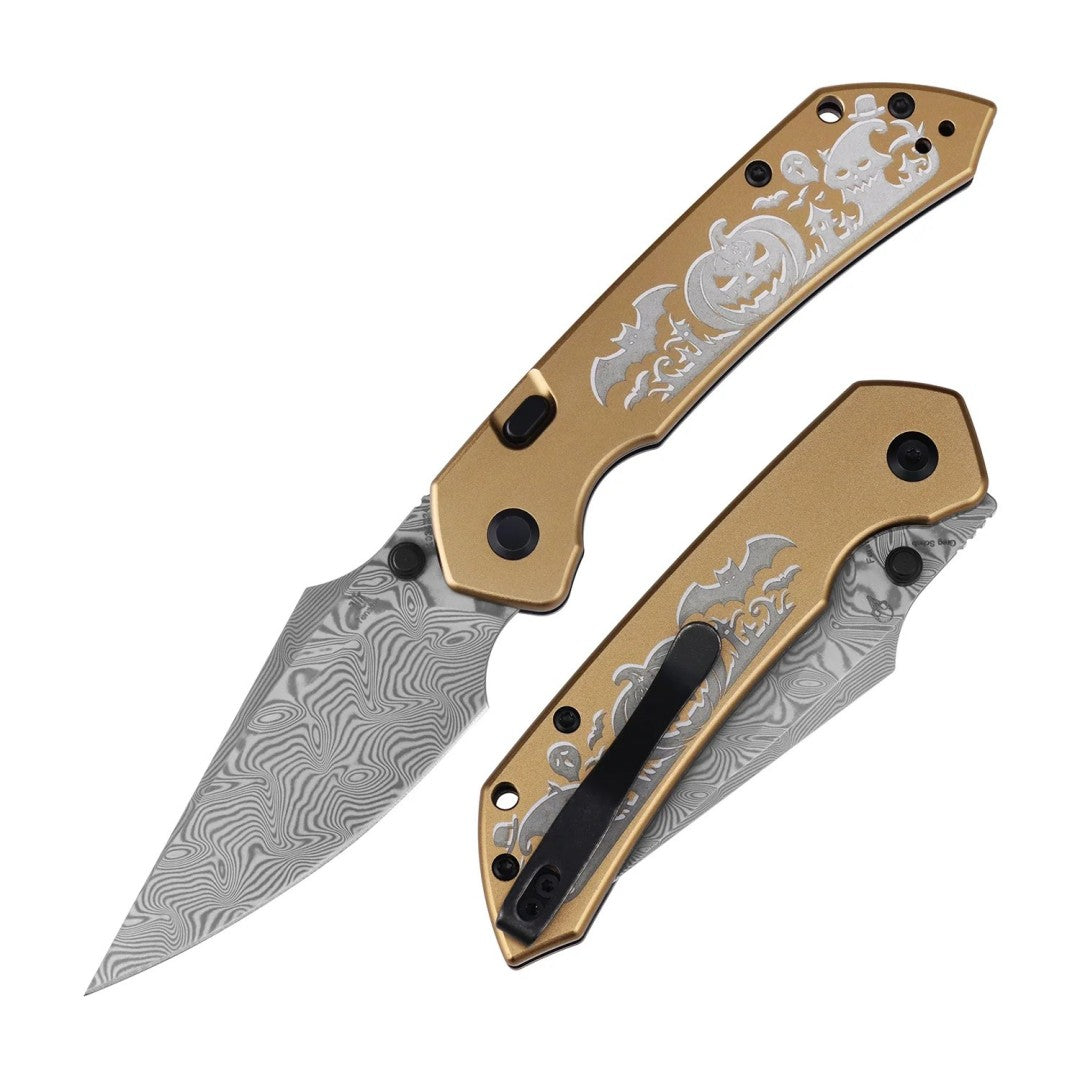
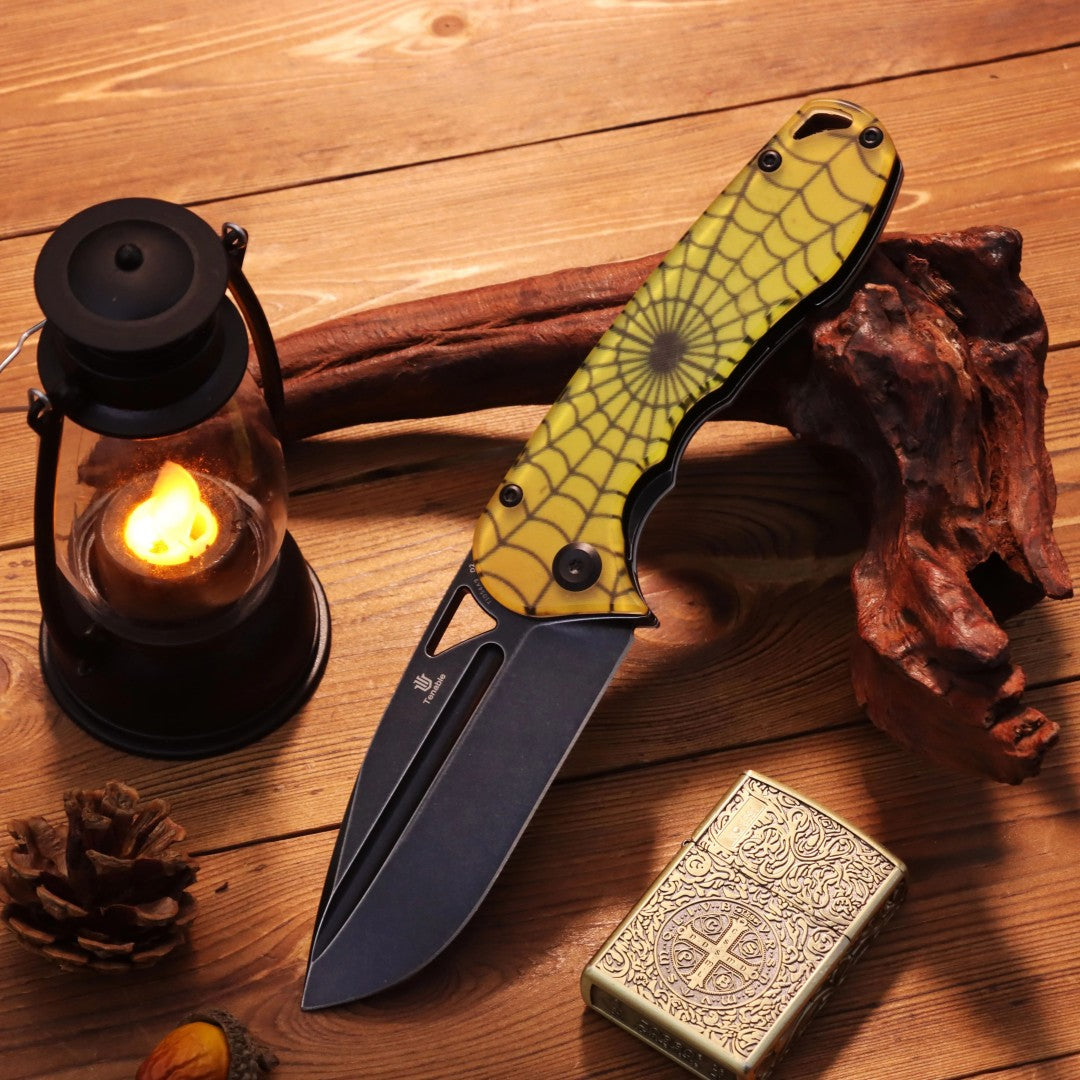
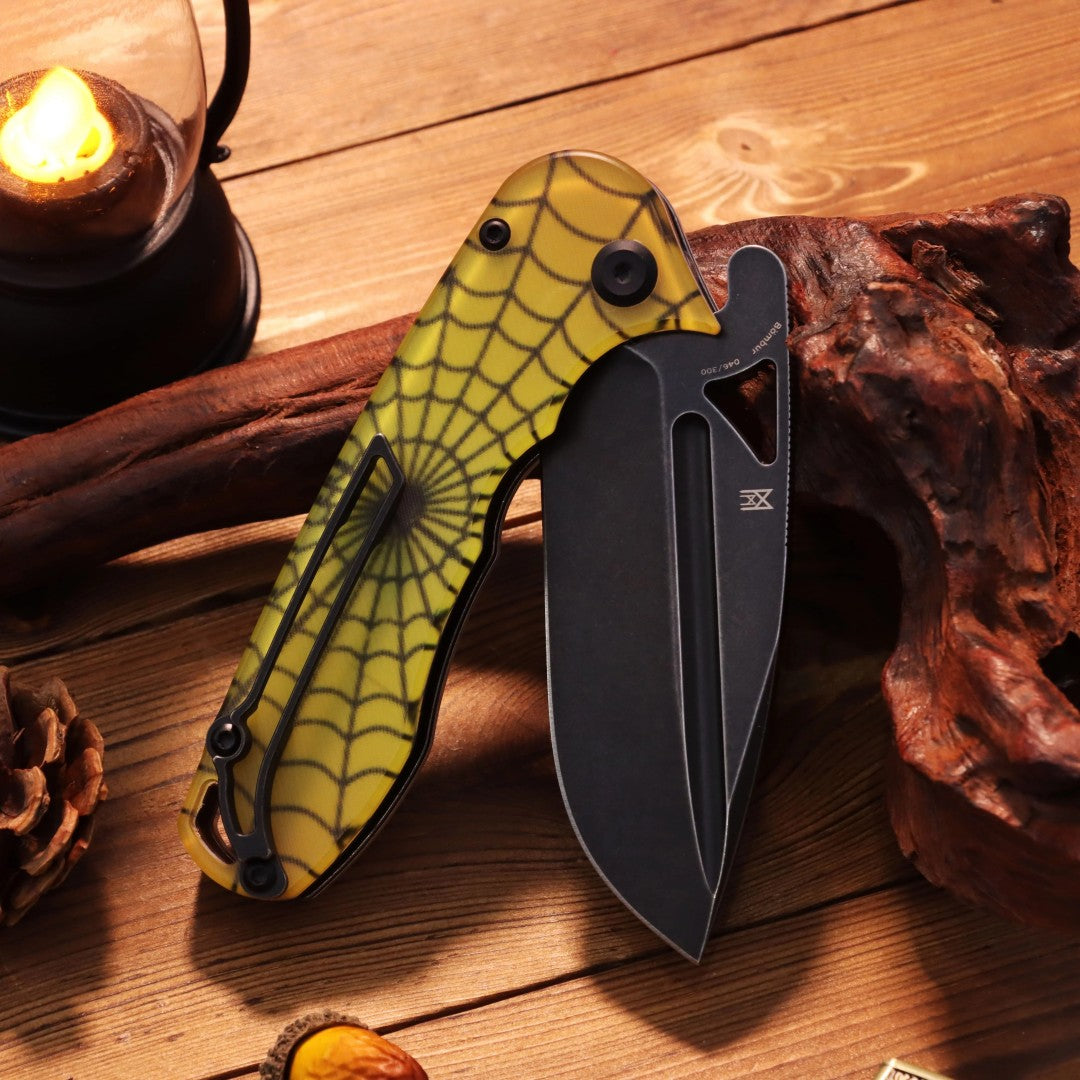
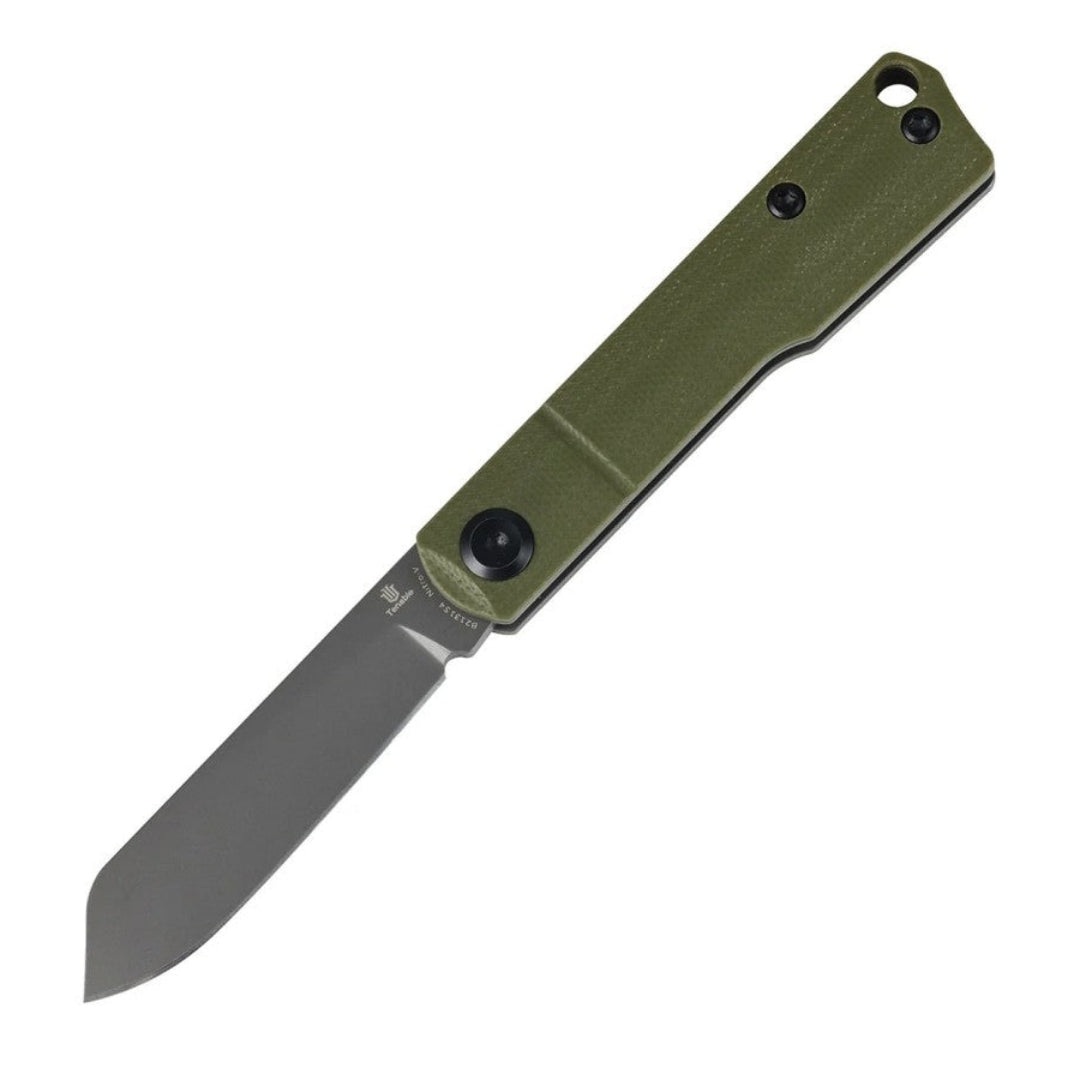
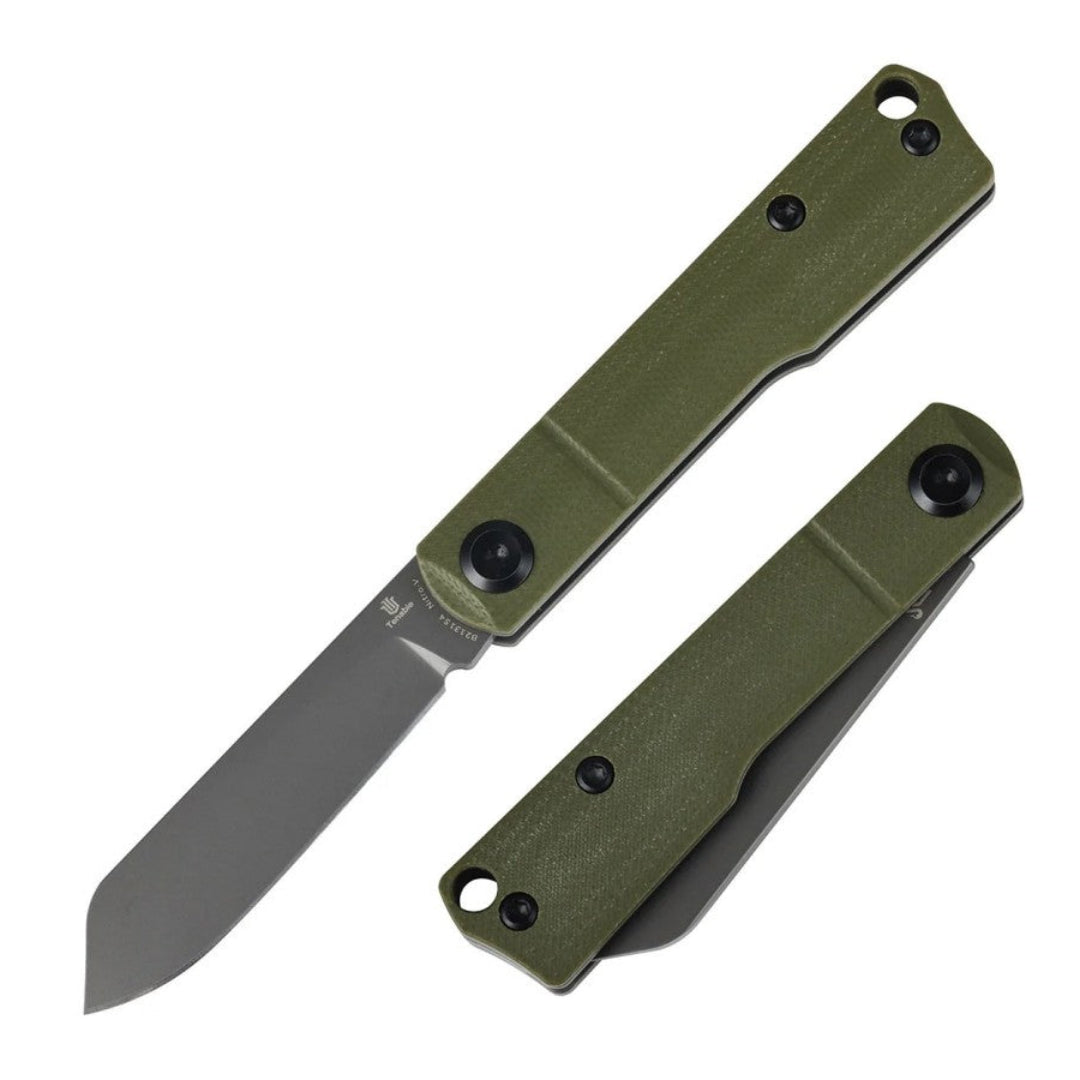
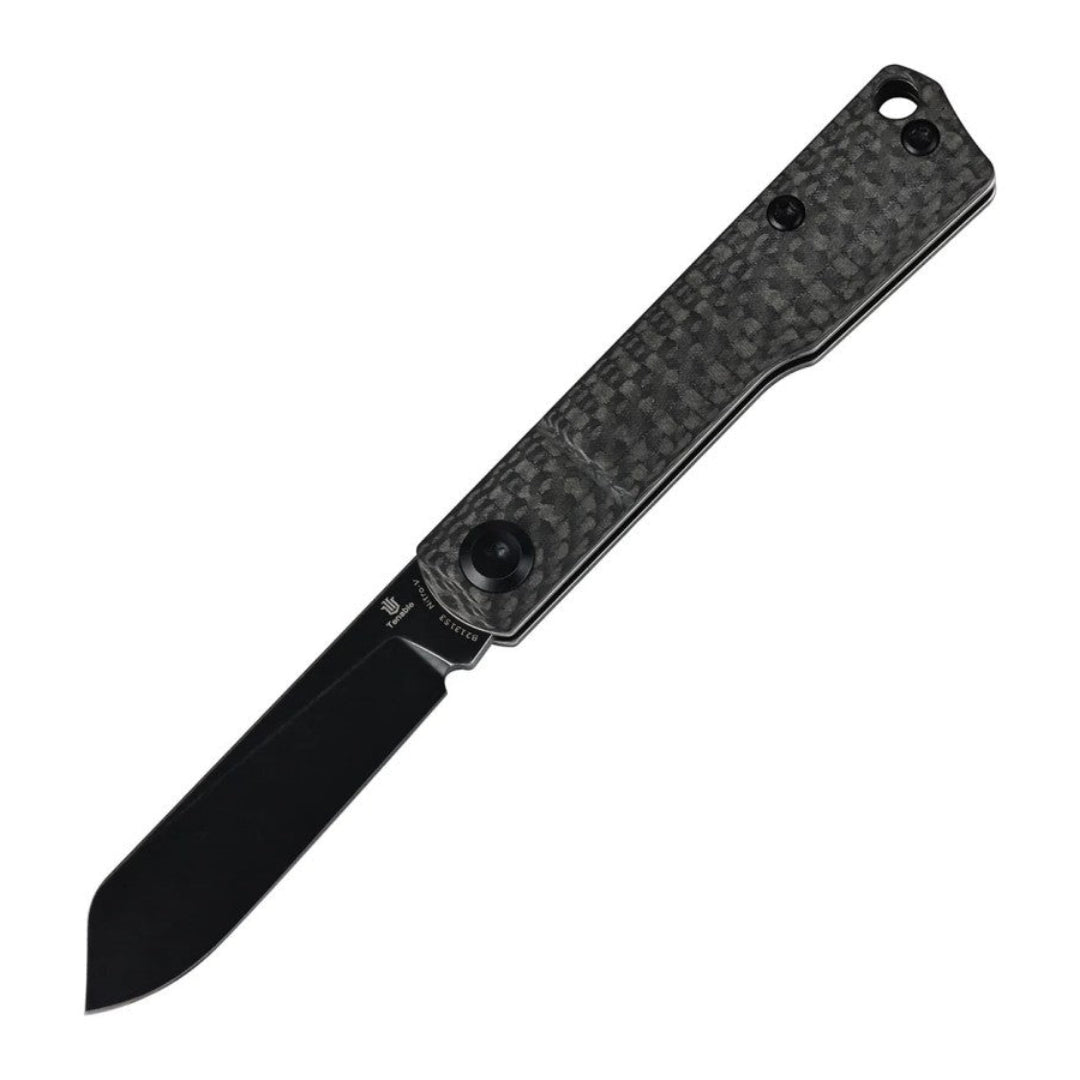
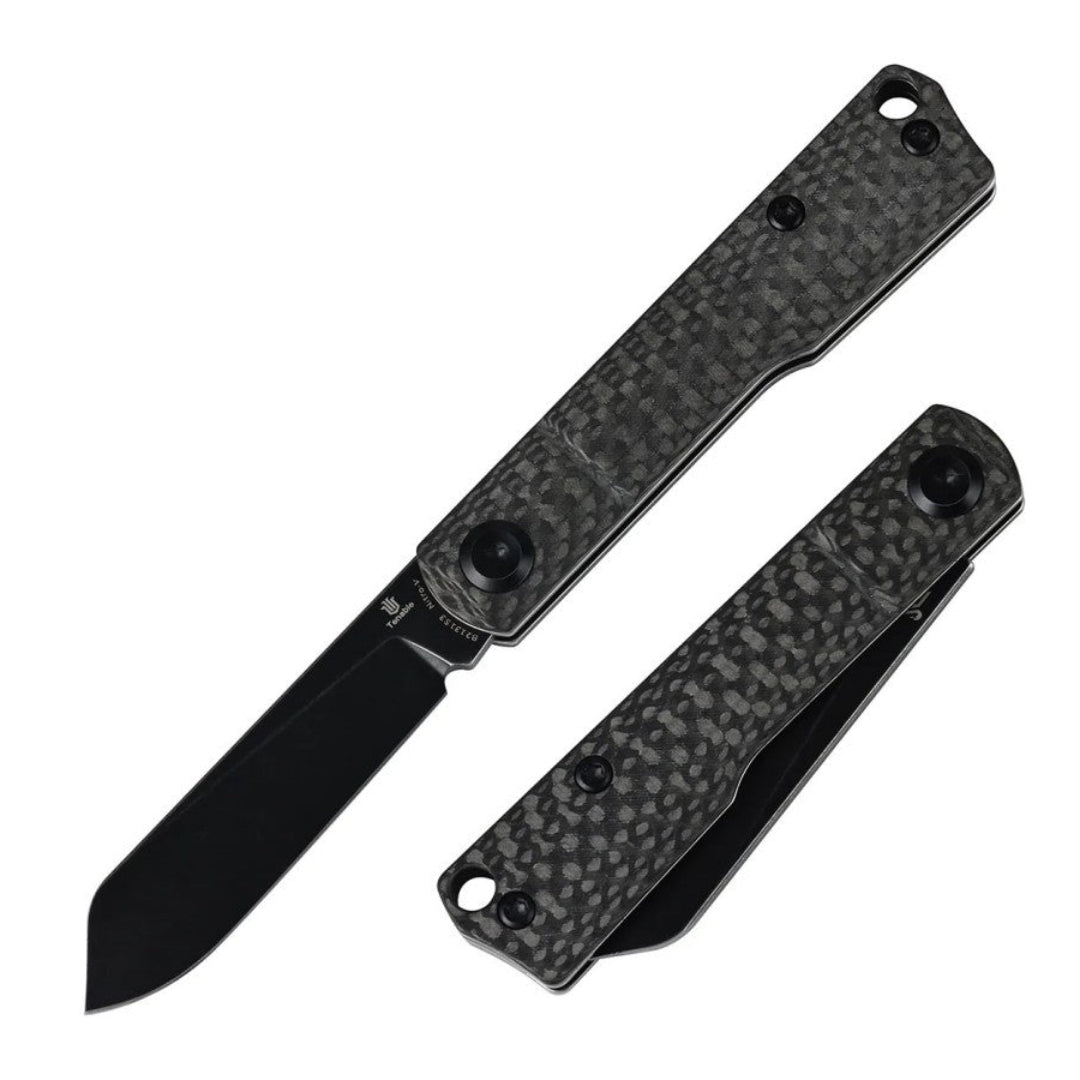
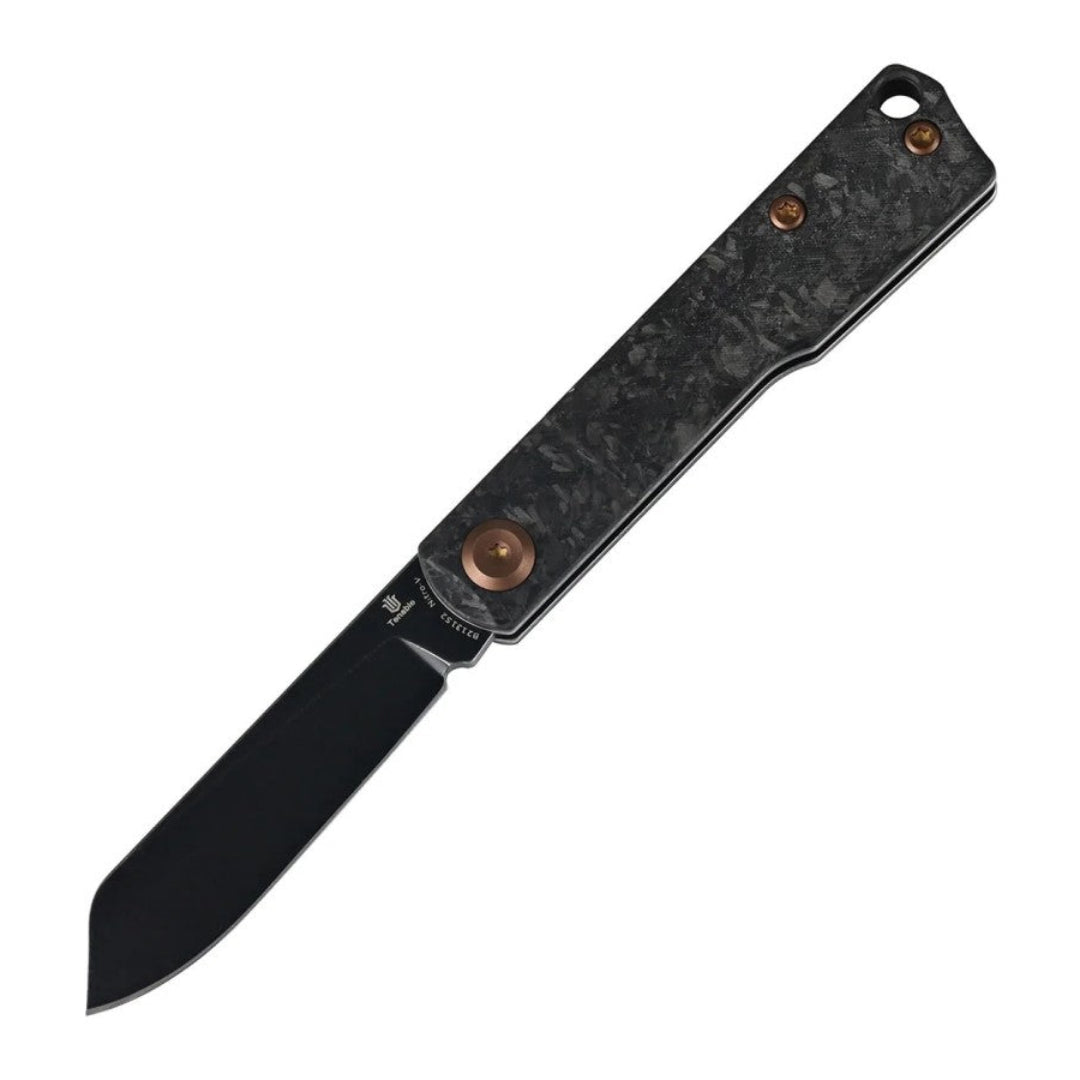
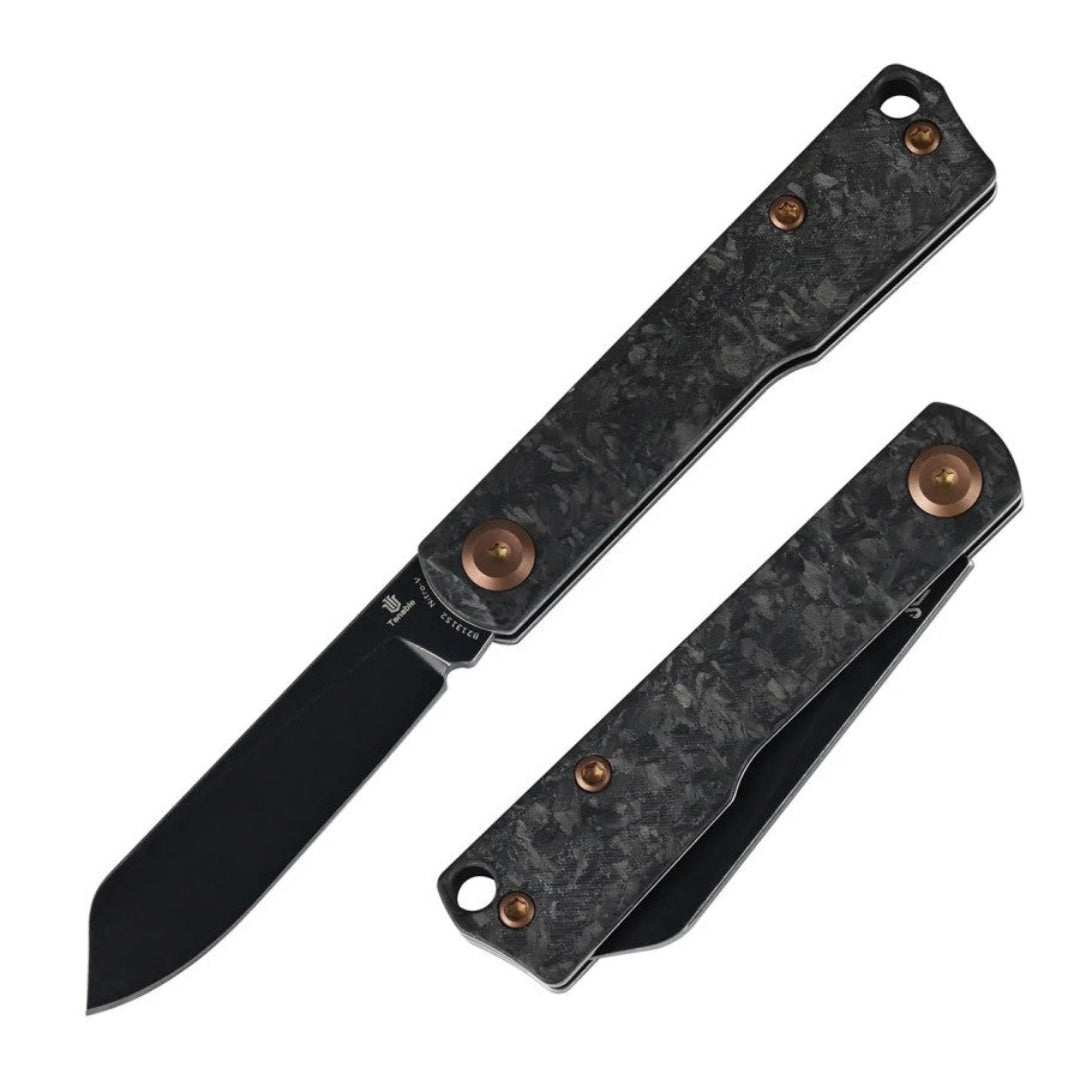
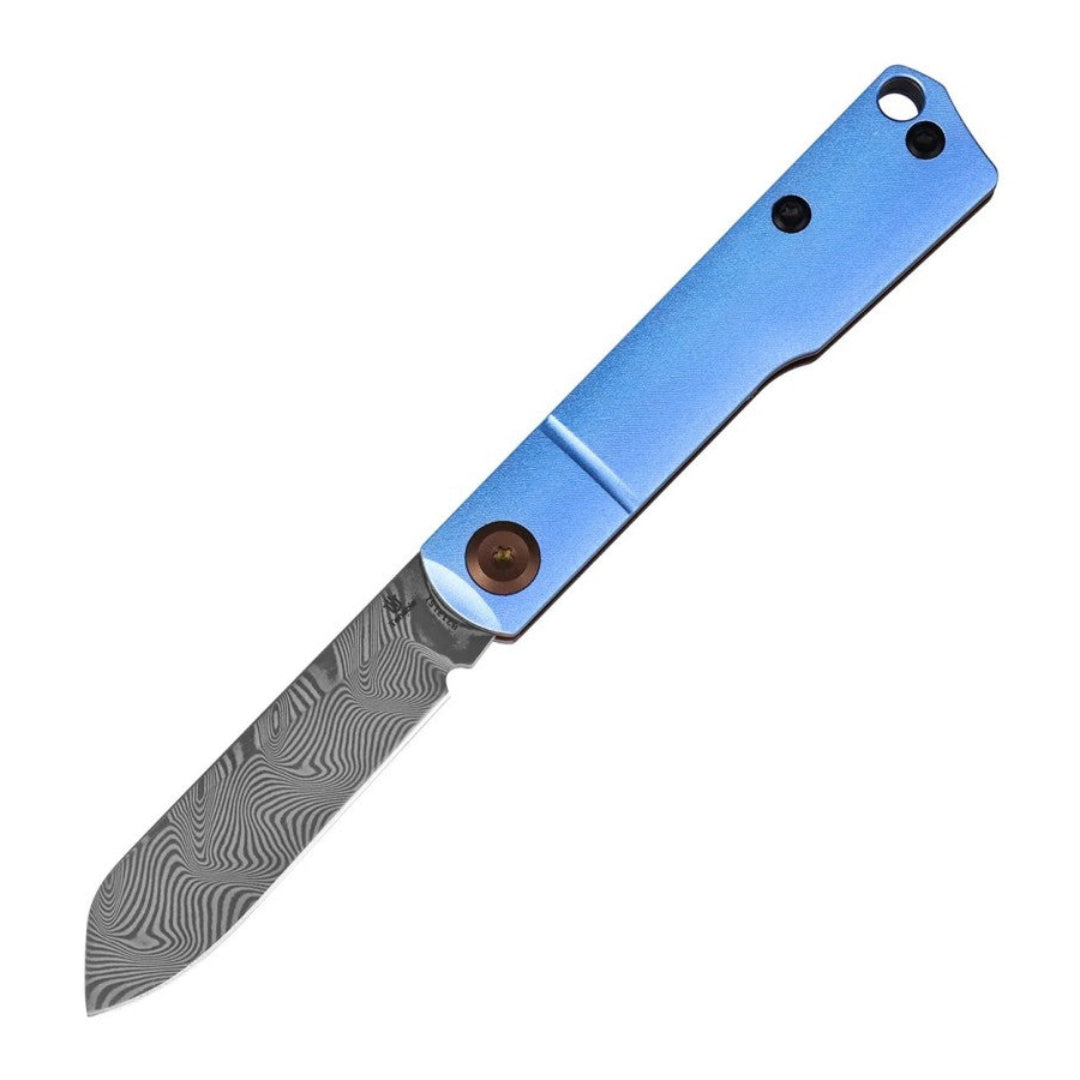
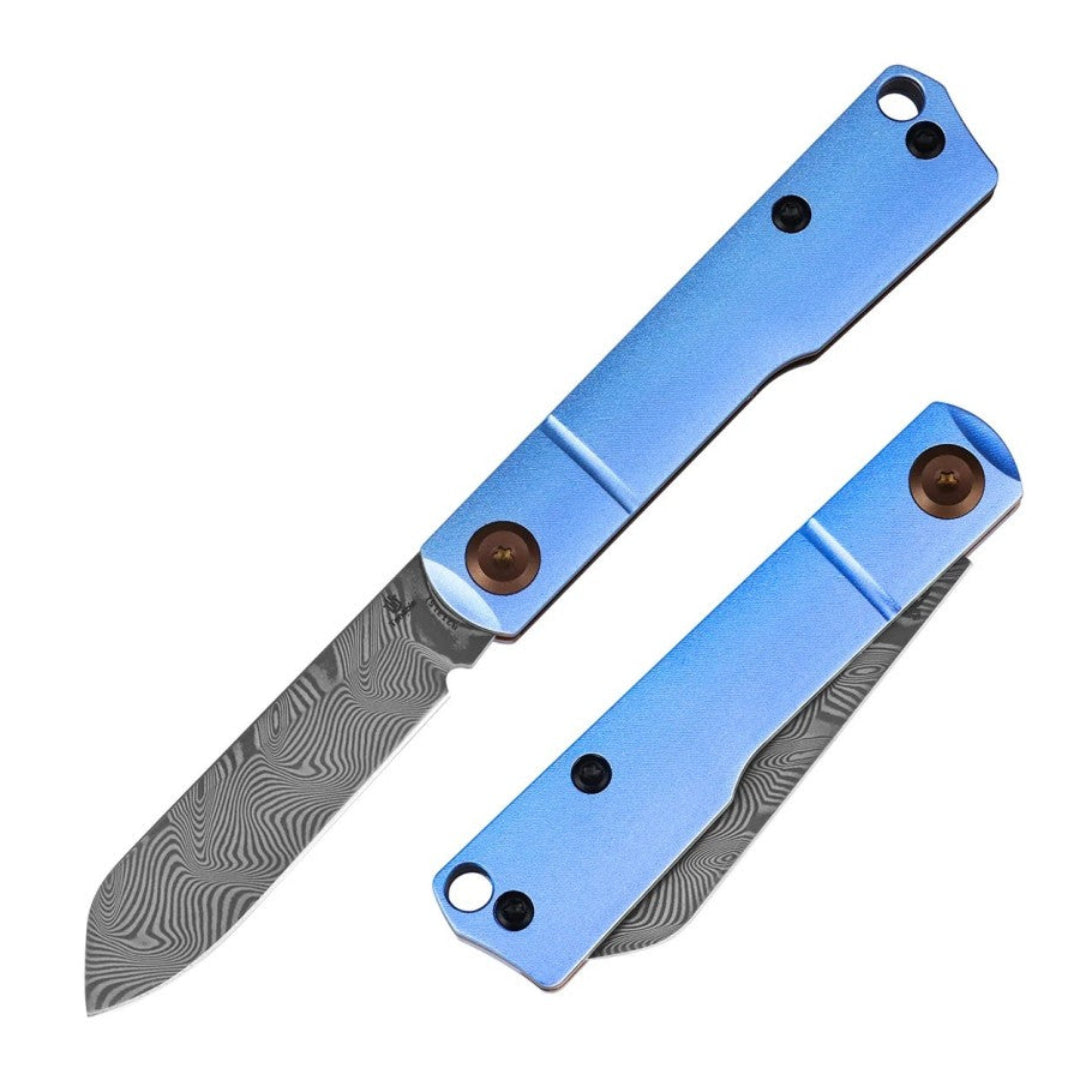
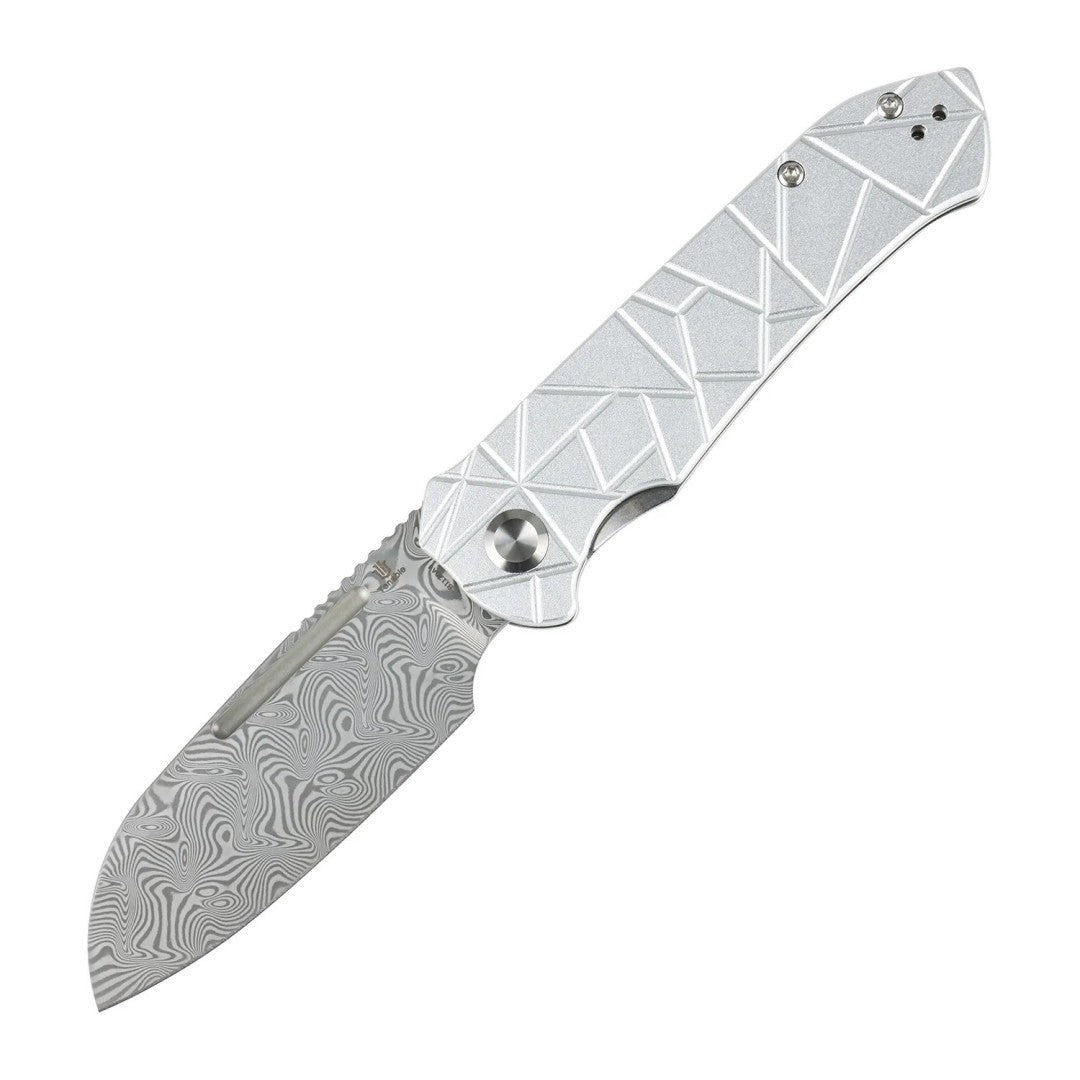
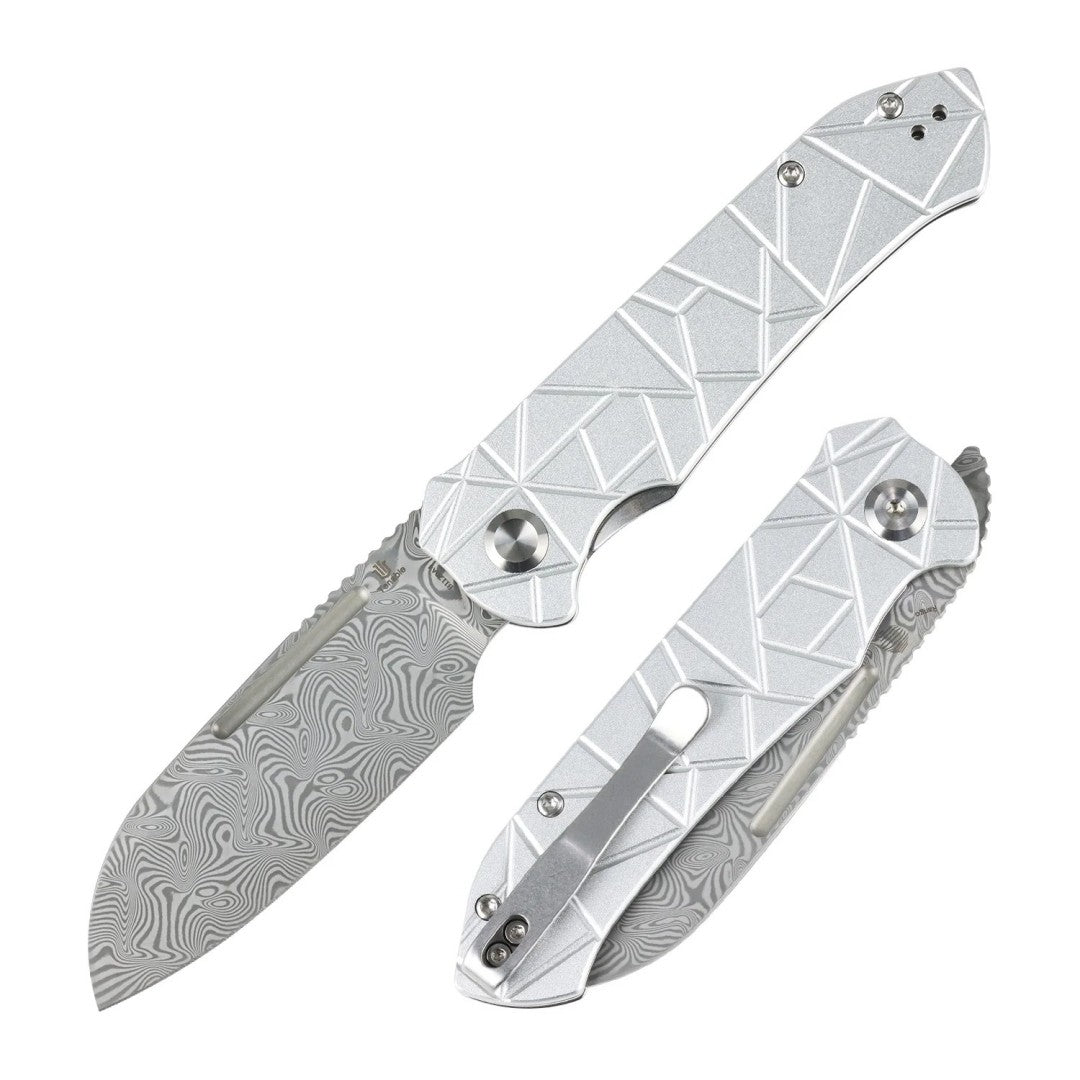
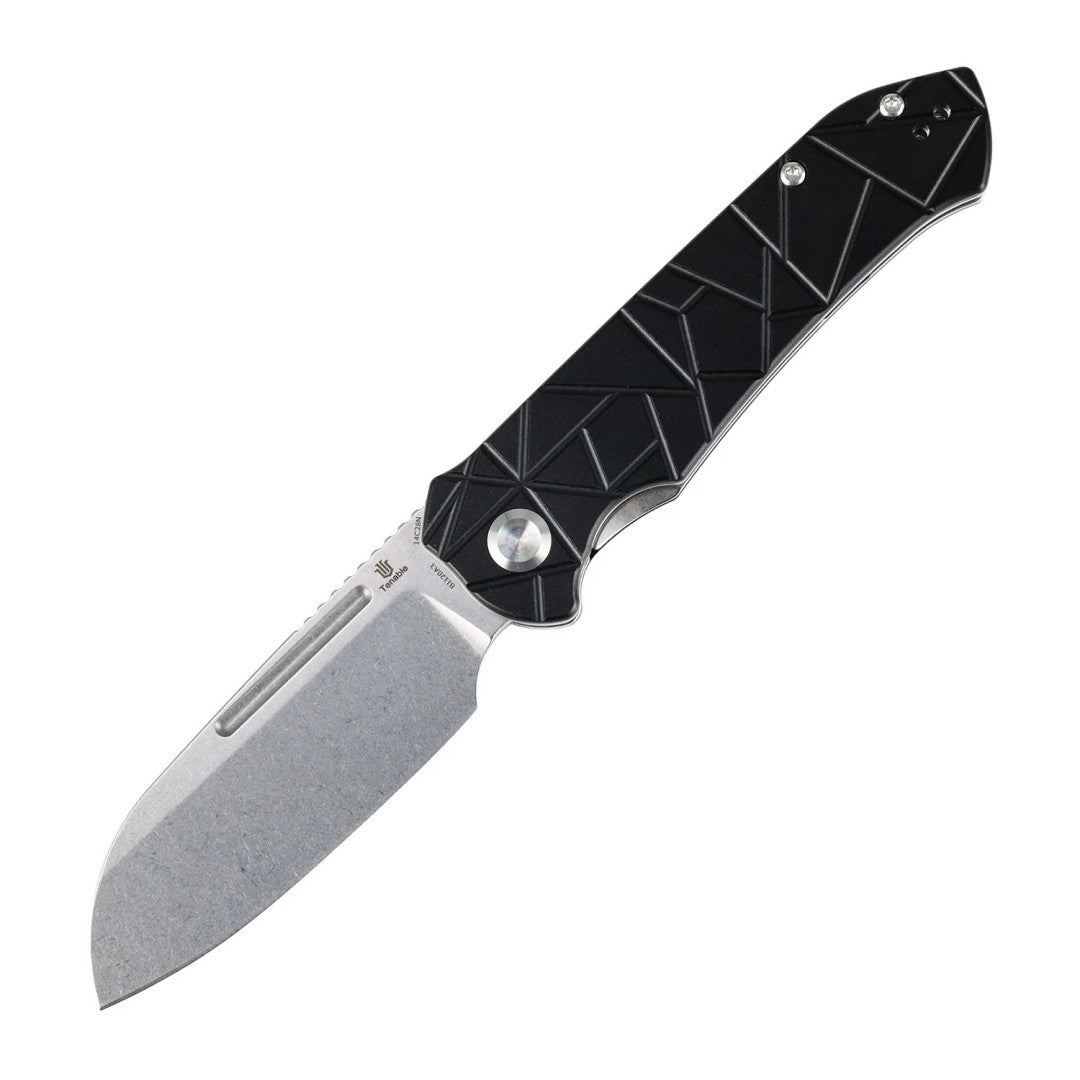
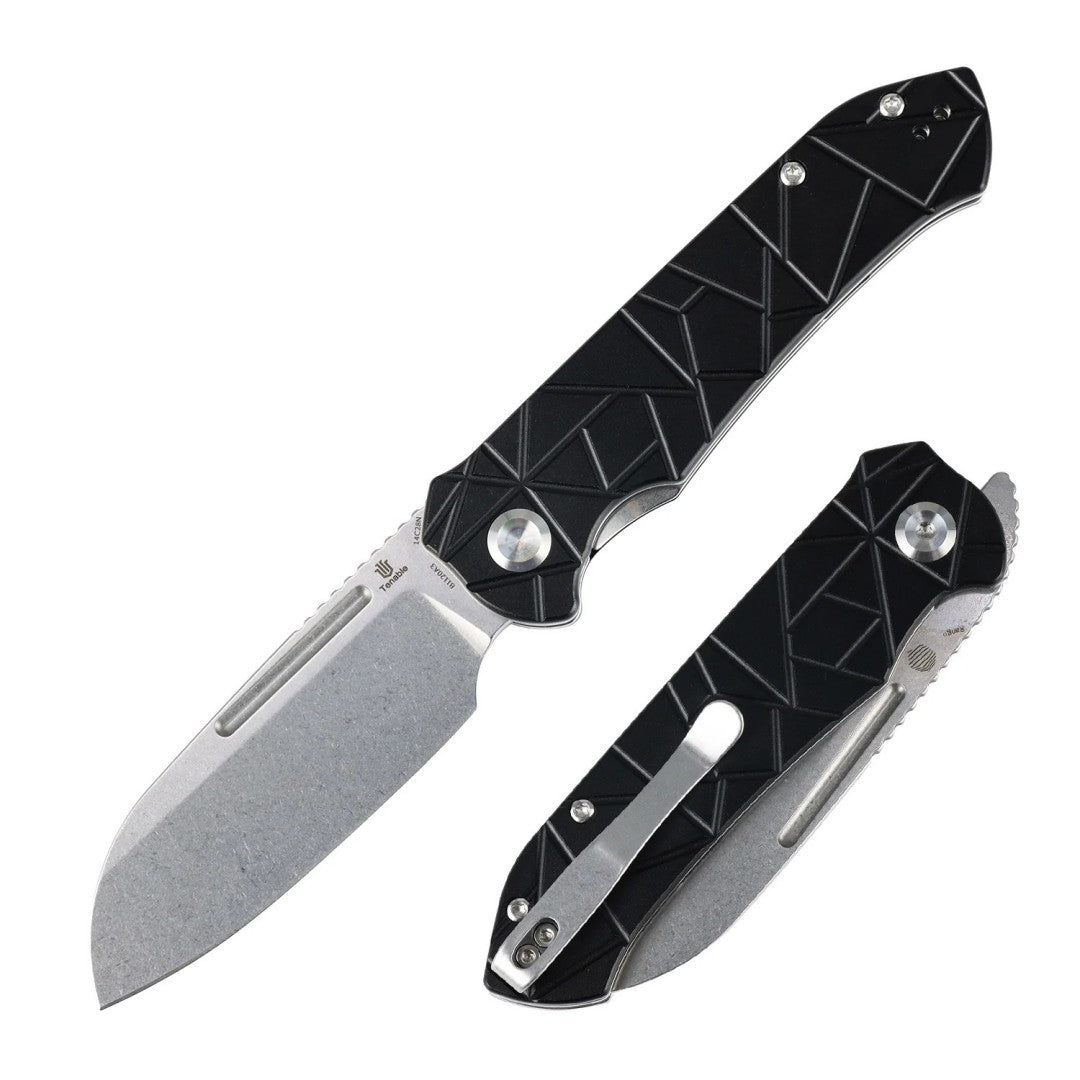
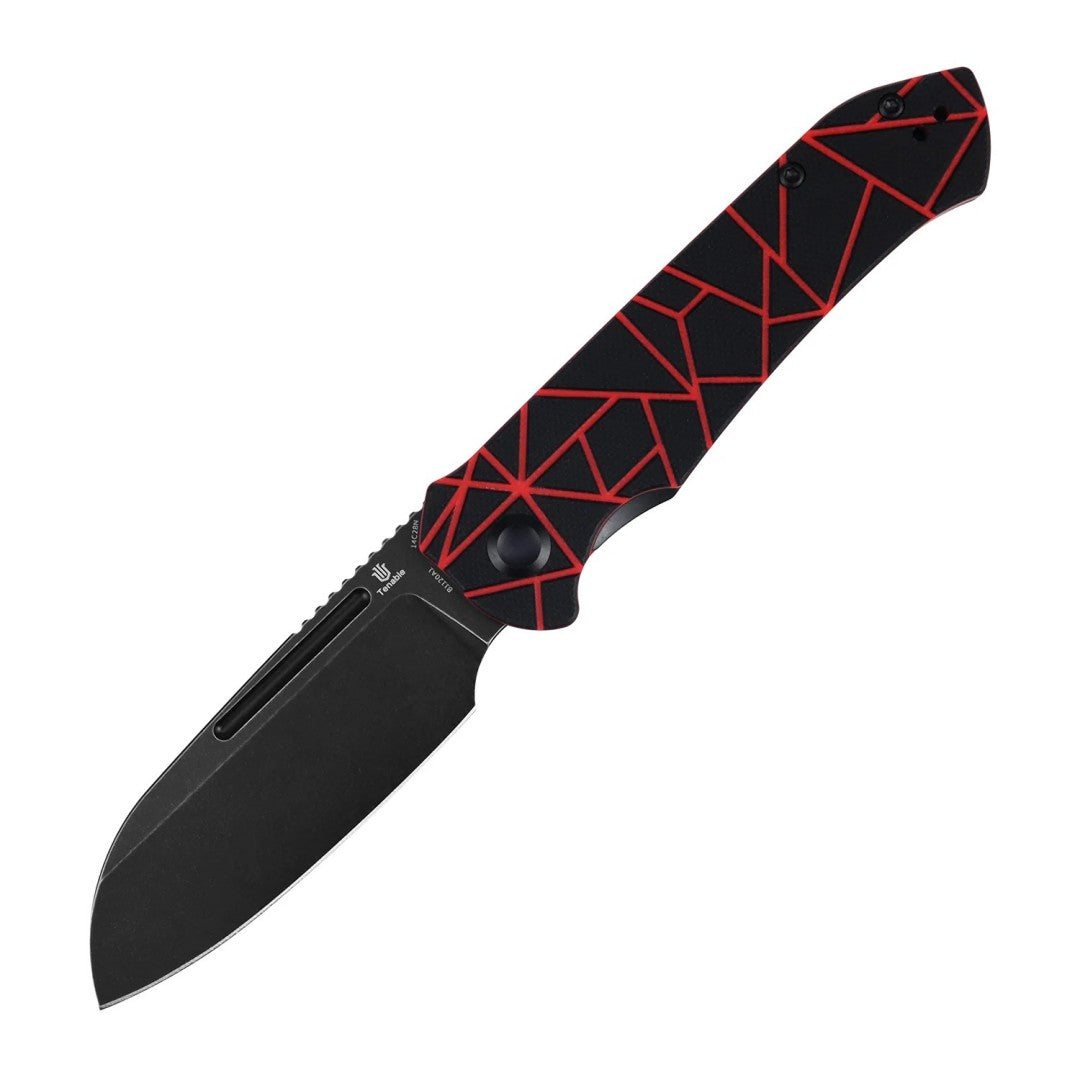
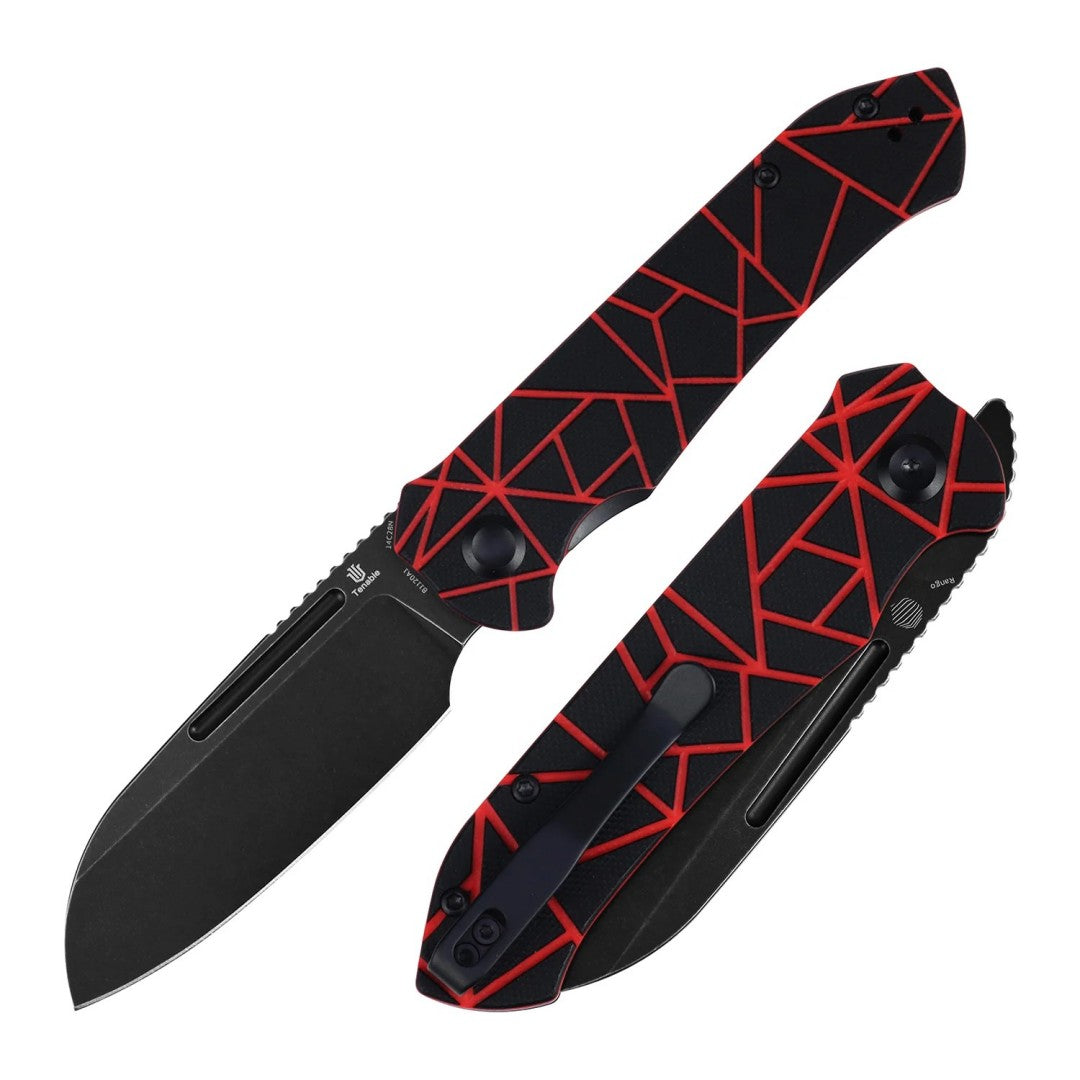
Recovery work involves cutting webbing, plastic bumper trim, shrink wrap, tarp and rope, all in the presence of grit, road salt and hydraulic fluid. D2 steel offers outstanding wear resistance for exactly that workload, holding an edge through abrasive material where a softer blade would dull quickly. The Tenable Leviathan B1083A4 mates a D2 blade to a micarta handle and a liner lock, giving a substantial folder that feels secure in a gloved hand.

Design & Details
A driver needs a knife that opens quickly with one hand and stays locked during hard use, and a liner lock with a solid tang engagement does that without complex parts to maintain. A grippy micarta or G10 handle tolerates wet gloves and oily hands, and a lanyard hole keeps the tool attached when the operator is leaning over a wreck. Tenable knives build this kind of practical, full-grip folder for exactly this duty.
Real-World Use
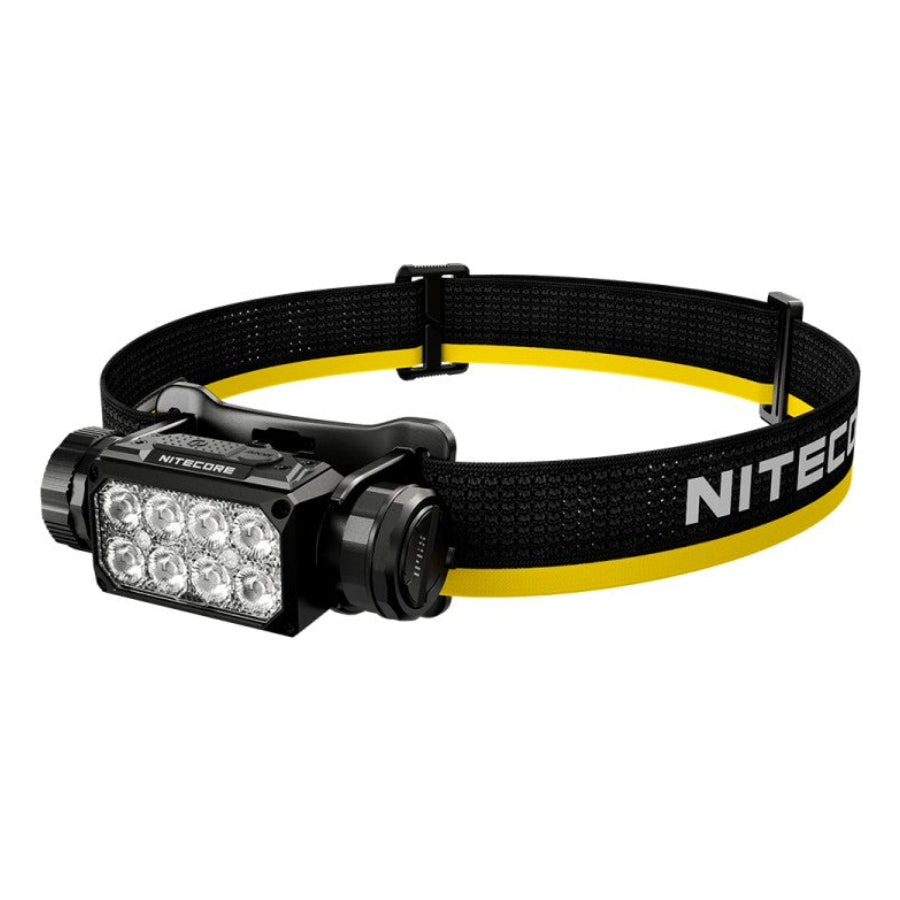
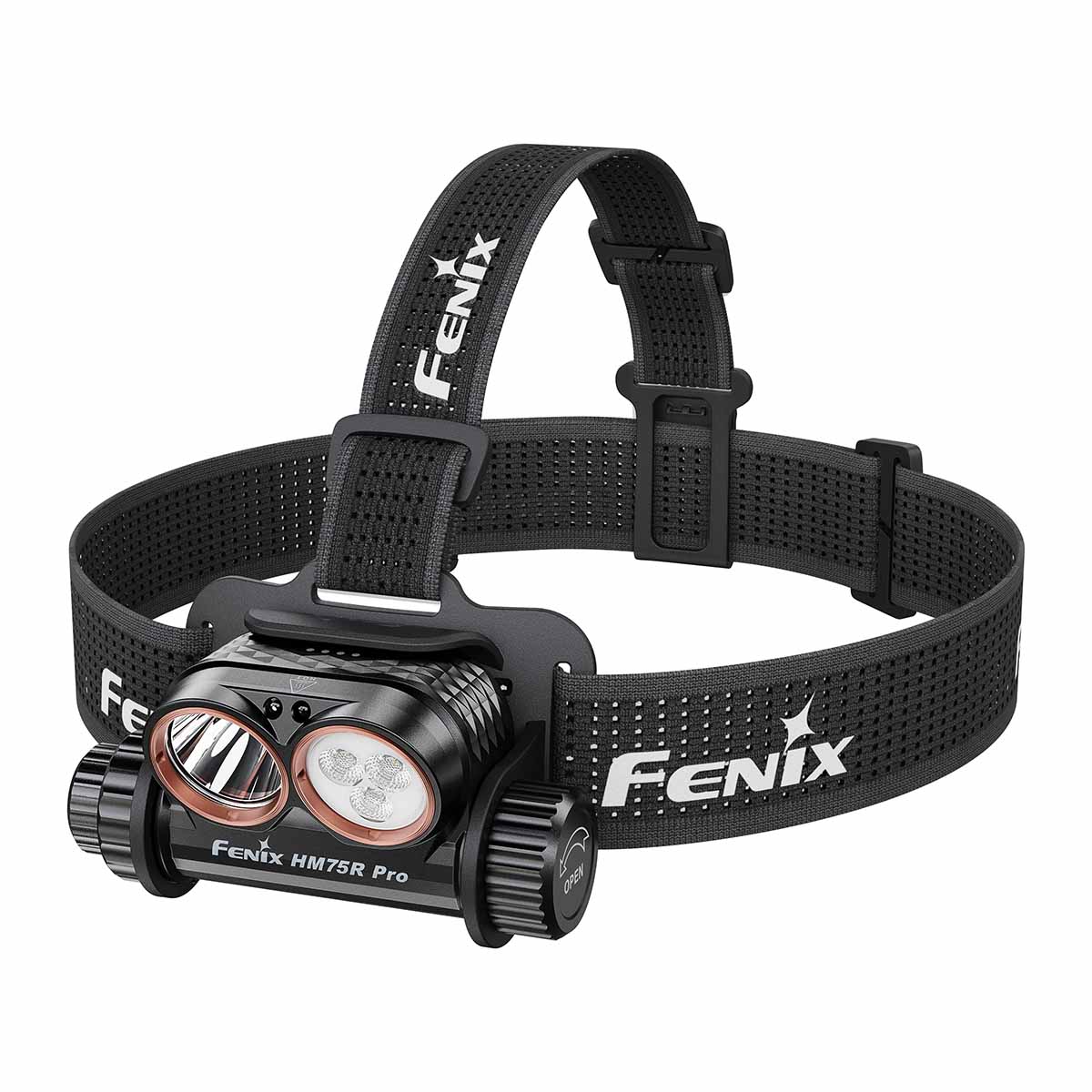
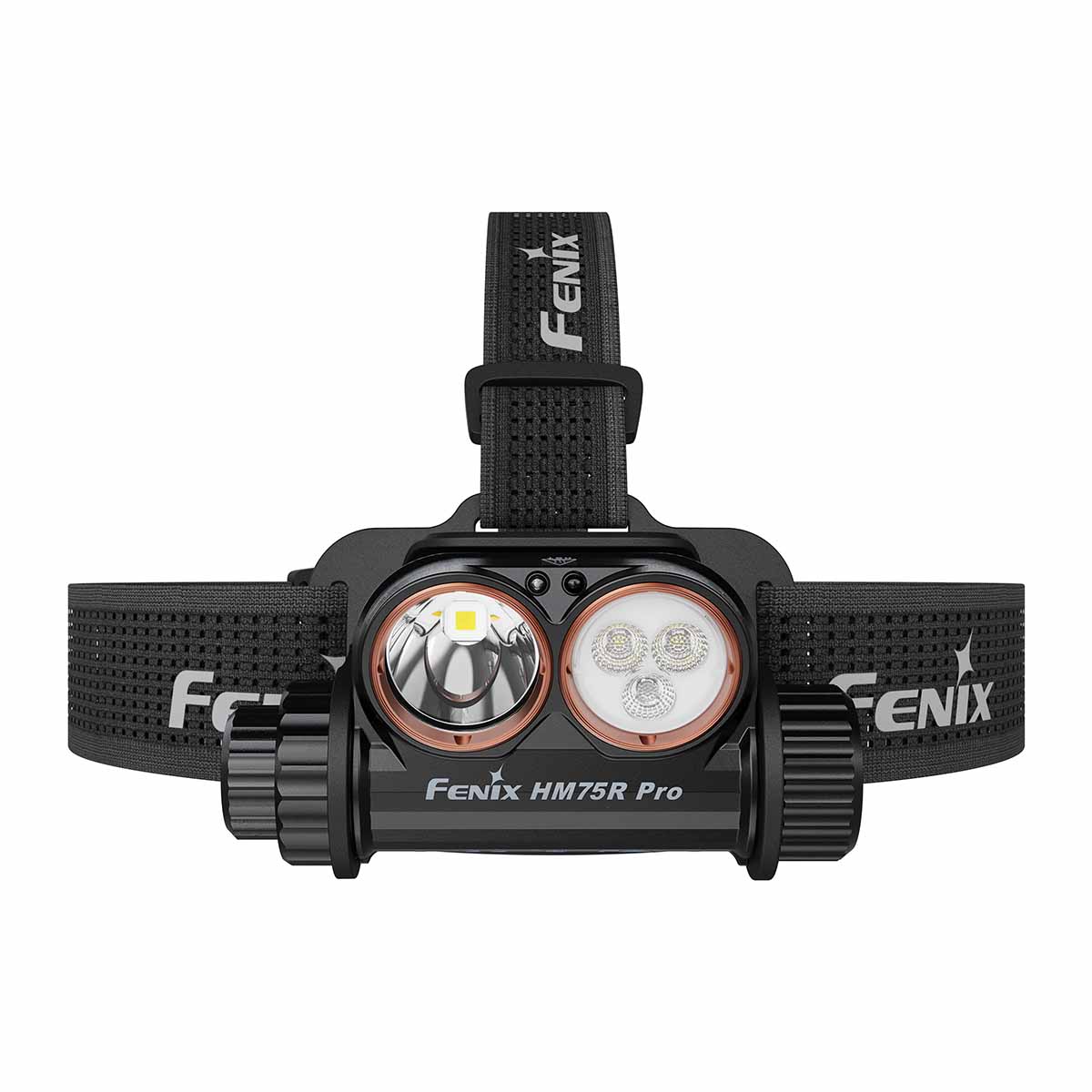
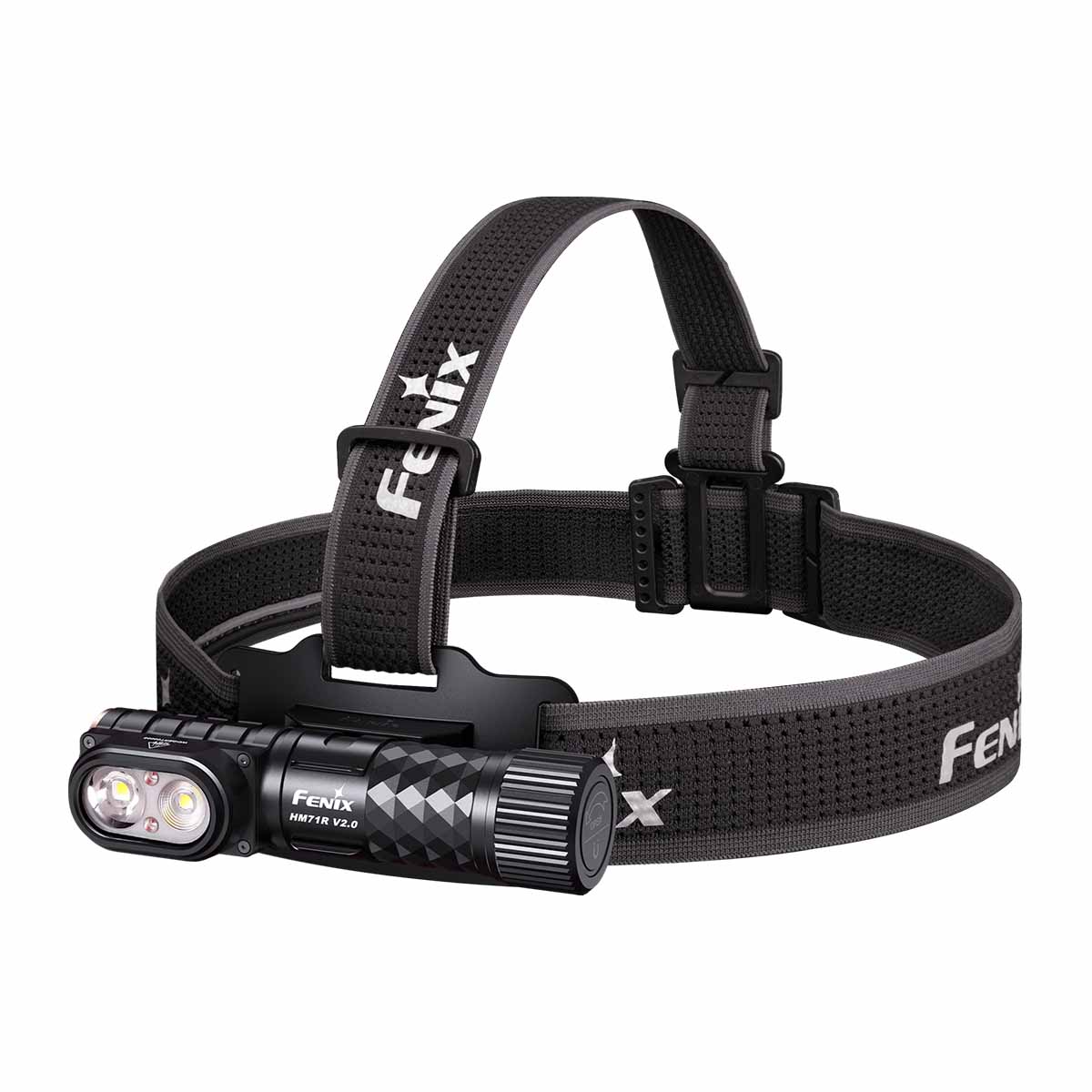
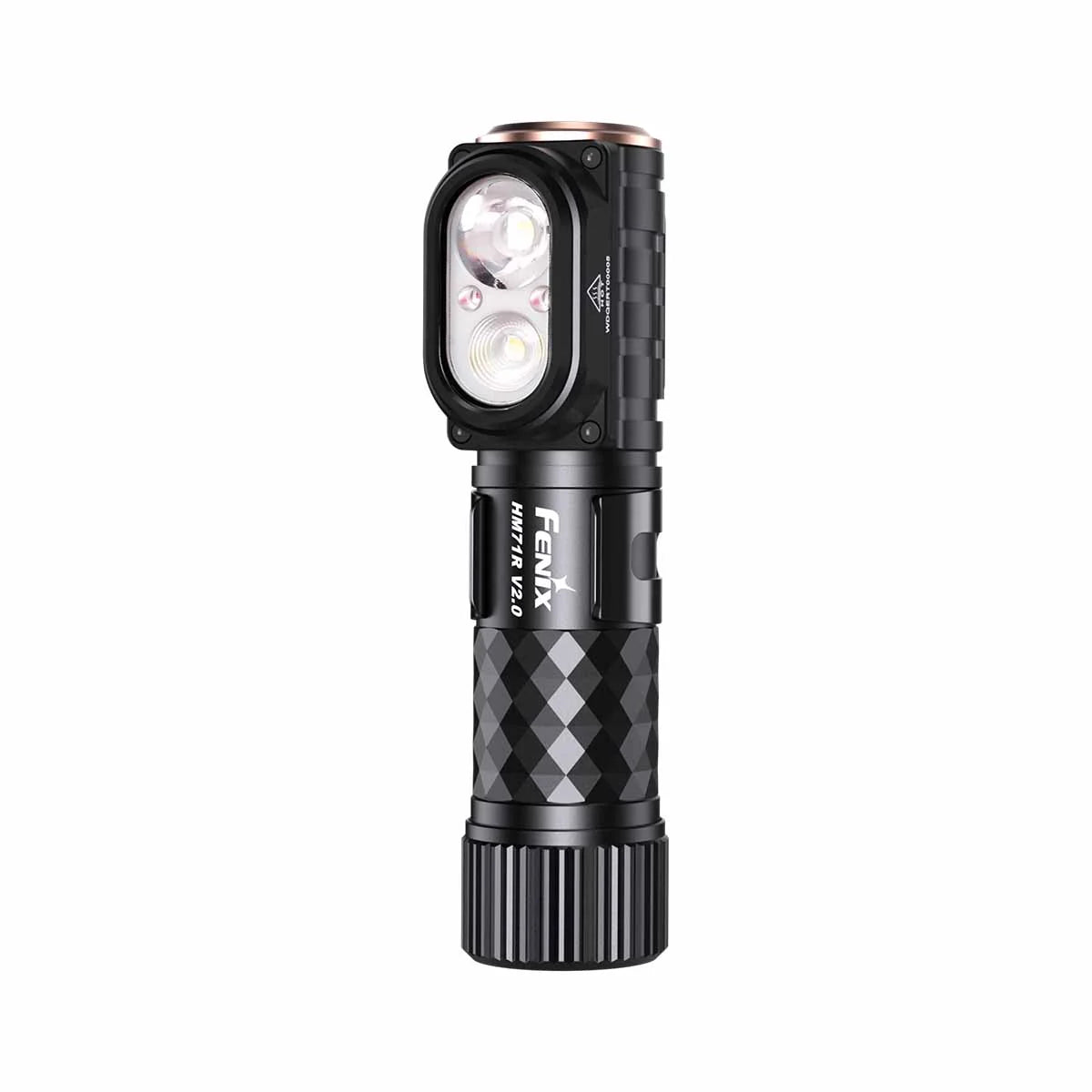
On a call the knife cuts winch straps free, trims tarp, opens new strap packaging, cuts zip ties on a bumper cover and separates debris before the car goes on the bed. A strong light is a permanent accessory, because most recoveries happen in the dark, and it must be bright enough to light a load from the cab window. Neither tool is optional when the driver is working alone.

Ownership Notes
Road work covers motor oil, salt, dust and everything a highway can throw at a blade, so the maintenance schedule matters. Wipe the blade after every shift, clean and oil the pivot weekly, and replace any screw that has begun to strip before it fails on a call. EdcMall stocks the rugged folders and lights that suit this kind of solo, high-urgency roadside work. Operators also learn to keep the cab kit deliberate. A fixed place for the knife, the light, the gloves and the straps means nothing is hunted for while a customer waits on a dark shoulder. Restock the consumables after every shift, replace a blade the moment it starts to skate and keep a spare light in the truck for the call that runs long. That discipline is what makes a solo job feel controlled rather than improvised.
Who Is This For?
This suits tow operators, recovery drivers, roadside assistance technicians and heavy wrecker crews. A motorist with a roadside kit needs far less. If your working day includes a winch, a dark shoulder and a time limit, a wear-resistant folder and a serious hand light are the two tools that justify their place in the cab.
Final Verdict
Recovery work removes every excuse for fragile gear. A D2 blade in a liner lock folder, a handle that grips through gloves and oil, and a light bright enough to work a load at night will handle a career of roadside calls.