
Overview & First Impressions
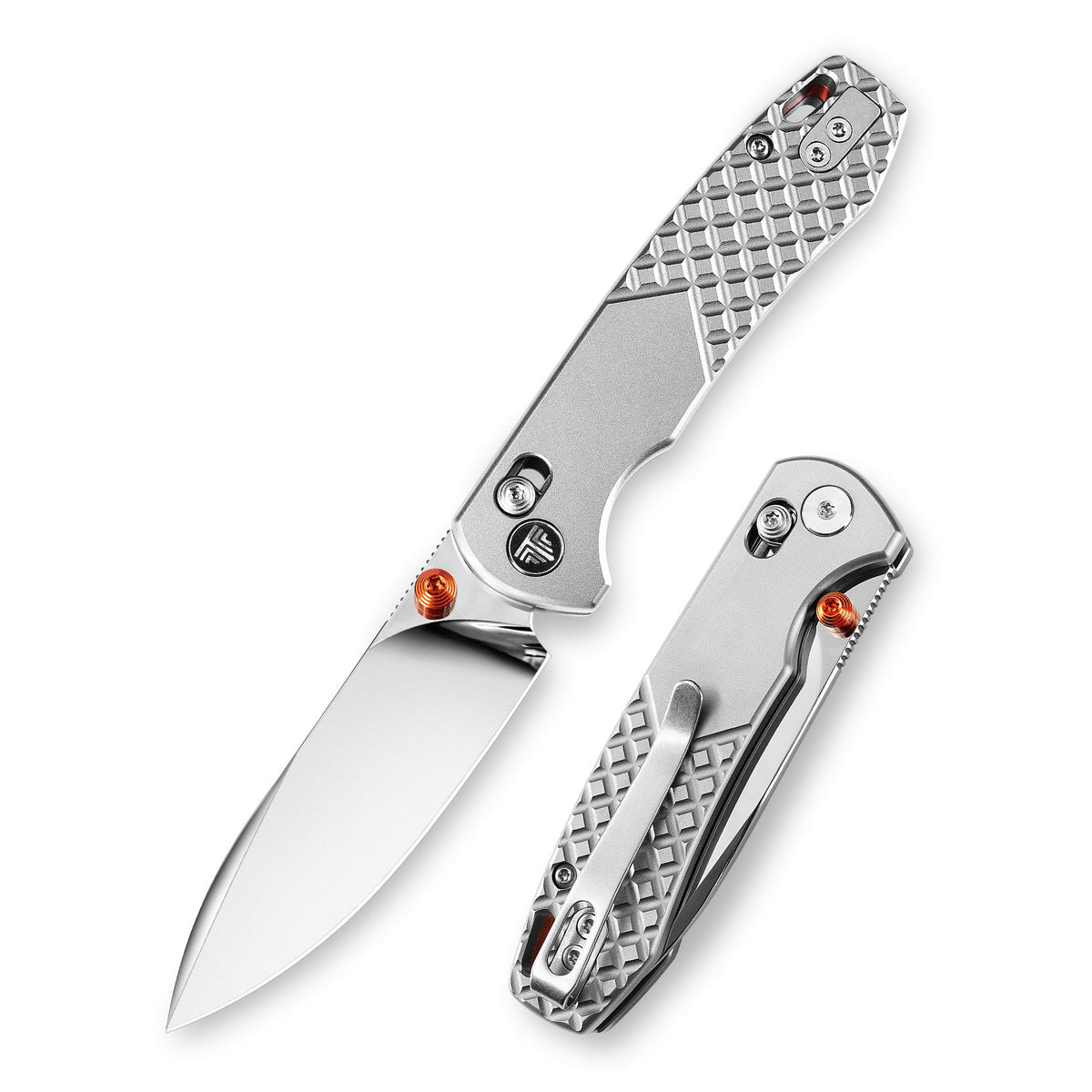
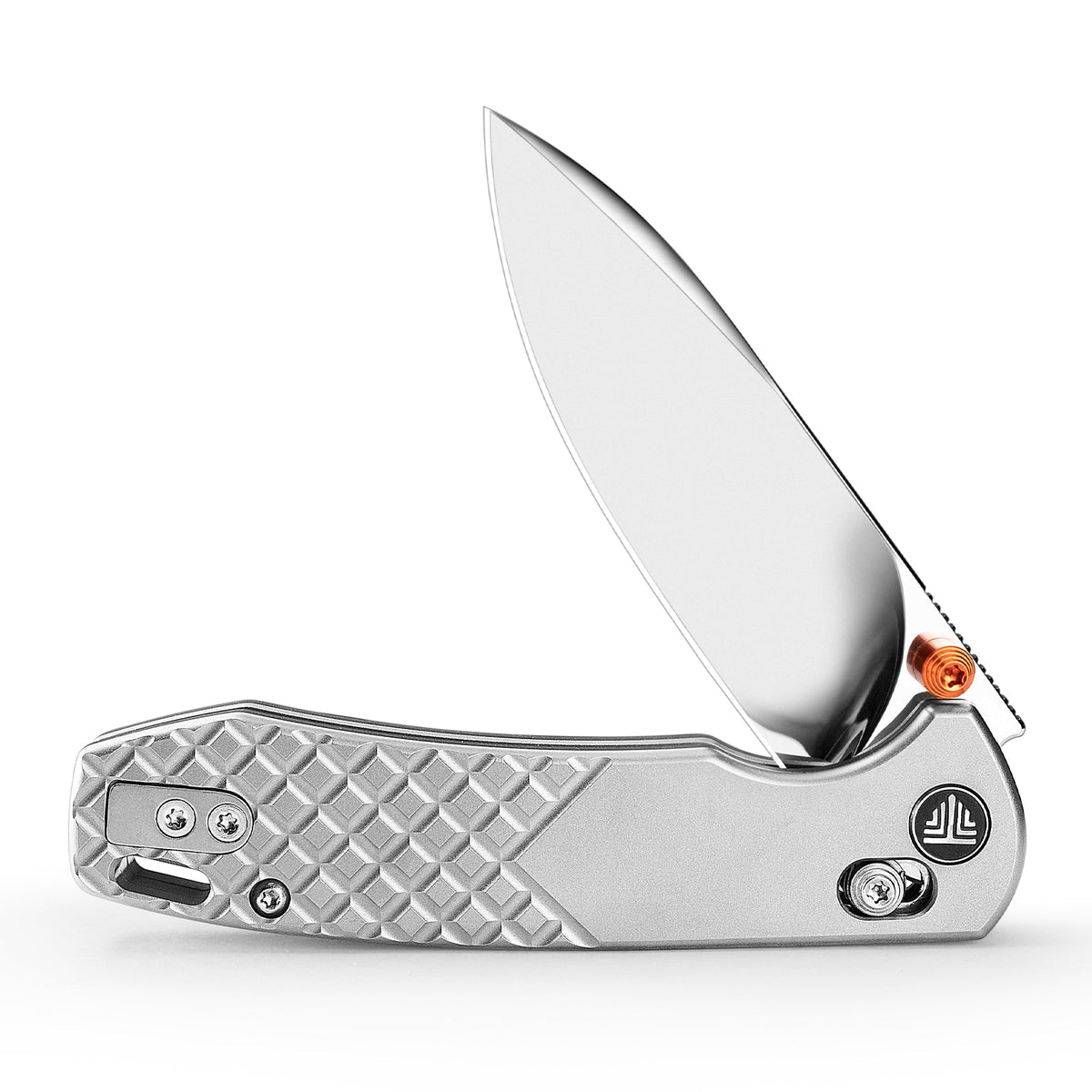
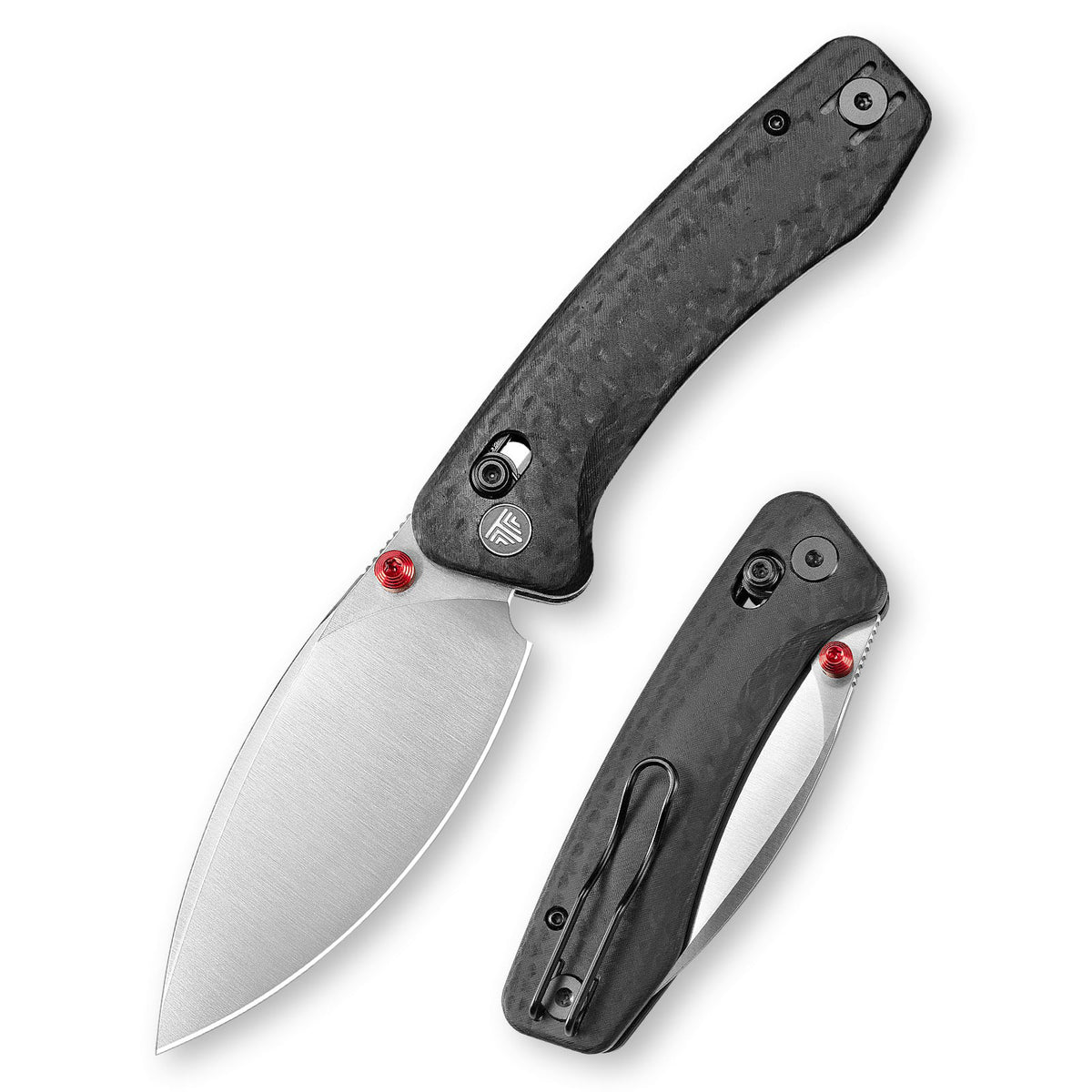
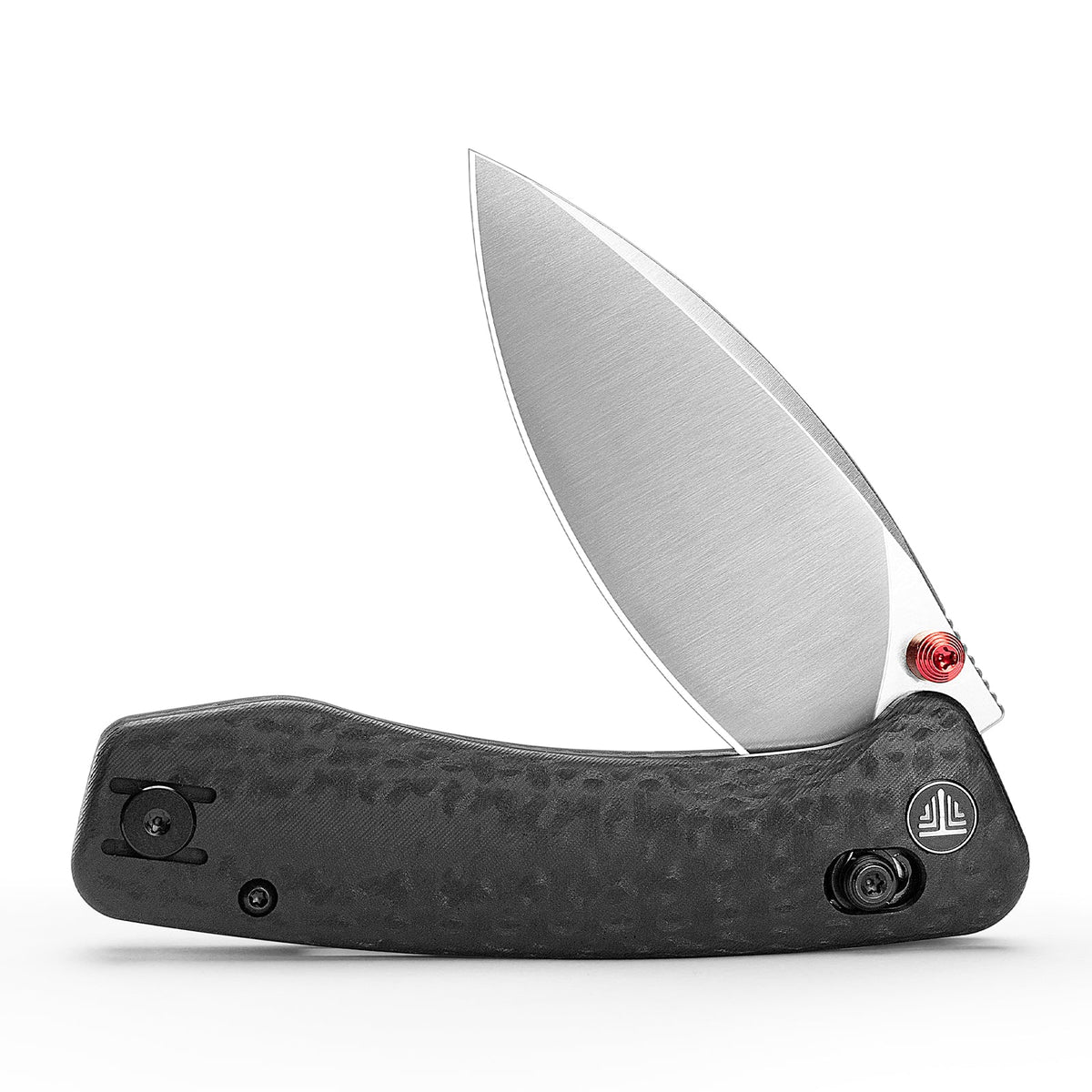
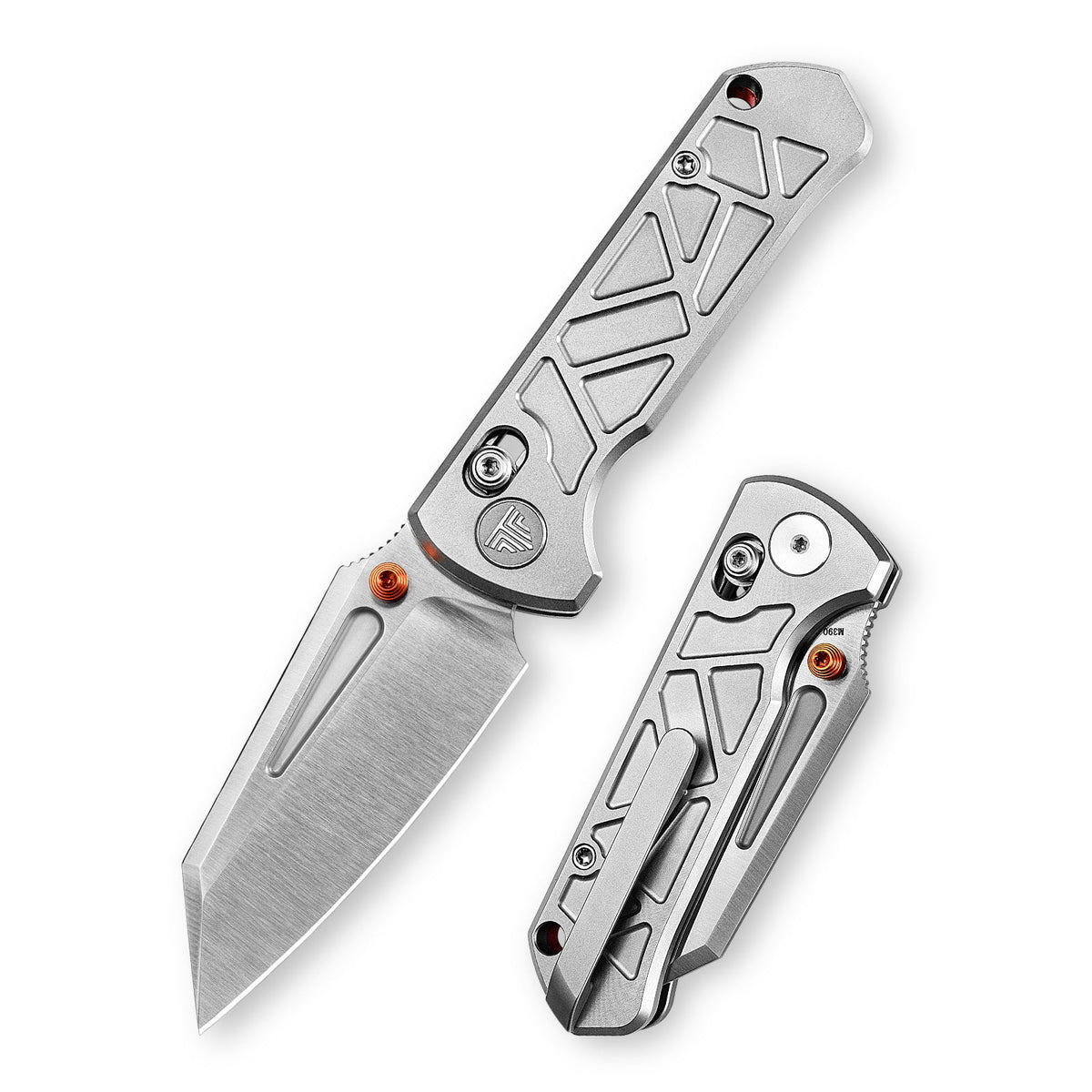
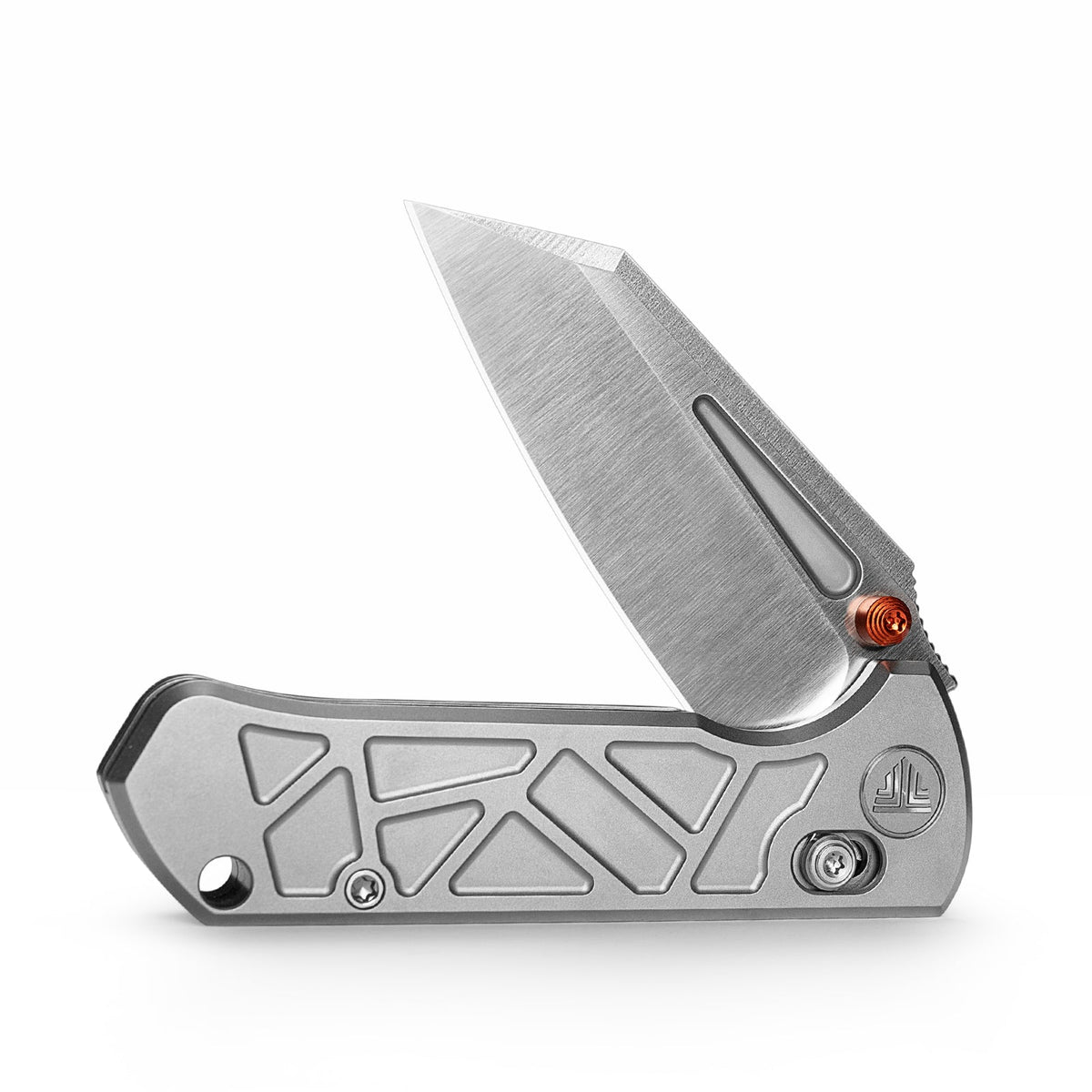
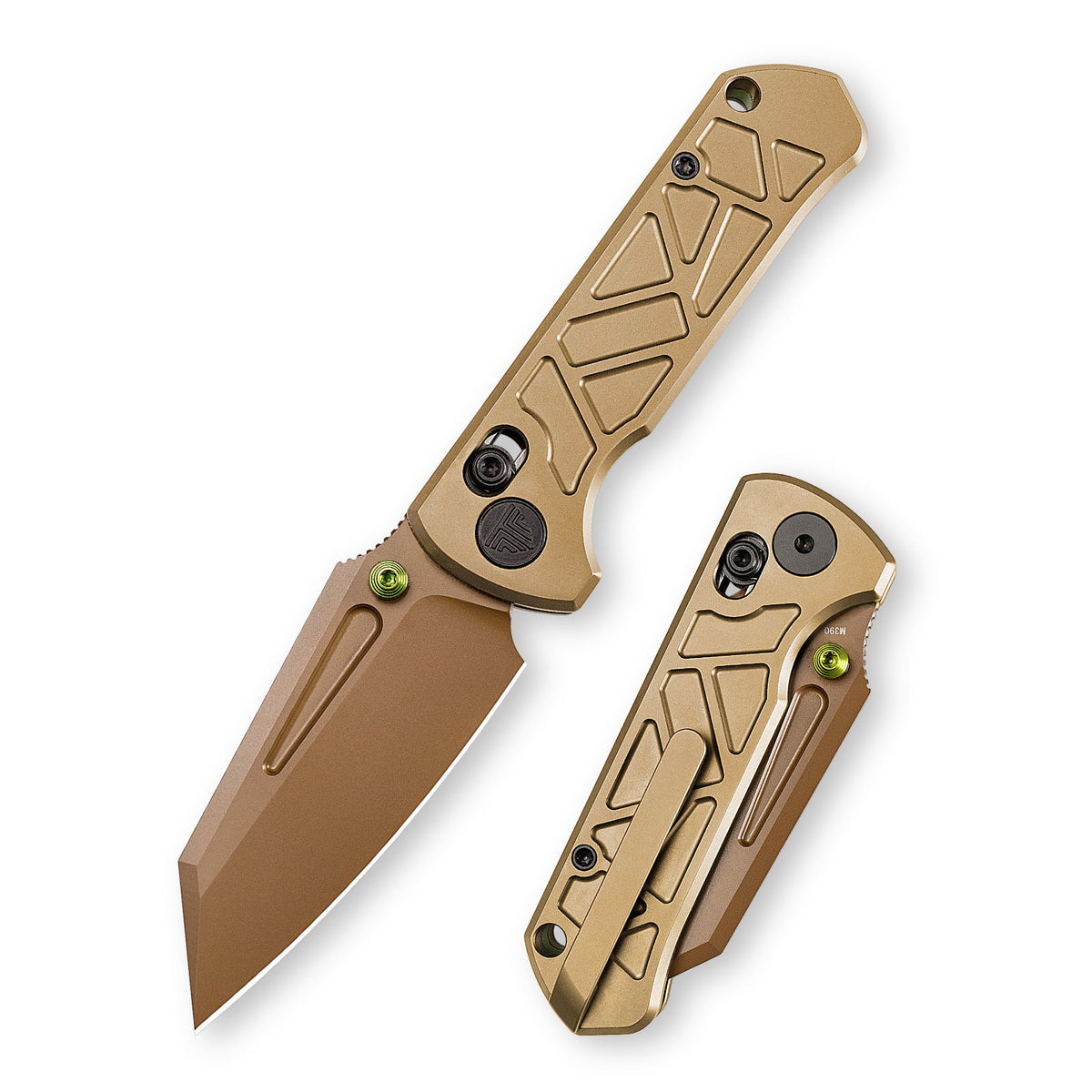
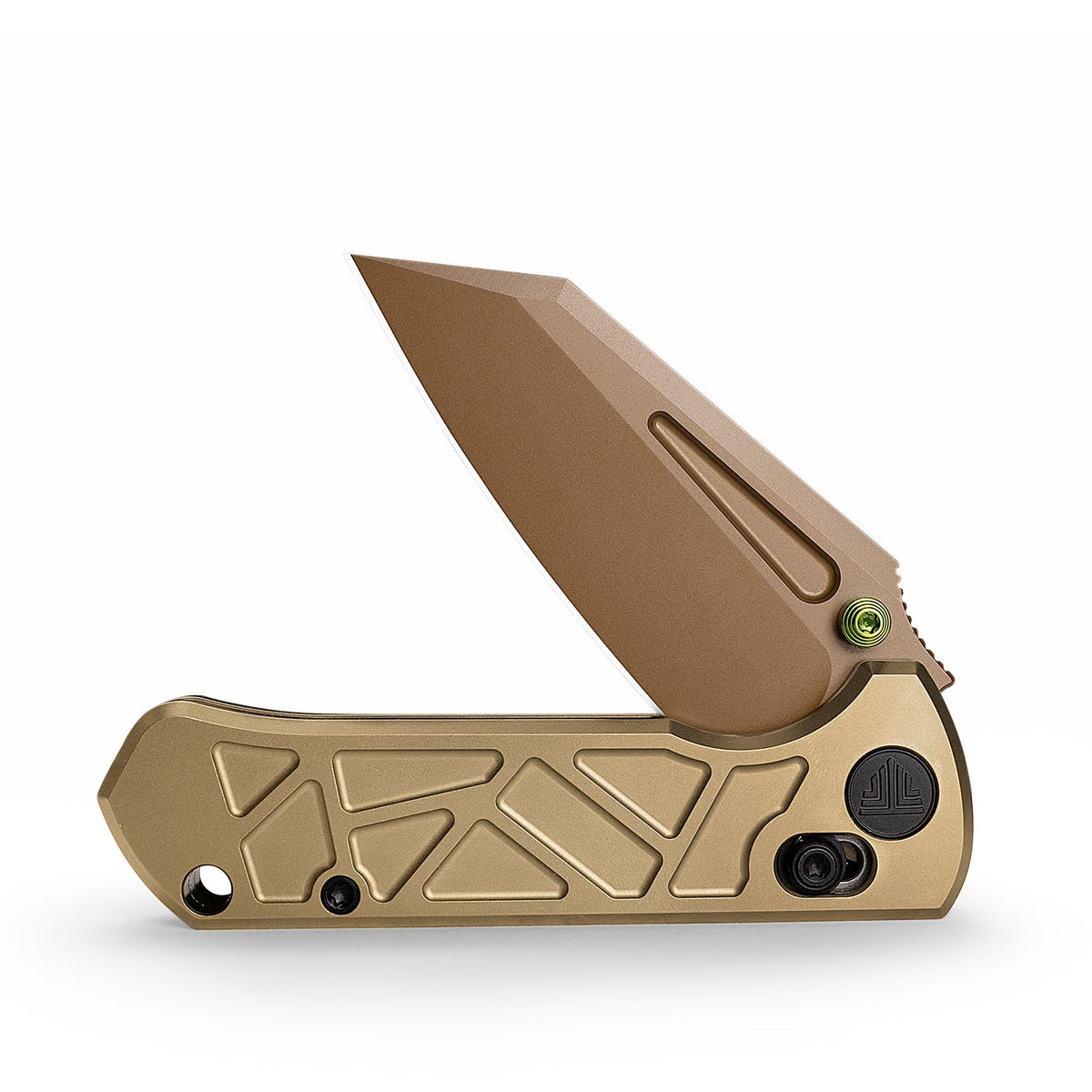
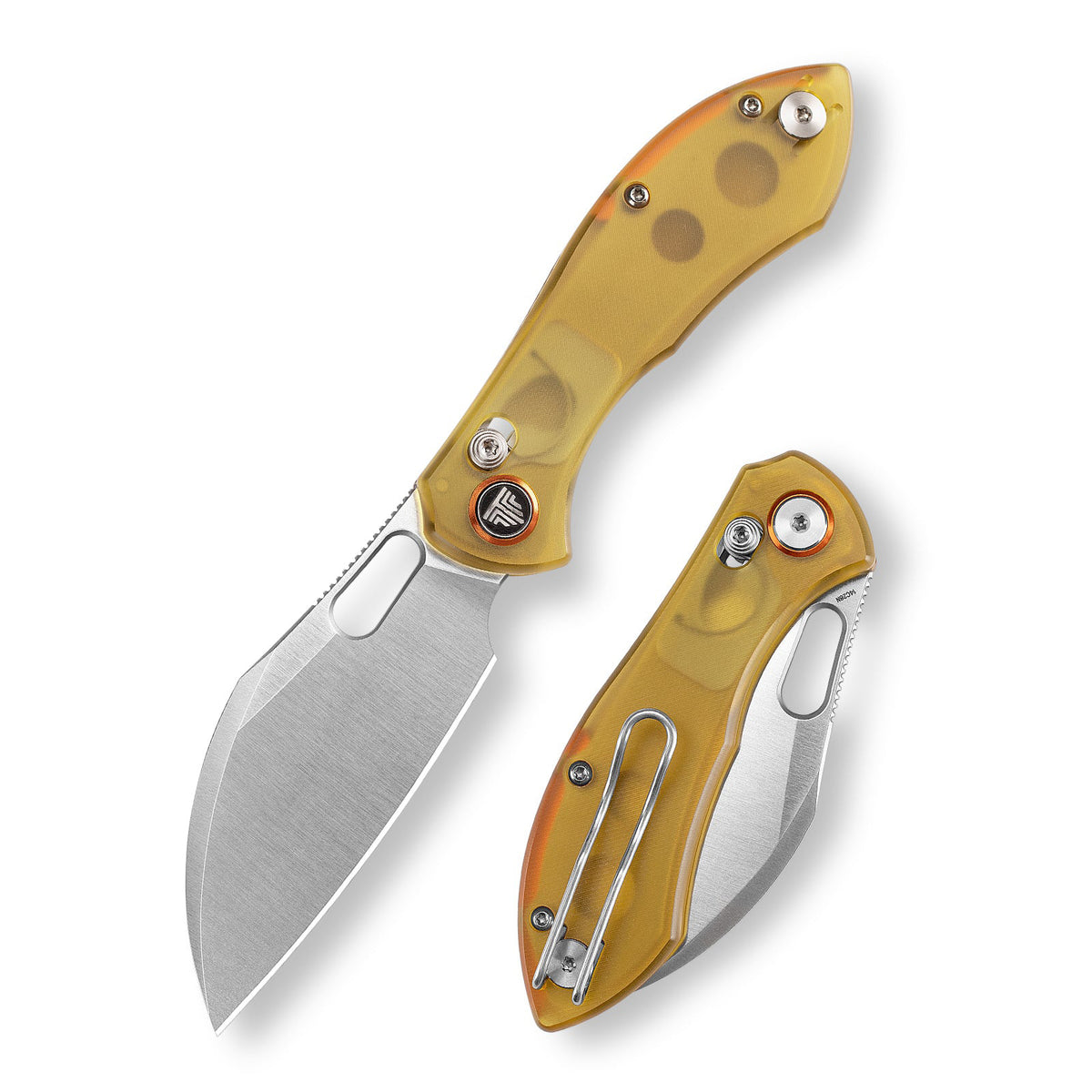
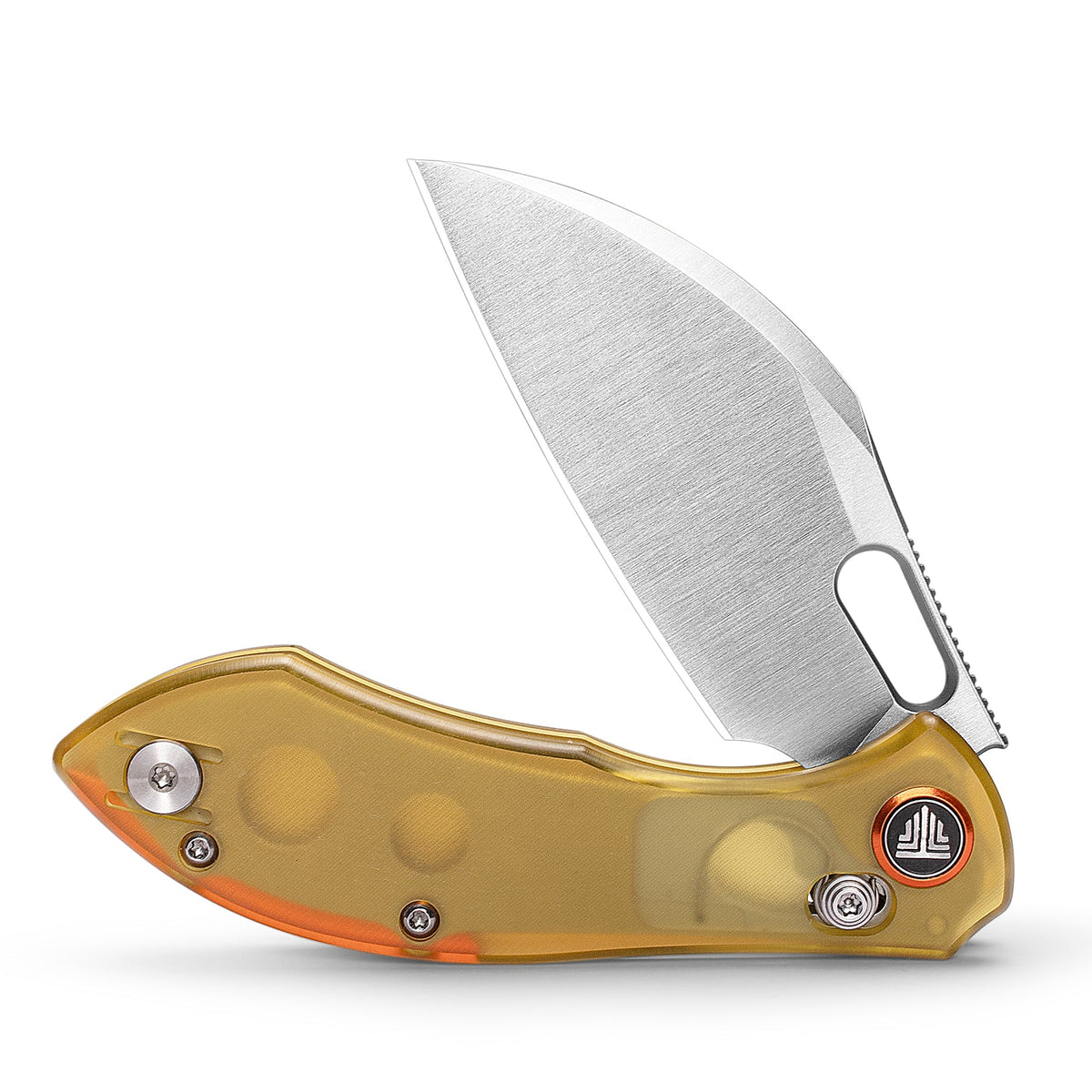
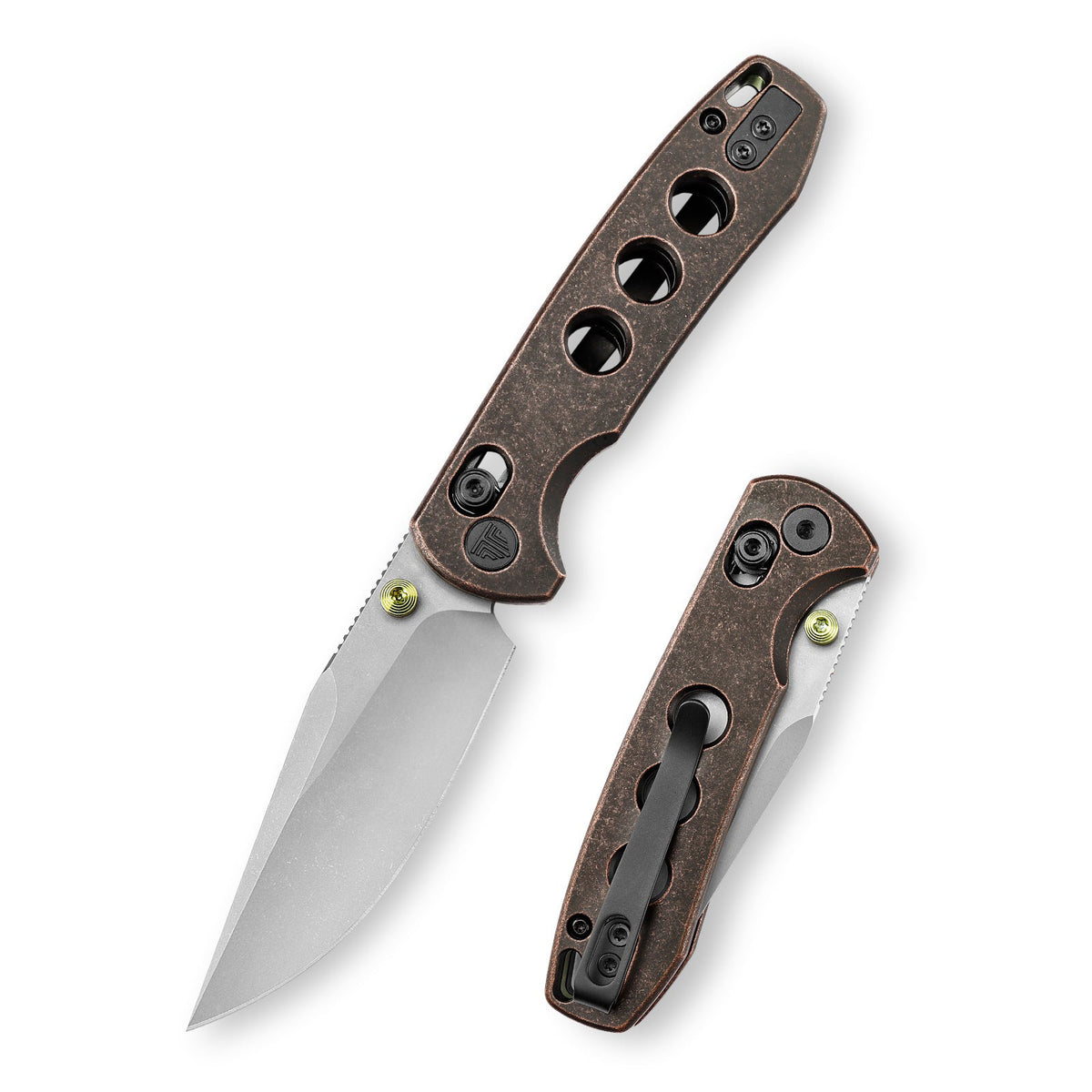
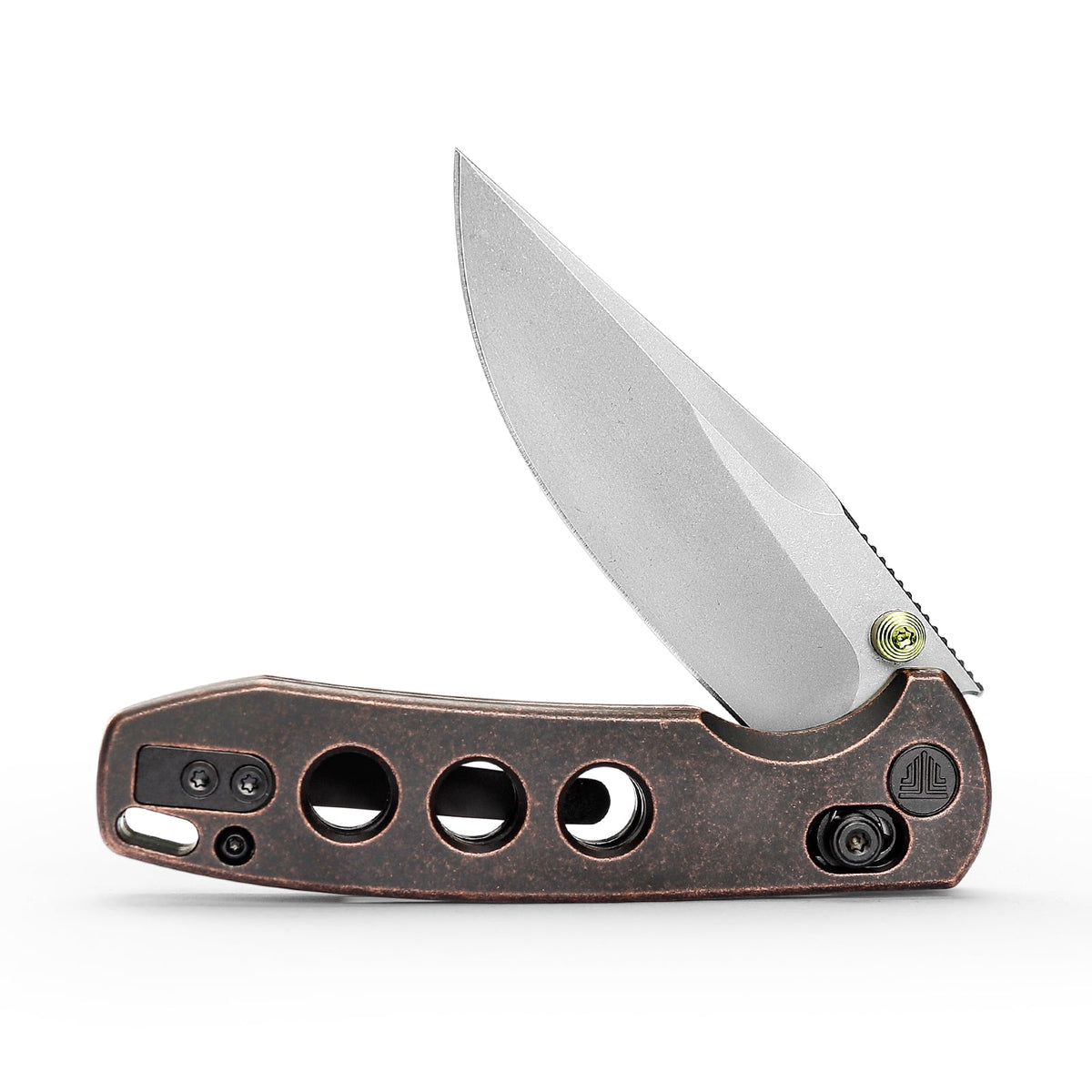
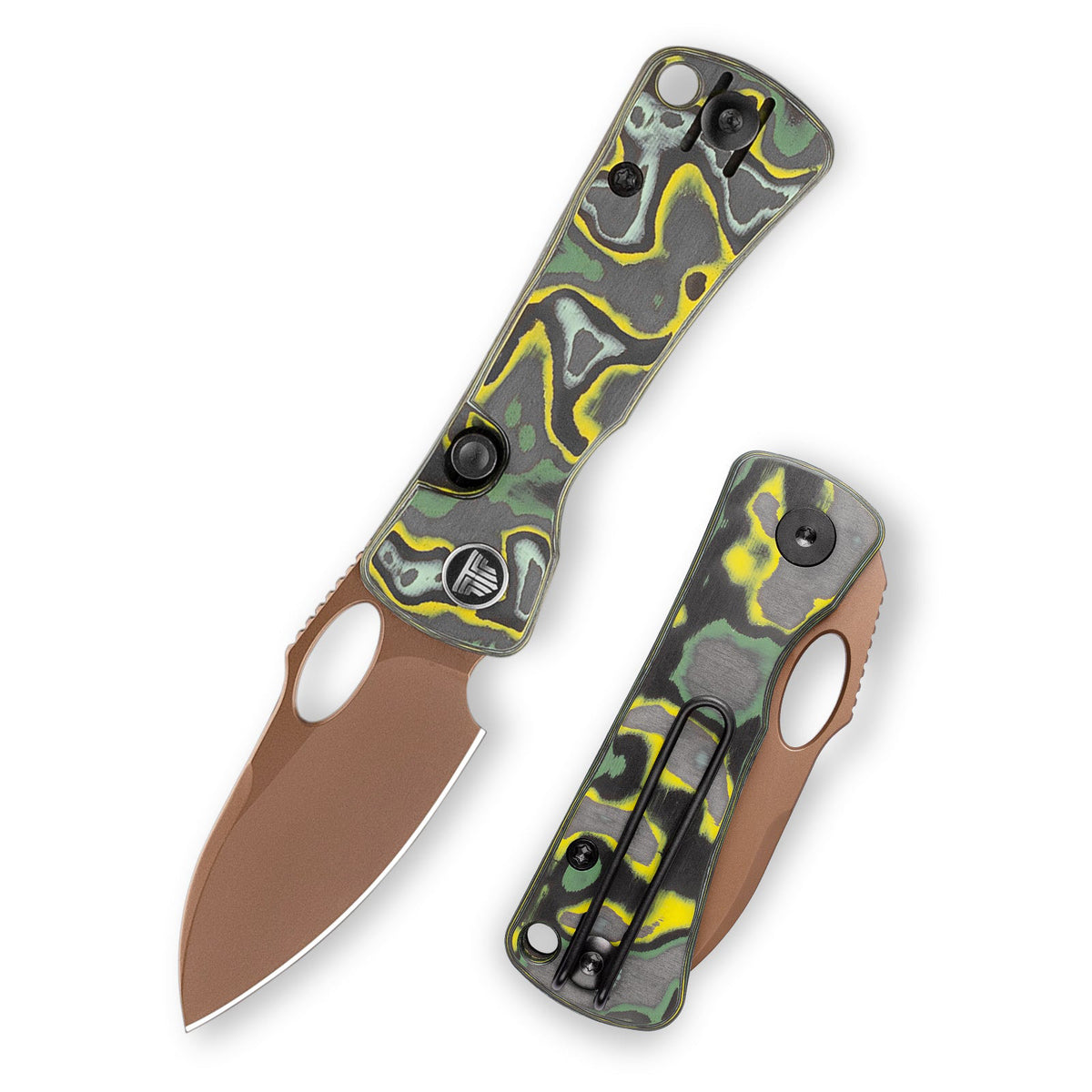
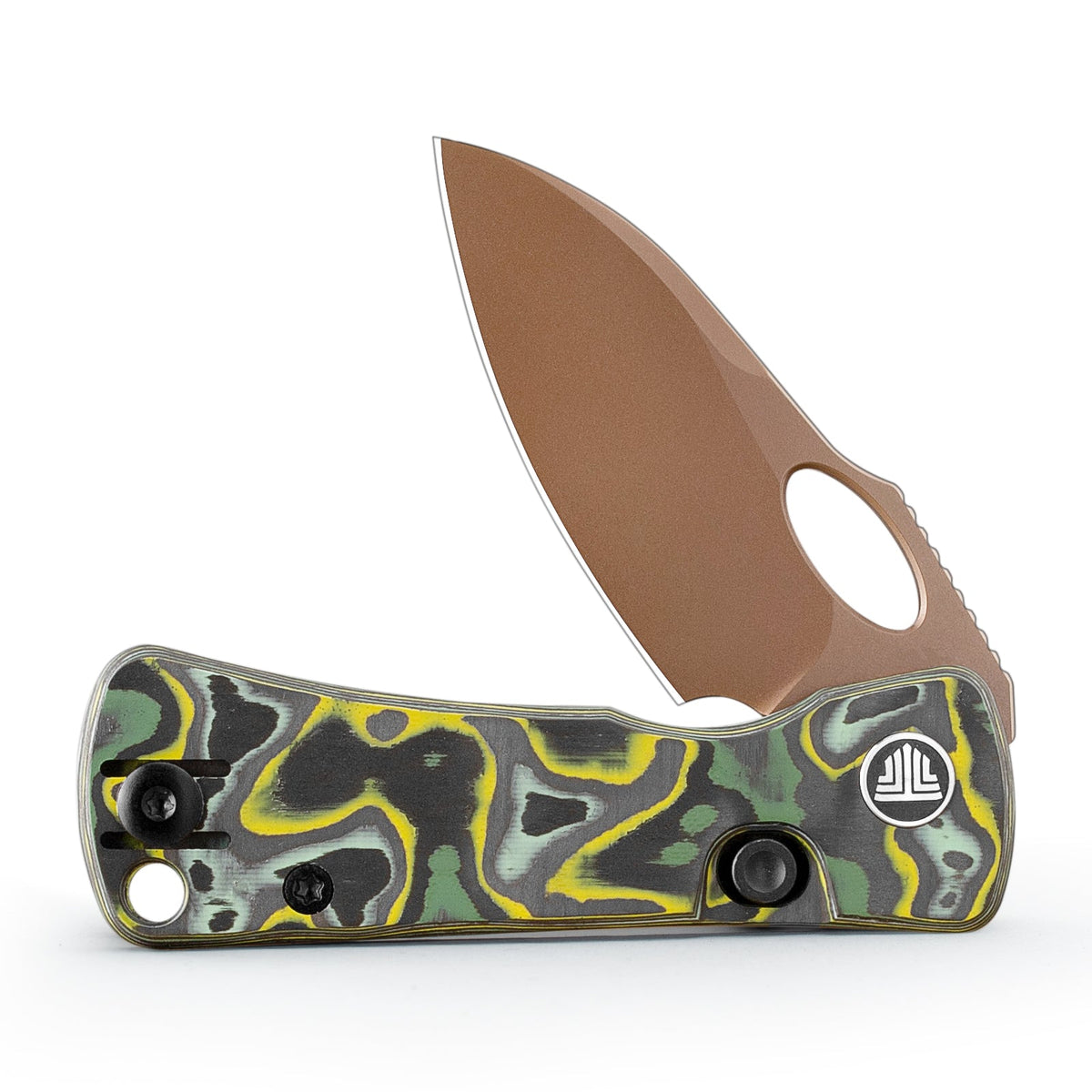
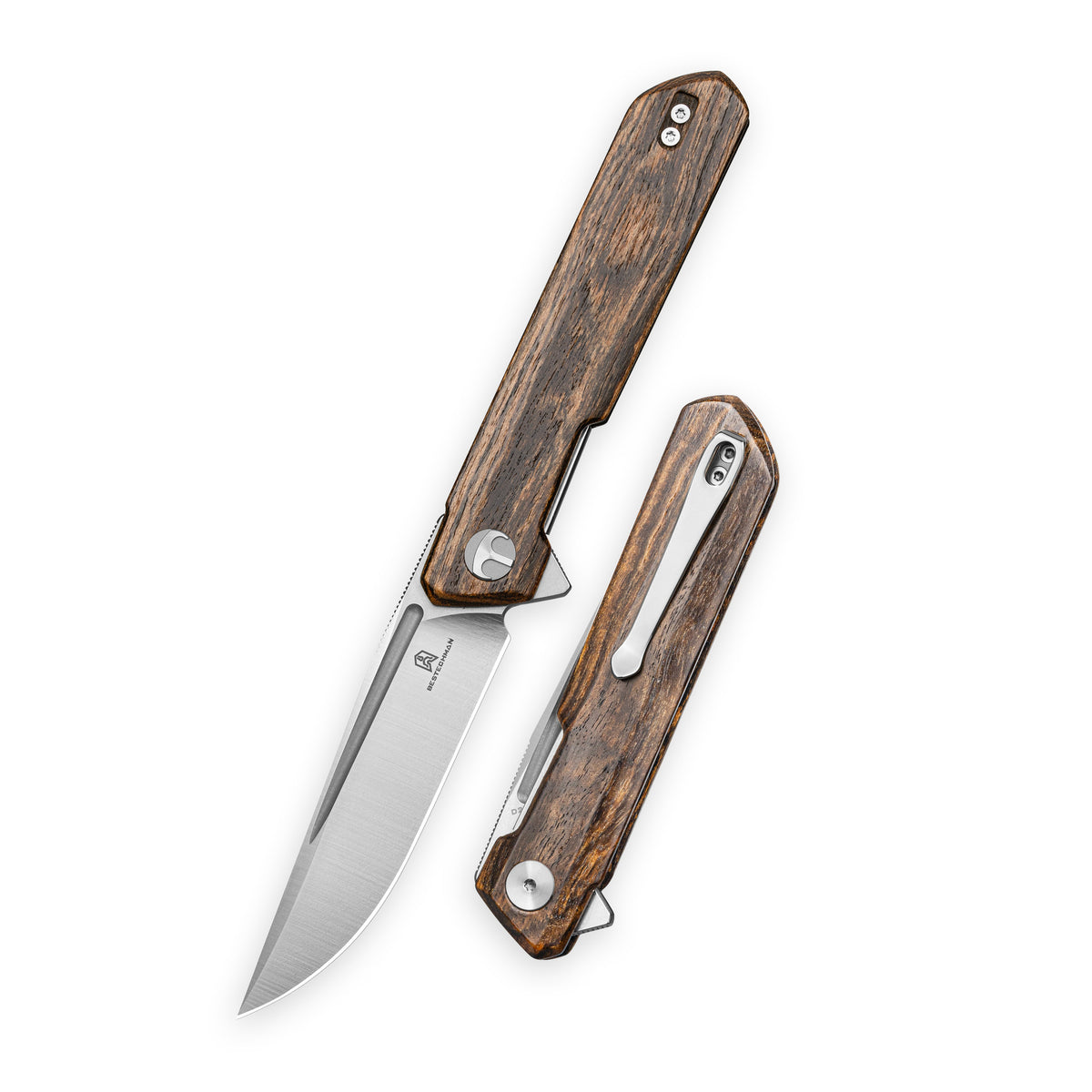
A track walker covers miles on foot, reading joints, checking spikes, watching for broken rail and clearing debris from the flange way. Most of that work happens between first and last light, which makes lighting the single most important piece of a track kit. A flood beam lights the ballast at your feet while a spot beam reaches the next curve. Cut wire, tag ties and trim marker flags with EDC knives or a folding knives pattern that opens one-handed.
Materials & Construction
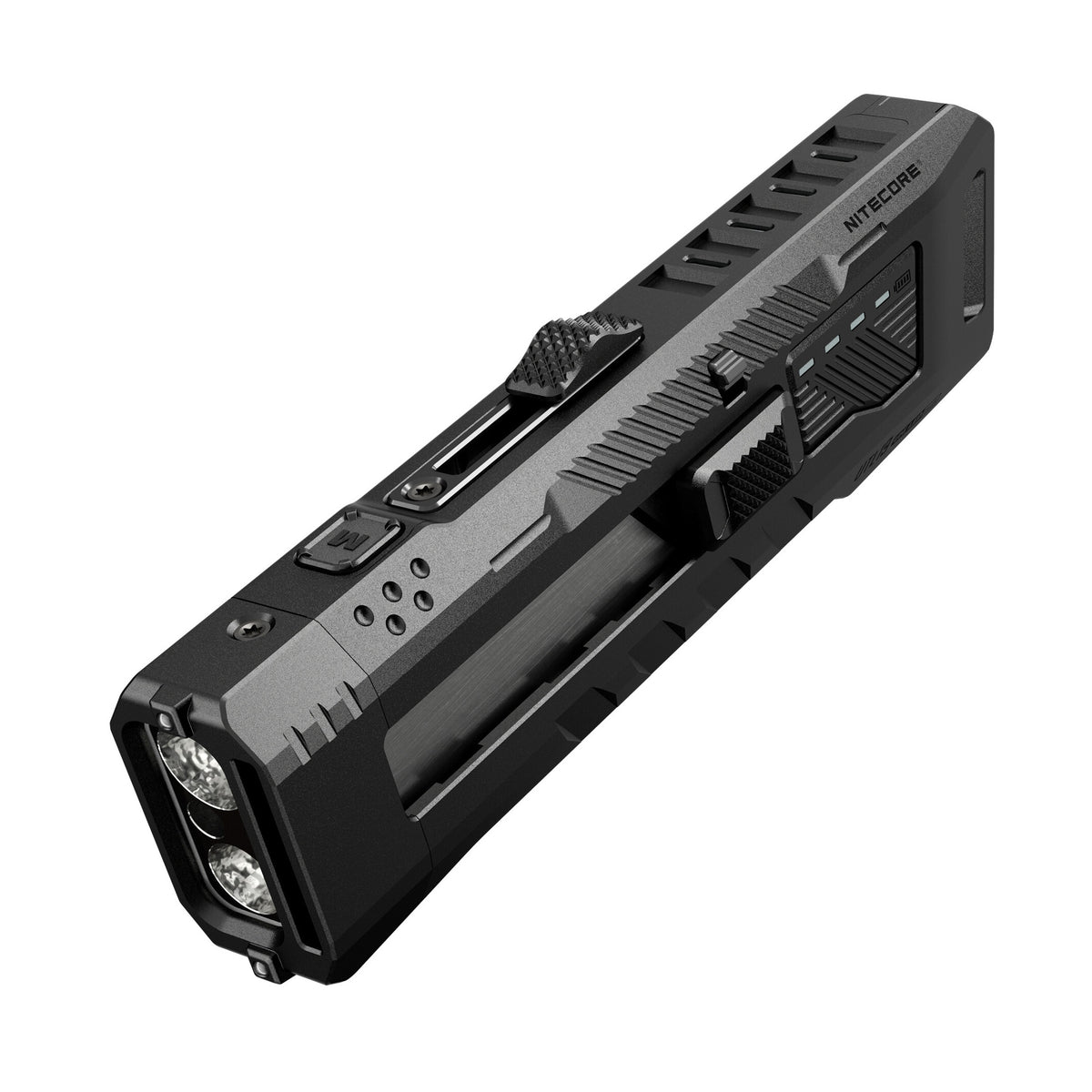
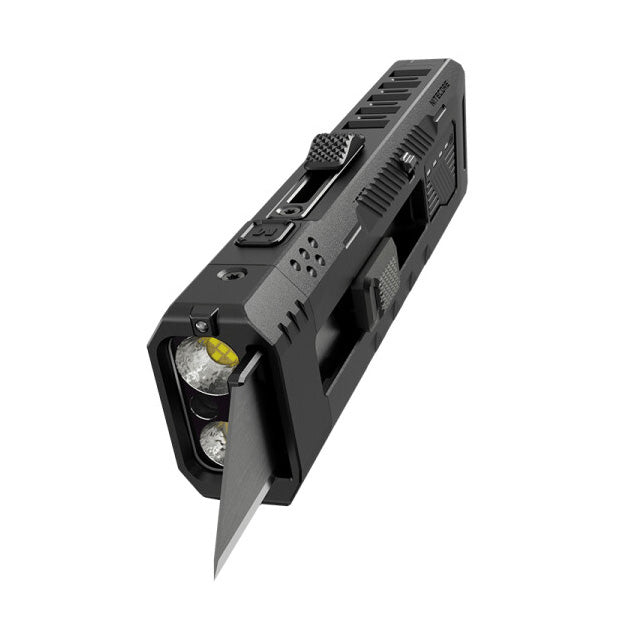
The Fenix HM65R pairs two emitters in a magnesium alloy body rated at 1400 lumens. Fenix flashlights build this headlamp with separate flood and spot reflectors, so a diffused beam covers the ballast and rail head while a tight beam reaches several hundred feet down the line. A 21700 cell and USB-C charging keep it running for a full shift in cold, wet conditions.

Design & Details
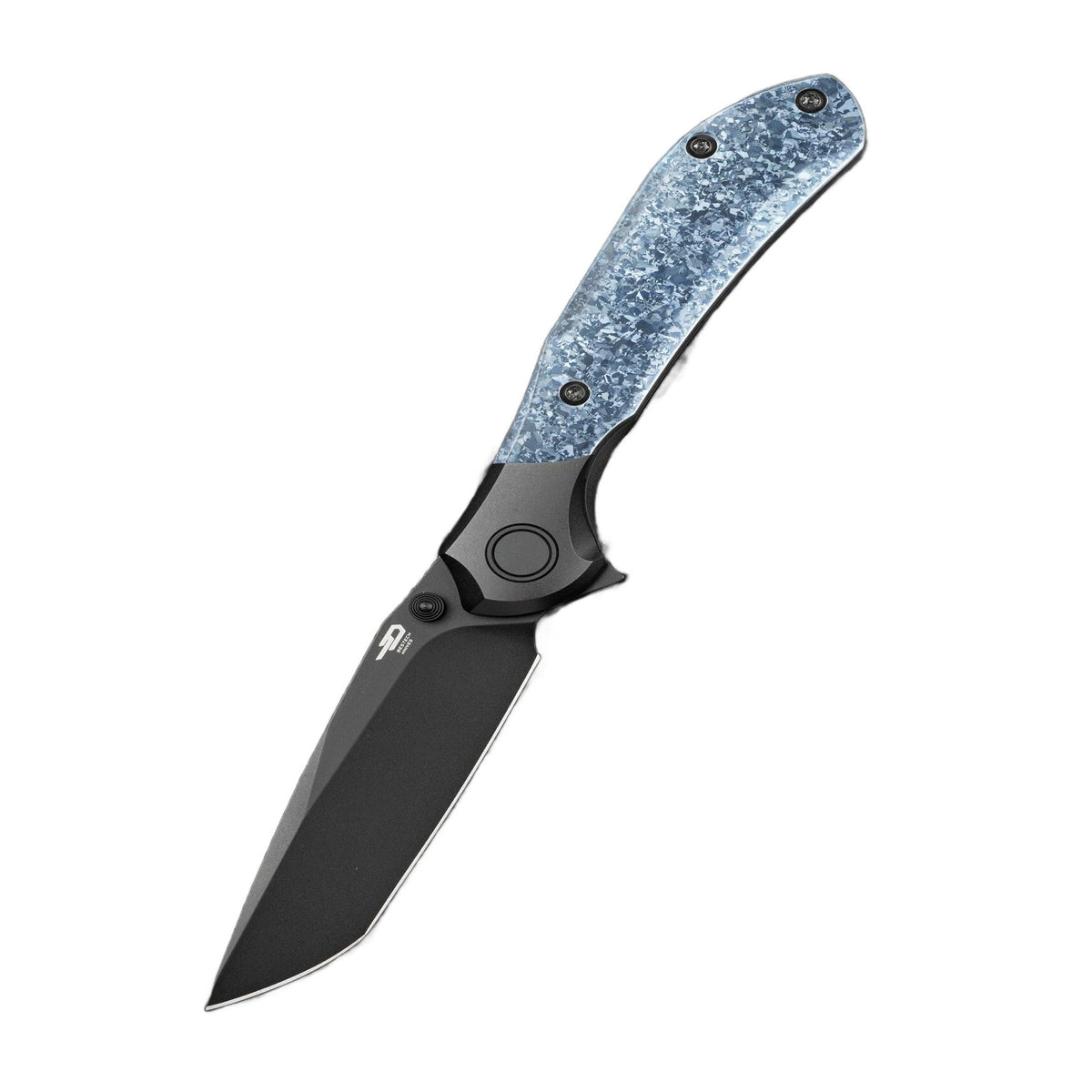
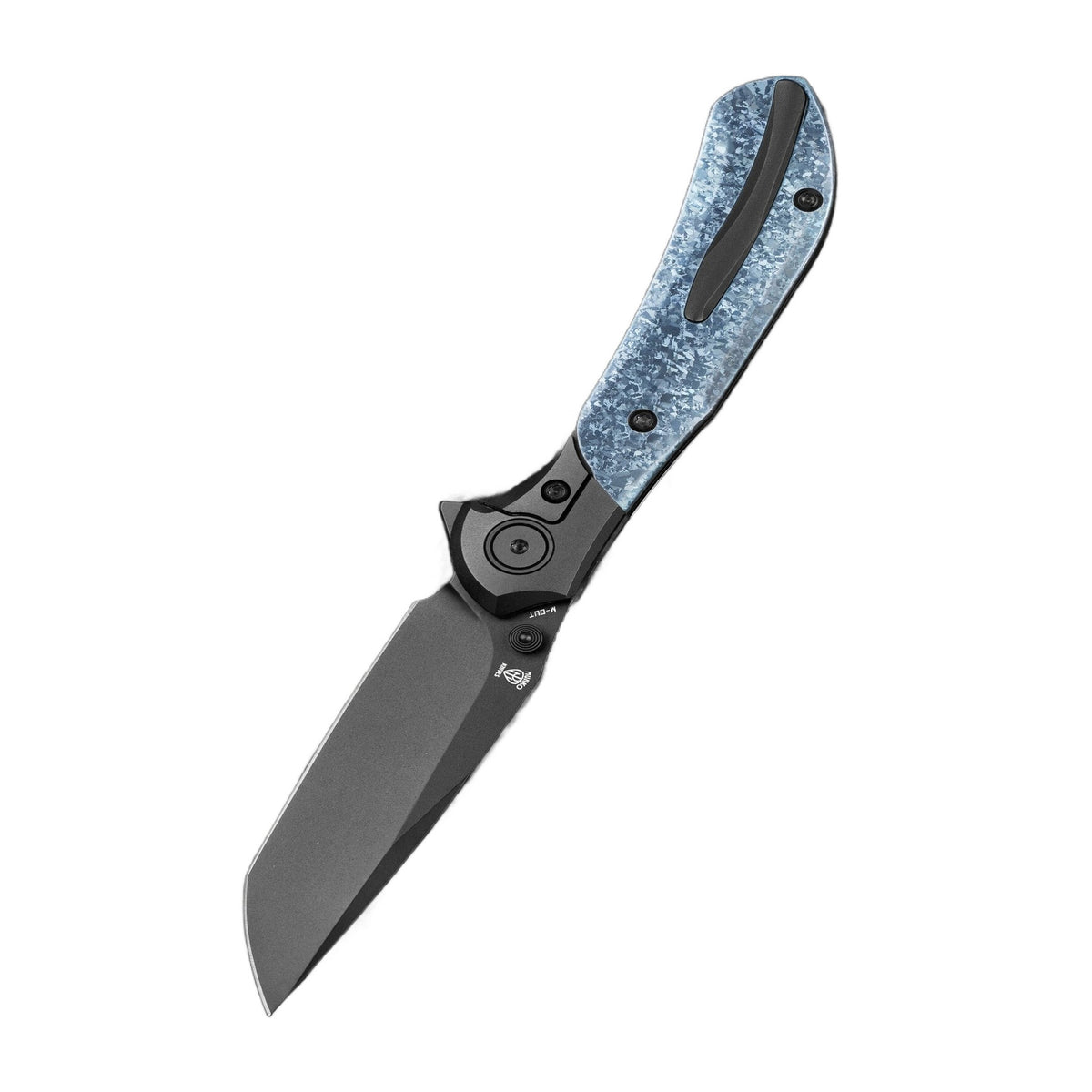
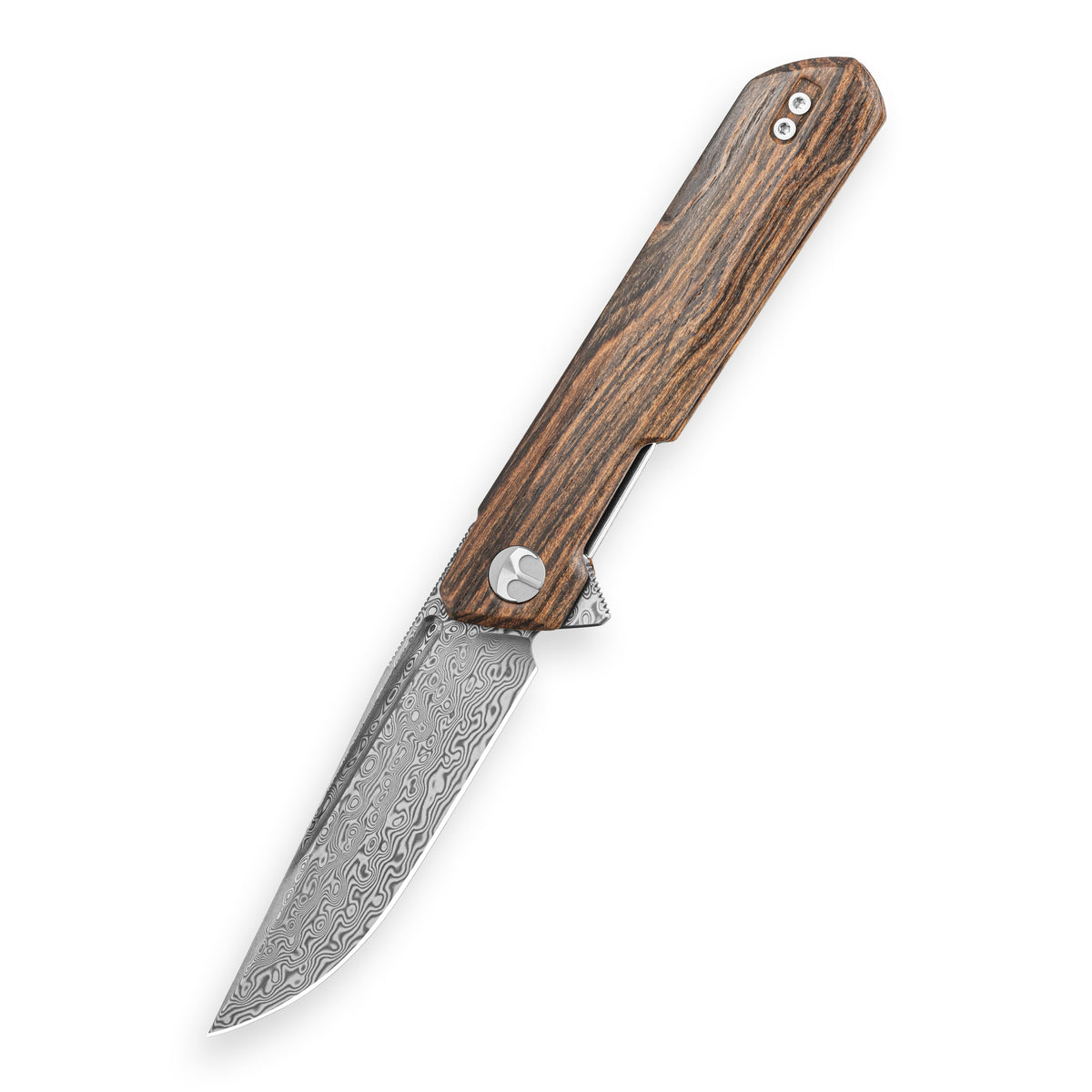
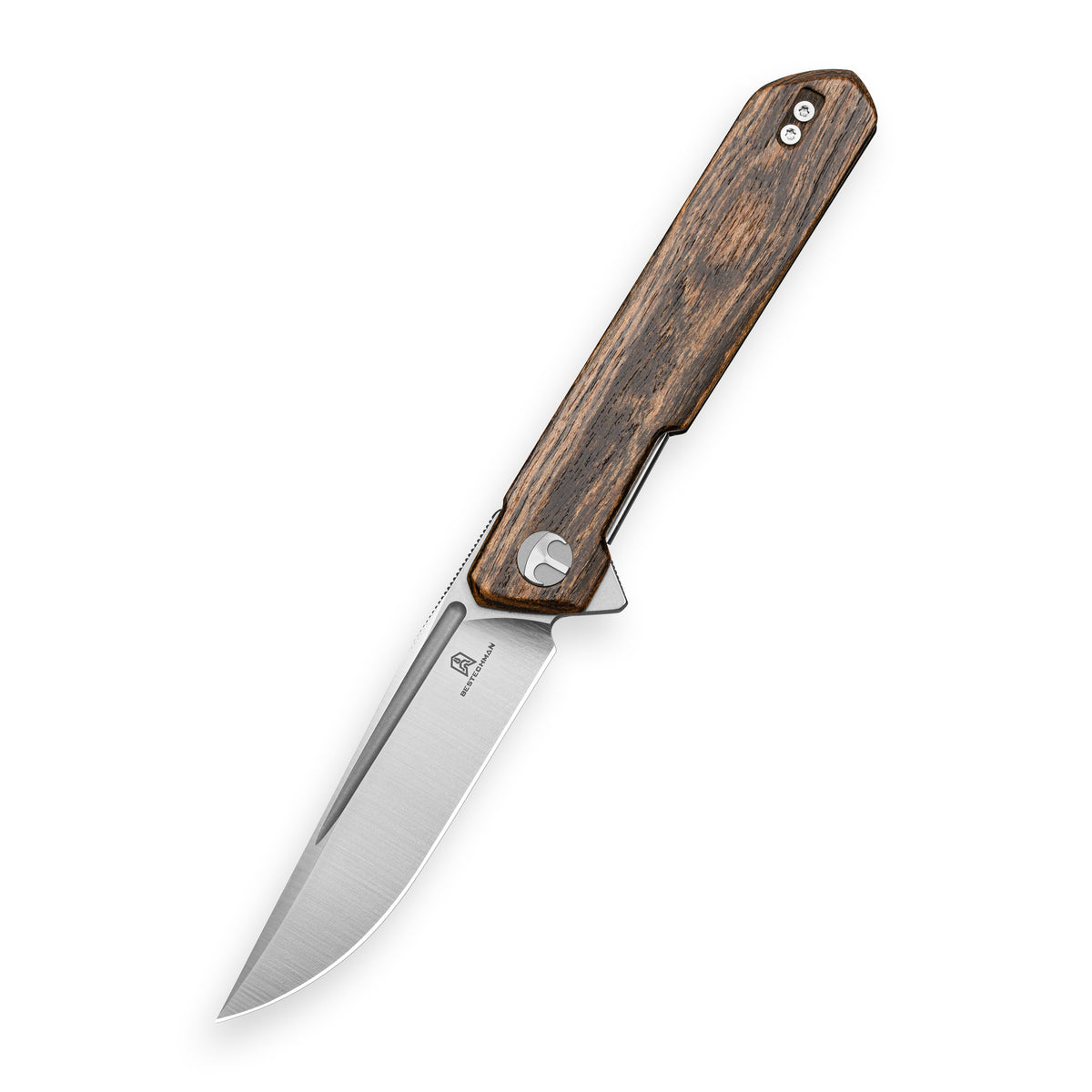
A headlamp has to survive being knocked against rail, dropped on ties and rained on for eight hours. An aluminum housing with a sealed battery door handles that, and a strap that fits over a hard hat matters more than any spec sheet. Forward-mounted weight keeps the beam steady when you look down at a joint bar, and the knife on a belt rides in a liner lock folder that opens without being looked at.
Real-World Use
On a night patrol the headlamp lights a joint inspection, then drops to a low flood setting for walking between mileposts. The folder opens a case of spikes, cuts a length of wire to secure a marker, trims a frayed safety vest strap and slices the seal on a parts box at the tool house before the walk back.

Ownership Notes
Rail gear lives in dust and rain, so service it on a schedule. Rinse the headlamp band, clean salt and grit out of the battery contacts and charge indoors where the cell can warm up. Wipe the knife pivot, check the lock face for peening and keep a spare cell in the truck. EdcMall carries the headlamps and folders that fit a track-side kit, and a spare light is cheaper than a missed defect. A compact EDC flashlight belongs in the same vest pocket as the folder, because a track walker who has to climb down to the ballast to read a joint number has already lost the advantage the headlamp gave them. Keep a spare cell taped to the light body and swap it at each shift change rather than out on the line.
Who Is This For?
This is for track inspectors, signal maintainers, contractors and anyone who walks a rail corridor after dark. A commuter who rides the train never needs it. If you spend a shift reading the top of a rail by hand light, buy the dual beam headlamp and keep the folder simple.
Final Verdict
Track inspection is a mileage job, and the gear has to last the miles. Two beams in a magnesium housing, a cell that survives the cold and a knife that opens with one hand are the entire requirement.