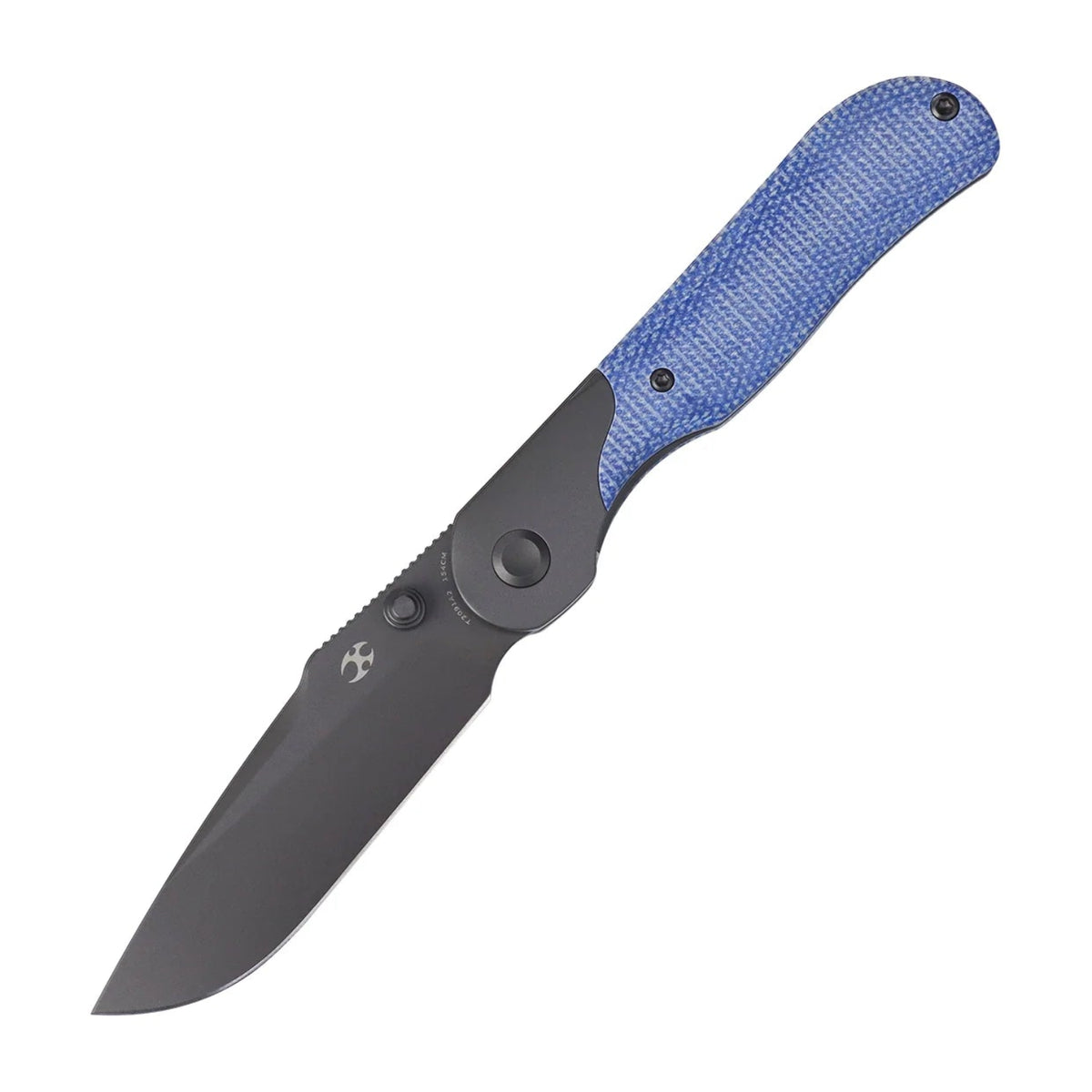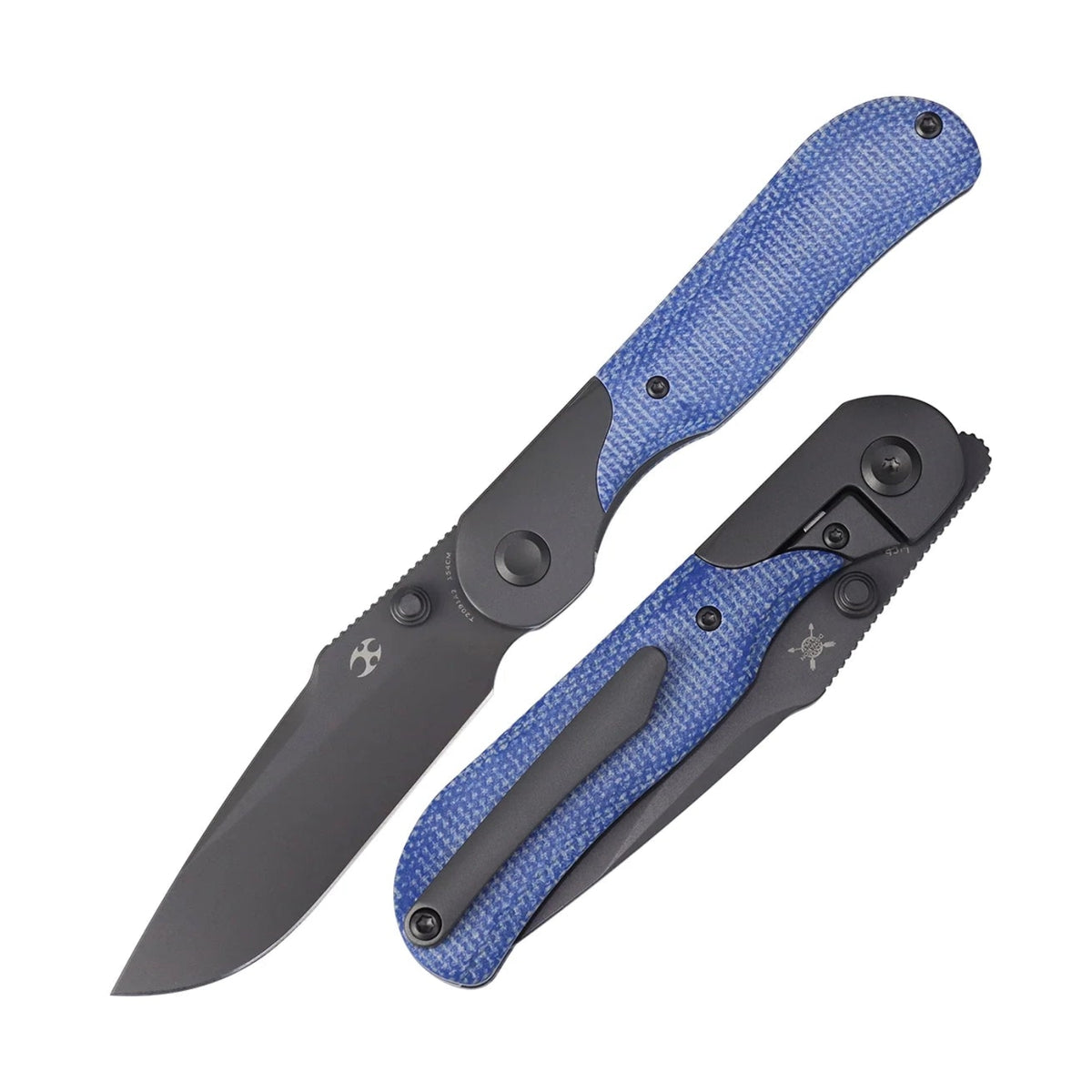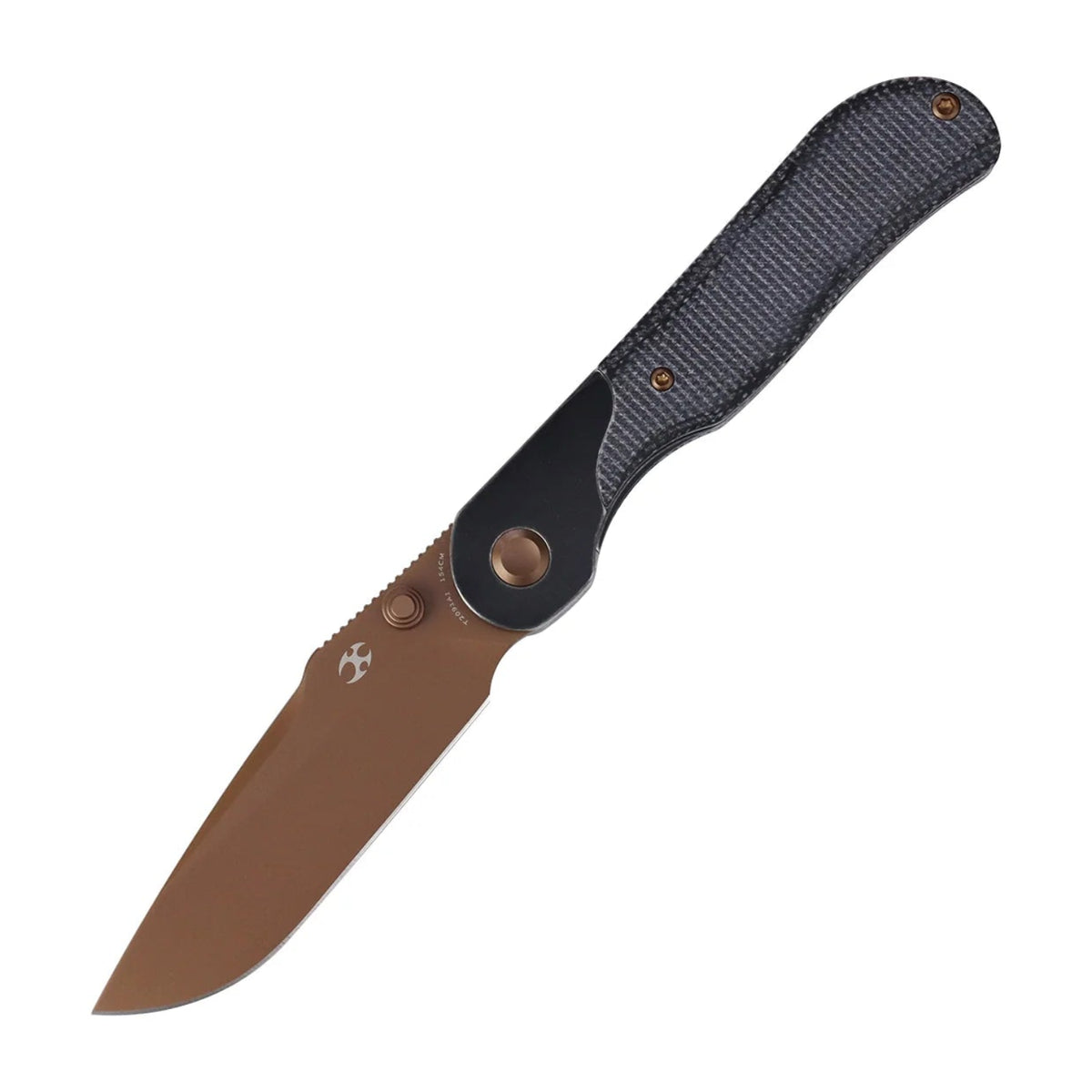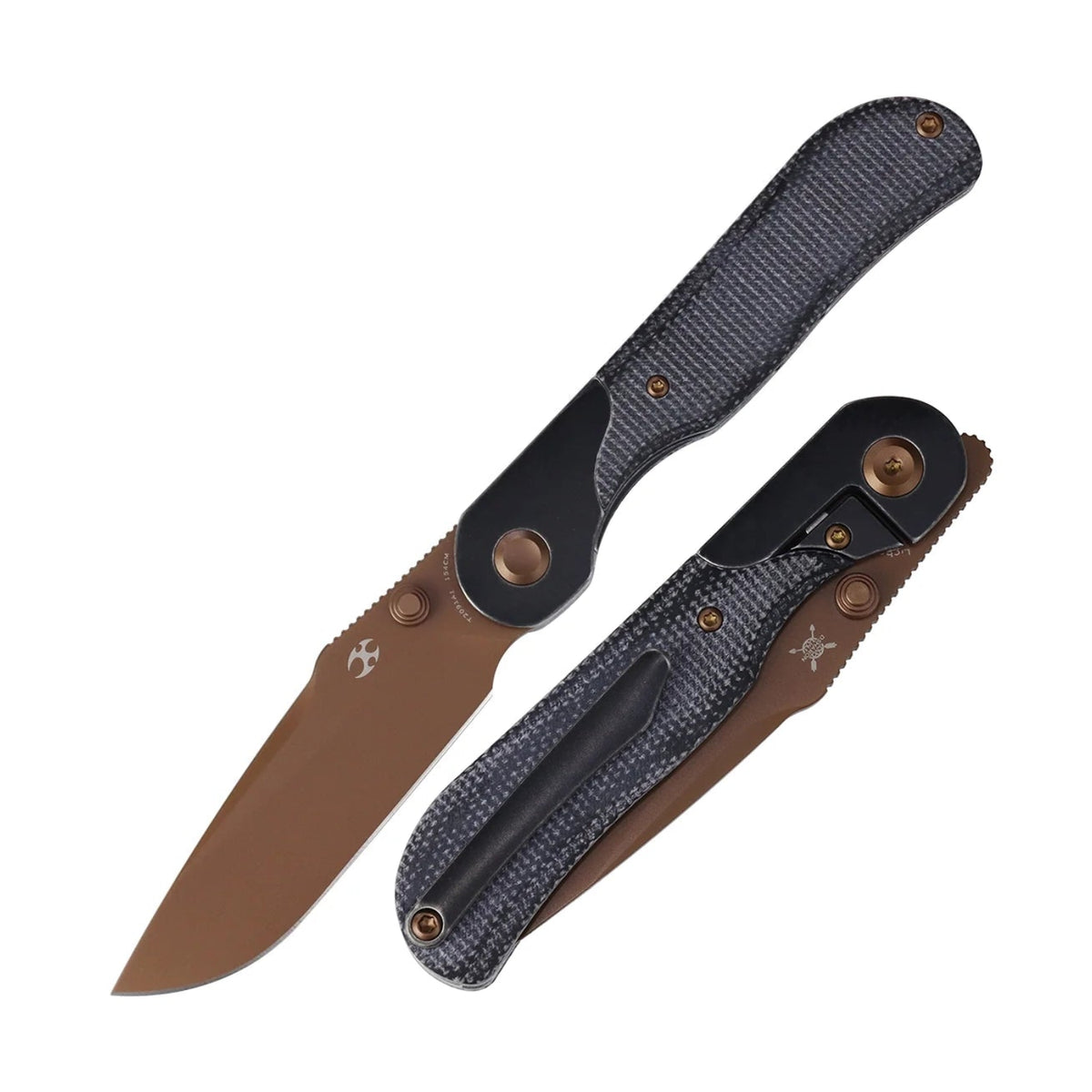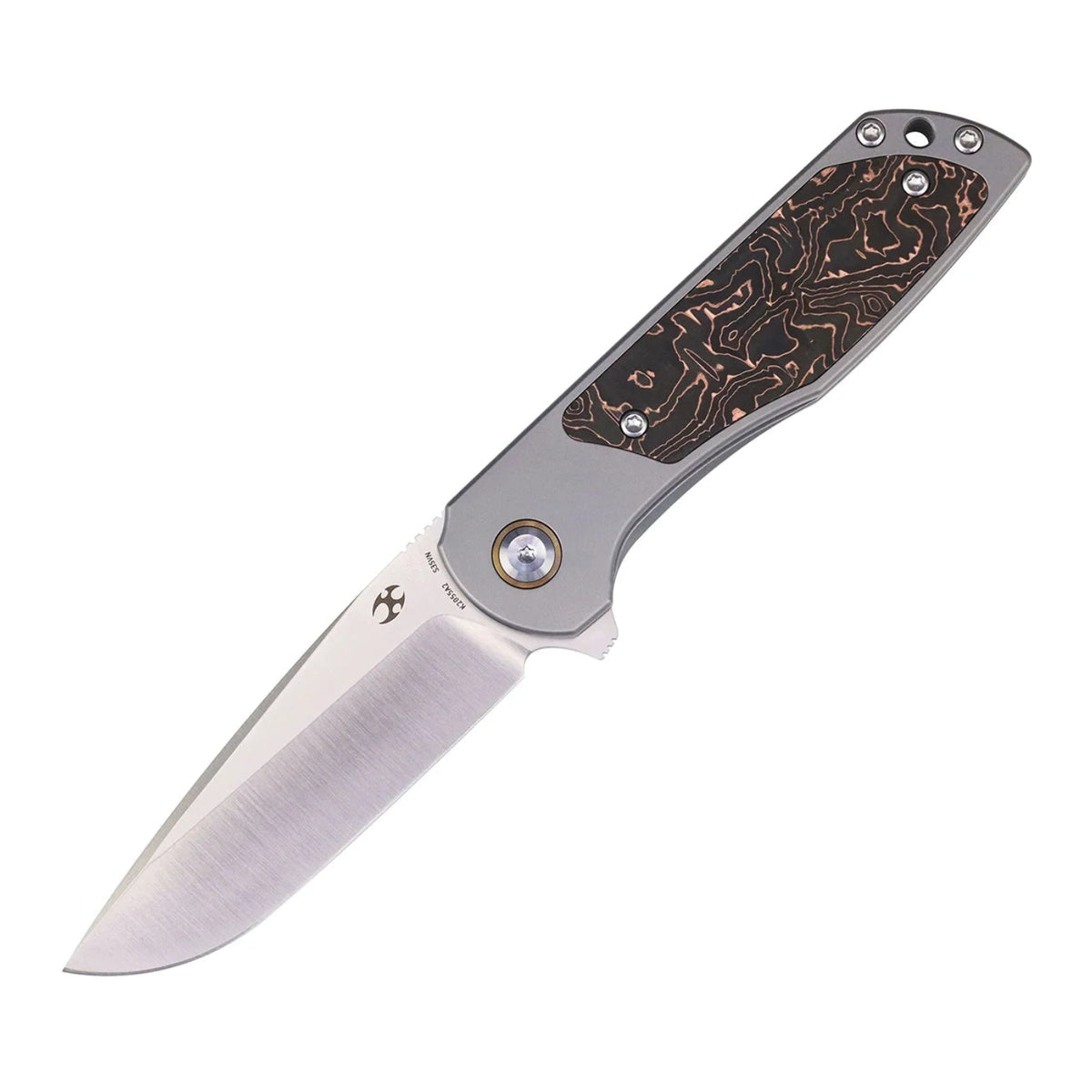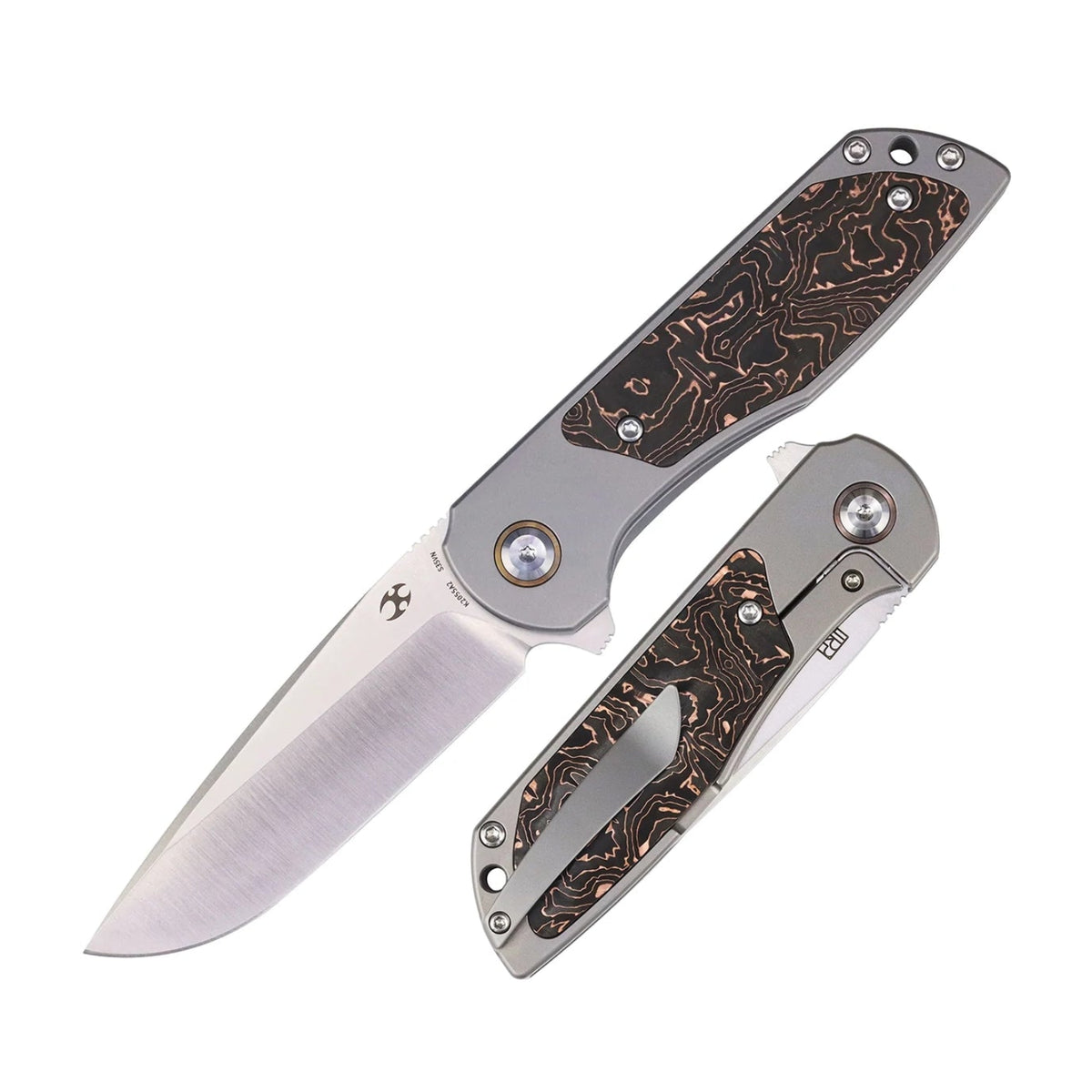


Overview & First Impressions
Wrapping a tsuka is a tension problem disguised as a craft. The samegawa panels are glued and faired, the ito is folded at precise angles, and every crossing has to pull the previous one tighter without collapsing the diamonds into a parallelogram. Before any of that, though, the core has to be shaped and the panels trimmed, and those two jobs are done with a knife. Get them wrong and no amount of careful wrapping will hide the lump under the silk.
Materials & Construction
The core is usually honoki, a soft magnolia that carves cleanly but fuzzes under a dull edge. Ray skin is tougher, and trimming a panel flush to a shaped core takes a fine, stable apex that will not wander into the wood below. CPM-S35VN handles both: the niobium carbides resist the abrasive grain of samegawa while the fine structure keeps the edge keen enough to shave a paper-thin sliver and stop exactly on the line.

Design & Details
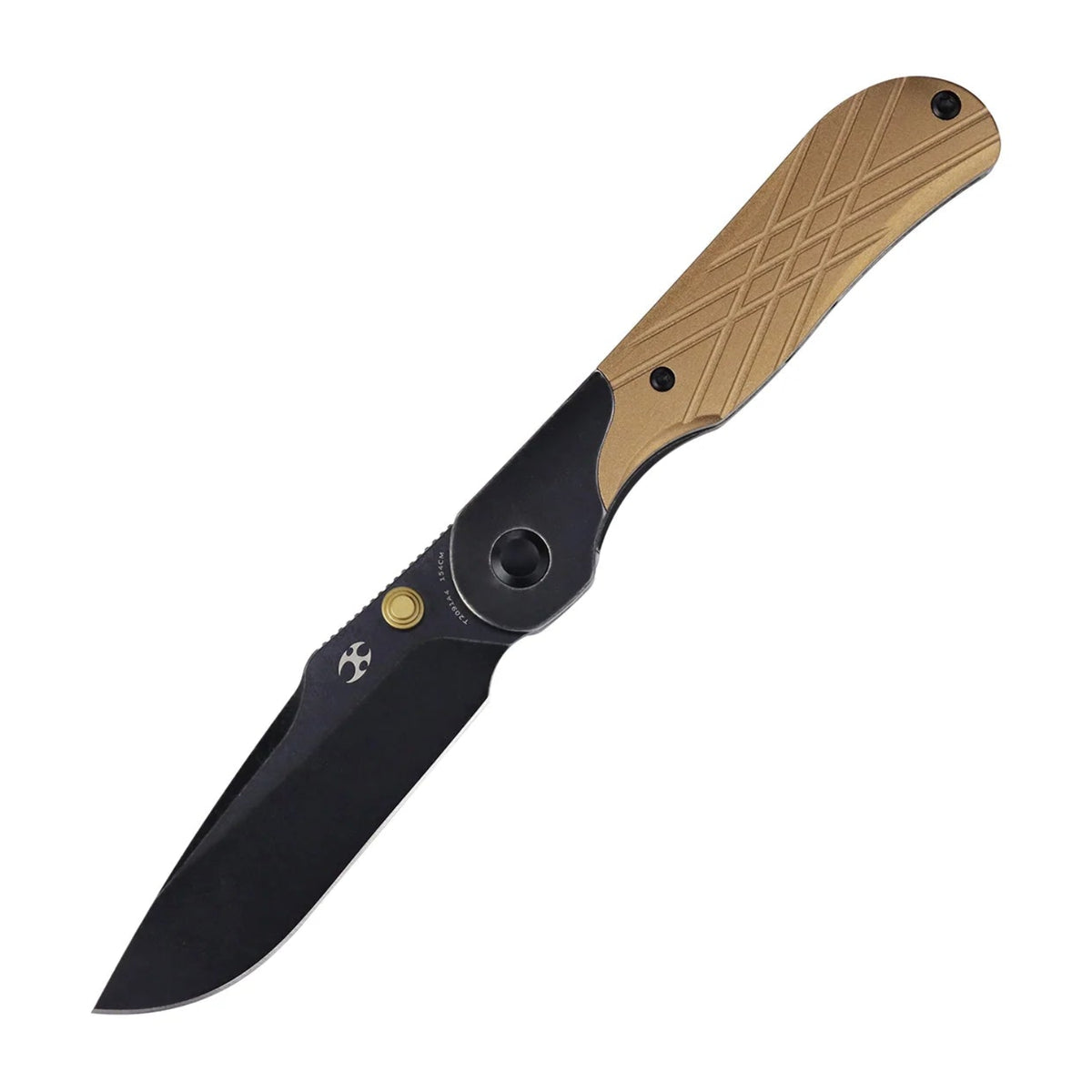
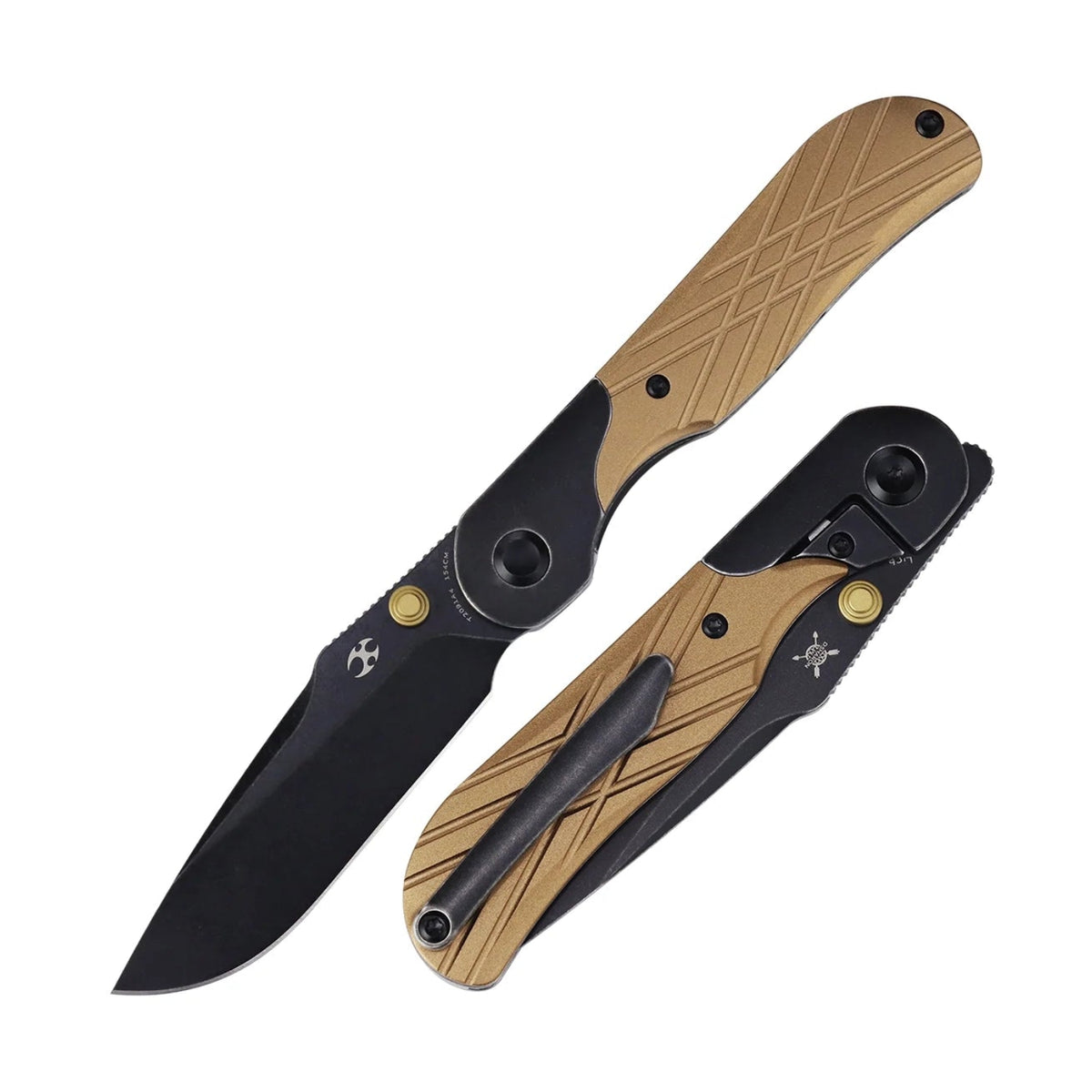
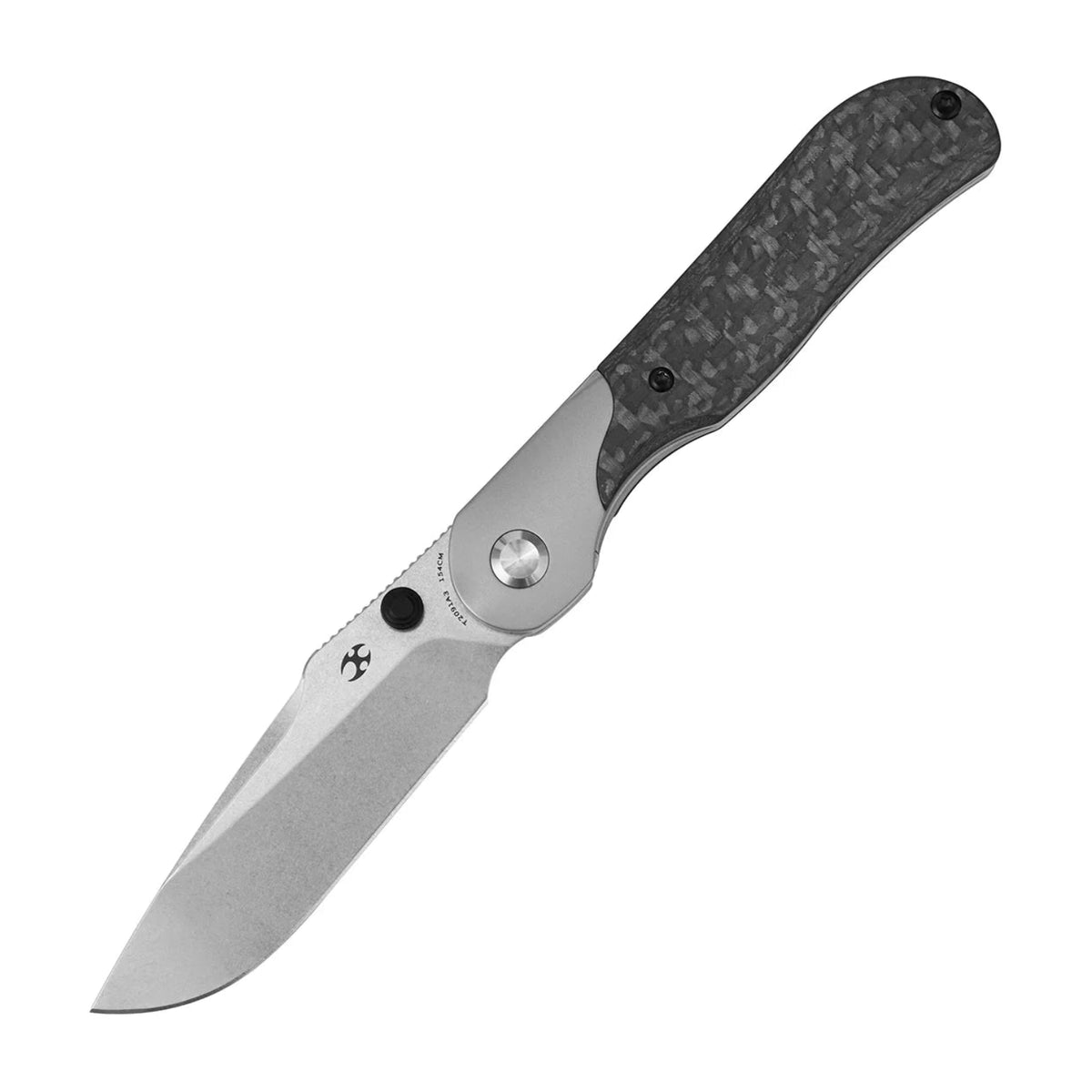
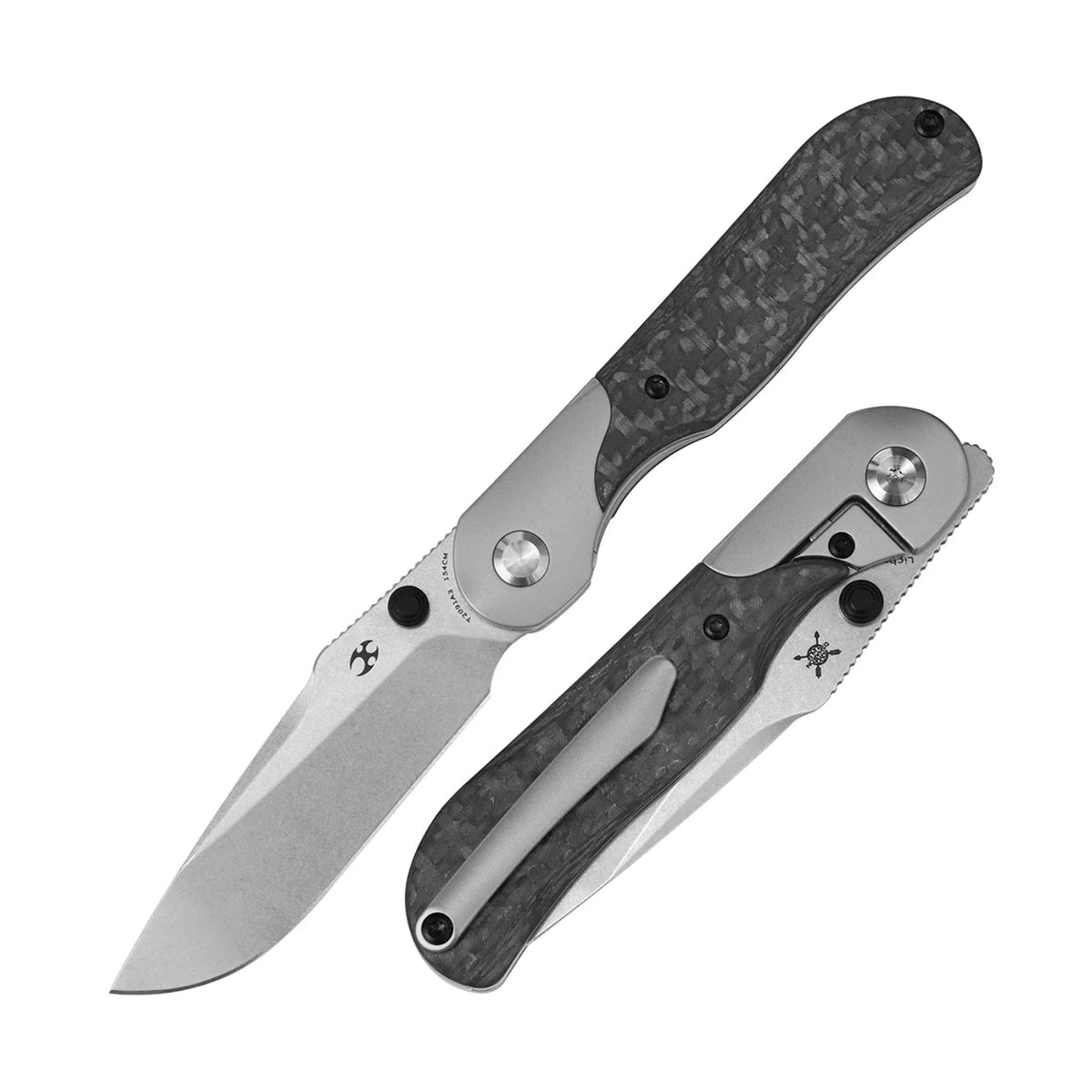
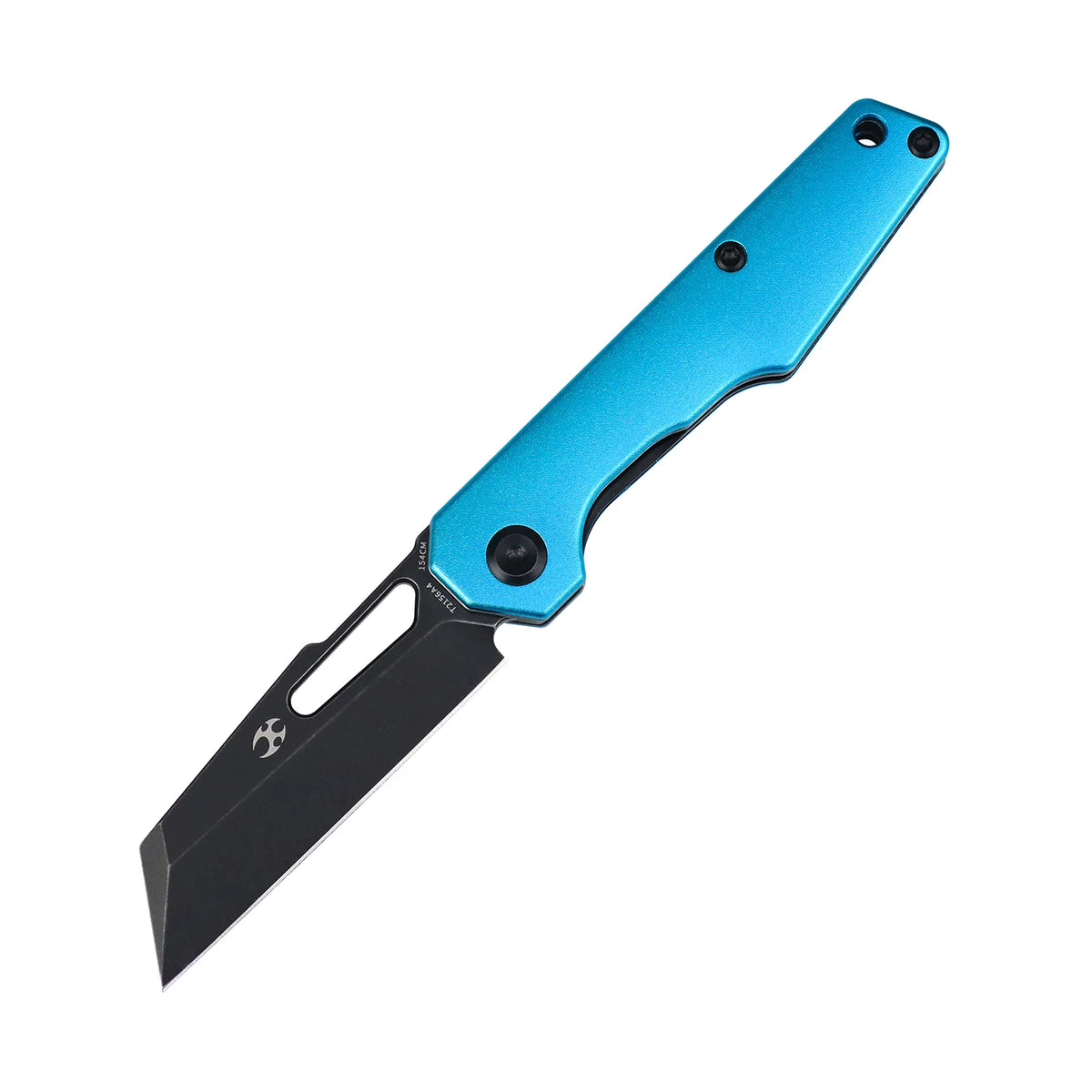
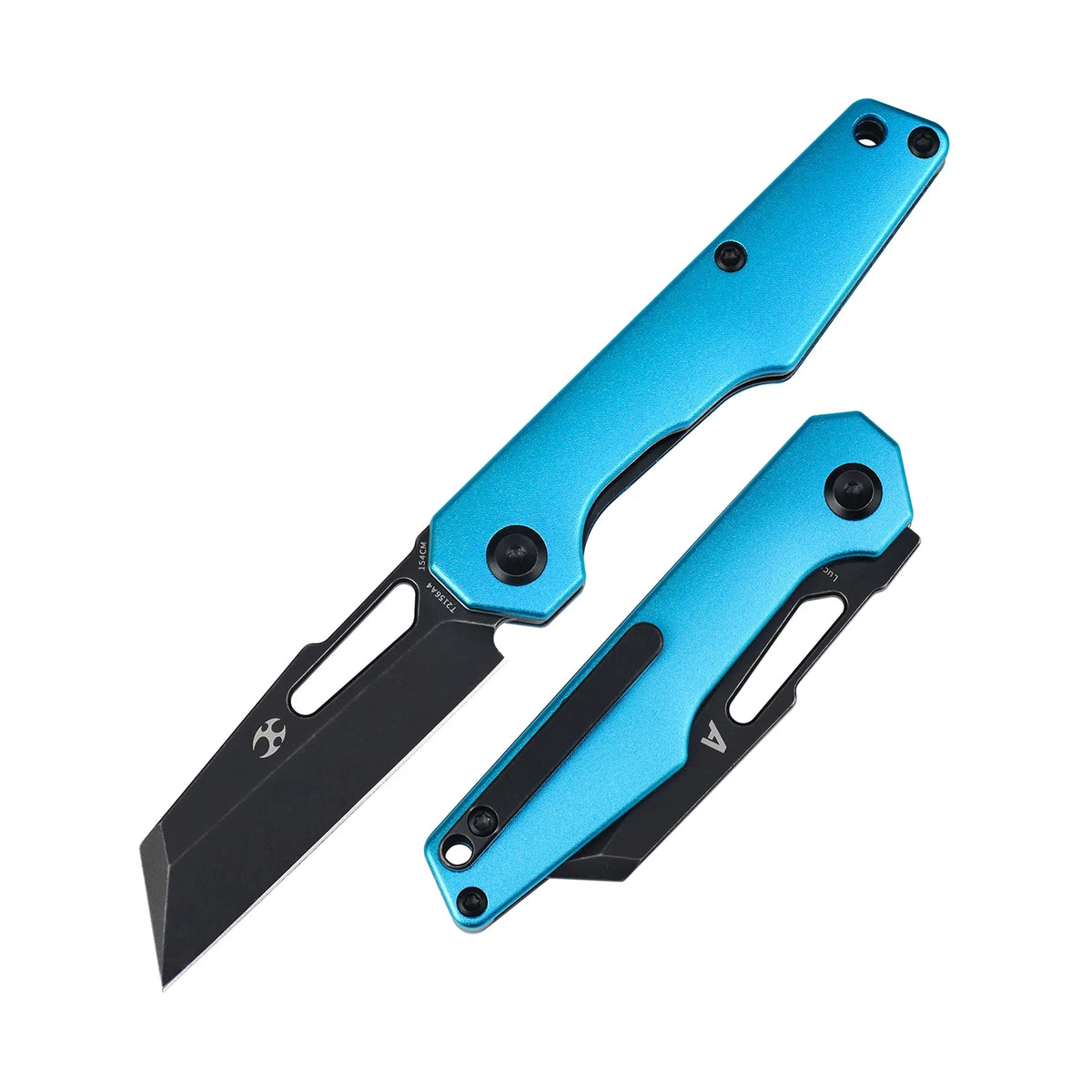
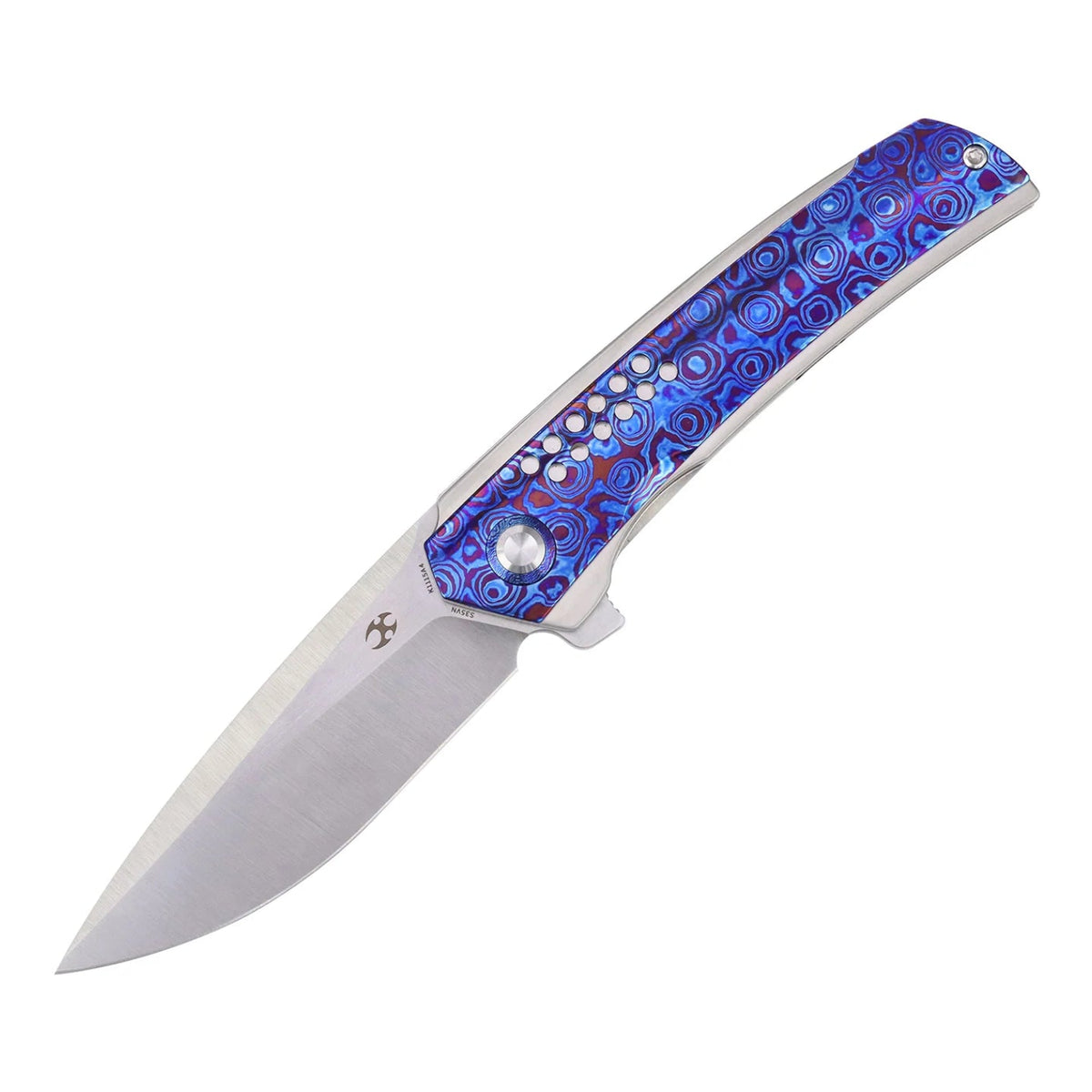
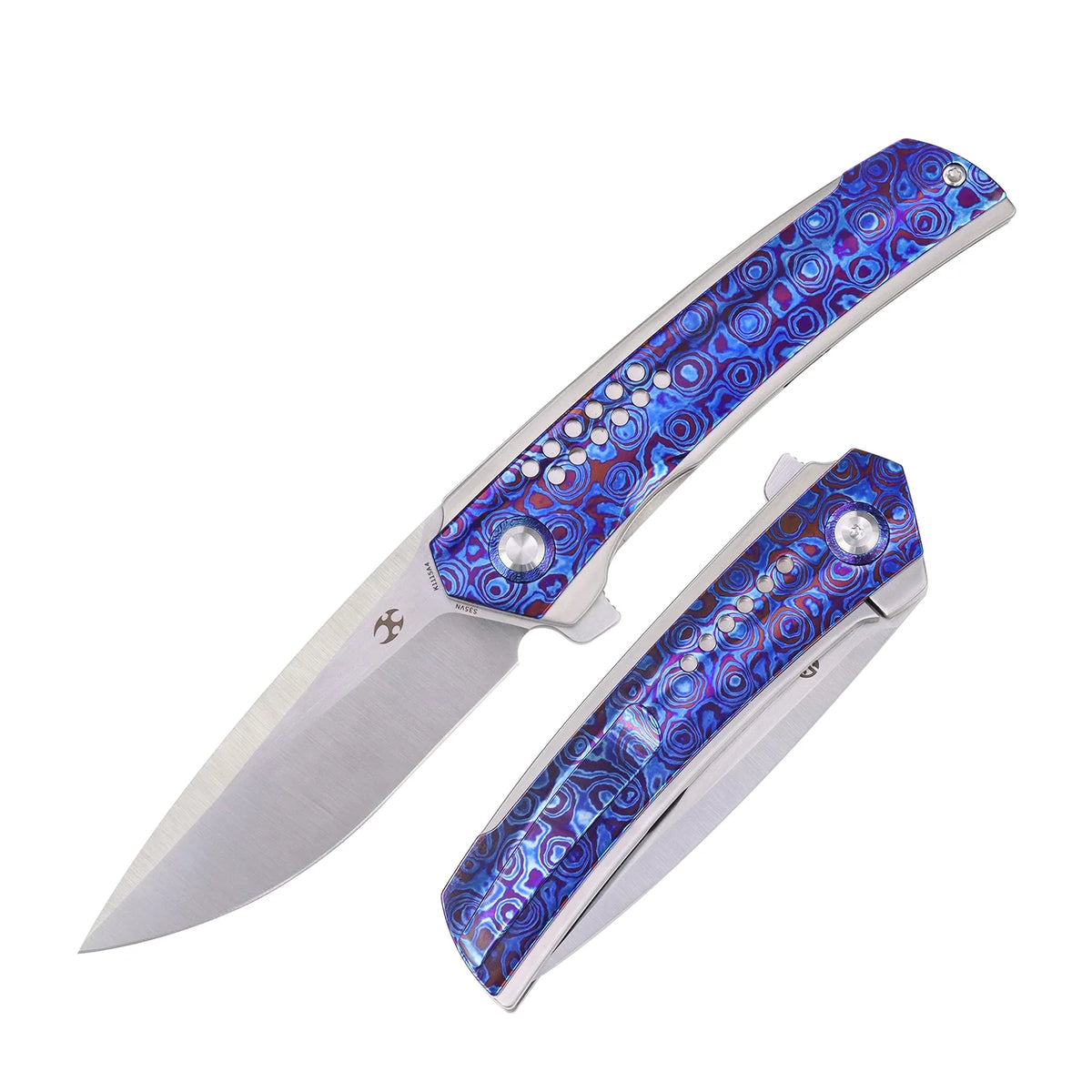
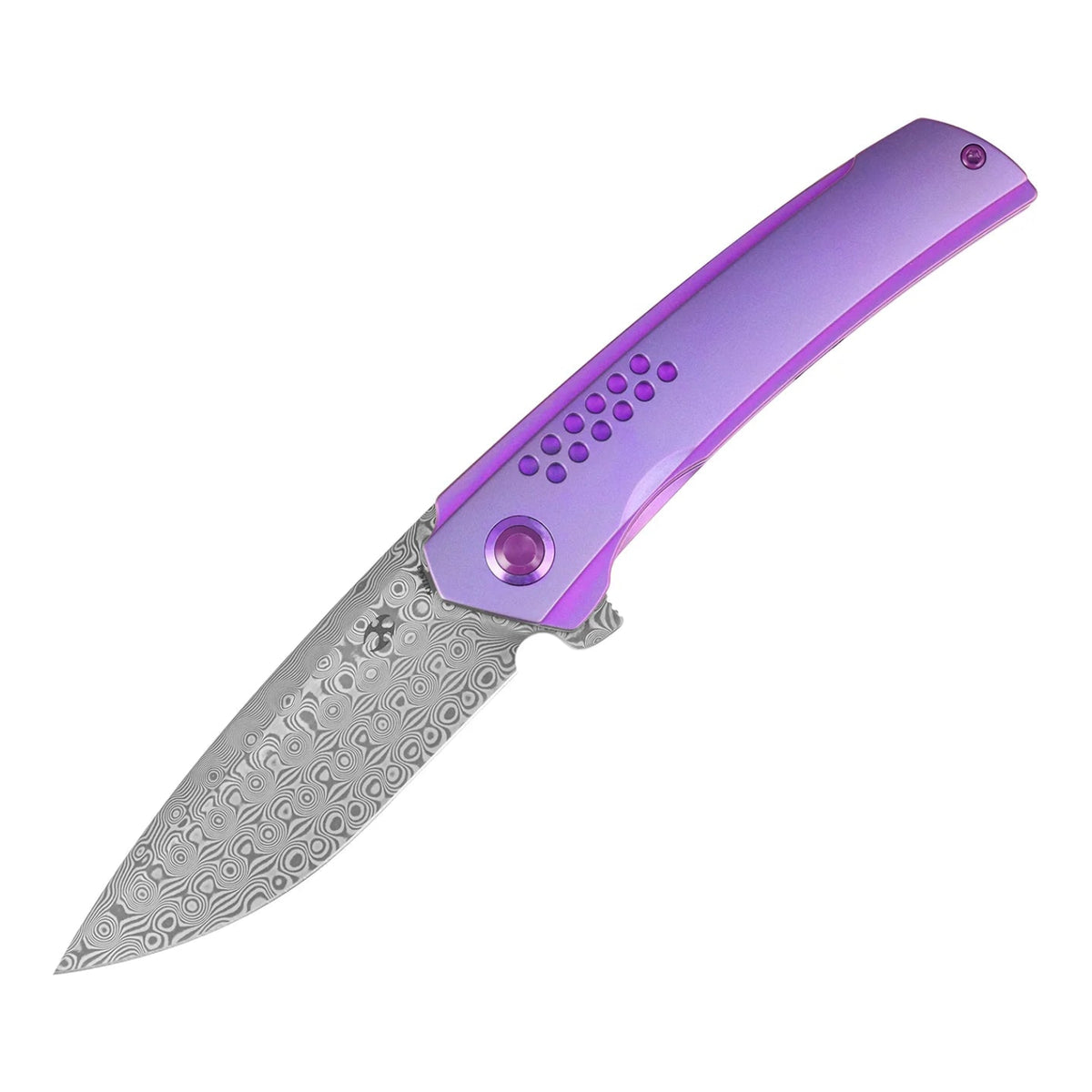
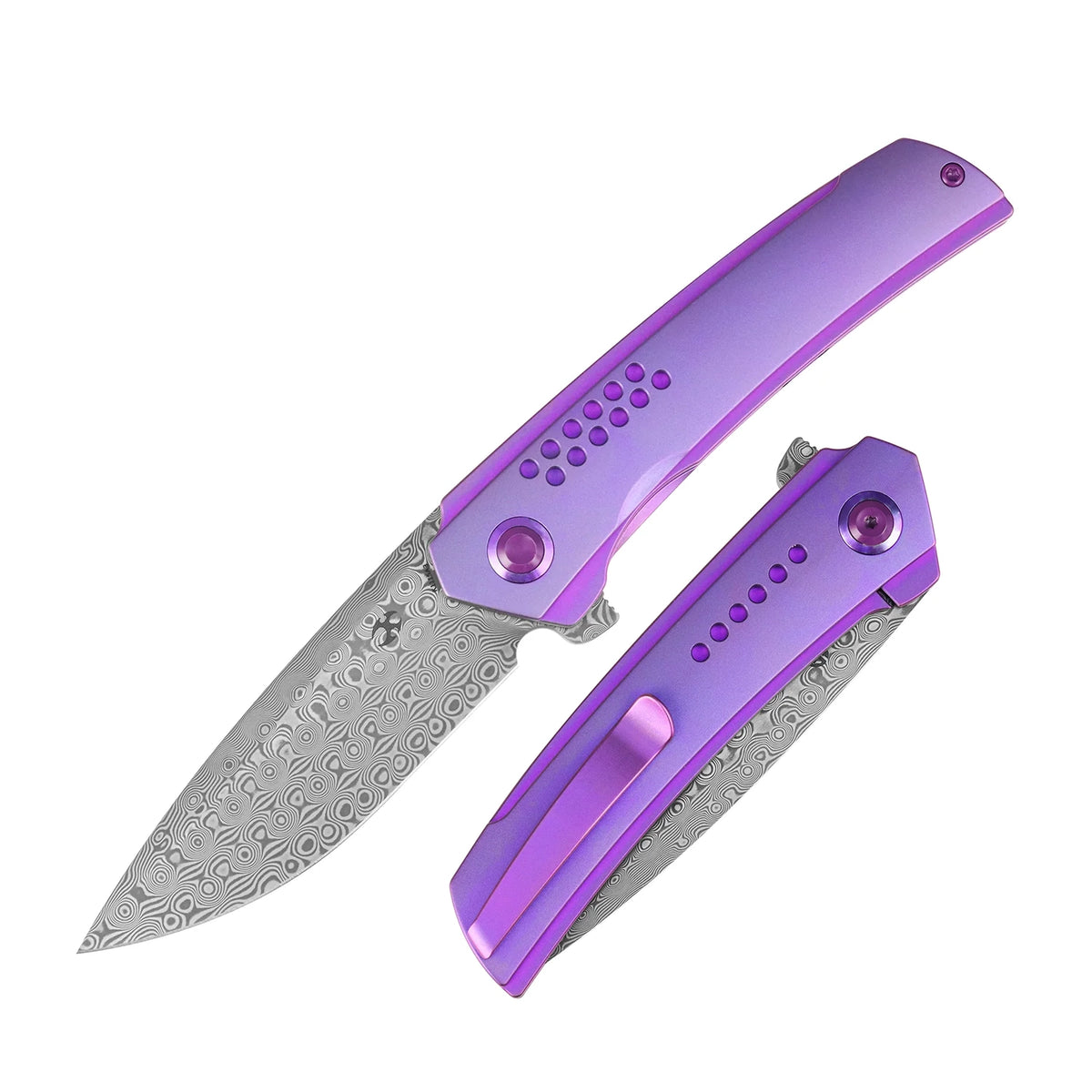
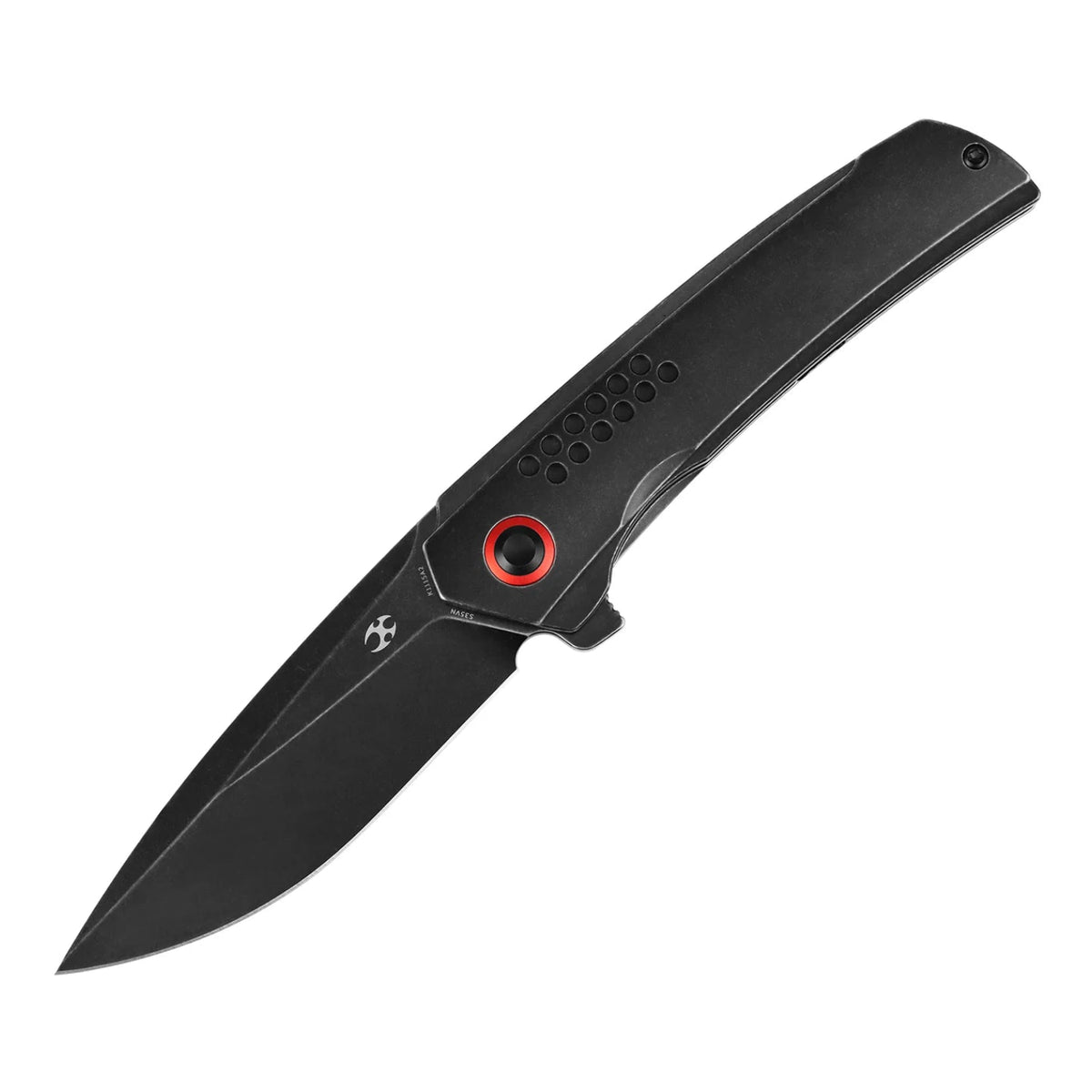
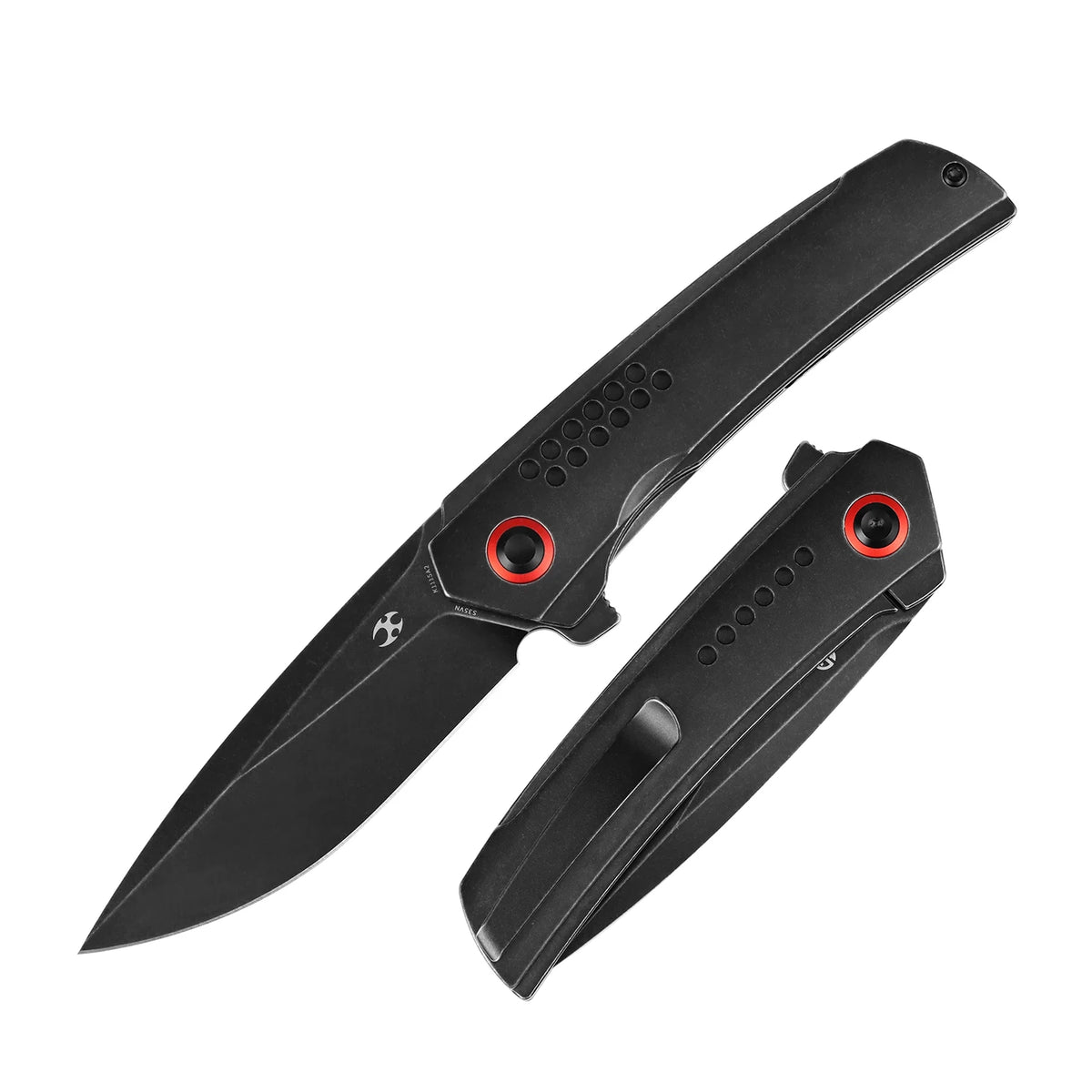
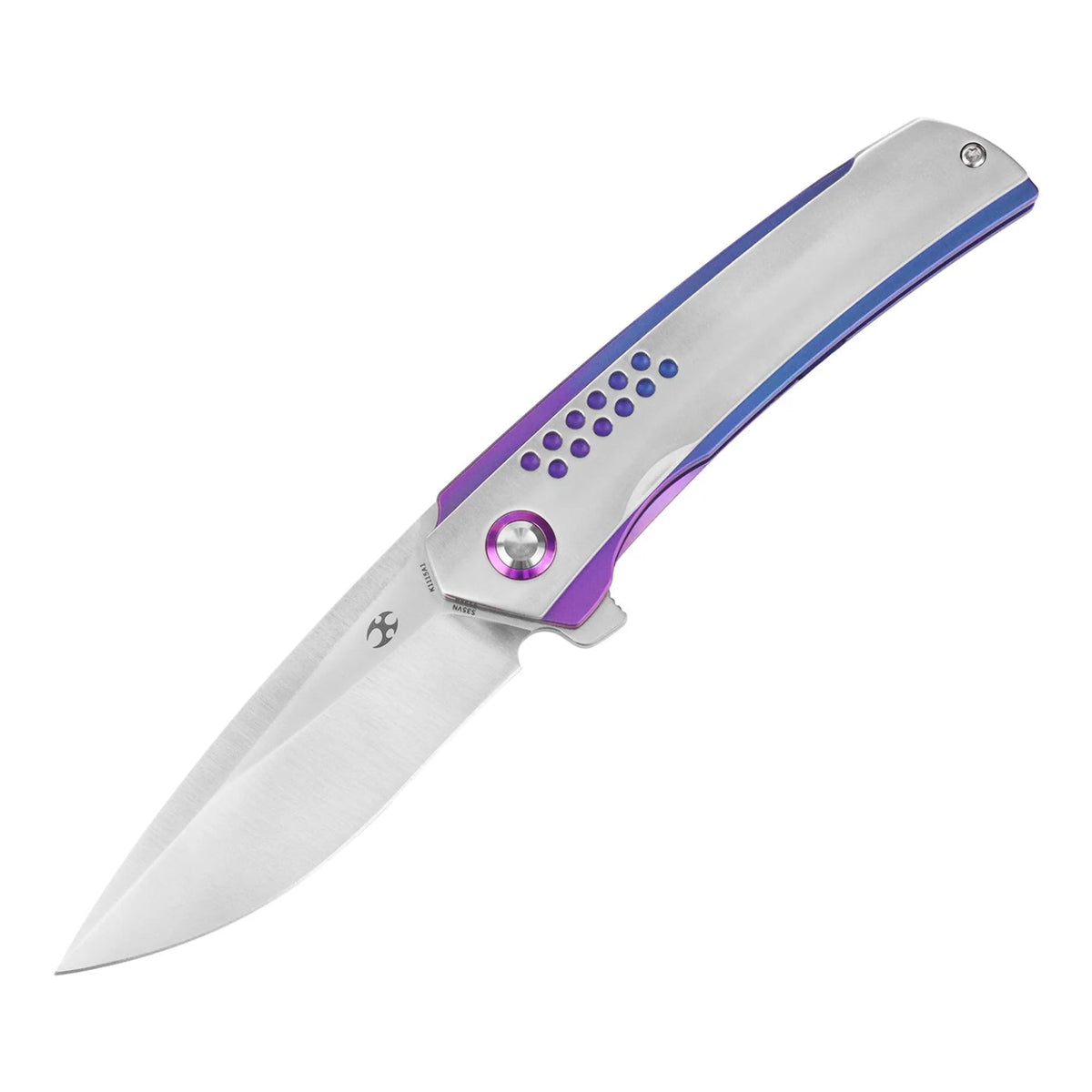
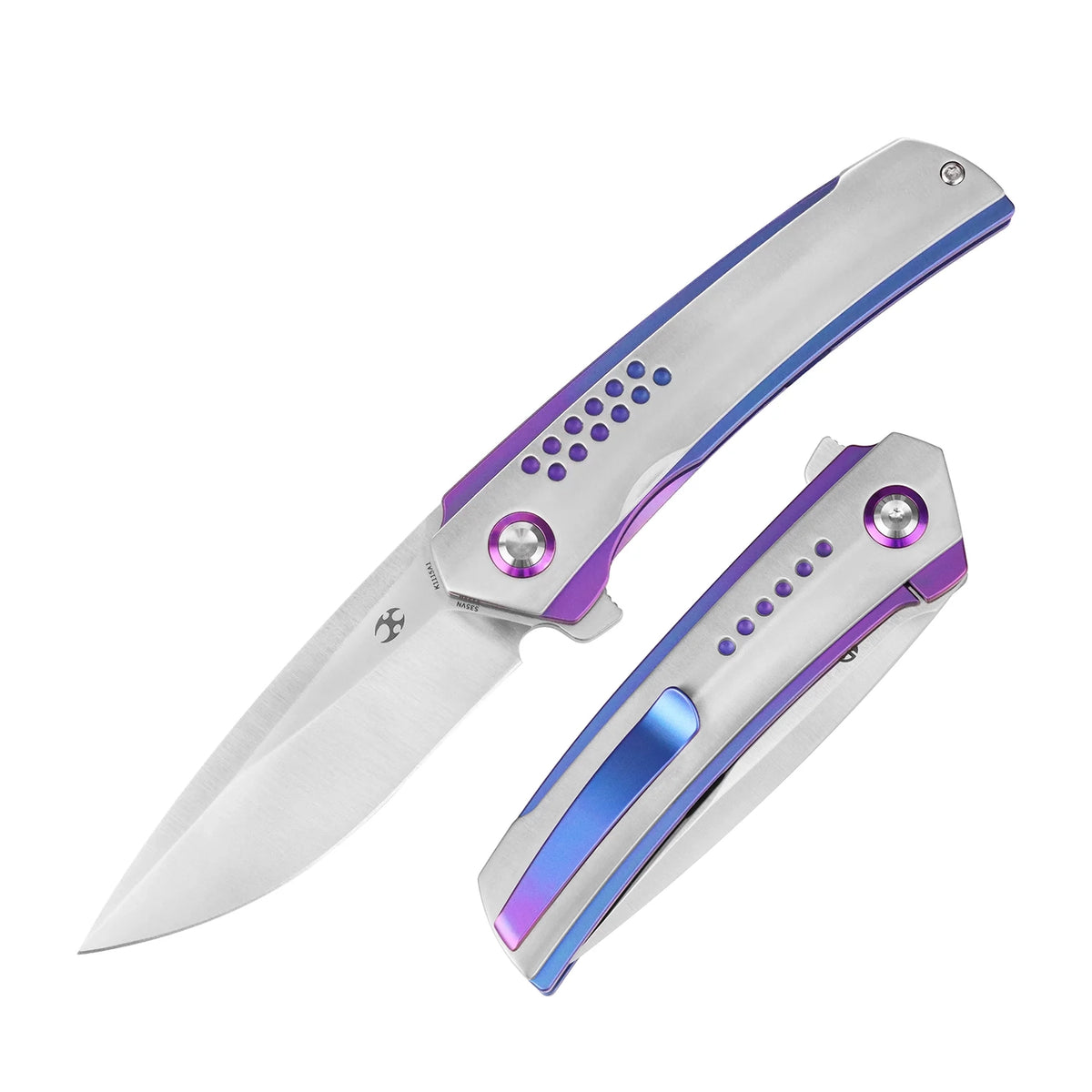
The Navaja is a titanium frame lock folder with a slim, elegant profile and a blade ground thin behind the edge. The frame lock is the practical reason it works on a craft bench: the lock face is exposed and easy to keep clean, and the action breaks in to a smooth two-finger opening that suits short, precise cuts. Titanium also means the handle does not swell or stain when glue and water are on every surface.
Real-World Use
Tsuka work needs three cuts. Trimming a samegawa panel to the core without cutting into the wood. Shaving a high spot off the core after test-fitting the panels. And cutting the ito ends at exactly the right length so the final fold tucks under the previous crossing. Only the last is long, and even that is a controlled draw rather than a slice. The tool that does all three well is small, sharp and rigid.

Ownership Notes
Sword work is bench work, and bench work rewards a knife that closes and disappears when the hands are needed. Folding knives with tight tolerances also keep wood dust out of the pivot, which is the difference between a knife that still feels new after a month and one that grinds. EdcMall carries the Navaja family alongside Kansept's other patterns, and the titanium builds are the sensible choice for a glue-heavy bench. Kansept knives appear on a lot of Japanese craft benches for the simple reason that the thin grinds suit fine work. Wrappers want folding knives that lock solidly, because the cut is short and the tolerance is tiny.
Who Is This For?
Buy it if you do fine hand work in wood, leather or ray skin and you need a knife that will not fight you on a delicate cut. It suits tsuka wrappers, saya makers, leather workers and conservators. Skip it if you want a hard-use outdoor knife; a thin-ground titanium folder is a precision instrument, and batoning or prying with it is an expensive way to learn that lesson.
Final Verdict
The Navaja is a craft knife wearing dress clothes. The frame lock gives a rigid, clean-locking tool, CPM-S35VN holds an edge fine enough for panel trimming, and the titanium handle survives a wet bench without complaint. If you wrap handles, sheaths or grips for a living, this is the kind of knife that quietly becomes the one you reach for first.