

Overview & First Impressions
Tug work is rope work. A deckhand builds a bridle, throws a heaving line, checks a chafing gear wrap and retires a length of hawser that has gone hard. Most cutting happens on a wet deck with gloves on and the boat moving underfoot, so the blade has to be stainless, quick to open and easy to keep clean. That is the brief for EDC knives on a tug: Tenable knives, a proven lock and a handle that works wet.
Materials & Construction
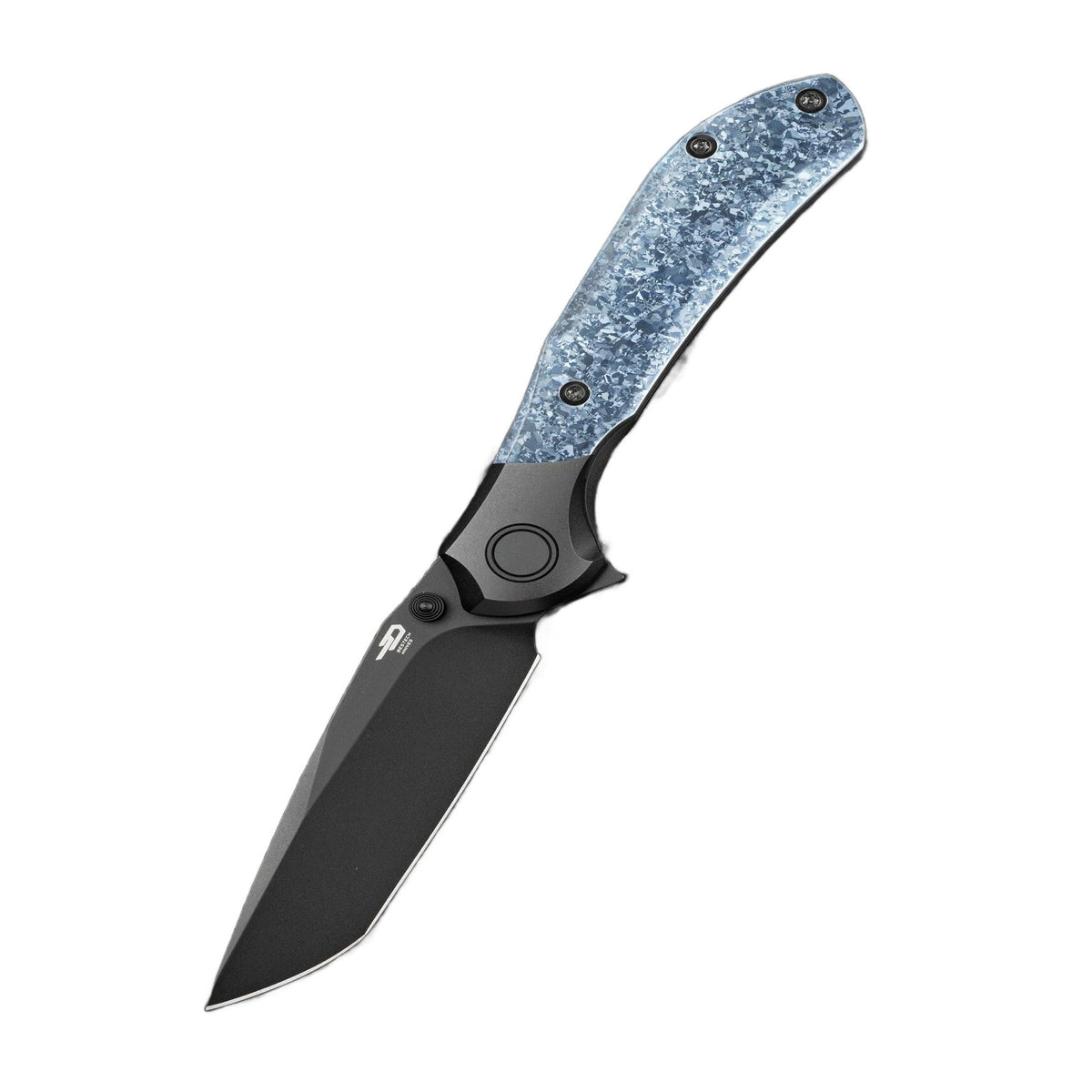
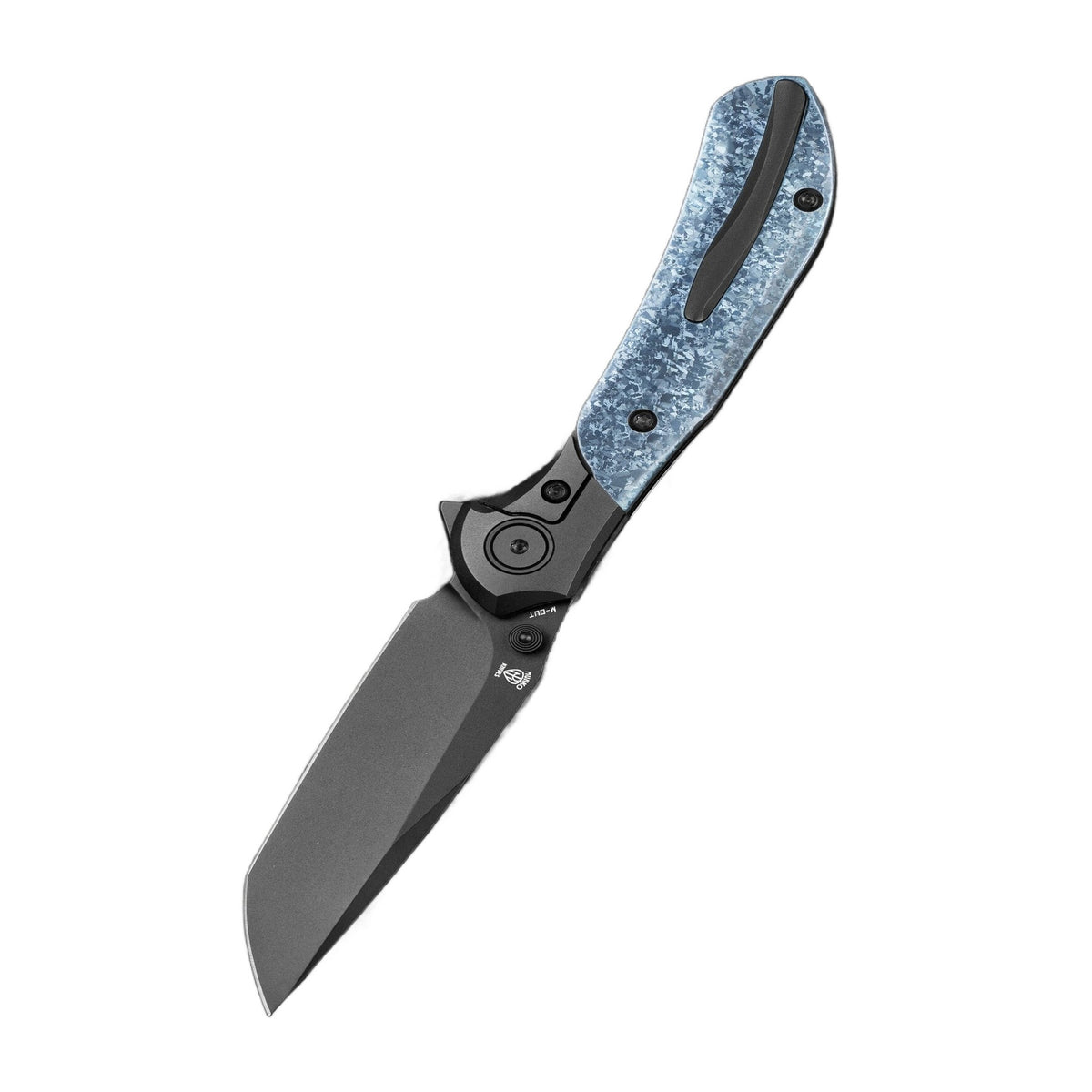
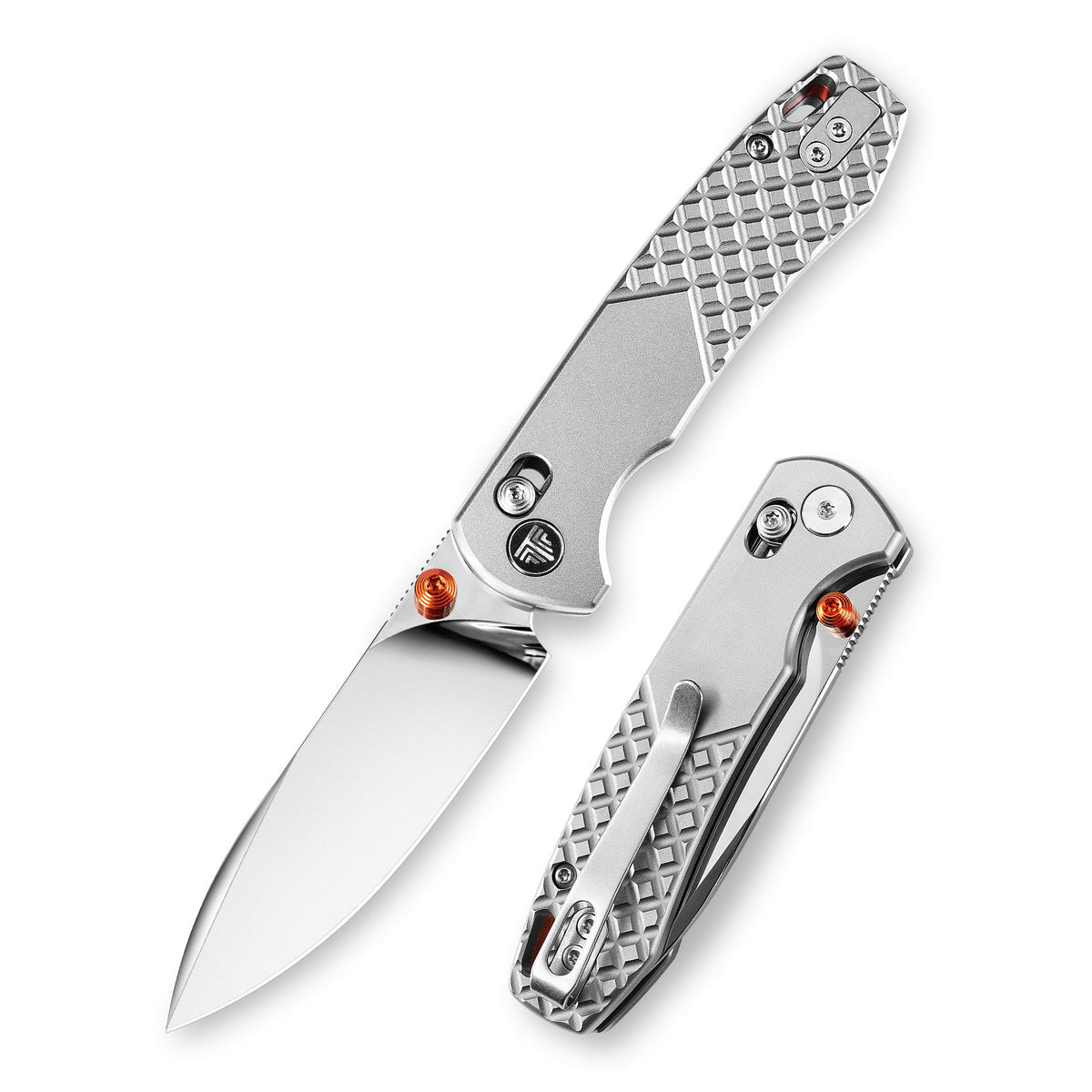
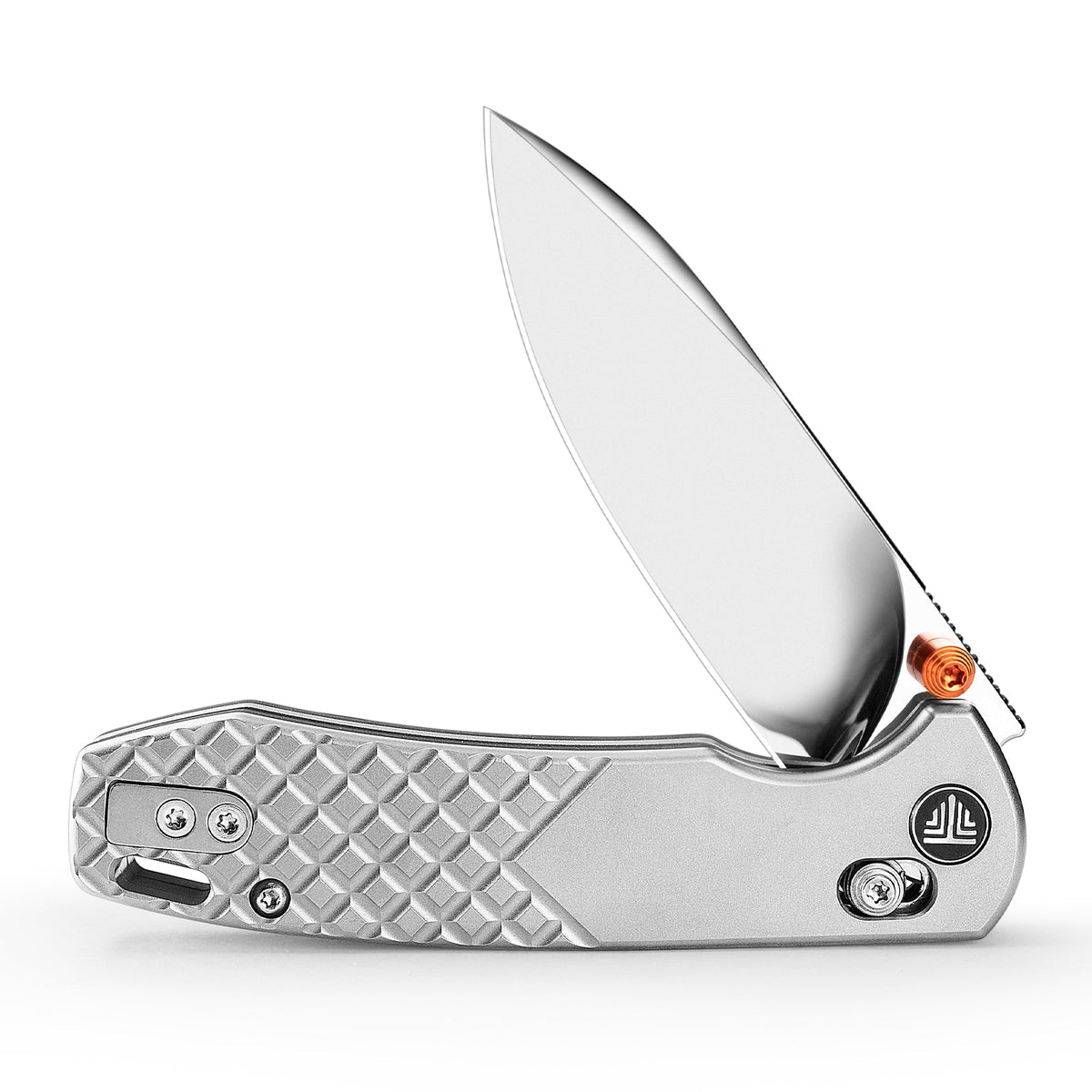
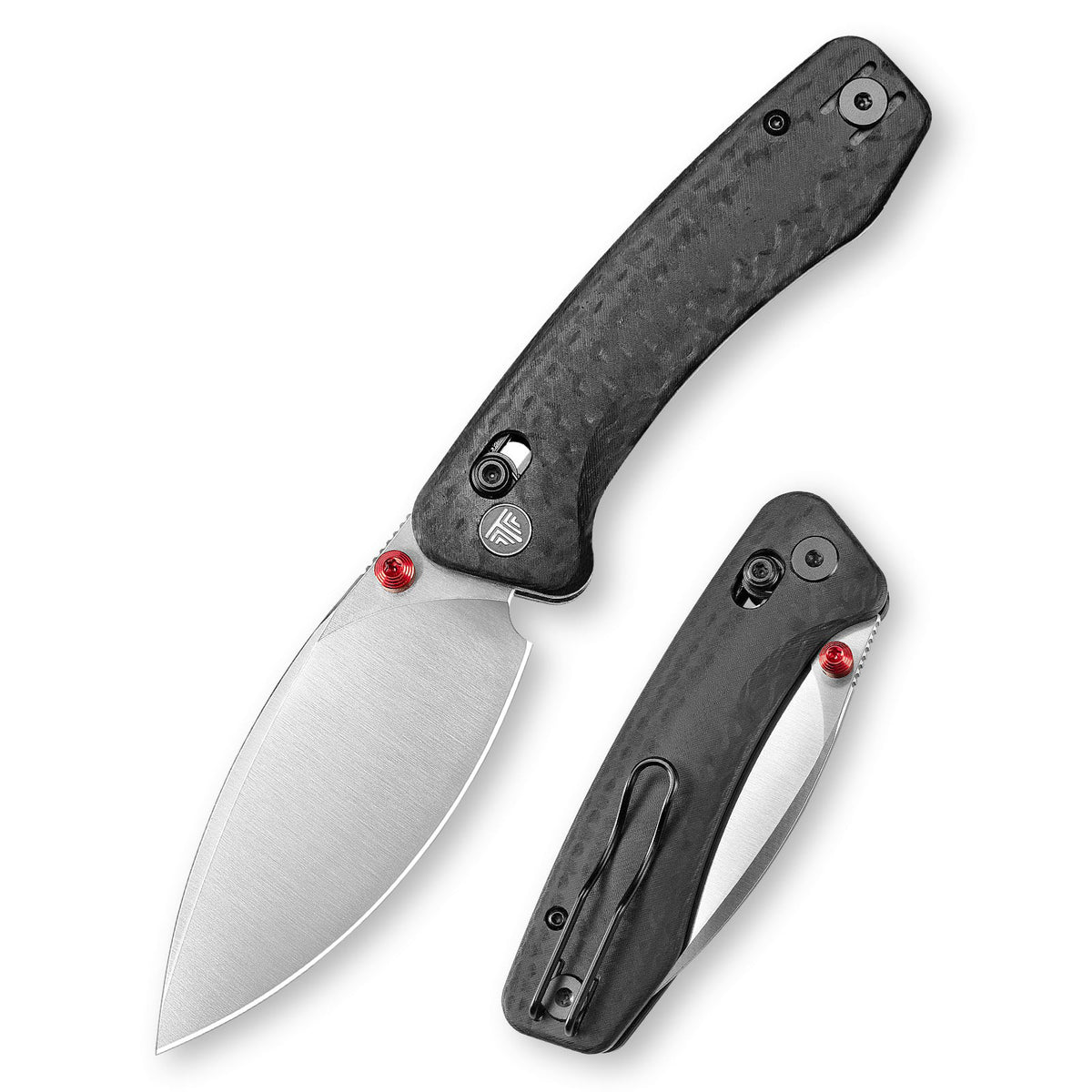
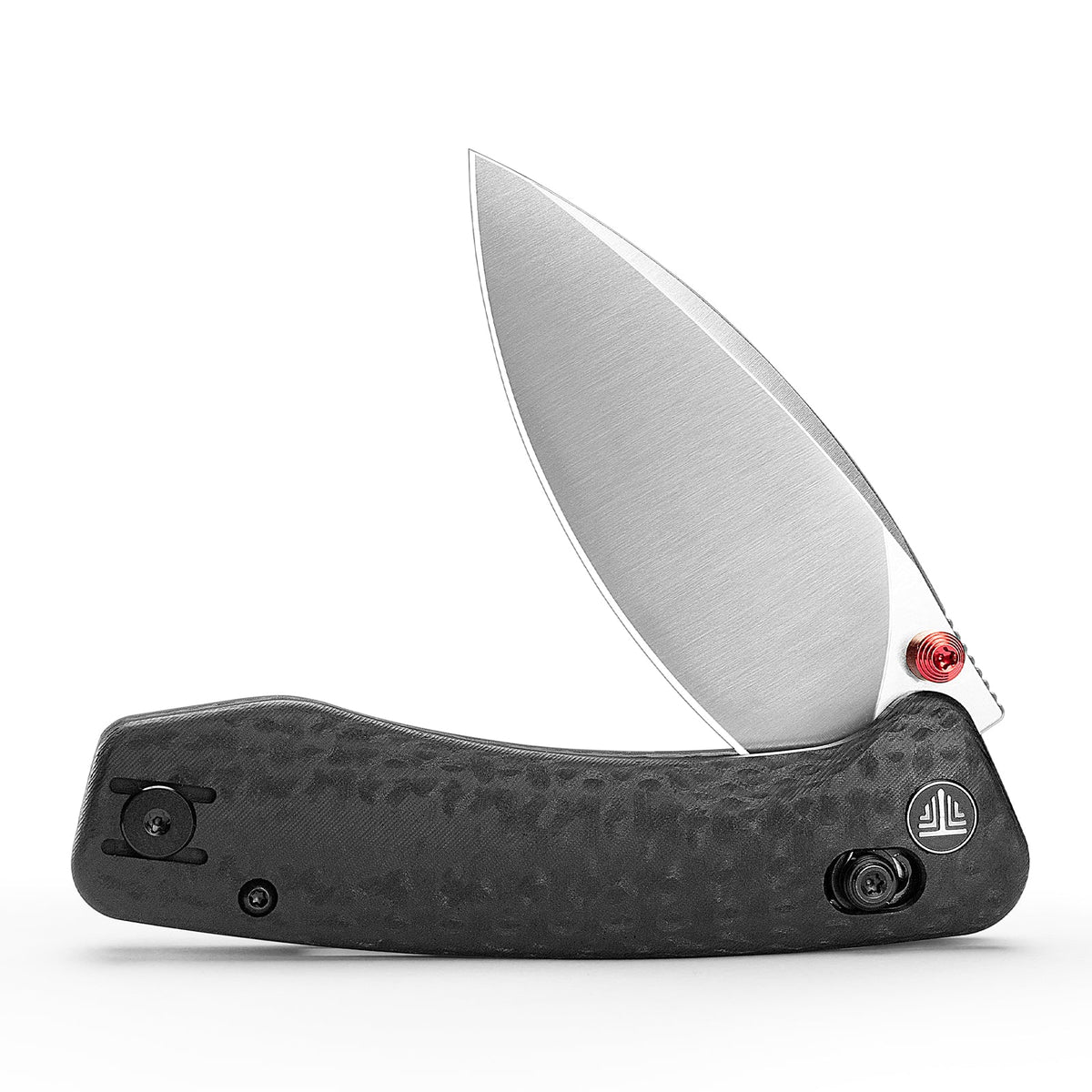
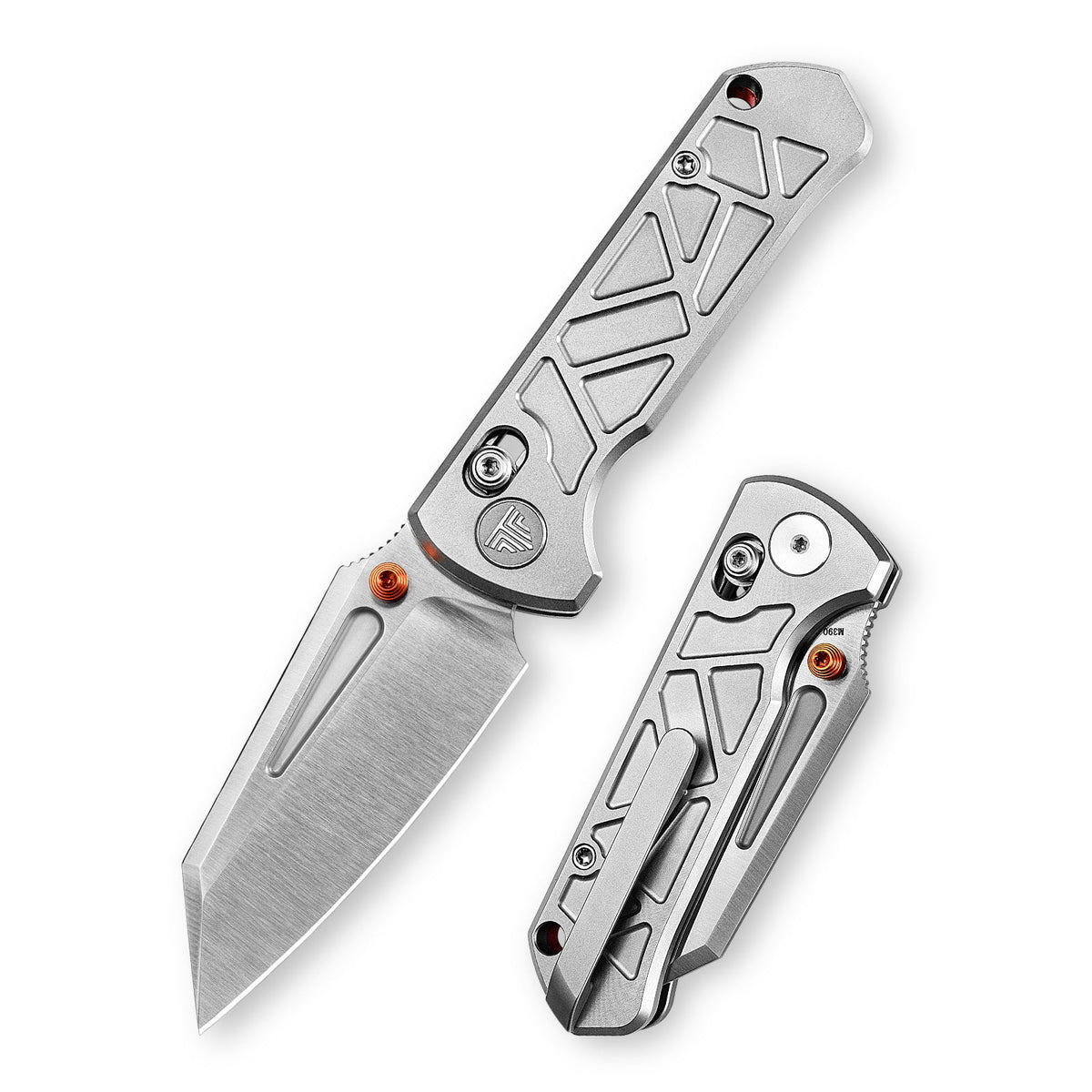
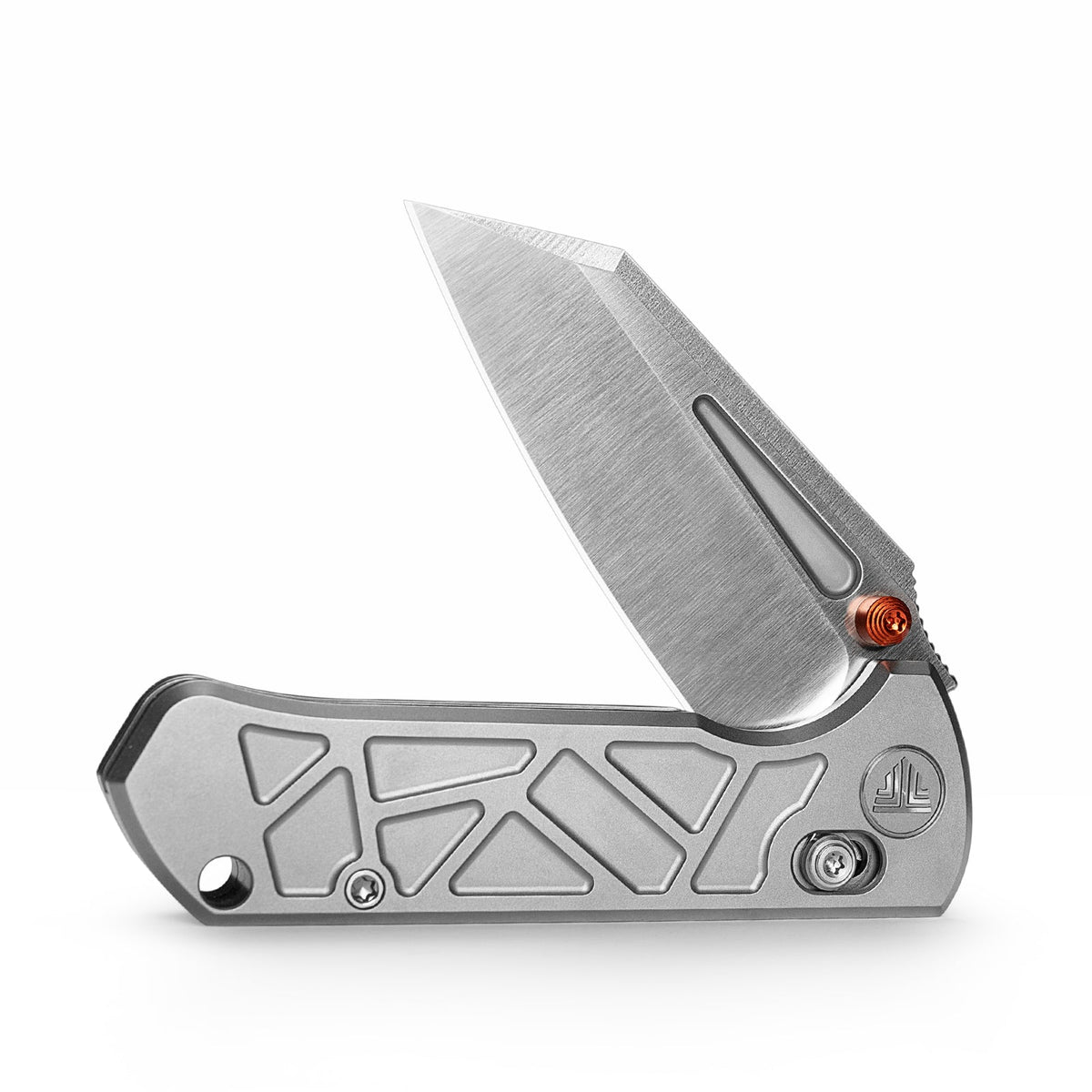
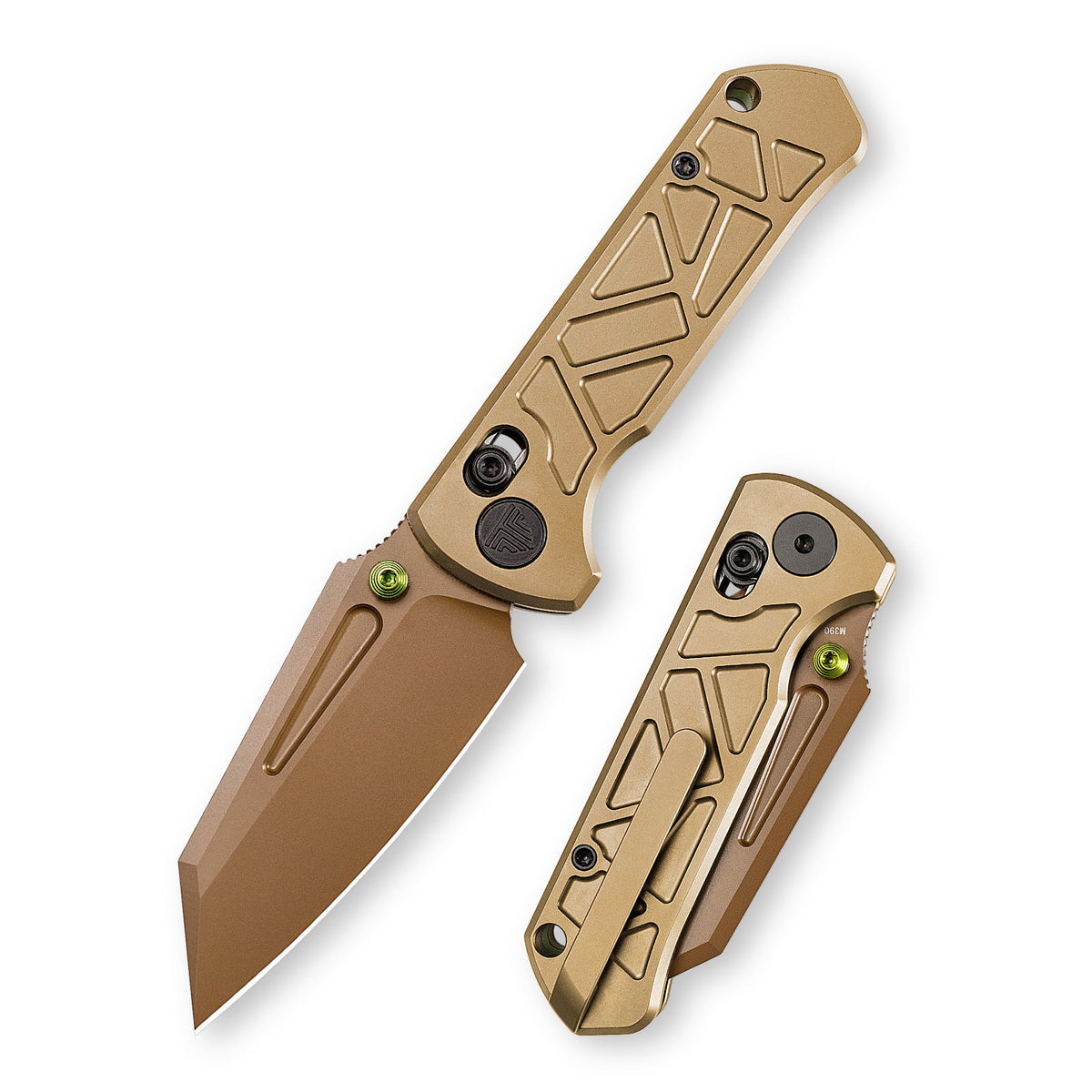
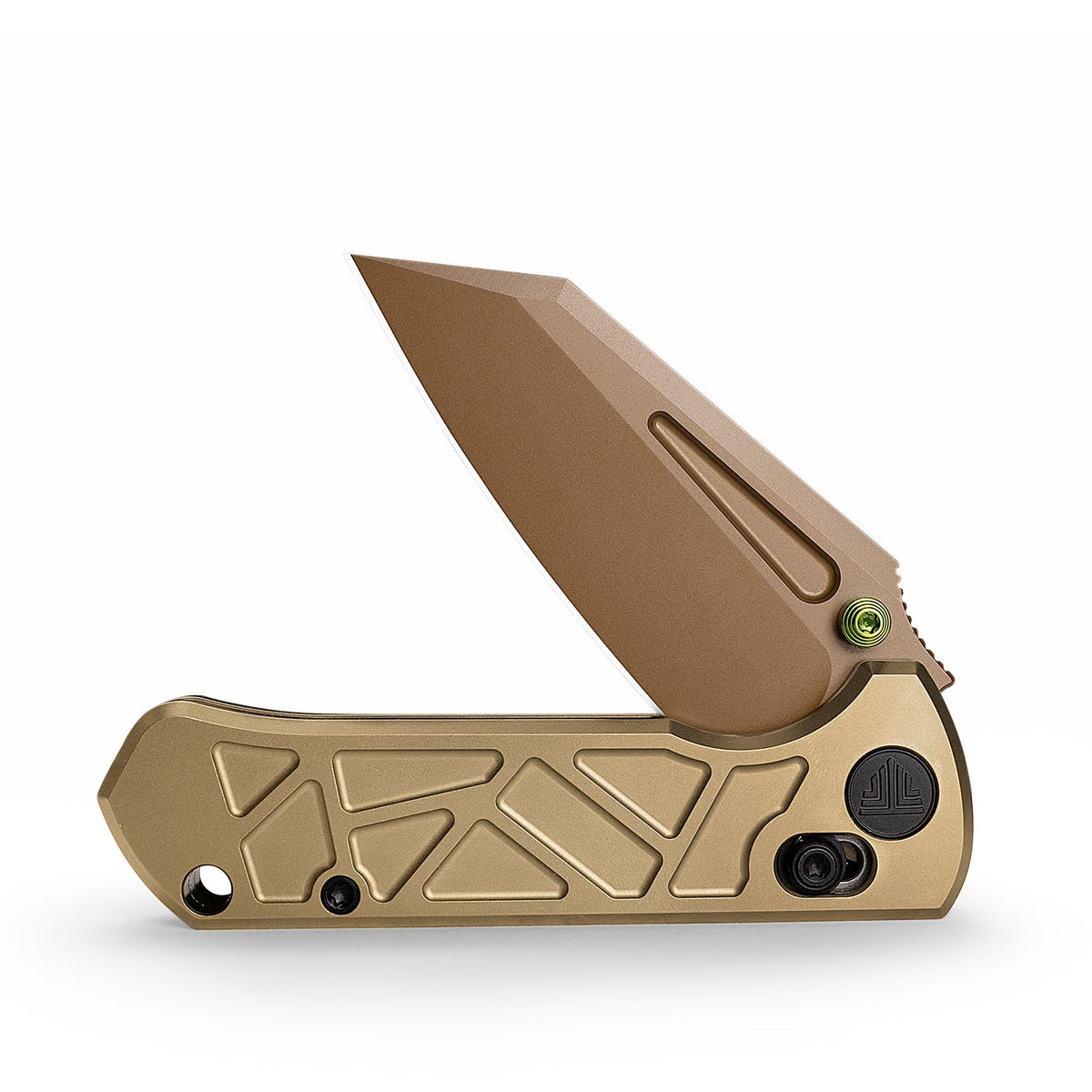
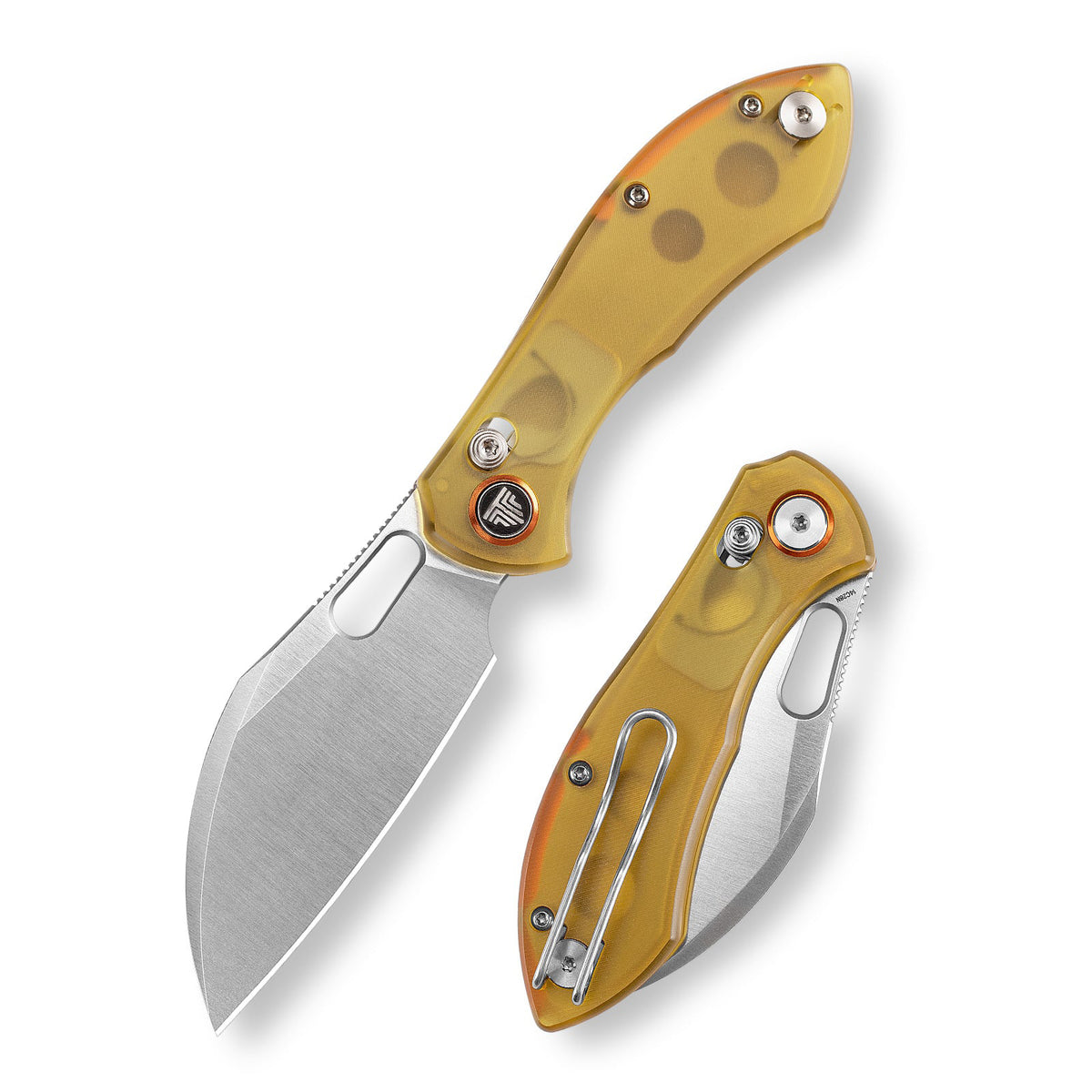
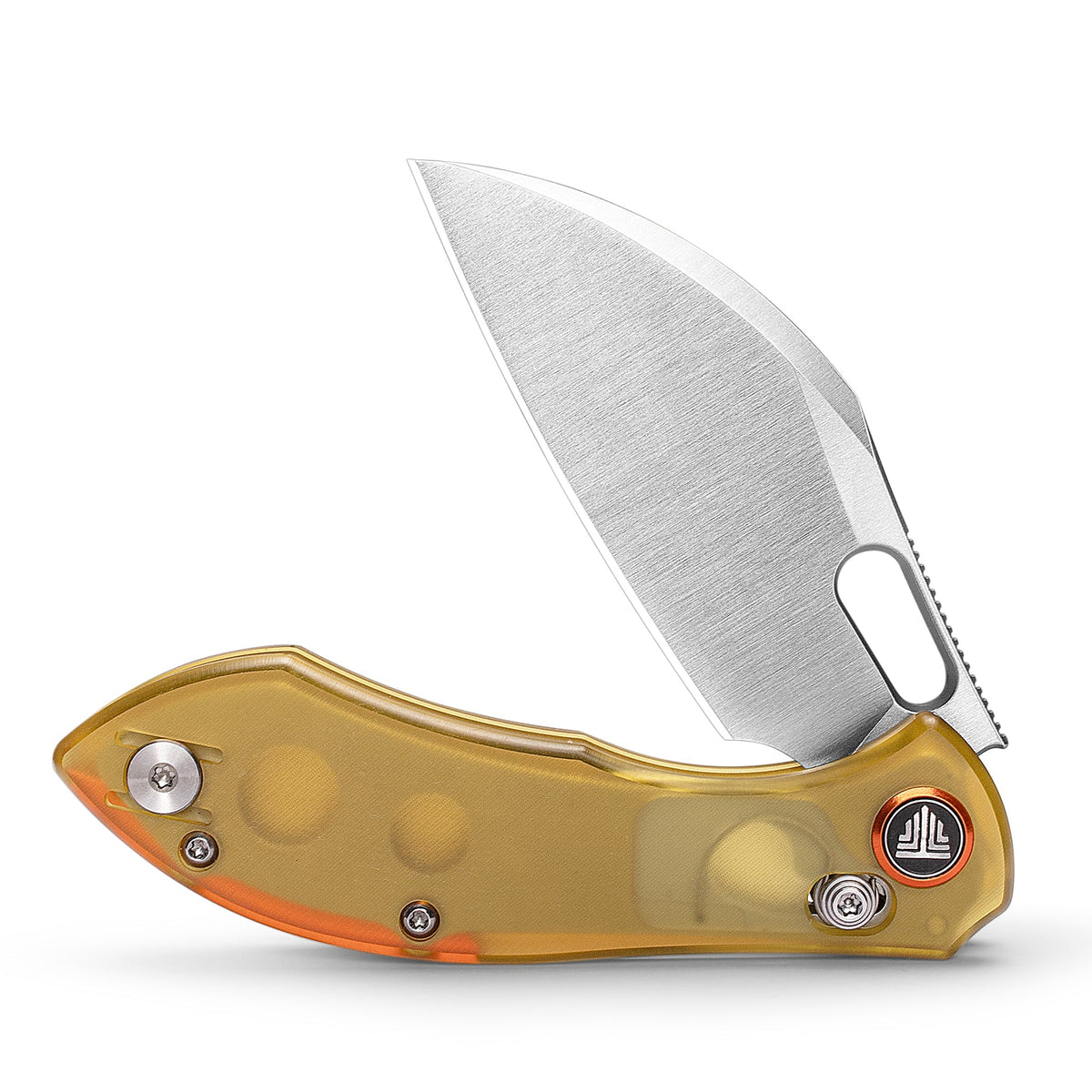
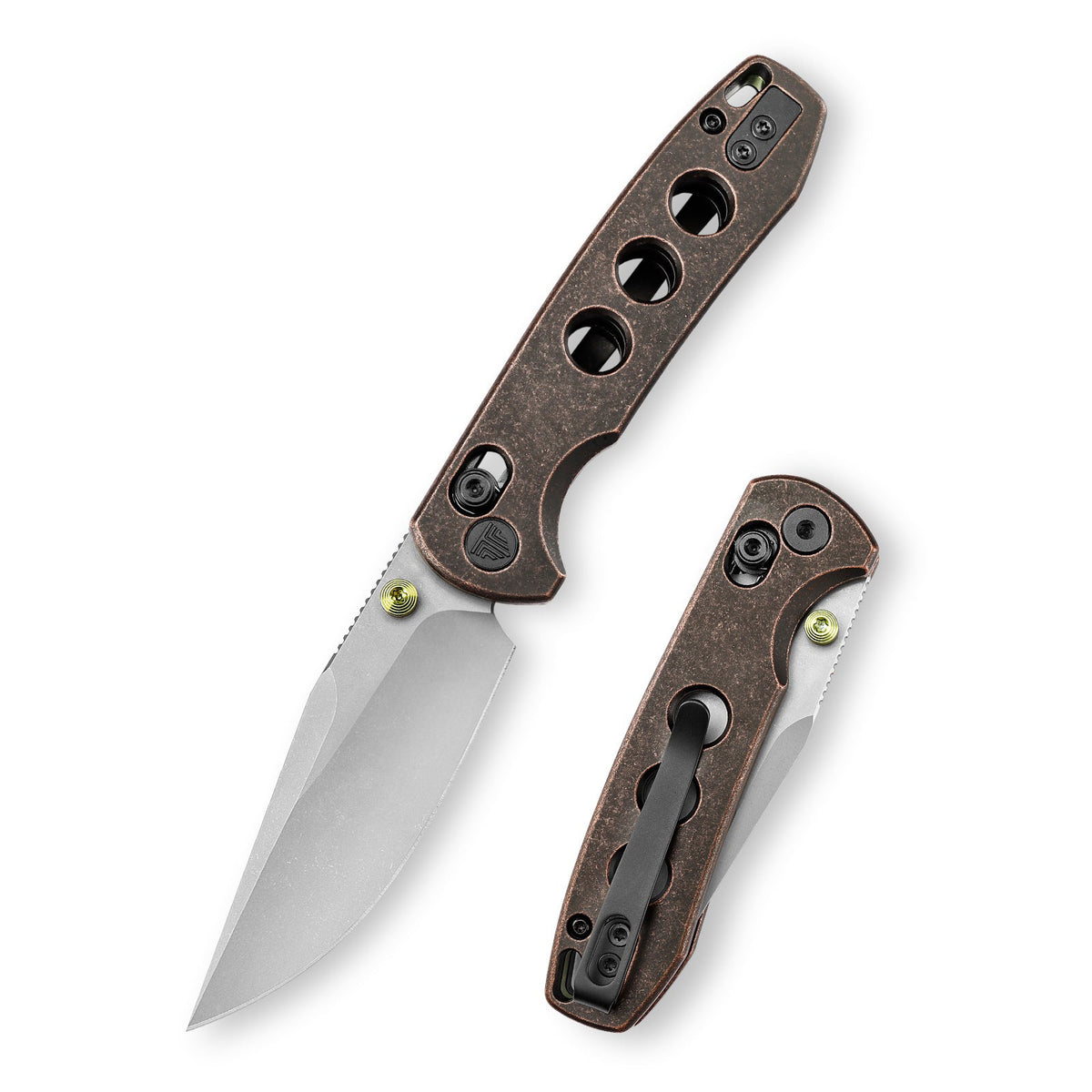
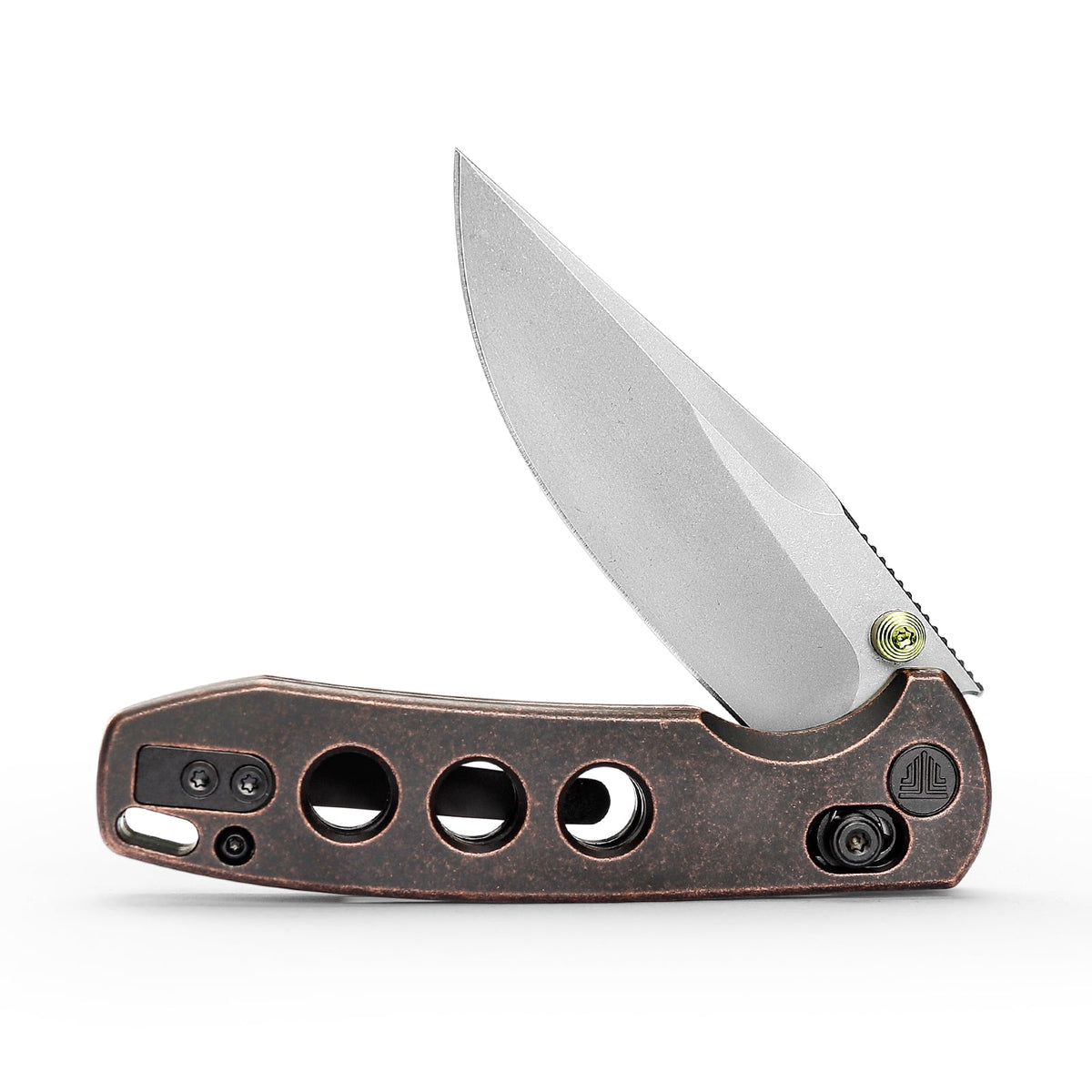
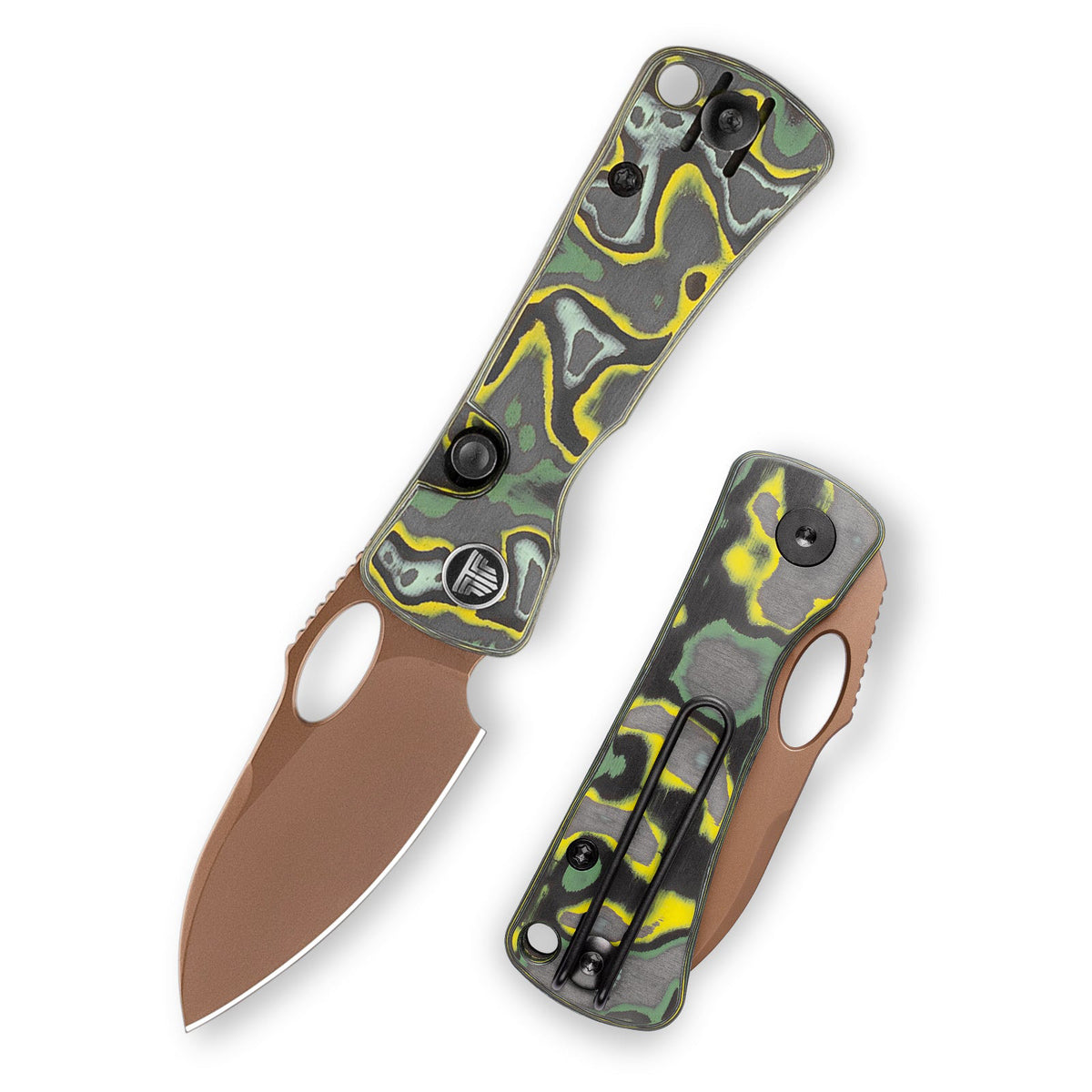
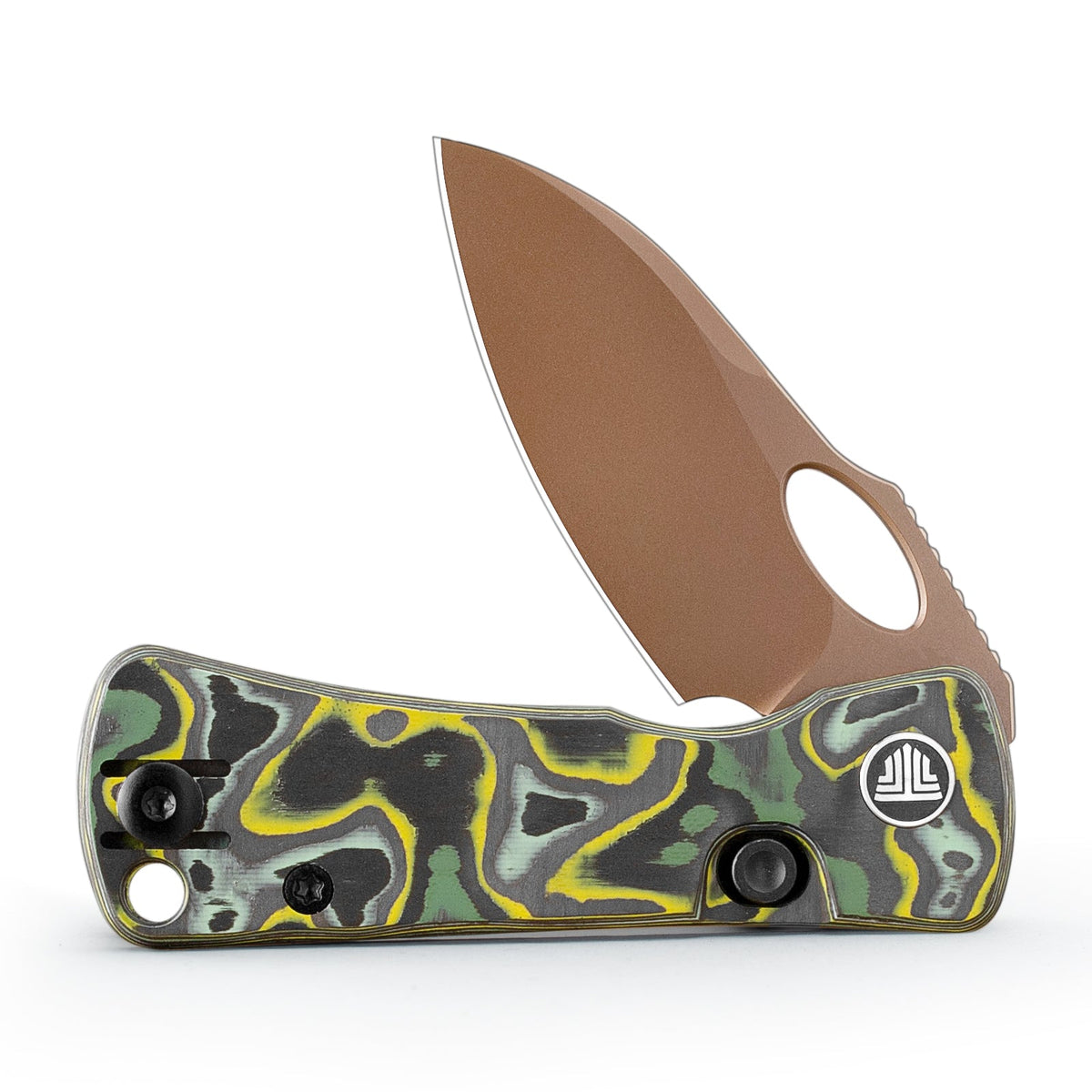
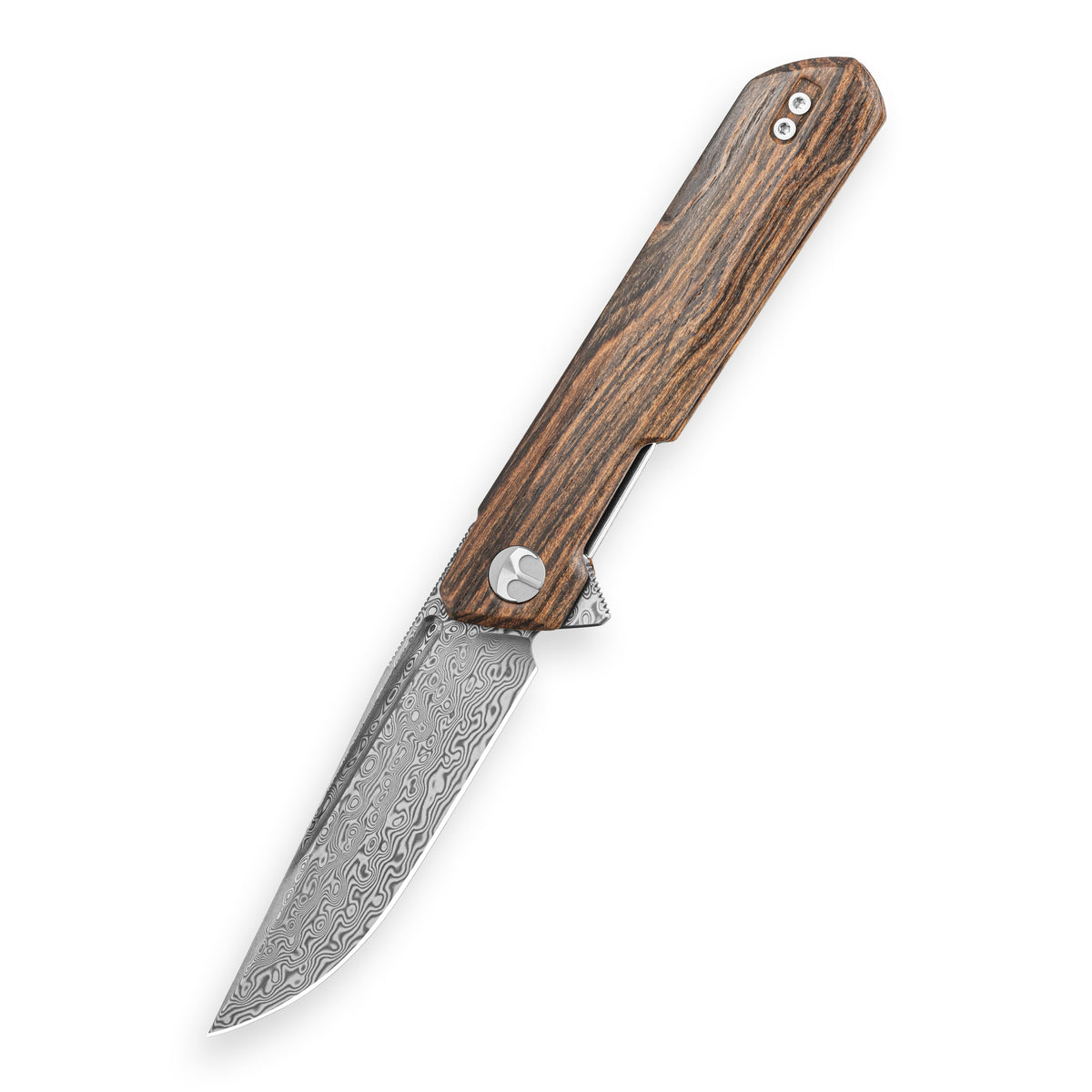
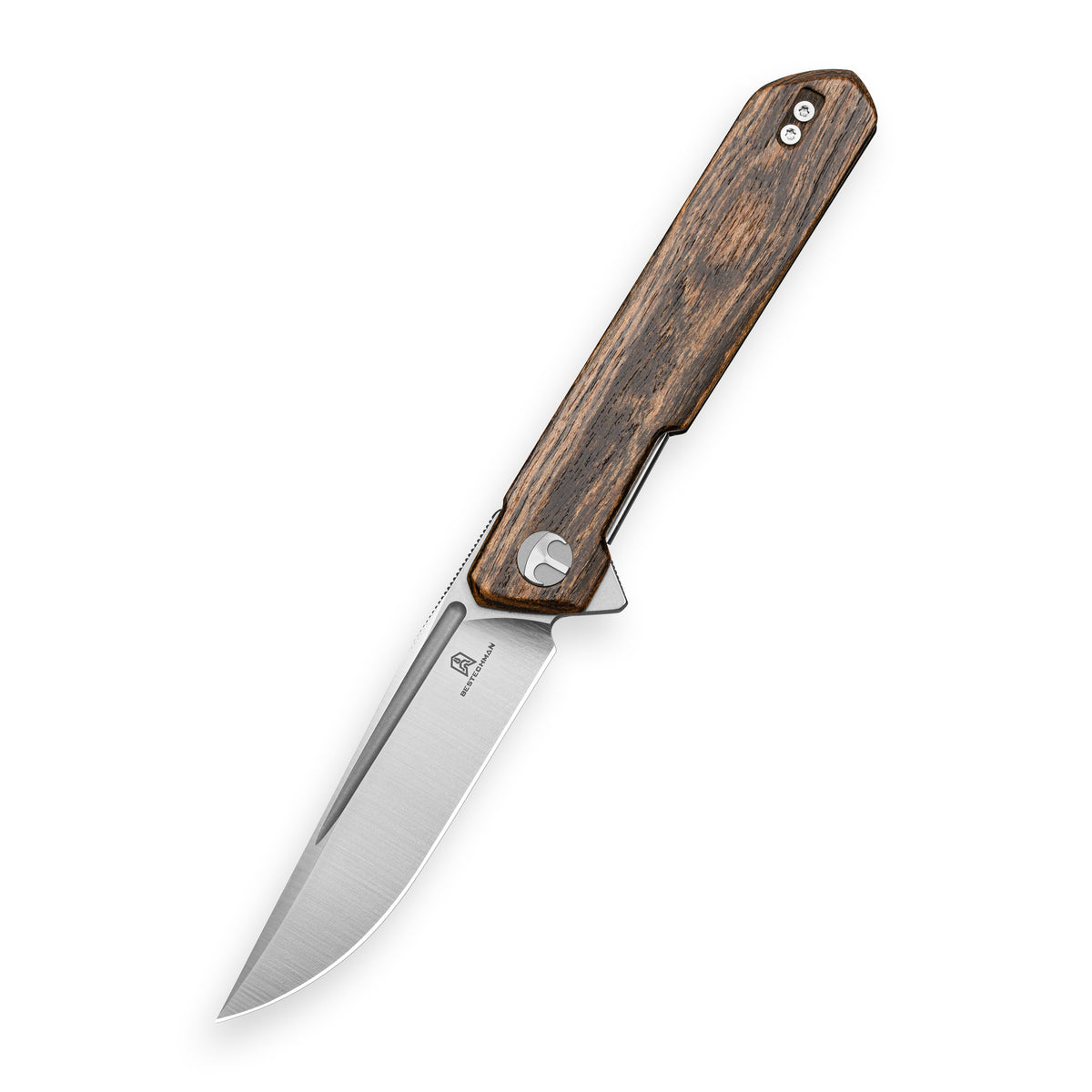
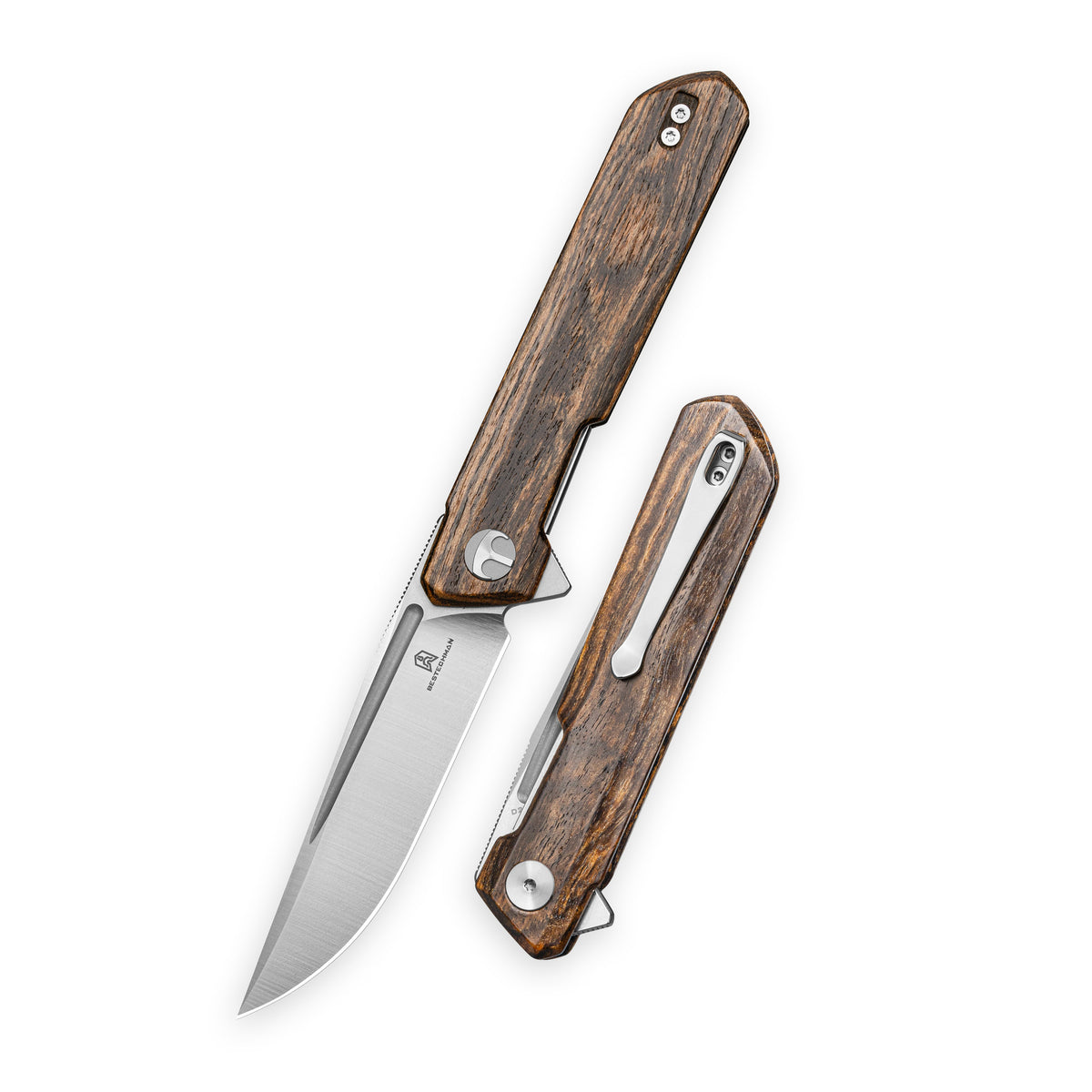
The Tenable Osprey B2087A3 pairs a stonewashed Nitro-V blade with twill carbon fiber scales and a red G10 accent strip. Nitro-V is a nitrogen-enhanced stainless that holds a fine edge well yet resists staining far better than D2, which is exactly what a salt-sprayed deck demands. The satin stonewash hides the scuffs that come from a week of chafing against wire and shackles.

Design & Details
Line work is done with gloves in the dark half the year. A flipper tab and a slim handle let the blade deploy one-handed while the other hand hangs on, and a liner lock sits under the thumb where a hand naturally closes. The carbon fiber keeps the weight down so the knife sits unnoticed in a bib pocket until a line needs cutting, and the folder disappears in a coiled rope.
Real-World Use
One shift might cut chafing gear to length, trim a whipped end, open a box of shackle pins, slice a length of fire hose for wash-down, cut tape on a new fender cover and free a jammed pelican hook. The knife gets salt water on it within the first hour and stays damp until the boat ties up, which is why a stainless blade is not optional.

Ownership Notes
Fresh water, always. Rinse the folder at the dock, shake it out, dry the liner pocket with a cloth and oil the pivot, then let it stand open overnight in the engine room. Grease the detent and check the clip screws with a driver every week, because deck vibration loosens hardware. EdcMall carries stainless folders and marine-grade lanyards that suit a tug. Deck crews argue about fixed blades versus folding knives, but on a tug the folder wins because it disappears into a bib pocket when line handling turns into paperwork at the dock, and it can be rinsed and oiled in a minute before the next departure.
Who Is This For?
This is for deckhands, mates, barge crews and line handlers who work wet and gloved. A kayaker who needs a rescue knife twice a season should look at a fixed blade instead. If you handle line all day, buy a stainless folder with a lock that opens over gloves and a handle that does not get slippery.
Final Verdict
A deck knife earns its keep on three counts: it must not rust, it must open with a wet glove, and it must be cheap enough to use without ceremony. The Tenable Osprey B2087A3 hits all three with a Nitro-V blade and a light carbon fiber handle.