
Overview & First Impressions
Anyone who has run a night leg of an ultramarathon knows the problem with a headlamp. Light from head height flattens the trail, because shadows point directly away from you and every root and rut becomes invisible until your foot is already on it. Waist-level lighting fixes this by throwing shadows sideways, which makes terrain legible again. It is one of the few genuine innovations in running gear in the last decade.
Materials & Construction
The Nitecore TrailSight produces up to twelve hundred lumens from a waist-mounted body, and the design is deliberately optimised for the running gait rather than for general use. Nitecore flashlights have a strong record on compact, purpose-built formats, and this is a clear example: wide, even output, a strap system that does not bounce and a battery that lasts a long night. An EDC flashlight of the same size kept in a vest pocket covers the moments when you need light directed somewhere other than the ground.

Design & Details
The pairing that works best is waist light plus a modest headlamp. The waist unit lights the ground and the headlamp handles navigation, signage and anything you need to see at eye level. Run both at moderate output rather than one at maximum, because battery life matters more than peak brightness on a hundred-kilometre night. Carry spare cells or a power bank, and practise changing the battery in the dark before race day rather than during it.
Real-World Use
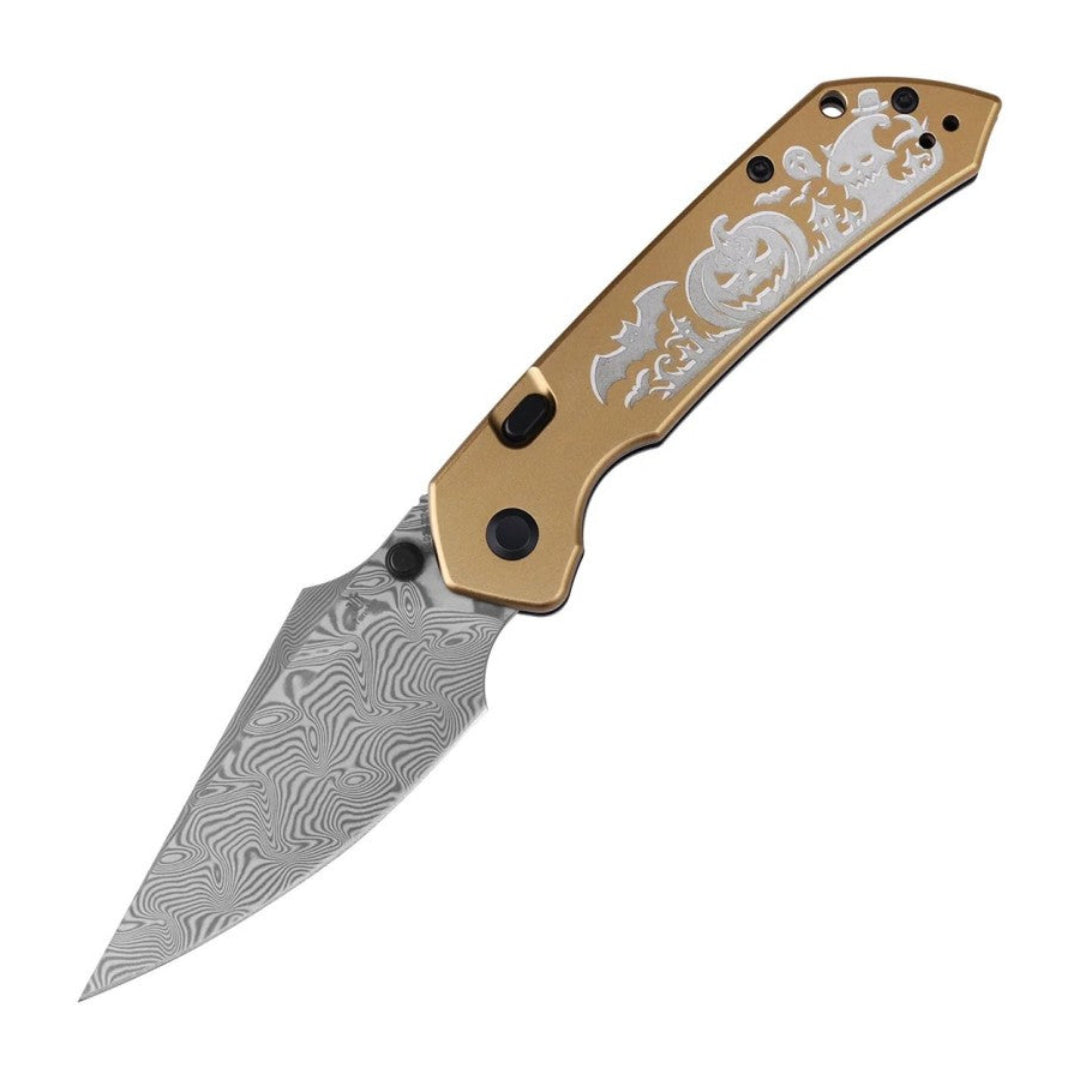
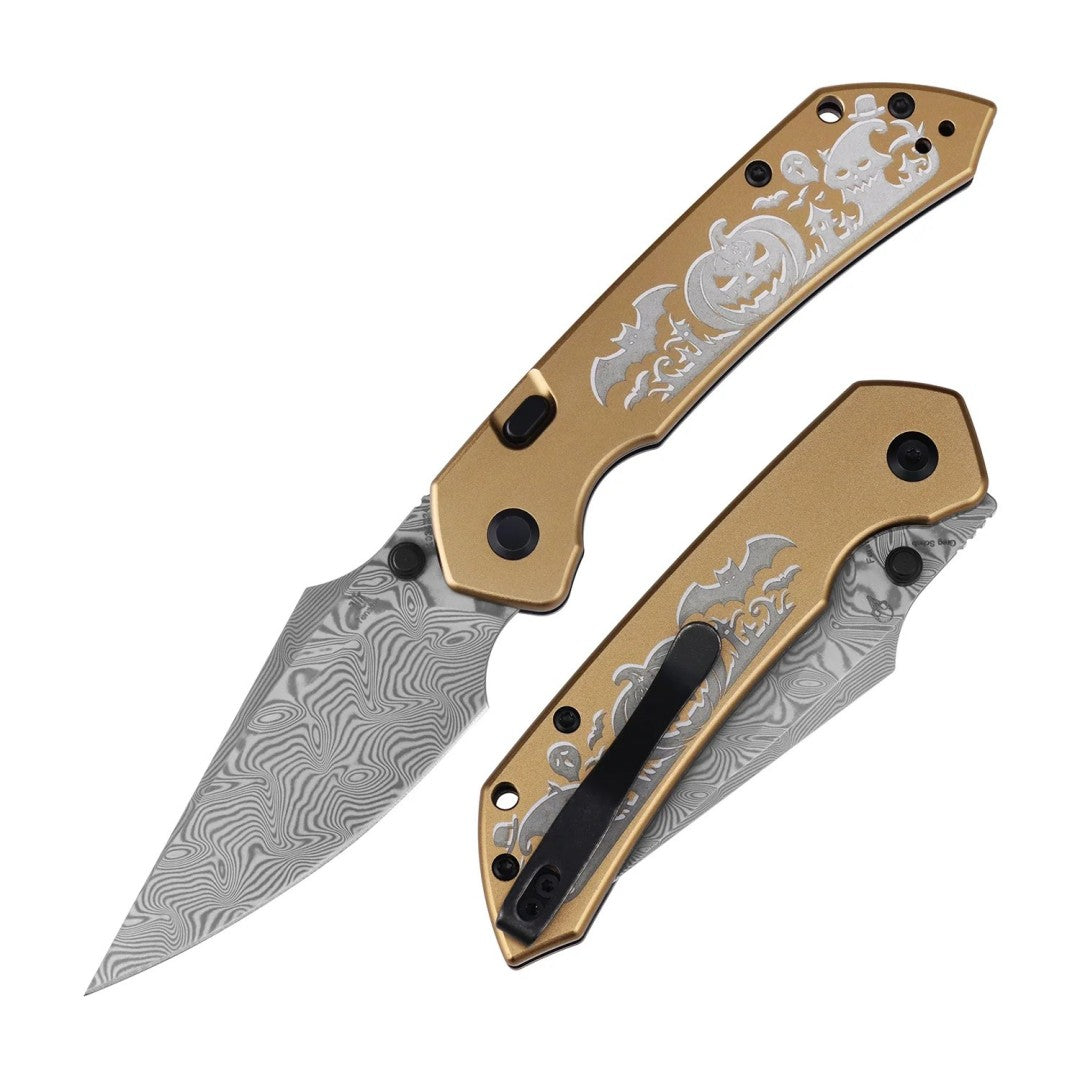
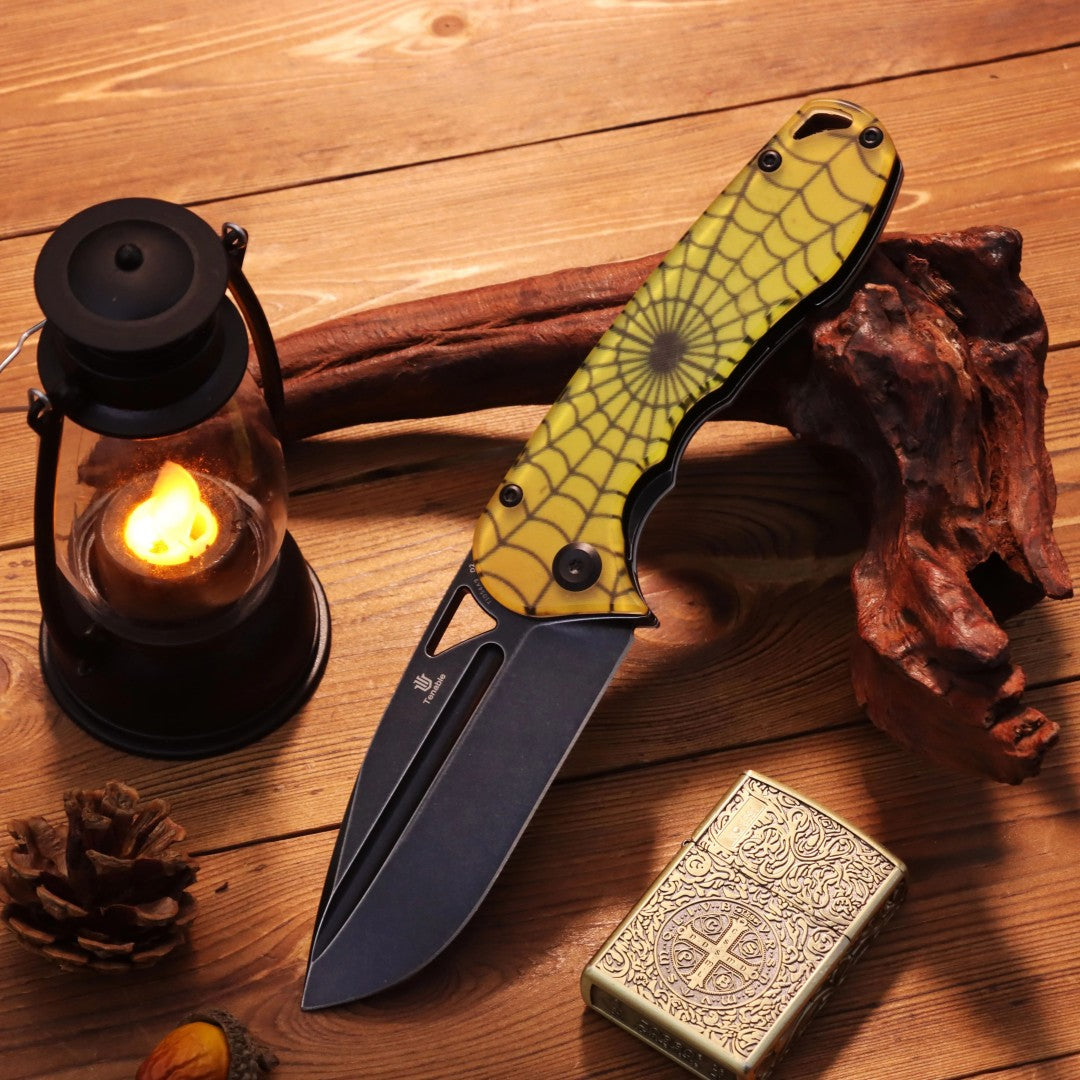
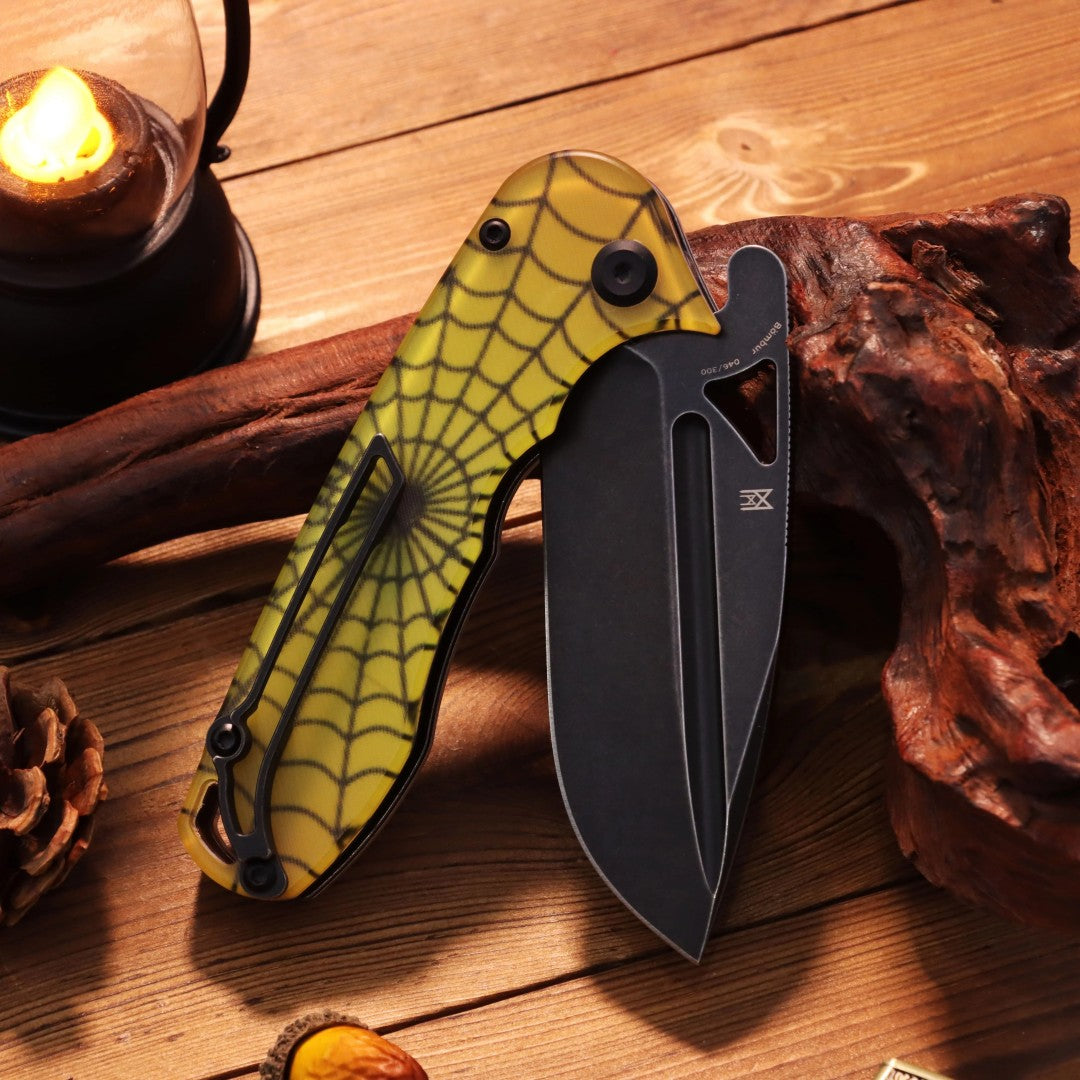
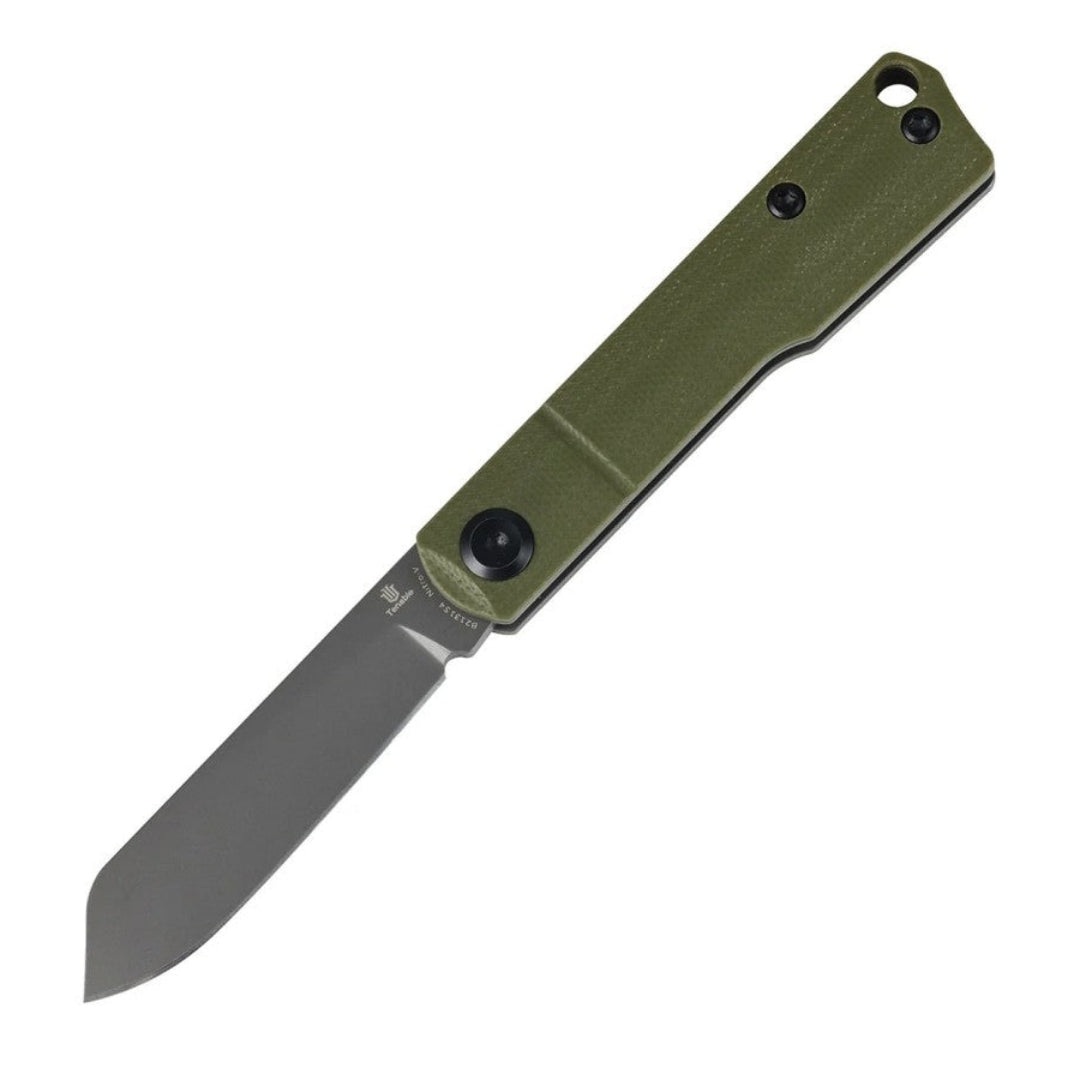
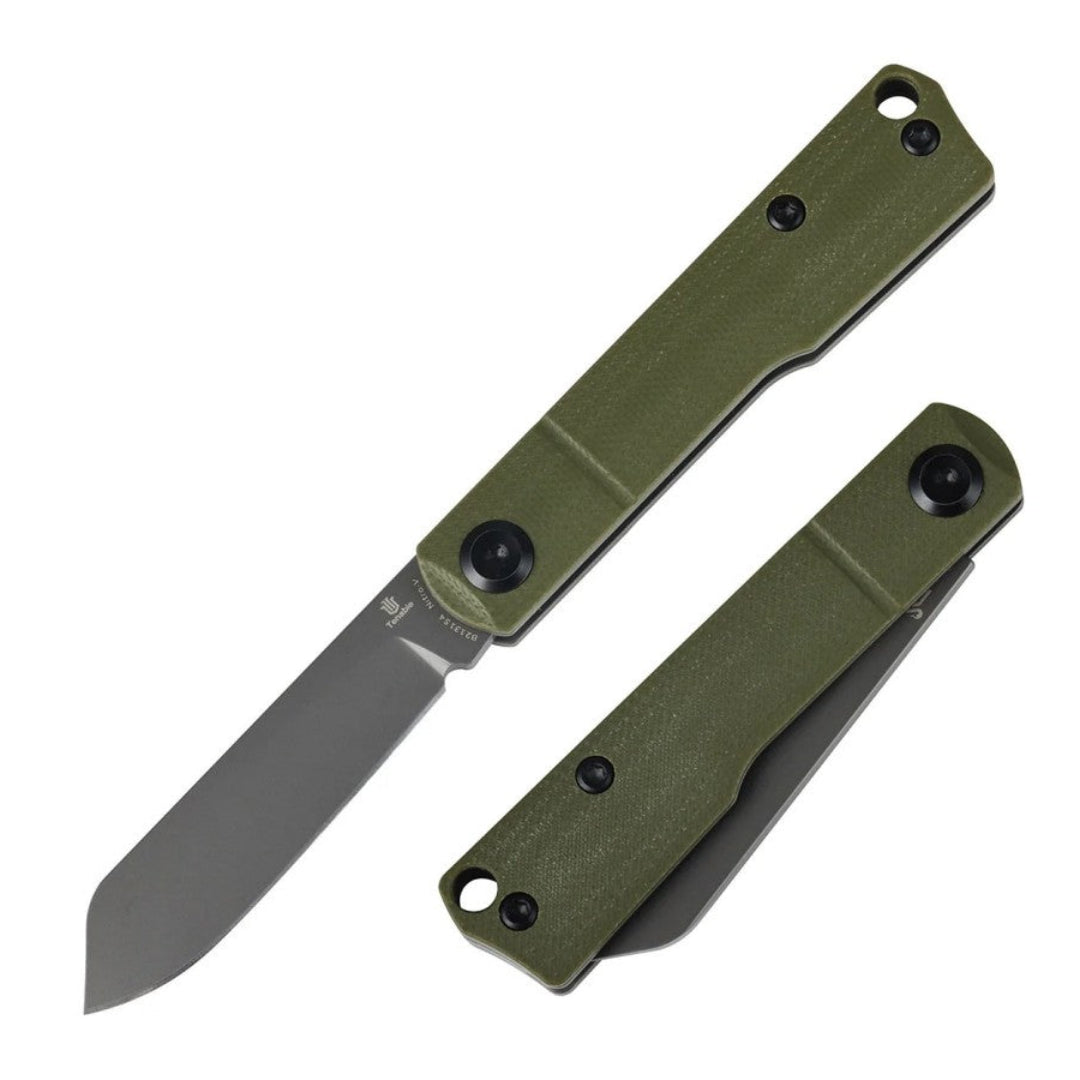
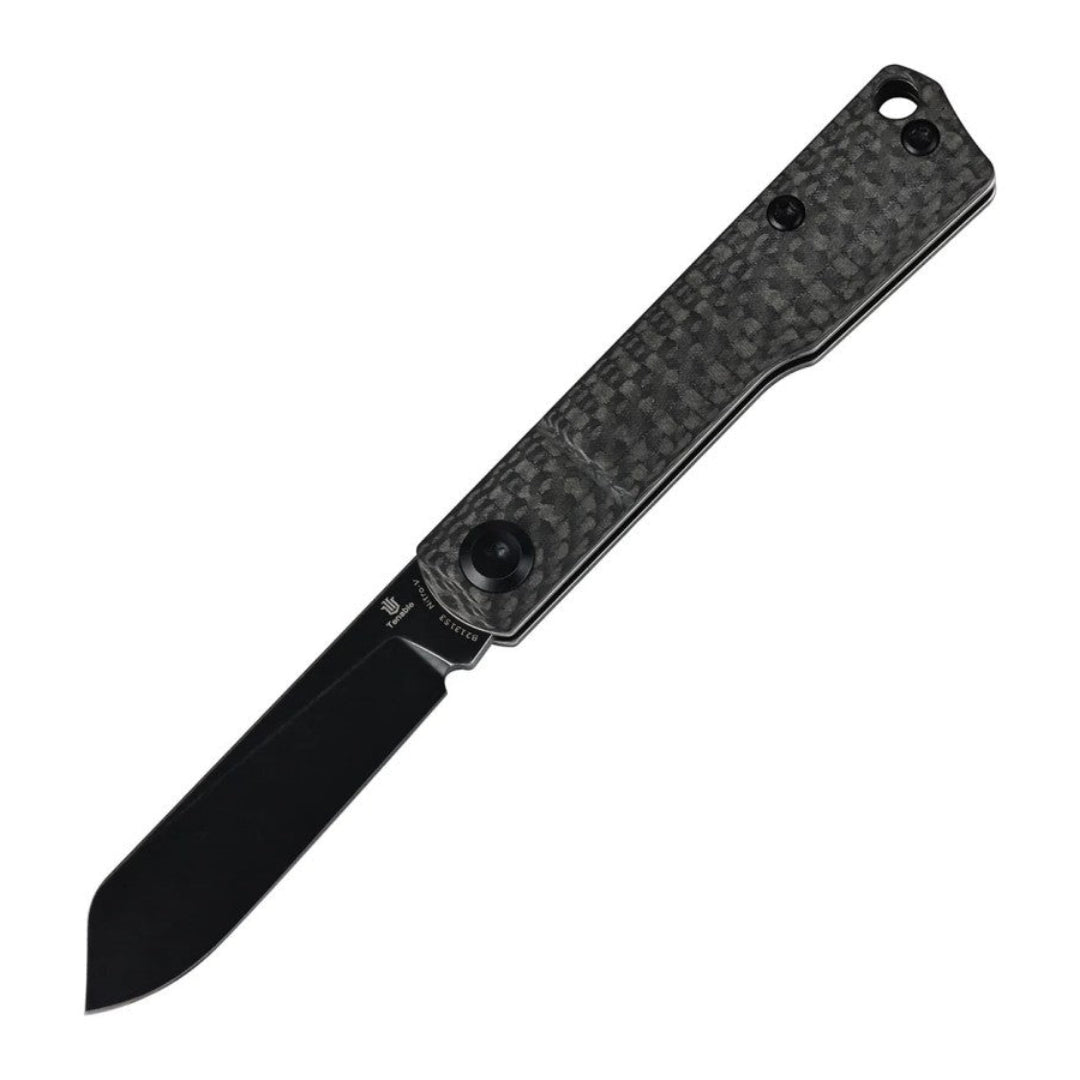
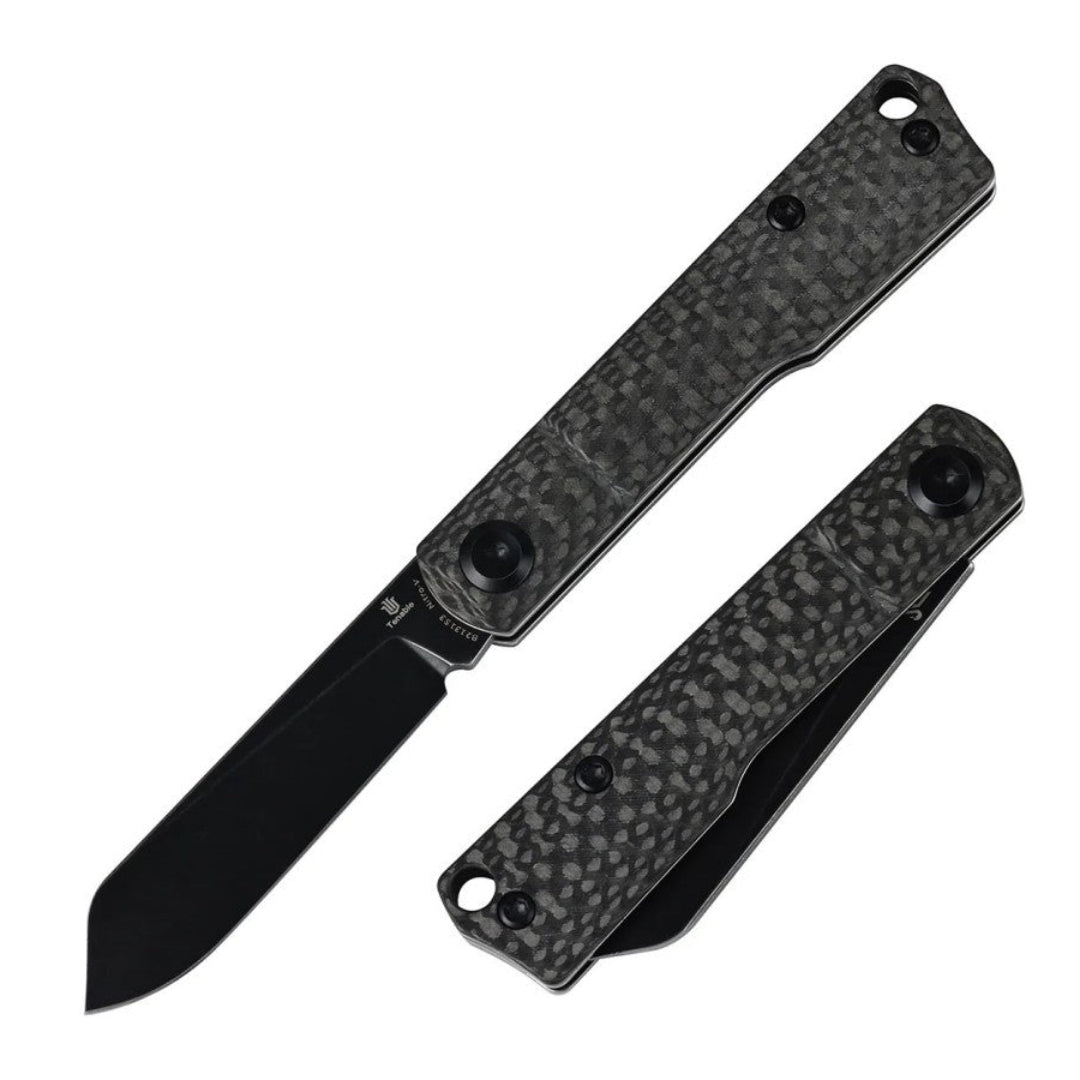
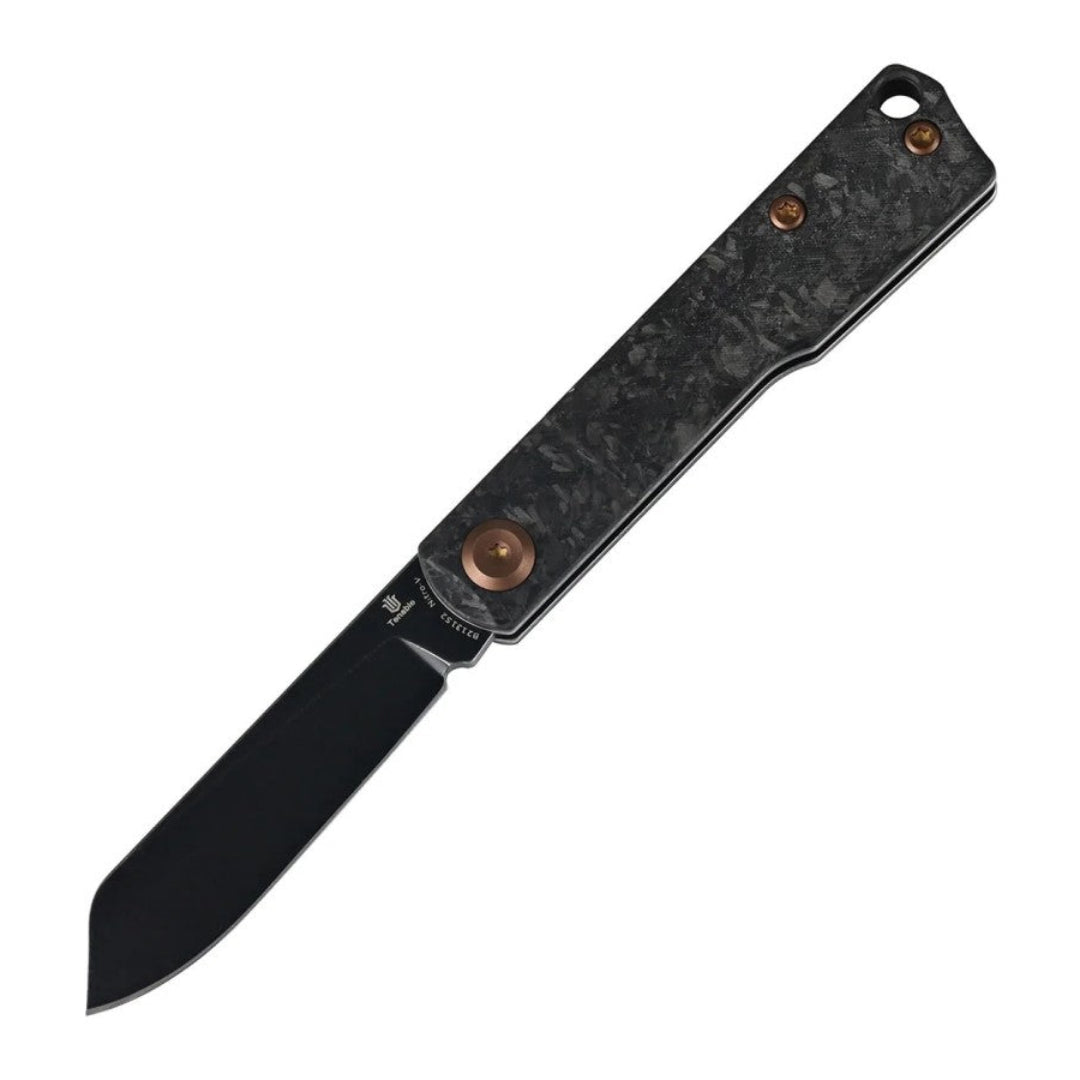
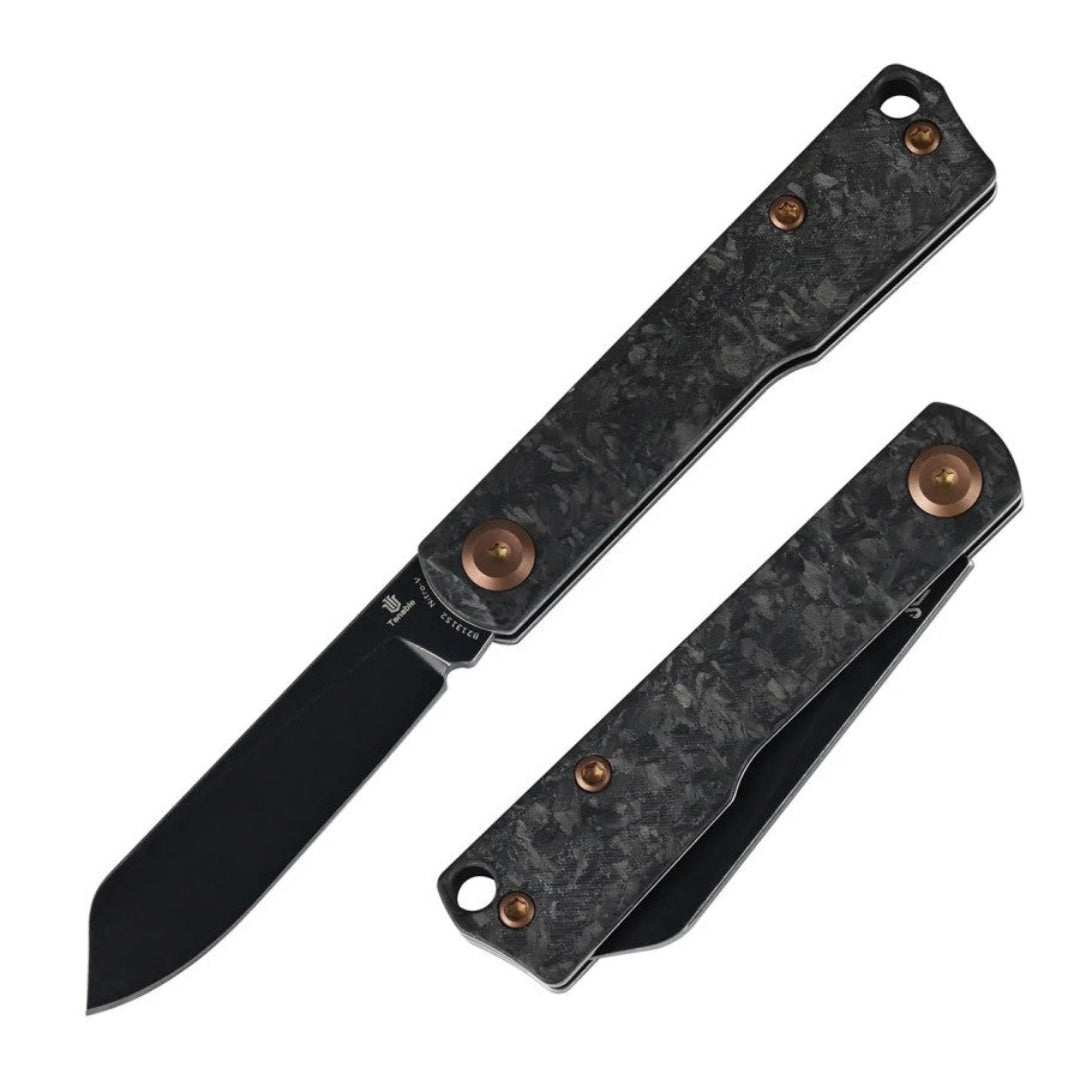
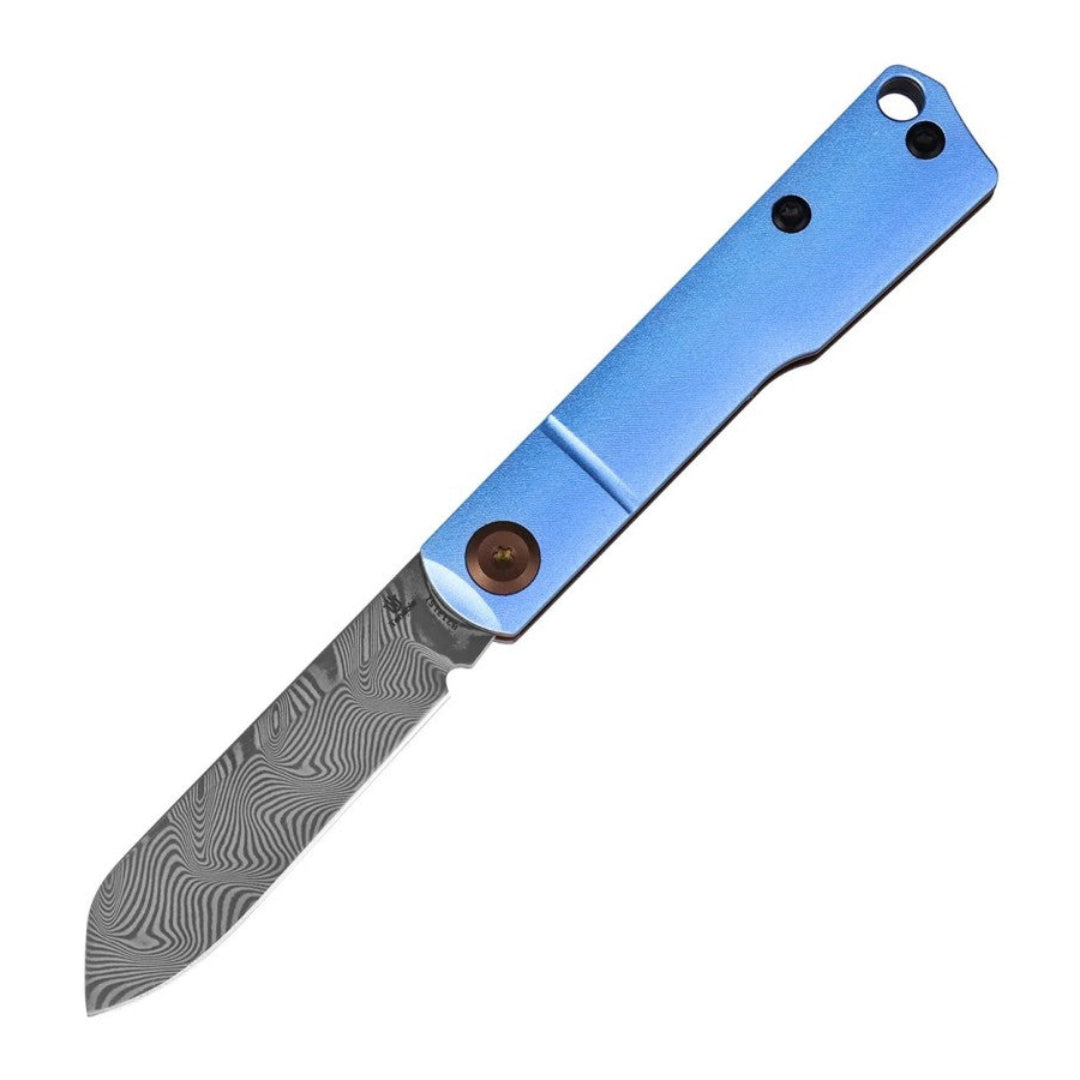
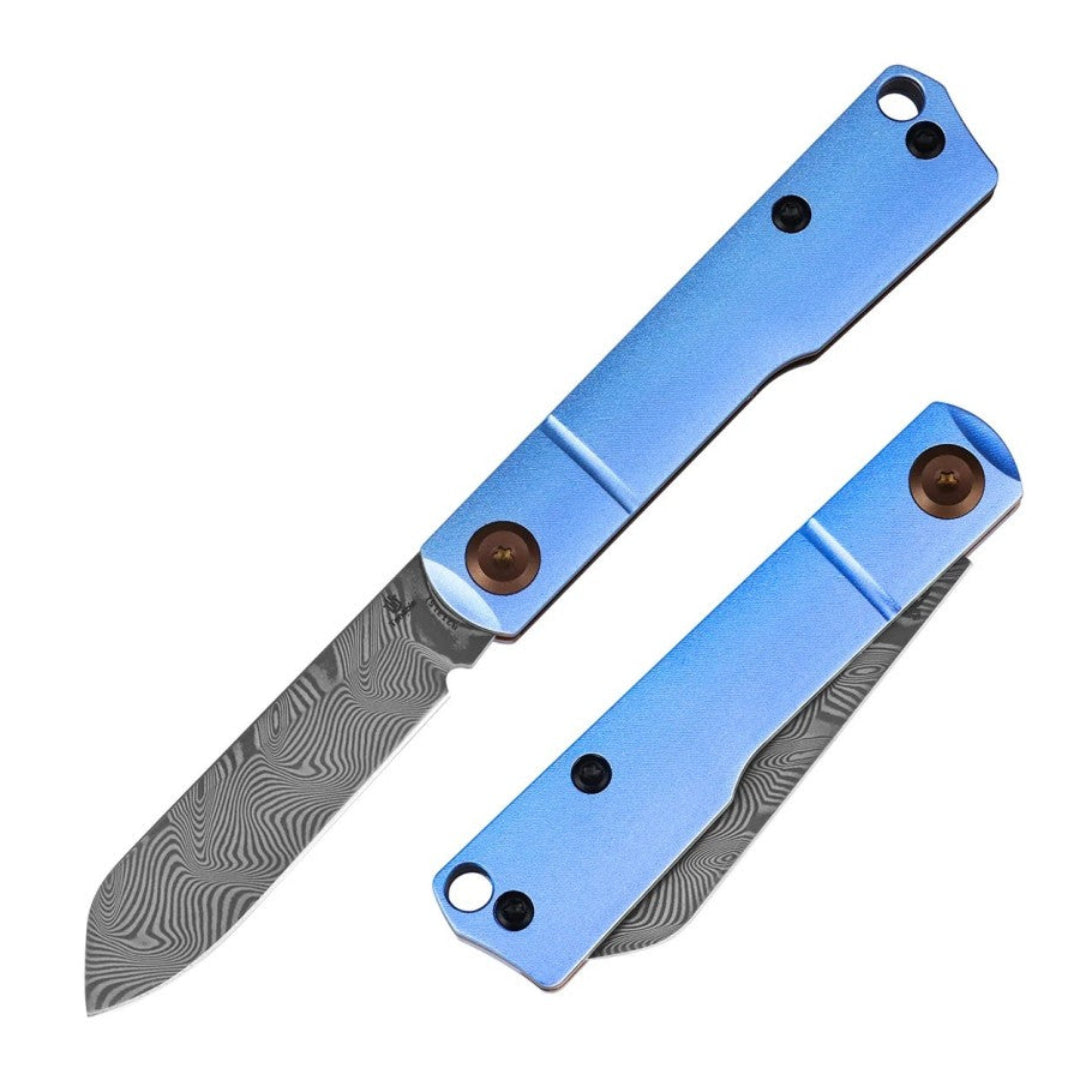
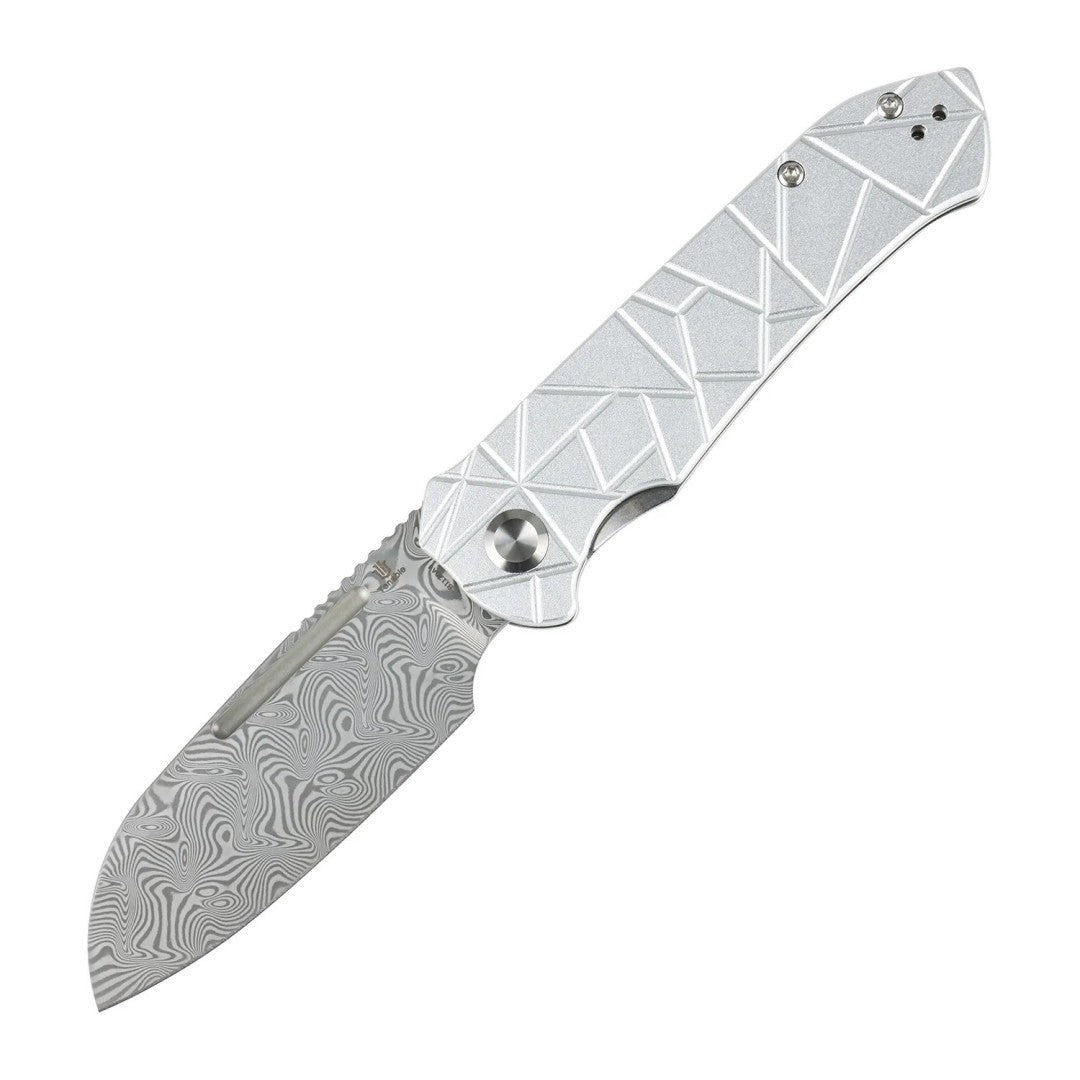
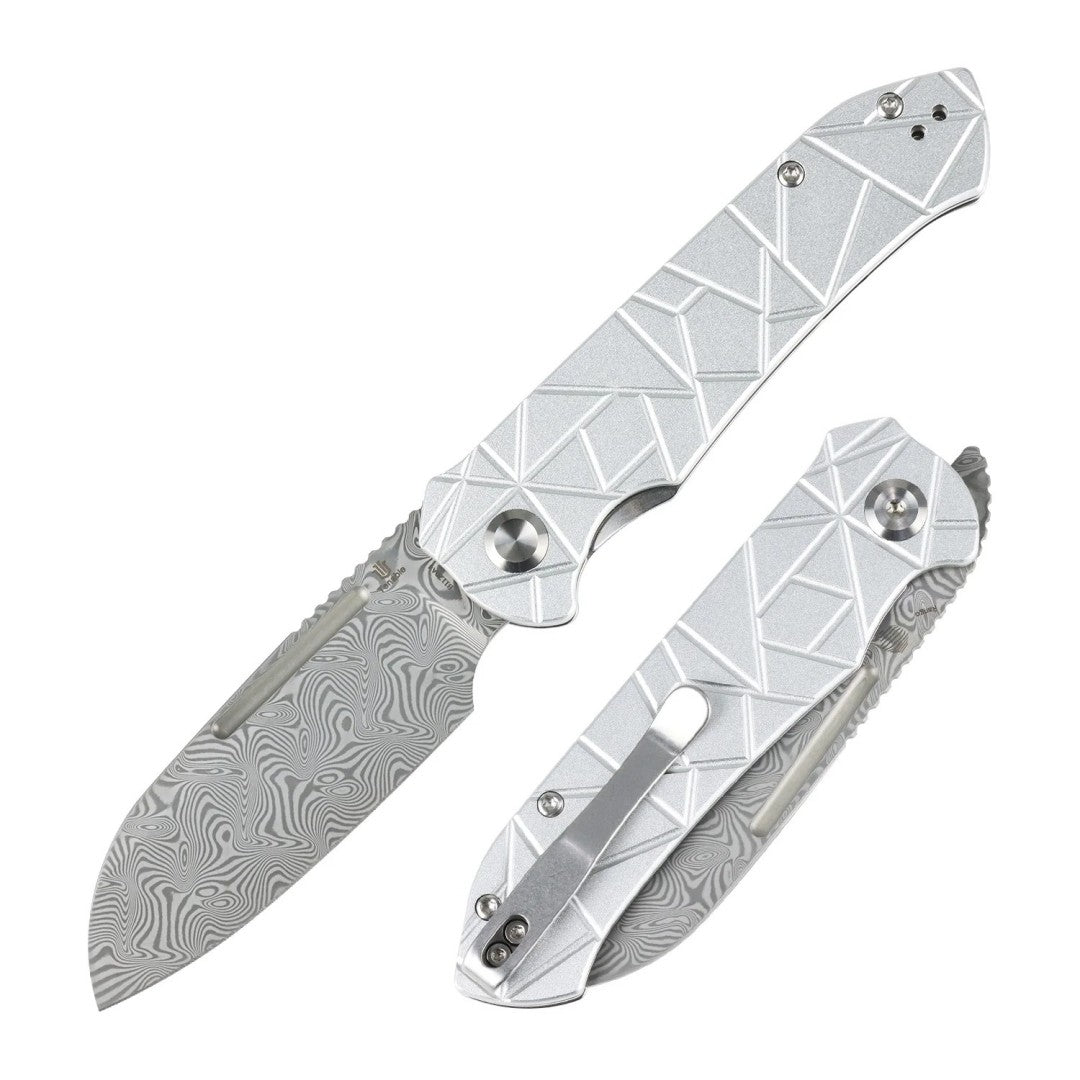
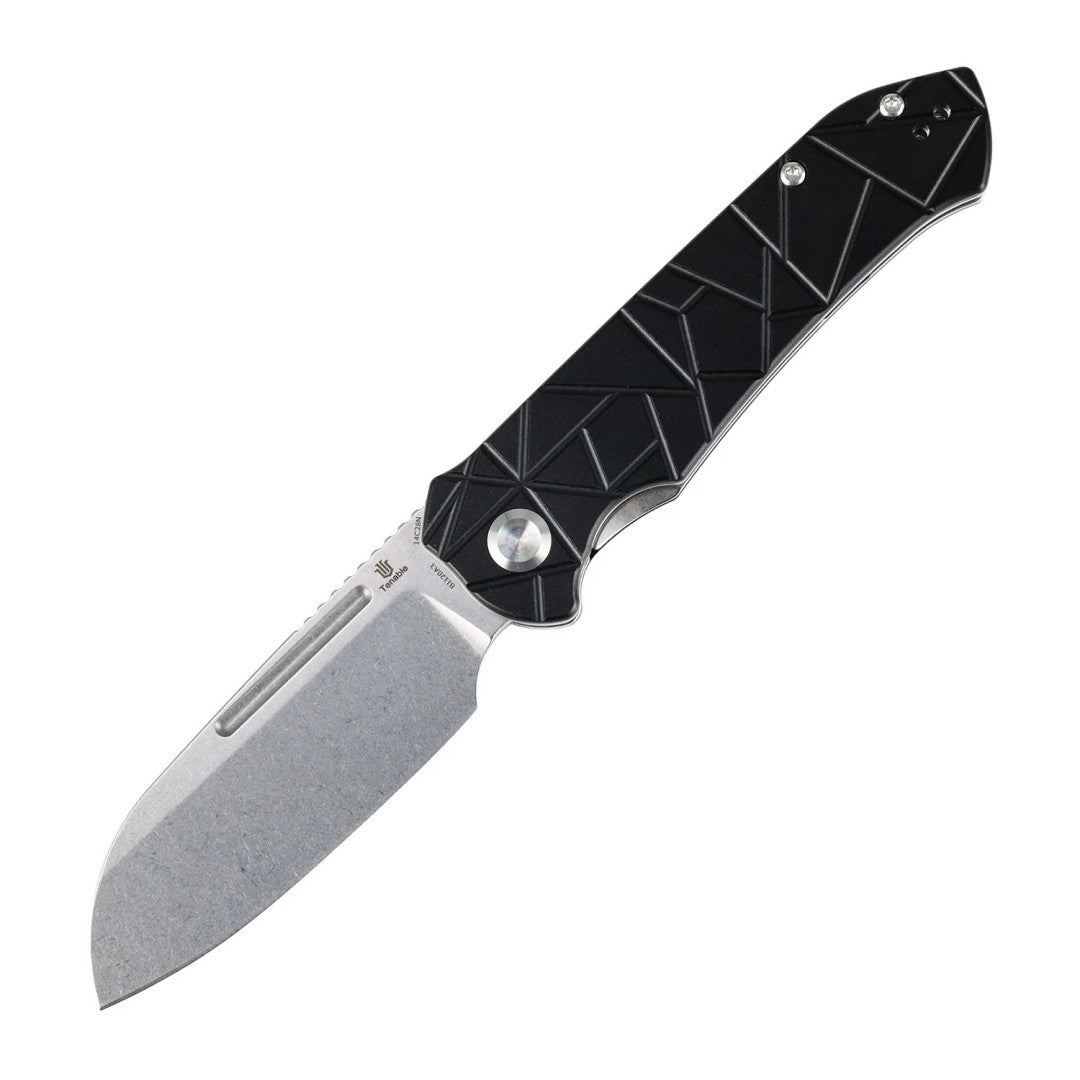
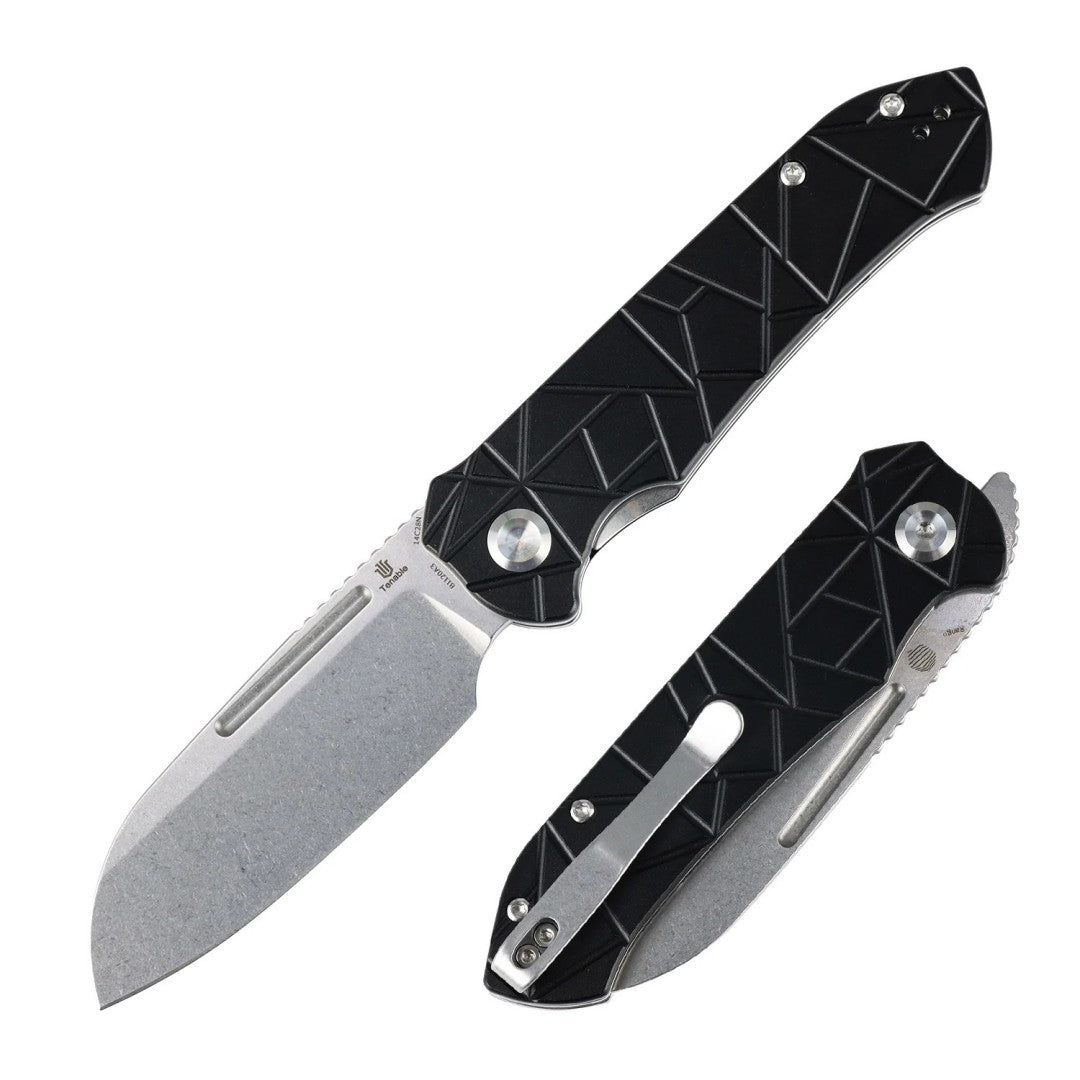
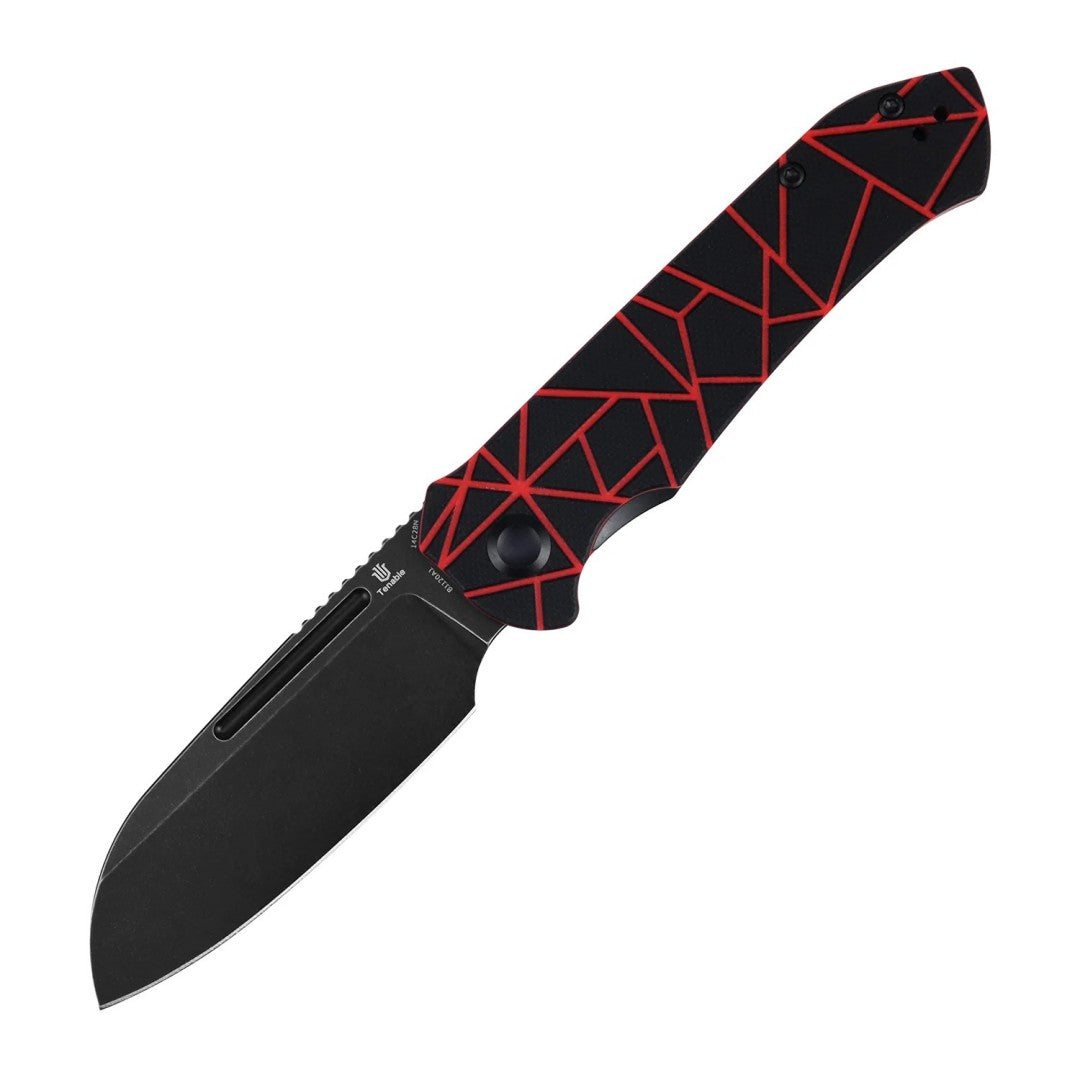
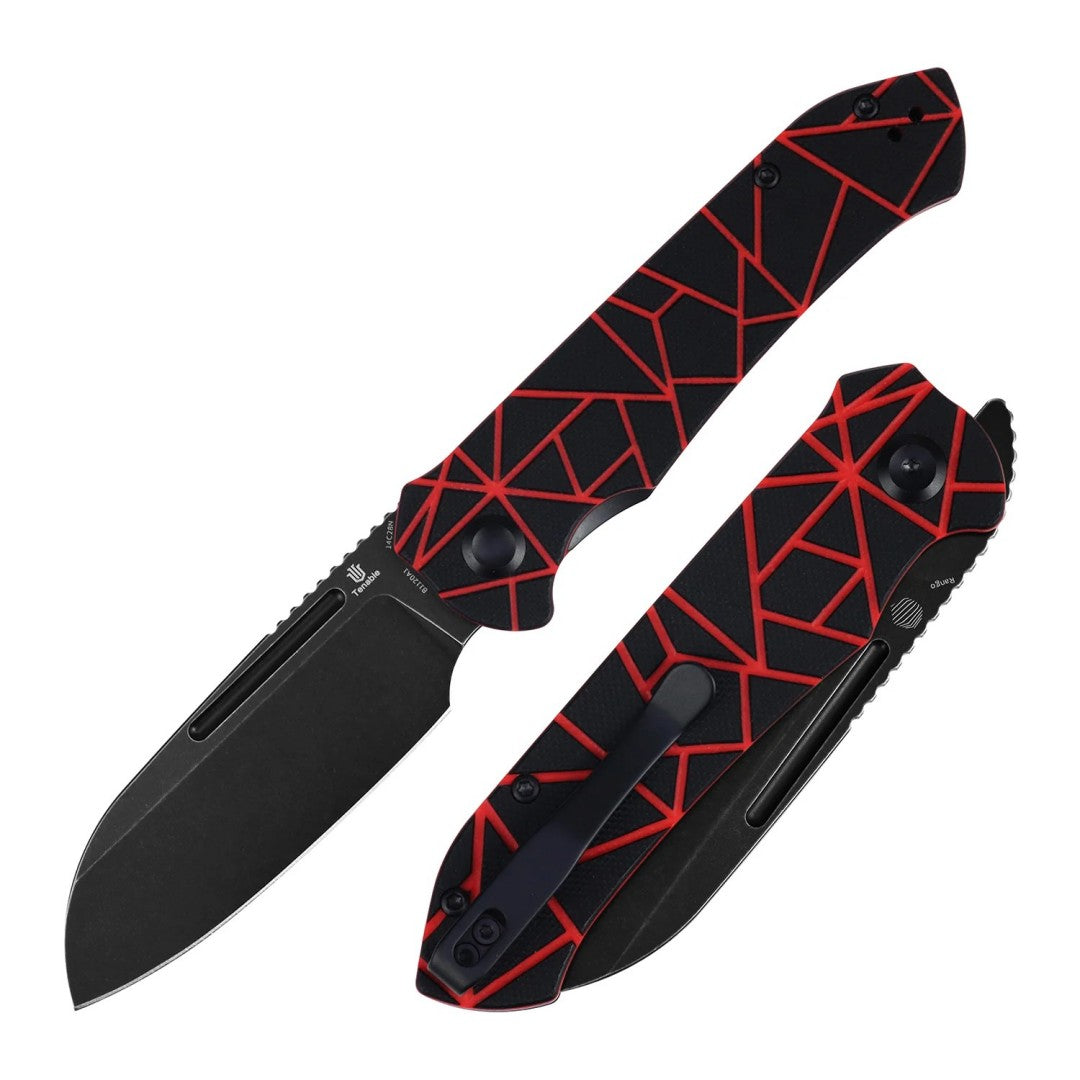
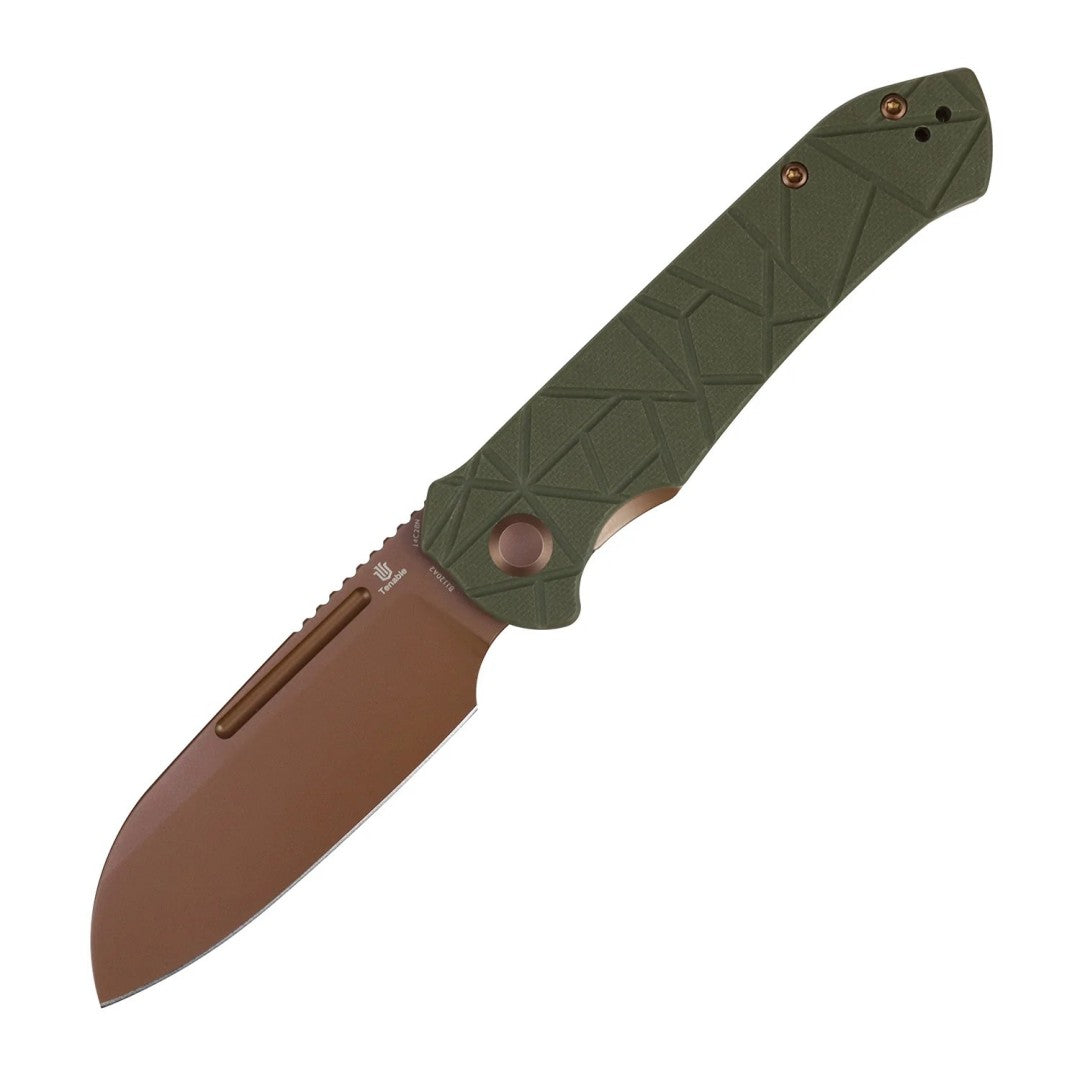
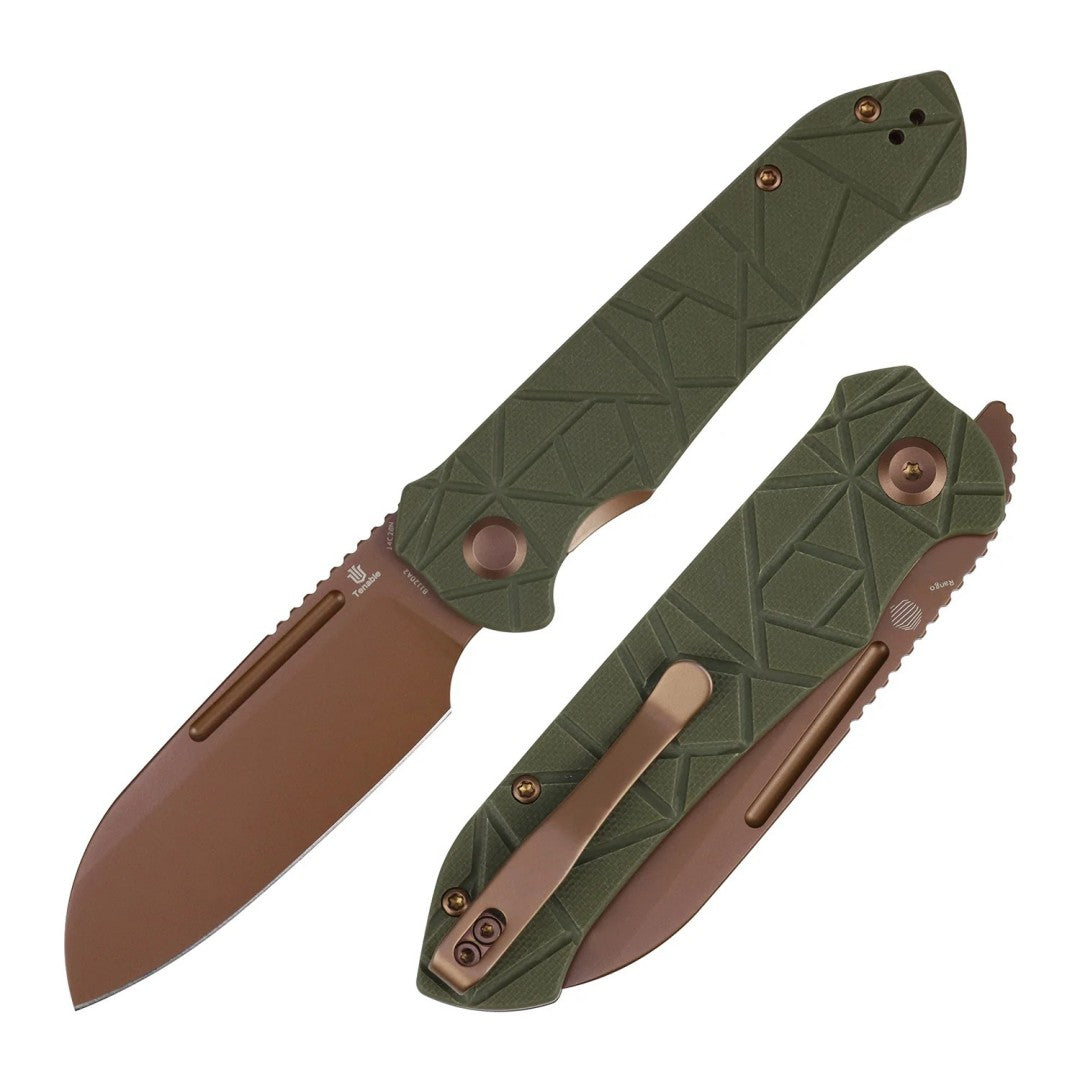
Kit for a night trail run is small and specific. A waist light, a compact EDC knives blade for opening food, taping a hot spot on a foot and cutting strapping from a pack, a folding knife kept light enough that you do not notice it, and an emergency layer. Ultramarathon drop bags usually need a second light and a spare battery, and it is worth labelling them clearly because exhausted runners cannot read small print at three in the morning.

Ownership Notes
The most common mistake is over-lighting. Maximum output on a technical descent feels reassuring and destroys night vision, and night vision is what lets you see the trail beyond your beam. Use low modes on smooth ground and save the high modes for navigation and emergencies. Similarly, a warm-neutral colour temperature reveals terrain contours better than a cold blue beam, which washes everything into a flat grey. Choose neutral, then choose output. Runners who pack folding knives for drop bags usually want something light enough to forget, and EdcMall stocks compact options that disappear into a running vest without adding meaningful weight.
Who Is This For?
Ultra runners, night trail runners, fastpackers and anyone covering technical ground after dark should consider a waist light. Road runners on lit streets do not need one. If your runs regularly continue past sunset on uneven ground, this is the single upgrade that most changes how confident you feel.
Final Verdict
Waist lighting solves a real problem that headlamps cannot, and the solution costs less than a pair of race shoes. Pair it with a small pocket light and a lightweight folding knife, keep the output moderate and the batteries fresh, and night running stops being the part of the season you dread.