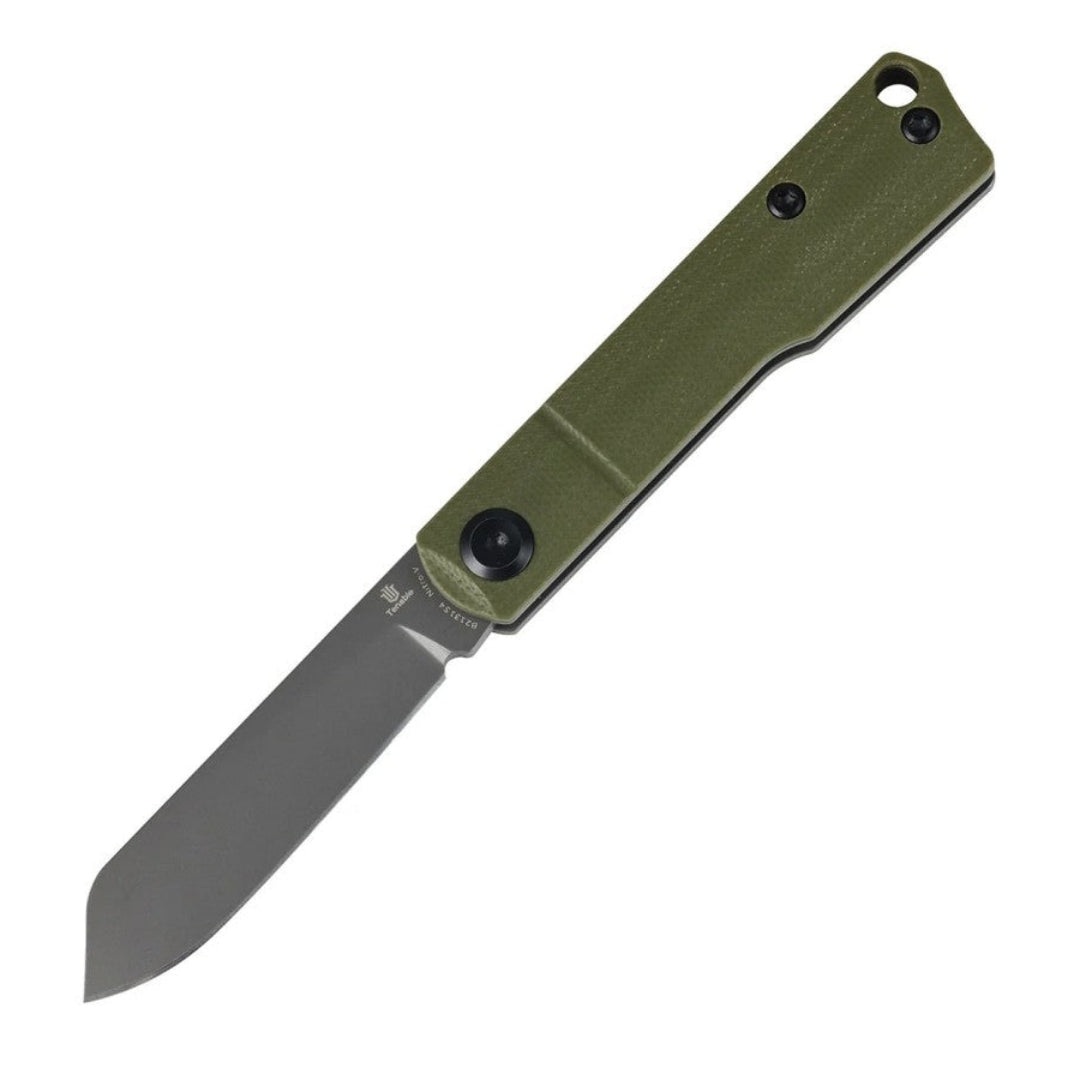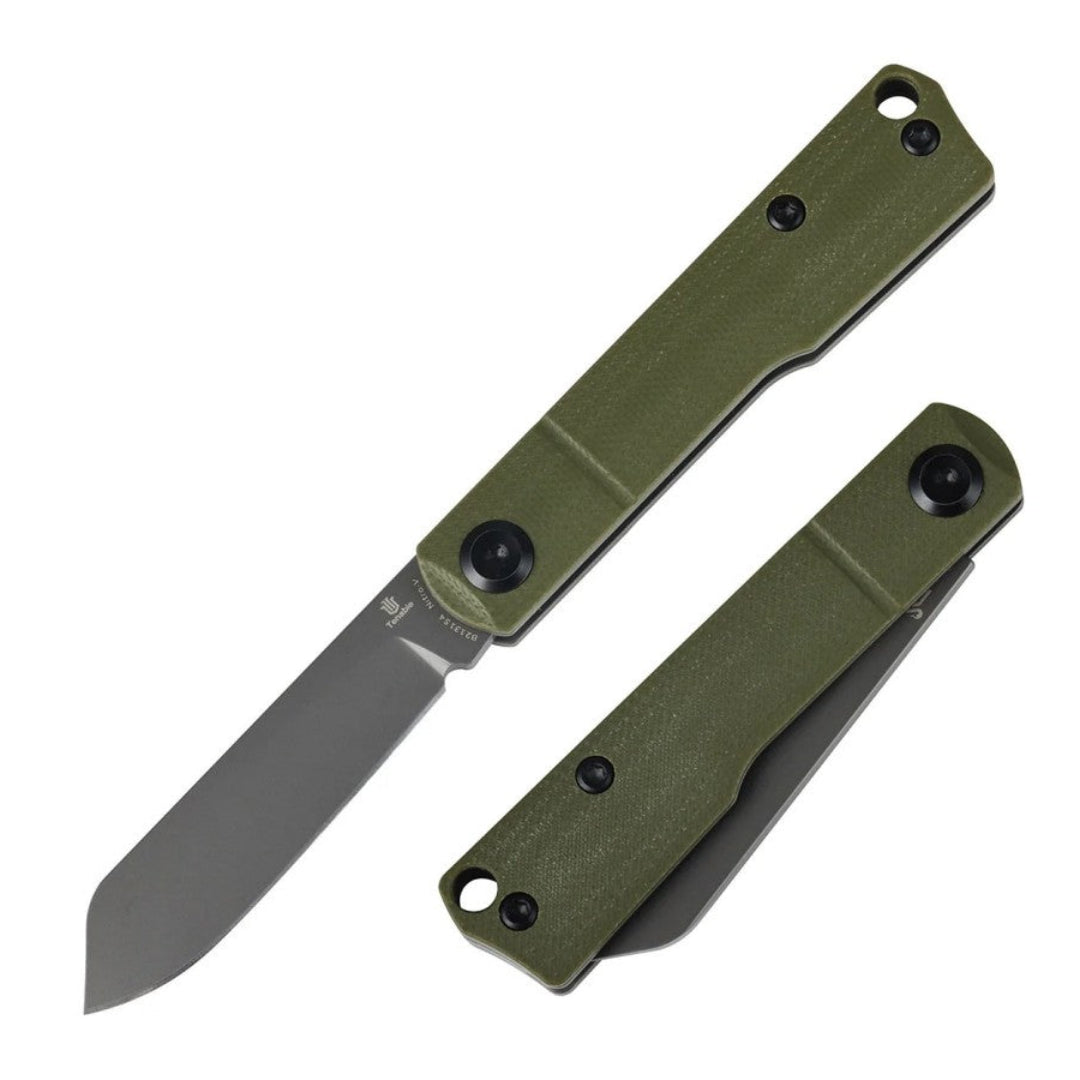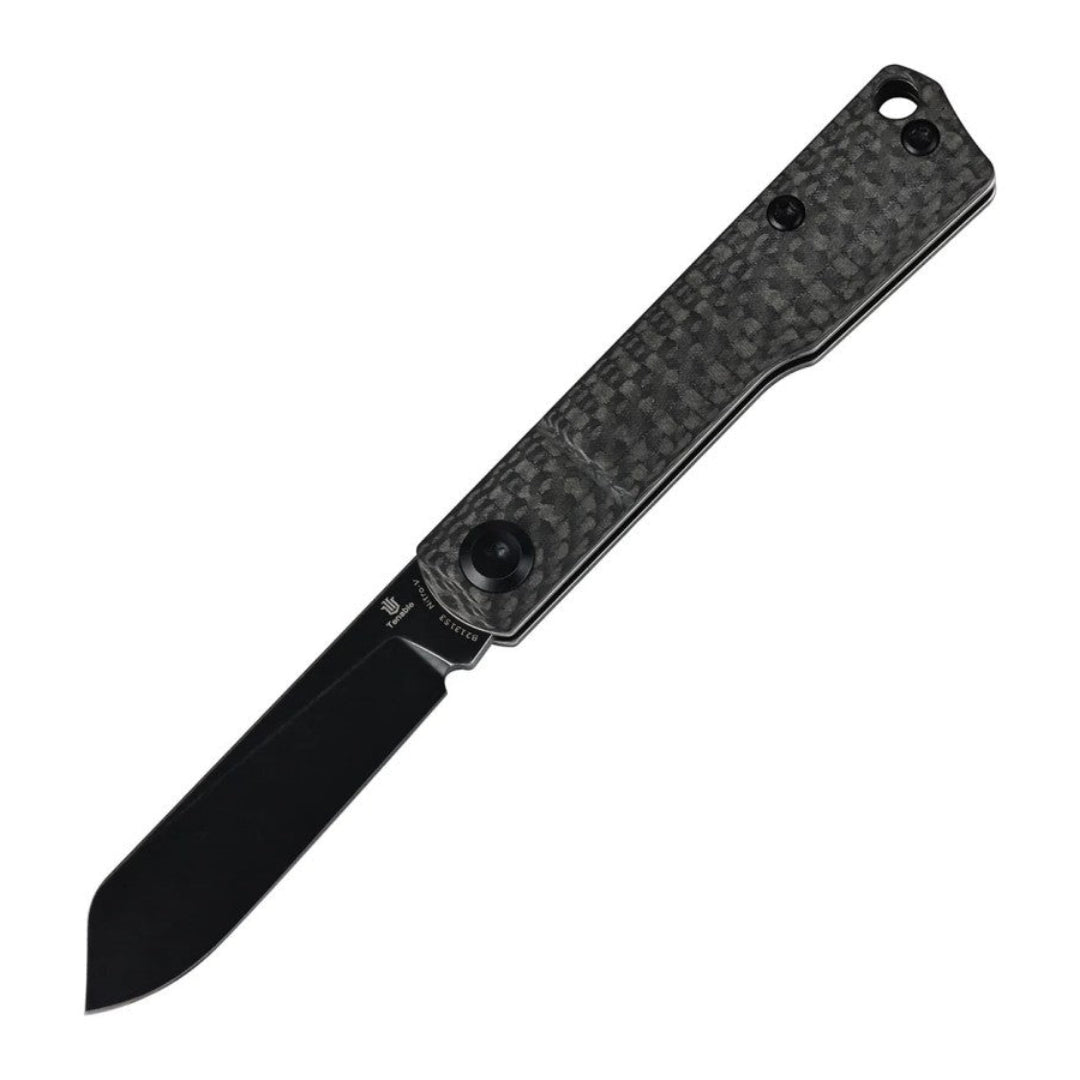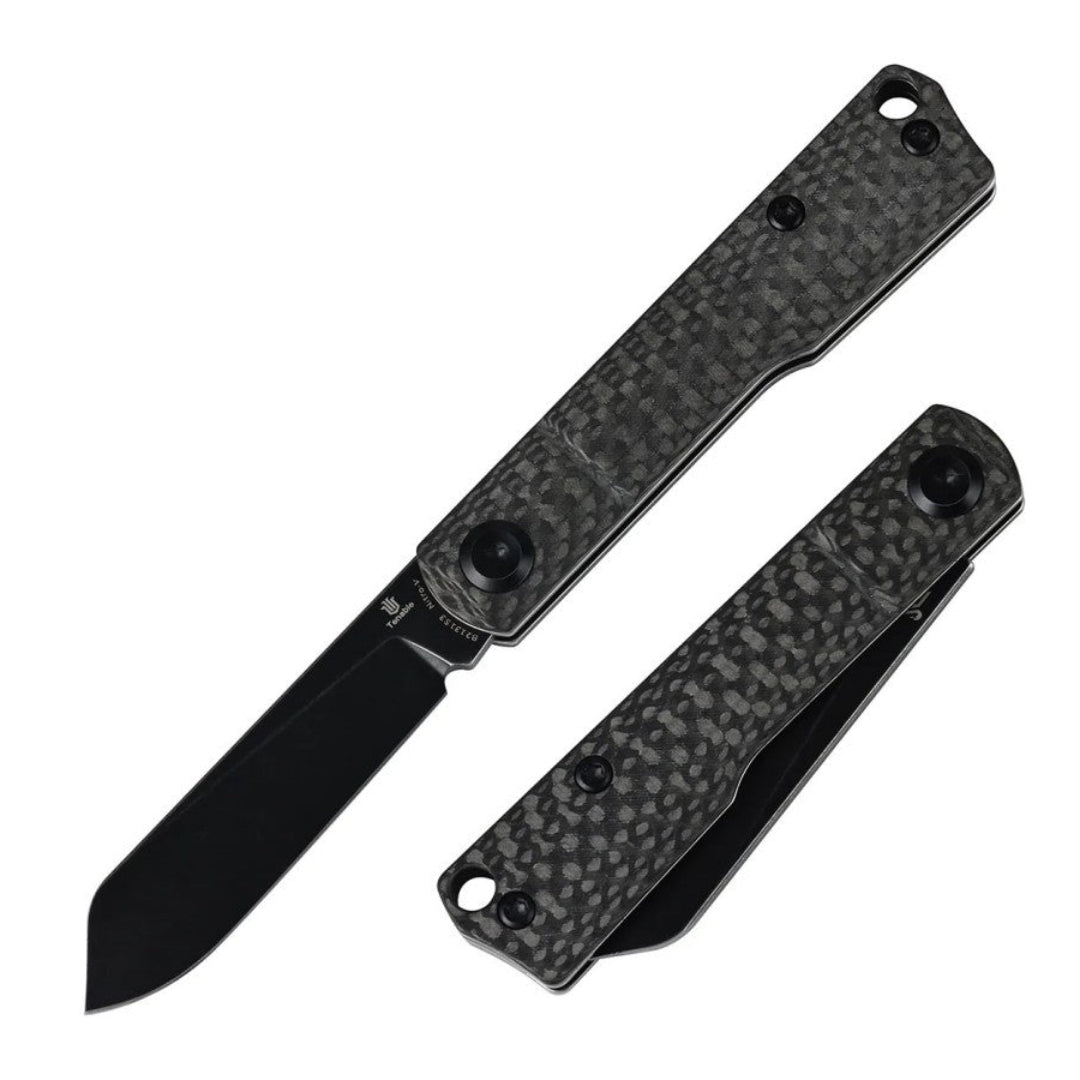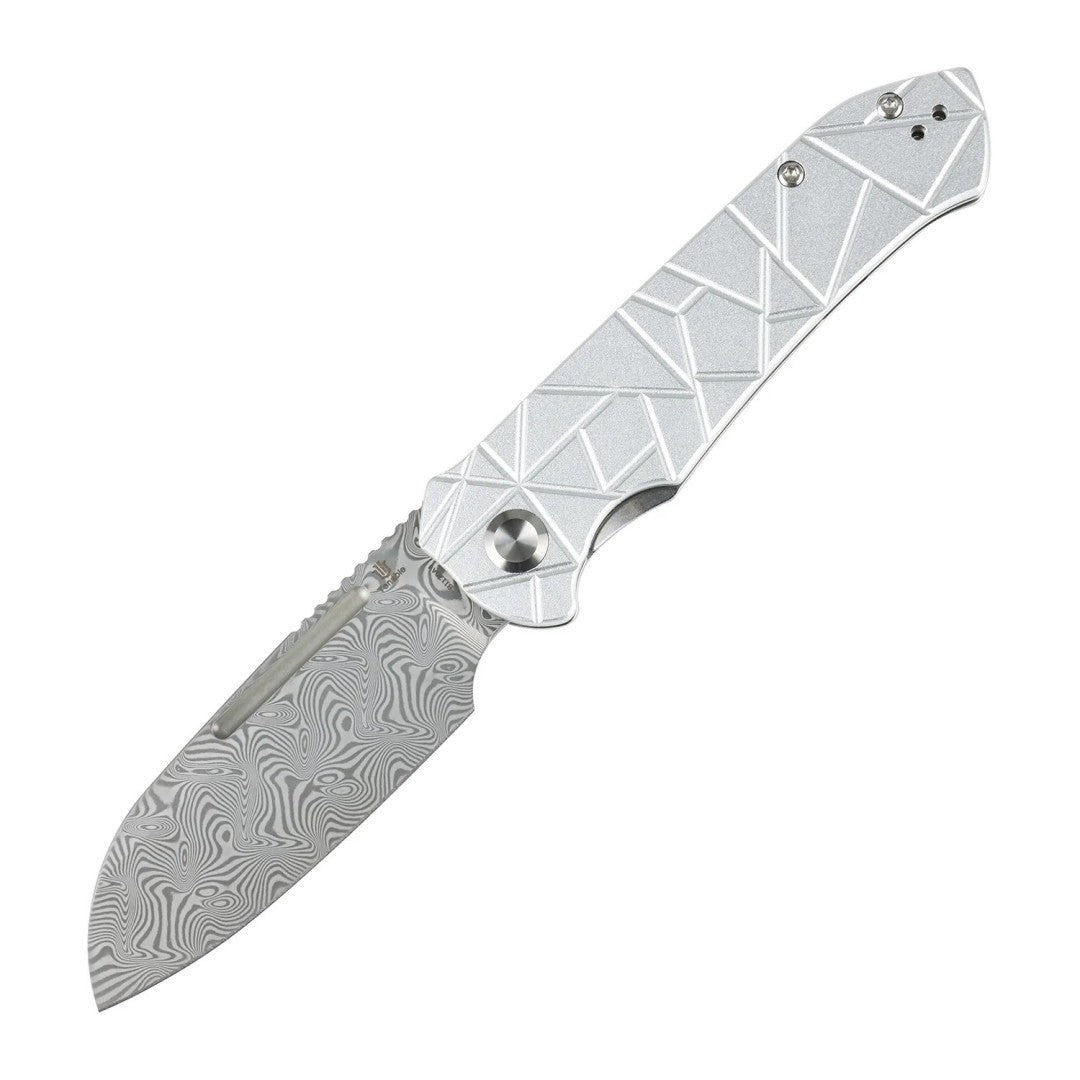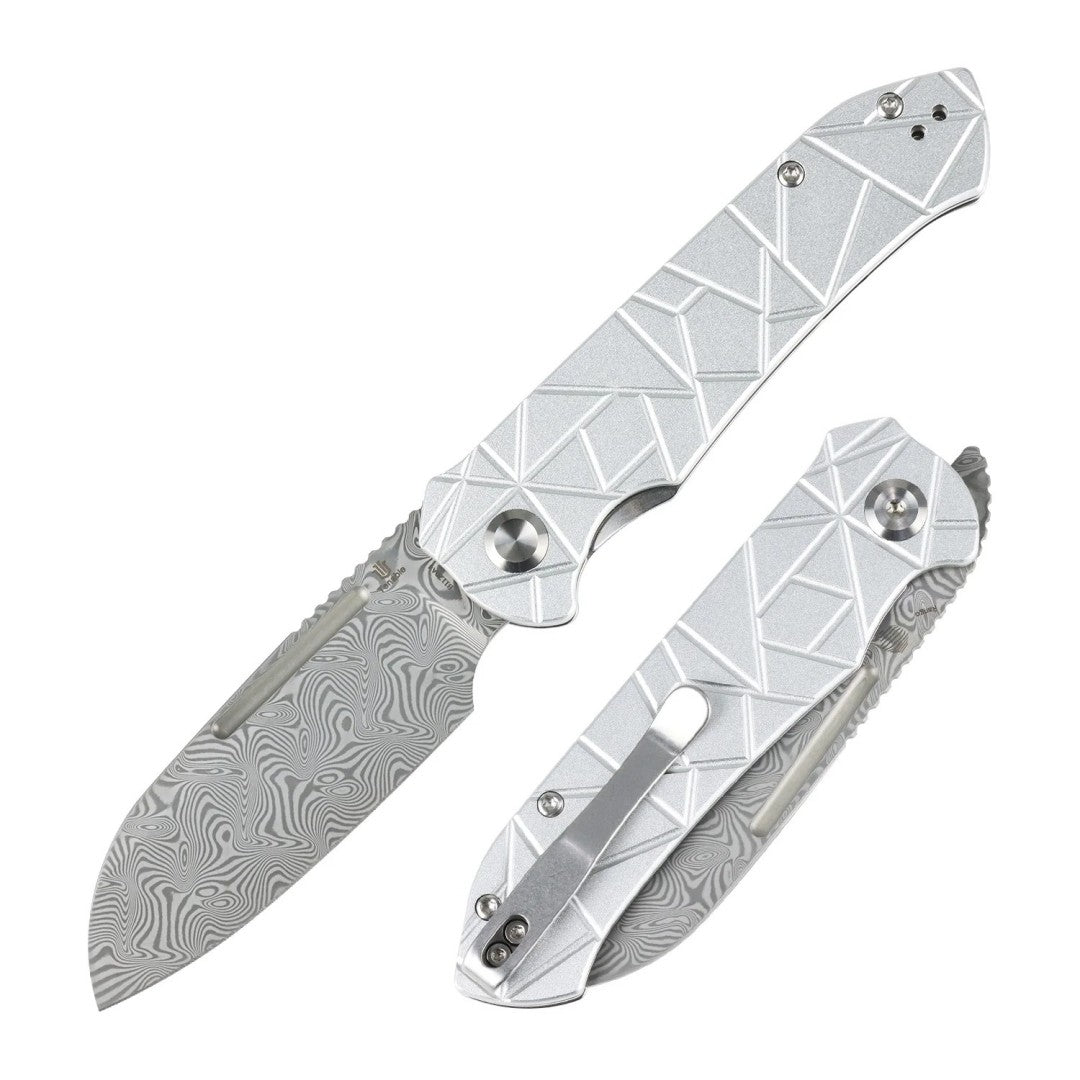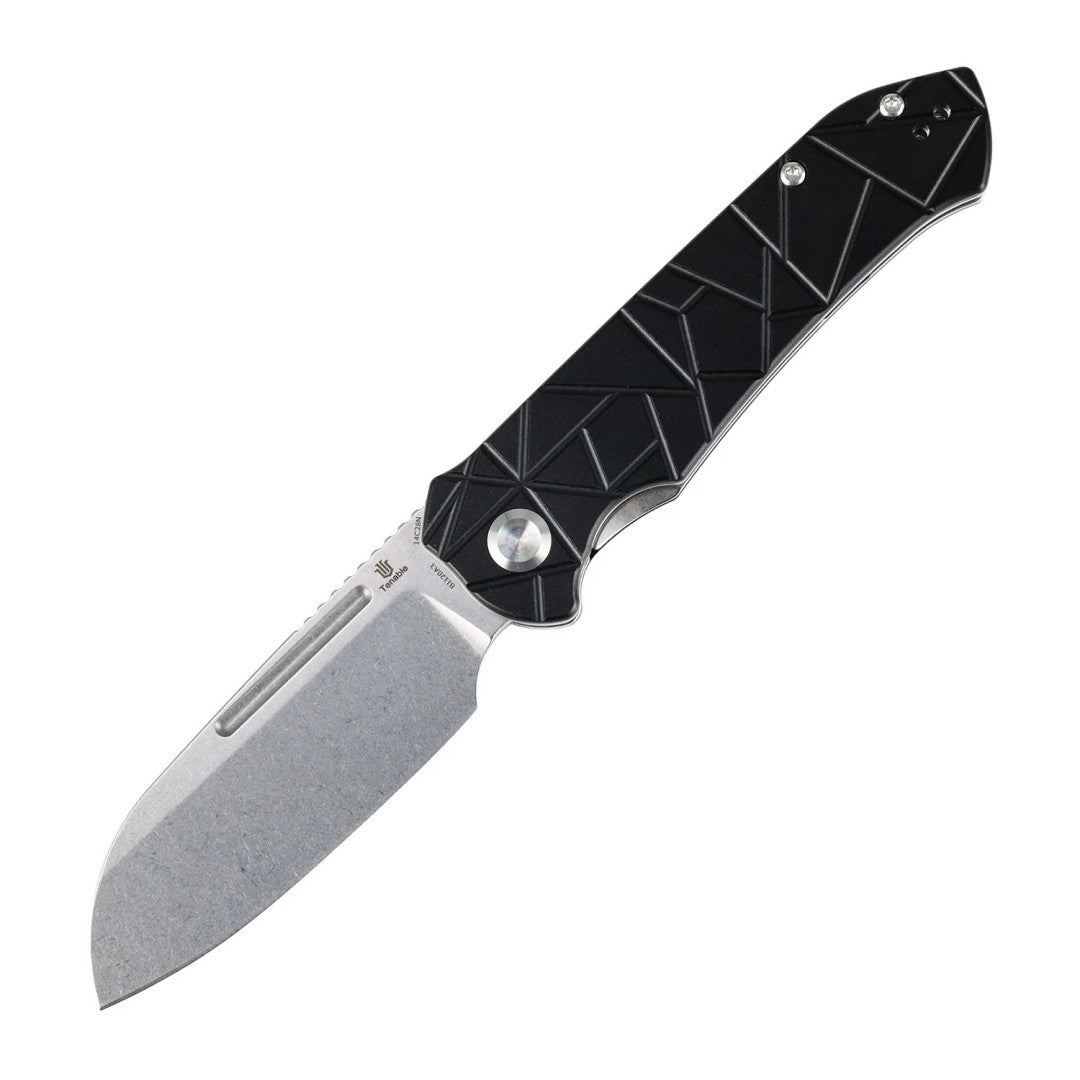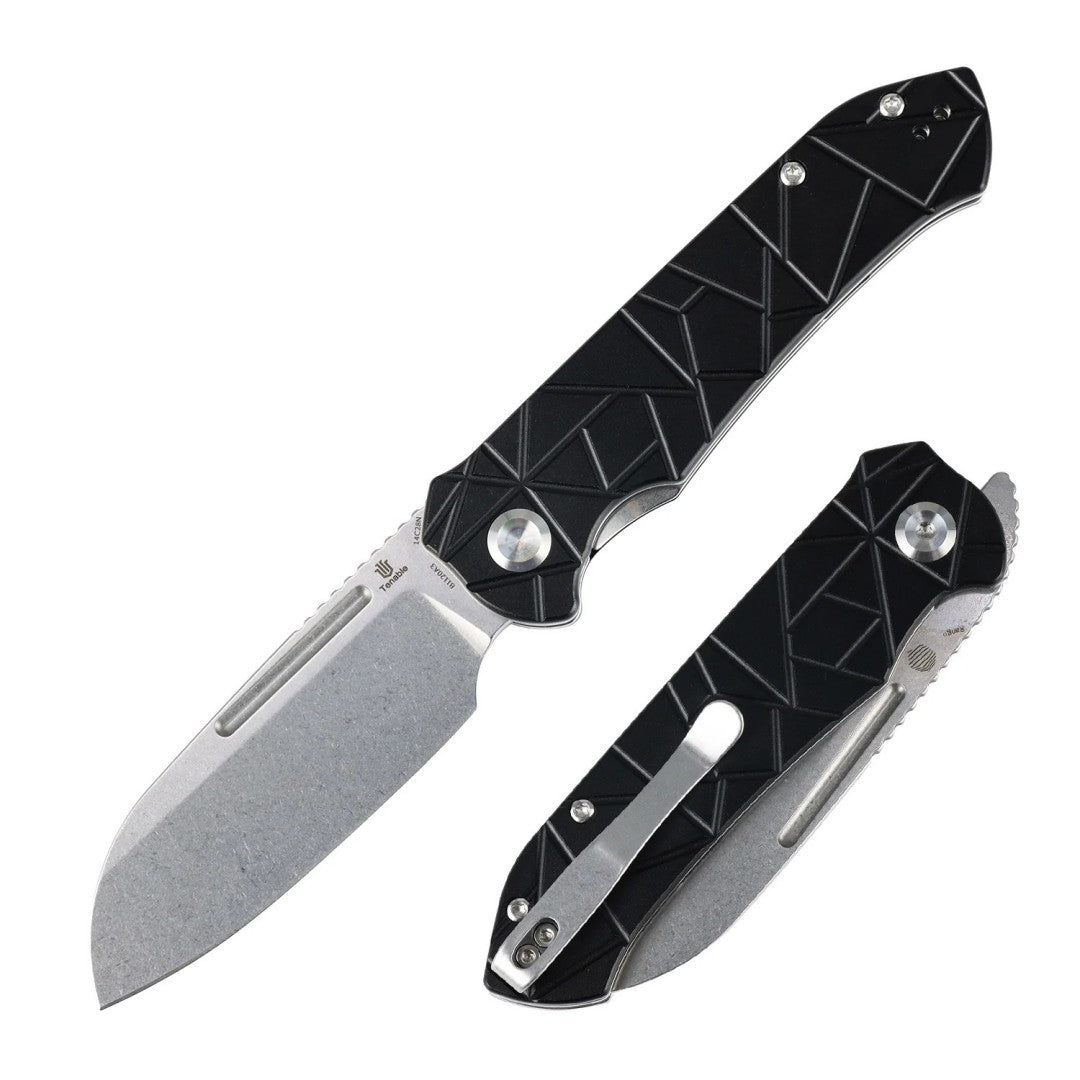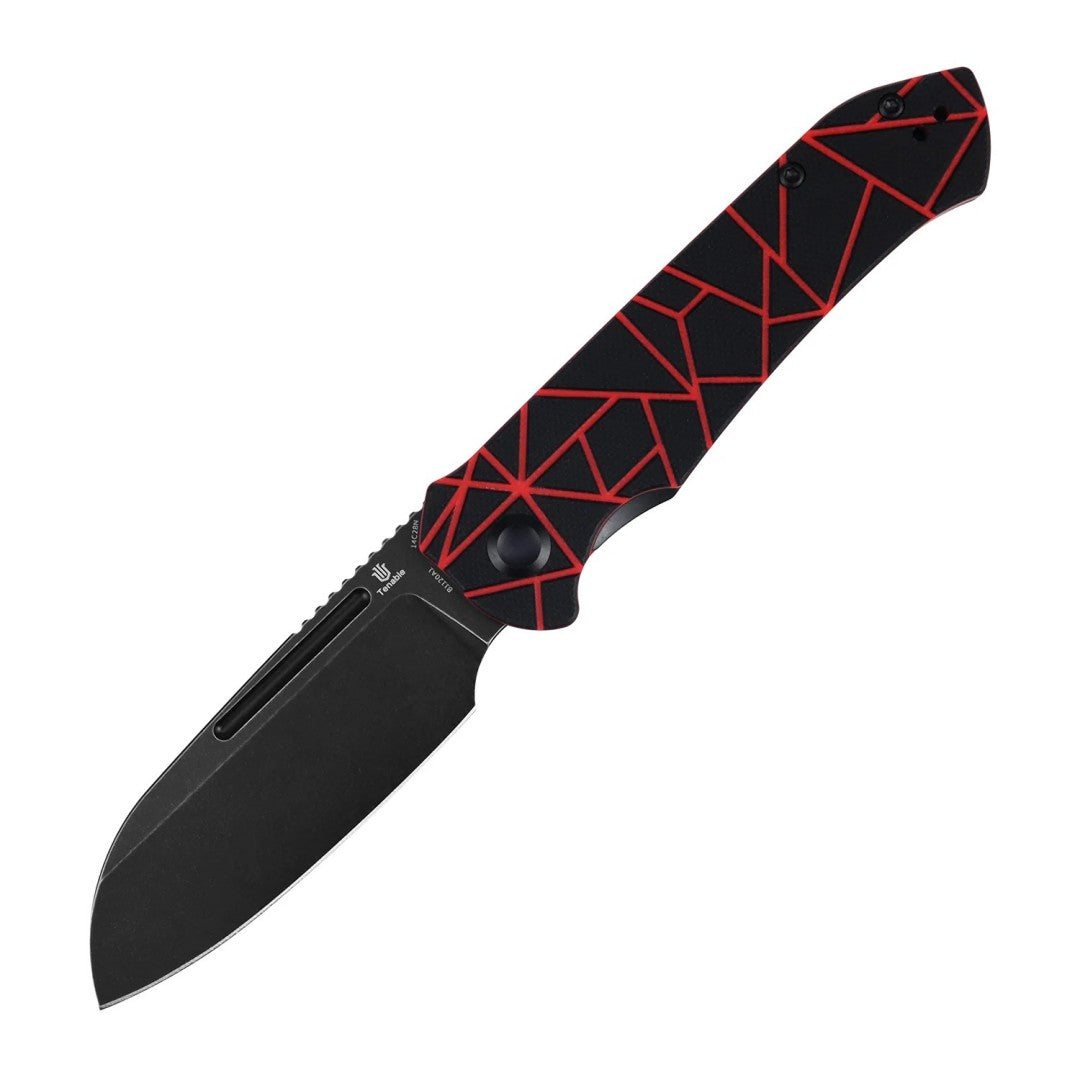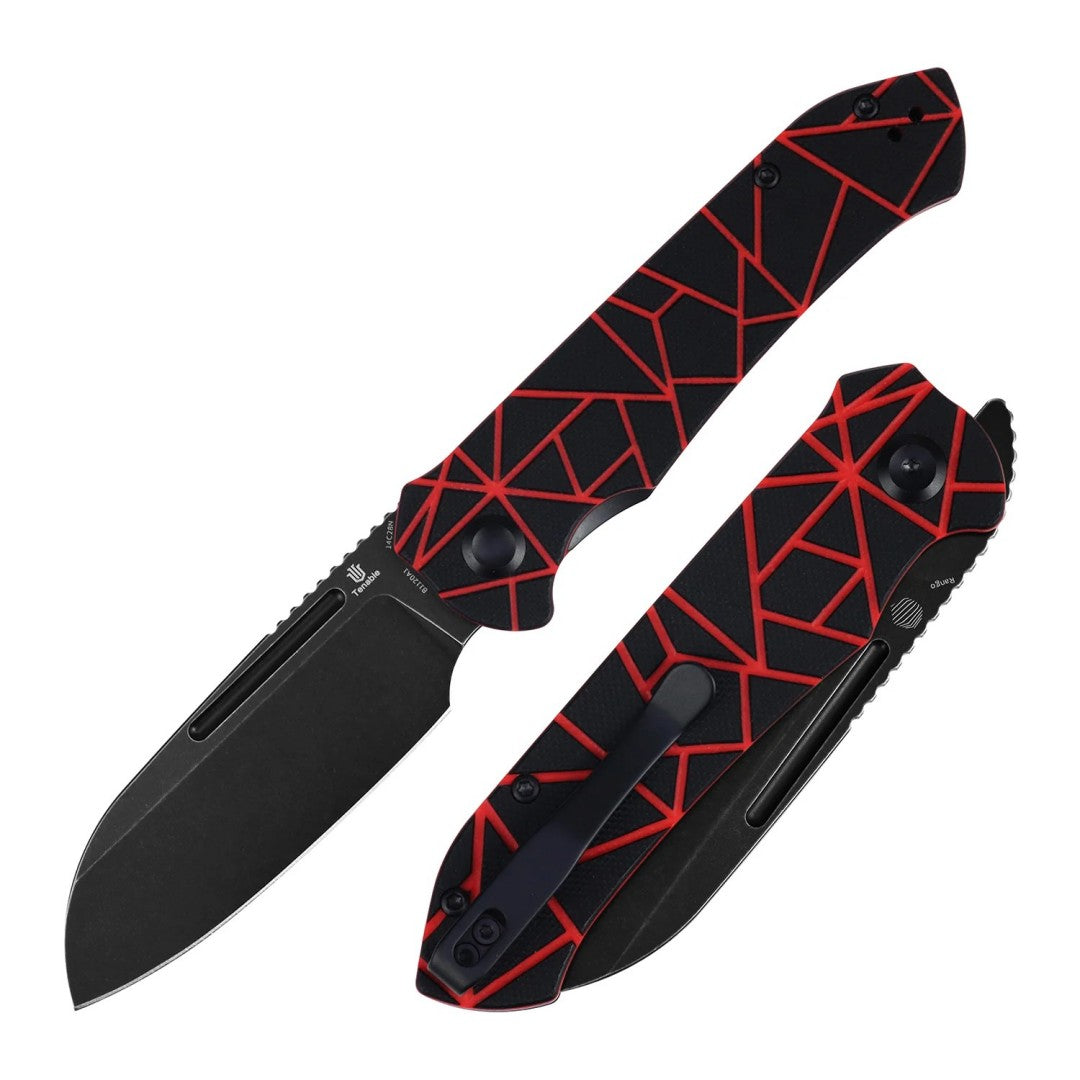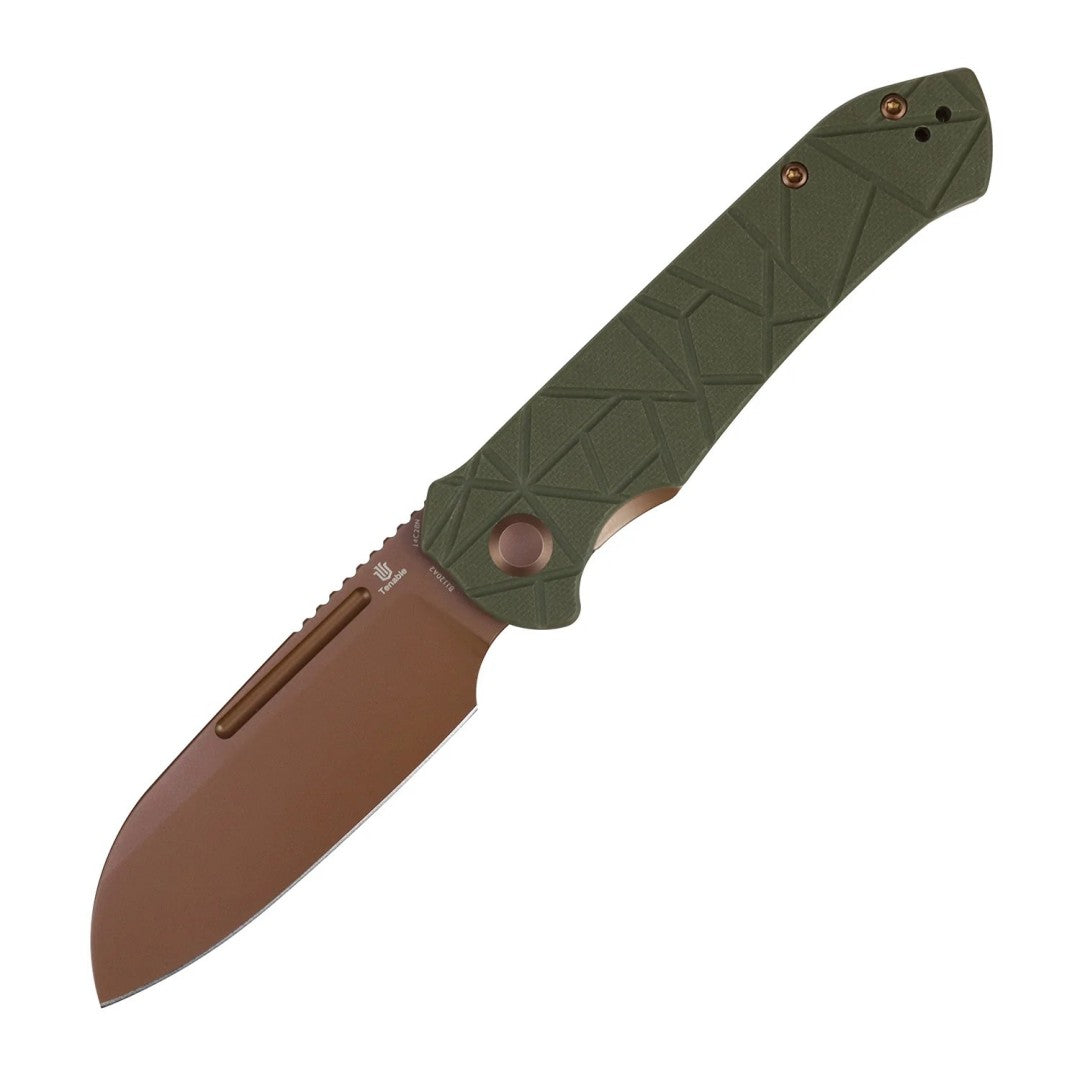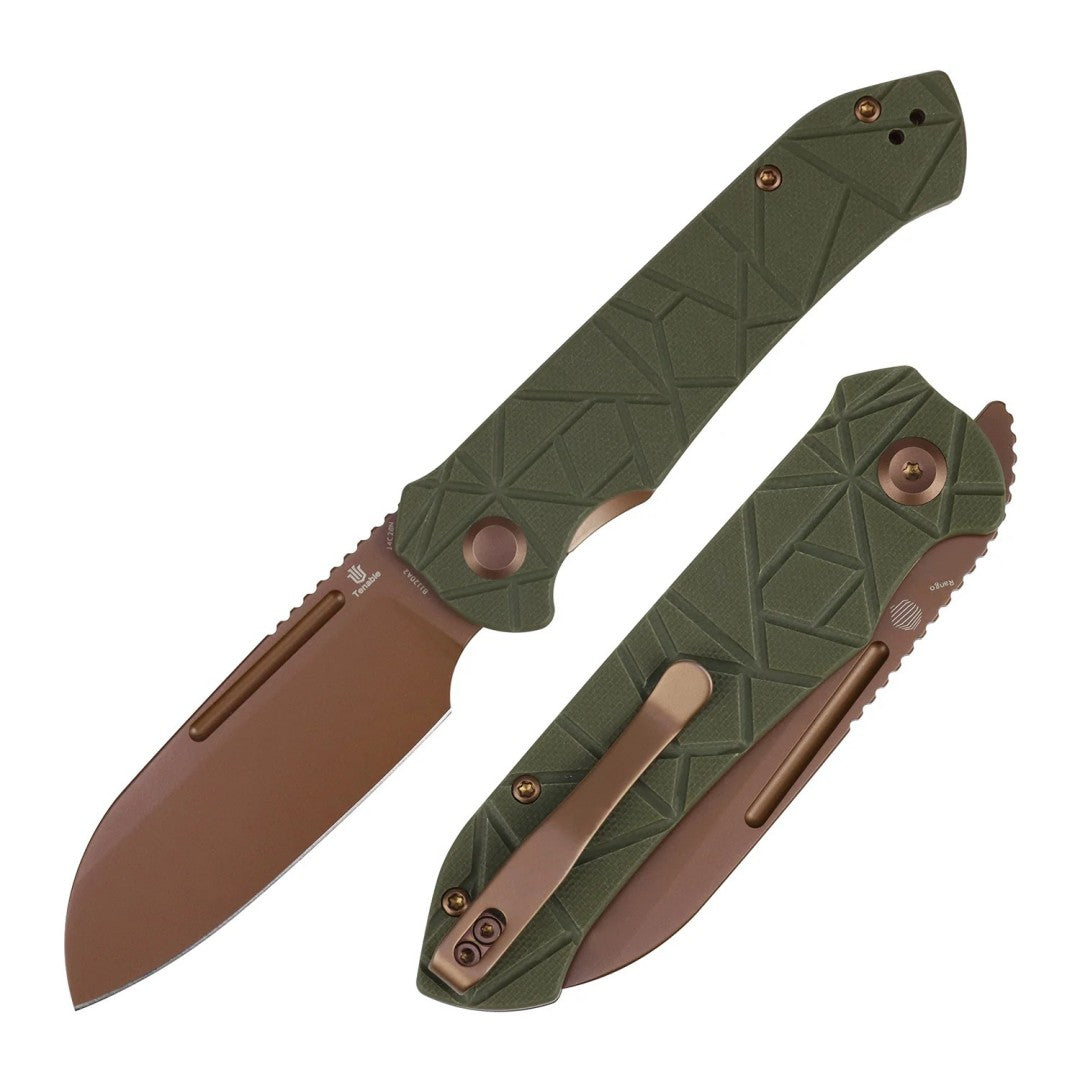
When evaluating a new pocket knife for everyday carry (EDC), the conversation always circles back to metallurgy. The alloy chosen for a blade determines how well it performs under pressure, how frequently it needs to meet a sharpening stone, and whether it will survive a accidental drop onto a hard surface.
The QSP Canary Folder has quickly captured the attention of knife enthusiasts and daily users alike. A massive driver behind its glowing reputation is its strategic use of Swedish Sandvik 14C28N stainless steel. In this article, we will break down the science behind this exceptional steel, analyze its real-world edge retention, and look at the structural durability that makes the QSP Canary Folder a premier choice for demanding everyday tasks.

The Metallurgy Behind Sandvik 14C28N Steel
To understand the durability of the QSP Canary Folder, we must first look at what makes its steel unique. Sandvik 14C28N is a premium stainless steel engineered by Sandvik Materials Technology in Sweden specifically for high-quality knife blades. Unlike steels that were originally formulated for industrial machinery or kitchen steak knives, 14C28N was created from the ground up to optimize edge performance.
The secret to 14C28N's success lies in its nitrogen-alloyed chemical composition:
-
Carbon (0.62%): Provides the necessary hardness to achieve a fine, razor-sharp edge apex.
-
Chromium (14.0%): Supplies excellent corrosion resistance by forming a protective chromium-oxide layer on the surface.
-
Nitrogen (0.11%): A crucial addition that enhances grain refinement, boosts hardness, and significantly increases rust resistance without making the steel brittle.
QSP maximizes these elemental traits through a highly consistent, professional heat-treatment process. The result is a blade hardened to 59-61 HRC on the Rockwell scale. This specific hardness range is widely considered the absolute sweet spot for an everyday carry blade, offering a balanced performance that doesn't compromise on toughness.
Real-World Edge Retention Analysis
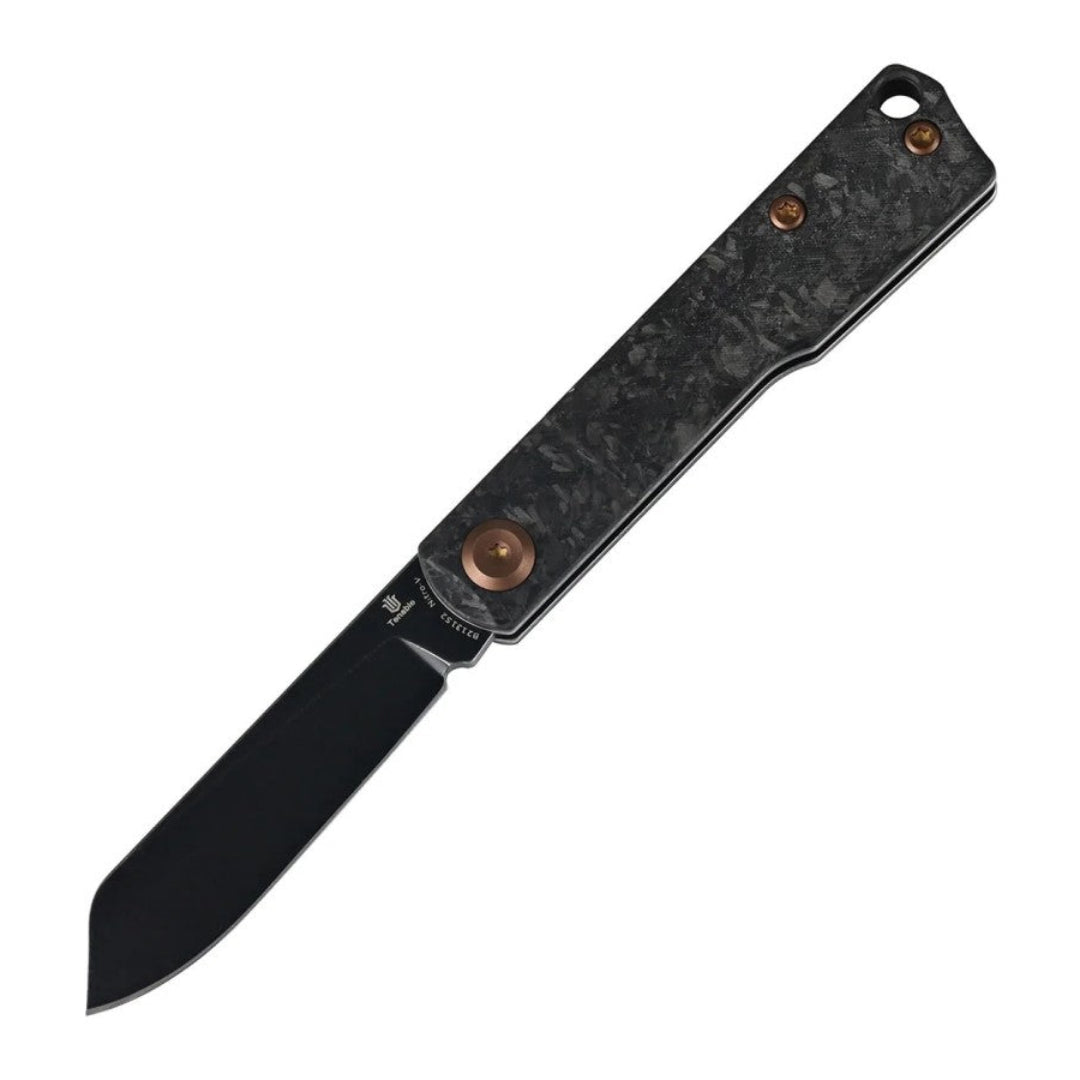
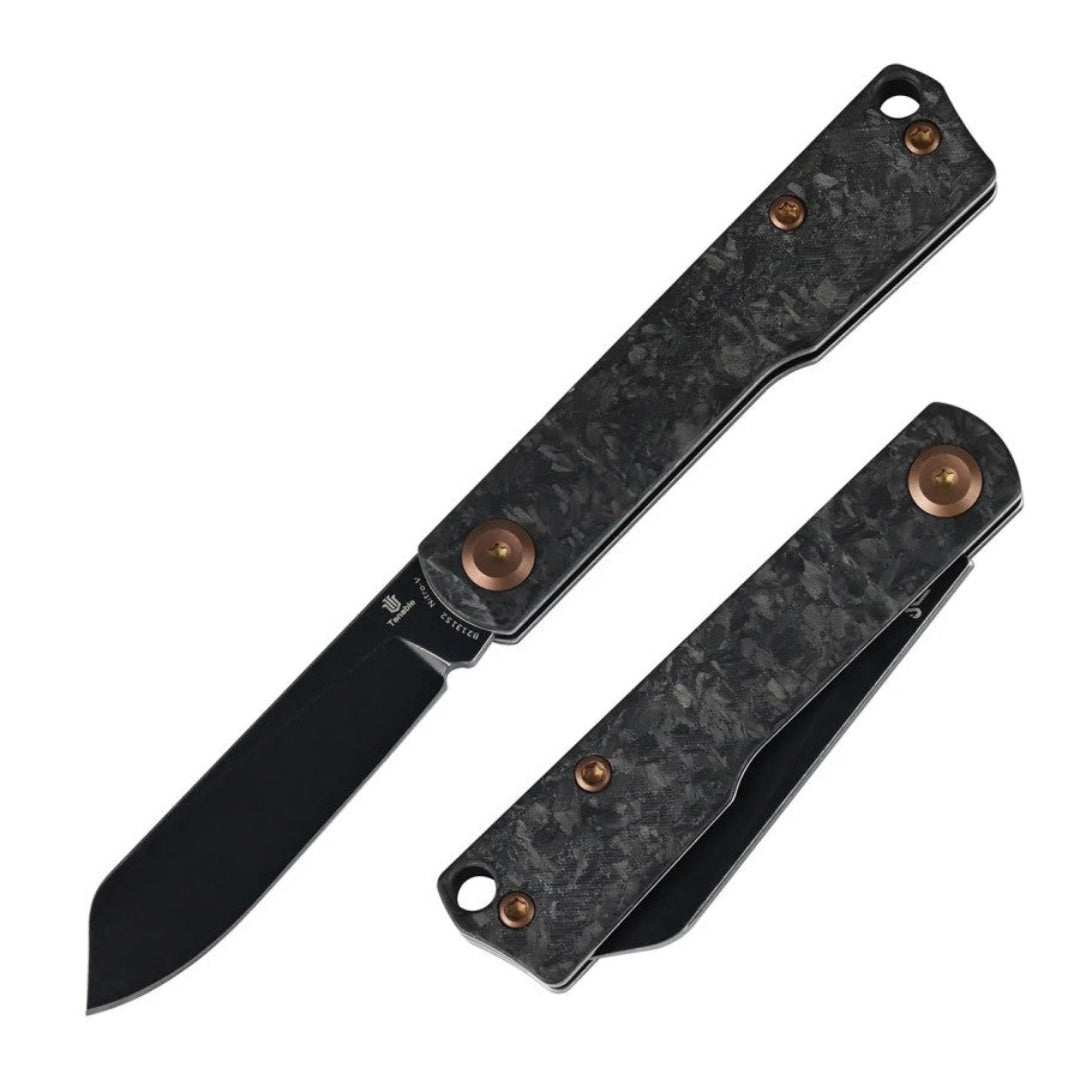
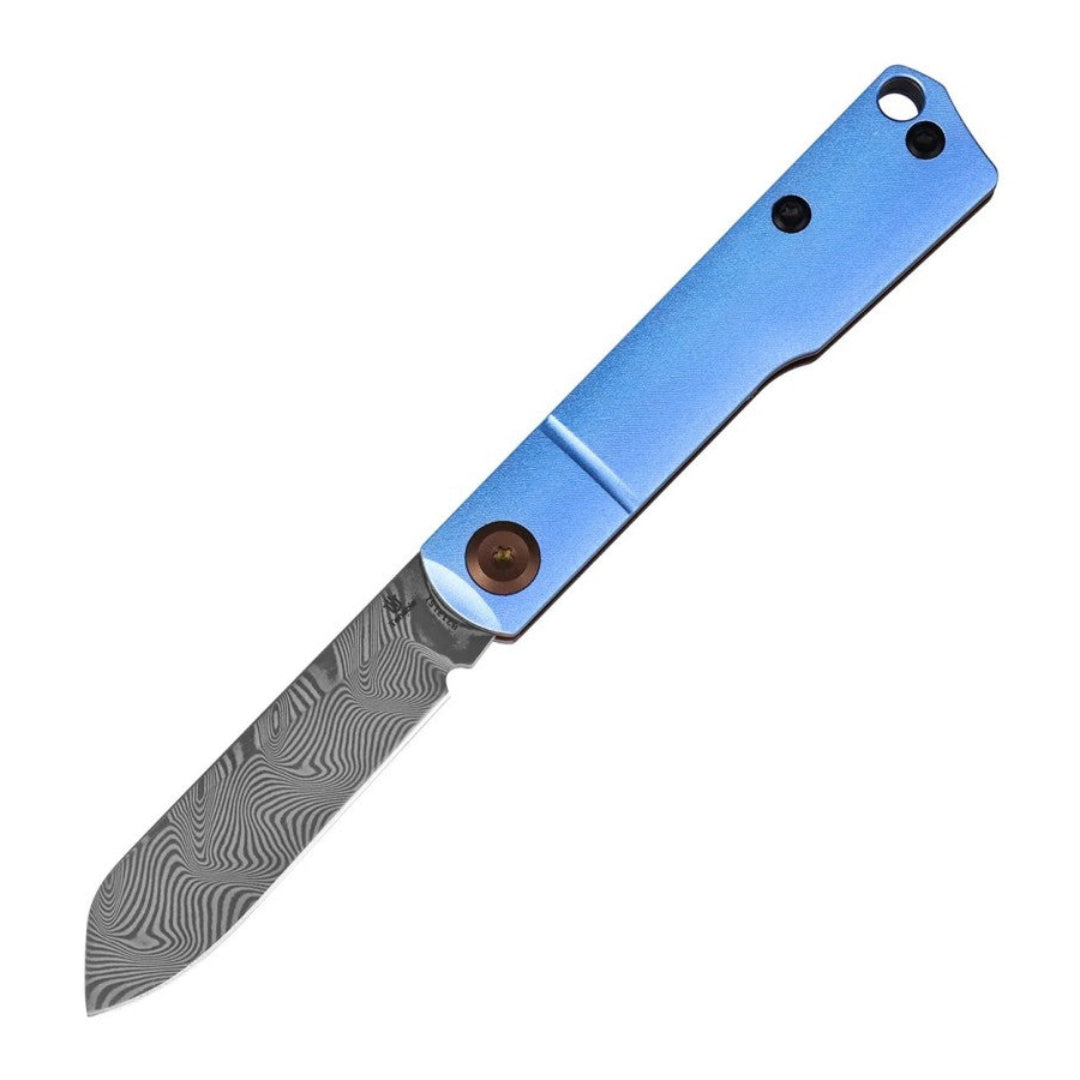
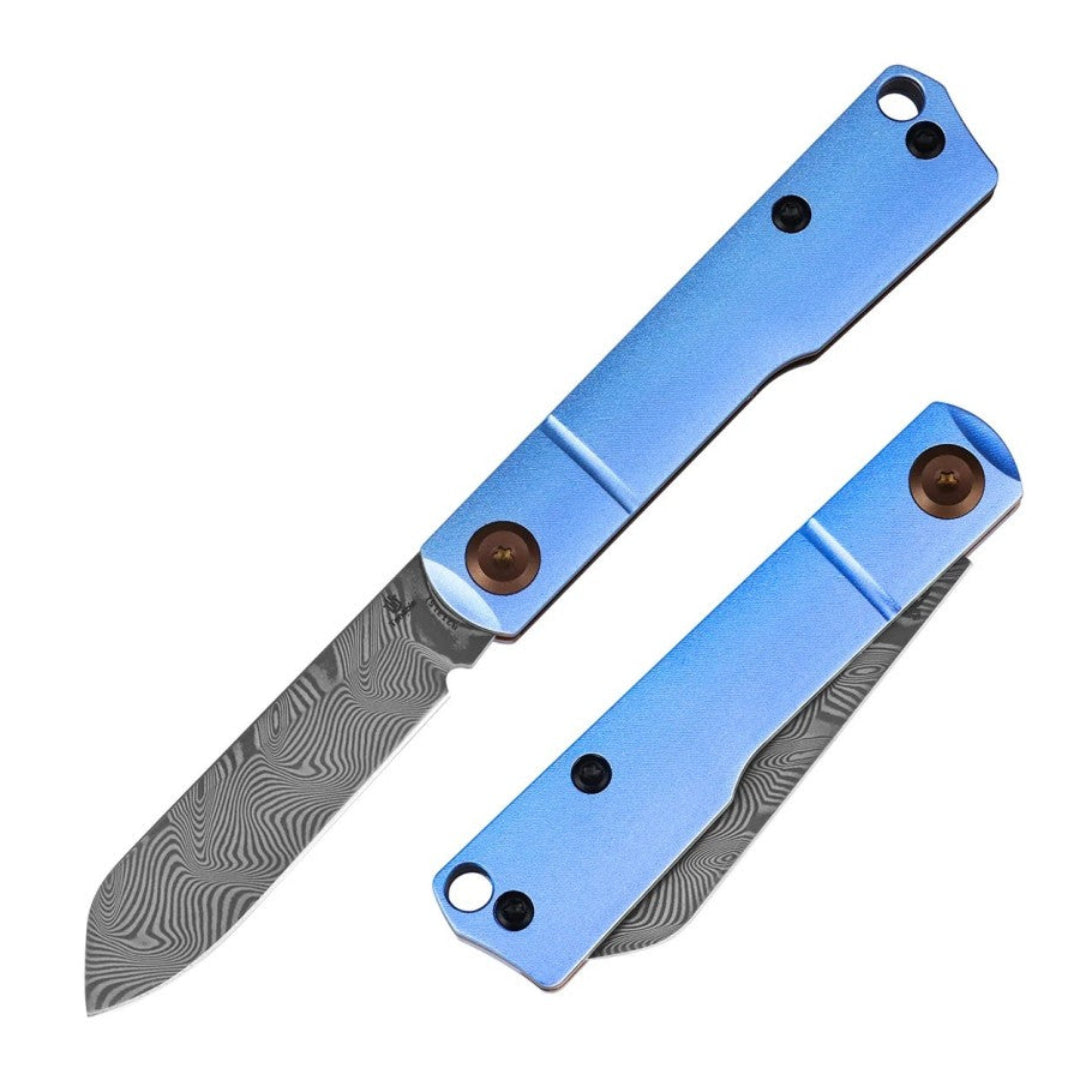
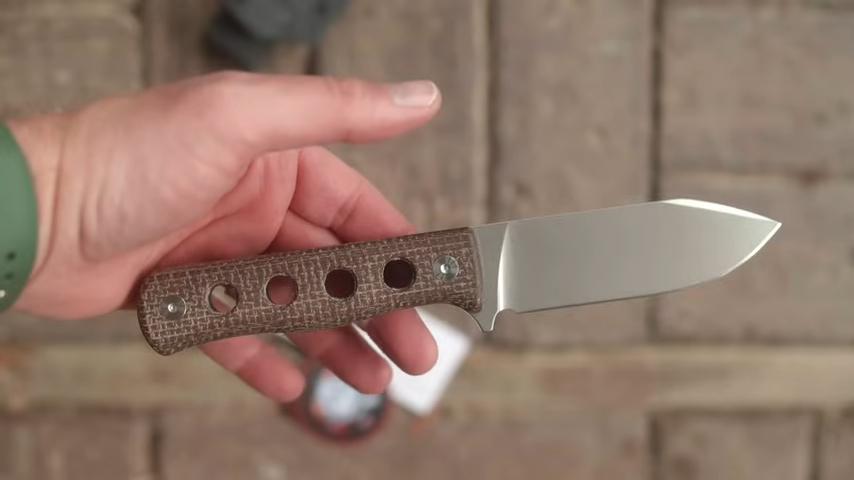
Edge retention refers to a blade's ability to resist abrasive wear and mechanical deformation during cutting cycles. The QSP Canary Folder features a sleek drop-point blade profile combined with a full flat grind. This means the blade stock tapers uniformly from the spine down to a fine cutting edge, creating an exceptionally efficient slicing tool.
Here is how that geometry and steel combination performs against common everyday materials:
1. Abrasive Media (Cardboard and Heavy Paper)
Cardboard is notoriously brutal on sharp edges because it contains microscopic silicates and recycled debris that act like sandpaper on metal. Thanks to the highly uniform grain structure of 14C28N, the Canary Folder resists micro-dulling beautifully. It can process dozens of shipping boxes and heavy packing materials while retaining its clean, biting factory edge.
2. Fibrous and Plastic Materials (Rope, Webbing, and Zip-Ties)
Slicing through heavy nylon webbing, plastic straps, or thick industrial zip-ties requires a high level of edge aggression. Brittle super-steels often experience micro-chipping along the edge apex when twisting through dense plastics. The high structural toughness of the Canary Folder's steel allows the edge to absorb lateral pressures and flex slightly rather than chipping out, preserving the blade's integrity over long-term use.
Durability and Impact Toughness
A knife blade needs to be tough enough to handle accidental impacts. If a blade steel is hard but brittle, striking a hard object like a hidden staple, a nail in wood, or concrete can cause catastrophic cracking.
Because of its specialized nitrogen content and refined grain layout, Sandvik 14C28N exhibits elite impact toughness. If the edge happens to collide with an unforeseen metal object during heavy labor, it is far more likely to suffer a minor, fixable micro-roll rather than a massive chip. This failure-resistant nature makes the QSP Canary Folder an exceptionally forgiving and dependable tool for rigorous field use, construction sites, or warehouse environments.
Ease of Sharpening: The Ultimate Practical Advantage
In knife design, extreme edge retention usually comes at a steep price: an incredibly frustrating sharpening process. Many premium super-steels require specialized, expensive diamond plates and hours of tedious work to repair a dull edge.
The QSP Canary Folder breaks this frustrating cycle. While its 14C28N steel holds a highly respectable working edge, it remains incredibly user-friendly when maintenance is required. When the blade eventually loses its hair-shaving sharpness after weeks of hard use, it responds beautifully to basic equipment. A few guided passes on a leather strop or a standard ceramic rod will quickly realign the micro-edge and restore a terrifyingly sharp finish. This effortless maintenance makes it perfect for both sharpening beginners and seasoned experts who value their time.
Conclusion
The steel performance of the QSP Canary Folder is a masterclass in value engineering. By choosing Sandvik 14C28N steel and executing a flawless factory heat treatment, QSP has delivered a pocket knife that matches the practical performance of tools twice its price. It successfully strikes a rare, beautiful harmony between long-lasting edge life, robust impact toughness, elite rust resistance, and easy maintenance—ensuring it remains a dependable companion in your pocket day after day.
Frequently Asked Questions (FAQ)
Q1: How well does the QSP Canary Folder steel resist rust and corrosion?
A: Exceptionally well. Thanks to its 14% Chromium content and specialized Nitrogen boost, Sandvik 14C28N steel offers excellent resistance to rust from sweat, pocket humidity, rainwater, and acidic food juices.
Q2: What is the Rockwell Hardness (HRC) of the QSP Canary Folder blade?
A: QSP professionally heat-treats the 14C28N steel blade to an optimal hardness range of 59-61 HRC, providing the perfect balance between edge life and impact toughness.
Q3: Do I need expensive sharpening systems to maintain the Canary Folder?
A: No. One of the biggest advantages of this steel is its high sharpenability. You do not need diamond abrasives; standard ceramic rods, pocket sharpeners, or whetstones will easily bring the edge back to a razor-sharp finish.