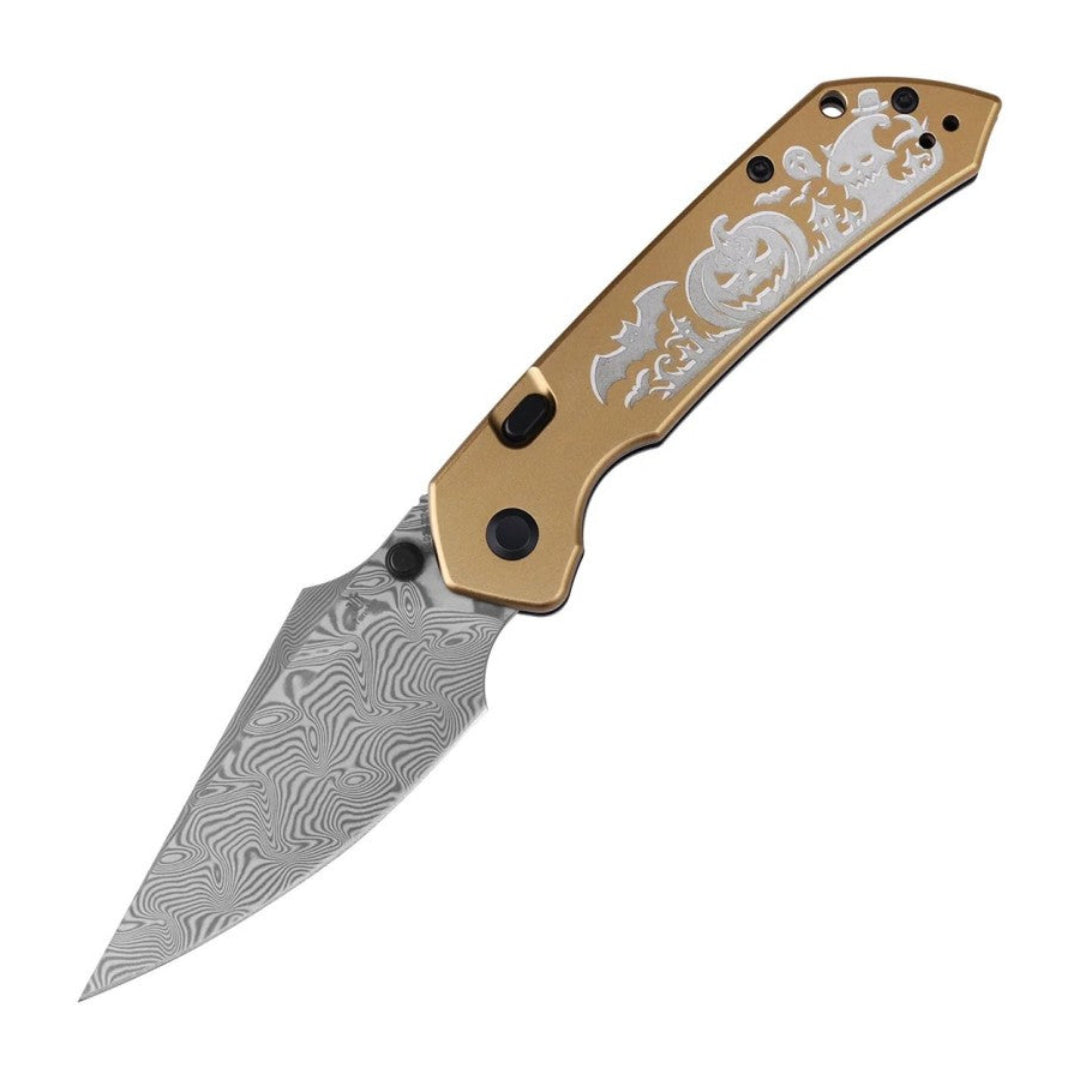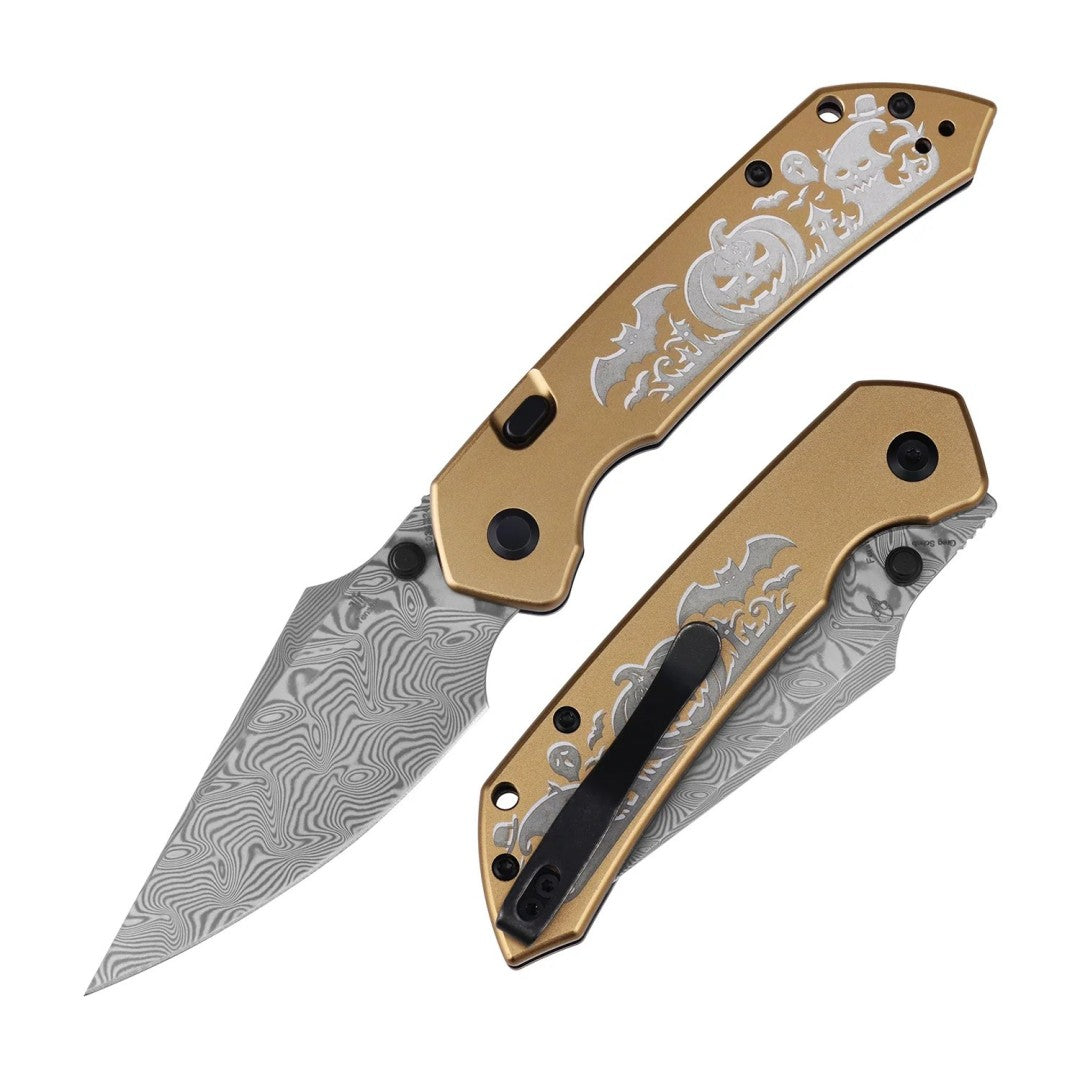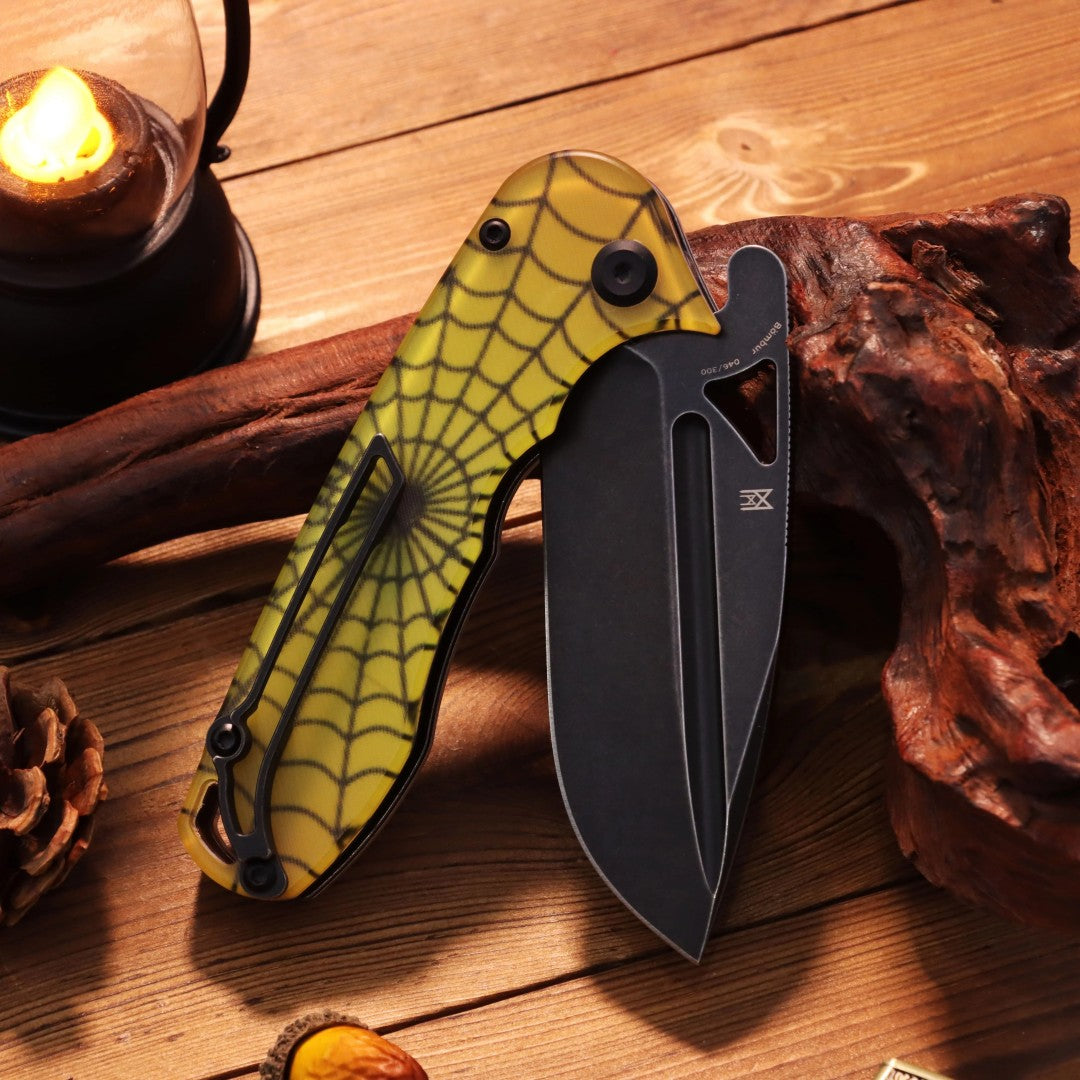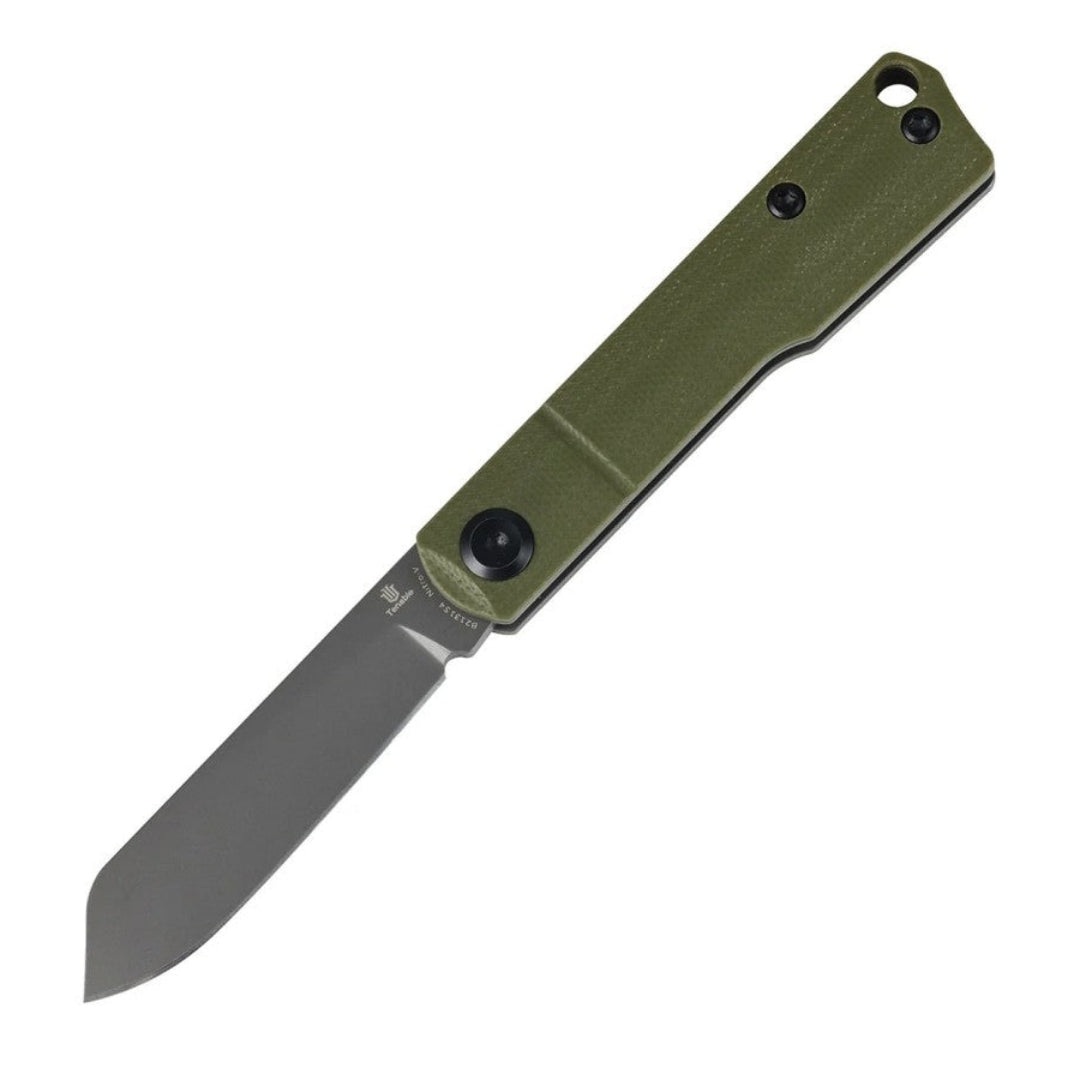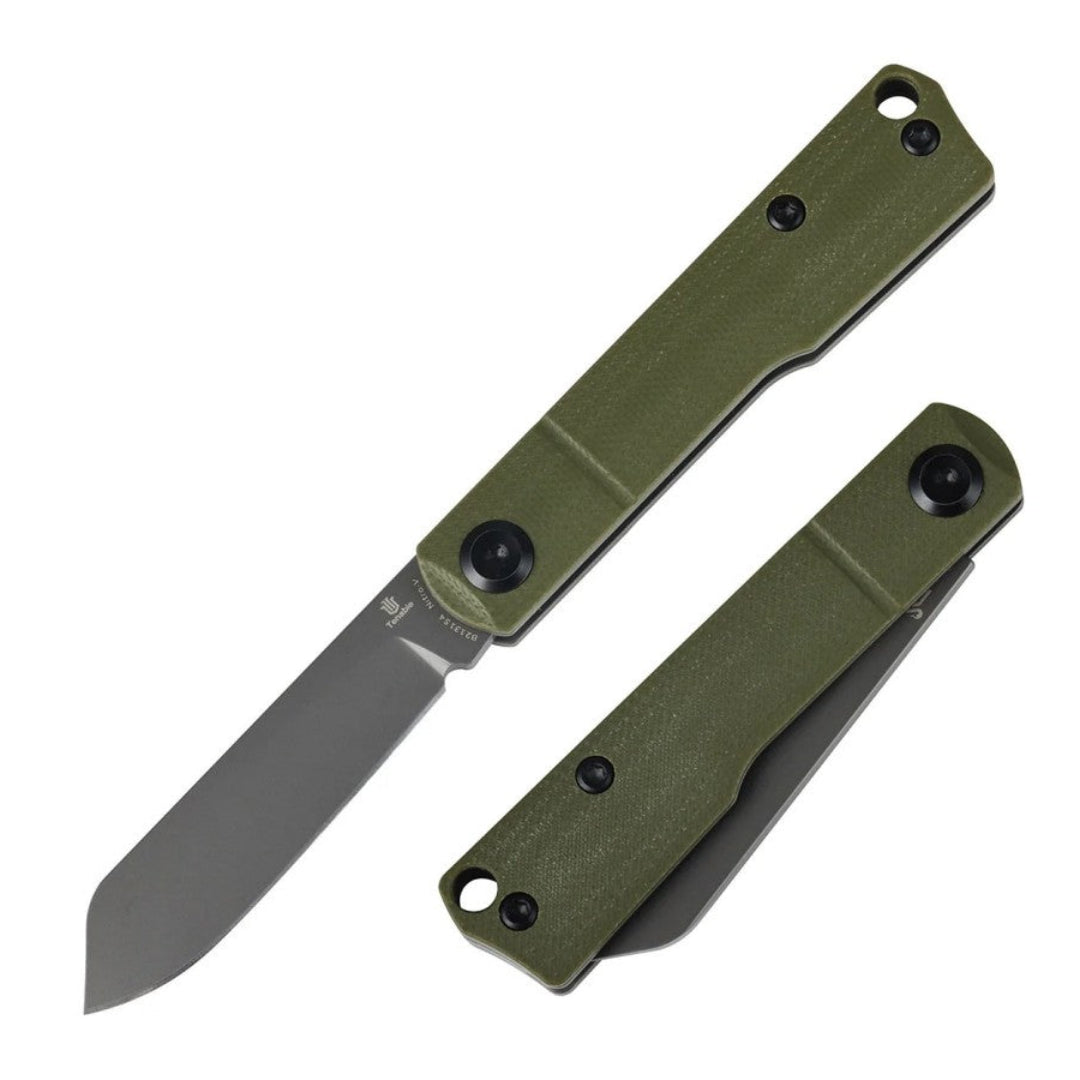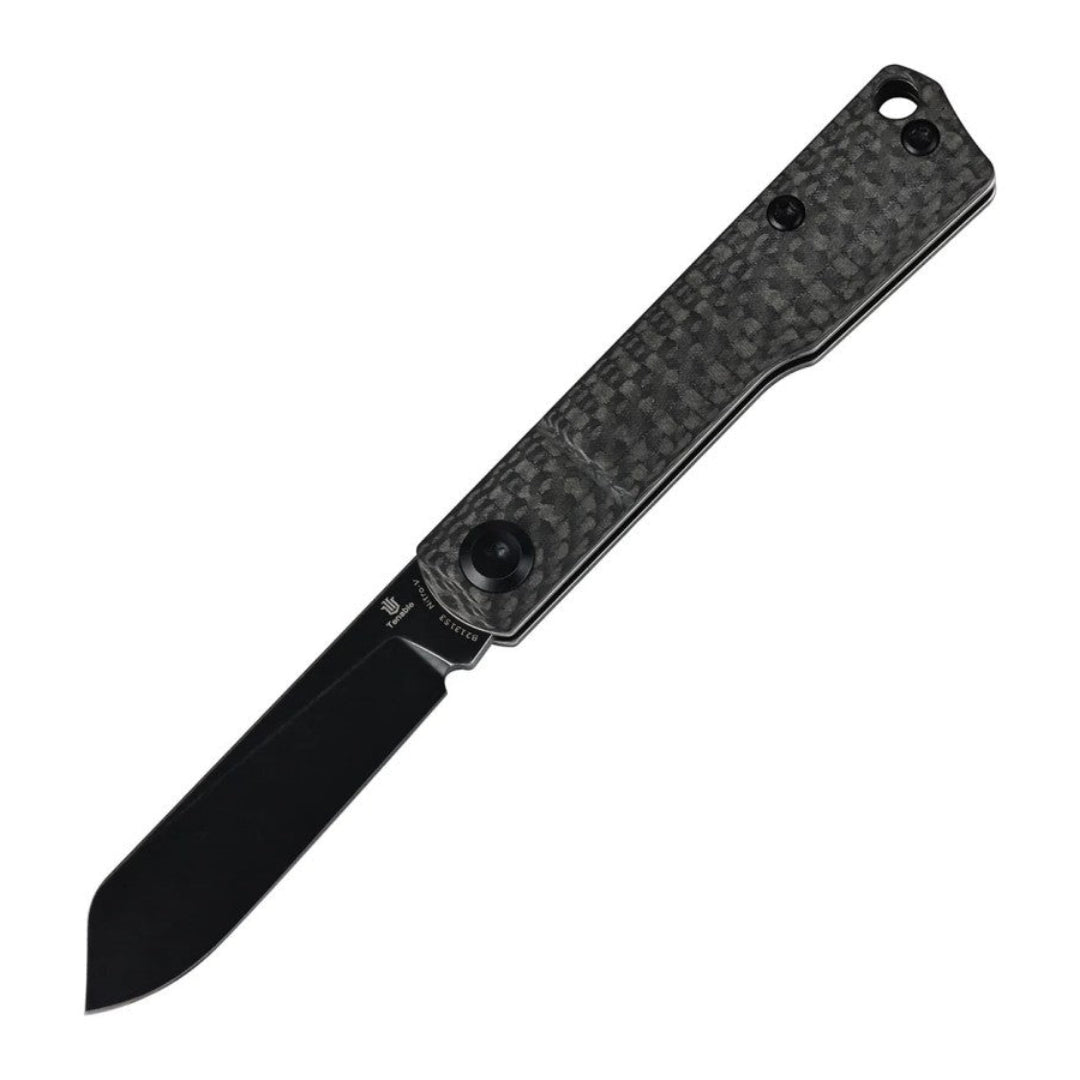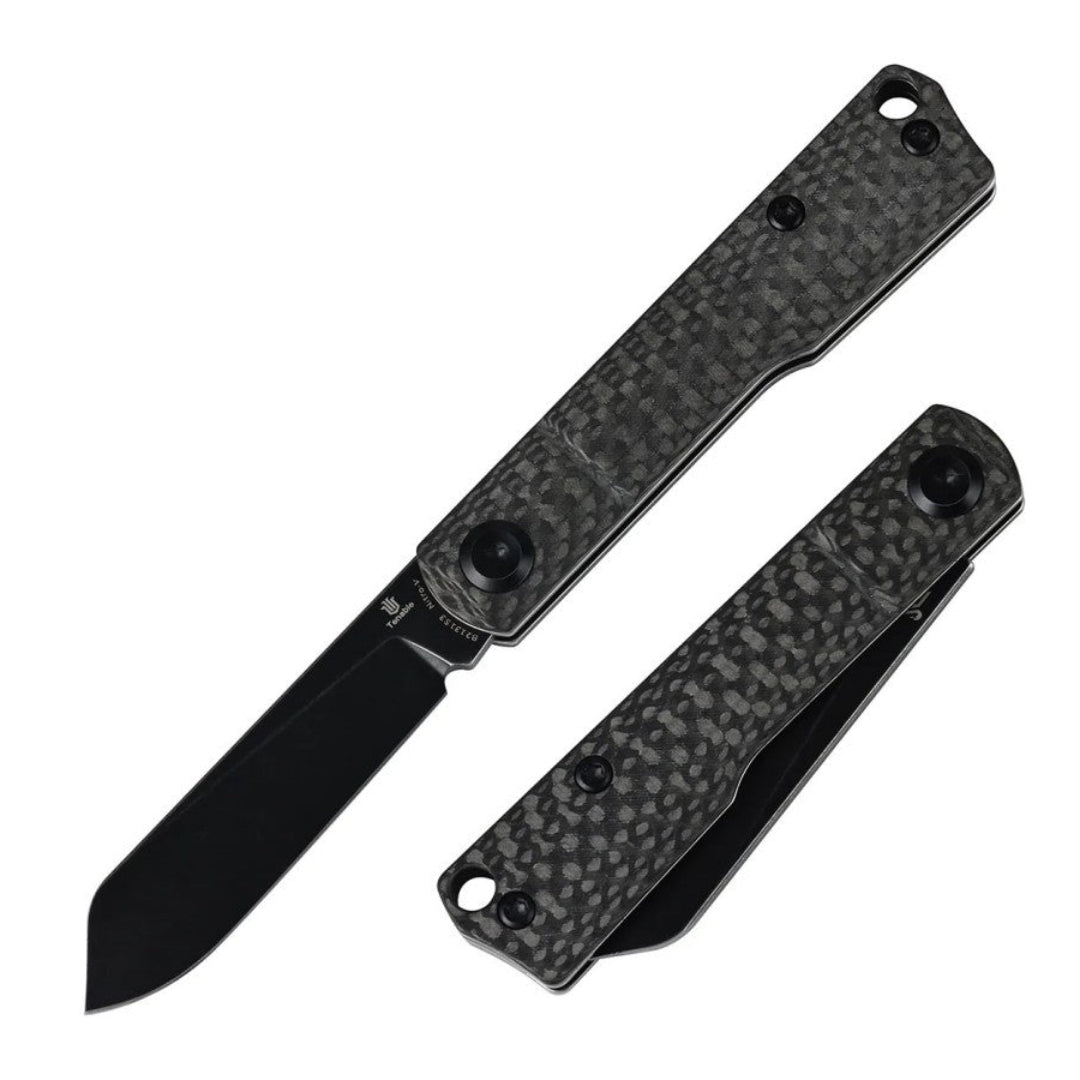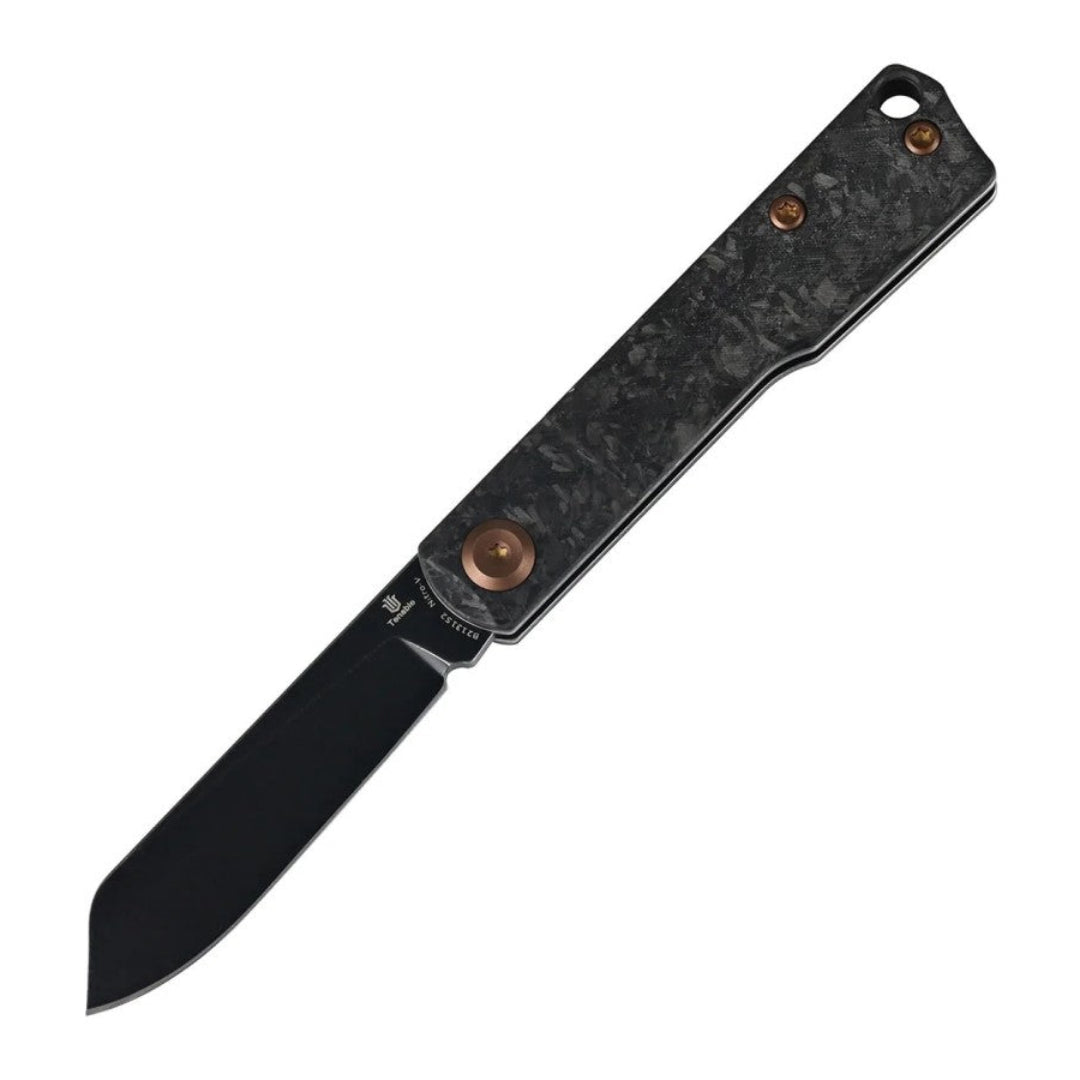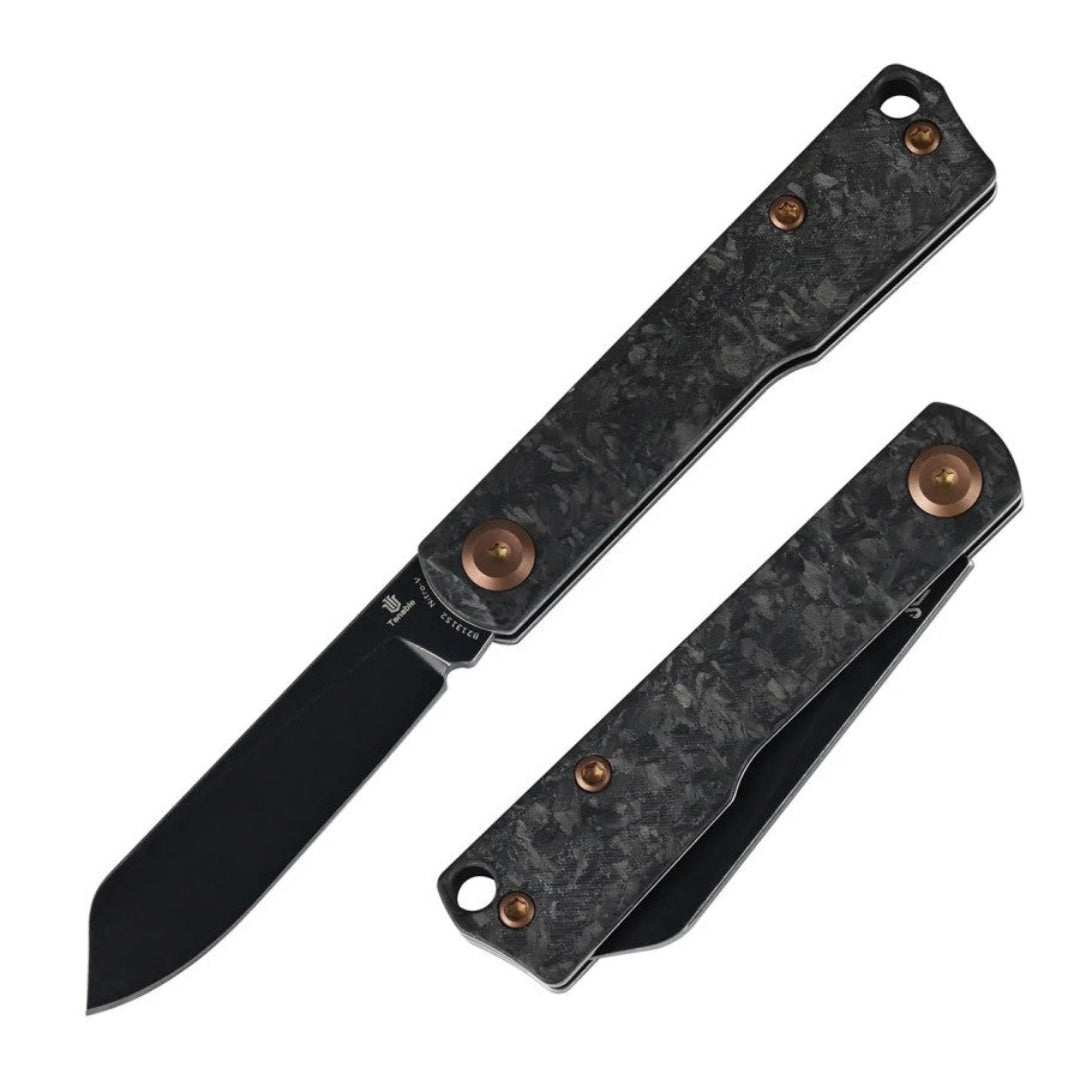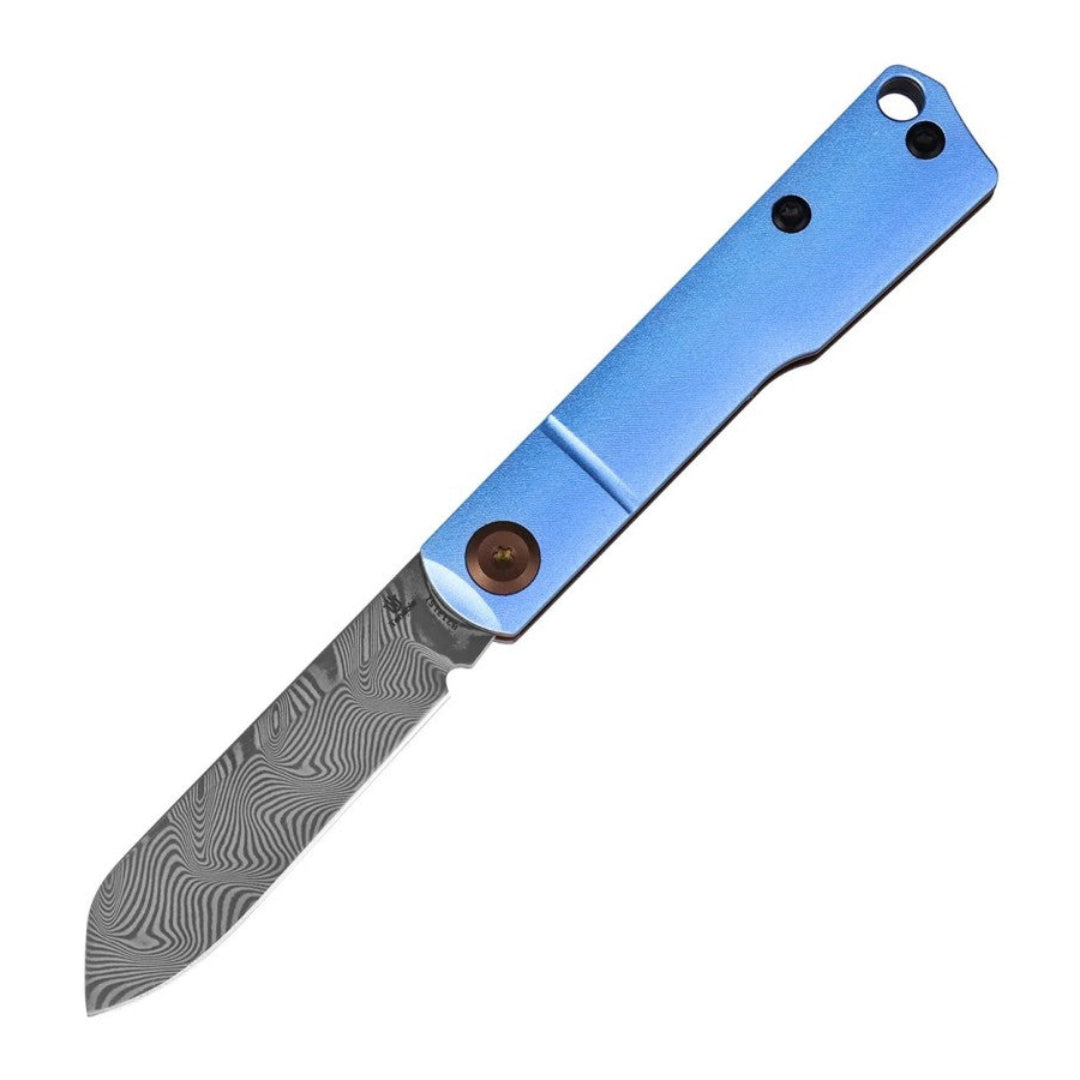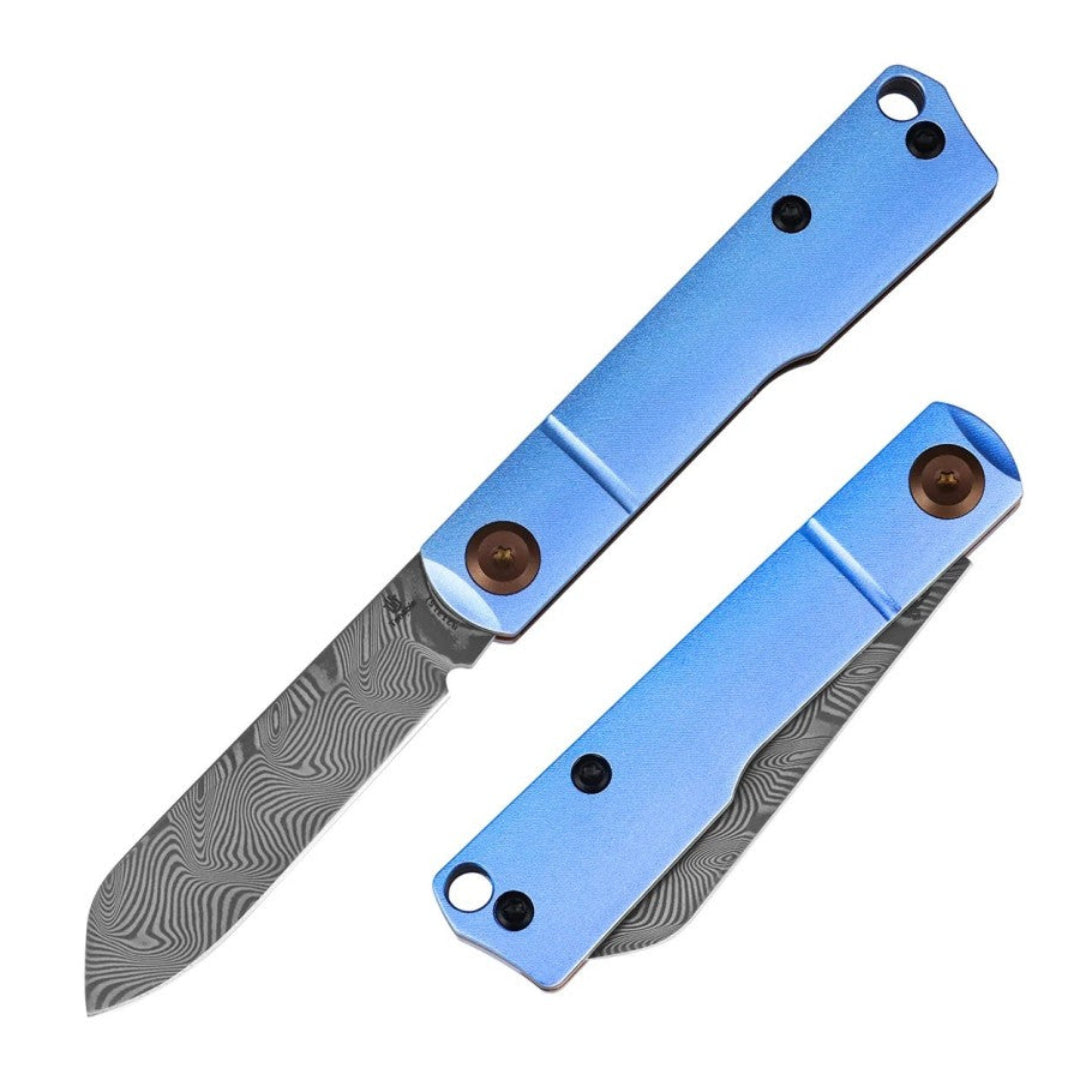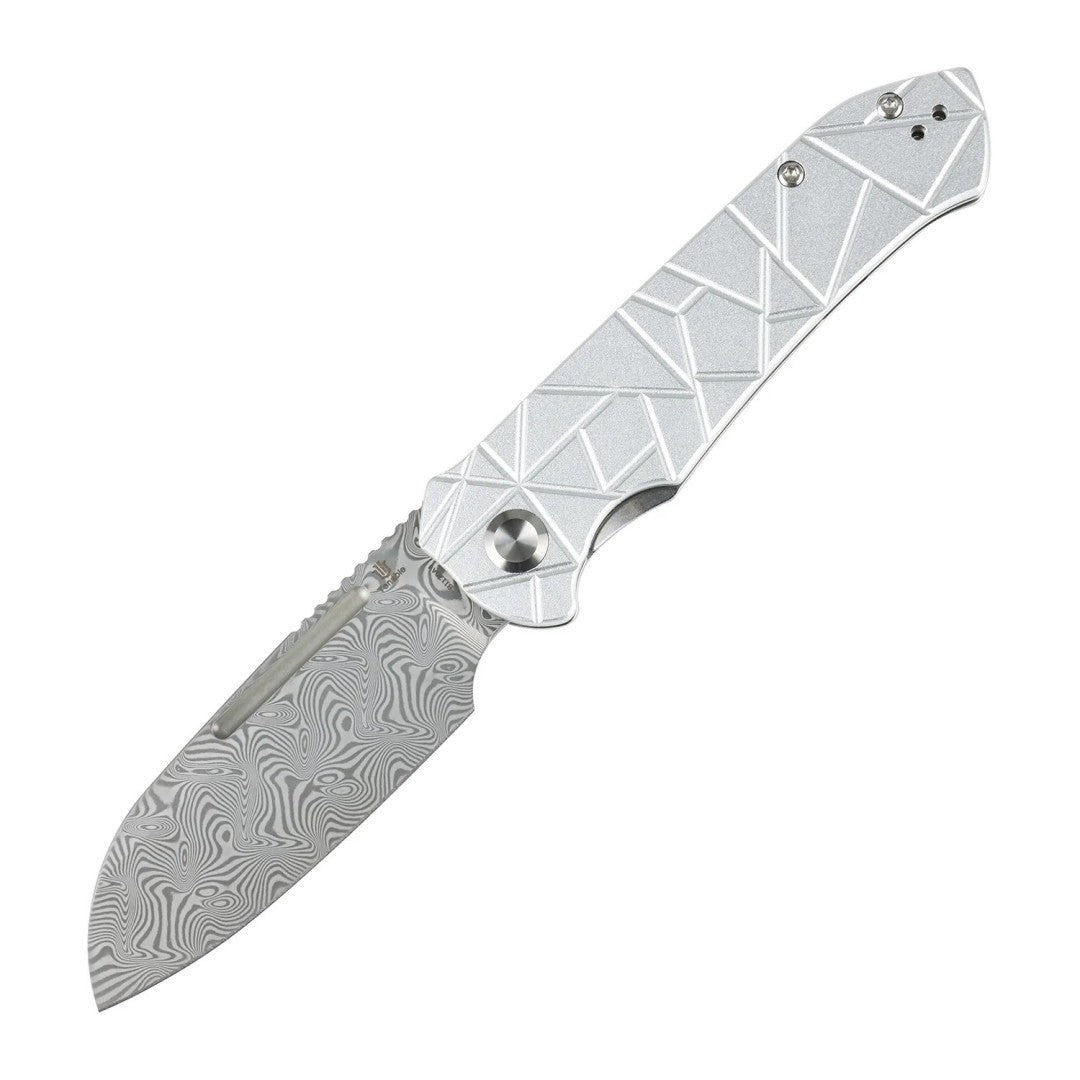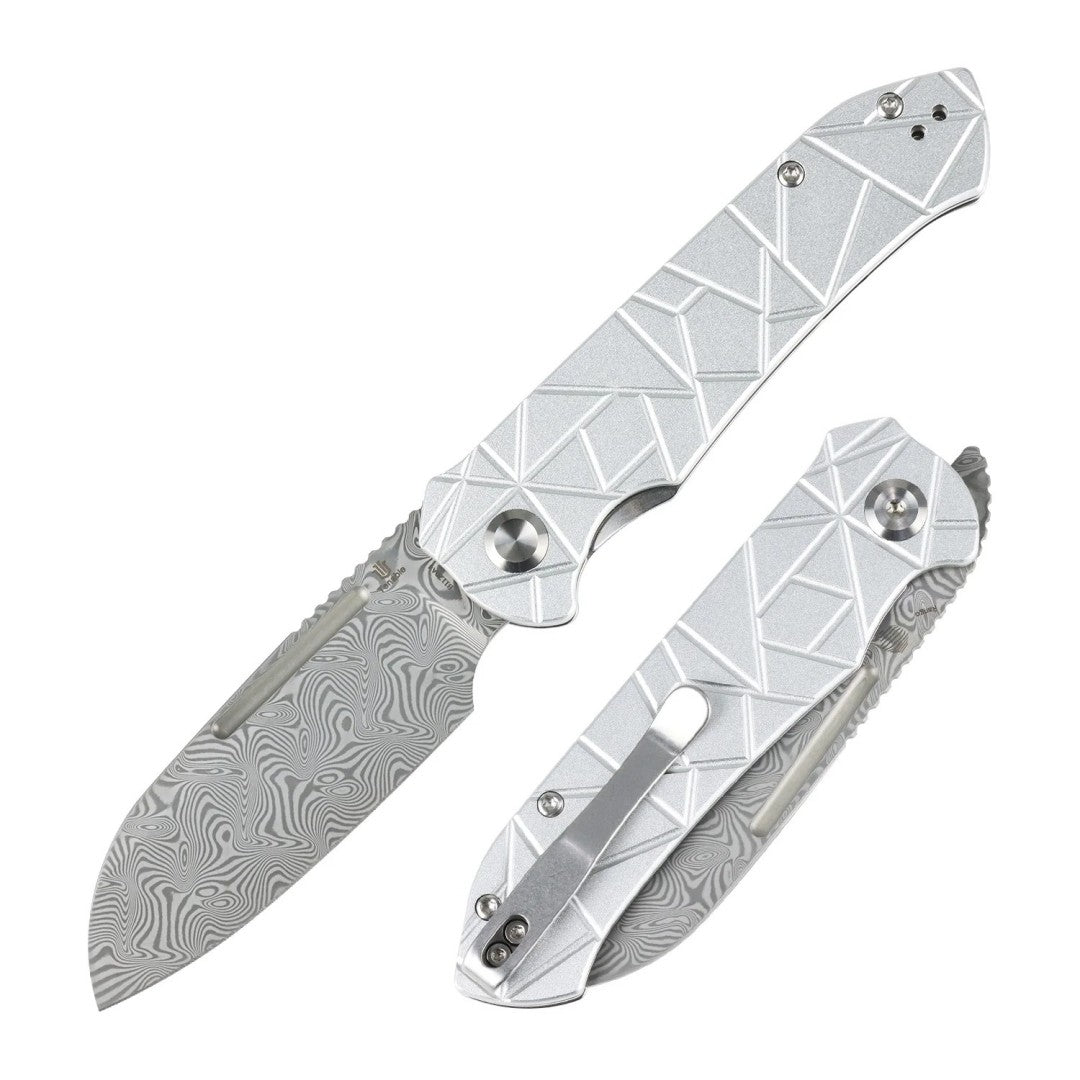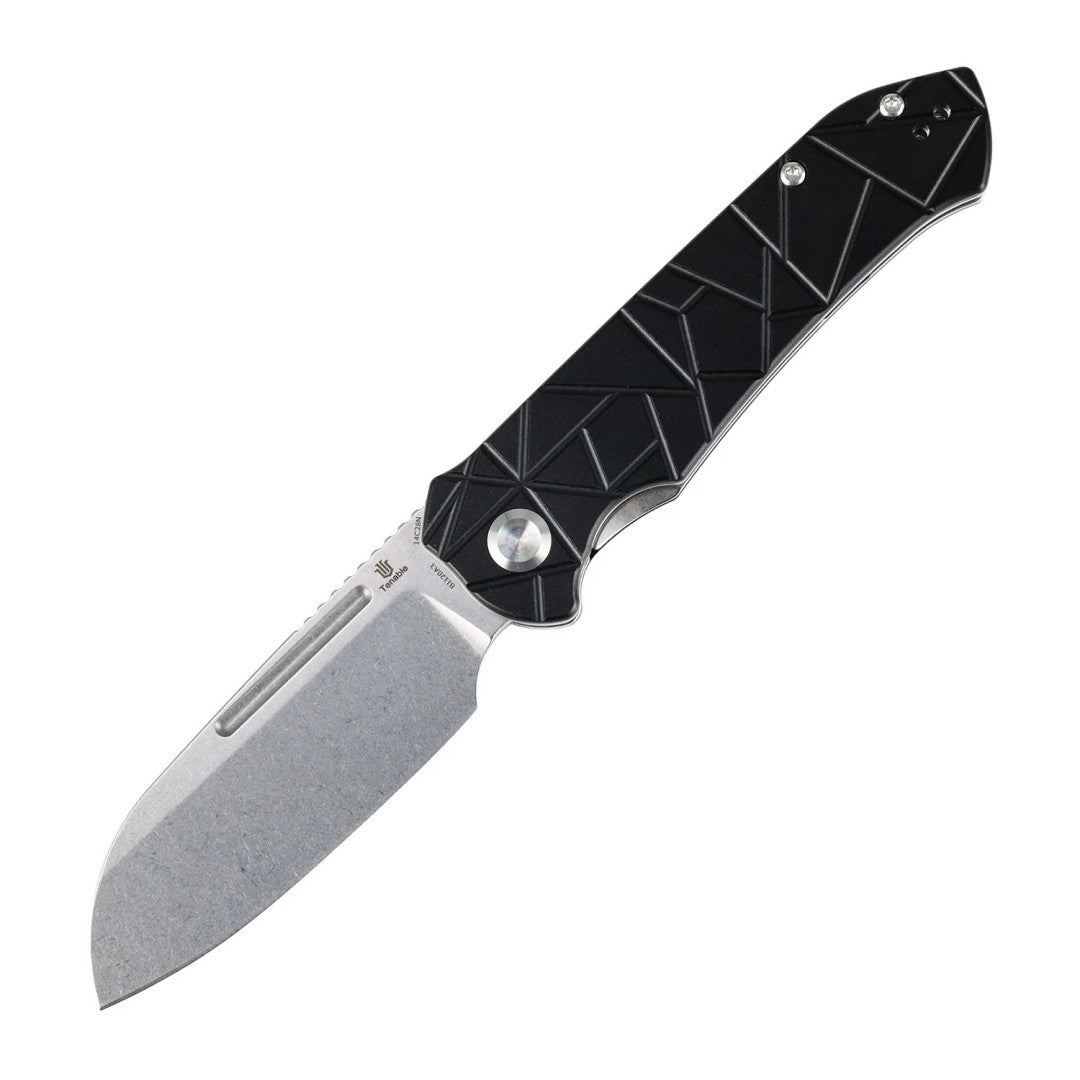
Choosing the right knife involves striking a delicate balance between performance, maintenance, and visual appeal. When looking at the Kansept Mini Lanza, buyers are presented with two distinct steel options: ultra-modern CPM-20CV powder steel and traditional pattern-welded Damascus steel.
Conceived by custom knife designer Brandon Corbin, this folding knife features a refined Nested Liner Lock mechanism and premium titanium handles. To help you determine which configuration fits your daily EDC requirements, here is an in-depth breakdown of the pros and cons of each steel choice offered by Kansept.
Comparative Steel Features and Characteristics
| Attribute | CPM-20CV Stainless Steel | Pattern-Welded Damascus Steel |
| Edge Retention | Superior / Long-Lasting | Moderate to High |
| Corrosion Resistance | Exceptional | Requires Regular Oiling |
| Ease of Sharpening | Challenging (Requires Diamond Abrasives) | Moderate |
| Aesthetics | Clean Stonewashed / Satin Finish | Striking Etched Layered Patterns |
| Primary Advantage | Maximum Utility & Zero Corrosion | Unique Artistic & Collector Value |
Analyzing CPM-20CV: The Modern Workhorse
CPM-20CV is a premier powder metallurgy stainless steel known for its extreme wear resistance and high chromium content. It is designed for users who want maximum cutting performance with minimal maintenance.
The Advantages
-
Exceptional Edge Retention: Packed with vanadium carbides, this steel sliced through abrasive materials like thick cardboard, rope, and plastics for extended periods without needing a touch-up.
-
Top-Tier Corrosion Resistance: With roughly 20% chromium, CPM-20CV easily resists rust from sweat, moisture, and outdoor elements.
-
High Mechanical Durability: The fine powder structure offers excellent structural stability against micro-chipping along the cutting edge.
The Disadvantages
-
Difficult to Sharpen: Due to its extreme hardness and carbide density, restoring a dull edge requires quality diamond or ceramic sharpeners and a bit of patience.
-
Industrial Appearance: While sleek, the uniform stonewashed or satin finish lacks the unique visual flair of patterned steels.
 Analyzing Damascus Steel: The Artistic Classic
Damascus steel is created by forge-welding alternating layers of high-carbon steel alloys, acid-etched to bring out rich, swirling surface patterns.
The Advantages
-
One-of-a-Kind Visuals: No two Damascus blades feature identical swirl patterns, making each knife a unique custom piece.
-
Aggressive Slicing Action: The micro-serrations created along the edge by the etched layer boundaries provide great biting capability when slicing fibrous materials.
-
High Collector Value: The combination of traditional metallurgical folding and modern machining creates a striking balance of art and function.
The Disadvantages
-
Requires Maintenance: Carbon-rich Damascus steel lacks high chromium levels, meaning it can rust or stain if left wet or un-oiled.
-
Lower Edge Longevity Compared to Super Steels: While capable of daily tasks, it will requiring sharpening sooner than CPM-20CV under heavy cardboard breakdown.
Key Takeaway Before Purchasing:
Select CPM-20CV if your priority is effortless maintenance, extreme edge retention, and heavy utility. Choose Damascus if you value heirloom craftsmanship, unique custom aesthetics, and do not mind occasionally oiling your blade to preserve its beauty.
 Matching Steel Selection to Your Daily Needs
Both steel variants are ground to a versatile 3.19-inch flat-ground drop point profile, delivering fantastic slicing efficiency regardless of material choice. By understanding how each steel responds to wear, moisture, and sharpening, you can confidently choose the ideal configuration to elevate your daily carry rotation.