Every gear enthusiast knows the satisfaction of refining their daily carry setup. You swap out heavy wallets for minimalist cardholders and trade bulky multi-tools for sleek, titanium alternatives. Yet, many people still compromise their pocket space by carrying a thick, tubular flashlight. If you want to instantly elevate your setup, swapping out that outdated cylinder for a high-tech, slim flat EDC torch with an OLED screen is the most impactful upgrade you can make today. This single swap modernizes your loadout, offering a quantum leap in comfort, technology, and sheer illumination power.
Redefining Pocket Geometry
The fundamental flaw of traditional lighting tools is their shape. A round tube naturally creates a prominent bulge against the fabric of your pants, making your gear highly visible and often uncomfortable when sitting or moving dynamically. It competes for space with your smartphone and folding knife, creating a cluttered, tangled mess in your pockets.
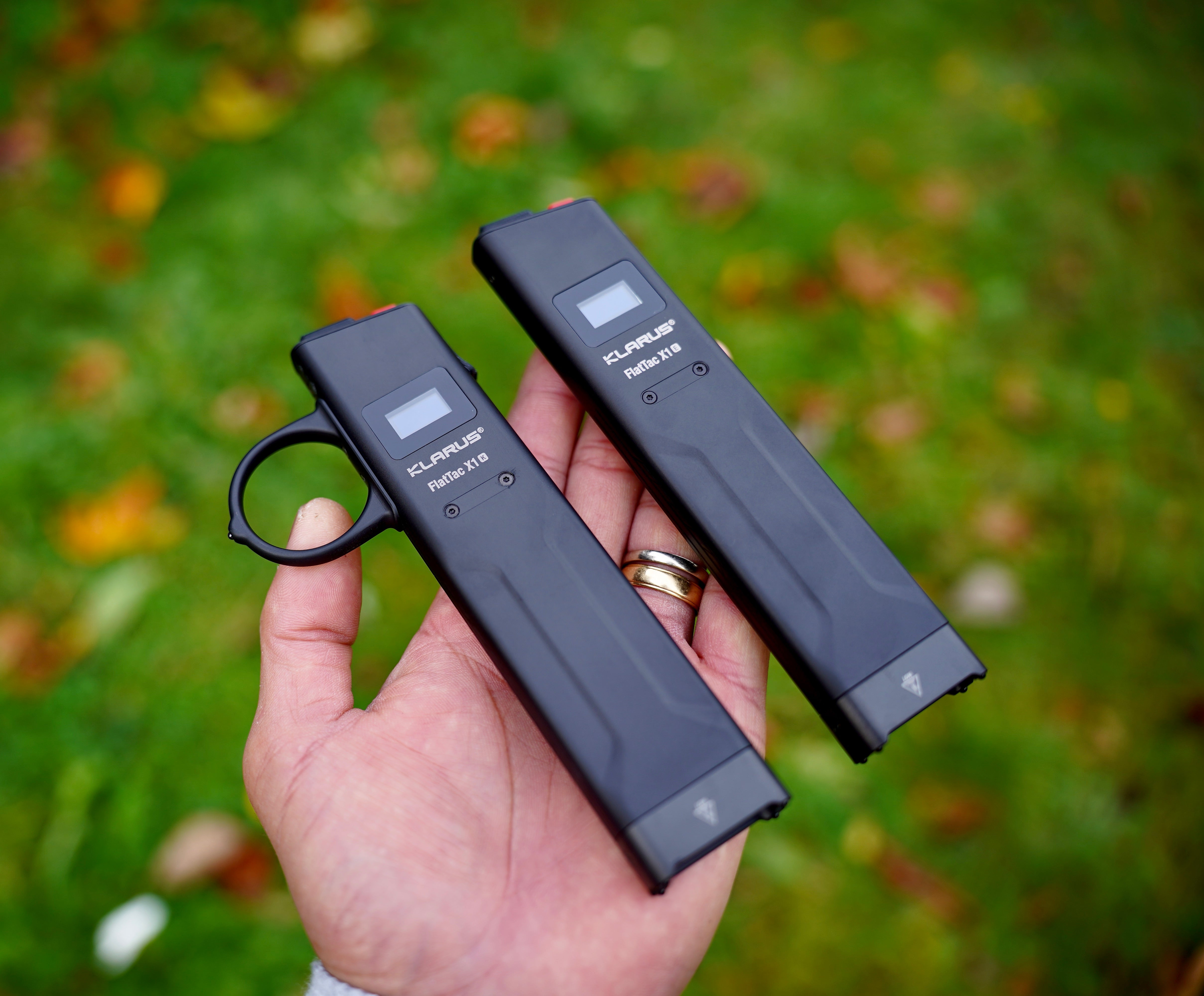
The flat-body architecture completely solves this spatial conflict. By taking design cues from modern smartphones, a flat light distributes its internal components across a rectangular plane. This allows the device to sit perfectly flush against your thigh. The low-profile geometry means it slips effortlessly into the exact same pocket as your wallet or phone without causing friction or printing through your clothes.
The Digital Advantage of an OLED Screen
For years, users had to rely on a tiny, ambiguous LED indicator to guess their remaining battery life. A blinking red light could mean you have twenty minutes of runtime left, or it could mean you have two. This uncertainty is a massive liability when navigating dark trails or working in low-light environments.
Integrating an OLED screen brings exact, data-driven telemetry to your fingertips. Brands like Nitecore have championed this digital revolution, transforming a basic tool into an intelligent device.
Eradicating Battery Anxiety
With an OLED display, guesswork is entirely eliminated. A quick glance at the high-contrast screen reveals your exact lumen output, the current battery voltage, and most importantly, a real-time countdown of your remaining runtime down to the exact minute. If you switch to a higher brightness level, the screen instantly recalculates the battery drain. This level of situational awareness empowers you to manage your power consumption strategically during long shifts or extended outdoor excursions.
Feature Breakdown: Flat Smart Lights vs. Traditional Tubes
To truly appreciate the magnitude of this gear upgrade, seeing the structural and functional differences side-by-side clarifies why the flat format is taking over the market.
| Technical Aspect | Traditional Cylindrical Torches | Slim Flat OLED Torches |
| Pocket Concealability | Causes a distinct, uncomfortable pocket bulge | Extremely discreet; sits completely flat |
| Telemetry & Data | Unreliable colored indicator lights | Pinpoint accuracy on lumens and runtime |
| Physical Stability | Prone to rolling off tables and hoods | 100% stable when placed on any flat surface |
| Tactical Grip | Requires visual or tactile switch hunting | Naturally indexes perfectly in the palm |
| Thermal Distribution | Heat accumulates rapidly near the bezel | Heat disperses evenly across the chassis |
Instant Tactical Indexing
A highly overlooked benefit of the flat chassis is its superiority in high-stress handling. When you grab a round light in the dark, you often have to rotate the barrel in your hand to locate the side switch or orient your thumb over the tail cap. In an emergency, that split-second delay can be critical.
Because a flat torch is rectangular, it can only rest in your hand in one specific orientation. The moment you grip it, your thumb naturally and automatically aligns with the control switches. While tactical juggernauts like Nextorch and Klarus have built legendary reputations on their intuitive dual-tail switch interfaces for duty lights, applying this instant-indexing logic to a flat pocket light creates a formidable hybrid. It gives civilians and off-duty professionals rapid, zero-hesitation access to blinding strobe features or instant turbo modes.

Thermal Management and Engineering Brilliance
Producing extreme brightness—sometimes exceeding 3,000 lumens in a pocket-sized device—generates an immense amount of thermal energy. A cylindrical chassis traps this heat near the LED array, forcing the light to rapidly step down its brightness to protect the internal circuitry.
Flat lights utilize advanced thermodynamic principles. By sandwiching the battery and emitters inside a wide aluminum or titanium frame, the entire body acts as a highly efficient heat sink. Enthusiast brands like Jetbeam often utilize premium alloys and deep machining grooves to further enhance this cooling effect. The wider surface area allows heat to dissipate rapidly into the surrounding air, enabling the light to sustain maximum output for significantly longer periods.
The Final Verdict on Modernizing Your Kit
Upgrading to a slim, flat-bodied smart light is not merely about chasing a futuristic aesthetic—it is about demanding maximum efficiency from the tools you carry every day. By merging the ergonomic brilliance of a smartphone with the pinpoint accuracy of an OLED screen and the raw power of modern LEDs, you instantly shed unnecessary bulk and gain absolute control over your lighting capabilities. It is the ultimate refinement for anyone serious about everyday preparedness.