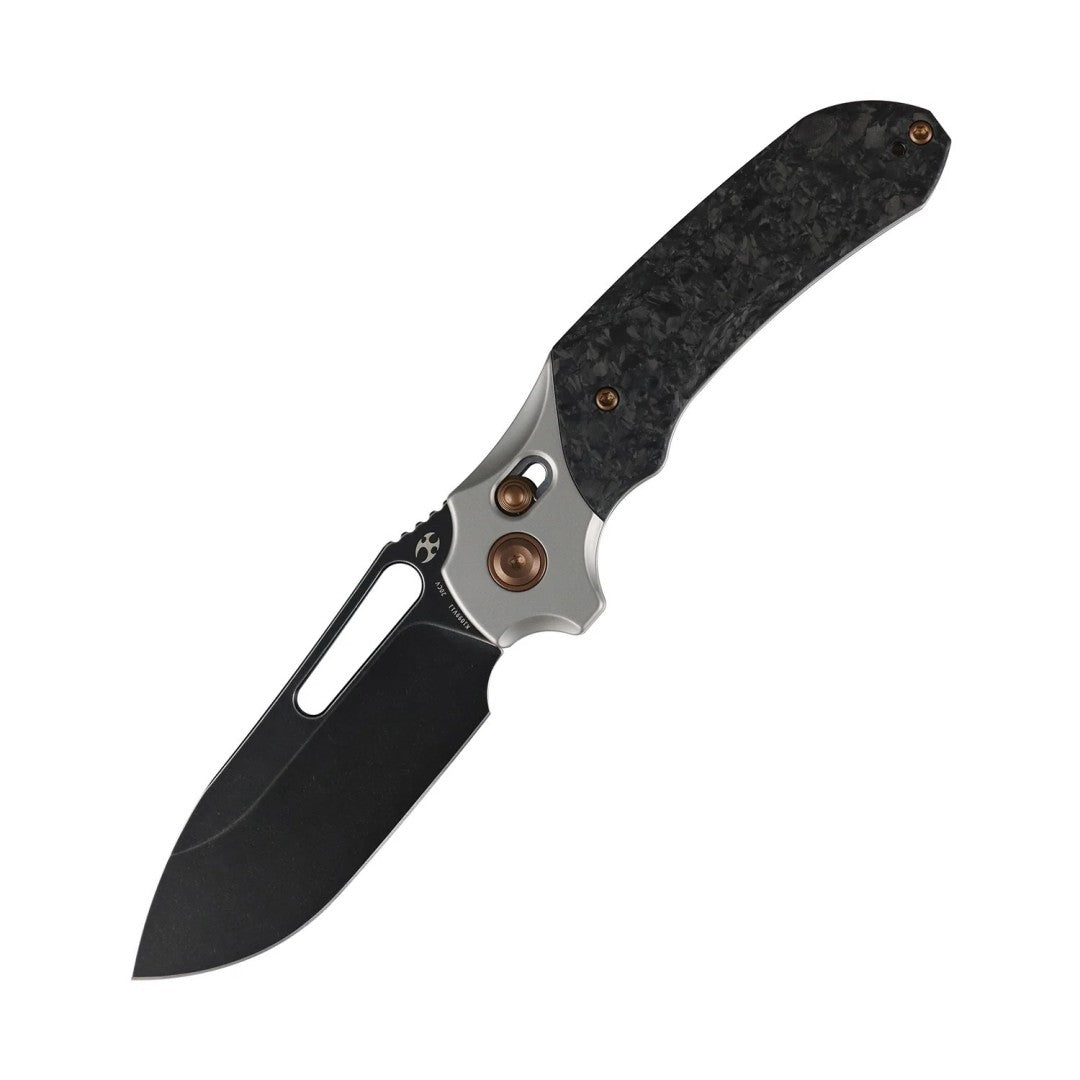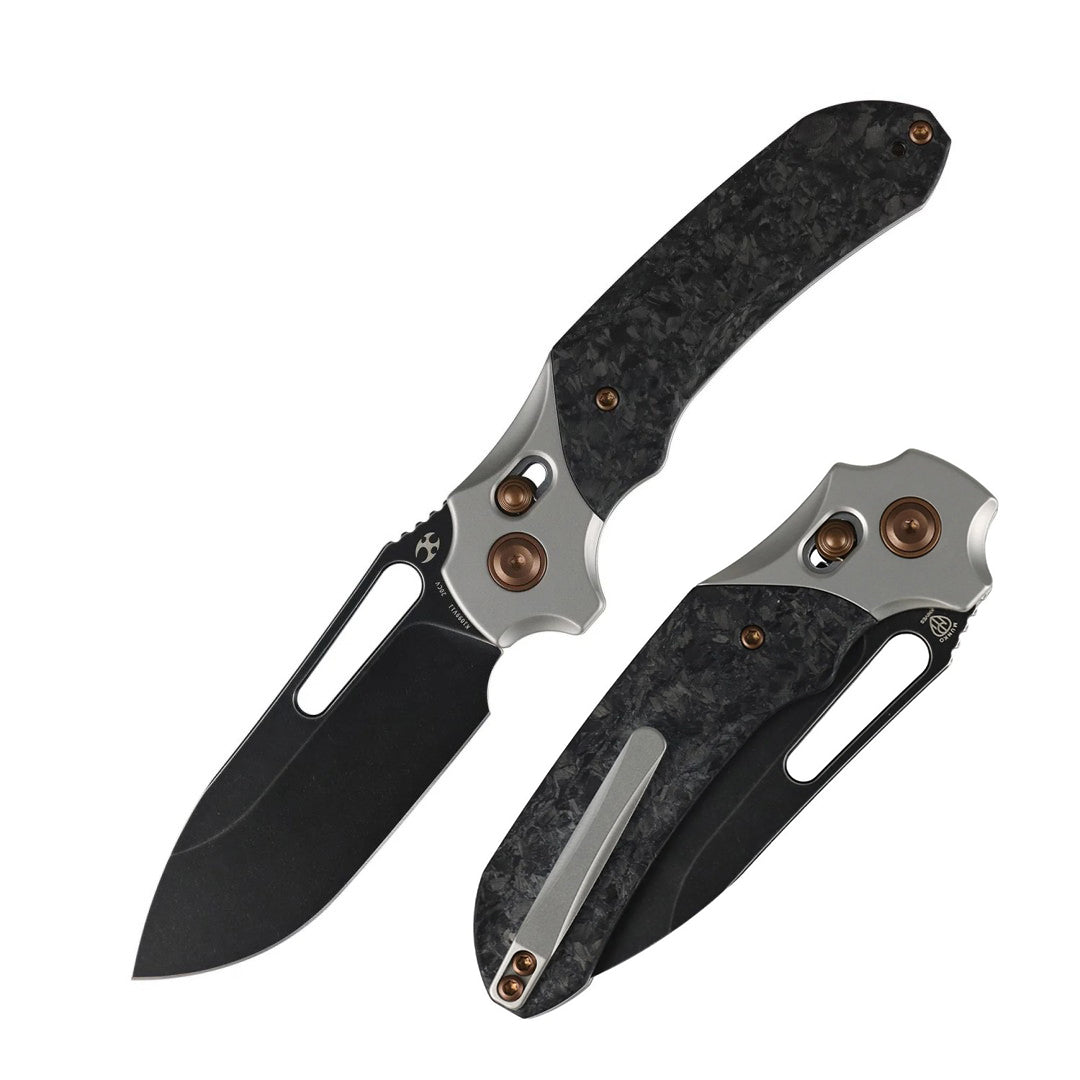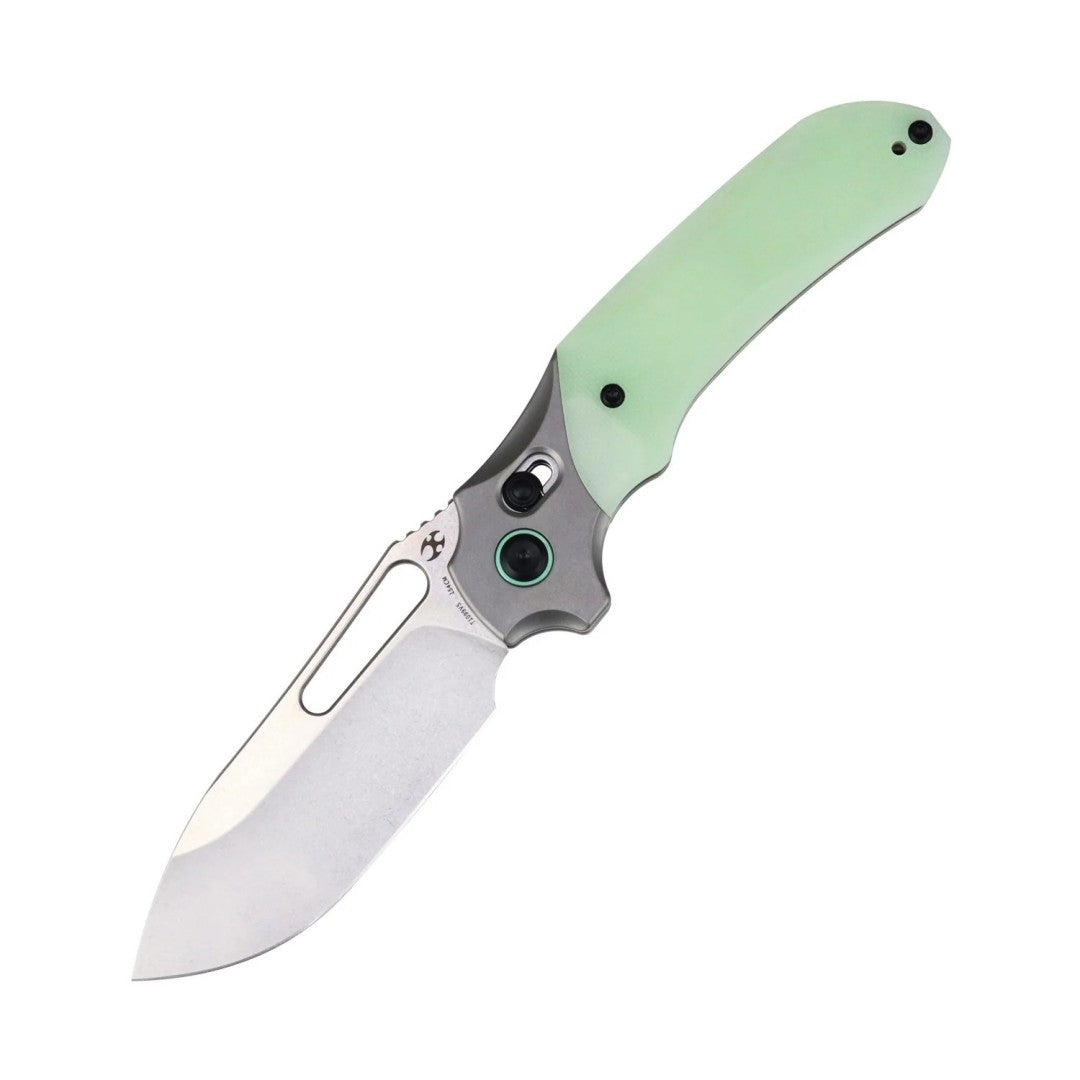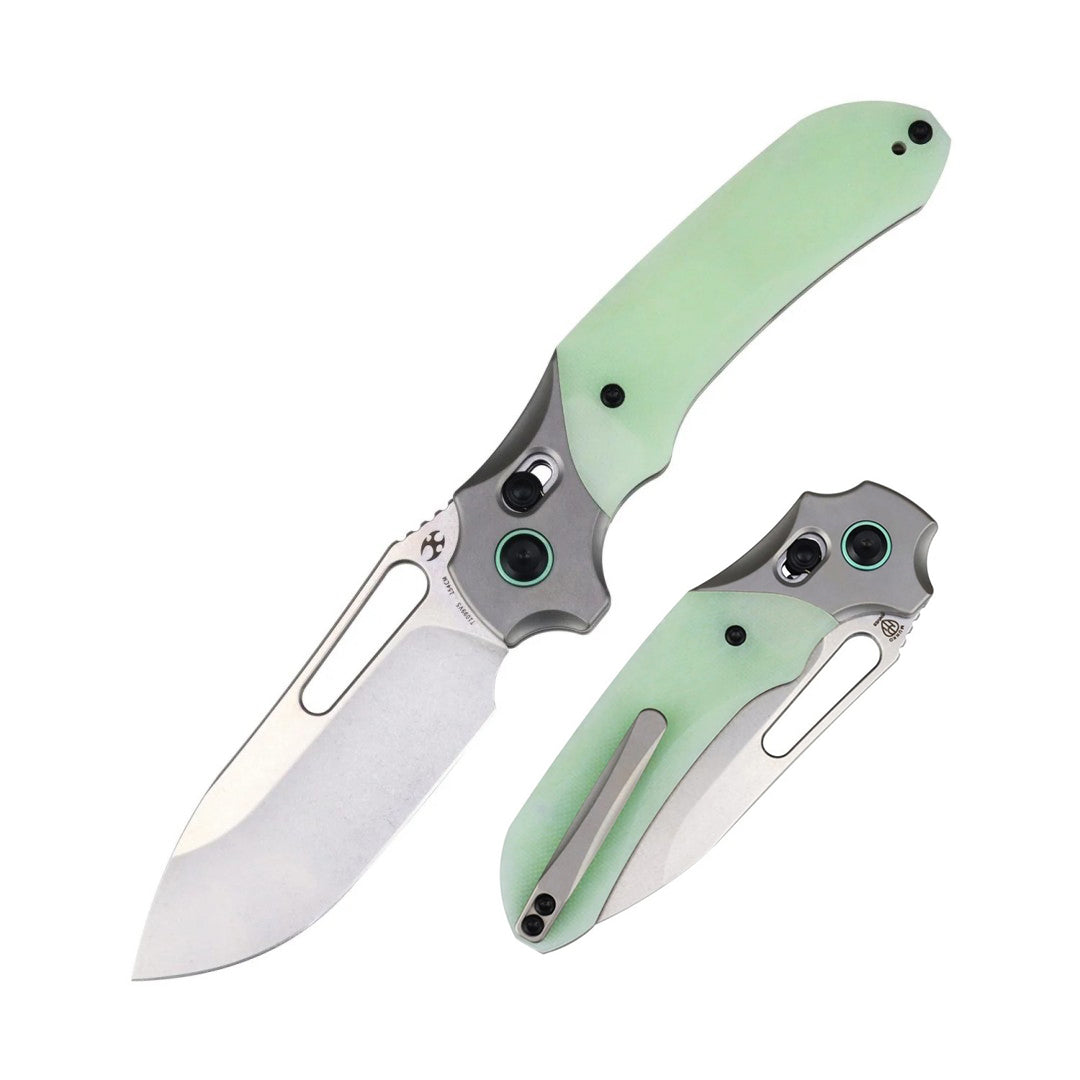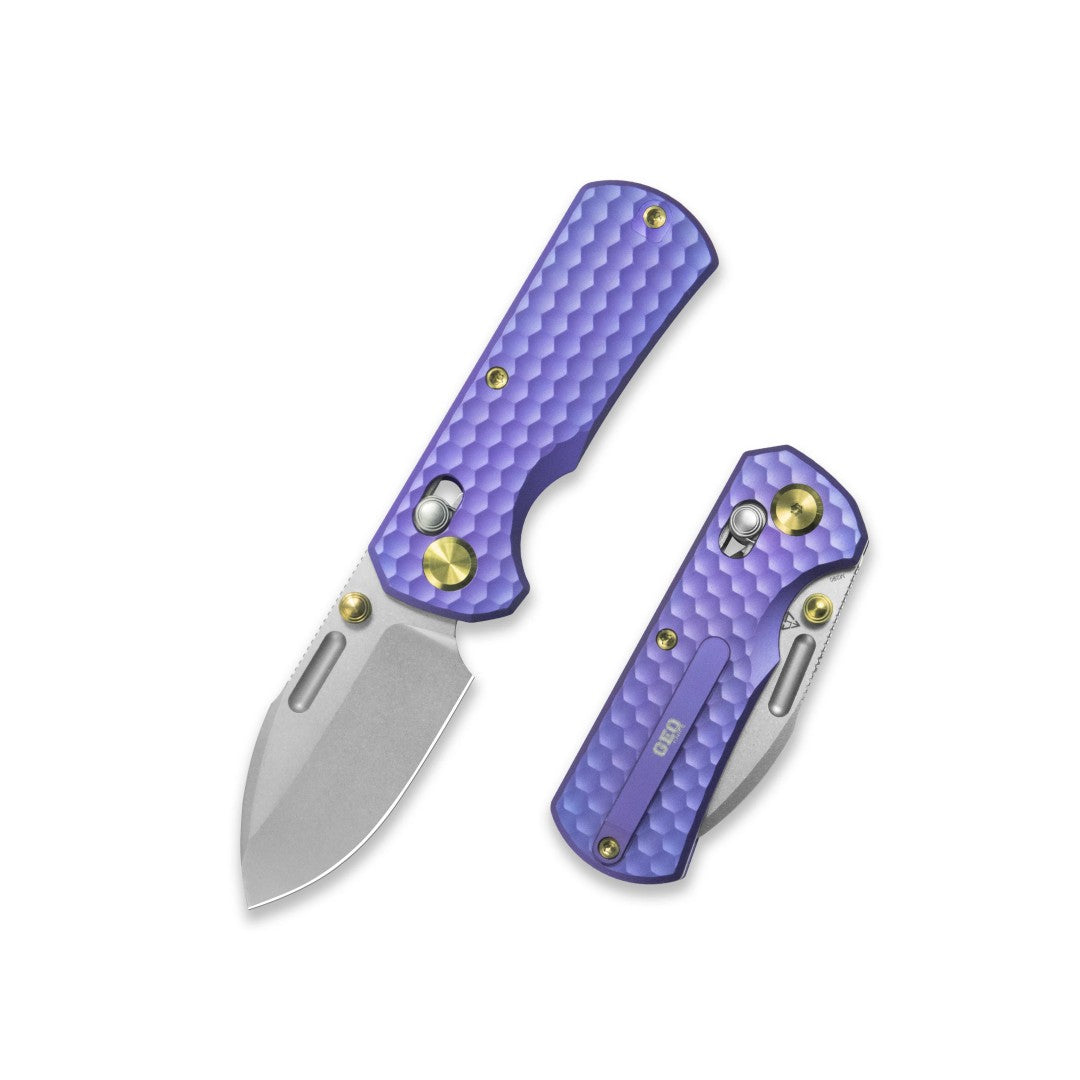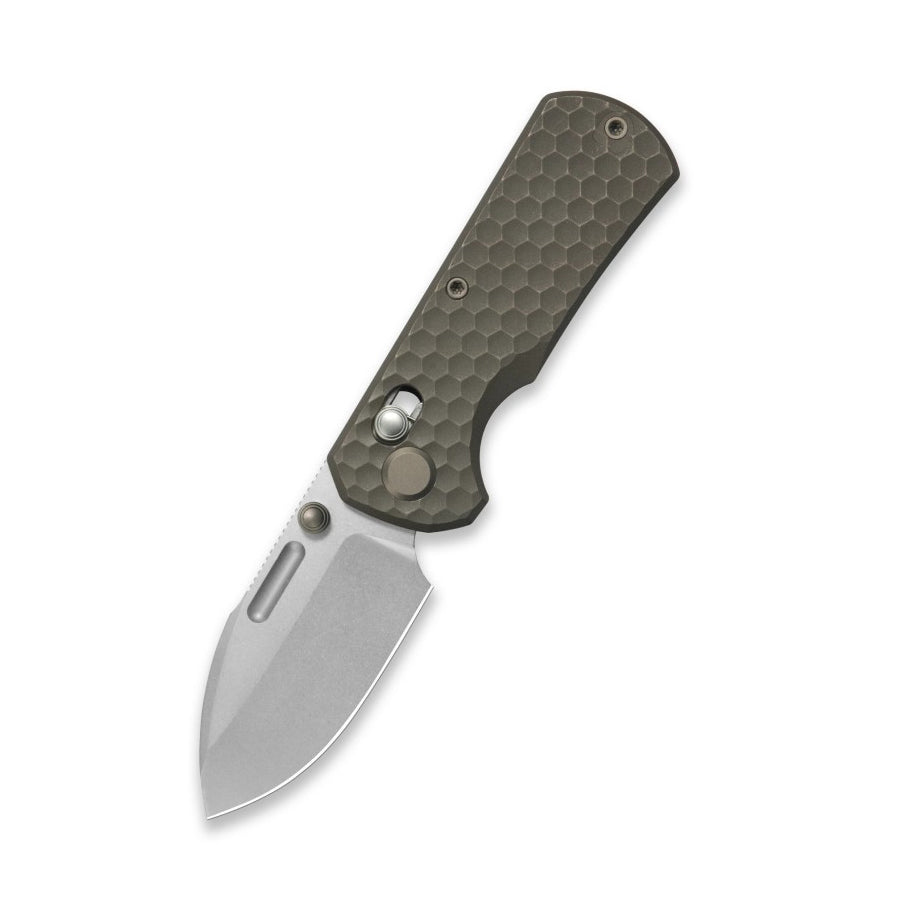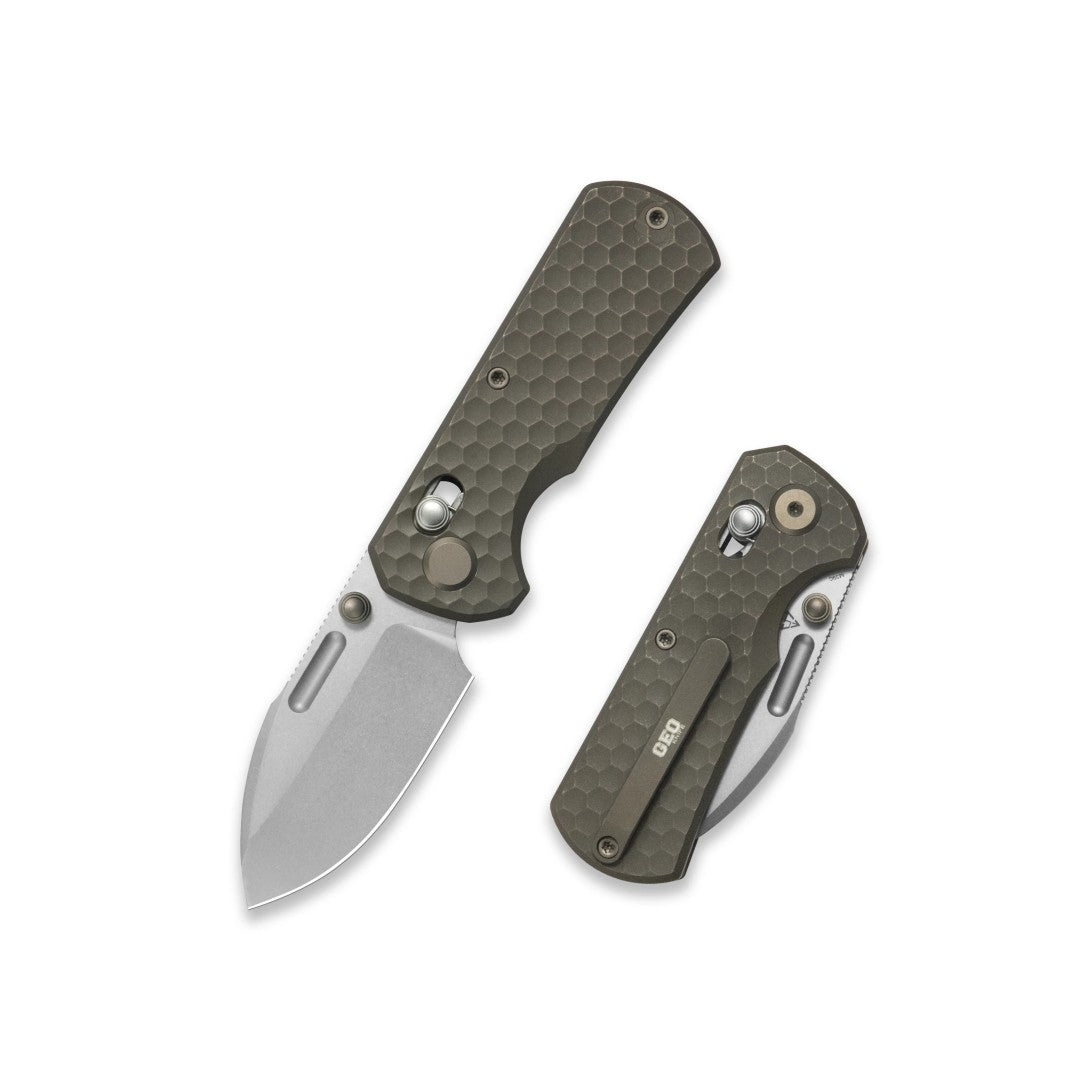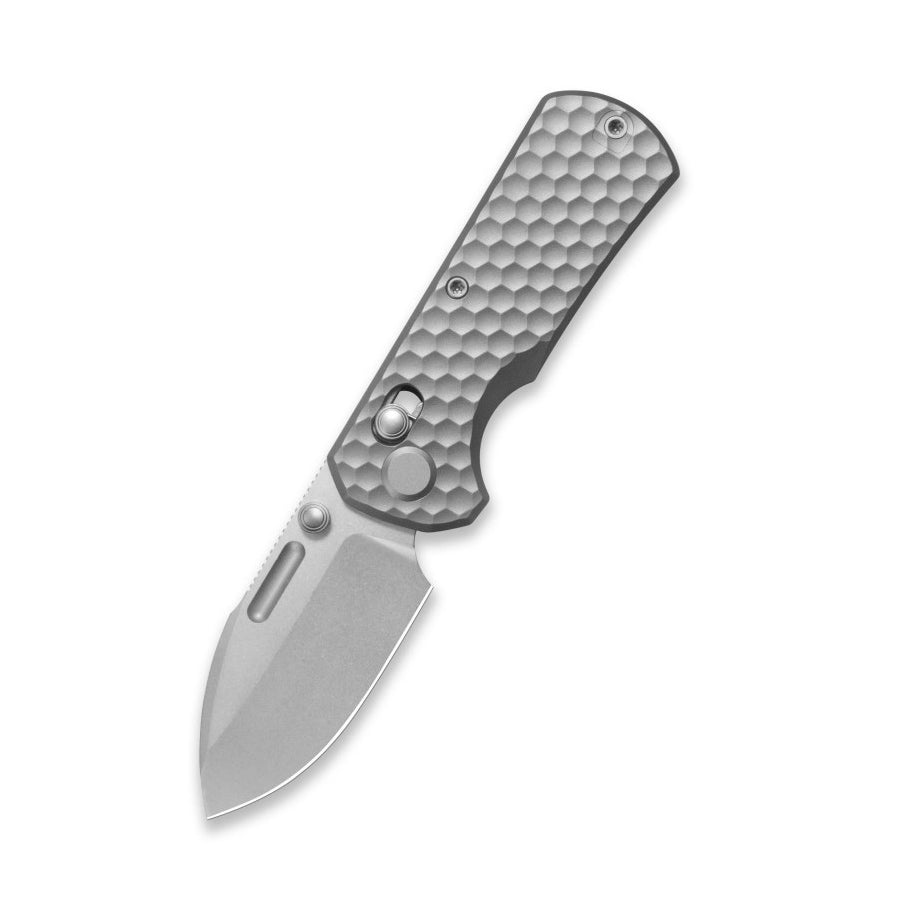
In the world of high-performance knife steels, names like S30V, M390, and 1095 often dominate the conversation. But there’s a lesser-known steel that has earned a passionate following among custom knifemakers and discerning enthusiasts: 52100 steel. Originally developed for ball bearings and high-stress industrial applications, 52100 has proven itself to be one of the finest blade steels available—capable of achieving remarkable hardness while retaining exceptional toughness.
In this guide, we’ll explore what 52100 steel is, what makes it special, how it compares to other knife steels, and whether it’s the right choice for your next blade.
What Is 52100 Steel?
52100 steel is a high-carbon chromium alloy steel originally developed for use in ball bearings, rollers, and other high-wear industrial components. Its composition is specifically engineered to provide exceptional hardness, wear resistance, and fatigue strength.
The “52100” designation comes from the AISI (American Iron and Steel Institute) classification system:
-
5 indicates a chromium alloy steel
-
21 indicates the chemical composition
-
00 indicates a high-carbon version
While it was never intended to be a knife steel, custom makers discovered that its properties translate exceptionally well to blades—particularly for applications where edge retention, toughness, and the ability to take a very fine edge are critical.
Chemical Composition of 52100 Steel
The precise chemistry of 52100 steel is what gives it its unique performance characteristics.
| Element | Percentage | Role |
|---|---|---|
| Carbon (C) | 0.98–1.10% | Provides hardness and edge retention |
| Chromium (Cr) | 1.30–1.60% | Enhances hardenability and wear resistance |
| Manganese (Mn) | 0.25–0.45% | Improves strength and deoxidizes the steel |
| Silicon (Si) | 0.15–0.35% | Increases strength and hardness |
| Phosphorus (P) | ≤ 0.025% | Kept low for purity |
| Sulfur (S) | ≤ 0.010% | Kept low for purity |
The high carbon content (around 1.0%) combined with approximately 1.5% chromium creates a steel that can be heat-treated to very high hardness—typically 60–64 HRC—while maintaining a fine, uniform grain structure.
Key Characteristics of 52100 Steel
Exceptional Wear Resistance
52100 was designed to withstand the constant friction and stress of ball bearings in heavy machinery. This heritage translates directly to knife blades: 52100 offers outstanding wear resistance, meaning it holds an edge through prolonged use without frequent sharpening.
Remarkable Toughness
Unlike many high-hardness steels that become brittle, 52100 maintains impressive toughness even at hardness levels above 60 HRC. This combination of hardness and toughness is relatively rare and makes 52100 an excellent choice for knives that may see hard use—including chopping, batoning, and prying.
Ability to Take a Very Fine Edge
One of the most celebrated qualities of 52100 is its ability to take an incredibly sharp, refined edge. The fine grain structure allows for a keen, polished edge that excels in slicing and push-cutting applications. Many users describe the edge as “scary sharp” and report that it holds that level of sharpness longer than many other steels.
Forge-Friendly
For custom knifemakers, 52100 is a favorite because it responds well to forging. It can be shaped and heat-treated with predictable results, allowing makers to create blades with exceptional performance characteristics.
Moderate Corrosion Resistance
52100 is not a stainless steel. With only about 1.5% chromium, it offers only minimal corrosion resistance. Like high‑carbon steels such as 1095, 52100 requires regular maintenance—oiling, drying, and proper storage—to prevent rust.
52100 Steel vs. Other Knife Steels
To understand where 52100 fits in the knife steel landscape, it’s helpful to compare it to other popular options.
| Property | 52100 | 1095 | D2 | 440C | S30V |
|---|---|---|---|---|---|
| Edge Retention | Excellent | Good | Very Good | Good | Excellent |
| Toughness | Excellent | Excellent | Moderate | Moderate | Moderate |
| Corrosion Resistance | Low | Low | Moderate | High | High |
| Ease of Sharpening | Moderate | Very Easy | Difficult | Easy | Moderate |
| Typical Hardness | 60–64 HRC | 56–60 HRC | 58–62 HRC | 58–60 HRC | 58–61 HRC |
| Stainless? | No | No | No | Yes | Yes |
52100 vs. 1095: Both are high-carbon steels with excellent toughness. 52100 offers superior edge retention and wear resistance due to its higher carbon content and chromium addition. 1095 is easier to sharpen and generally more affordable.
52100 vs. D2: D2 offers better wear resistance and edge retention but is significantly less tough and much more difficult to sharpen. 52100 is the tougher, easier-to-maintain option.
52100 vs. Stainless Steels: Stainless steels like 440C or S30V offer superior corrosion resistance, but 52100 typically provides better toughness and the ability to take a finer, more refined edge.
Applications of 52100 Steel
Custom and High-End Fixed Blades
52100 is most commonly found in custom and semi-custom fixed blades. Knifemakers appreciate its forgeability and its ability to deliver exceptional performance in hunting knives, bushcraft knives, and outdoor tools. Brands like LT Wright, Battle Horse Knives, and various custom makers frequently use 52100 for their premium offerings.
Hunting Knives
The ability to take a razor-sharp edge and hold it through field dressing makes 52100 a favorite among hunters. The steel’s toughness also means it can handle contact with bone without chipping.
Bushcraft and Survival Knives
For outdoor enthusiasts who need a knife that can carve wood, baton kindling, and perform delicate tasks with equal competence, 52100 offers an ideal balance of edge retention and toughness.
Kitchen Knives
Some high-end kitchen knife makers use 52100 for chef’s knives and slicers. The fine grain structure allows for an exceptionally thin, sharp edge that excels in precision cutting.
Advantages and Disadvantages of 52100 Steel
Advantages:
-
Excellent edge retention with proper heat treatment
-
Superb toughness—resists chipping and cracking
-
Takes an incredibly fine, razor-sharp edge
-
Fine grain structure allows for a highly polished edge
-
Forge-friendly for custom makers
Disadvantages:
-
Low corrosion resistance—requires regular maintenance
-
More difficult to sharpen than simpler steels like 1095
-
Typically more expensive than production-grade steels
-
Less common in production knives; primarily found in custom or small-batch offerings
Caring for a 52100 Steel Knife
If you own or are considering a 52100 steel knife, proper maintenance is essential to protect your investment and ensure long-term performance.
-
Keep It Dry: After each use, wipe the blade with a clean, dry cloth. If used for food or in wet conditions, rinse with fresh water and dry thoroughly, paying special attention to the handle junction.
-
Apply Oil Regularly: A light coat of mineral oil, camellia oil, or a food-safe blade oil creates a barrier against moisture. Apply after each use and before storage.
-
Store Properly: Avoid storing your knife in a leather sheath for extended periods—leather can retain moisture. Instead, store it in a dry environment or wrap the blade in oiled cloth.
-
Embrace the Patina: Like other high-carbon steels, 52100 will develop a natural patina over time. This darkening is a form of controlled oxidation that actually helps protect against deeper rust.
-
Sharpen with Care: While 52100 is not as difficult to sharpen as D2 or some powder steels, it does require quality abrasives. Diamond stones or high-quality ceramic stones are recommended for best results.
Is 52100 Steel Right for You?
52100 steel is an excellent choice for users who:
-
Prioritize edge retention and toughness in a single blade
-
Are comfortable with the maintenance requirements of non‑stainless steels
-
Appreciate the craftsmanship of custom or semi-custom knives
-
Need a blade that can take and hold an exceptionally fine edge
It may not be ideal for:
-
Those who prefer low-maintenance, rust-resistant stainless steels
-
Users in coastal or high-humidity environments who cannot perform regular maintenance
-
Budget-conscious buyers, as 52100 is typically found in higher-end offerings
Frequently Asked Questions
Is 52100 steel good for knives?
Yes, 52100 is an excellent knife steel. It offers a rare combination of high hardness, outstanding wear resistance, and exceptional toughness. When properly heat-treated, it delivers edge retention that rivals many premium steels while maintaining the toughness needed for hard-use applications.
Does 52100 steel rust?
Yes, 52100 is not a stainless steel. It contains only about 1.5% chromium, which is insufficient to provide significant corrosion resistance. Regular oiling, drying, and proper storage are necessary to prevent rust.
How does 52100 compare to 1095?
52100 offers superior edge retention and wear resistance compared to 1095, thanks to its higher carbon content and chromium addition. However, 52100 is more difficult to sharpen and typically more expensive. Both offer excellent toughness and require similar maintenance.
Can 52100 be used for kitchen knives?
Yes, some high-end kitchen knife makers use 52100 for chef’s knives and slicers. The steel’s ability to take a very fine, sharp edge makes it excellent for precision cutting. However, it requires diligent drying after use to prevent rust.
What hardness is 52100 steel typically heat-treated to?
52100 is typically heat-treated to 60–64 HRC, depending on the intended use. For hard-use knives, makers may target the lower end of this range for increased toughness; for slicing-focused knives, they may aim for higher hardness for maximum edge retention.
Ready to Experience 52100 Steel?
52100 steel represents a unique intersection of industrial heritage and knife-making excellence. From its origins in ball bearings to its current status as a favorite among custom makers and discerning users, this steel delivers performance that is truly exceptional.
Explore our selection of 52100 steel knives from respected makers and discover why this bearing steel has earned its place in the knife world.