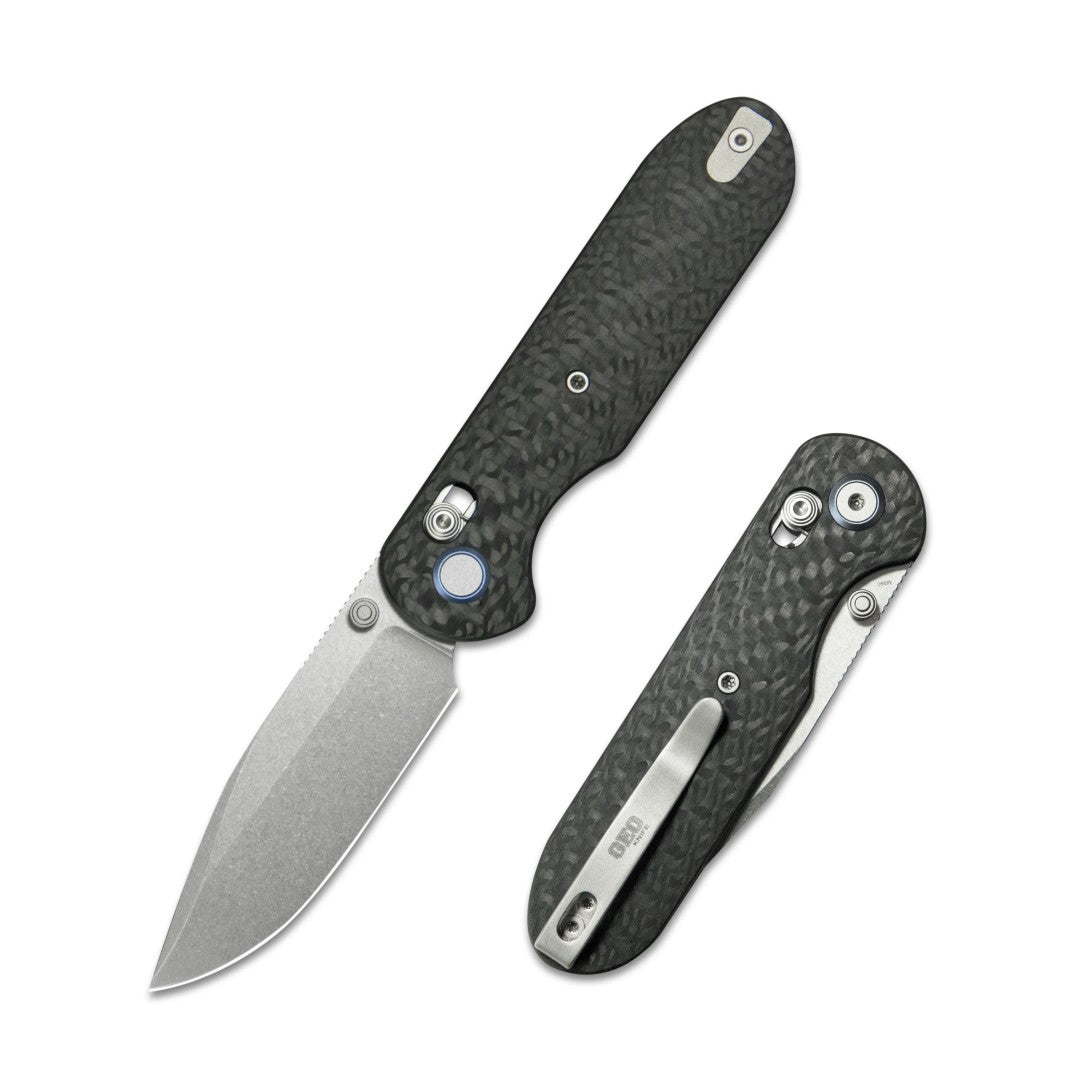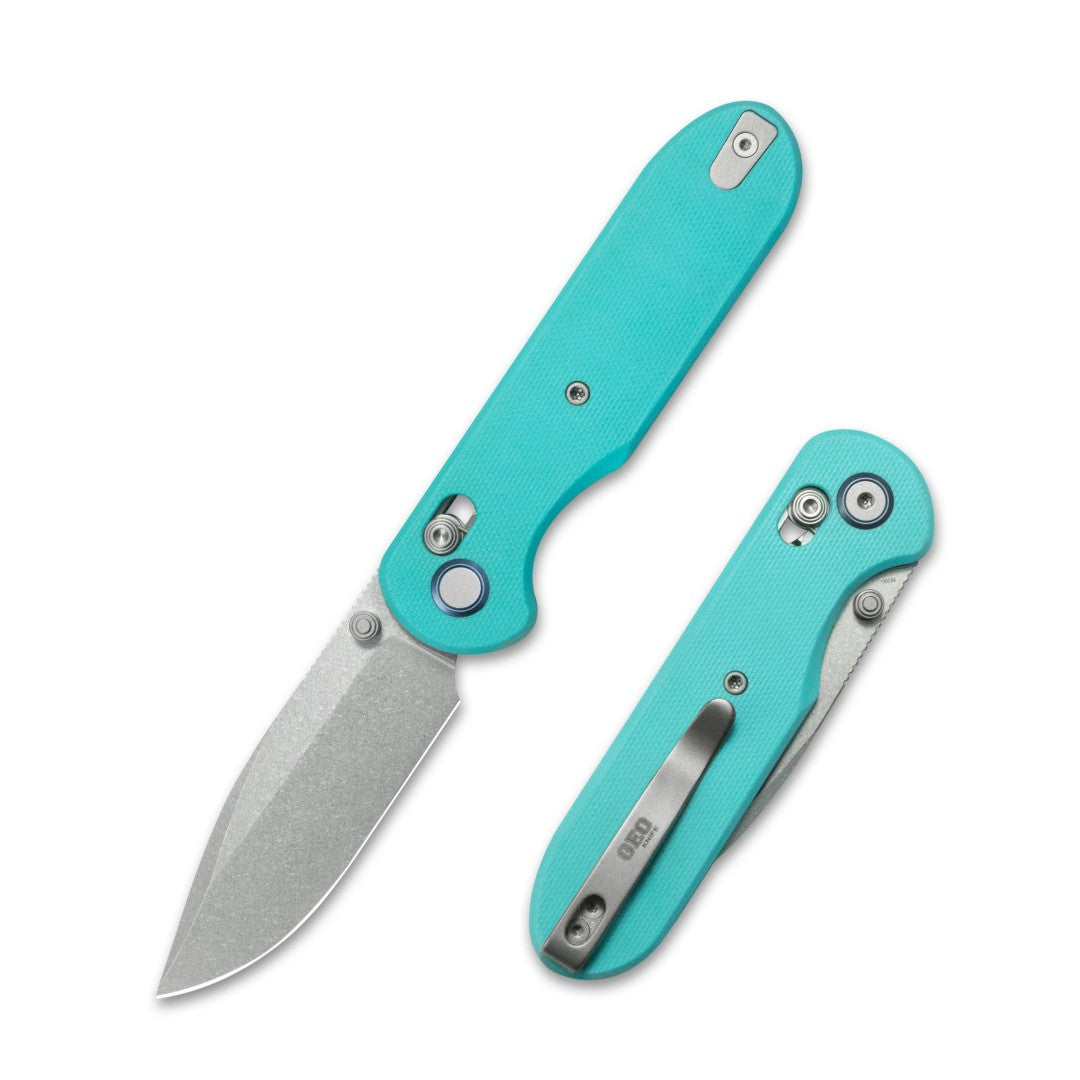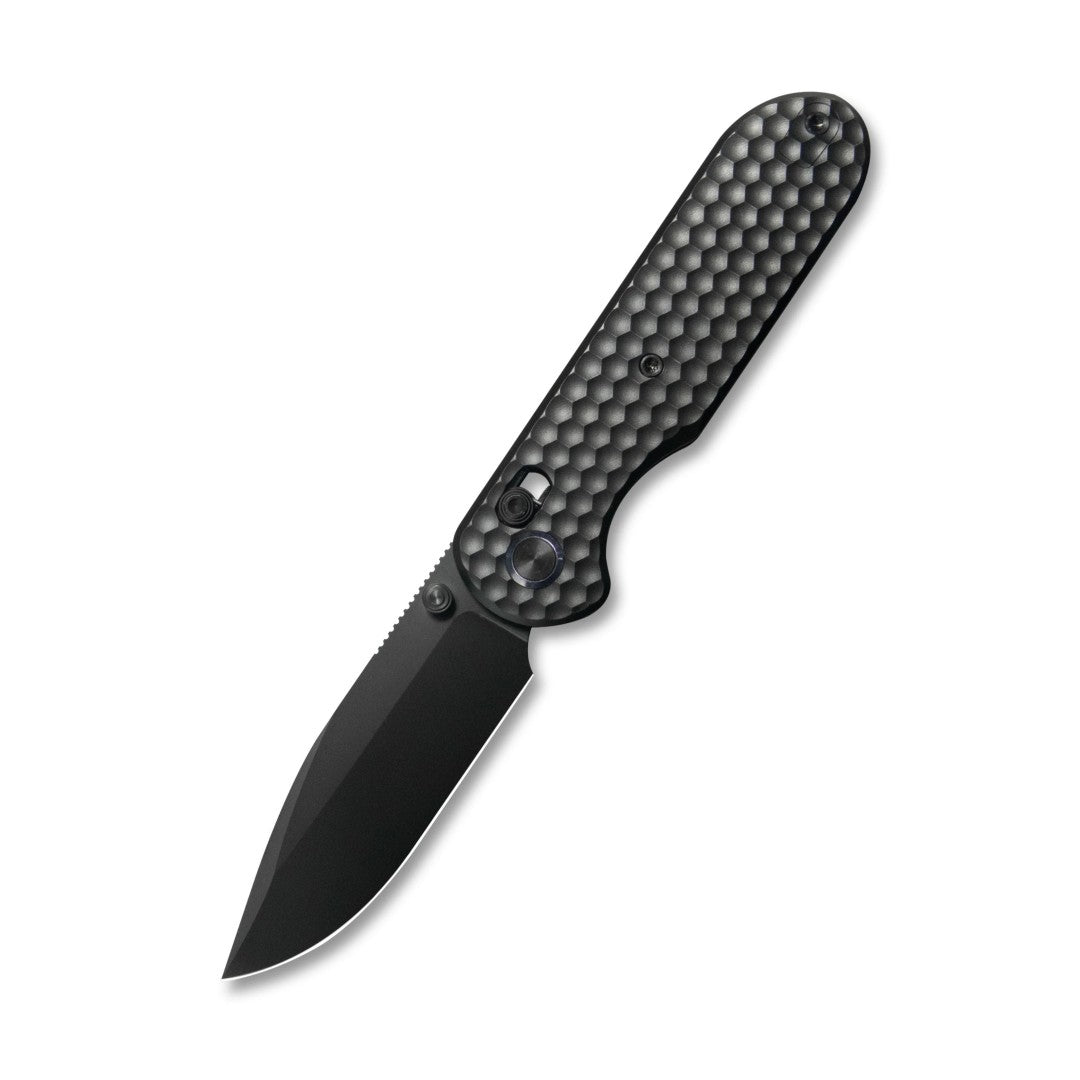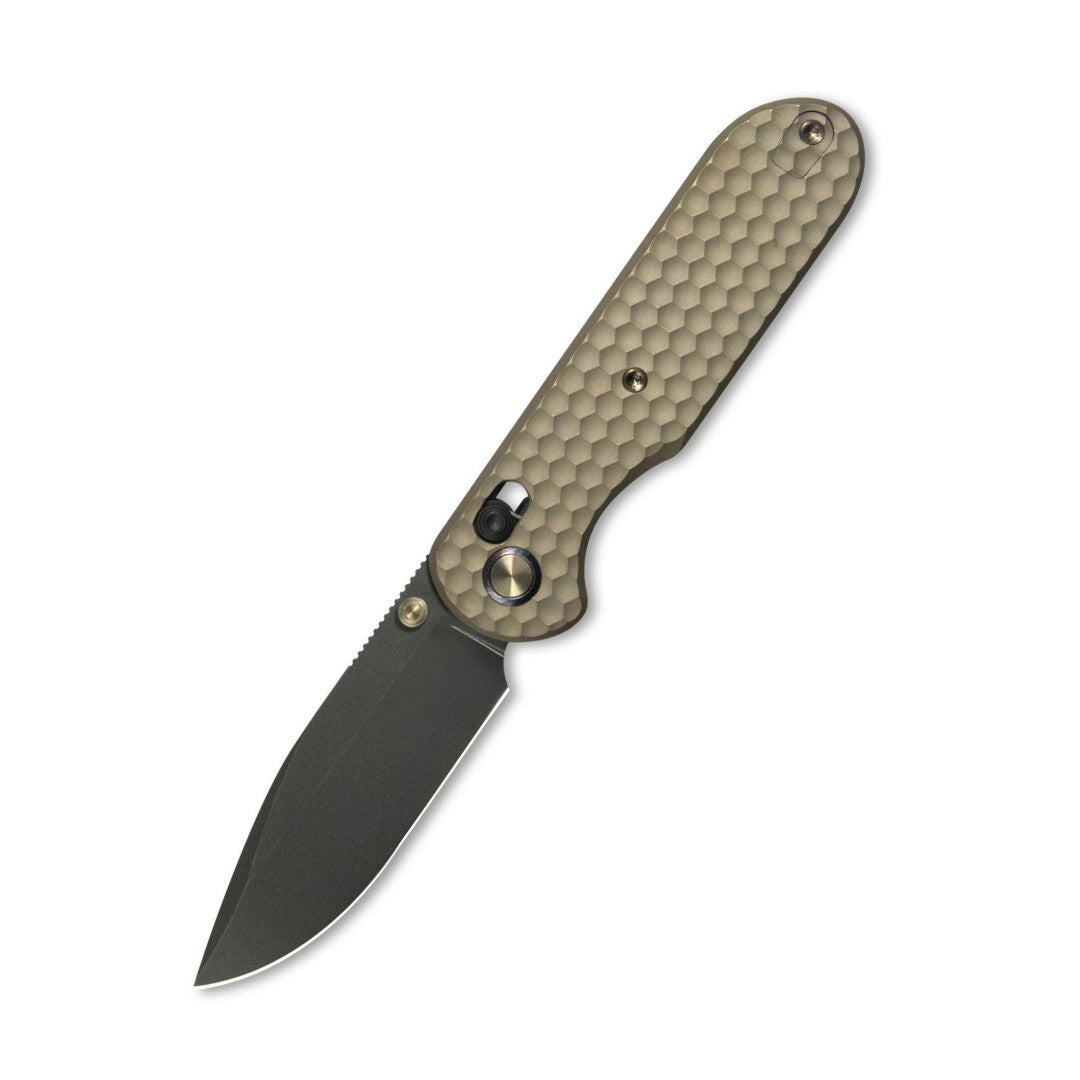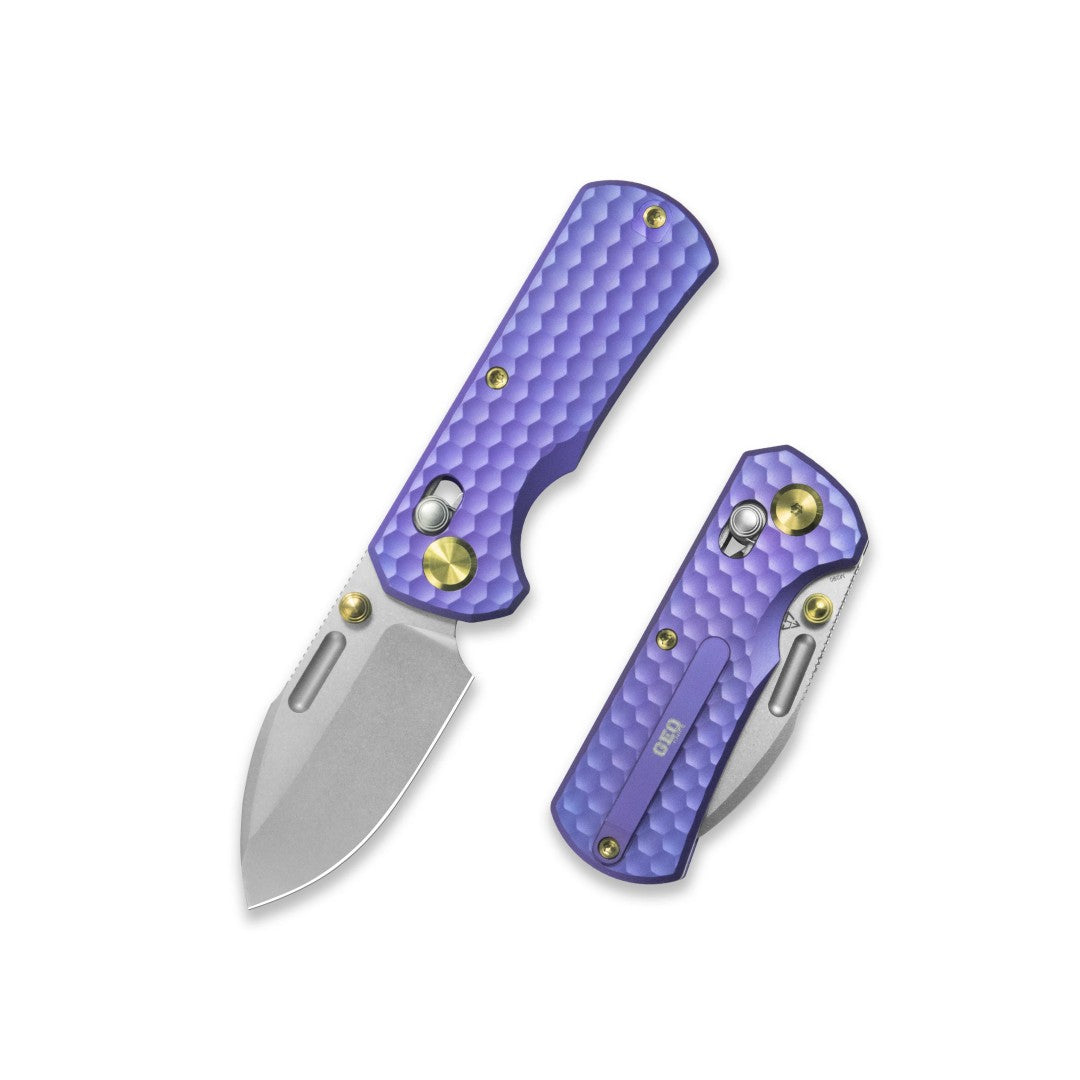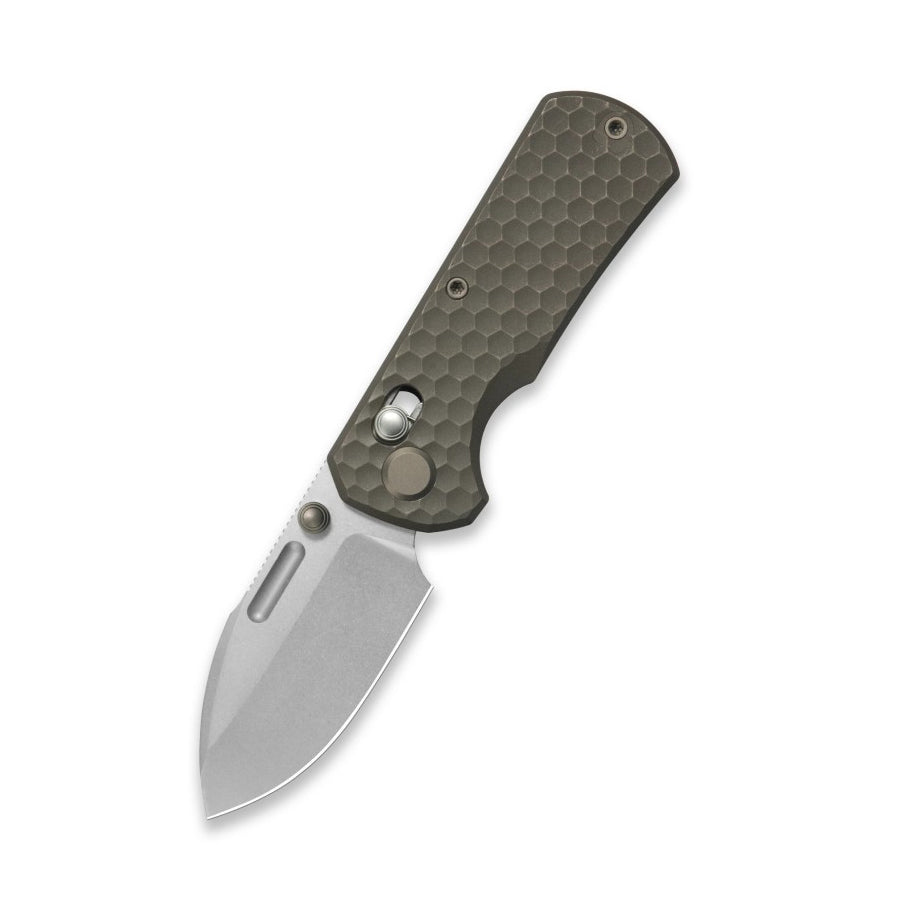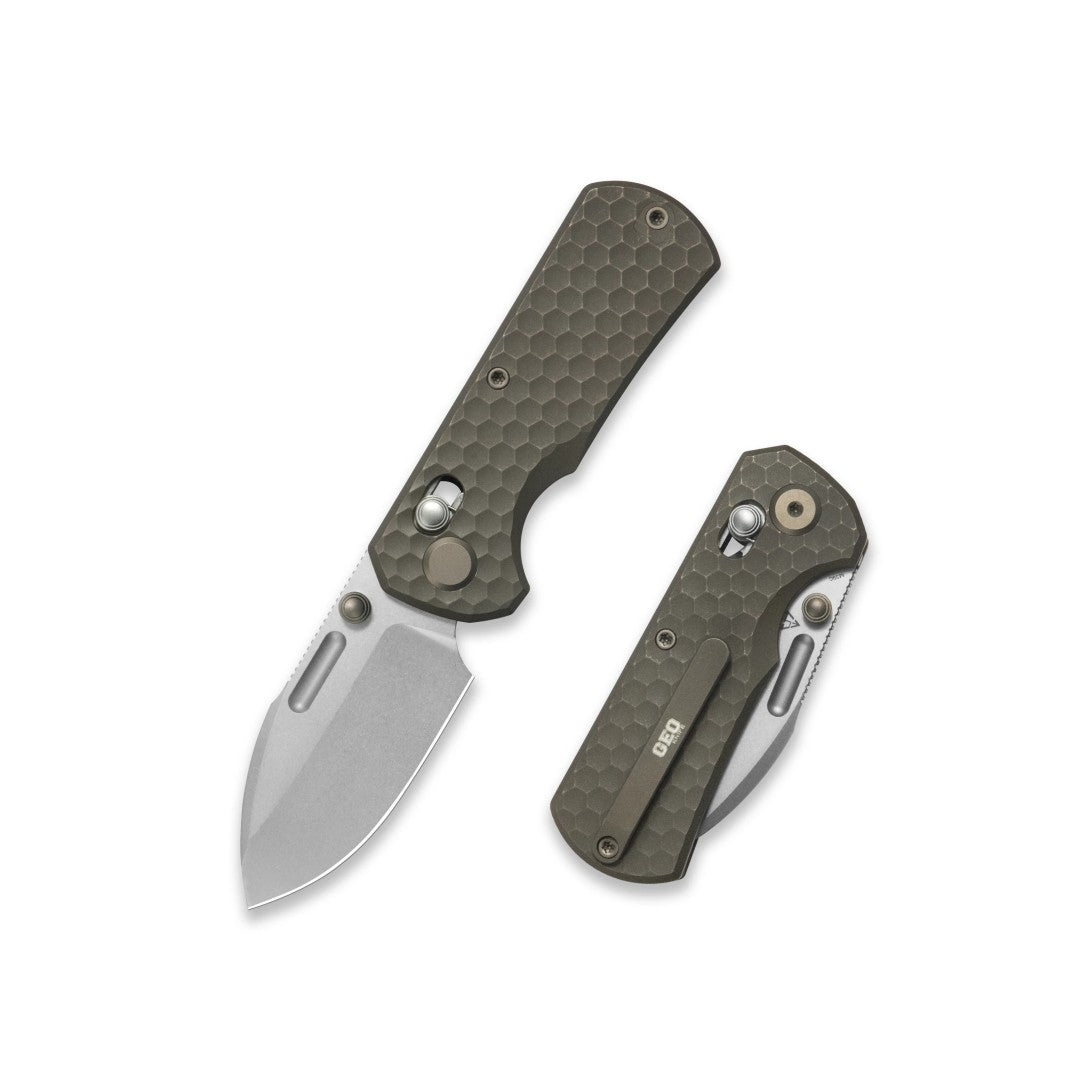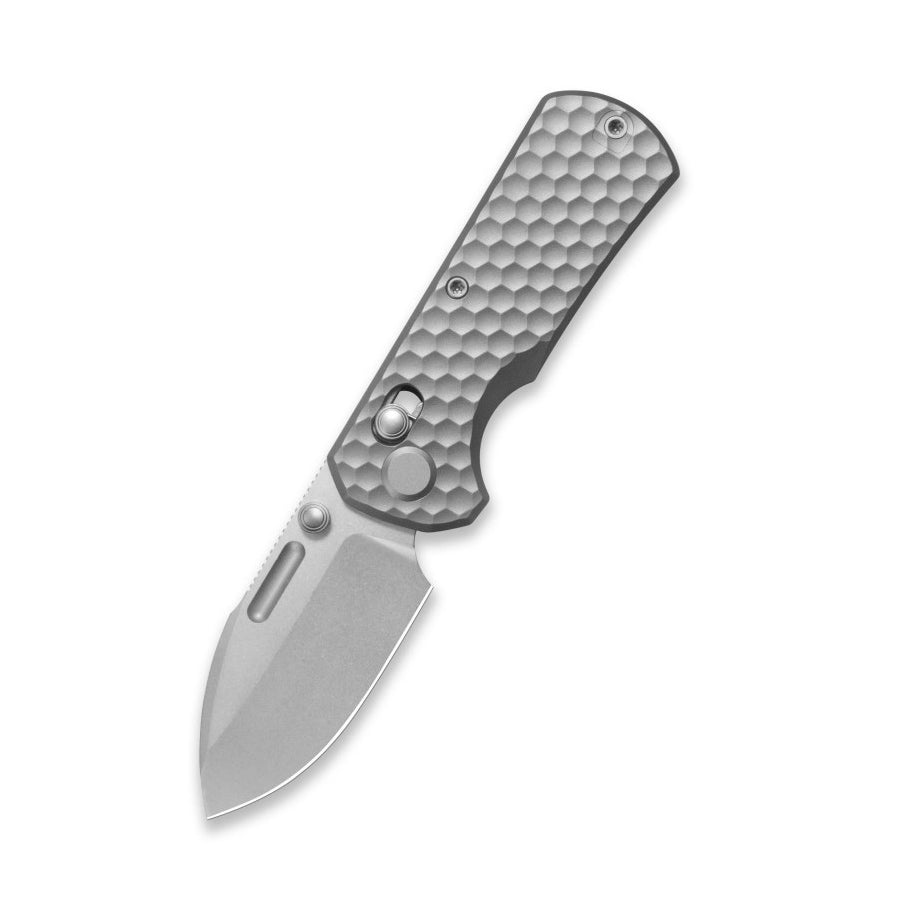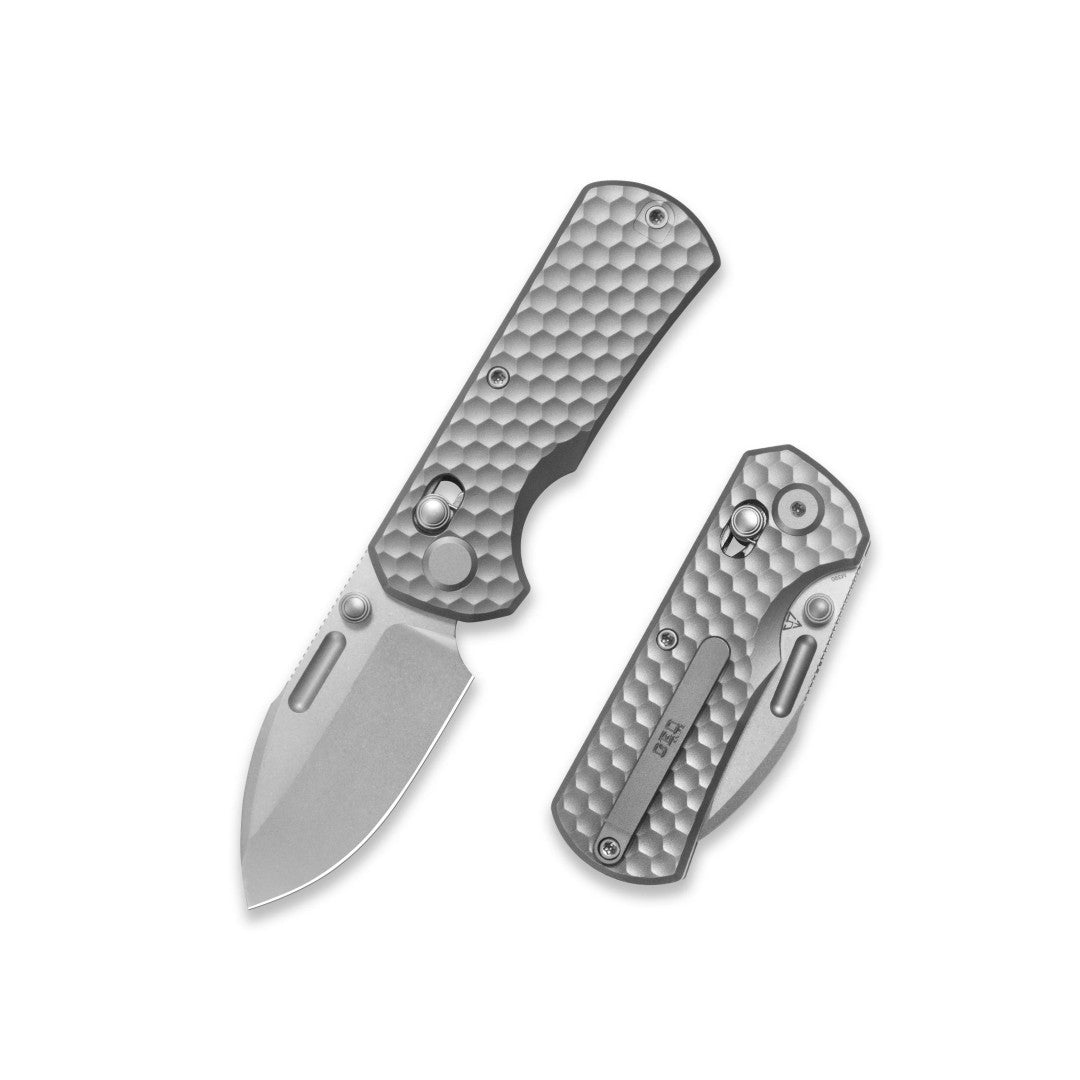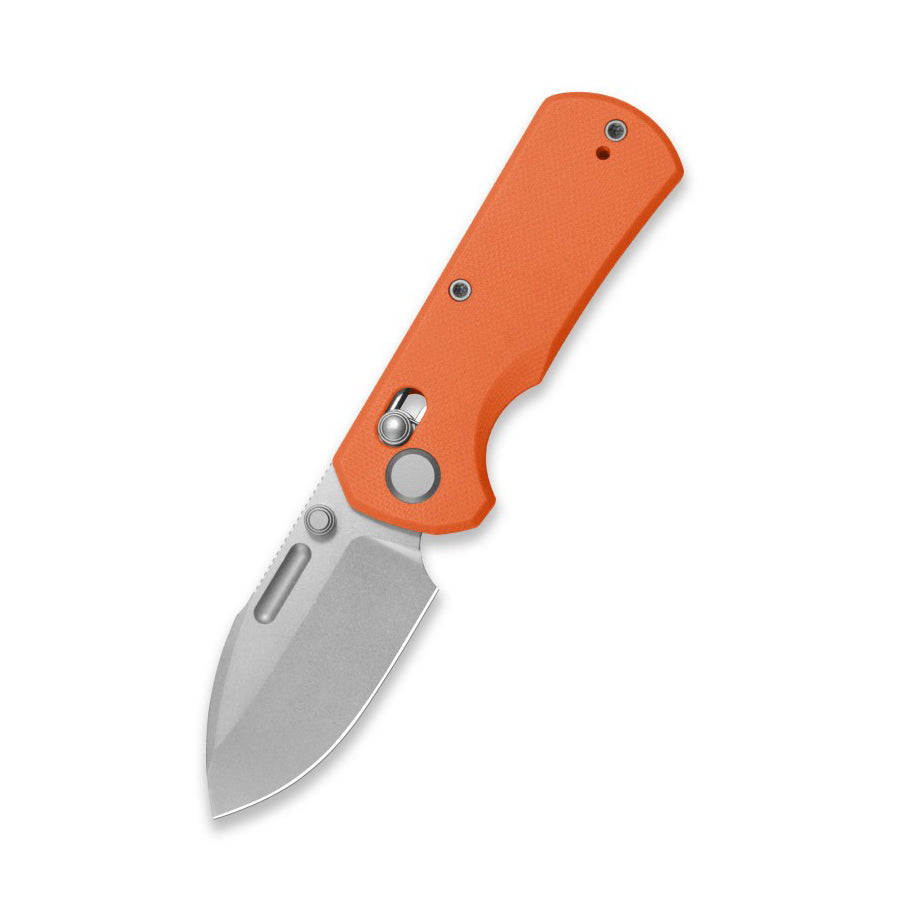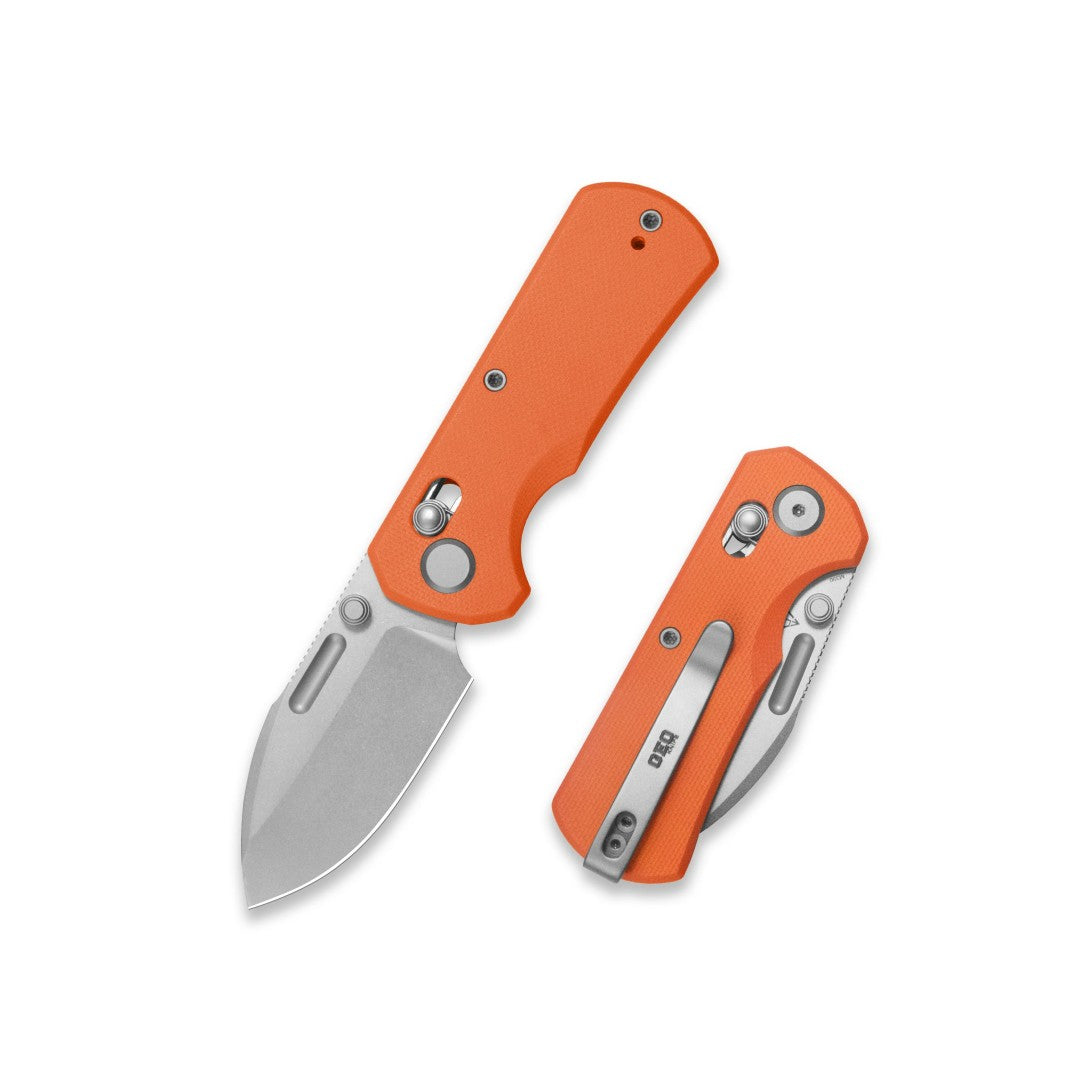

In the world of high‑performance tool steels, few grades have earned as much respect as A2 steel. For decades, this versatile air‑hardening alloy has been a favorite among knifemakers, woodworkers, and industrial tooling specialists alike. Whether you are choosing a blade for a heavy‑duty outdoor knife, selecting steel for precision dies, or simply trying to understand what makes certain tools better than others, A2 steel is a name you need to know.
This comprehensive guide will explore everything you need to understand about A2 steel—from its chemical composition and heat treatment to its real‑world performance in knives and tools, how it compares to other popular steels, and whether it is the right choice for your needs.
What Is A2 Steel? A Quick Overview
A2 steel is an air‑hardening, medium‑alloy, cold‑work tool steel. The “A” in its name stands for air‑hardening, which refers to the unique way this steel achieves its hardness—by cooling in still air rather than being quenched in oil or water. This characteristic is one of A2’s most valuable features, as it minimizes distortion and cracking during the hardening process, making it ideal for complex tool shapes and precision applications.
A2 contains approximately 1% carbon and 5% chromium, along with molybdenum and vanadium. While it is not a stainless steel—its corrosion resistance is modest—it offers an outstanding combination of toughness, wear resistance, and dimensional stability that has made it a go‑to material for everything from hunting knives to industrial punches and dies.
The Chemical Composition of A2 Steel
Understanding the chemistry of A2 steel is key to understanding its performance. Here is the typical composition range for AISI A2 tool steel:
| Element | Percentage | What It Does |
|---|---|---|
| Carbon (C) | 0.95 – 1.05% | Provides high hardness, wear resistance, and edge retention; the foundation of the steel’s cutting ability |
| Chromium (Cr) | 4.75 – 5.50% | Enhances hardenability and contributes to wear resistance; provides mild corrosion protection |
| Molybdenum (Mo) | 0.90 – 1.40% | Improves hardenability, strength, and wear resistance; helps the steel achieve deep hardening during air cooling |
| Vanadium (V) | 0.15 – 0.50% | Refines grain structure, increases toughness, and forms hard vanadium carbides for additional wear resistance |
| Manganese (Mn) | ~1.00% | Improves hardenability and tensile strength |
| Silicon (Si) | ~0.50% | Acts as a deoxidizer during production and improves strength |
| Iron (Fe) | Balance | Base element |
The ~1% carbon content places A2 firmly in the “high carbon” category, giving it the ability to achieve high hardness while maintaining good toughness. The 5% chromium provides mild corrosion resistance—though not enough to make A2 a true stainless steel—and contributes to the formation of hard chromium carbides that enhance wear resistance.
Key Properties and Performance
Hardness
After proper heat treatment, A2 steel typically achieves a hardness of 57–62 HRC on the Rockwell scale, with the sweet spot for most knife applications falling between 58–60 HRC. When air‑hardened and tempered at lower temperatures, A2 can reach up to 60–62 HRC, though higher hardness comes at the expense of some toughness.
Toughness
Toughness is where A2 steel truly shines. It is widely recognized for having excellent impact resistance and shock resistance, making it far tougher than higher‑carbon tool steels like D2. In fact, when properly heat‑treated, A2’s toughness has been reported to be roughly twice that of Cr12Mo1V1 (similar to D2) , making it one of the toughest cold‑work tool steels available for its hardness range.
This toughness means A2 blades are highly resistant to chipping and cracking under heavy use—including chopping, batoning, and other hard‑use applications that would cause more brittle steels to fail. One Bladeforums user summarized it well: “According to the charts, A2 has a lot higher toughness, comparable to O1 and CPM‑154” .
Wear Resistance
A2 offers good wear resistance that sits in the middle of the tool steel spectrum. According to Crucible Industries, its wear resistance is intermediate between the oil‑hardening tool steels (O1) and the high‑carbon, high‑chromium tool steels (D2) . This makes A2 an excellent general‑purpose choice for applications that require a balance of wear resistance and toughness—but if maximum abrasion resistance is your priority, higher‑carbide steels like D2 will outperform A2.
Edge Retention
For a non‑stainless tool steel, A2 offers very good edge retention that holds up well under real‑world use. Knives made from A2 are known to maintain a working edge through extended cutting sessions, particularly in outdoor and survival applications. However, A2 does not contain vanadium in large quantities, so its edge retention, while solid, is not in the same league as modern powder metallurgy steels containing vanadium carbides.
One important nuance: A2 does not take quite as keen an edge as simpler steels like O1. The trade‑off is that it holds that edge for much longer. For many users, this is a fair exchange.
Corrosion Resistance
A2 is not a stainless steel. With only about 5% chromium, it lacks the 10.5% chromium threshold required to be classified as stainless. In practical terms, this means A2 will rust if neglected . The steel is also reported to corrode in less than five hours when exposed to salt spray unless protected by a coating or oil.
That said, A2’s corrosion resistance is better than that of plain high‑carbon steels like 1095 or W2, thanks to its chromium content. Many users find that A2 develops a natural patina over time—a dark, stable oxide layer that actually helps protect the steel from further corrosion and gives the blade character. For those who take reasonable care of their tools (wiping blades dry after use and applying a light coat of oil), A2’s corrosion resistance is perfectly adequate.
Ease of Sharpening
A2 is moderately easy to sharpen—certainly easier than high‑carbide steels like D2 or S30V, but more challenging than simple carbon steels like O1. The steel’s fine grain structure allows it to take a sharp edge without requiring diamond stones, though high‑quality aluminum oxide or ceramic stones will work best. Compared to D2, which is notoriously difficult to sharpen due to its large, hard chromium carbides, A2 is a welcome relief.
Dimensional Stability
One of A2’s most valuable properties—particularly for tool and die makers—is its excellent dimensional stability during heat treatment. Because it hardens in air rather than requiring a liquid quench, A2 experiences minimal distortion, bending, bowing, or twisting during hardening. This makes it the preferred choice for complex dies, long punches, and precision tools where maintaining tight tolerances is critical.
Heat Treatment of A2 Steel
Proper heat treatment is essential to unlocking A2’s full potential. The typical hardening process involves:
-
Preheat: Heat slowly to 1200°F (649°C) and hold until thoroughly soaked
-
Austenitize: Heat to 1750–1800°F (954–982°C) and soak for 45–60 minutes per inch of thickness
-
Quench: Air cool to 150°F (66°C)—no oil or water required
-
Temper: Double tempering is mandatory. Temper at 400–600°F (204–316°C) depending on the desired hardness, soaking for two hours per inch of thickness and cooling to room temperature between tempers
The combination of preheating, air quenching, and double tempering yields a blade with an optimal balance of hardness and toughness, while maintaining the steel’s excellent dimensional stability.
What Is A2 Steel Best Used For?
Thanks to its balanced combination of toughness, wear resistance, and dimensional stability, A2 steel is used in a wide range of applications.
Knife Blades (Outdoor, Survival, and Tactical)
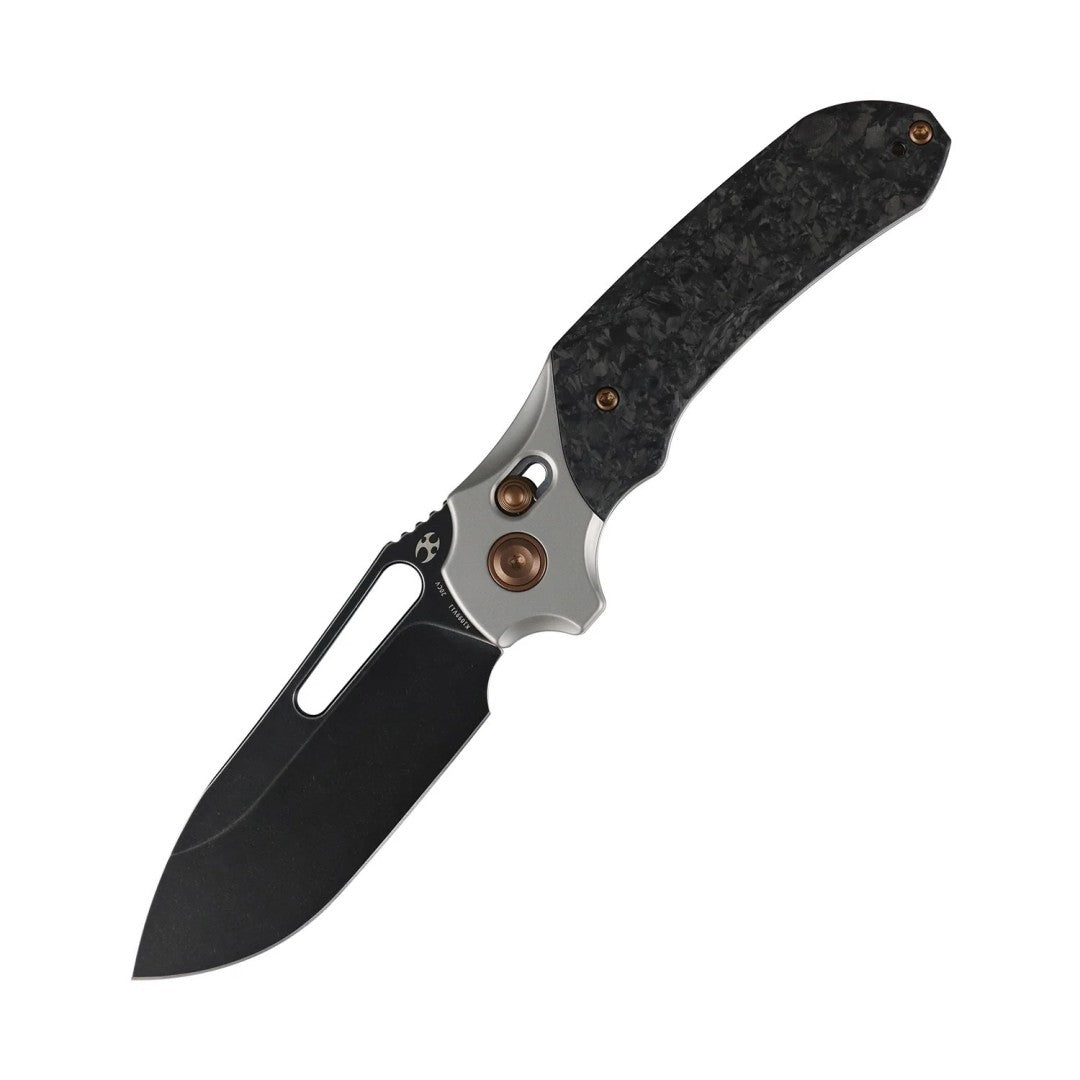
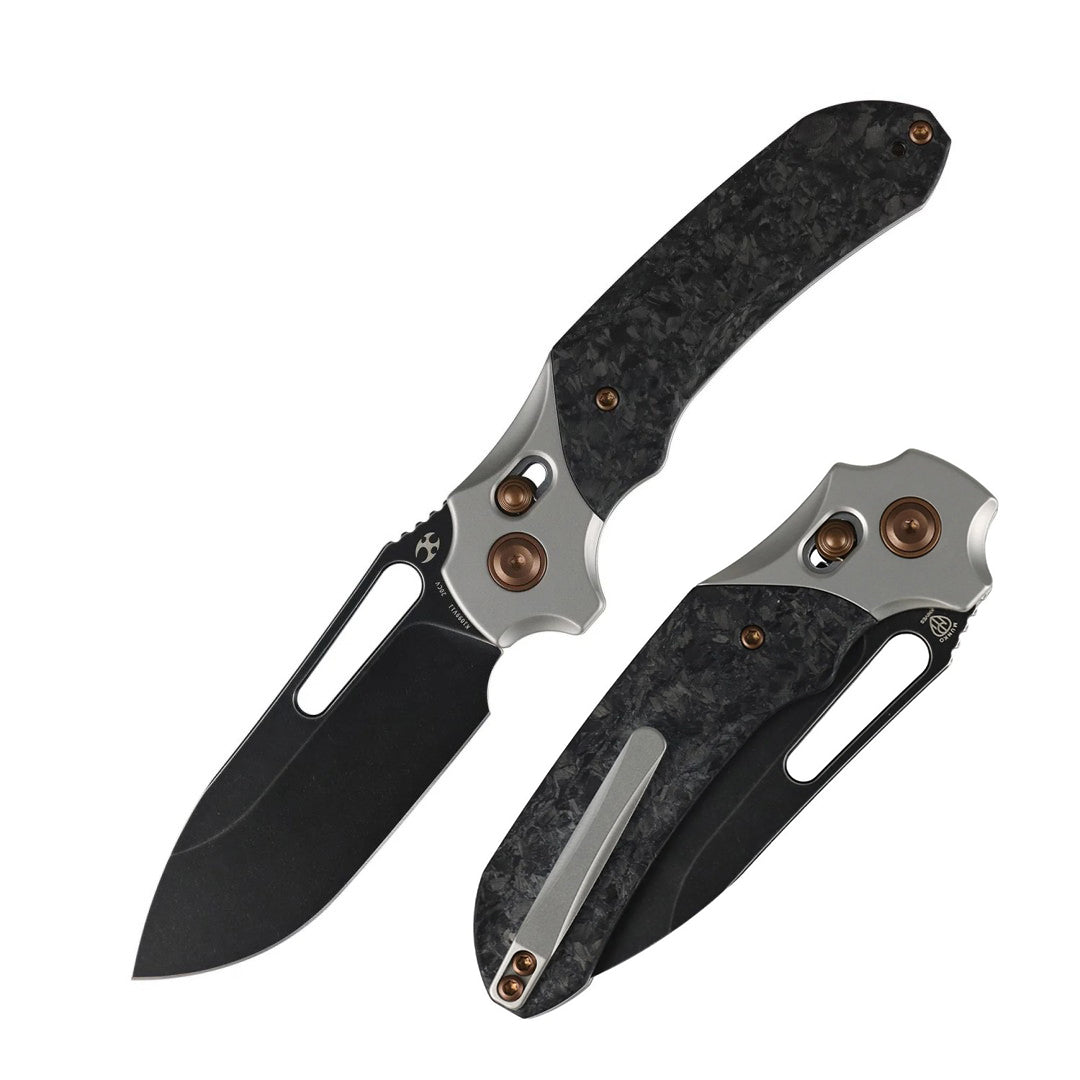
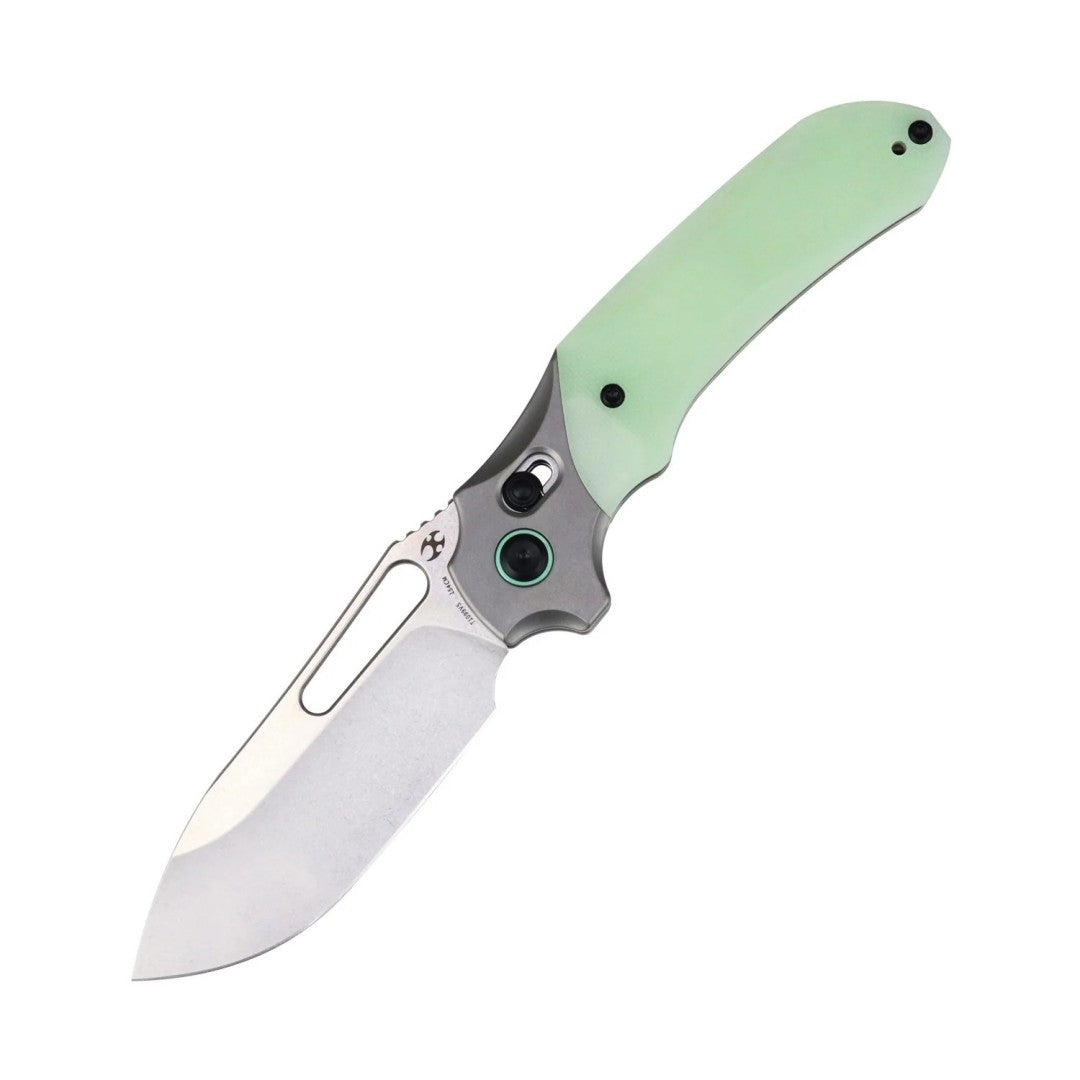
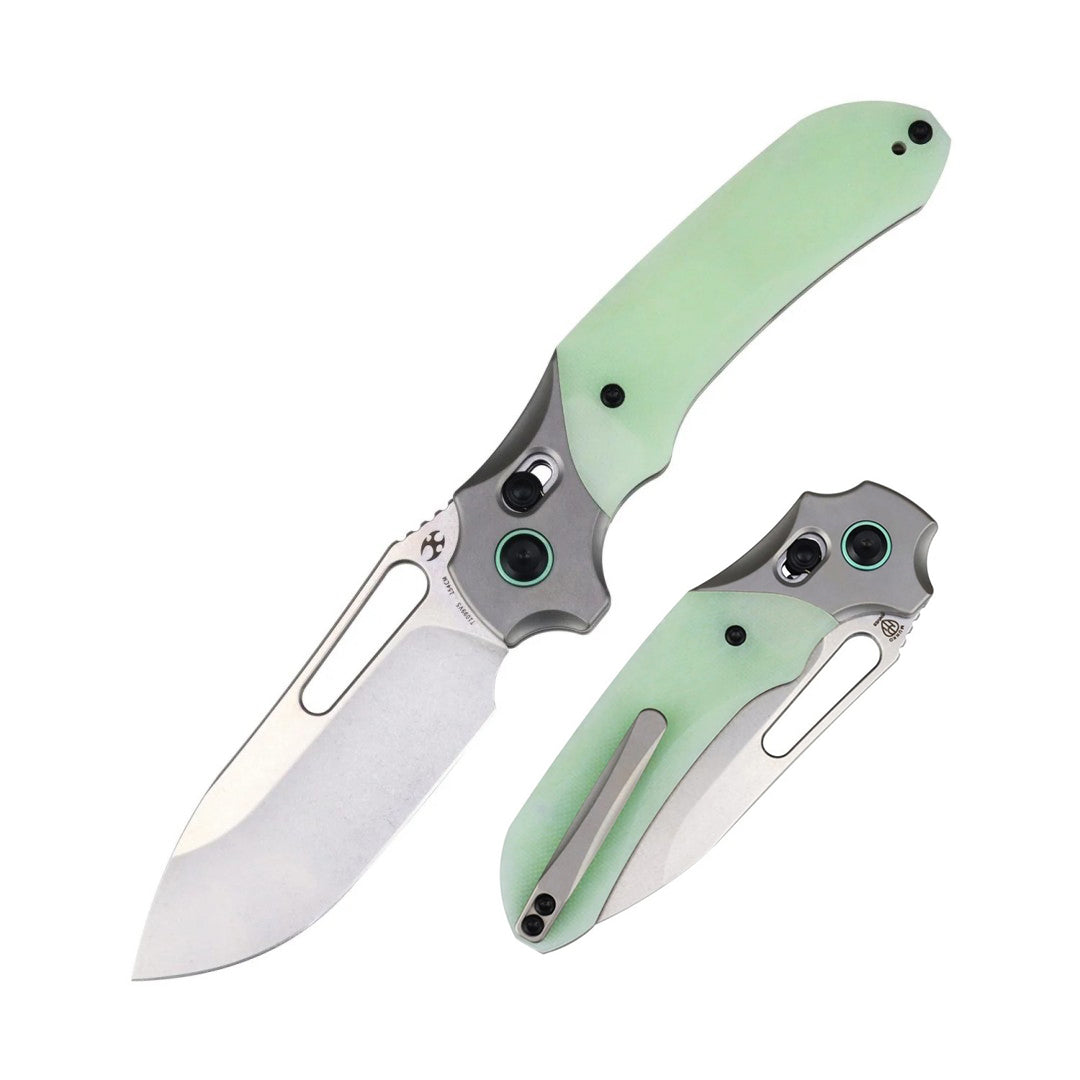
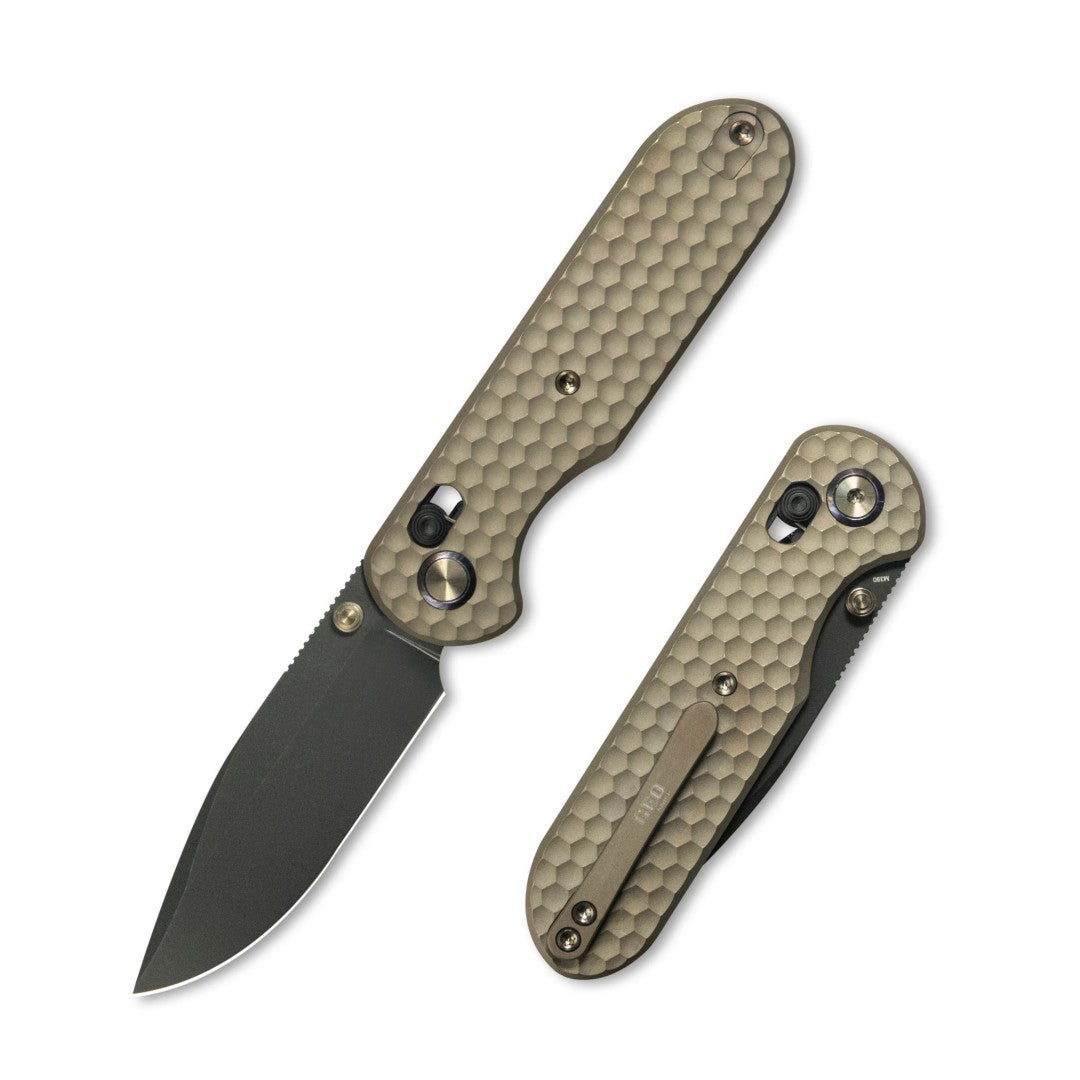
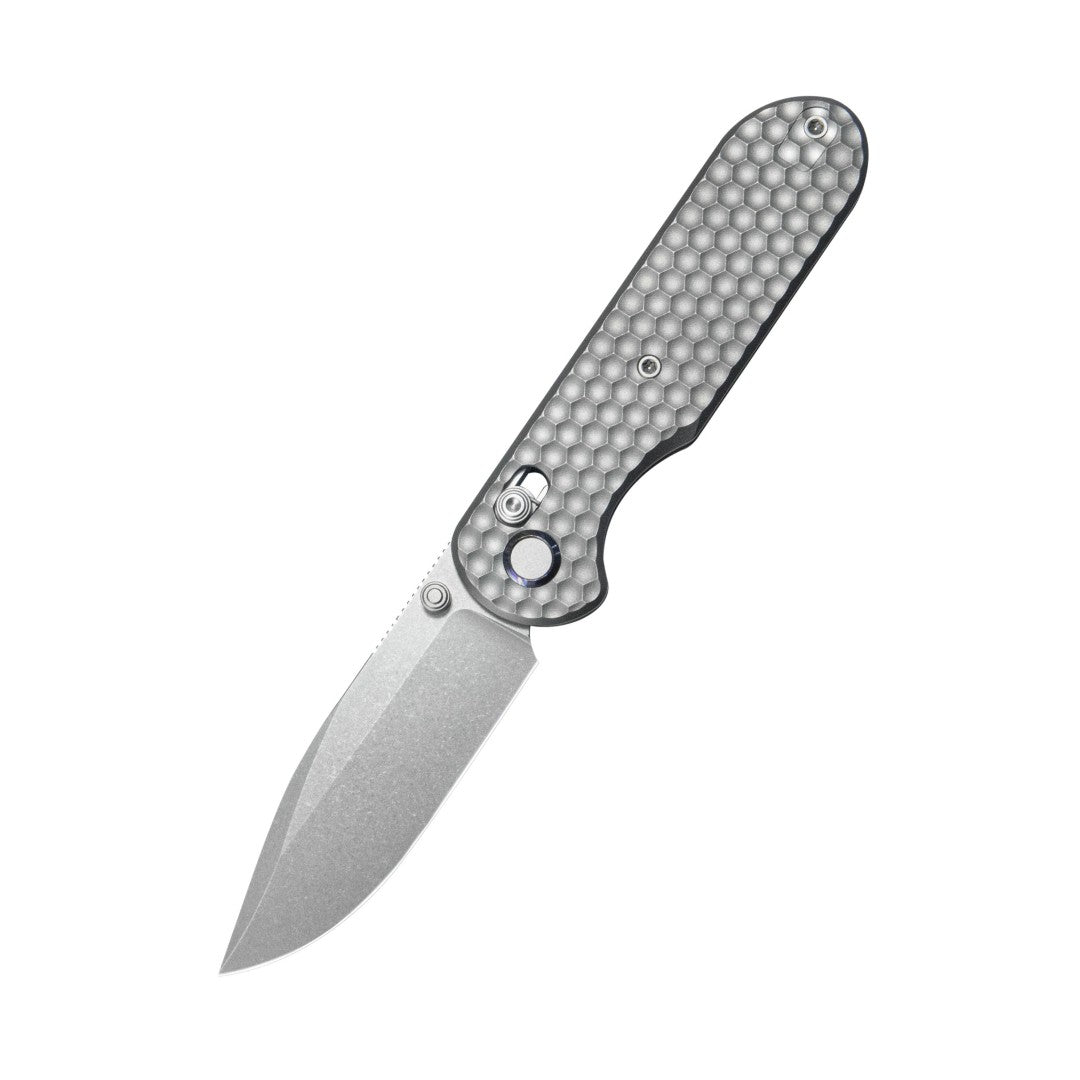
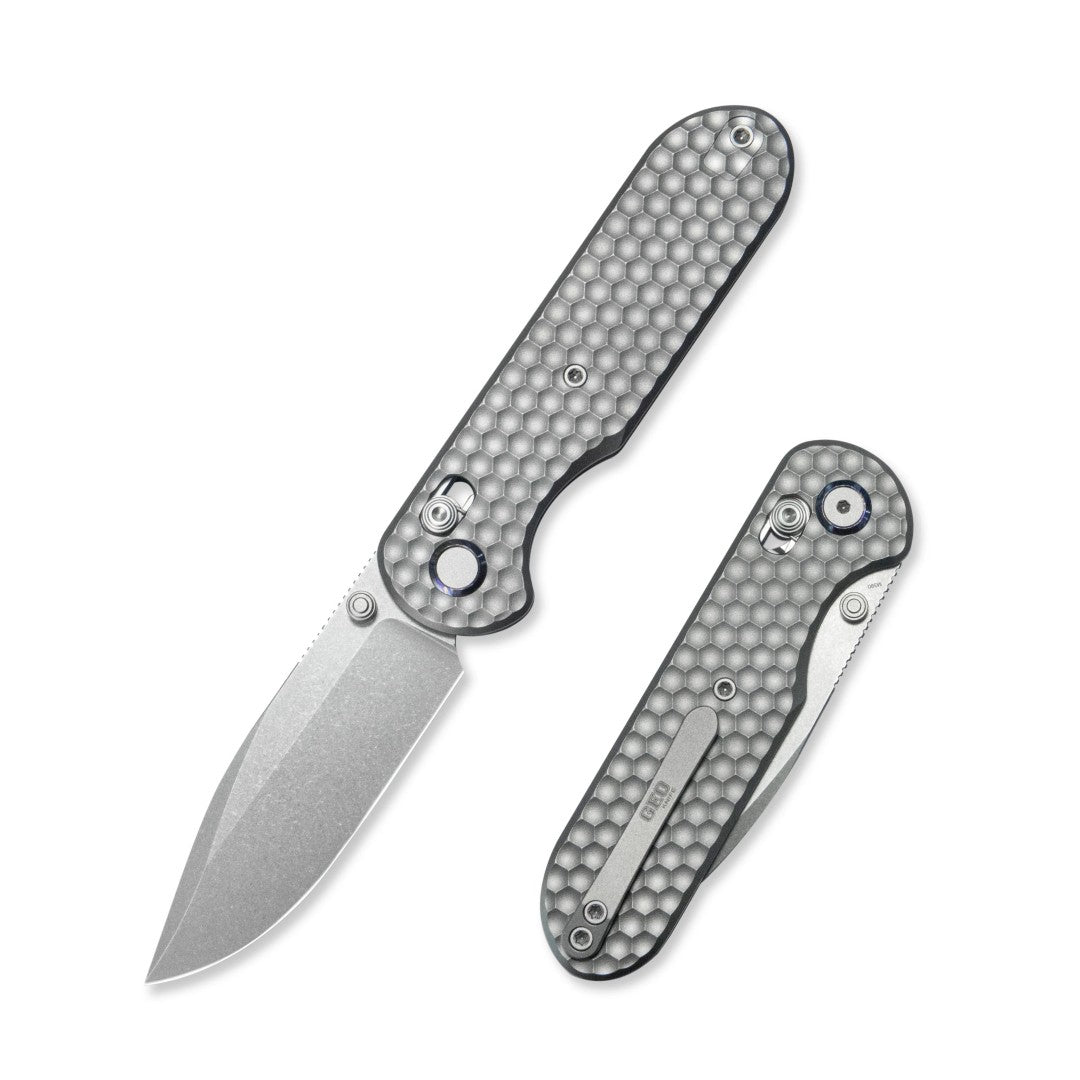
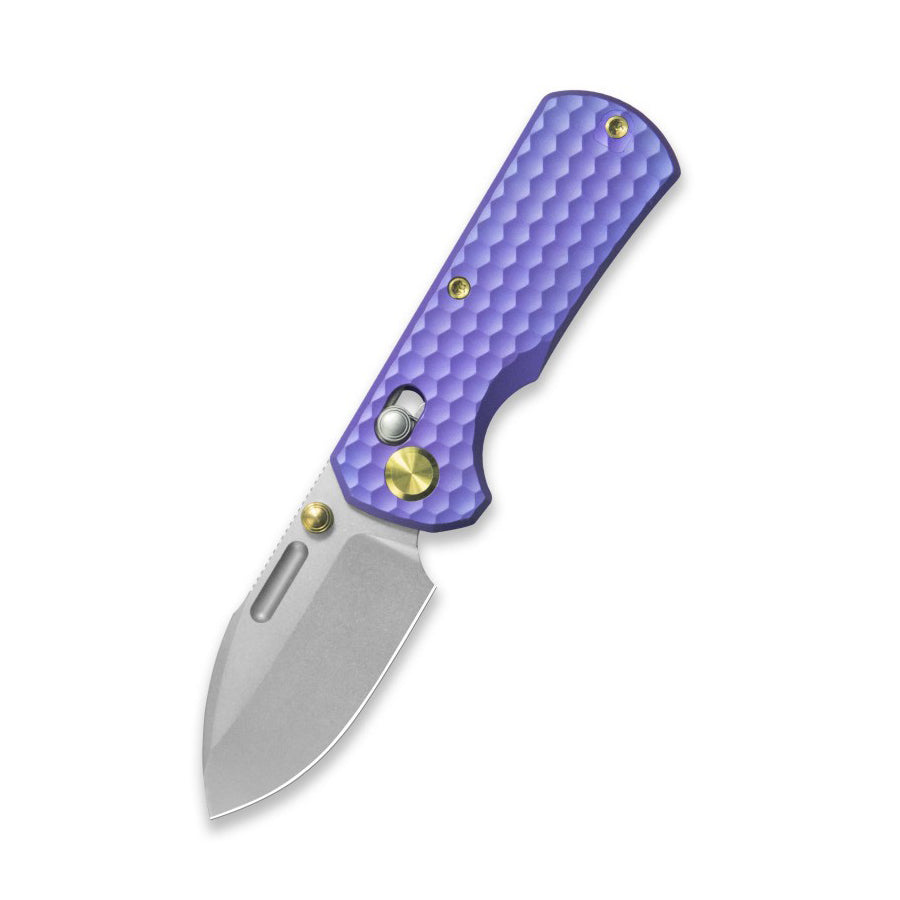
A2 is a favorite among knifemakers for hard‑use blades. Brands like Hogue, L.T. Wright, Bark River, and Blackjack have all produced knives in A2. Its exceptional toughness makes it ideal for chopping, batoning, and other heavy‑duty tasks where a more brittle steel would chip or break. Many outdoorsmen consider A2 an “all‑around favorite” for its combination of edge retention and high toughness.
Woodworking Tools
A2 is extremely popular in woodworking, particularly for plane blades and chisels. It holds an edge longer than O1 steel and resists abrasion from dense hardwoods, making it a preferred choice for many professional woodworkers.
Industrial Tooling
In industrial settings, A2 is widely used for punches and dies, chuck jaws, cutting tools for woodworking, tooling for plastic injection molding, dowel pins, hammers, shear blades, slitters, and precision tools.
A2 Steel vs. Other Popular Steels
A2 vs. O1 Tool Steel
O1 is an oil‑hardening tool steel that is simpler in composition (carbon and manganese only). A2 is tougher and more resistant to abrasion than O1, so it holds an edge longer. However, O1 can be sharpened to a keener edge than A2, and it is generally easier to sharpen. O1 also has minimal corrosion resistance, while A2’s chromium content gives it a slight edge in rust protection.
A2 vs. D2 Tool Steel
D2 is a high‑carbon (1.4–1.6%), high‑chromium (11–13%) tool steel. D2 offers superior wear resistance and edge retention compared to A2, and its higher chromium content provides mild stainless properties. However, D2 is significantly less tough than A2 and is more prone to chipping under impact or lateral stress. D2 is also much harder to sharpen. Choose D2 if edge retention is your absolute priority; choose A2 if you need toughness and impact resistance.
A2 vs. 154CM
154CM is a premium stainless steel with about 14% chromium, giving it far superior corrosion resistance to A2. In terms of hardness and edge retention, the two are comparable, but 154CM is a stainless steel, while A2 is not. If you need a blade that can handle saltwater or prolonged moisture exposure without rusting, 154CM (or a true stainless) is the better choice.
A2 vs. S7 Tool Steel
S7 is a shock‑resisting tool steel with lower carbon (0.45–0.55%) and even higher toughness than A2, making it nearly unbreakable under impact. However, S7 has significantly lower wear resistance and edge retention than A2. For knives that will see extreme impact—such as demolition tools or heavy prying—S7 may be the better choice. For general cutting and chopping, A2 offers a better balance.
Pros and Cons of A2 Steel
Advantages
-
Excellent toughness — Outstanding impact resistance; highly resistant to chipping and cracking
-
Good wear resistance — Holds an edge well for extended use, especially in abrasive materials
-
Excellent dimensional stability — Minimal distortion during heat treatment; ideal for precision tools
-
Air‑hardening — No oil or water quench required; safer and more forgiving than liquid‑quenched steels
-
Moderately easy to sharpen — Much easier than D2 or high‑vanadium steels
-
Widely available and affordable — A2 is a standard tool steel with predictable, well‑understood properties
-
Versatile — Suitable for knives, woodworking tools, industrial dies, and precision tooling
Limitations
-
Not stainless — Will rust if neglected; requires cleaning and oiling, especially in humid or marine environments
-
Moderate edge retention compared to premium steels — D2, CPM‑154, and powder metallurgy super steels will hold an edge longer
-
Does not take the keenest possible edge — Simpler steels like O1 can be sharpened to a more acute, finer edge
-
Requires proper heat treatment — Poorly heat‑treated A2 will underperform; quality depends on the manufacturer
Is A2 Steel Right for You?
A2 steel is an excellent choice for anyone who values toughness and impact resistance above all else—without sacrificing good wear resistance and ease of sharpening. It is not stainless, but for users who are willing to provide basic care (wiping blades clean and applying a light coat of oil), A2 is a reliable and high‑performing steel.
Choose A2 if you:
-
Need a knife or tool that can withstand heavy impact, chopping, batoning, or prying without chipping
-
Prefer a non‑stainless tool steel with better corrosion resistance than plain carbon steels
-
Value ease of sharpening over ultimate edge retention
-
Want a versatile, affordable, and proven tool steel for general‑purpose use
-
Are willing to provide basic maintenance (cleaning and oiling) to prevent rust
Look elsewhere if you:
-
Need a true stainless steel for saltwater or high‑humidity environments
-
Require the absolute best edge retention and are willing to sacrifice some toughness
-
Want a blade that takes an ultra‑keen, razor‑fine edge
-
Prefer a maintenance‑free blade that can be left wet without concern
Final Thoughts
A2 steel may not have the flashy name recognition of some modern super steels, but it has earned its reputation the old‑fashioned way: through decades of reliable, hard‑working performance. Its unique combination of excellent toughness, good wear resistance, minimal distortion during heat treatment, and moderate ease of sharpening makes it a true workhorse.
Whether you are a custom knifemaker building a rugged outdoor blade, a woodworker looking for plane irons that hold their edge, or a toolmaker crafting precision dies, A2 steel delivers. It may not be stainless, and it may not be the absolute best in any single category—but for users who need a steel that can take a beating and keep on cutting, A2 is a classic for a reason.
Looking for knives and tools made from A2 steel? Browse our collection to find premium outdoor knives, woodworking tools, and precision implements featuring this legendary air‑hardening tool steel.