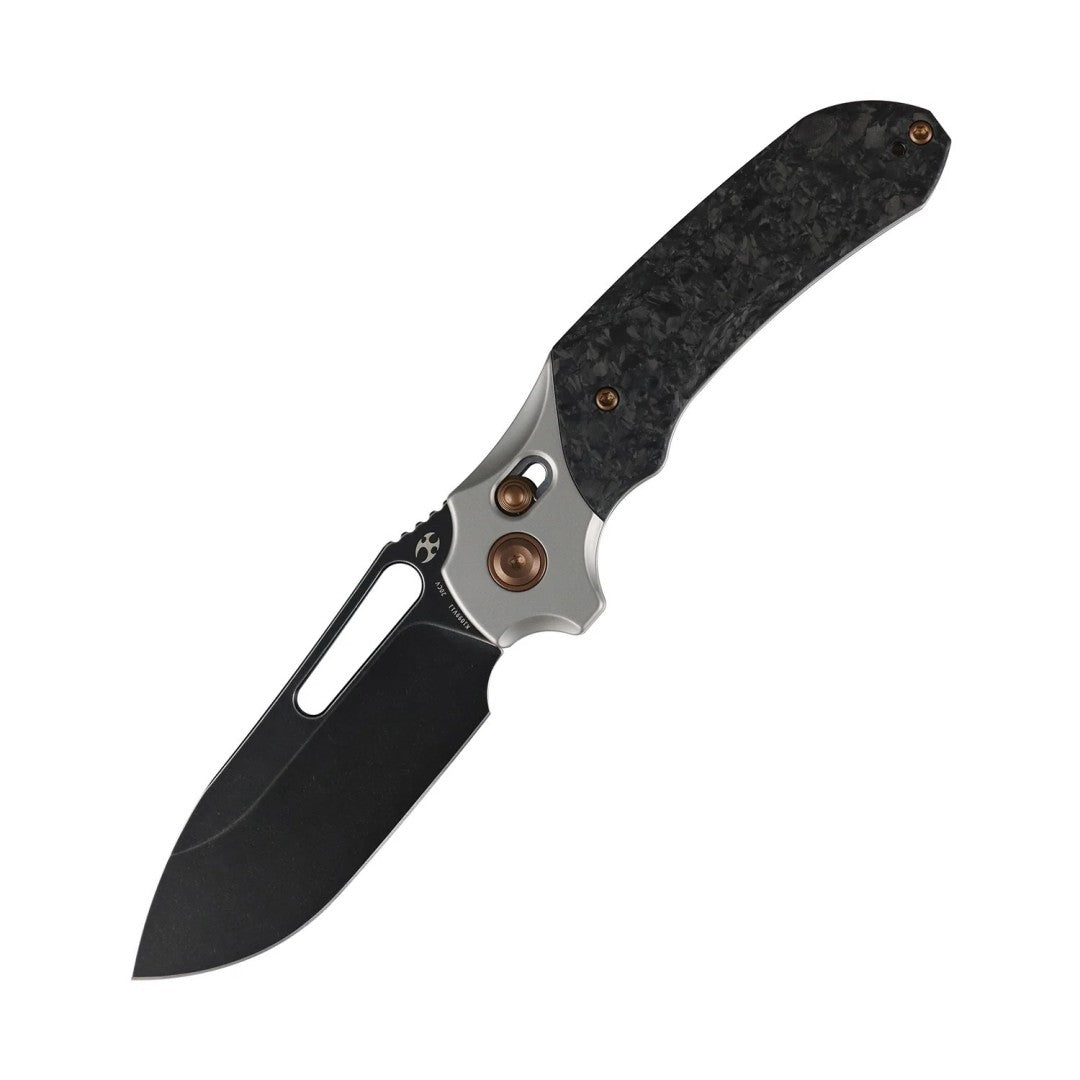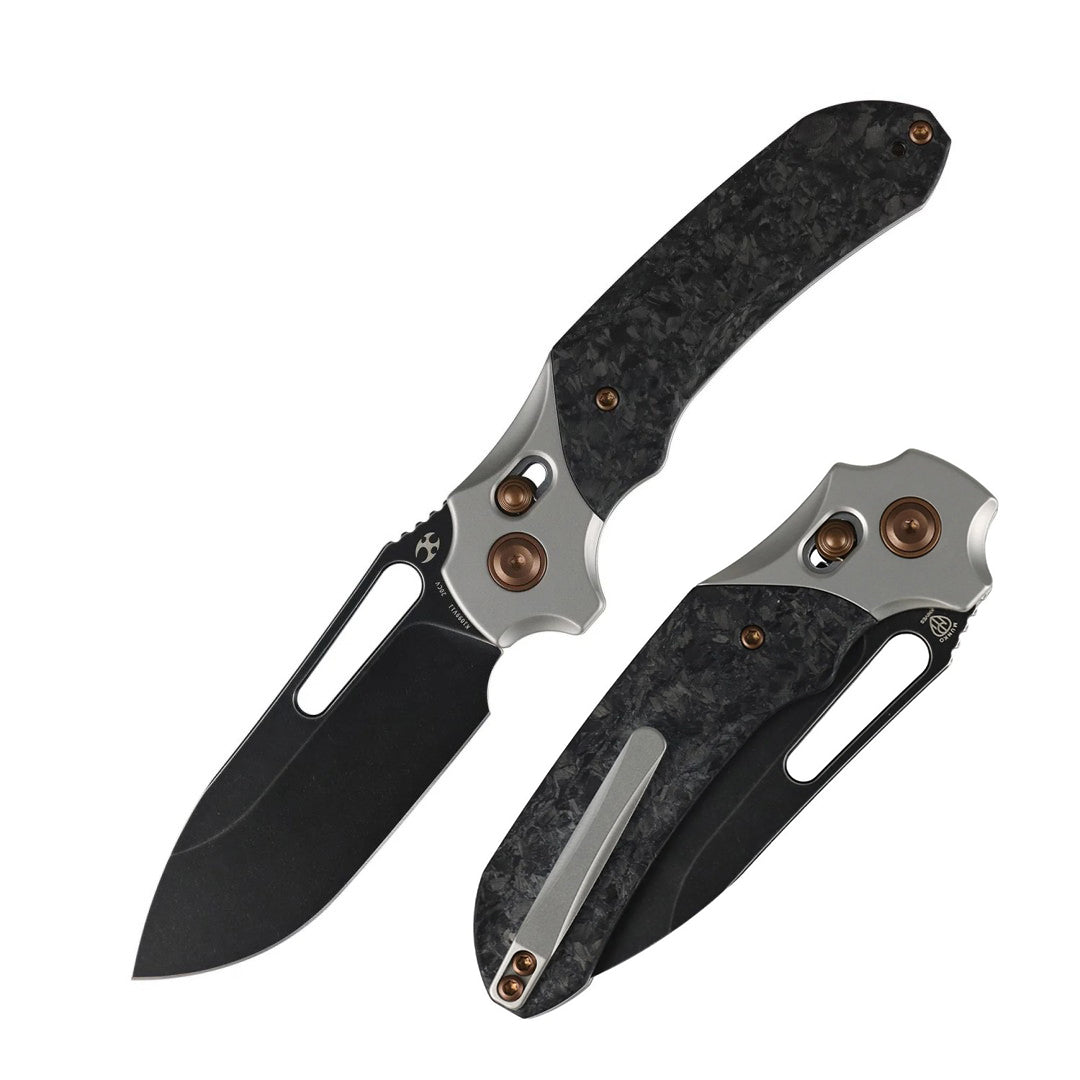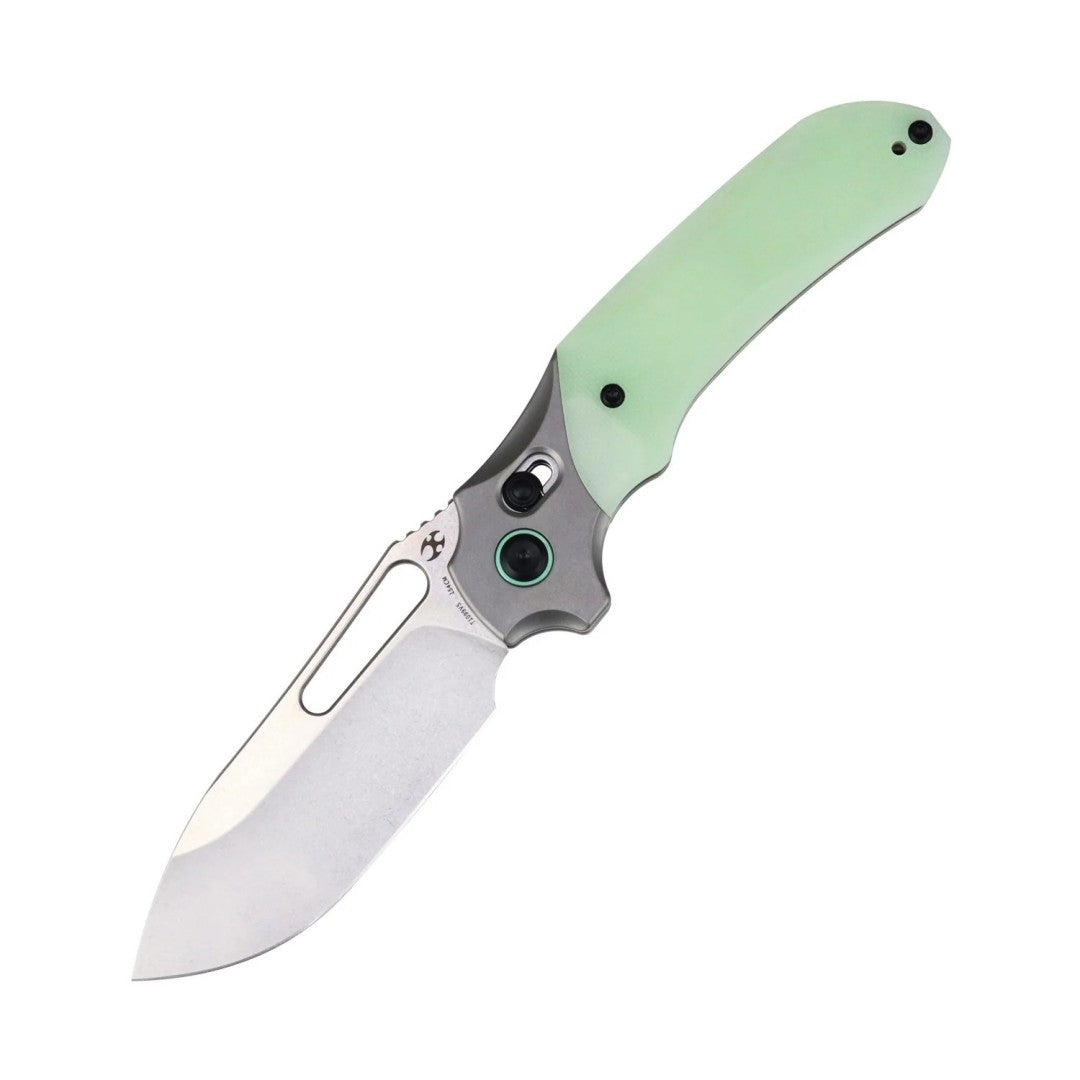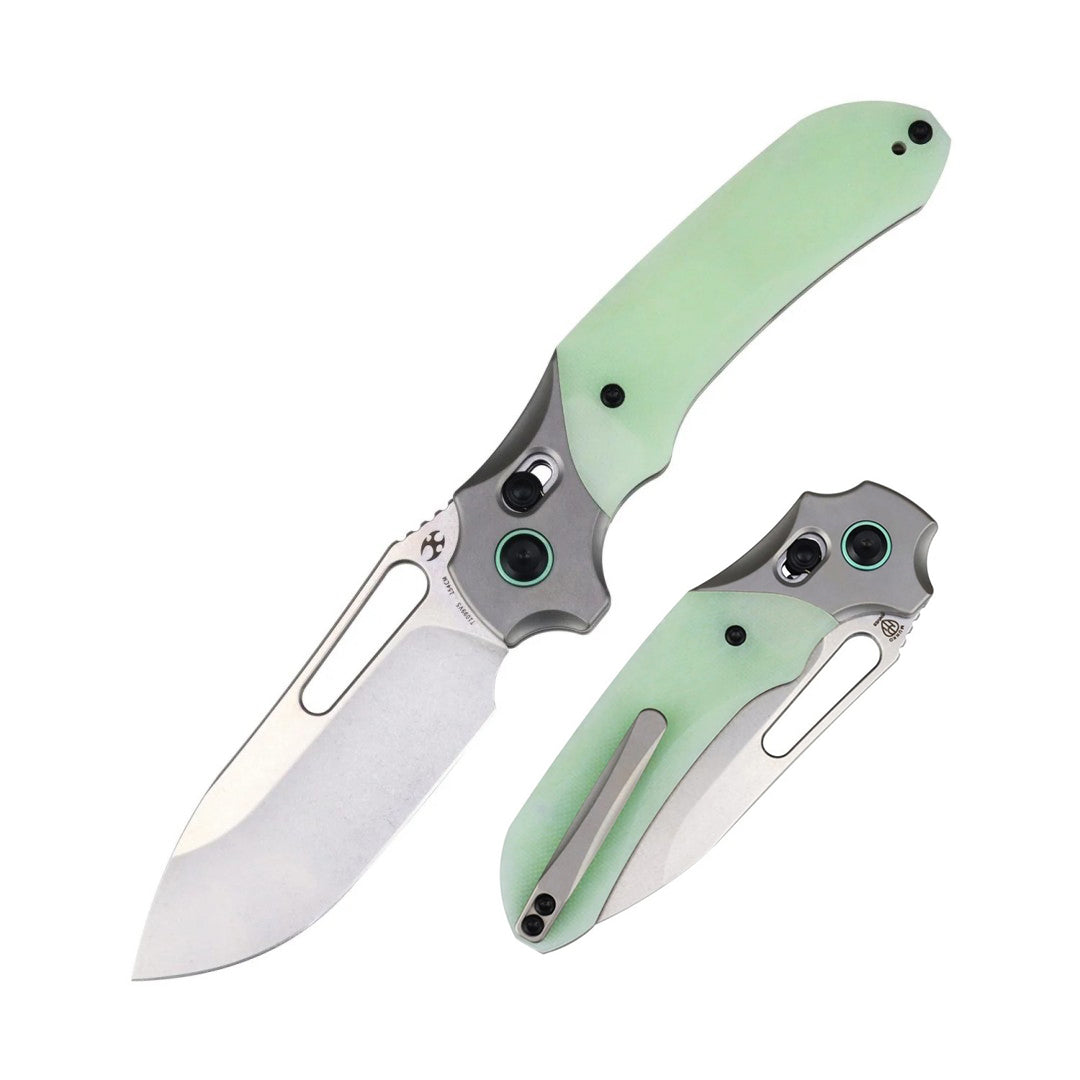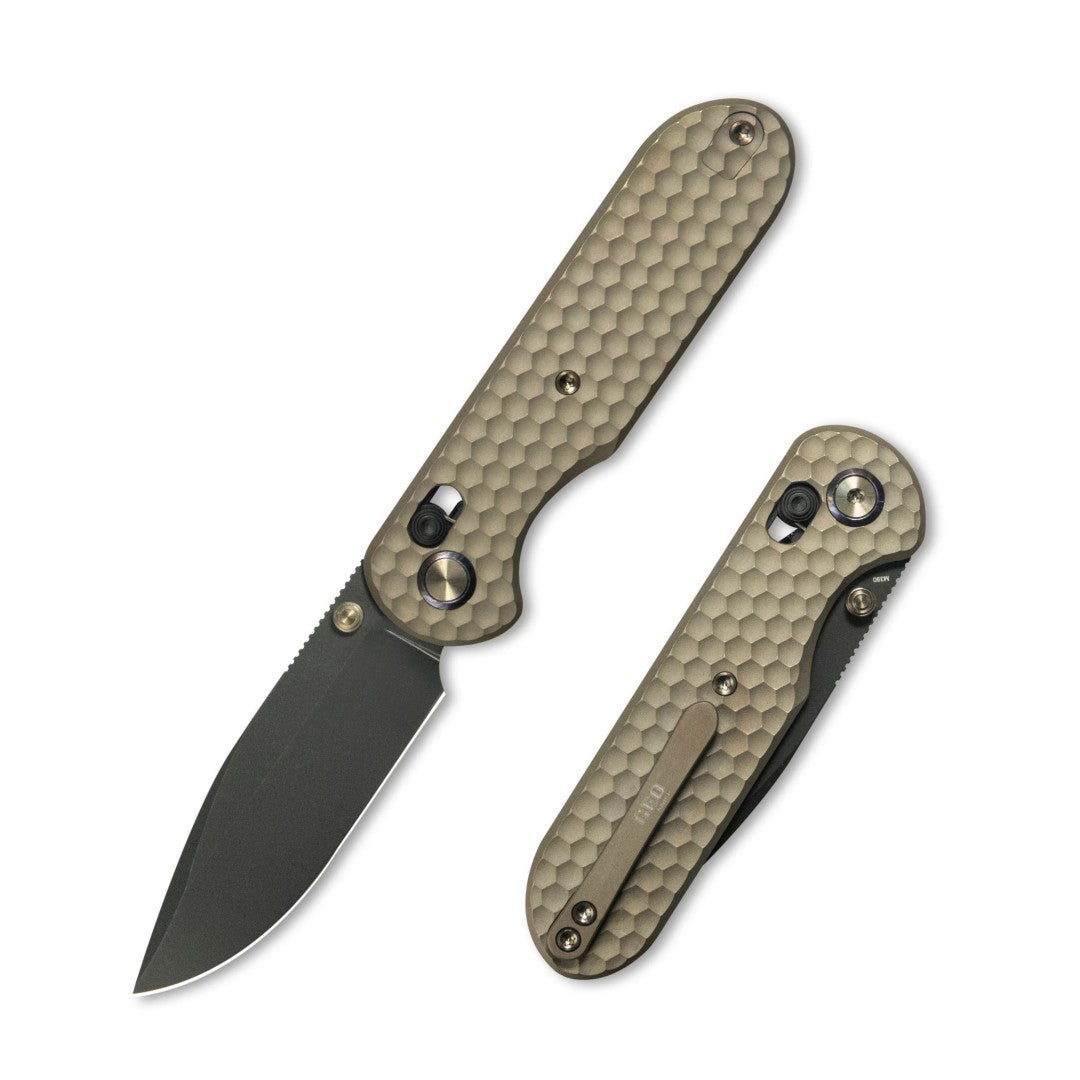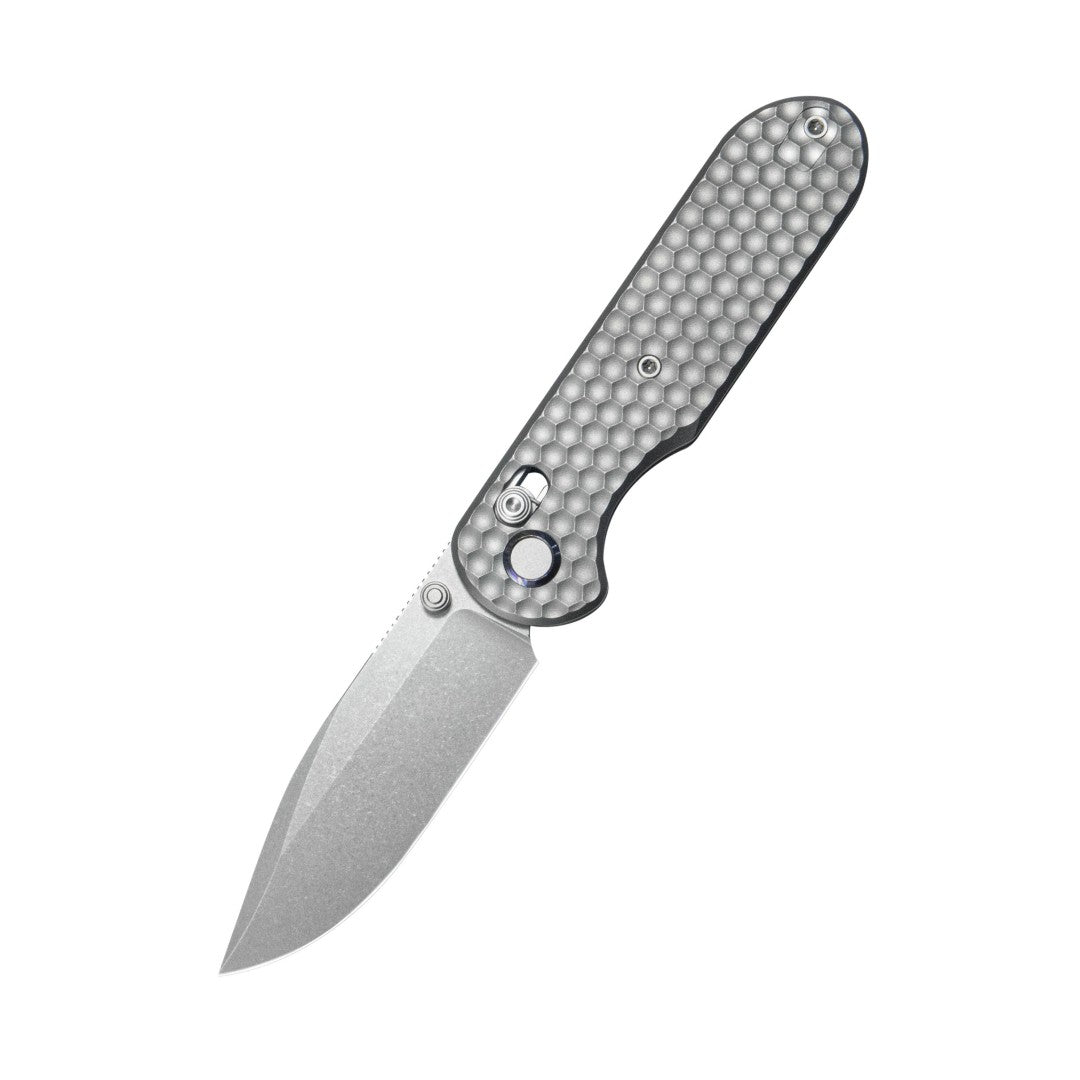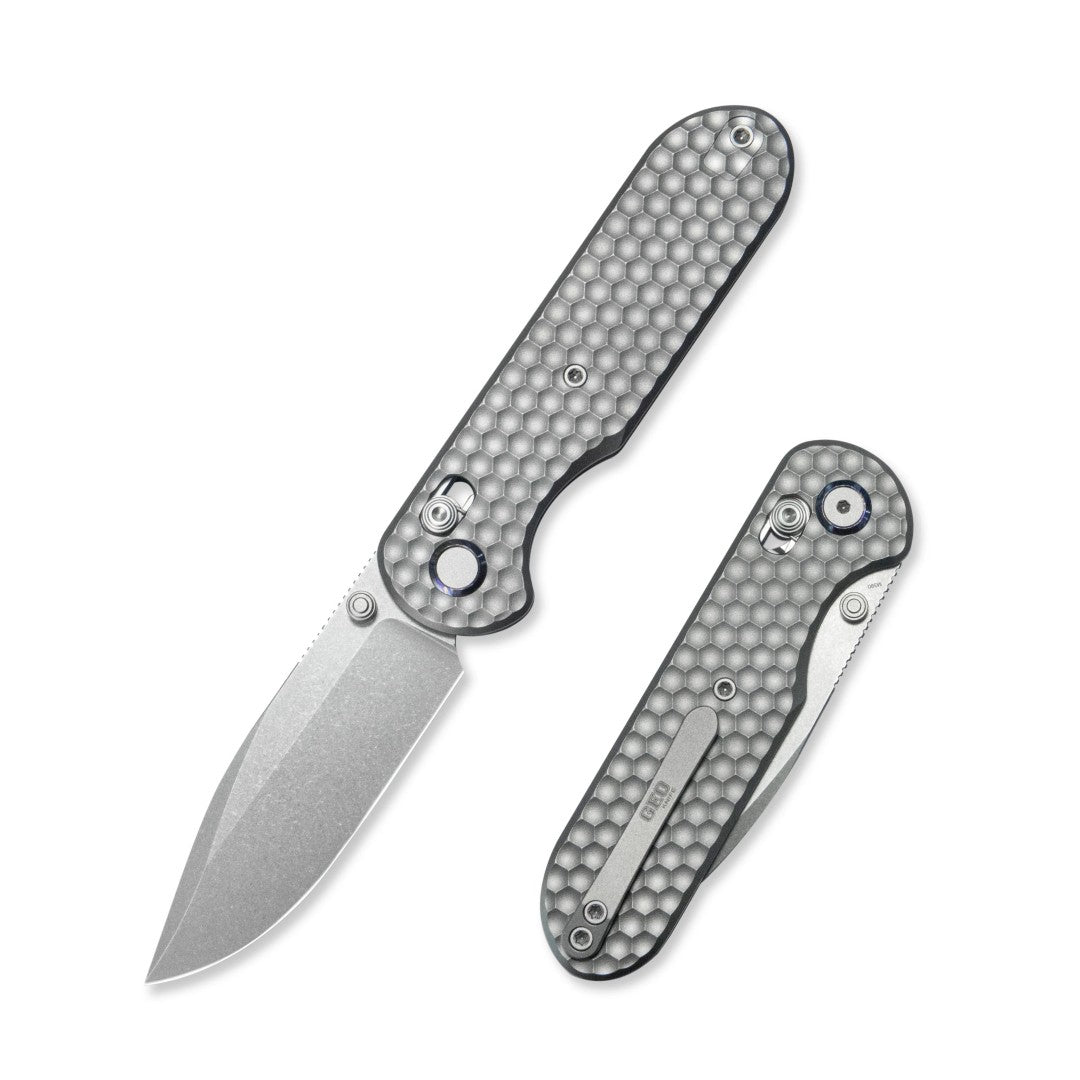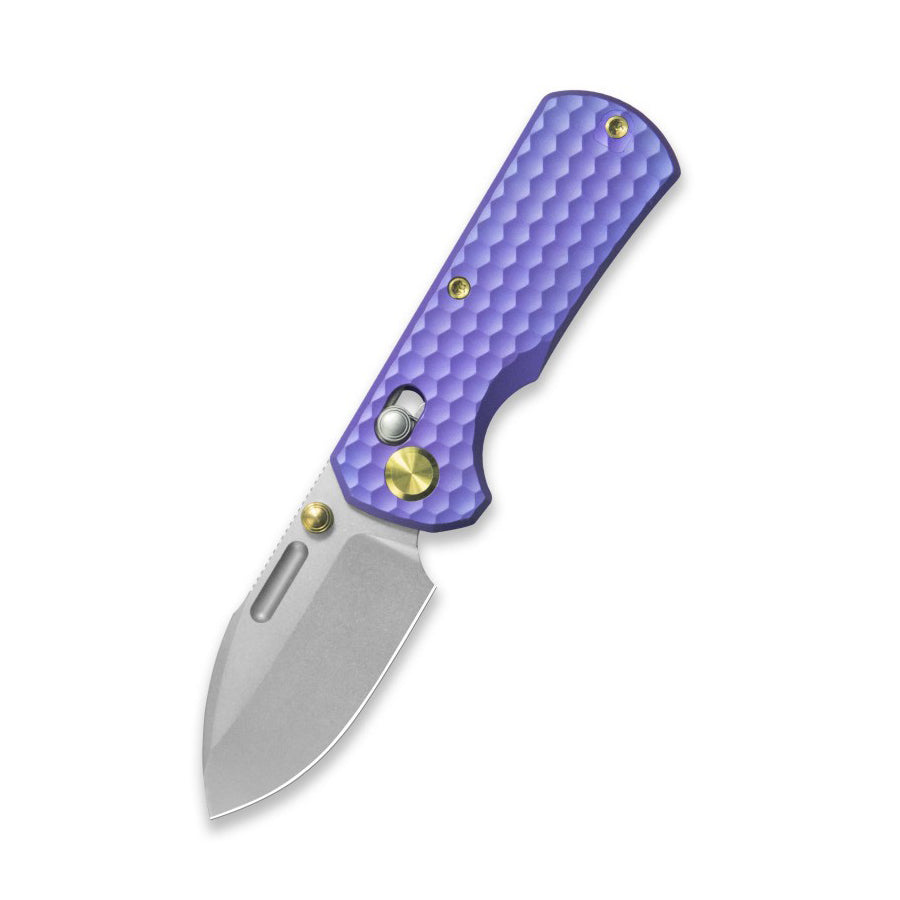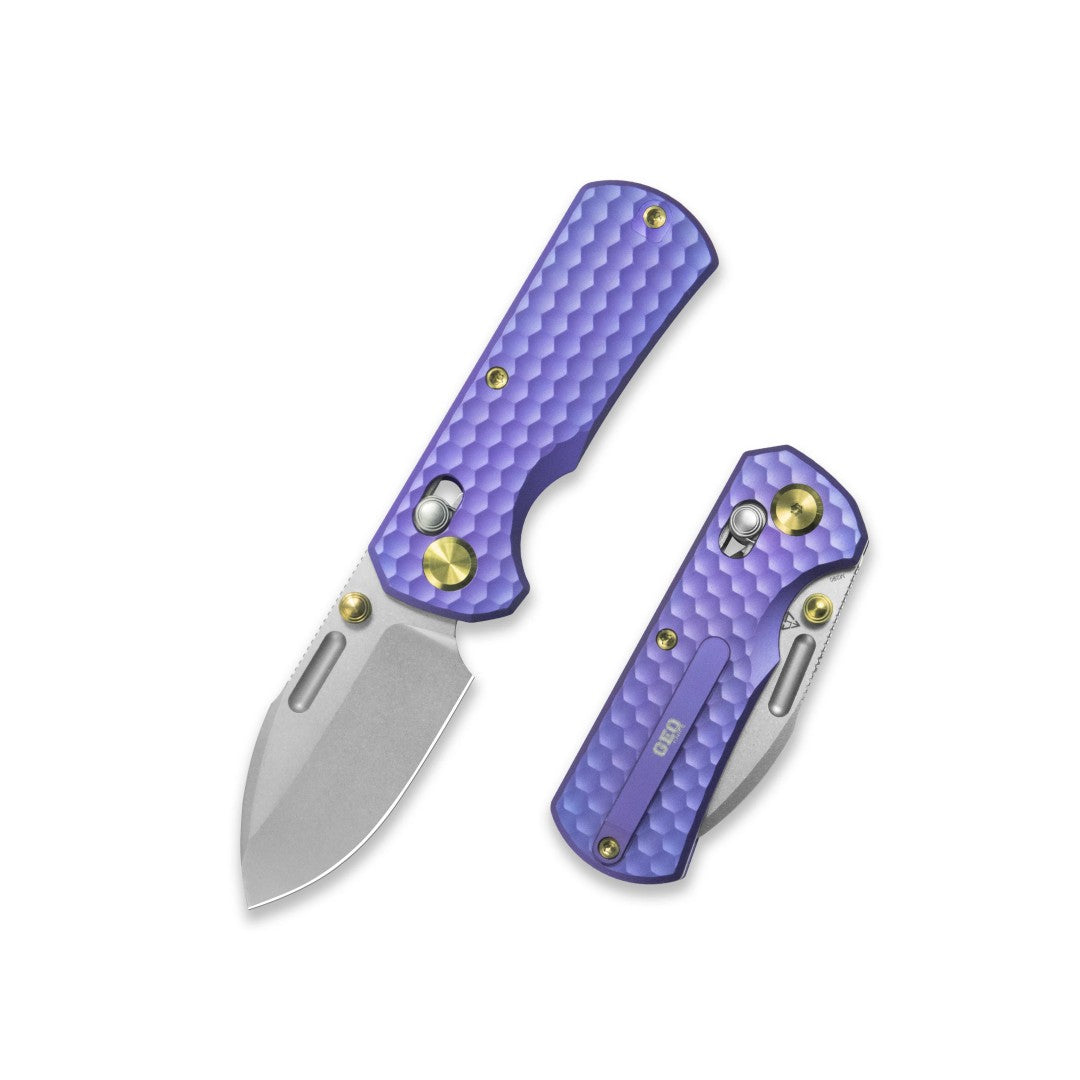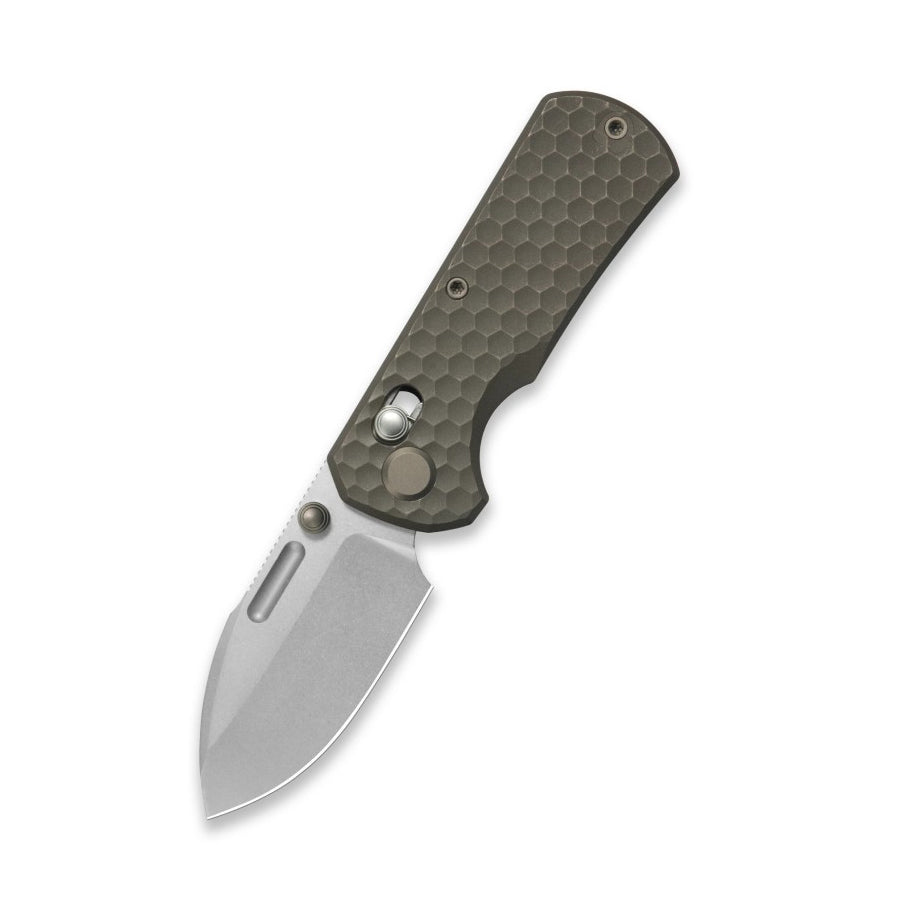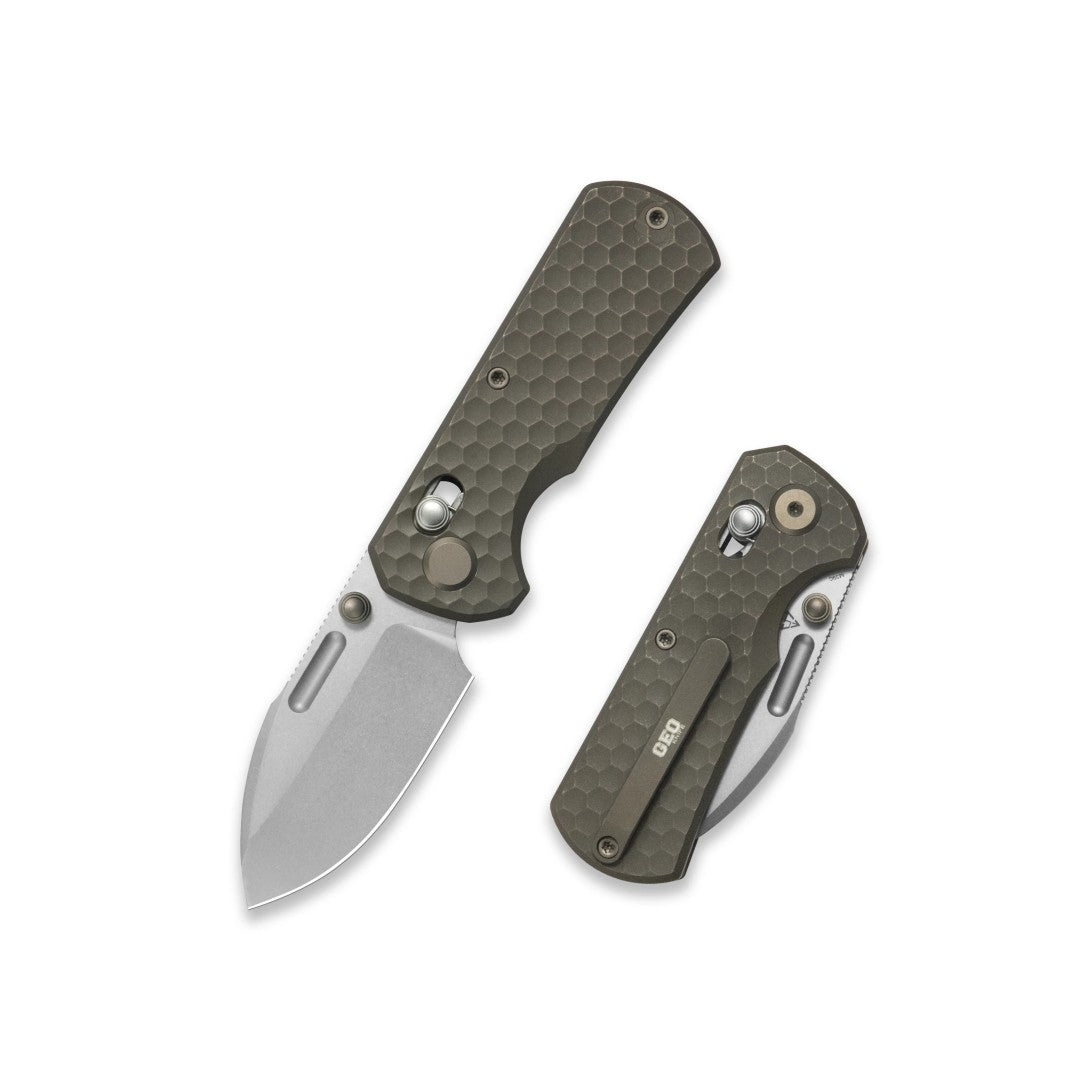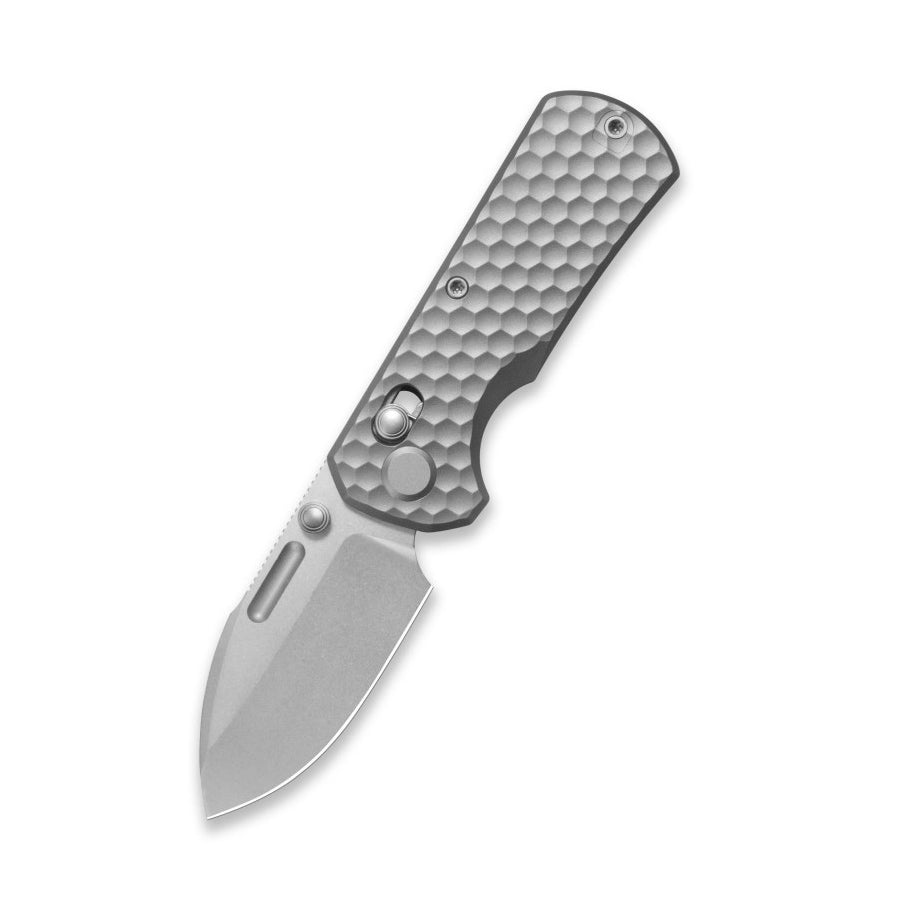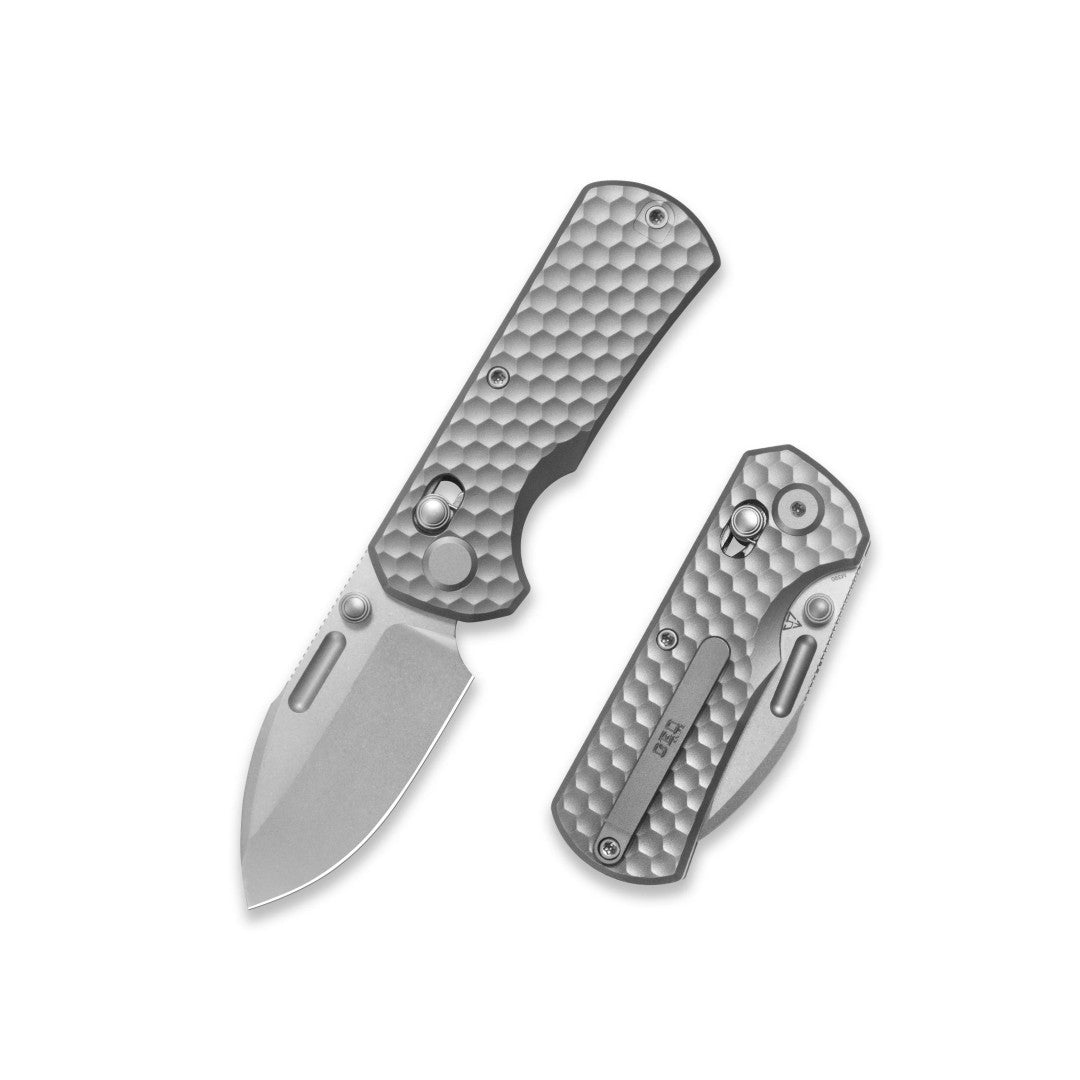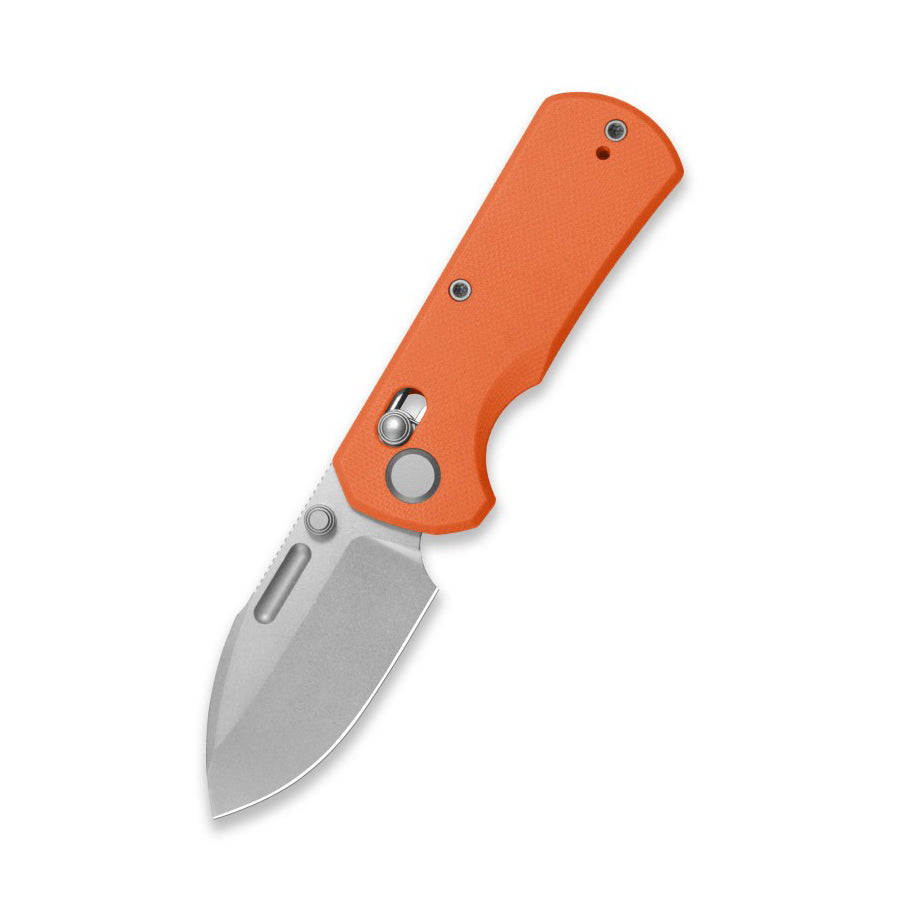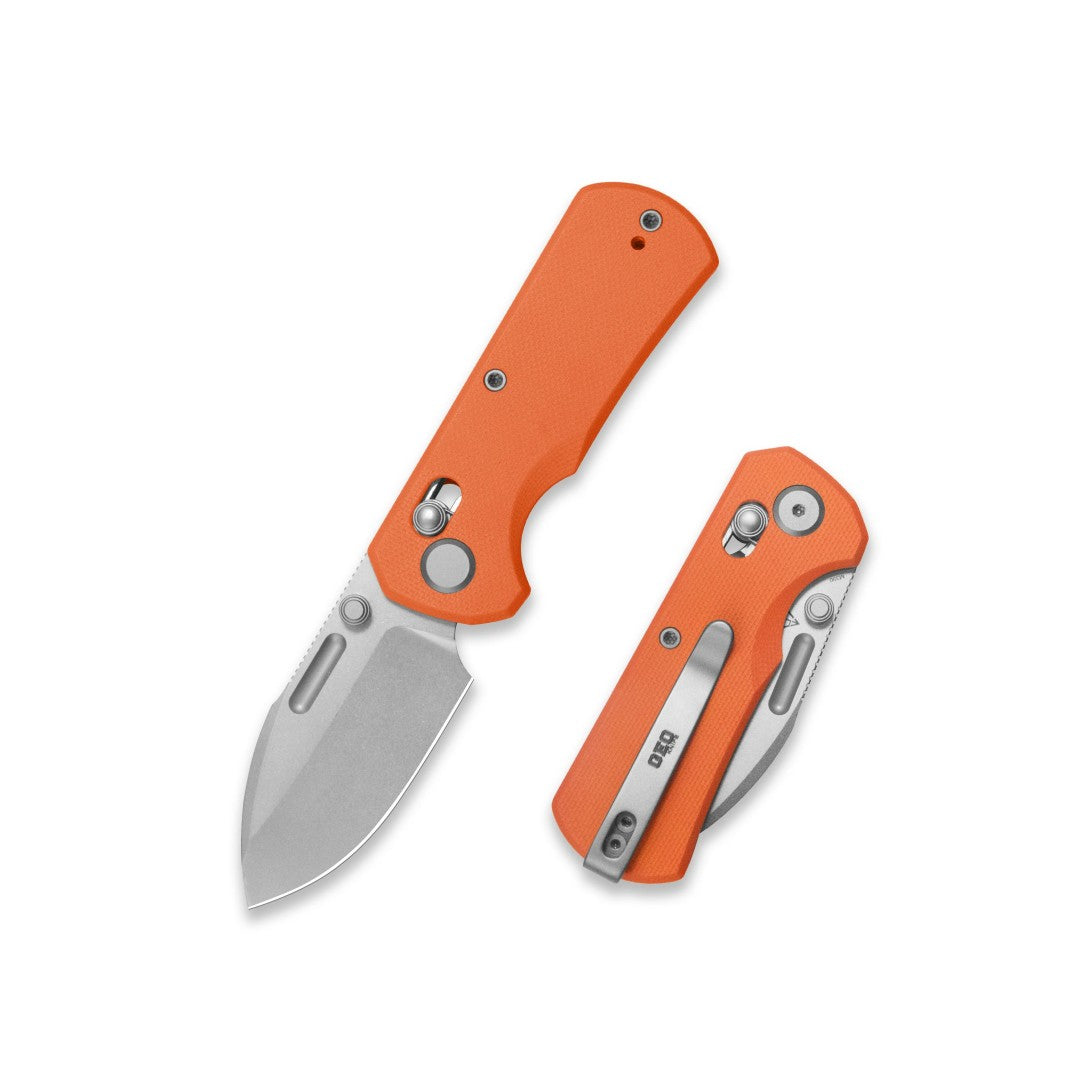

In the world of premium powder metallurgy tool steels, most options force you to make a choice: you can have extreme wear resistance like CPM-M4, or exceptional toughness like CPM-3V—but rarely both. CPM-4V was engineered to shatter that compromise. Developed by Crucible Industries as an upgrade to the legendary CPM-3V, CPM-4V occupies a coveted sweet spot in the steel universe: significantly higher wear resistance than its predecessor while maintaining outstanding toughness.
If you are looking for a blade that can hold an edge through punishing cutting tasks yet shrug off impact that would chip lesser steels, CPM-4V deserves your attention.
What Is CPM-4V Steel?
CPM-4V is a powder metallurgy, air-hardening high-vanadium cold work tool steel manufactured by Crucible Industries using their patented Crucible Particle Metallurgy (CPM) process. Crucible describes it as an “upgrade to 3V with higher hardness and better temper resistance for longer die life,” and it also offers better heat resistance than its predecessor.
The “4V” designation places it in Crucible’s high-vanadium family, with vanadium playing a starring role in its performance. In simple terms, CPM-4V delivers a combination of properties that includes high impact toughness and very good wear resistance. It should be considered whenever higher attainable hardness and additional abrasion resistance are required than what CPM-3V can offer.
A Brief History: The Missing Link
CPM-4V emerged as Crucible’s answer to a specific gap in their powder metallurgy lineup. CPM-3V was famous for exceptional toughness but offered only moderate wear resistance. CPM-M4 delivered extreme edge retention but could be brittle in thin cross-sections. Users wanted something in the middle: a steel that was tougher than M4 but more wear-resistant than 3V.
CPM-4V filled that gap perfectly. According to Spyderco’s Mule Team documentation, CPM-4V has significantly more carbon, vanadium, and molybdenum than CPM-3V, resulting in a steel capable of higher attainable hardness and even greater abrasion resistance than CPM-3V, combined with significantly better toughness and wear resistance than D2.
Today, CPM-4V is used by leading manufacturers including Spyderco, Benchmade, Bark River Knives, Kizer, and numerous custom makers.
The Chemistry Behind the Performance
The performance of CPM-4V comes down to its carefully balanced composition. According to Spyderco’s technical specifications, the exact chemistry is:
| Element | Percentage | What It Does |
|---|---|---|
| Carbon (C) | 1.35% | Provides high hardness, edge retention, and wear resistance |
| Vanadium (V) | 3.85% | Forms hard vanadium carbides for wear resistance and grain refinement |
| Molybdenum (Mo) | 2.95% | Enhances toughness, strength, and high-temperature performance |
| Chromium (Cr) | 5.0% | Provides mild corrosion resistance; below stainless threshold |
| Silicon (Si) | 0.80% | Improves strength and acts as a deoxidizer |
| Manganese (Mn) | 0.40% | Enhances hardenability and tensile strength |
The 1.35% carbon content is significantly higher than CPM-3V (0.80%), enabling the formation of a larger volume of wear-resistant carbides. The 3.85% vanadium produces fine, extremely hard vanadium carbide particles that provide exceptional wear resistance without sacrificing toughness—because vanadium carbides are among the hardest carbides known. The 5% chromium provides some rust protection but falls well short of the 10.5% threshold required for stainless classification.
Key Properties and Performance
Hardness
CPM-4V is heat treatable to 60–64 HRC on the Rockwell scale, with the ability to reach up to 64.5 HRC with advanced protocols including cryogenic treatment and triple tempering. Most production knives are tempered in the 62–64 HRC range, offering an exceptional balance of wear resistance and edge retention.
Toughness
Toughness remains a defining strength of CPM-4V. While it is not as tough as CPM-3V—which offers extreme malleability under impact—CPM-4V is noticeably tougher than CPM-M4. According to Crucible’s Charpy impact testing, at 62 HRC, CPM-4V achieves an impact toughness of approximately 36 ft-lbs. This is significantly higher than CPM-M4, making CPM-4V far more resistant to chipping under impact.
As one BladeForums user summarized the comparison: compared to CPM-3V, CPM-4V is “less tough (noticeable) [and] higher edge retention (noticeable).” Compared to S35VN, it is “more tough (very noticeable) [with] on par edge retention”. This positions CPM-4V as a versatile all-rounder that can handle demanding tasks without sacrificing durability.
Edge Retention and Wear Resistance
Edge retention is where CPM-4V truly outshines its sibling. Independent testing shows that CPM-4V offers significantly better edge retention than CPM-3V while maintaining good toughness. The high vanadium content (3.85%) produces fine, hard vanadium carbides that resist abrasion effectively, meaning the blade will maintain a working edge through extended cutting sessions involving cardboard, rope, wood, and other abrasive materials.
In practical terms, users report that CPM-4V “holds it longer and it’s extremely tough and strong”. For users who want a blade that stays sharp through heavy use without being brittle, CPM-4V delivers.
Corrosion Resistance
CPM-4V is not a stainless steel. With only 5% chromium, it lacks the chromium content needed to form a fully passive oxide layer. In practice, this means the steel can rust if neglected, particularly in humid environments or around saltwater.
However, many users report that with reasonable care—wiping the blade dry after use and applying a light coat of oil occasionally—corrosion is a non-issue. As one user noted: “4V has 5% chrome so it can rust, but in my applications (including kitchen) not easily so. Just need to keep your knives clean for storage”.
Ease of Sharpening
Because of its high vanadium carbide content, CPM-4V is harder to sharpen than simpler steels like 440C or AUS-8. Diamond stones are recommended for best results. However, it is not as difficult as CPM-M4, and many users find that with proper equipment, CPM-4V takes a very keen edge and responds well to sharpening.
CPM-4V vs. Other Knife Steels
CPM-4V vs. CPM-3V
This is the most direct comparison. CPM-4V offers superior edge retention and wear resistance compared to CPM-3V, while CPM-3V is noticeably tougher and more resistant to edge rolling under impact. CPM-3V is also slightly more corrosion-resistant due to its slightly higher chromium content. The choice depends on your priorities: choose CPM-3V for maximum toughness and impact resistance; choose CPM-4V for better edge retention while still maintaining excellent toughness.
CPM-4V vs. CPM-M4
CPM-M4 offers superior edge retention and wear resistance compared to CPM-4V, making it a favorite for users who prioritize cutting performance above all else. However, CPM-4V is significantly tougher than CPM-M4, meaning it is much less prone to chipping under impact or lateral stress. CPM-4V also has slightly better corrosion resistance and is easier to sharpen. For competition choppers and hard-use outdoor knives, many users prefer CPM-4V over CPM-M4.
CPM-4V vs. S35VN
S35VN is a stainless steel with good corrosion resistance and balanced properties. CPM-4V offers significantly higher toughness than S35VN while delivering comparable edge retention. However, S35VN is stainless and requires less maintenance. For users in humid environments who prioritize corrosion resistance, S35VN is the better choice. For users who prioritize toughness and edge retention and are willing to provide basic maintenance, CPM-4V is superior.
CPM-4V vs. MagnaCut
MagnaCut is a newer stainless steel designed by Dr. Larrin Thomas to match non-stainless performance with stainless corrosion resistance. MagnaCut offers slightly higher toughness than CPM-4V (38 ft-lbs at 62.5 HRC vs. 36 ft-lbs at 62 HRC) and superior corrosion resistance (stainless vs. non-stainless). However, CPM-4V is generally more affordable and has a proven track record. Choose MagnaCut if corrosion resistance is a priority; choose CPM-4V for excellent performance at a better value.
Heat Treatment and Manufacturing
The CPM process is what makes CPM-4V’s exceptional performance possible. Instead of casting large ingots that cool slowly and allow alloying elements to clump together, the CPM process atomizes molten steel into fine powder, then consolidates it under high pressure and temperature. The result is an extremely fine, uniform carbide structure that enhances edge retention, grinding, and polishing characteristics.
Crucible’s recommended heat treatment for CPM-4V includes:
-
For maximum toughness: Austenitize at 1800°F (982°C) for 30 minutes, air quench
-
For balanced wear resistance and toughness: Austenitize at 1875–1950°F (1024–1065°C) for 30 minutes
-
For maximum wear resistance: Austenitize at 2100°F (1149°C) for 15 minutes
Double tempering is required, with typical temperatures ranging from 1000–1100°F (524–593°C).
Best Applications for CPM-4V Steel
Thanks to its balanced combination of properties, CPM-4V excels in a variety of demanding applications:
-
Competition Chopping Knives – The combination of toughness and edge retention makes it a favorite among Bladesports competitors.
-
Hunting and Outdoor Knives – Bark River Knives and other makers use CPM-4V in fixed-blade outdoor knives that need to withstand field use.
-
EDC Folding Knives – Spyderco’s St. Nick’s Knives exclusive Para 3 in CPM-4V has become a collector favorite.
-
Kitchen Cutlery – Custom kitchen knives in CPM-4V offer exceptional edge retention and durability for daily prep work.
-
Industrial Tooling – Fine blanking, powder compaction tools, and processing of high-strength steels.
Pros and Cons
Advantages
-
Excellent balance of properties – Sits perfectly between CPM-3V (tougher) and CPM-M4 (more wear-resistant)
-
Superior edge retention to CPM-3V – Holds an edge significantly longer through abrasive cutting
-
High attainable hardness – Heat treatable to 62–64 HRC
-
Good toughness for a high-wear steel – Much tougher than CPM-M4 and other high-wear options
-
Fine, uniform carbide structure – CPM process ensures excellent grinding and polishing characteristics
-
Versatile – Suitable for everything from EDC folders to competition choppers
Limitations
-
Not stainless – Will rust if neglected; requires cleaning and occasional oiling
-
Harder to sharpen than simpler steels – Diamond stones recommended
-
Premium price point – Knives made from CPM-4V command a premium price
-
Less tough than CPM-3V – If maximum impact resistance is your priority, CPM-3V is a better choice
Is CPM-4V Right for You?
CPM-4V is an excellent choice for anyone who wants a high-performance blade that delivers excellent edge retention without sacrificing toughness. It is not stainless, and it requires a bit more maintenance than true stainless steels. But for users who prioritize cutting performance and durability over corrosion resistance—and are willing to provide basic care to prevent rust—CPM-4V is one of the most versatile high-performance steels available.
Choose CPM-4V if you:
-
Need a blade with exceptional edge retention that can still withstand impact
-
Want a steel that outperforms CPM-3V in wear resistance without becoming brittle
-
Are willing to provide basic maintenance (cleaning and occasional oiling)
-
Appreciate having one of the most balanced high-performance steels on the market
Look elsewhere if you:
-
Need a true stainless steel for saltwater or high-humidity environments
-
Require maximum toughness for extreme impact applications (choose CPM-3V)
-
Want the absolute highest edge retention (choose CPM-M4)
-
Prefer a budget-friendly option
Final Thoughts
CPM-4V steel represents a perfect meeting point in Crucible’s powder metallurgy lineup. It is not the toughest steel they make—that honor belongs to CPM-3V. It is not the most wear-resistant—that is CPM-M4. But for users who want a blade that stays sharp through heavy use while remaining tough enough to withstand the inevitable impacts and lateral stresses of real-world cutting, CPM-4V is a steel that delivers. It is the balanced powerhouse—and once you have carried a knife made from it, you will understand why.