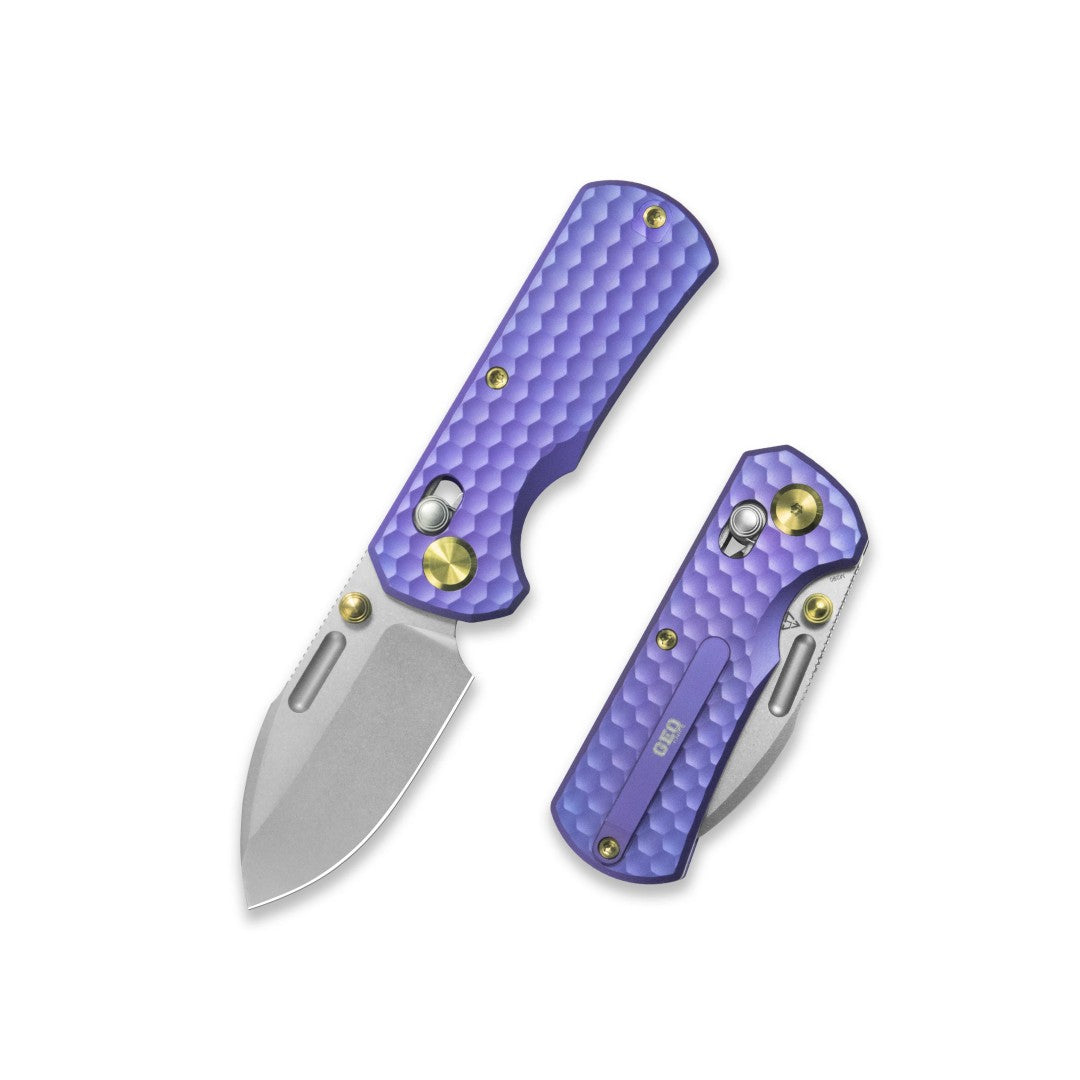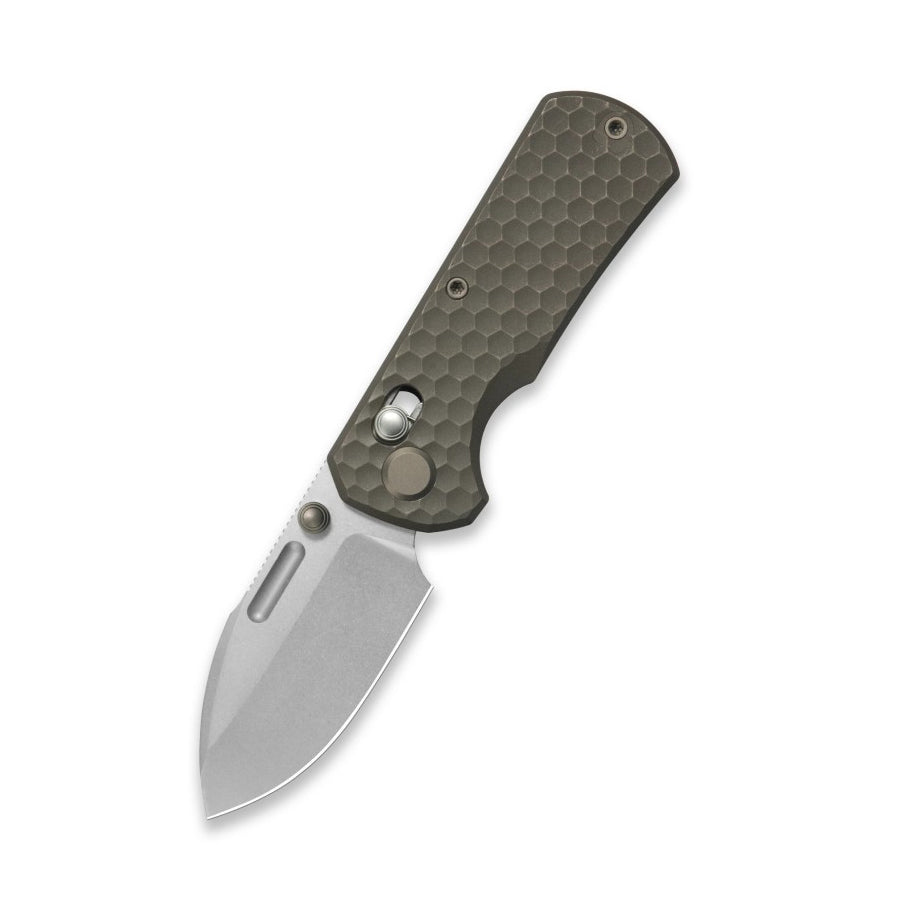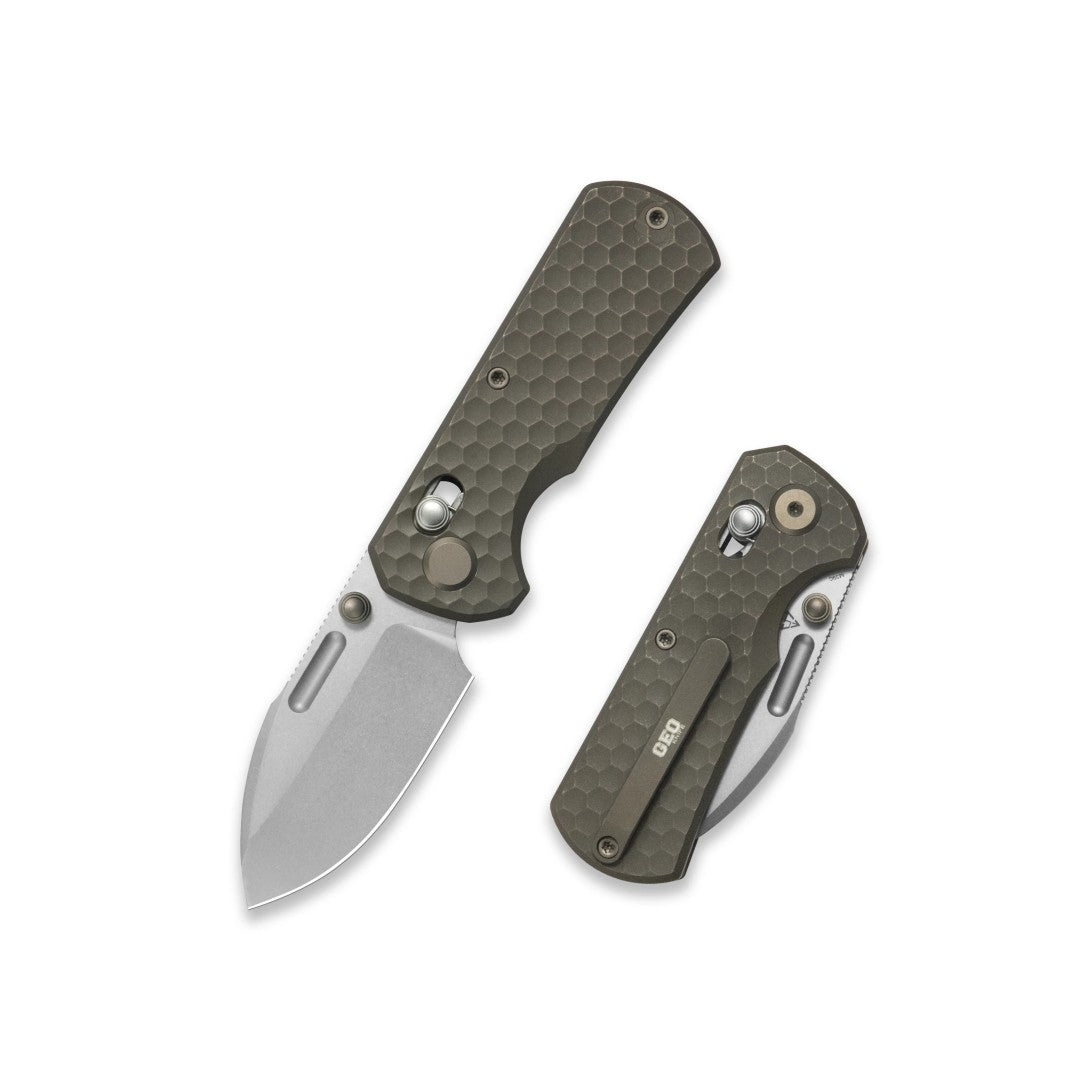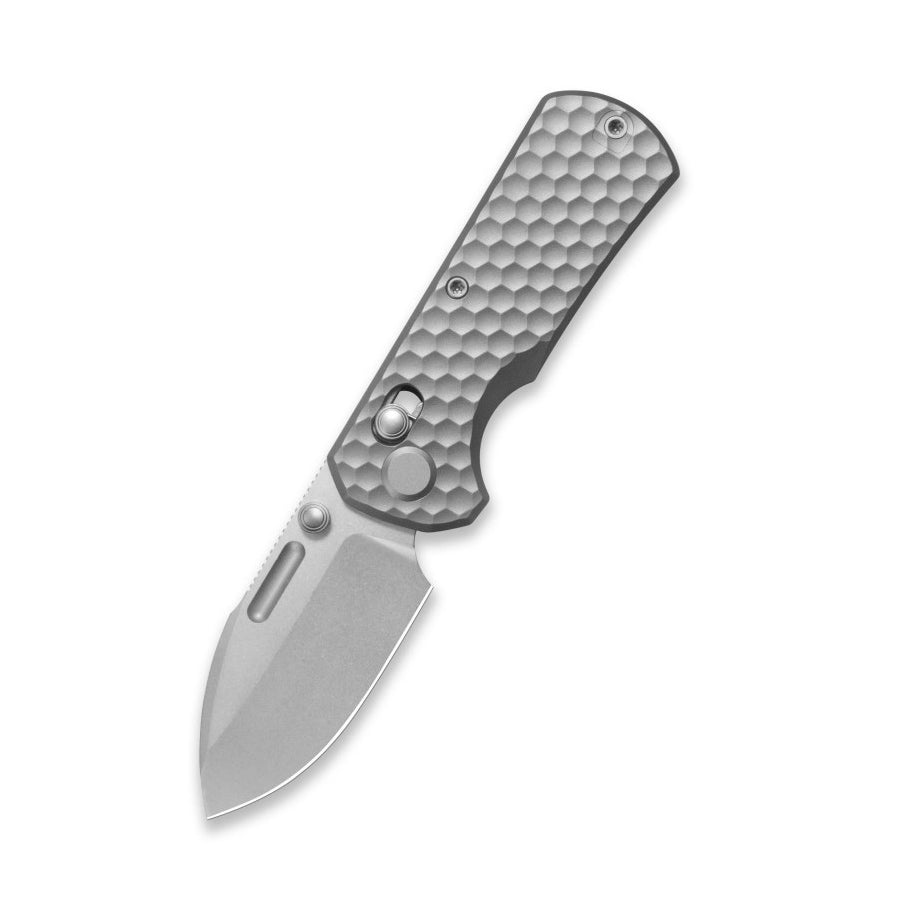

In the ever-evolving world of knife steels, few materials offer the exceptional balance of performance, corrosion resistance, and affordability found in Carpenter’s CTS BD1N. Developed through a unique collaboration between Carpenter Technology and Spyderco, this nitrogen-enhanced martensitic stainless steel has earned a reputation as one of the most practical and user-friendly blade steels on the market today. Whether you are an everyday carry (EDC) enthusiast, a professional chef, or simply someone who appreciates a well-crafted blade, understanding what makes CTS BD1N special will help you make informed decisions about your next knife purchase. This comprehensive guide will explore everything you need to know about this remarkable steel.
What Is CTS BD1N Steel?
CTS BD1N is a nitrogen-bearing, high-carbon chromium martensitic stainless steel manufactured by Carpenter Technology Corporation. It is the nitrogen-enhanced evolution of Carpenter’s CTS BD1 steel, designed to provide superior hardness capability while maintaining excellent toughness and corrosion resistance.
The “N” in its name is significant—it denotes the addition of nitrogen to the steel’s composition. Nitrogen molecules are approximately one-third the size of chromium, which allows for a more refined grain structure. The result is blade materials that take a much finer edge while also being less prone to chipping.
The Spyderco Connection
CTS BD1N has a unique origin story. Spyderco founder Sal Glesser revealed that Spyderco helped Carpenter develop their blade steels. When Carpenter’s head metallurgist asked what they could do to repay Spyderco for their efforts, Glesser explained that there was a Japanese steel made by Hitachi (GIN-1, also known as G-2) for which there was no American equivalent. He asked Carpenter to reproduce that steel in the US, powder it, and add some enhancements. The result was CTS BD1N. This collaboration explains why Spyderco has been one of the most enthusiastic adopters of BD1N across their product lineup.
Chemical Composition
The exceptional performance of CTS BD1N comes from its carefully balanced chemical composition. According to Carpenter’s specifications, the steel contains:
| Element | Percentage |
|---|---|
| Carbon (C) | 0.85–0.95% |
| Chromium (Cr) | 15.00–17.00% |
| Manganese (Mn) | 1.00% |
| Molybdenum (Mo) | 0.50% |
| Silicon (Si) | 1.00% |
| Nitrogen (N) | 0.10–0.15% |
| Phosphorus (P) | 0.03% |
| Sulfur (S) | 0.01% |
The high carbon and chromium content provides excellent hardness and corrosion resistance, while the nitrogen addition is the defining feature that sets BD1N apart from its predecessor. Nitrogen molecules are smaller than chromium, allowing for a finer grain structure and improved edge stability.
Key Performance Characteristics
Hardness (HRC)
CTS BD1N typically achieves a Rockwell hardness of 60–63 HRC, which is significantly higher than the 58–60 HRC range of its predecessor, CTS BD1. This higher hardness translates directly into improved wear resistance and edge retention without sacrificing toughness. At maximum hardness, BD1N can sustain high-polished edges with geometries as acute as 12°–15° per side.
Corrosion Resistance
This is where CTS BD1N truly excels. The steel has very high corrosion resistance, significantly above that of VG-10, CPM-S30V, and CPM-S35VN, and only slightly below CPM-S110V. The nitrogen enhancement boosts its ability to resist rust and corrosion, ensuring that your knife remains in top condition even in challenging conditions. In practical terms, it is perhaps as corrosion-resistant as one can get in a folding knife steel before edging into LC200N or H-1 territory.
Edge Retention
CTS BD1N offers respectable edge-holding ability that punches above its weight class. While it may not match the extreme edge retention of super steels like S90V or Maxamet, it holds a very sharp edge for a surprising amount of time. One user noted that BD1N seems to offer about the same edge retention as Spyderco’s SPY27 steel on cardboard. Another reviewer observed that for how easily it sharpens, one would think it would dull quickly—but it seems to outperform expectations in edge retention.
Toughness
CTS BD1N offers enhanced toughness compared to BD1 and many other steels in its class. At the same hardness level, BD1N can achieve higher toughness than VG-10 due to its chemistry. One user reported that BD1N is tougher than S30V, noting that it develops fewer small chips and tends to blunt and smooth over rather than creating a miniature saw-like edge. It is tough enough to support a thin edge, as evidenced by Spyderco’s use of BD1N in their Murray Carter Wakiita Series kitchen knives.
Sharpening Ease
One of the most celebrated features of CTS BD1N is how easy it is to sharpen. Multiple users describe the steel as “awesome” to sharpen, responding like butter to ceramic stones. Even after very tough jobs, the steel can be quickly and easily sharpened using a whetstone or knife sharpener. This ease of maintenance is a significant advantage for users who prefer to keep their knives in peak condition without investing in specialized sharpening equipment.
CTS BD1N vs. CTS BD1: The Nitrogen Difference
The most notable difference between CTS BD1N and CTS BD1 is the addition of nitrogen. CTS BD1 contained 0.10% vanadium, while BD1N replaces that with 0.10–0.15% nitrogen. While this may look like a small change, 0.10% nitrogen produces almost four times more atoms than vanadium due to its smaller molar mass. The result is a steel with higher working hardness, superior corrosion resistance, and better wear resistance compared to BD1. As one Spyderco forum member put it, BD1N is “the answer to everything you like about BD1”—it doesn’t roll over at the edge as much and is more wear-resistant without much consequence.
How CTS BD1N Compares to Other Popular Steels
CTS BD1N vs. S30V
S30V is widely regarded as a benchmark for premium knife steels. When compared side by side, BD1N offers slightly higher hardness and enhanced toughness, making it more resistant to chipping under heavy use. BD1N also offers significantly better corrosion resistance. However, S30V takes the lead in overall edge retention, maintaining an aggressive, ragged edge for longer periods before needing a touch-up. The trade-off is that BD1N is dramatically easier to sharpen, while S30V can be more challenging and often requires specialized tools.
CTS BD1N vs. VG-10
BD1N offers superior corrosion resistance to VG-10 and can achieve higher toughness at the same hardness levels. While VG-10 has slightly higher peak potential hardness, the practical implications on wear resistance and edge holding are negligible in real-world use. Both steels are relatively easy to sharpen, but BD1N’s nitrogen-enhanced grain structure gives it an edge in stability.
CTS BD1N vs. 14C28N
BD1N is often compared to Sandvik’s 14C28N, another nitrogen-enhanced steel. While they share some similarities, BD1N is described as a “440-type variant” that doesn’t have the same fine microstructure as 14C28N or AEB-L. Both are excellent choices for users who prioritize corrosion resistance and ease of sharpening over extreme edge retention.
Popular Knives Featuring CTS BD1N
Several major manufacturers have embraced CTS BD1N for their product lines, with Spyderco leading the way:
-
Spyderco Paramilitary 2 Lightweight: A full-flat-ground blade in an ultra-lightweight FRN handle
-
Spyderco Native Chief Lightweight: Features a full-flat-ground blade with excellent ergonomics
-
Spyderco Para 3 Lightweight: A fan-favorite EDC knife available with BD1N
-
Spyderco Shaman Lightweight: Known for its corrosion resistance and surprisingly good edge retention
-
Spyderco Z-Cut Series: Kitchen knives that showcase BD1N’s corrosion resistance in food-prep environments
-
Spyderco Murray Carter Wakiita Series: Japanese-style kitchen knives with full-flat-ground BD1N blades
-
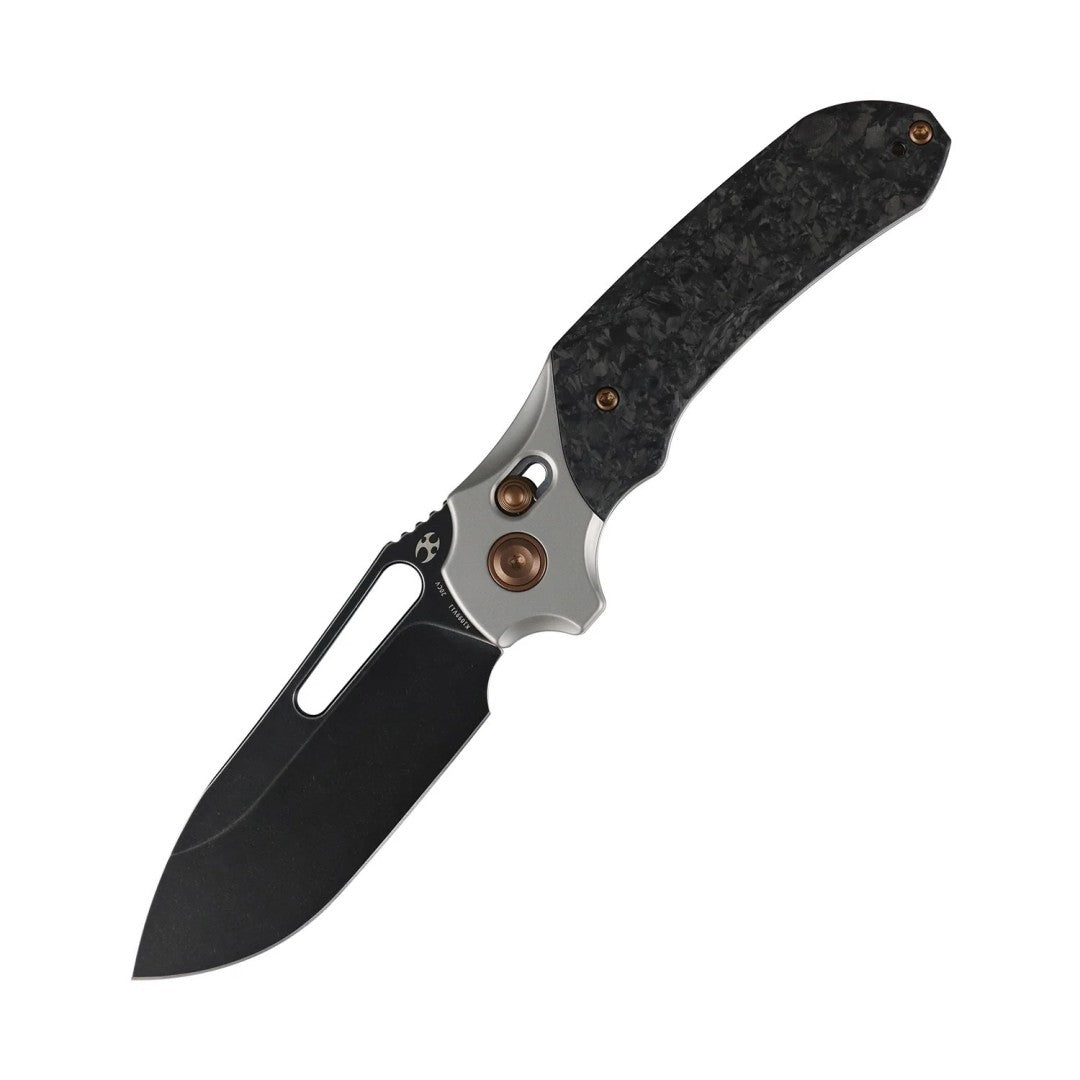
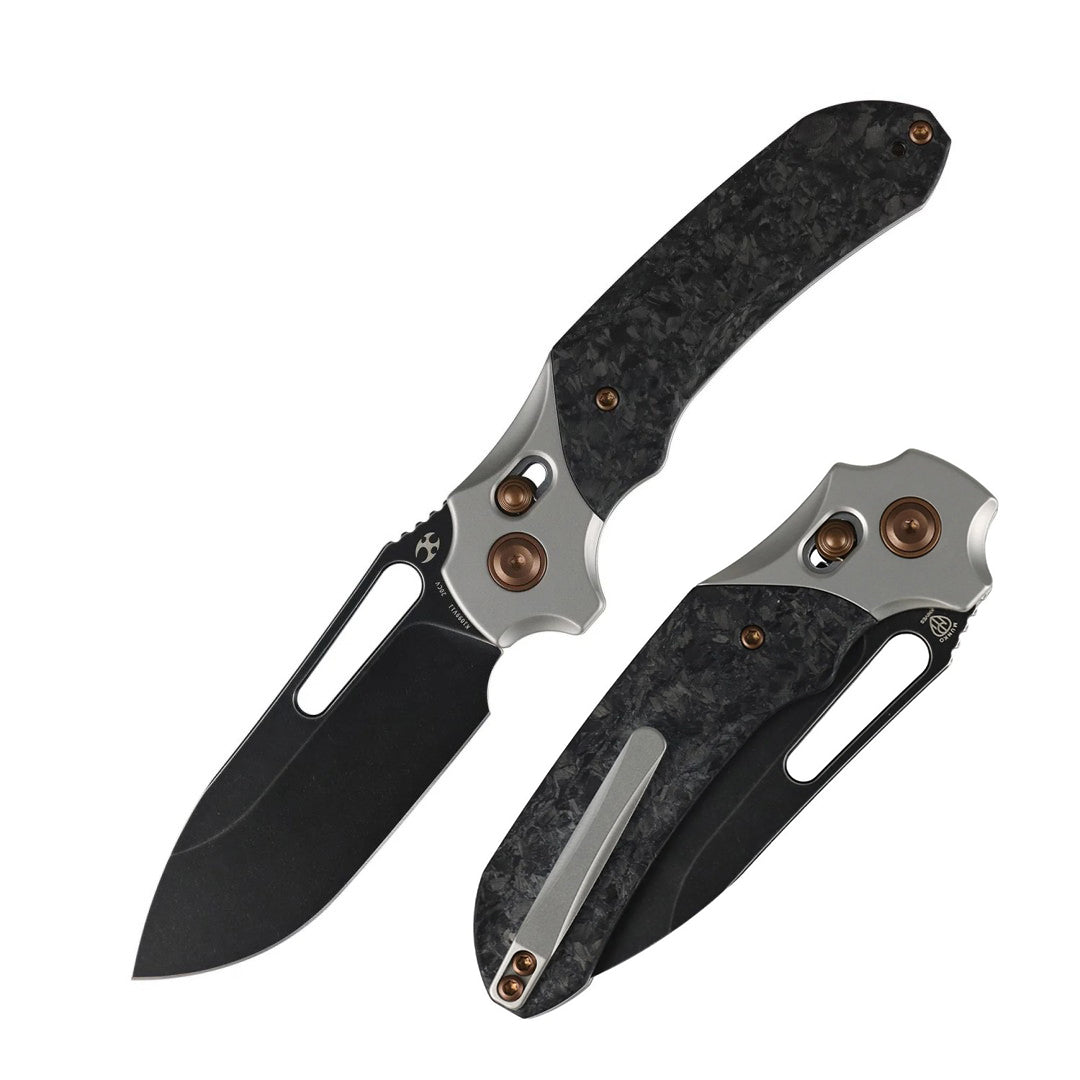
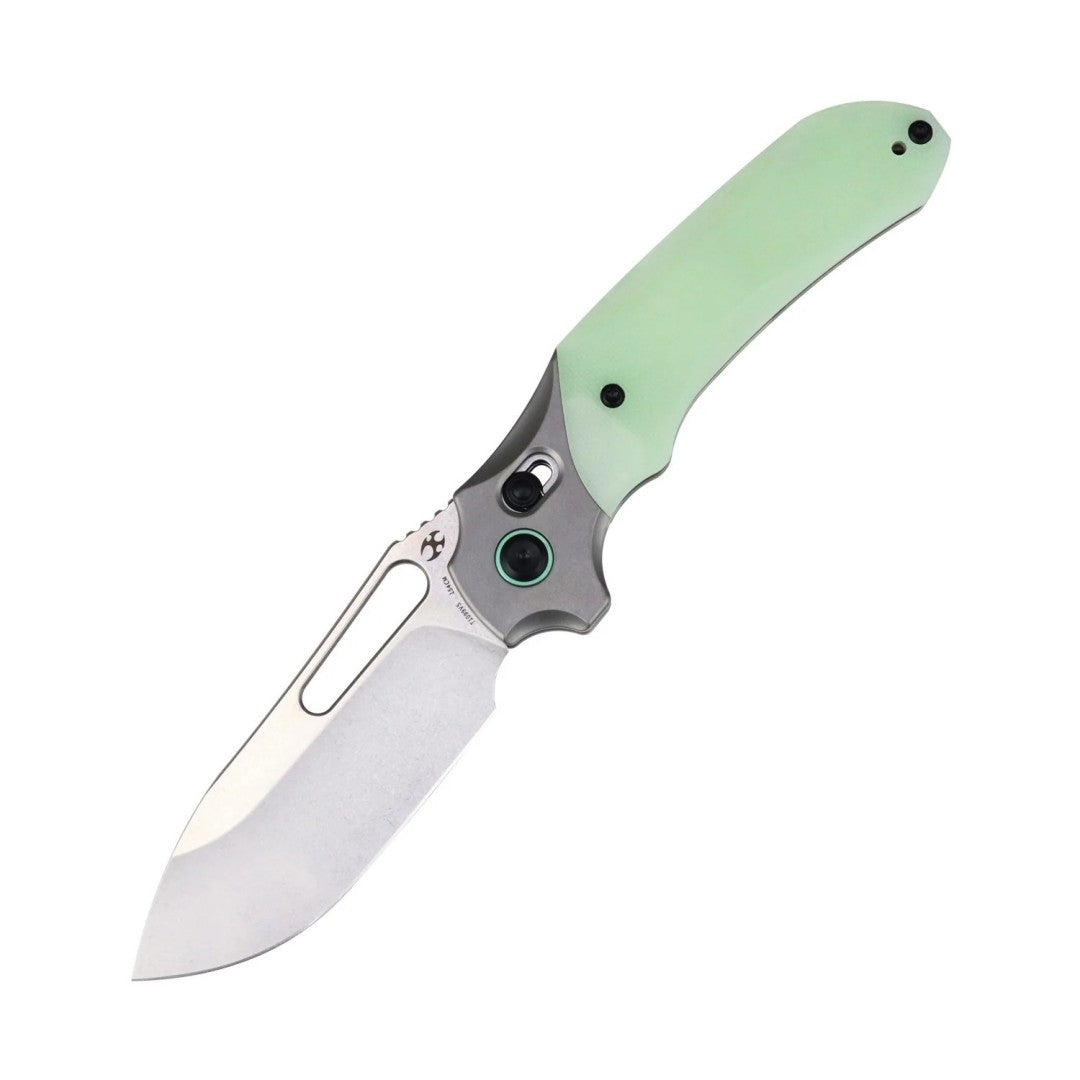
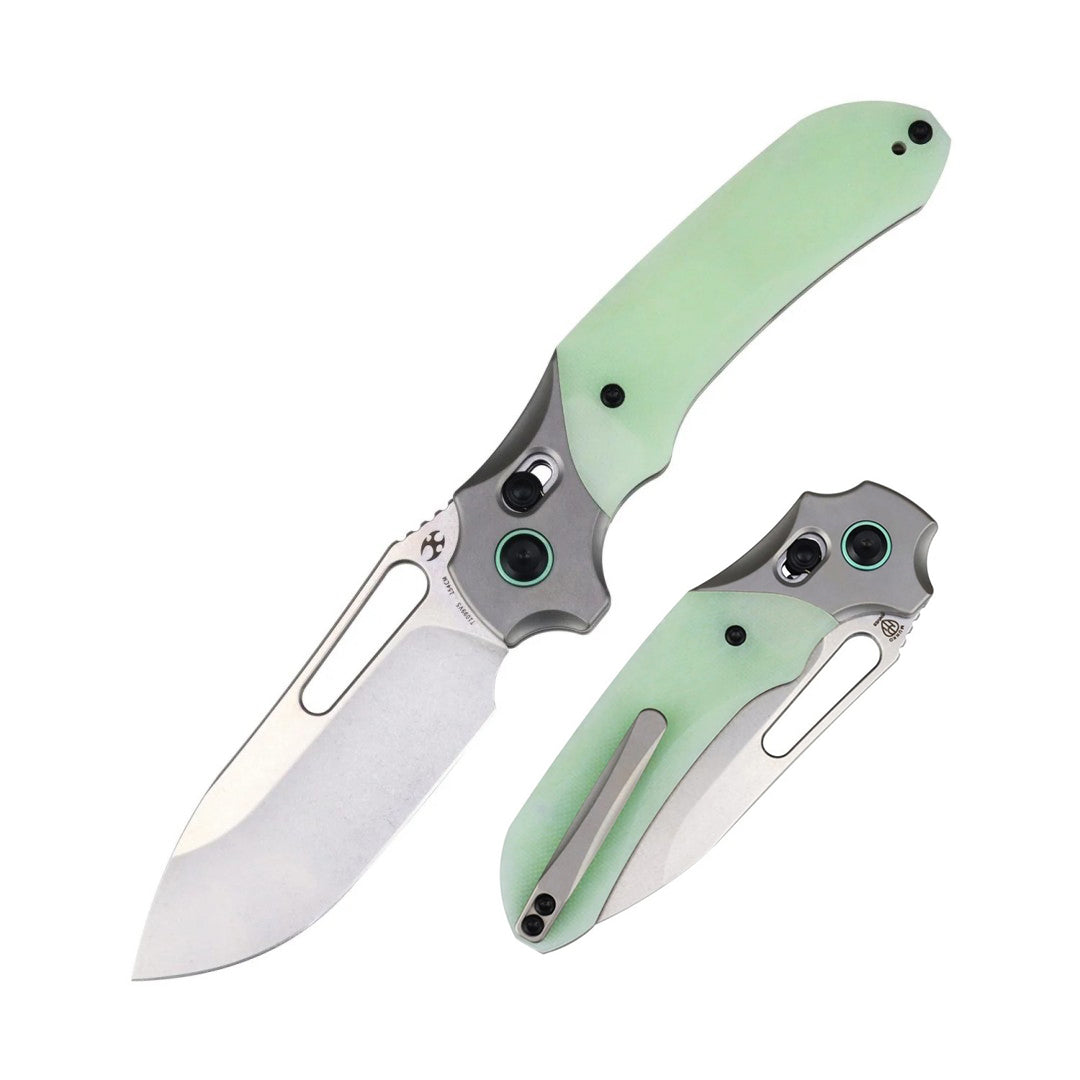
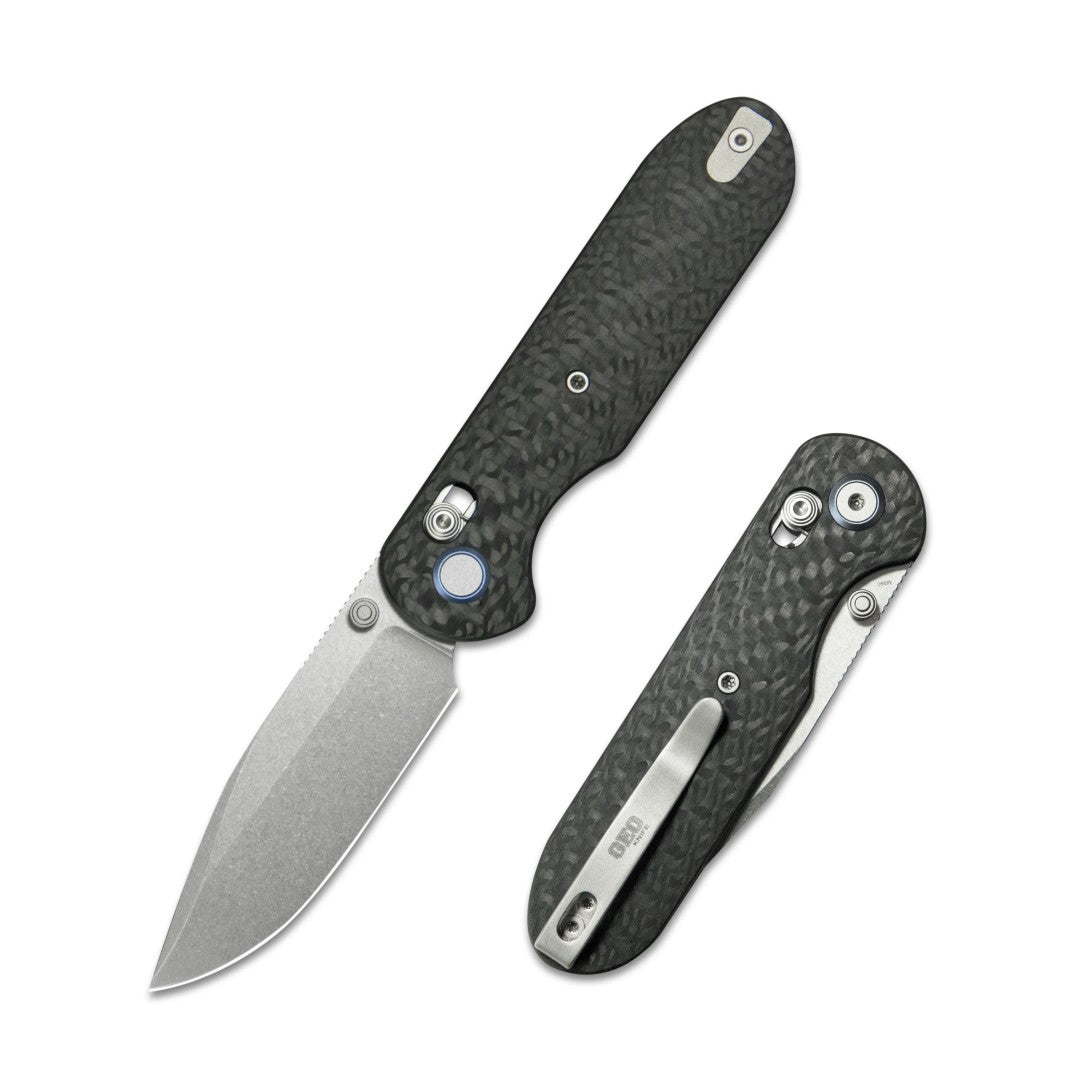
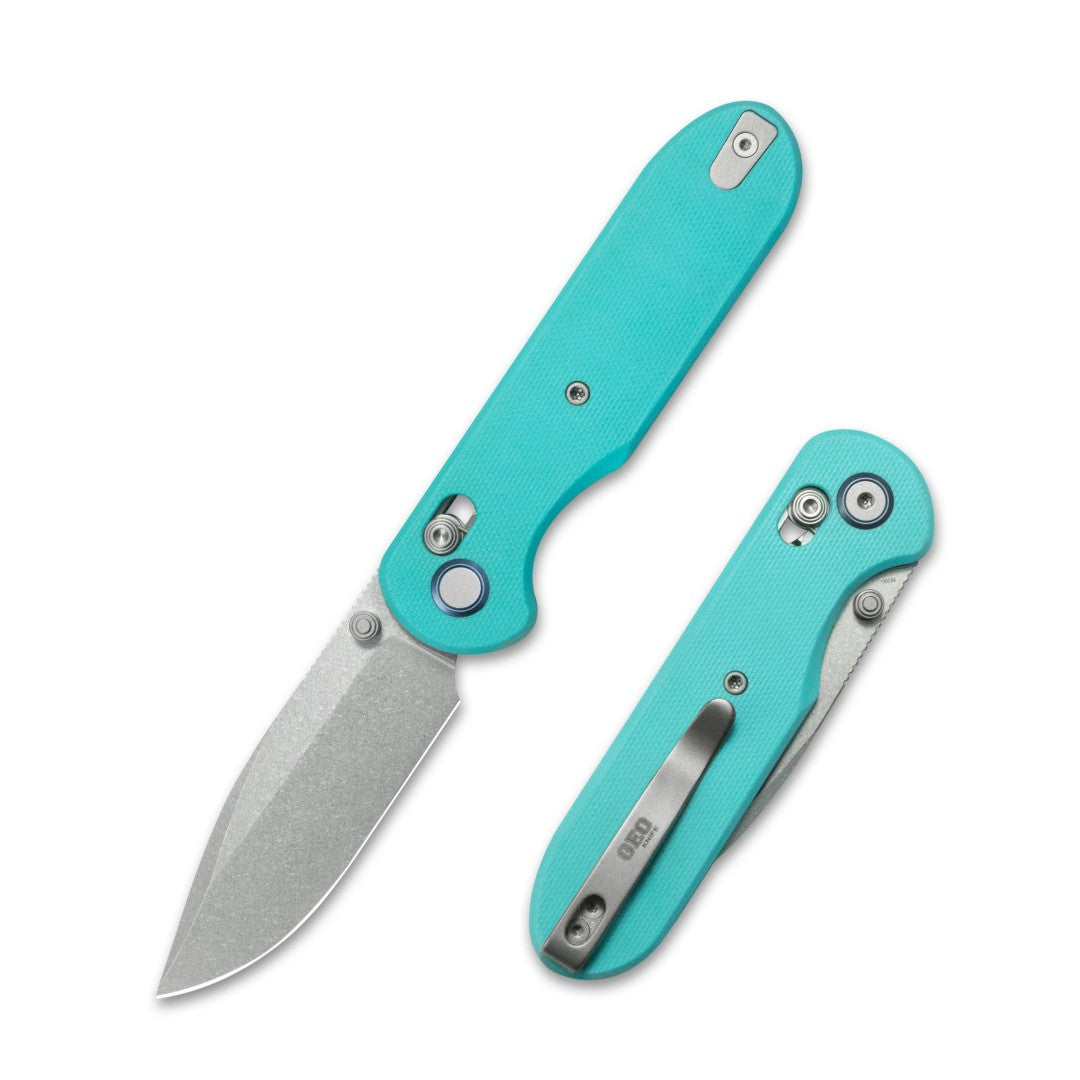
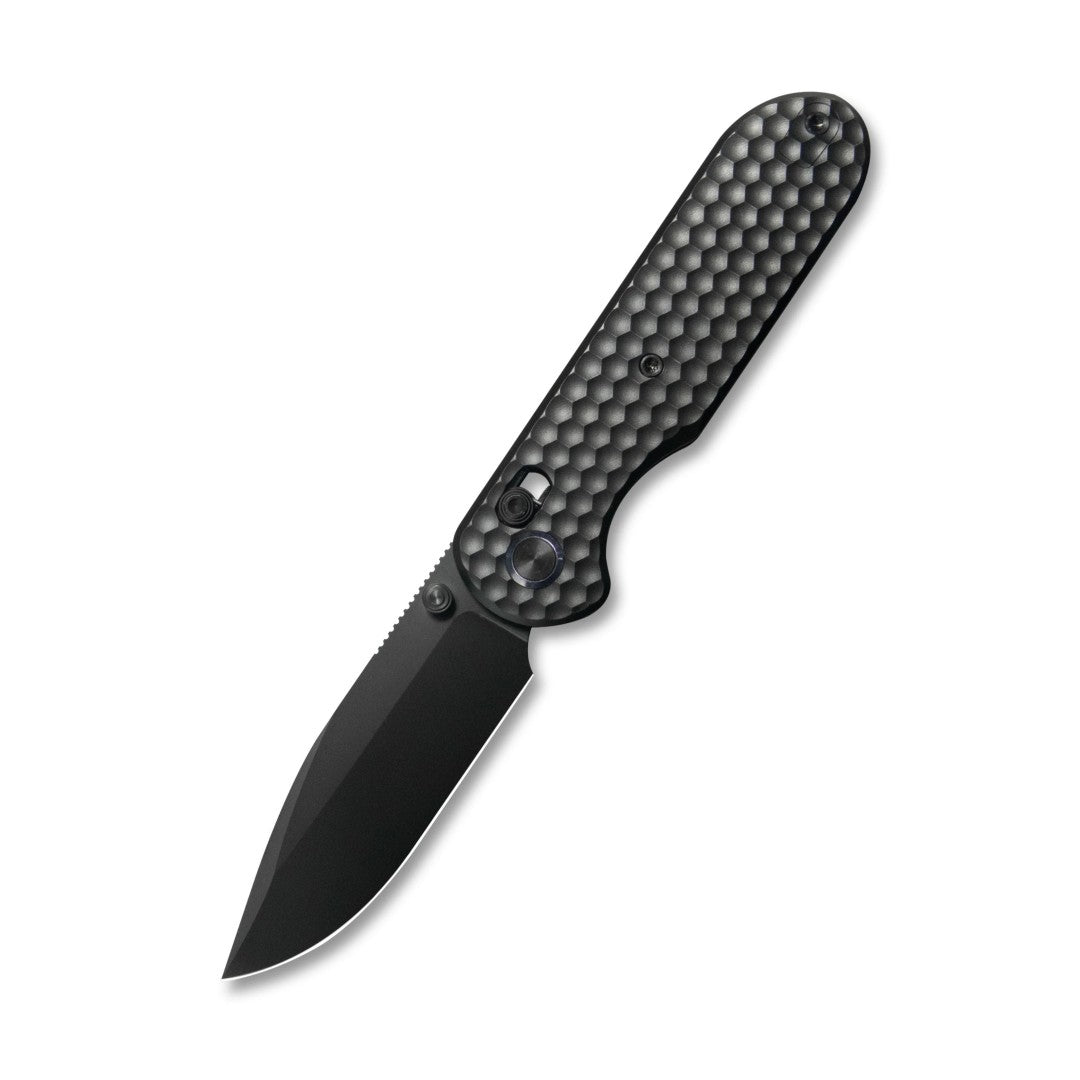
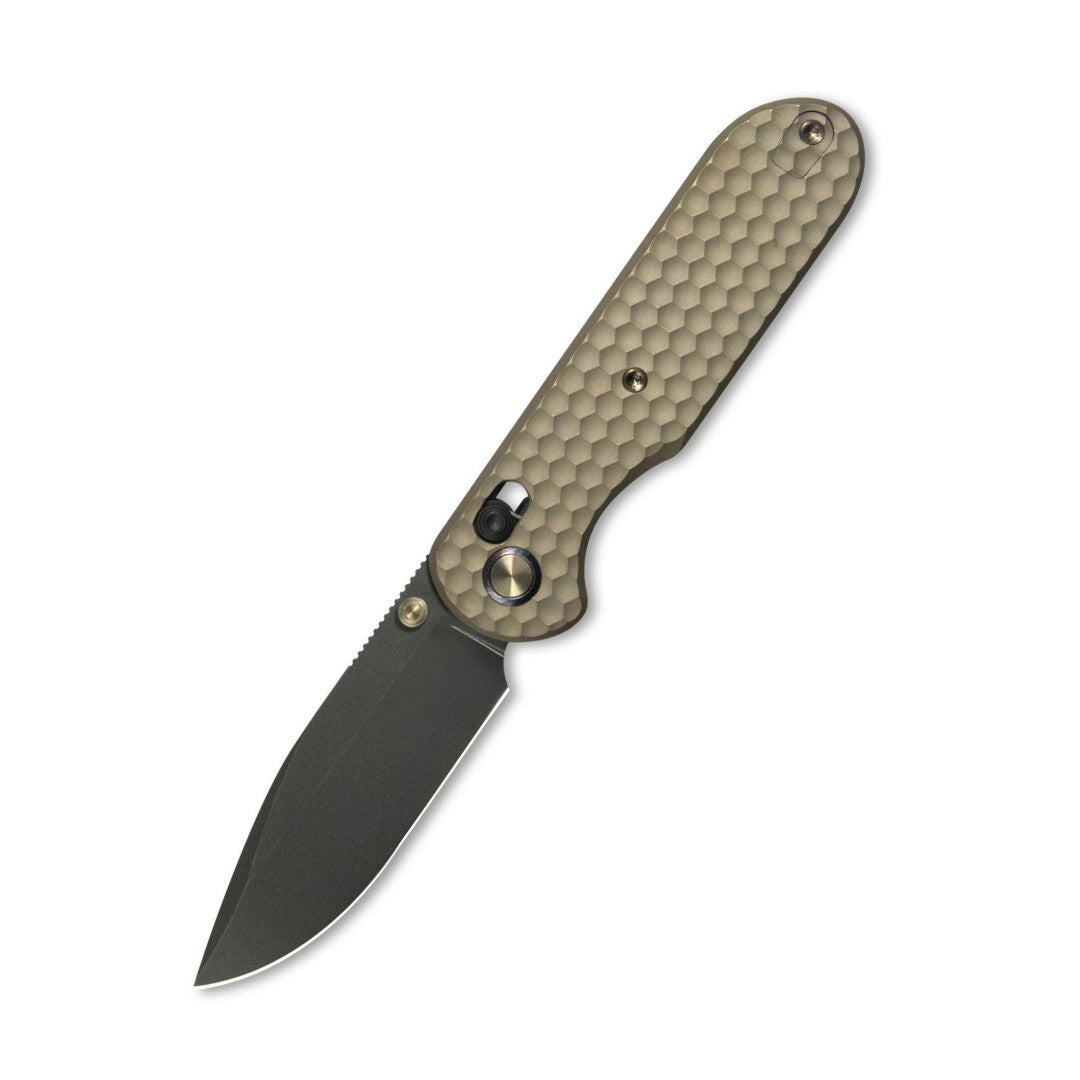
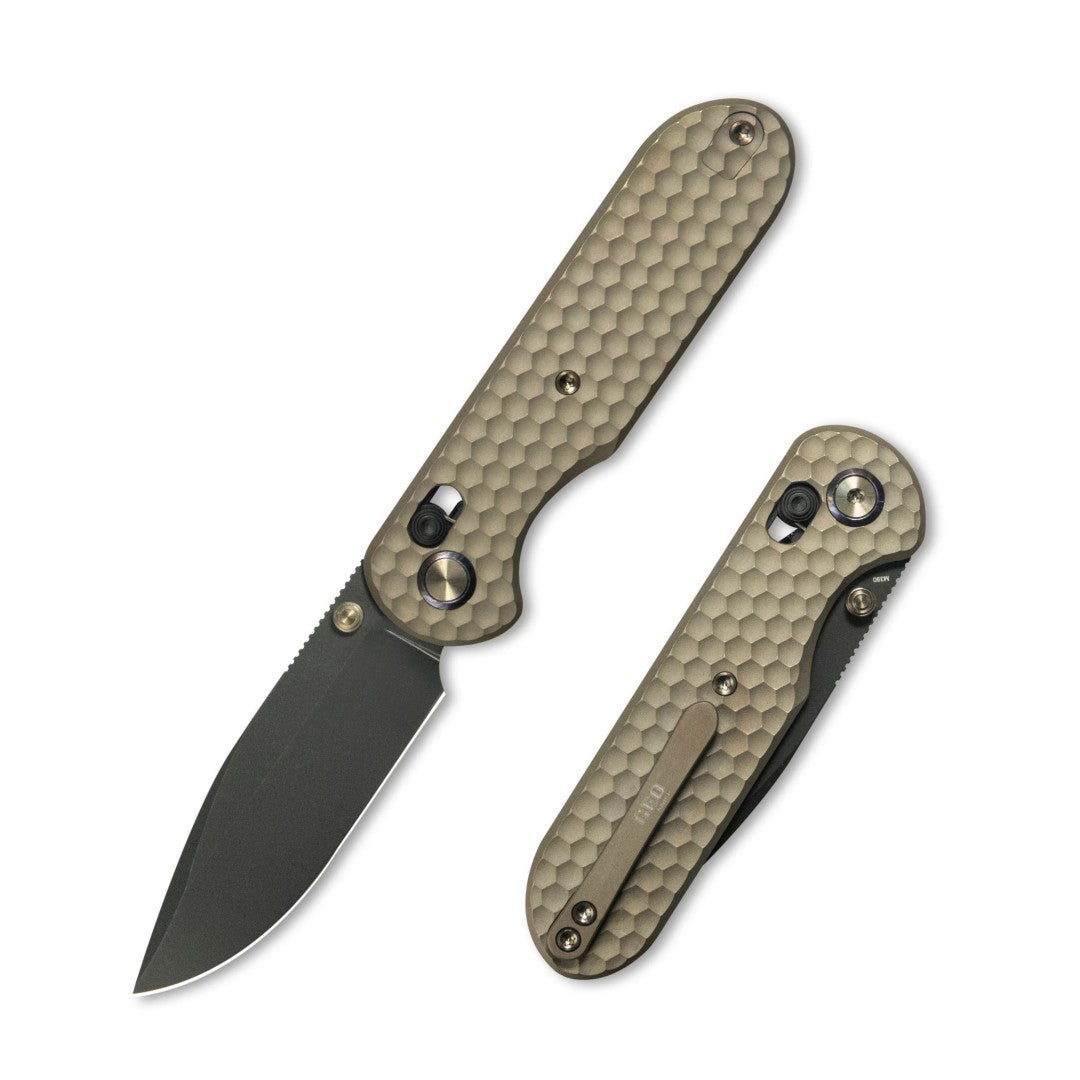
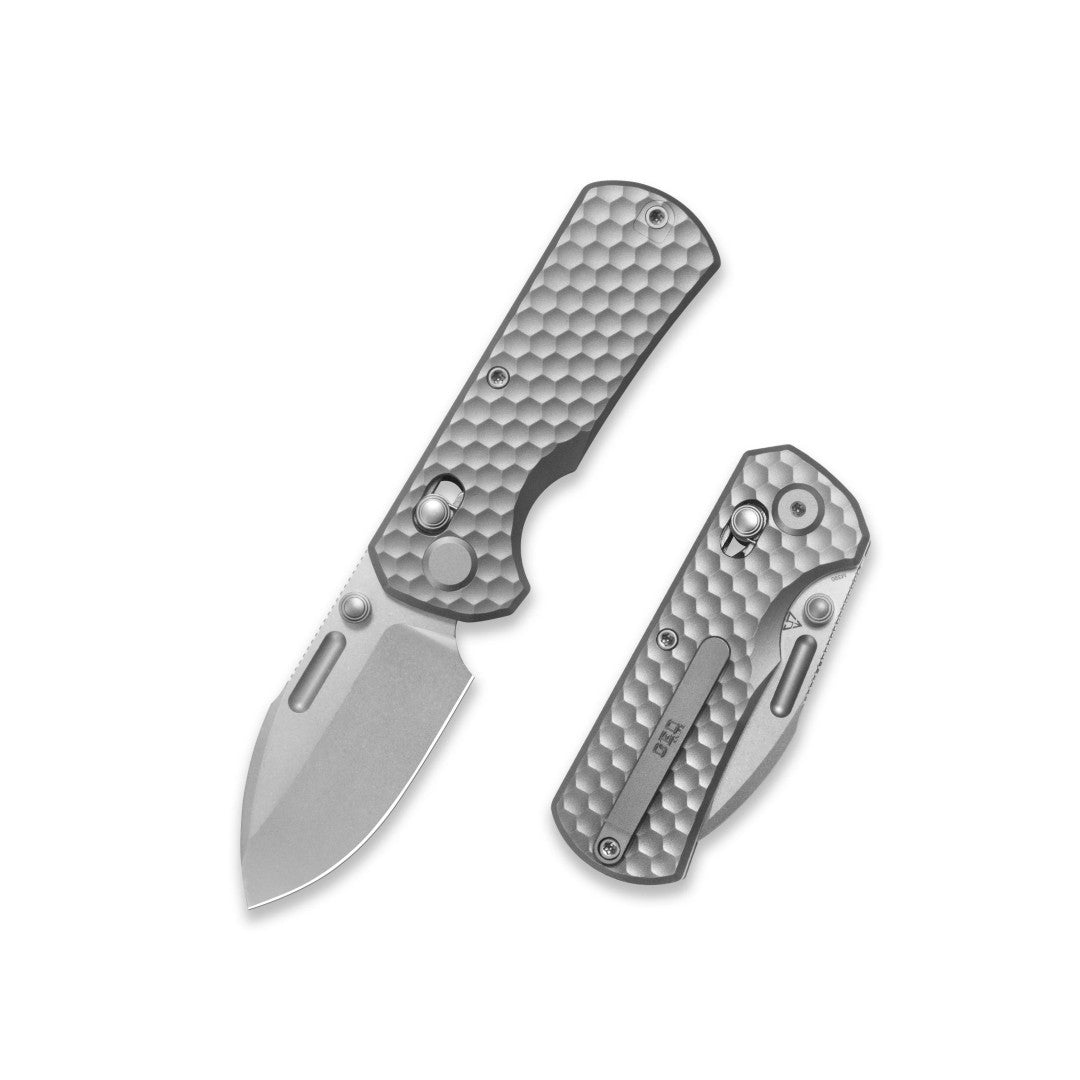
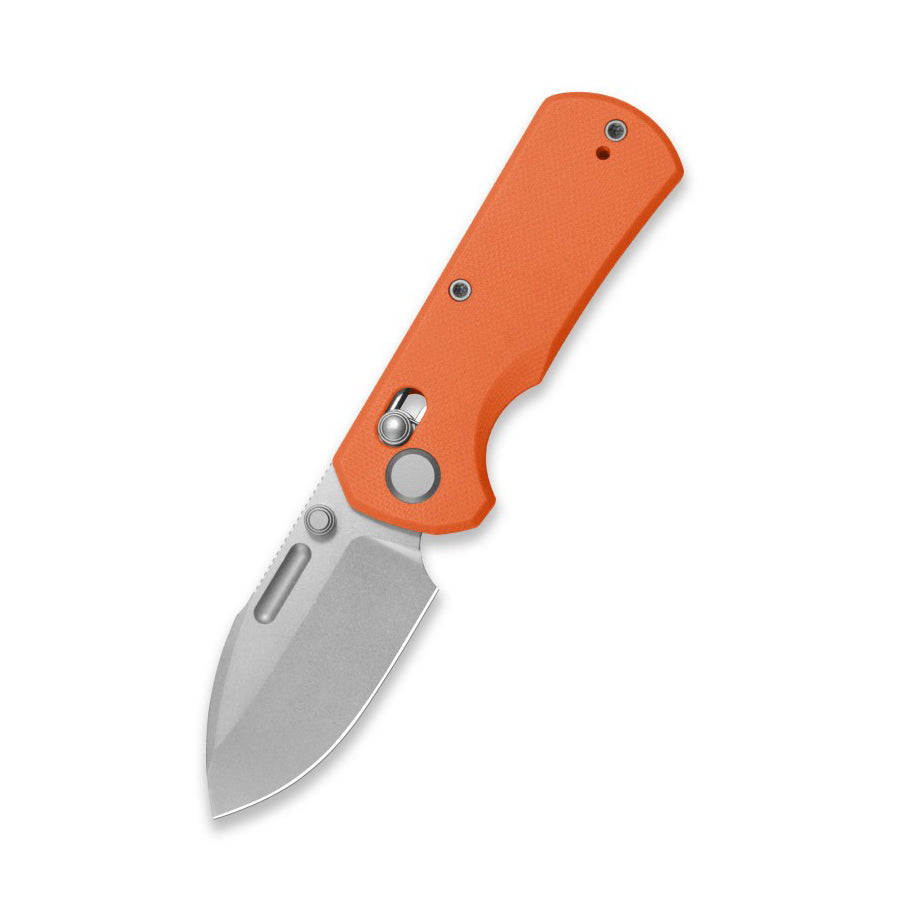
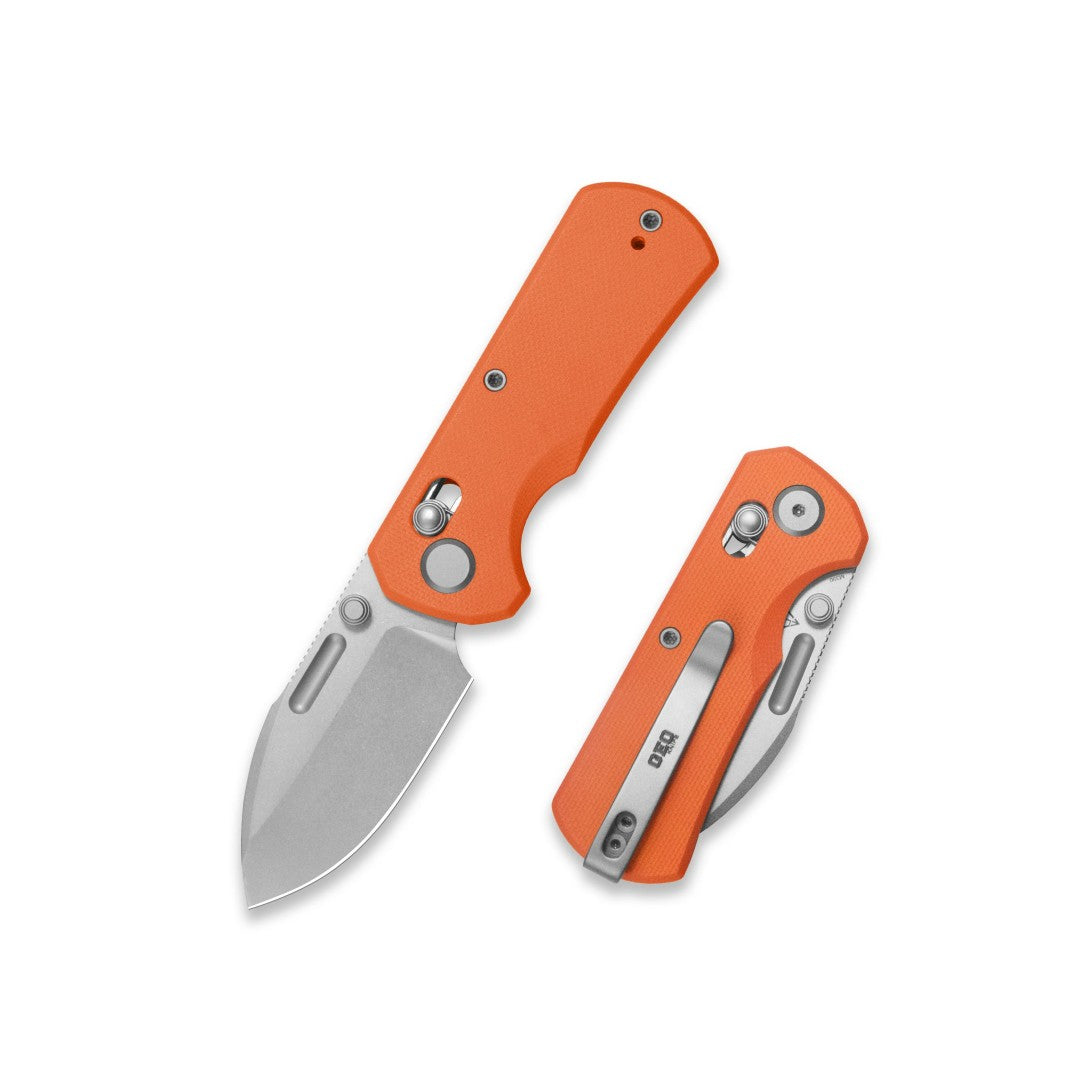
Kizer Vanguard Feist: A front-flipper EDC knife featuring a black CTS BD1N blade
Best Applications for CTS BD1N
Given its exceptional corrosion resistance, ease of sharpening, and respectable edge retention, CTS BD1N is ideally suited for:
-
Everyday carry (EDC) knives: The steel’s balance of properties makes it perfect for daily use across varied tasks
-
Kitchen and food-preparation knives: Superior corrosion resistance stands up to acidic foods and frequent washing
-
Outdoor and camping knives: Resistance to moisture and ease of field sharpening are major advantages
-
Work knives for humid or wet environments: The nitrogen-enhanced corrosion resistance excels where other steels may rust
-
Budget-conscious premium knives: BD1N offers excellent performance at a more accessible price point than super steels
Pros and Cons Summary
Advantages
-
Outstanding corrosion resistance—significantly better than VG-10, S30V, and S35VN
-
Very easy to sharpen—responds quickly to ceramic stones and standard sharpeners
-
Enhanced toughness compared to BD1 and other similar steels
-
Affordable compared to super steels like S90V, M390, or Maxamet
Disadvantages
-
Not a super steel—edge retention is good but does not match top-tier wear-resistant steels
-
Lower peak hardness than some premium alternatives like VG-10
-
Limited availability—fewer manufacturers offer BD1N compared to more established steels
-
Toughness is adequate but not exceptional—avoid heavy prying or lateral stress
Final Thoughts
CTS BD1N represents a remarkable achievement in practical knife steel design. It may not have the exotic cachet of super steels like S90V or Maxamet, but what it offers is arguably more valuable to the average user: exceptional corrosion resistance, easy sharpening, good edge retention, and impressive toughness in a balanced, affordable package. As Spyderco’s Sal Glesser said, “It’s a good blade steel alloy”. For knife users who value real-world performance over spec-sheet bragging rights, CTS BD1N is a steel that deserves serious consideration.