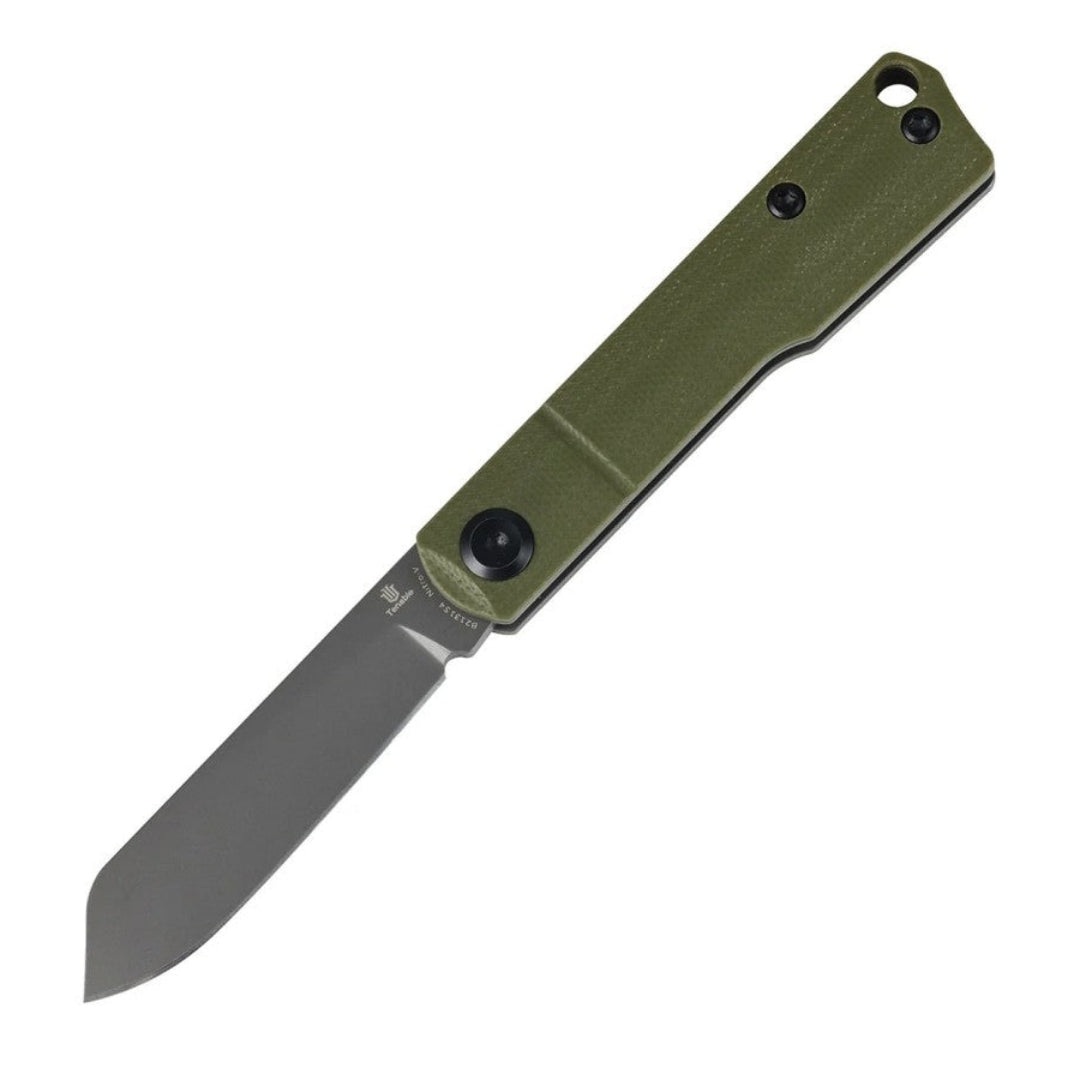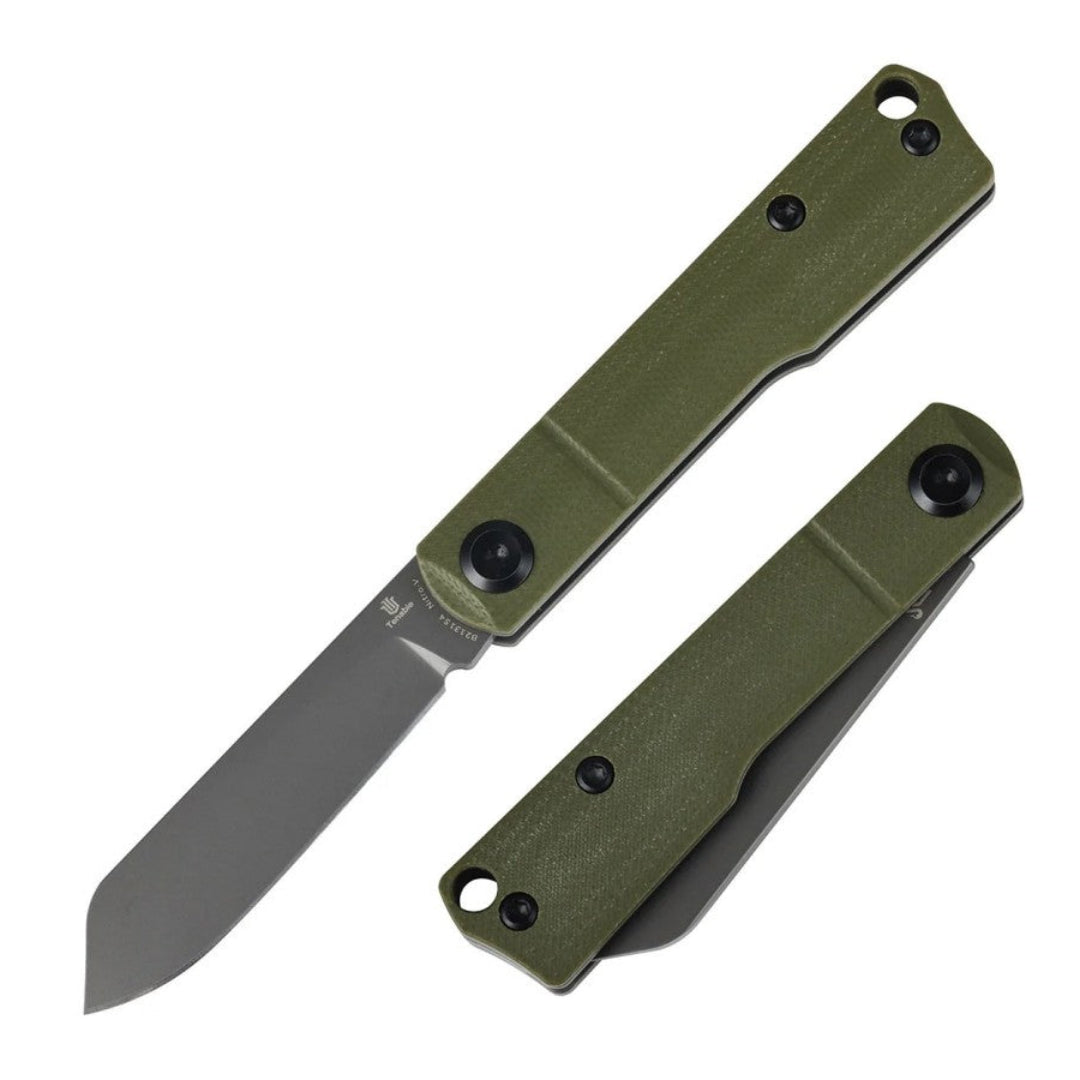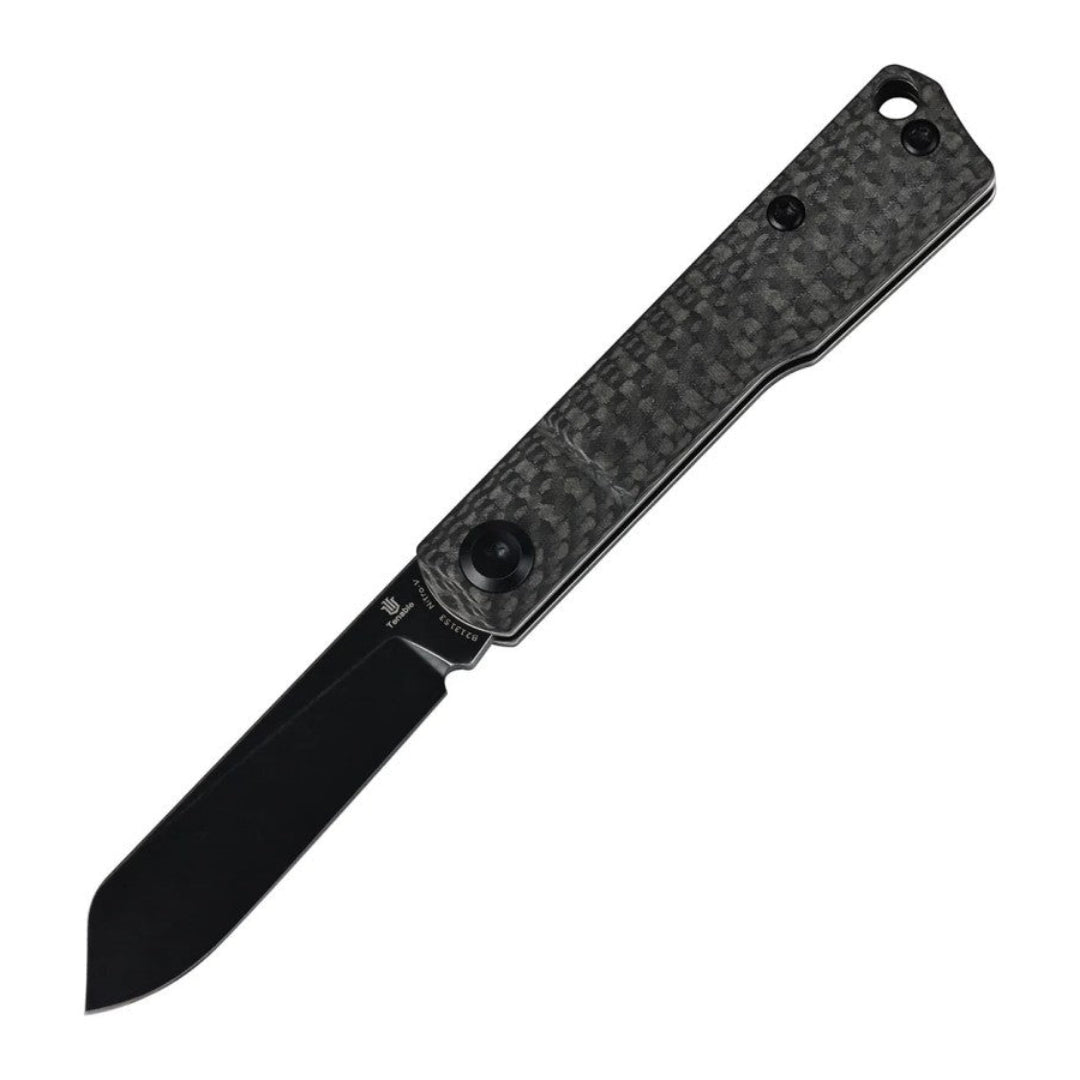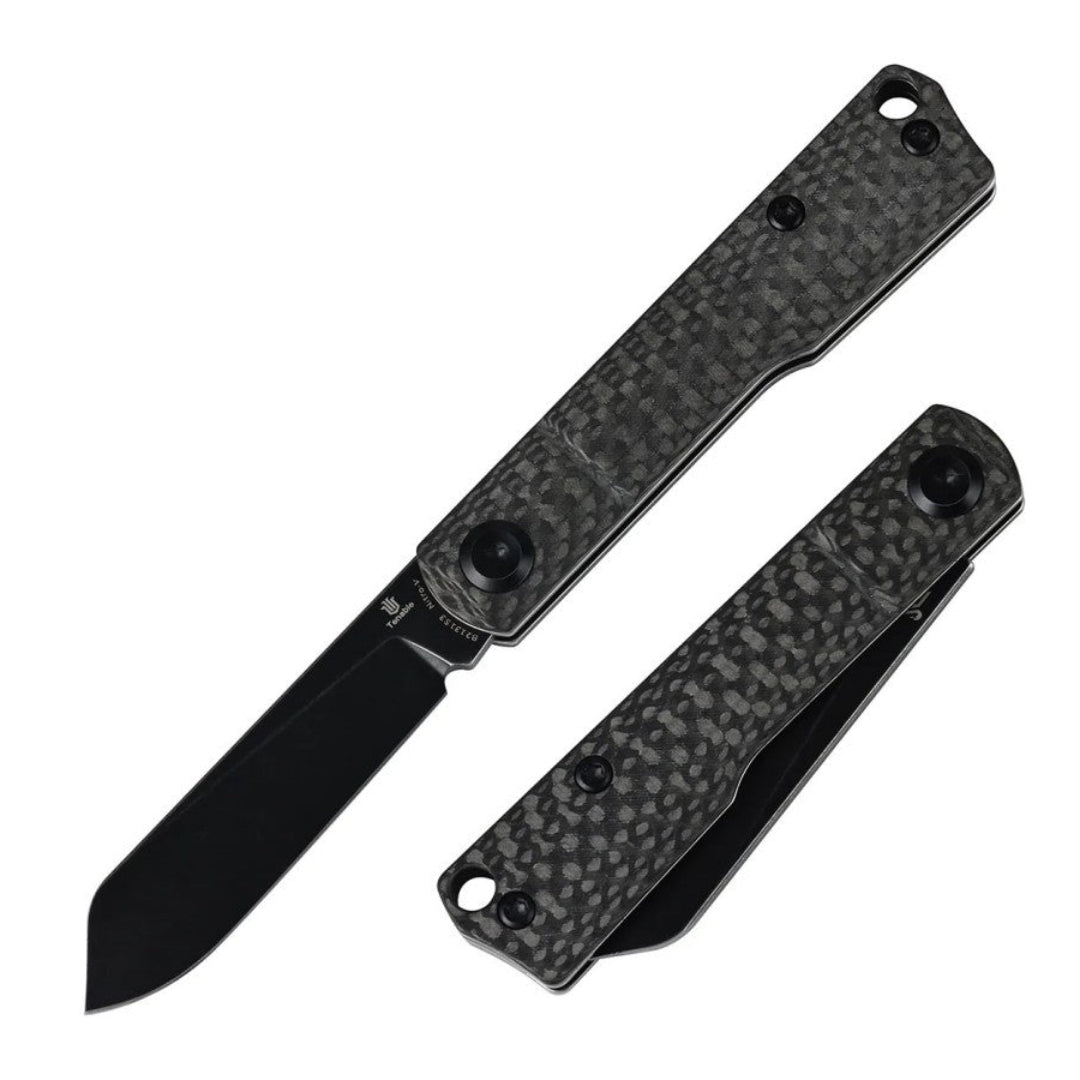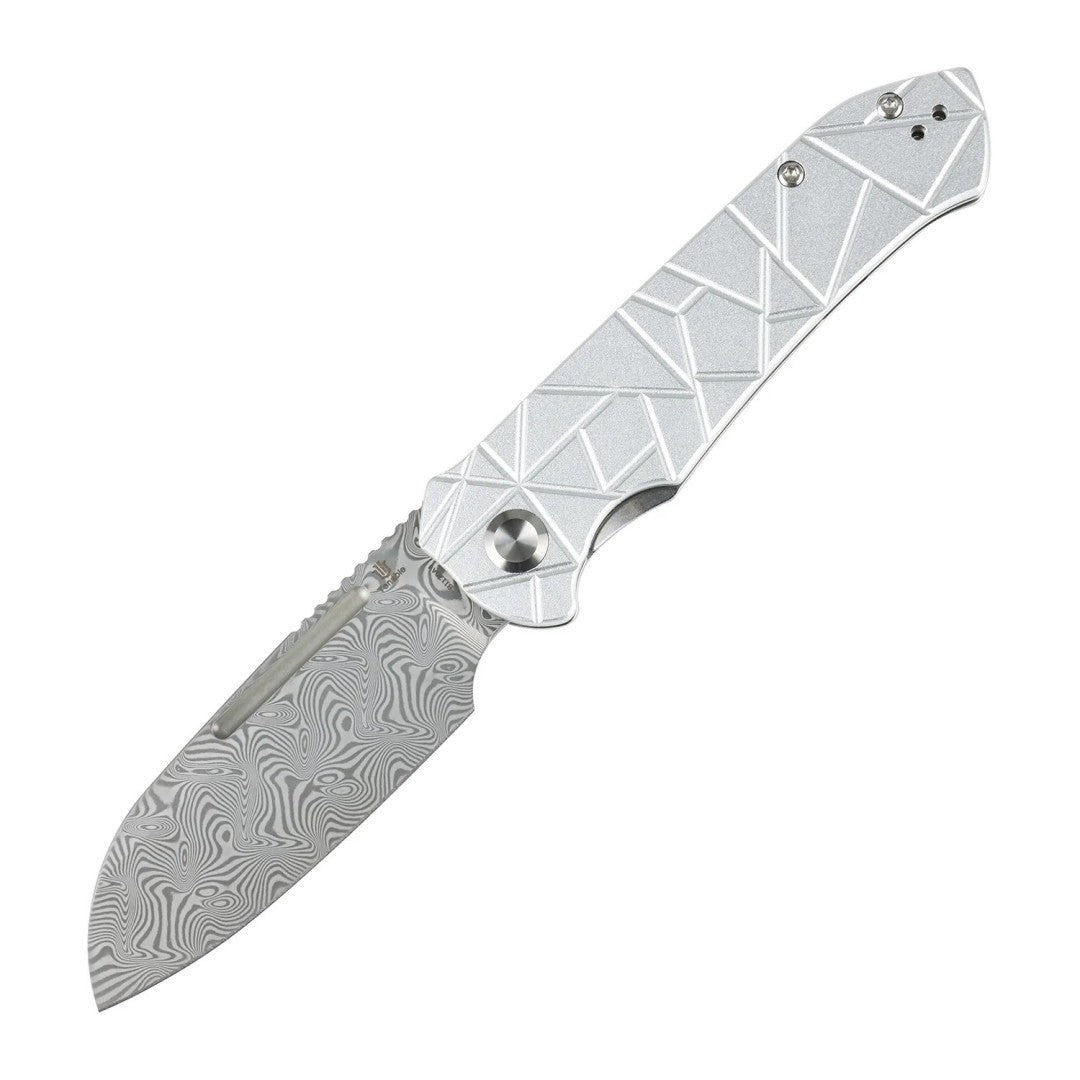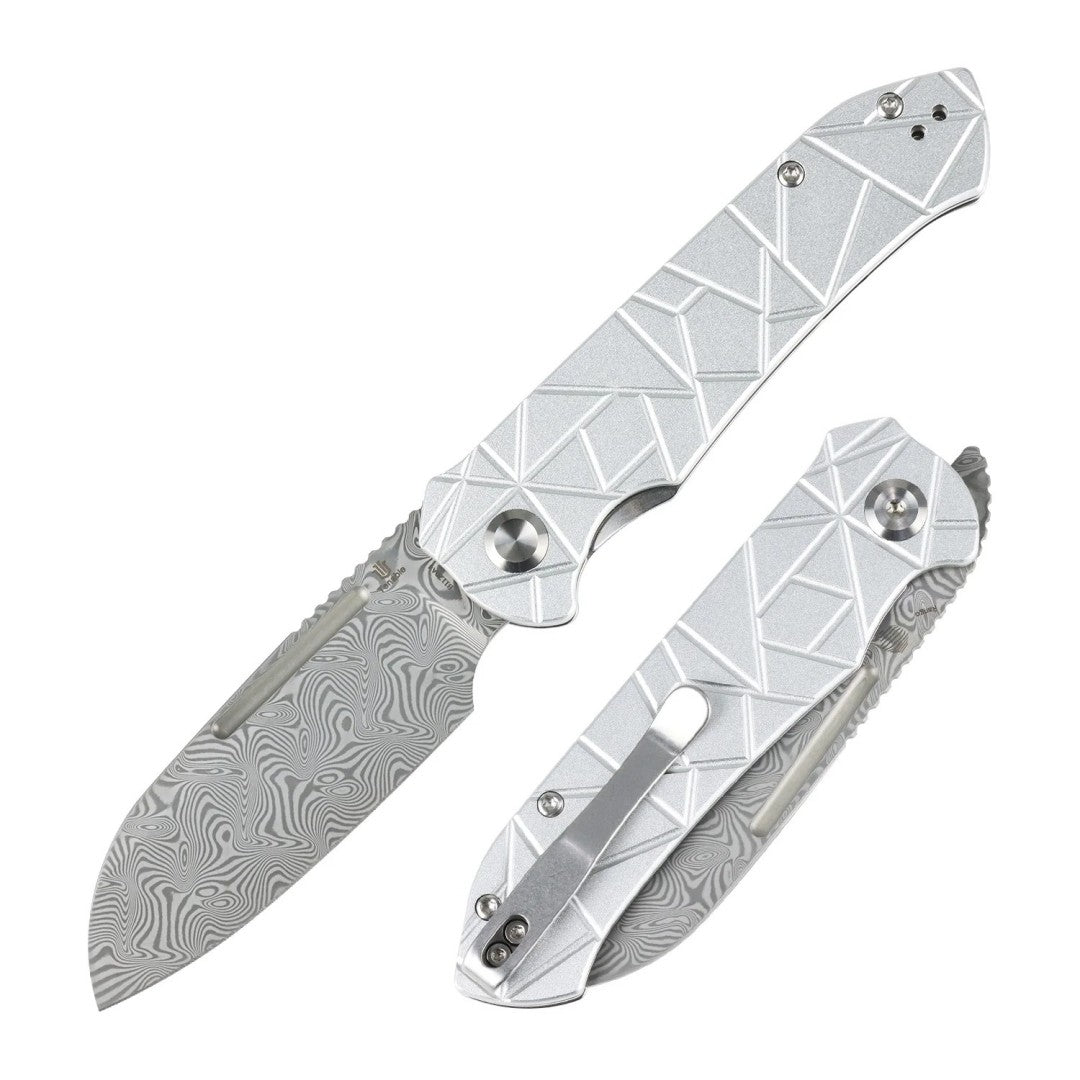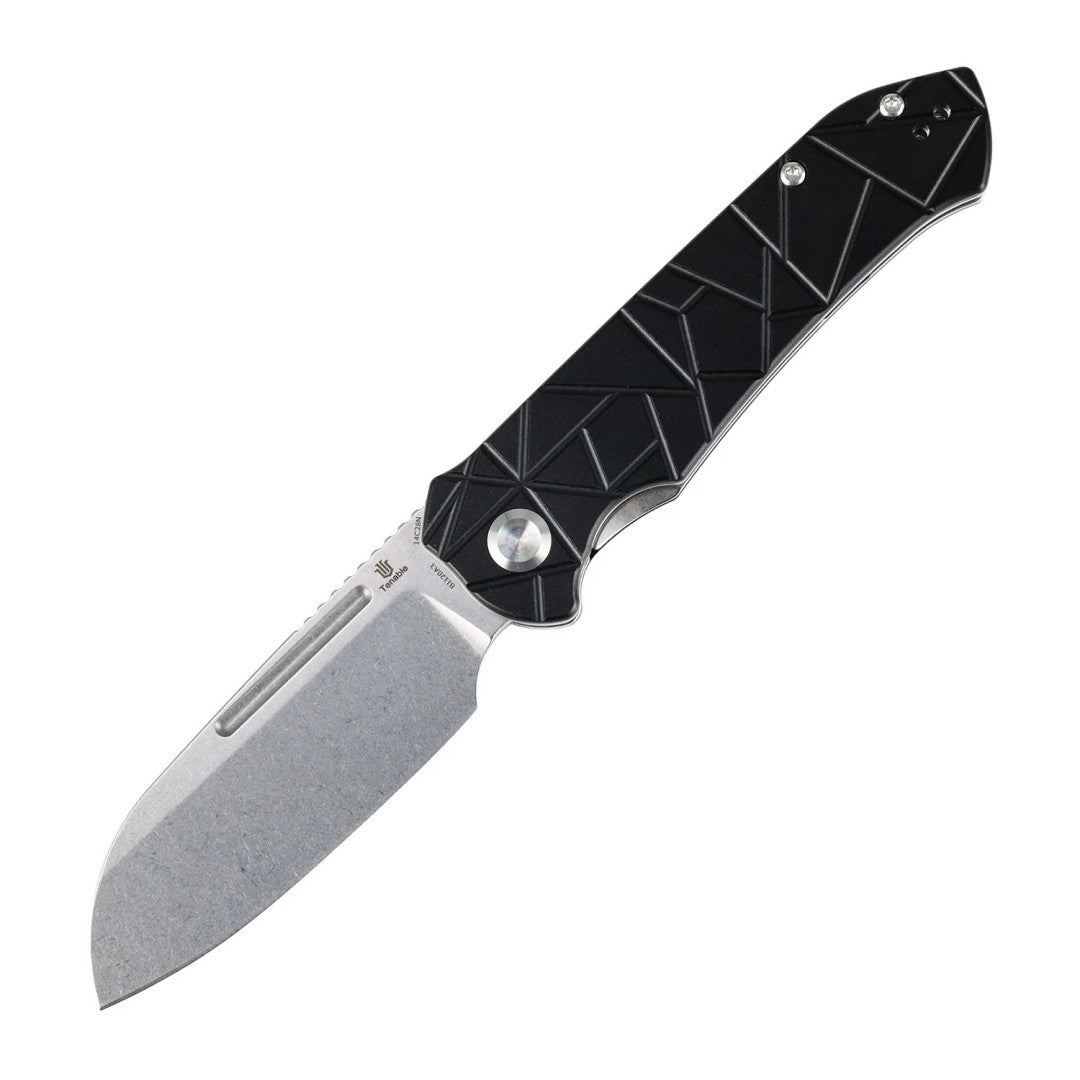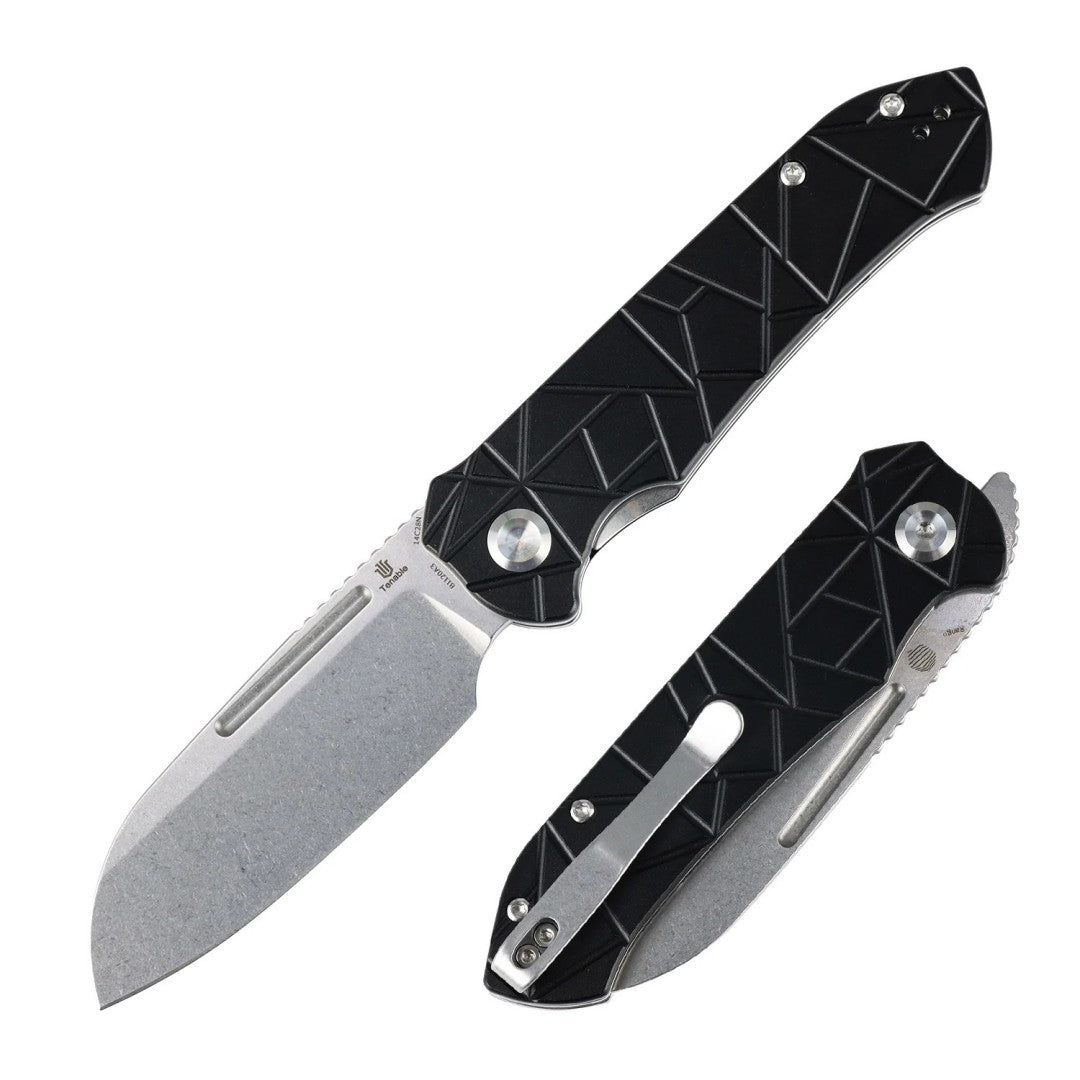

CTS-XHP is a powder metallurgy stainless steel that occupies a truly unique space in the world of knife making. Often described as a stainless version of D2 or a high-hardness evolution of 440C, CTS-XHP has earned a loyal following among knife enthusiasts, custom makers, and major brands alike.
Developed by Carpenter Technology Corporation, CTS-XHP was designed from the ground up to solve a long-standing problem in knife steel metallurgy: How do you get the exceptional wear resistance and hardness of D2 tool steel while maintaining the corrosion resistance of a true stainless steel?
The Origin Story
CTS-XHP wasn’t born overnight. The story begins in 1994 when Carpenter metallurgists Paul Novotny, Thomas McCaffrey, and Raymond Hemphill patented a steel called 440XH — a name that literally stood for “extra high” hardness. Their goal was ambitious: push hardness beyond what 440C could offer while dramatically improving corrosion resistance compared to D2.
Early experiments involved forging small 17-pound laboratory ingots and testing them across austenitizing temperatures ranging from 1750°F to 2000°F. Each candidate alloy was also subjected to 95% relative humidity at 95°F for up to 200 hours to rate rust resistance.
After extensive trial and error, Alloy 89 emerged as the winner — delivering corrosion resistance comparable to 440C combined with significantly higher hardness.
Initially, 440XH was produced as a conventional wrought steel rather than a powder metallurgy alloy, which meant larger carbide formations and somewhat compromised toughness. Recognizing these limitations, Carpenter later transitioned to a powder metallurgy (PM) process, refining the carbide structure, eliminating elemental segregation, and ensuring batch-to-batch consistency. The steel was officially rebranded as CTS-XHP and introduced around October 2009 as part of Carpenter’s CTS alloy line.
Chemical Composition
CTS-XHP’s balanced composition is the key to its hybrid performance. According to Carpenter’s official datasheets, the alloy consists of:
With 1.6% carbon and 16% chromium, CTS-XHP can be thought of in two ways: either as a high-hardness evolution of 440C (adding roughly 0.5% carbon and a small vanadium addition) or as a corrosion-resistant version of D2 (adding approximately 4% chromium).
Key Properties
Hardness
CTS-XHP is a hard steel — period. The alloy possesses a minimum hardness of 60 HRC and can attain a maximum of 64 HRC when air cooled from hardening temperatures between 1850°F and 2000°F. Under optimal heat treatment, some makers can push it up to 65 HRC, though this exceeds the optimal range and increases brittleness.
This hardness range significantly exceeds that of many pocket knives, which typically run between 58 and 60 HRC, giving CTS-XHP a real advantage in edge retention. Moreover, the alloy is more forgiving during heat treatment than similar alloys, making it accessible for makers who may not have perfect process control.
Edge Retention
CTS-XHP’s edge retention is widely regarded as excellent. According to independent metallurgist Larrin Thomas, “The edge retention of XHP is good, matching S30V and S35VN.”
The fine carbide distribution achieved through powder metallurgy processing creates superb sharpness and maintains that edge under regular use. While it won’t hold an edge as long as high-vanadium steels like S90V or S110V, it outperforms most steels on the market in this category.
Toughness
This is where CTS-XHP surprises many people. Generally, harder steels trade off toughness for edge retention. However, CTS-XHP defies this rule — the decrease in toughness due to increased hardness doesn’t apply as severely.
For a steel operating at 62–64 HRC, CTS-XHP offers good toughness, likely comparable to other powder metallurgy stainless steels. It resists chipping and cracking in everyday use, though it is not recommended for applications requiring extreme impact resistance — long blades or heavy chopping tools may push its limits.
Corrosion Resistance
Carpenter designed CTS-XHP to possess corrosion resistance equivalent to 440C stainless steel — a genuine stainless steel standard. In daily use, CTS-XHP performs admirably, resisting rust and corrosion even when exposed to moisture, petroleum products, and organic materials.
However, independent testing suggests more nuance. Metallurgist Larrin Thomas has noted that while CTS-XHP is a genuine stainless steel, its corrosion resistance ranks relatively lower on the stainless spectrum — scoring approximately 6.4 out of 10 (compared to 7.5 for 440C and 4.5 for D2).
The practical takeaway? CTS-XHP is stainless enough for EDC and most outdoor use, but it won’t match the extreme corrosion resistance of specialty marine steels like H1 or LC200N. In very humid or wet environments, basic maintenance is still recommended.
Wear Resistance
CTS-XHP upholds one of the best wear resistance capabilities among Carpenter’s steel lineup. This means knives made from it aren’t as susceptible to scratches and surface marks from daily use. The powder metallurgy processing ensures fine, evenly distributed carbides that resist abrasion without becoming too difficult to sharpen.
Sharpening
Here’s the trade-off: CTS-XHP is not an easy steel to sharpen. Its high hardness and wear resistance mean that beginners will struggle, requiring more time and advanced sharpening equipment to achieve a fine edge.
However, experienced sharpeners find it manageable, and once sharpened, the edge lasts remarkably long. As one user noted, “I found it very easy to maintain when I have had to, a pleasure in fact.”
CTS-XHP vs. Other Knife Steels
CTS-XHP vs. D2
This is the most direct comparison. CTS-XHP was originally designed as a corrosion-resistant alternative to D2, and it delivers exactly that — significantly better rust resistance while maintaining similar or slightly superior wear resistance. However, D2 is easier to sharpen and generally more affordable.
CTS-XHP vs. 440C
CTS-XHP surpasses 440C in hardness (64 HRC vs. ~60 HRC maximum for 440C) while offering comparable corrosion resistance. In fact, Carpenter describes CTS-XHP as “a high hardness 440C stainless steel.”
CTS-XHP vs. S35VN
This is one of the most common debates among knife buyers. CTS-XHP offers slightly better edge retention than S35VN, but S35VN offers slightly better corrosion resistance. In toughness and ease of sharpening, they offer roughly equal performance. S35VN’s niobium addition gives it a slight toughness edge, while CTS-XHP’s higher potential hardness (up to 64–65 HRC vs. S35VN’s 63.5 HRC) favors edge retention.
CTS-XHP vs. M390
Both are premium steels, but M390 commands a significantly higher price point. M390 has better corrosion resistance and slightly higher edge retention potential, but CTS-XHP offers a more balanced price-to-performance ratio for most users.
CTS-XHP vs. CPM-154
In practice, CTS-XHP holds an edge longer than CPM-154 and reaches higher hardness. However, at 63 HRC, CTS-XHP remains relatively tough — similar to CPM-154 — while still being easy to touch up and sharpen.
Comparison Summary Table
| Steel | Hardness (HRC) | Edge Retention | Corrosion Resistance | Toughness | Ease of Sharpening |
|---|---|---|---|---|---|
| CTS-XHP | 60–64 | Excellent | Very Good | Good | Moderate–Difficult |
| D2 | 58–62 | Excellent | Low (semi-stainless) | Good | Moderate |
| 440C | 58–60 | Good | Excellent | Fair | Easy |
| S35VN | 58–61 | Very Good | Very Good | Very Good | Moderate |
| M390 | 60–62 | Superior | Superior | Good | Difficult |
| CPM-154 | 58–61 | Good | Very Good | Very Good | Moderate |
Practical Applications and Popular Knives
CTS-XHP has seen widespread adoption across both production and custom knives. Spyderco was the first to introduce CTS-XHP in a production knife, and the steel has since appeared in numerous Spyderco Sprint Runs and the Chaparral series.
Cold Steel made perhaps the biggest move, phasing out AUS-8A around 2015 and replacing it with CTS-XHP in popular models like the Recon 1, Code 4, American Lawman, and Espada.
Other notable brands using CTS-XHP include Hinderer (certain XM-series runs), Ken Onion knives, and various custom makers.
CTS-XHP is an excellent choice for:
-
EDC folding knives — the balance of edge retention and corrosion resistance is ideal for daily carry
-
Fixed-blade outdoor knives — holds up well under real-world use
-
Hunting knives — corrosion resistance is valuable when dealing with blood and moisture
-
Everyday cutting tasks — slicing, mincing, dicing, and general utility work
It may not be the best choice for:
-
Marine/water-intensive use — other steels offer better corrosion protection
-
Budget-conscious buyers — CTS-XHP commands a premium price
-
Beginners who need frequent sharpening — the steel is harder to sharpen
Advantages and Drawbacks
Advantages
-
Excellent edge retention — matches S30V and S35VN
-
Genuine stainless performance — corrosion resistance equivalent to 440C
-
Good toughness for its hardness level
-
More forgiving during heat treatment than similar alloys
-
Takes a highly polished, keen edge
-
Powder metallurgy construction ensures consistent, fine carbide distribution
Drawbacks
-
Difficult to sharpen — not recommended for beginners
-
Higher cost — premium pricing reflects premium performance
-
Corrosion resistance is good but not top-tier — some high-end stainless steels outperform it
-
Not ideal for heavy impact applications — toughness is good but not exceptional
-
Limited availability — fewer knives use CTS-XHP compared to mainstream steels like S30V or 154CM
Final Verdict: Is CTS-XHP Right for You?
CTS-XHP is best understood as a bridge steel — it sits exactly halfway between the wear-resistant world of tool steels like D2 and the corrosion-resistant world of stainless steels like 440C. It doesn’t claim to be the absolute best in any single category, but its balance of properties is remarkable.
For knife buyers who value edge retention and want genuine stainless performance without sacrificing hardness, CTS-XHP delivers in spades. It’s a premium steel that performs admirably in real-world EDC and outdoor applications, offering a sweet spot that few other steels can match.
That said, CTS-XHP isn’t for everyone. Beginners who struggle with sharpening may find it frustrating, and users who operate exclusively in marine environments may want a steel with even higher corrosion resistance. But for the vast majority of knife users — enthusiasts, collectors, outdoor adventurers, and daily carriers — CTS-XHP represents an outstanding choice.
Carpenter described the alloy as a stainless steel that could be treated like a tool steel. More than a decade after its introduction, that description still holds true — and knife users continue to benefit from this metallurgical marriage of two worlds.