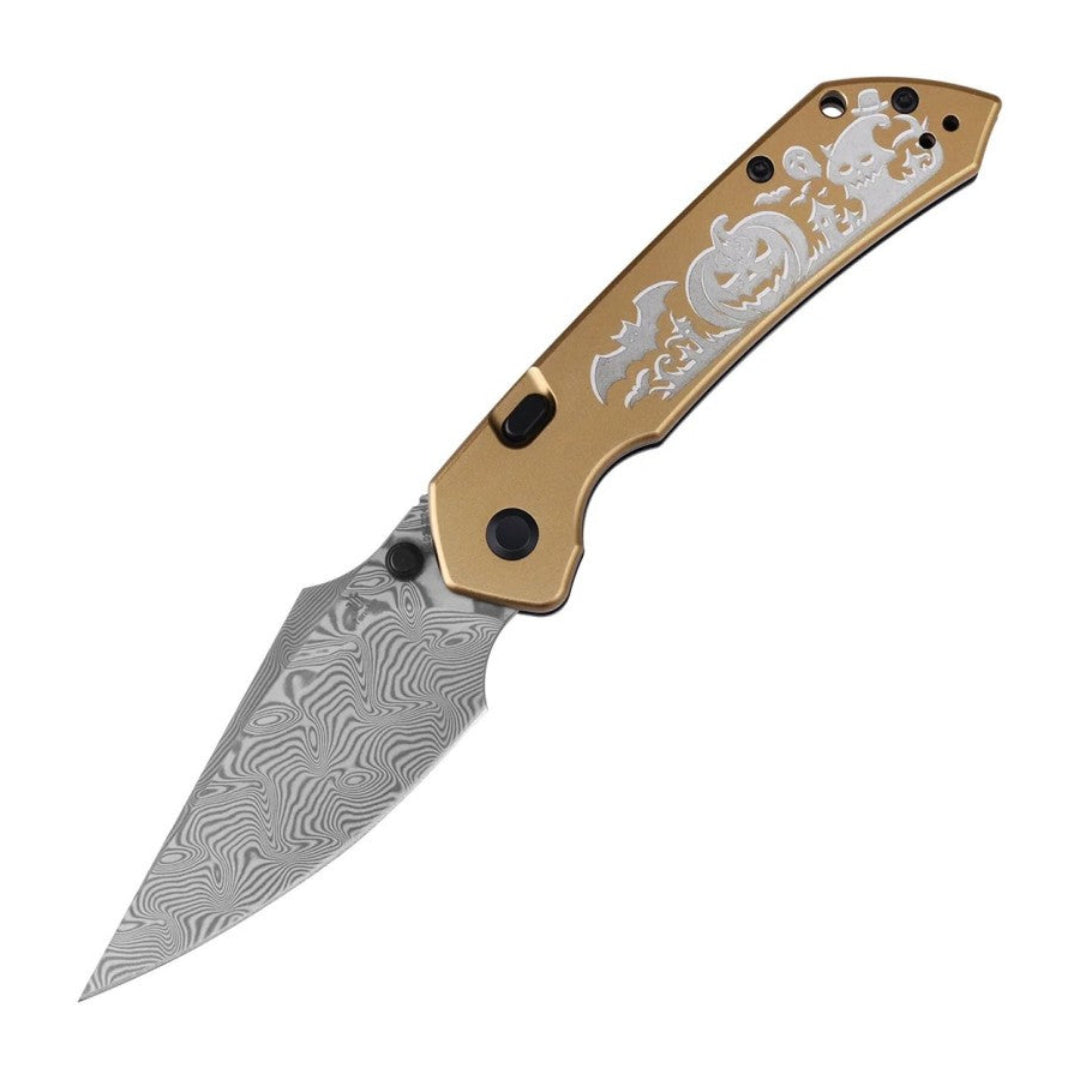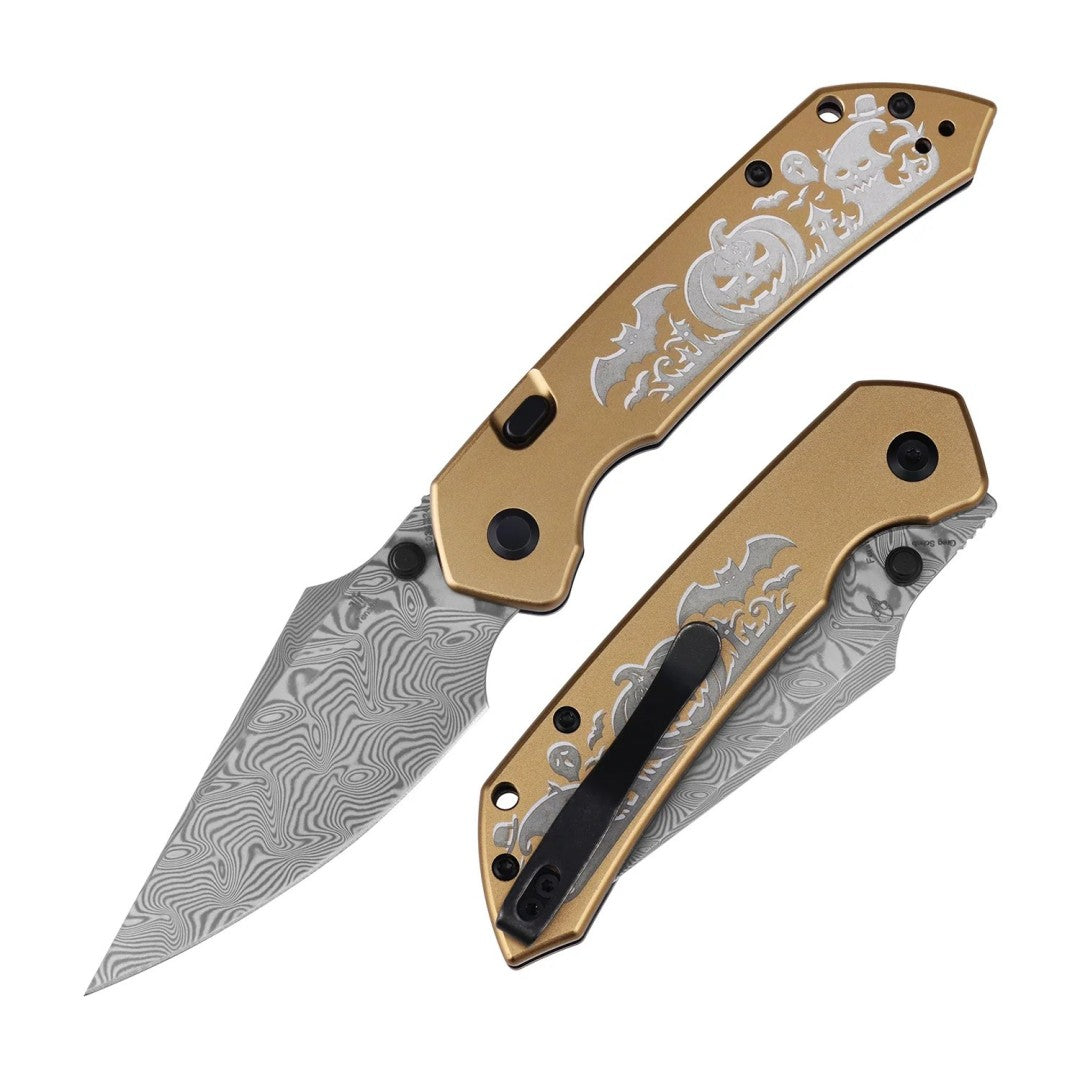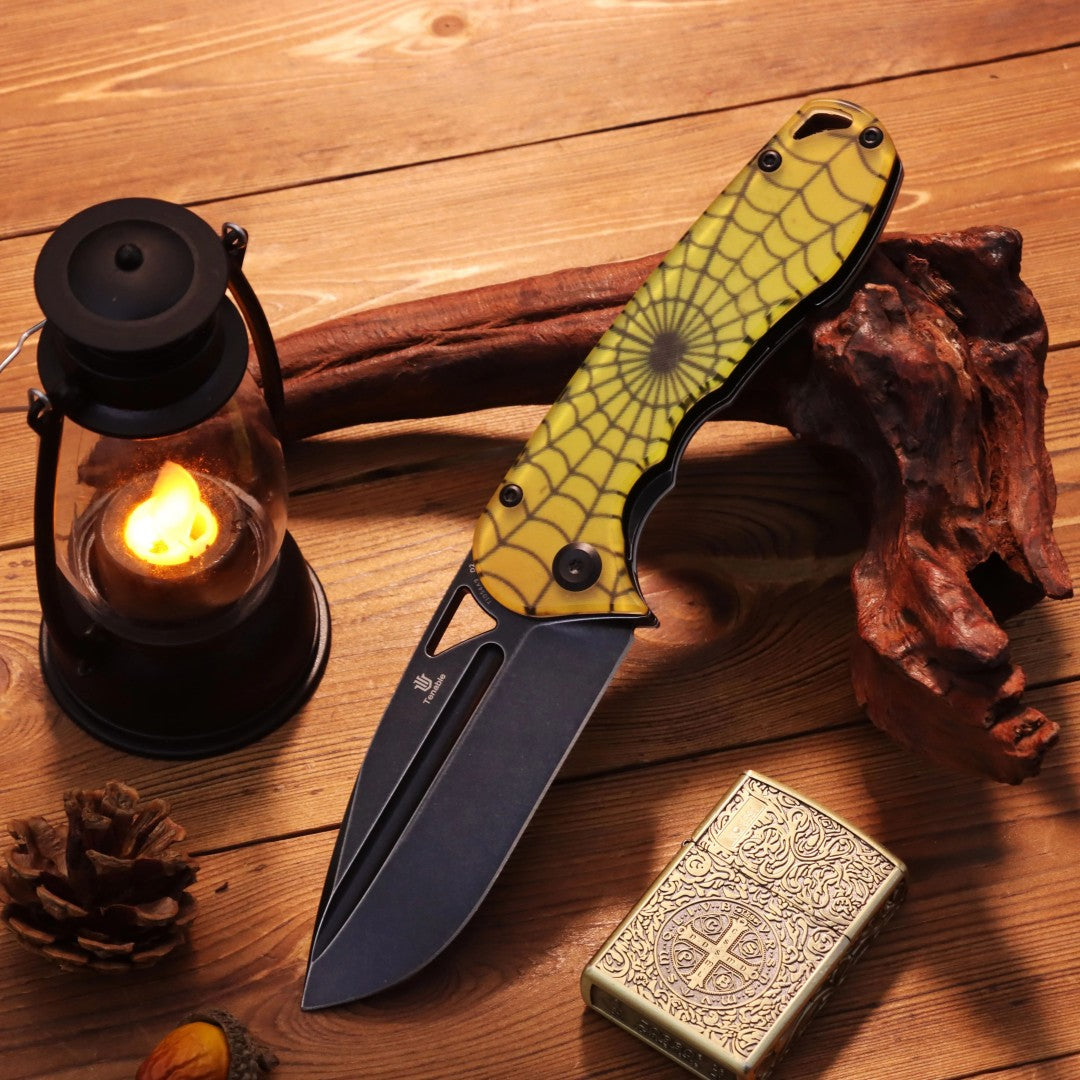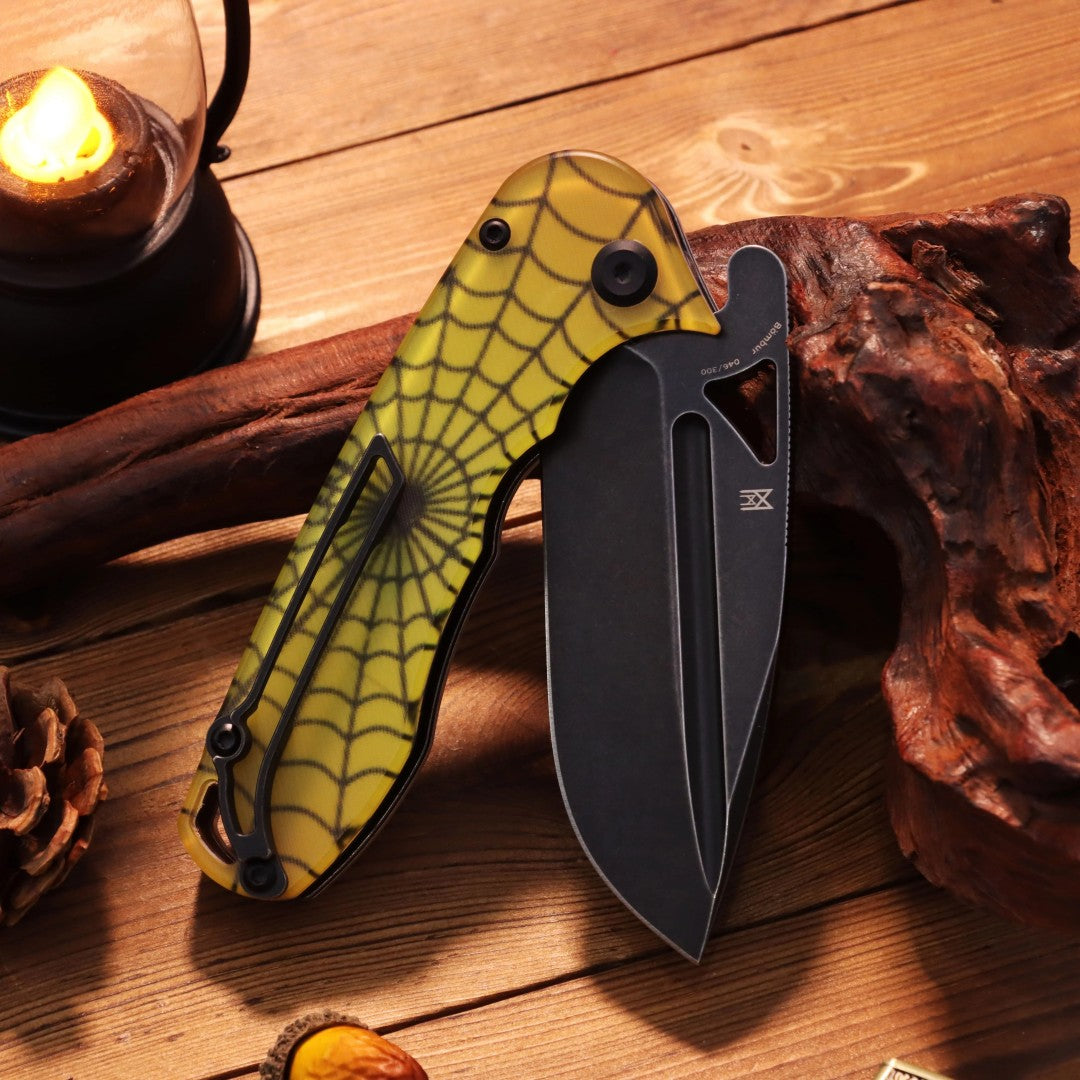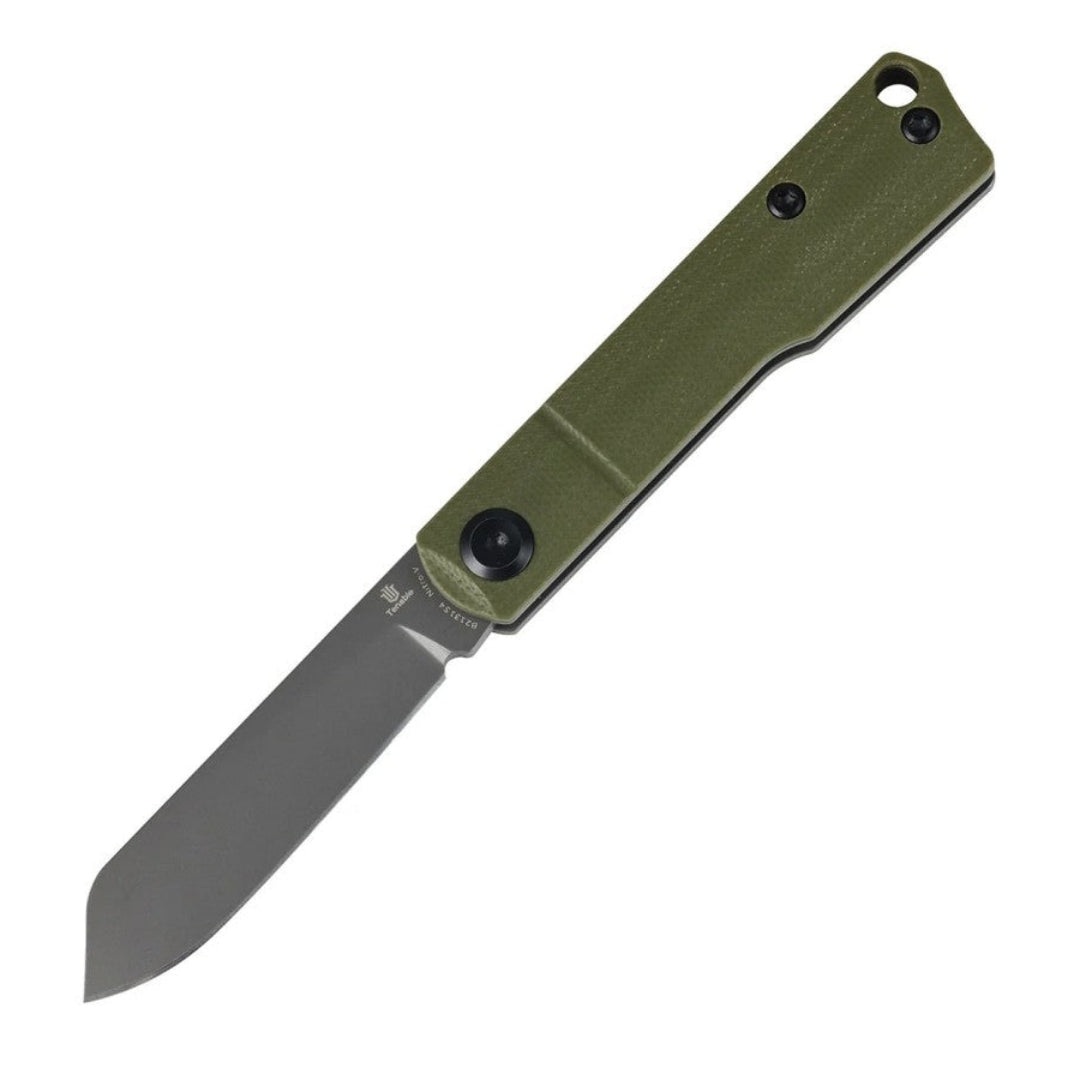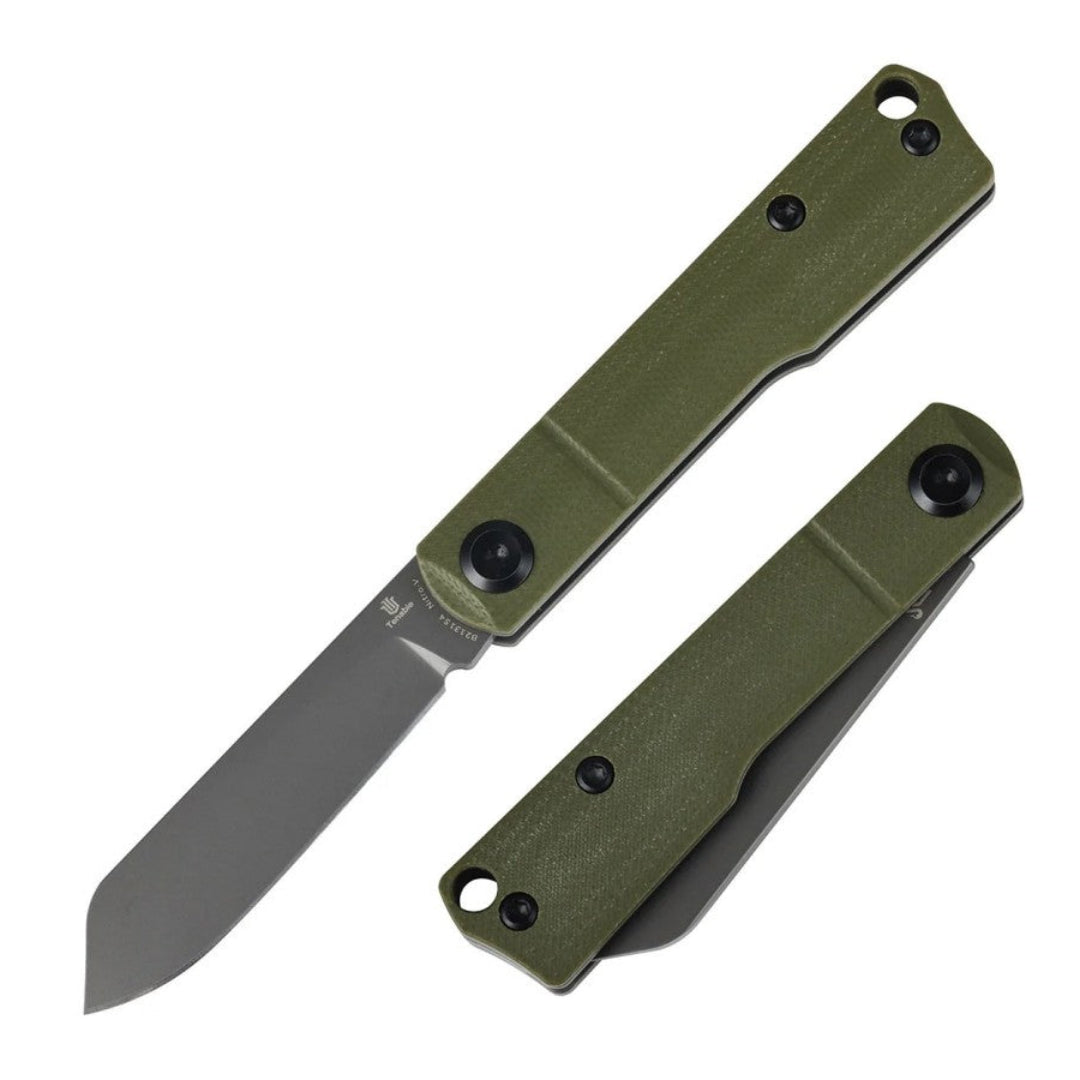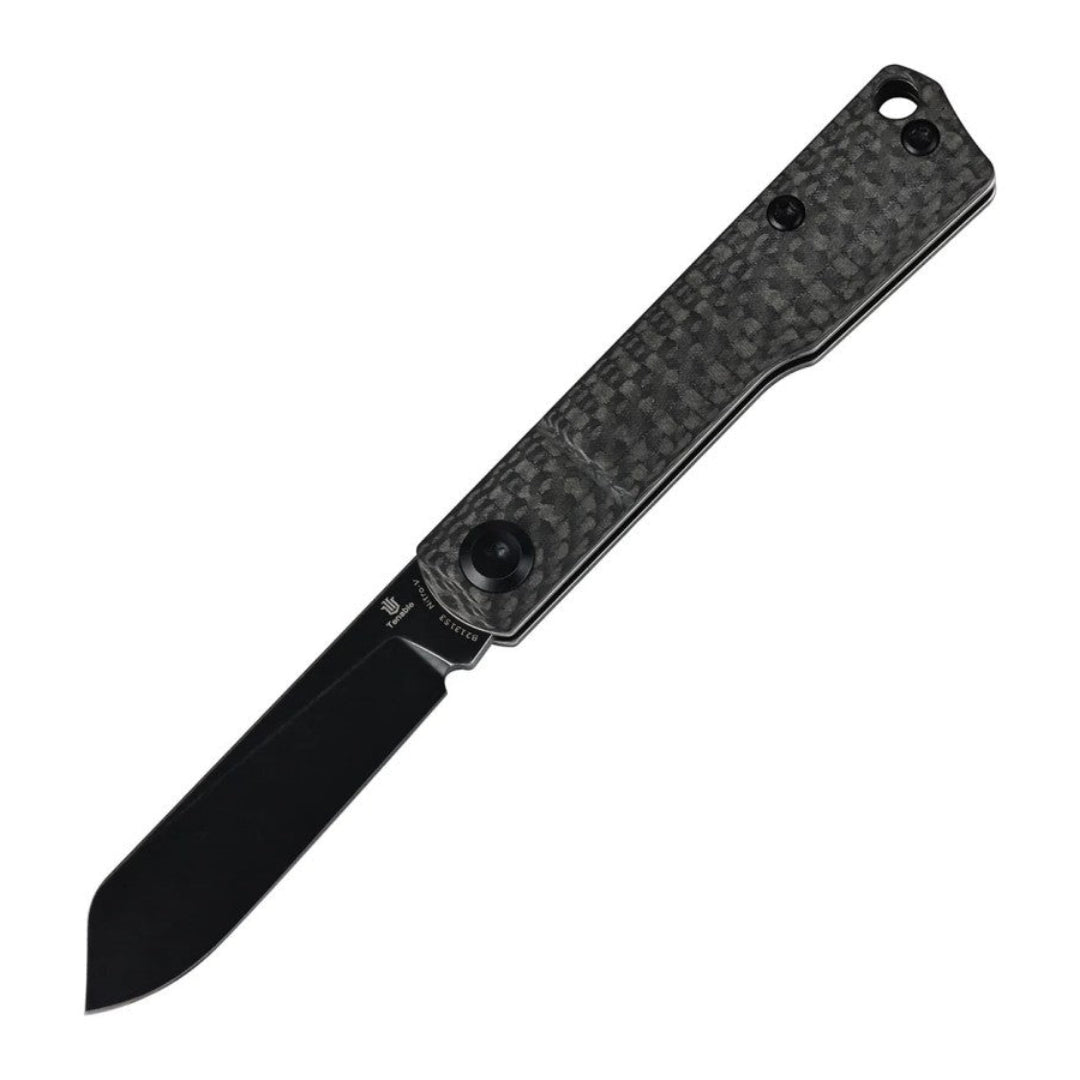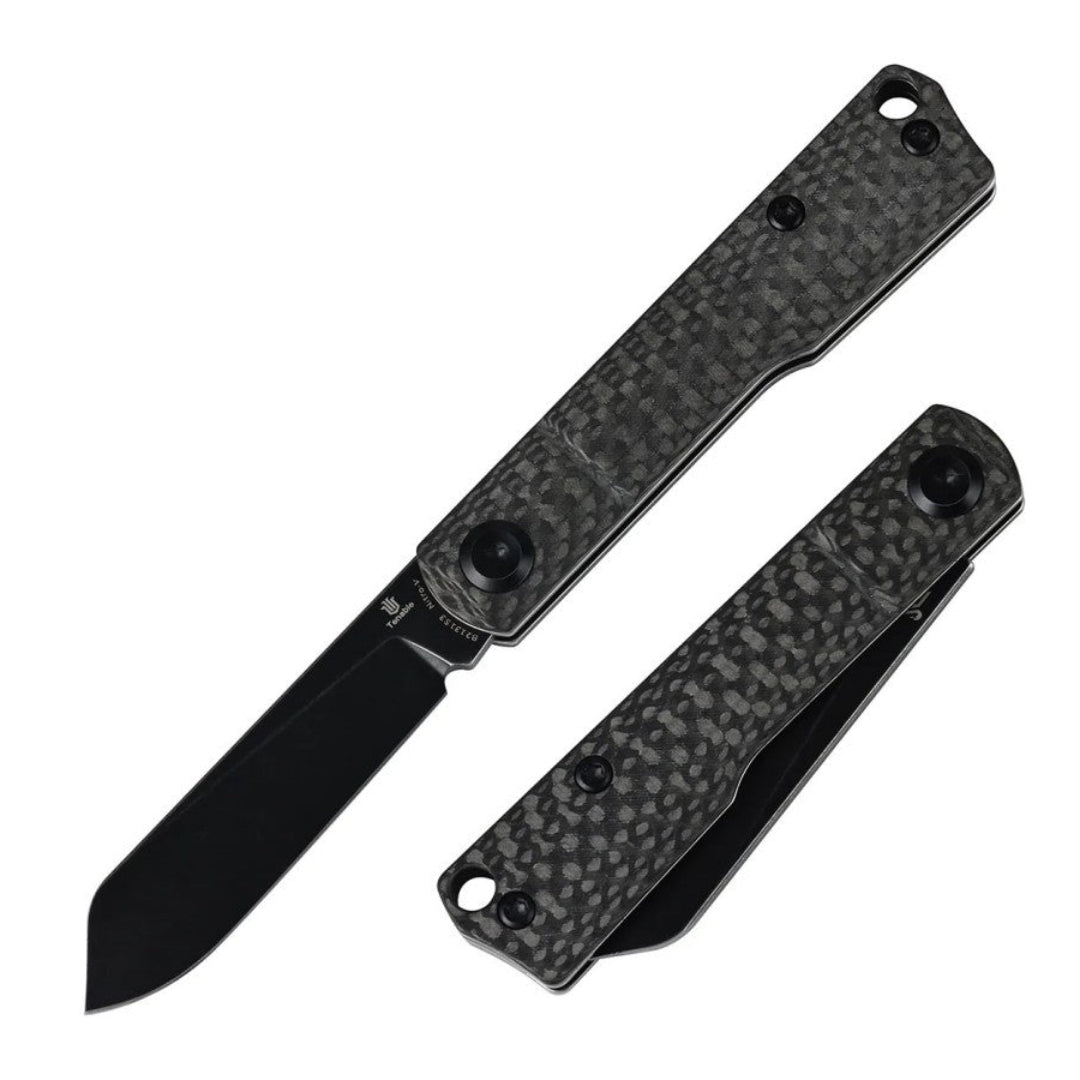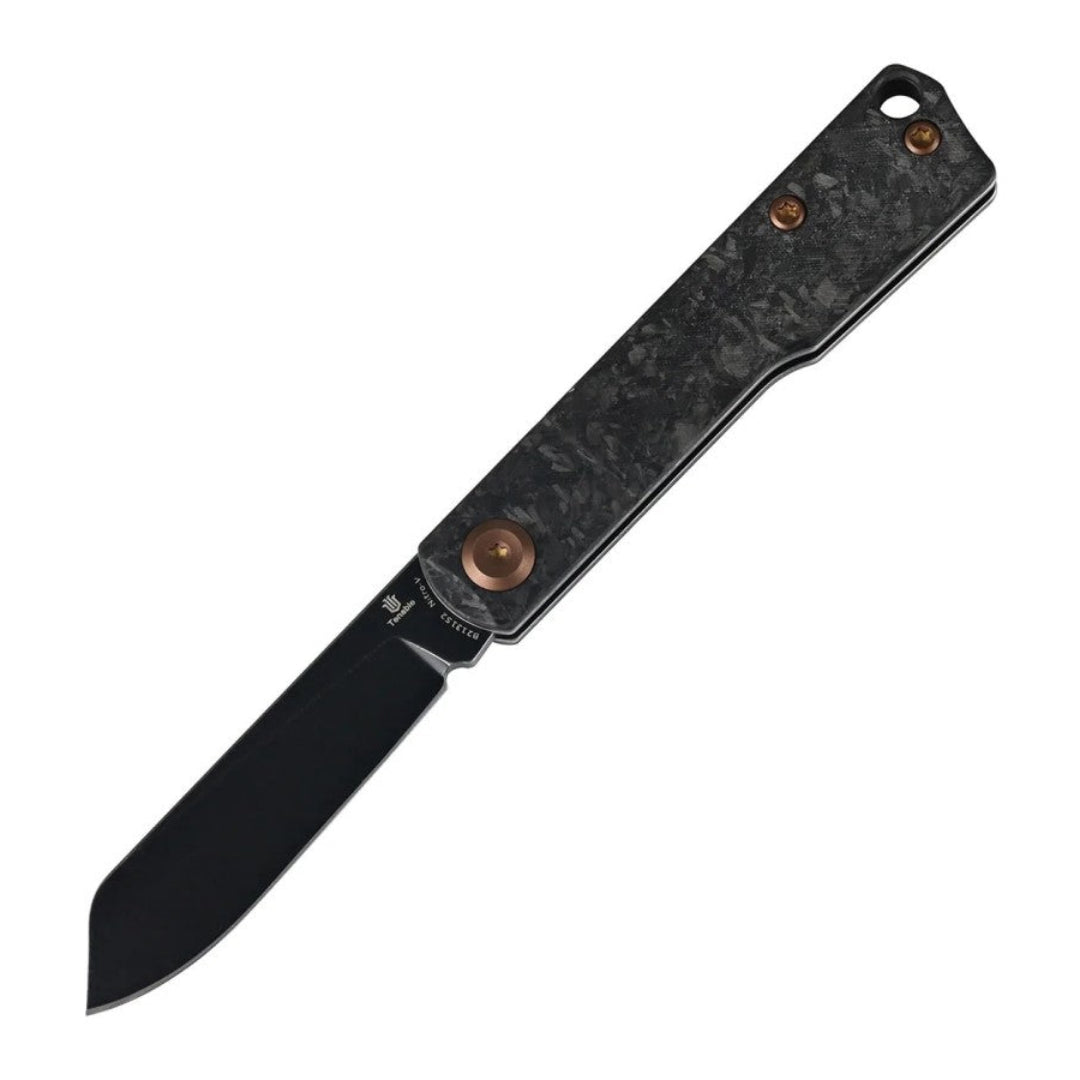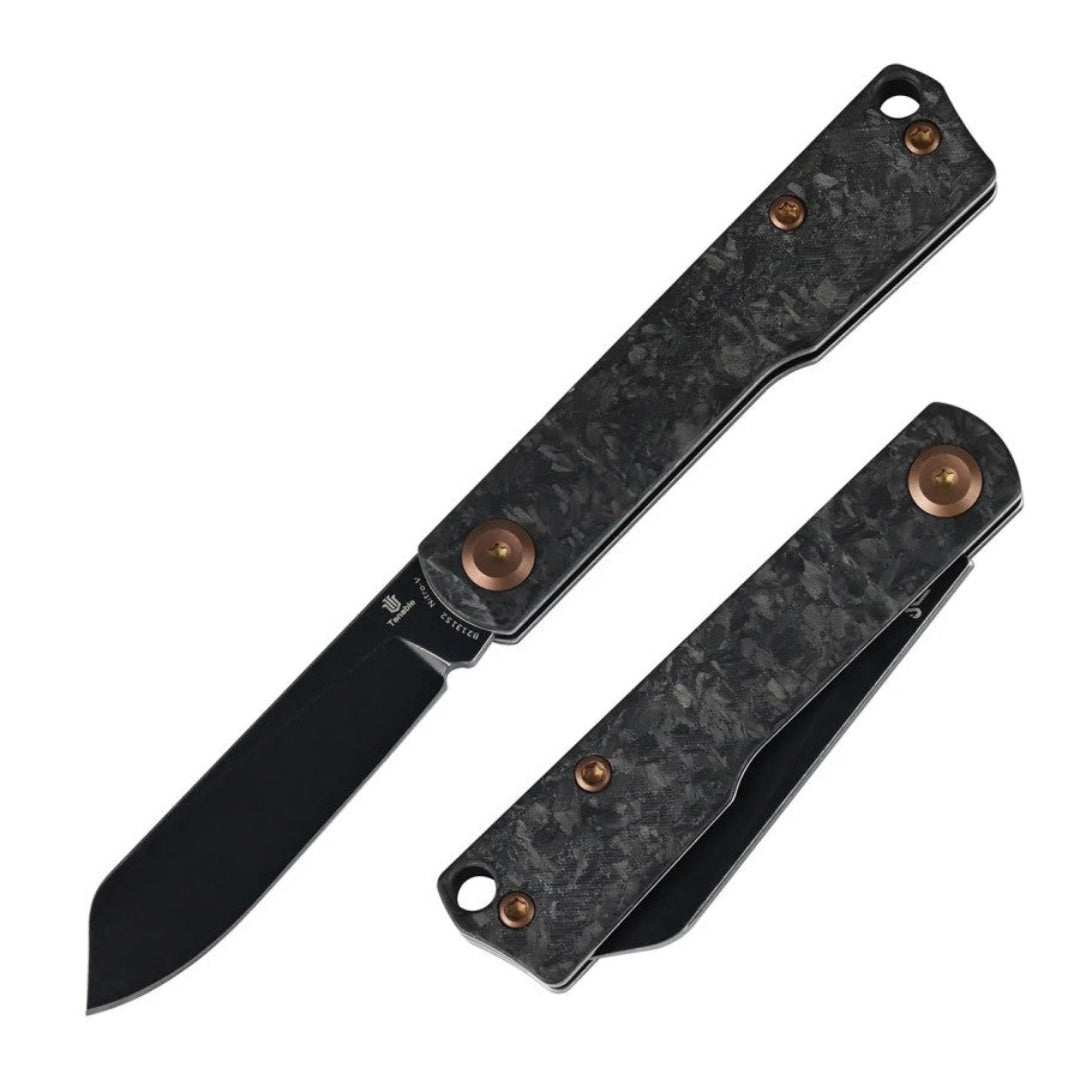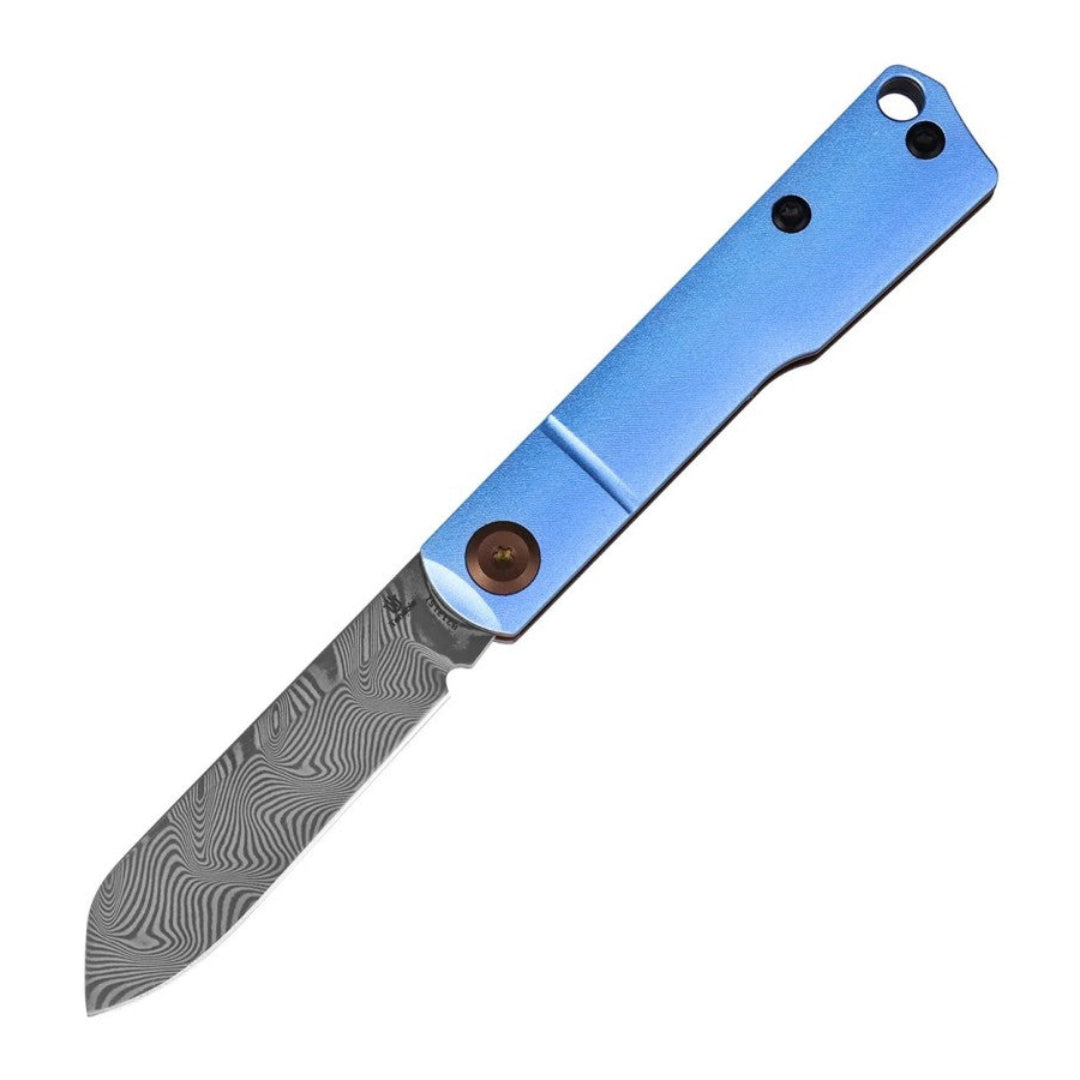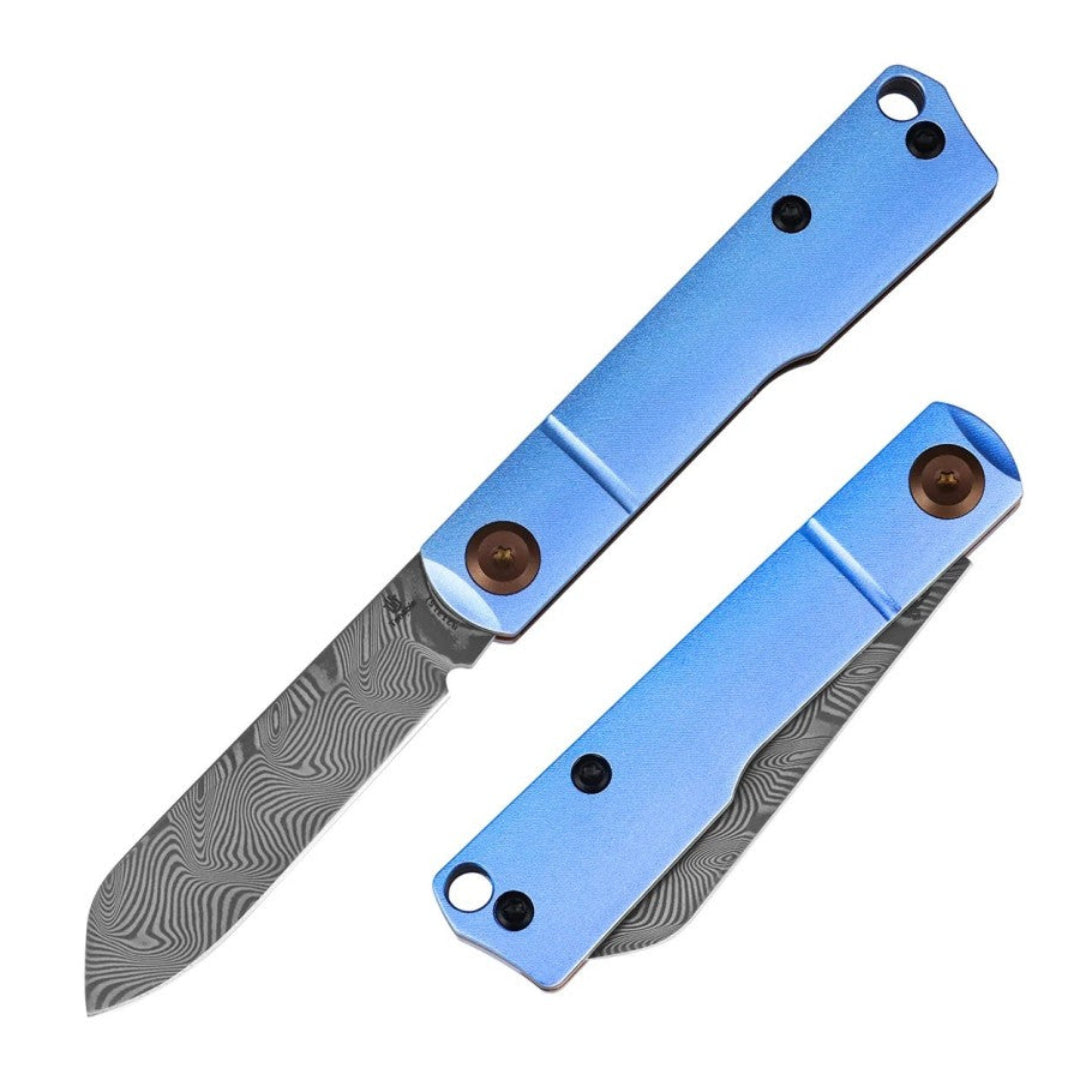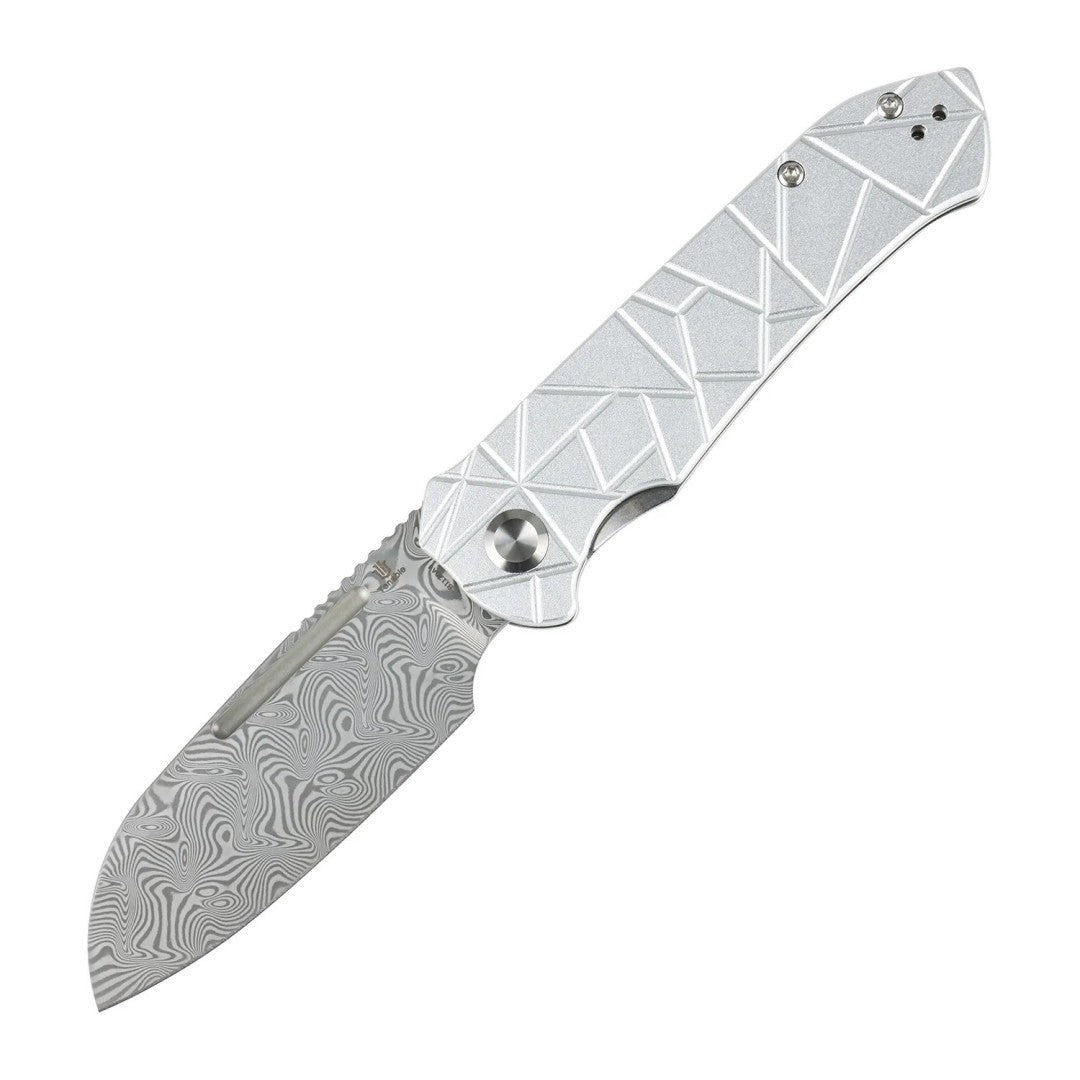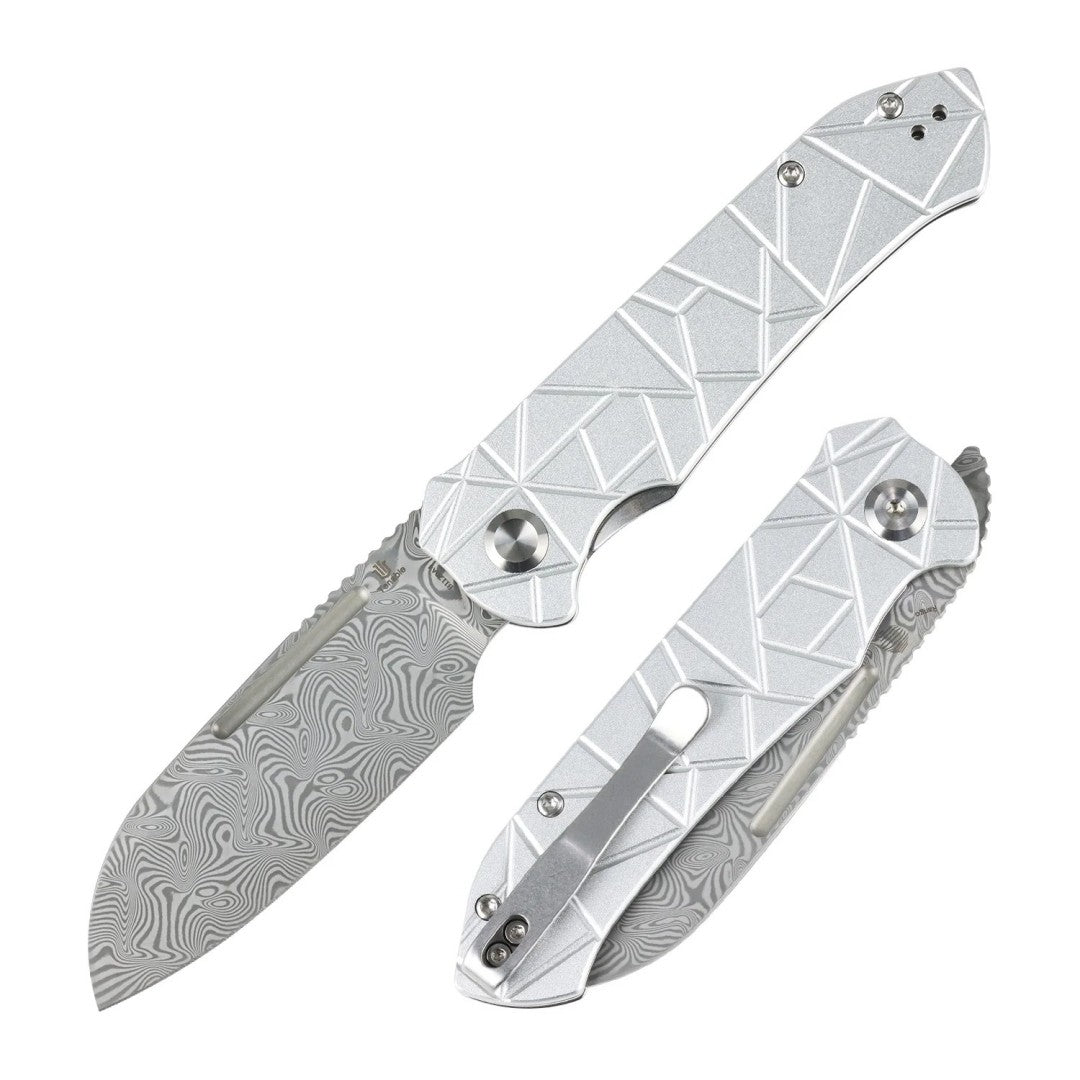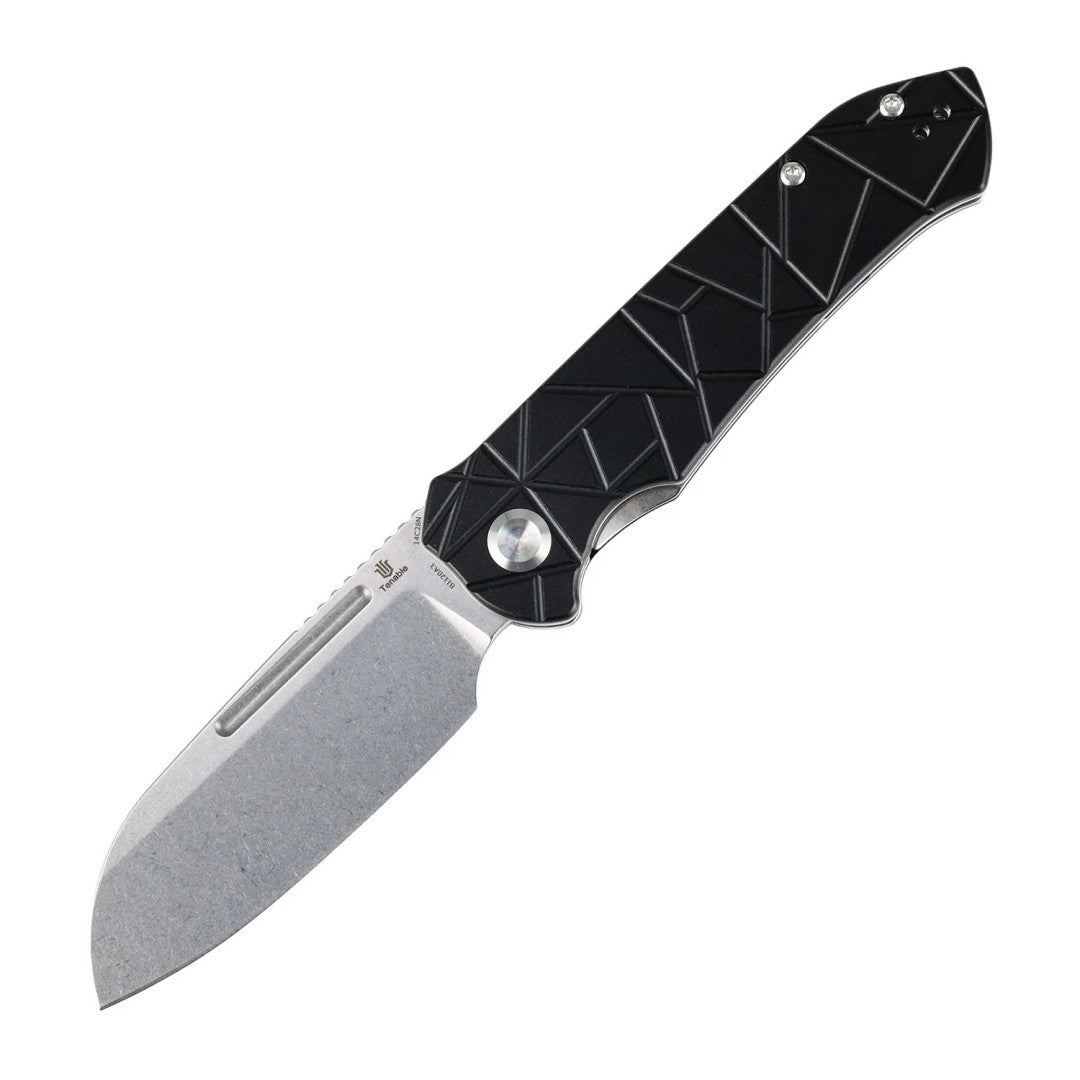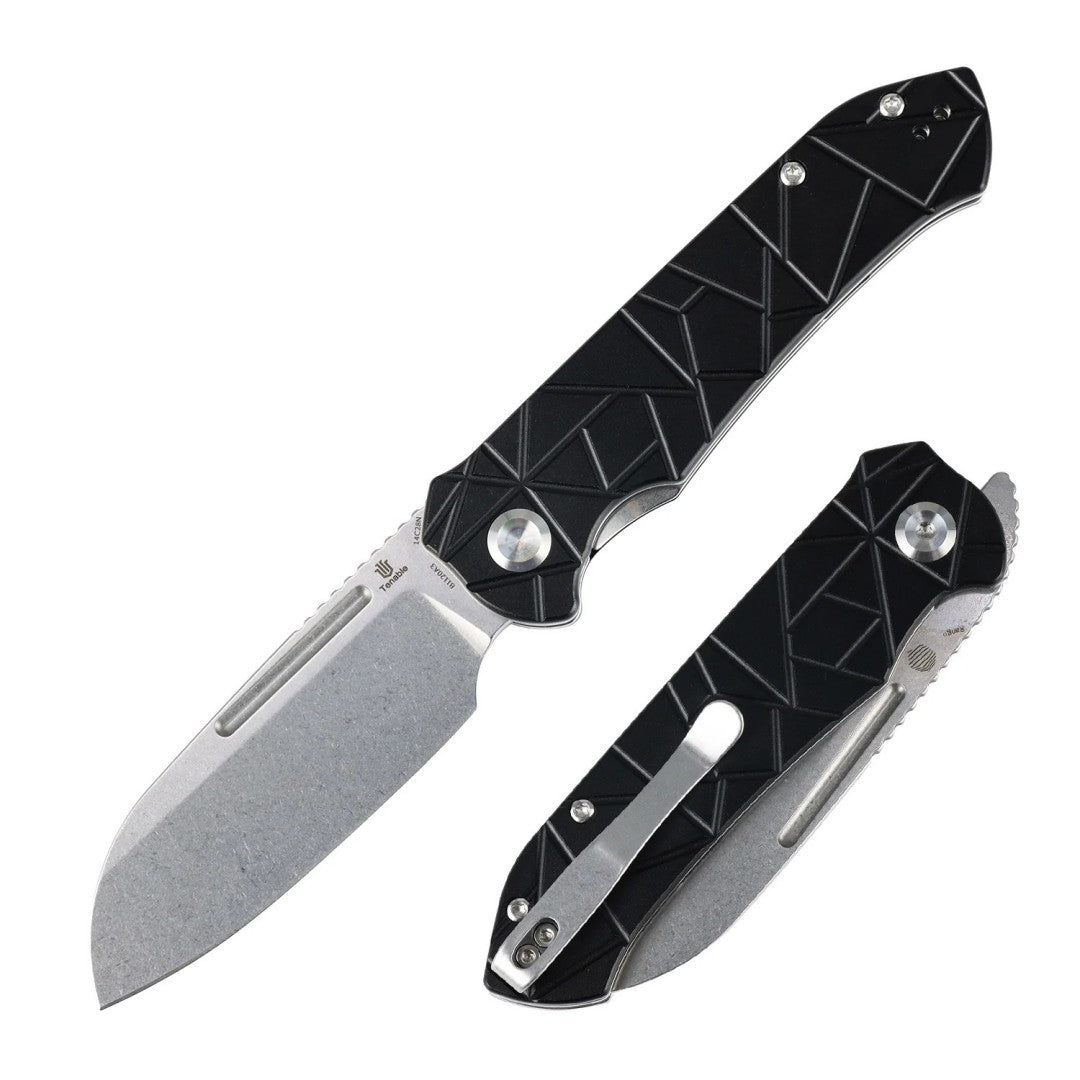
In the world of premium knife steels, few materials strike a balance between high performance and everyday practicality like N690. Manufactured by Austria‘s Böhler-Uddeholm—the same company behind the legendary M390—N690 has earned a loyal following among knife makers and users who value reliability, corrosion resistance, and ease of maintenance.
This comprehensive guide covers everything you need to know about N690 steel: its chemical composition, performance characteristics, real-world strengths and limitations, and how it compares to other popular blade steels.
What Is N690 Steel?
N690 is a corrosion-resistant, martensitic chromium stainless steel produced by Böhler-Uddeholm, a global leader in specialty steels headquartered in Austria. It is also known by its European material number 1.4528 or the designation X105CrCoMo18-2.
N690 is a conventionally produced steel—meaning it is manufactured through traditional ingot casting rather than powder metallurgy. This makes it more affordable to produce than super-premium steels like M390 while still delivering impressive performance.
One important note: N690 is often sold as N690Co—the “Co” refers to cobalt and describes the exact same steel. You may also see it referred to as “Austrian VG-10” due to its similarities with Japan‘s VG-10 steel.
Originally engineered for industrial tooling and precision cutting applications, N690 quickly found its way into knives—from high-end folding knives and fixed blades to professional kitchen cutlery and tactical tools. Its versatility and reliability have made it a favorite among both European and American knife brands.
Chemical Composition
N690’s performance begins with its carefully balanced alloy recipe. Here is the official breakdown from Böhler-Uddeholm:
| Element | Percentage | Role |
|---|---|---|
| Carbon (C) | 1.08% | Hardness, edge retention, and wear resistance |
| Chromium (Cr) | 17.30% | Corrosion resistance and hardness |
| Cobalt (Co) | 1.50% | Improves durability, grain refinement, and secondary hardening |
| Molybdenum (Mo) | 1.10% | Enhances toughness and heat resistance |
| Vanadium (V) | 0.10% | Forms fine carbides for wear resistance and grain refinement |
| Manganese (Mn) | 0.40% | Grain refinement and toughness |
| Silicon (Si) | 0.40% | Strength and deoxidation |
The most distinctive feature of N690 is its cobalt content. Cobalt is relatively rare in knife steels, and it serves a unique purpose: it enhances the steel‘s secondary hardening response and improves durability without sacrificing too much toughness. This makes N690 more resilient under sustained cutting pressure than many conventional stainless steels.
The 17.30% chromium content ensures excellent corrosion resistance—very high resistance to rust and staining—while the 1.08% carbon and small amounts of vanadium form fine, evenly distributed carbides that contribute to edge retention and wear resistance.
Key Performance Properties
Hardness (HRC)
N690 is typically heat-treated to 58–61 HRC, with most production knives settling around 59–60 HRC. At this hardness range, the steel delivers an excellent balance of edge retention, toughness, and sharpenability. Manufacturers like Kizlyar Supreme have optimized heat treatment protocols to achieve approximately 60–61 HRC, maximizing the steel’s useful properties.
For comparison, the optional deep-freeze (cryogenic) treatment can push N690 up to 60–62 HRC for maximum wear resistance, while tempering to 57–59 HRC prioritizes toughness.
Edge Retention
N690 offers good edge retention that is comparable to 154CM and VG-10 when all three are hardened to similar levels. For the average user, an N690 blade stays sharp for a long time with regular use and minimal sharpening. In CATRA testing, N690 achieved a Total Cards Cut score of 635.1 at approximately 60 HRC—a solid result that places it well above budget steels like 440C.
Corrosion Resistance
This is where N690 truly excels. With 17.30% chromium, the steel offers very high resistance to rust and stains. It is approved for food and beverage contact, making it an excellent choice for kitchen knives and outdoor blades that will be exposed to moisture, humidity, or acidic foods.
Compared to 154CM, which has only 14% chromium, N690 maintains a cleaner, more stain-free surface and is more suitable for kitchen knives and tools that require maximum corrosion protection. While not completely immune to rust, N690 performs admirably in humid climates, marine environments, and wet outdoor conditions.
Toughness
N690 delivers good toughness—better than many high-hardness super steels, though not as tough as some specialty alloys. It can withstand impact and resist chipping better than extremely hard steels like M390 or S90V, but it is not as tough as simpler steels like AEB-L or 14C28N.
According to knife manufacturers, N690 produces an overall strong blade with high impact resistance for cutting tasks—it resists chipping when cutting dense foods or wood. However, it is less suited for heavy chopping or prying applications.
Wear Resistance
N690 offers high wear resistance, thanks to the combination of carbon, chromium, cobalt, and trace vanadium. The vanadium content, though small, helps form fine carbides that resist abrasion, allowing the blade to maintain its cutting performance through extended use.
N690 vs. Other Knife Steels
N690 vs. 440C
N690 is essentially an upgraded version of 440C. Both share similar amounts of carbon, chromium, and molybdenum, but N690 adds cobalt and a small amount of vanadium. The result is better wear resistance, edge retention, and corrosion resistance than 440C, while maintaining good polishability and dimensional stability.
N690 vs. VG-10
This is one of the most common comparisons. N690 is often called “Austrian VG-10” because both contain cobalt and have similar edge retention and ease of sharpening. In side-by-side rope-cutting tests, N690 showed comparable edge retention to VG-10 at similar hardness levels. Both are excellent all-around steels, though VG-10 tends to be more common in Japanese kitchen knives while N690 is found more often in European tactical and outdoor knives.
N690 vs. 154CM
Both are high-carbon stainless steels with similar edge retention. However, N690 has a clear advantage in corrosion resistance due to its higher chromium content (17.3% vs. 14%) and the addition of cobalt. 154CM can achieve slightly higher maximum hardness (64 HRC vs. N690’s 62 HRC), but N690 is generally easier to sharpen and more stain-resistant.
N690 vs. M390
This is a question of different priorities. M390 is a premium powder metallurgy steel with significantly higher hardness (up to 66 HRC) and edge retention (CATRA 958.6 vs. N690‘s 635.1). However, N690 is much more affordable, easier to sharpen, and still offers excellent corrosion resistance. For most everyday users, N690 delivers 80–90% of M390’s real-world performance at a fraction of the cost.
N690 vs. Maxamet
This comparison is almost apples to oranges. Maxamet is an extreme-hardness tool steel reaching 67–72 HRC with unmatched edge retention but very low toughness and corrosion resistance. N690 is a balanced stainless steel designed for versatility and ease of maintenance. If Maxamet is a Formula 1 race car, N690 is a reliable all-wheel-drive SUV—both are excellent, but for very different purposes.
Best Applications for N690 Steel
Everyday Carry (EDC) Knives
N690’s balance of good edge retention, high corrosion resistance, and ease of sharpening makes it an ideal choice for daily carry. You don‘t need diamond stones to maintain an N690 blade, and it won’t rust from pocket sweat or rain. Brands like Böker, Fox Cutlery, and GiantMouse use N690 extensively in their EDC offerings.
Kitchen Knives
Because N690 is approved for food and beverage contact, it‘s an excellent choice for kitchen knives. It resists staining from acidic foods like tomatoes and citrus, maintains a sharp edge through heavy prep work, and is relatively easy to sharpen with standard stones—making it popular among both professional chefs and home cooks.
Outdoor and Hunting Knives
N690 excels in wet outdoor environments. Its excellent corrosion resistance makes it ideal for fishing, camping, hunting, and any application where the knife may be exposed to moisture or humidity. Many European hunting knives feature N690 blades for this reason.
Tactical and Fixed Blades
Many tactical knife manufacturers—including Extrema Ratio, Spyderco, and Fox Cutlery—use N690 for their fixed-blade and tactical folding knives. The steel offers good toughness for demanding cuts while resisting rust in all conditions.
How to Care for and Sharpen N690 Steel
Sharpening
This is one of N690’s greatest advantages: it is relatively easy to sharpen compared to premium super steels. The steel takes a sharp edge more easily than most similarly hard and wear-resistant alloys.
While standard aluminum oxide or ceramic stones will work, diamond-coated or ceramic stones are recommended for the best results and fastest sharpening. A recommended sharpening angle is 20 degrees per side.
Maintenance
N690 requires minimal maintenance thanks to its high corrosion resistance. However, basic care will extend the life of your blade:
-
Clean and dry after use: While N690 resists rust, proper cleaning prevents any potential issues
-
Store in a dry environment: Avoid prolonged storage in leather sheaths or damp locations
-
Occasional oiling: In humid coastal environments, a light coat of mineral oil provides extra protection
-
Hone regularly: A few passes on a leather strop between sharpenings will keep the edge performing at its best
Pros and Cons Summary
Pros
-
Excellent corrosion resistance – 17.30% chromium with food-contact approval
-
Good edge retention – Comparable to VG-10 and 154CM
-
Easy to sharpen – No special diamond stones required for routine maintenance
-
Good toughness – Resists chipping better than many super-hard steels
-
Versatile – Suitable for EDC, kitchen, outdoor, and tactical knives
-
Affordable – Premium performance at a mid-range price point
-
Good polishability – Takes a fine finish suitable for high-end knives
Cons
-
Not a super steel – Edge retention does not match M390, S90V, or Maxamet
-
Limited hardness – Maxes out around 62 HRC
-
Conventional production – Not powder metallurgy, so carbide distribution is less uniform than super-premium steels
-
May require more frequent sharpening – For heavy users who cut abrasive materials all day
-
Can be confused with N695 – N695 is a lower-grade steel; always verify you are getting genuine N690
Frequently Asked Questions
Is N690 steel stainless? Yes. With 17.30% chromium, N690 offers very high resistance to rust and stains. It is classified as a true stainless steel.
Is N690 good for kitchen knives? Absolutely. N690 is approved for food and beverage contact, resists staining from acidic foods, and holds an excellent edge. It’s a popular choice for professional and home kitchen knives.
How hard is N690 steel? N690 typically reaches 58–61 HRC in production knives, with most manufacturers targeting 59–60 HRC for optimal balance.
Is N690 better than 440C? Yes. N690 builds on 440C with the addition of cobalt and vanadium, resulting in better wear resistance, edge retention, and corrosion resistance.
What brands use N690 steel? Many reputable knife brands use N690, including Böker, Spyderco, Fox Cutlery, Extrema Ratio, GiantMouse, Kizlyar Supreme, and Ontario.
Final Verdict
N690 steel occupies a sweet spot in the knife steel market. It is not the hardest steel, nor does it offer the ultimate edge retention of powder metallurgy super steels. But what it lacks in extreme performance, it more than makes up for in balance, reliability, and practicality.
For the everyday user, N690 delivers excellent corrosion resistance, good edge retention, and easy sharpening—all at a price that won‘t break the bank. Whether you need a dependable EDC folder, a rust-resistant kitchen knife, or a tough outdoor blade, N690 is a choice you can trust.
Think of N690 as the all-wheel-drive sedan of knife steels: it may not win any drag races against supercars, but it will handle everything you throw at it—rain or shine—and ask for nothing more than basic maintenance in return.