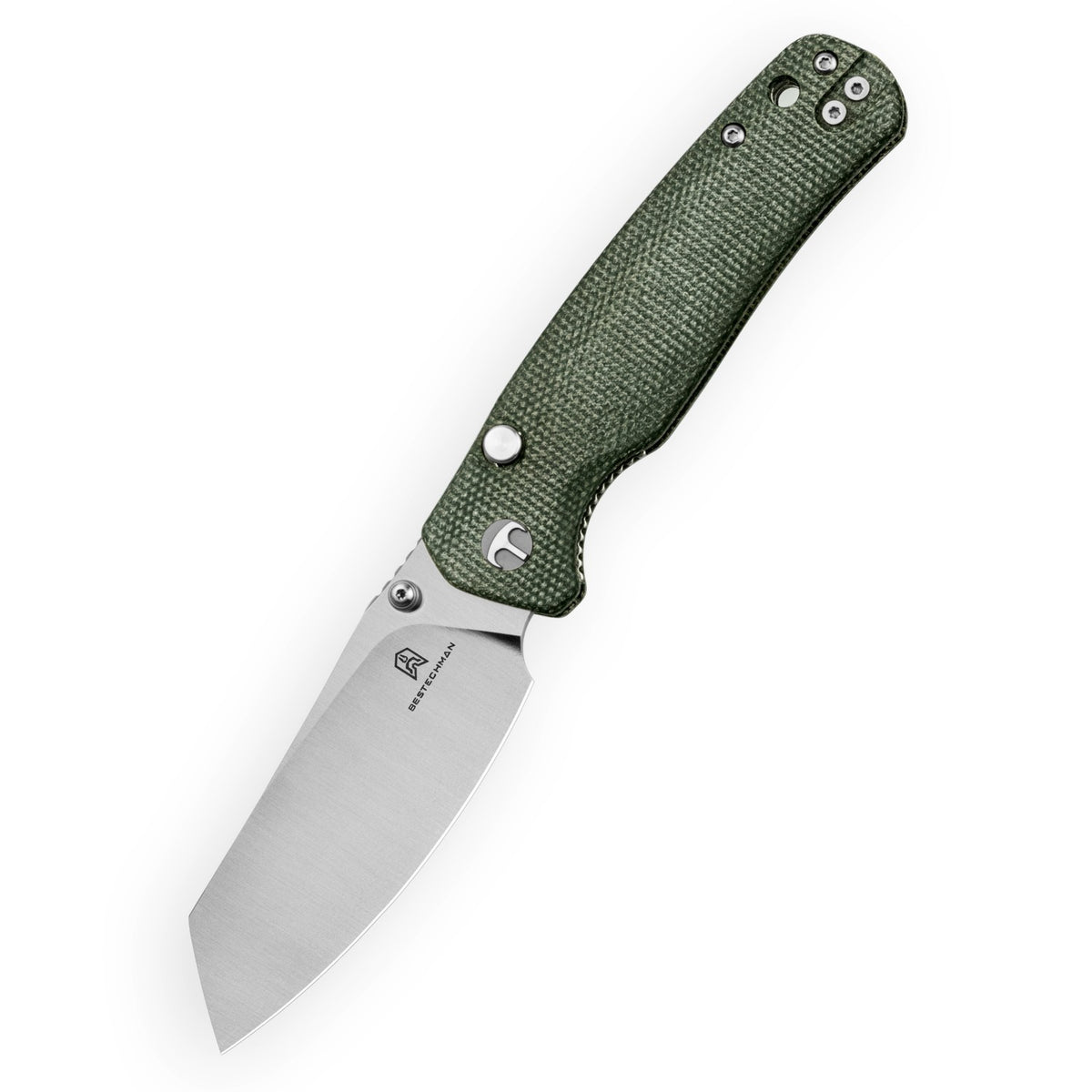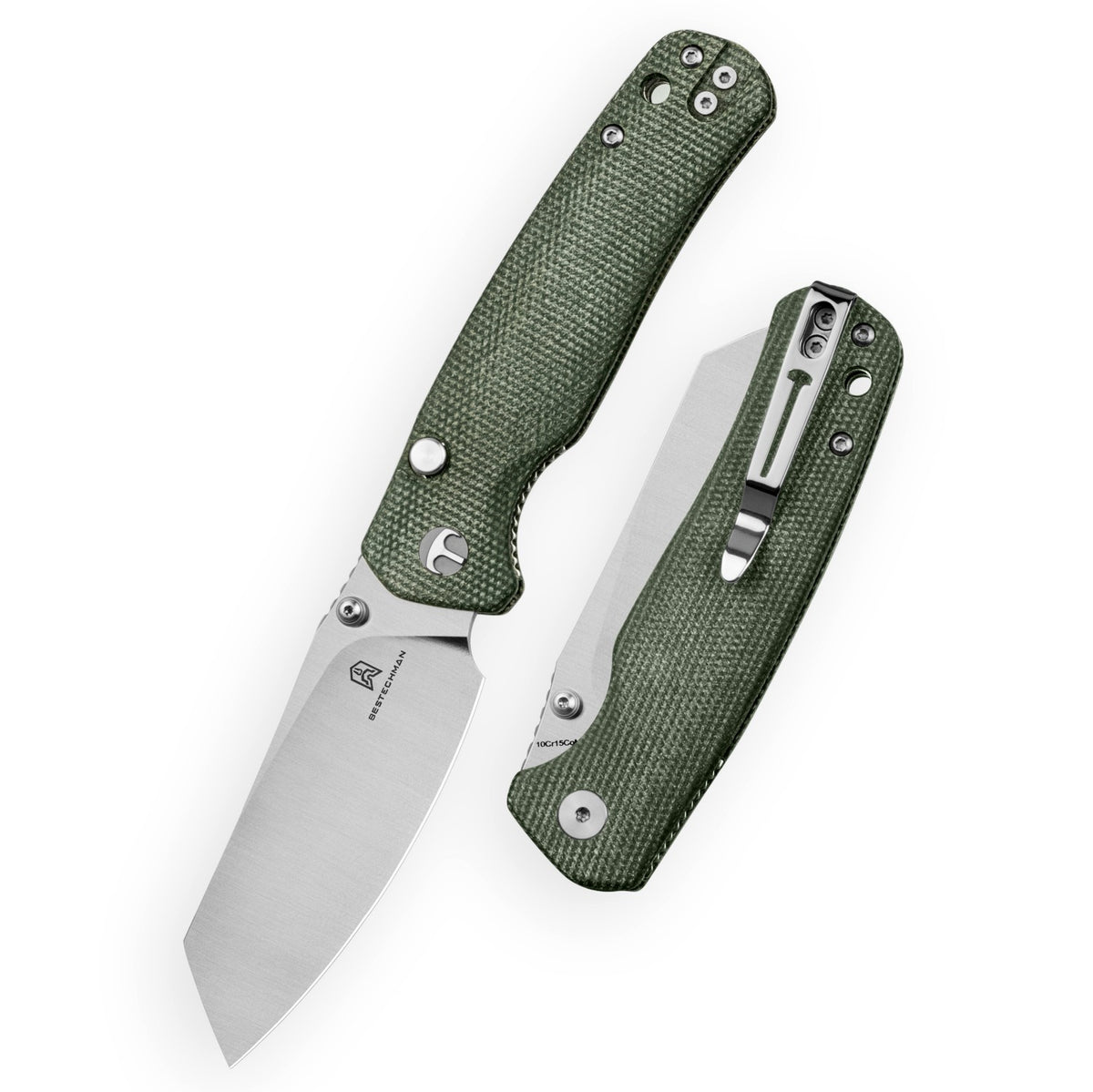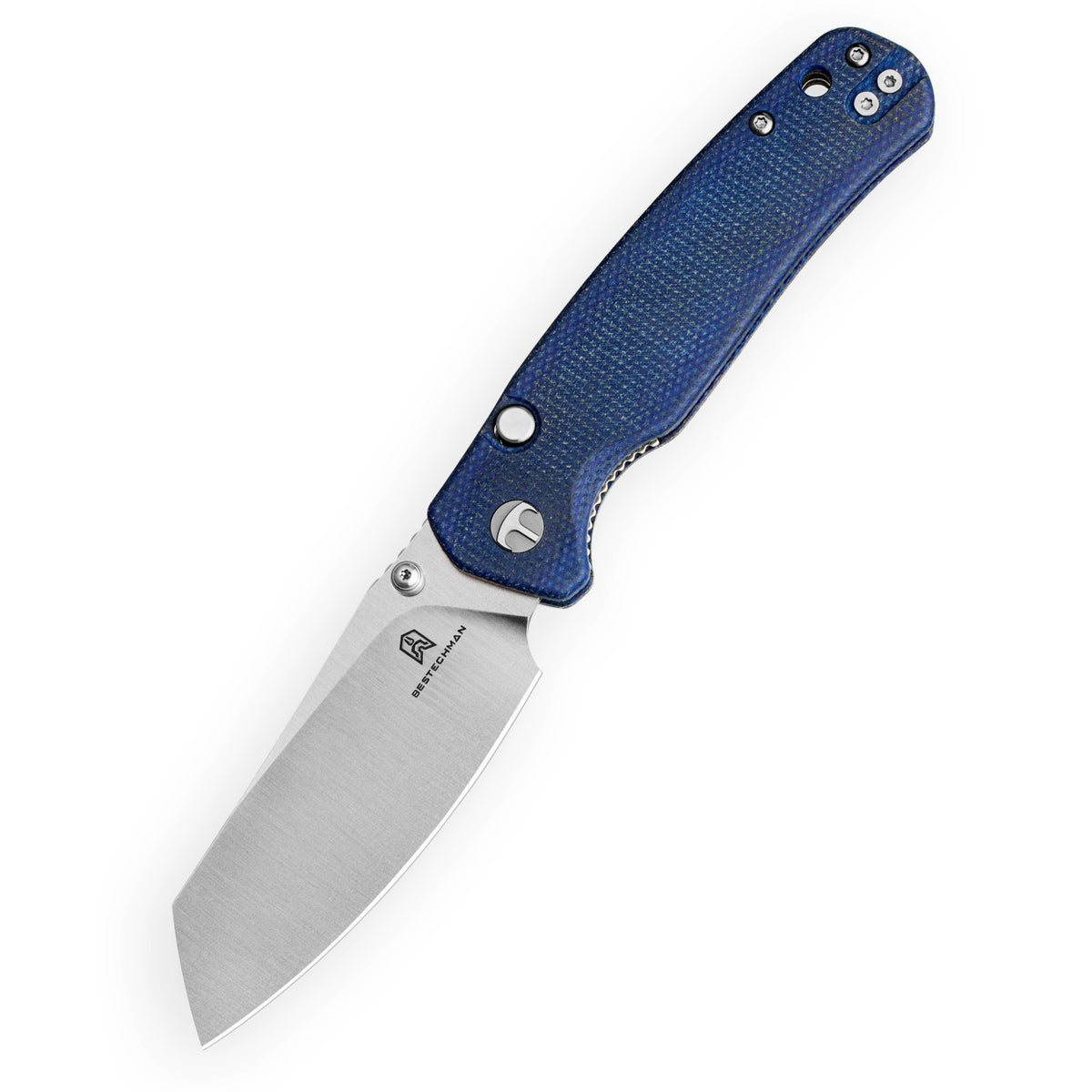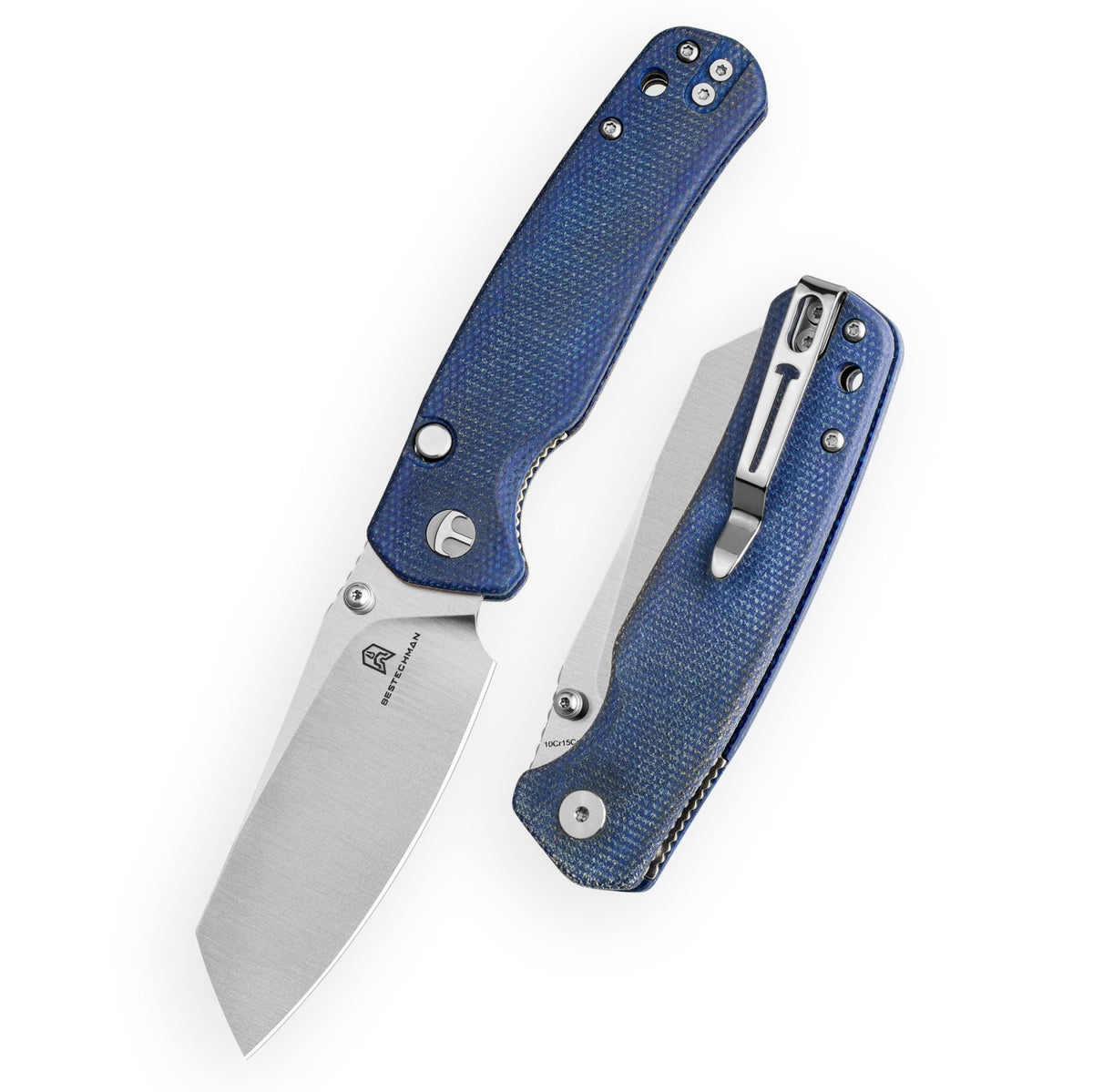

Overview & First Impressions
Sharpening is often taught as a technique when it is really a question of geometry. Every knife has an included angle at the edge, and everything that happens on a stone is either maintaining that angle or deliberately changing it. Once you understand the difference between a touch up and a reprofile, sharpening stops being mysterious, the results become repeatable, and you stop removing steel you did not need to remove from a knife you like.
Materials & Construction
Stones come in two basic families. Water stones cut quickly and leave a crisp edge, while diamond plates stay flat and handle hard alloys such as D2 steel without glazing. A practical setup is one coarse stone for geometry work, one medium stone for the working edge, and something fine for the final refinement. Add a strop with compound and you can maintain an edge for months without touching a stone at all, which is the single biggest steel saver in this hobby.

Design & Details
The angle itself should follow the job. Around fifteen degrees per side suits a thin slicer used on soft material, twenty degrees per side is a sound all-round working edge, and twenty five degrees per side suits a hard use blade that meets bone, cardboard or zip ties. Most folding knives from the factory sit somewhere between seventeen and twenty two degrees per side, so the first thing a guided sharpening system tells you is what your knife was actually set to.
Real-World Use
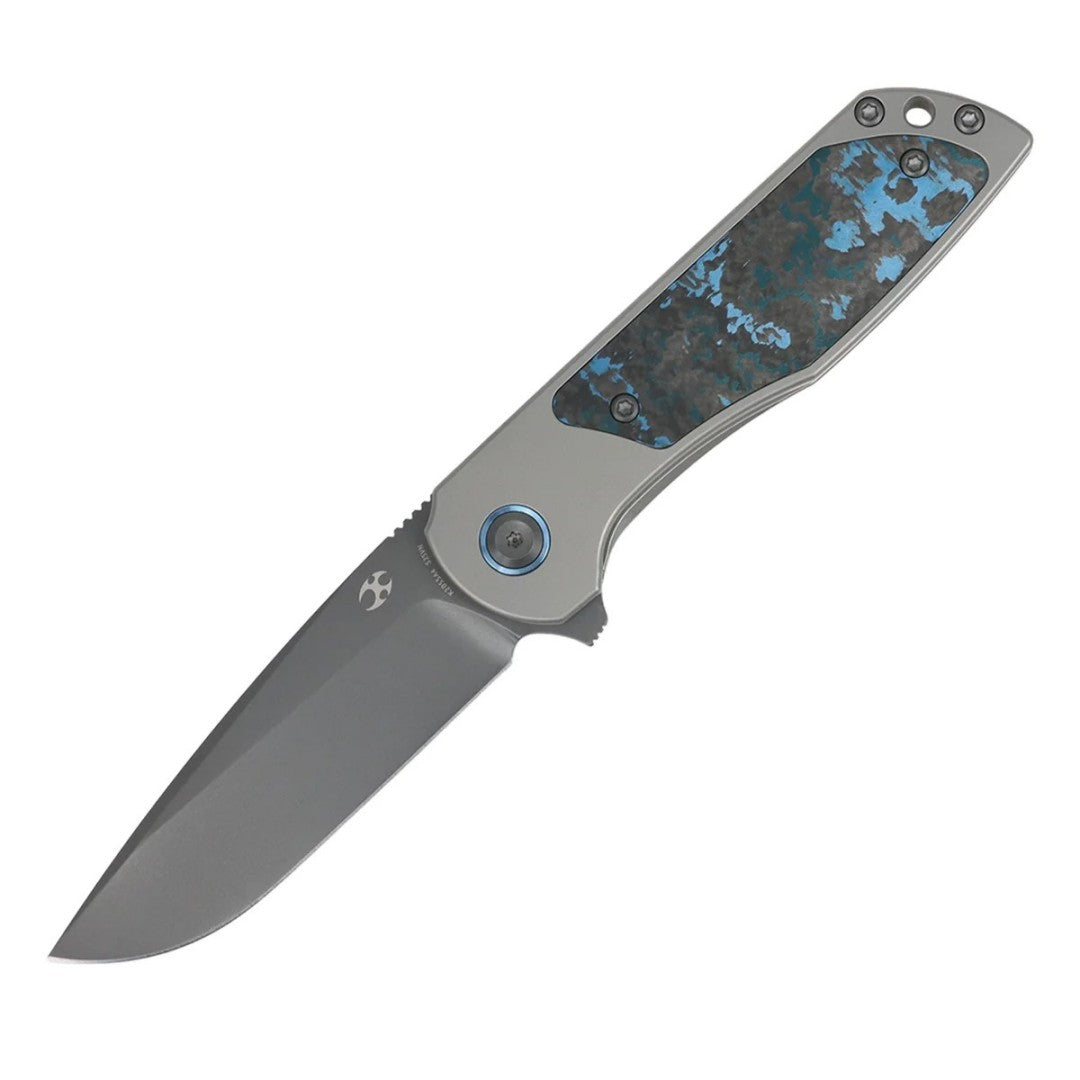
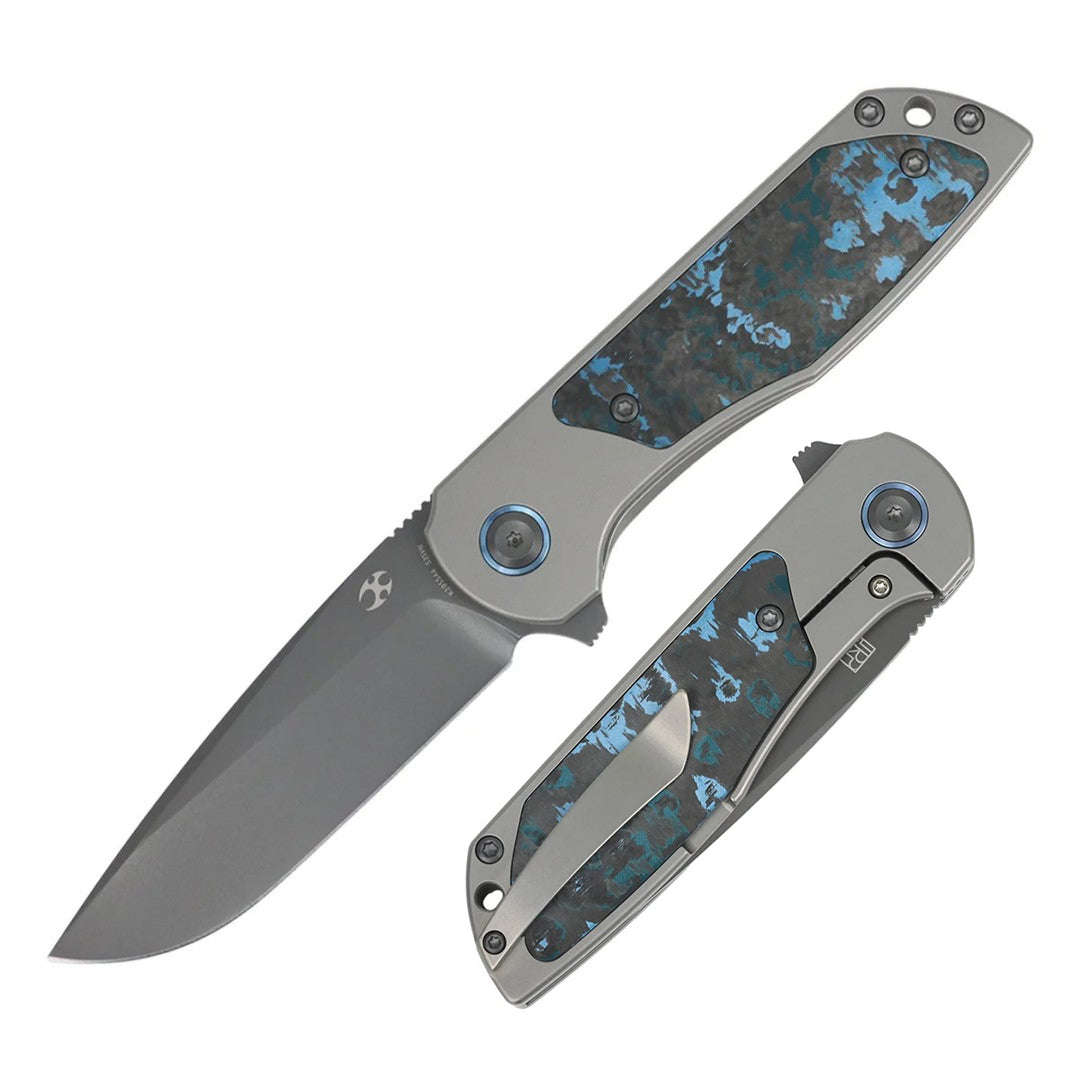
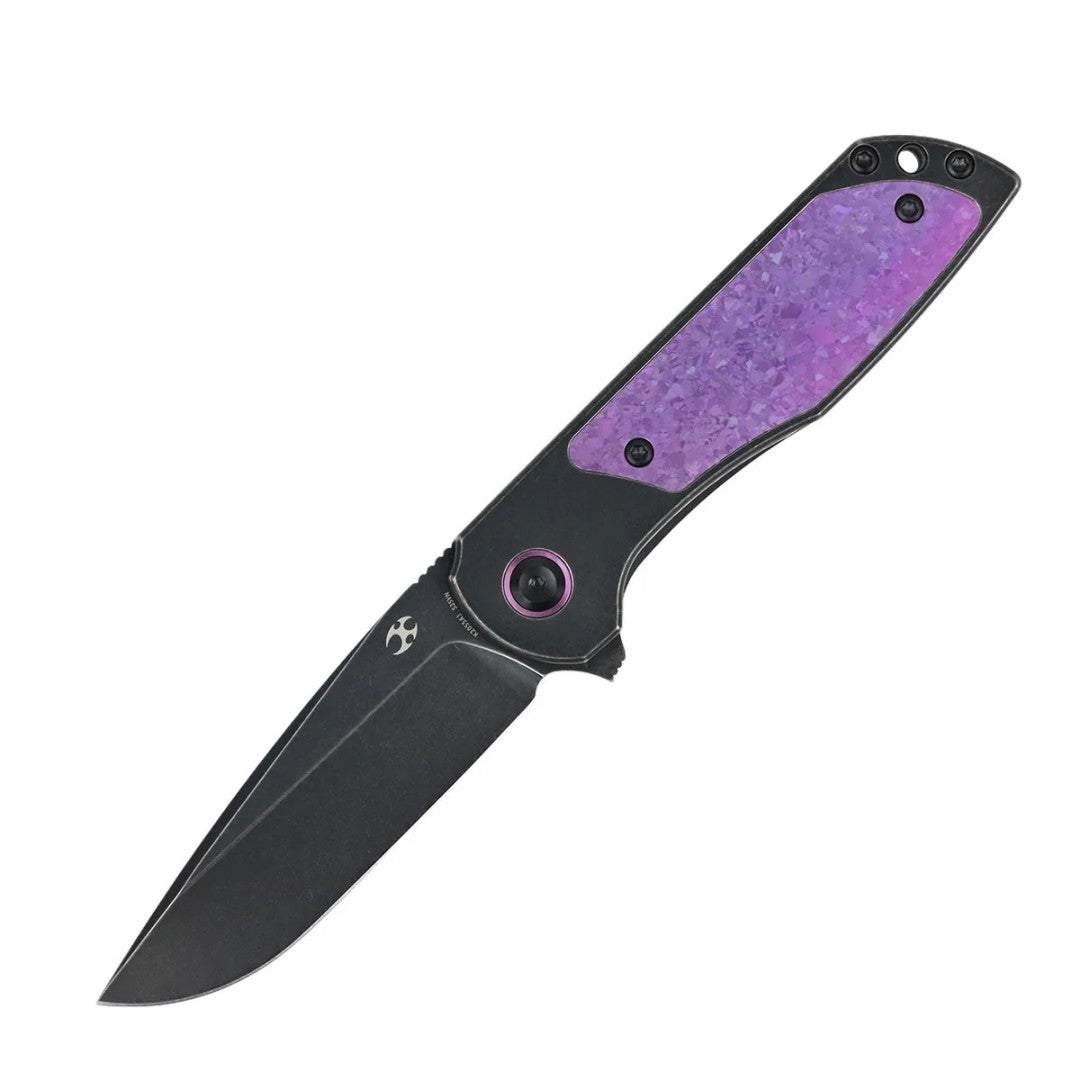
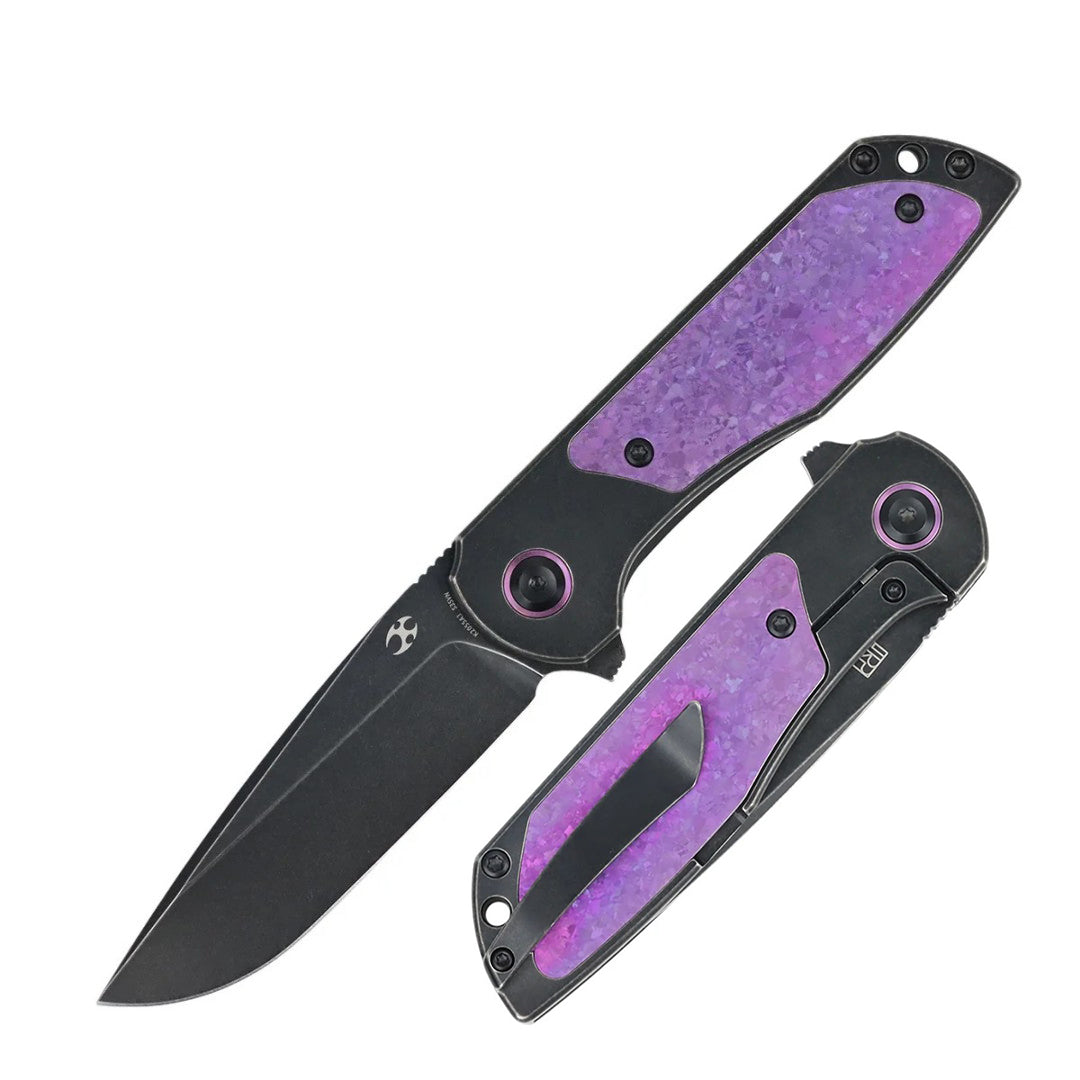
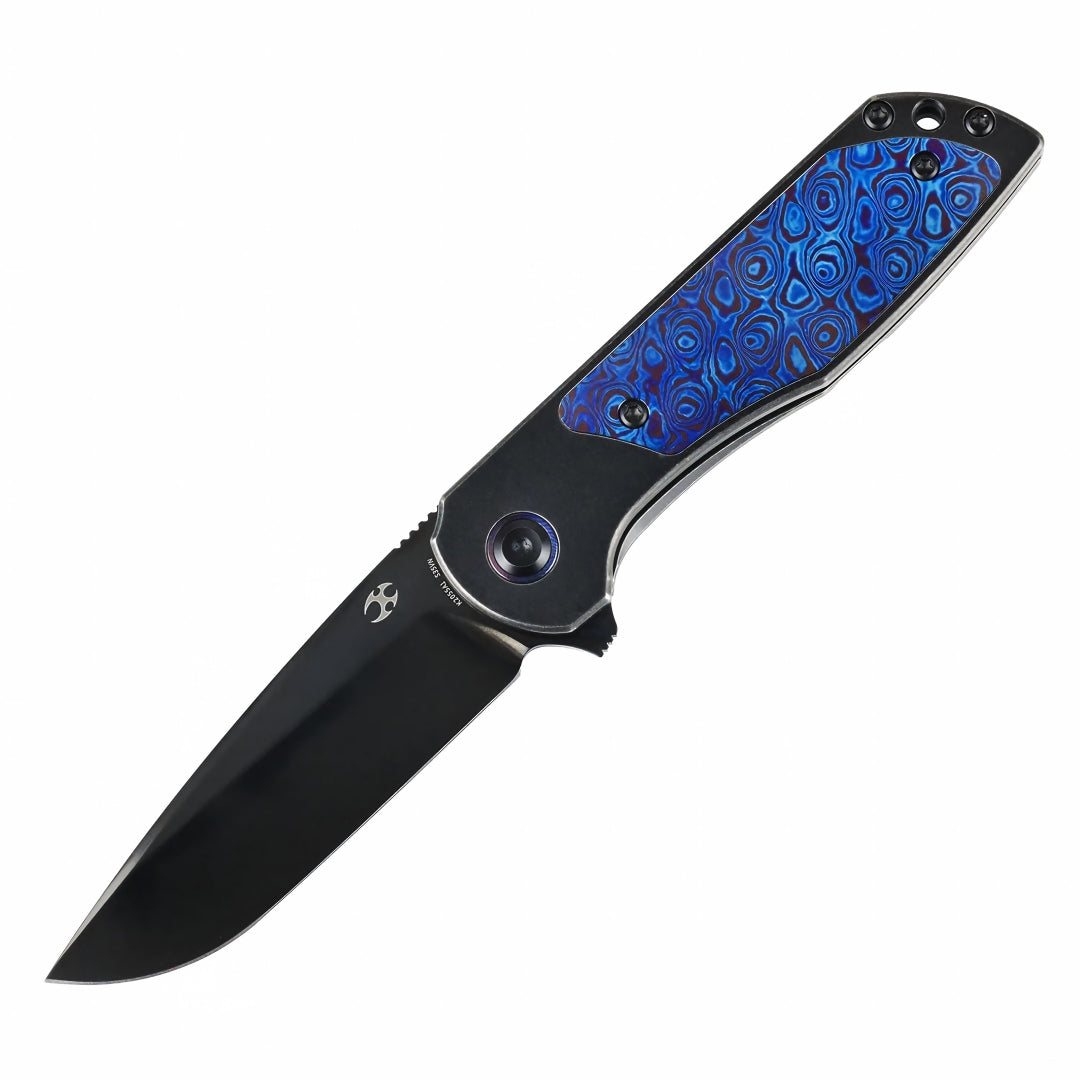
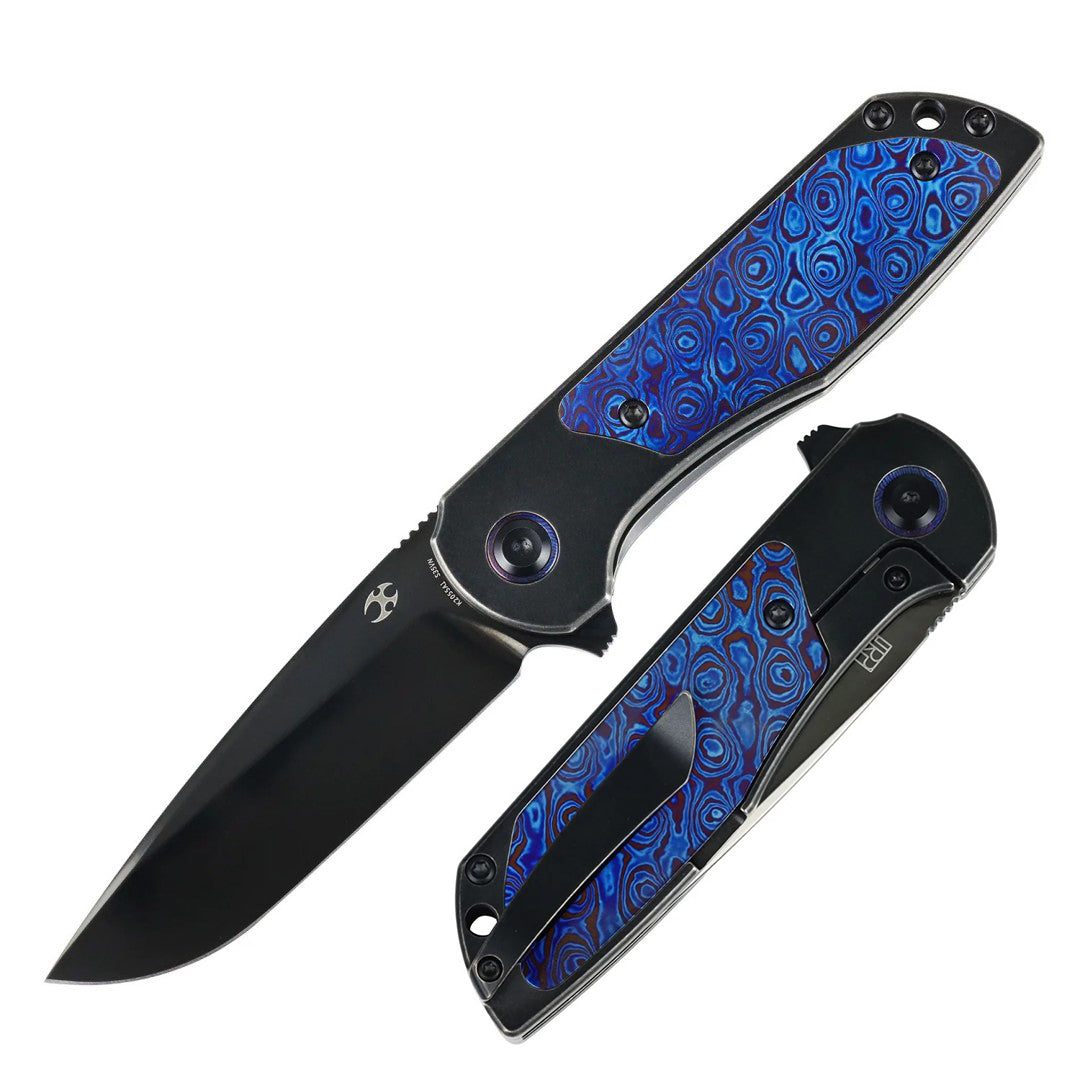
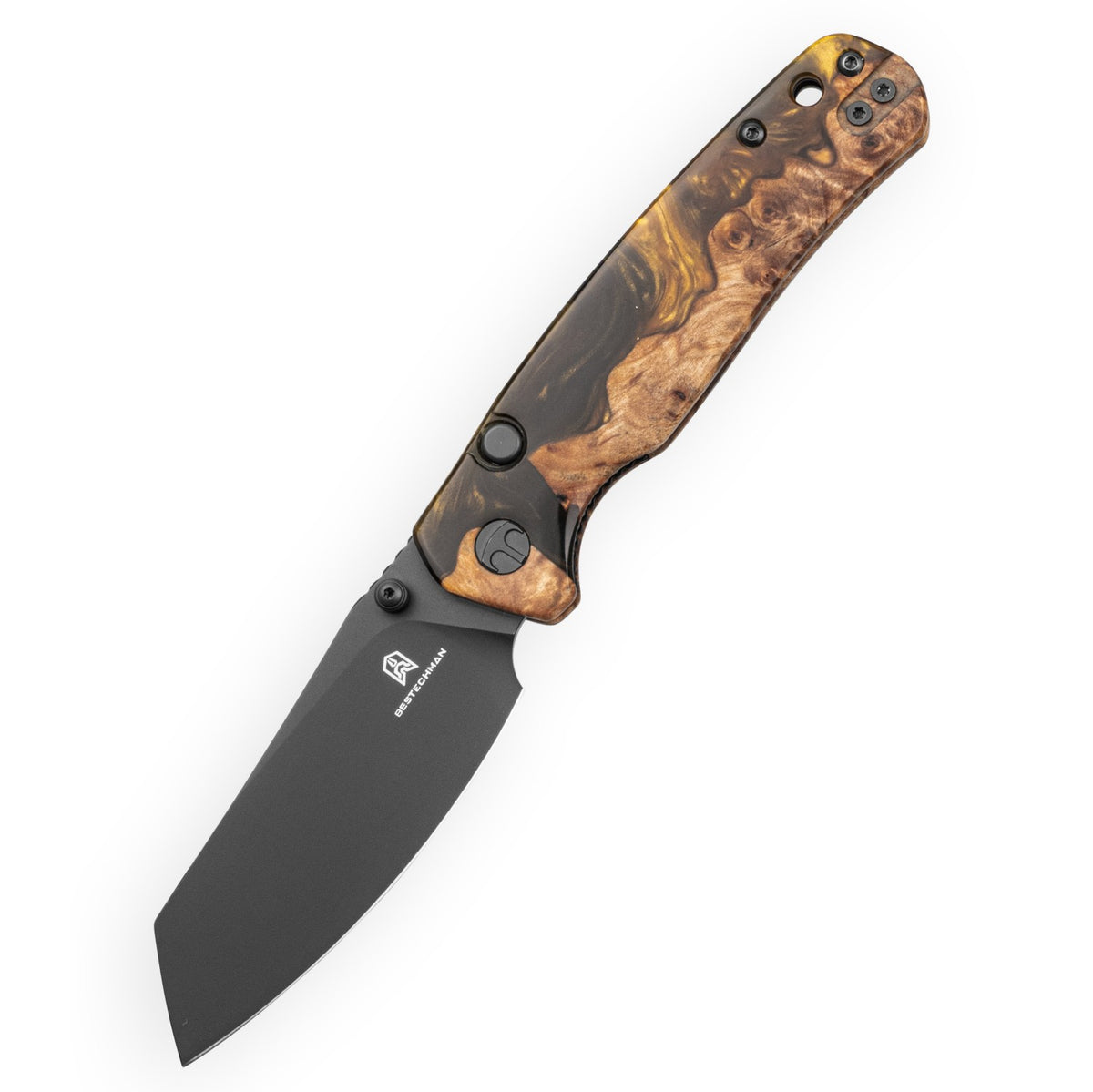
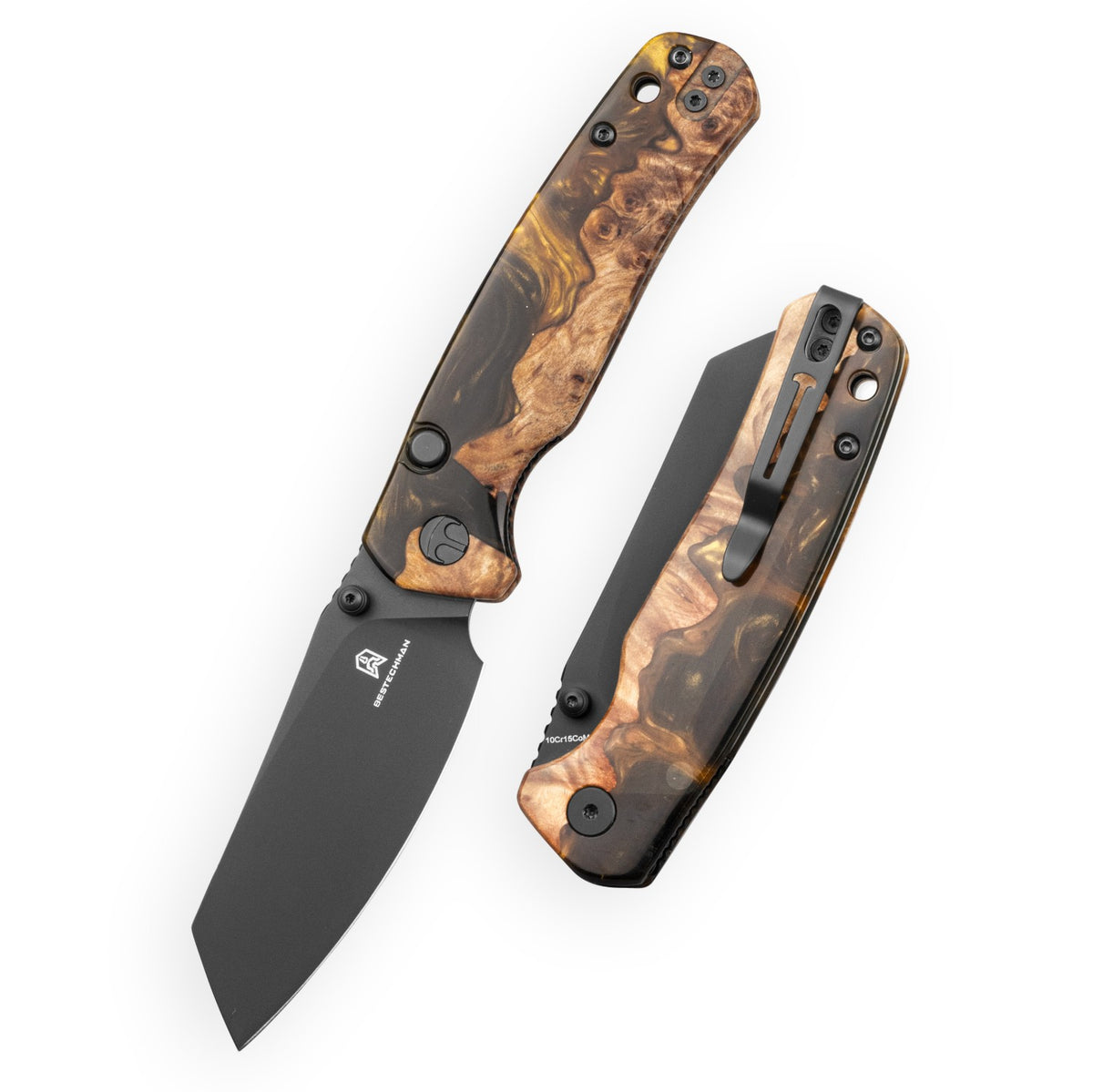
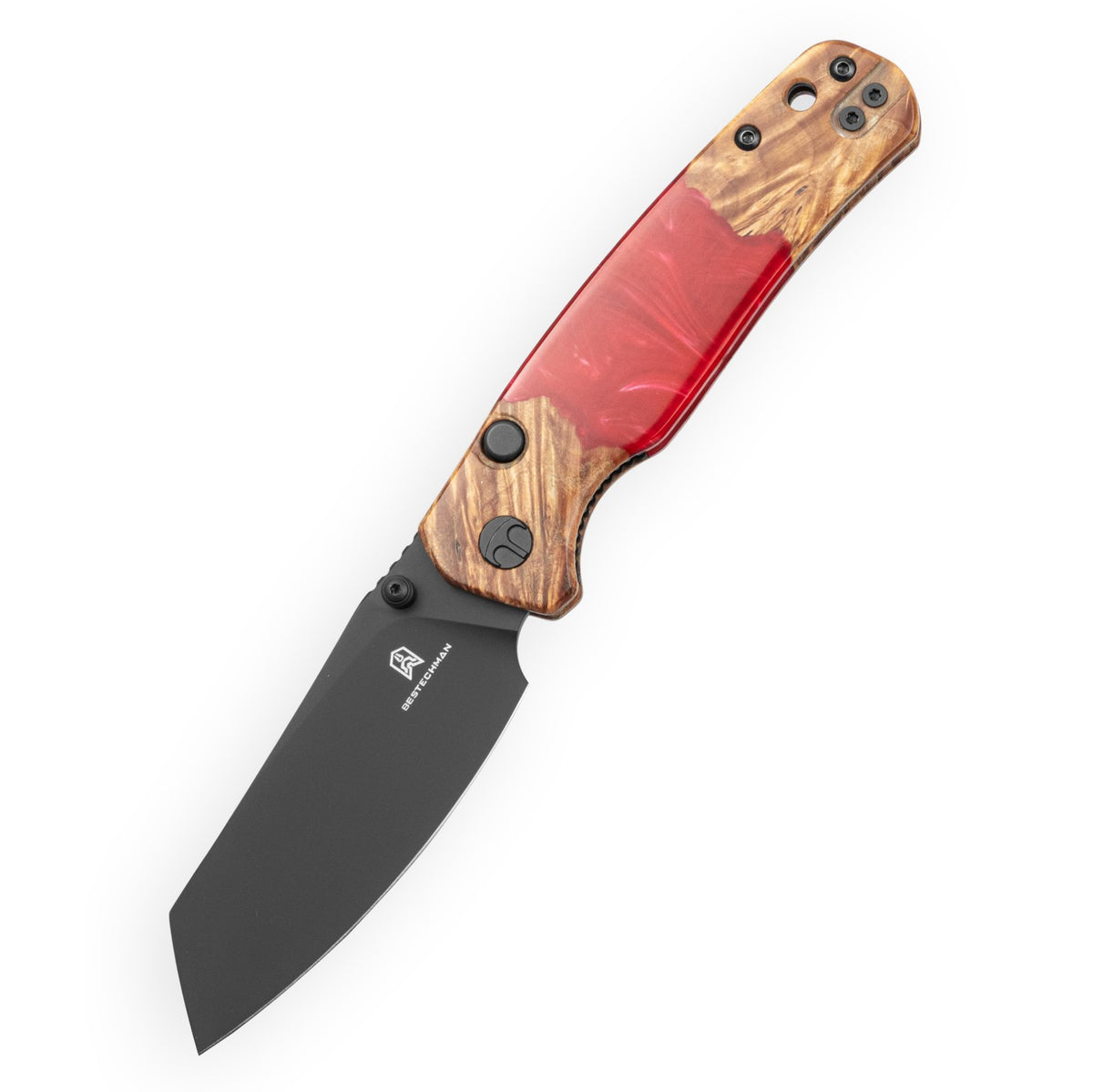
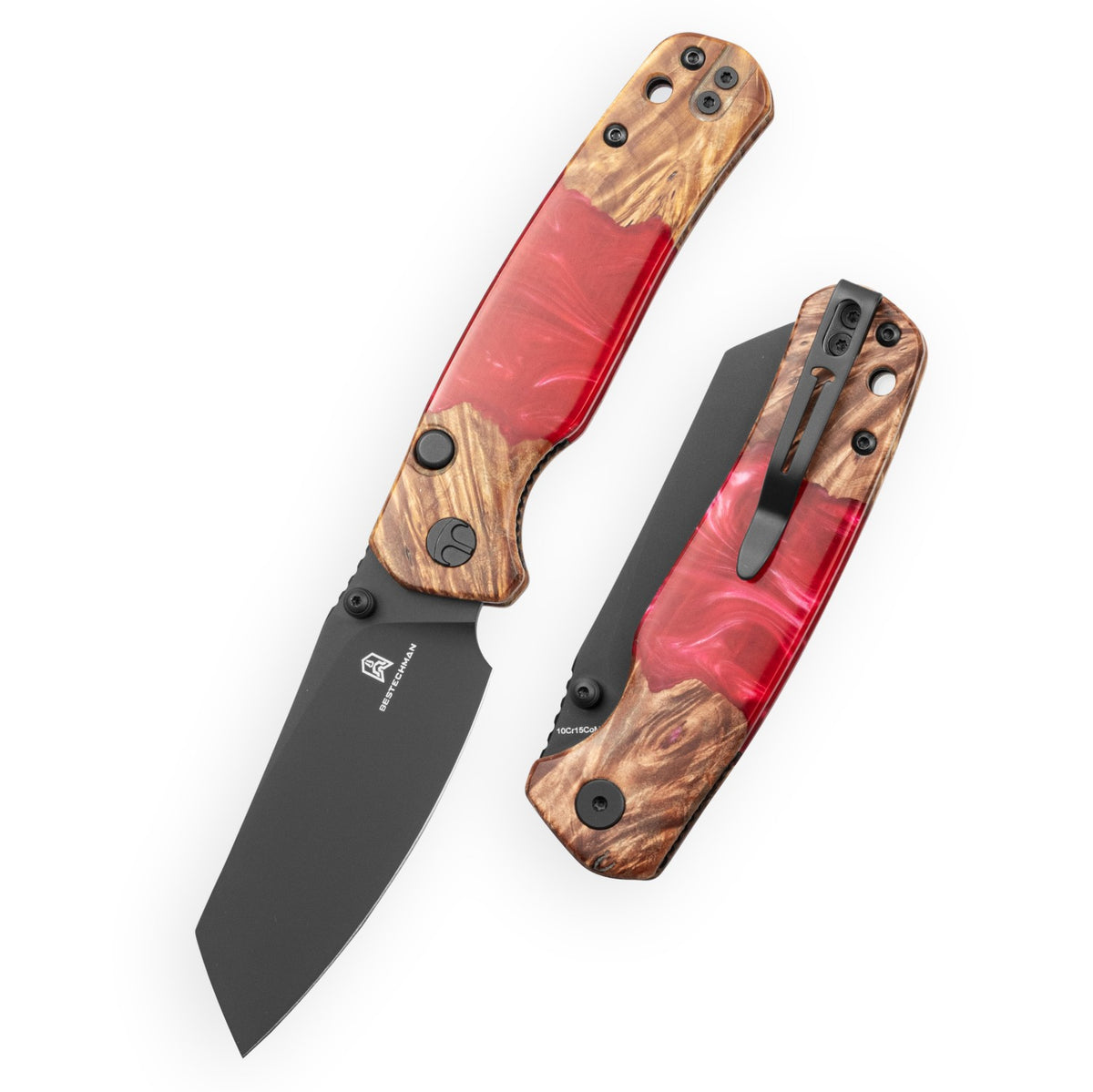
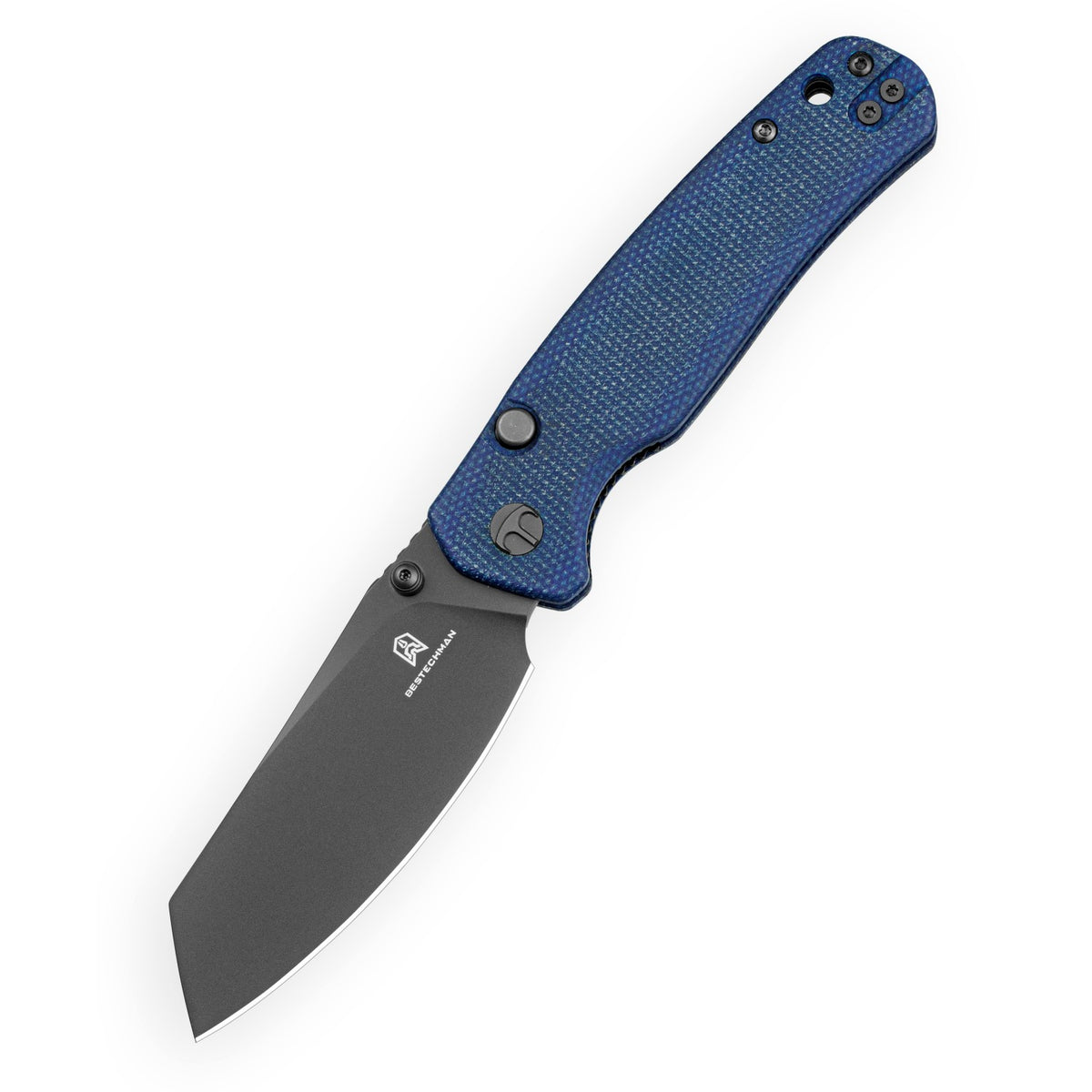
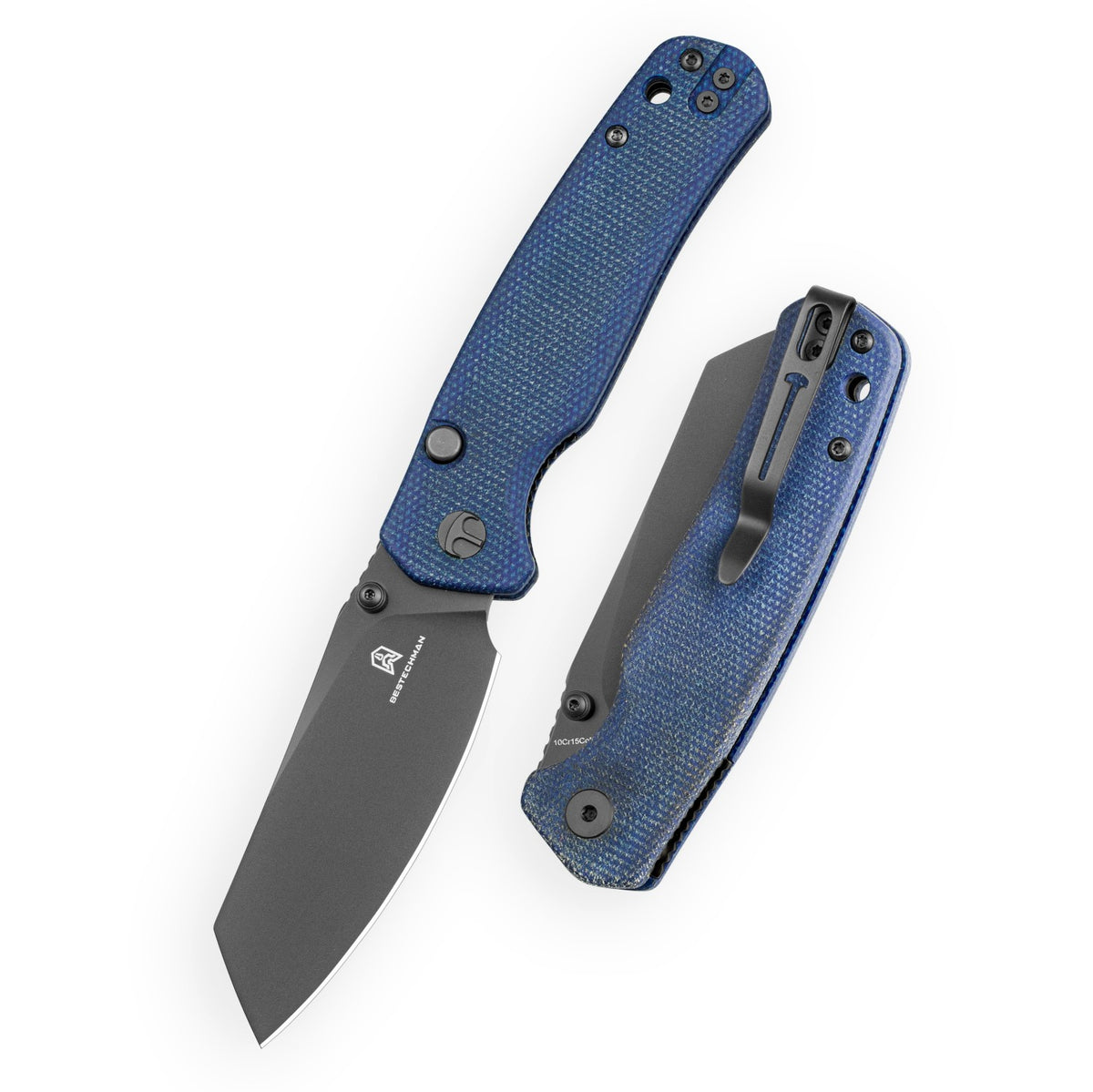
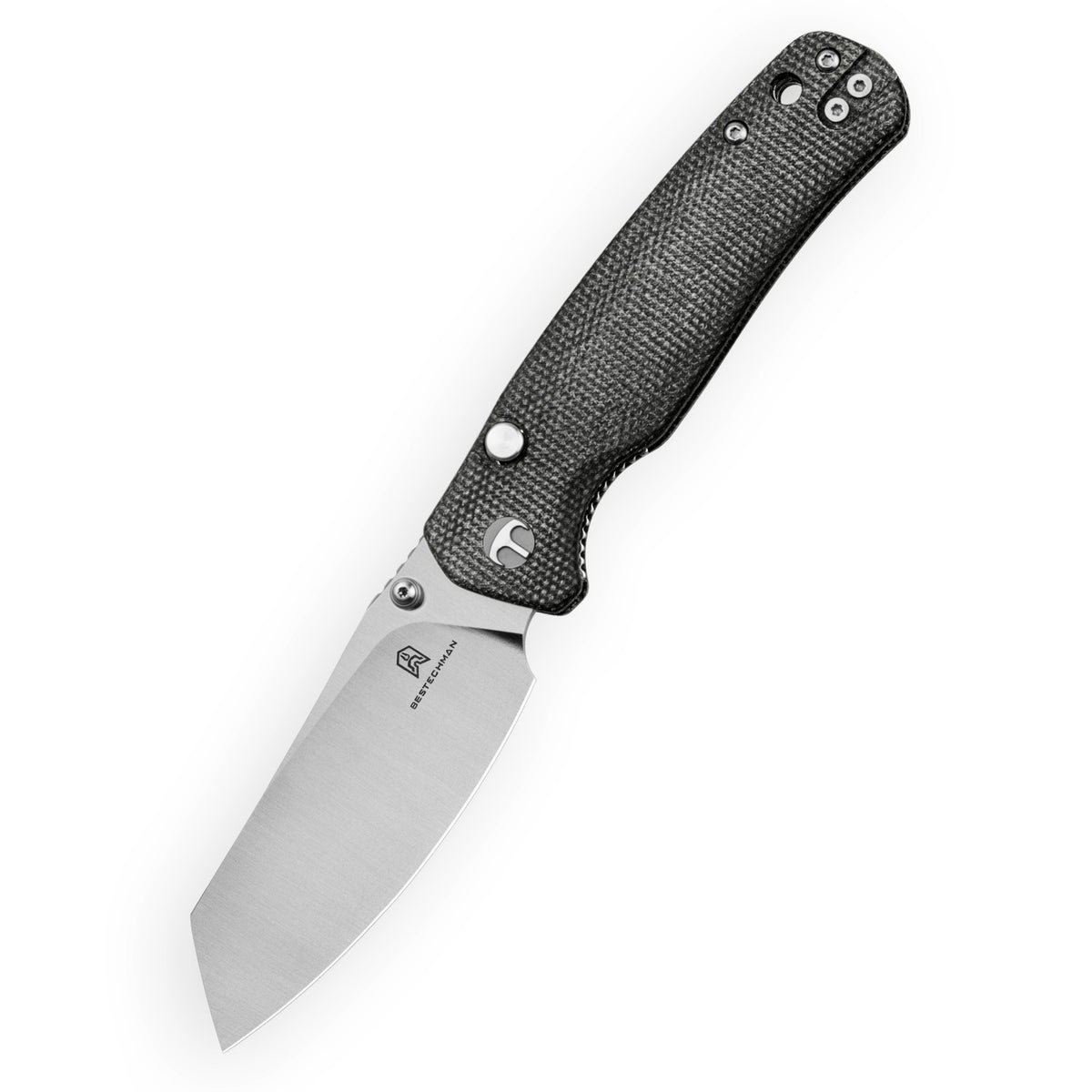
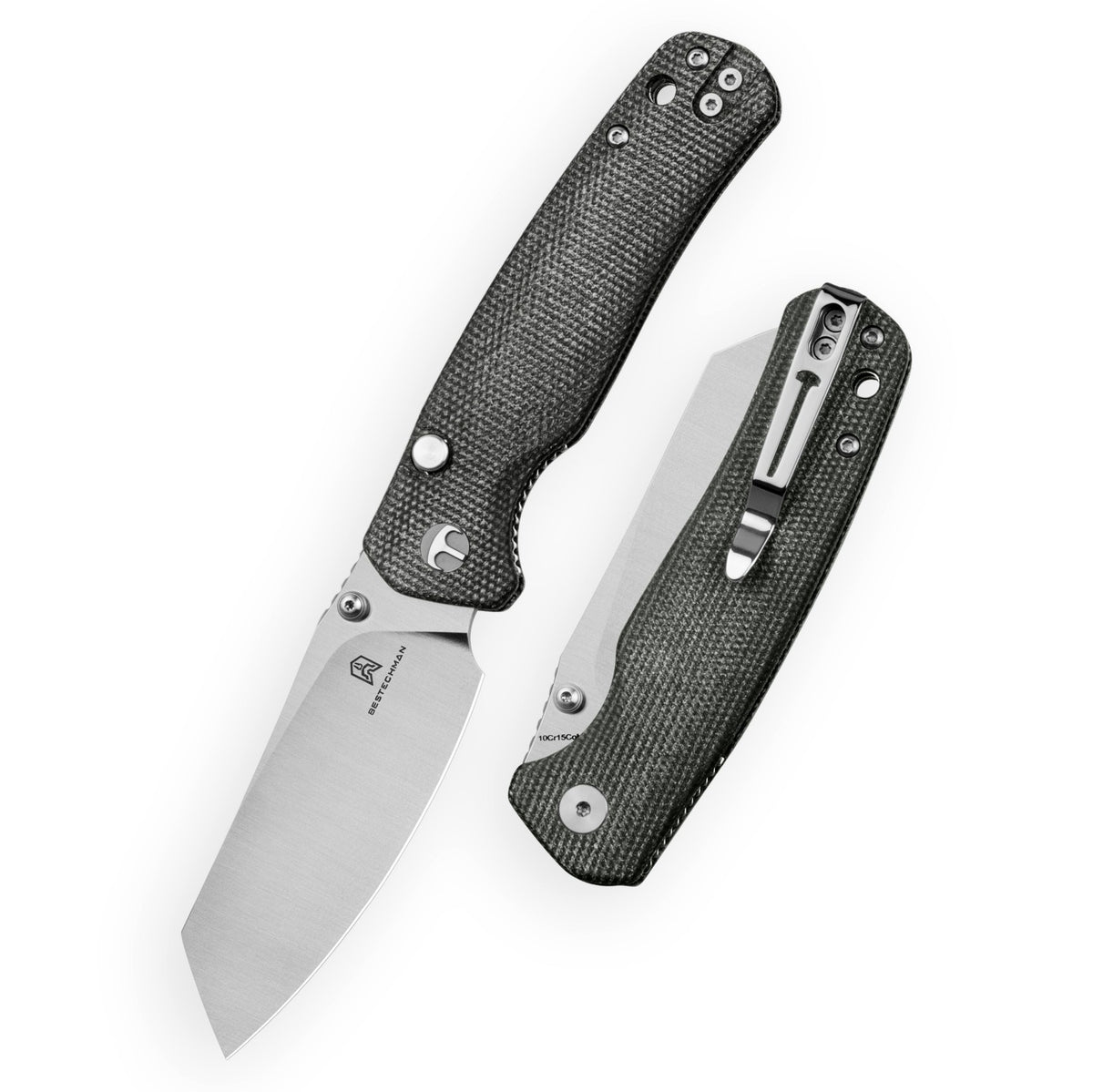
A touch up is a few passes at the existing angle to restore sharpness. A reprofile is a genuine change of angle, which means grinding away steel until the bevel meets the new geometry along the entire edge. Reprofiling is slower, uses a coarse stone, and should be done deliberately rather than to chase a burr. The reward is an edge that suits your cutting and much easier maintenance afterwards. A blade such as the Tenable Leviathan in D2 is a good subject because the alloy holds the new geometry for a long time.

Ownership Notes
Two mistakes account for most ruined edges. The first is inconsistent angle, which rounds the bevel and makes the knife feel dull even after an hour of work. The second is over polishing, which removes the toothy micro structure that helps a working edge bite into rope and cardboard. Finish a working blade on a medium stone rather than a fine one, then strop lightly. Check progress with a marker on the bevel, and be honest about whether a guided system would suit you better than freehand. Sharpening is also the cheapest way to make a modest knife feel expensive, and Tenable knives are built from steels that reward the effort rather than resisting it. Keep a note of the angle you settle on, because that number is the only specification you can genuinely change after purchase.
Who Is This For?
Beginners who have never sharpened a knife should start with a guided system and a single medium stone. Anyone who owns a full rotation of folding knives will eventually benefit from a coarse diamond plate and a strop. Only move to freehand sharpening on water stones if you enjoy the process, because the guided route produces a perfectly usable edge with far less risk of wrecking a blade you cannot replace.
Final Verdict
Learn the angle, then learn the stone. Touch up often, reprofile rarely, and strop between sessions. A guided system plus one good medium stone will keep any folding knives collection sharp for years, and it will teach you more about your blades than any product description. Explore the Tenable Leviathan lineup at EdcMall to find a blade worth learning on.
Shop the Tenable Leviathan B1083A1 D2 Folding Knife at EdcMall