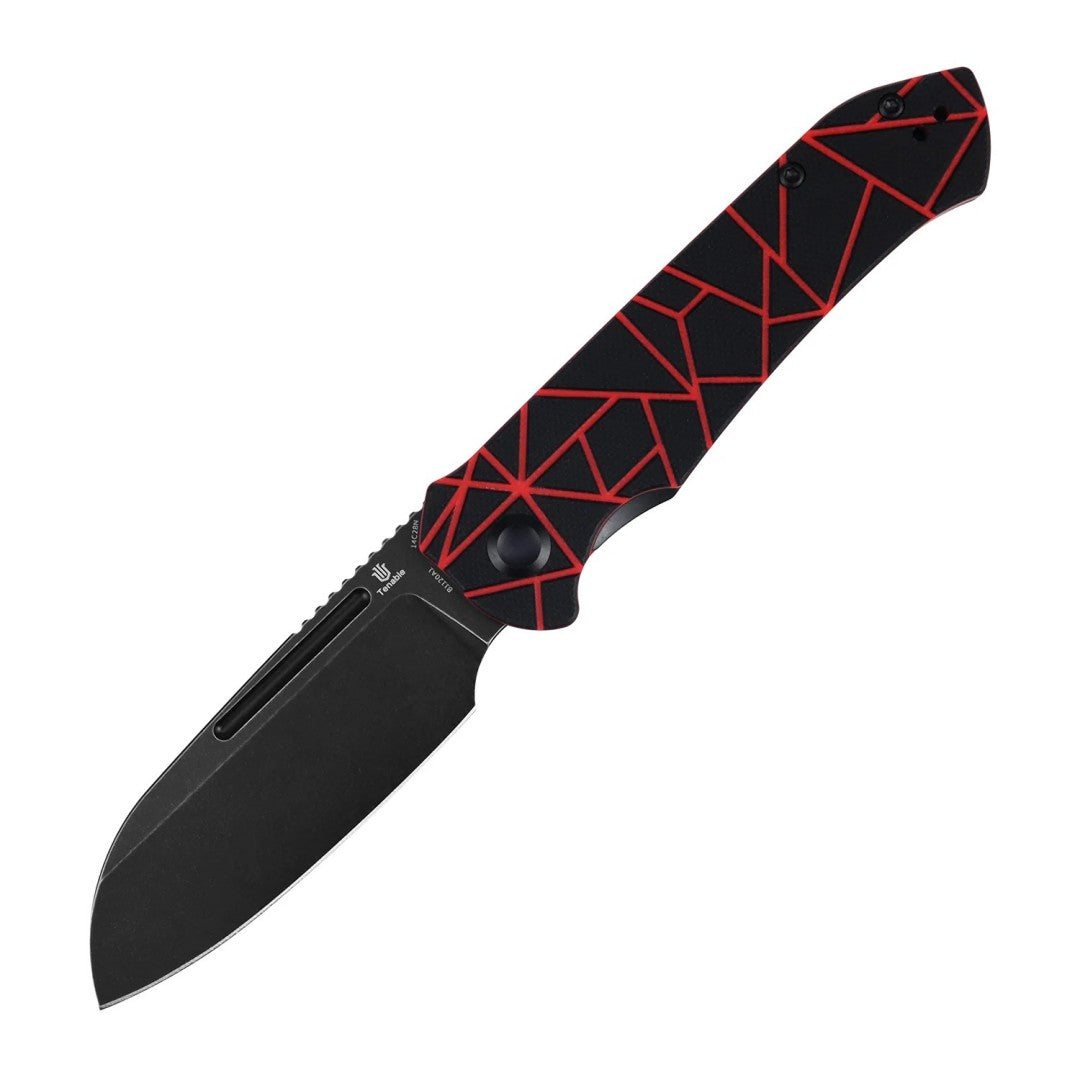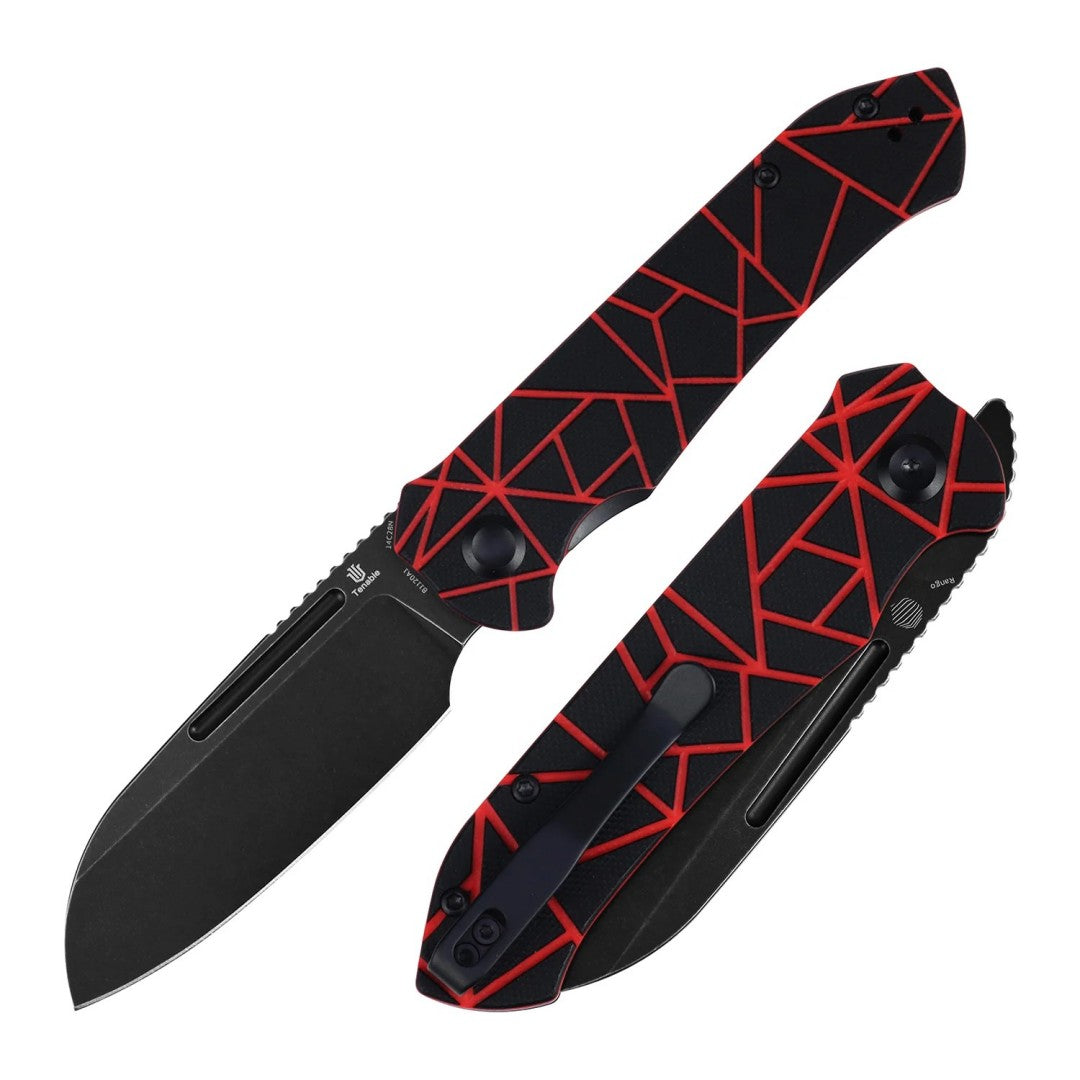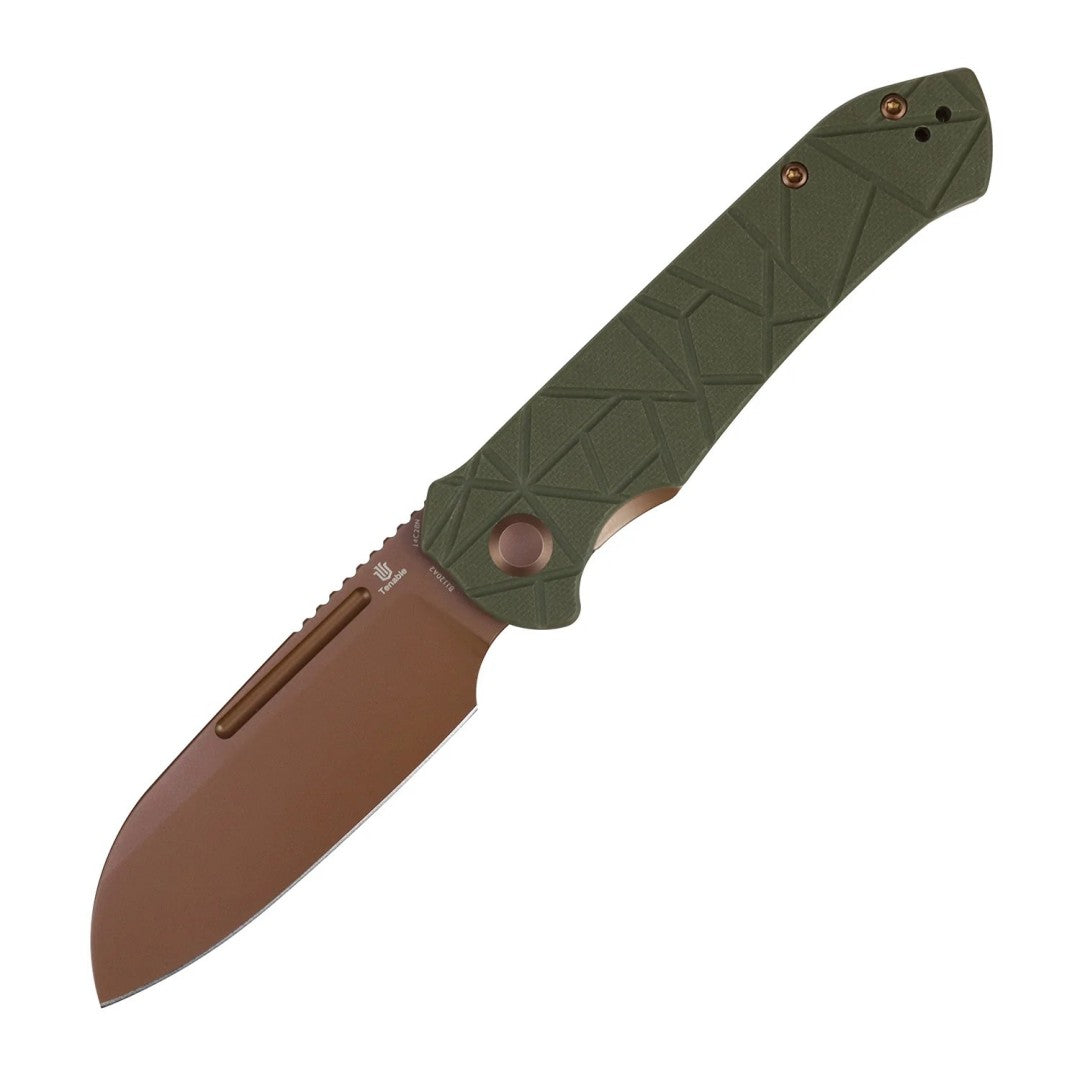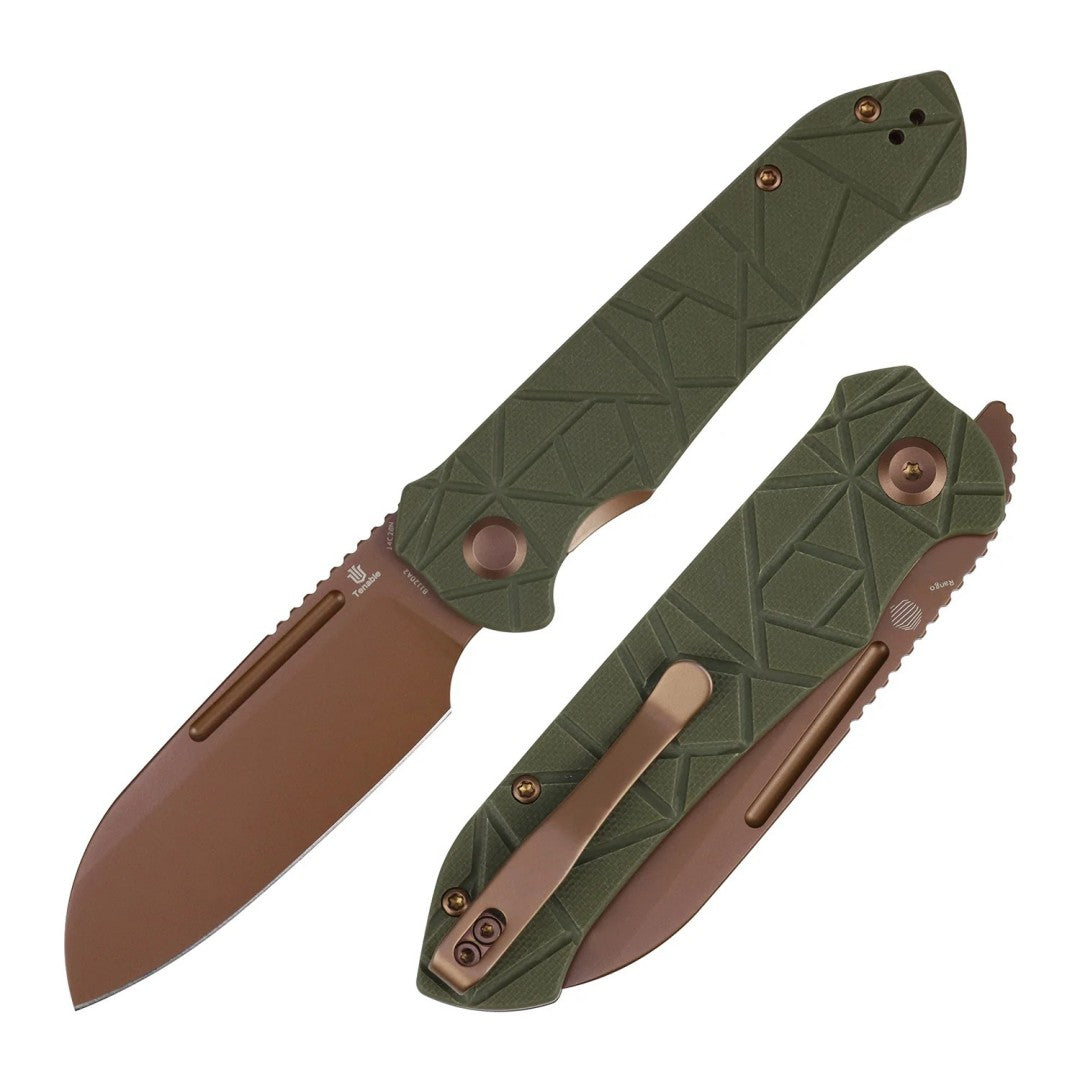

Selecting the ideal blade steel is the most critical decision you will make when building or buying your perfect everyday carry (EDC) setup. It dictates how long your edge remains razor-sharp, how much abuse the blade can withstand without chipping, and how much time you will spend performing routine maintenance.
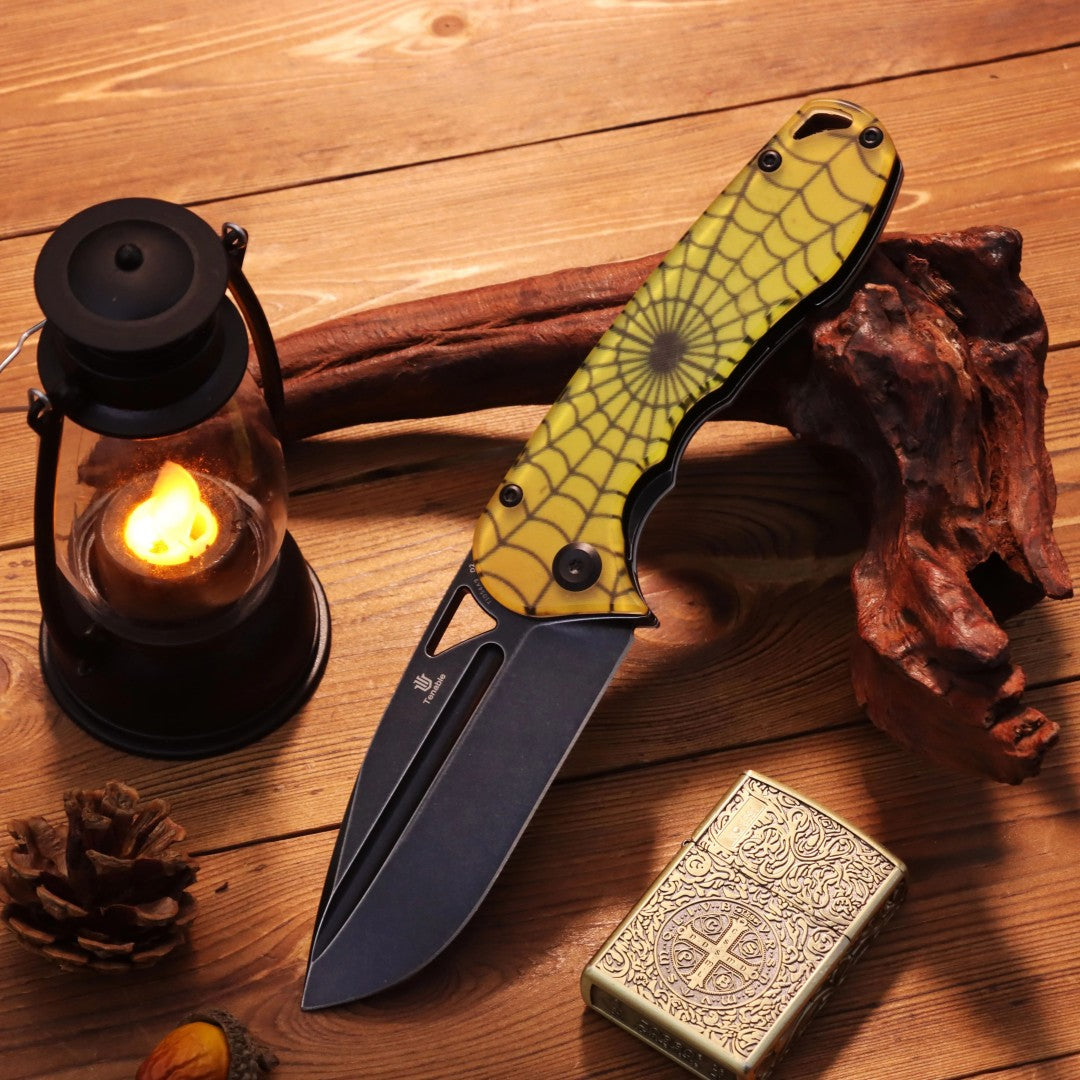
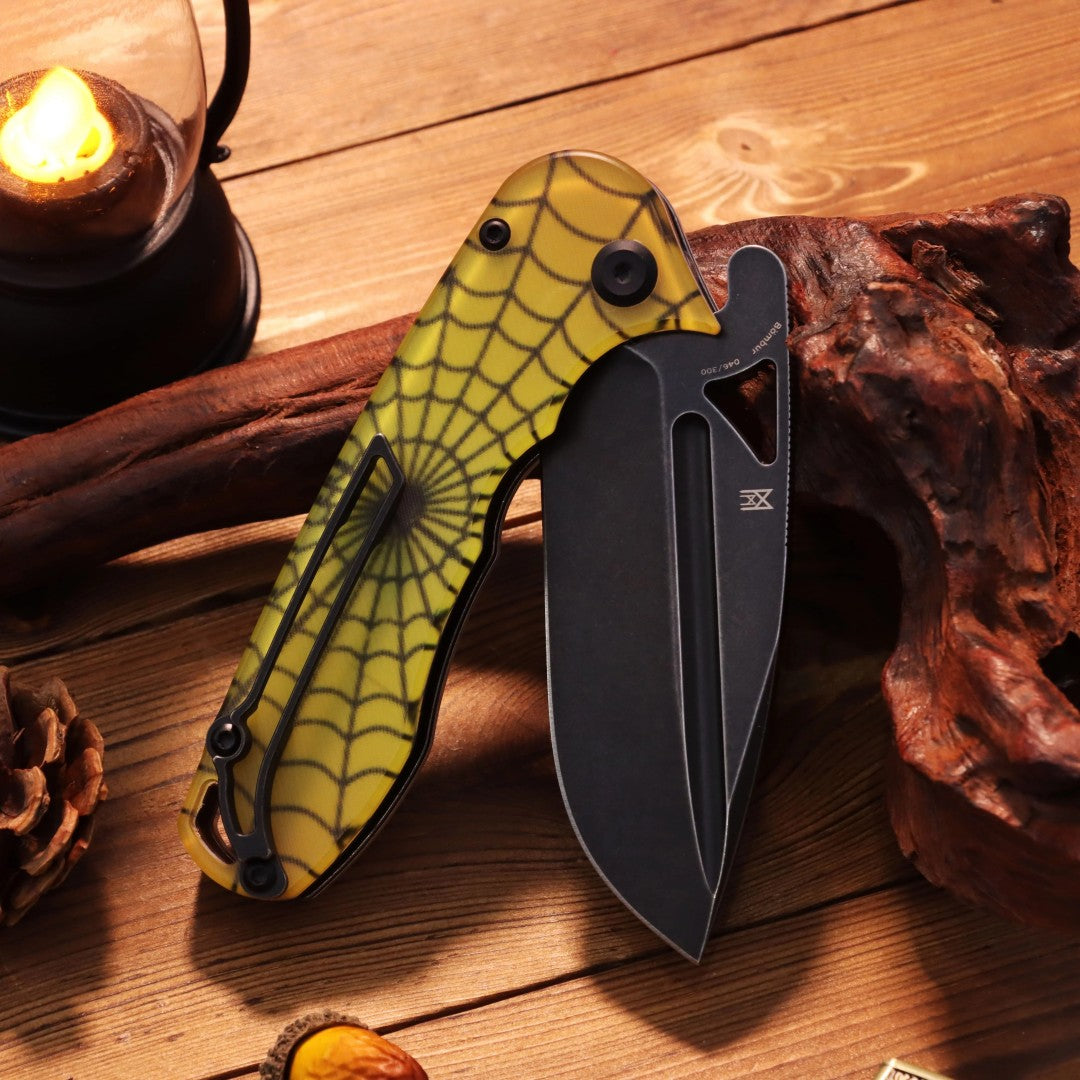
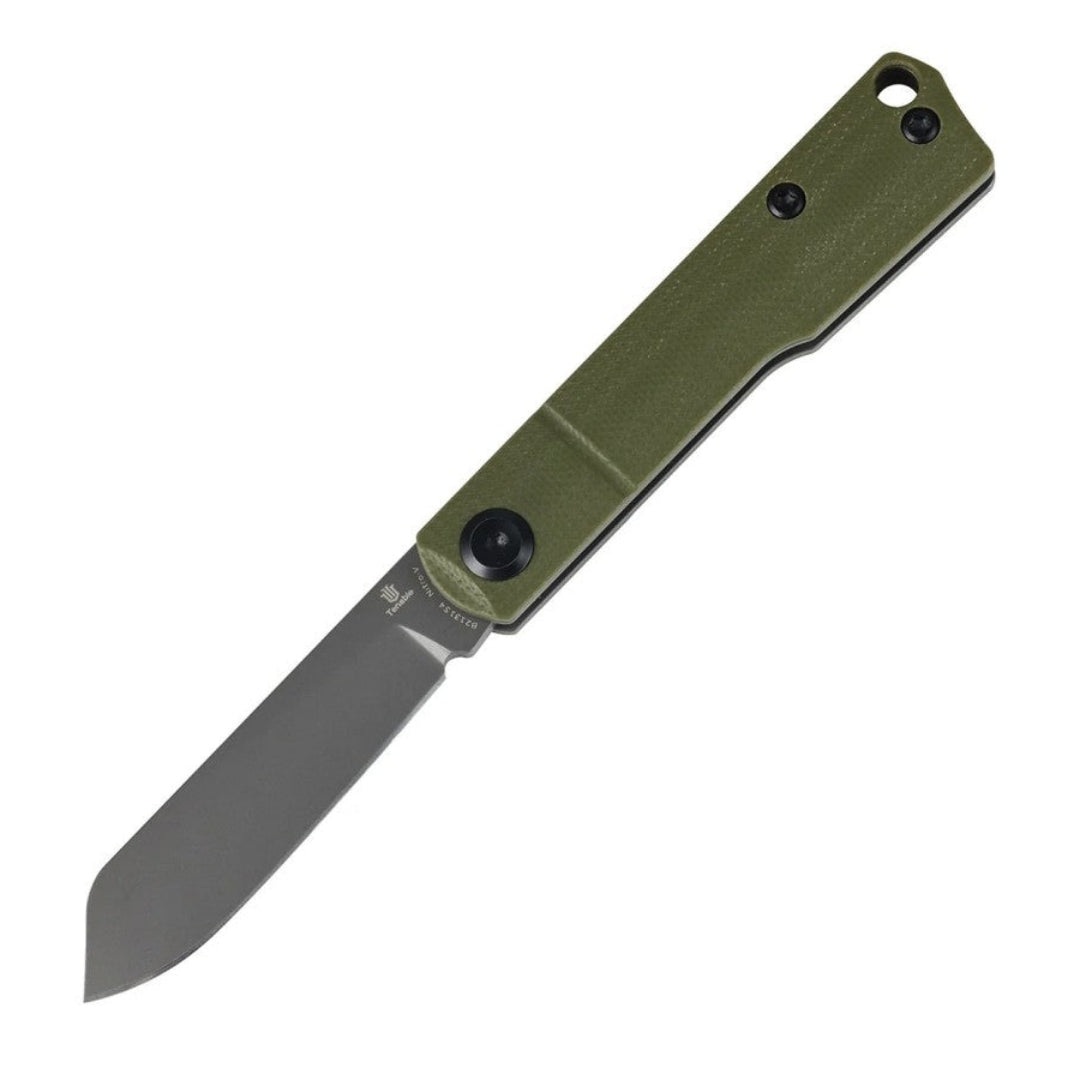
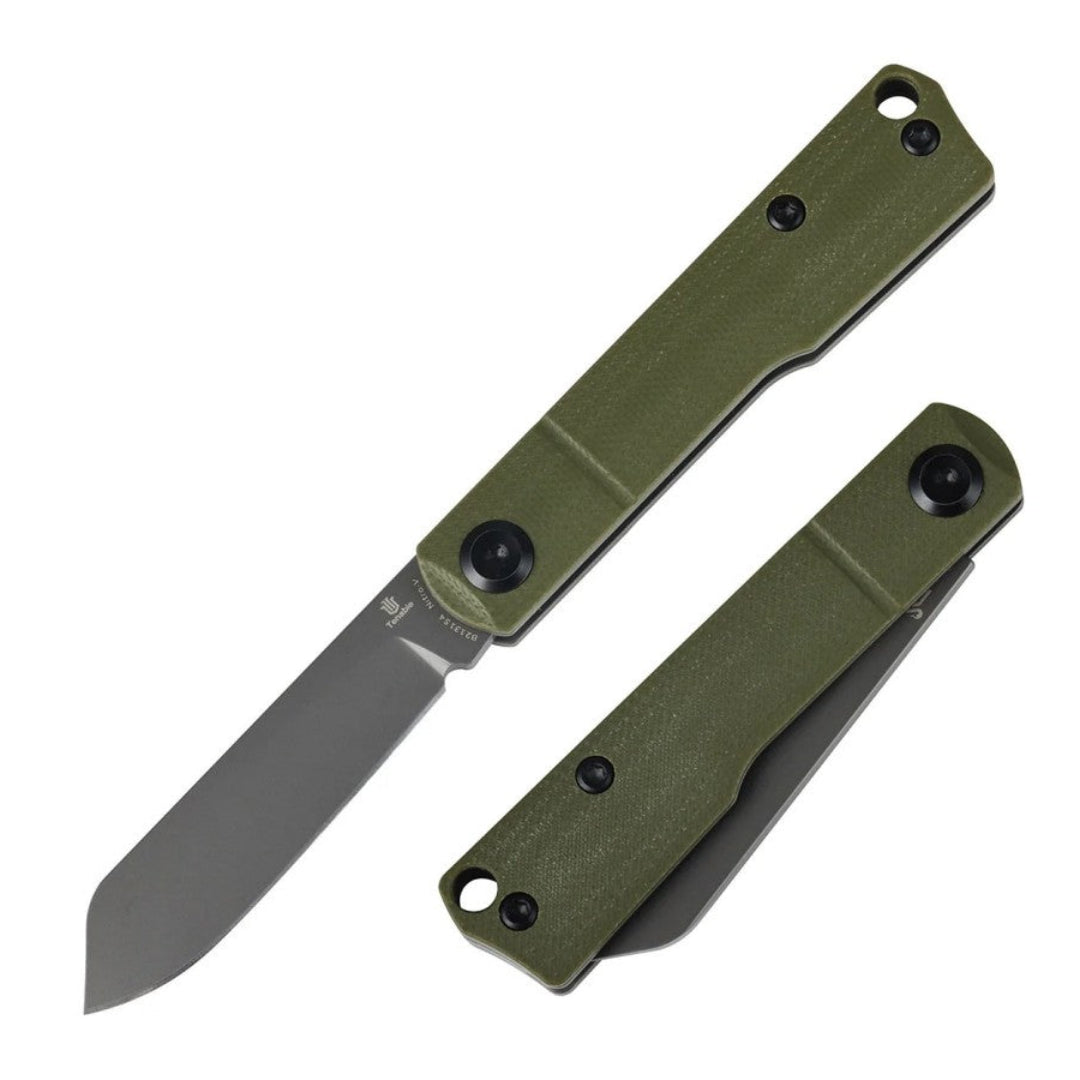
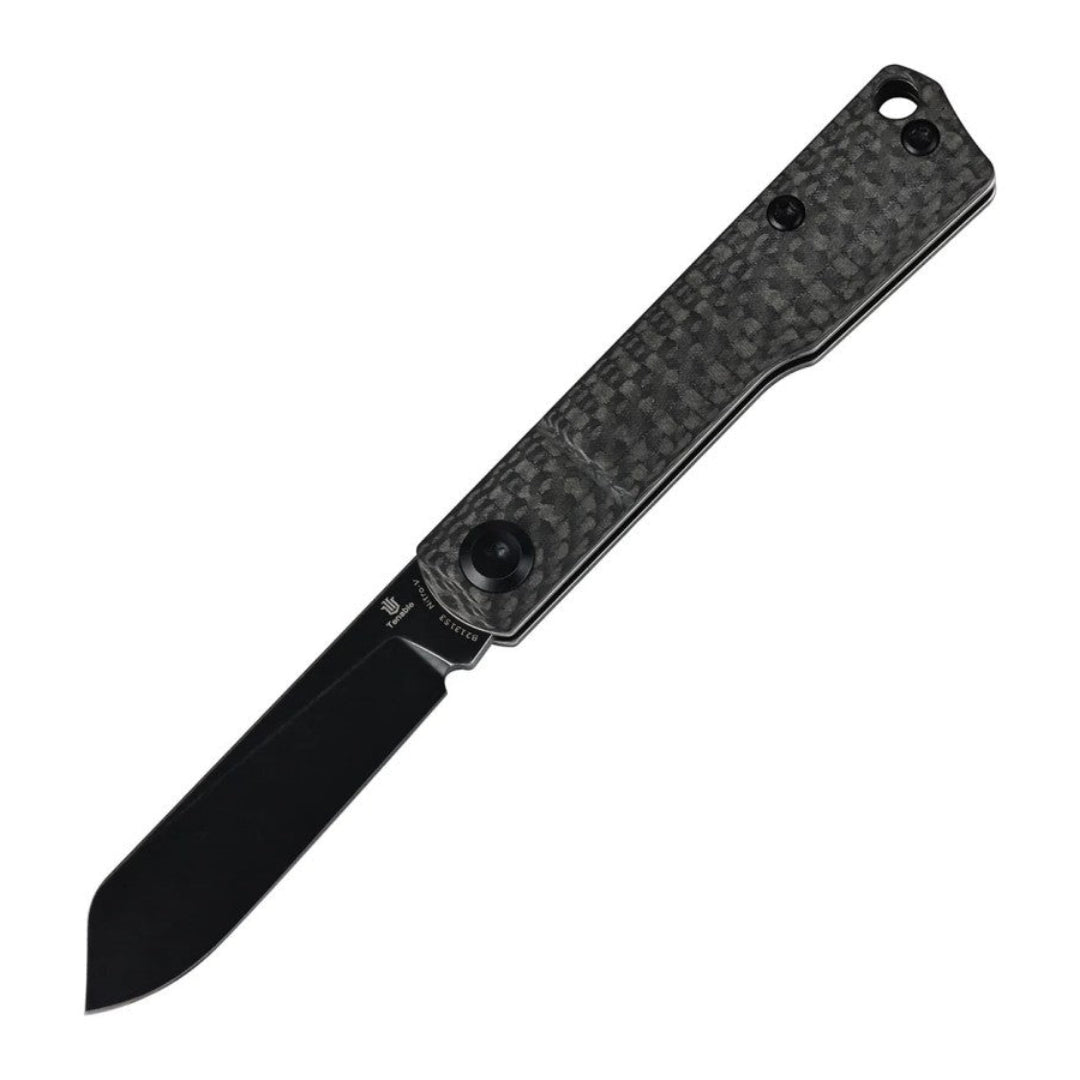
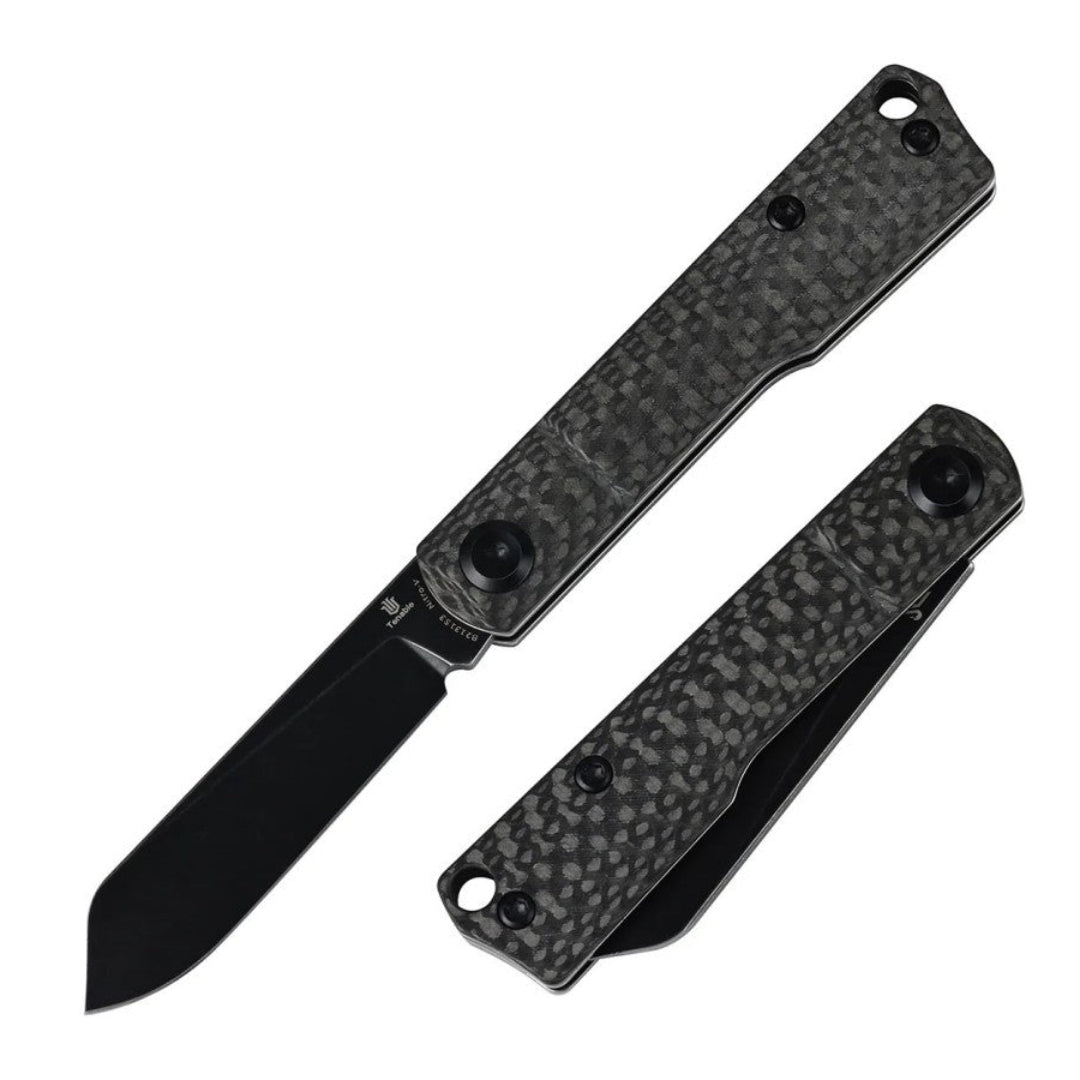
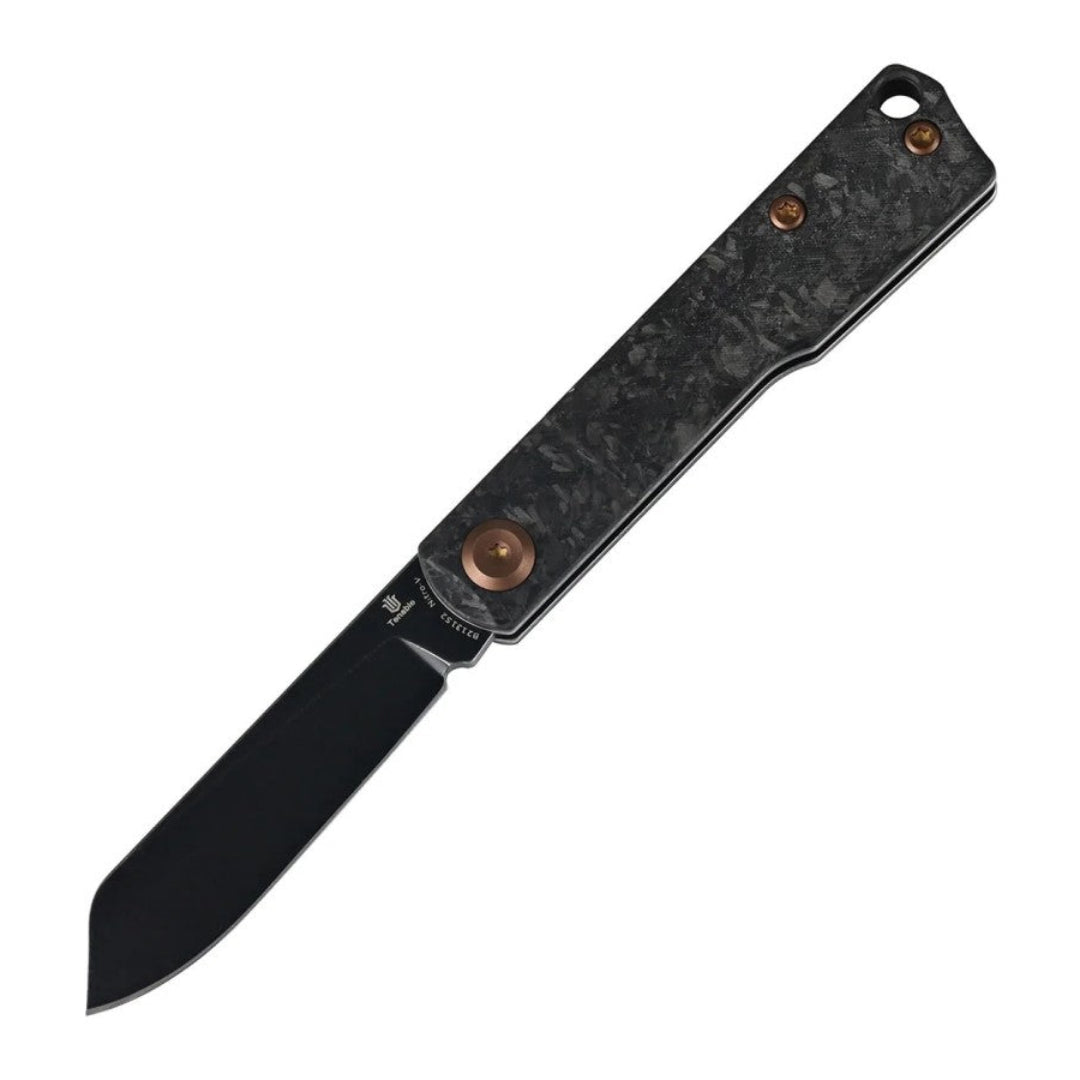
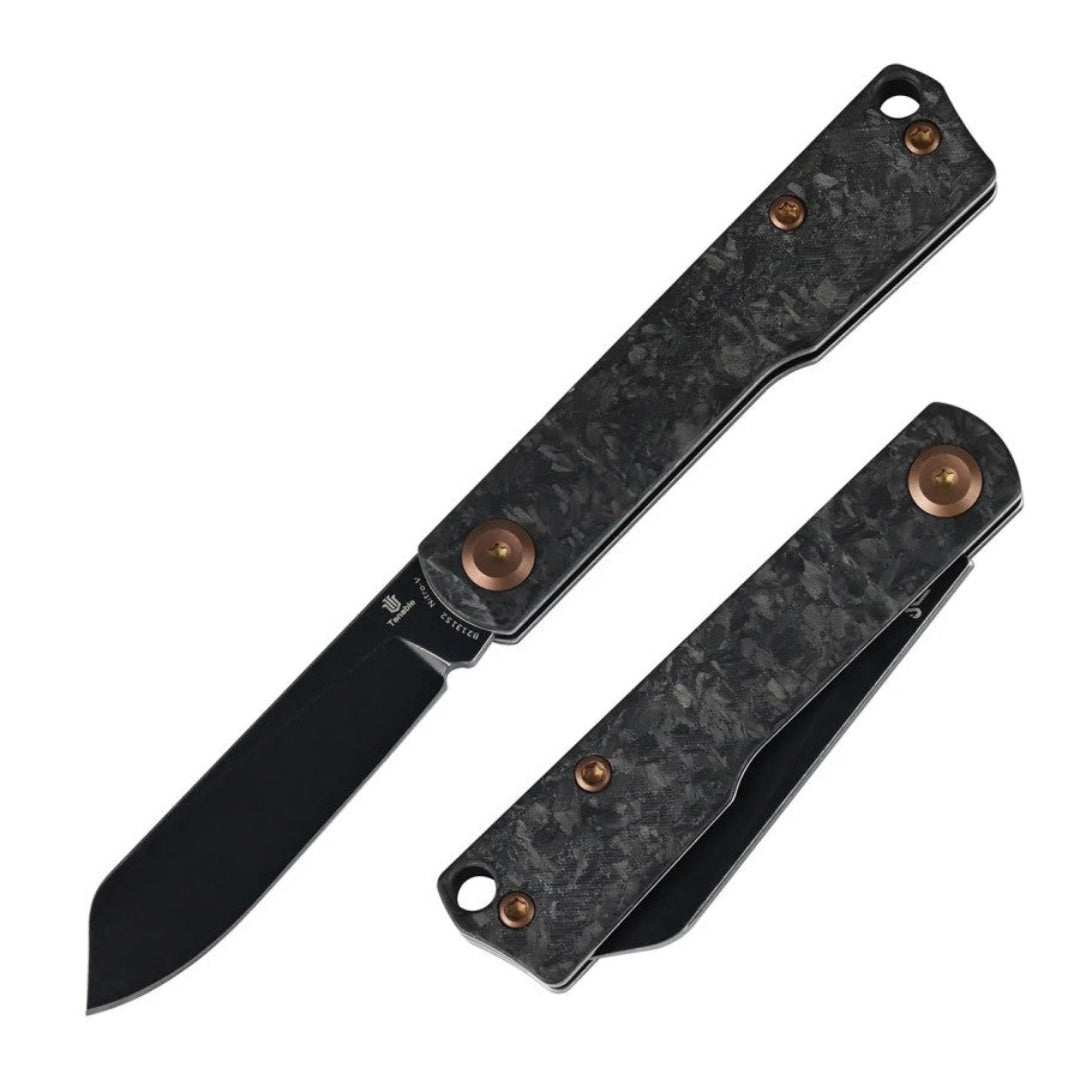
The Tenable Fenrir—designed by the renowned Greg Schob of Sparrow Knife Co.—has quickly captured the spotlight in the gear community due to its unique harpoon profile, incredible handle ergonomics, and buttery-smooth deployment action. However, because Tenable offers this flagship model in a variety of performance alloys, buyers often ask a fundamental question: Which Steel Type Choice Is Best In Our Tenable Fenrir Steel Comparison?
In this comprehensive guide, we break down the molecular attributes, real-world cutting performance, and maintenance requirements of each steel variant offered for the Fenrir to help you choose the ultimate edge for your specific carry style.
The Lineup: Meet the Tenable Fenrir Steel Options
Tenable Knives has strategically chosen a selection of highly respected working and enthusiast steels for the Fenrir. Rather than forcing a one-size-fits-all solution, they cater to heavy-duty users, low-maintenance commuters, and high-end gear collectors alike.
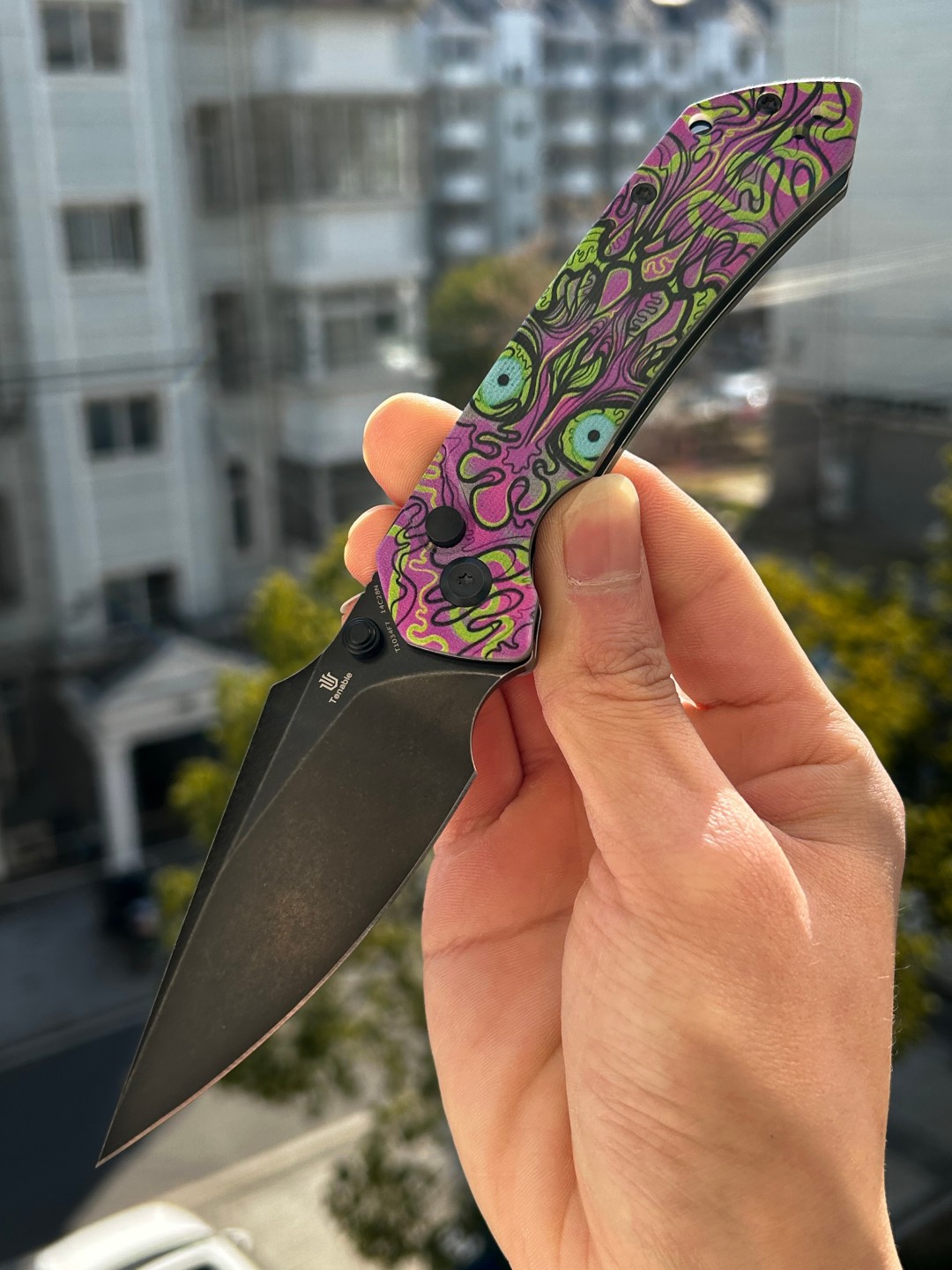
1. Sandvik 14C28N: The Balanced Nitrogen Workhorse
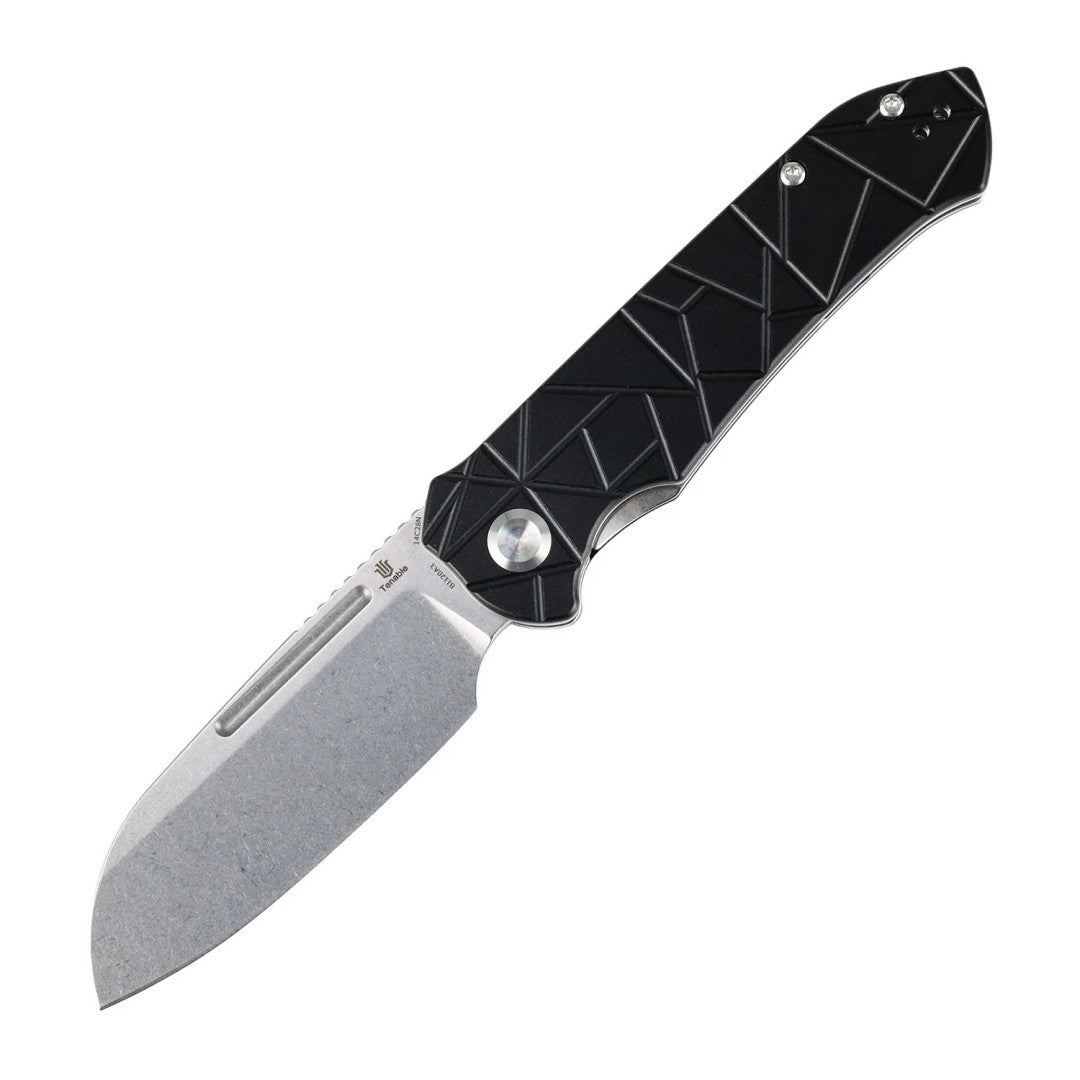
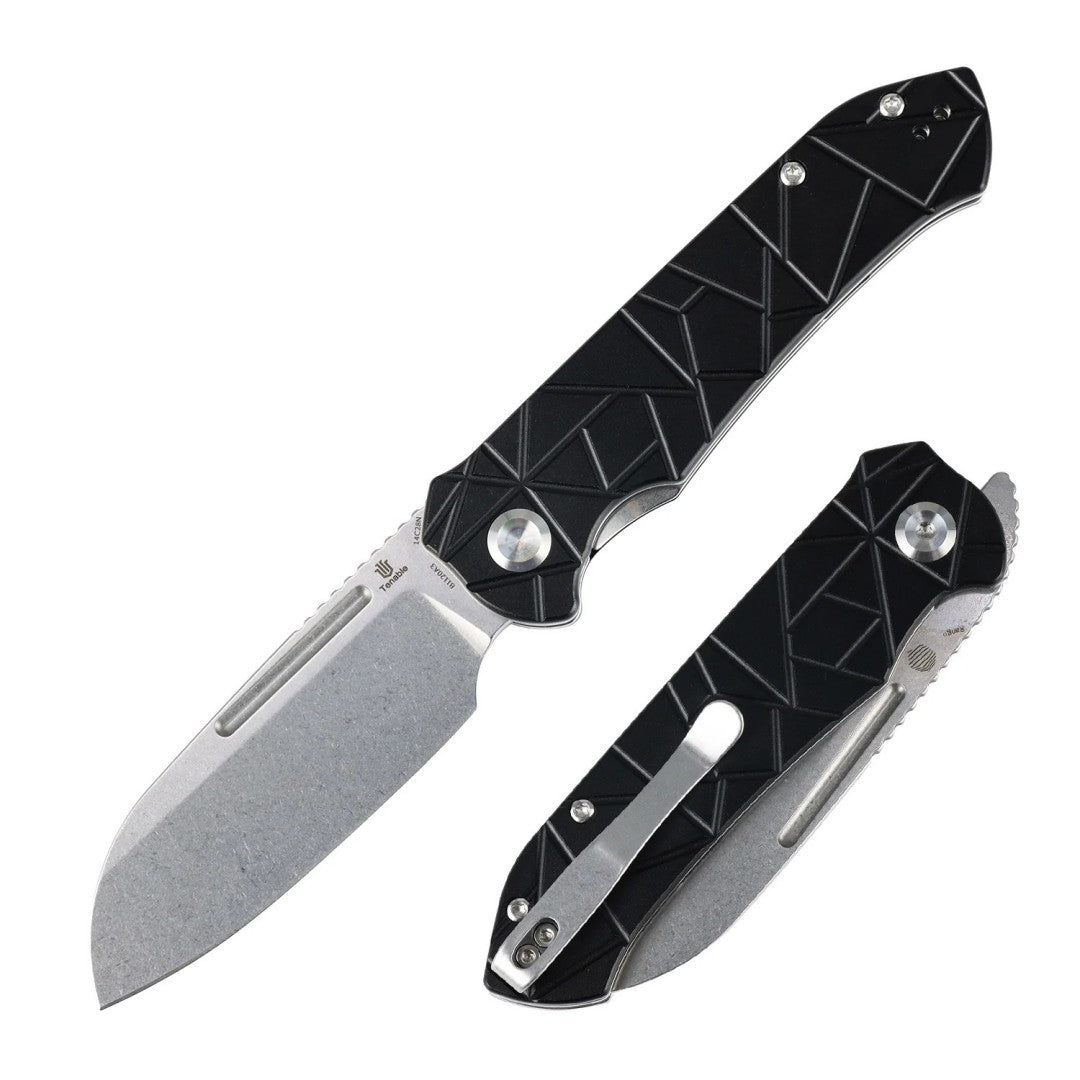
Sandvik 14C28N is a premium stainless steel developed by Sandvik in Sweden specifically for professional knife blades. By utilizing nitrogen in the chemical matrix to replace a portion of traditional carbon, this steel achieves an incredibly fine, uniform grain structure. It is widely considered by knife experts to be the absolute benchmark for high-performance budget folders.
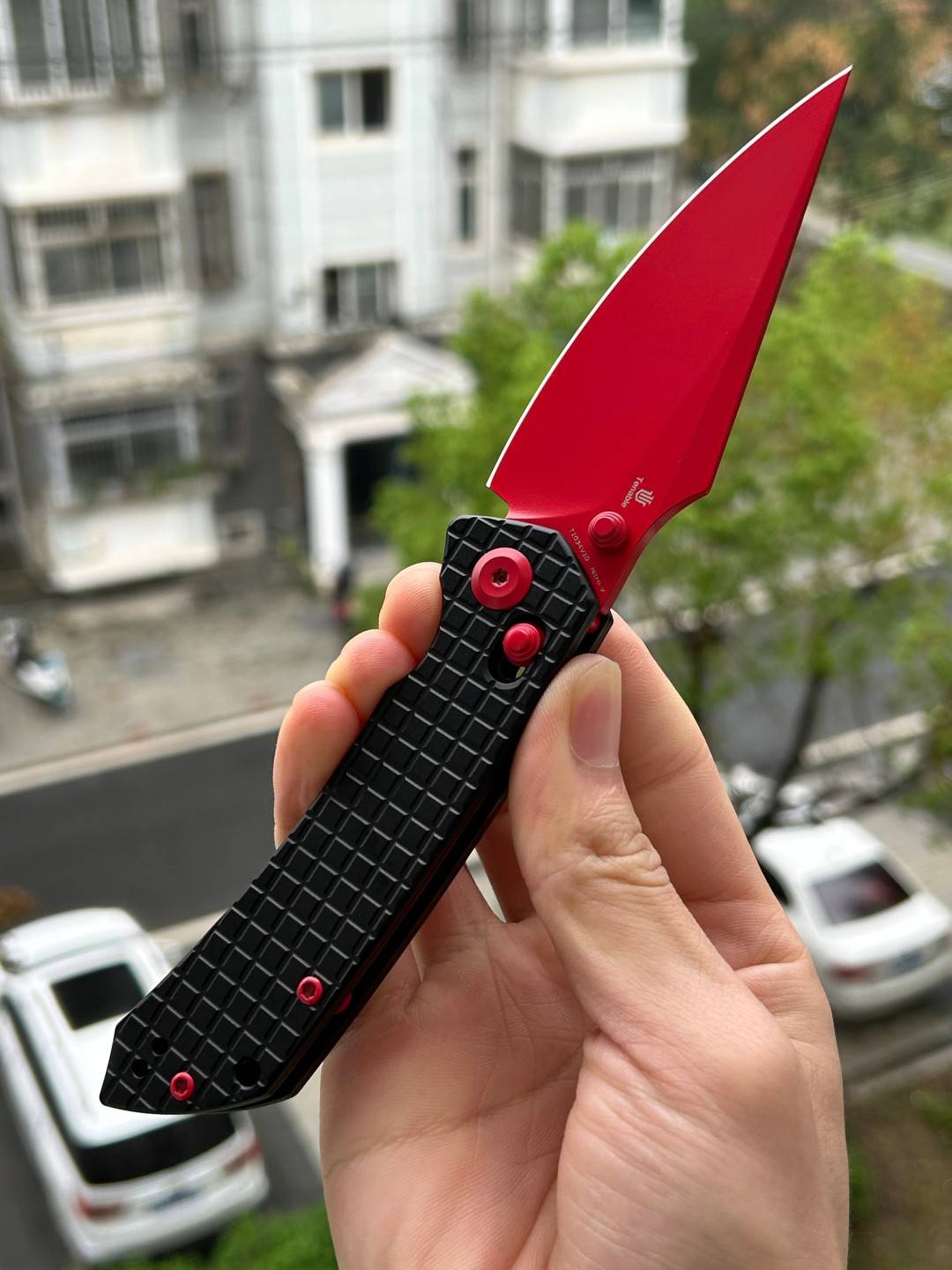
2. Nitro-V: The Tough, Razor-Sharp Evolution
Nitro-V is a specialized stainless steel produced by New Jersey Steel Baron. Built upon a modified chemical foundation of Uddeholm AEB-L steel, Nitro-V is enriched with both nitrogen and vanadium. This precise molecular tuning yields excellent edge stability, immense structural toughness, and the ability to take an incredibly keen, laser-like edge.
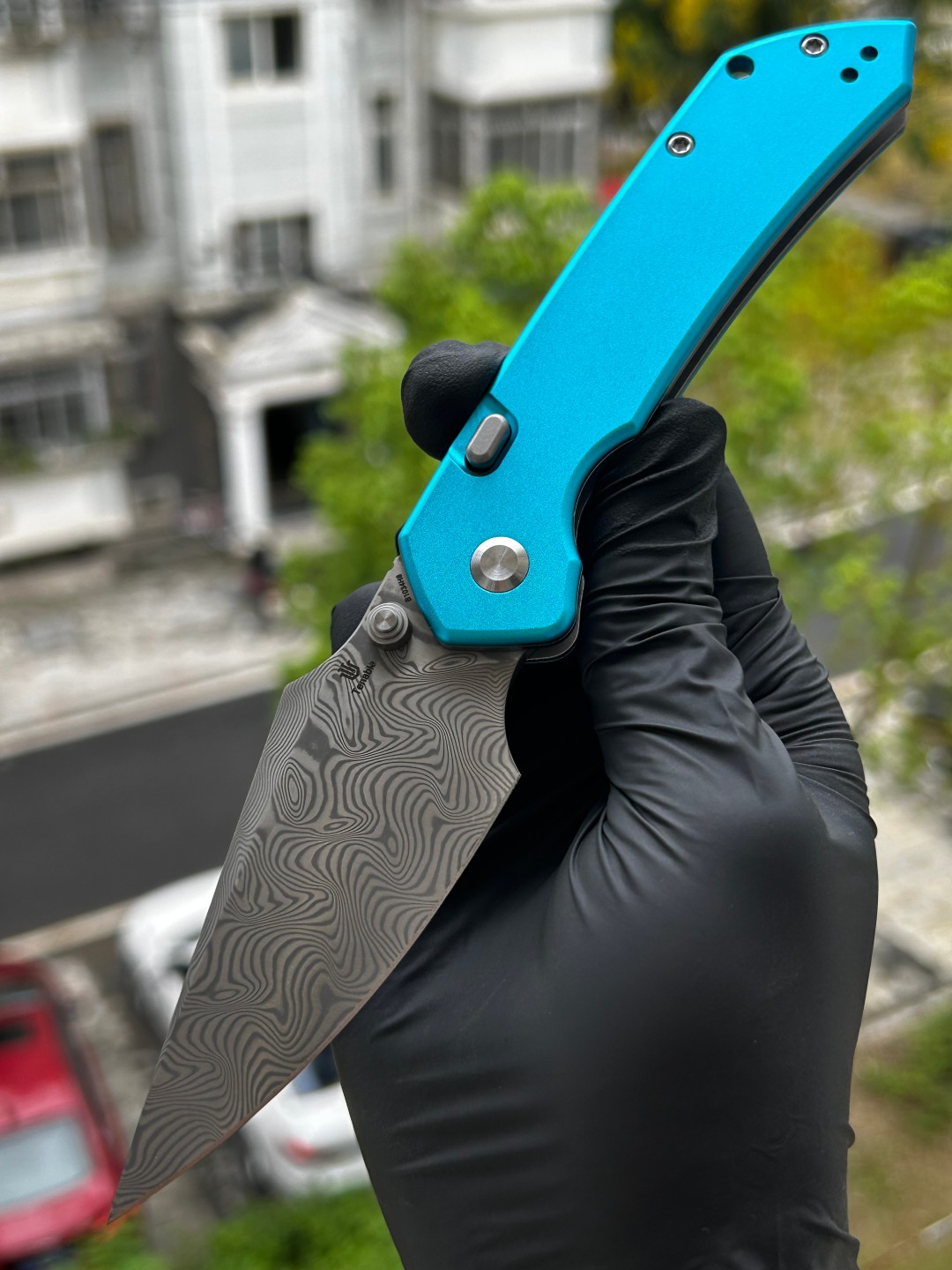
3. Premium Damascus Steel: The High-Contrast Showstopper
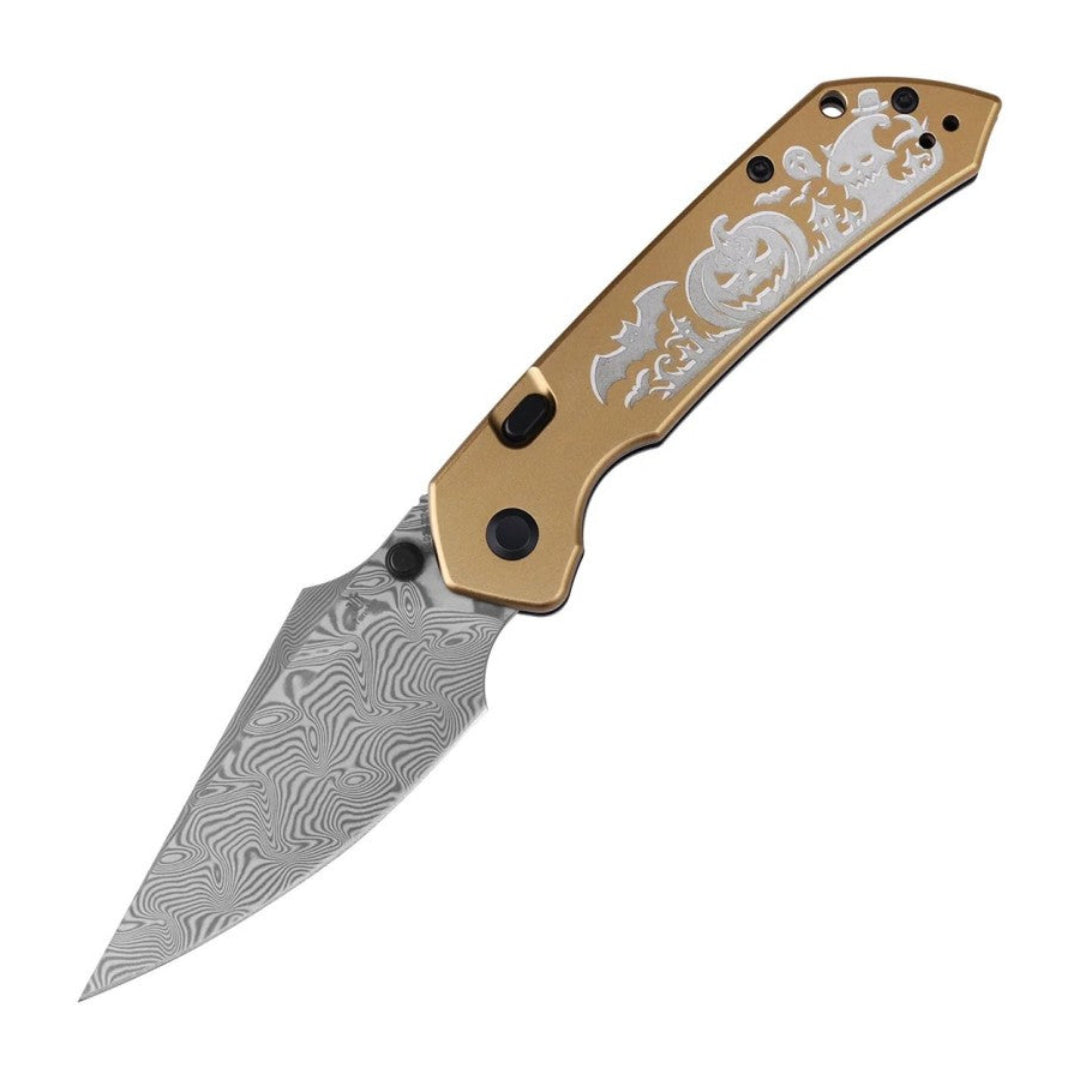
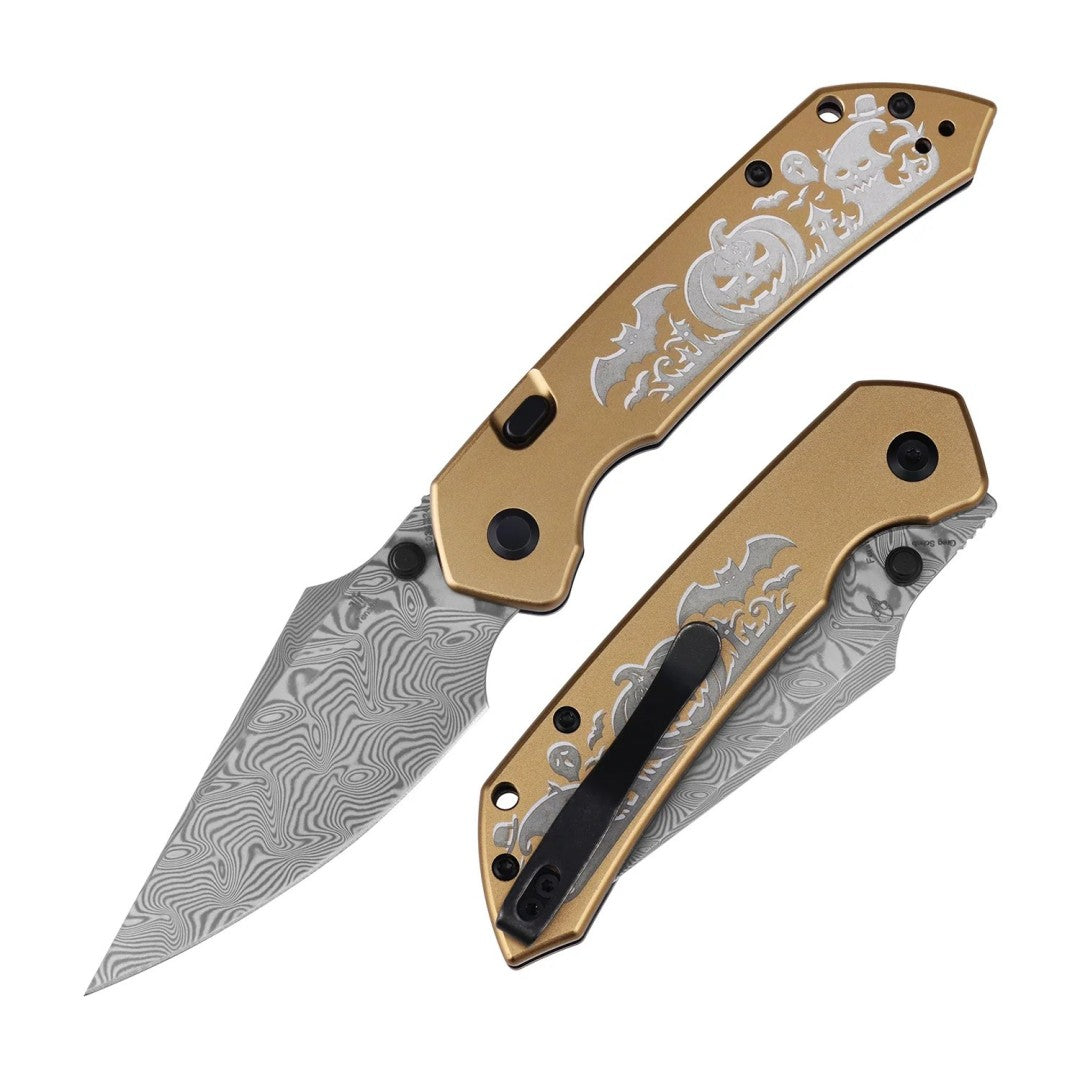
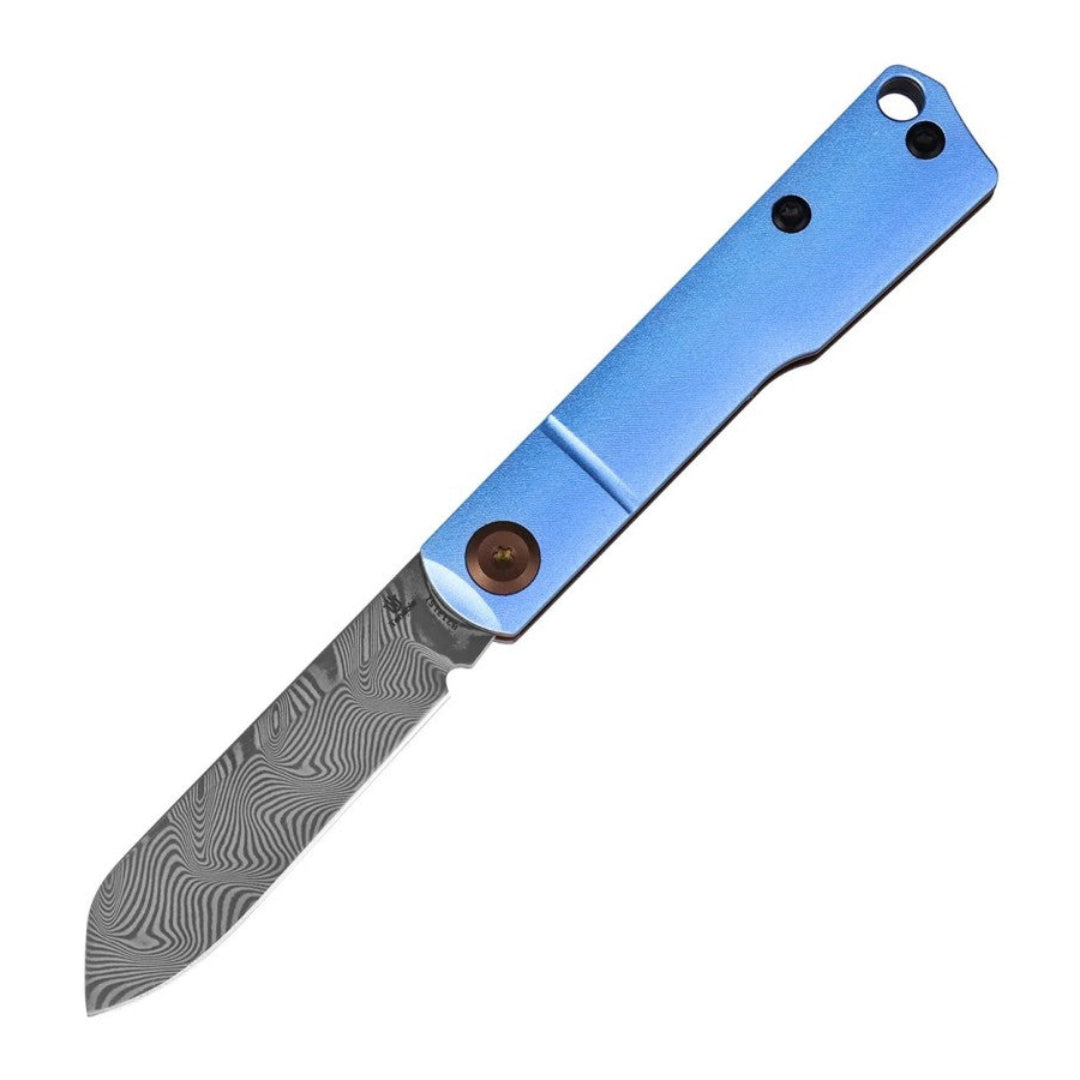
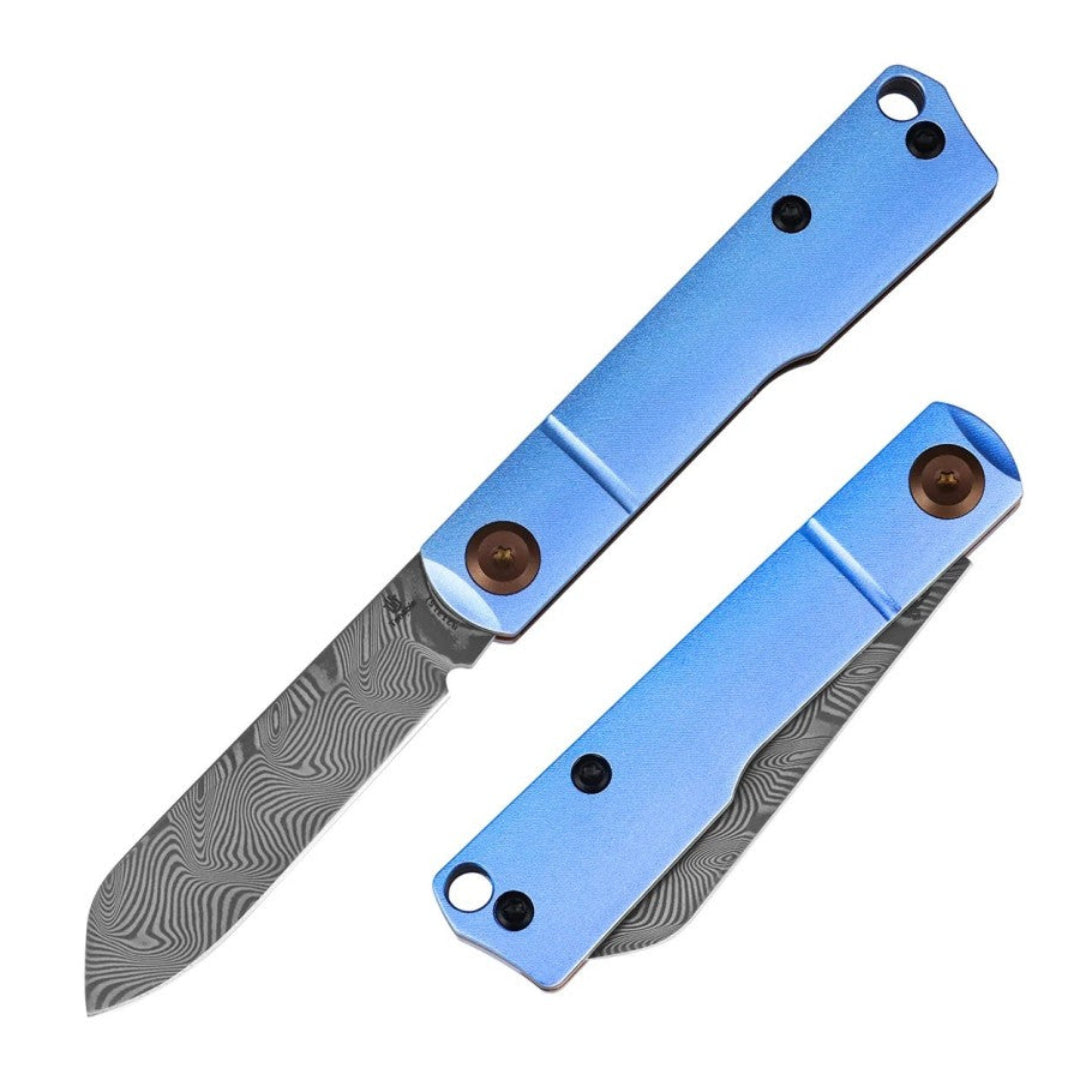
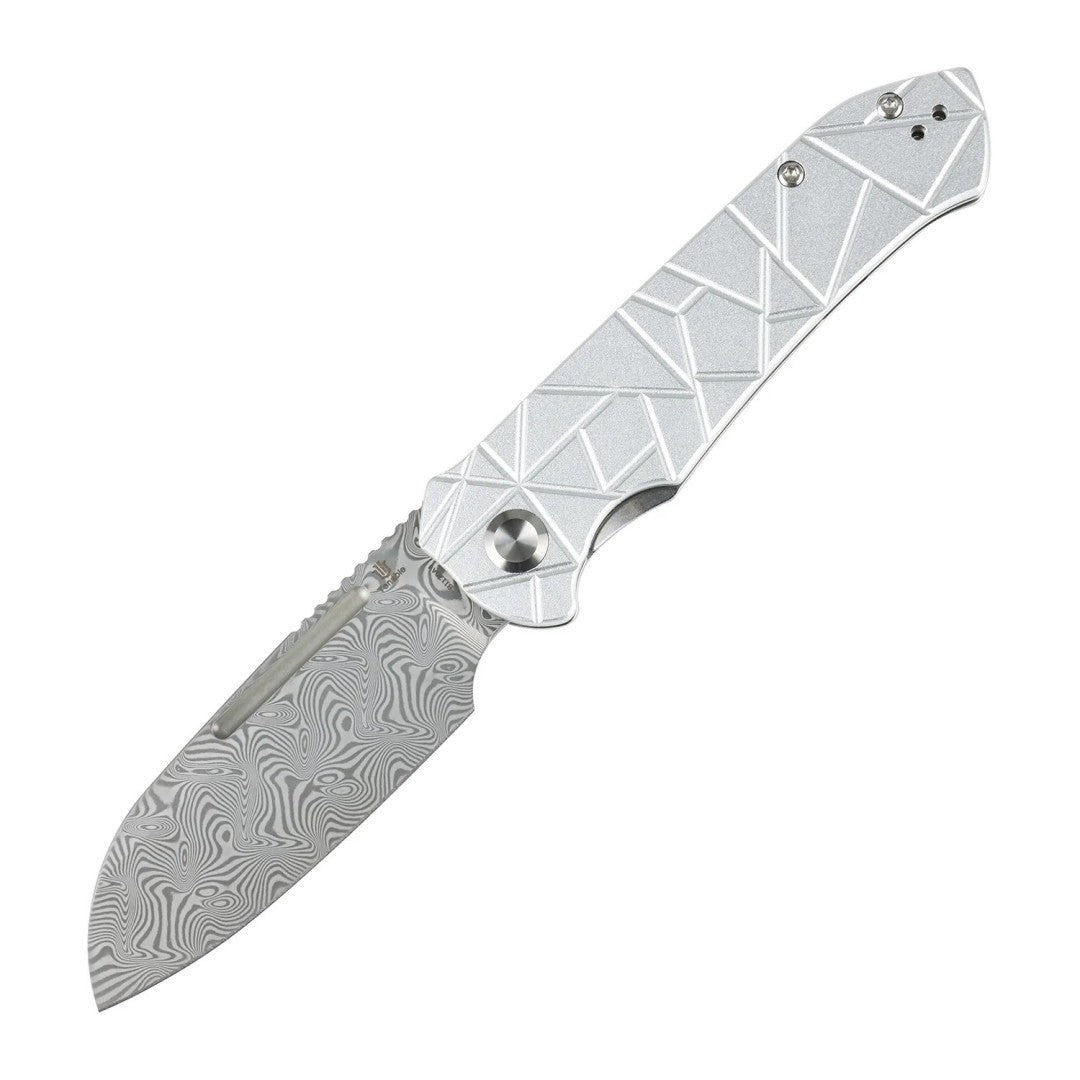
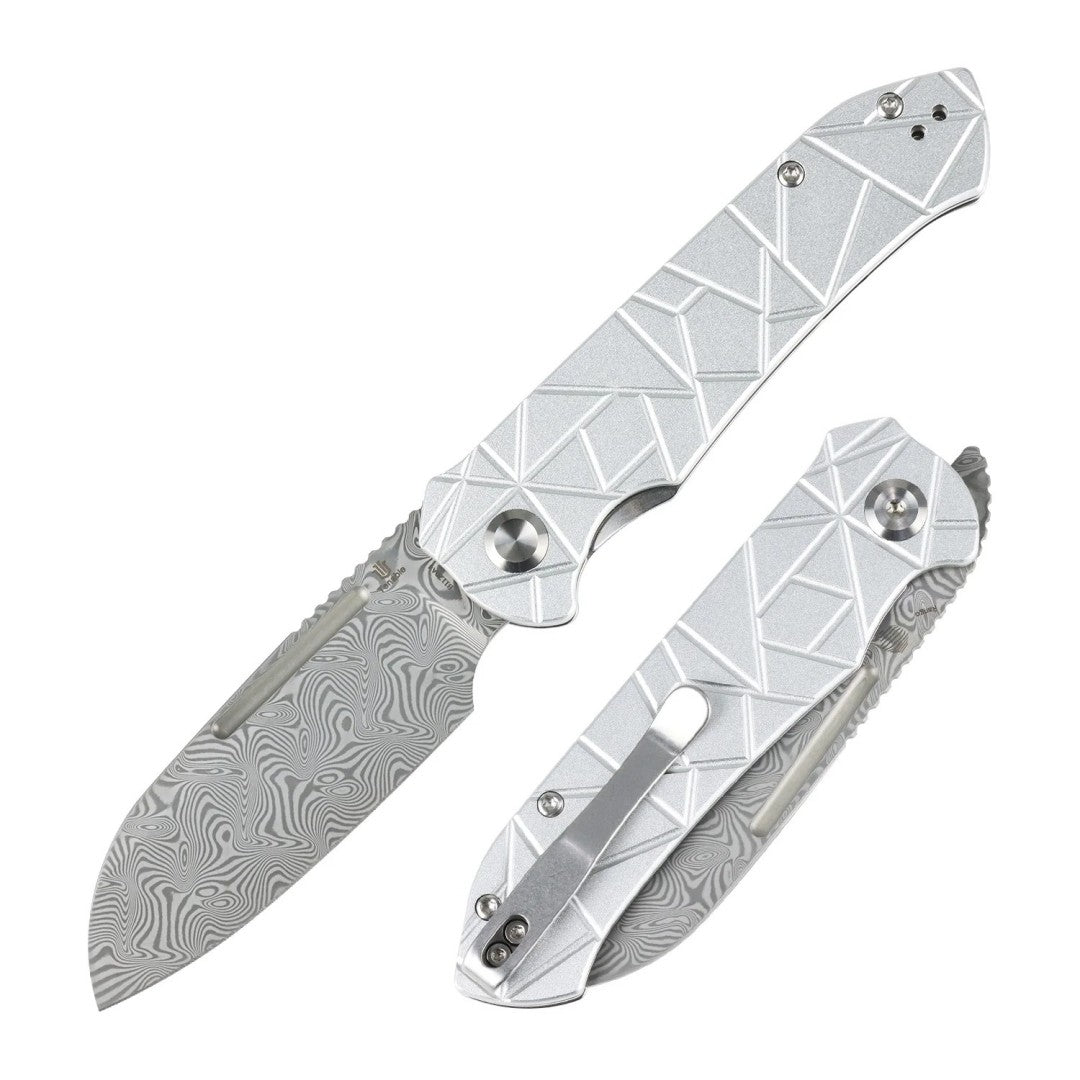
For those who want custom-level visual flair, Tenable offers a folded Damascus steel variant. Forged by acid-etching alternating layers of distinct carbon and nickel alloys, this steel forms an eye-catching, high-contrast swirling pattern across the entire face of the harpoon blade profile.
Head-to-Head Performance Comparison
To accurately determine which steel type is best for your daily tasks, let us evaluate how these three alloys compare across the foundational pillars of modern pocket knife metallurgy.
| Performance Metric | Sandvik 14C28N | Nitro-V Stainless Steel | Premium Damascus Steel |
| Edge Retention | Moderate to High | Moderate to High | High (Toothy Aggression) |
| Impact Toughness | Exceptional | High to Excellent | Moderate |
| Corrosion Resistance | Elite | High | Moderate (Requires Oil) |
| Ease of Sharpening | Effortless | Very Easy | Moderate |
| Visual Styling | Clean Utility Satin | Rugged Stonewash | Custom Art Pattern |
Real-World Performance Analysis: Which One Cuts Best?
To see how these steels behave when pushed beyond paper specs, we put them through a battery of real-world everyday carry cutting challenges, focusing on abrasive cardboard breakdown, fibrous rope slicing, and precision puncture testing.
Abrasive Slicing (Cardboard and Rope)
When slicing through hundreds of linear feet of thick, corrugated shipping containers, the Premium Damascus Steel displayed a unique advantage. Because Damascus consists of folded layers of varying hardness levels, its edge naturally develops microscopic "micro-serrations." This gives the blade immense toothy bite when sawing through heavy rope or thick cardboard, allowing it to maintain a highly functional slicing edge slightly longer than its monolithic competitors.
Heavy-Duty Structural Abuse
For high-impact tasks—such as puncturing hard plastic construction buckets, whittling dry wood tags, or handling accidental strikes against hidden metal packaging staples—Sandvik 14C28N and Nitro-V take the crown.
The nitrogen enrichment in both 14C28N and Nitro-V provides incredible elasticity. When a traditional high-carbon or poorly treated budget steel would suffer micro-chipping or catastrophic fracturing along the edge, 14C28N and Nitro-V simply flex or roll minutely. This high impact resistance ensures that the blade remains structurally sound even under intense job site abuse.
Maintenance and Corrosion Resistance: The Hidden Costs
Owning a knife means taking care of it. Depending on your environment and daily routine, one steel may suit your lifestyle significantly better than the others.
Rust and Moisture Prevention
If you live in a humid tropical climate, work outdoors in the rain, or frequently carry your knife in a sweaty pocket during heavy labor, Sandvik 14C28N is the undisputed champion. Its high chromium content combined with structural nitrogen makes it virtually immune to spot rusting or pocket corrosion in everyday conditions. Wipe it on your jeans, blow out the pivot, and it is ready to go.
Nitro-V performs similarly well but requires slightly more mindfulness, as its specialized vanadium content makes it marginally more reactive than 14C28N.
The Premium Damascus variant requires a dedicated maintenance routine. Because it features exposed carbon layers, leaving it wet or neglecting it after cutting acidic materials (like slicing an apple) will result in dark oxidation or rust spots. It is best suited for gear enthusiasts who genuinely enjoy spending a few minutes wiping down their blade flats with a drop of quality mineral or pivot oil every few weeks to preserve the contrast of the etched pattern.
Ease of Sharpening
Eventually, every knife dulls. If you do not want to invest in expensive diamond-plated sharpening systems or spend hours refining a bevel, Sandvik 14C28N and Nitro-V are magnificent options. Their fine grain structures respond incredibly fast to basic ceramic rods or a simple leather strop. You can bring a completely dulled edge back to hair-shaving, factory-level sharpness in under two minutes. Damascus requires a bit more patience and steady hand tracking on a quality stone to cut through the contrasting layers uniformly.
Final Verdict: Which Steel Choice Wins?
There is no single "best" steel, but there is a perfect steel choice based entirely on how you intend to carry and use your Tenable Fenrir daily.
The Winner for Pure Utility: Sandvik 14C28N
If you want a rugged, zero-stress, highly dependable pocket knife that you can abuse on the job site without guilt, the Sandvik 14C28N version is the absolute best choice. Its unmatched balance of high toughness, extreme corrosion resistance, and effortless sharpening makes it the ultimate working-class EDC option.
The Winner for High-Keenness Lovers: Nitro-V
If you prioritize a laser-like, razor-sharp edge and perform a lot of push-cuts or precision piercing tasks where a razor-keen tip is mandatory, go with the Nitro-V configuration. It provides all the rugged toughness of 14C28N but allows for an incredibly sharp edge geometry that hobbyists adore.
The Winner for Collectors and Style Enthusiasts: Premium Damascus
If you view your everyday carry gear as a statement of personal style, fine craftsmanship, and individuality, the Premium Damascus steel is the ultimate winner. When paired with the Fenrir's dramatic harpoon lines, the swirling contrast patterns transform Greg Schob's design into a stunning piece of pocket art that still possesses plenty of real-world cutting capability when duty calls.