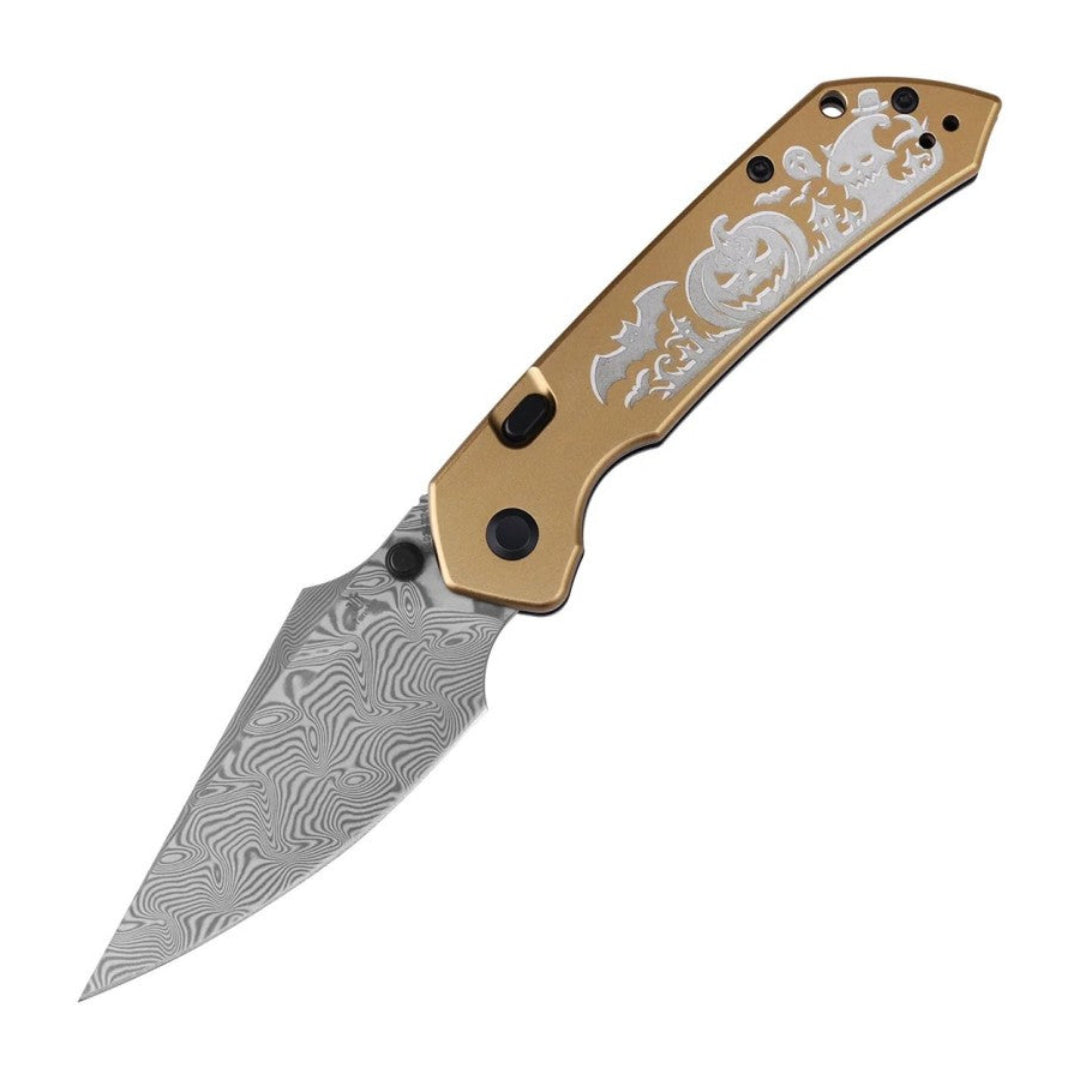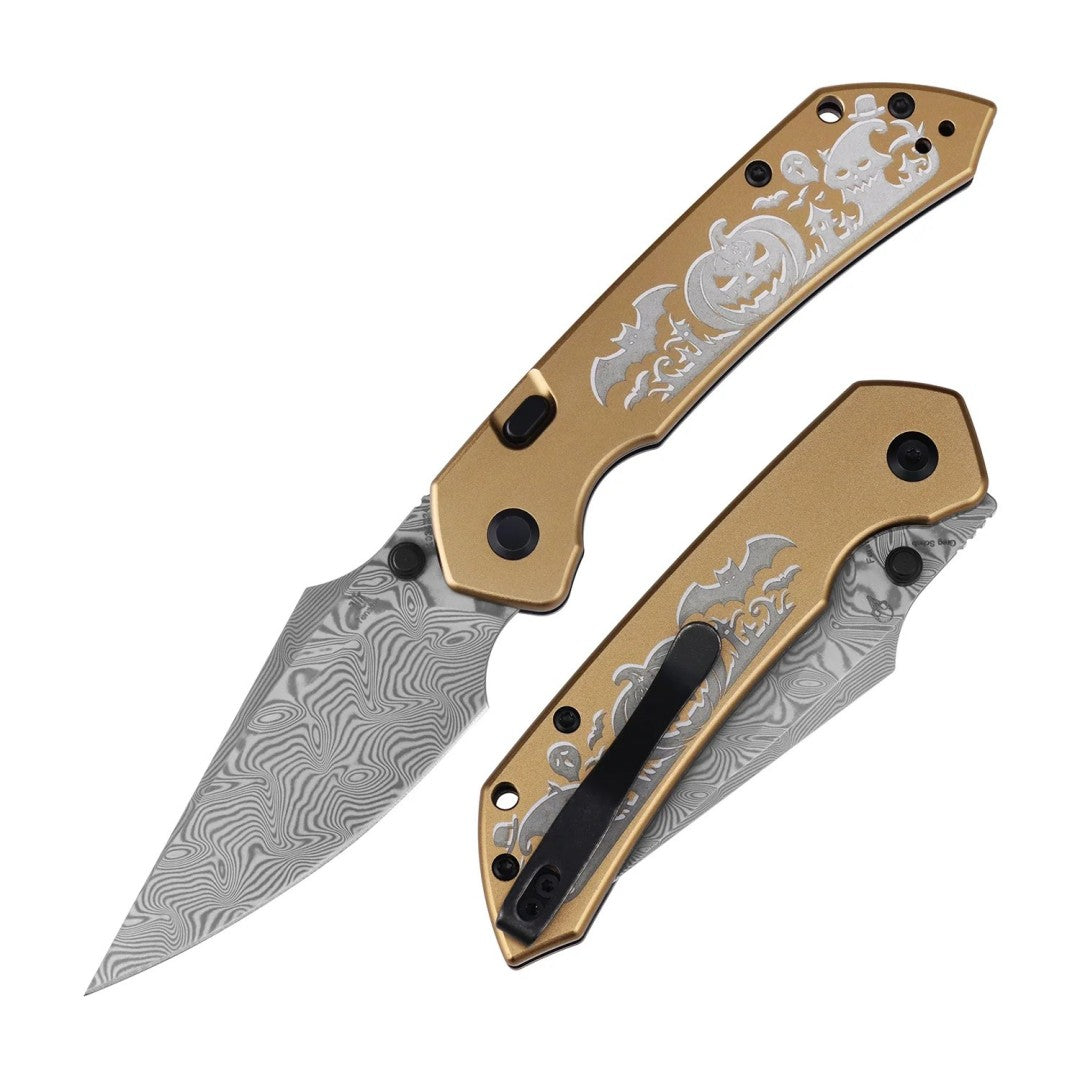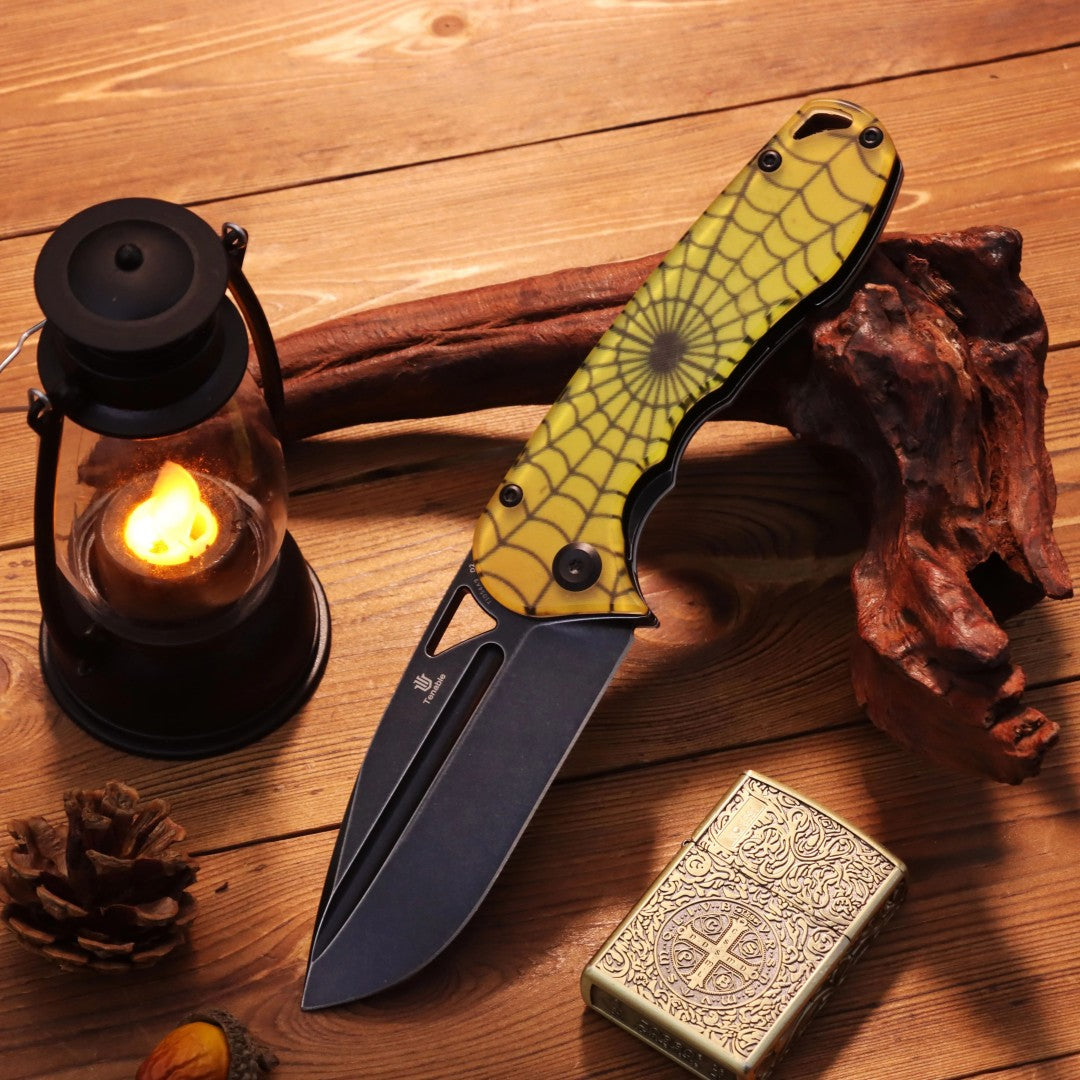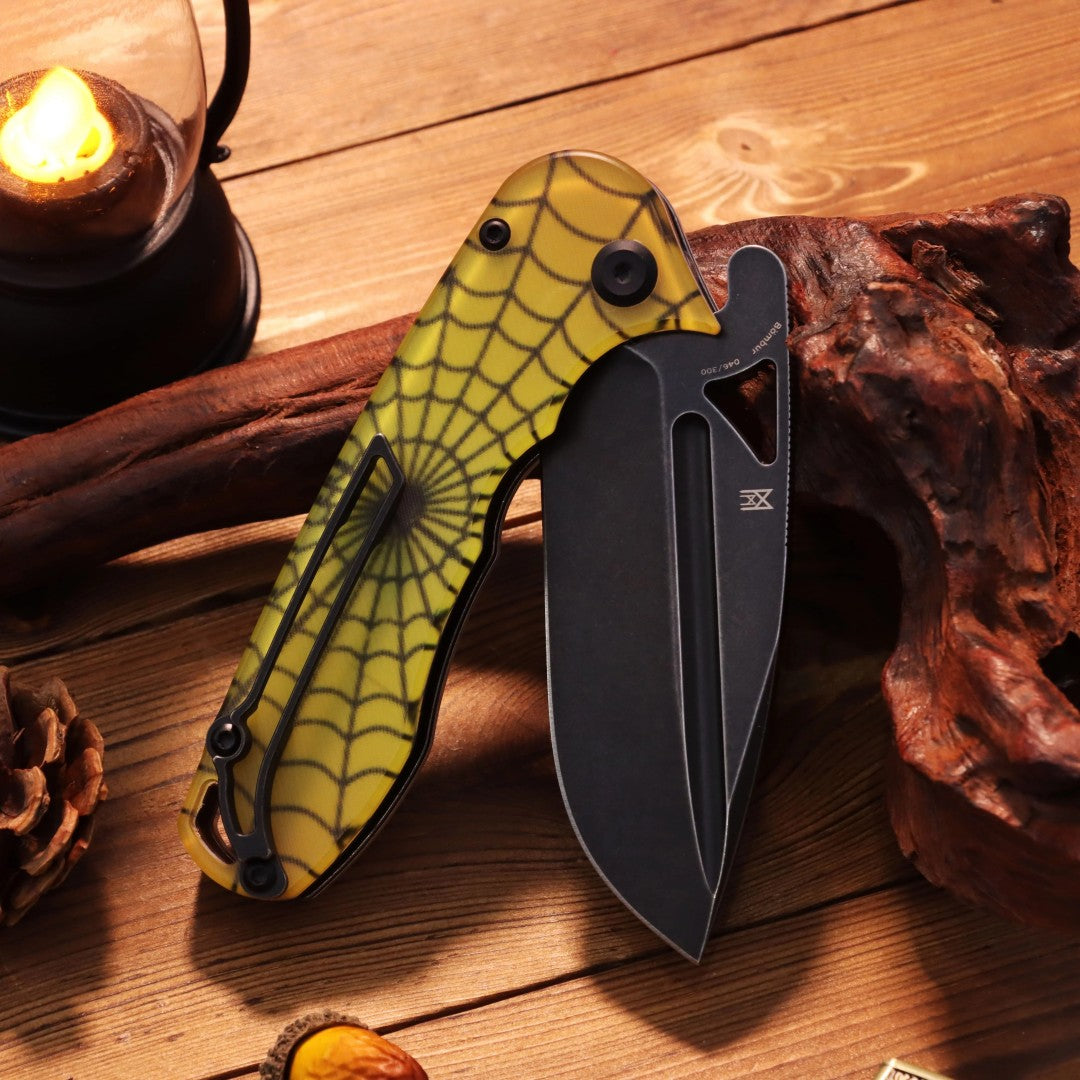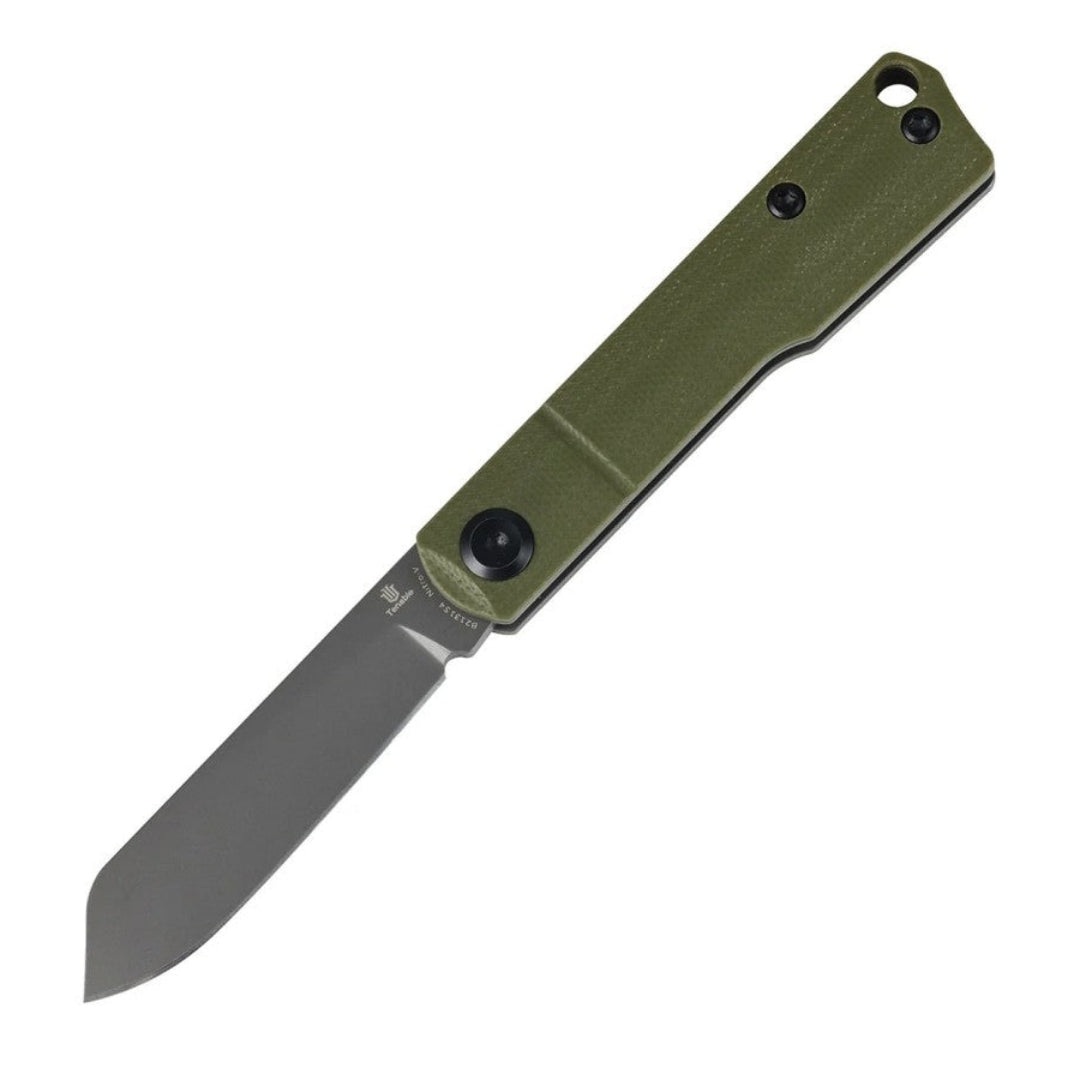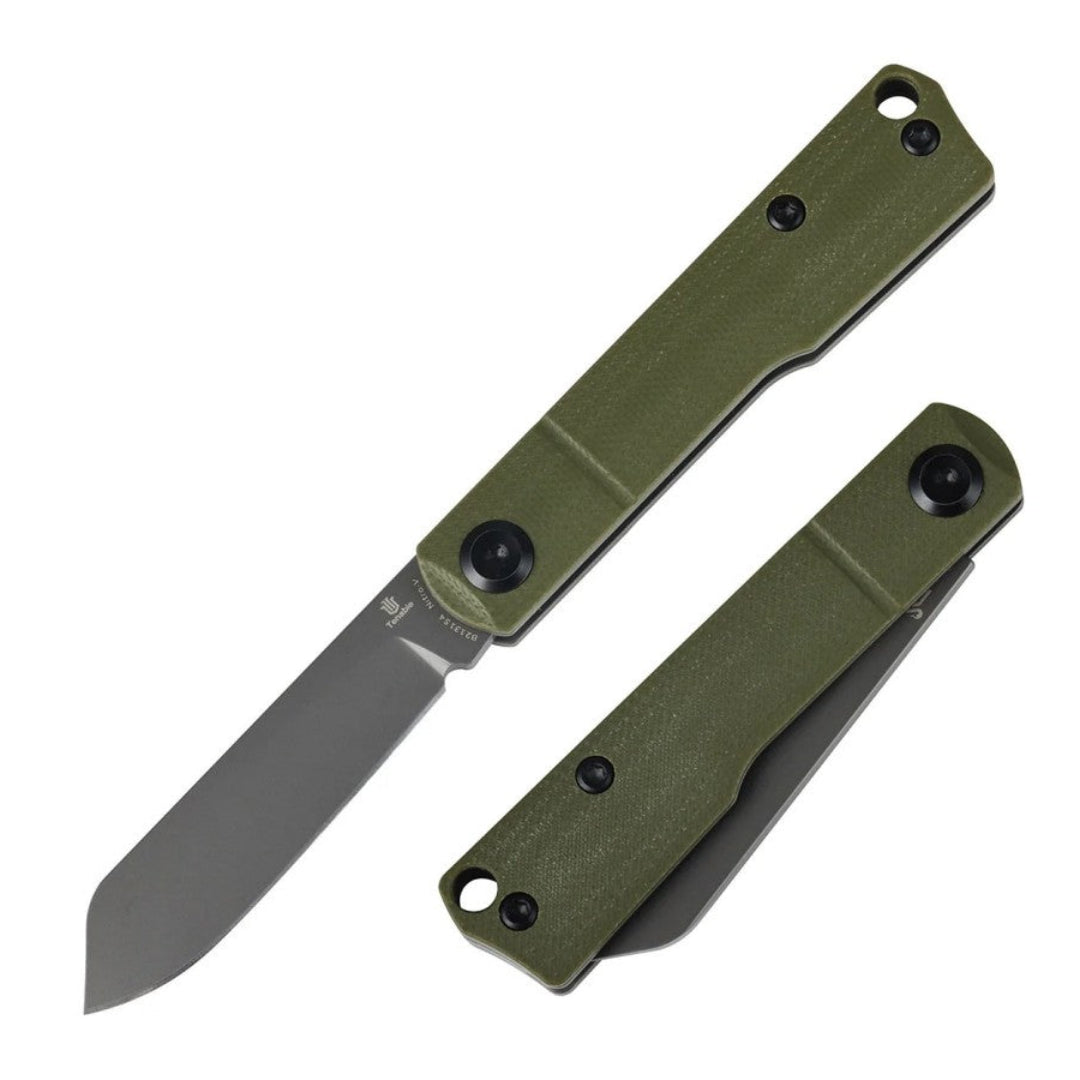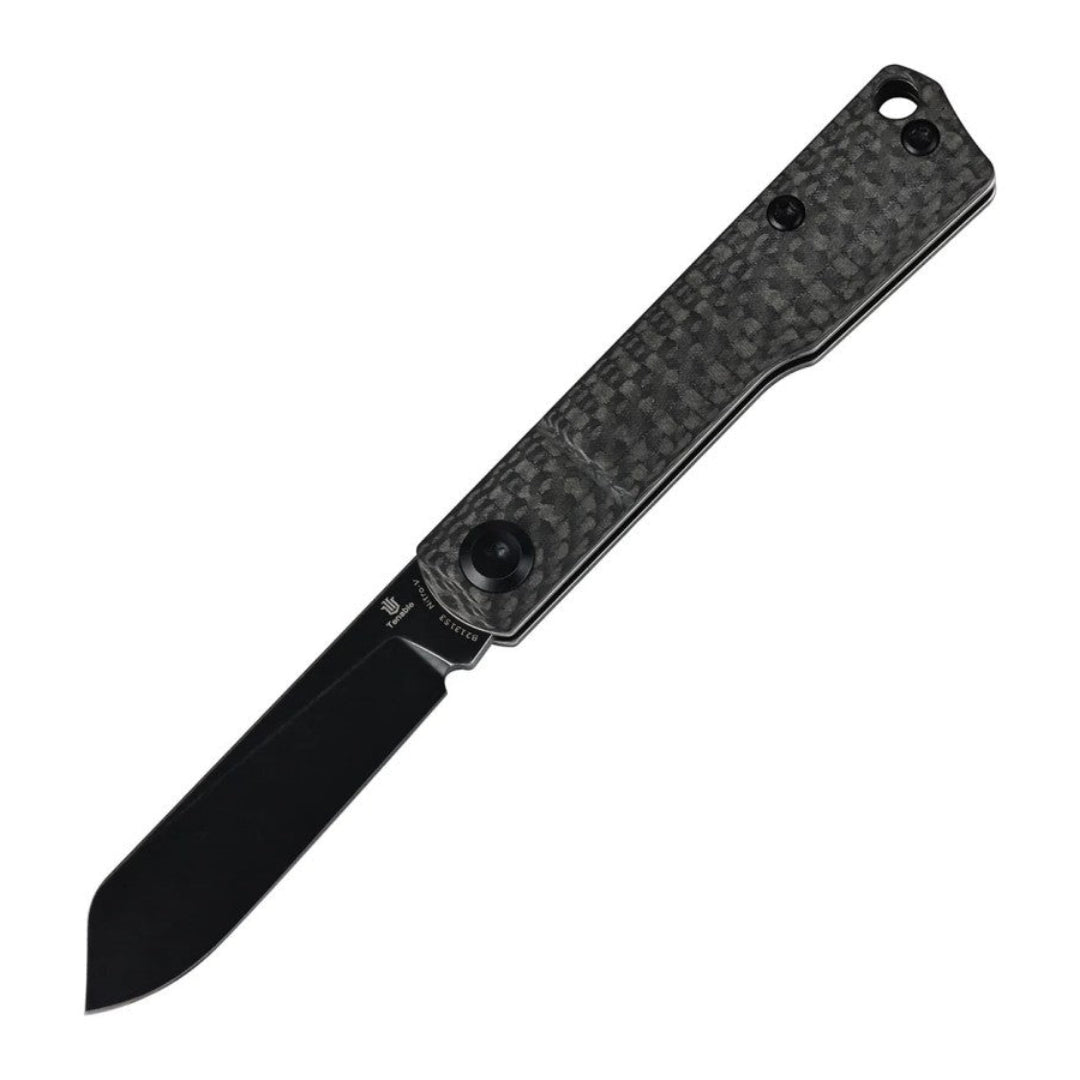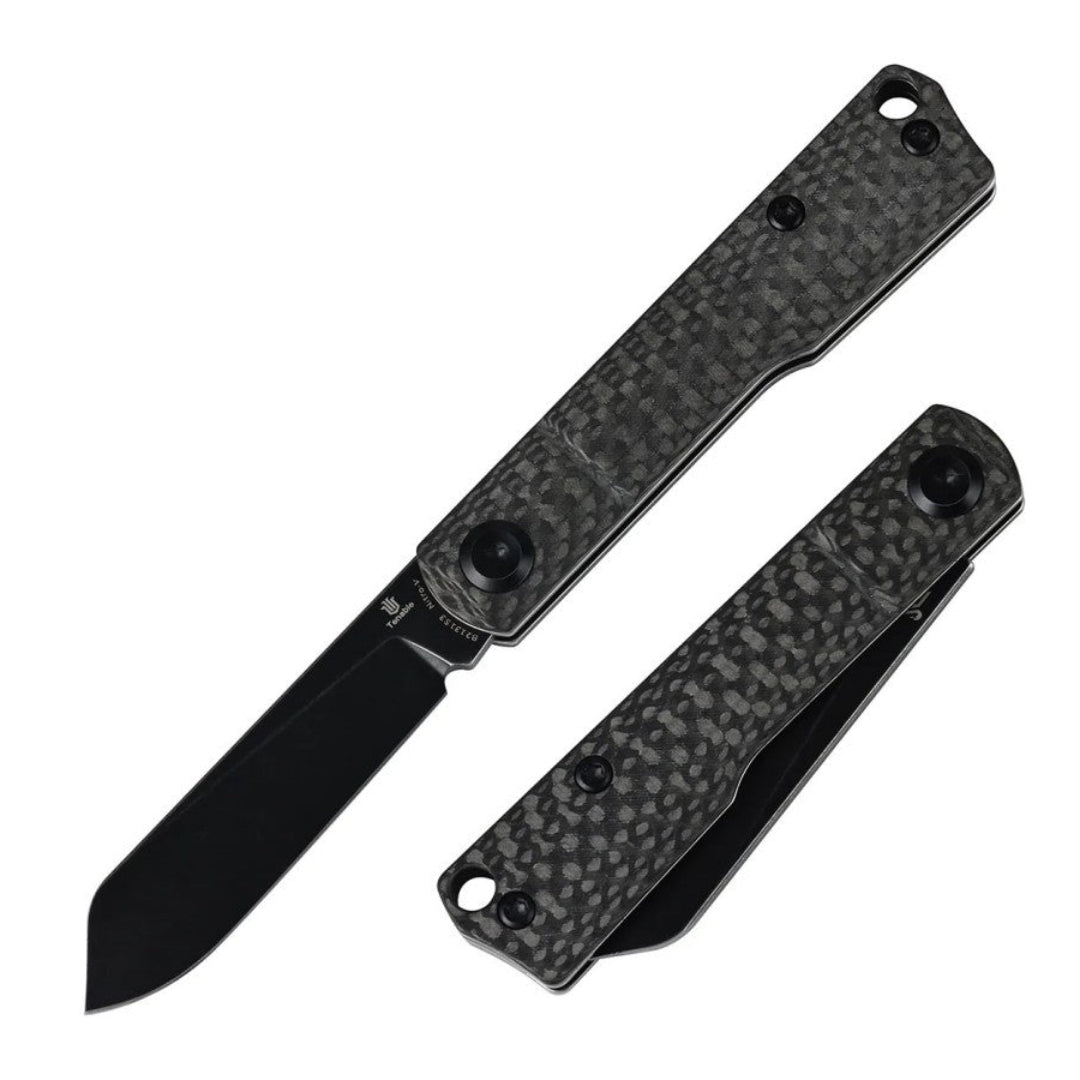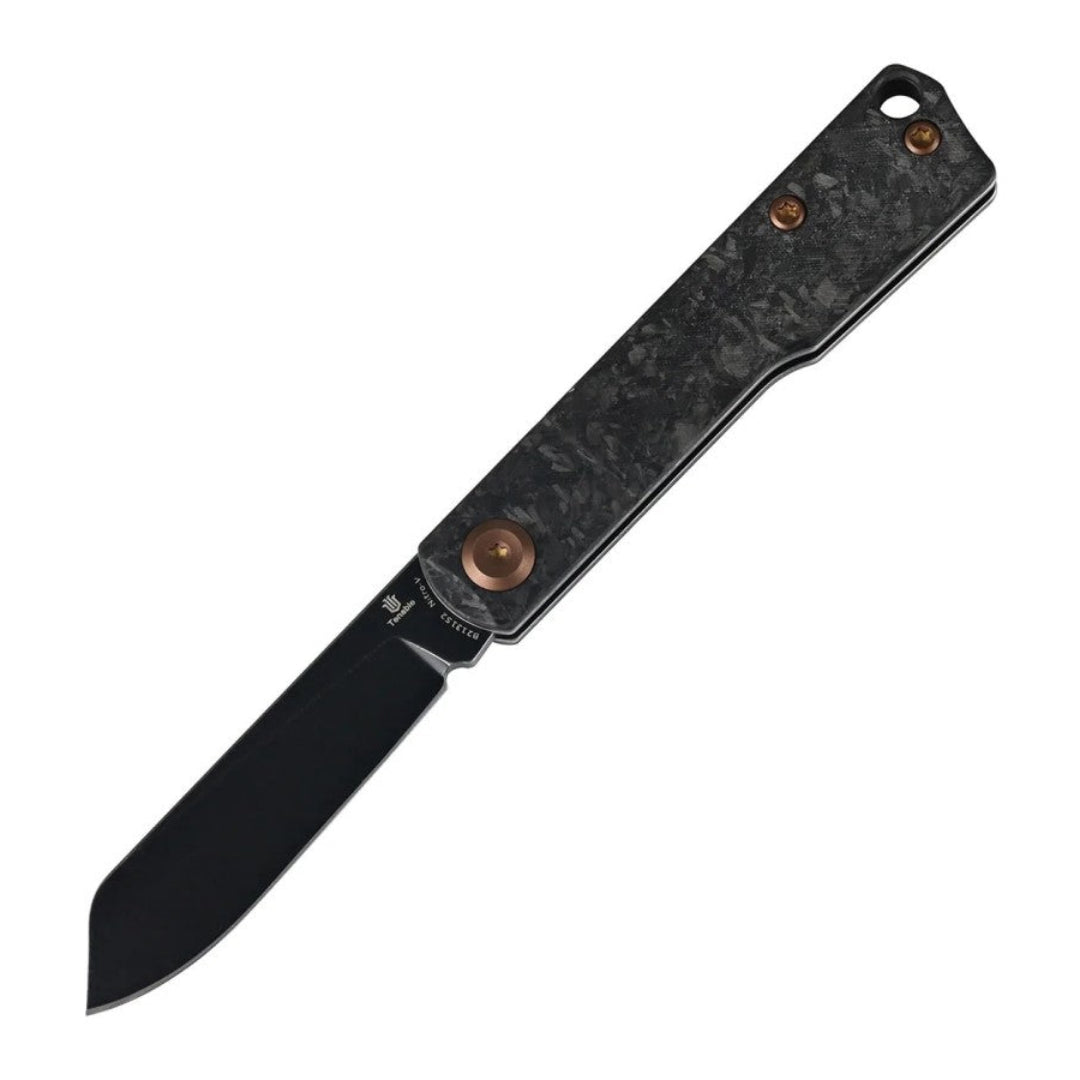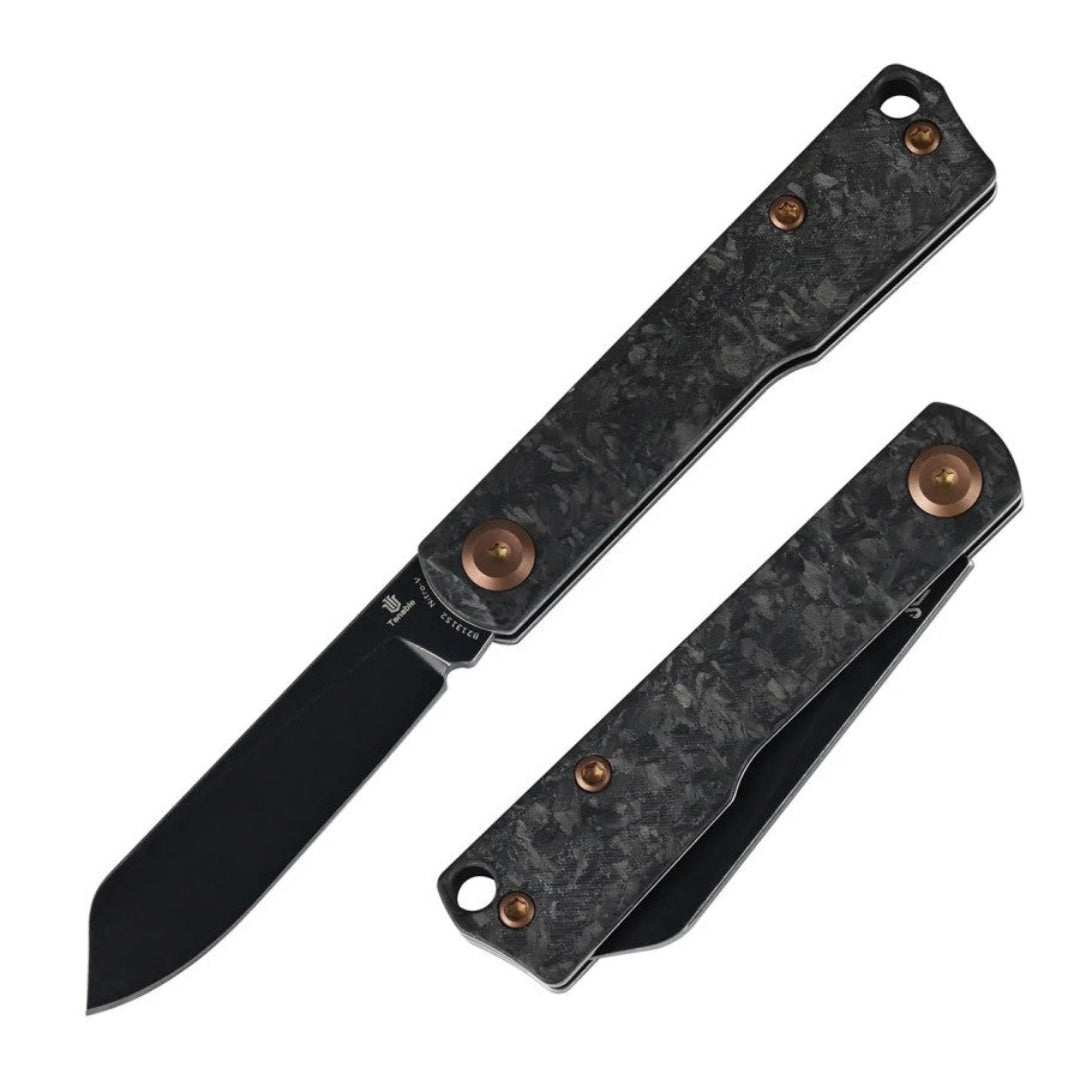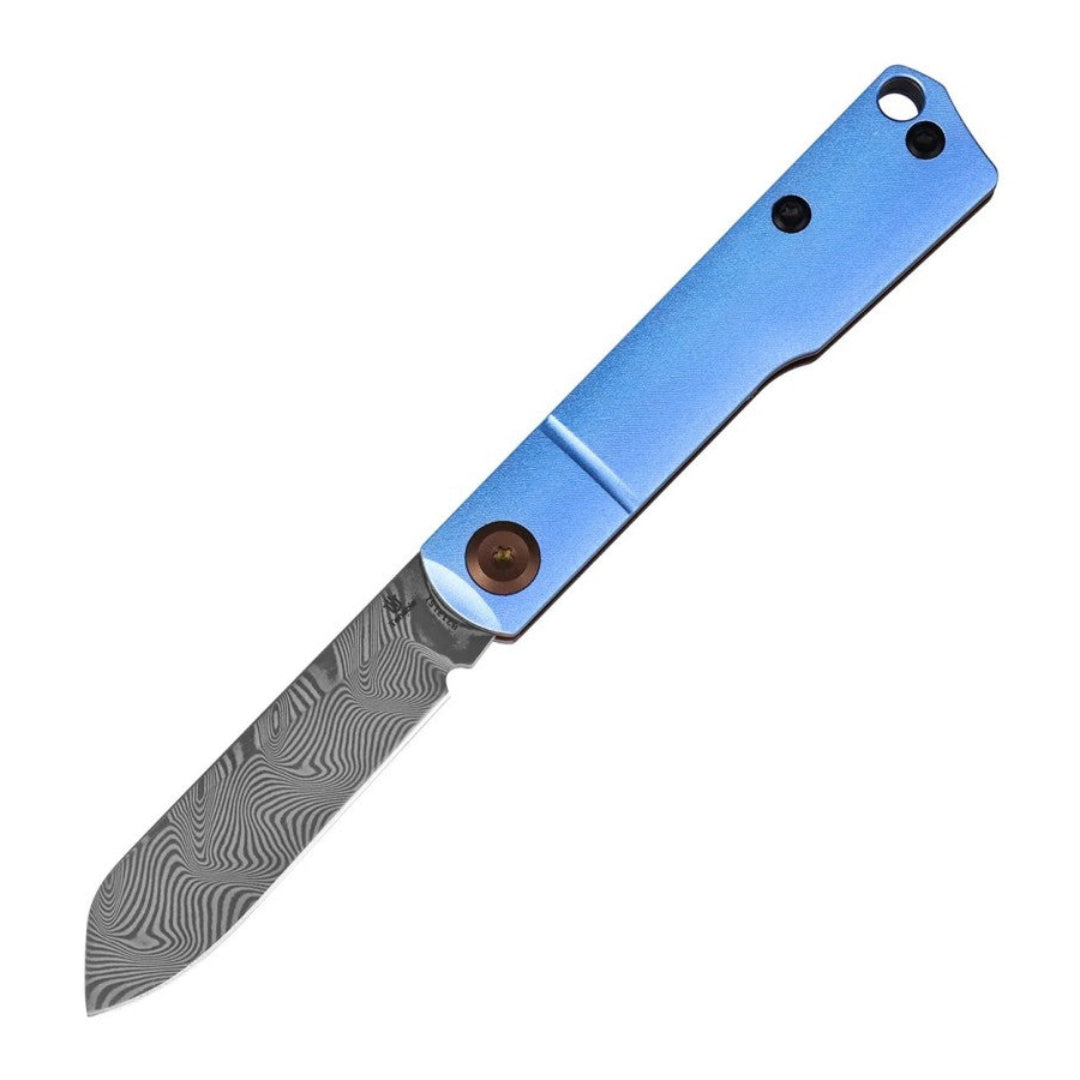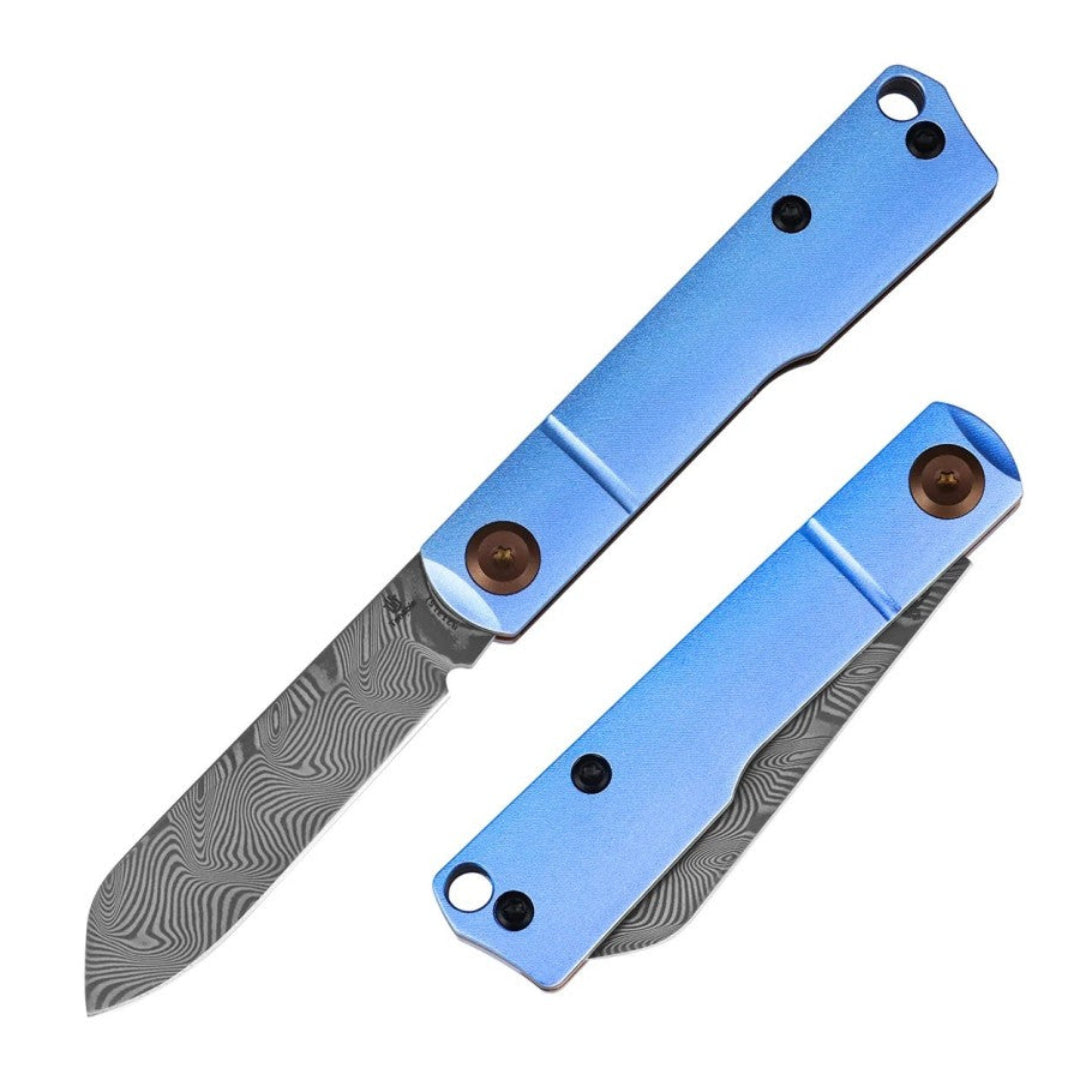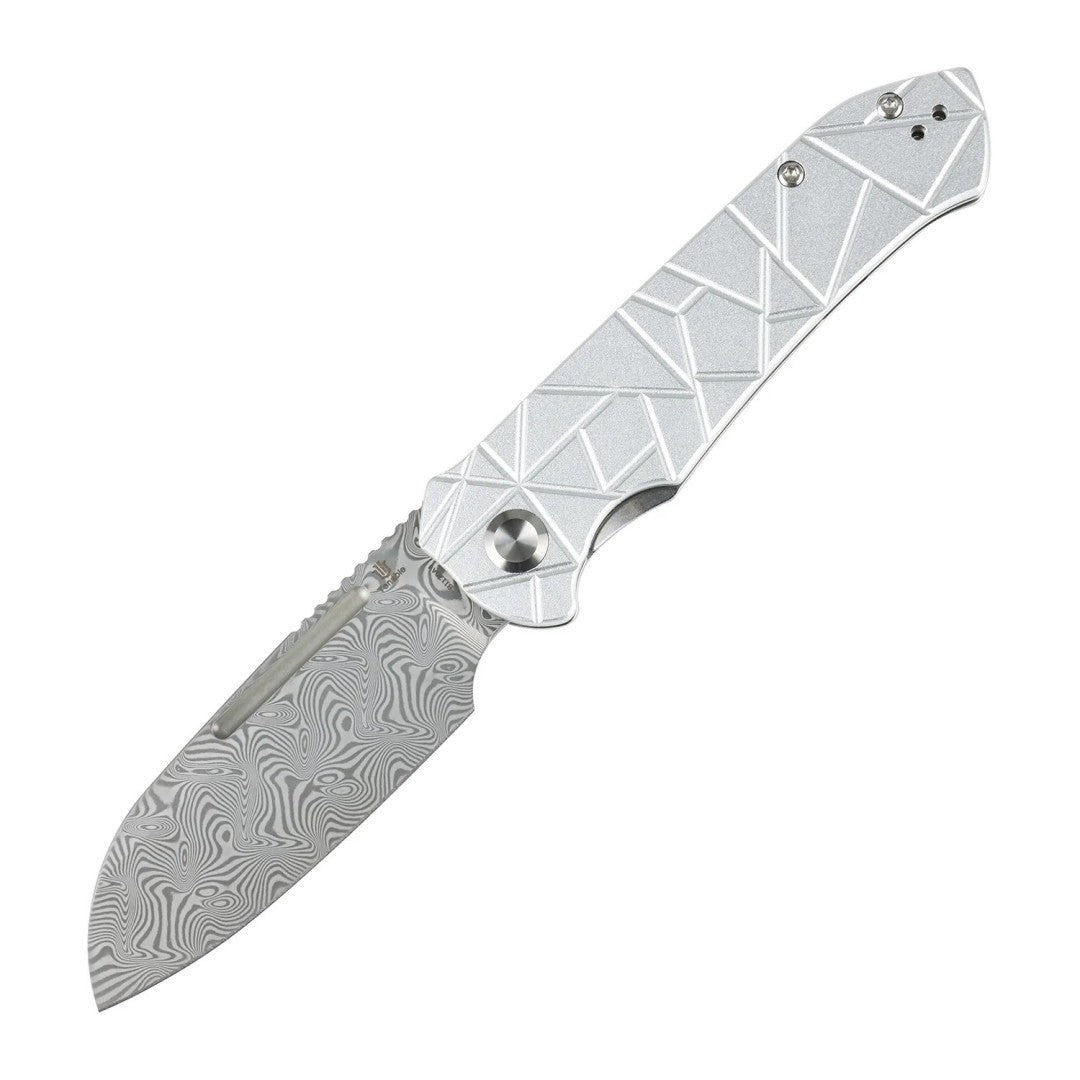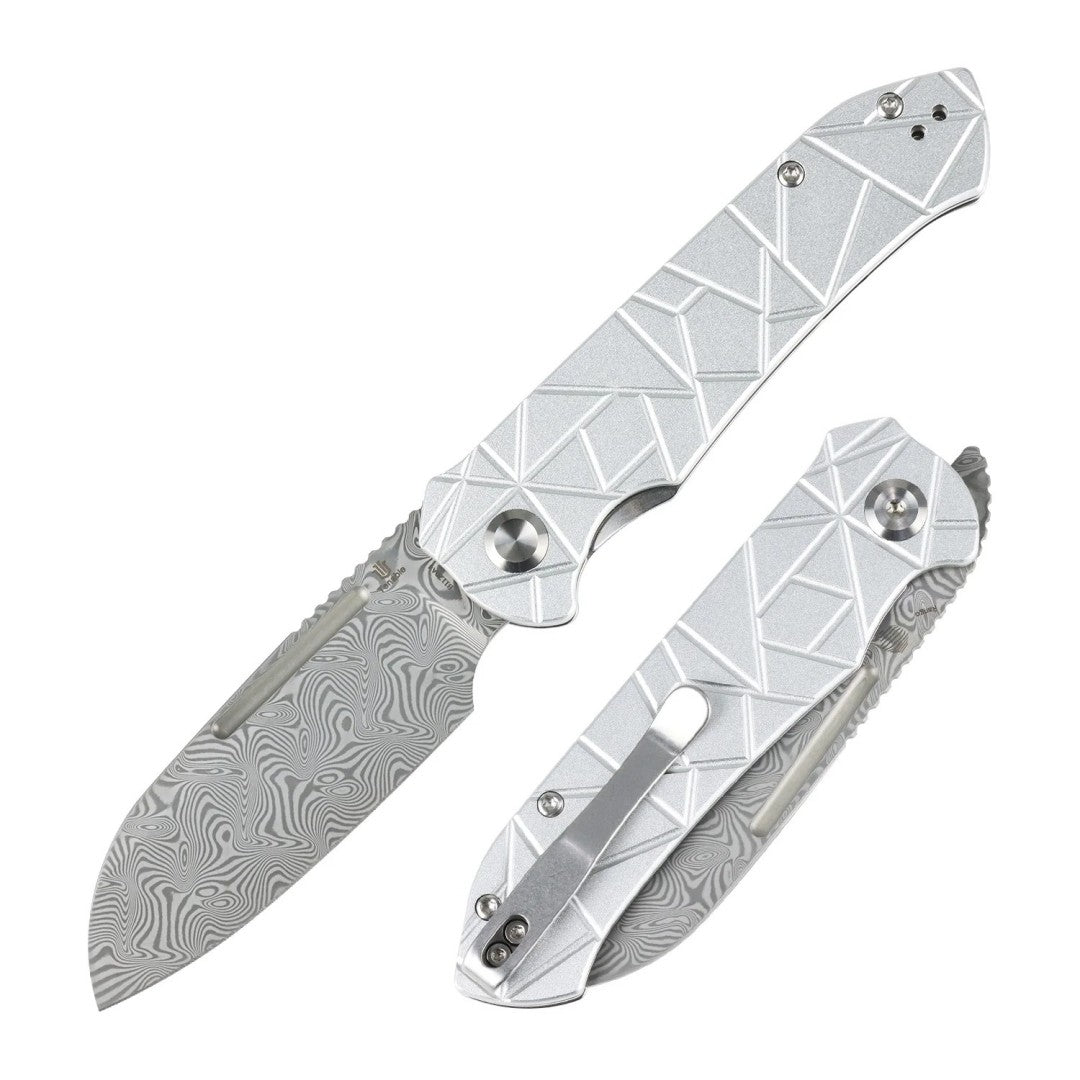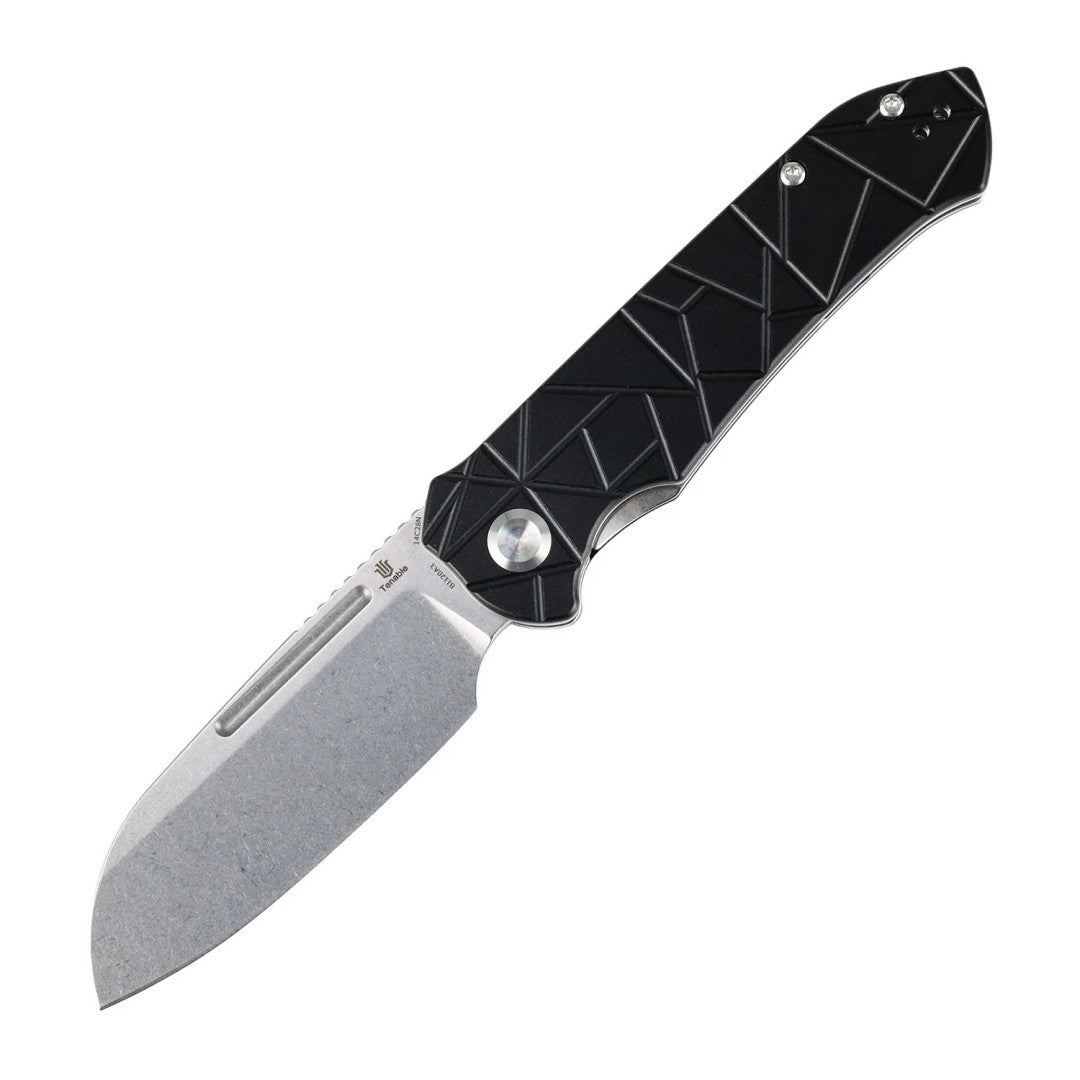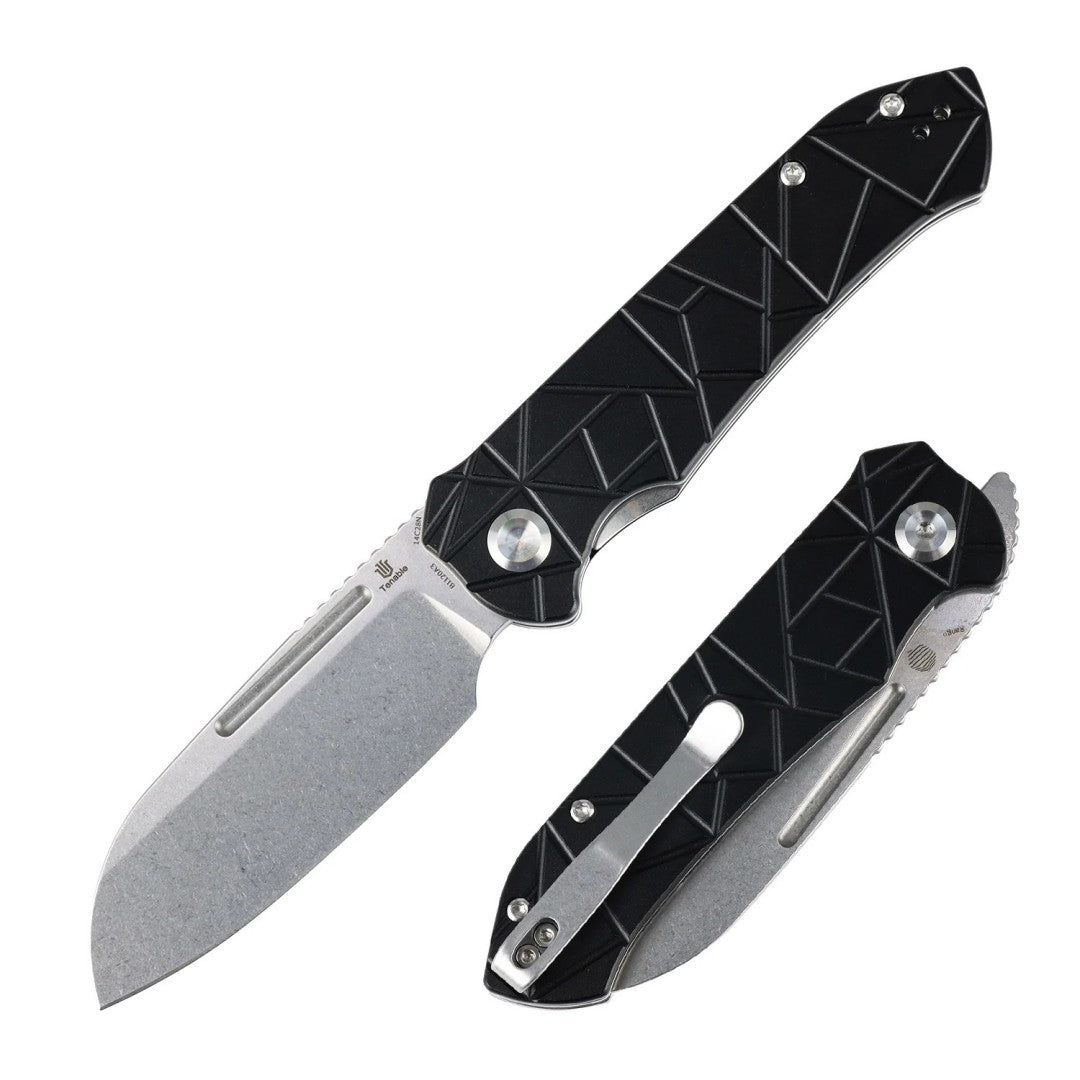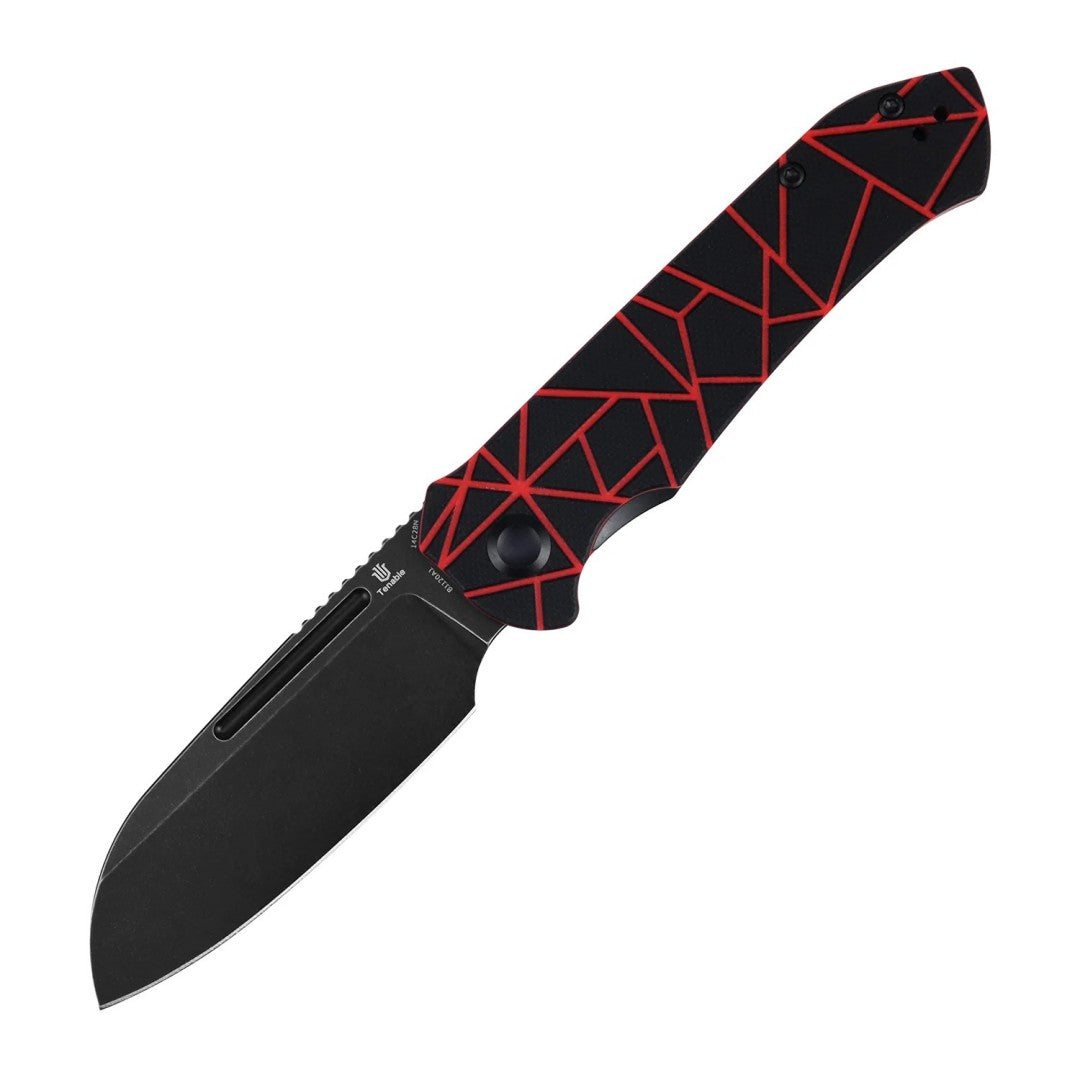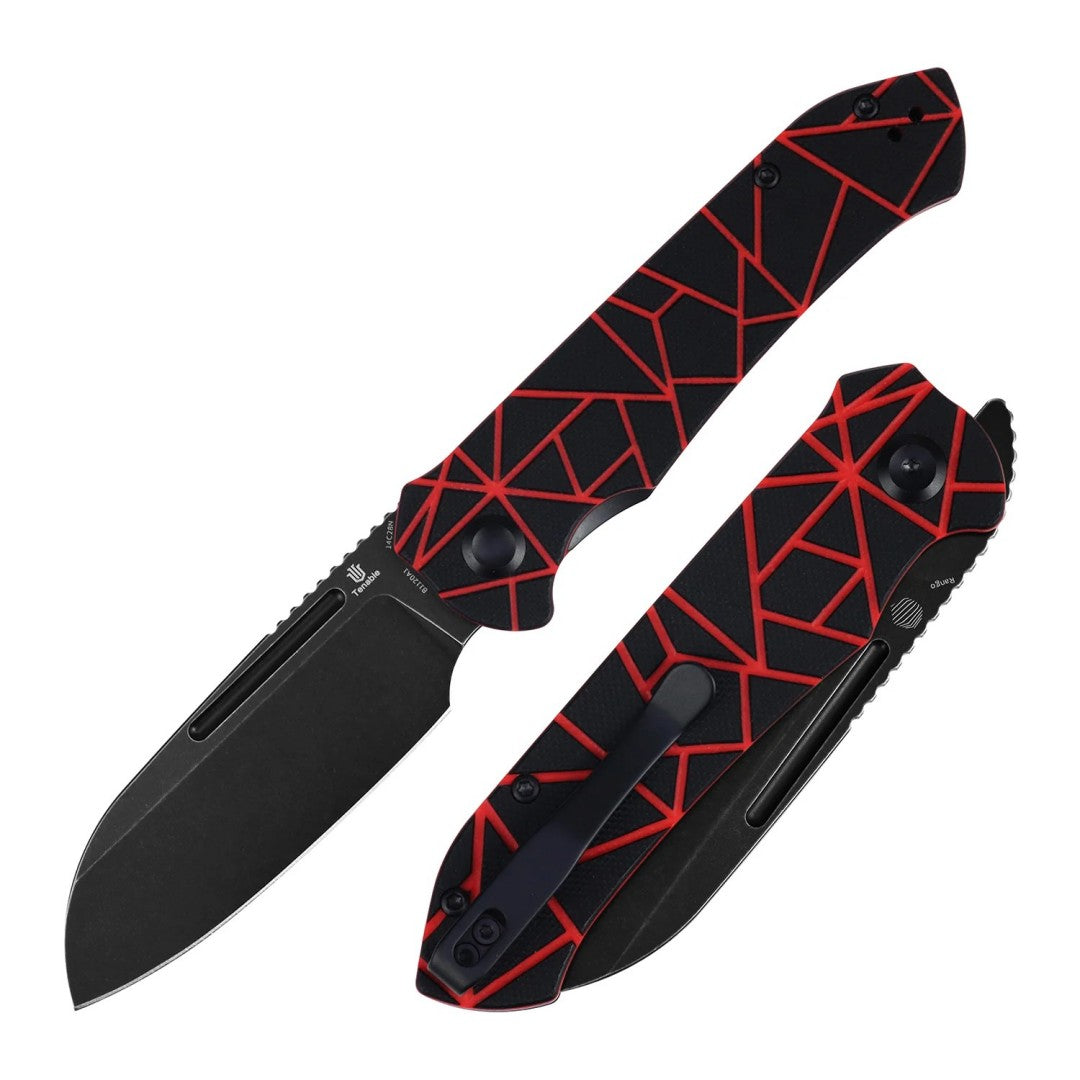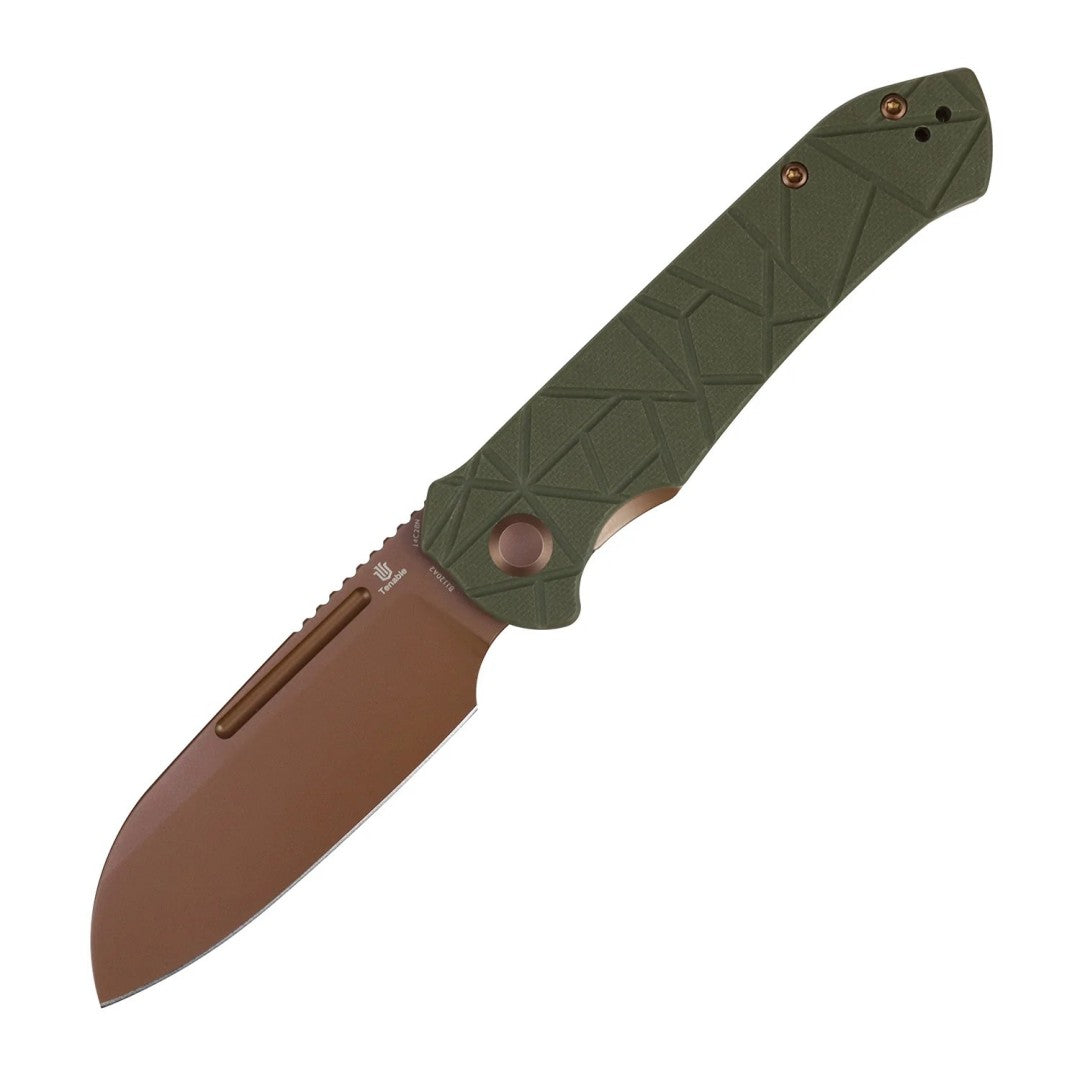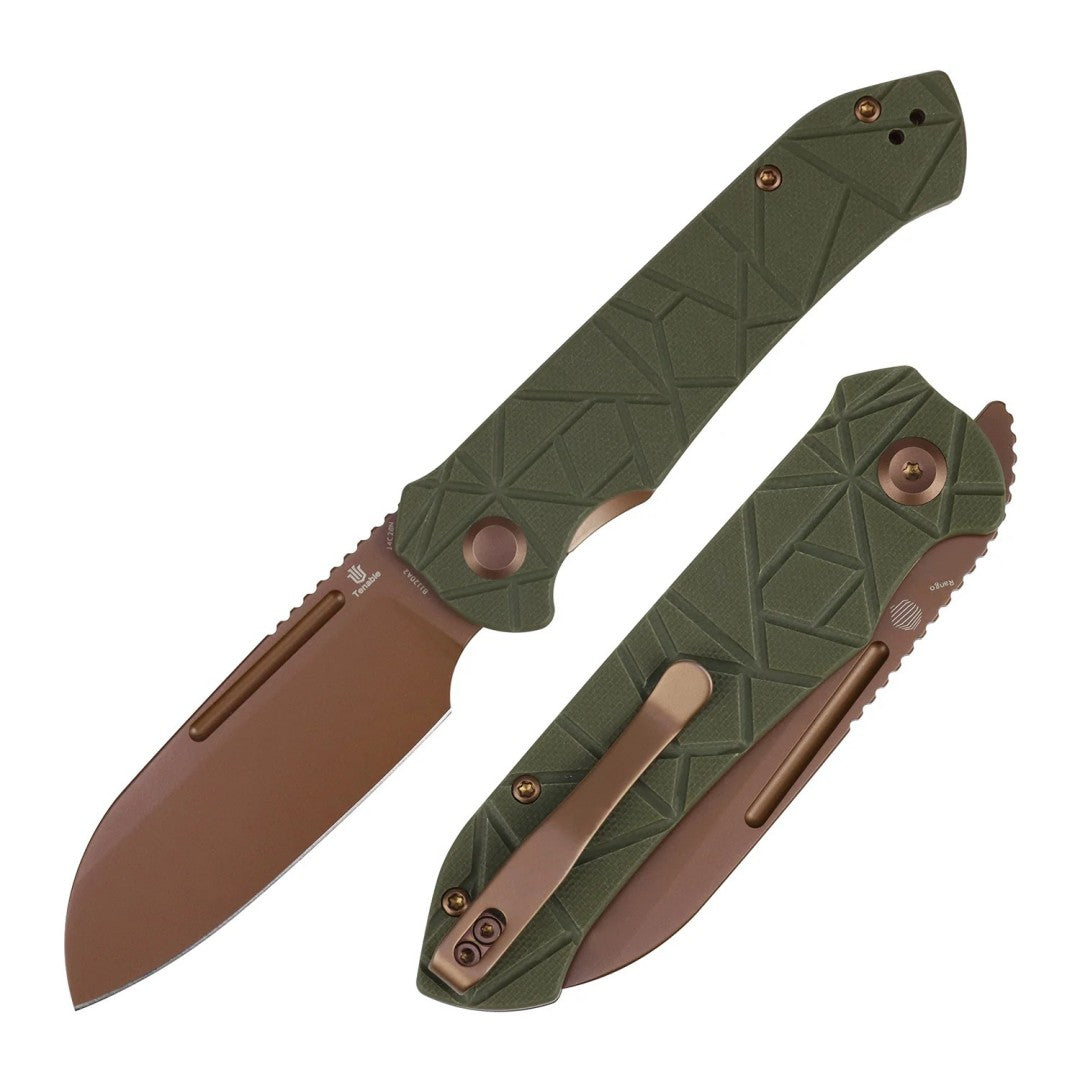
When choosing an everyday carry (EDC) folder, blade geometry plays a decisive role in determining how efficiently a tool performs daily utility tasks. The QSP Emu has earned widespread praise among knife enthusiasts largely because of its thoughtfully engineered Reverse Tanto profile, which maximizes cutting contact while maintaining superior structural integrity. Crafted by QSP, a maker celebrated for precision tolerances and exceptional value, this model pairs advanced blade shaping with fluid mechanical action. In this guide, we analyze why the Reverse Tanto architecture excels at slicing, package breakdown, and precision scoring.

Technical Breakdown: Geometry and Steel Profile
The table below outlines the structural dimensions and material characteristics that give this blade profile its cutting efficiency:
| Blade Parameter | Technical Specification | Functional Slicing Advantage |
| Blade Profile | Reverse Tanto / Modified Wharncliffe | Downward-sloping spine for reinforced tip and flat cutting edge |
| Blade Steel | Swedish Sandvik 14C28N Stainless | Nitrogen-boosted steel offering edge retention and high toughness |
| Primary Grind | High Flat Grind | Thin edge geometry behind the bevel to reduce slicing drag |
| Lock System | Dual-Sided Glyde Lock Crossbar | Solid steel bar lockup engineered for heavy downward load |
| Pivot System | Caged Ceramic Ball Bearings | Ultra-smooth deployment via flipper tab or spine cutout |
| Finish Options | Satin or Dark Stonewash | Low-friction surface treatment preventing material binding |
Mechanics of the Reverse Tanto: Slicing Efficiency Explained
Unlike a traditional drop point or clip point that curves upwards toward the spine, a Reverse Tanto profile angled the spine steel down toward a long, straight edge. This creates specific mechanical advantages for daily slicing:
-
Maximized Edge Contact: The long straight edge stays in full contact with flat materials like cardboard, leather, or sheet plastics throughout the entire cutting stroke, preventing the material from slipping off the blade tip.
-
Reduced Binding Drag: Paired with a high flat grind, the blade stays thin directly behind the edge bevel. This allows the steel to pass through thick double-wall cardboard or dense rubber without wedging or binding mid-cut.
-
Low-Angle Tip Precision: Because the tip is positioned lower relative to the handle centerline, drawing the knife across a flat surface requires minimal wrist angle. This ergonomic alignment allows for effortless drag cuts and shallow package scoring.
 Real-World Performance Across Utility Tasks
The geometry translates directly into effortless performance across common daily cutting scenarios:
Package Opening & Box Breakdown: Puncturing packing tape requires zero force thanks to the lowered tip. Once inside, the straight slicing belly glides through corrugated cardboard without snagging on internal fluting or tearing the paper.
Rope and Synthetic Webbing: Fiber materials tend to push away from curved blades. The straight edge bites immediately into nylon webbing, thick cordage, or heavy zip-ties, transferring maximum force right near the handle choil.
Food Prep and Camp Utility: The thin edge behind the high flat grind makes quick work of slicing apples, cured meats, or trimming campfire kindling without wedging or splitting dense wood prematurely.
Ambidextrous Safety and Smooth Deployment
Slicing performance is matched by intuitive handle mechanics. Operating on caged ceramic ball bearings, the blade opens fluidly via the rear flipper tab or the elongated thumb cutout running along the spine.
Securing the blade during heavy push cuts is the dual-sided crossbar mechanism. To close the folder, simply pull back on the external handle sliders using your thumb and index finger. Because your fingers remain anchored completely on the outer handle scales throughout the closing arc, your hands are isolated from the blade path at all times.
Sharpening and Long-Term Edge Maintenance
Maintaining a Reverse Tanto profile is remarkably easier than maintaining complex curved blades. Because the cutting edge runs straight, sharpening stones and ceramic rods make uniform contact across the entire edge length.
Regular touch-ups on a fine ceramic rod or leather strop easily restore the razor-sharp edge after heavy cutting sessions. Swedish stainless steel provides excellent corrosion resistance and chip-free toughness, ensuring the blade stays ready for your next slicing task.