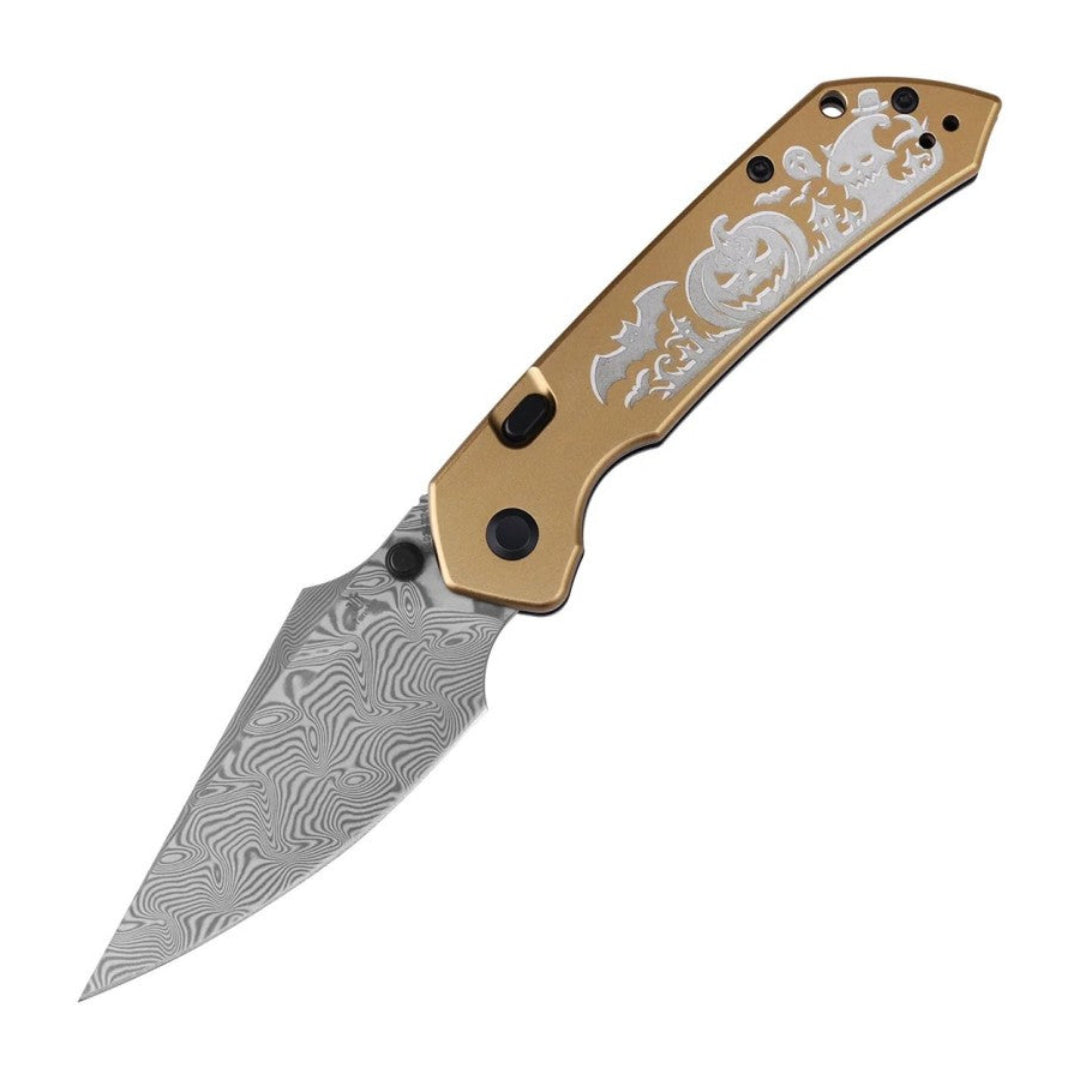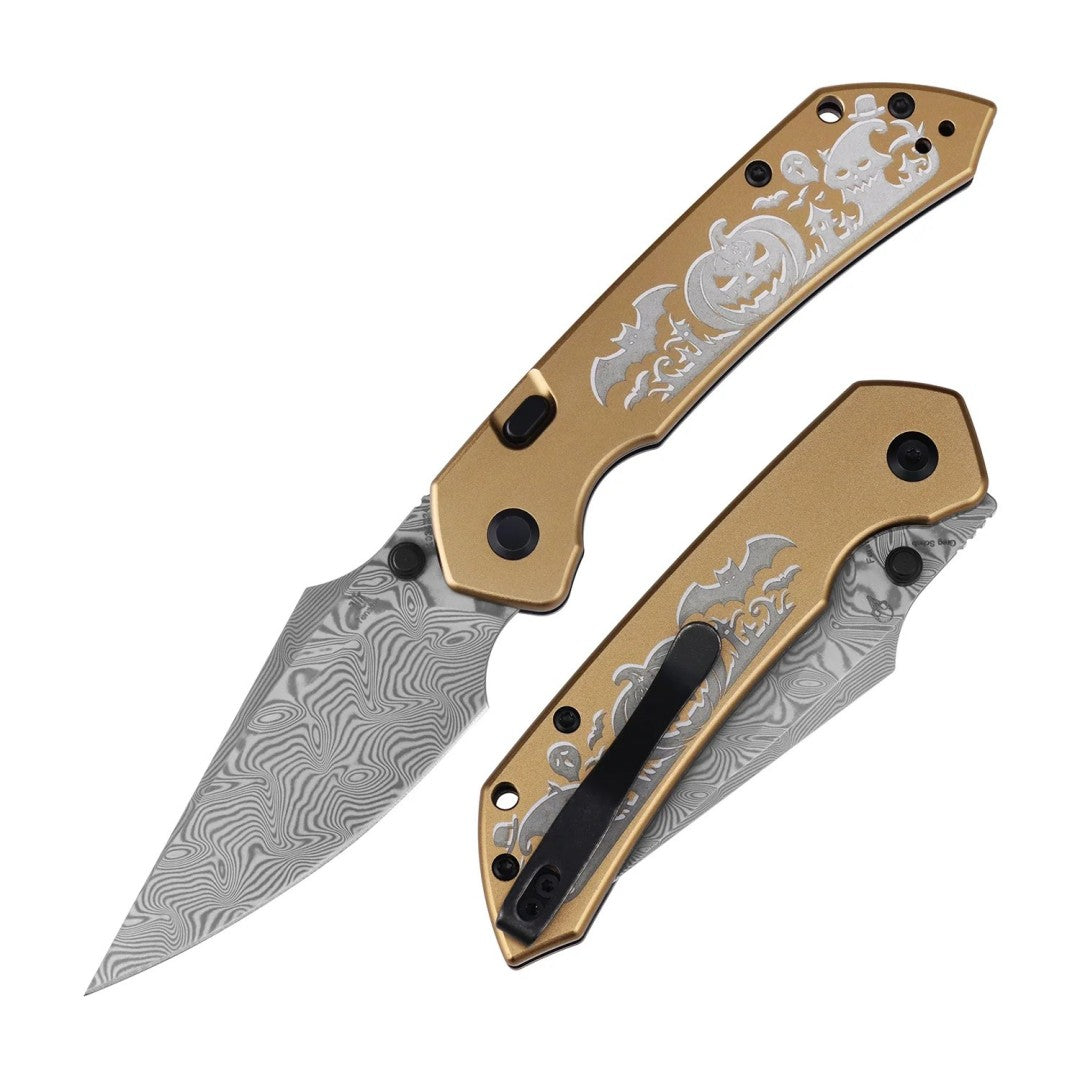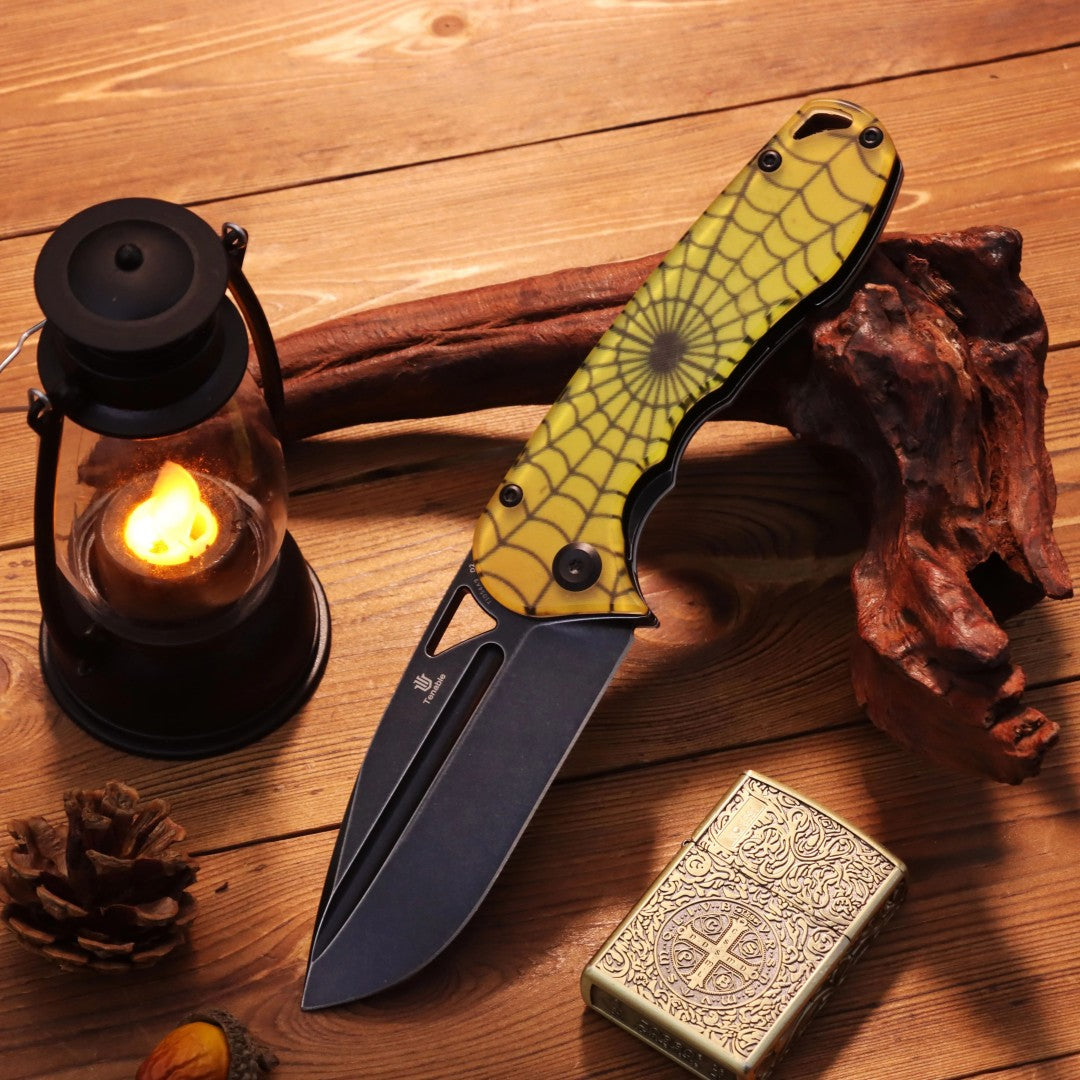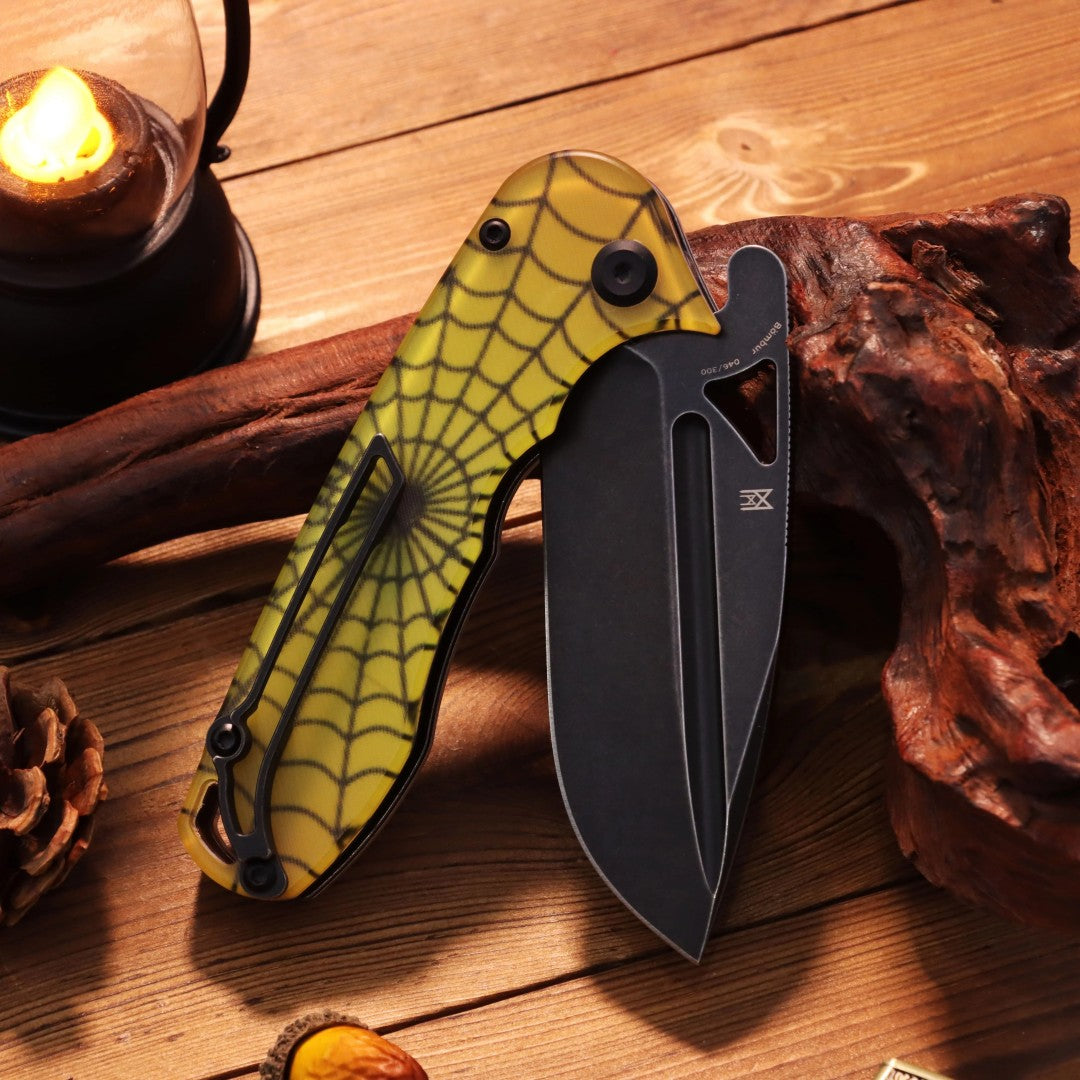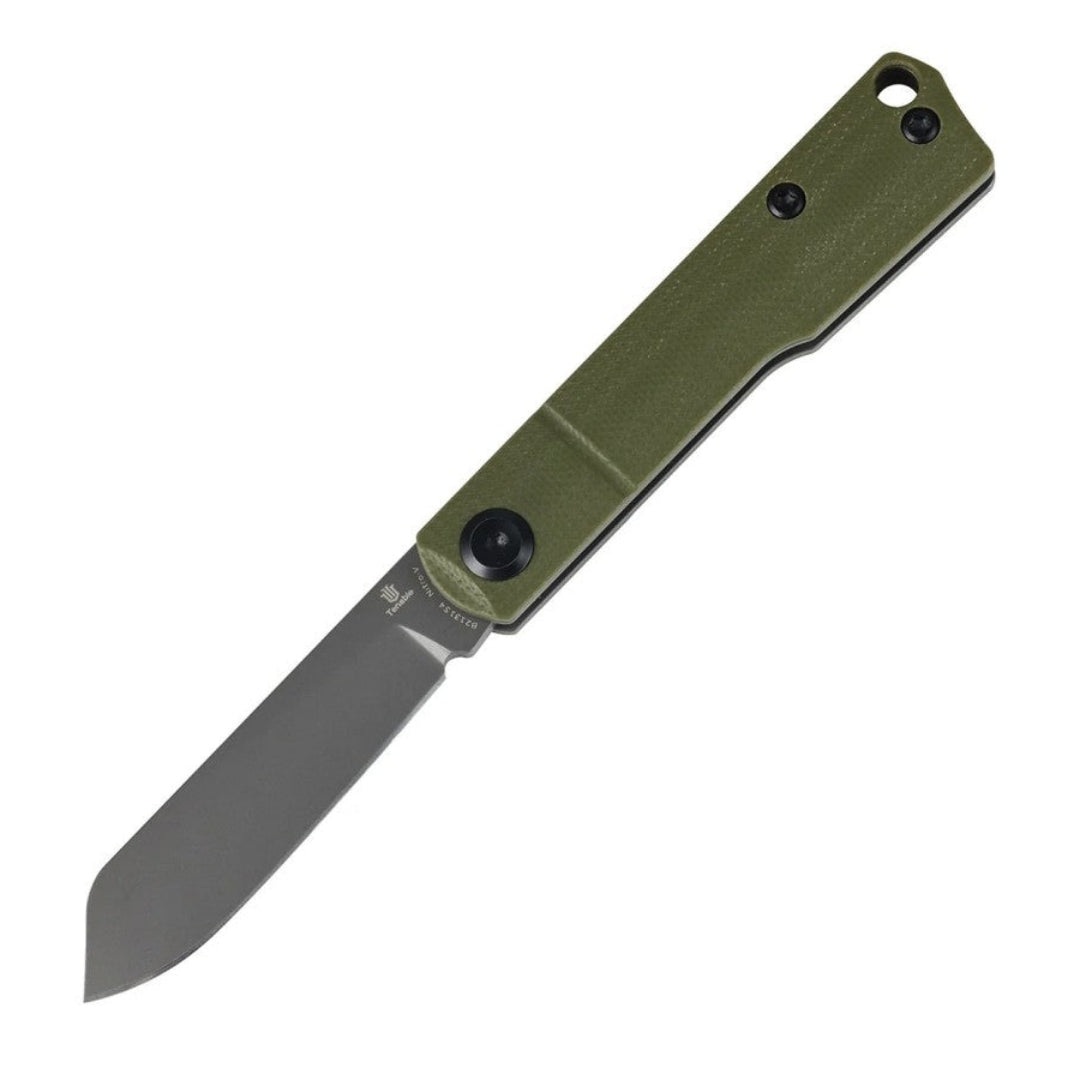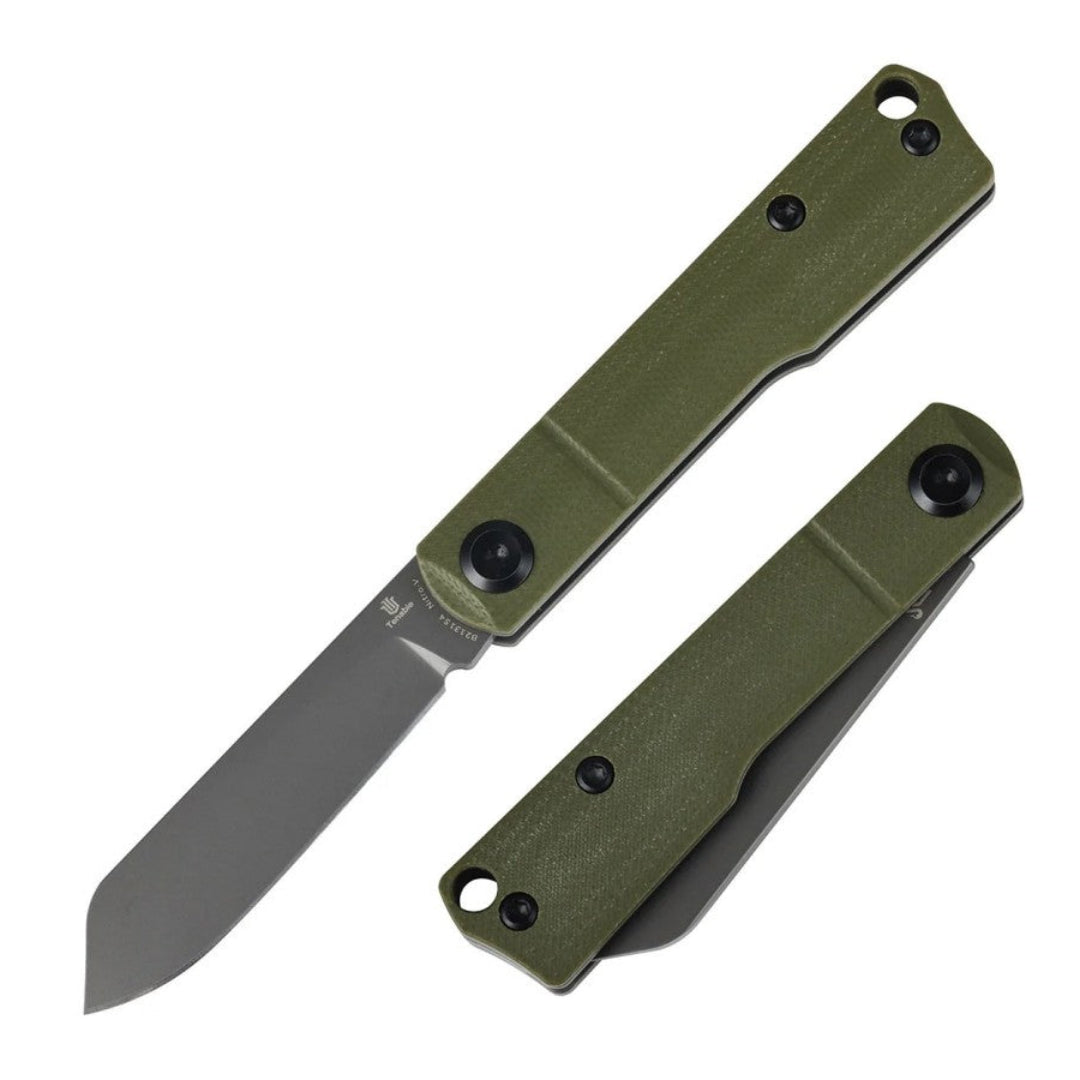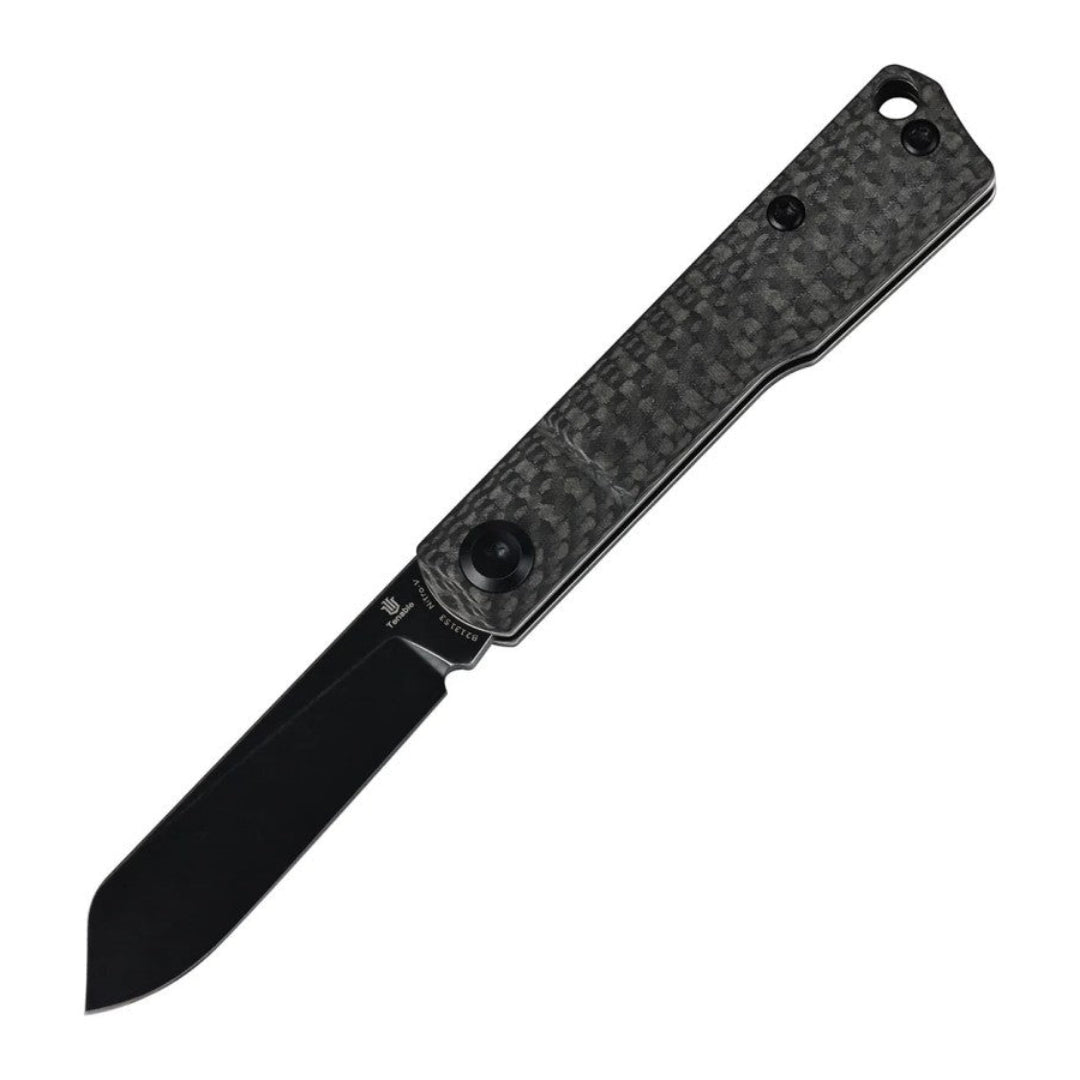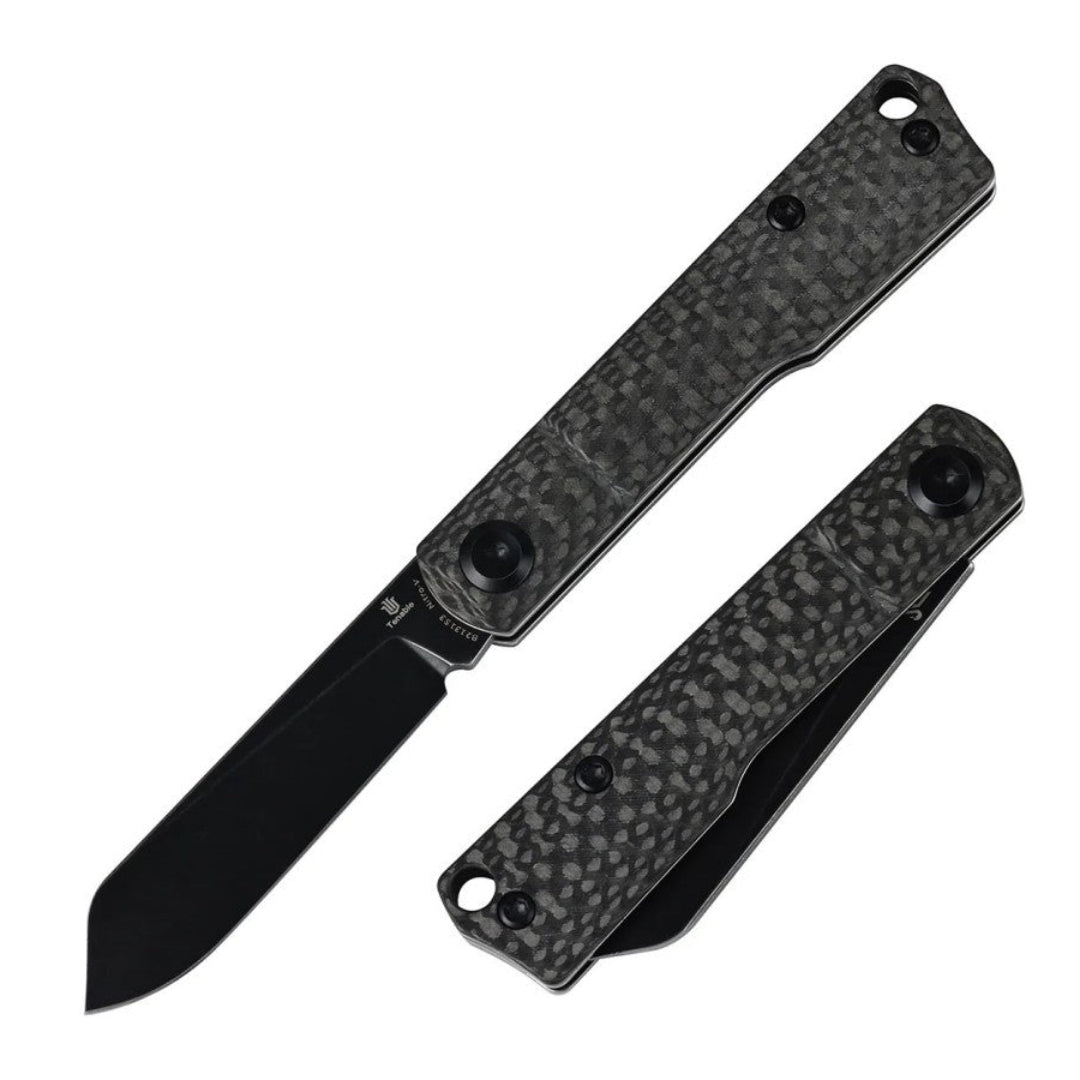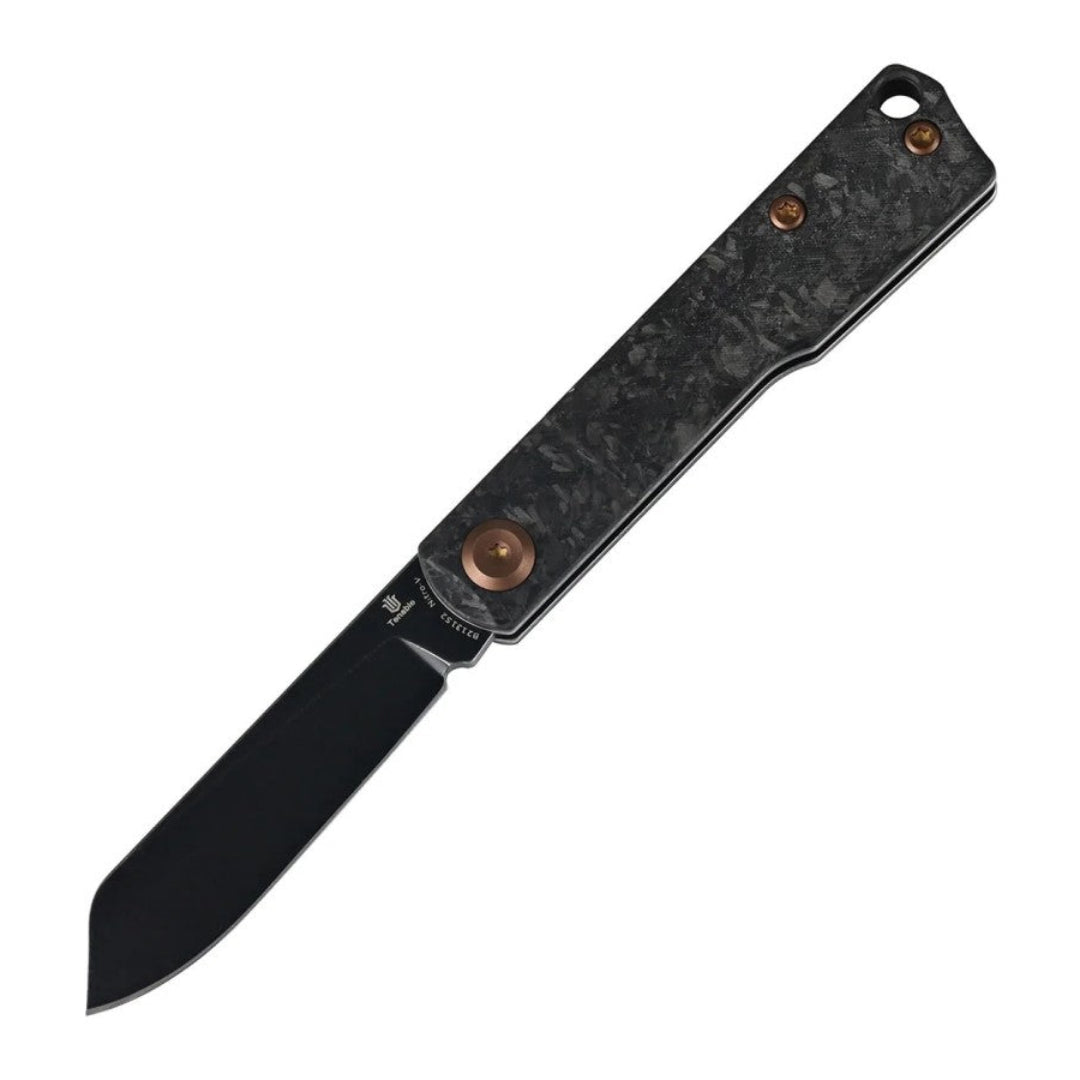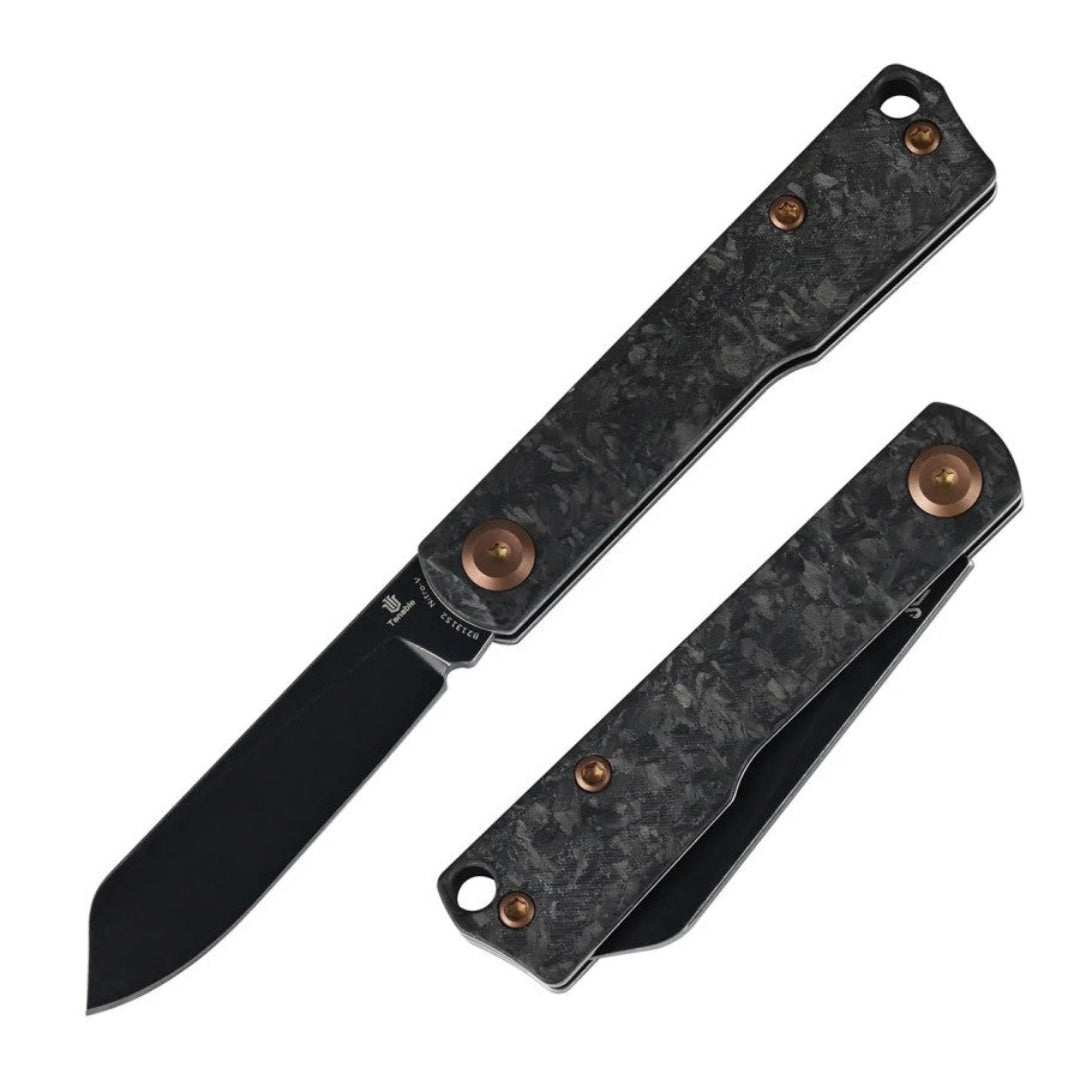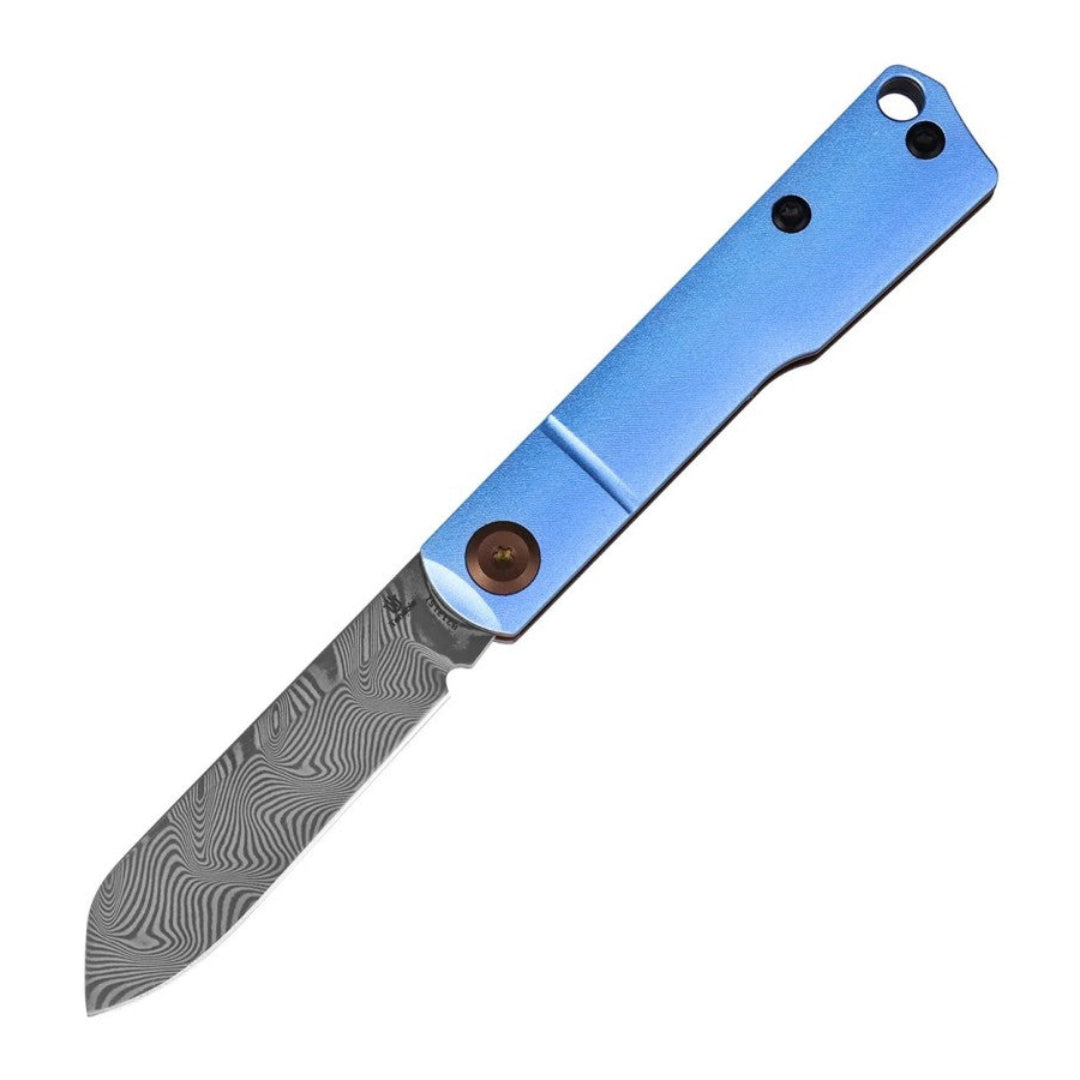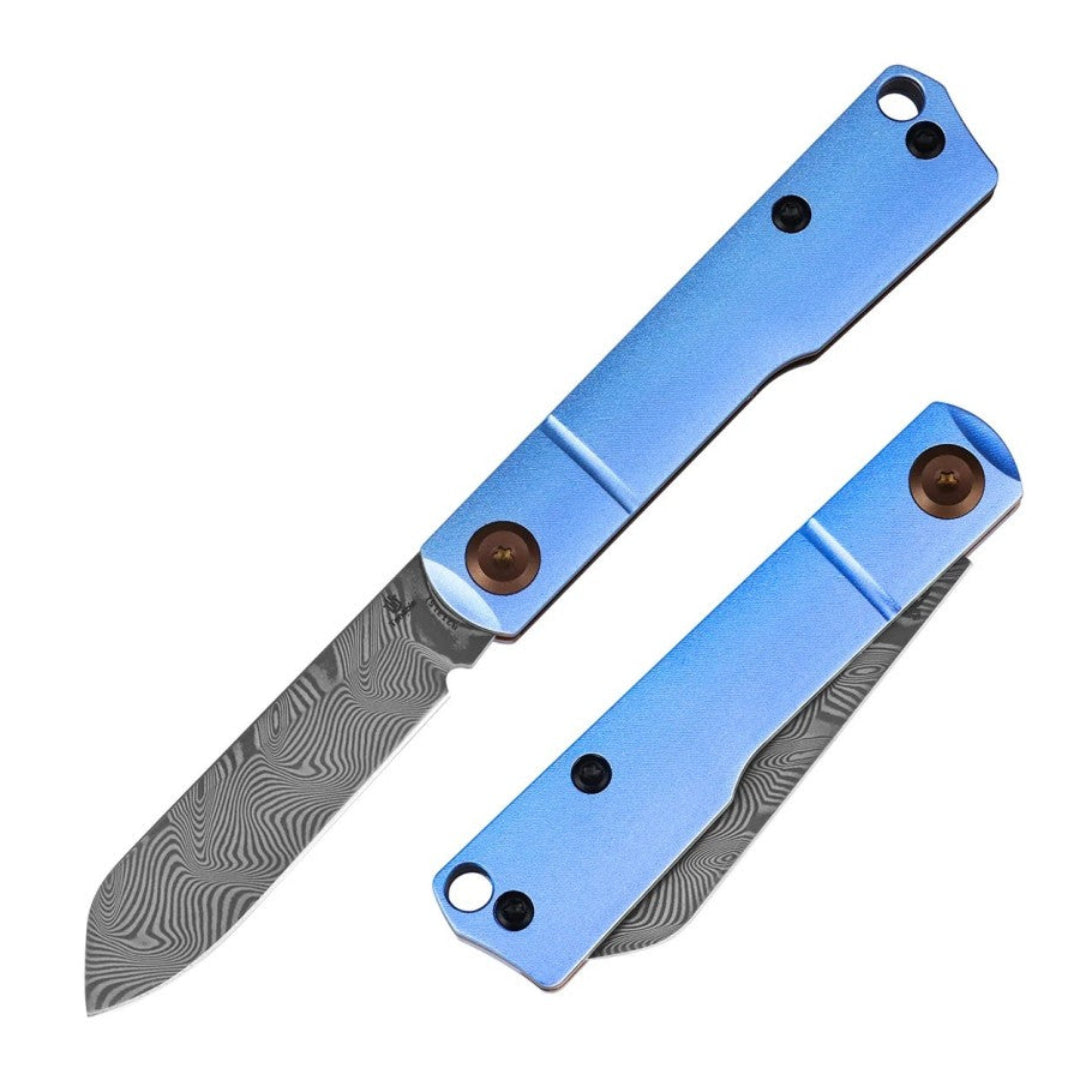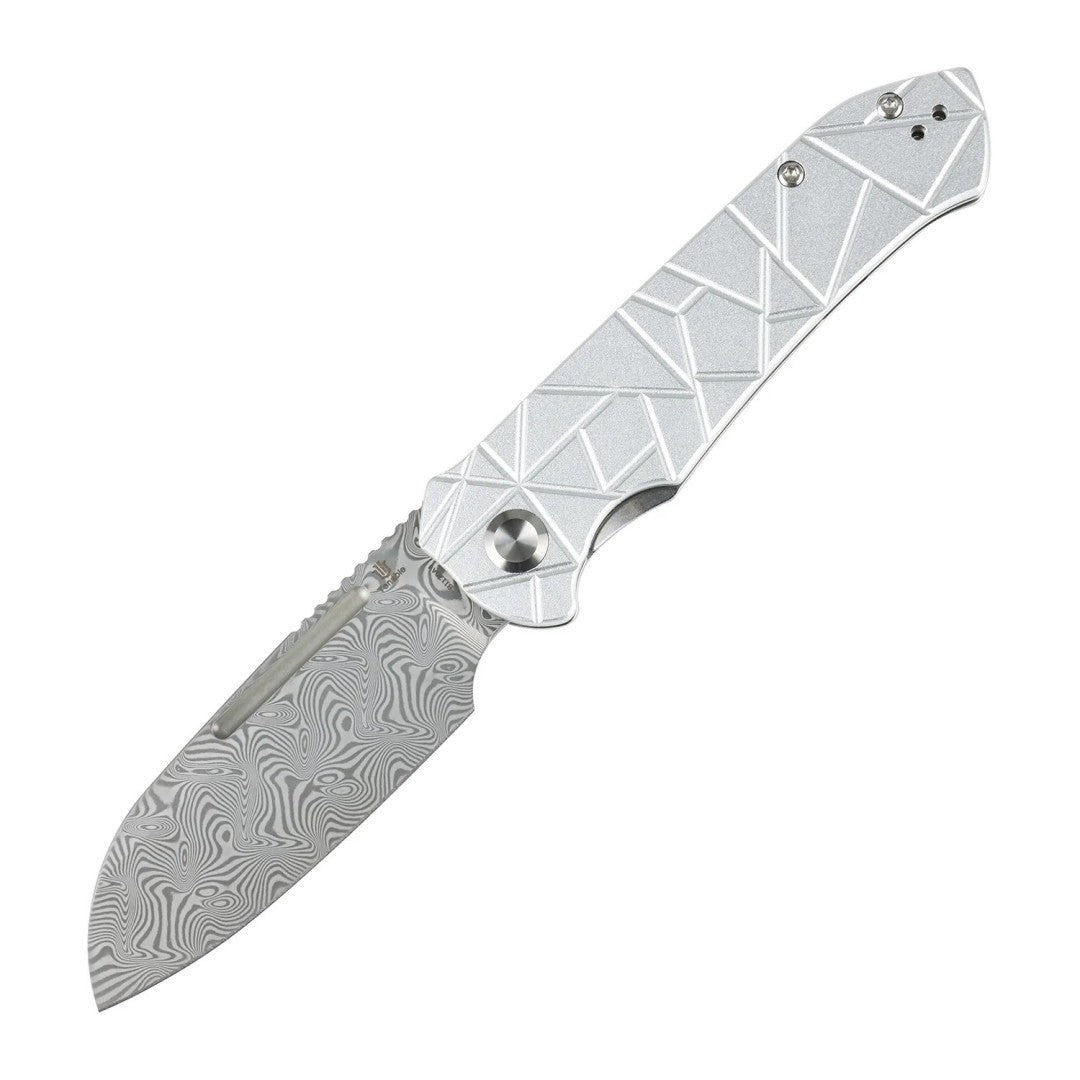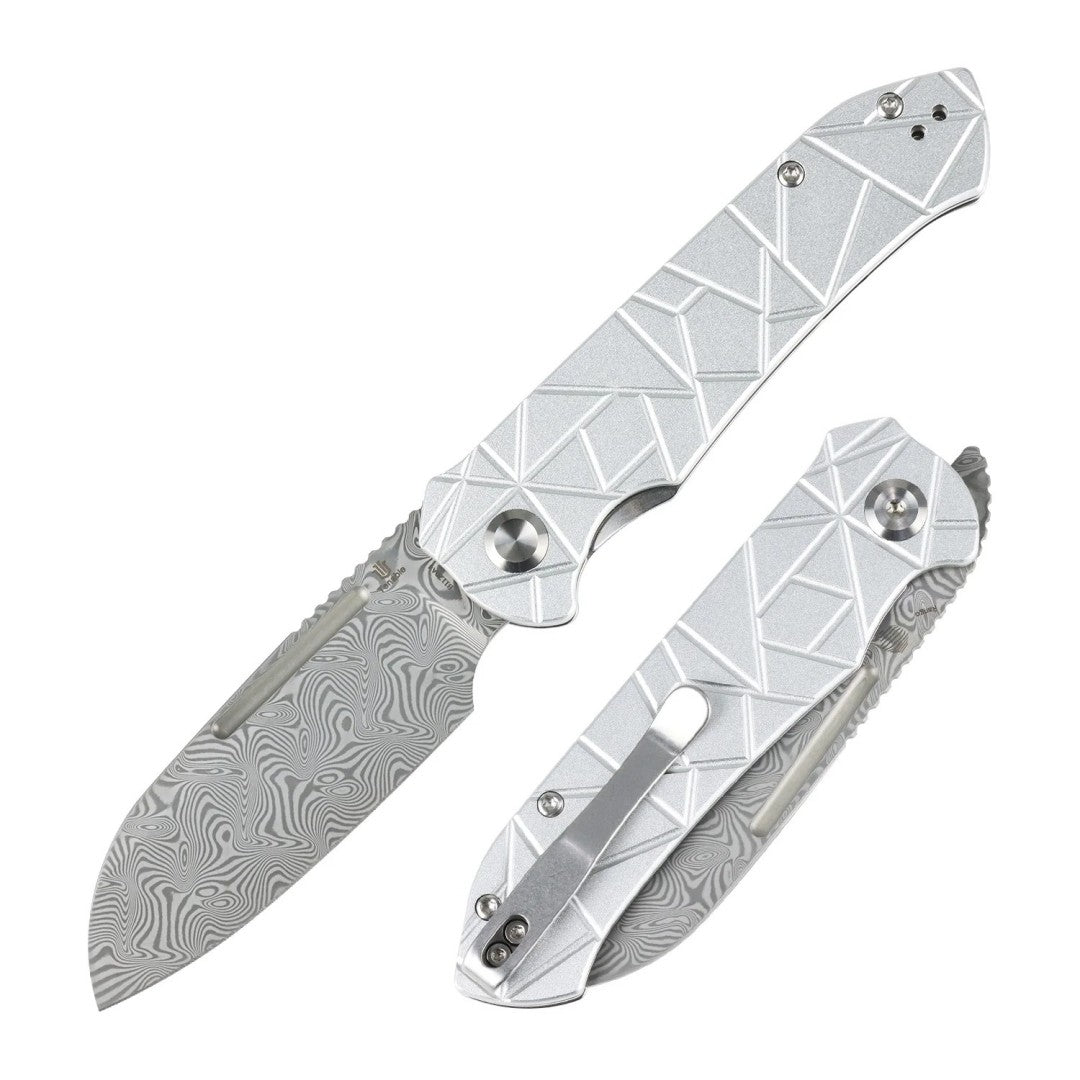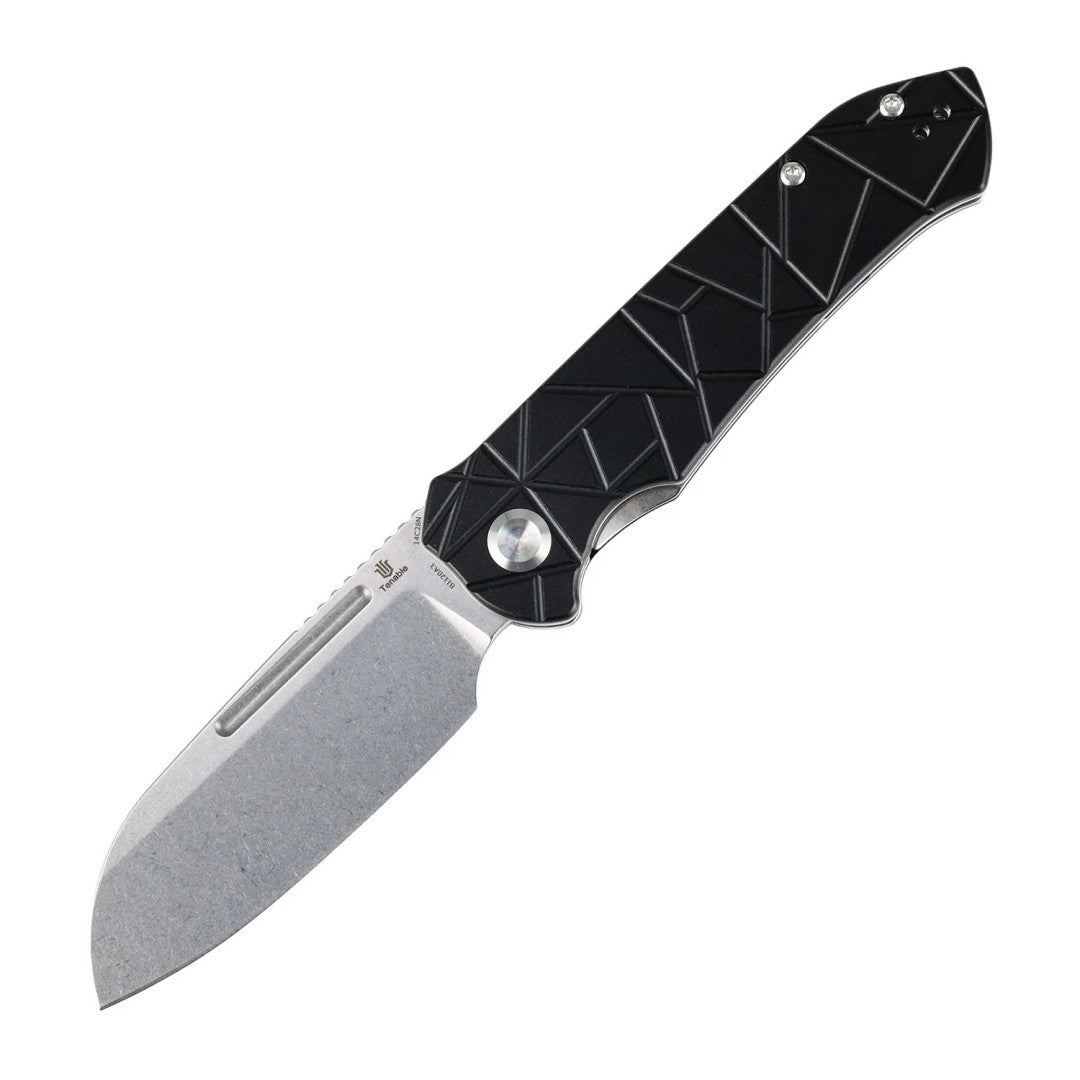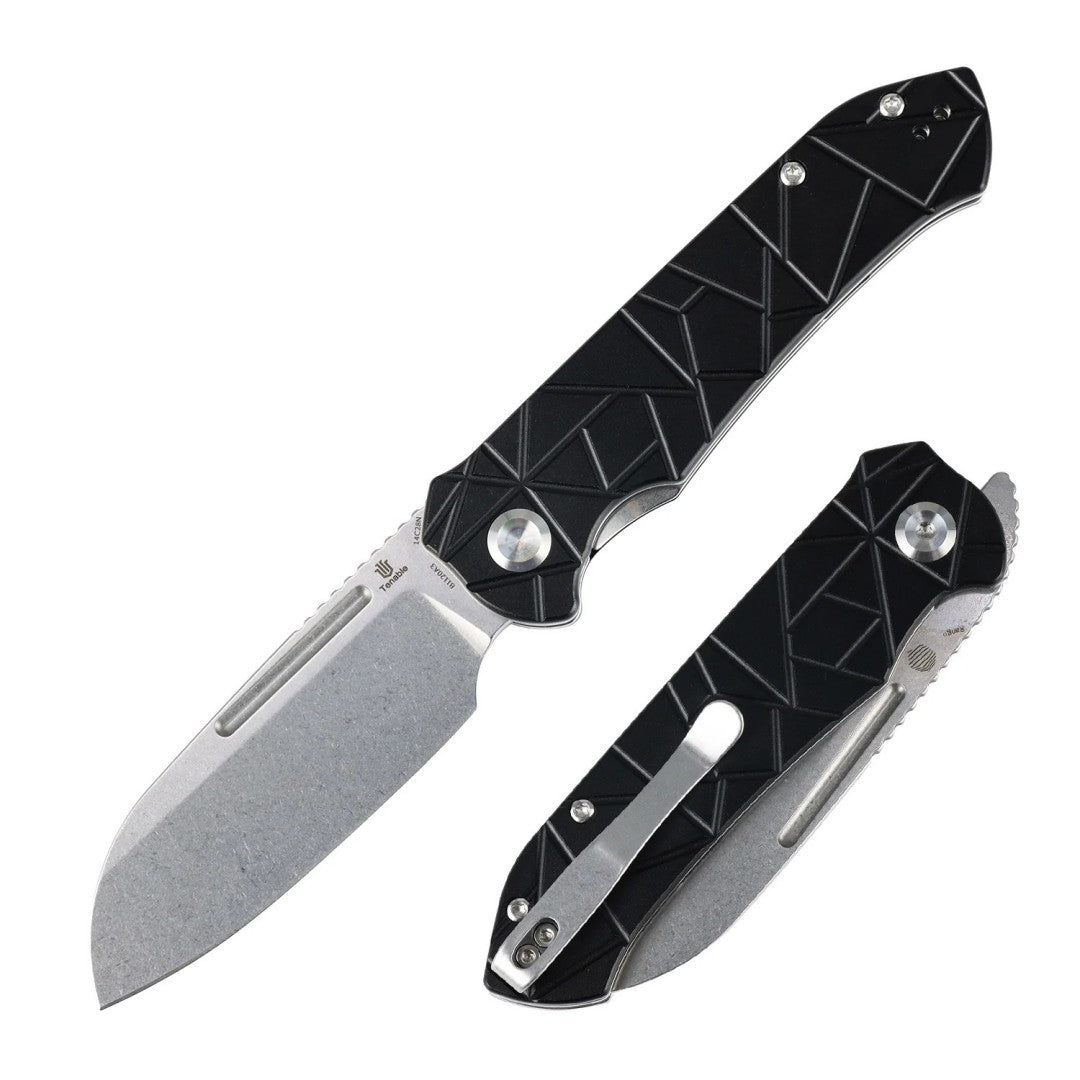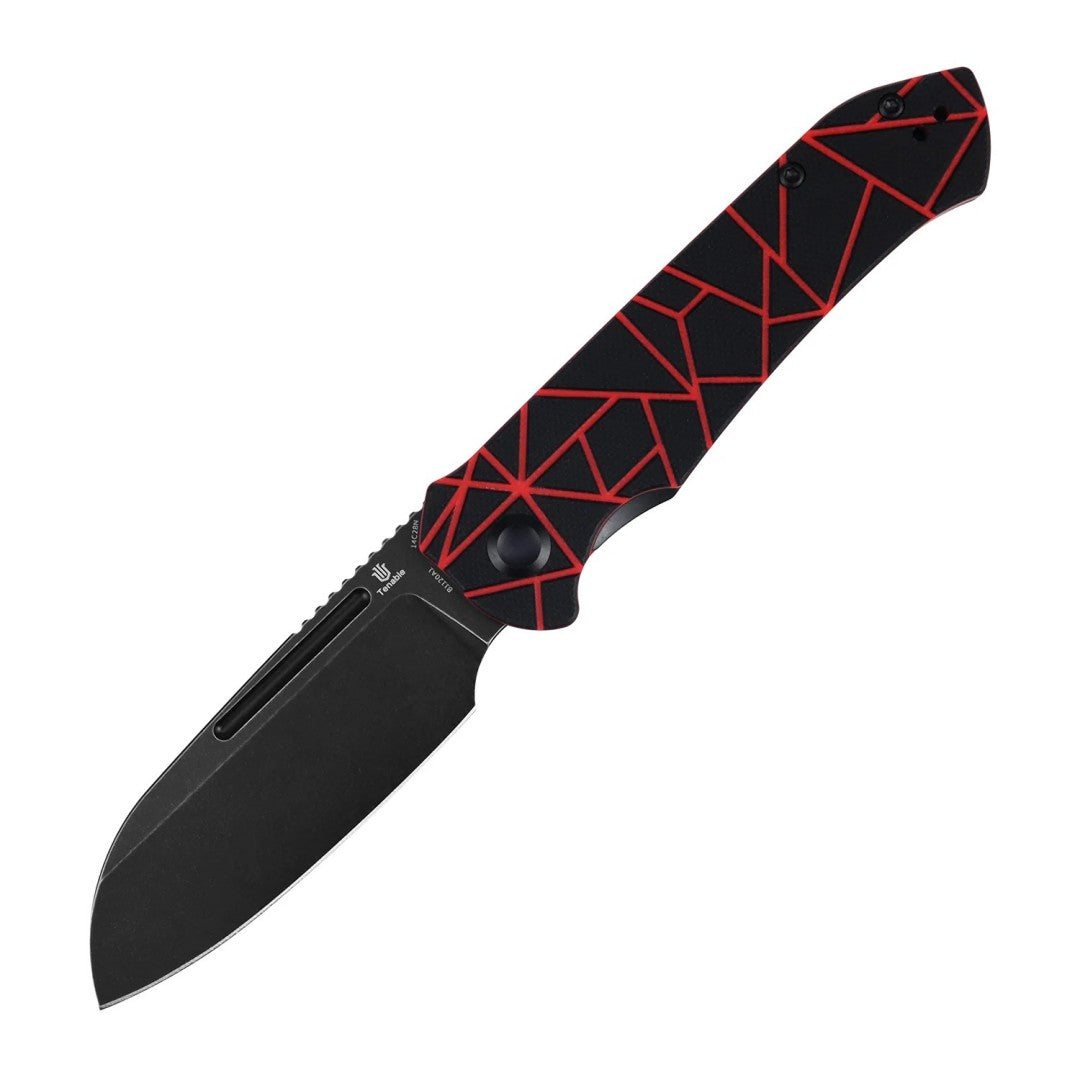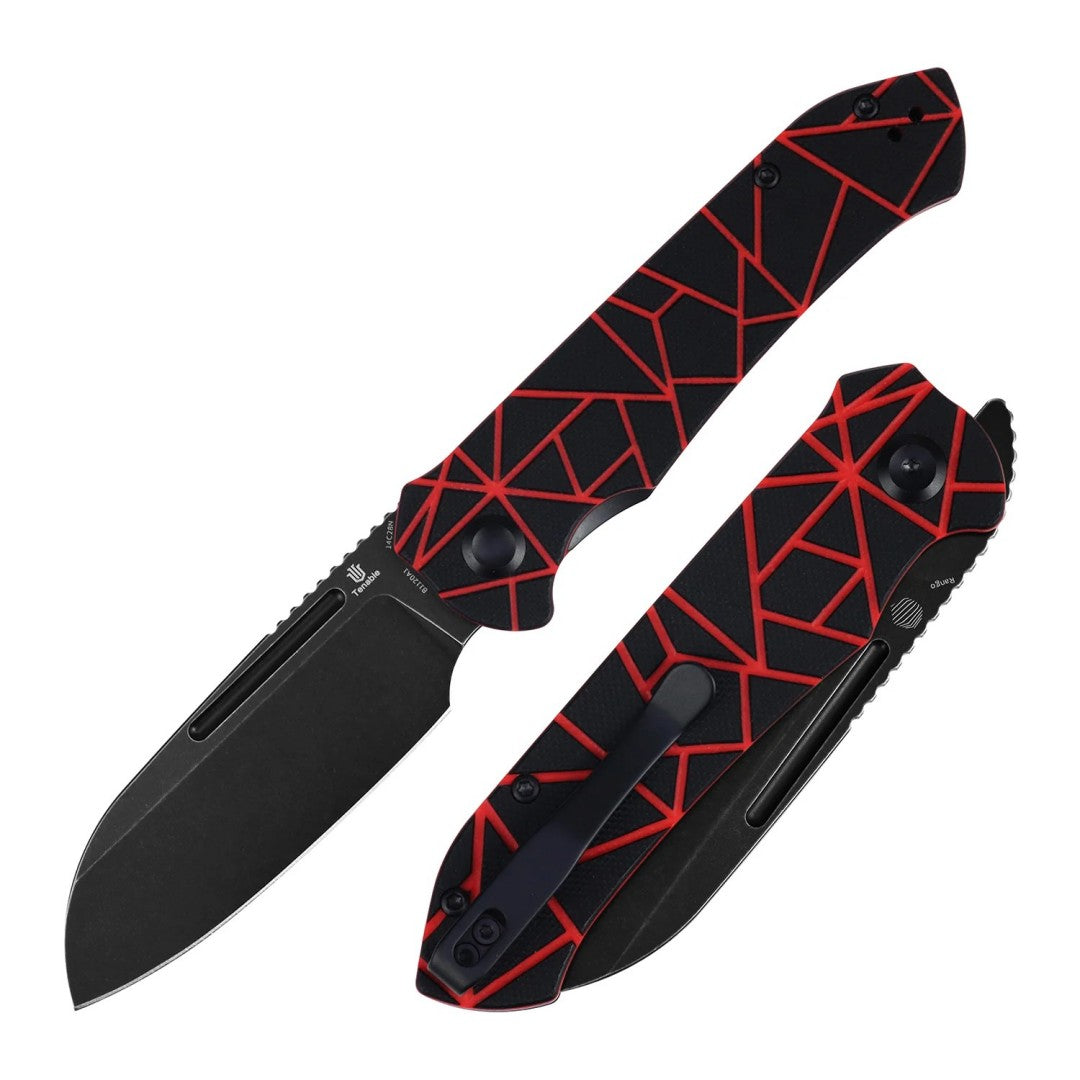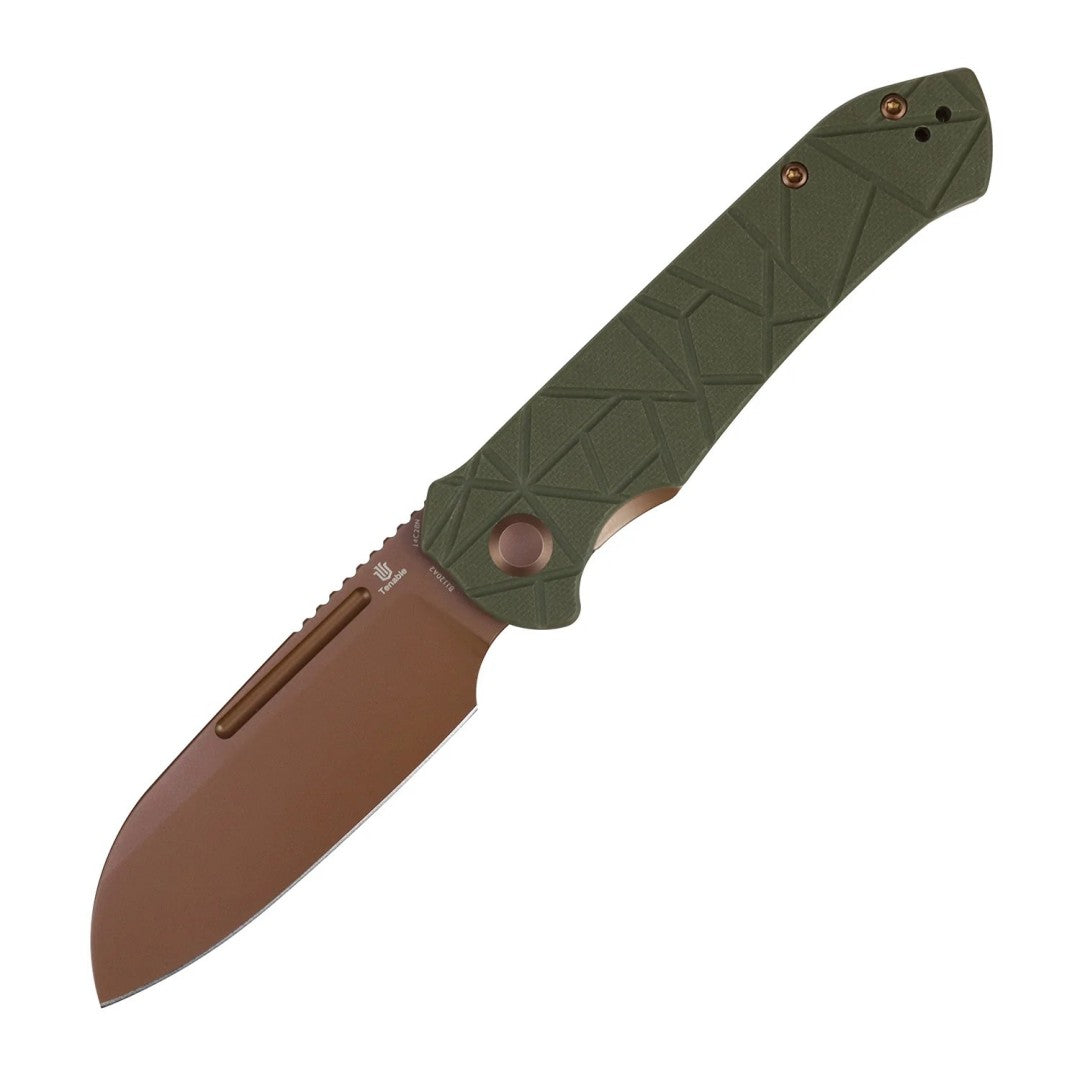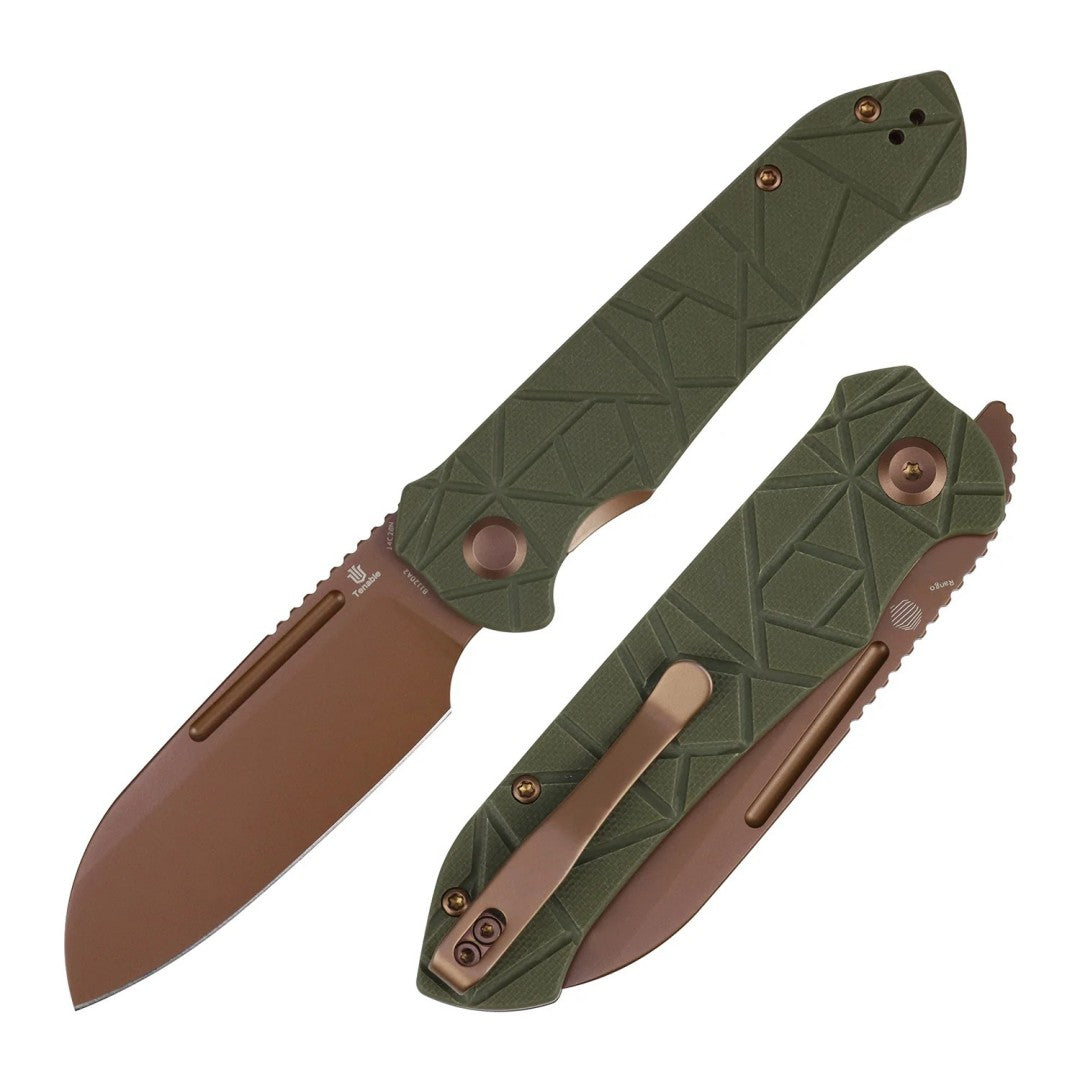
When evaluating daily pocket tools, mechanical safety during operation is just as crucial as blade geometry or steel selection. Designed by renowned custom maker Dirk Pinkerton, the modified Wharncliffe profile from Kansept has earned widespread acclaim as an exceptionally effective utility folder. While early iterations of this design featured standard locking mechanisms like the classic Liner Lock, the introduction of the innovative Top Liner Lock fundamentally elevates user safety during closing routines.
By re-engineering the disengagement interface, this advanced locking architecture addresses the primary inherent hazard of traditional folding knives, making the Kansept Main Street one of the safest single-handed daily carry tools on the market.

The Ergonomic Evolution of Knife Disengagement
Traditional folding knife mechanisms require a fundamental trade-off between mechanical simplicity and finger safety. In a standard side-release setup, disengaging the blade lock requires placing your thumb directly inside the handle channel—putting your hand squarely in the closing path of the sharp edge.
The Top Liner Lock eliminates this vulnerability entirely by relocating the lock release tab to the top spine of the handle chassis. Instead of pressing an internal leaf spring sideways from inside the blade cavity, the operator depresses a spine-mounted release button using their thumb while keeping fingers resting securely on the outer handle scales. As the blade swings closed on low-friction ceramic ball bearings, no part of the operator's hand ever crosses the path of the cutting apex, providing a virtually zero-danger closing sequence.
Safety and Mechanics Across Lock Types
Comparing how different locking systems handle user safety, blade security, and pocket ergonomics highlights why moving the release mechanism to the spine offers distinct advantages for modern EDC enthusiasts.
| Mechanical Attribute | Traditional Liner Lock | Crossbar Lock Variant | Flagship Top Liner Lock |
| Finger Placement During Closure | Inside the blade closing path | Outside on lateral slide buttons | Fully clear on top spine tab |
| Relative Finger Safety Level | Moderate (Requires care) | High (Ambidextrous slide) | Maximum (Zero edge crossing) |
| Side Scale Continuity | Cutout required for thumb access | Machined slots for slide bars | Completely unbroken, smooth face |
| Primary Structural Support | Internal leaf spring | Dual omega springs & crossbar | Heavy-duty top-braced leaf |
| One-Handed Closing Control | Tactile push and drop | Spring-tensioned pull and drop | Pinch-and-drop gravity closure |
| Ideal Application | Lightweight minimalist carry | Tactical & high-speed utility | Executive carry & hard utility |
 Structural Security and Unbroken Scale Architecture
Beyond protecting the user's fingers, relocating the locking interface to the spine provides significant structural and aesthetic benefits. Traditional side-locking folders require a relief cutout along the side scale to allow thumb access to the locking leaf. This cutout creates a minor structural weak point in the handle chassis and disrupts the visual flow of the scale material.
Because the top-mounted release operates from the spine, the side handle scales remain entirely solid and continuous. On flagship iterations of the Kansept Main Street featuring premium steels like Uddeholm Elmax or standard workhorses in 154CM, this unbroken surface allows for precision CNC-machined textures across anodized aluminum or titanium handles. The rigid handle chassis distributes cutting torque evenly across the entire frame, enhancing lockup stability during heavy downward draw cuts without flexing under pressure.
Intuitive One-Handed Operation and Fidget Fluidity
A safe locking mechanism must also feel natural and responsive in hand. The top-mounted release works harmoniously with the human hand's natural grip mechanics during everyday utility work.
When finishing a cut, your thumb naturally rests near the top spine of the knife handle. Pressing down on the top release tab disengages the hardened steel lockbar smoothly. With a slight tilt of the wrist, the Wharncliffe blade folds back into the handle housing on ultra-smooth ceramic ball bearings, allowing for effortless, fluid one-handed operation. Unlike complex spring-driven systems, the top spine release provides clean tactile feedback with fewer tiny moving parts, reducing long-term wear and maintenance requirements.
 The Verdict: Setting a New Standard for Folding Safety
While classic side locks like the standard liner spring or heavy-duty Frame Lock remain popular throughout the knife industry, the spine-mounted release represents a clear evolutionary upgrade in user safety. By removing hand placement from the blade path, maintaining unbroken handle rigidity, and delivering smooth single-handed control, the Top Liner Lock ensures that Dirk Pinkerton's Wharncliffe design is as secure to disengage as it is capable during heavy cutting.