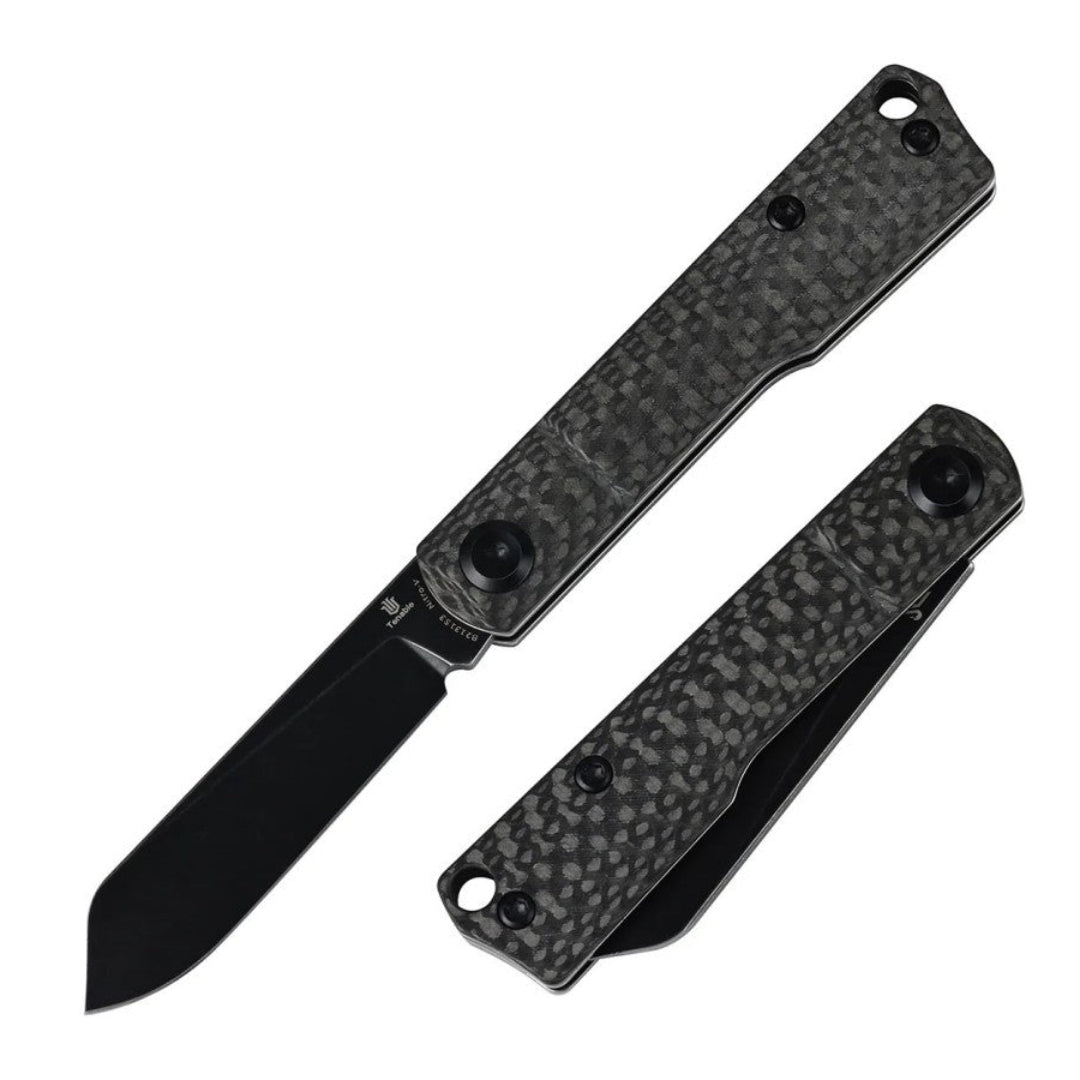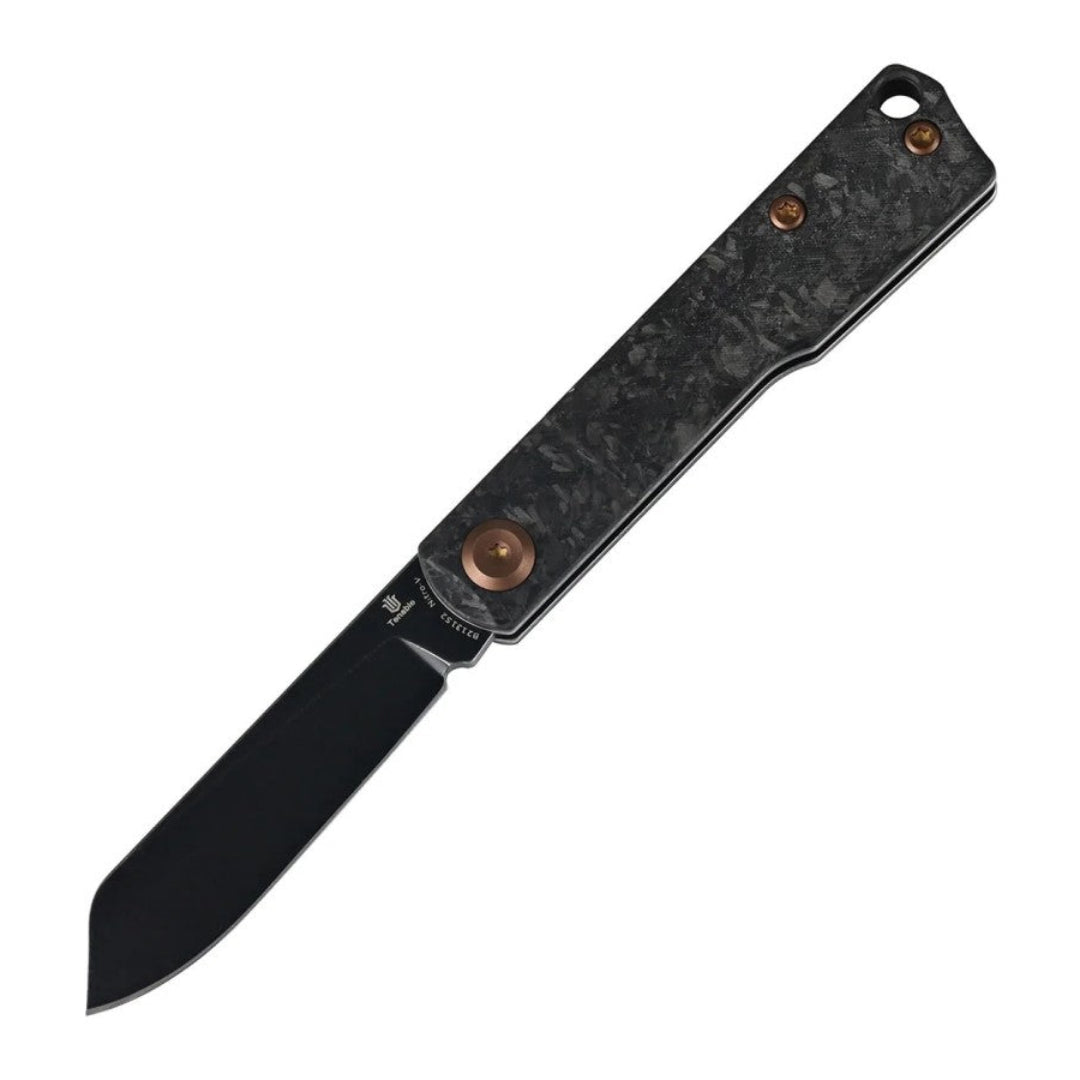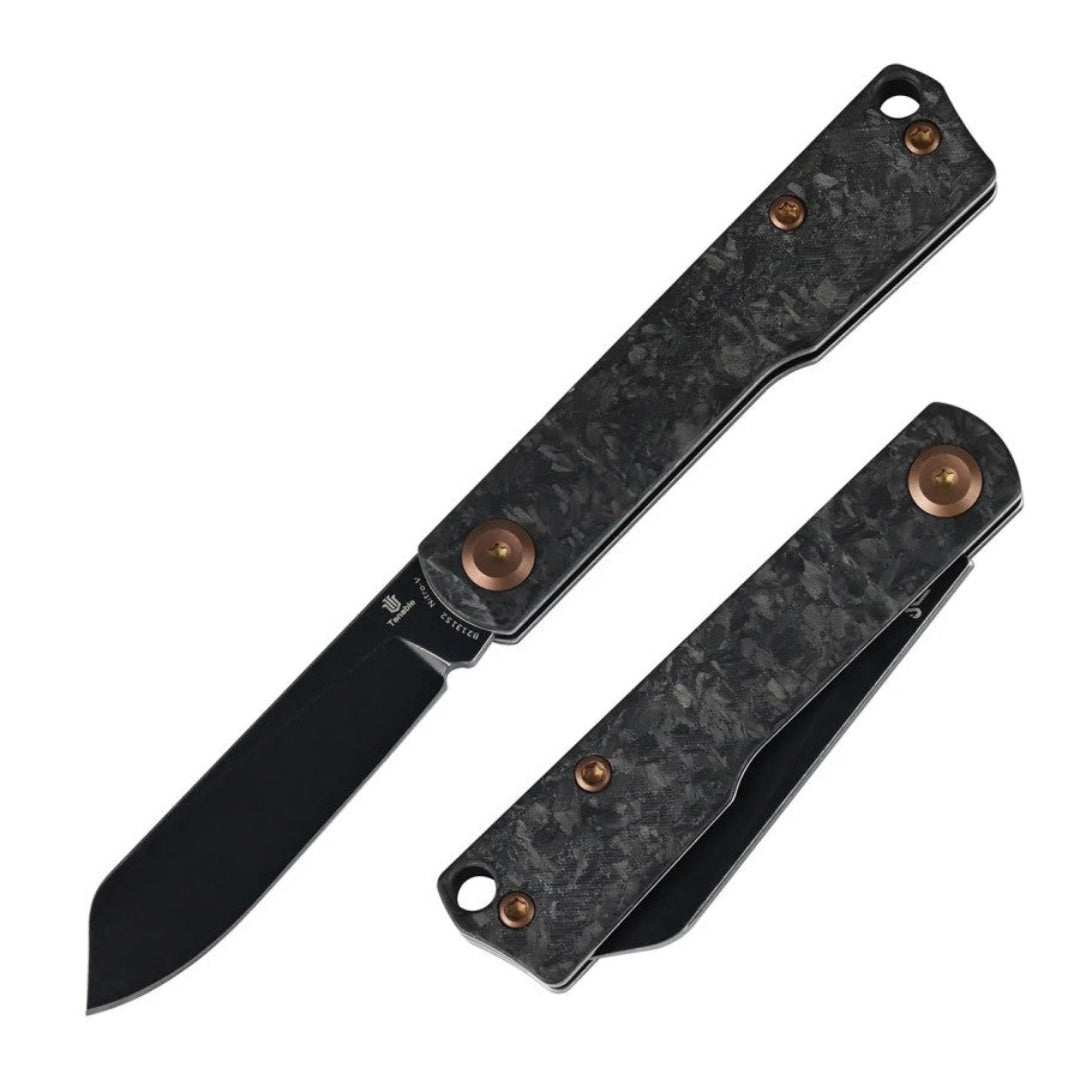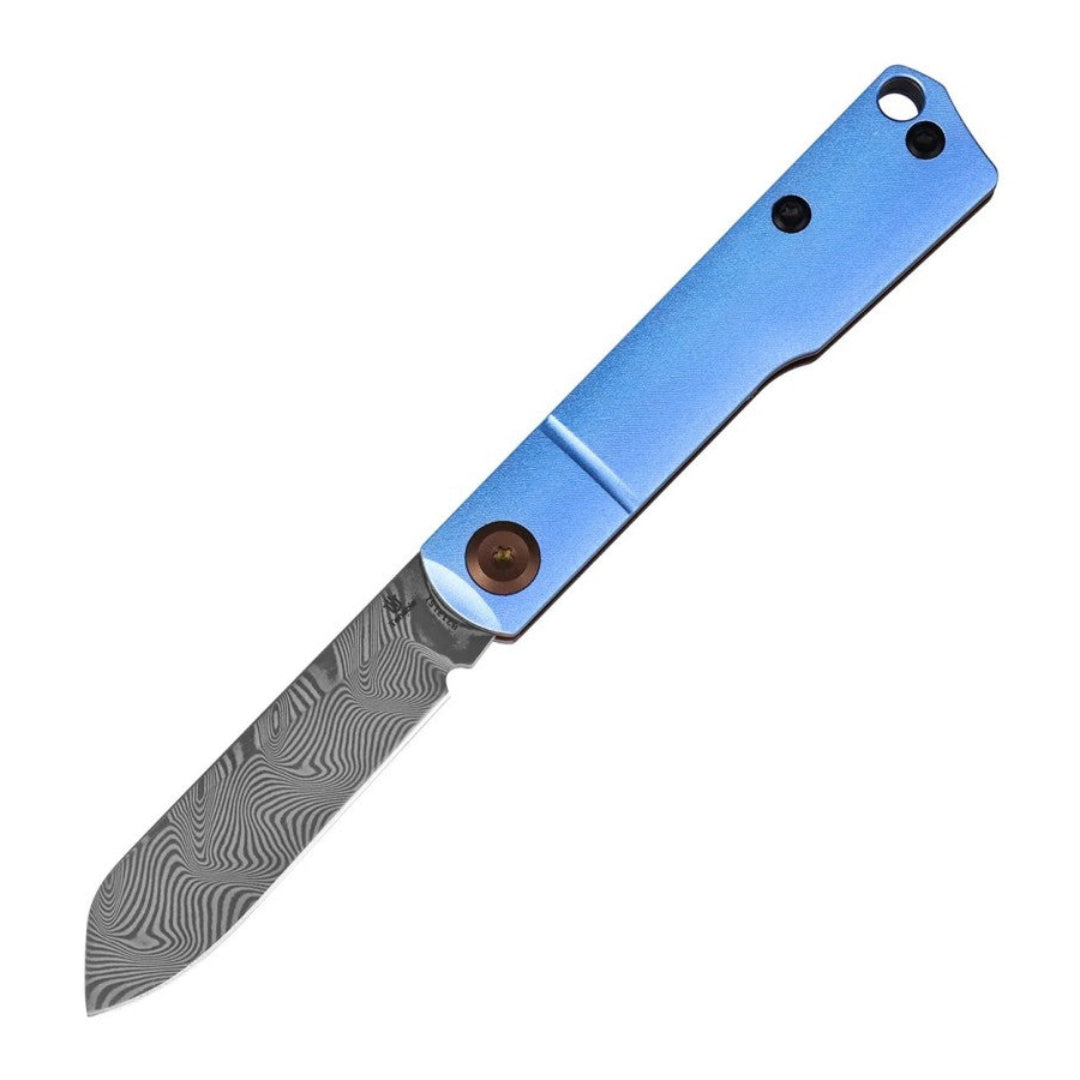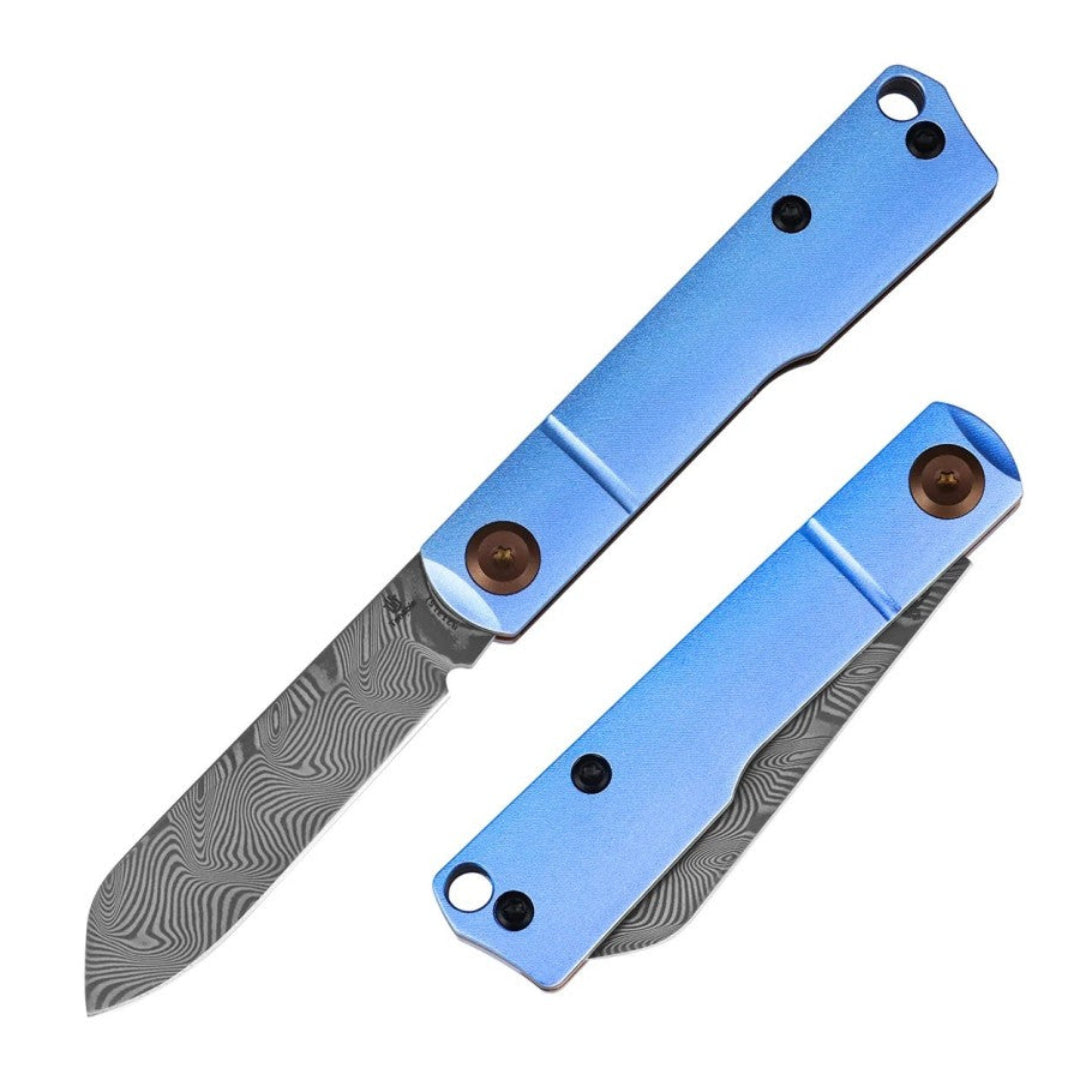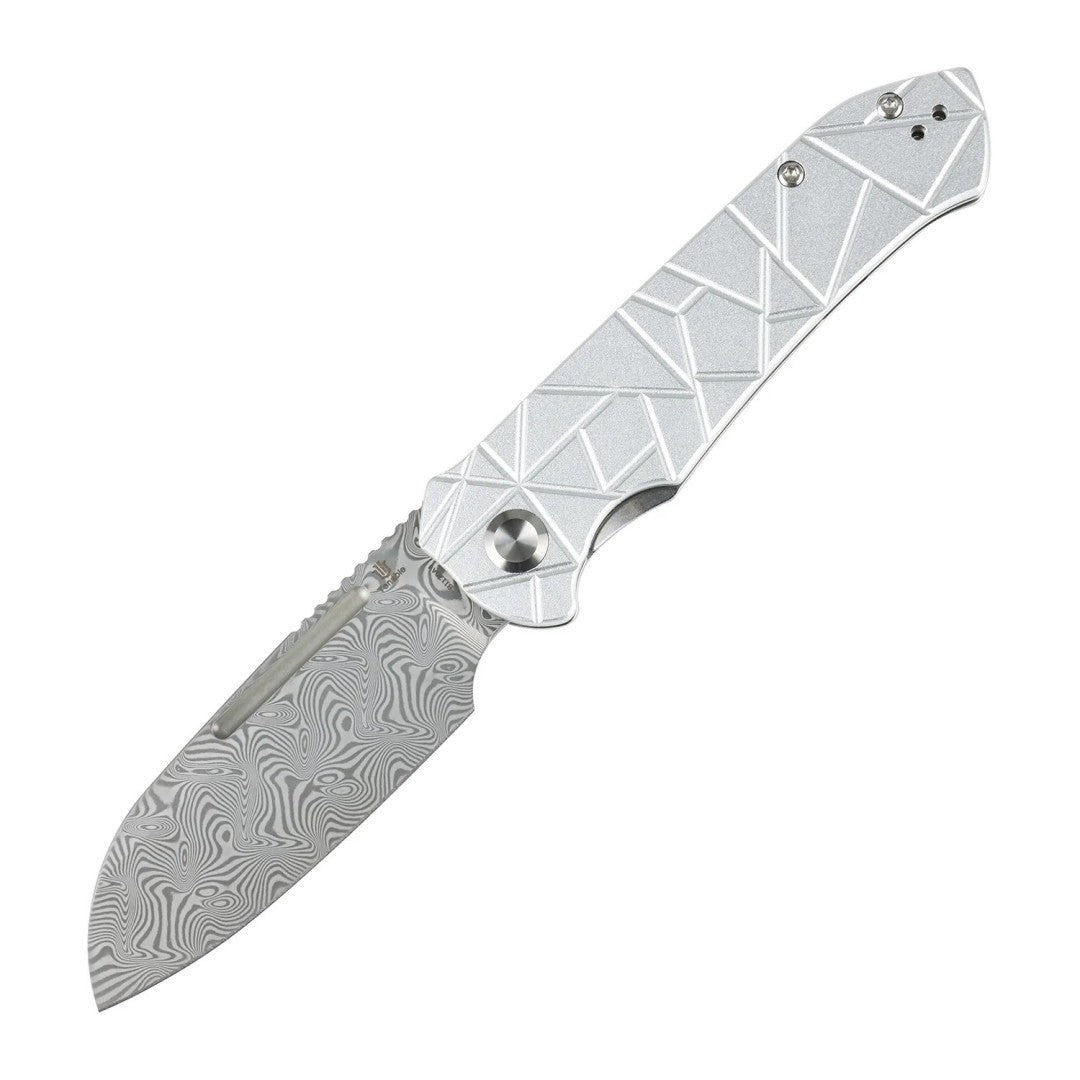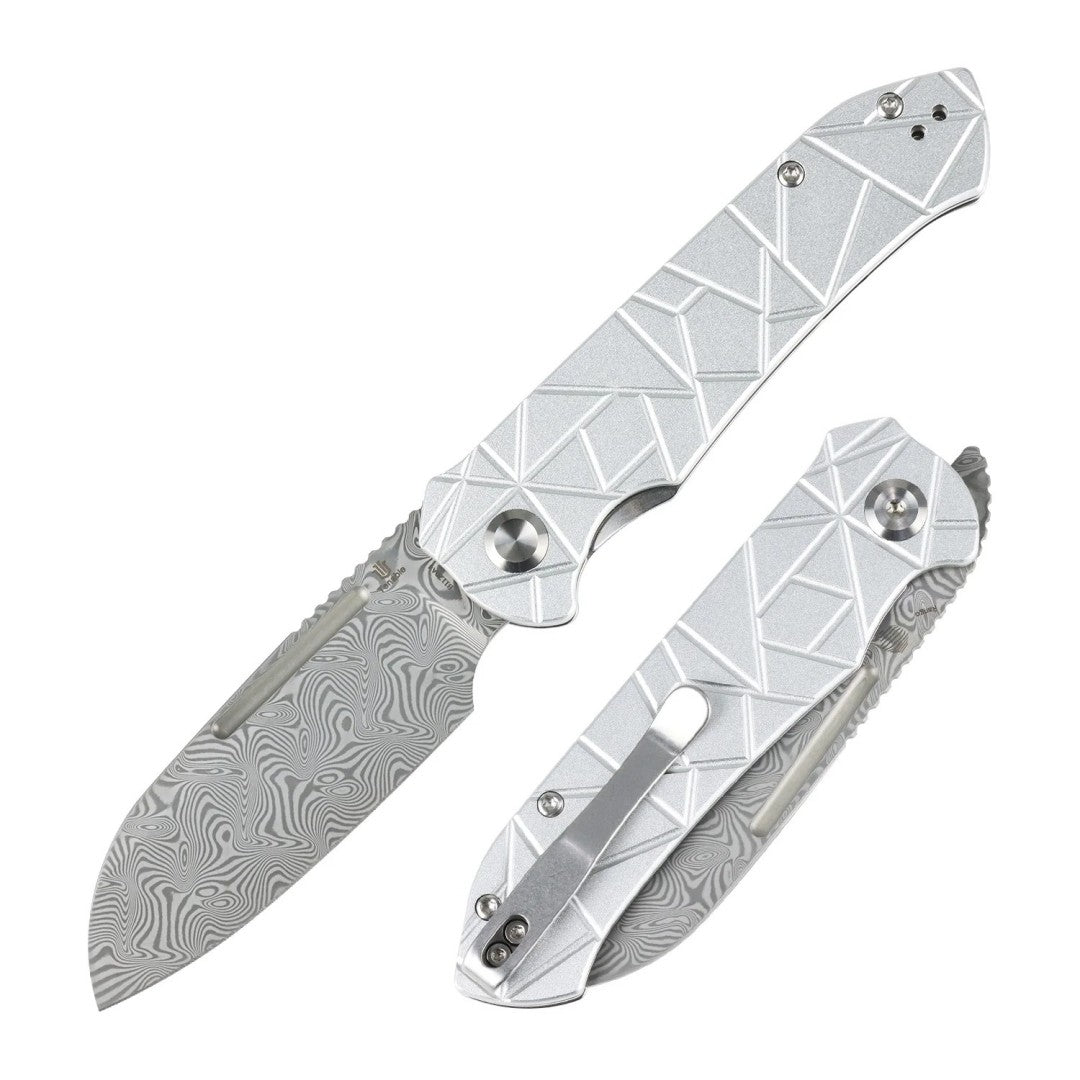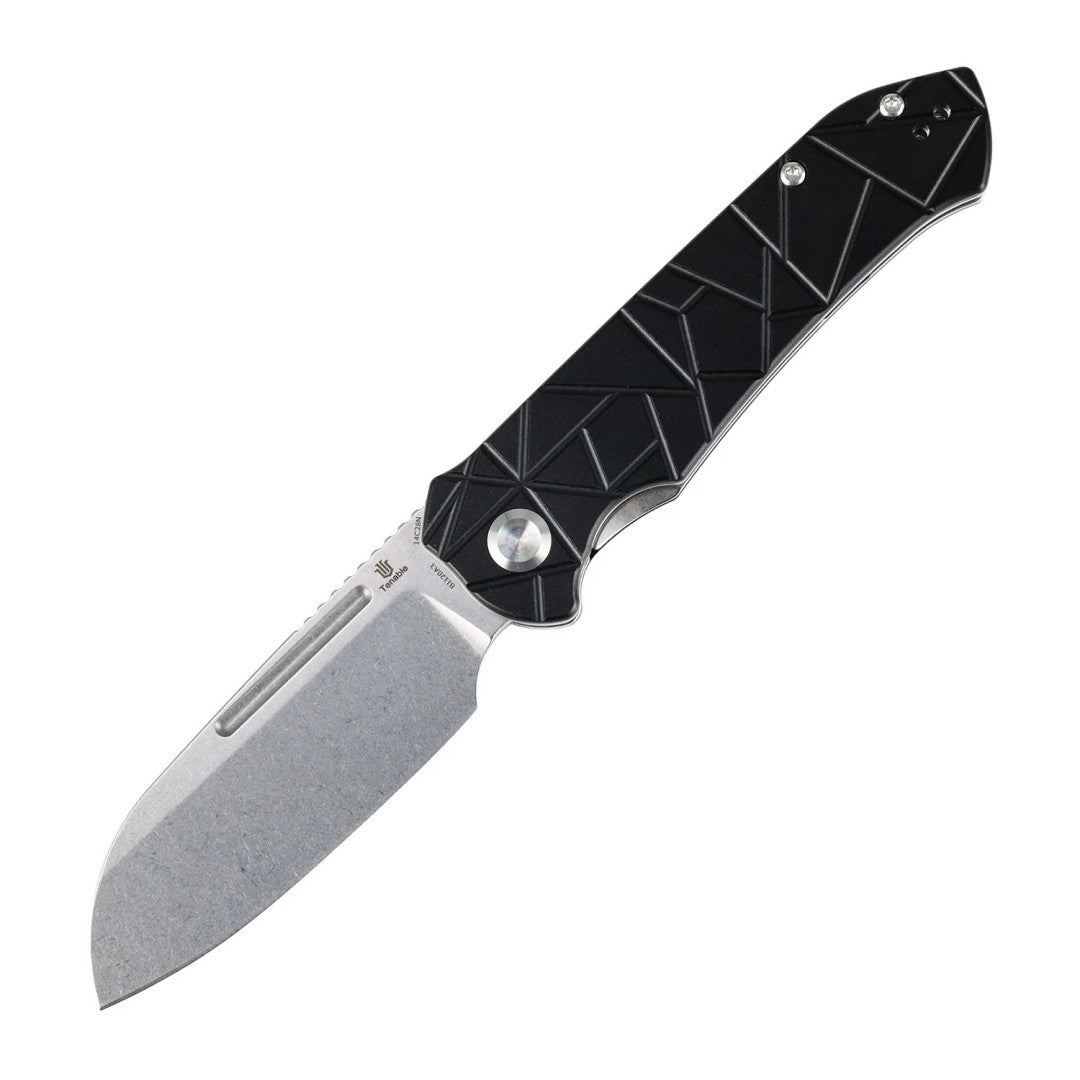
When picking an everyday carry (EDC) knife, you often have to choose between a design that looks striking and one that actually gets work done. Flashy, aggressive blades frequently lack the geometry needed for basic chores, while highly functional knives can sometimes look a bit plain.
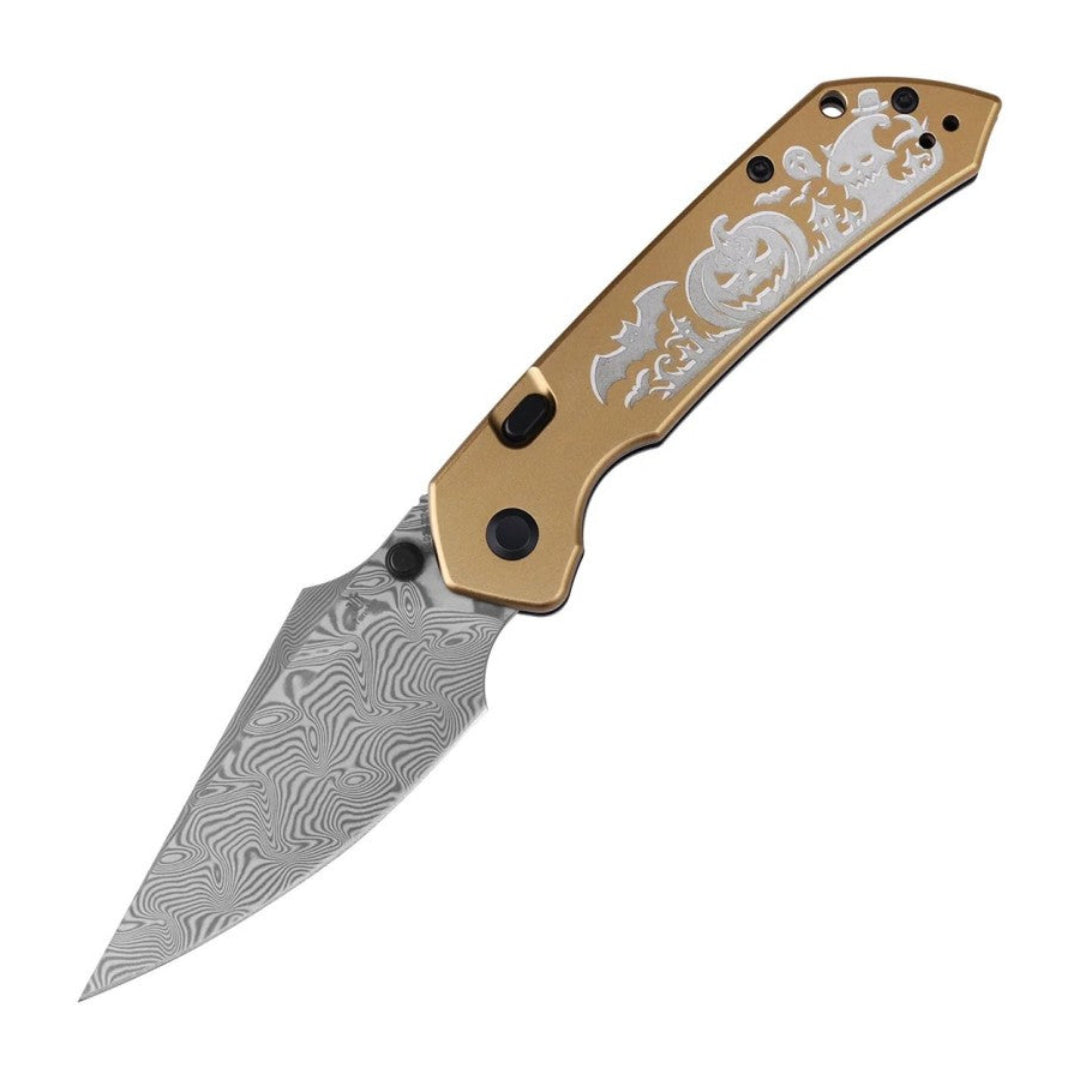
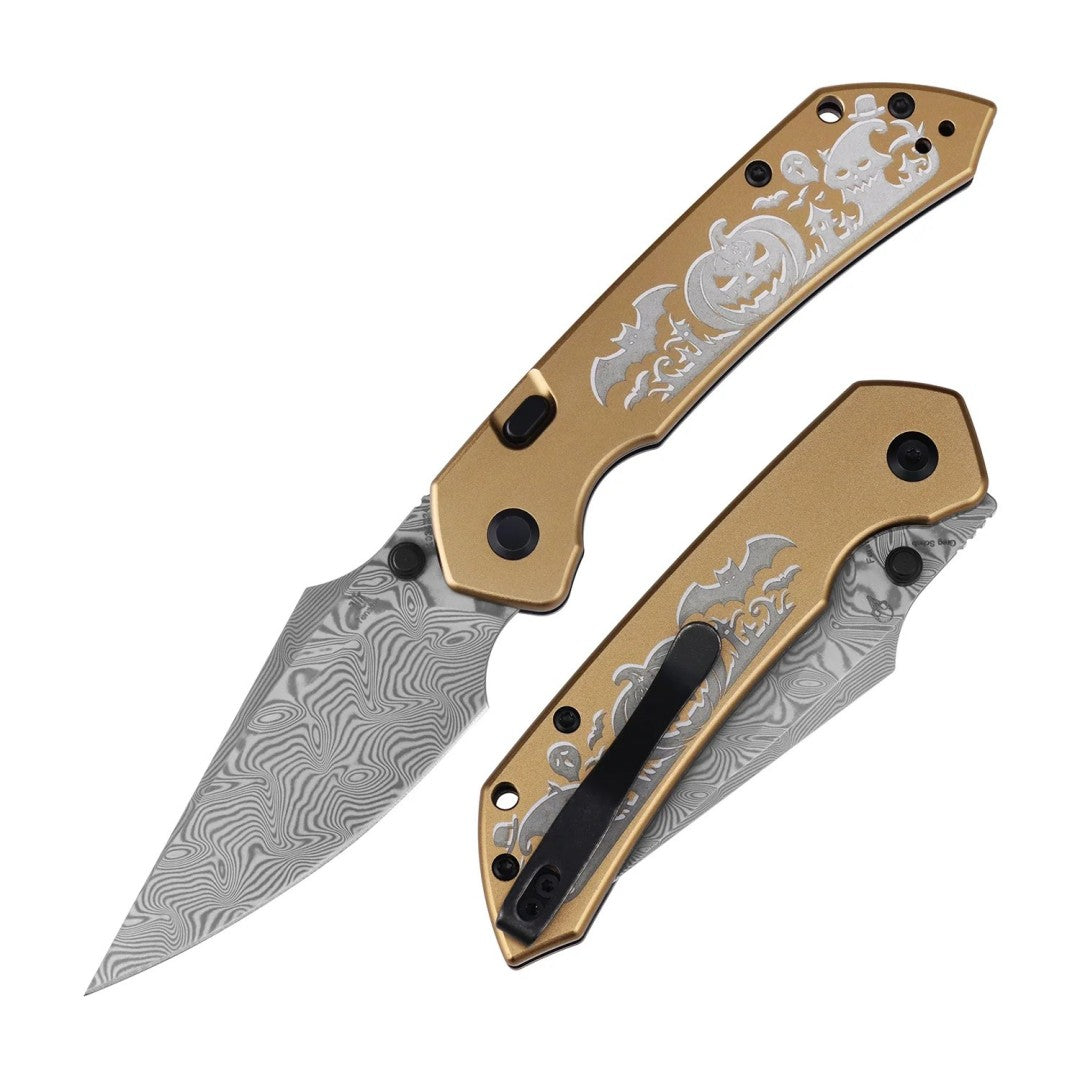
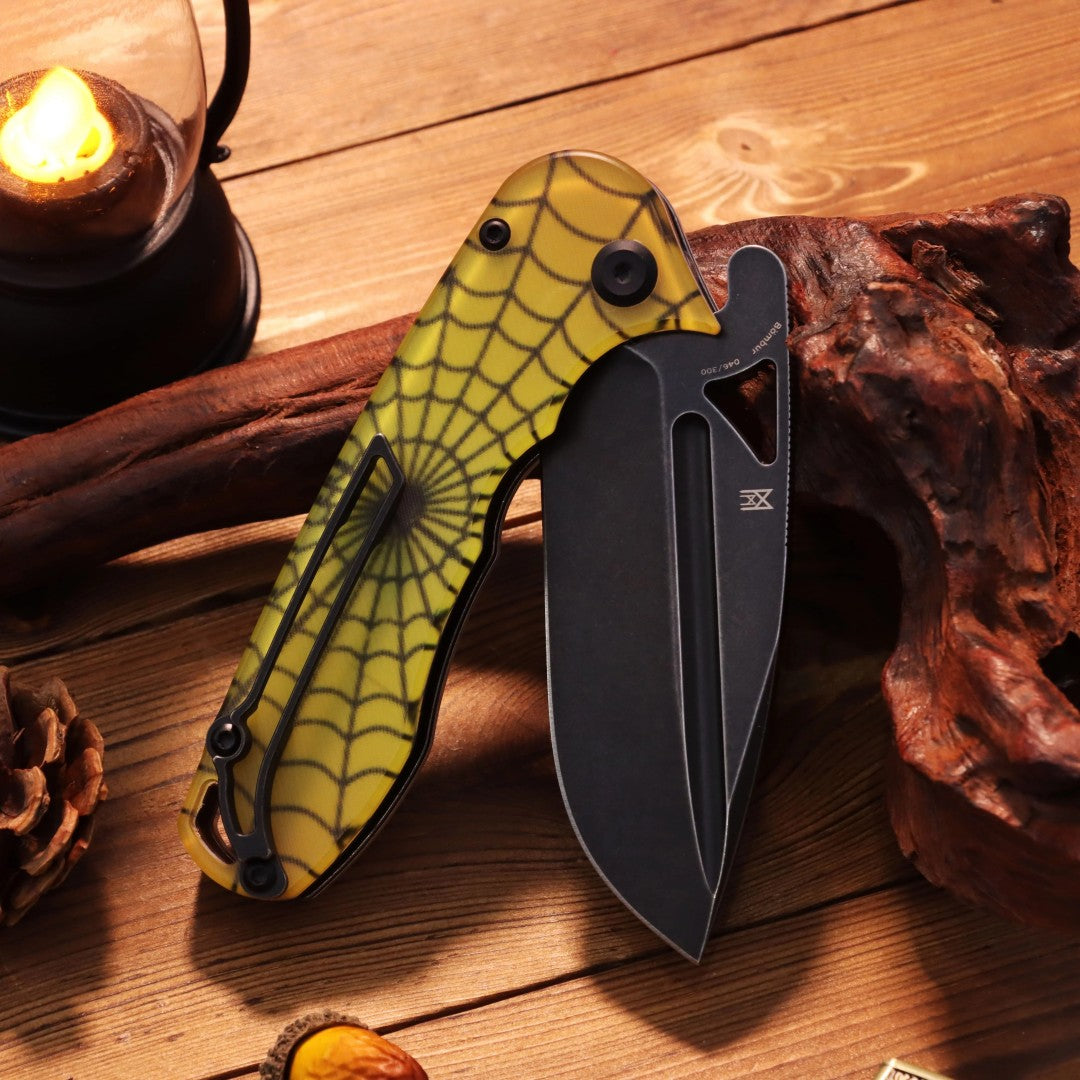
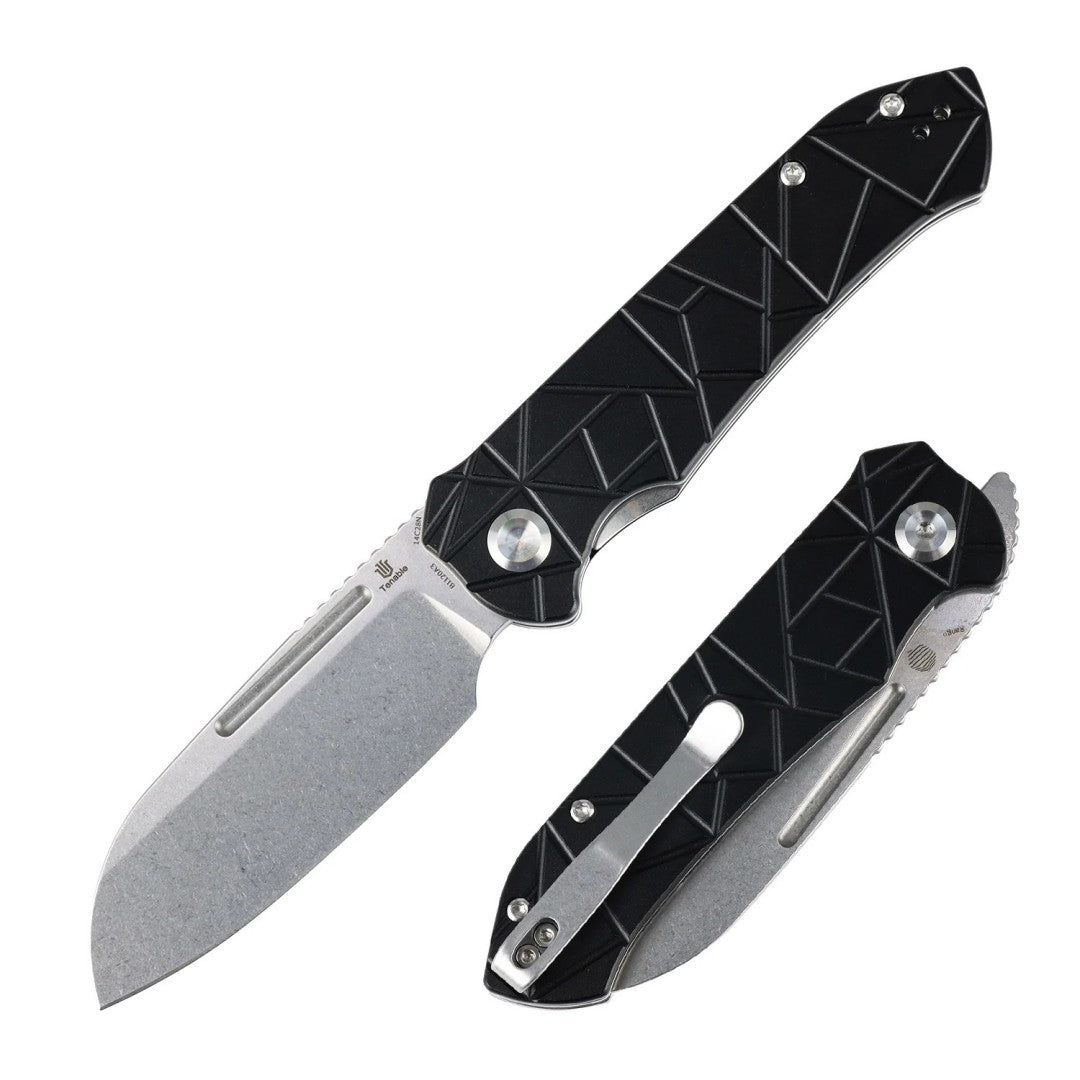
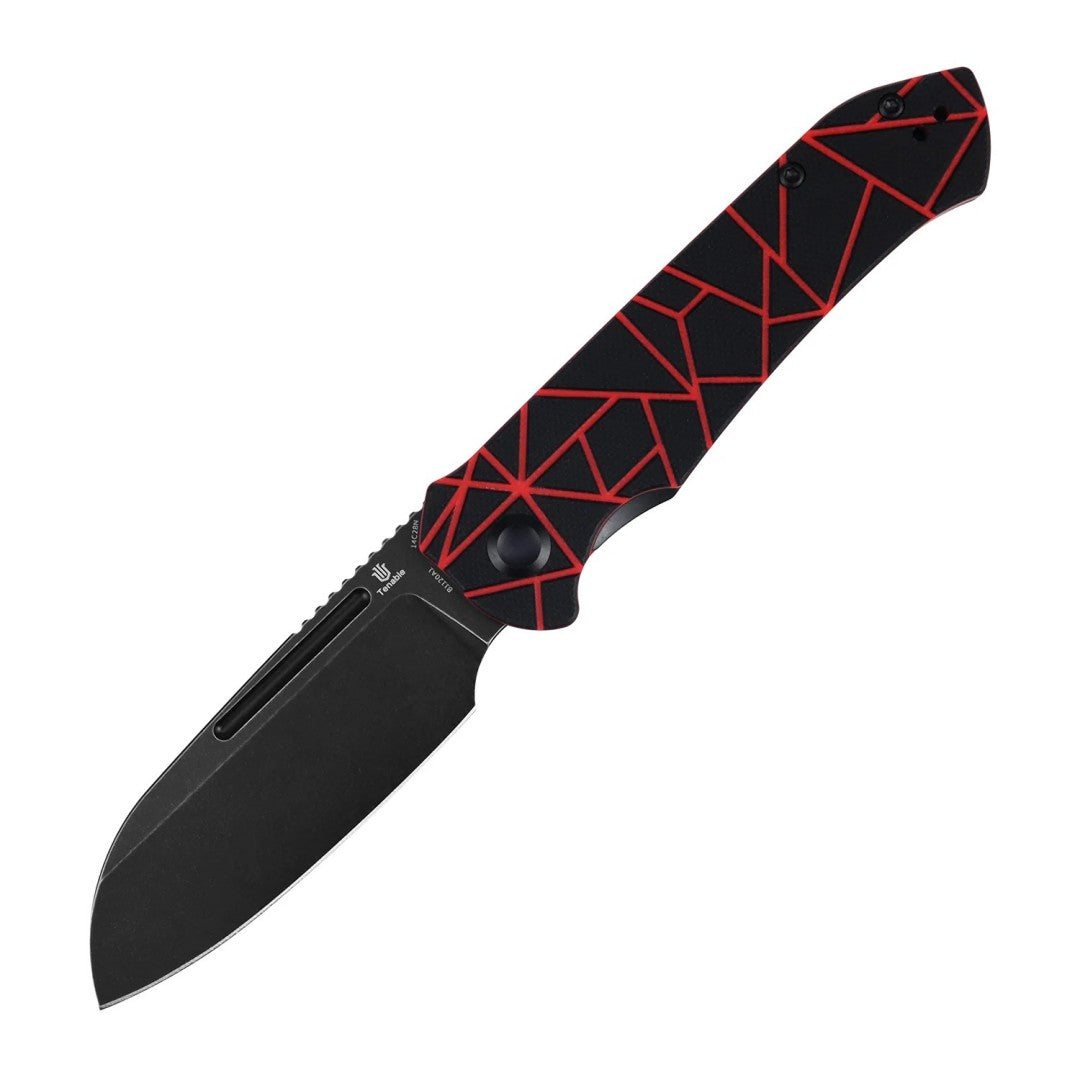
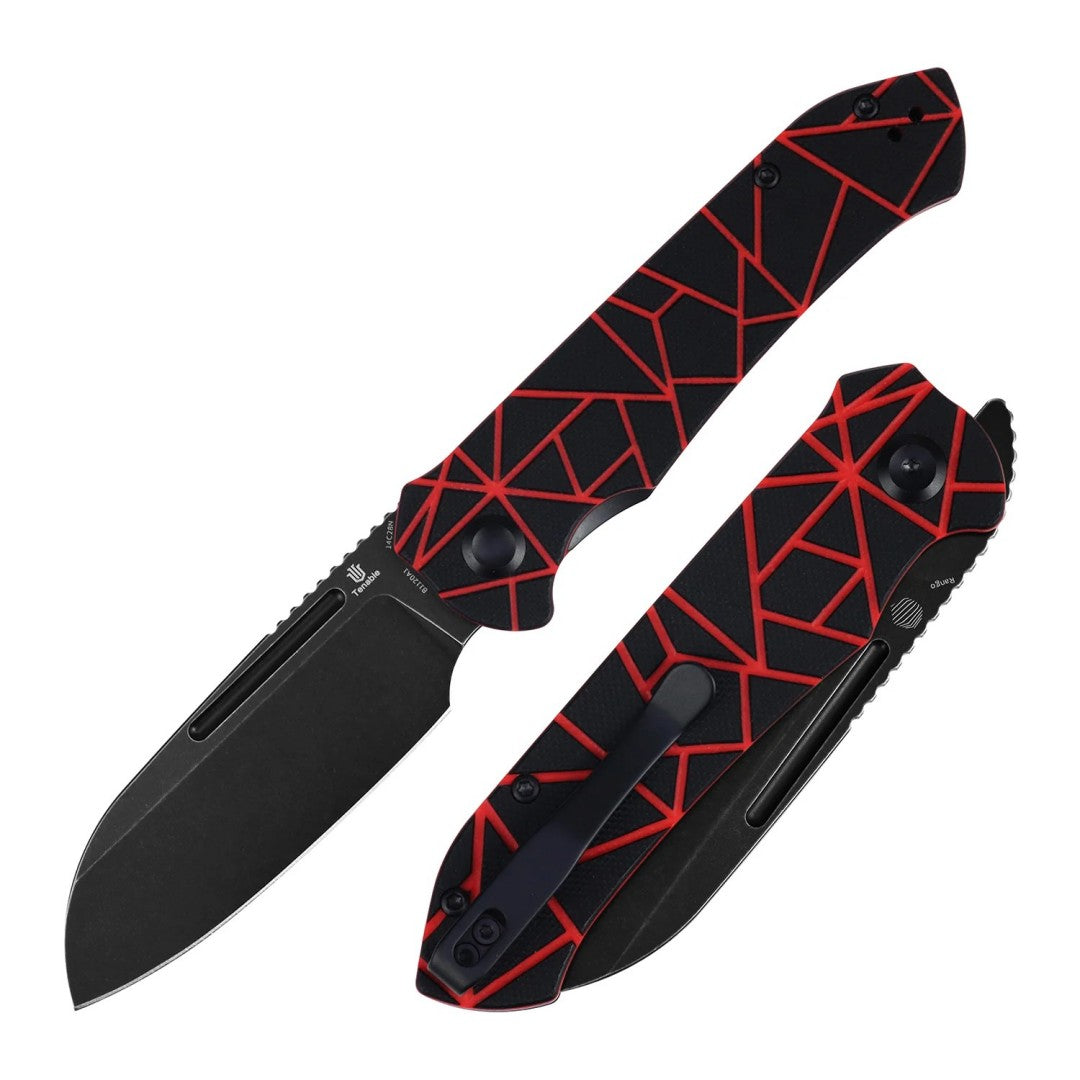
The Kansept Fenrir completely shatters this compromise. Designed by Greg Schob of Sparrow Knife Co., its distinctive modified drop-point profile with a dramatic harpoon swedge is a masterclass in functional art. It turns heads when deployed, but more importantly, it makes light work of the repetitive cutting tasks you actually encounter every day.

Understanding the Anatomy of the Fenrir Blade
The success of the Fenrir down the line comes down to pure geometry. Instead of sticking to a textbook blade design, Schob combined elements of traditional utility knives with tactical ergonomics.
| Blade Zone | Geometric Feature | Real World EDC Benefit |
| Spine Scoop | Harpoon swedge | Creates an ergonomic thumb ramp for massive downward leverage |
| Mid Blade | Generous swept belly | Allows for smooth, continuous slicing motion through thick materials |
| The Point | Lowered piercing tip | Delivers highly controlled detail cuts without risking structural breakage |
The Ergonomic Advantage of the Harpoon Swedge
The most striking visual element of the Kansept Fenrir is the "harpoon" dip along the spine. While it gives the knife a fierce, custom-tier silhouette, its primary purpose is physical leverage.
When you need to make a heavy push cut—like slicing through thick, double-walled corrugated cardboard—your hand naturally wants to migrate forward. The Fenrir's harpoon scoop provides a built-in pocket for your thumb to rest securely. This ramp locks your hand into place and prevents slipping, allowing you to transfer maximum downward force directly over the cutting edge without causing hand fatigue.
Slicing Performance with a Swept Belly
Straight edges are great for woodworking, but daily life requires slicing. Think of opening thick plastic clamshell packaging, cutting zip ties, or breaking down delivery boxes.
The Fenrir features a beautifully calculated belly curvature. As you pull the knife through a material, the continuous sweep ensures that the edge maintains optimal contact with the target. This prevents the knife from binding up mid-cut or slipping out of the track prematurely, resulting in cleaner, safer, and faster cuts.
Design Insight: Because the blade features a tall flat grind, the edge geometry remains incredibly thin behind the bevel. This means less drag when slicing through deep, binding mediums like foam or thick rubber hoses.

A Reinforced Piercing Tip Built to Last
Fragile tips are the Achilles' heel of many premium pocket knives. A standard needle-like point breaks easily if it strikes a rogue staple or twists while opening a crate.
Kansept mitigated this by dropping the tip down slightly from the spine alignment. This configuration aligns the tip perfectly with your index finger during a piercing motion, offering pinpoint accuracy when scoring tape or popping zip ties. More importantly, the spine retains its full thickness nearly all the way to the end, ensuring that the tip stays structurally sound over years of hard use.
The Verdict on Daily Carry Utility
The Kansept Fenrir proves that a knife can be incredibly stylish without sacrificing an ounce of real-world capability. By blending a high-leverage thumb ramp with a deep slicing belly and a reinforced tip, this blade shape transitions seamlessly from office utility to weekend workshop tasks.
Frequently Asked Questions
What are the main benefits of a harpoon blade style
A harpoon blade style introduces a dipped scoop along the top spine of the knife. This design creates a natural, ergonomic shelf for your thumb or index finger to rest against during heavy use. It significantly improves grip security and increases downward cutting pressure while giving the knife a distinct custom aesthetic.
Is the Kansept Fenrir blade geometry easy for beginners to sharpen
Yes, the Fenrir is surprisingly straightforward to sharpen despite its unique silhouette. Because the edge profile consists of a continuous, smooth curve without recurves or complex compound grinds, it responds beautifully to standard flat stones, guided sharpening systems, and leather strops.
How does a modified drop point compare to a standard clip point blade
A standard clip point excels at deep piercing but leaves a thinner, more fragile tip that is prone to snapping under lateral stress. The modified drop point on the Fenrir retains more steel thickness along the spine as it nears the tip. This makes it significantly tougher for everyday tasks while still providing an excellent angle for detailed puncture work.