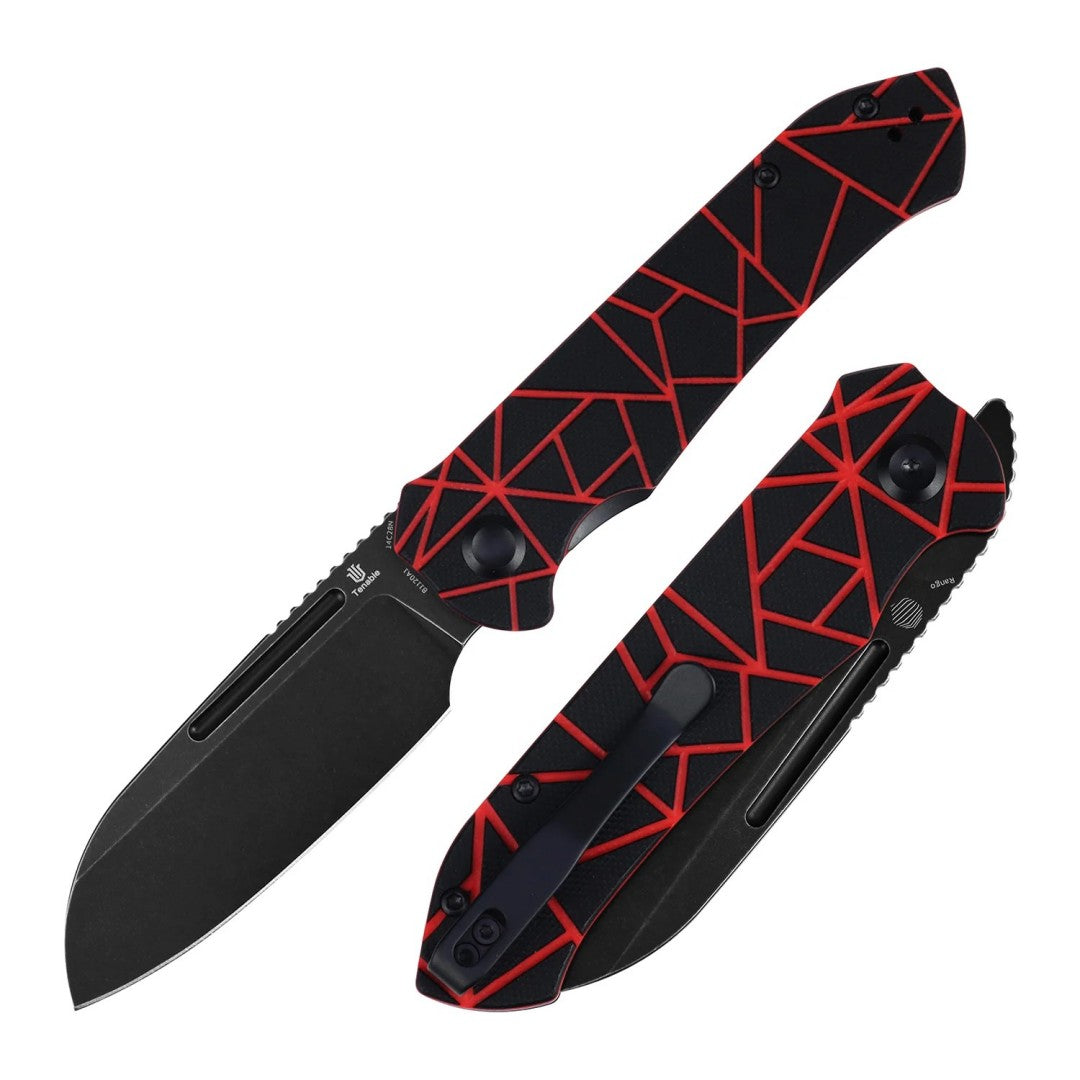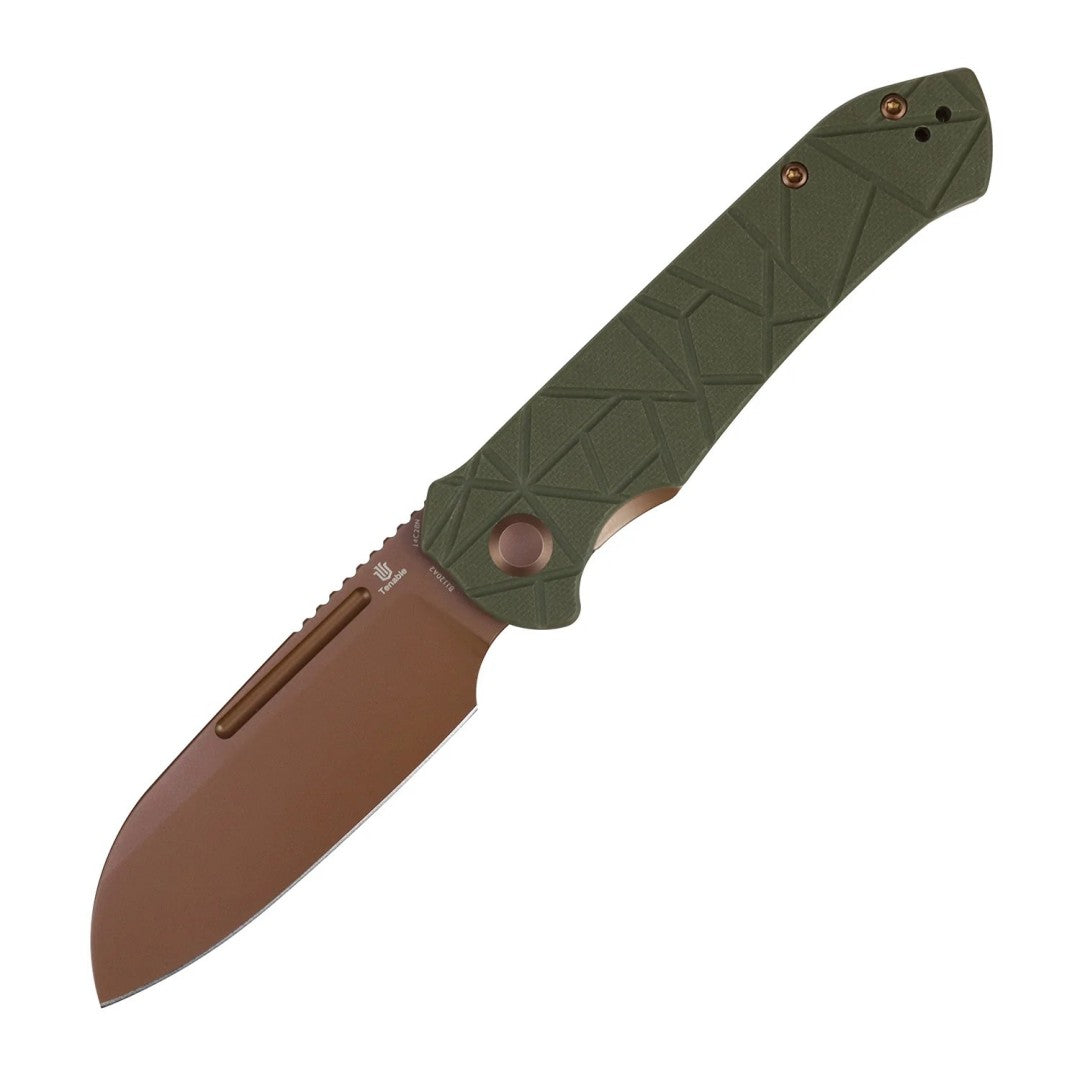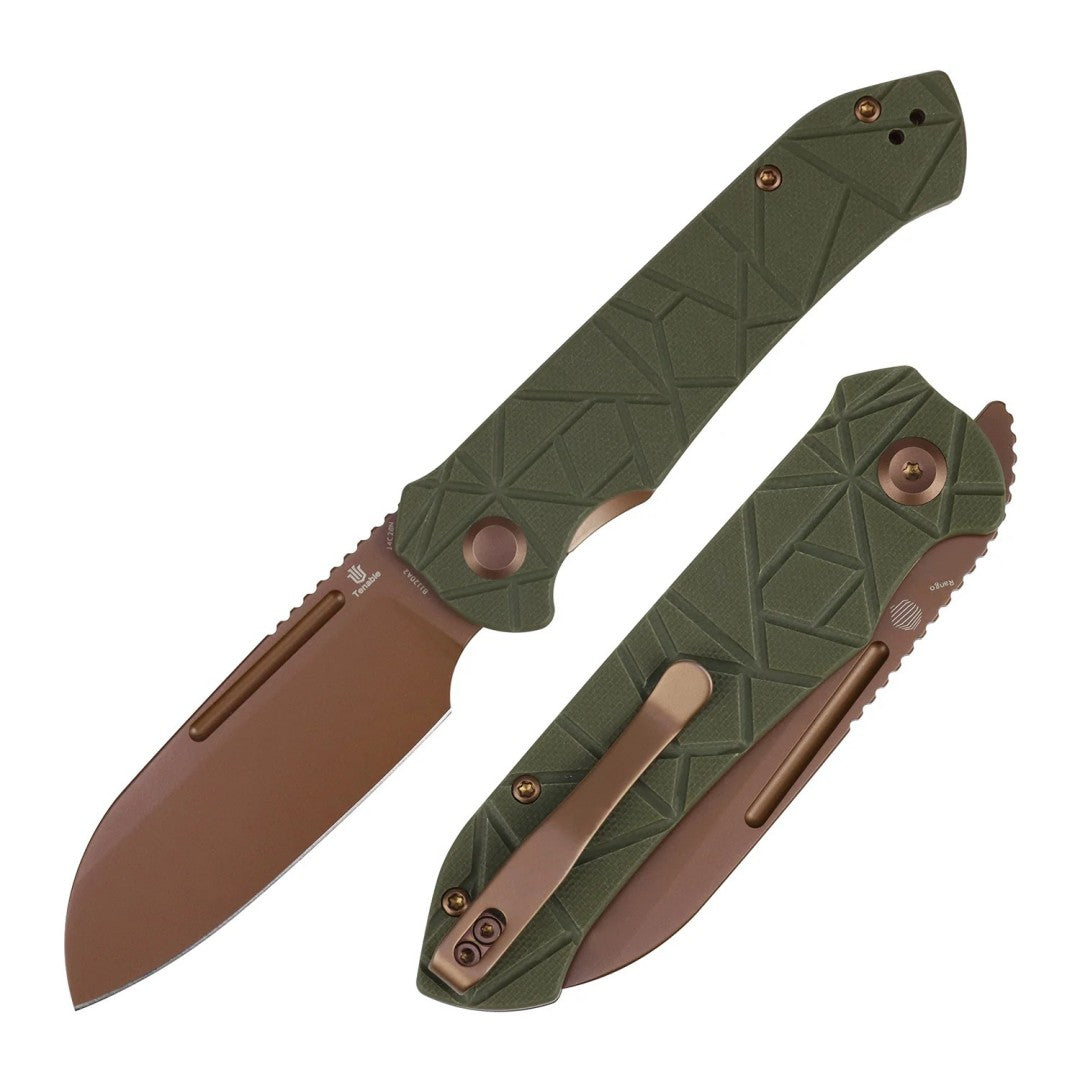


Overview & First Impressions
Ask a woodworker what knife lives on the bench and you will usually hear about a marking knife, a chisel and a shop apron full of pencils. What is missing from that list is the one blade that does everything else: trimming a dowel, cutting veneer tape, opening a box of screws, sharpening a pencil, cleaning dried glue out of a joint. A folding liner lock does all of it and folds away before it can be knocked off the bench.
Materials & Construction
Workshop blades want the opposite of what a collector prizes. Fine grain, easy sharpening and predictable behaviour matter far more than extreme wear resistance, because you will be touching the edge up constantly anyway. 154CM sits in that sweet spot: a stainless alloy with enough carbon to hold a keen edge and enough chromium to tolerate glue, resin and a damp shop without spotting. It is a deliberately unfashionable choice and, for a bench knife, an excellent one.

Design & Details
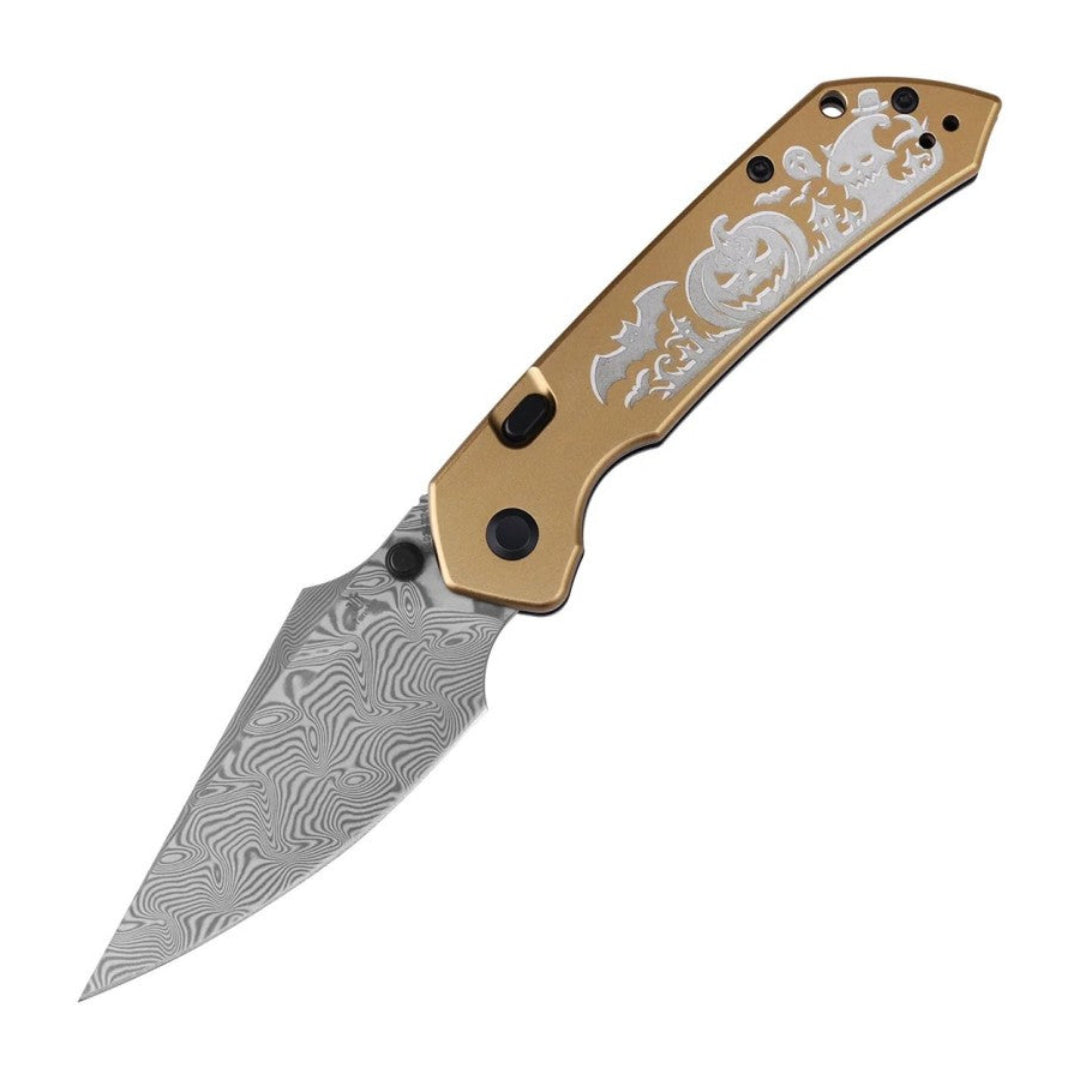
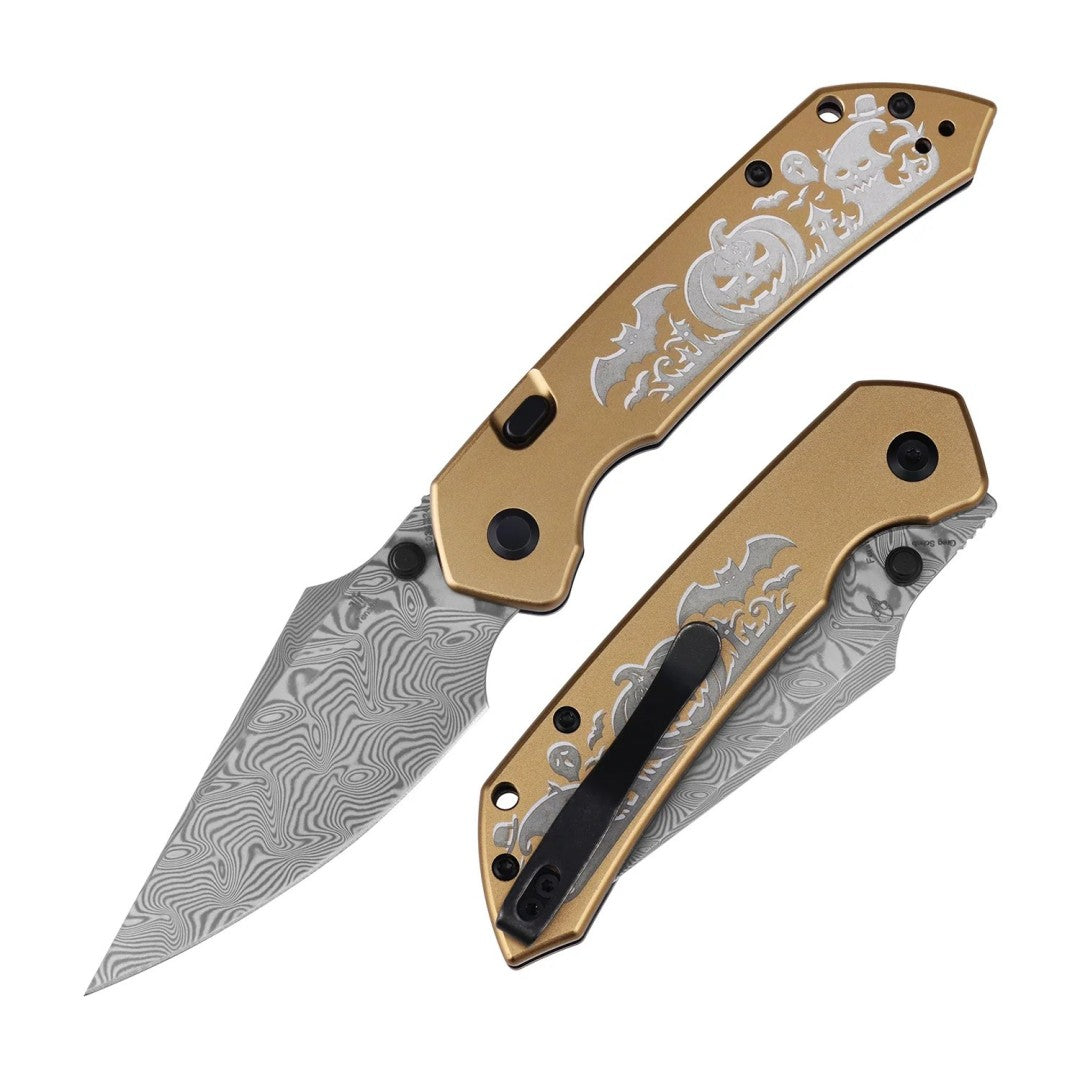
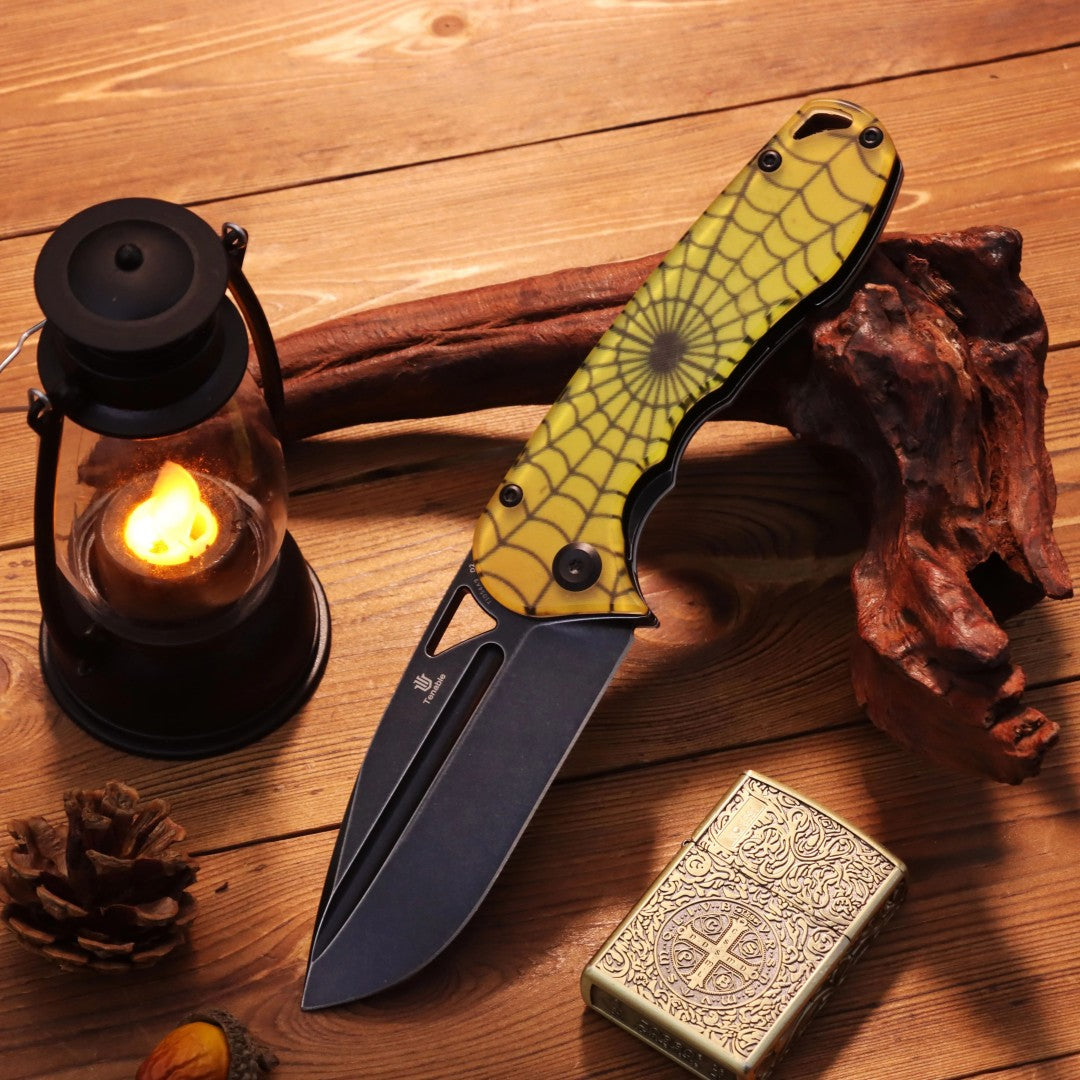
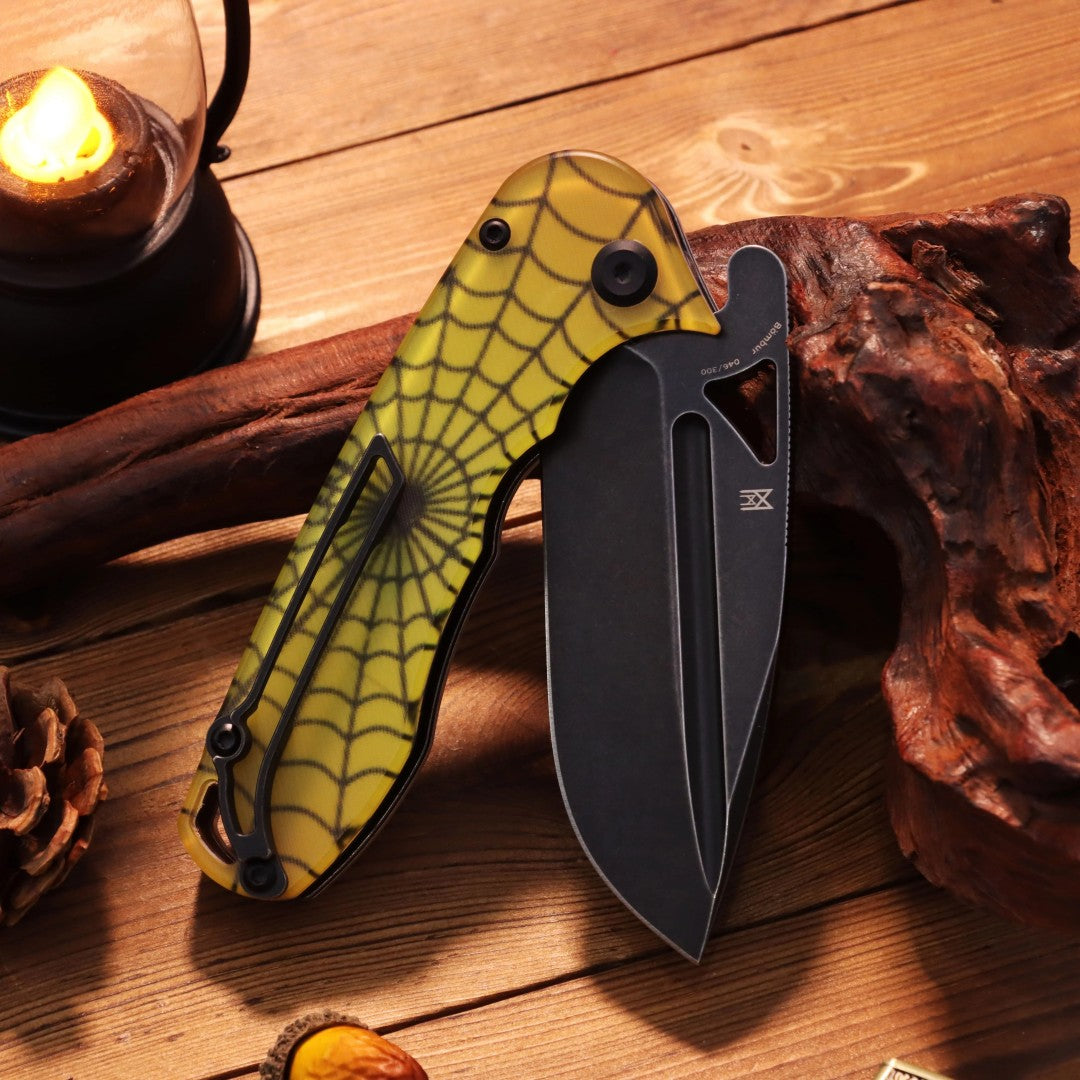
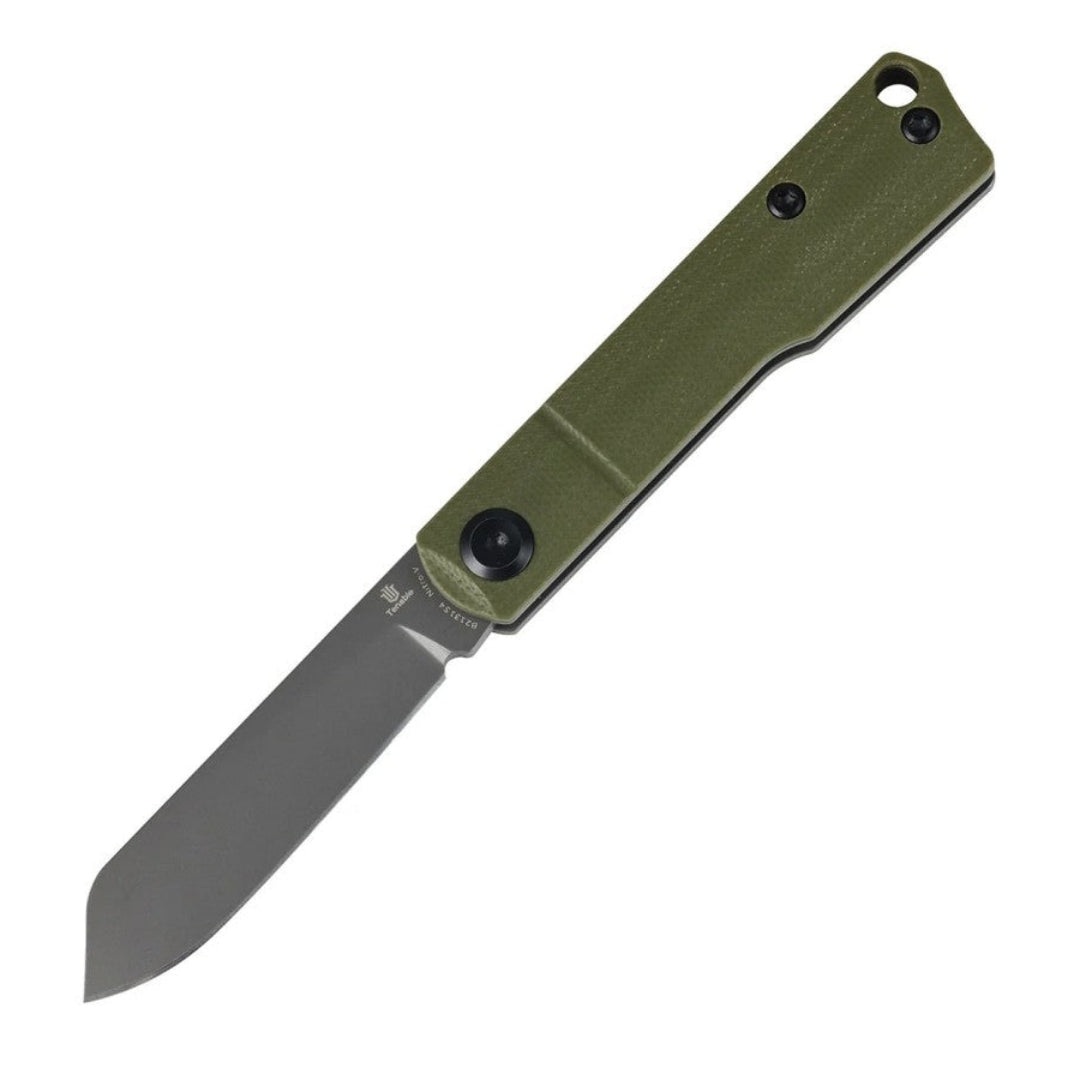
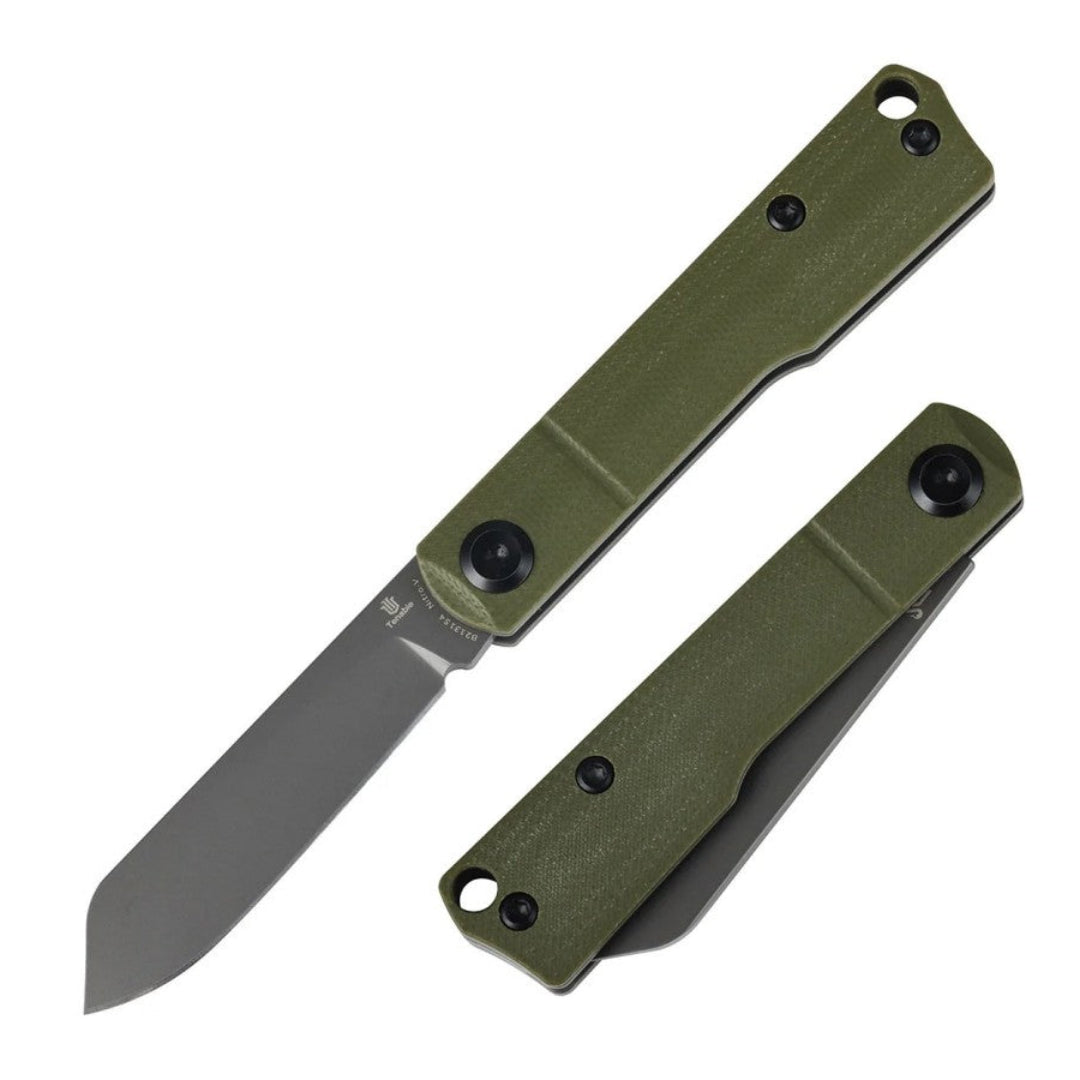
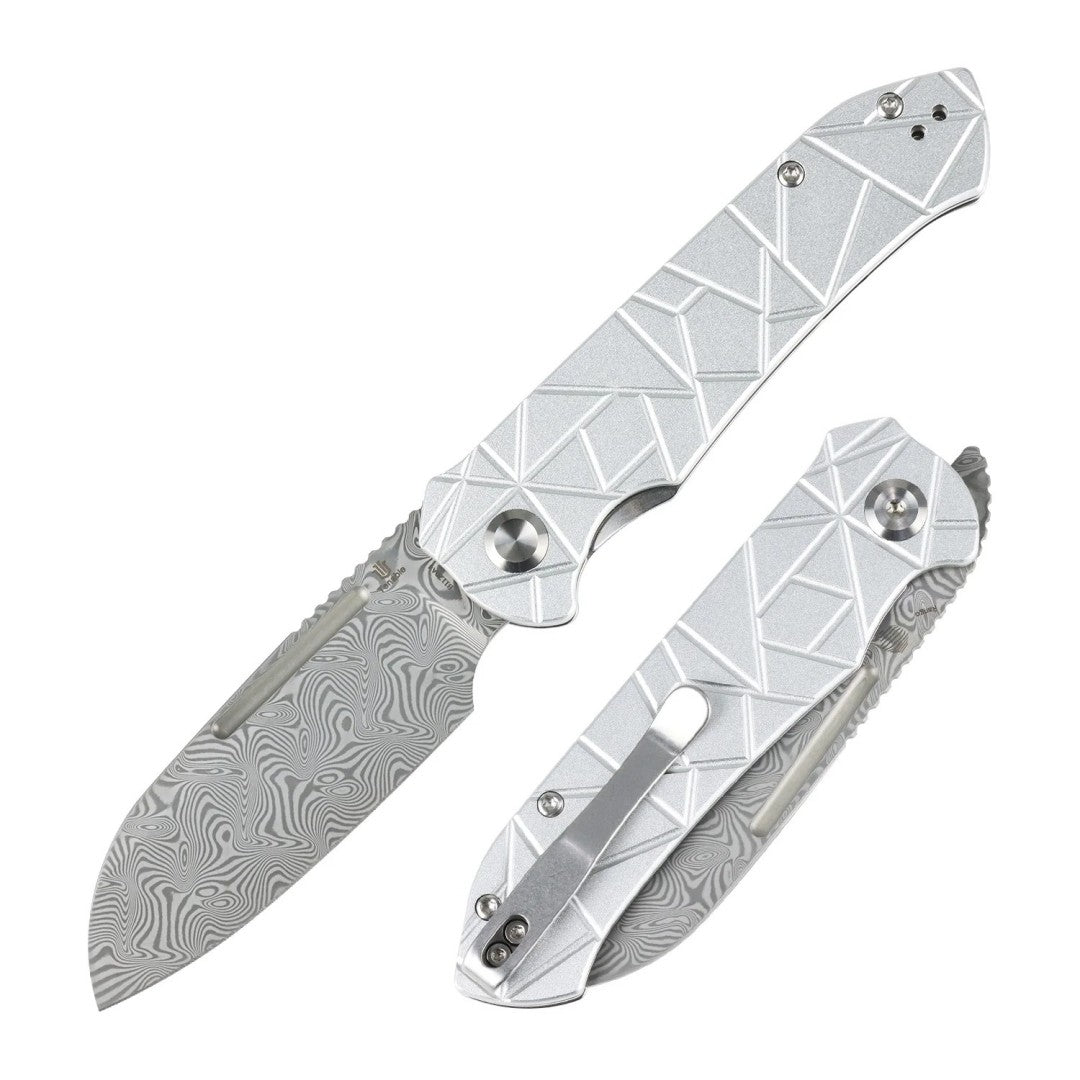
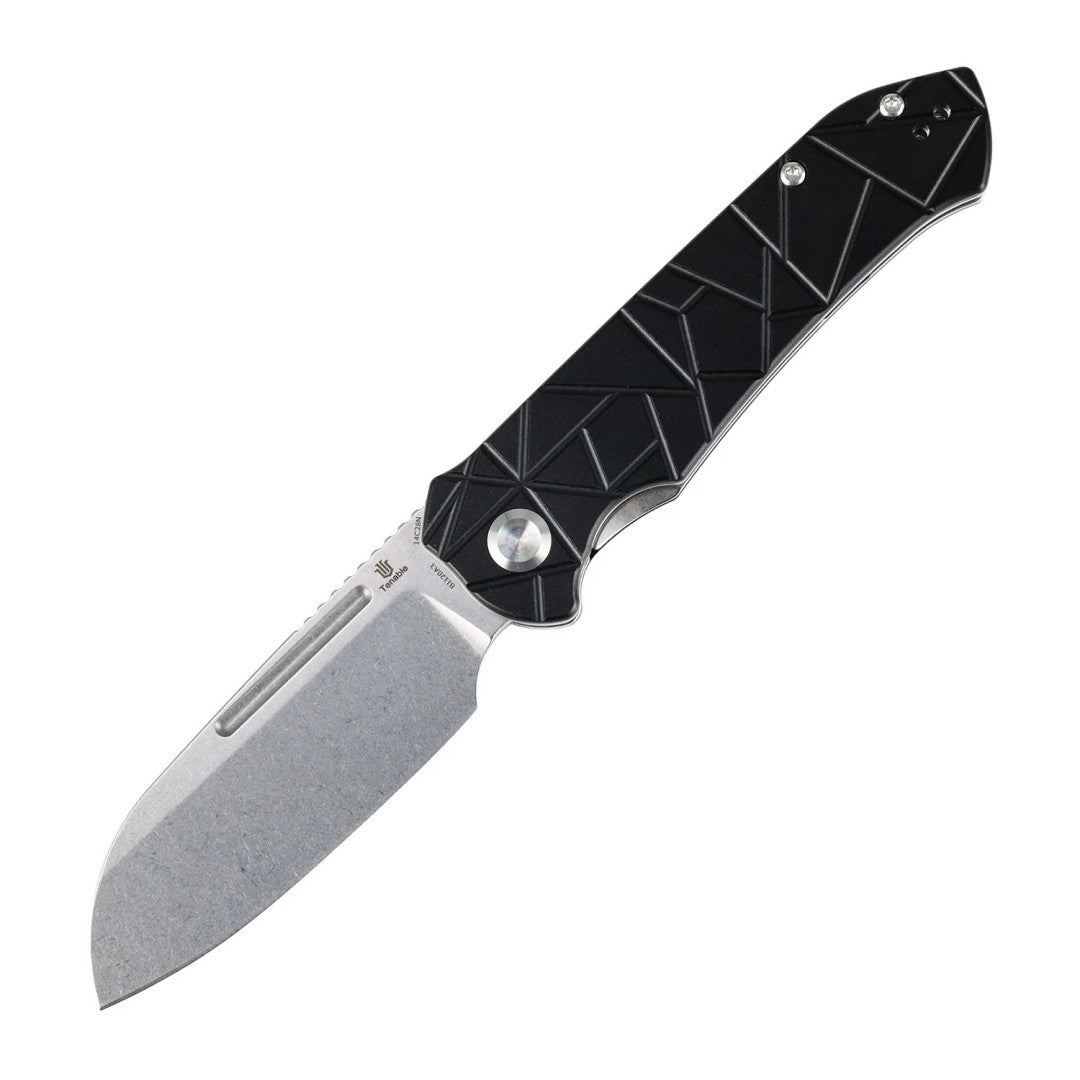
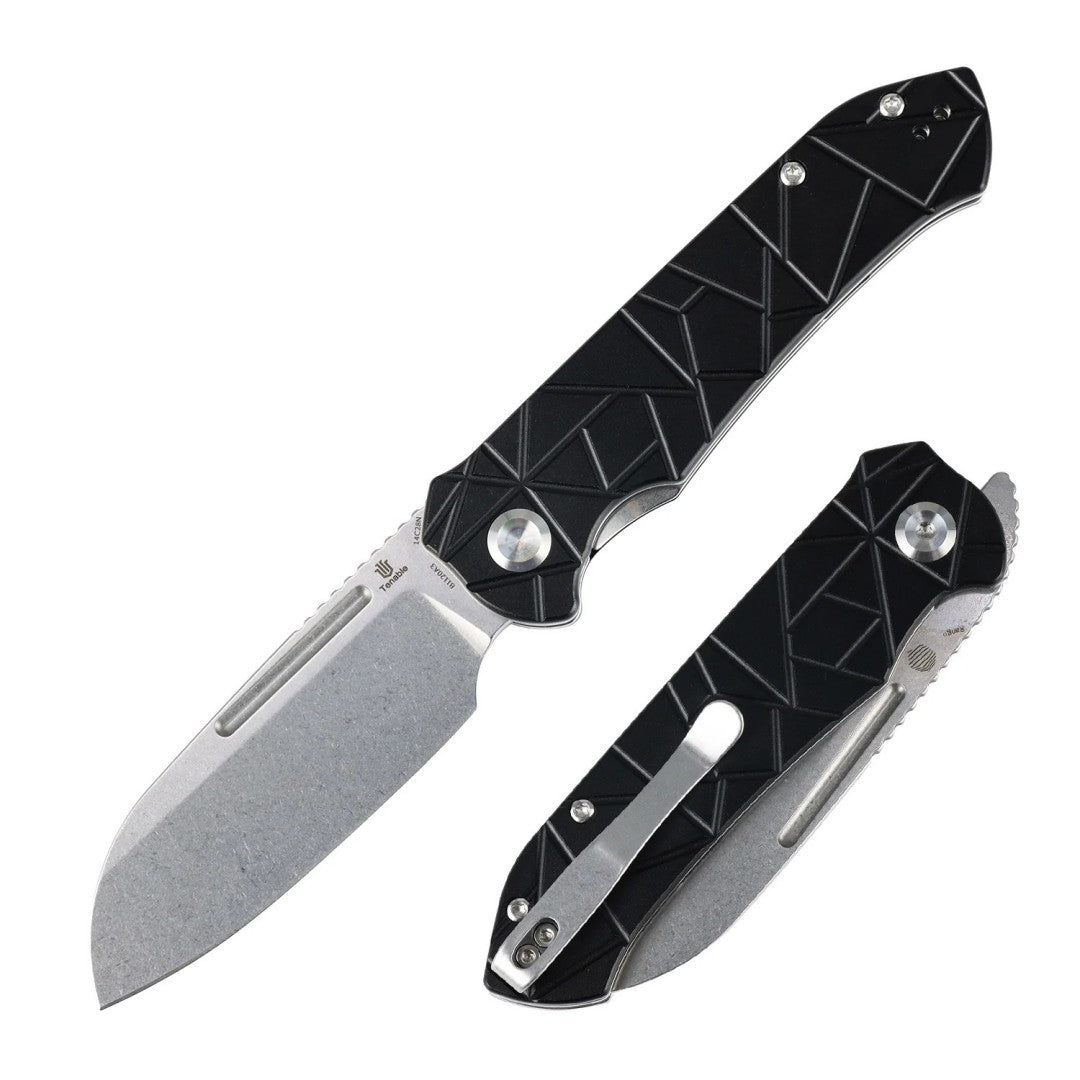
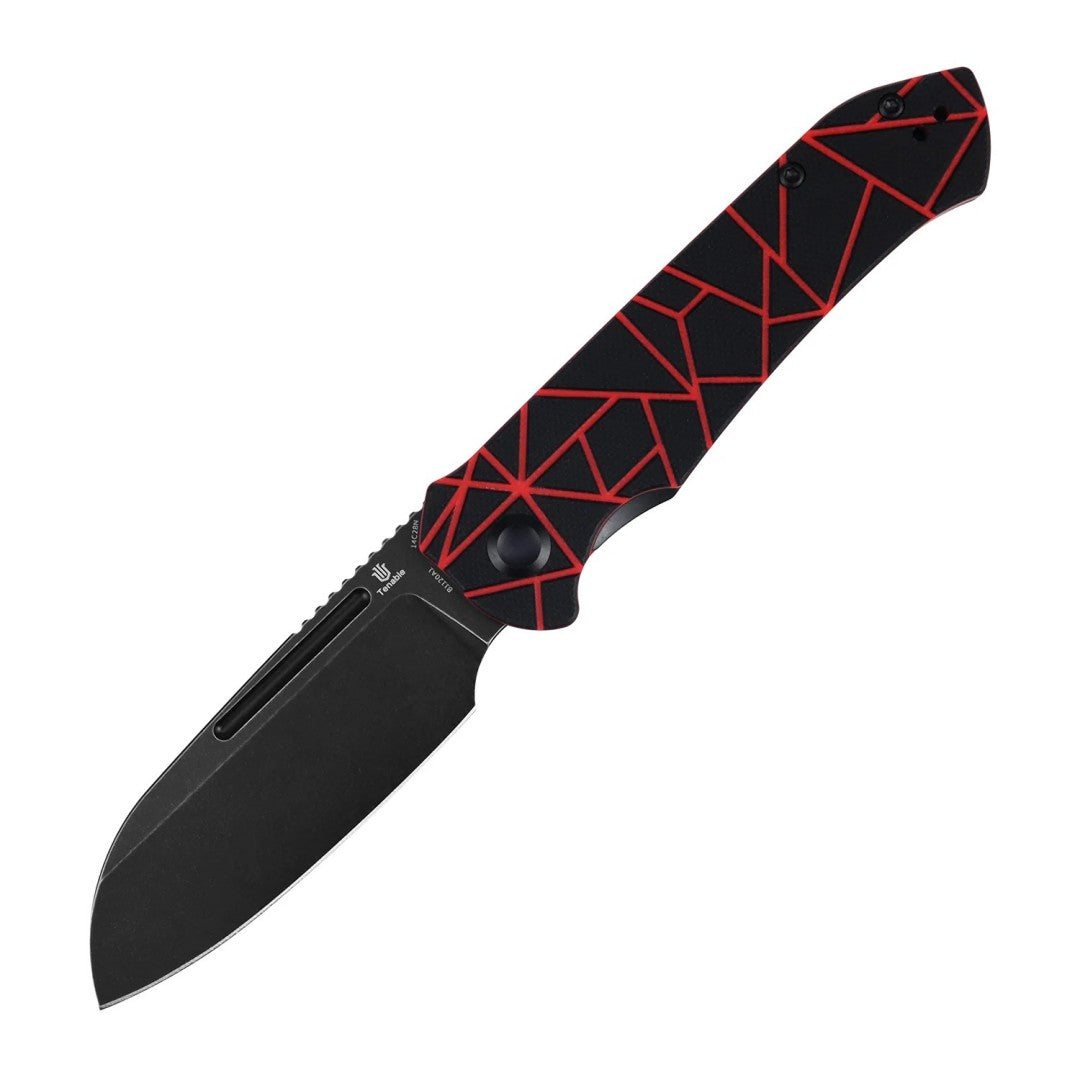
Handle shape decides whether the knife stays on the bench. A flat, slightly slab sided handle with a strong liner lock and a reversible pocket clip works better in a shop than a heavily sculpted collector piece, because it can be set down, picked up and used with sawdust on your hands. Kansept knives fit the Dash with yellow G10 for exactly that reason: bright enough to find under a pile of offcuts, textured enough to grip when your fingers are dry and dusty.
Real-World Use
A bench knife gets used for dozens of small jobs a day and almost never for anything heavy. That means a thin, acute edge is a genuine advantage, and it also means you should resist the temptation to use it as a chisel, a scraper or a pry bar. Keep a dedicated marking knife for layout, a chisel for paring, and let the pocket knife do the utility work. A folding knives blade that is reserved for cutting stays sharp for a very long time.

Ownership Notes
Two shop habits protect the tool. First, never set the knife down on a machine bed or next to a spinning tool, because a dropped knife in a shop rarely survives intact. Second, wipe resin, tape adhesive and glue off the blade before it cures, because cured adhesive has to be scraped away and scraping removes steel. A drop of oil on the pivot every few months and a strop on the bevel will keep a bench knife working for a decade. Anyone who rotates a bench knife in and out of a shop apron should keep the rest of their EDC knives in a drawer rather than a tool chest, because a blade that lives with saw blades and rasps will collect grit in the pivot and lose its keenness long before it wears out.
Who Is This For?
This is written for cabinetmakers, joiners, turners and hobby woodworkers, and for anyone who wants one pocket knife for the garage bench rather than the office. It is unnecessary if your knives never leave a pocket. It becomes very useful the moment you find yourself walking from the bench to the shelf and back because a tool was in the wrong room.
Final Verdict
Pick a fine grained stainless, a flat handle, a reliable liner lock and an edge you can restore in two minutes. Reserve it for cutting, keep a chisel for the rest, and it will outlast several shop upgrades. Browse the Kansept knives workshop friendly models at EdcMall.