The Damascus Bargain of the Season
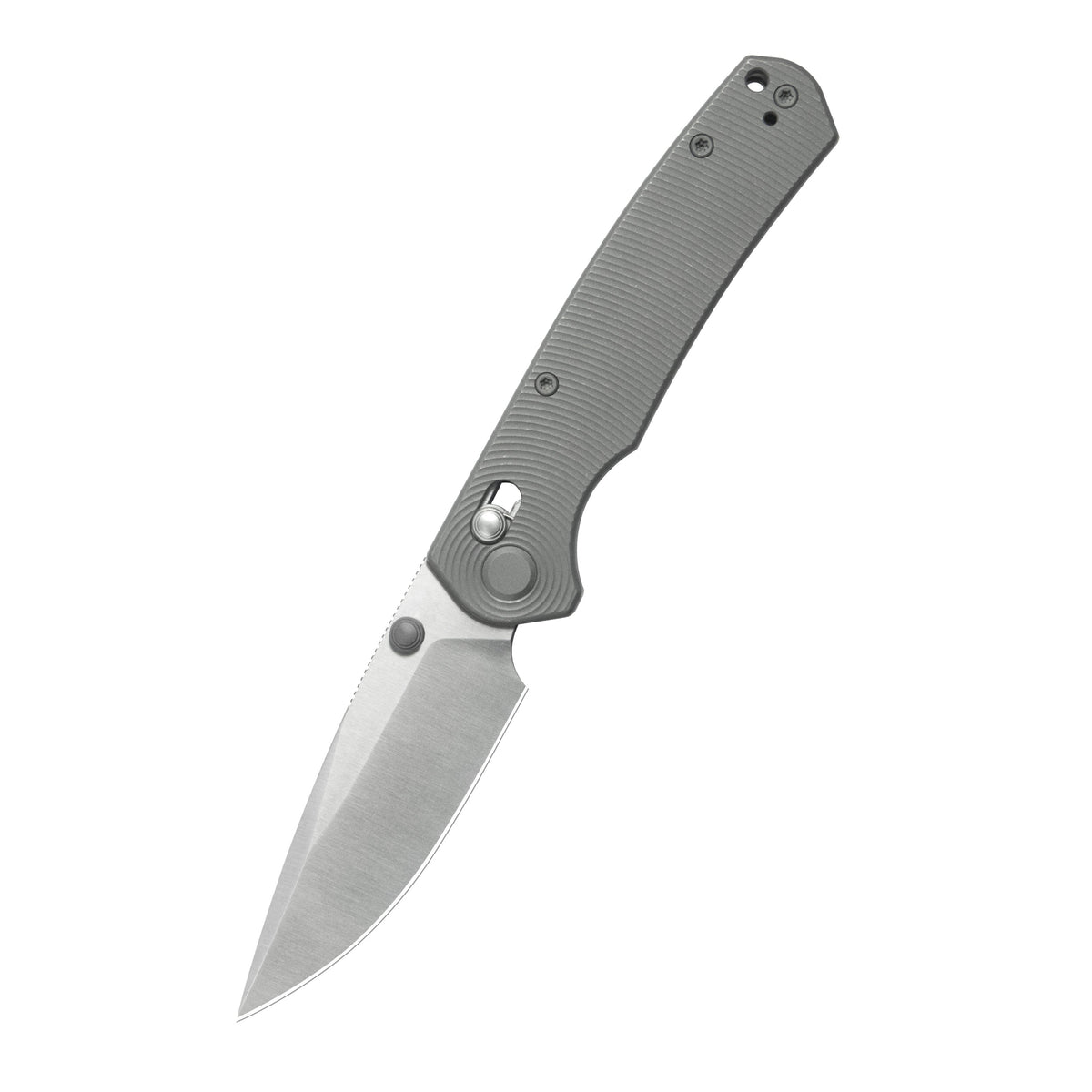
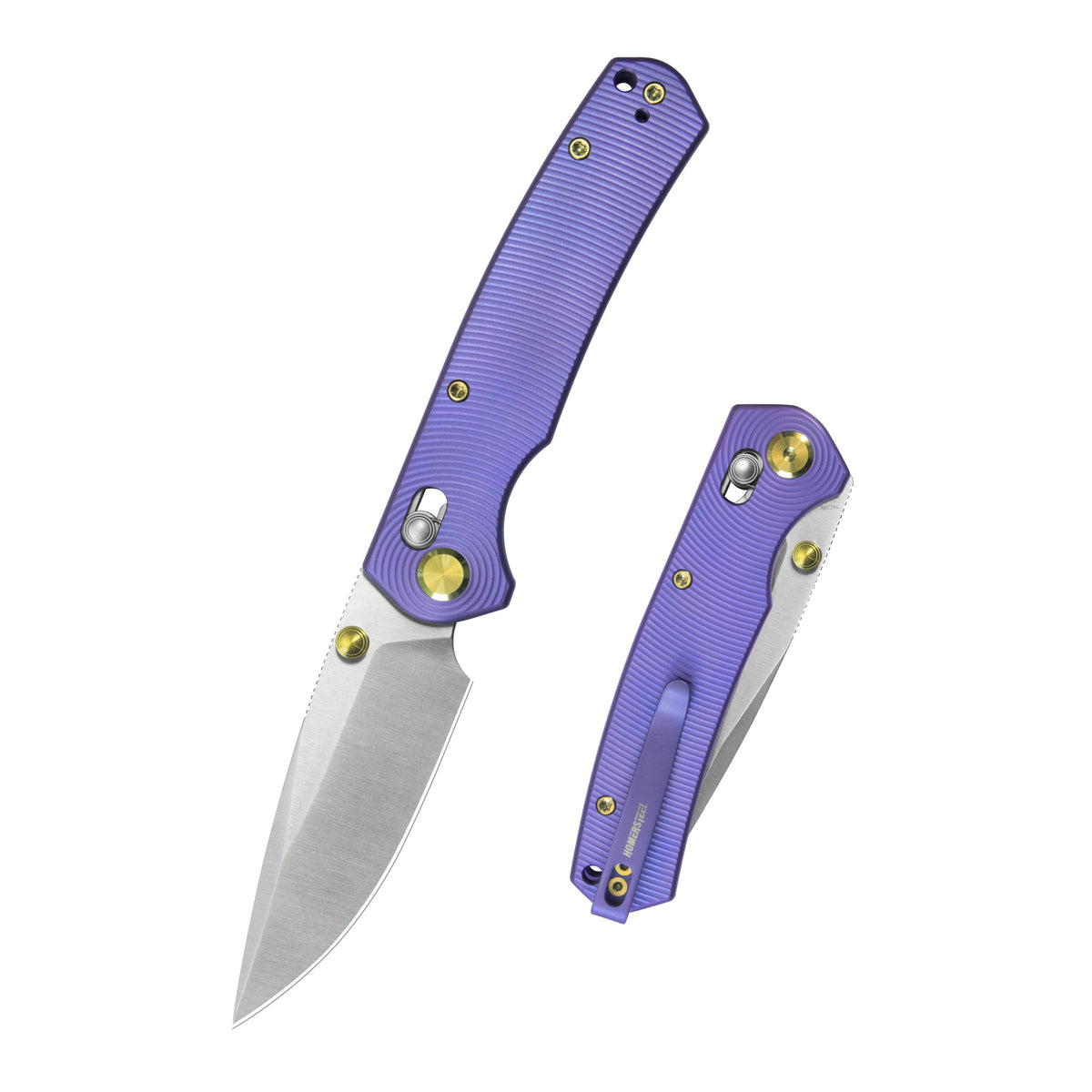
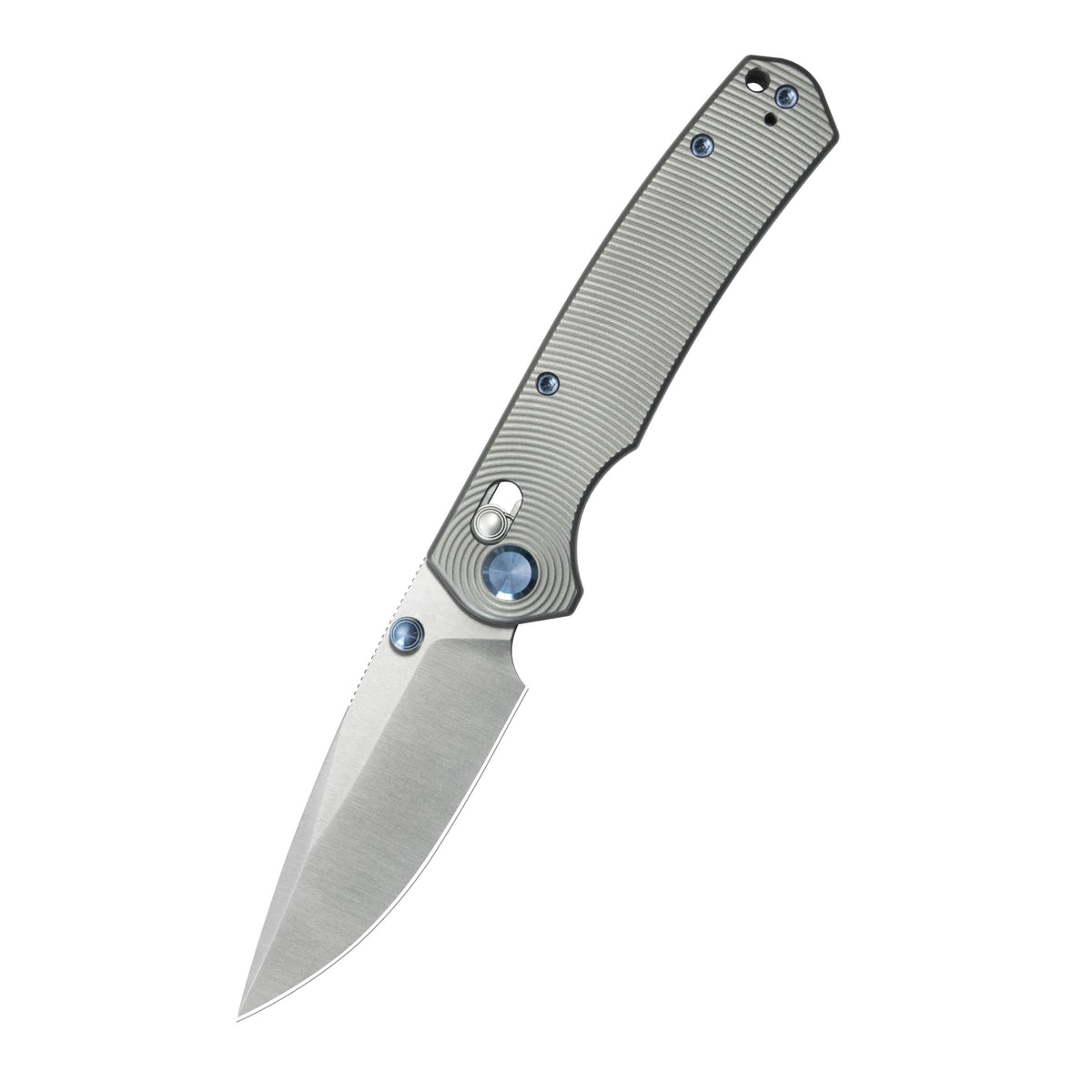
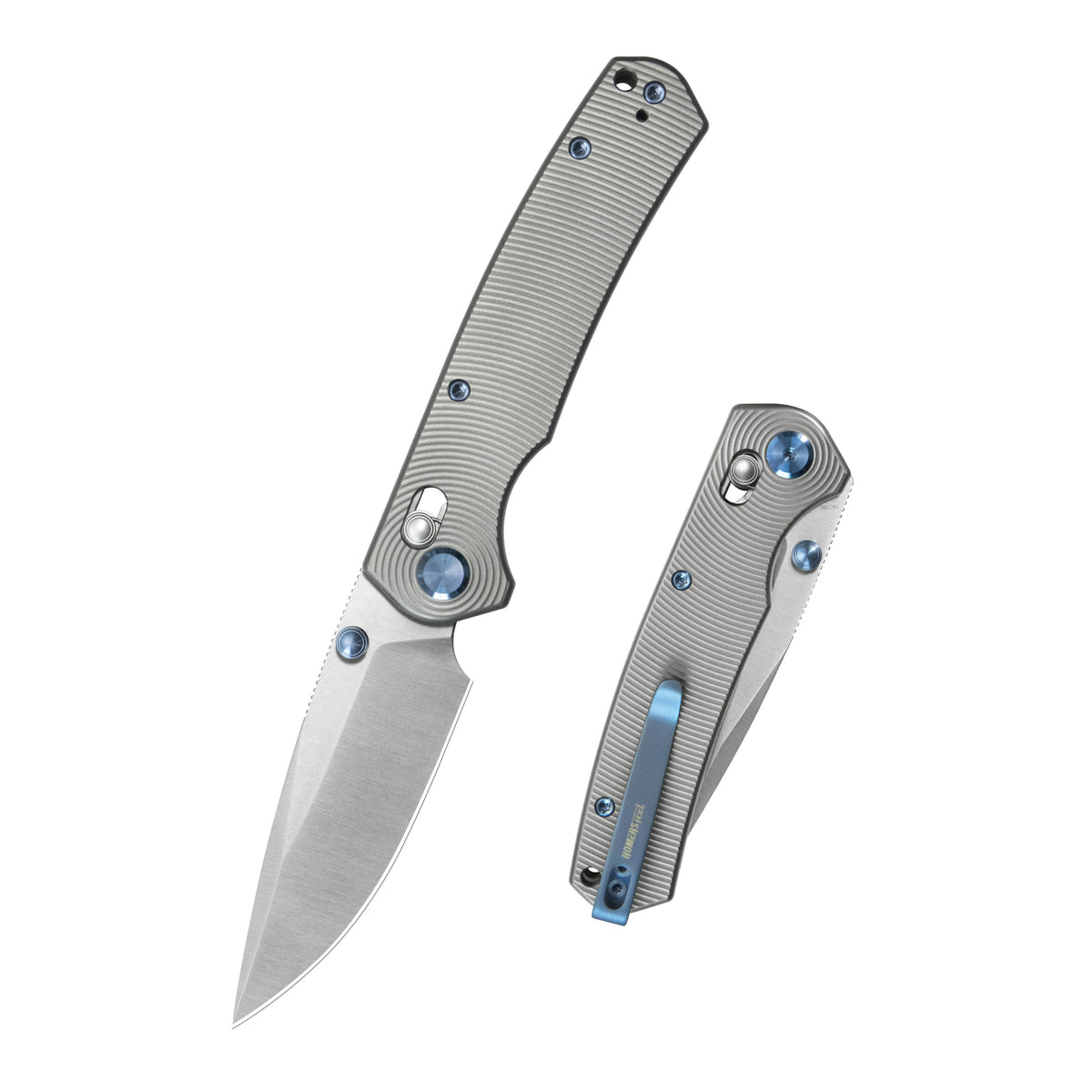
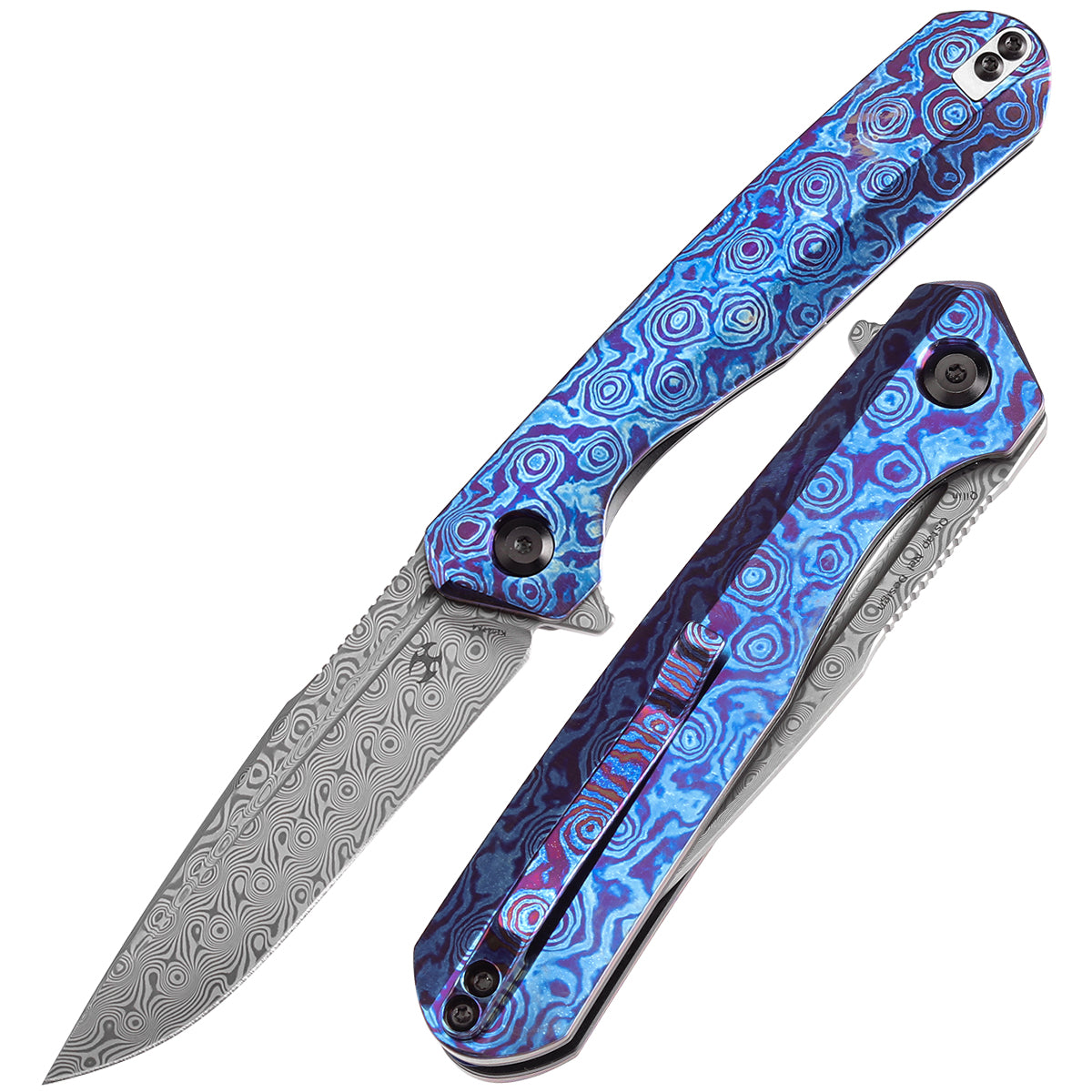
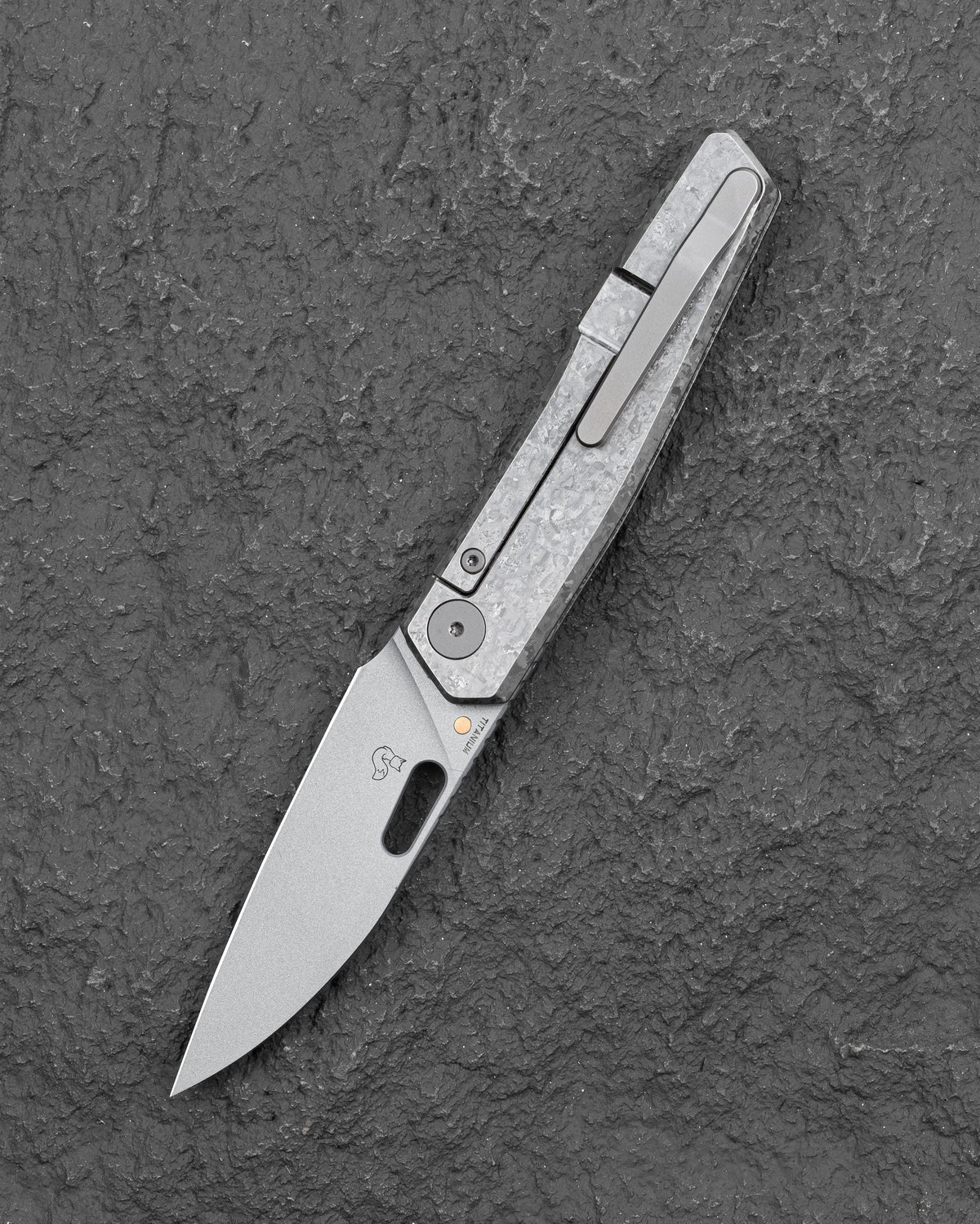
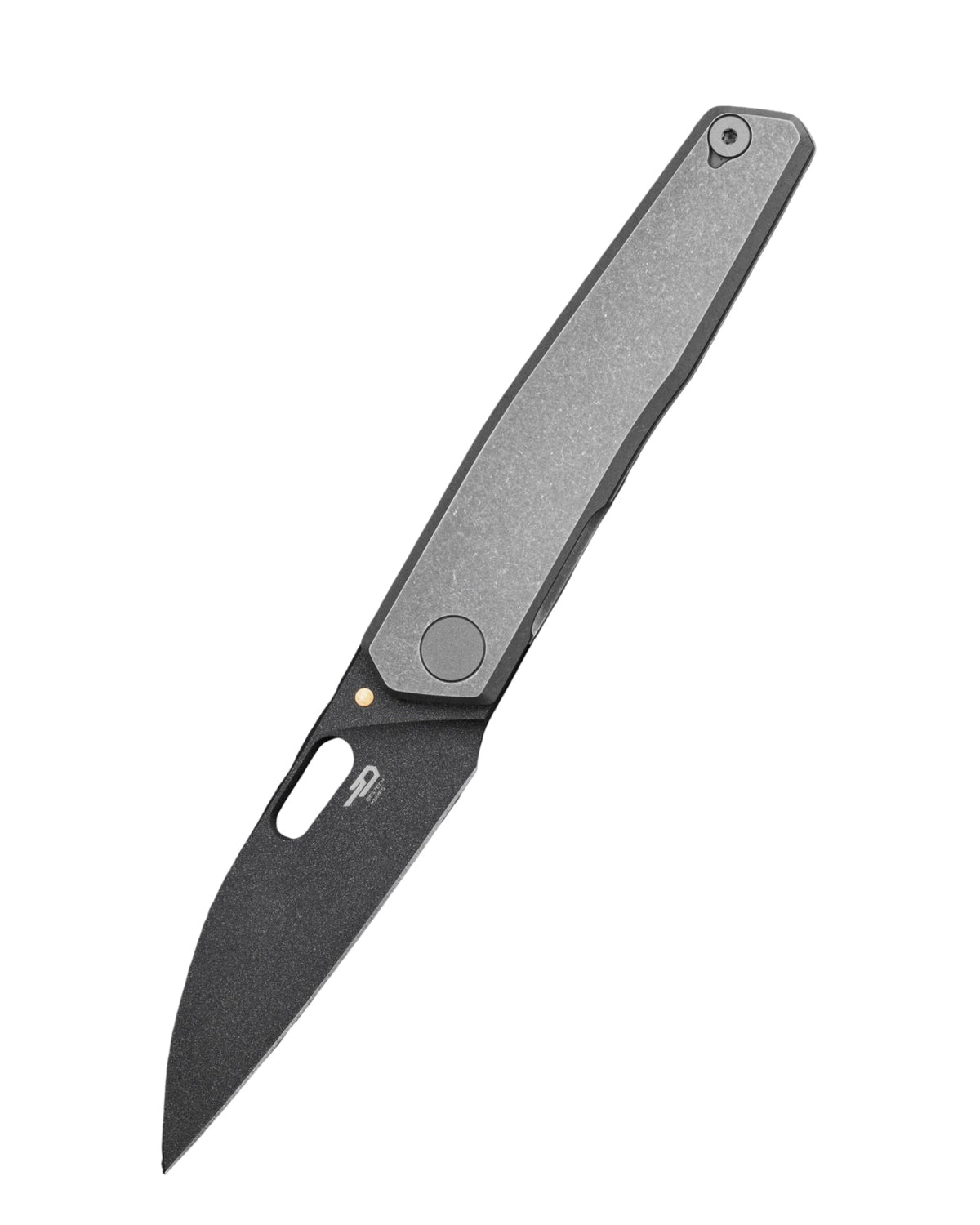
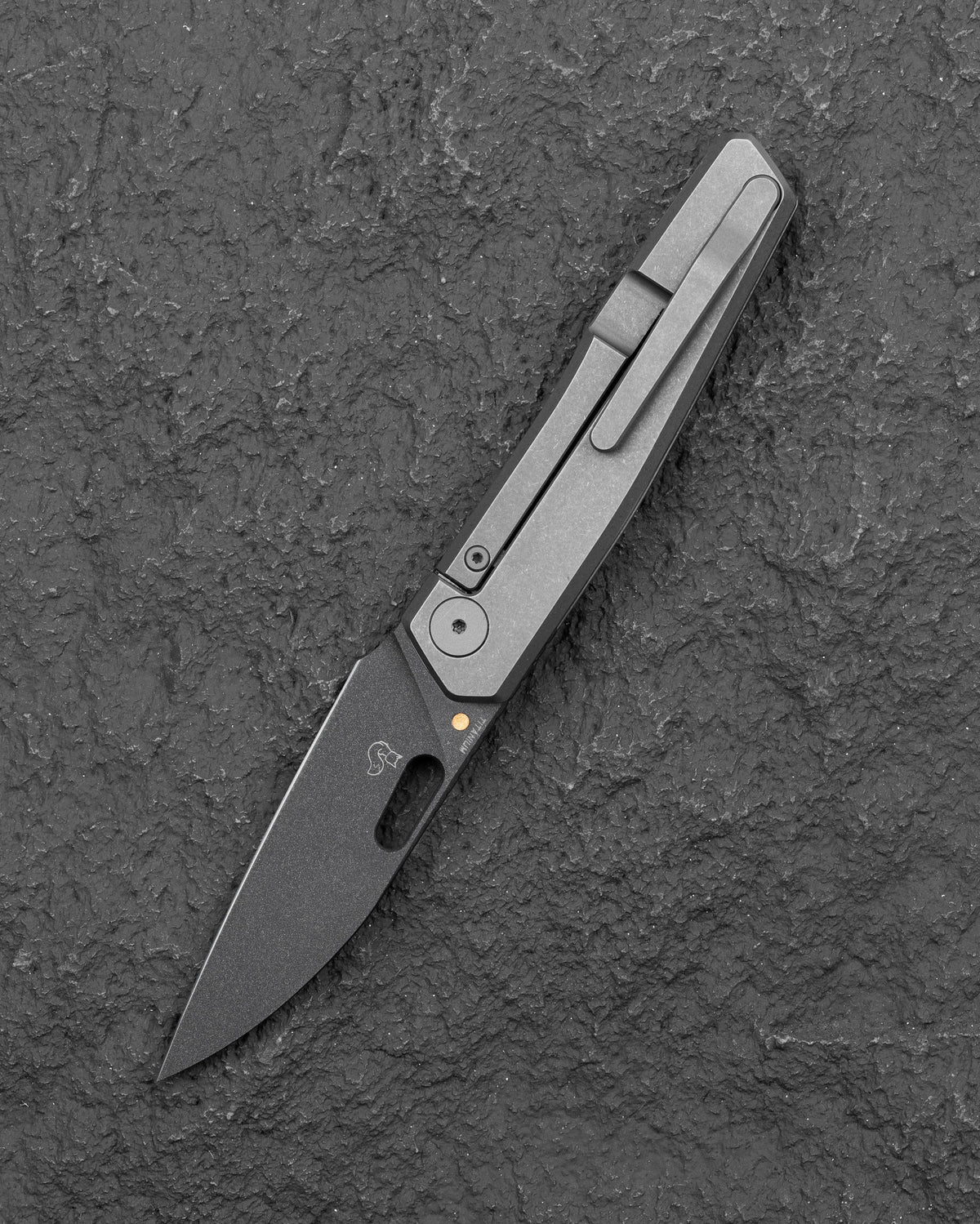
Genuine Damascus folders rarely dip under 100 dollars, which makes the Bestech Duoz pair an anomaly worth examining. Both variants share Ostap Hel's compact design: an 84.8-millimeter acid-etched Damascus blade, 2.4 millimeters thick, a ceramic-bearing pivot, and a liner lock, all at 191.8 millimeters open and a featherweight 54.5 grams. The BG65G dresses it in olive wood for 69.90 dollars, and the BG65H swaps to red burl wood at the same price. For anyone who has wanted a Damascus blade folder without the custom-knife budget, the decision is now purely about wood grain.

The BG65G: Olive Wood's Quiet Character
Olive wood carries tight, swirling grain in golden-brown tones, and every handle differs because the material is genuine wood rather than a laminate. It reads traditional and understated, the knife your grandfather might have carried if grandfathers had ceramic bearings. The warm tones pair beautifully with the acid-etched Damascus layers, which show as fine grey wave patterns against the darker steel. Functionally, olive wood scales sit smooth and slightly waxy in hand, comfortable for long cutting sessions. Among liner lock folders at this price, the G is the one for traditionalists and gift buyers, since wood-and-Damascus is the combination that never stops pleasing recipients pulling it from an EDC gift box.

The BG65H: Red Burl Takes the Stage
Red burl is the louder sibling, dense knot structure with dramatic figure that looks almost liquid under light. Where olive wood whispers, burl performs, and the deep red tones make the Damascus pattern pop by contrast. The trade is the same as any burl handle: the figuring is busier, so the knife draws more attention and suits collectors less bothered by subtlety. Mechanically the two are identical, same blade steel, same 2.4-millimeter thickness, same smooth ceramic-bearing flipper action and trustworthy lockup. Choosing is a two-minute decision based on which grain photograph stops your scroll.

Practical Notes on Wood Handles
Both knives seal their wood, so ordinary carry needs no special care, but the standard wooden-handle rules apply: avoid soaking them, avoid leaving them in hot cars where the finish can suffer, and wipe the blade after damp days since Damascus responds to moisture faster than stainless. At 54.5 grams both Duoz variants carry like a slim pen, which surprises buyers expecting a heavier feel from the wood. For the price, browsing Bestech Knives will show nothing else that combines pattern-welded steel, natural handle material, and an Ostap Hel signature this affordably anywhere in the folding knife market. Check the BG65G and BG65H listings, since the two woods sell at different speeds depending on season.
A note on the Damascus pattern itself, since acid-etched patterns vary between batches. The Duoz blades show fine, tight wave lines rather than the bold ladder patterns on pricier pieces, which suits the knife's compact, refined character. The etching also means the blade's contrast deepens slightly with use as the relief wears unevenly, a subtle patina effect that wood-handle knives wear surprisingly well. Gift buyers should know the presentation matters here: at this price, opening a box to genuine Damascus and real wood lands harder than most 70-dollar gifts manage. Whichever wood you choose, the knife reads as costing double, which is the quiet genius of the Duoz line.