

Overview & First Impressions
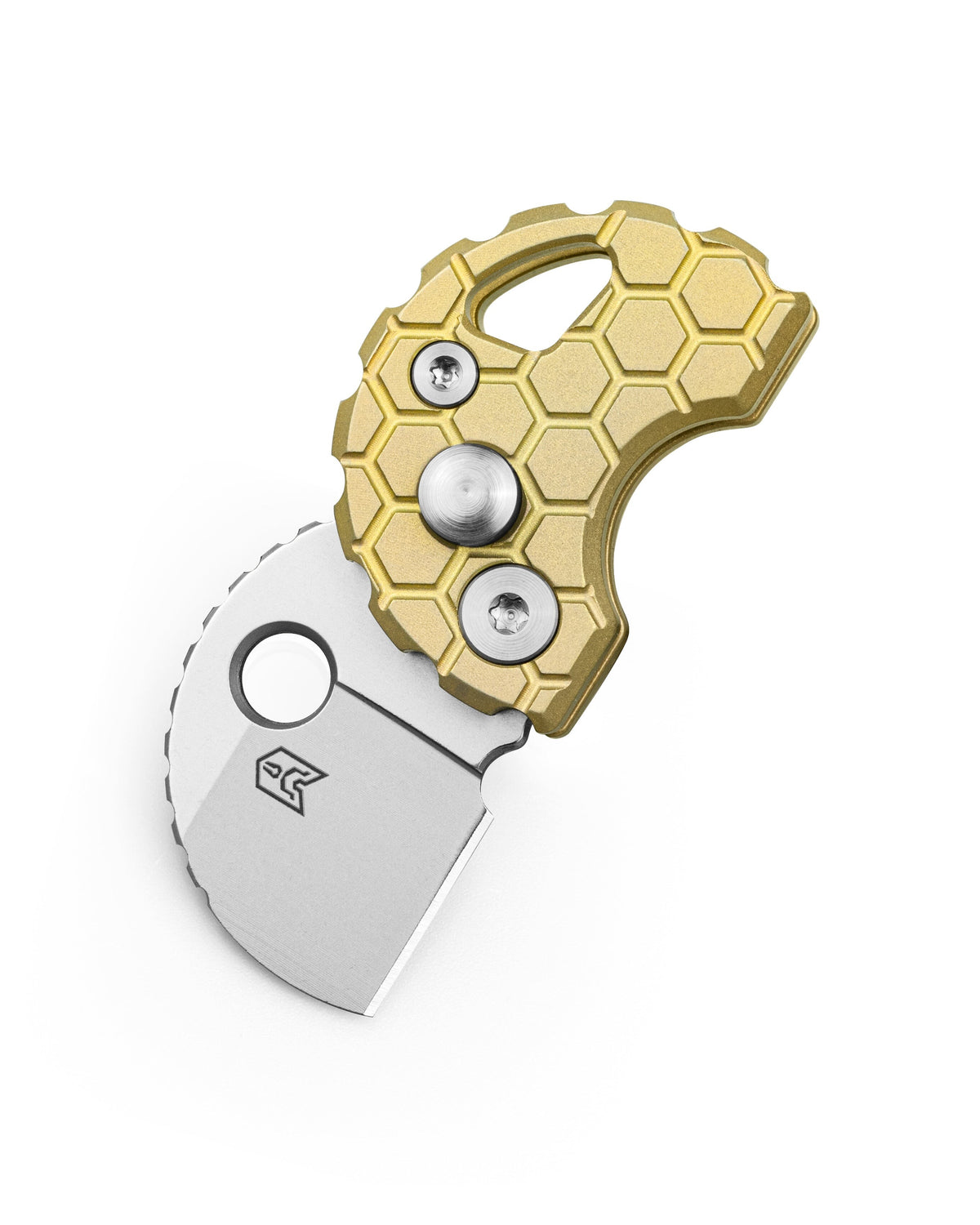
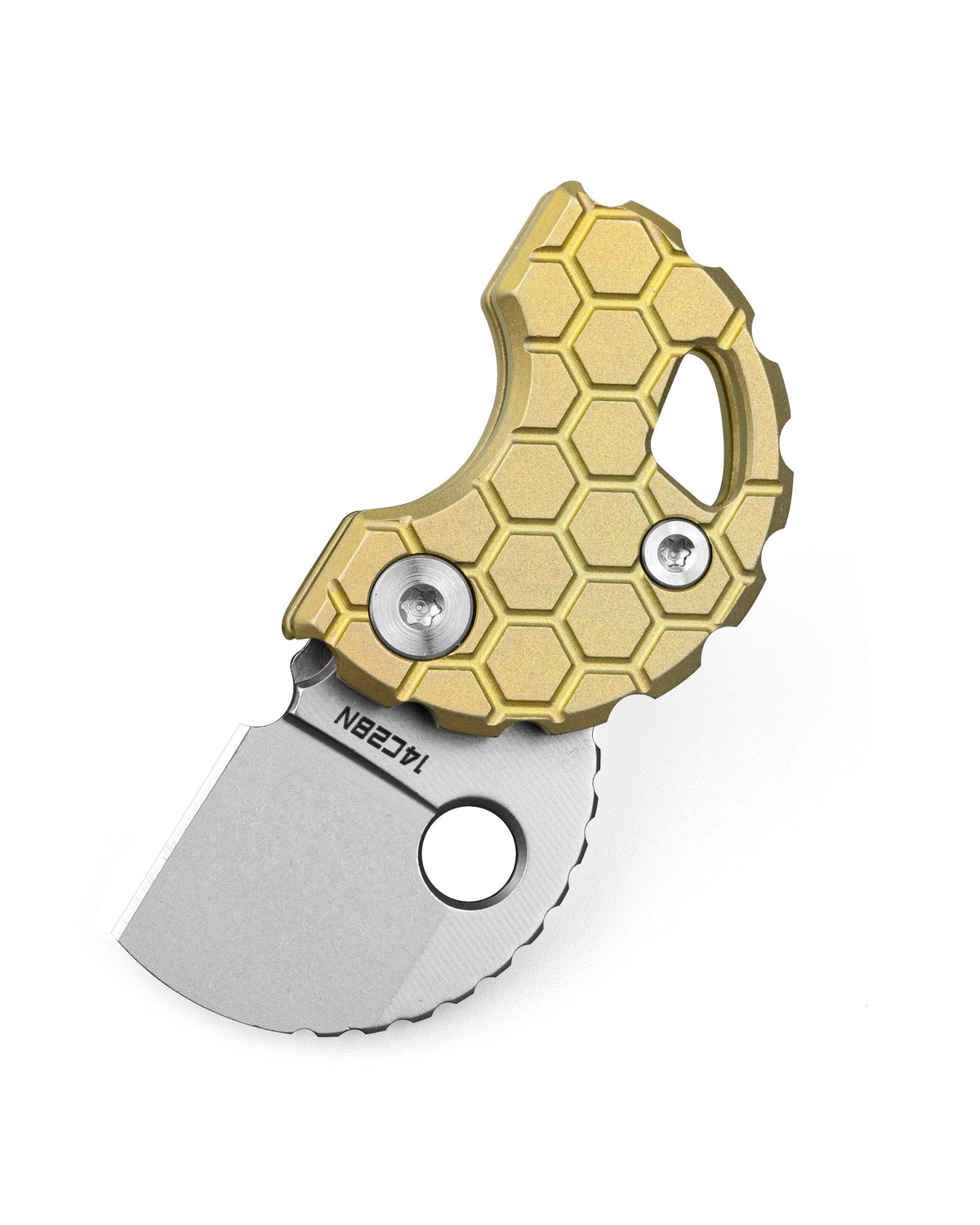
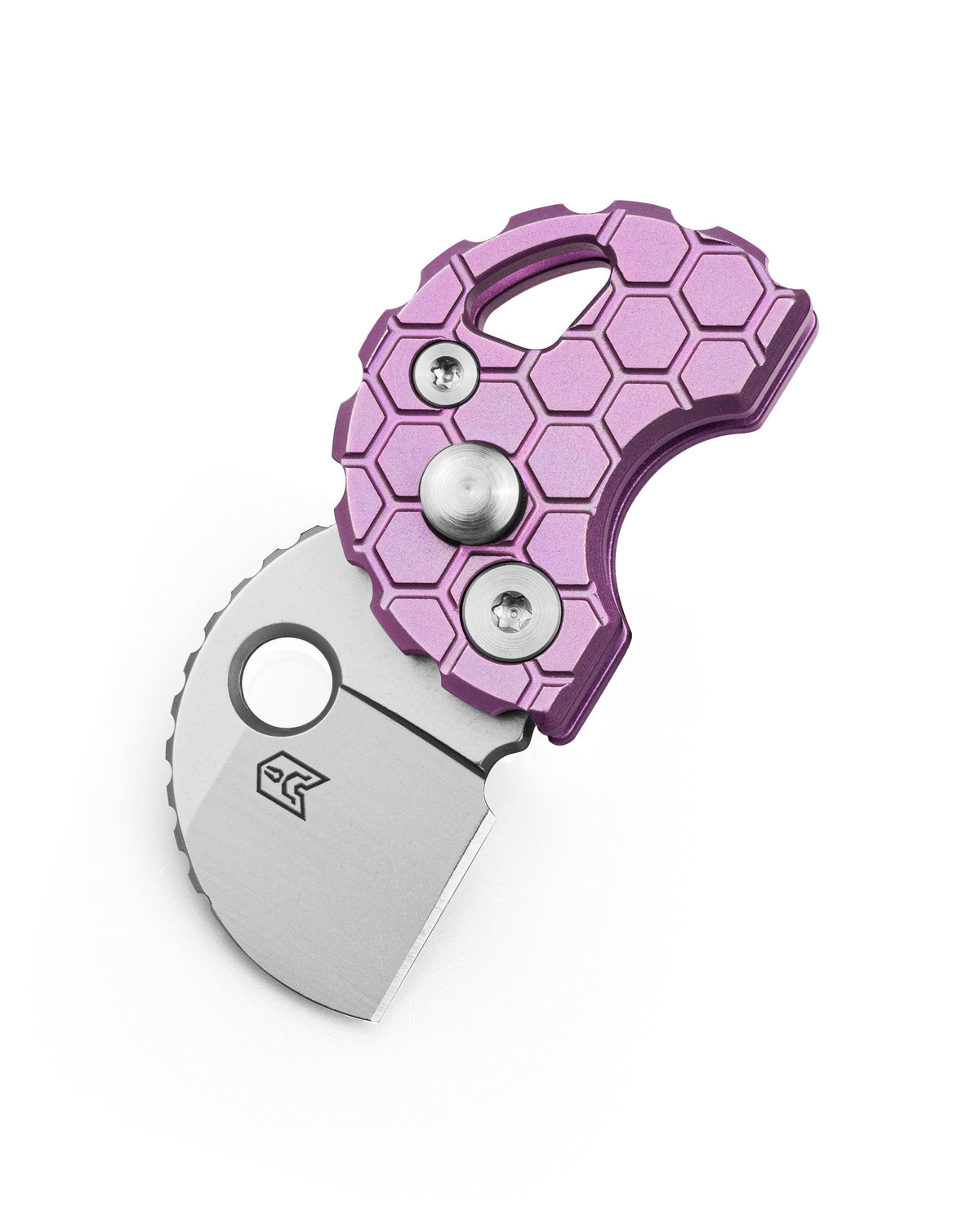
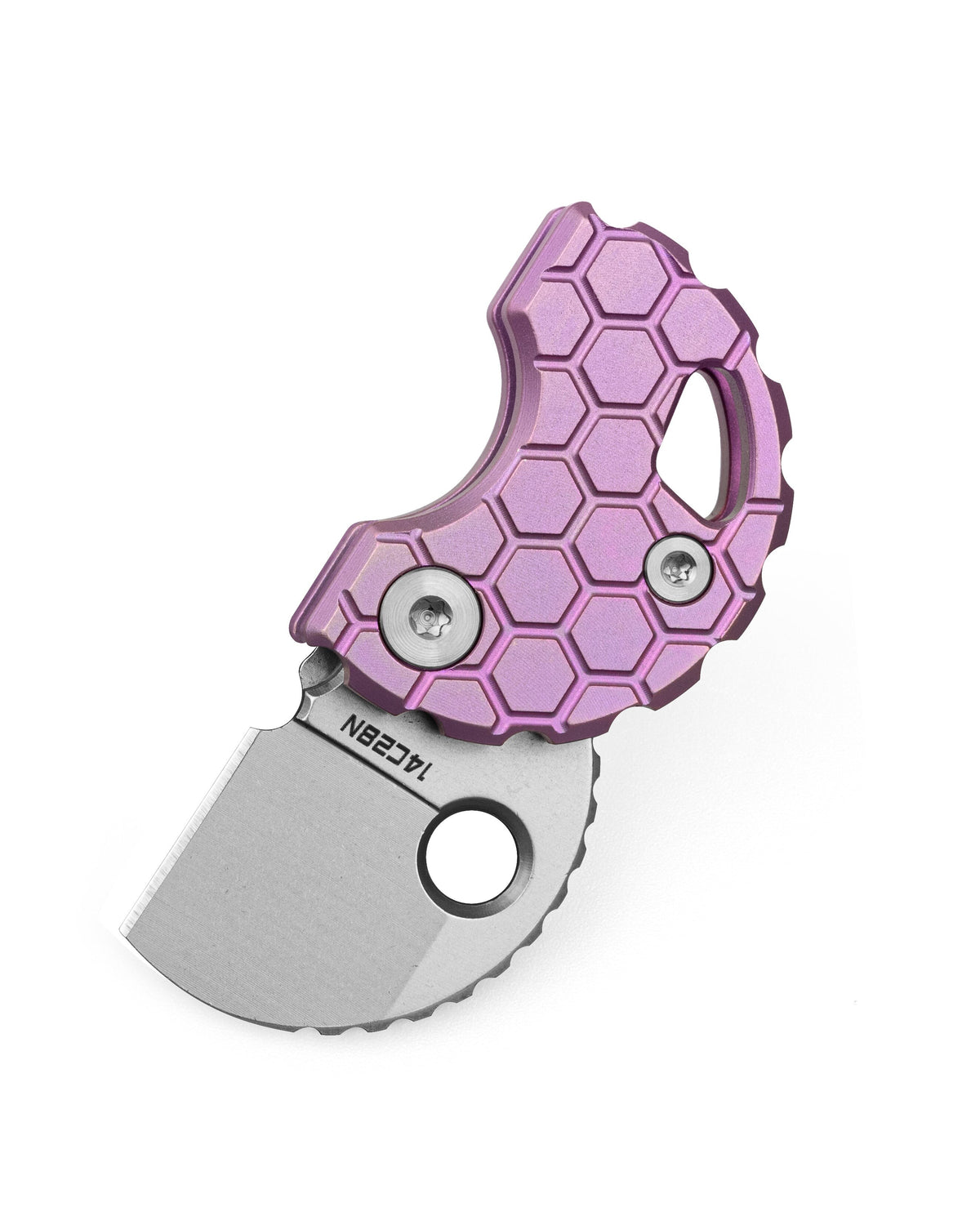
The Junzi BT1809 puts a CPM-S35VN blade into a titanium slip joint, which is a sentence that would have been absurd at production prices a few years ago. Six variants share the non locking platform with titanium frames and carbon fiber inlays, aimed squarely at jurisdictions and workplaces where locking blades are unwelcome. Among folding knives without a lock, the Junzi is the rare example where the steel and build exceed most locking competitors, and it never apologizes for its manual of arms.
Materials & Construction
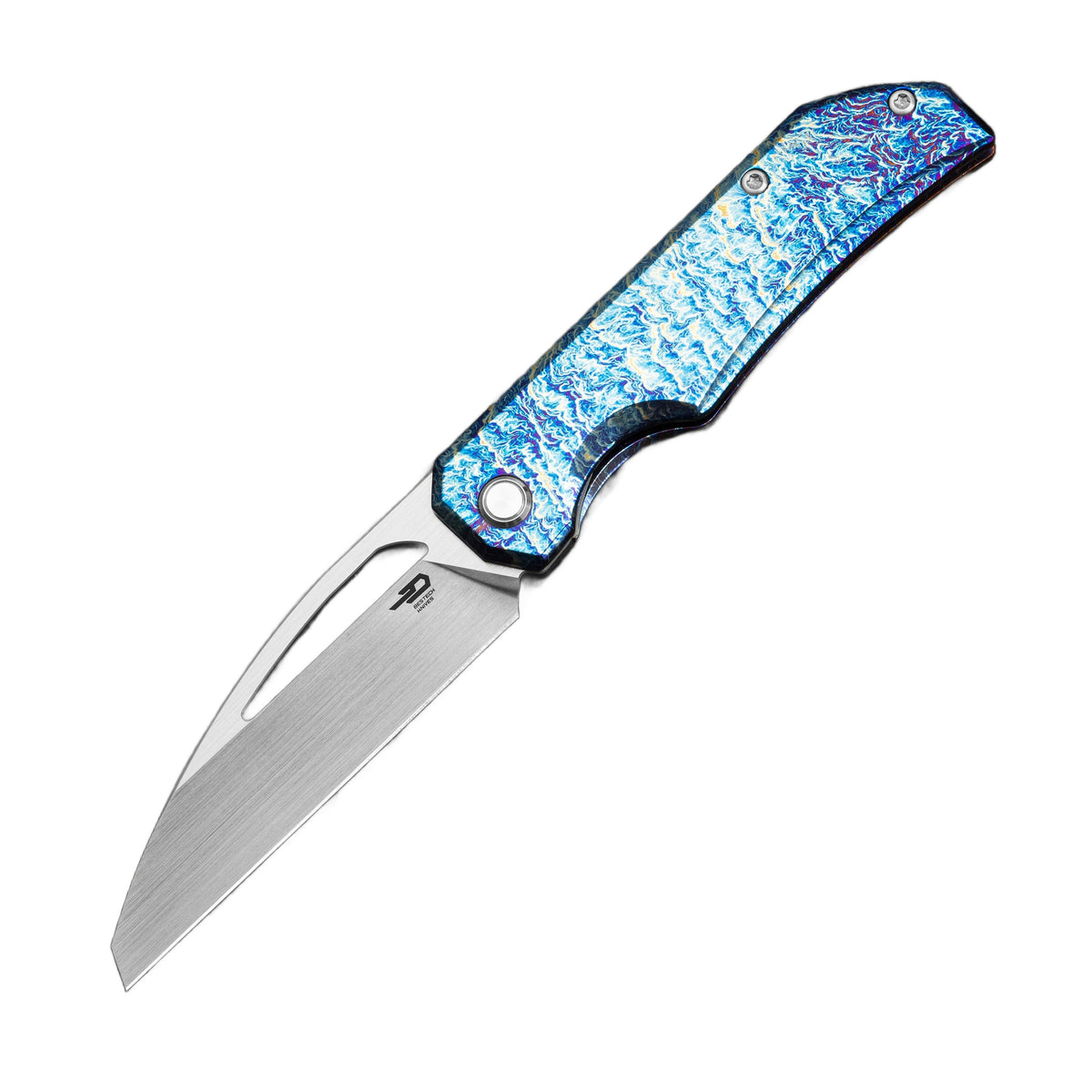
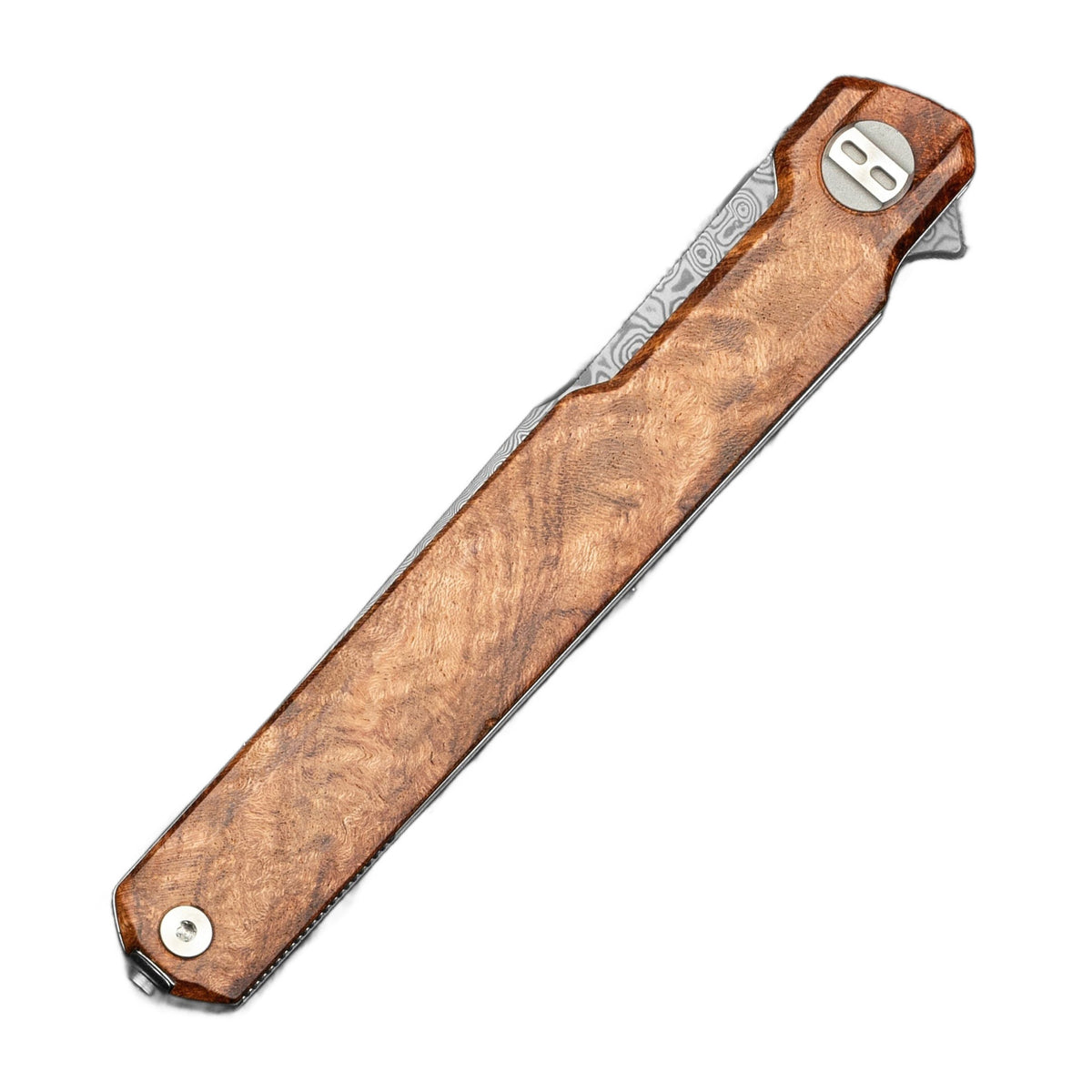
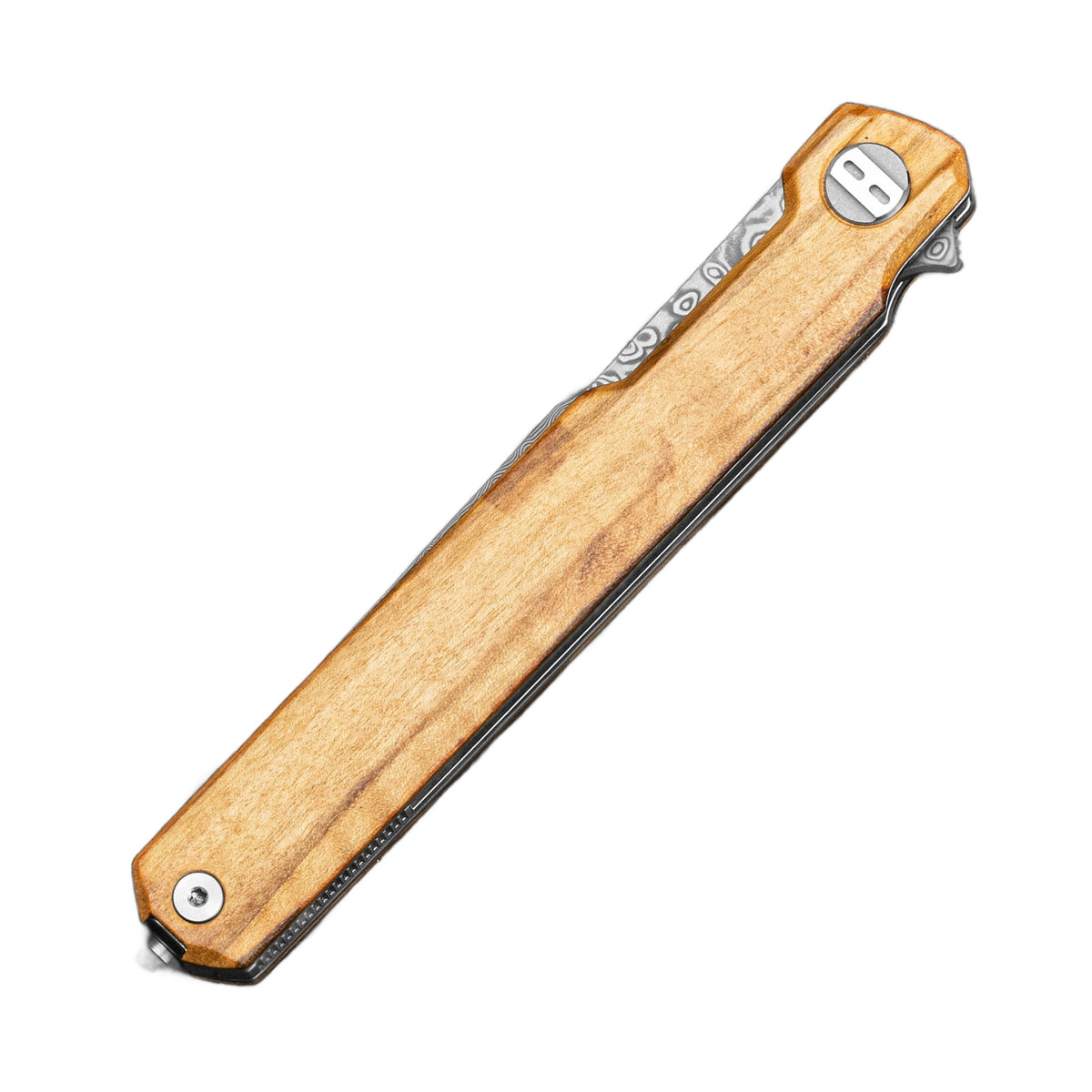
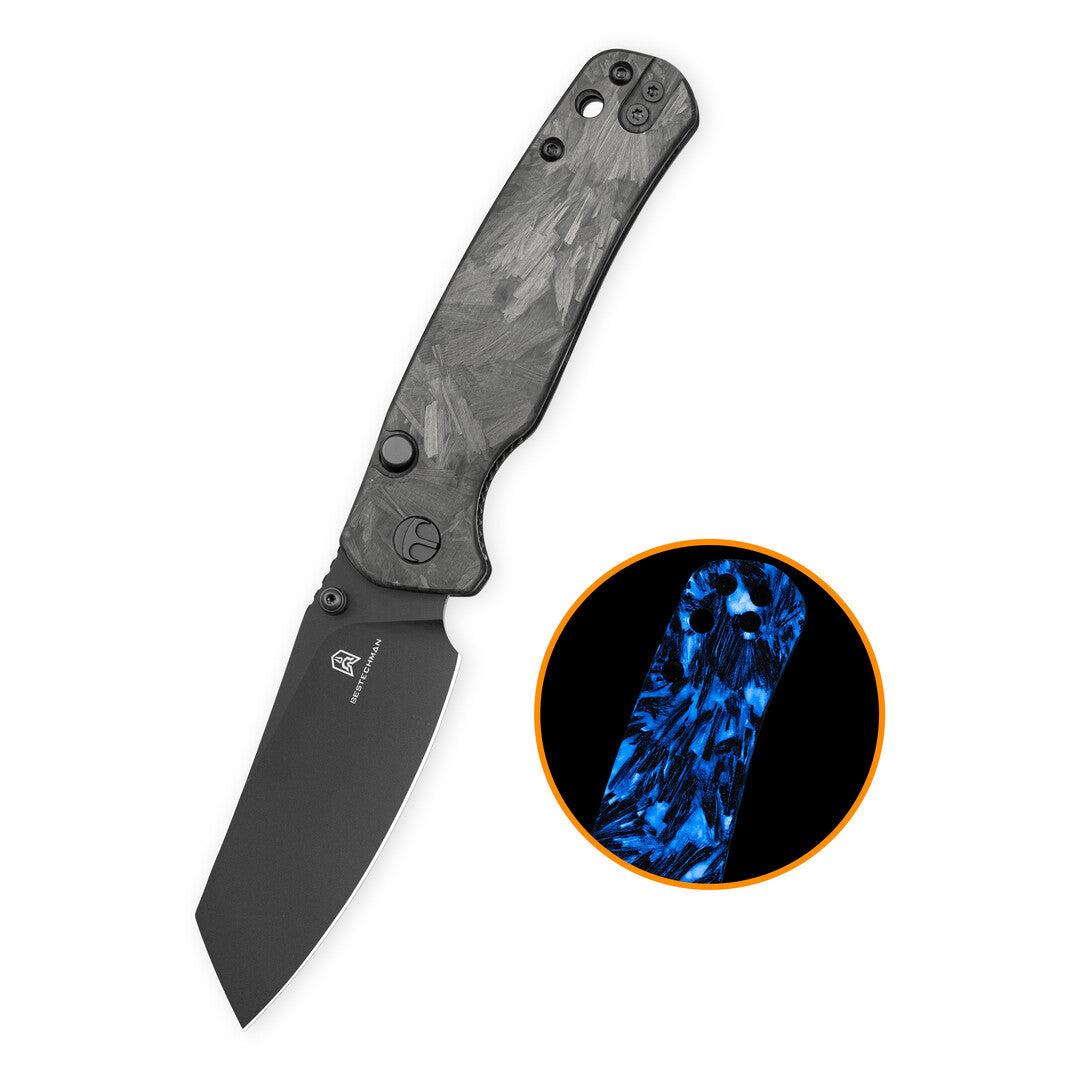
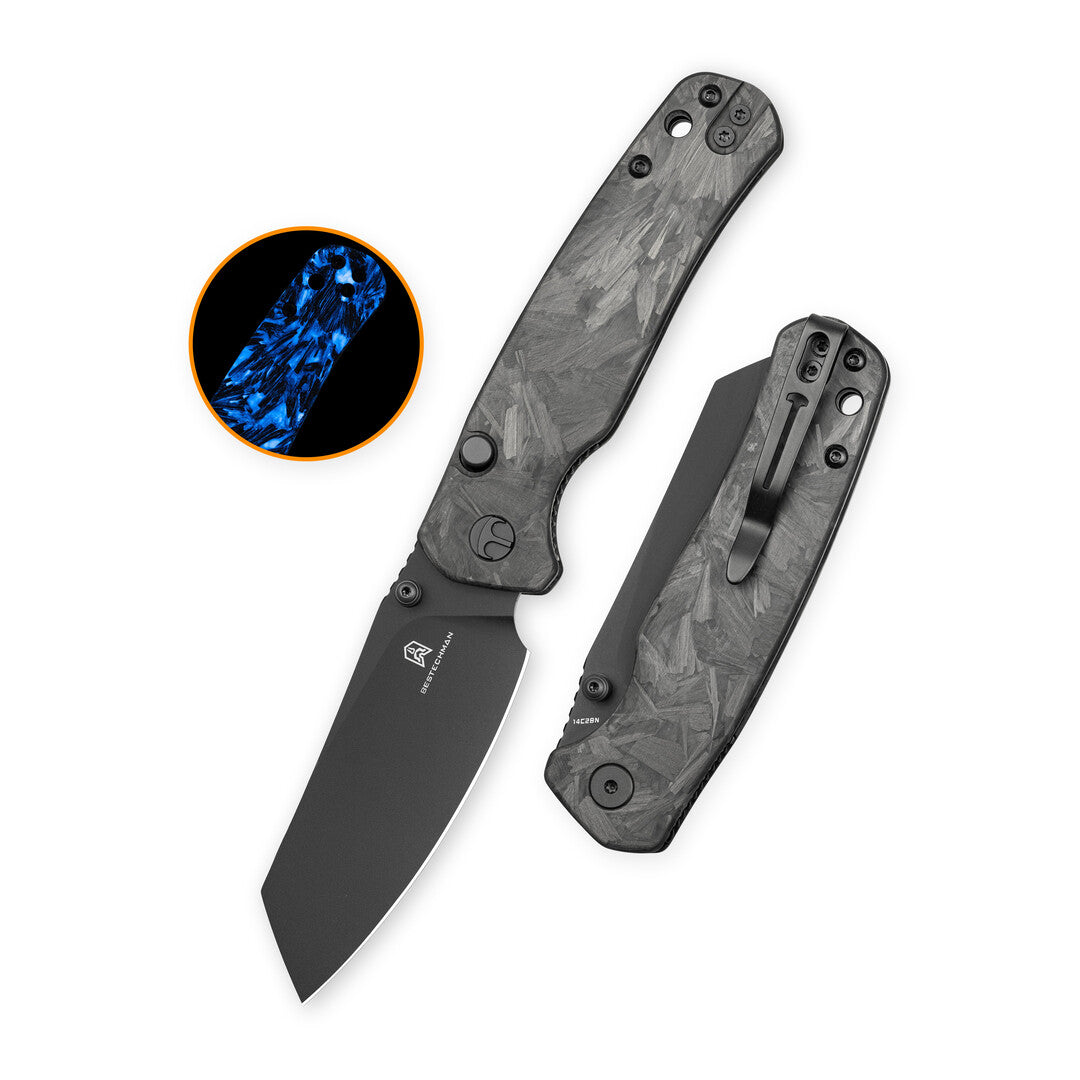
CPM-S35VN in a slip joint is a statement about intent: this is a cutting instrument, not a legal loophole. The crucible powder steel holds a fine edge for months of light duty and resists corrosion through humid summers, and Bestech knives grinds it thin for the pull cuts slip joints prefer. The titanium frame carries milled carbon fiber inlays that sit flush, and the half stop detent is tuned so the blade opens with authority yet cannot fold under normal cutting pressure.

Design & Details
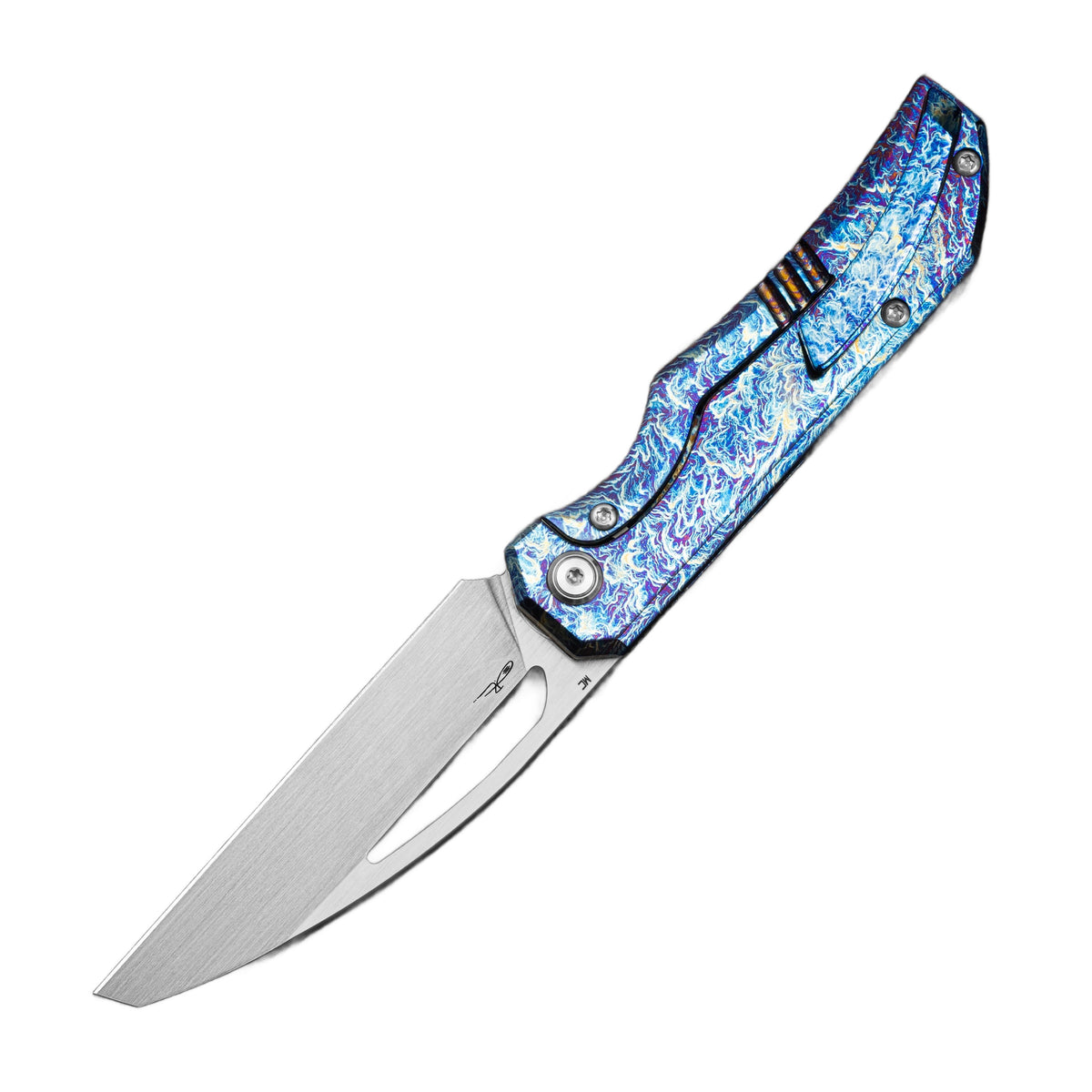
The Junzi silhouette is a long graceful teardrop with a pronounced nail nick and a half stop that leaves the blade open confidently for light work. Six variants vary through inlay color and blade finish, and the tapering handle suits medium palms with a chamfered spine and no hot spots. The deep carry clip is titanium, the lanyard slot is milled through the tail, and the whole package reads as a pocket watch rather than a work tool, which is precisely its appeal in formal settings.
Real-World Use
In practice the BT1809 covers the cutting tasks that happen in polite company: envelopes, twine, fruit, the occasional stuck zip tie. The half stop demands a deliberate two stage close, which is the platform's safety feature and becomes second nature within a day. The S35VN edge held beautifully through our two week office rotation, and as EDC knives for lock restricted environments, nothing else at this build quality exists: most slip joints still ship with budget stainless and plastic bolsters.

Ownership Notes
Care follows the premium playbook with one addition: respect the half stop, since forcing it past detent under load is the only way to damage the tuning. Wipe the blade after wet tasks, oil the backspring channel occasionally, and treat the carbon fiber inlays to a damp cloth rather than solvents. The nail nick requires no maintenance and actually improves with polished wear. If opening feels stiff at first, the detent eases noticeably over the first hundred cycles.
Who Is This For?
The Junzi belongs with professionals in lock restricted workplaces, collectors of the slip joint renaissance, and anyone who wants a formal folder that does not pretend to be tactical. It also makes a meaningful gift in regions where locking blades complicate carry, since the recipient gets genuine supersteel rather than a legal compromise. Skip it if you regularly cut wire or prying tasks; the platform is honest about its limits. At EdcMall the full six variant run is listed, and the carbon fiber inlay versions lead the sales.
Final Verdict
The BT1809 is Bestech's argument that the oldest folder design deserves the newest steel. CPM-S35VN, titanium and carbon fiber elevate the slip joint from legal workaround to legitimate premium instrument, and the half stop tuning shows real engineering care. Pick the BT1809F for the carbon fiber dressing or the plainer variants for discretion. Either way, this is the most gentlemanly knife in the catalogue and among its best built.