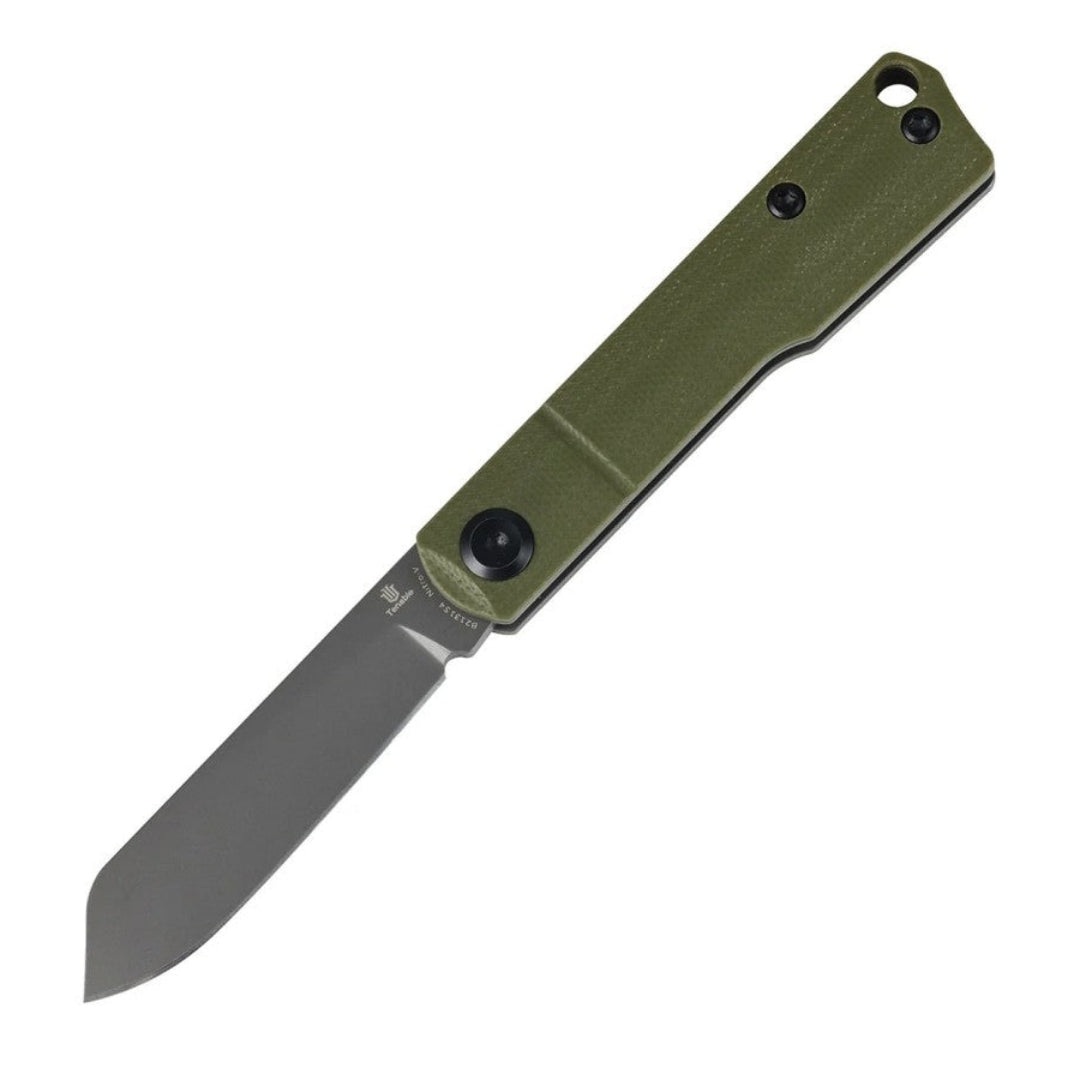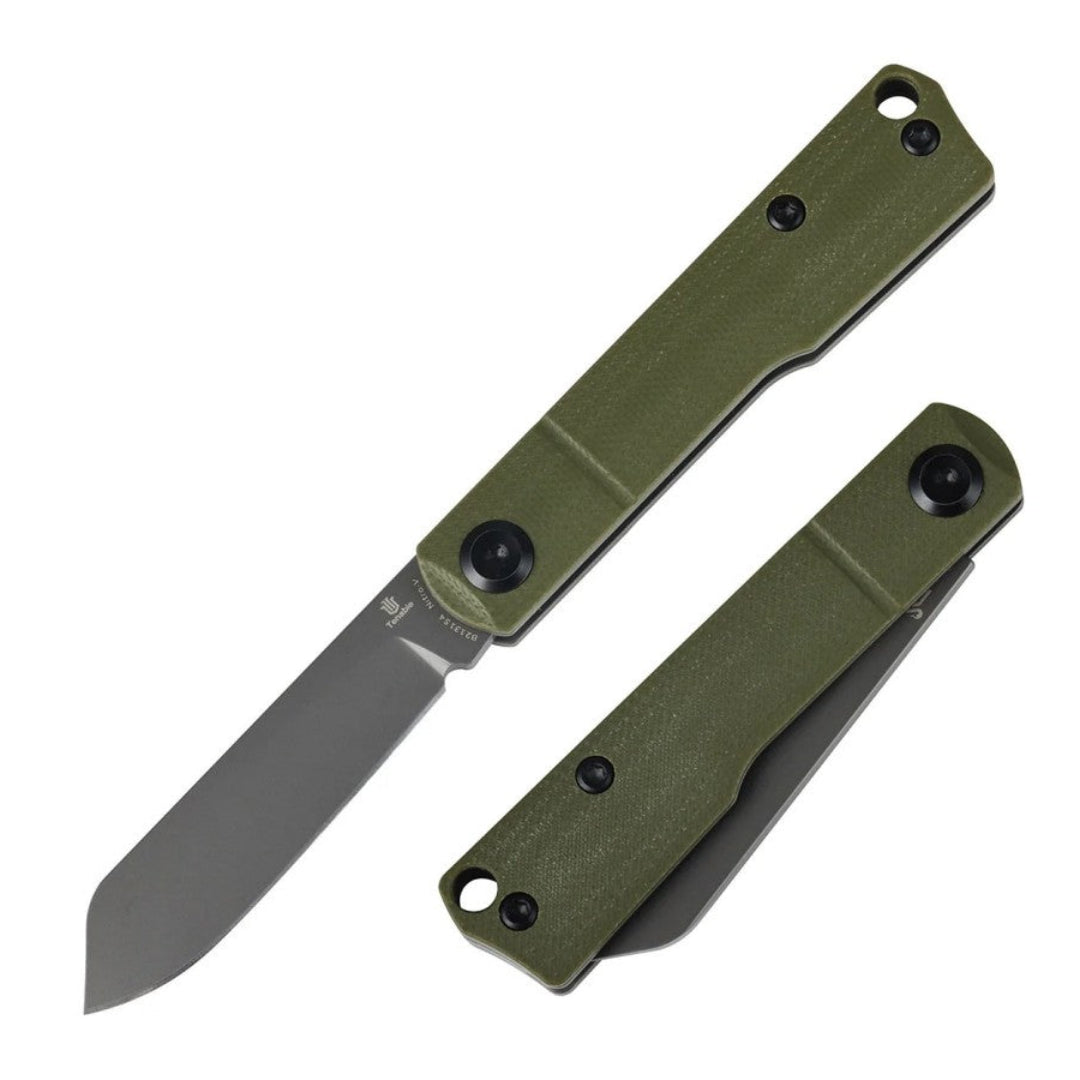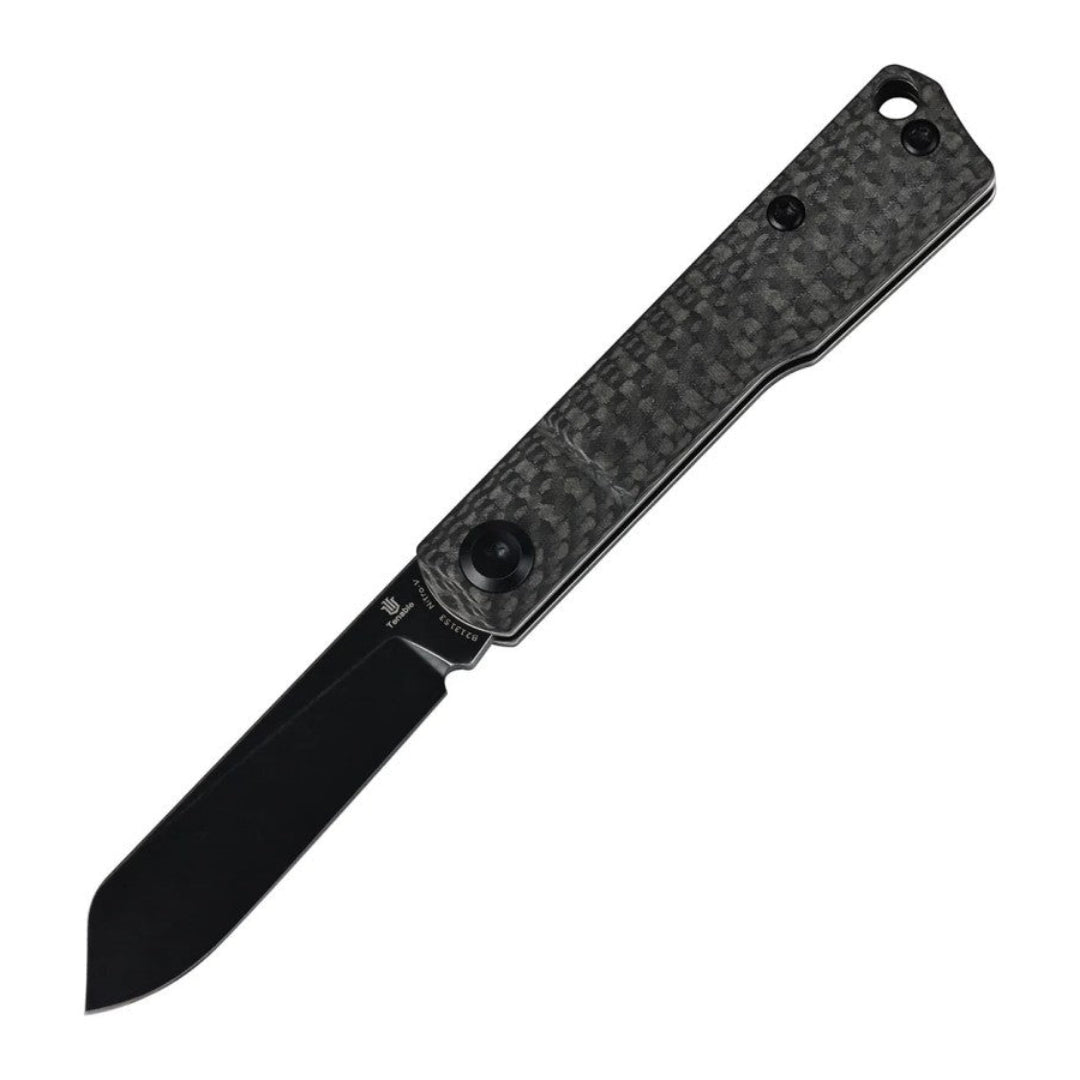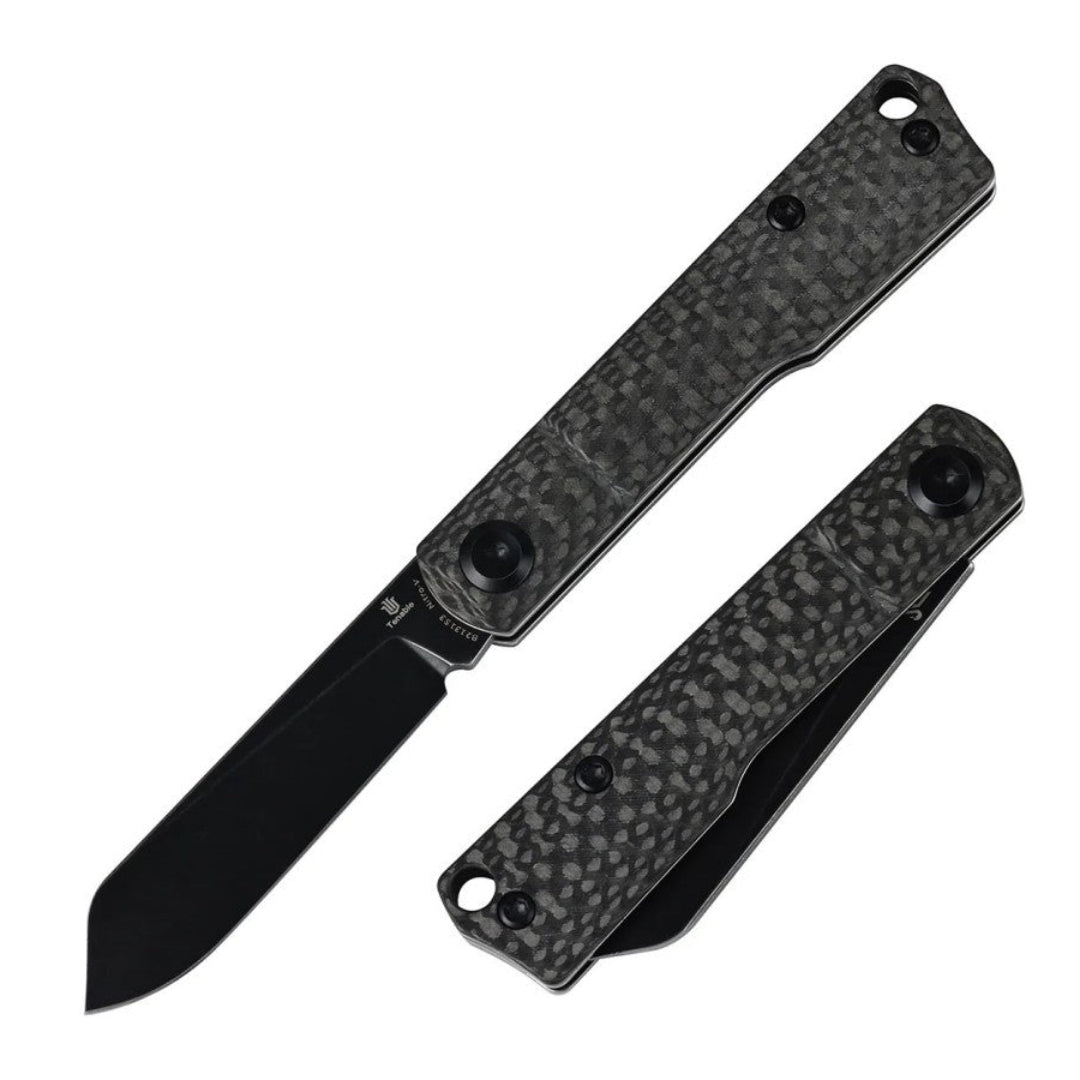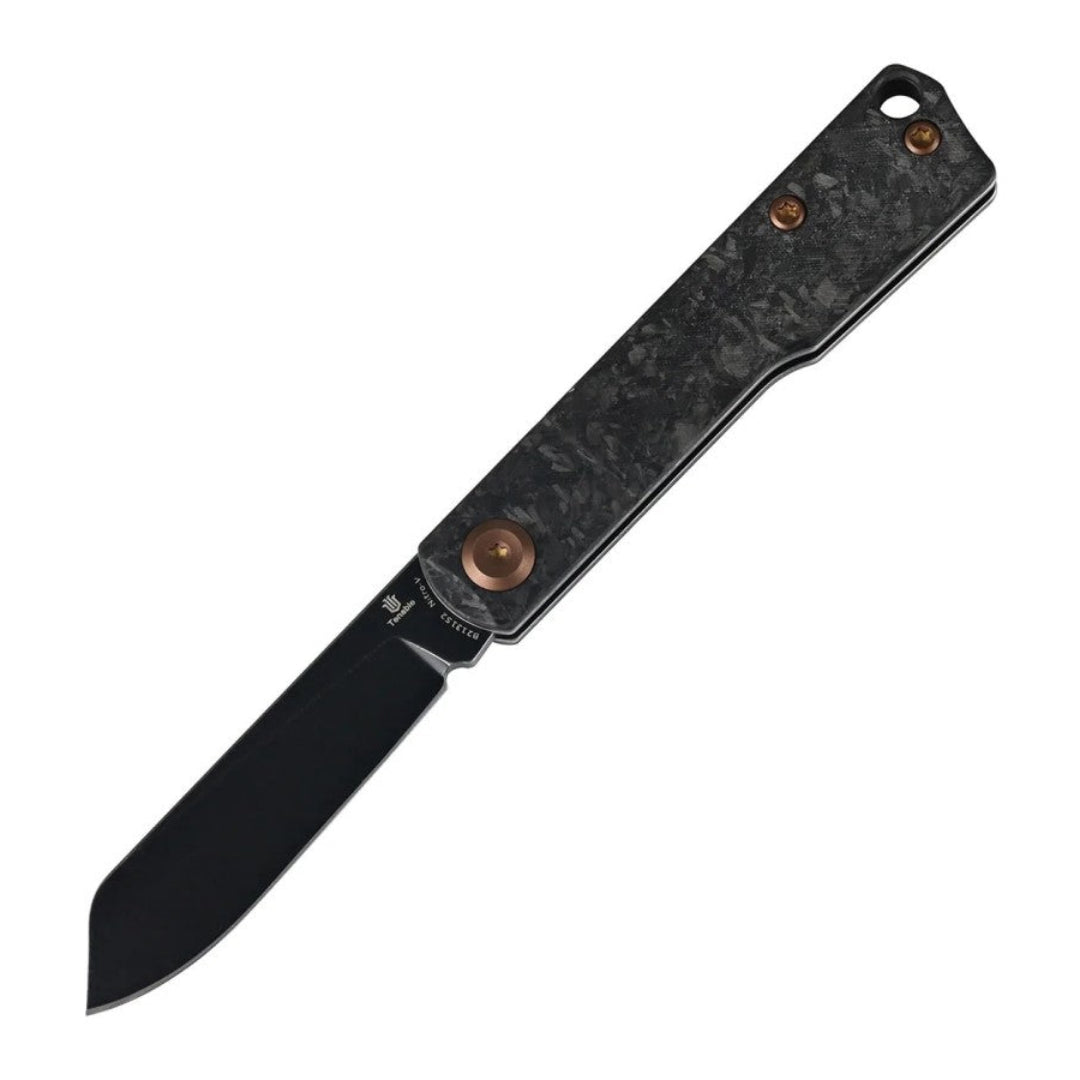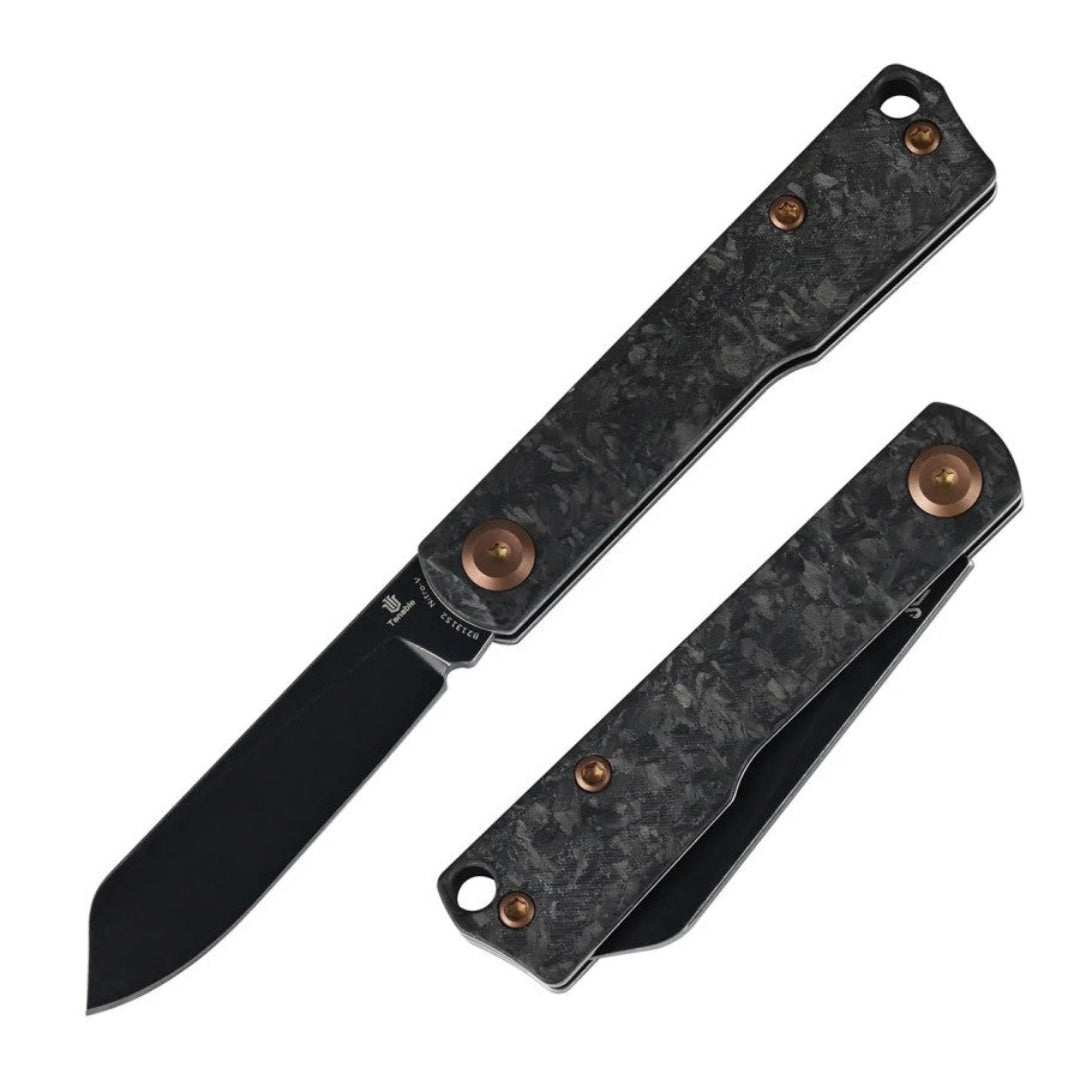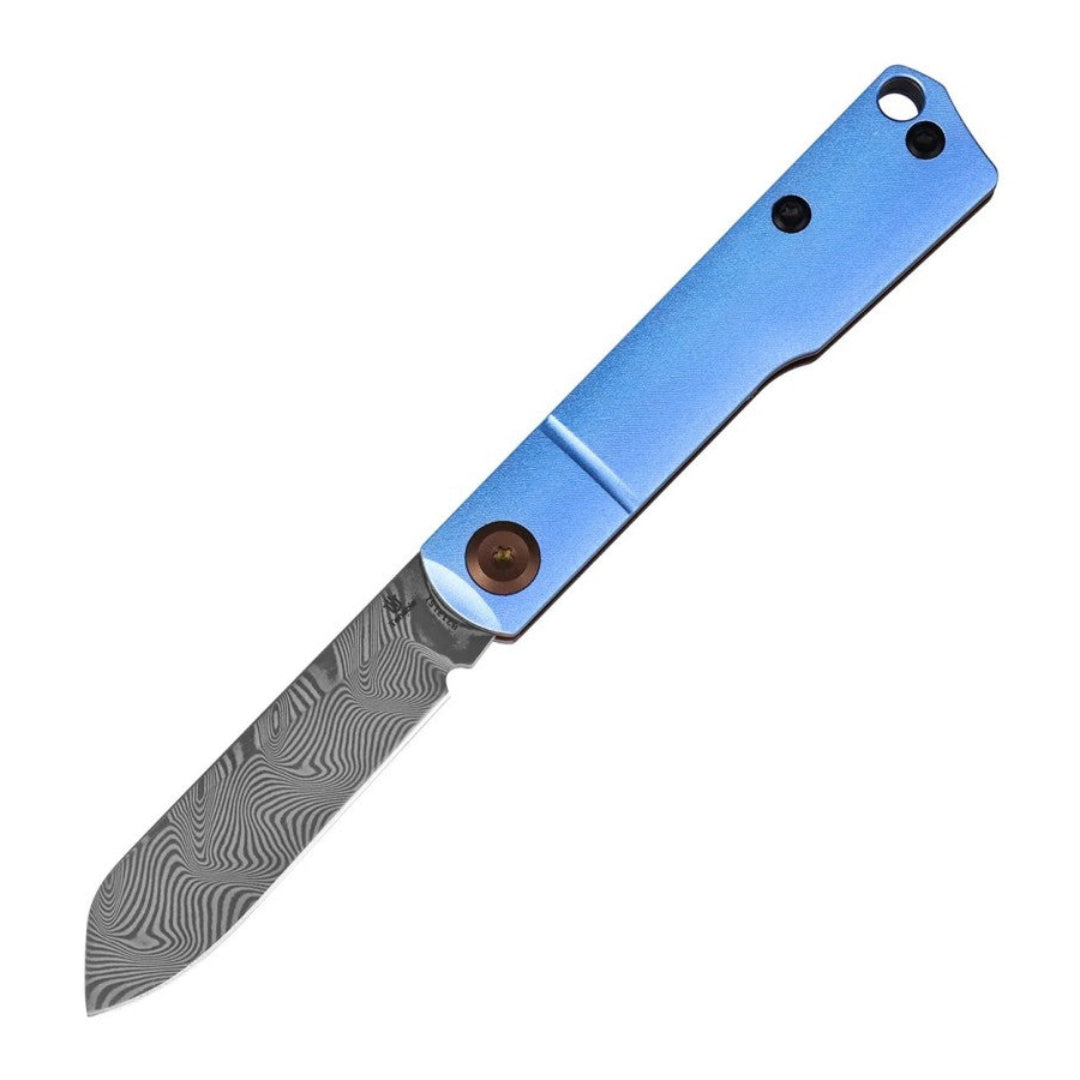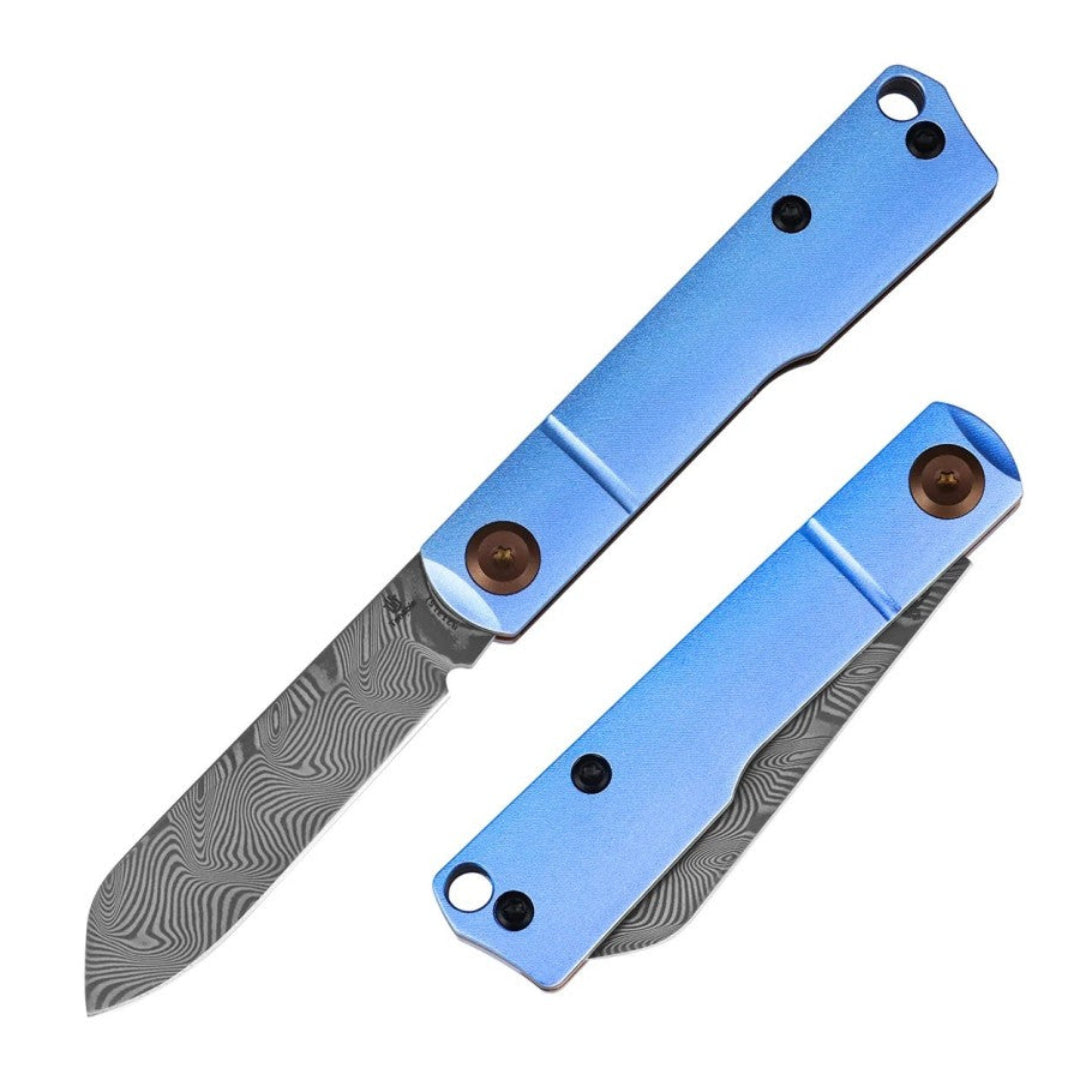
When browsing for a high-end everyday carry (EDC) folding knife, paper specifications can be incredibly seductive. It is easy to look at a list of premium materials—like aerospace-grade titanium, ceramic bearings, and particle metallurgy super steels—and assume a knife will perform flawlessly in the field. However, any seasoned gear enthusiast knows that paper specs only tell half the story. The real test is how those factory dimensions translate into actual cutting performance, ergonomic comfort, and mechanical reliability.
The Bestech Senu series, born from the creative mind of custom knife designer Grzegorz Grabarski (Kombou), boasts a spectacular spec sheet that positions it right at the top of the premium production market. But how do these high-end metrics translate to real-world performance? Let’s put the Senu's paper specifications head-to-head with its actual hands-on performance.
Specification 1: Blade Steel & Geometry
CPM S90V vs. Real-World Edge Longevity
-
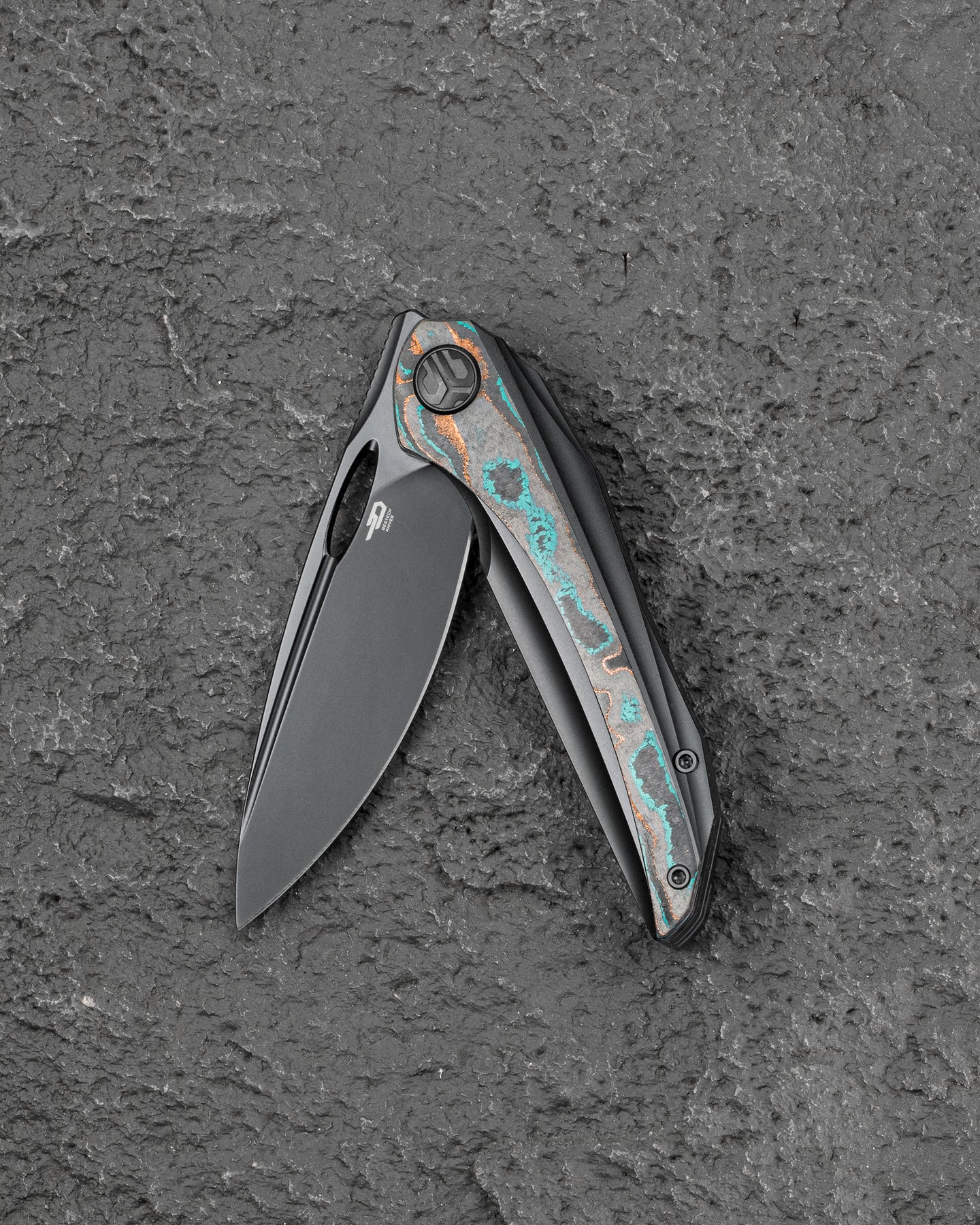
The Spec: 3.48-inch (88.4 mm) Drop Point blade crafted from American Crucible CPM S90V stainless steel, hardened to 61–63 HRC, featuring a full flat grind and a spine thickness of 0.13 inches (3.3 mm).
-
Actual Performance: On paper, CPM S90V is a legendary super steel famed for its near-extreme wear resistance due to a massive 9% vanadium content. In actual performance testing, Bestech’s factory heat treatment fully delivers on this promise.
The full flat grind combined with a lean thickness behind the edge makes the Senu an absolute slicing machine. It effortlessly glides through thick corrugated cardboard, fibrous ropes, and heavy plastics. While standard steels like M390 begin to lose their hair-shaving sharpness after a few weeks of heavy breakdown tasks, the Senu holds its biting factory apex for months.
Note on Maintenance: Because S90V is loaded with ultra-hard vanadium carbides, it is highly resistant to traditional sharpening stones. To maintain this edge under actual use, regular stropping on leather loaded with diamond paste is highly recommended to avoid a lengthy re-profiling session later.
Specification 2: Weight & Handle Engineering
3.81 Ounces vs. Real-World Carrying Comfort
-
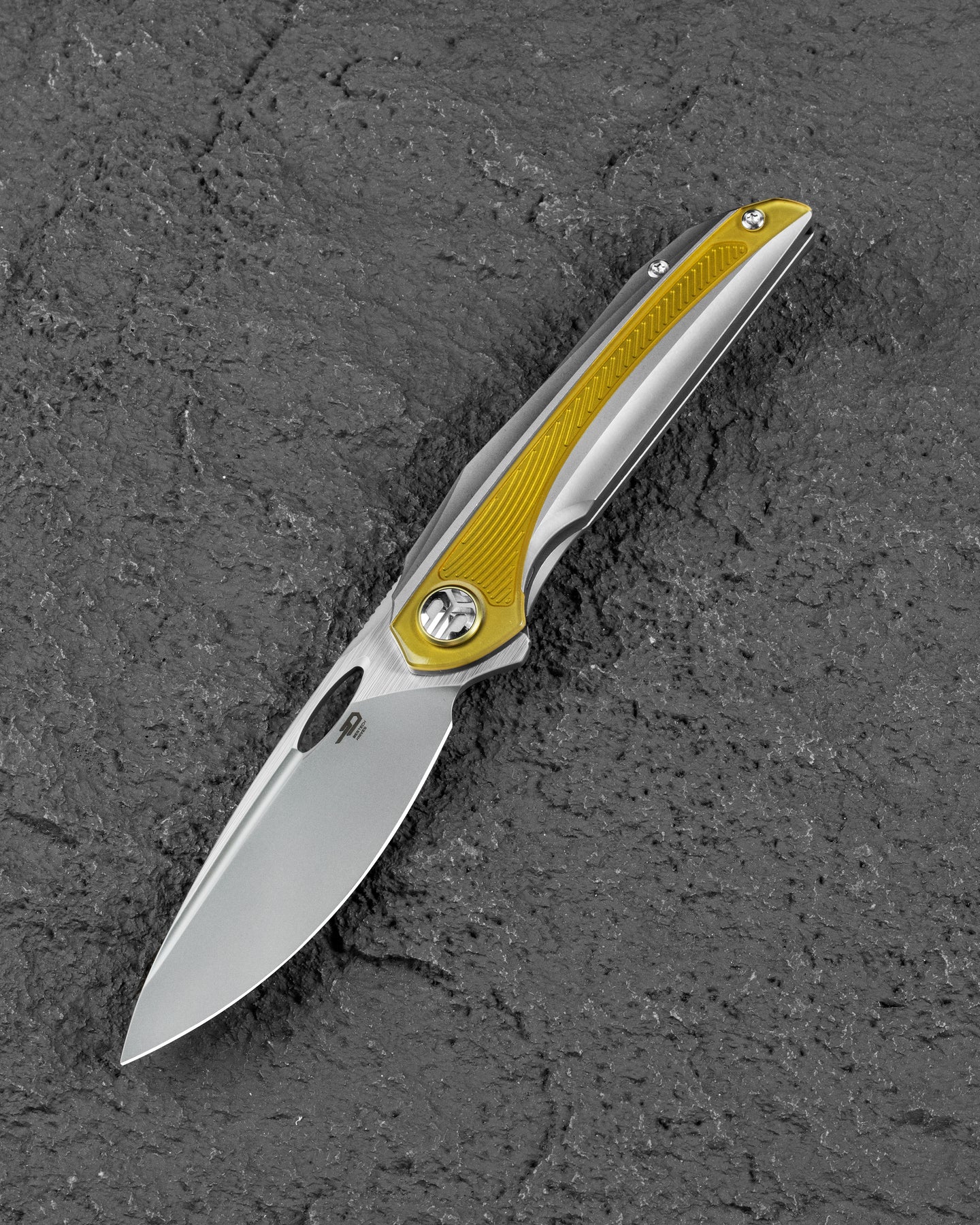
The Spec: Overall length of 7.96 inches (202.3 mm) with a 6AL4V Titanium frame featuring custom-fit handle inlays (Carbon Fiber, FatCarbon, or Ultem). Total weight is rated at a lean 3.81 ounces (108 grams).
-
Actual Performance: For an all-metal folding knife spanning nearly 8 inches, a weight sub-4 ounces is visually surprising. In hand and pocket, the Senu feels incredibly nimble. Bestech achieves this spec through extensive internal pocket skeletonization, milling away unneeded metal from the inside walls of the titanium slabs.
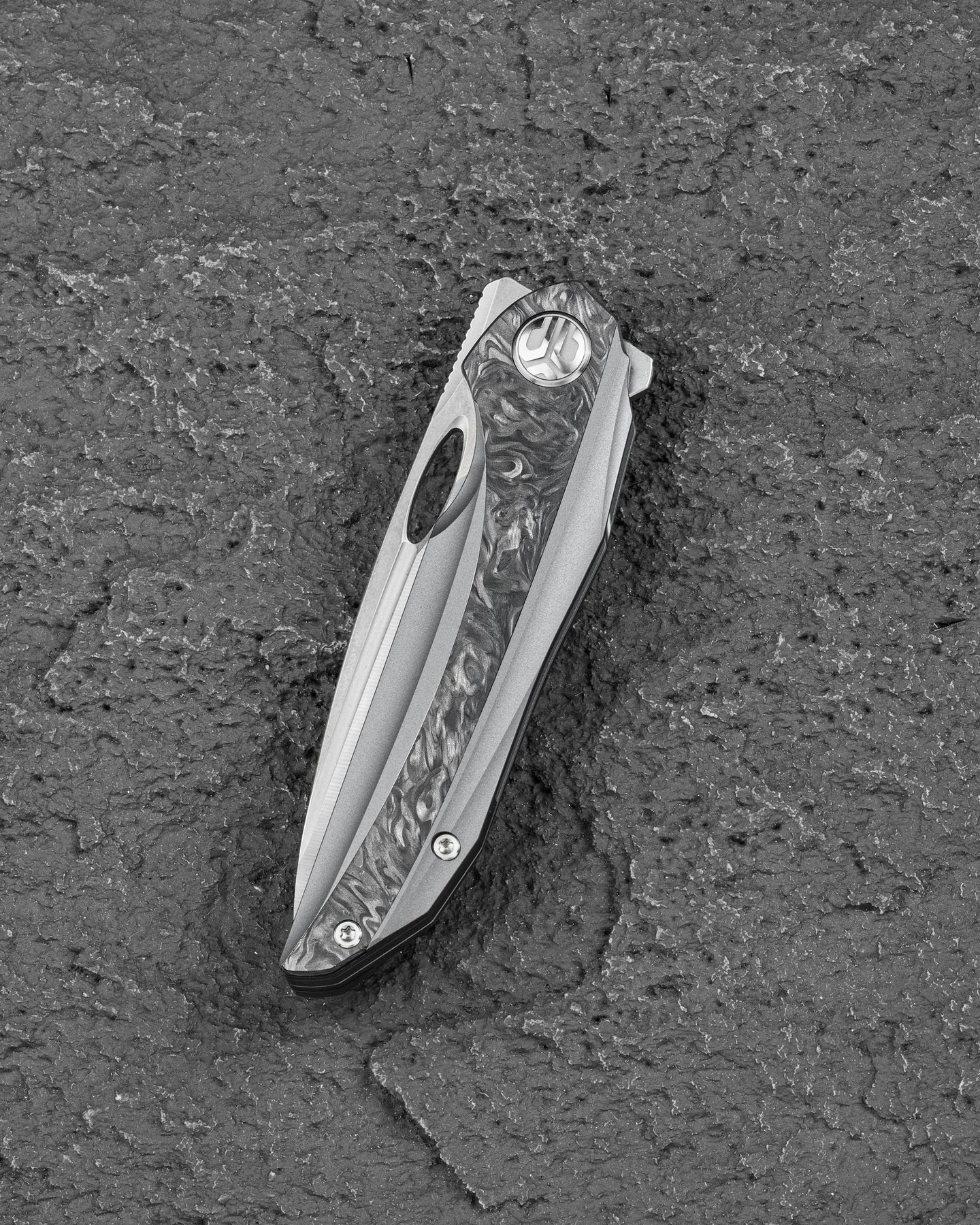
The 3D-contoured ergonomics fill a medium-to-large palm perfectly. Grabarski’s eagle-inspired profile provides a gentle palm swell and radius chamfering along the spine that prevents hot spots during heavy downward cutting pressure. Furthermore, Bestech applies custom-level tolerances to the handle inserts. There are absolutely zero palpable lips or gaps where the carbon fiber or Ultem joins the titanium frame, ensuring a smooth handling experience.
Specification 3: Deployment & Pivot Action
Ceramic Bearing Pivot vs. The "Fidget Factor"
-
The Spec: Caged ceramic ball bearing pivot system paired with a multi-deployment layout featuring a low-profile flipper tab and an integrated thumb hole cutout along the blade spine.
-
Actual Performance: Ceramic bearings are technically harder and smoother than stainless steel, but action relies entirely on detent tuning. The actual performance of the Senu's action is exceptionally fluid.
The detent is tuned to a medium-stiff setting. When pulling down on the flipper tab, the blade breaks past the detent cleanly and flies open with a tactile, metallic snap. The elongated thumb hole cutout is equally functional, positioned flawlessly to allow for a elegant thumb rollout or a snappy middle-finger reverse flick. It requires zero break-in period out of the box and operates with a glassy smoothness.
Specification 4: Lockup & Long-Term Safety
Titanium Framelock vs. Structural Security
-
The Spec: Integral Titanium Frame Lock equipped with a hardened steel lockbar insert and a built-in overtravel protection stop.
-
Actual Performance: Titanium-on-steel interfaces can slip or develop "lock rock" over time. By incorporating the hardened steel insert, Bestech ensures a secure steel-on-steel lockup face.
In real-world testing, the lock engages securely at roughly 30% engagement with absolutely zero vertical or horizontal blade wobble. The integrated overtravel stop prevents the user from accidentally flexing the lockbar too far outward when closing the knife, preserving the critical spring tension required to keep the blade securely bias-closed inside the pocket.
Spec vs. Performance Comparison Summary
| Technical Specification | Actual Field Performance |
| CPM S90V Steel (61-63 HRC) | Exceptional abrasive wear resistance; cuts cardboard for months. |
| 3.81 Ounces Total Weight | Feels balanced and agile; extensive internal skeletonization. |
| Flush Composite Inlays | Completely seamless transitions; zero ergonomic hot spots. |
| Ceramic Ball Bearings | Hydraulic, glassy deployment via flipper or thumb hole. |
| Steel Lockbar Insert | Reassuring vault-like lockup; zero stickiness or blade play. |
The Ultimate Verdict
The Bestech Senu is a spectacular example of a premium production knife that doesn't just meet its paper specifications—it completely surpasses them in actual execution. By matching top-tier particle metallurgy with zero-tolerance CNC machining and highly dialed mechanical detents, Bestech and Grzegorz Grabarski have crafted an EDC companion that functions cleanly as an elite cutting tool. For the discerning user seeking custom-tier engineering at a production price point, the Bestech Senu delivers flawless real-world capability.