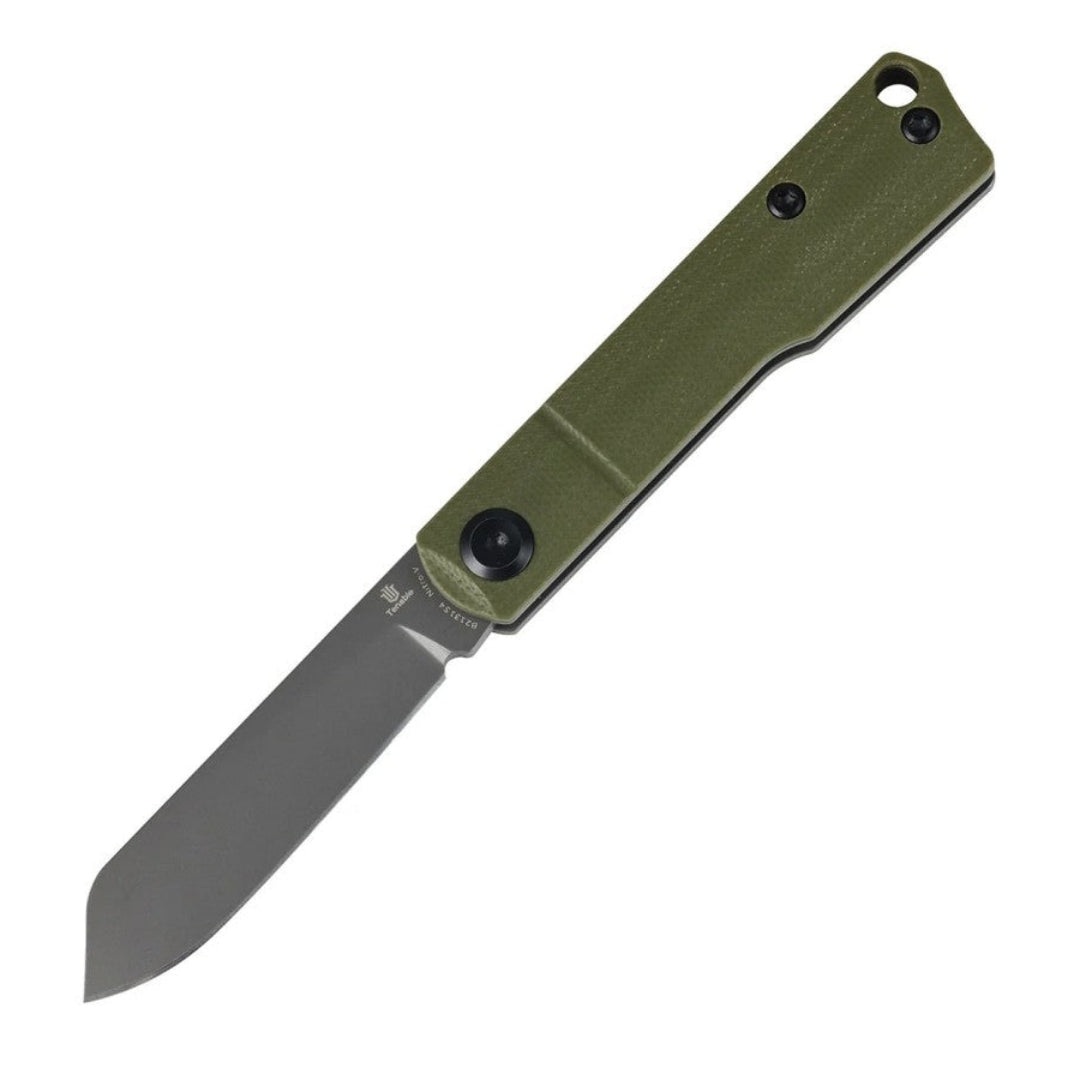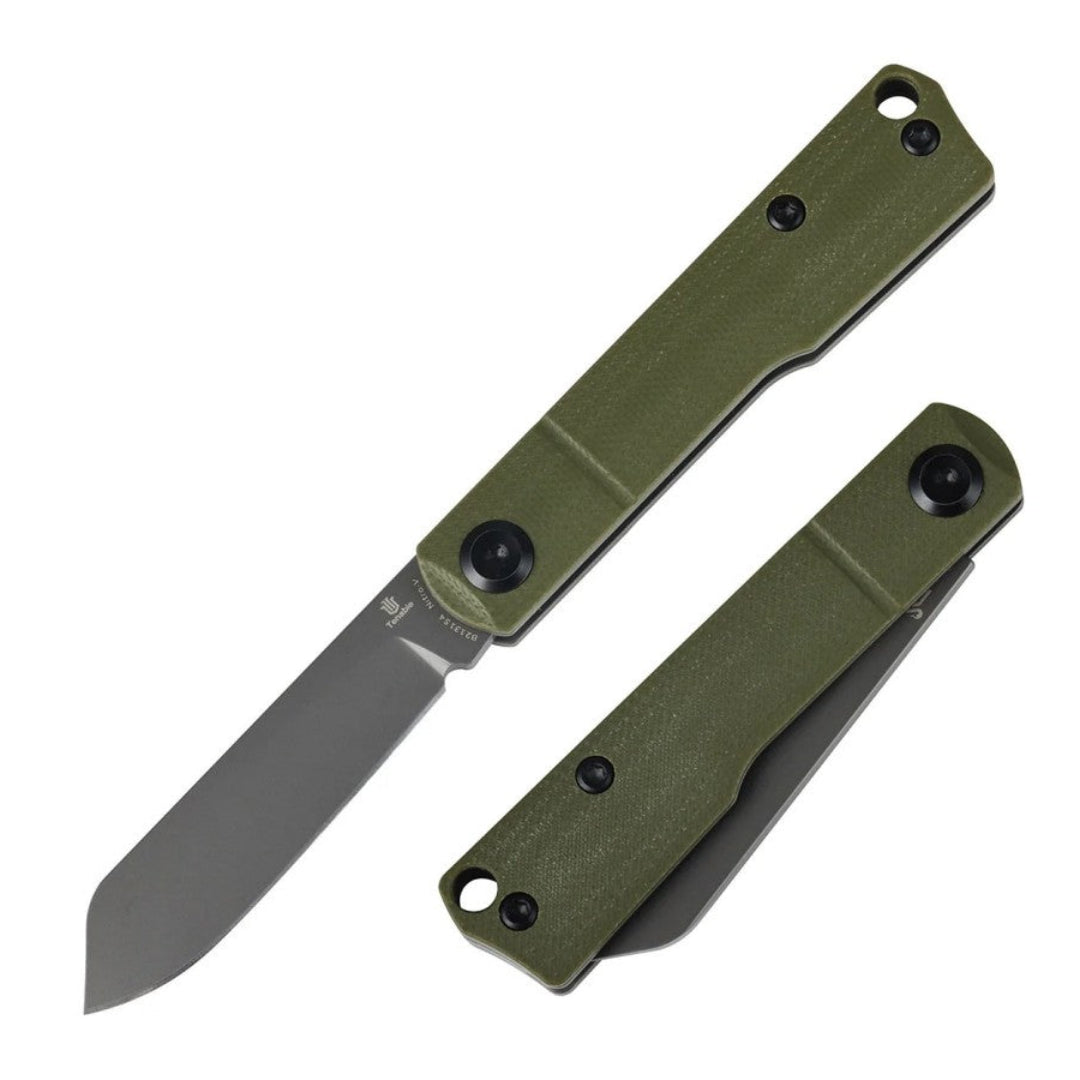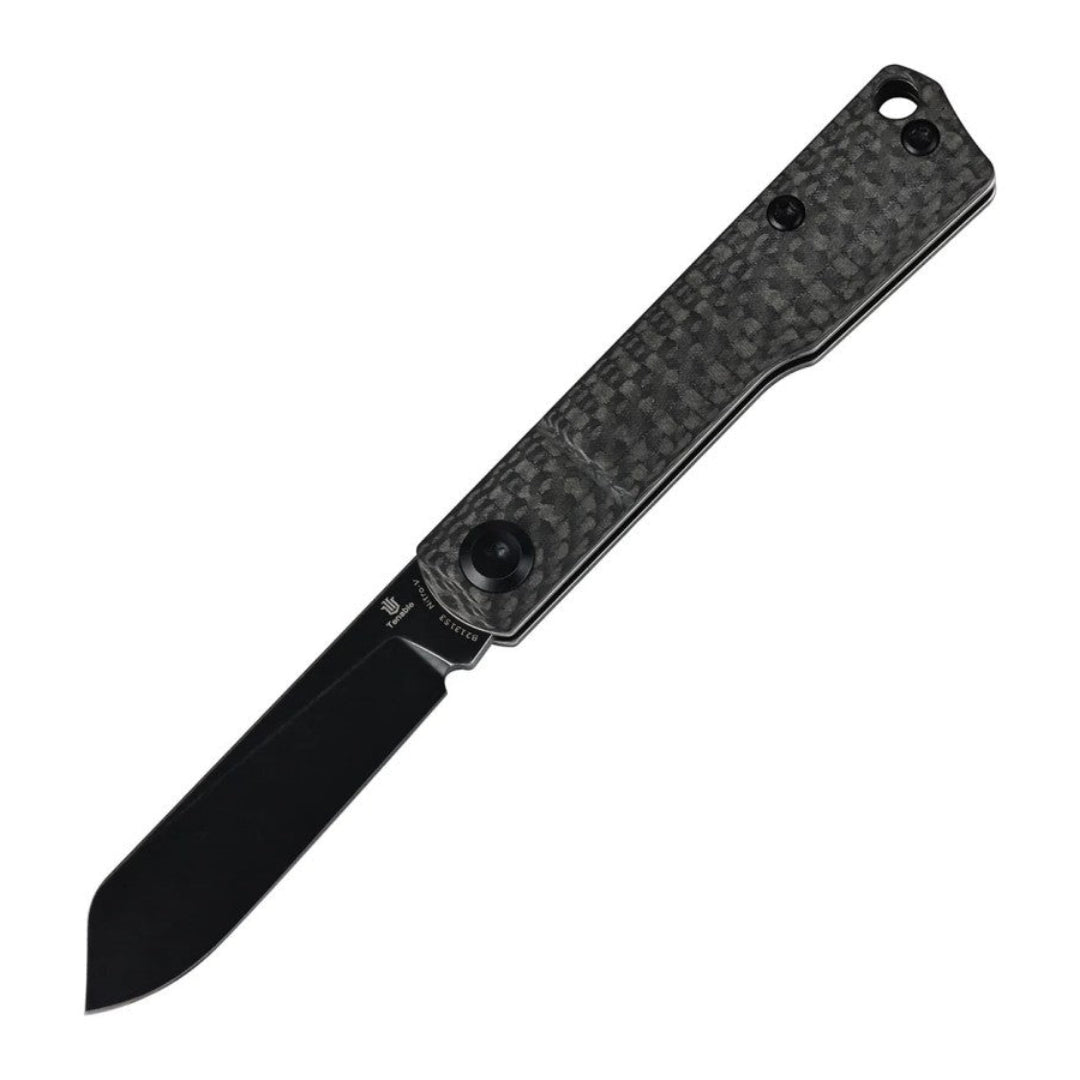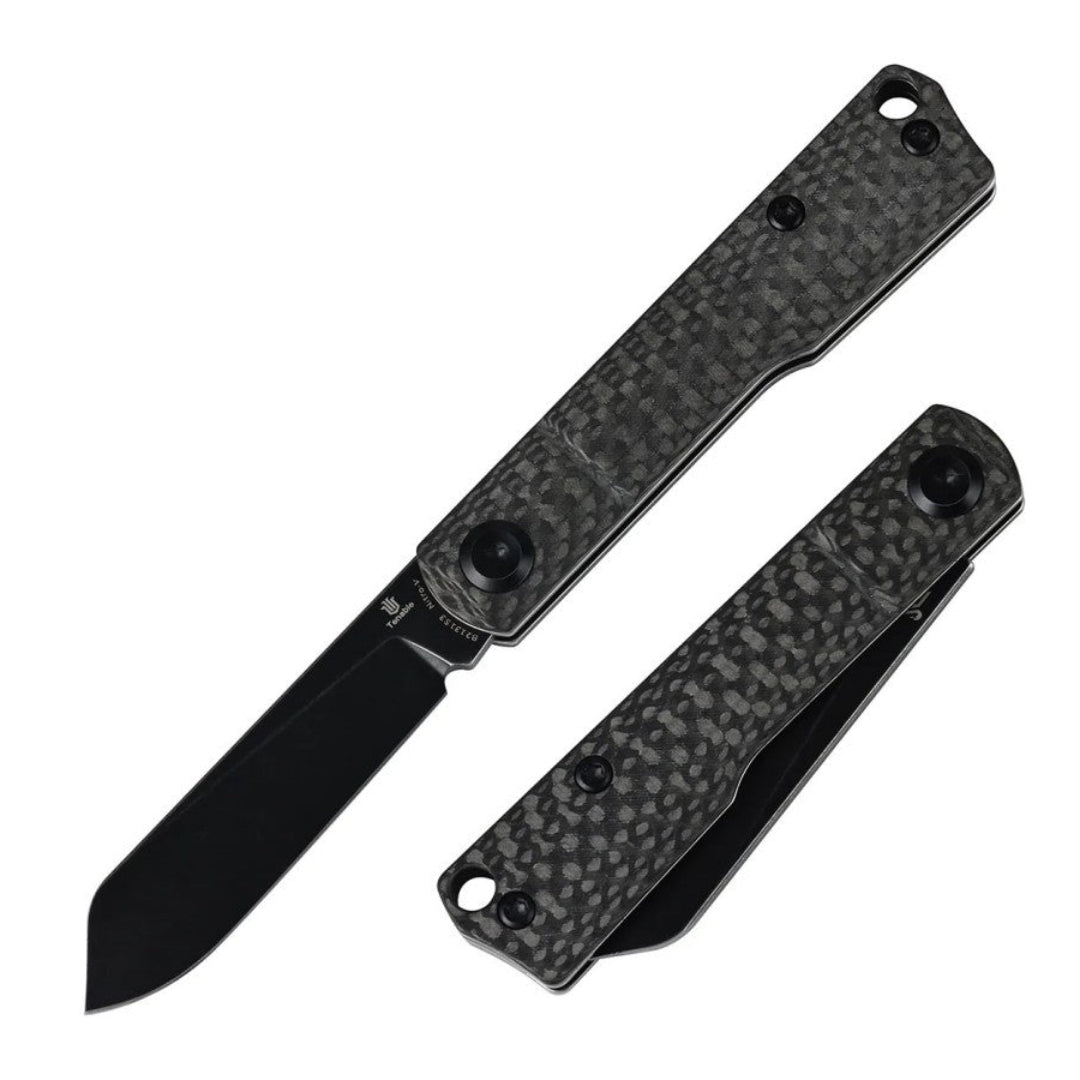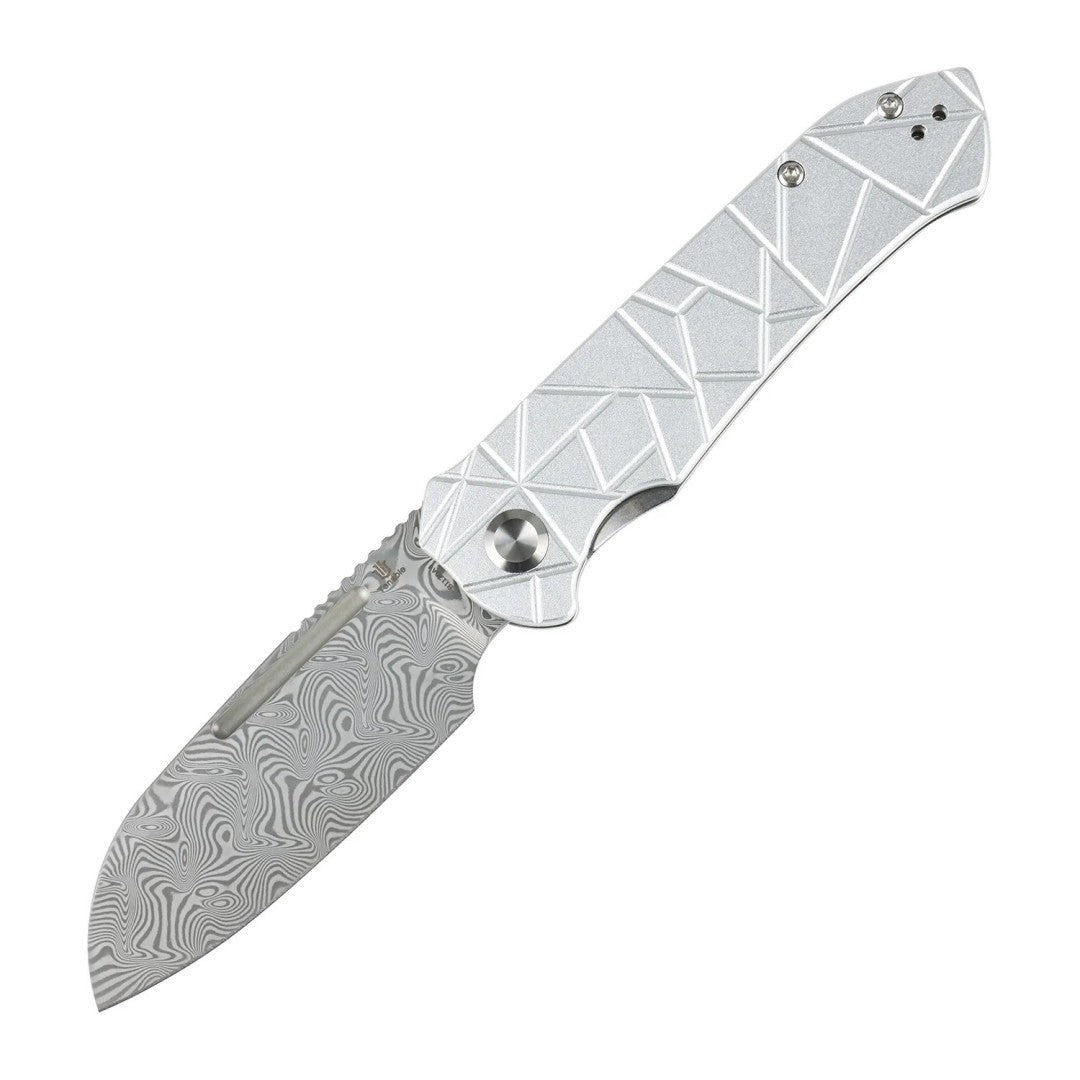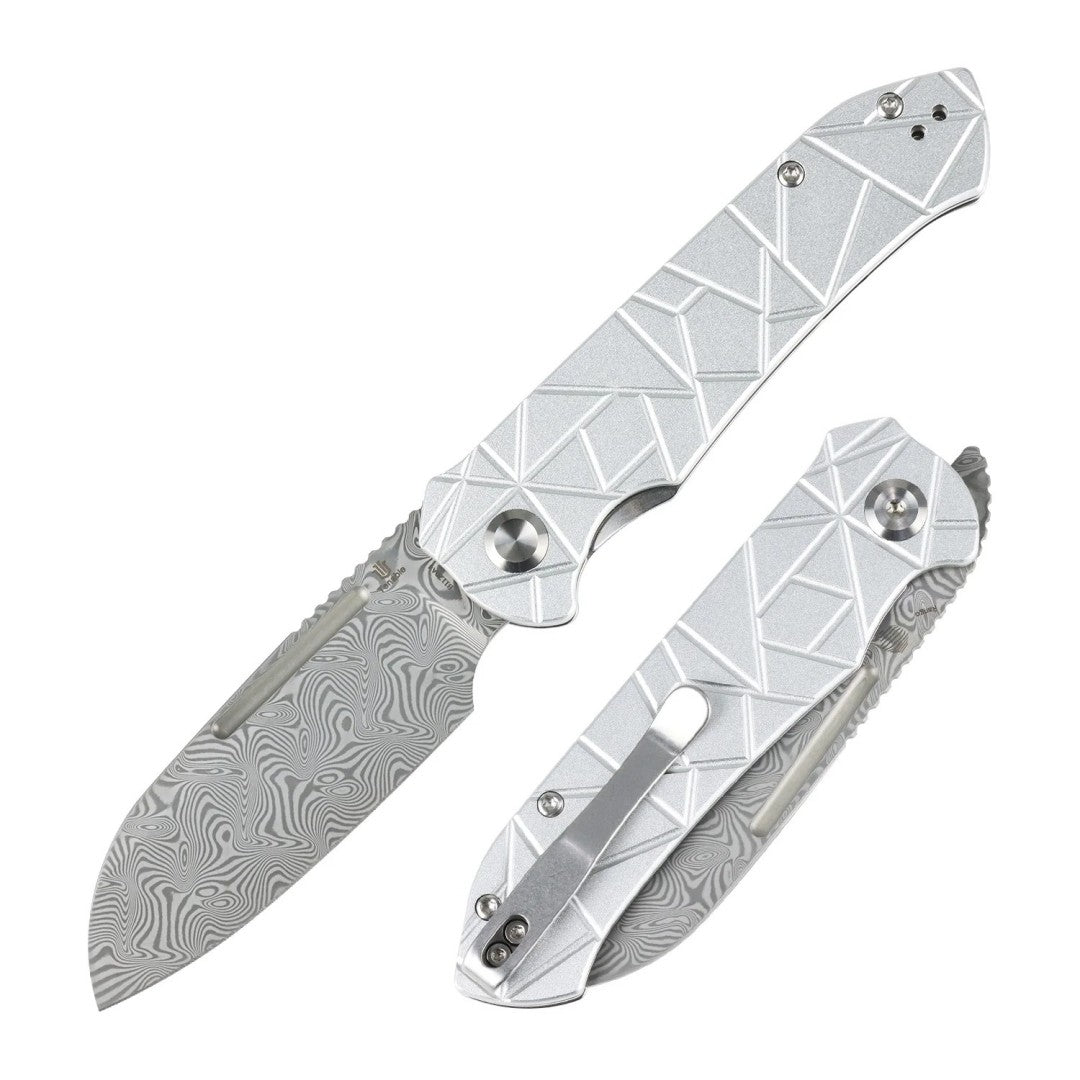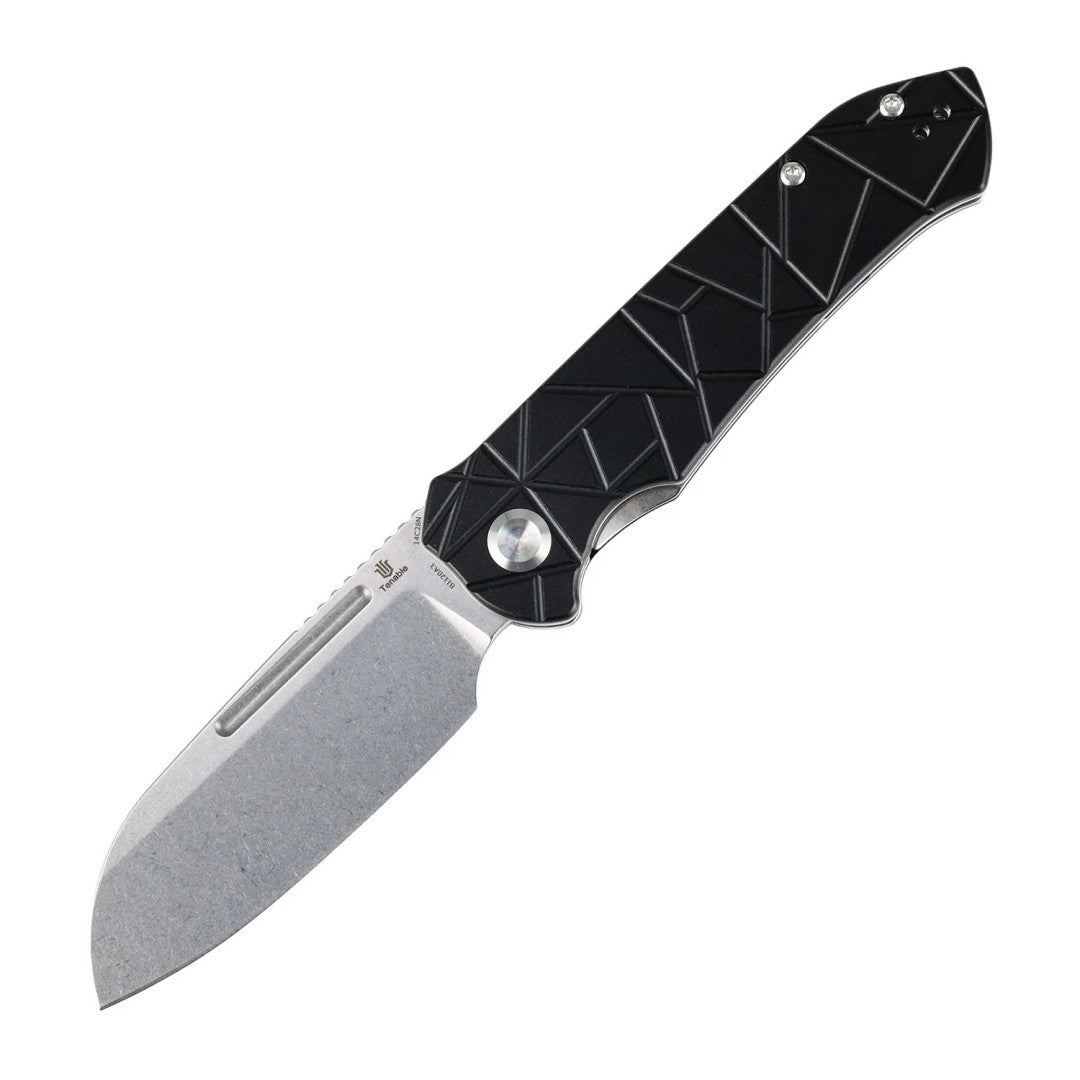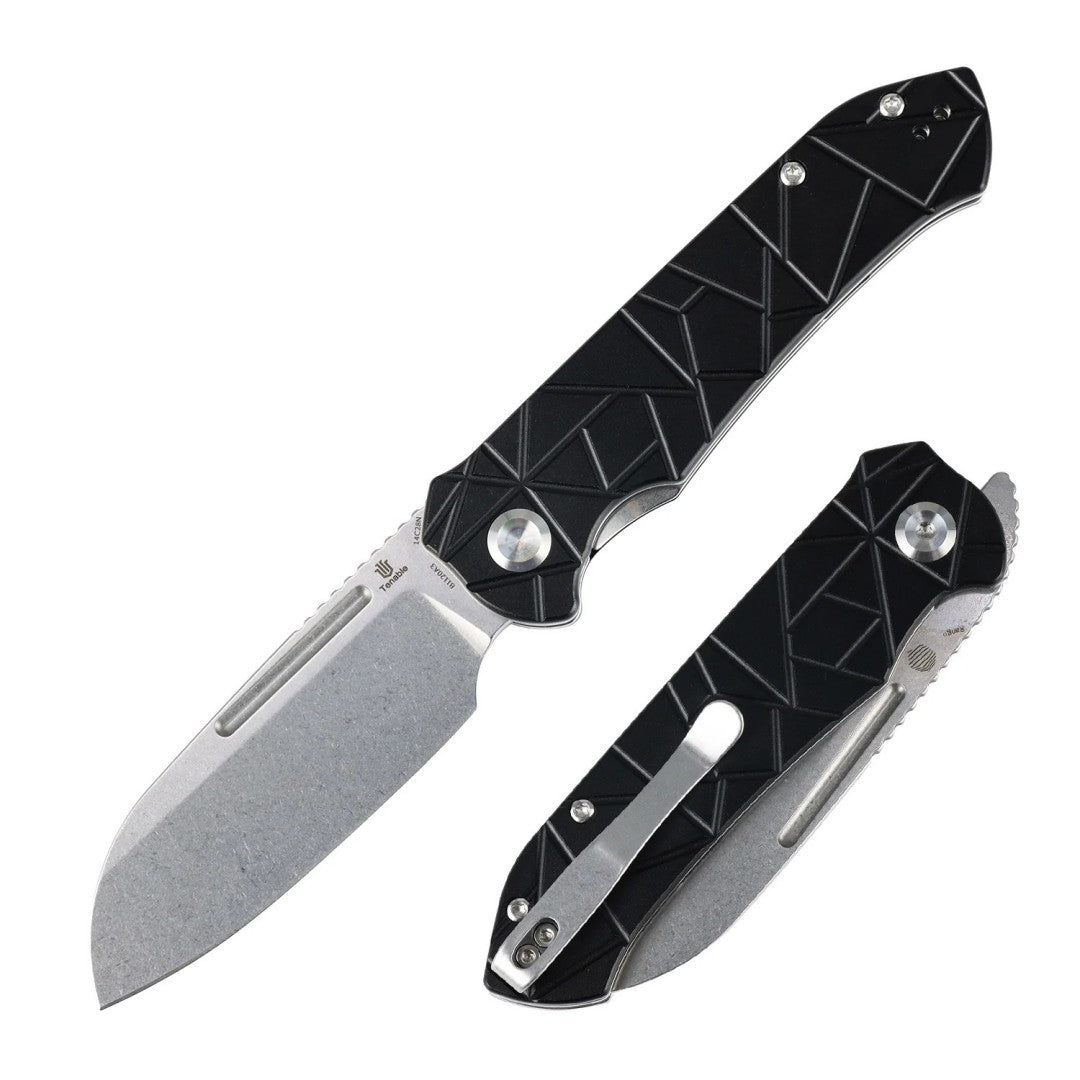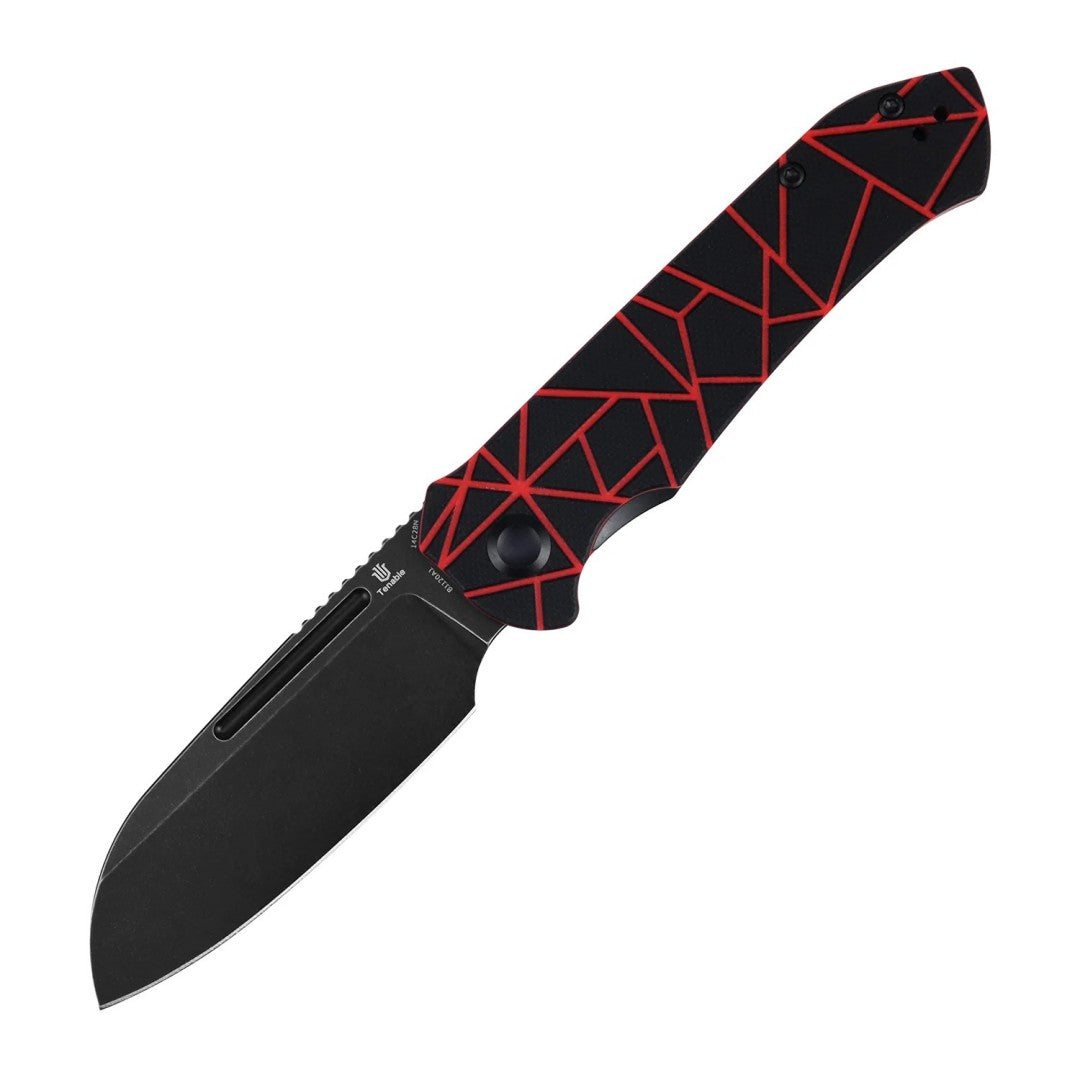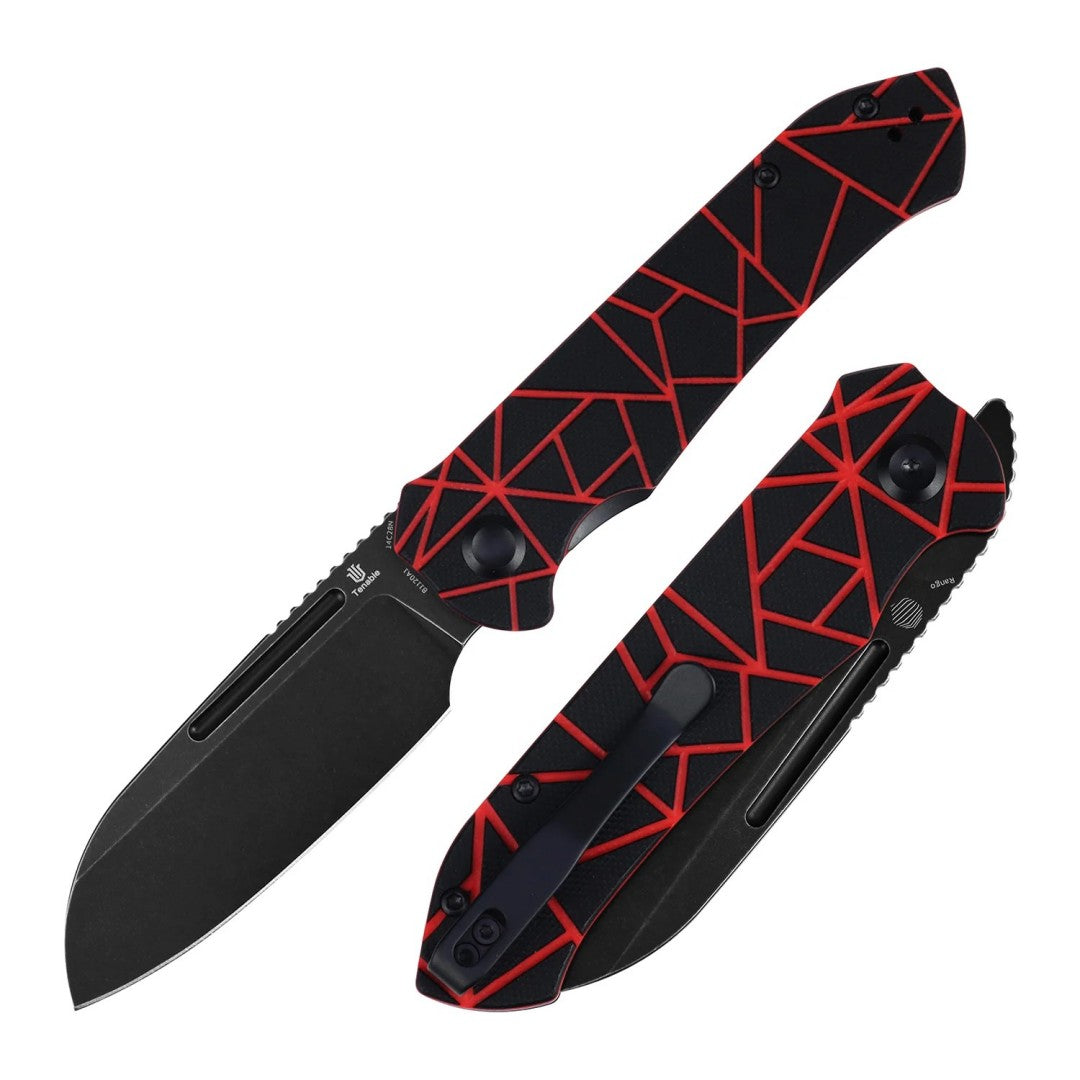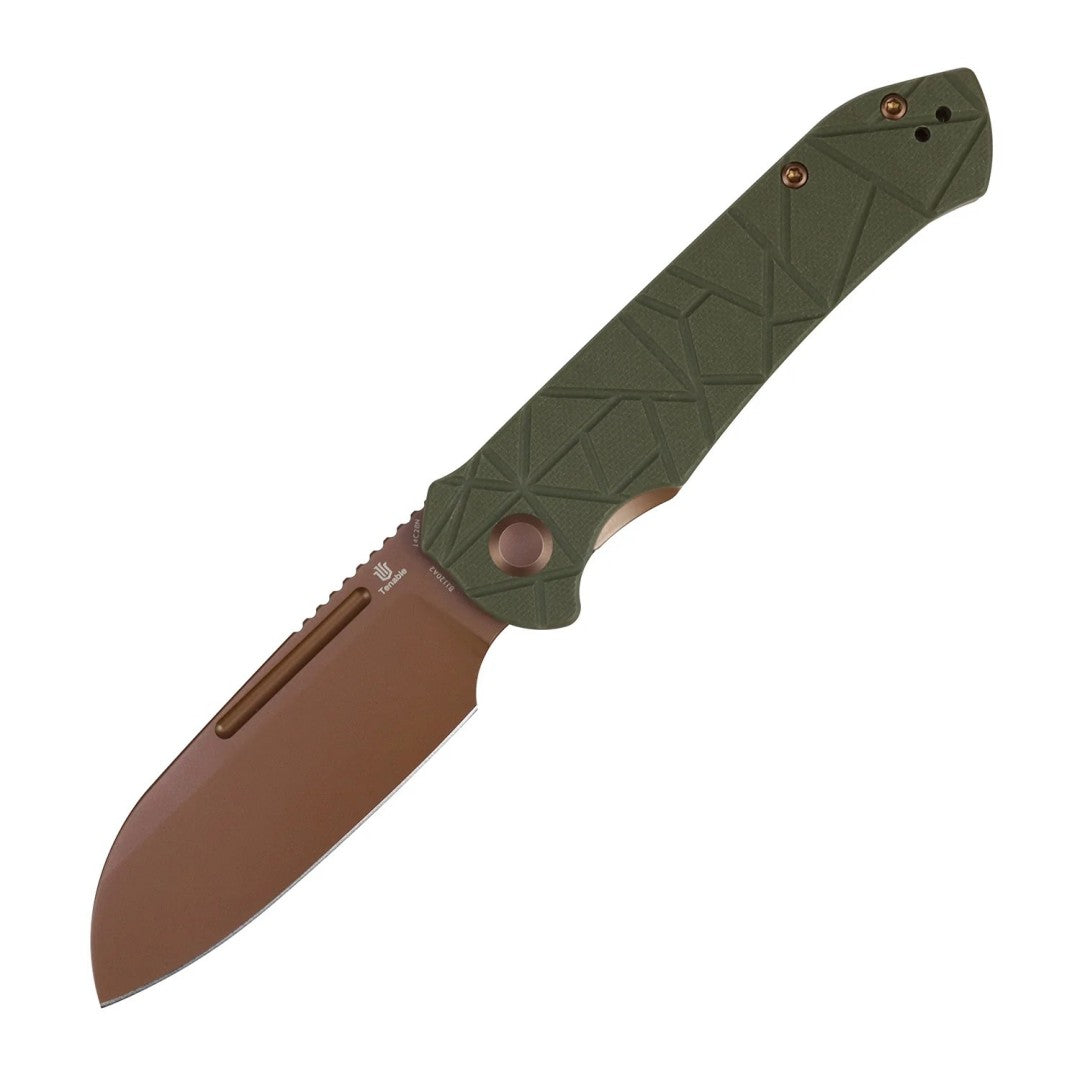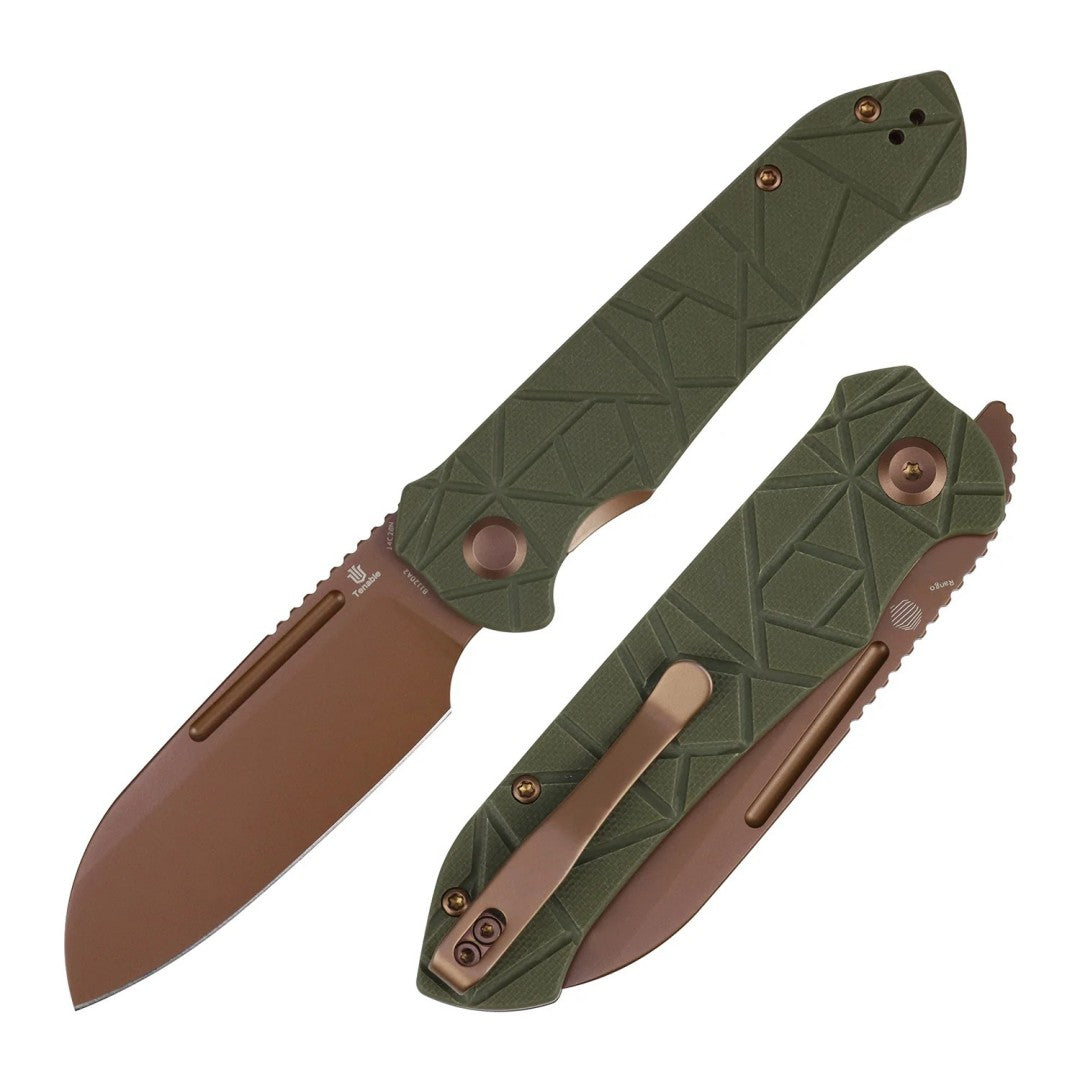
When investing in a high-end production folder, initial impressions out of the box only tell half the story. A pivot can feel buttery smooth on day one, and a lock can snap shut with authority when pristine. However, the true test of a premium everyday carry (EDC) knife is how its mechanical engineering holds up after months of pocket carry, dust exposure, and demanding cutting tasks.
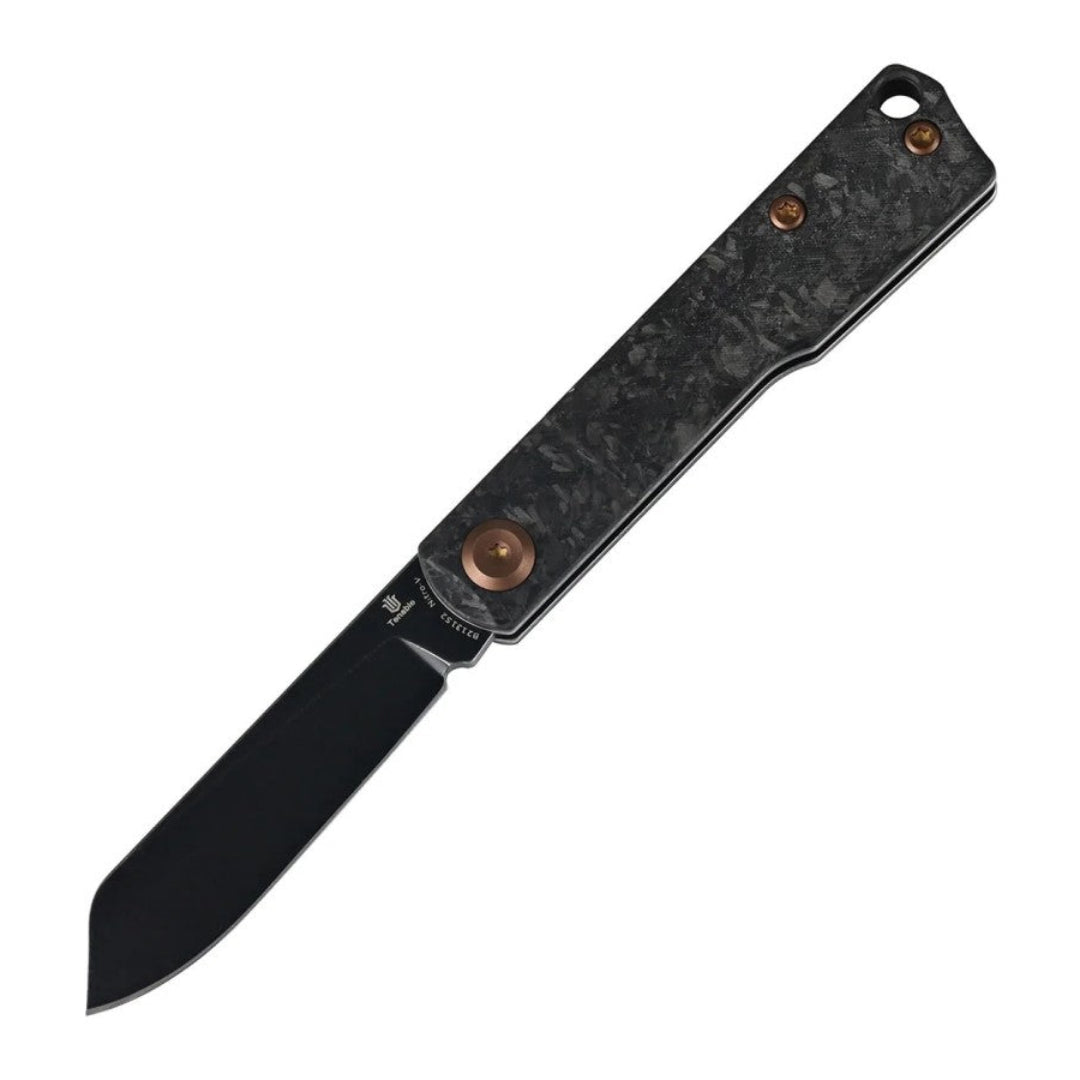
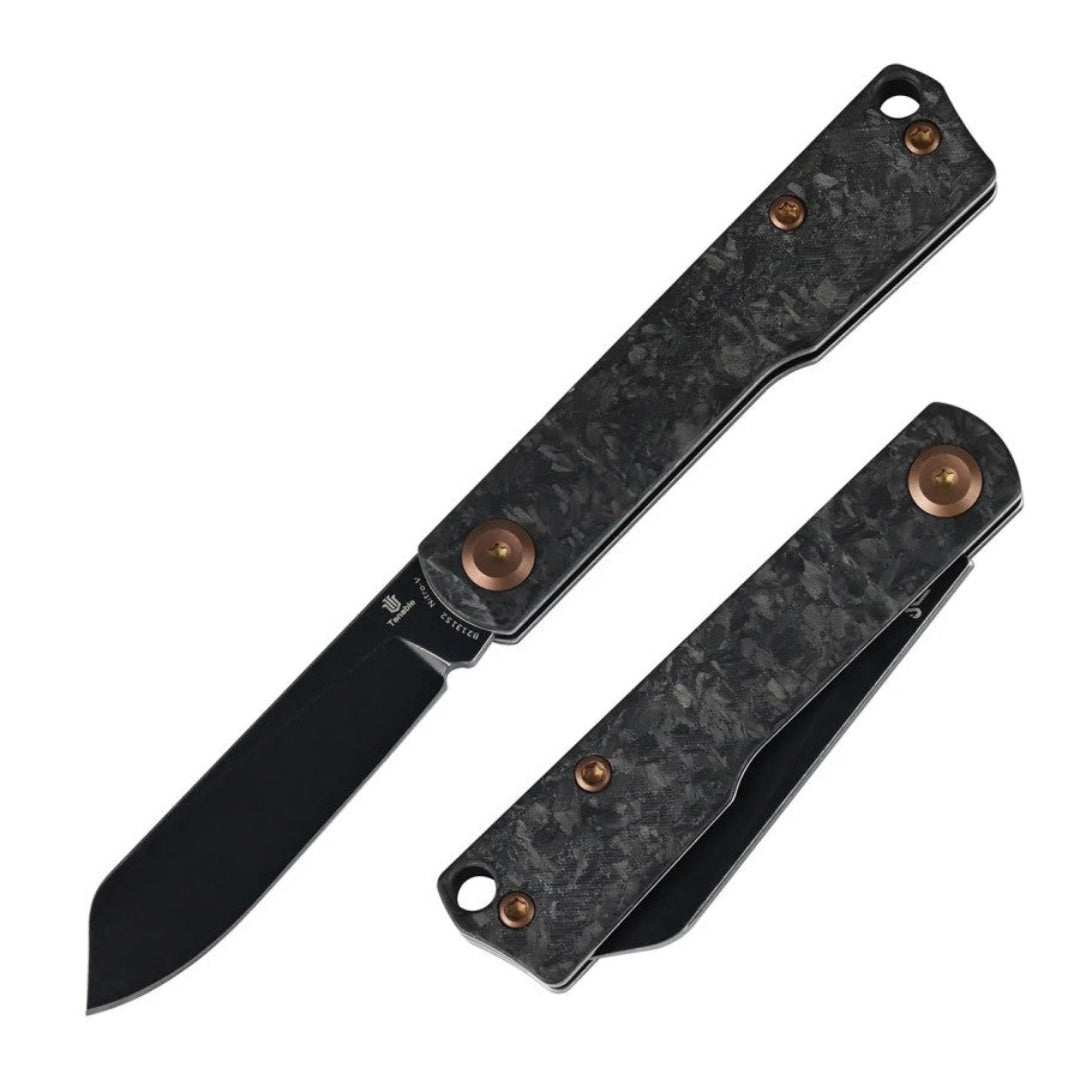
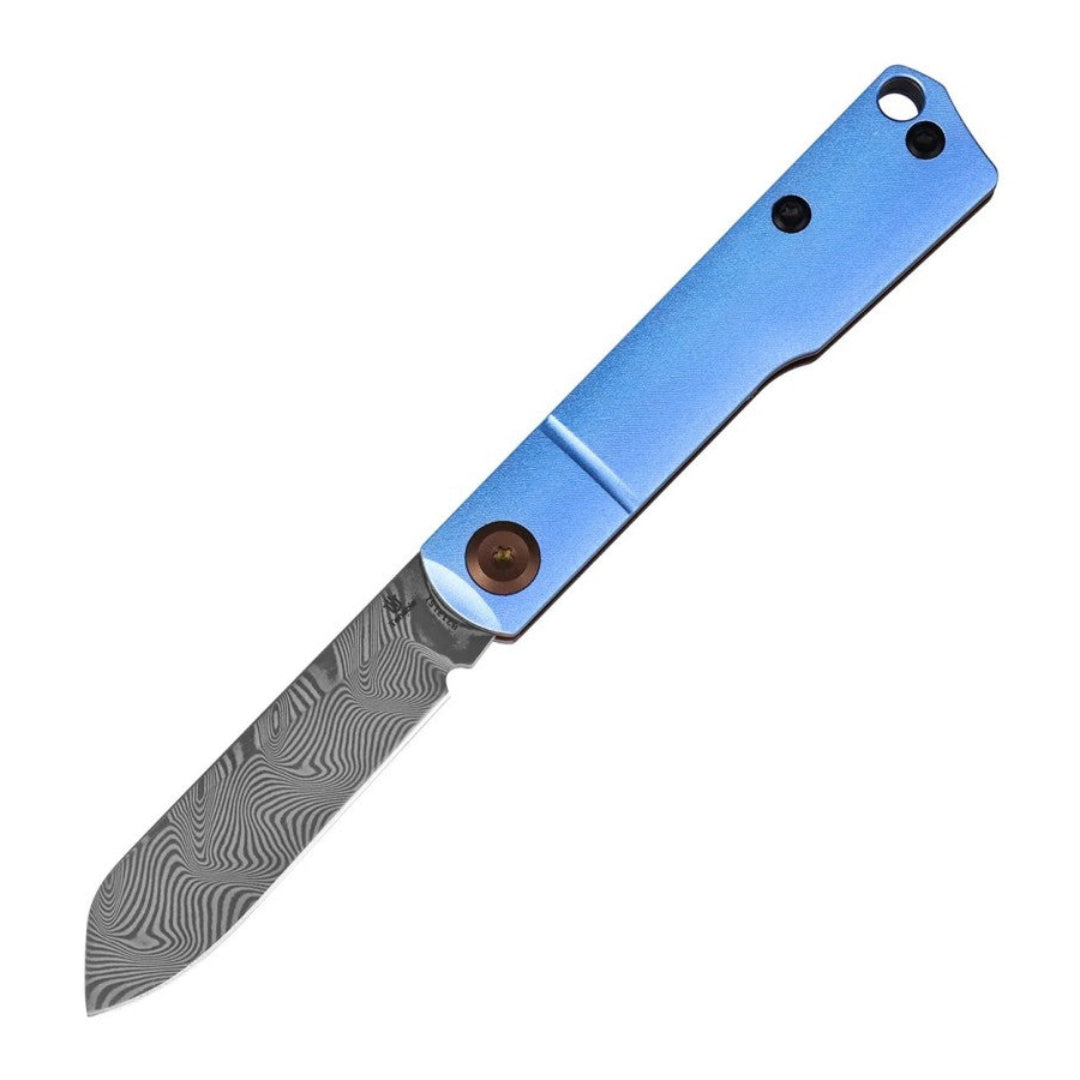
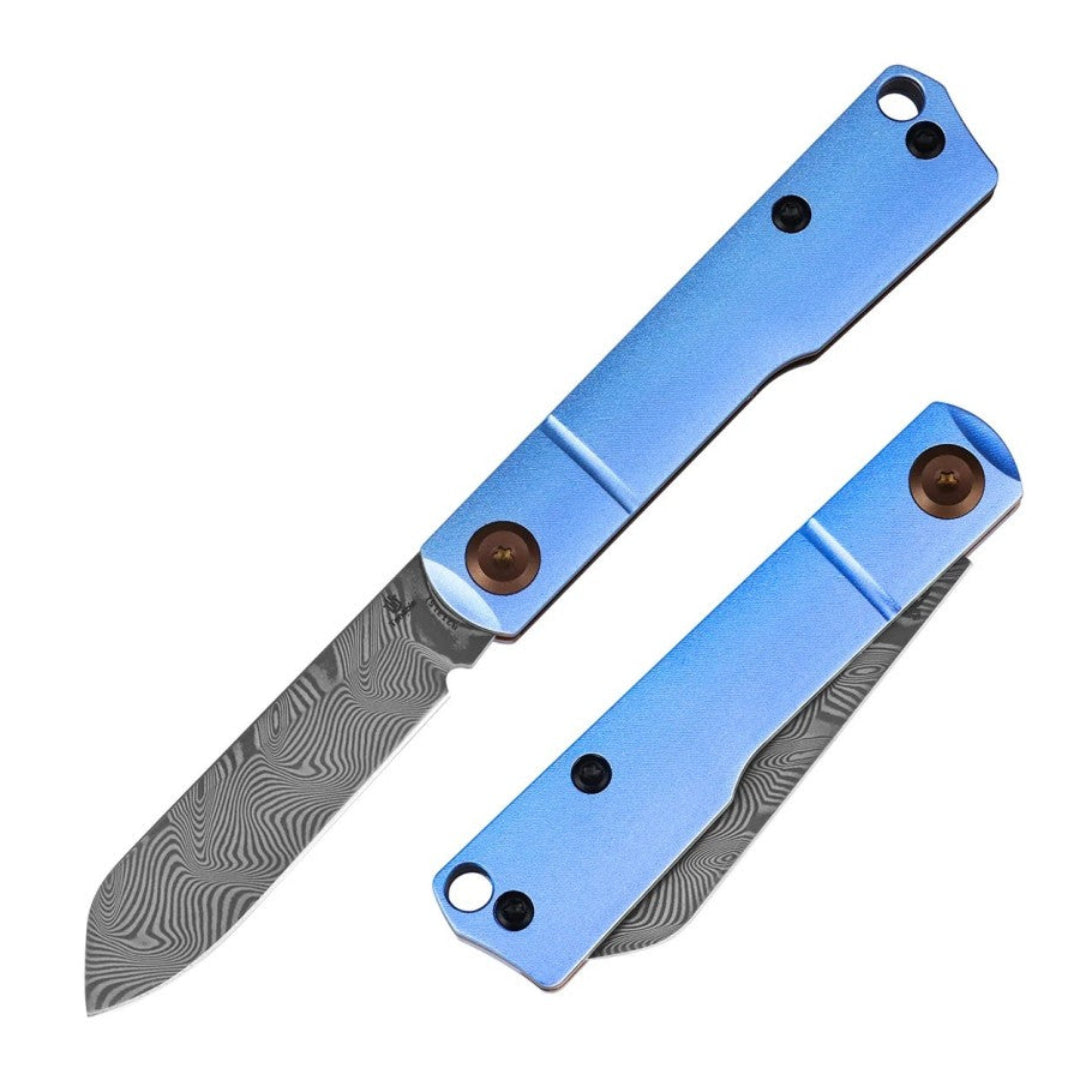
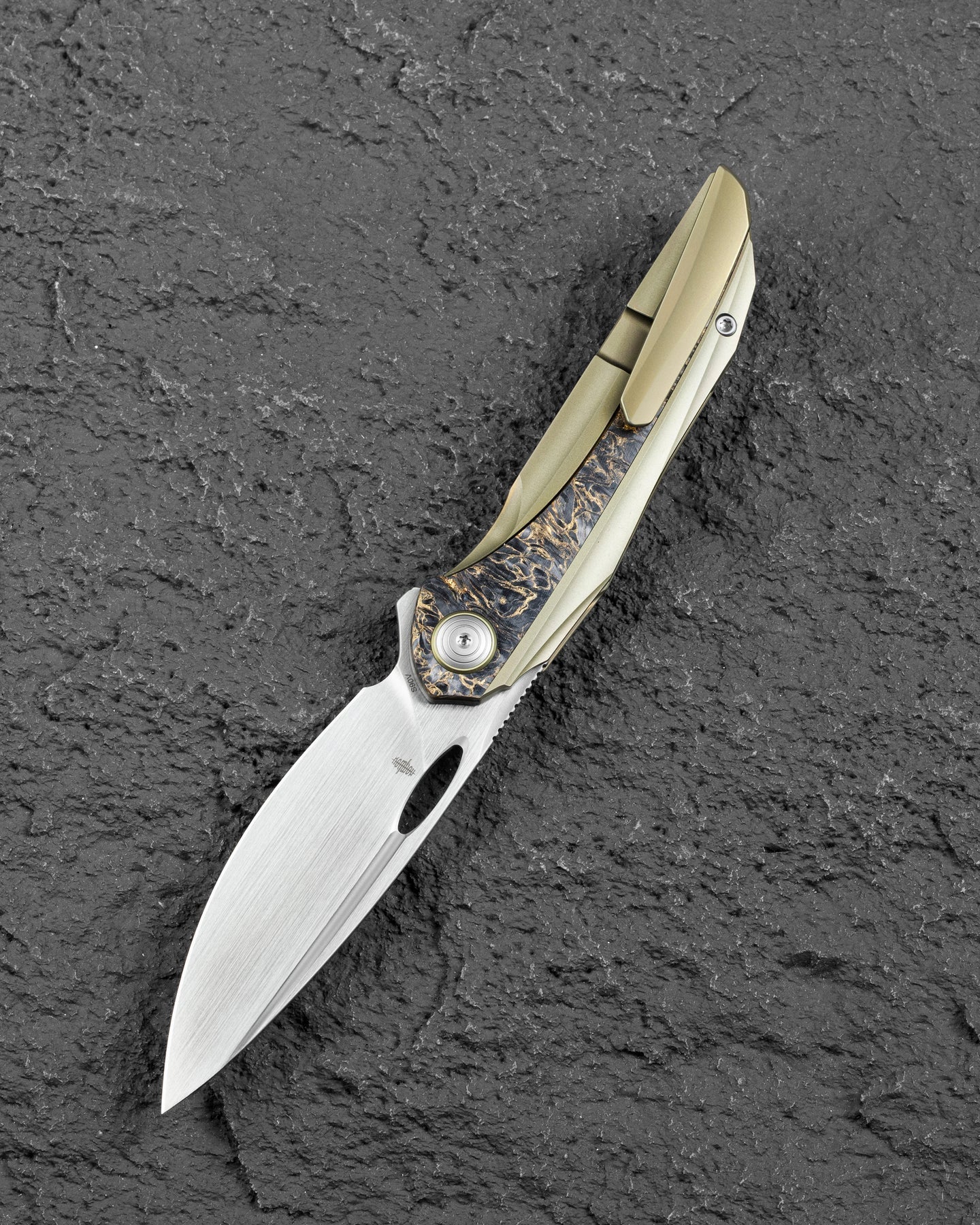
The Bestech Senu series, born from the creative mind of custom knife designer Grzegorz Grabarski (Kombou), features a striking aerodynamic profile inspired by the majestic eagle. But behind its exotic carbon fiber, Ultem, or Timascus face lies a serious workhorse mechanism: a 6AL4V titanium frame lock. In this long-term review, we evaluate the structural safety, lockup integrity, and mechanical wear resistance of the Bestech Senu after extended, real-world deployment.

The Anatomy of the Senu Framelock
To understand why the Senu maintains its structural safety over long-term use, we must look at the layout of its locking mechanism. Titanium is highly favored in modern folder construction for its exceptional strength-to-weight ratio, spring properties, and corrosion resistance. However, titanium is a relatively soft metal compared to hardened blade steels like CPM S90V or Bohler M390.
If a raw titanium lockbar face interfaces directly with a steel blade tang, the constant friction from opening and closing causes the titanium to wear down rapidly. This results in "lock rock" (vertical blade play) or a sticky, difficult-to-disengage lockup.
Bestech solves this in the Senu by integrating a hardened steel lockbar insert secured internally by a precision screw. This ensures that the interface is completely steel-on-steel, preserving the factory geometry of the lock face over thousands of cycles.
Long-Term Lockup Geometry and Engagement
Right out of the factory box, the Bestech Senu typically exhibits a perfect 25% to 35% lockup engagement. This means the lockbar travels roughly one-third of the way across the blade tang, leaving plenty of room for the mechanism to wear in over the years without failing.
After months of opening boxes, slicing zip-ties, and carving wood, the lockup on the Senu settles in beautifully. In our long-term testing, the lockbar remains rock-steady around the 35% mark. There is absolutely zero horizontal blade wobble or vertical deflection under heavy pressure. The lock engages with a crisp, tactile "thwack" that inspires immediate confidence.

Advanced Safety Features: Overtravel Protection
A common failure point for inexperienced users handling standard frame locks is accidentally springing the lockbar outward when disengaging the blade. If bent past its elastic limit, the titanium arm loses its spring tension, rendering the knife unsafe.
The Bestech Senu prevents this through a built-in overtravel stop integrated directly into the design of the hardened steel lockbar insert. When you press the lockbar to the left to close the blade, the insert physically hits the external titanium frame, blocking the lockbar from moving too far outward. This safety feature ensures that the lockbar maintains its optimal spring tension over its entire operational lifetime.
Deployment Safety: Detent Stability and Ceramic Bearings
Lock safety is closely tied to how securely the blade stays closed inside your pocket. The Senu utilizes a caged ceramic ball bearing pivot system combined with a perfectly tuned detent ball embedded into the lockbar insert.
Over extended periods of daily carry, pocket lint, tape residue, and ambient dust inevitably make their way into the pivot area. Thanks to the ultra-hard nature of ceramic bearings, they resist flattening or trapping debris far better than traditional steel bearings.
Even when running dry or slightly dirty, the detent pressure remains solid. The blade will not accidentally shake free inside your pocket, yet a deliberate press on the low-profile flipper tab or a flick via the integrated thumb hole cutout deploys the blade instantly.
Ergonomics and Disengagement Comfort
Some frame locks are designed with aggressive jimping or sharp edges that tear up your thumb during a long day of work. Grabarski’s design choices on the Senu focus heavily on user comfort.
The lockbar relief cut on the show side of the handle is perfectly chamfered, providing easy access to the lockbar without exposing a sharp metal corner. Even after executing hundreds of repetitive cuts, unlocking the knife requires a smooth, predictable amount of force, making it an incredibly friendly design for repetitive use.
The Long-Term Verdict on Safety
| Performance Metric | Evaluation After Extended Use |
| Lock Engagement Stability | Excellent; settles perfectly without creeping or slipping. |
| Blade Play / Rock | None; zero vertical or horizontal movement. |
| Detent Reliability | Consistent; keeps the blade safely bias-closed in the pocket. |
| Lock Disengagement | Smooth; no sticky lockup thanks to the steel insert interface. |
If you are looking for an everyday carry folder that prioritizes long-term mechanical survival, the Bestech Senu delivers custom-tier safety engineering at a production price point. The combination of an aerospace-grade 6AL4V titanium frame, a hardened steel-on-steel lockbar interface, and built-in overtravel protection ensures that this knife remains as safe and structurally sound on year five as it was on day one.