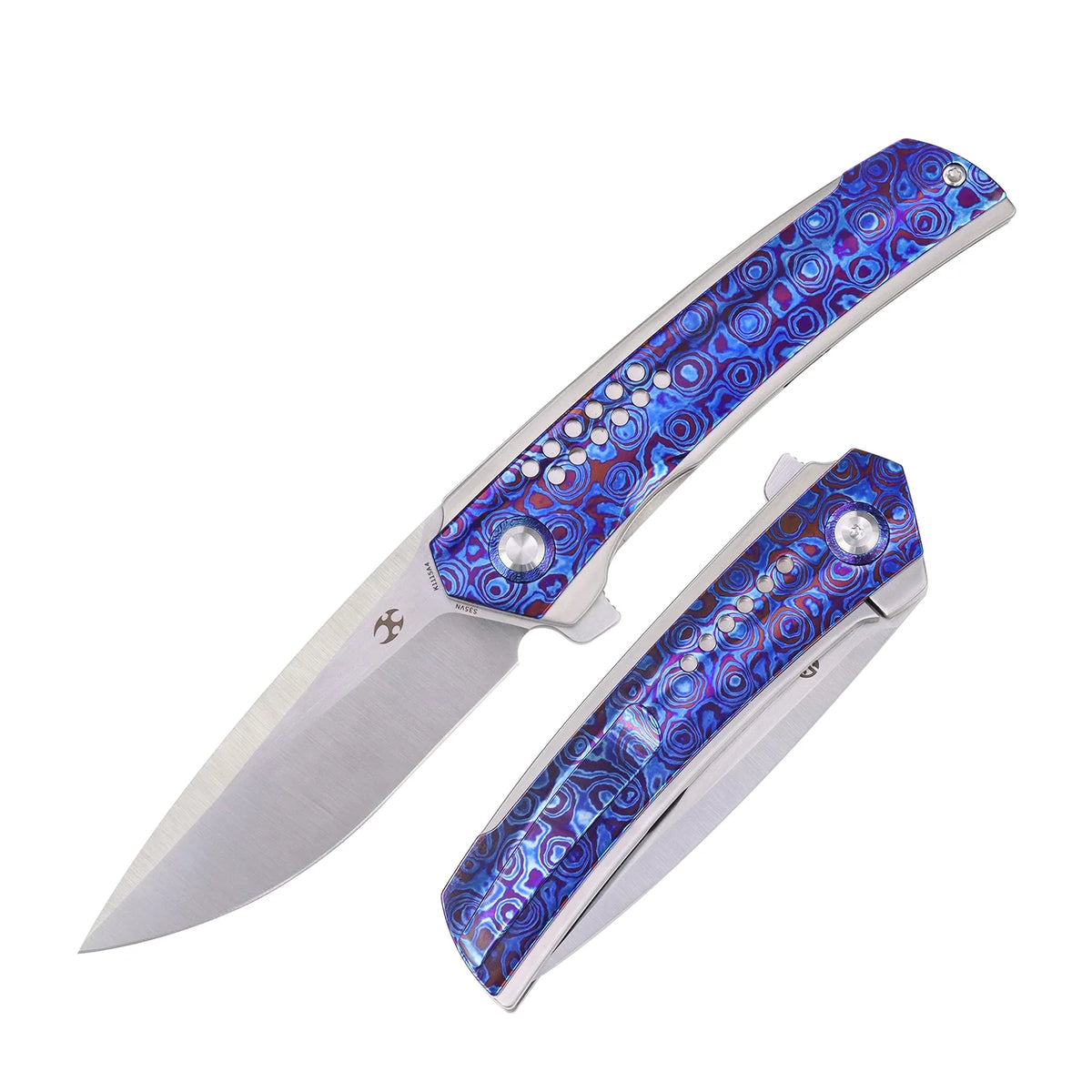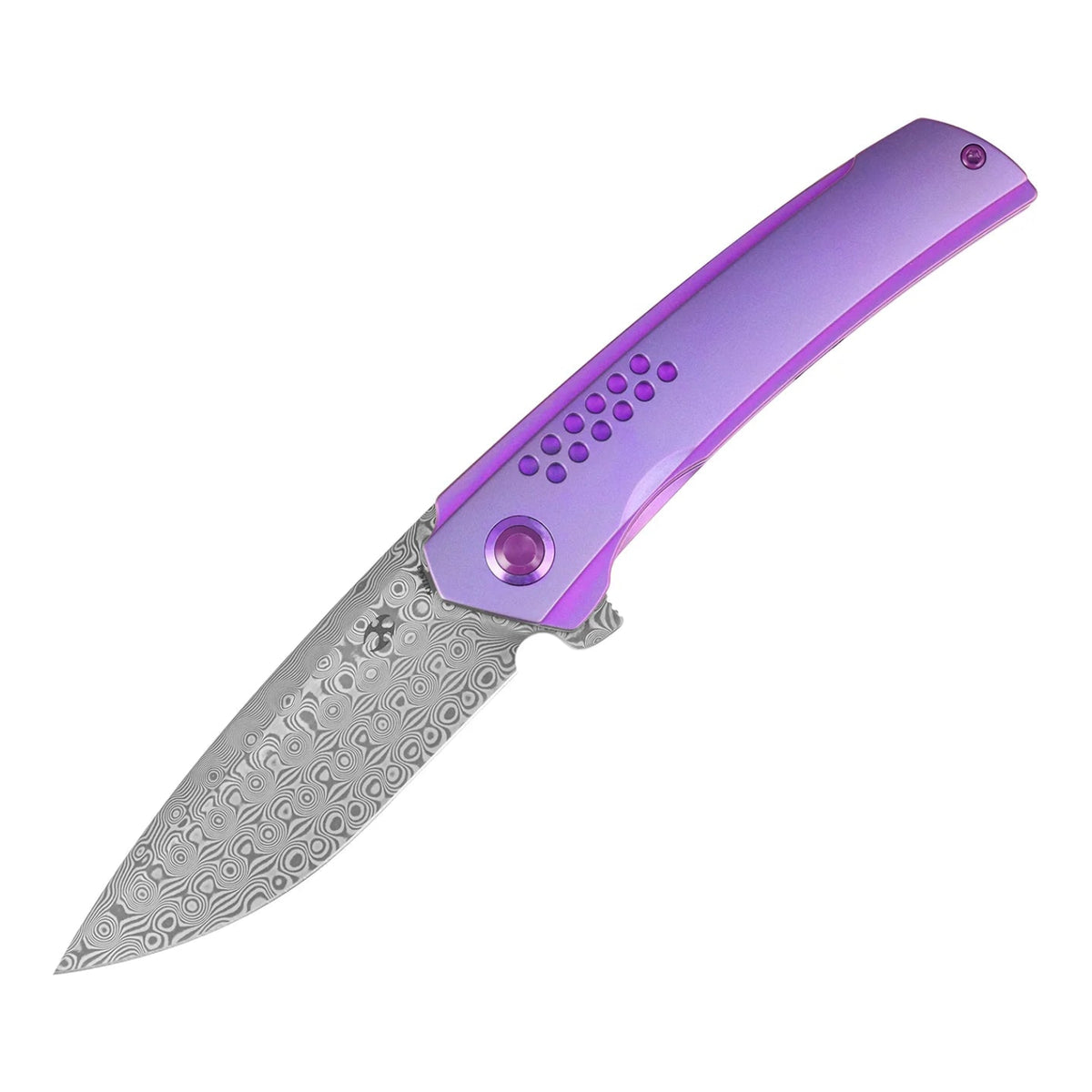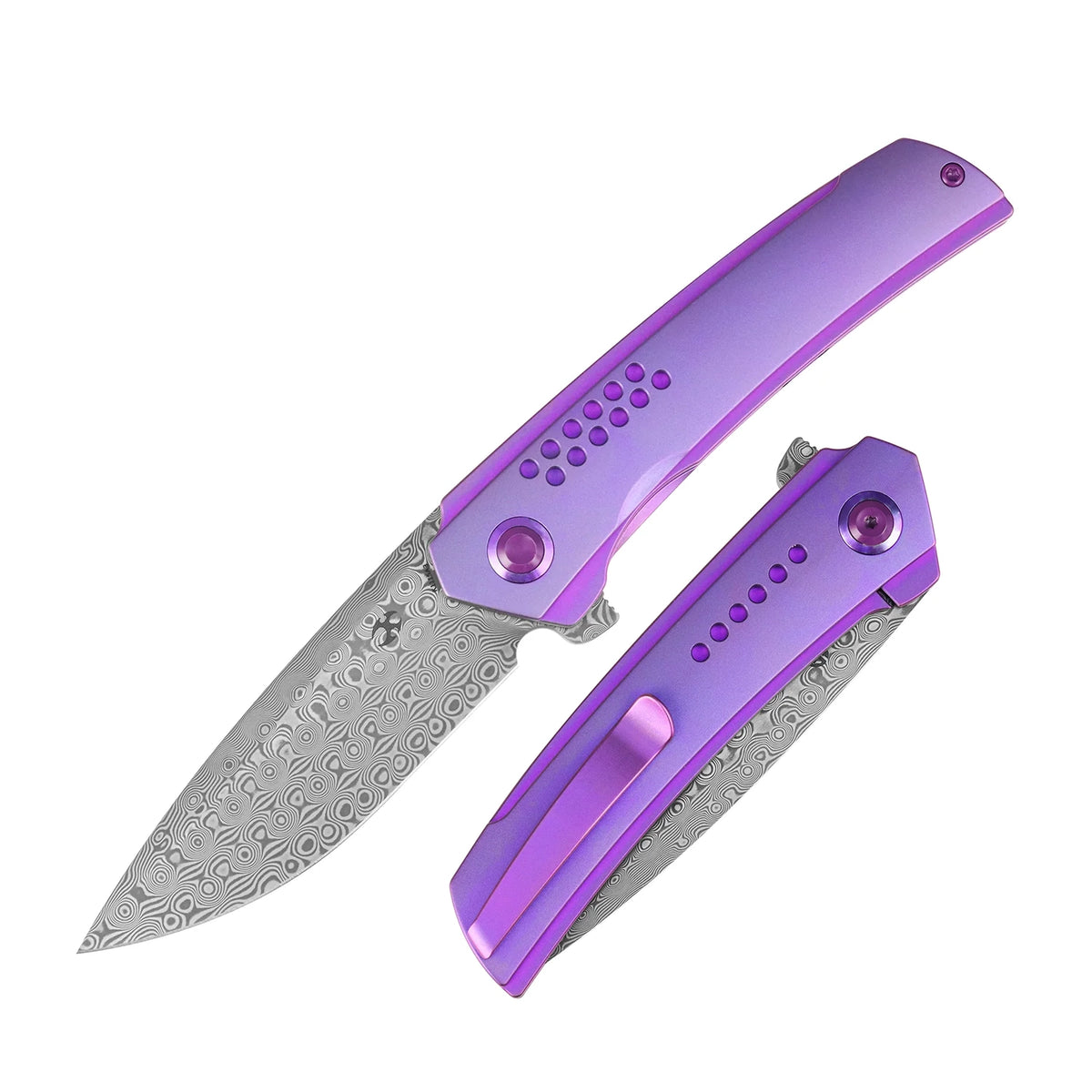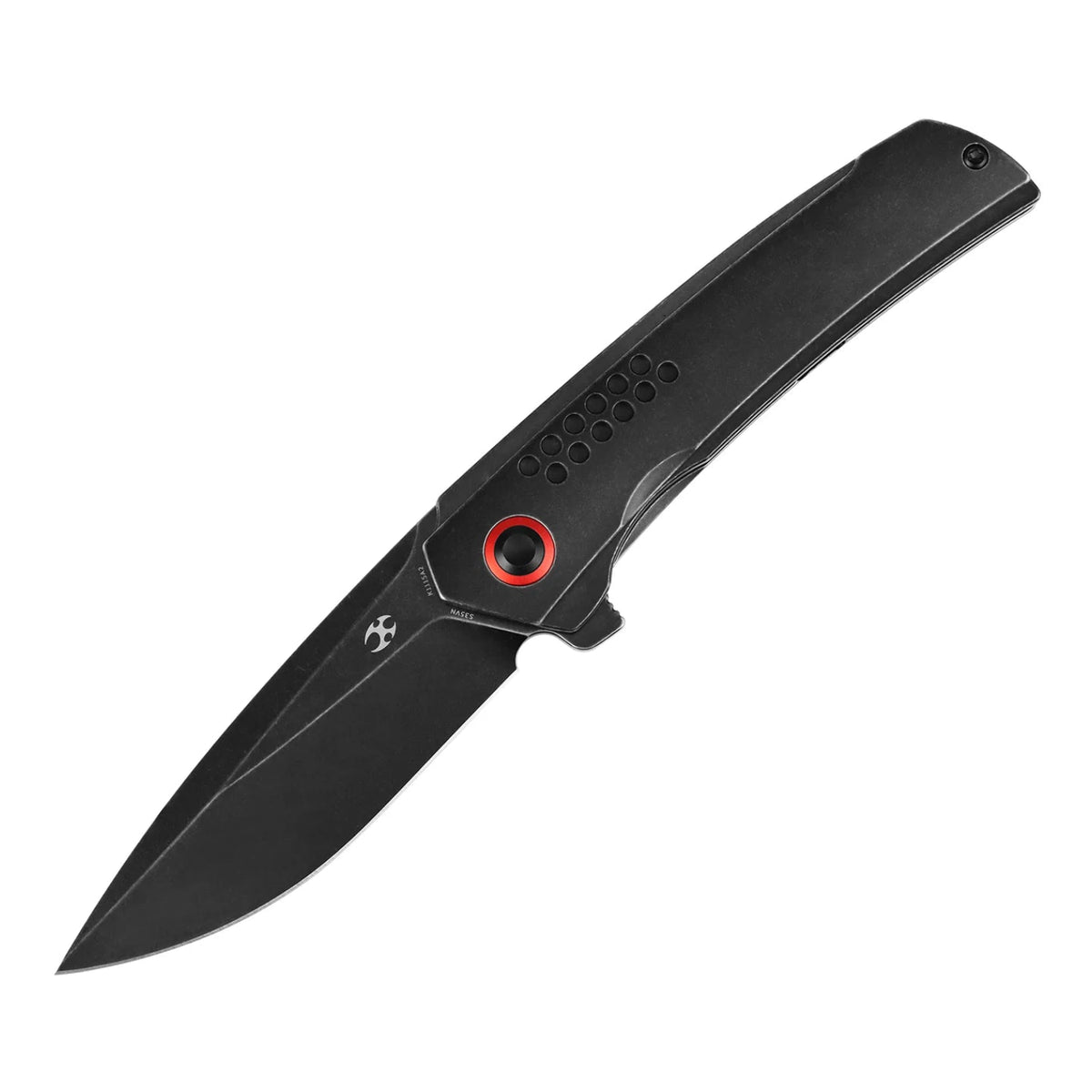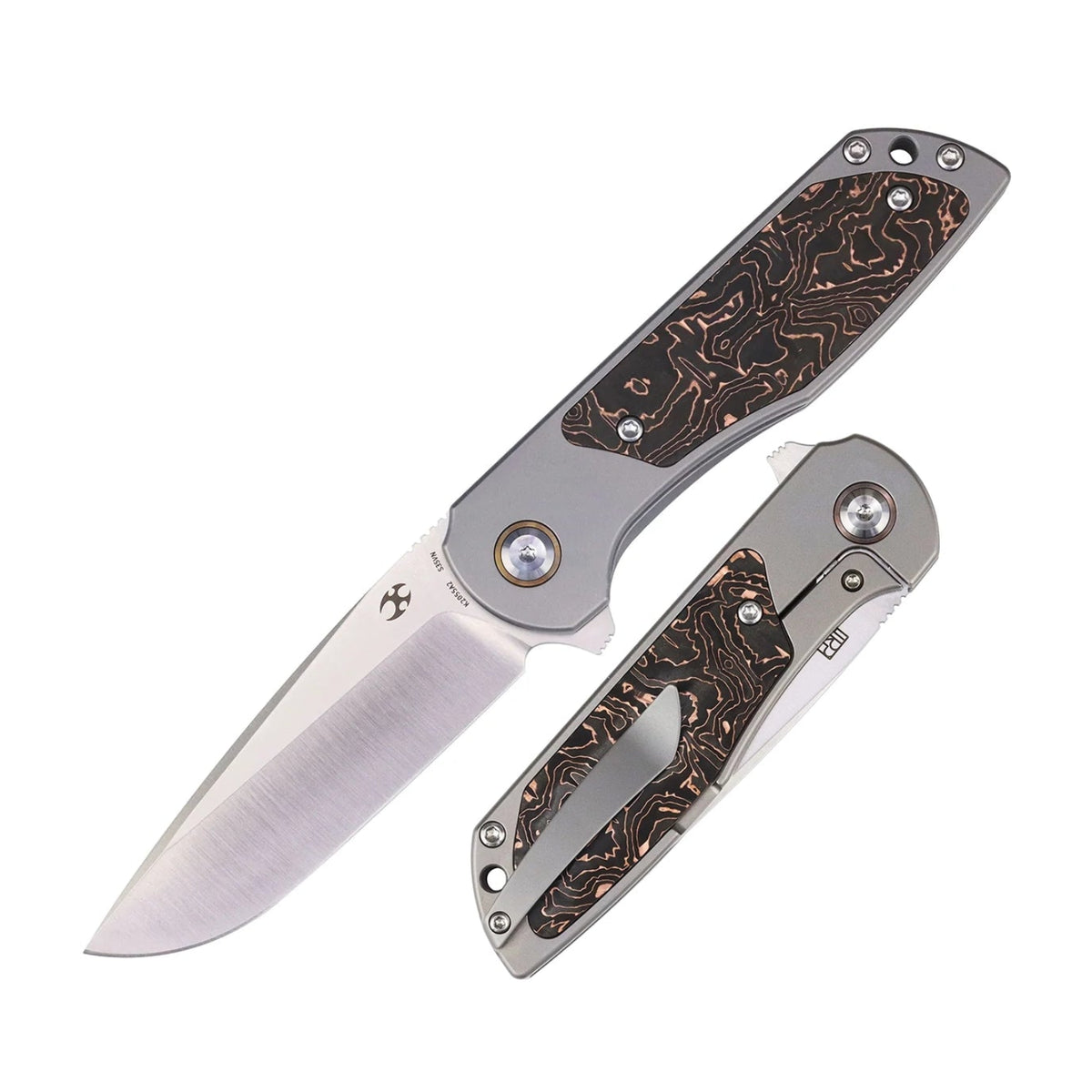


Overview & First Impressions
A cameo is carved through two layers of shell or stone: the pale layer becomes the figure, the dark layer becomes the ground. The cutting depth is often less than a quarter of a millimetre, and a single slip through the boundary ruins the piece. That kind of work forces you to organise a bench properly, which is where a small BeanArtMetal piece earns its place: it holds what you are working on at the angle you actually need.
Materials & Construction
Traditional cameo shell is sardonyx or queen conch, both of which have a natural colour boundary that the carver follows rather than creates. Modern work uses layered agate, resin or laser-sintered composites. The tooling is simple: a scribe, three gravers, a polishing stick and a fixed light. Everything that costs money is in the optics and the steadiness of the hand holding the piece.

Design & Details
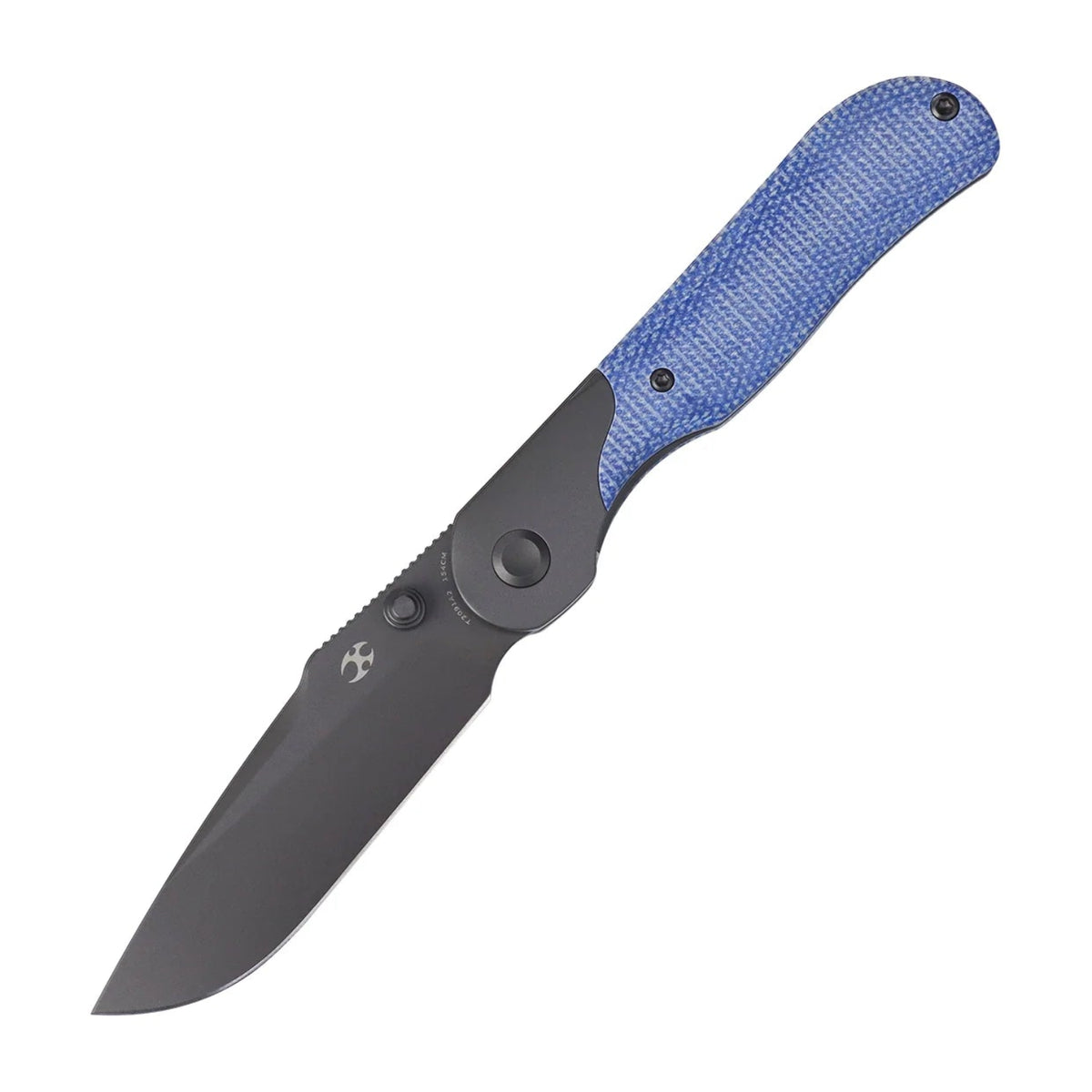
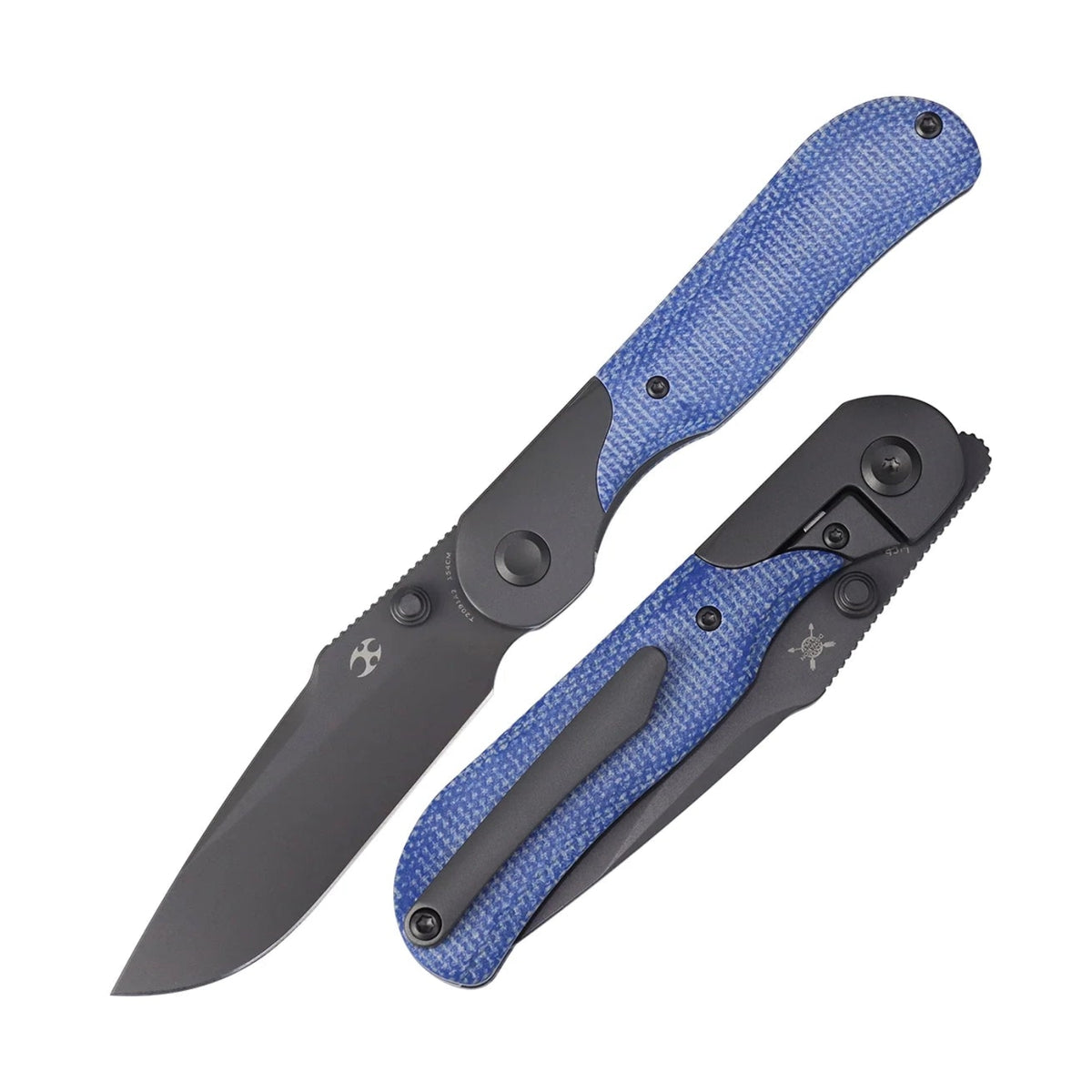
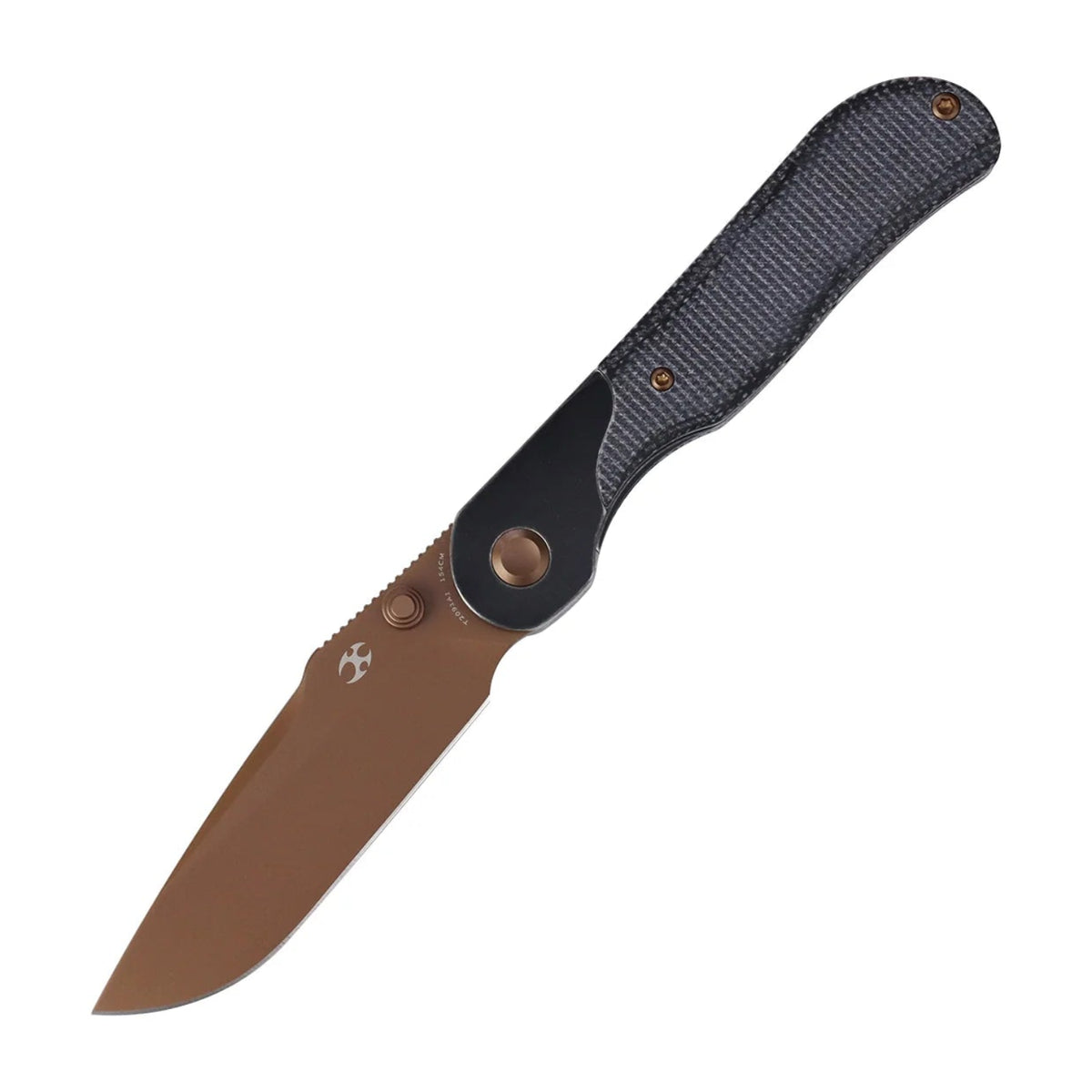
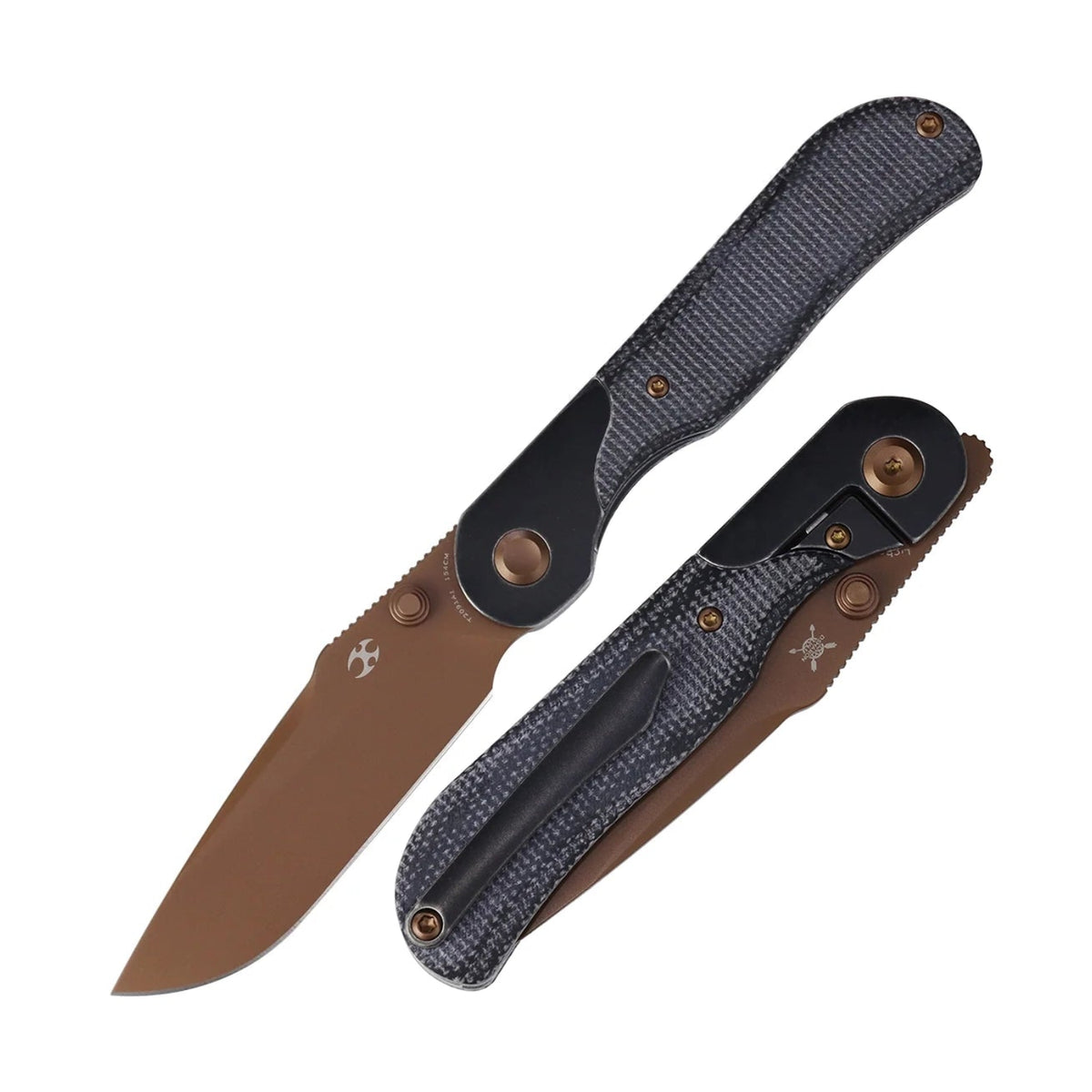
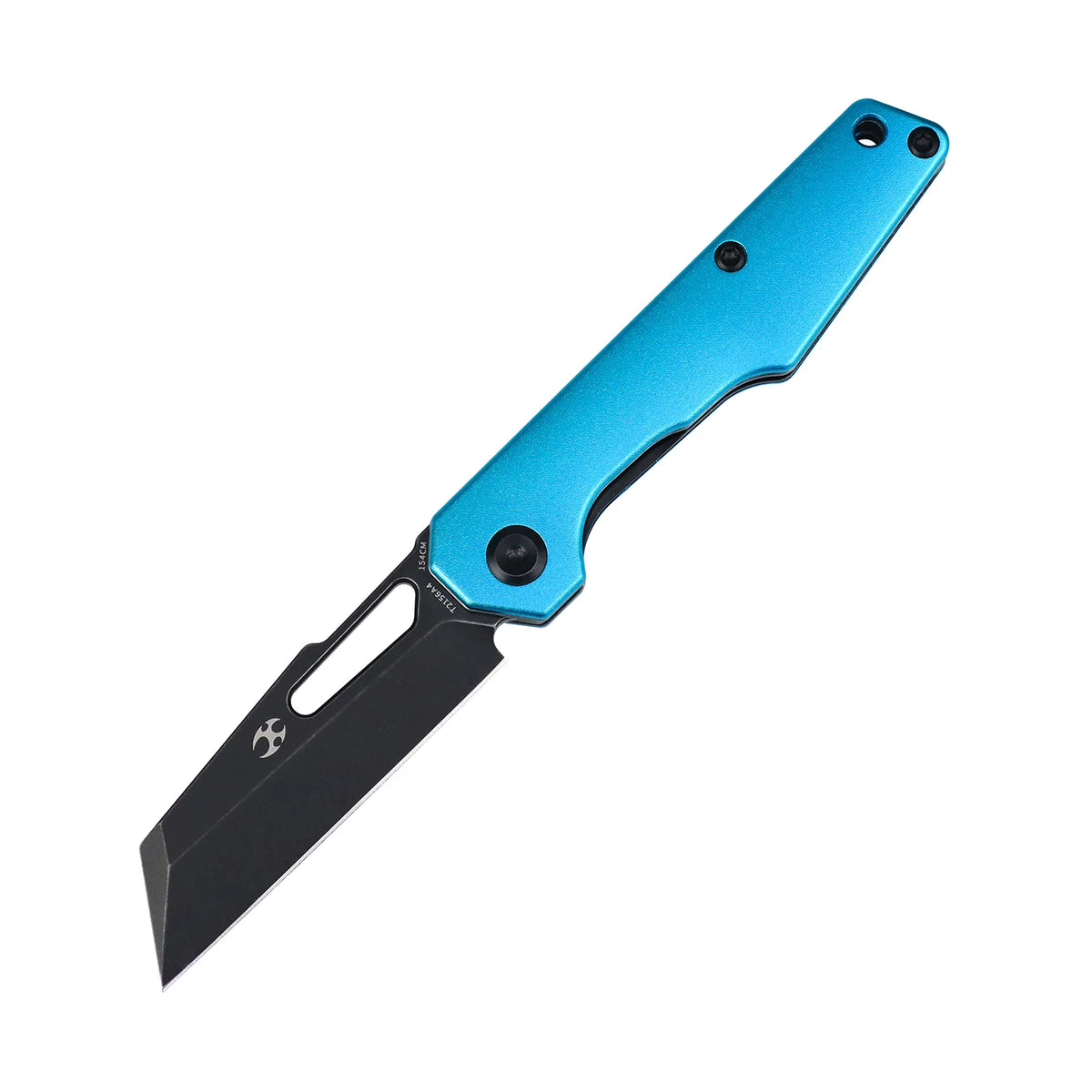
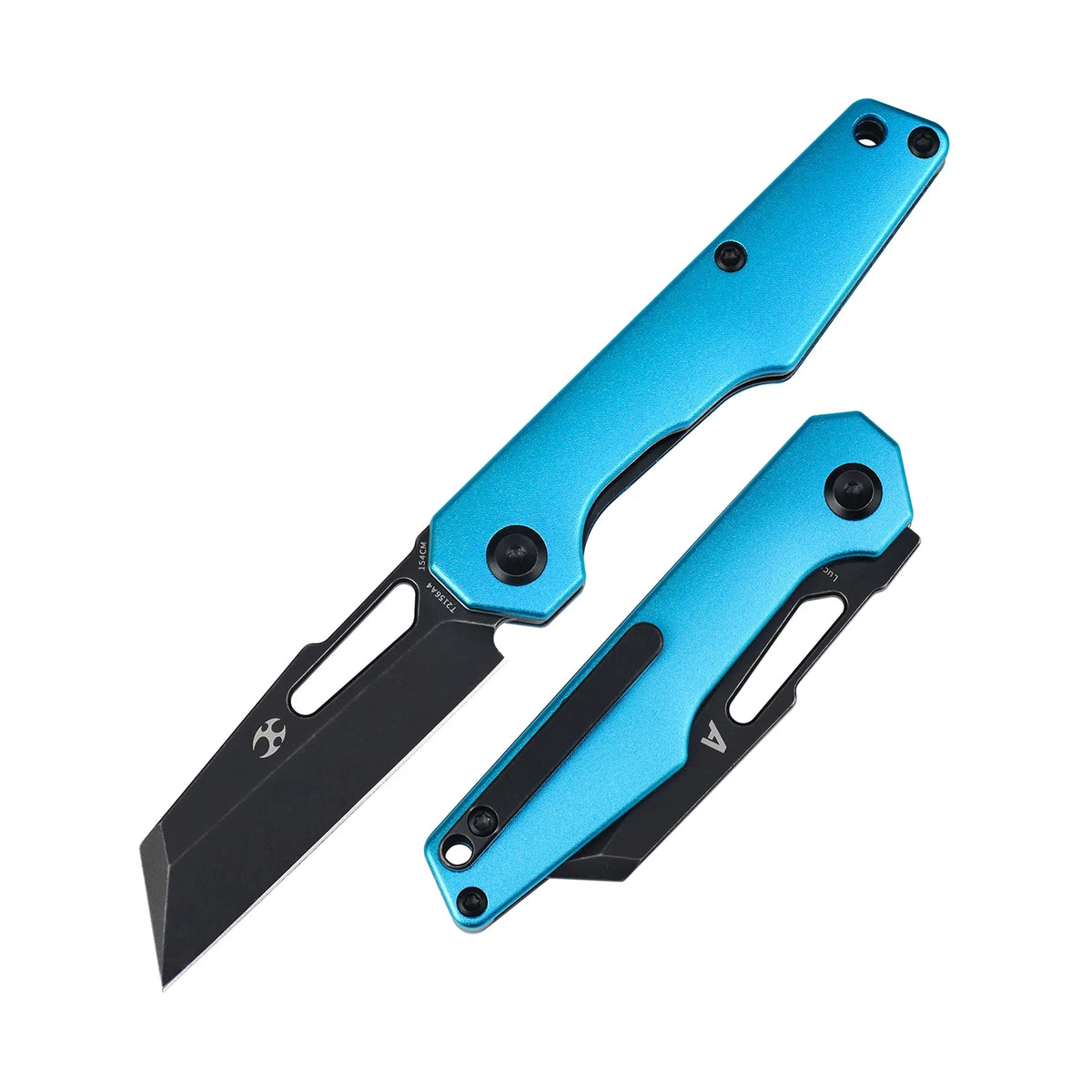
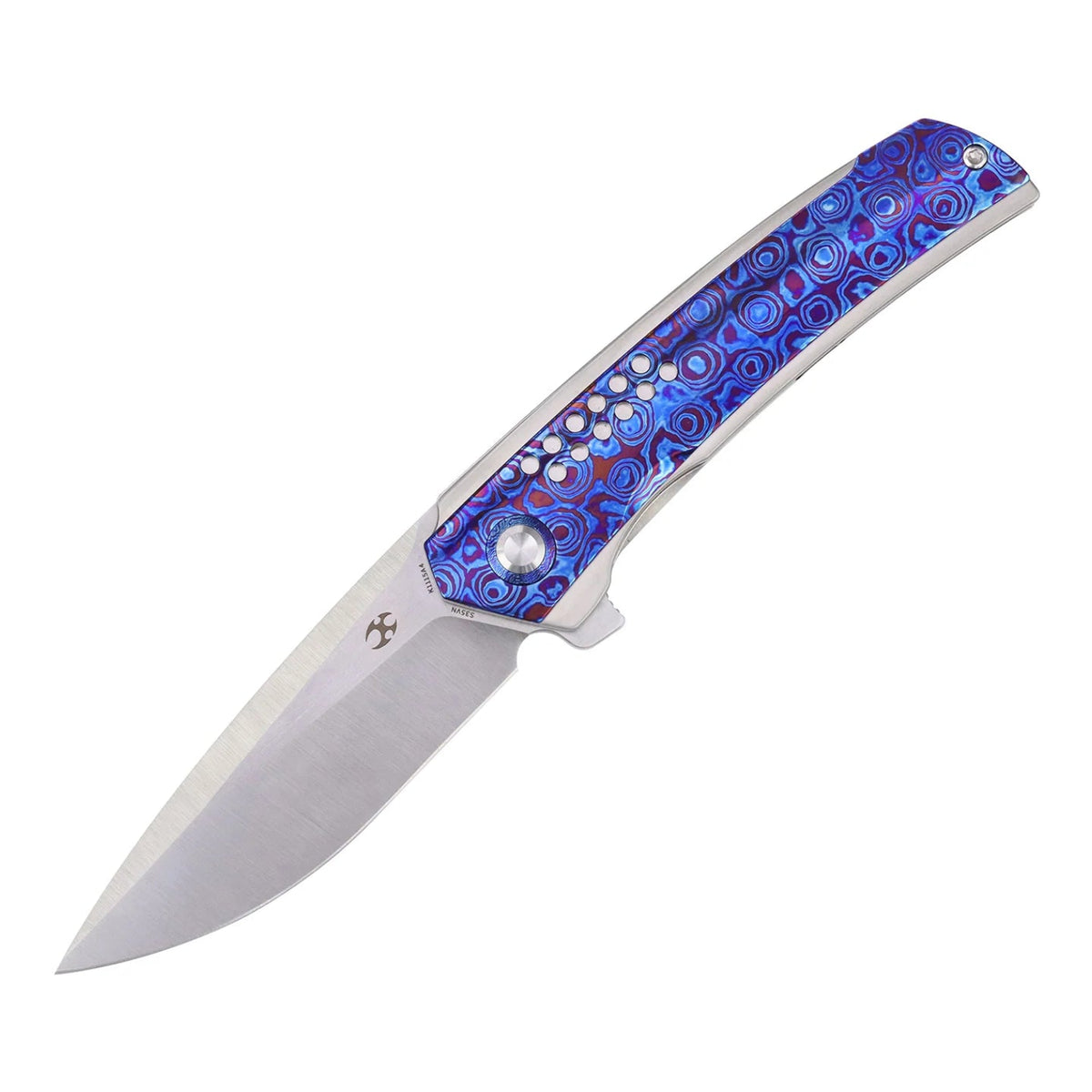
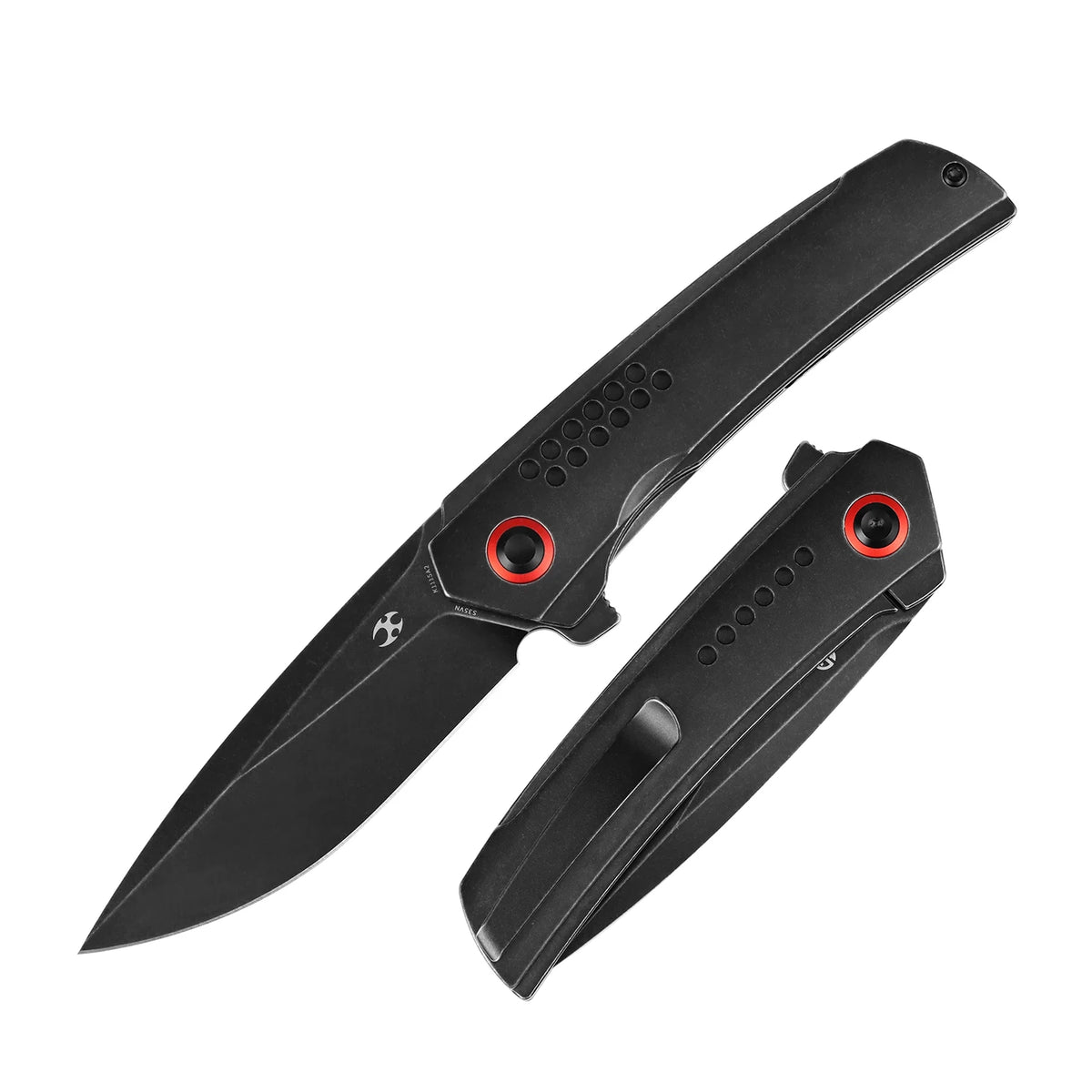
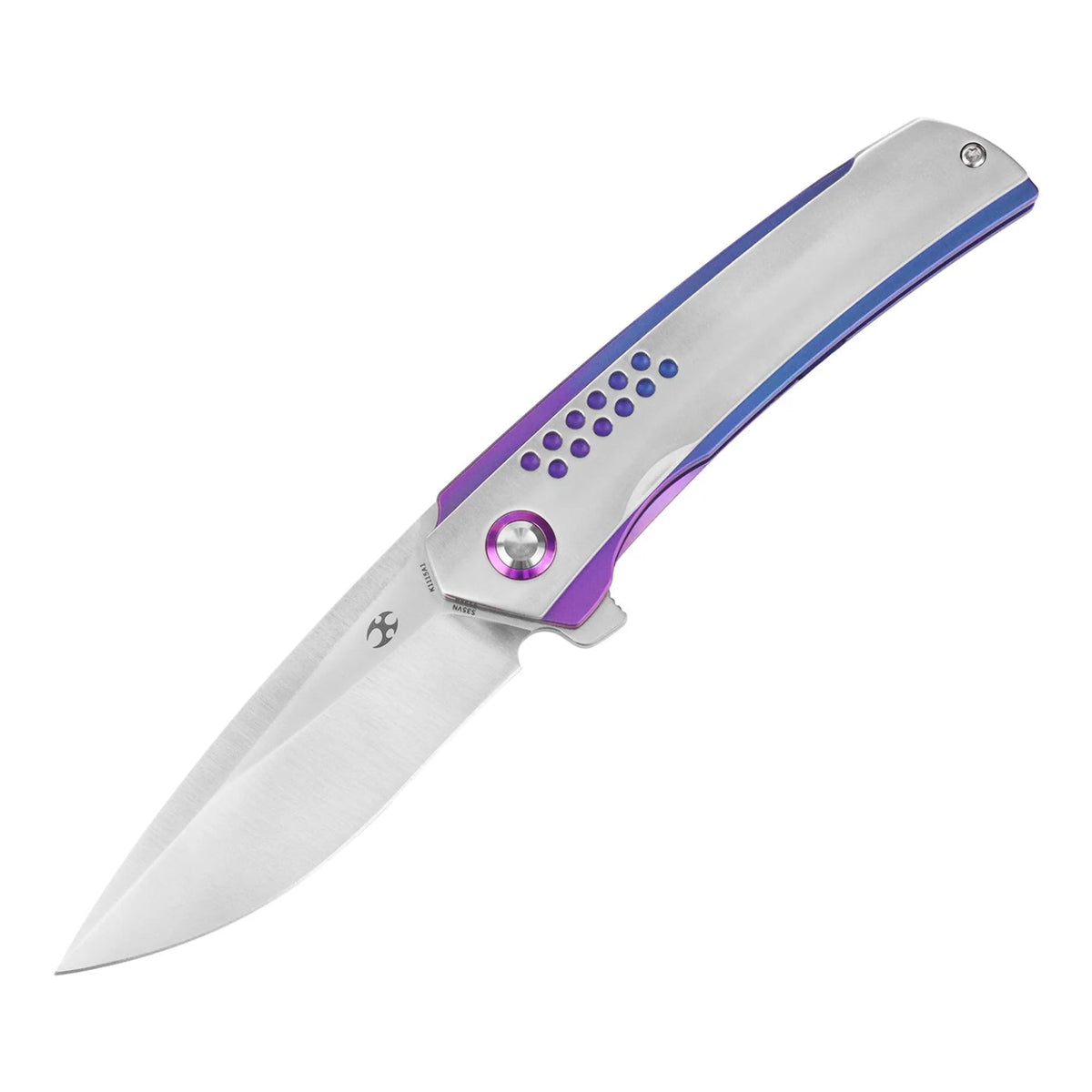
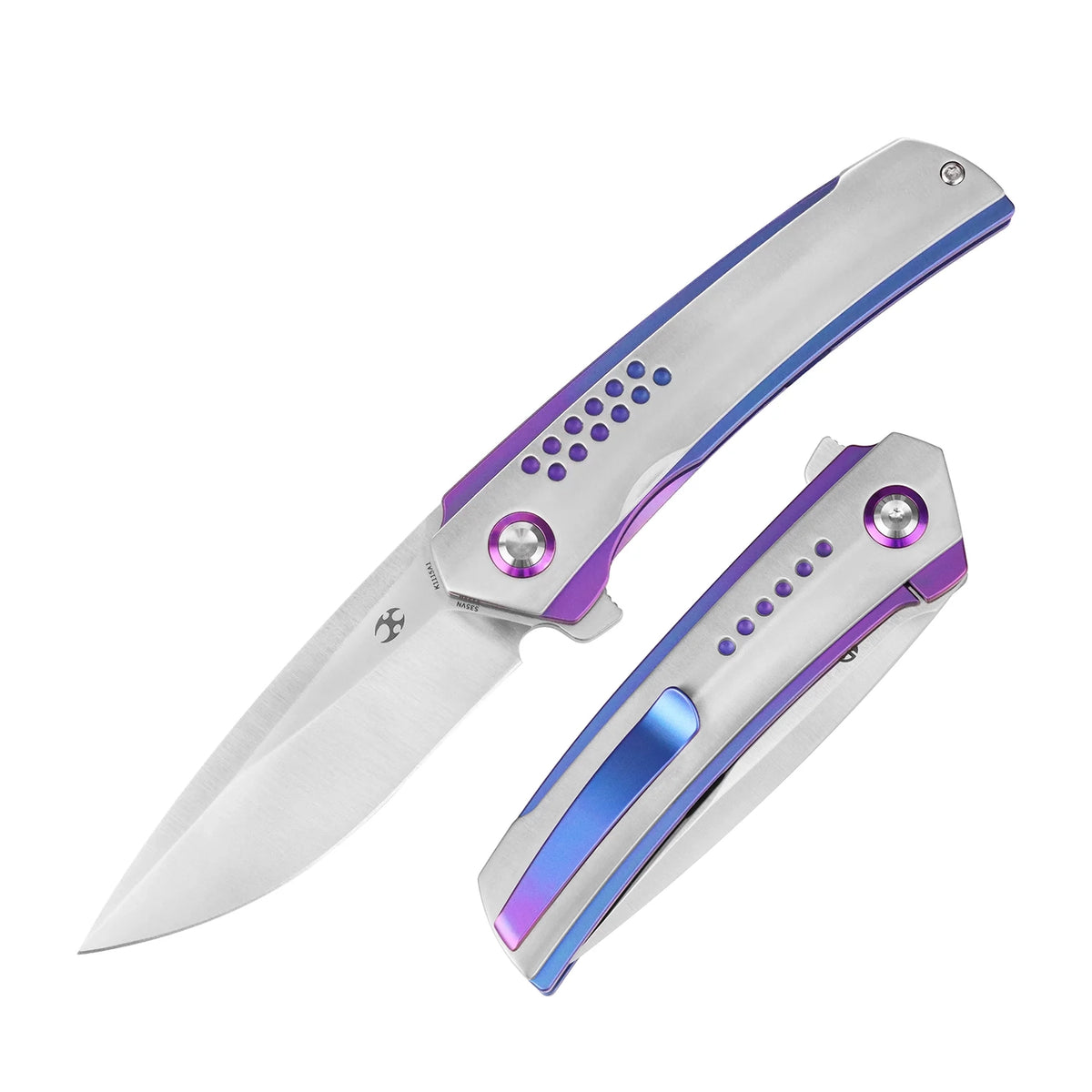
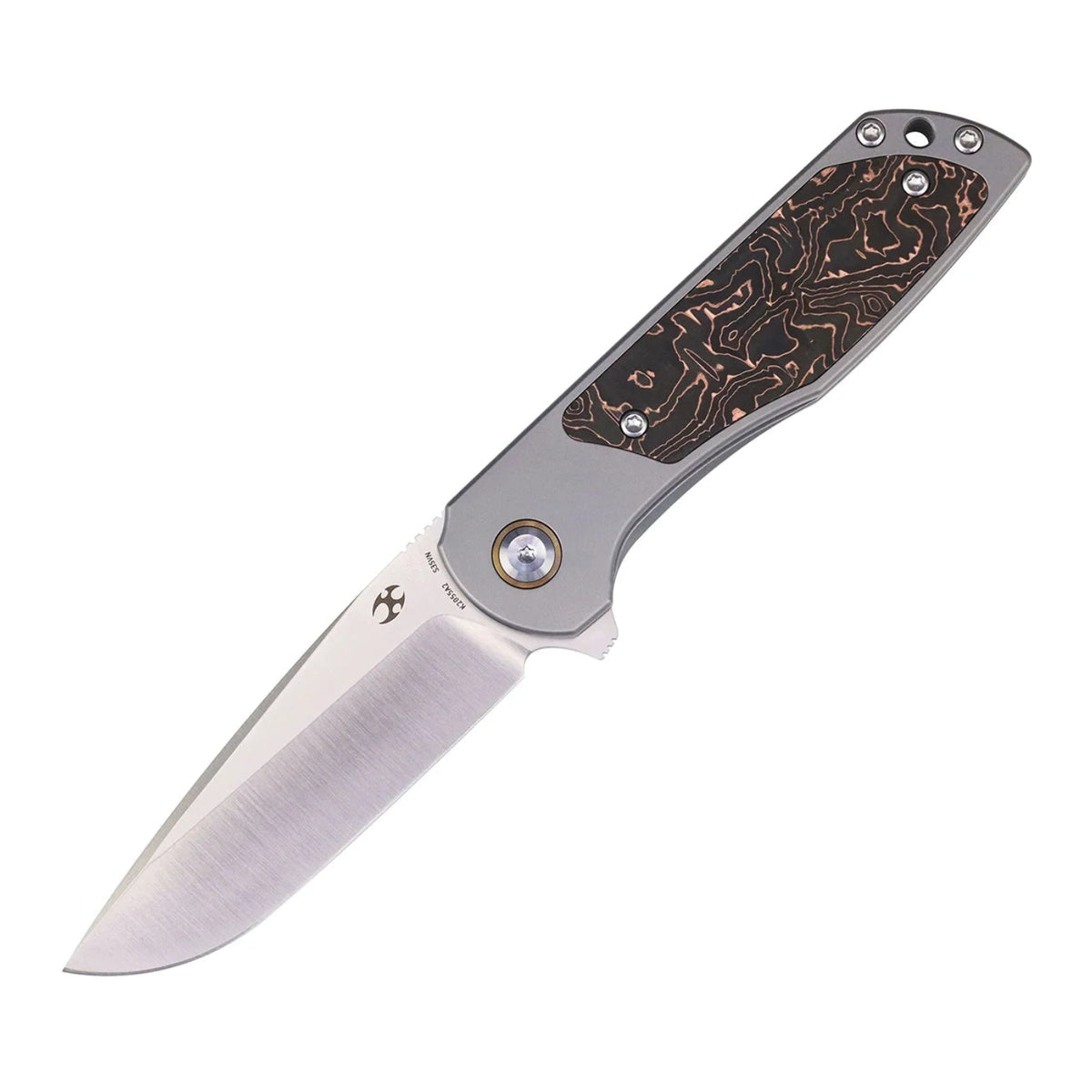
Detail work fails for structural reasons long before it fails for artistic ones. The piece moves, the light changes, the tool rolls off the bench. A shaped stand solves the first problem, a raking lamp solves the second, and a shallow tray solves the third. Anyone who maintains a rotation of folding knives already owns two of those three habits without realising it.
Real-World Use
Try carving a simple profile into a scrap of layered material and the lesson arrives fast: you cannot feel depth, you can only see it. Side light at about twenty degrees reveals the cut walls; overhead light hides them completely. The same lighting principle applies when you inspect a blade for a rolled apex, which is why bench photographers and knifemakers use the same lamp setup.

Ownership Notes
Small accessories are usually sold as gifts and bought as tools, and the useful ones do both. A stand that keeps a ring, a bead or a lanyard bead at working height removes a genuine annoyance. EdcMall stocks BeanArtMetal alongside other small metalwork, so you can build a bench setup that looks deliberate instead of improvised. Cameo carvers and collectors of EDC knives end up using the same bench logic: keep the work fixed, keep the light low and keep the small parts in one tray. Small lanyard beads benefit from that discipline too, since a bead that rolls off a desk is usually a bead that is never seen again.
Who Is This For?
Buy it if you do any close work at a desk and have been propping things against a mug. It suits carvers, jewellers, bead collectors and anyone who keeps a knife collection on display. Skip it if you have no bench habit at all, because a stand only helps when there is something to stand on it.
Final Verdict
Cameo work is a lesson in margins: two tenths of a millimetre separate a portrait from scrap. Good bench furniture buys you those margins back, and the BeanArtMetal rabbit does it without looking like laboratory equipment. Small purchase, permanent improvement, which is the best ratio in any workshop.