
Overview & First Impressions
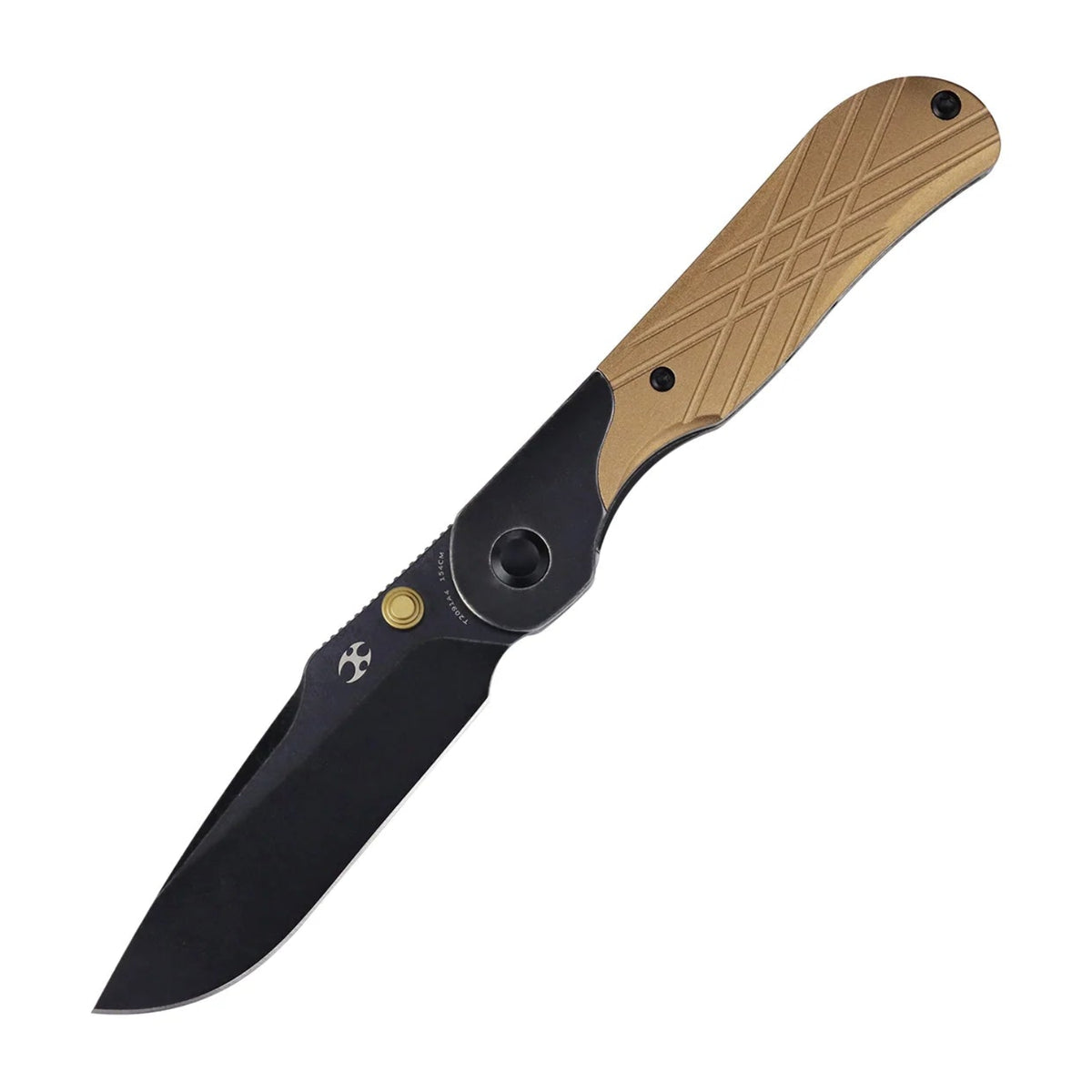
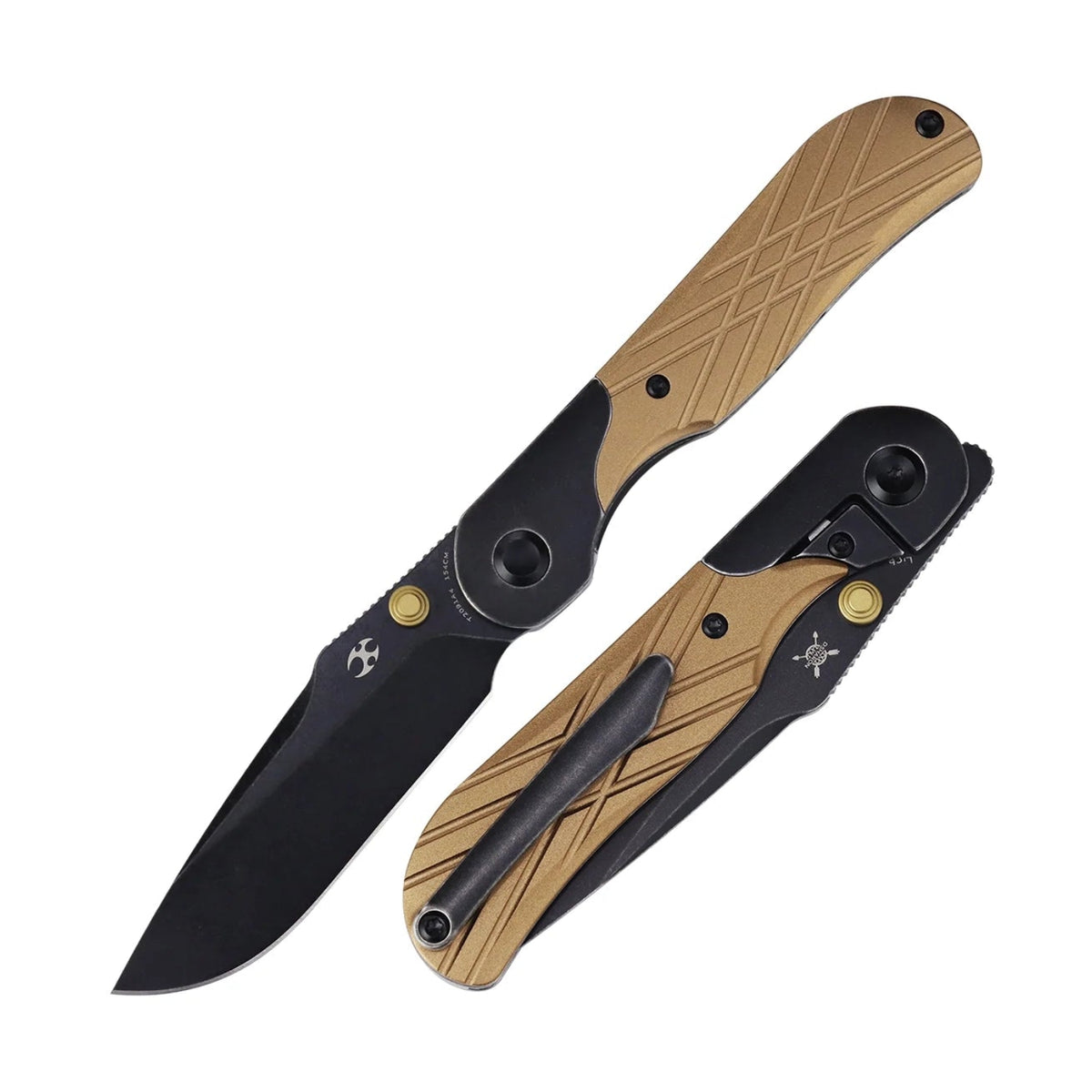
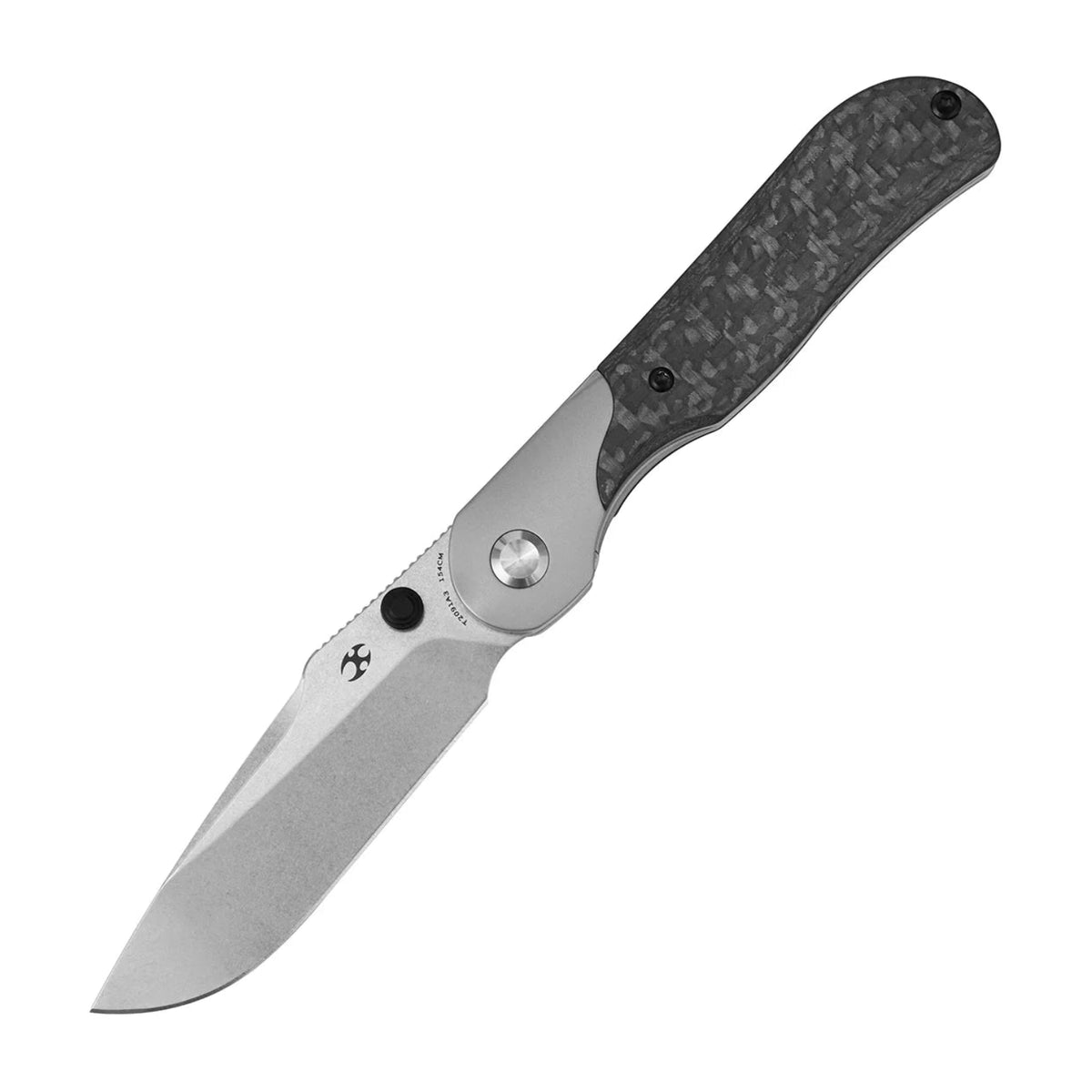
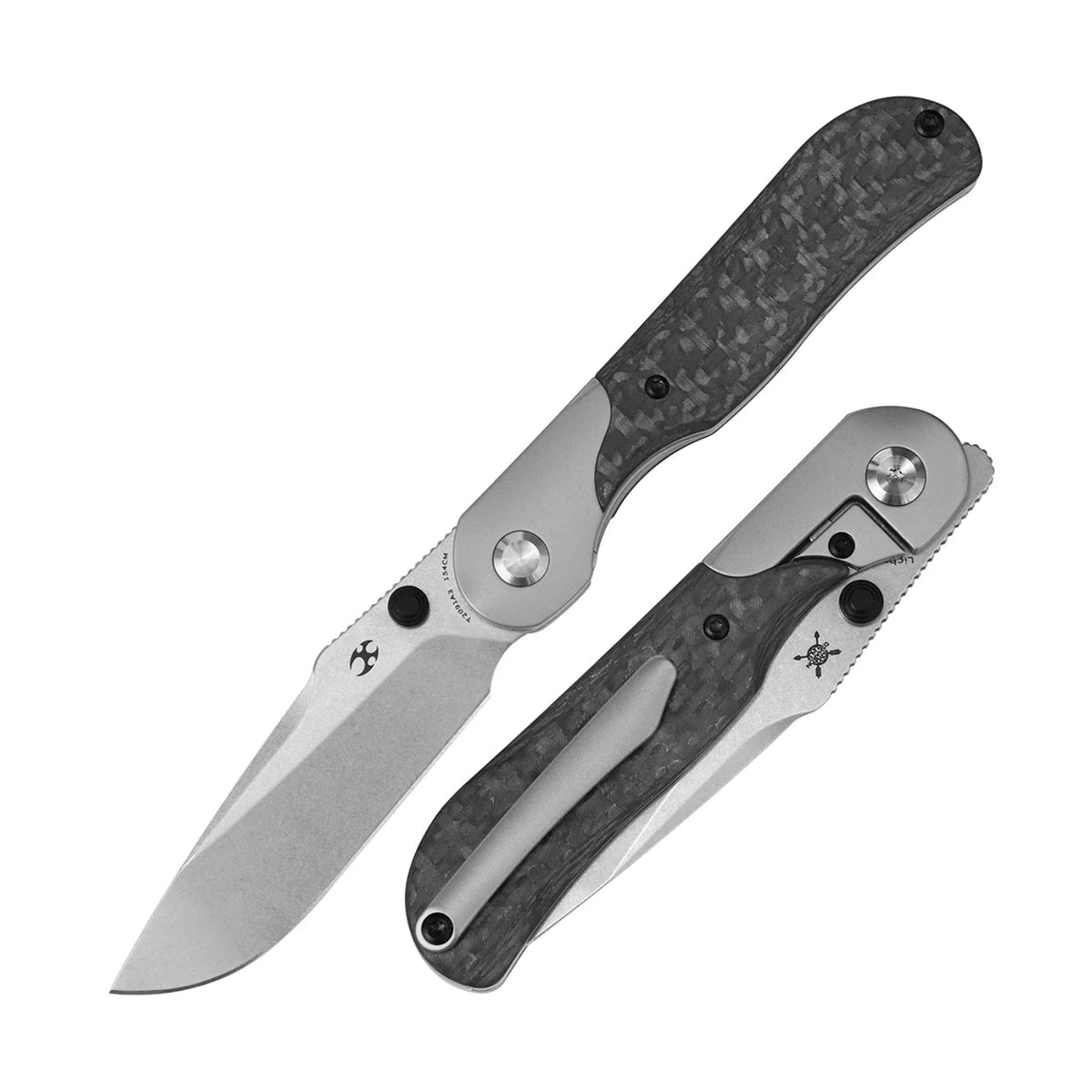
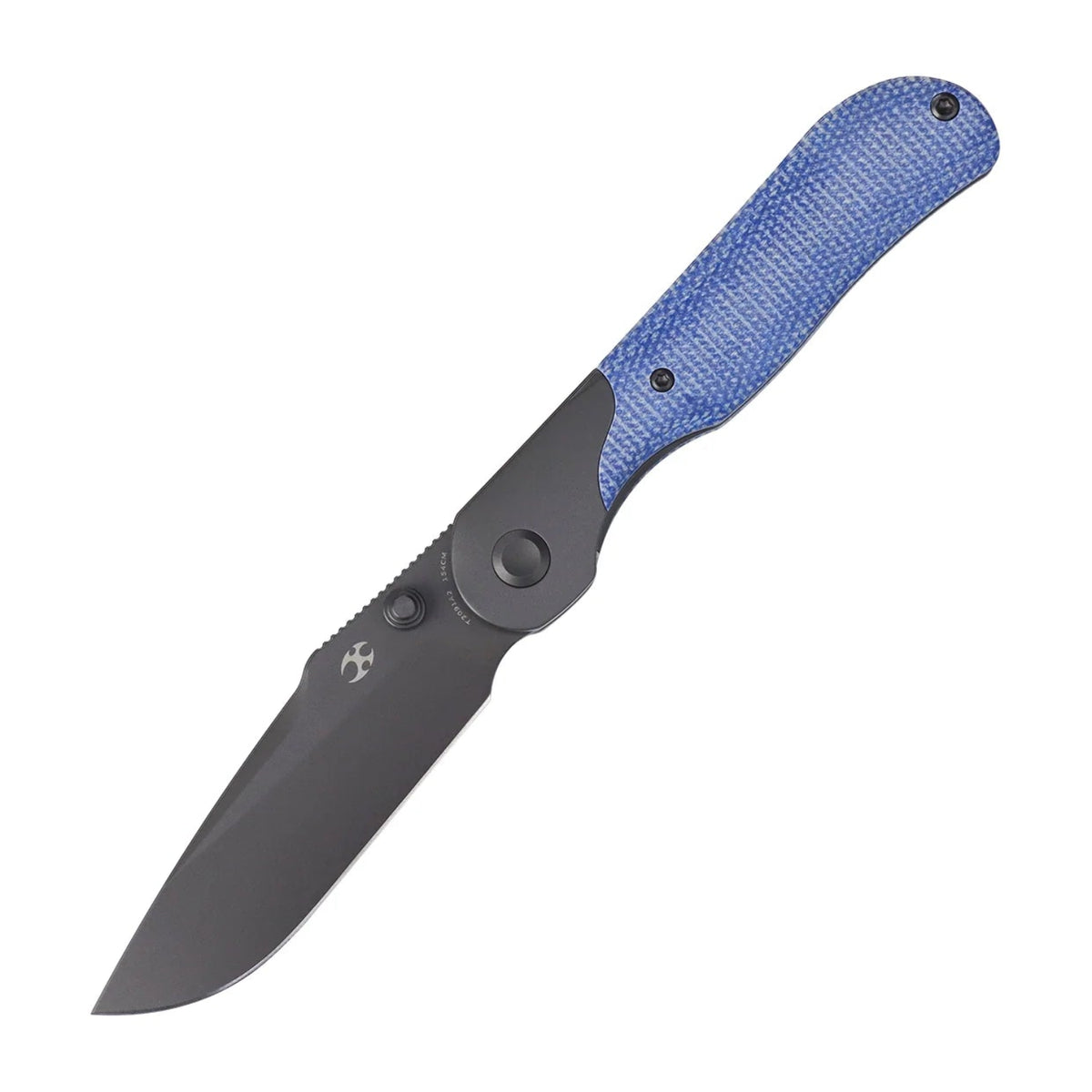
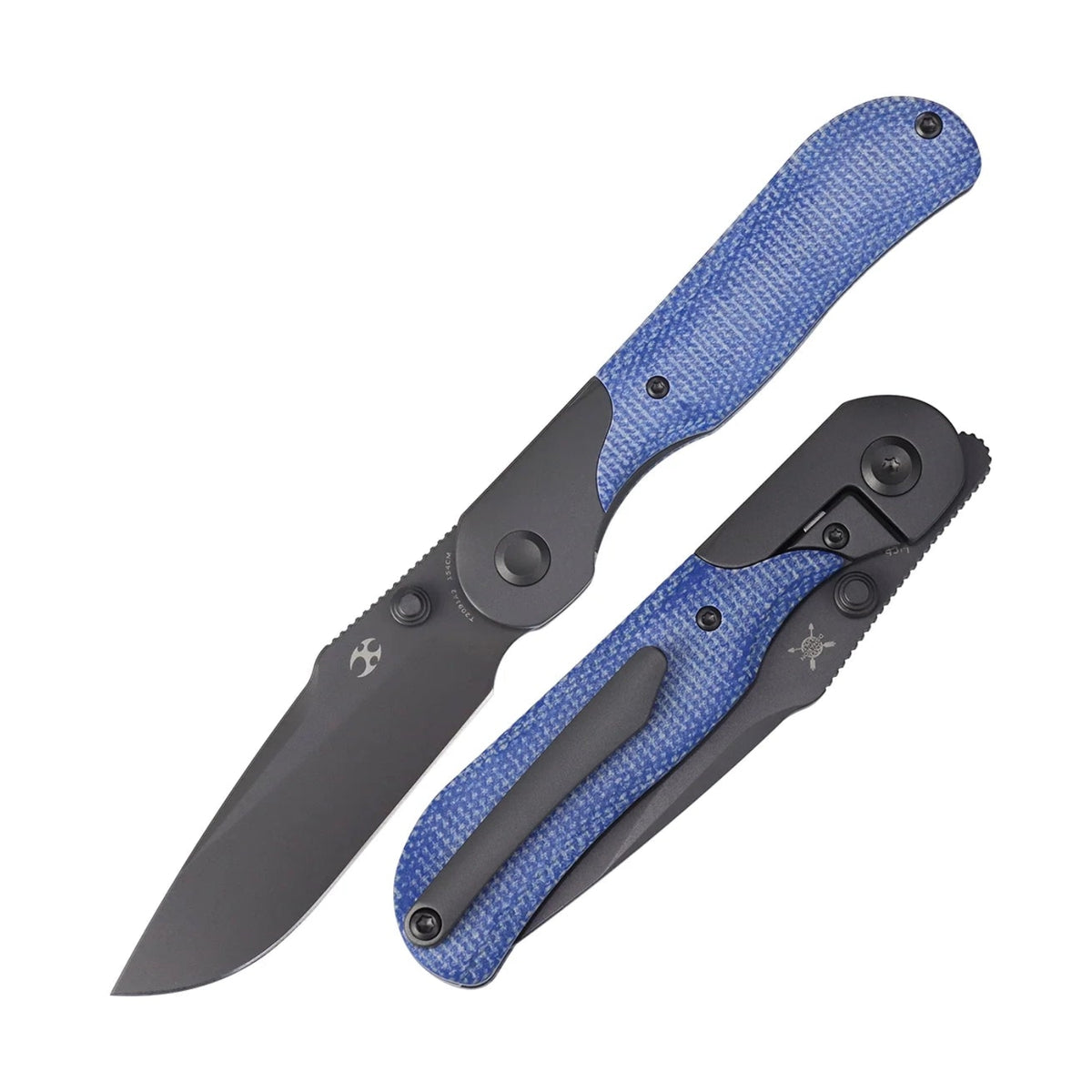
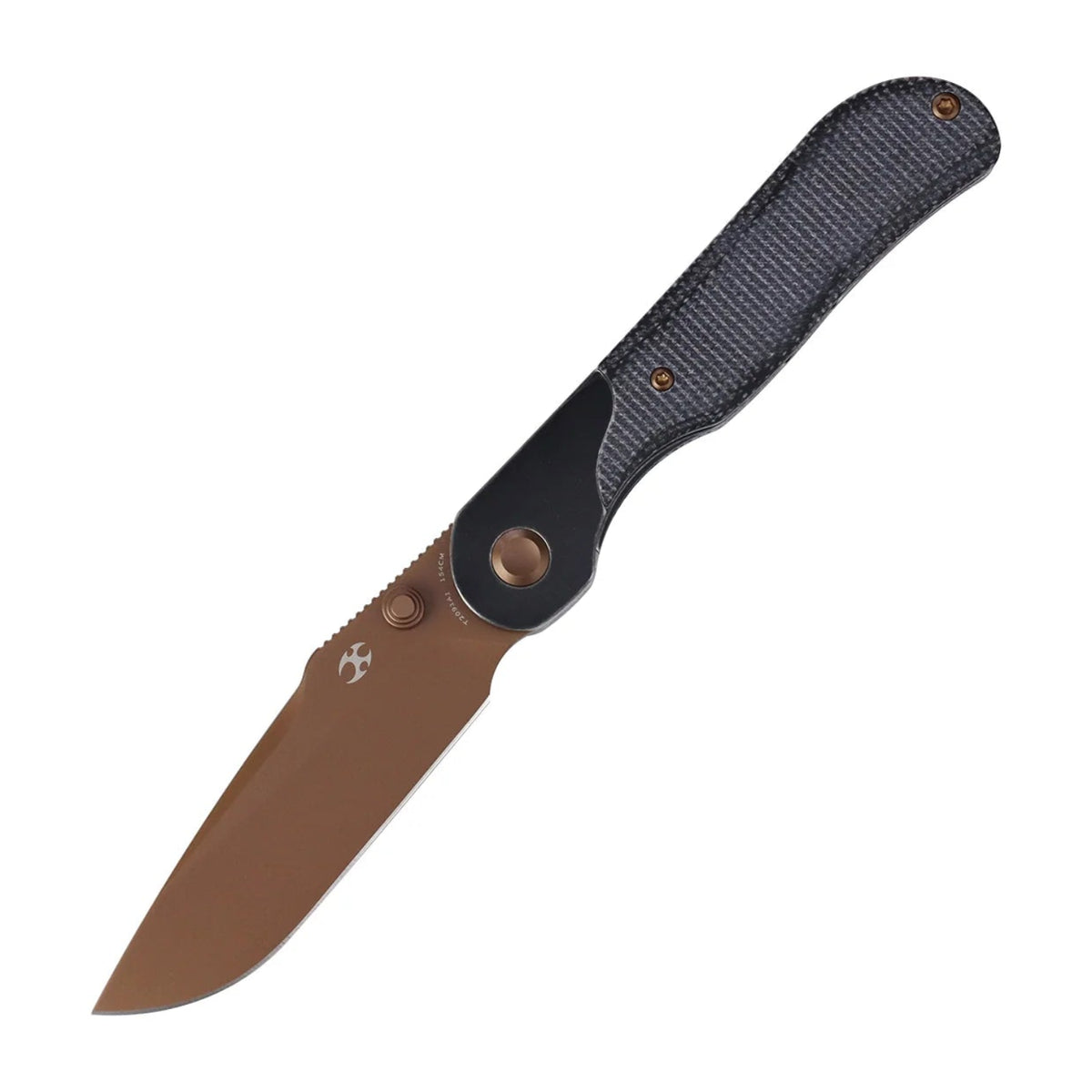
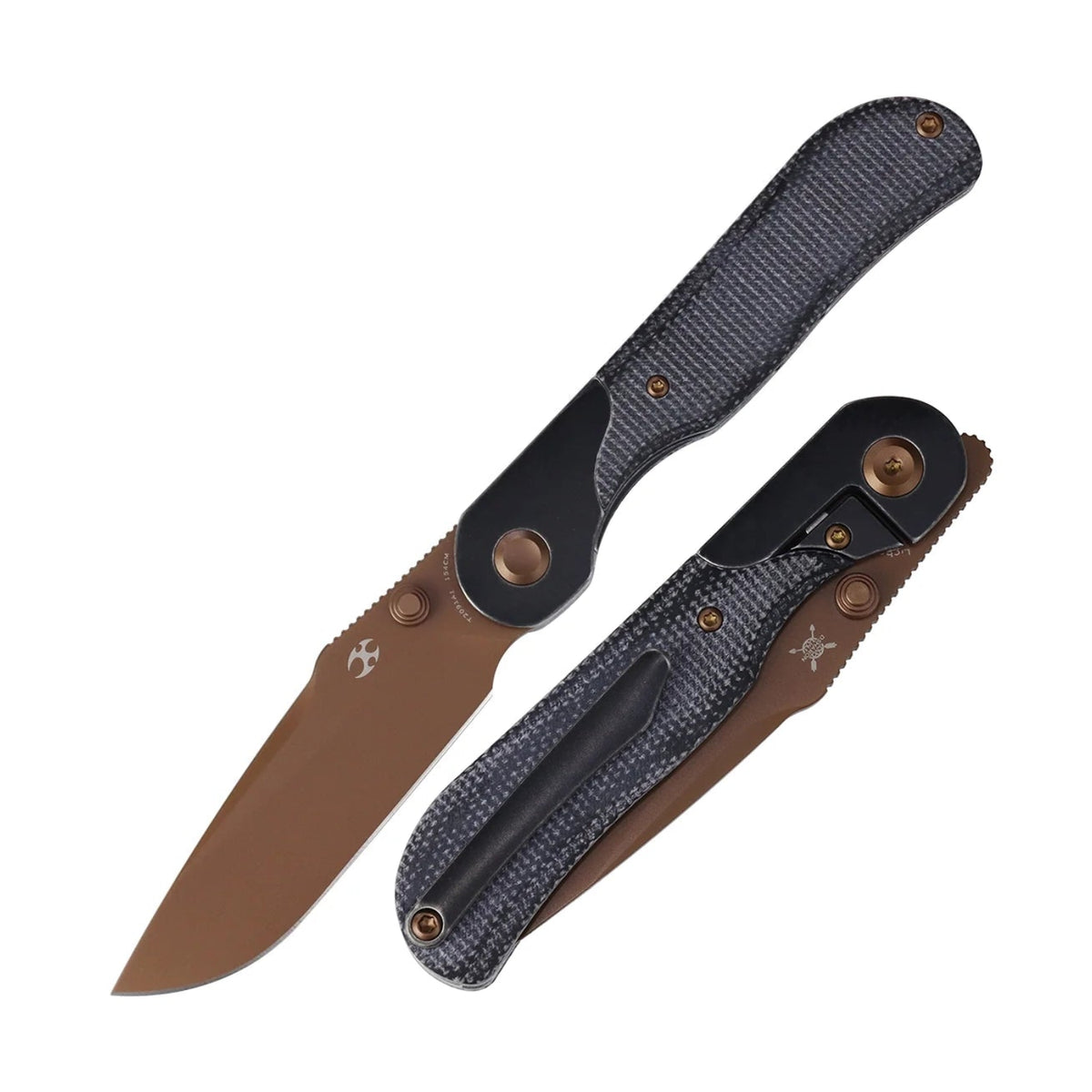
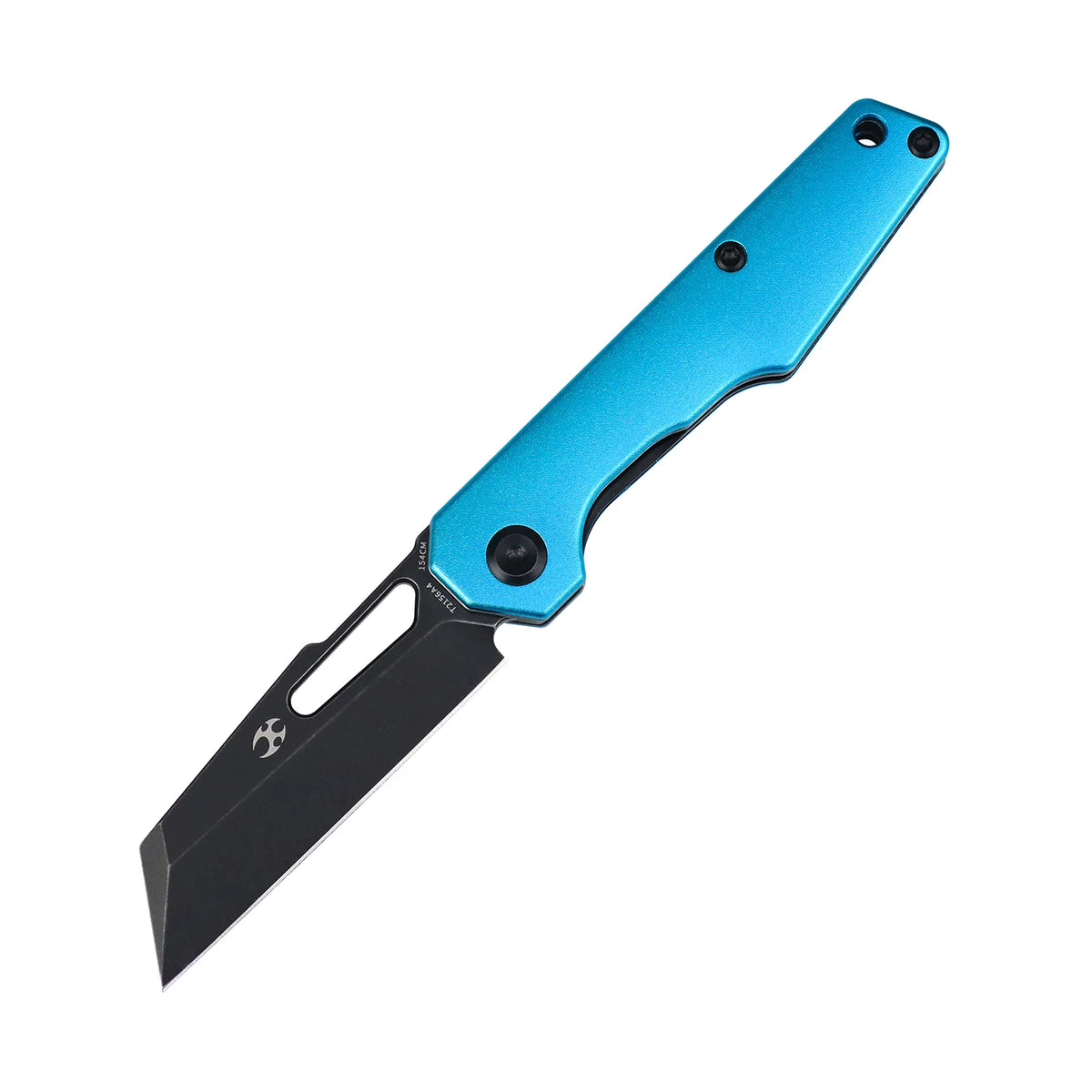
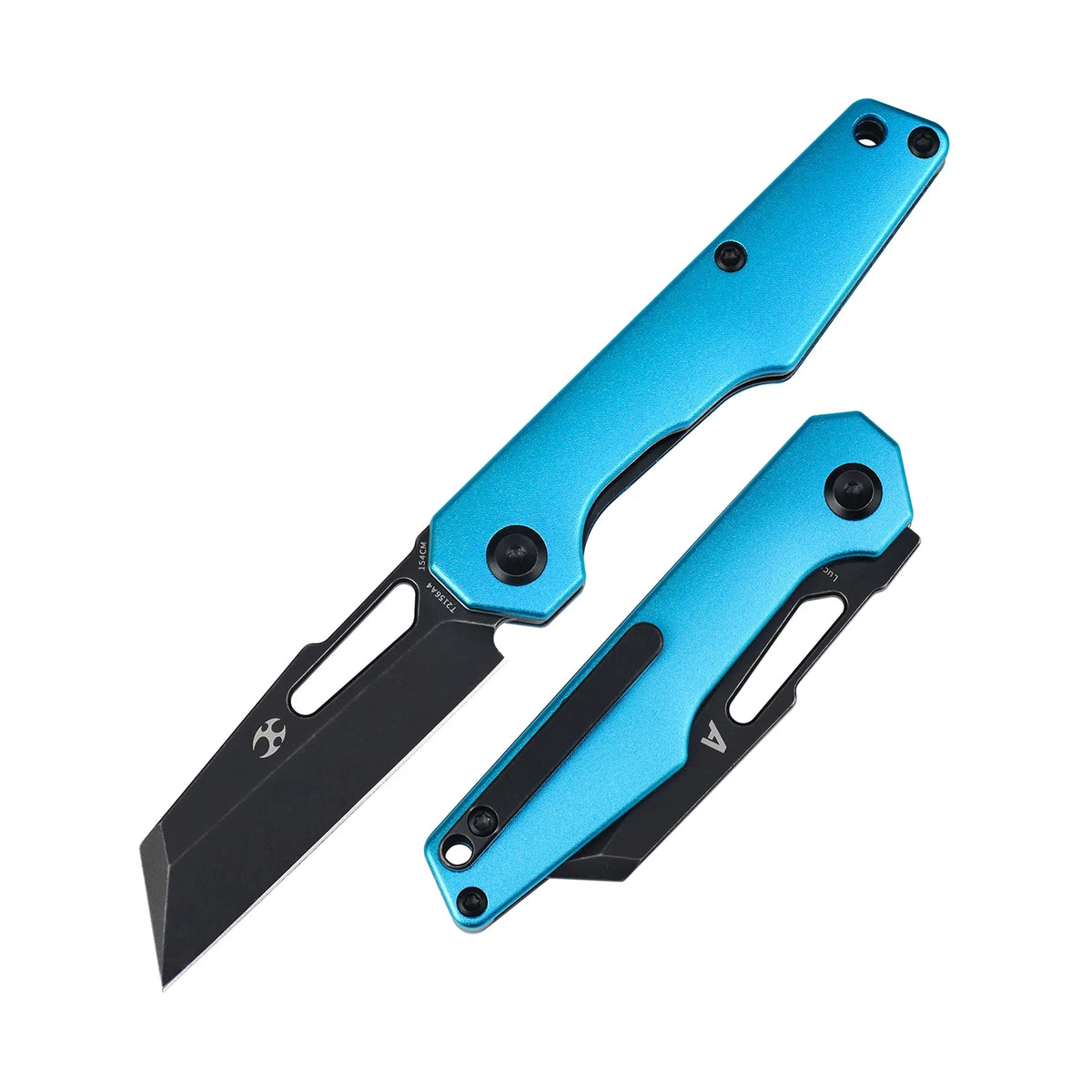
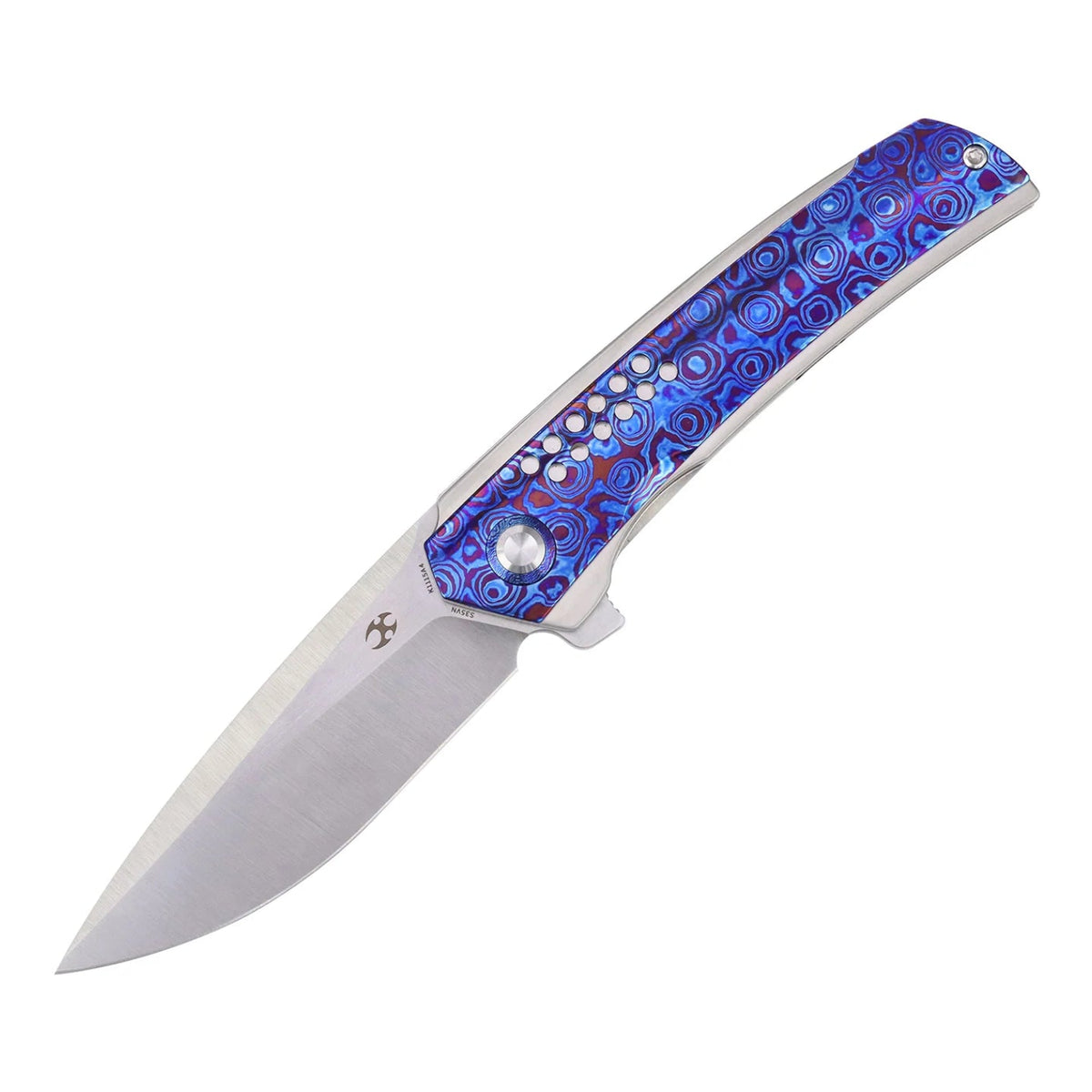
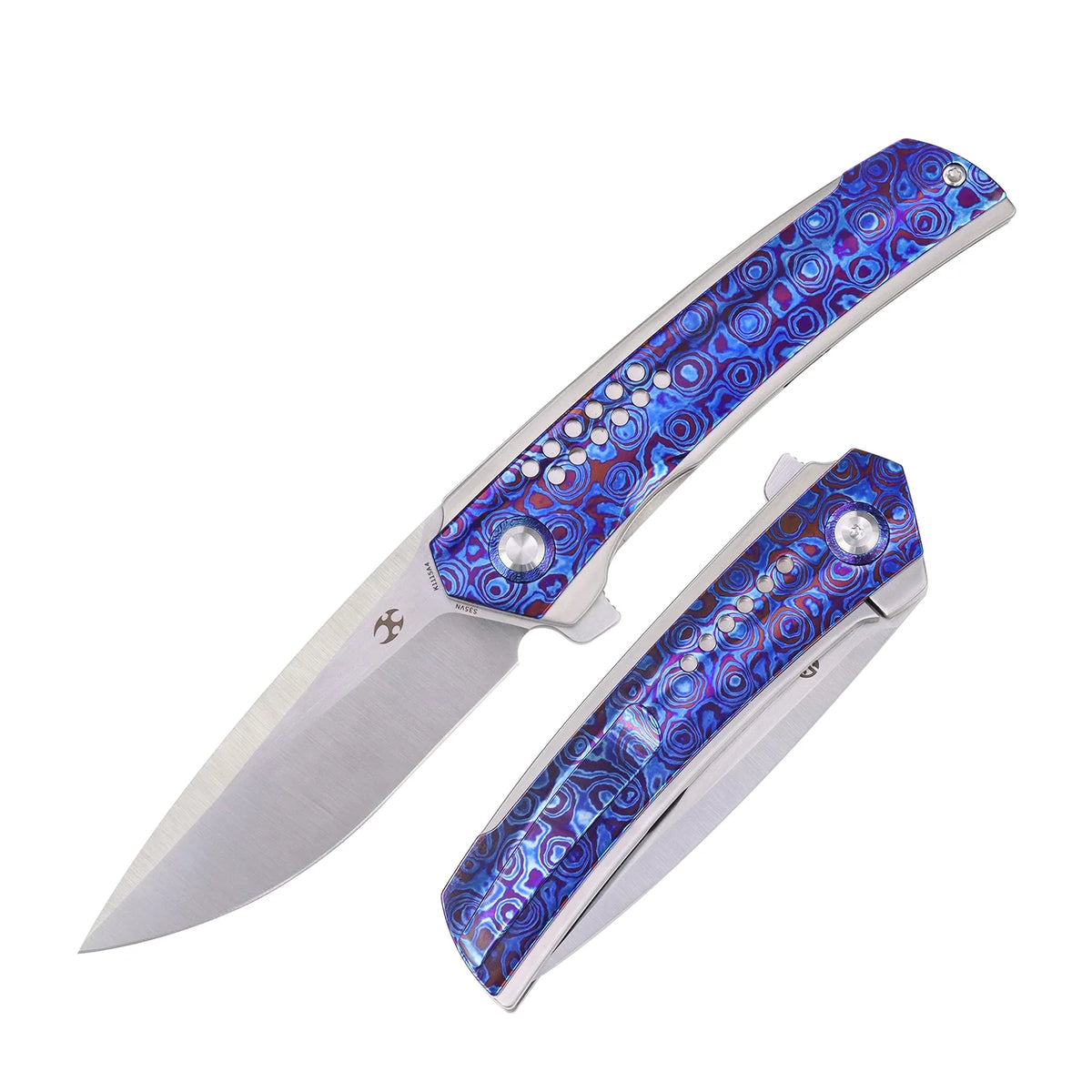
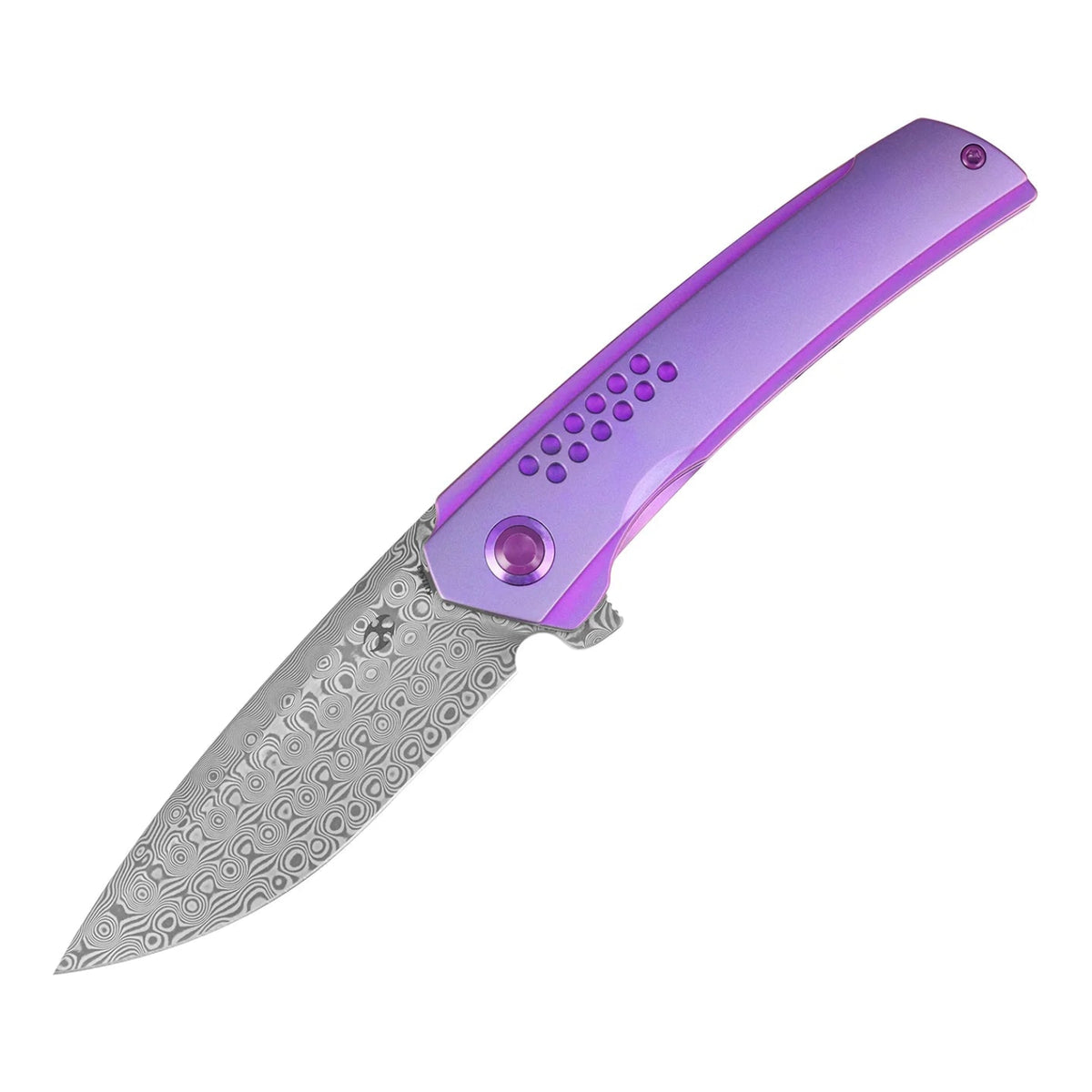
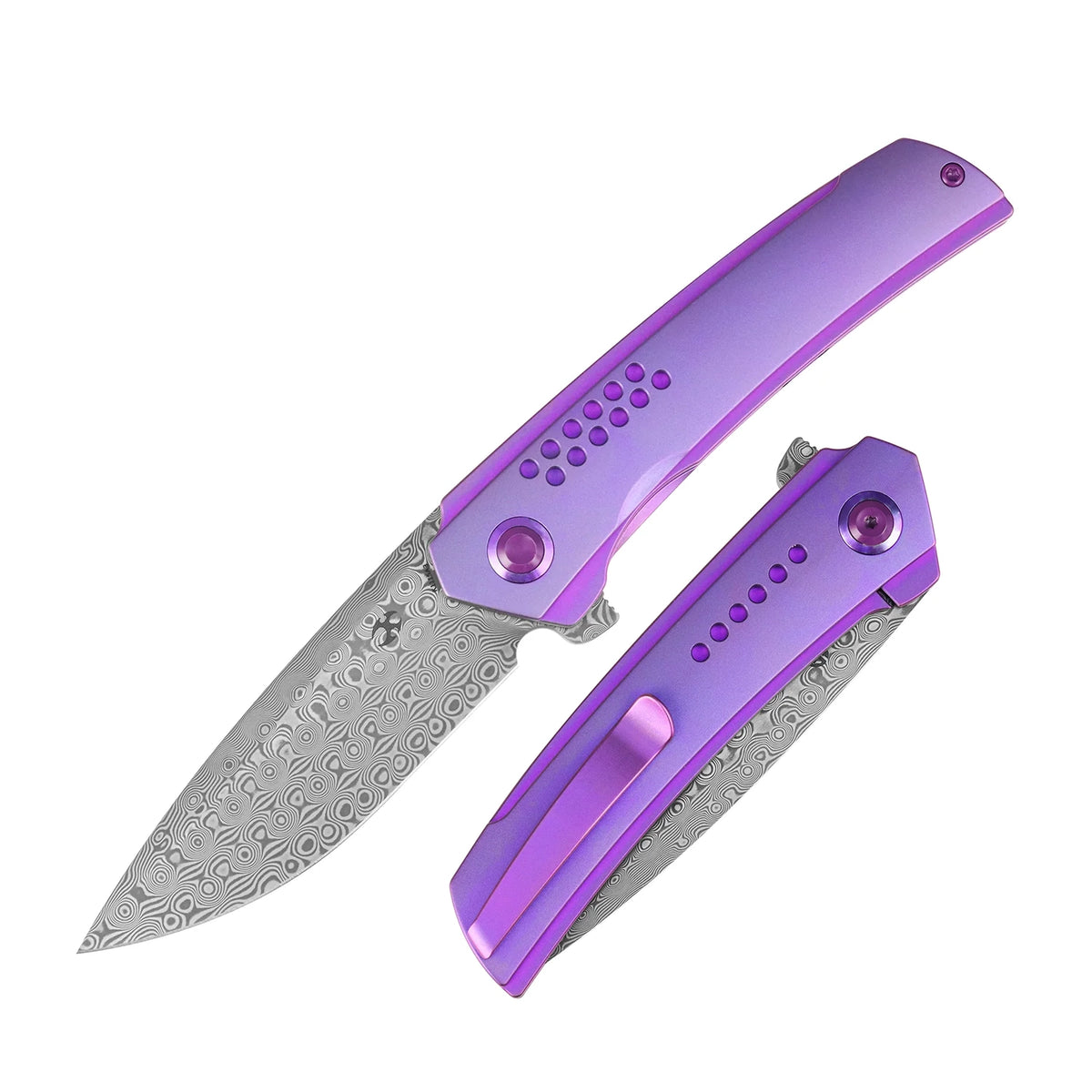
Repoussé raises a shape from the back of a metal sheet with punches, then chases the front to refine it. Nothing is added and nothing is cut away, which means every mistake becomes part of the form. Pattern steels present the same constraint in a different medium, because the figure is set when the billet is forged, and the Kansept Link T1068H2 in Damascus shows how much control a grinder has over a pattern it did not create.
Materials & Construction
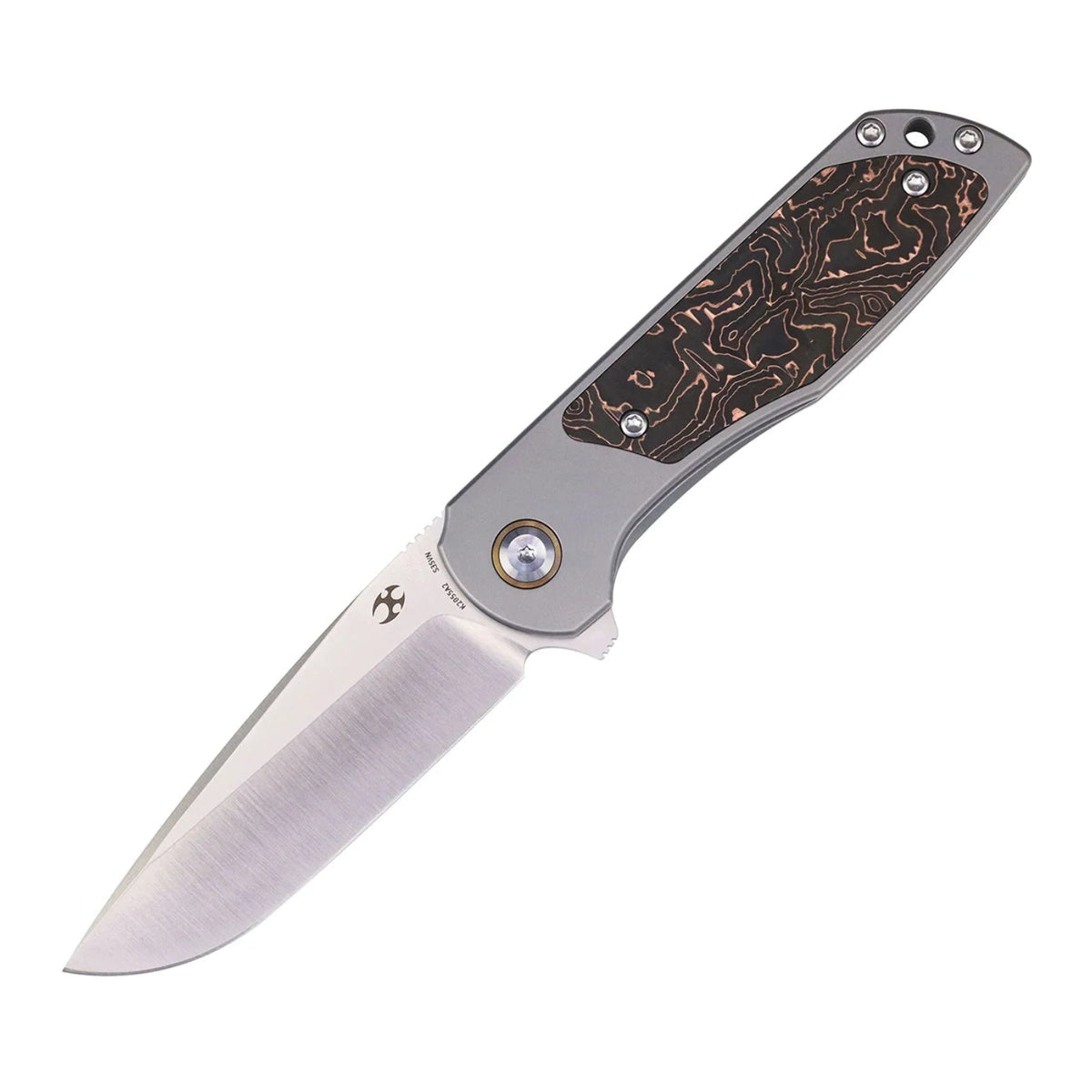
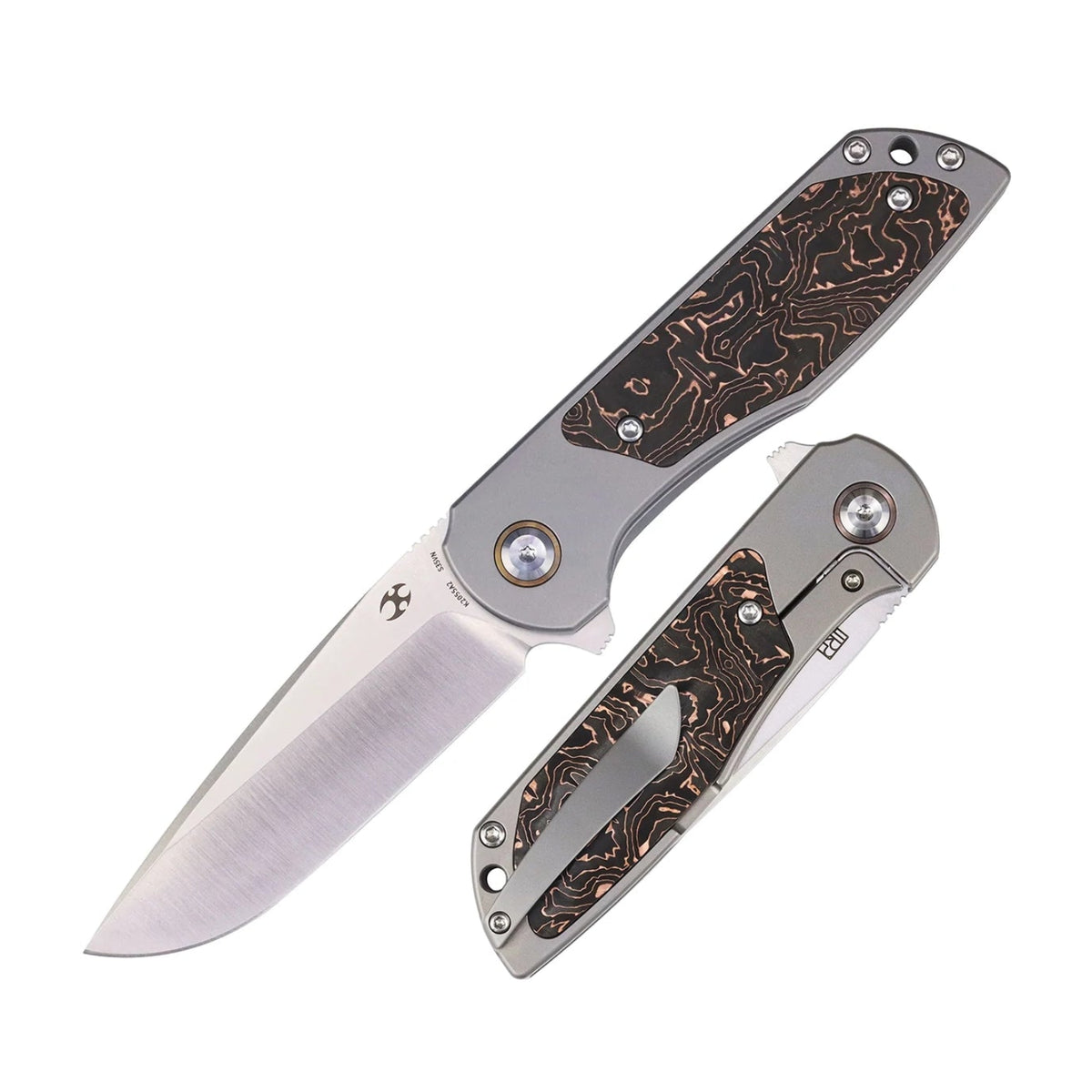
Traditional repoussé works in copper, silver and gold because all three anneal predictably and move without cracking. Damascus is a layered billet of two or more alloys, forged, folded and etched so the contrast appears. On the Link, the harpoon profile meets a water-ripple figure, and the etch depth is what makes it read at arm's length. Shallow etches look printed; deep ones catch a fingernail.

Design & Details
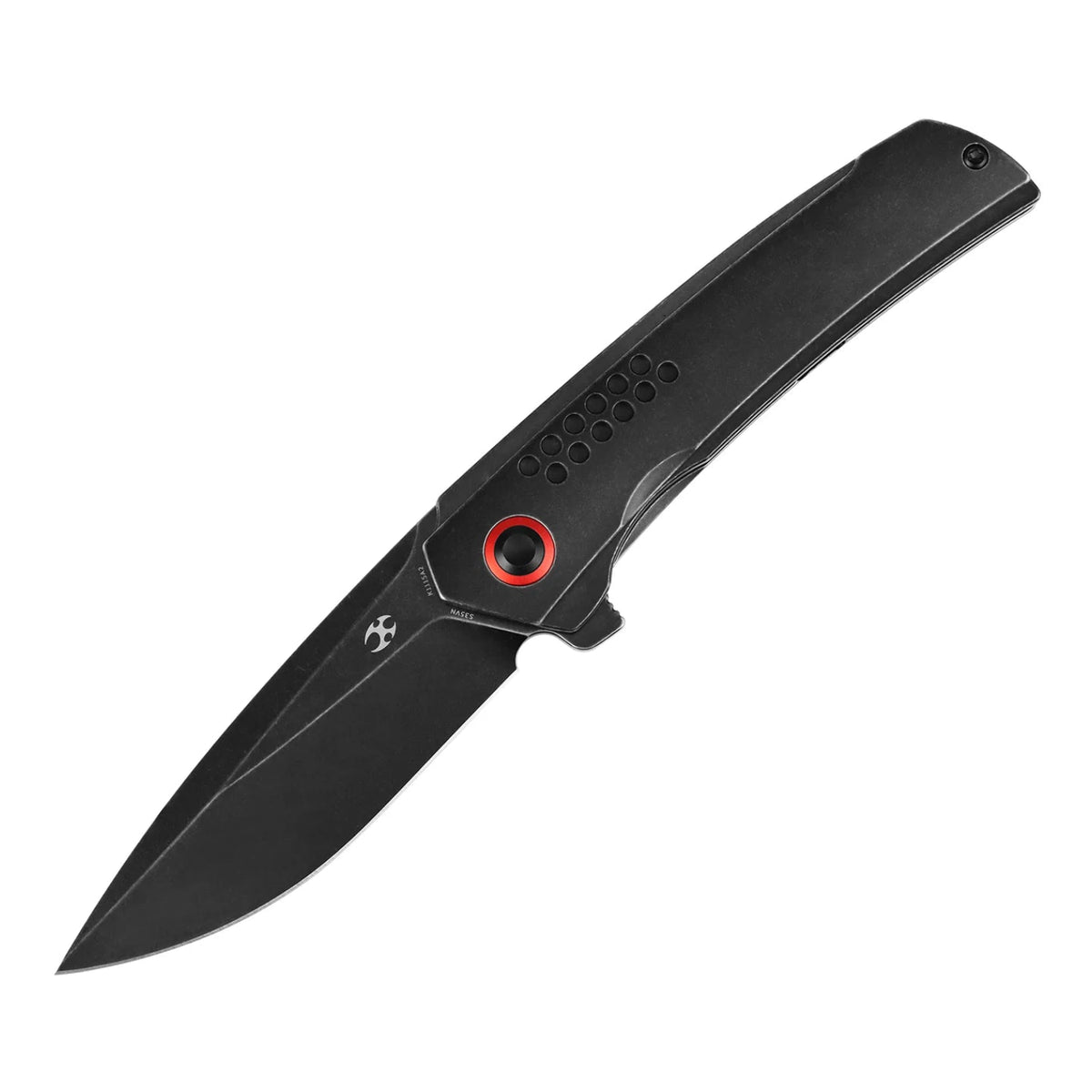
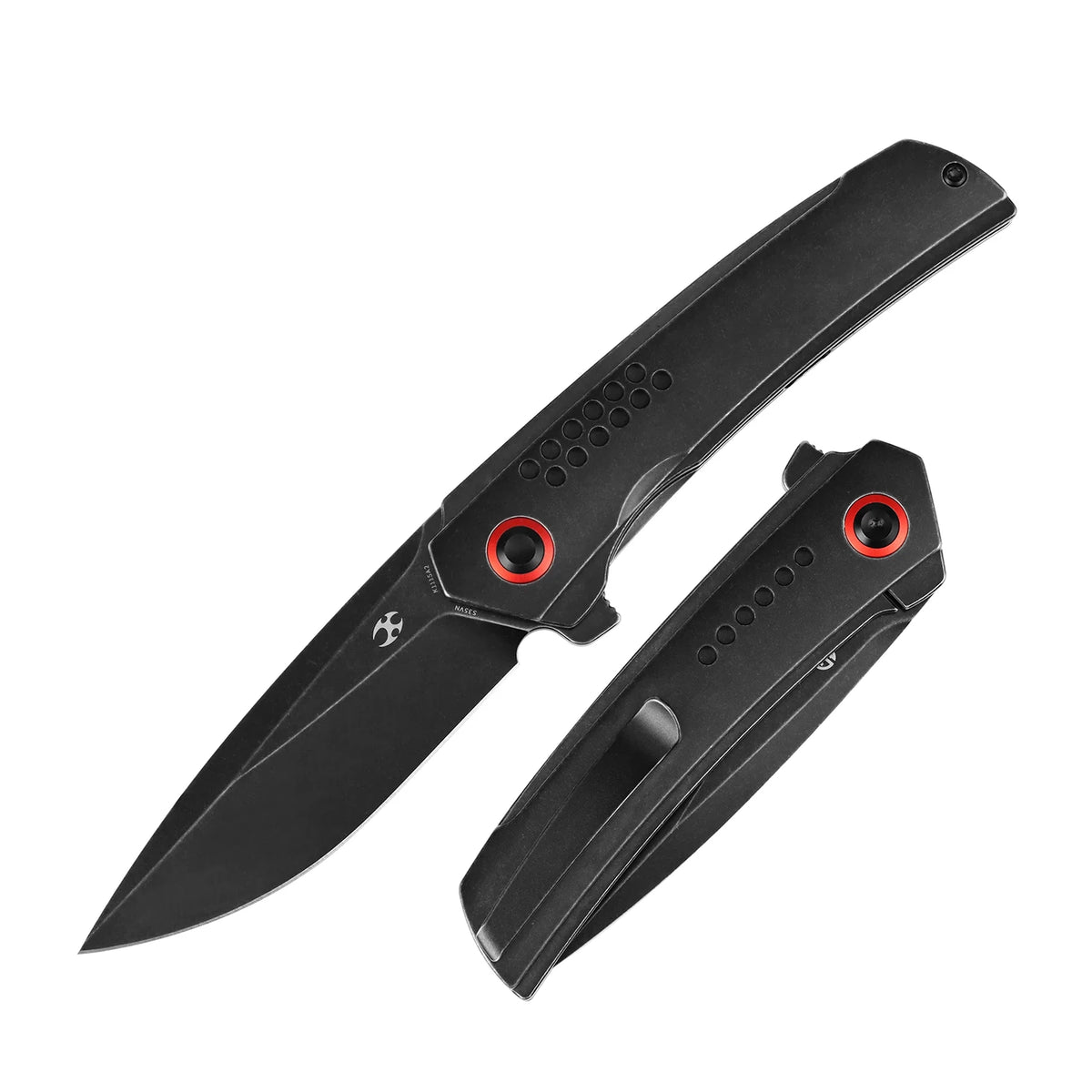
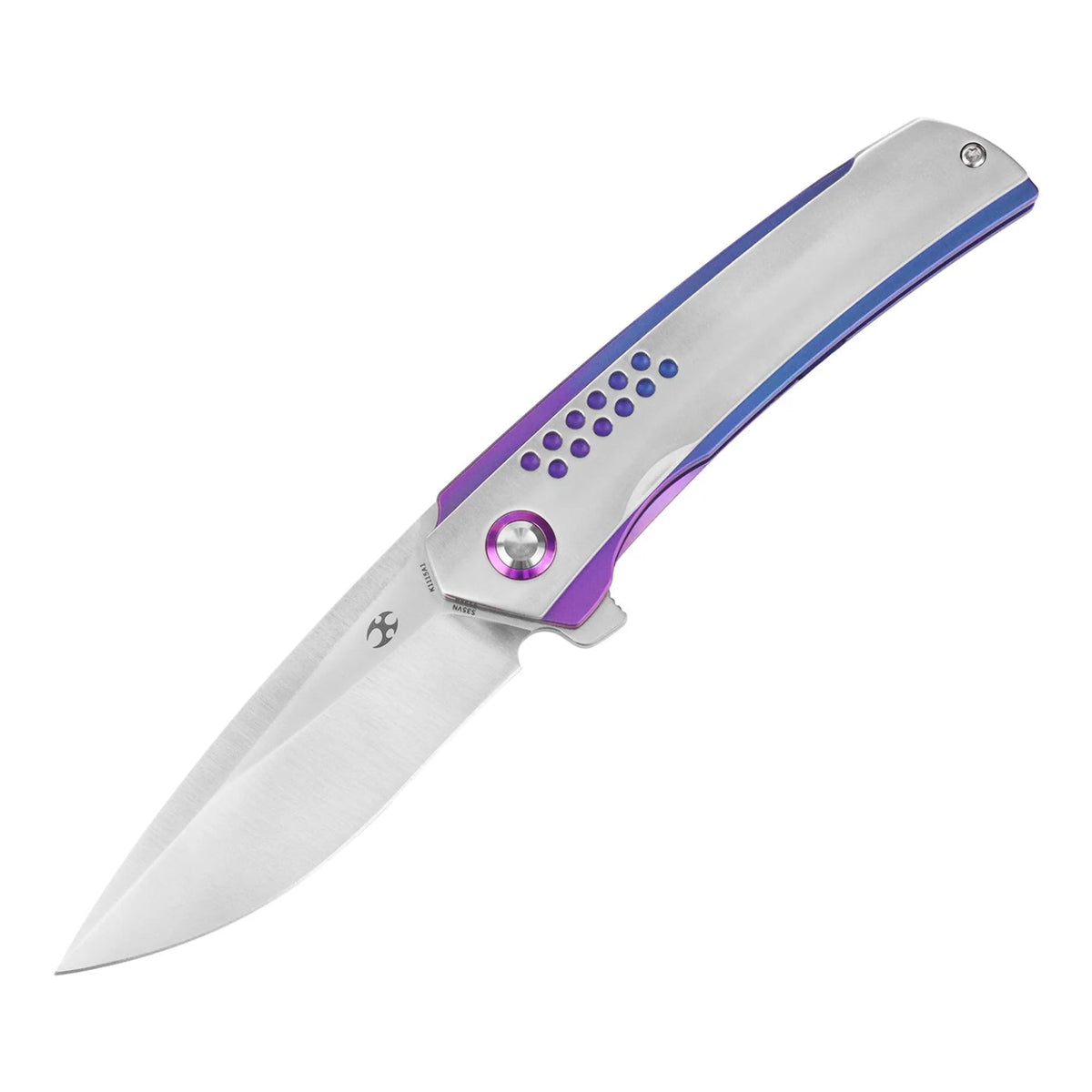
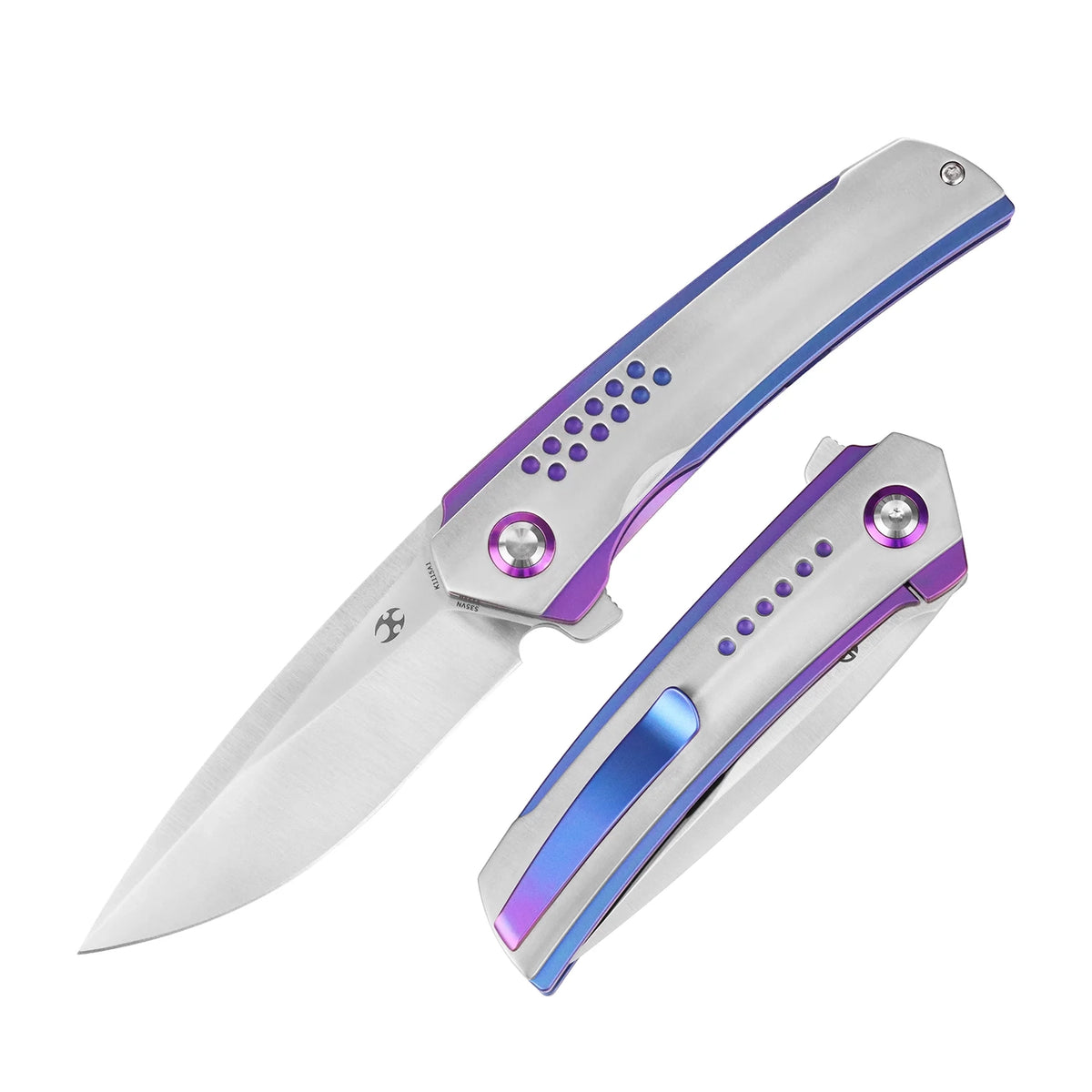
The top liner lock is the quiet engineering story here. Moving the lock bar to the top of the handle keeps the side clean for the hand and reduces accidental release during a firm grip. Combined with a compound grind, the blade does two jobs: a sturdy tip for piercing and a thinned rear section for slicing. That is repoussé thinking, shaping one blank to perform different tasks in different zones.
Real-World Use
Etched Damascus needs care that a plain blade does not. Acid from fruit, salt from sweat and moisture trapped under a thumbprint will all dull the contrast, so wipe and oil after use. In return you get a blade that looks different in every light. Cutting performance is normal carbon-steel performance: sharp, easy to restore and quick to patina if you let it.

Ownership Notes
Collectors argue about whether pattern steel is decoration or engineering. The honest answer is that it is both, because a laminated billet behaves differently at the edge and needs a gentler sharpening angle. Anyone building a set of folding knives should own one Damascus piece to learn that difference. EdcMall lists the Link with the pattern described, so you know what you are getting. Repousse work and Damascus steel share a habit of hiding their difficulty, since both look effortless until you try them. Kansept knives finish the pattern before assembly, so the etch depth is uniform along the whole blade. Collectors of EDC knives should look at the plunge line first, because that is where a sloppy etch always shows.
Who Is This For?
This knife suits people who like visible craft and do not mind a small maintenance ritual. It fits collectors, gift buyers and anyone who wants a knife that photographs as well as it cuts. Skip it if you work in salt water, if you never oil a blade, or if you want a finish that looks identical after five years.
Final Verdict
Repoussé rewards a maker who can stop early, and pattern steel does the same for a grinder. The Link T1068H2 shows both instincts: a restrained etch, a clean top liner lock and a blade shape built for two different jobs. Buy it for the figure, use it for the geometry, and keep a cloth nearby.