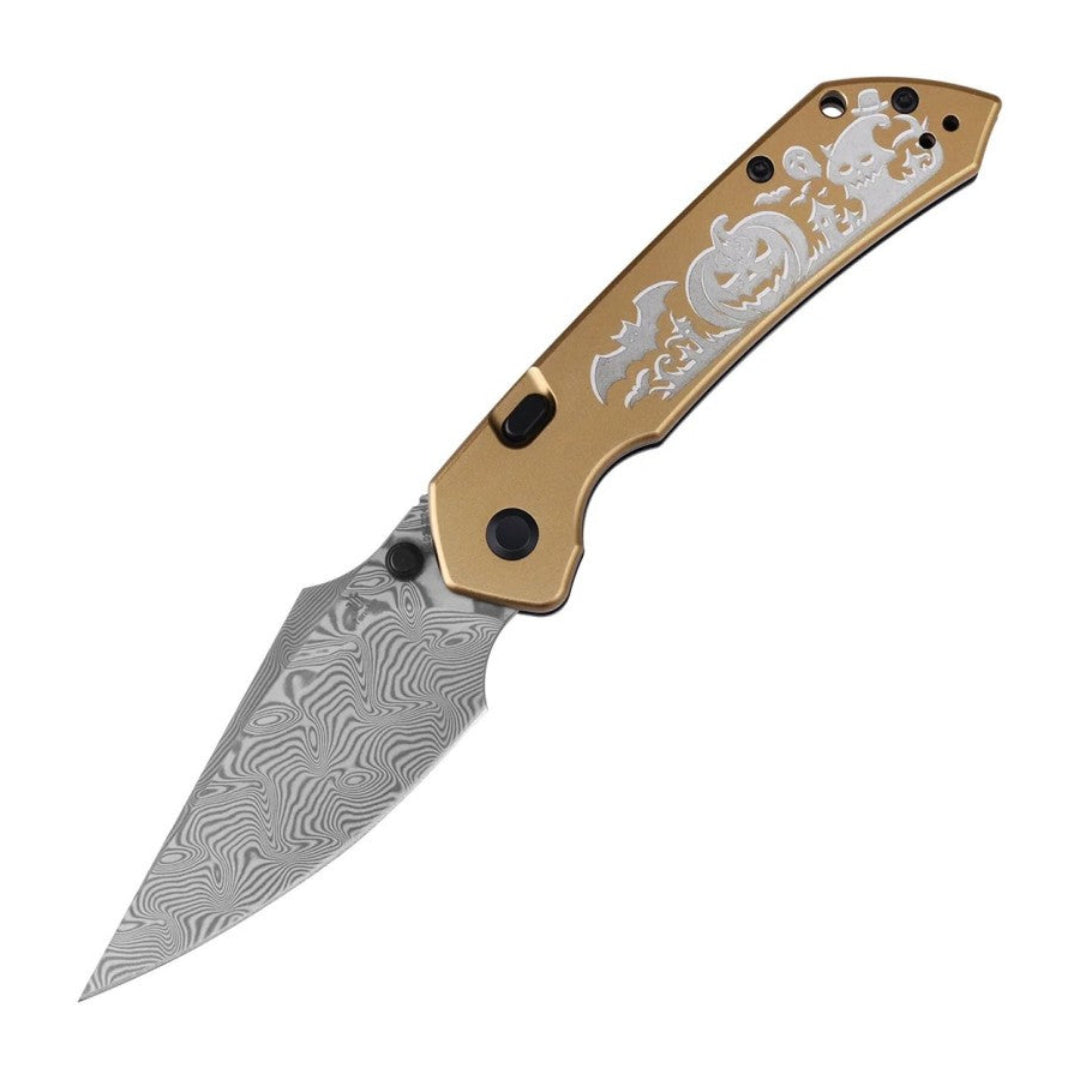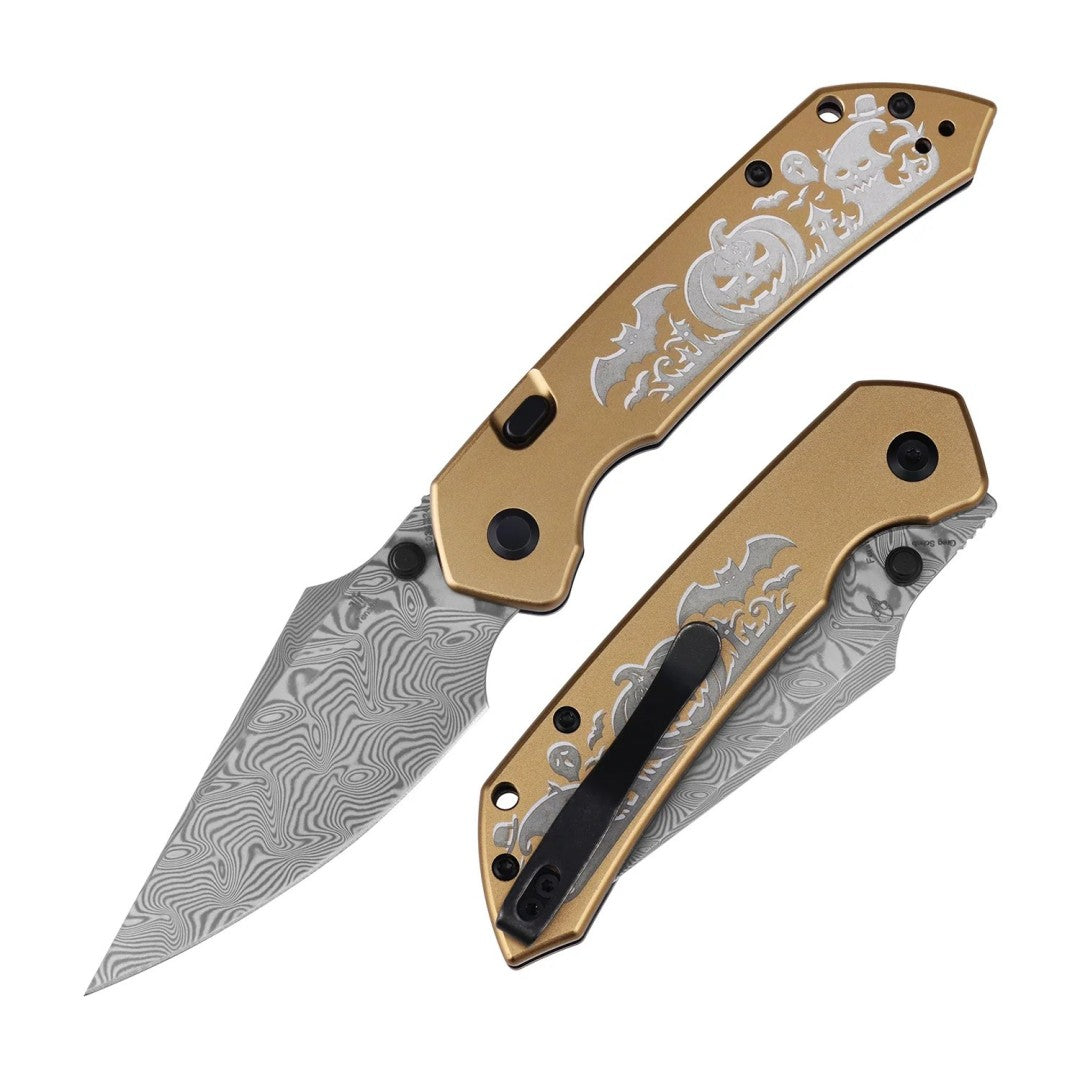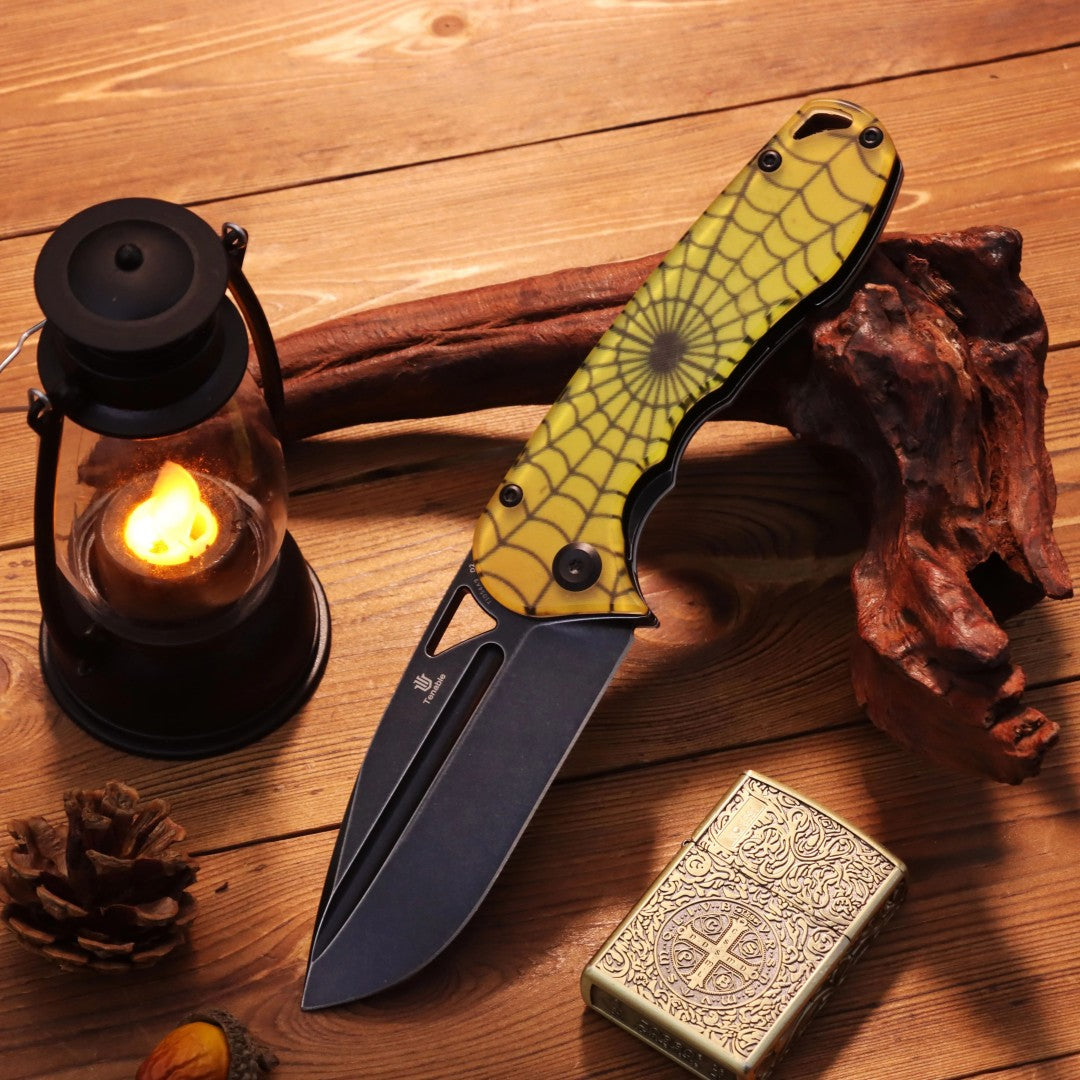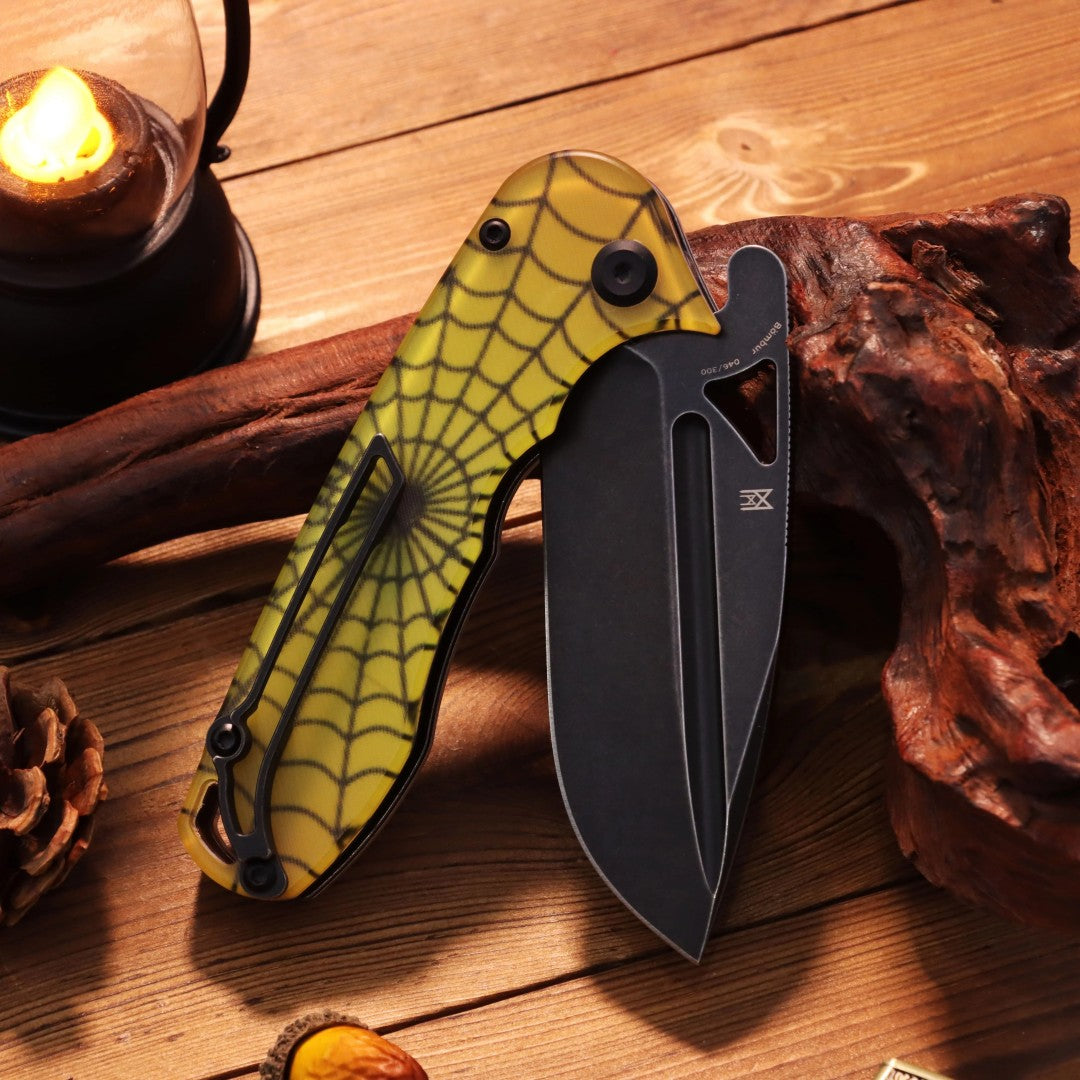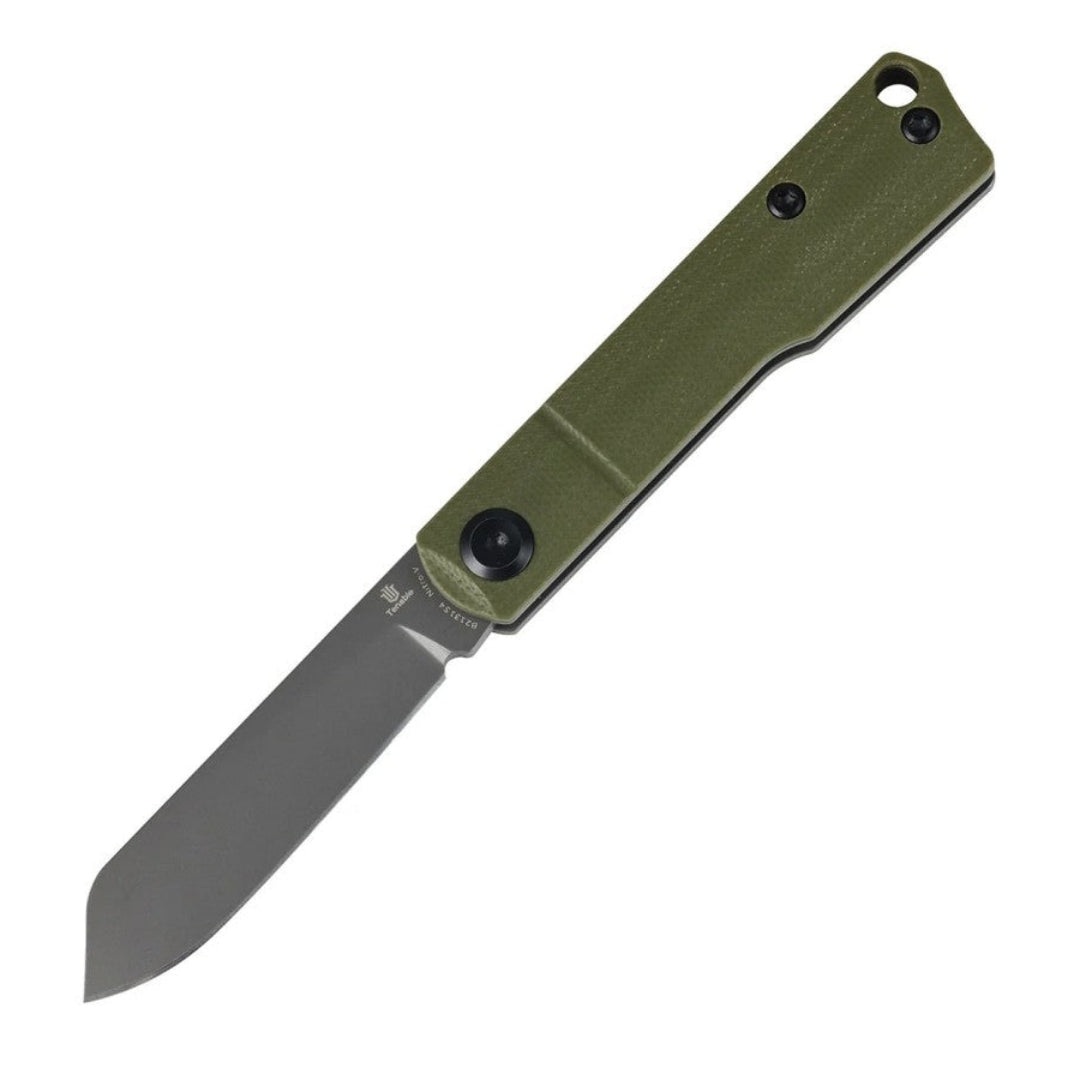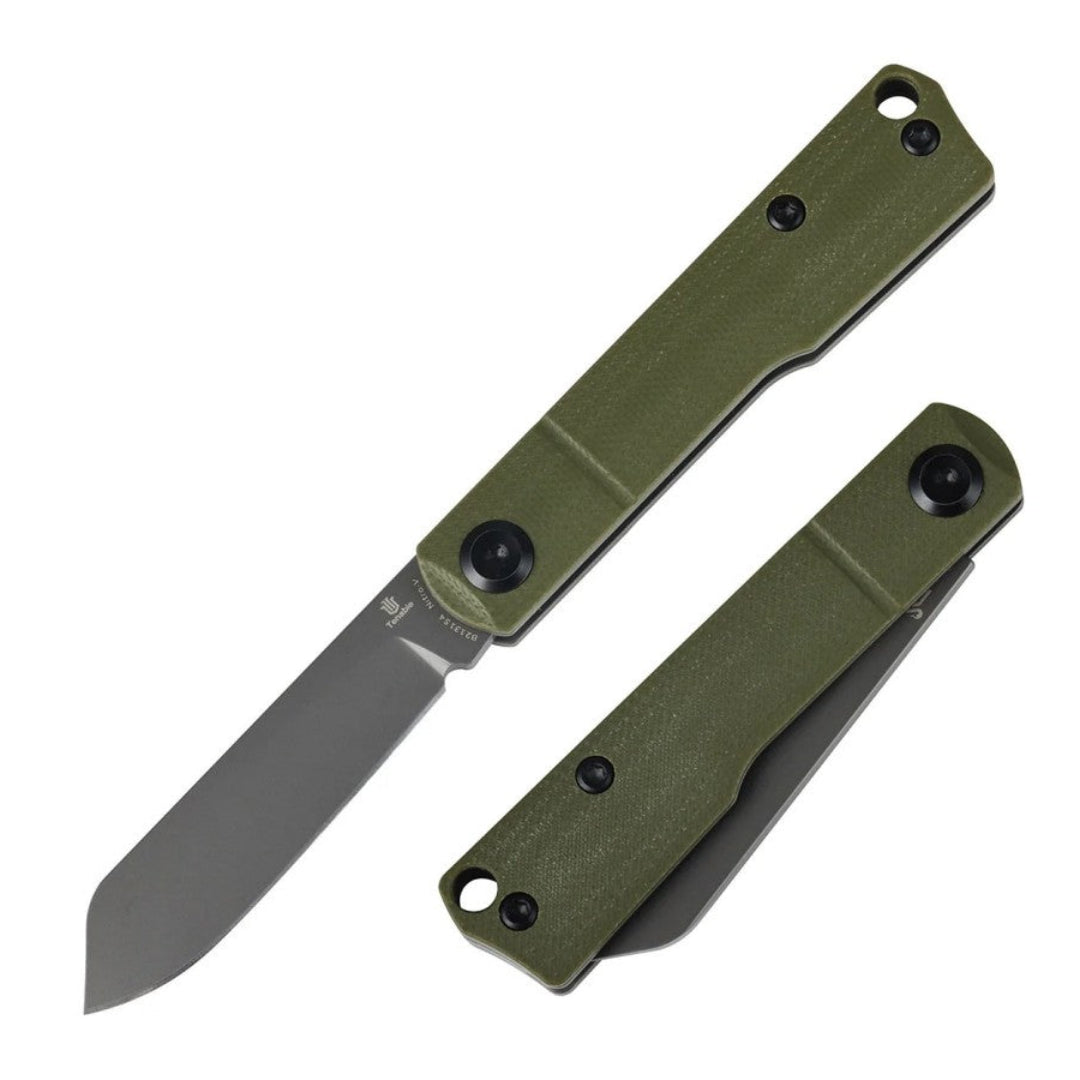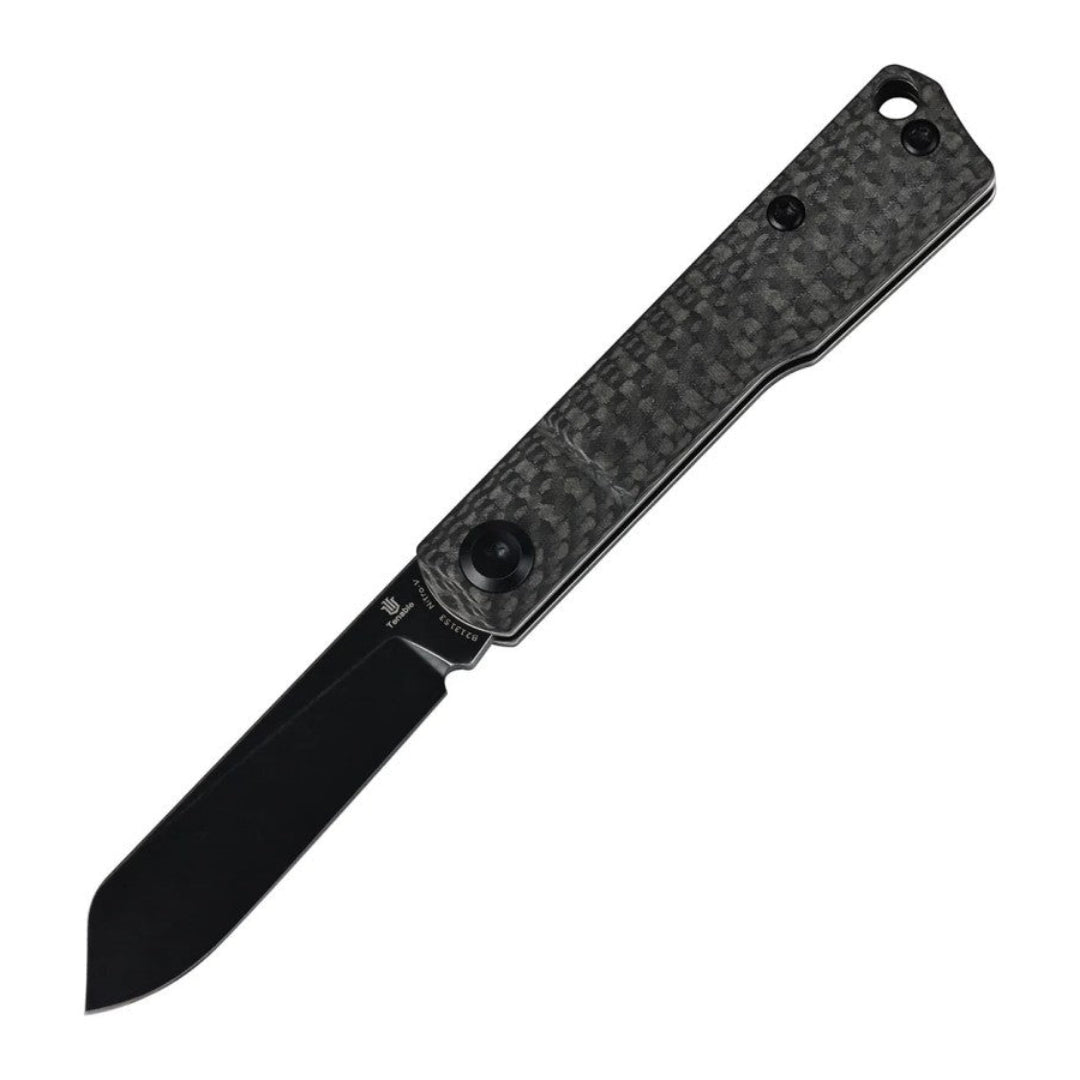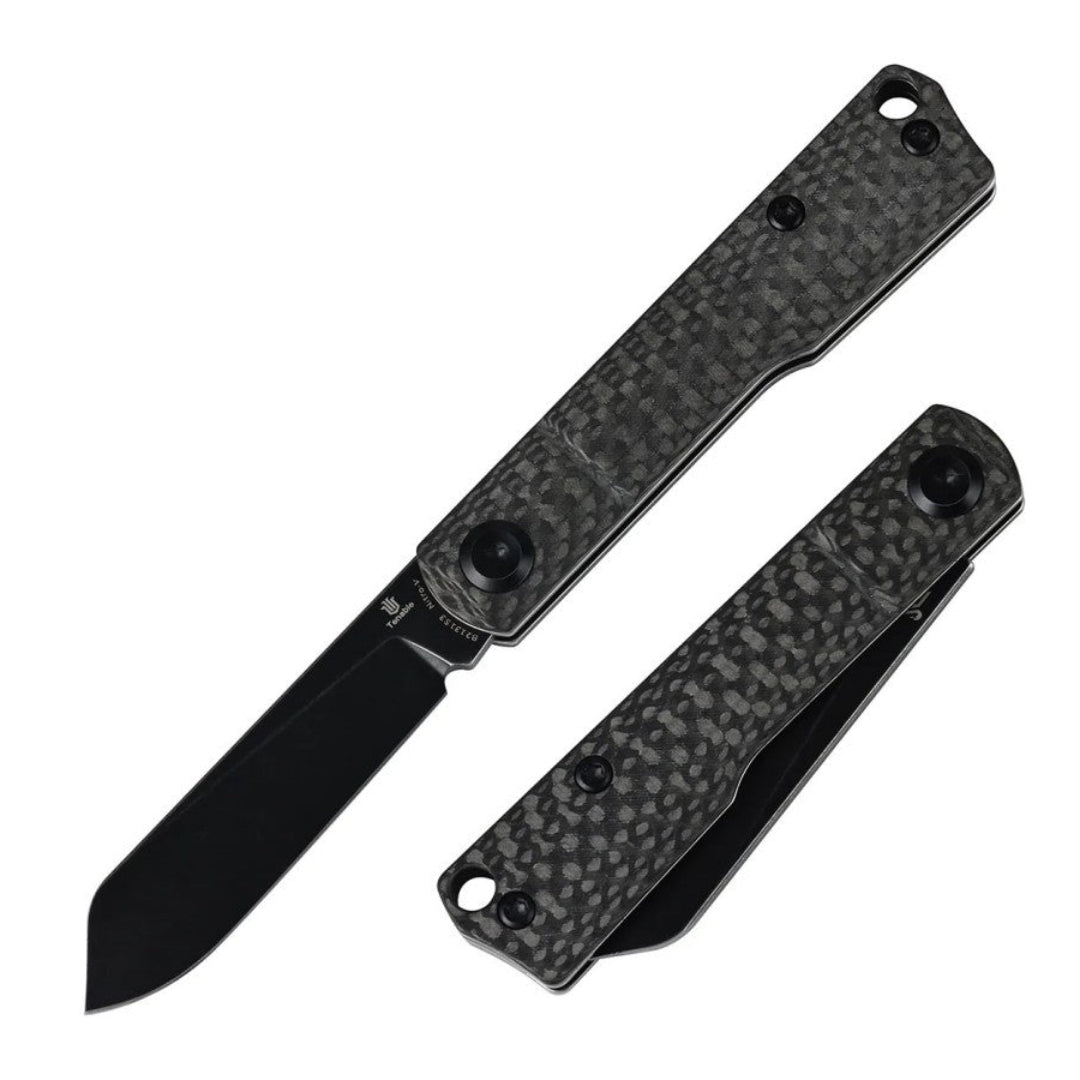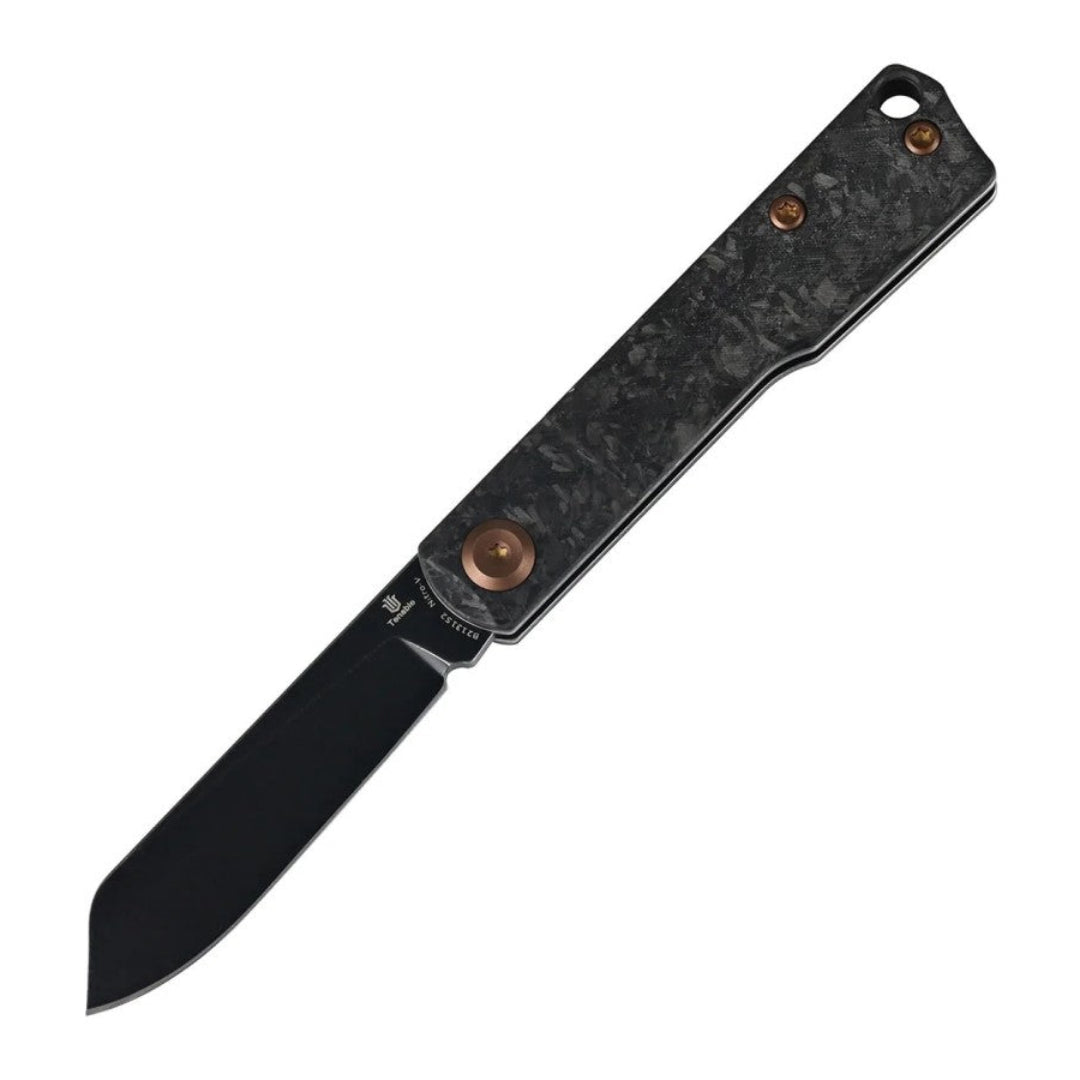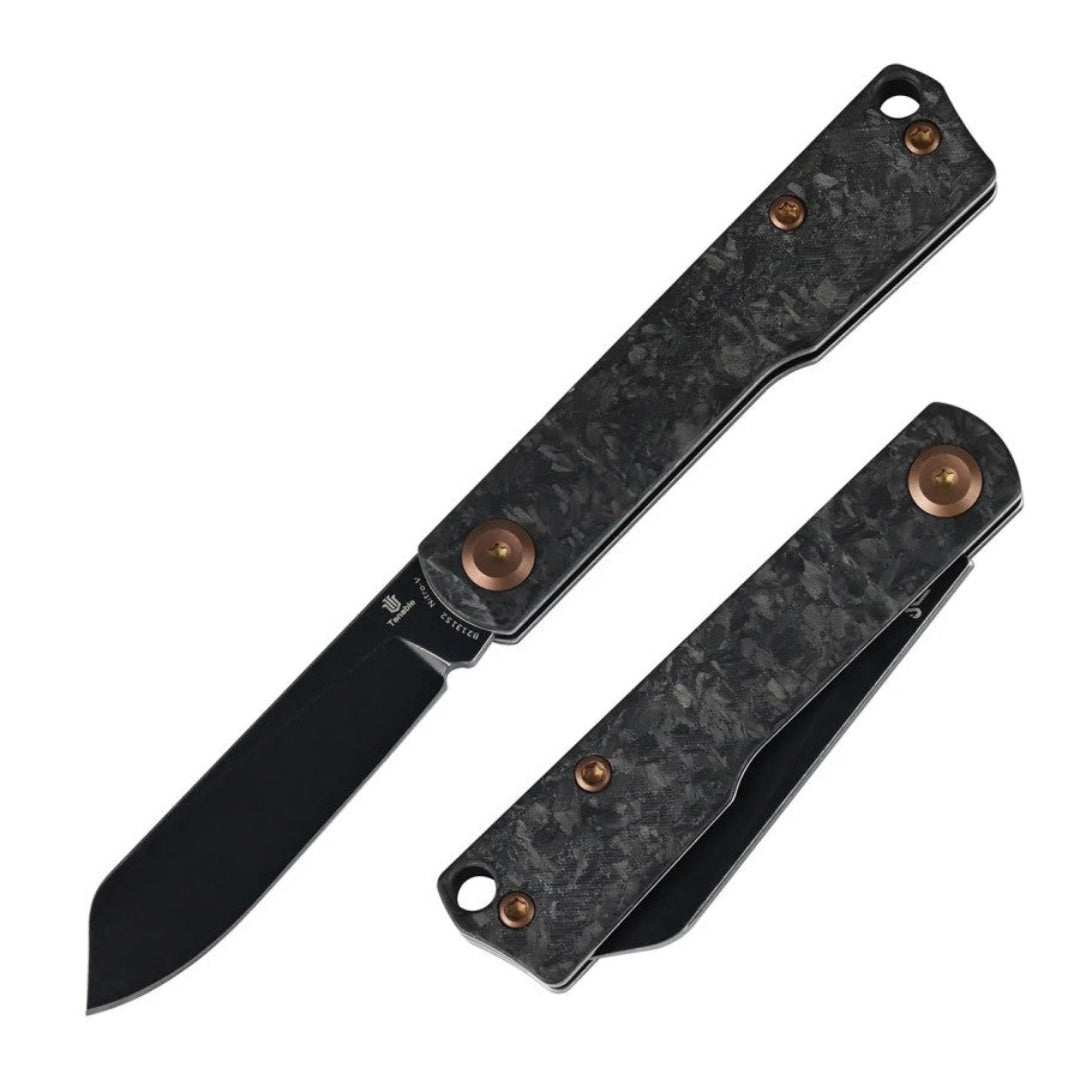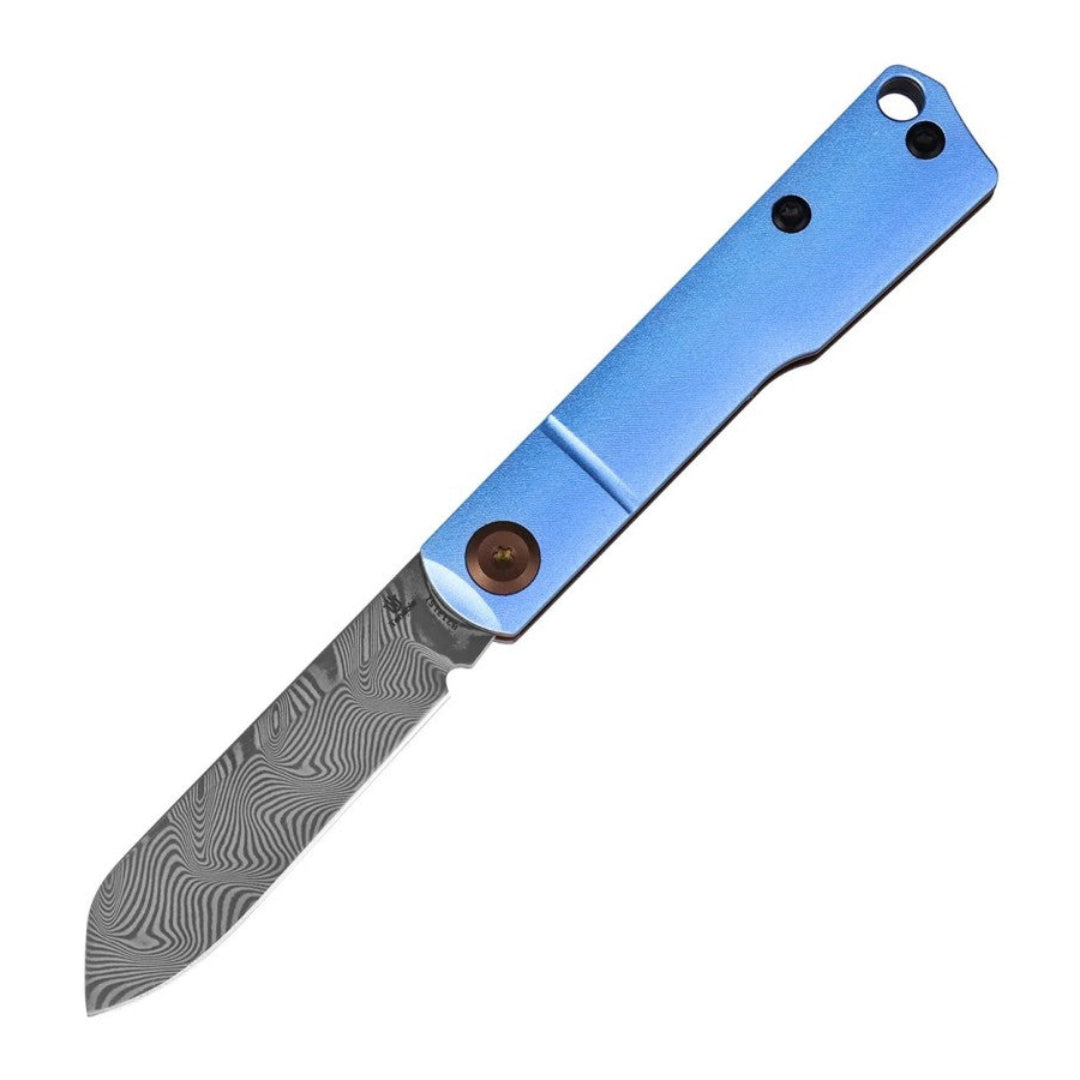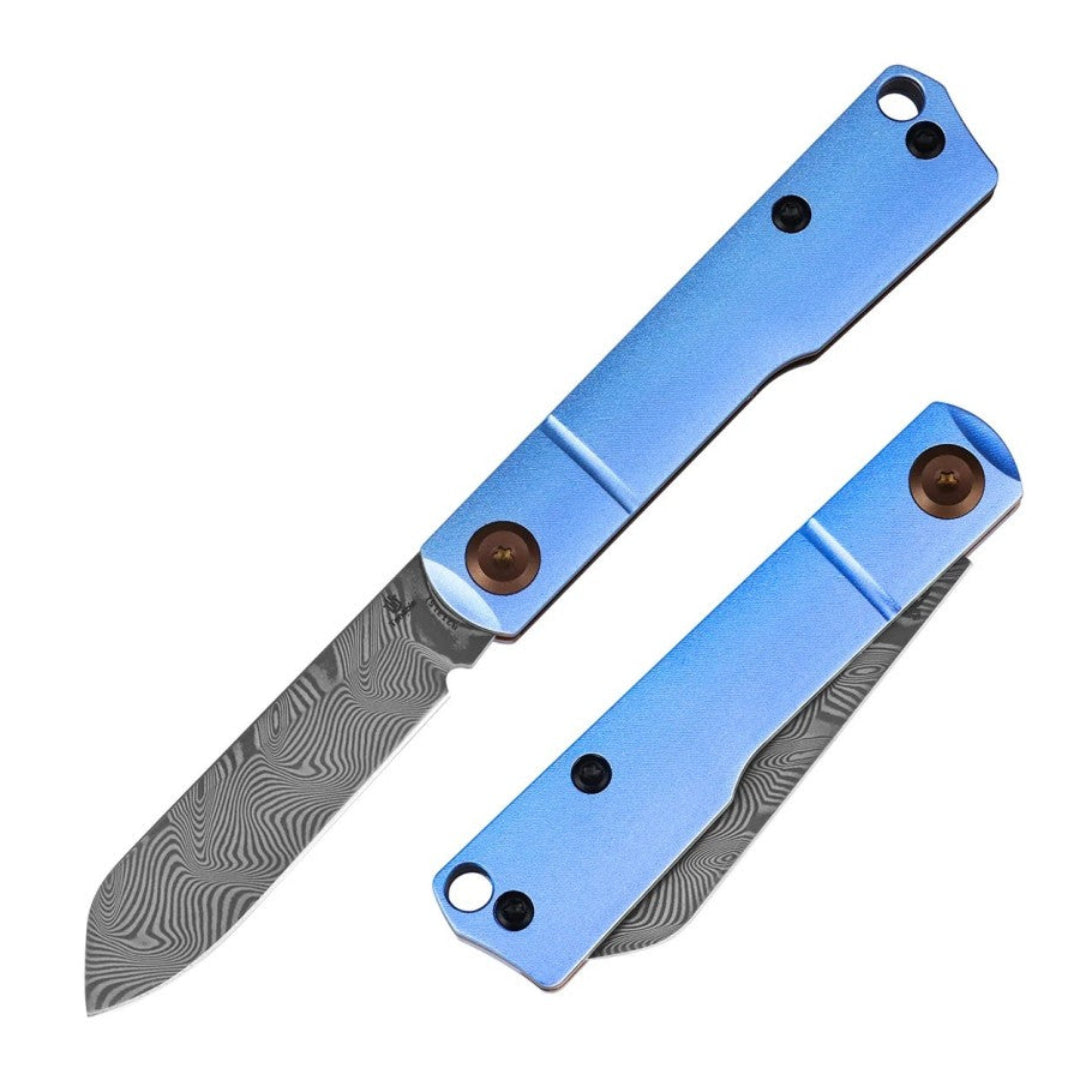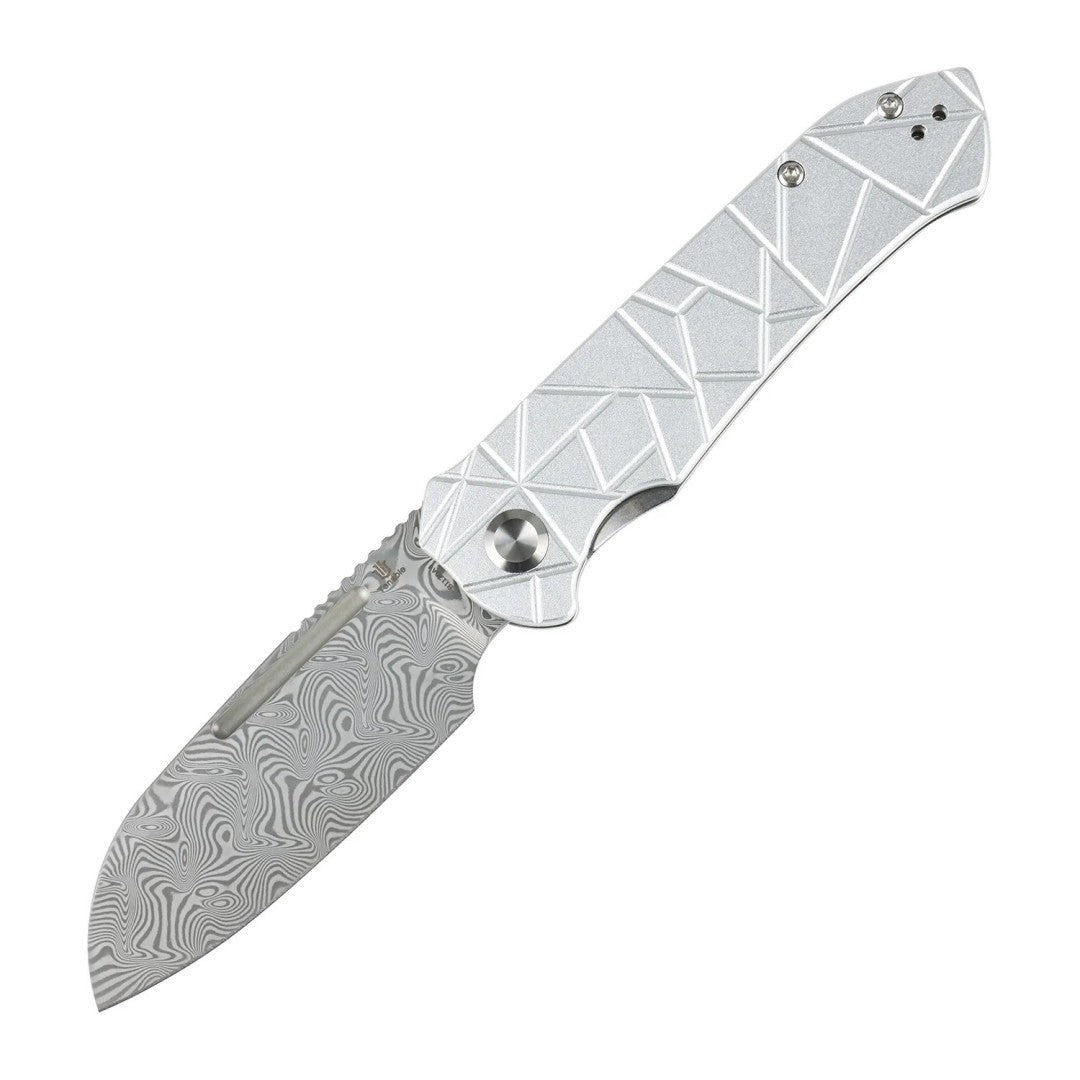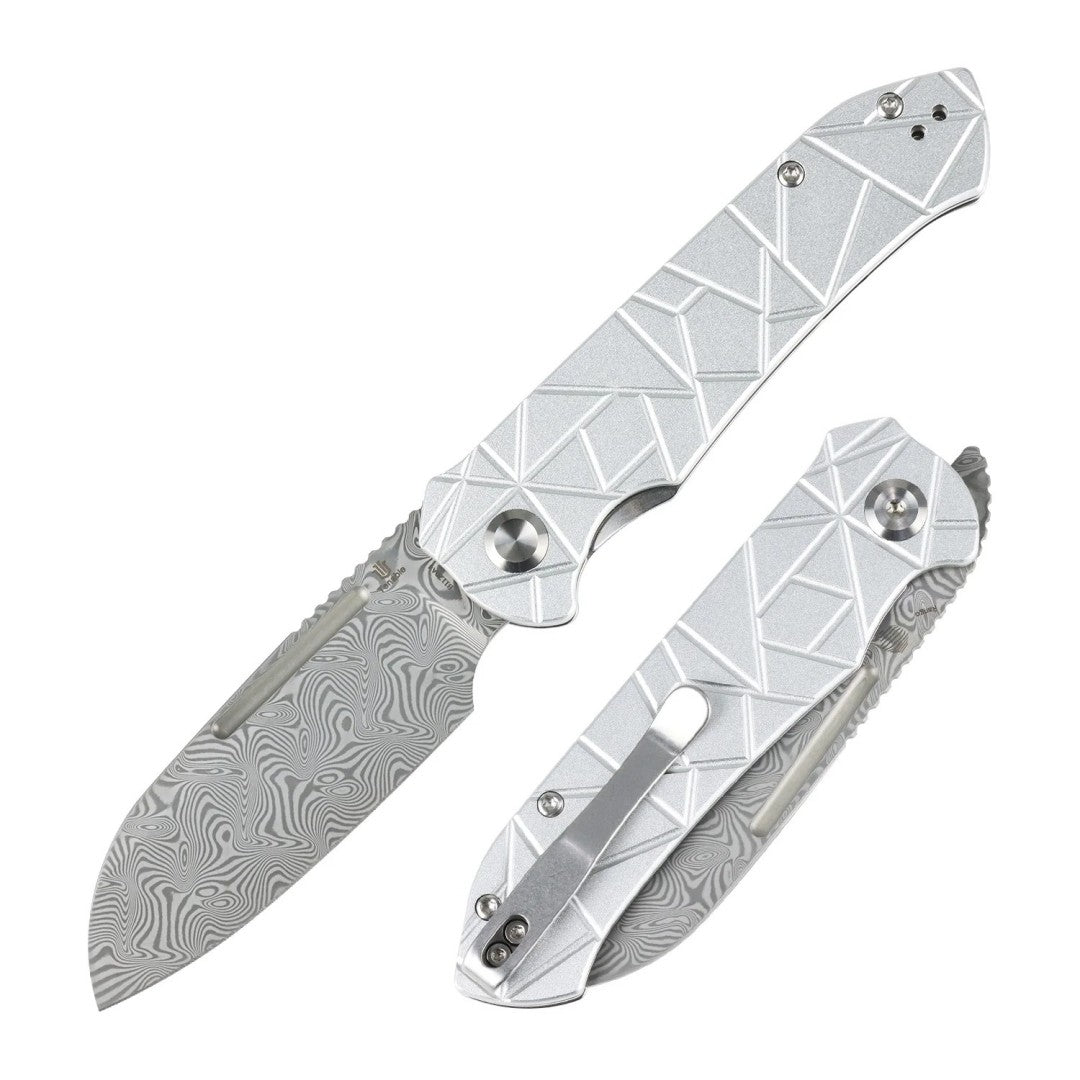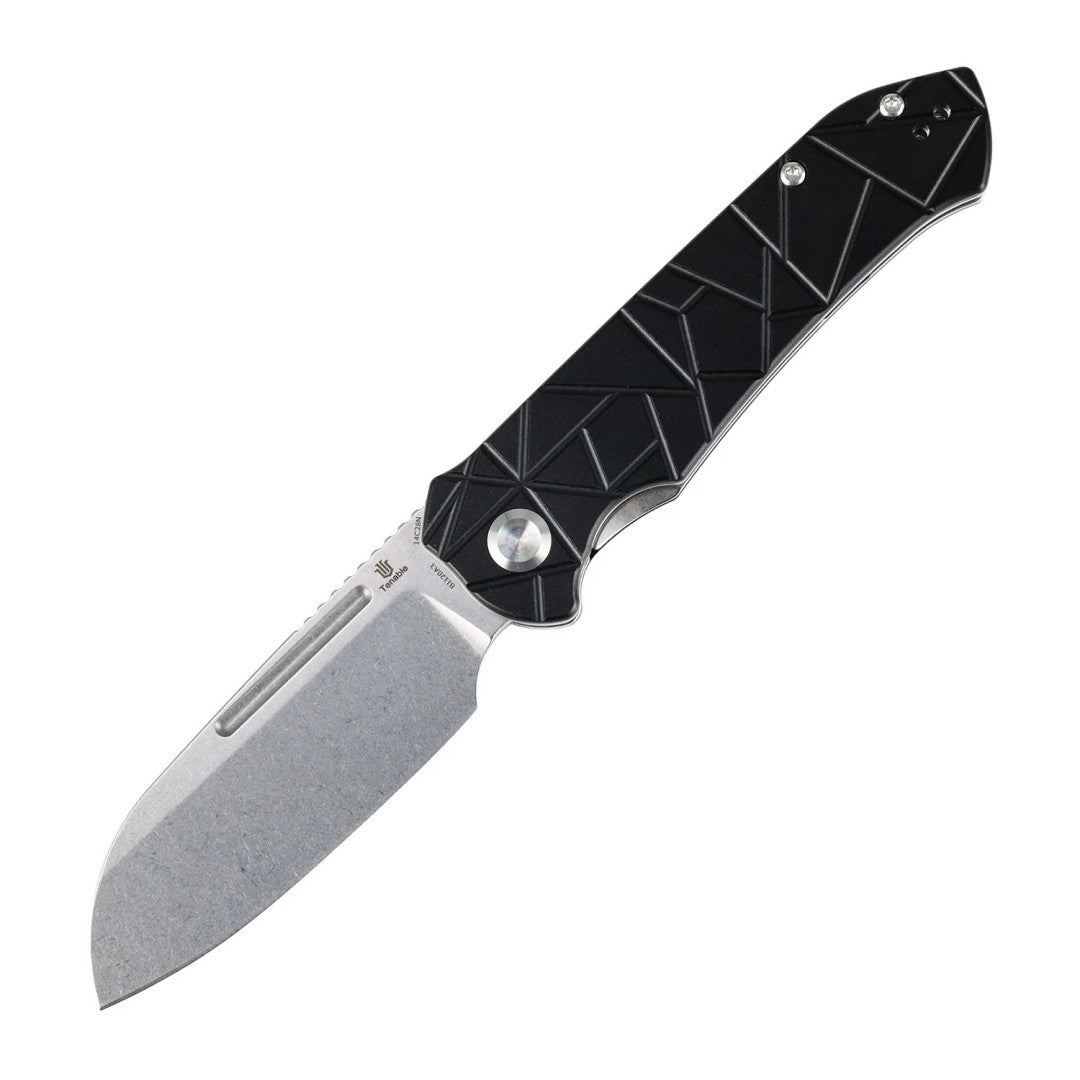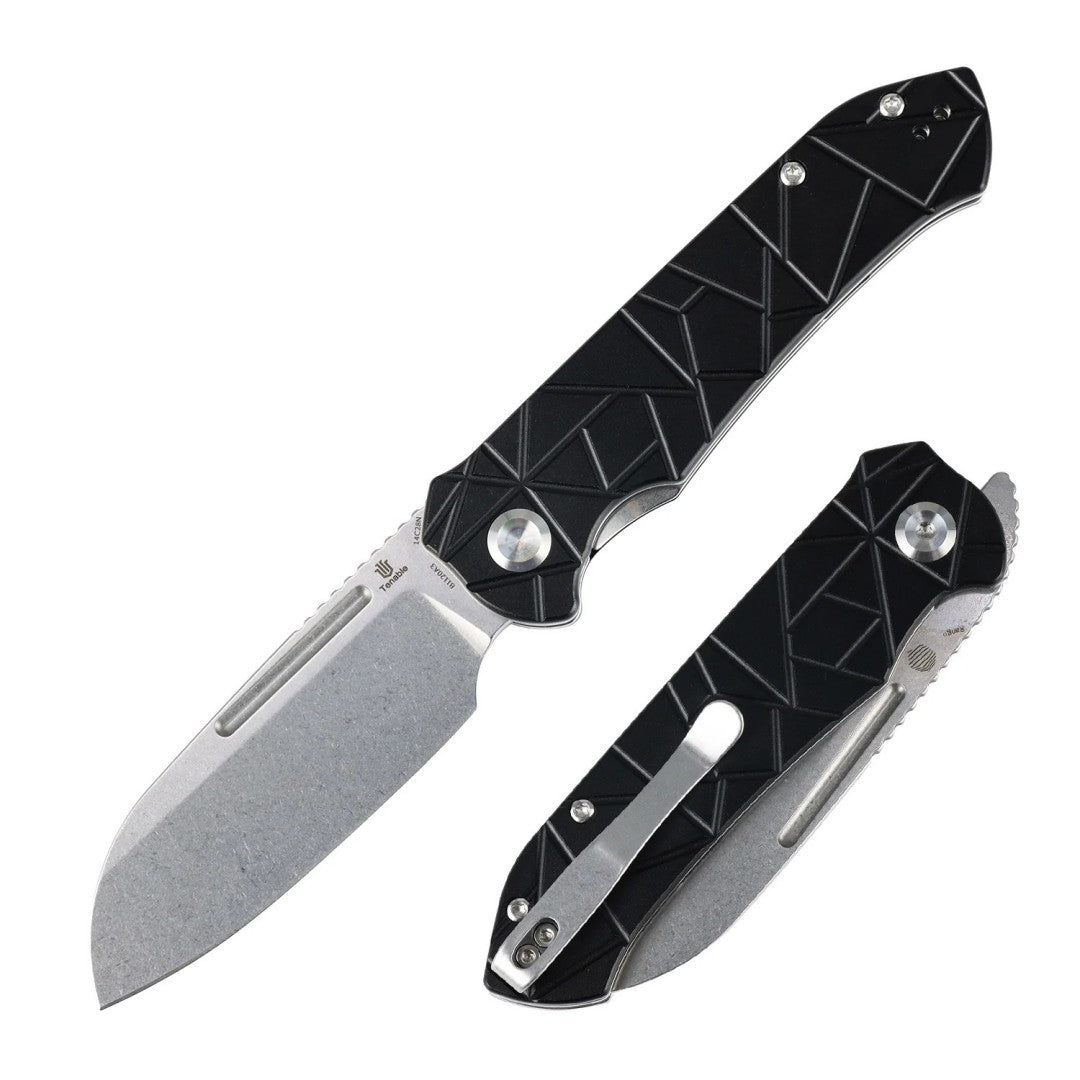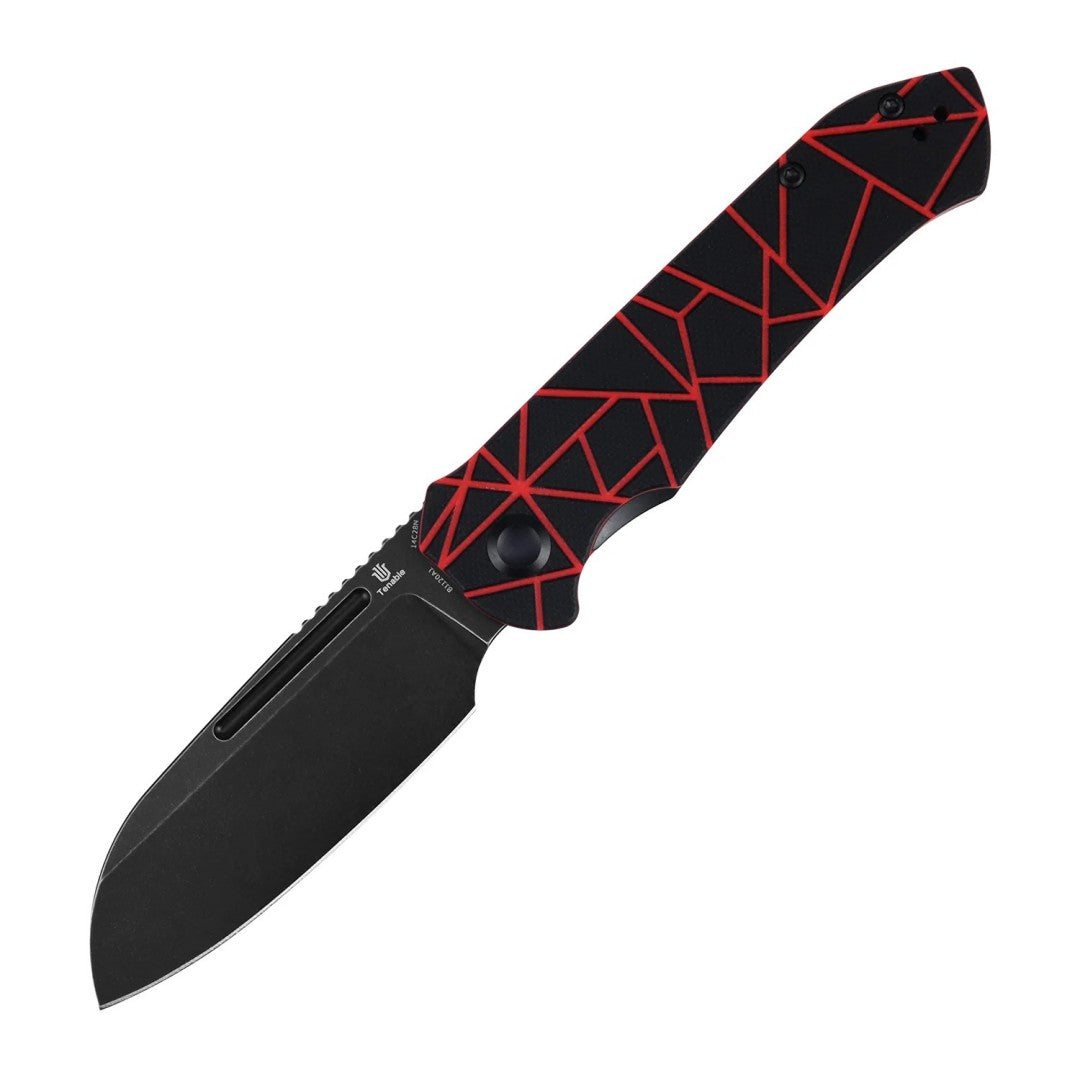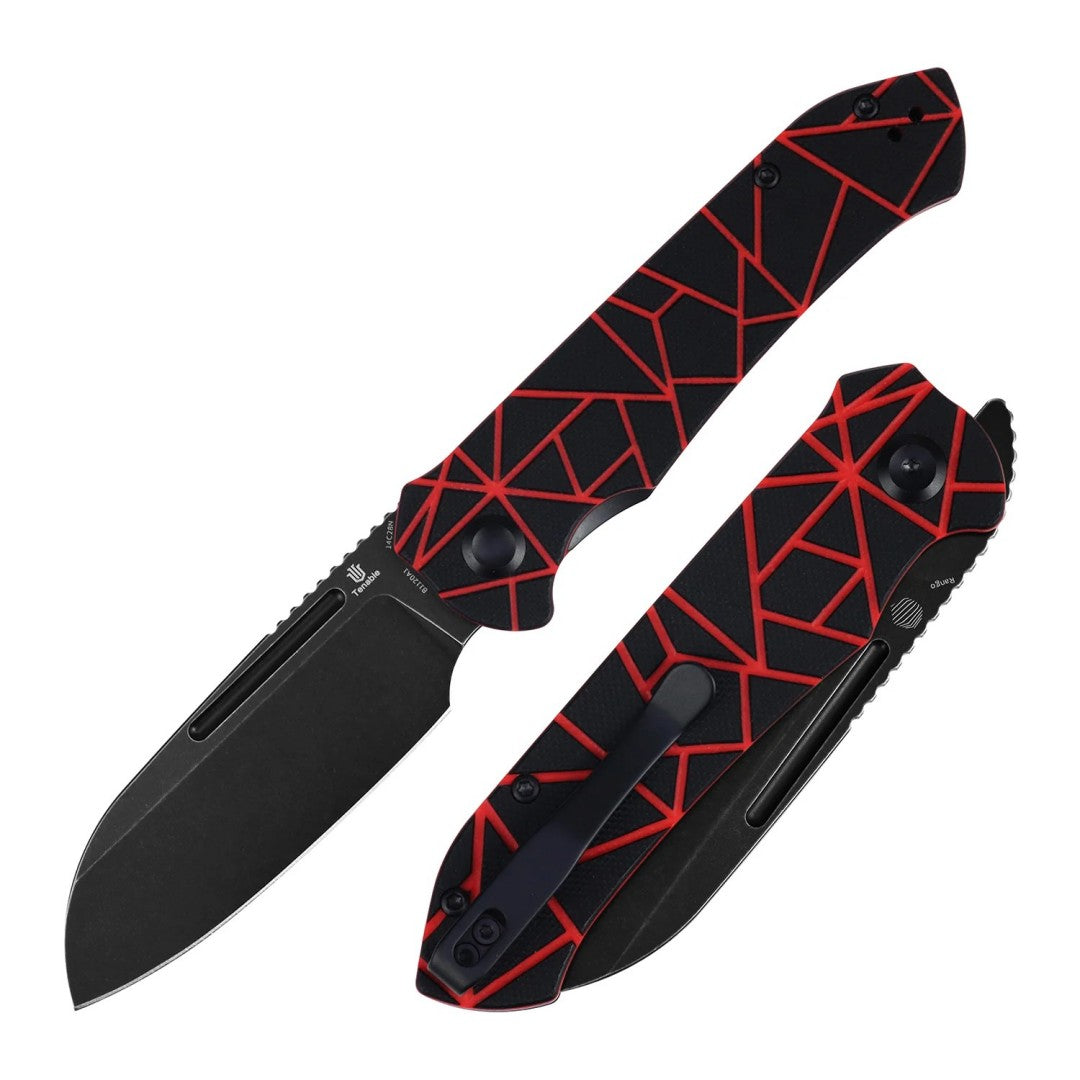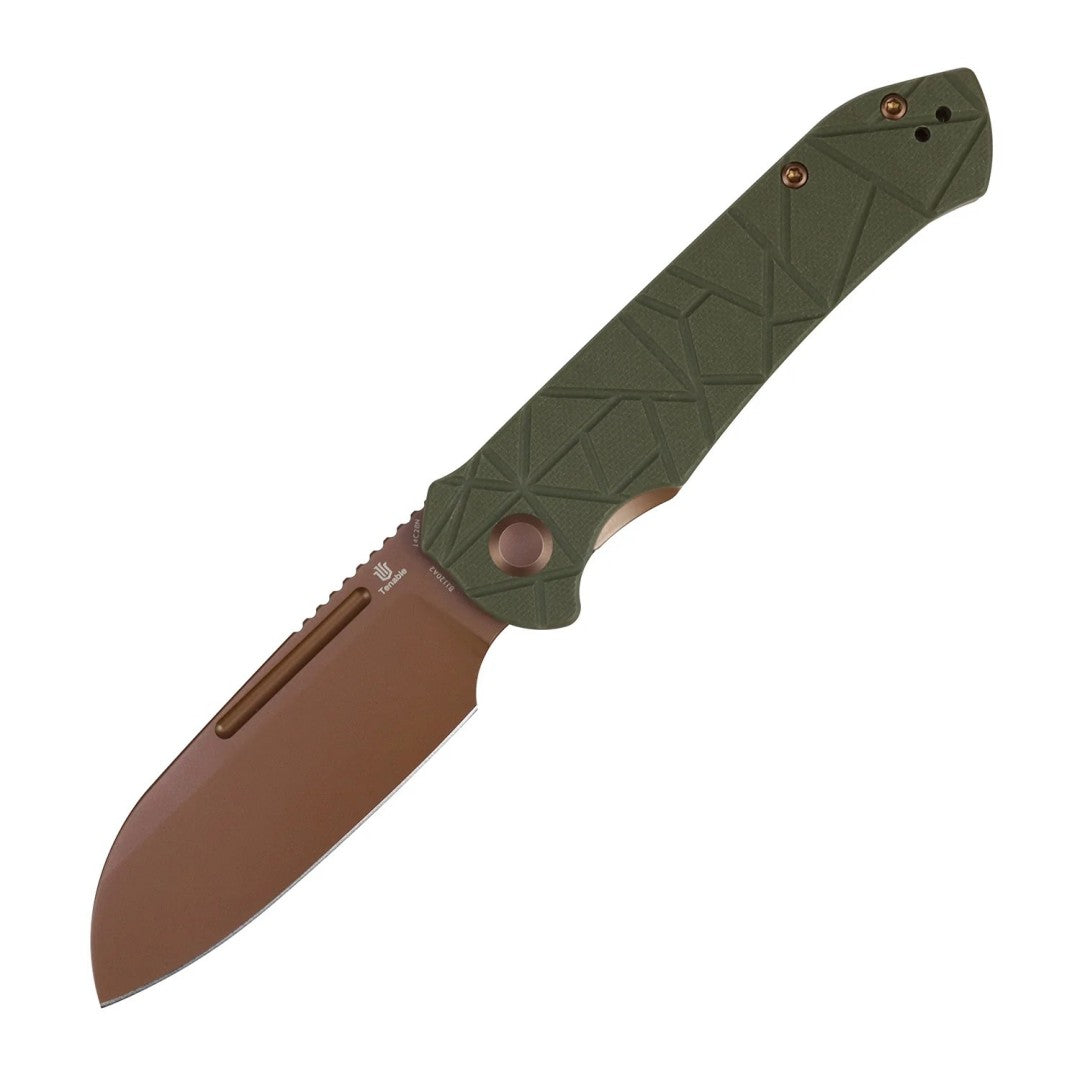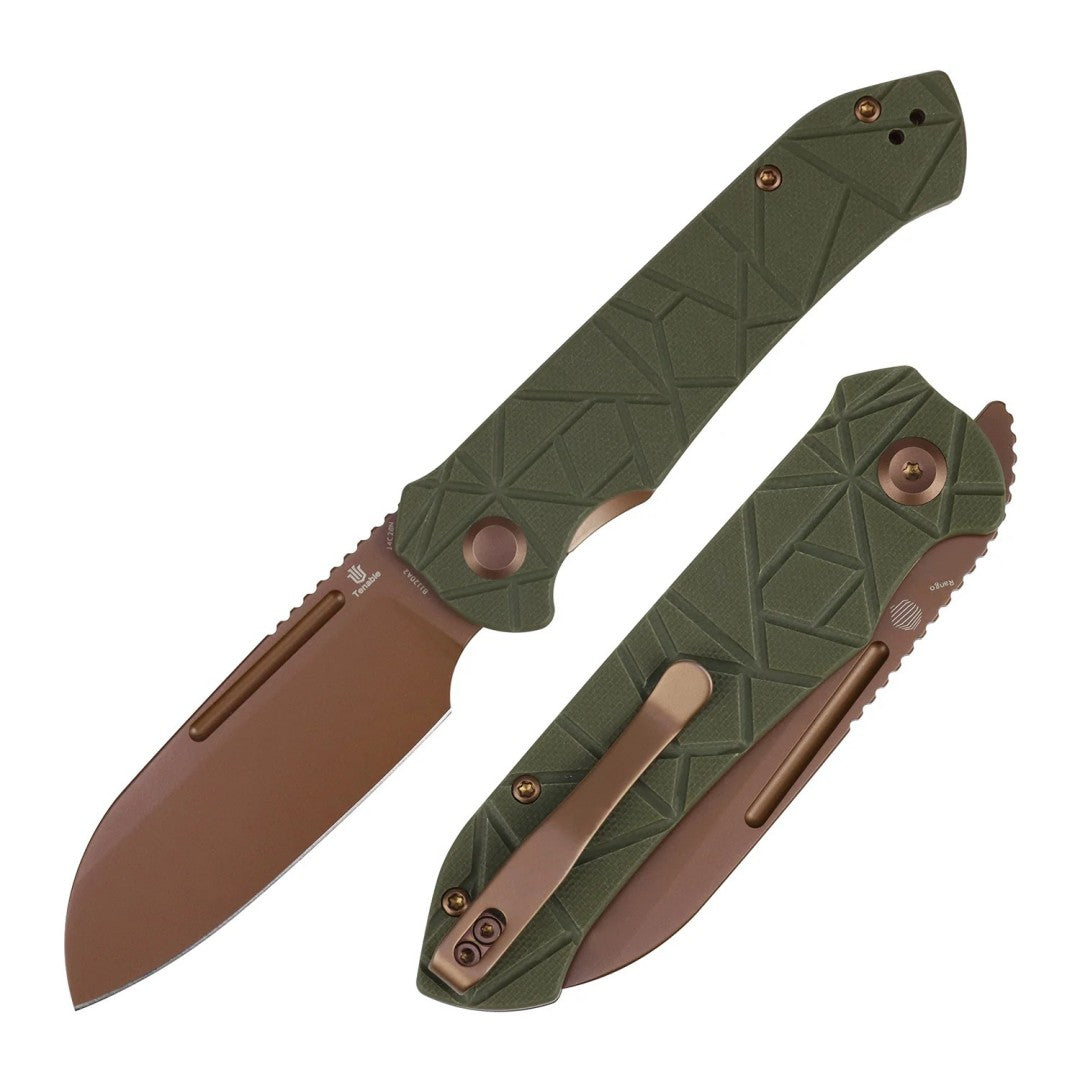
Choosing the ideal blade steel for a pocket knife requires evaluating how different metallurgical properties interact with real-world cutting demands. While blade geometry and handle ergonomics dictate how a tool feels in the hand, the steel alloy dictates how long the cutting edge lasts, how easily it resharpens, and how well it resists chipping under sudden torque. The Kansept Deadite represents an exceptional example of purposeful material curation in the realm of modern Folding Knives. Conceived through a design partnership with custom knifemaker Geoff Blauvelt of Tuffknives and produced by Kansept, this cutting tool relies on a carefully heat-treated blade alloy engineered to deliver dependable performance across diverse daily chores.
 Critical Metallurgical Factors for Pocket Cutlery
Selecting the best blade alloy requires balancing several competing physical attributes. Improving one property often requires trade-offs in another, making understanding these dynamics essential for choosing a capable cutting tool.
Wear Resistance and Edge Retention
Wear resistance measures a steel’s capacity to withstand abrasion caused by continuous contact with abrasive materials such as corrugated cardboard, fibrous rope, and dirty packaging. Alloys enriched with high carbon and hard carbide-forming elements like molybdenum or vanadium maintain their cutting apex longer, minimizing the frequency of sharpening sessions during heavy workweeks.
Structural Toughness and Chipping Resistance
Toughness reflects the steel's ability to absorb sudden impact energy and withstand lateral twisting without developing micro-chips or suffering catastrophic fracture. Ultra-hard alloys can sometimes become brittle, whereas balanced alloys maintain enough ductility to flex slightly under stress and preserve the integrity of the cutting edge.
Corrosion Protection and Environmental Resistance
A daily pocket tool is routinely exposed to ambient humidity, sweat, outdoor rain, and acidic food residues. High chromium content forms a passive chromium-oxide layer across the blade surface, preventing surface pitting, rust spots, and edge degradation over extended periods of carry.
Field Serviceability and Sharpening Ease
While ultra-wear-resistant supersteels hold an edge for extended periods, they often demand specialized diamond abrasives and significant bench time to restore once dulled. Balanced steels respond cleanly to standard ceramic stones, water stones, and leather strops, allowing users to refresh their working edge in minutes without specialized workshop equipment.
 Why 154CM Delivers the Optimal Balance for the Deadite
To meet the versatile demands of daily utility and tactical readiness, the Deadite features a precision-machined blade ground from proven 154CM stainless steel. Originally developed for demanding aerospace applications, this alloy has become a staple in premium cutlery.
Chemical Composition Strengths
-
High Carbon Content (1.05%): Enables the steel to achieve a balanced working hardness of 59 to 61 HRC, providing apex rigidity that resists edge rolling under heavy downward force.
-
Elevated Chromium (14.00%): Provides true stainless corrosion resistance, safeguarding the blade during humid outdoor adventures and sweaty pocket carry.
-
Molybdenum Enrichment (4.00%): Refines the grain boundary structure, enhances overall toughness, and creates hard molybdenum carbides that resist micro-abrasive wear.
Paired with a high flat grind and a sweeping Clip Point profile, this steel formulation allows the knife to transition smoothly between delicate scoring tasks and heavy push-cuts through dense materials.
Comparative Alloy Performance Matrix
| Steel Classification | Representative Alloy | Edge Retention | Impact Toughness | Corrosion Resistance | Field Sharpening Ease | Practical Profile |
| High-Moly Stainless | 154CM (Kansept Deadite) | High | High | High | High / Moderate | Balanced all-around daily performance |
| Nitrogen Stainless | Sandvik 14C28N | Moderate | Very High | Very High | Very Easy | Maximum toughness and rust resistance |
| Semi-Stainless Tool | D2 Tool Steel | High | Moderate | Fair / Low | Moderate | High wear resistance; needs oiling |
| Niobium PM Steel | CPM-S35VN | Very High | High | Very High | Moderate | Premium edge longevity with good toughness |
| Cobalt Stainless | VG-10 | Moderate / High | Moderate | High | Easy | Takes a very keen edge; moderate toughness |
| Vanadium Supersteel | CPM-S90V | Extreme | Low / Moderate | Very High | Difficult | Maximum edge life; requires diamond stones |
Mechanical Integration: Lockup and Carry Synergy
A high-performance blade alloy requires an equally capable mechanical platform to cut effectively under load. The Deadite incorporates a heavy-duty Crossbar Lock mechanism that wedges a solid steel bar directly over the rear tang of the blade.
Driven by dual omega springs, this locking system provides bidirectional lockup that resists severe spine impact and heavy downward cutting force. Operating smoothly on caged ceramic ball bearings, the blade deploys instantaneously via dual thumb studs or the integrated flipper tab. The milled rock-textured aluminum handle chassis provides positive mechanical traction, ensuring the tool remains securely seated in the hand during demanding EDC tasks.
 Frequently Asked Questions (FAQ)
Why is 154CM steel well-suited for general utility and tactical tasks?
154CM provides an optimal balance between wear resistance, toughness, and corrosion protection. It holds an edge significantly longer than entry-level budget steels while remaining much easier to field-sharpen than high-vanadium supersteels.
How does the heat treatment on the Deadite affect its cutting ability?
Hardened to a target range of 59 to 61 HRC, the heat treatment optimizes the distribution of molybdenum carbides, maximizing wear resistance while maintaining enough toughness to resist chipping during heavy utility cuts.
What maintenance is required to keep a 154CM blade in peak condition?
Wipe the blade dry after exposure to moisture or acidic materials, apply a light drop of mineral oil to the pivot and blade surface periodically, and use a leather strop regularly to maintain razor sharpness.
How does 154CM compare to powder-metallurgy CPM-154?
Both alloys share identical chemical formulations. CPM-154 is manufactured using particle metallurgy for slightly finer carbide distribution, while traditional ingot-cast 154CM provides nearly identical real-world cutting performance at a more accessible price point.