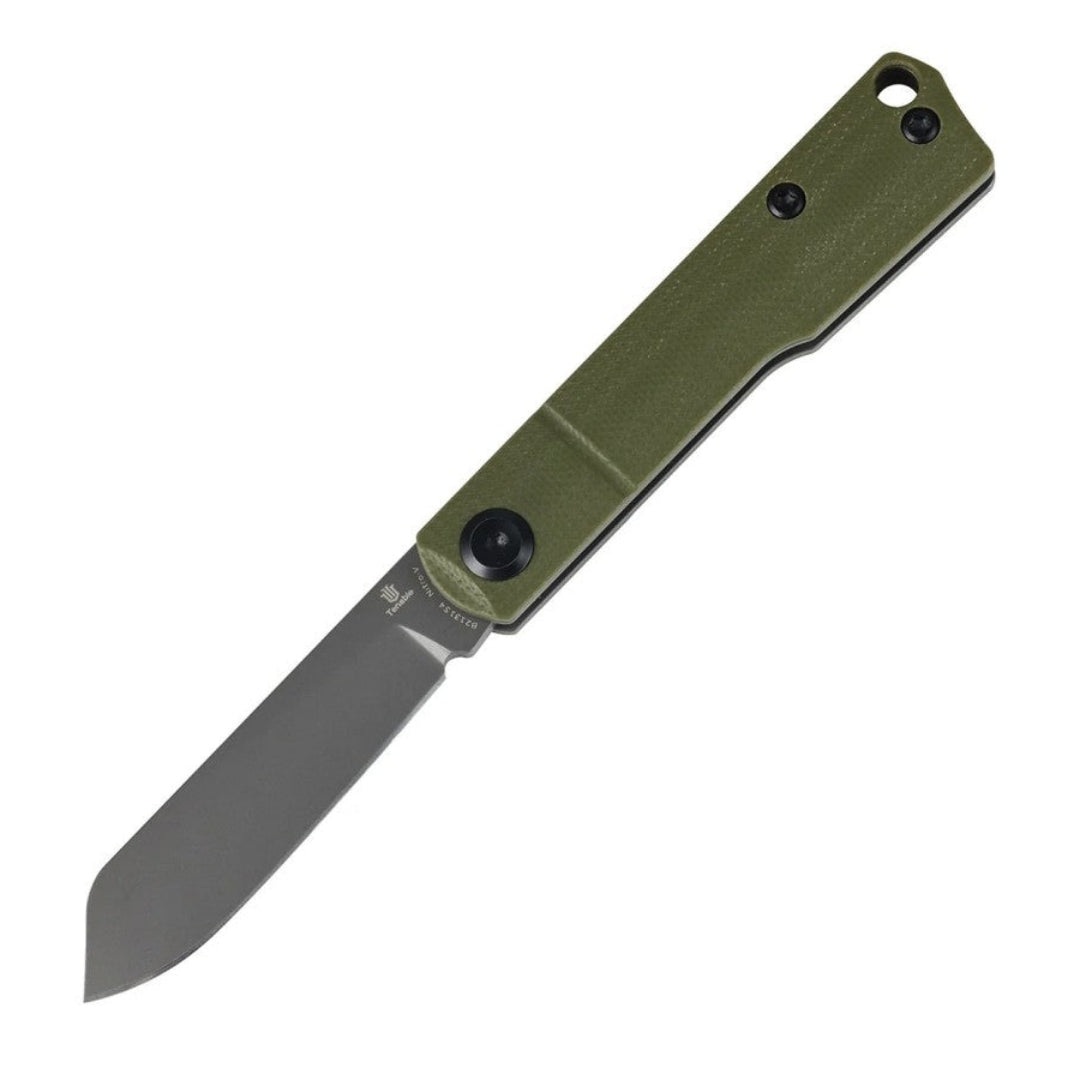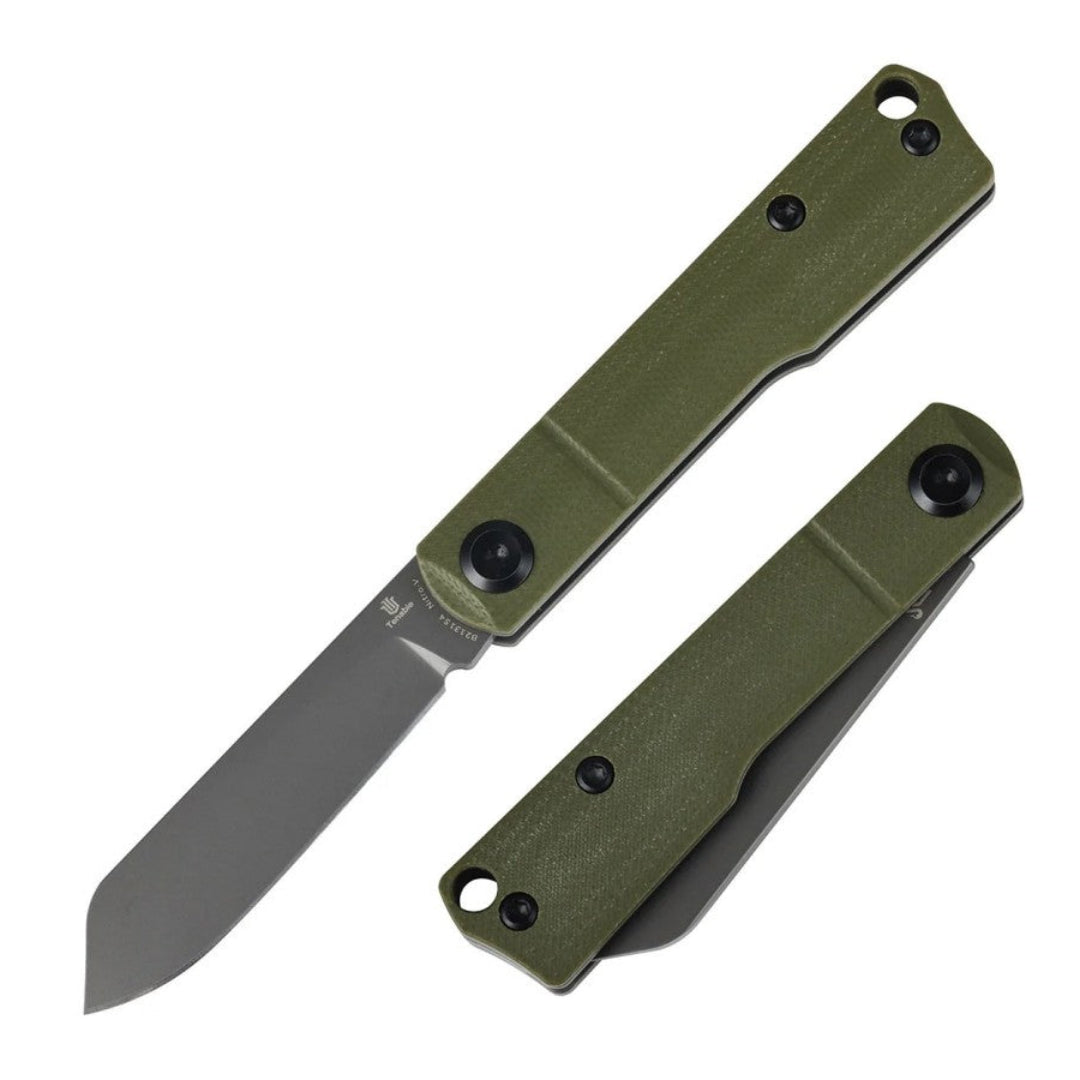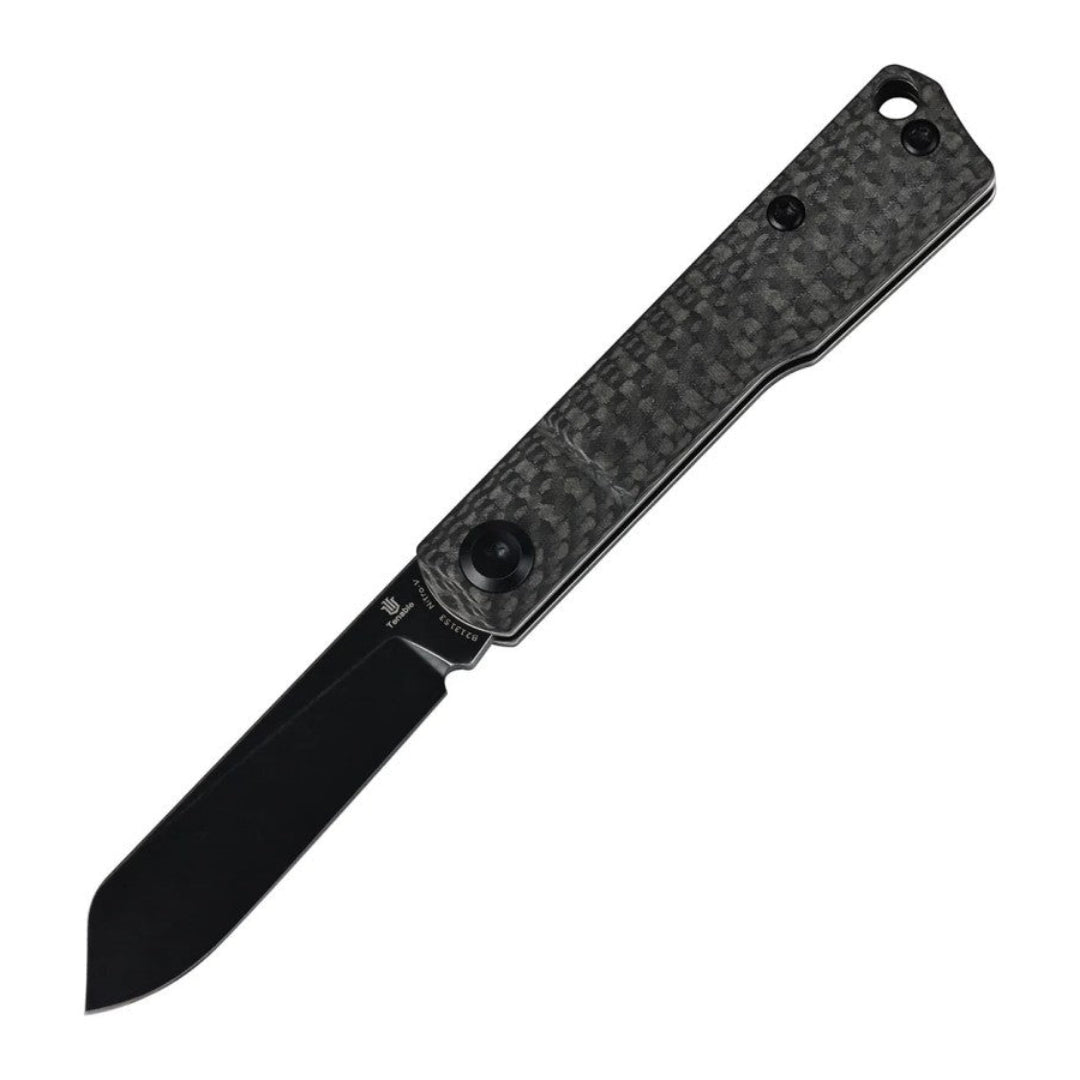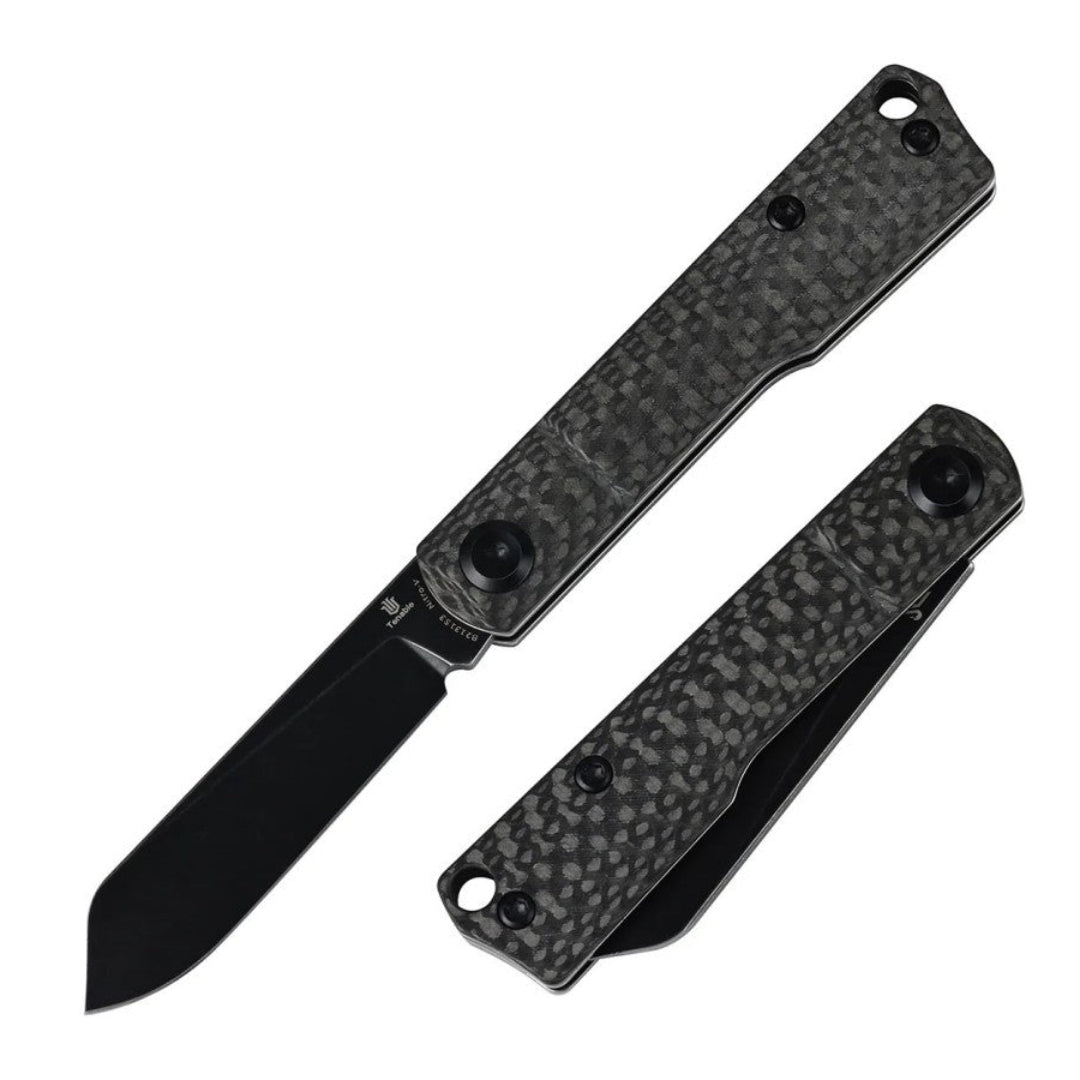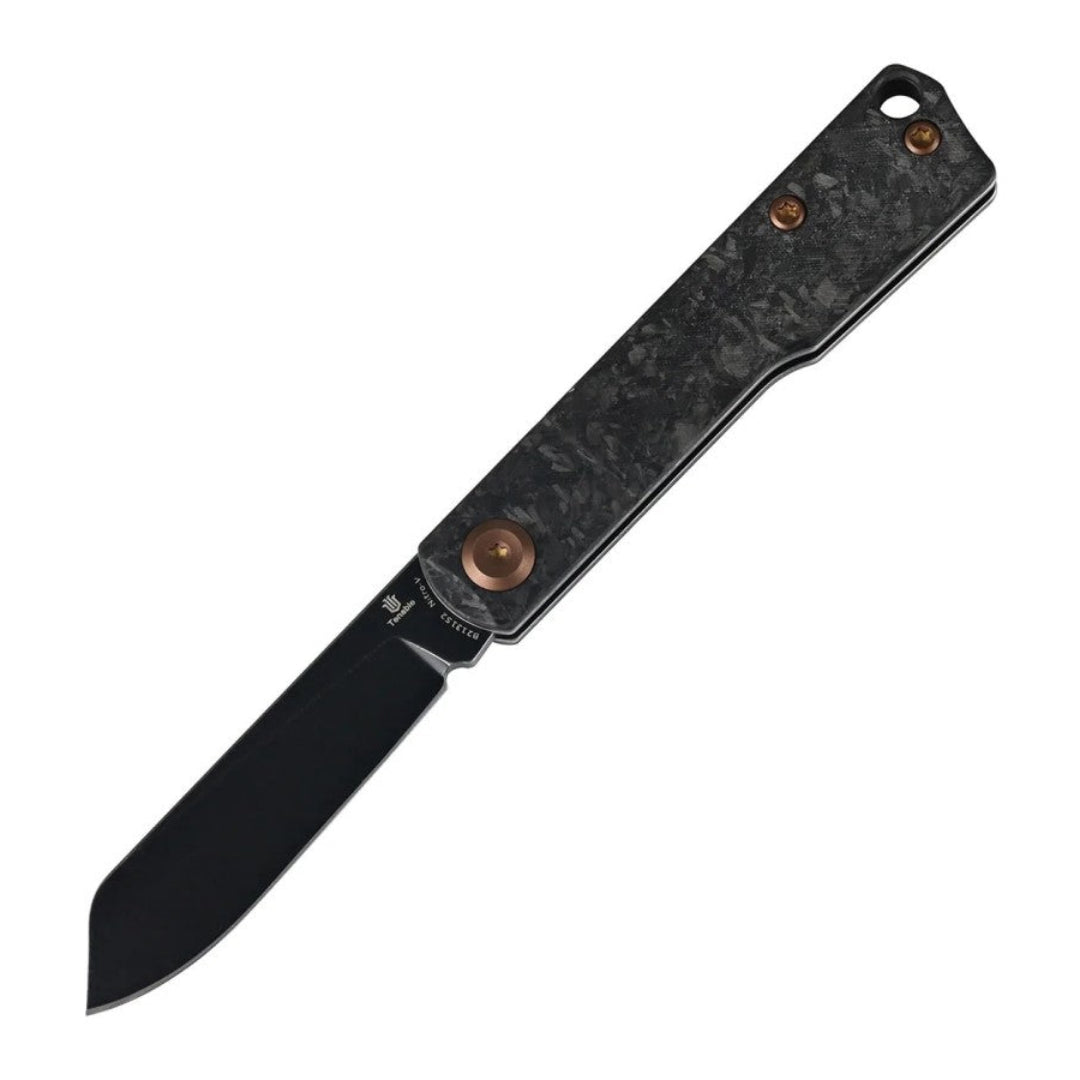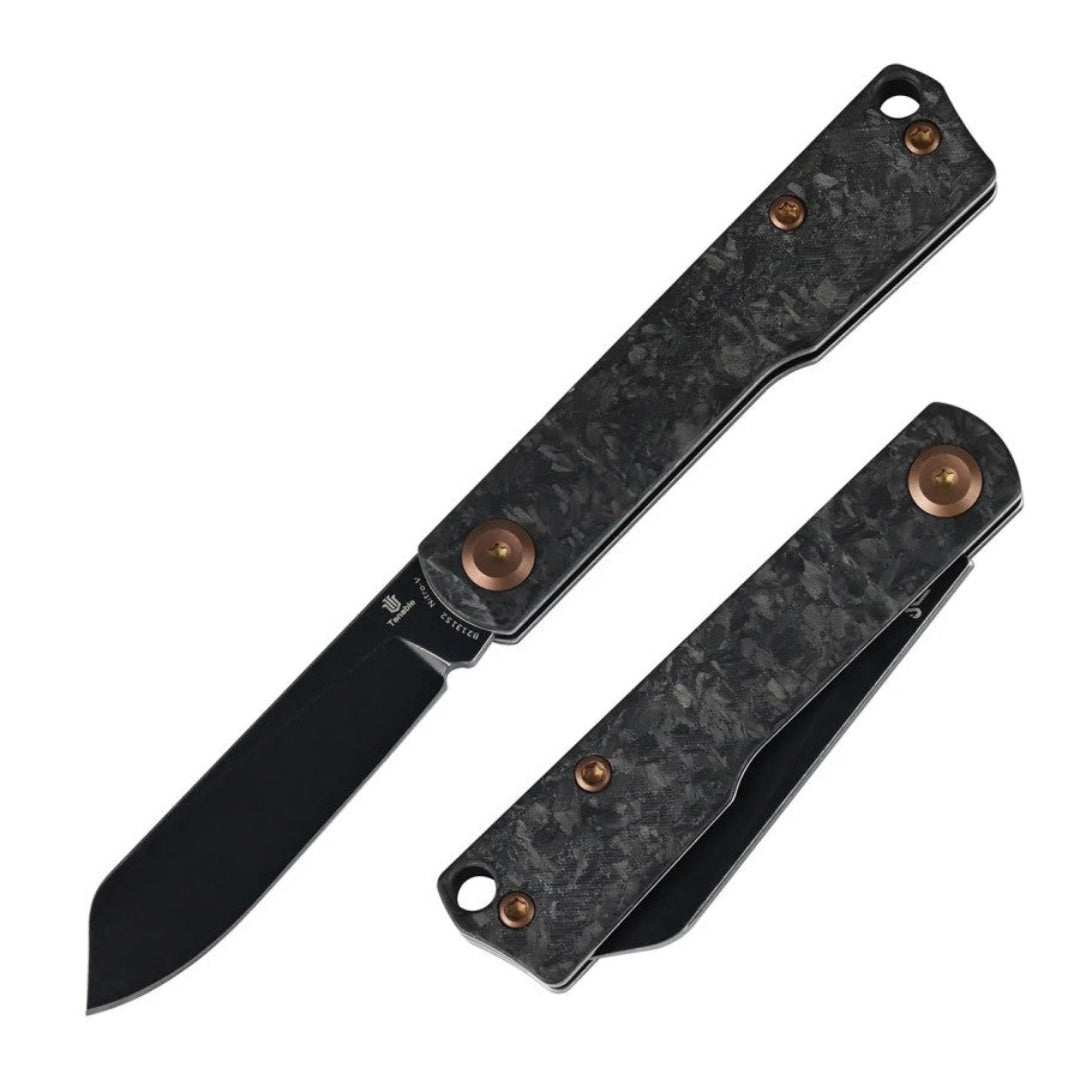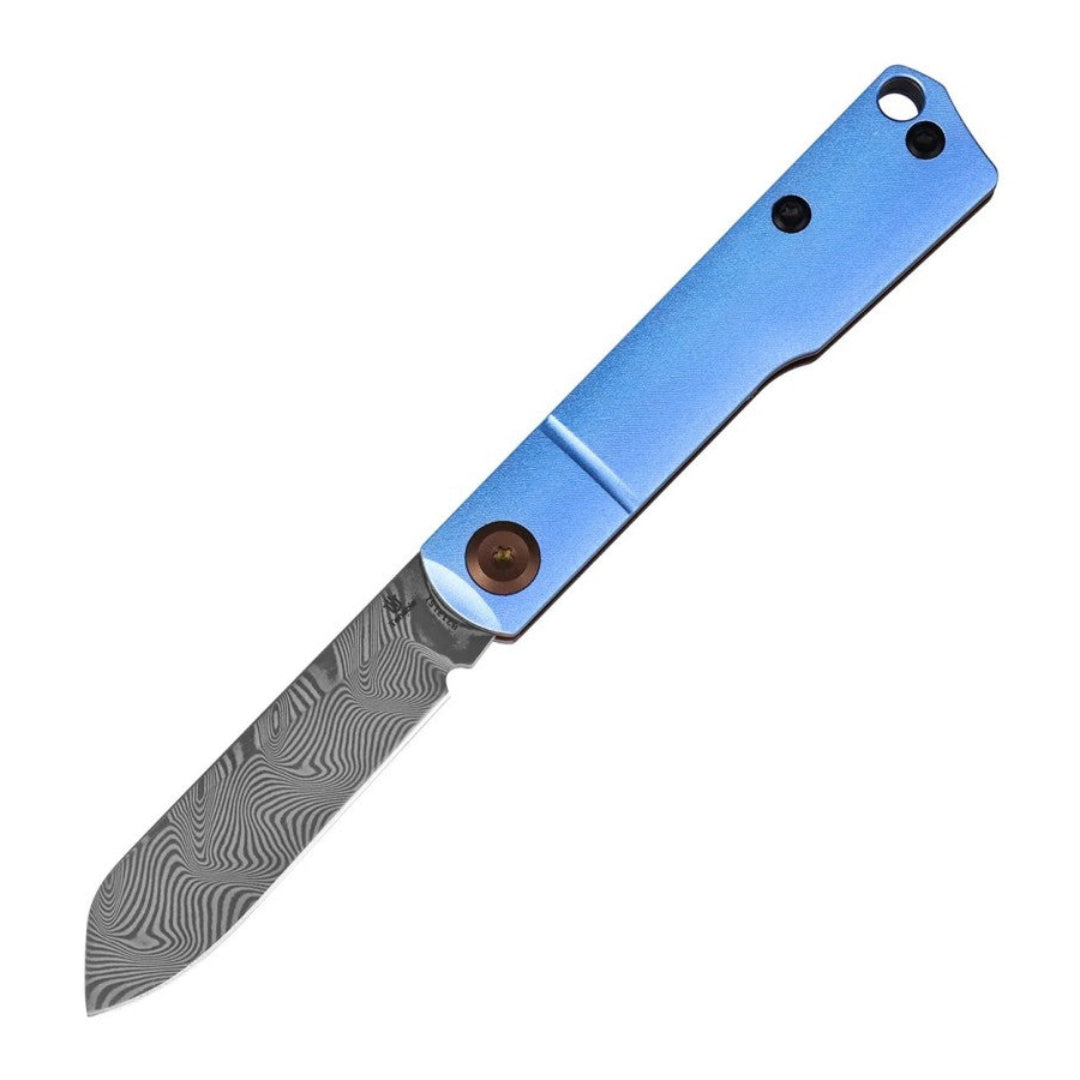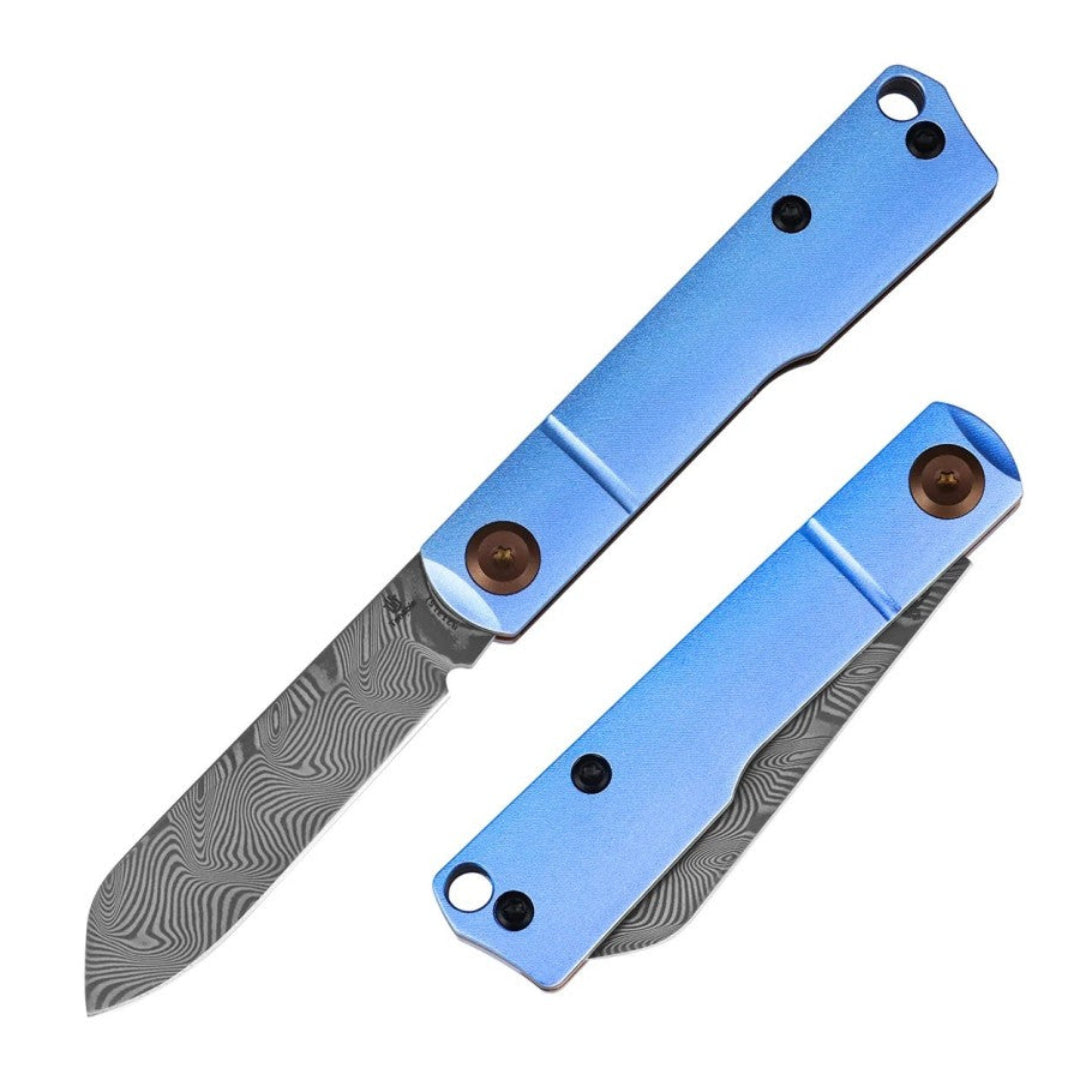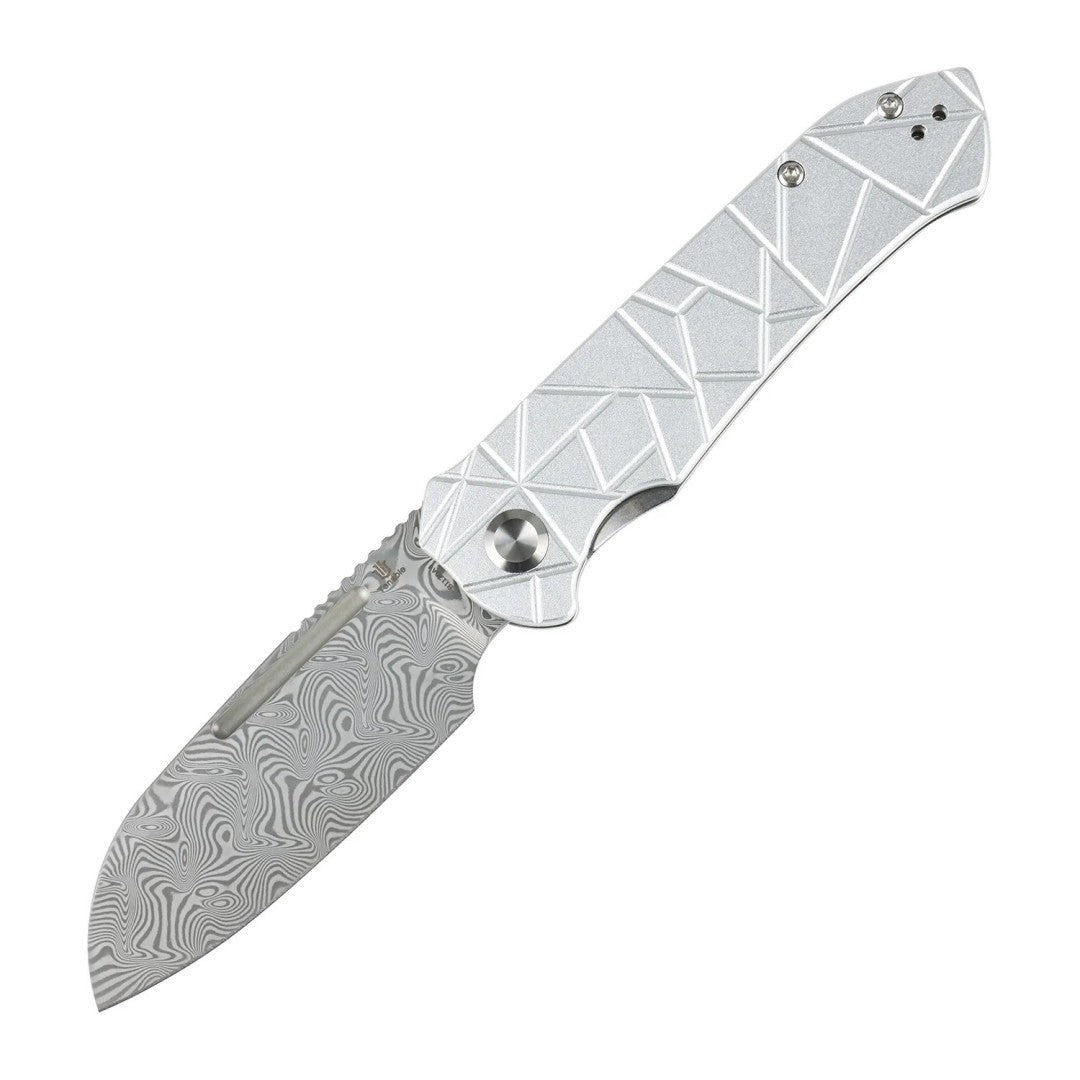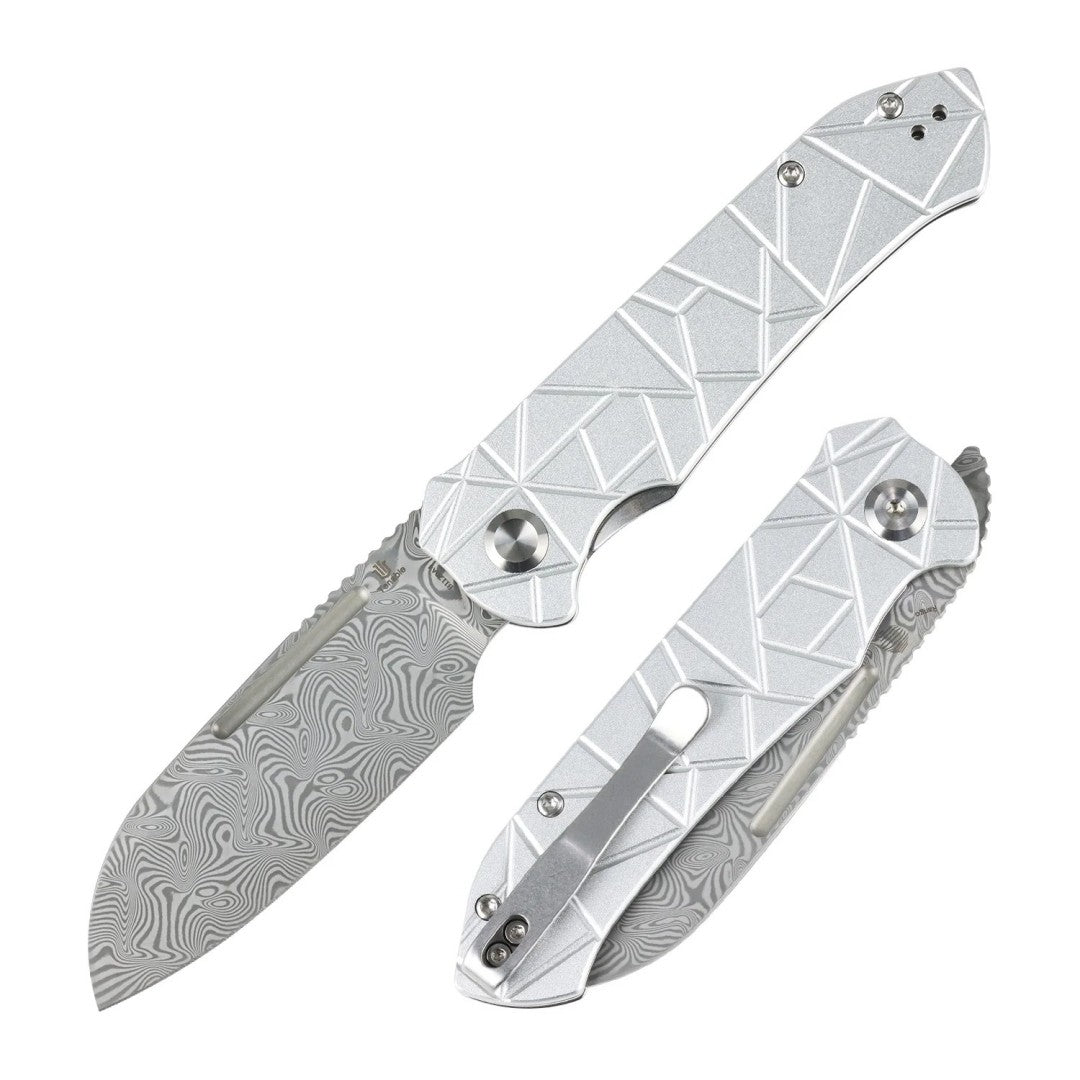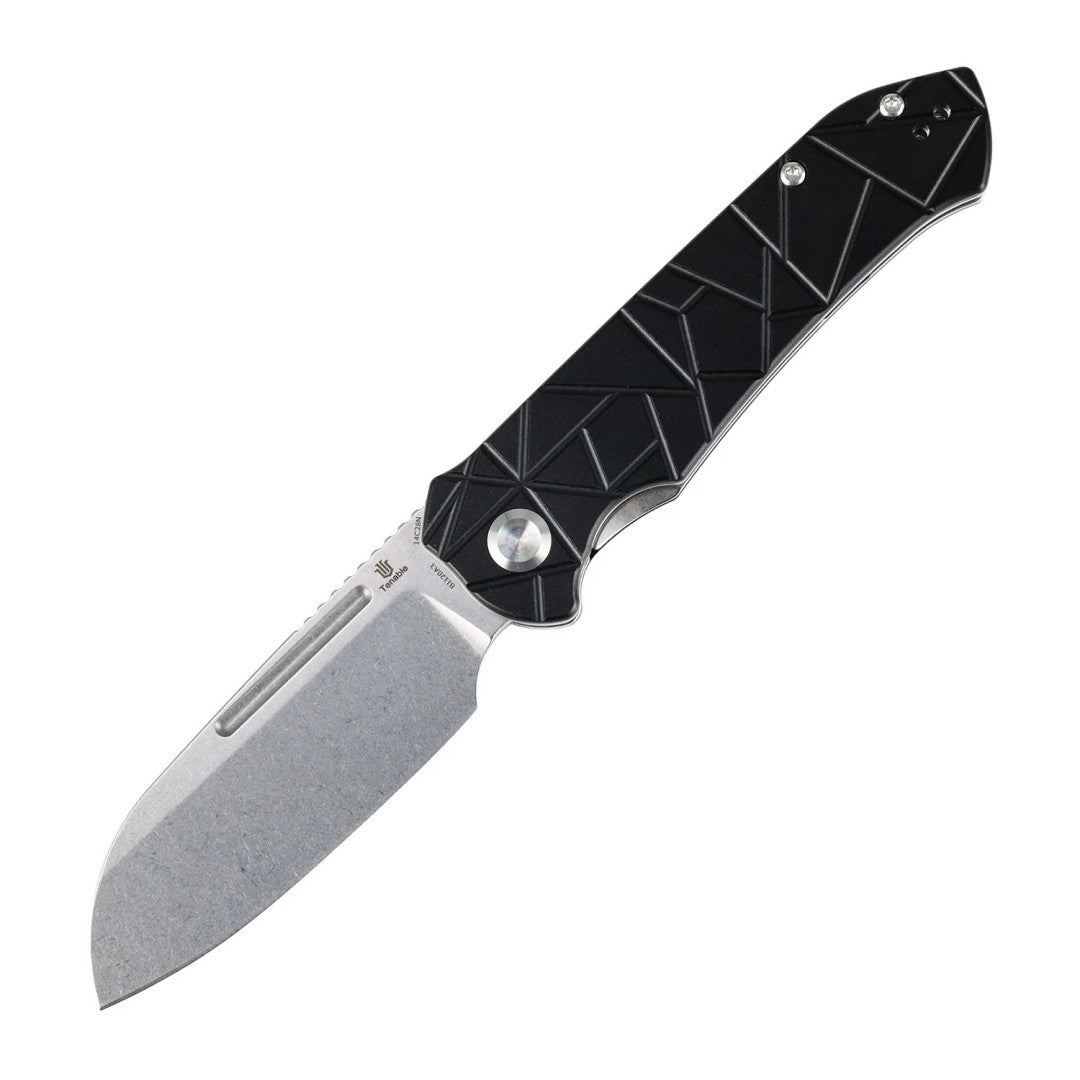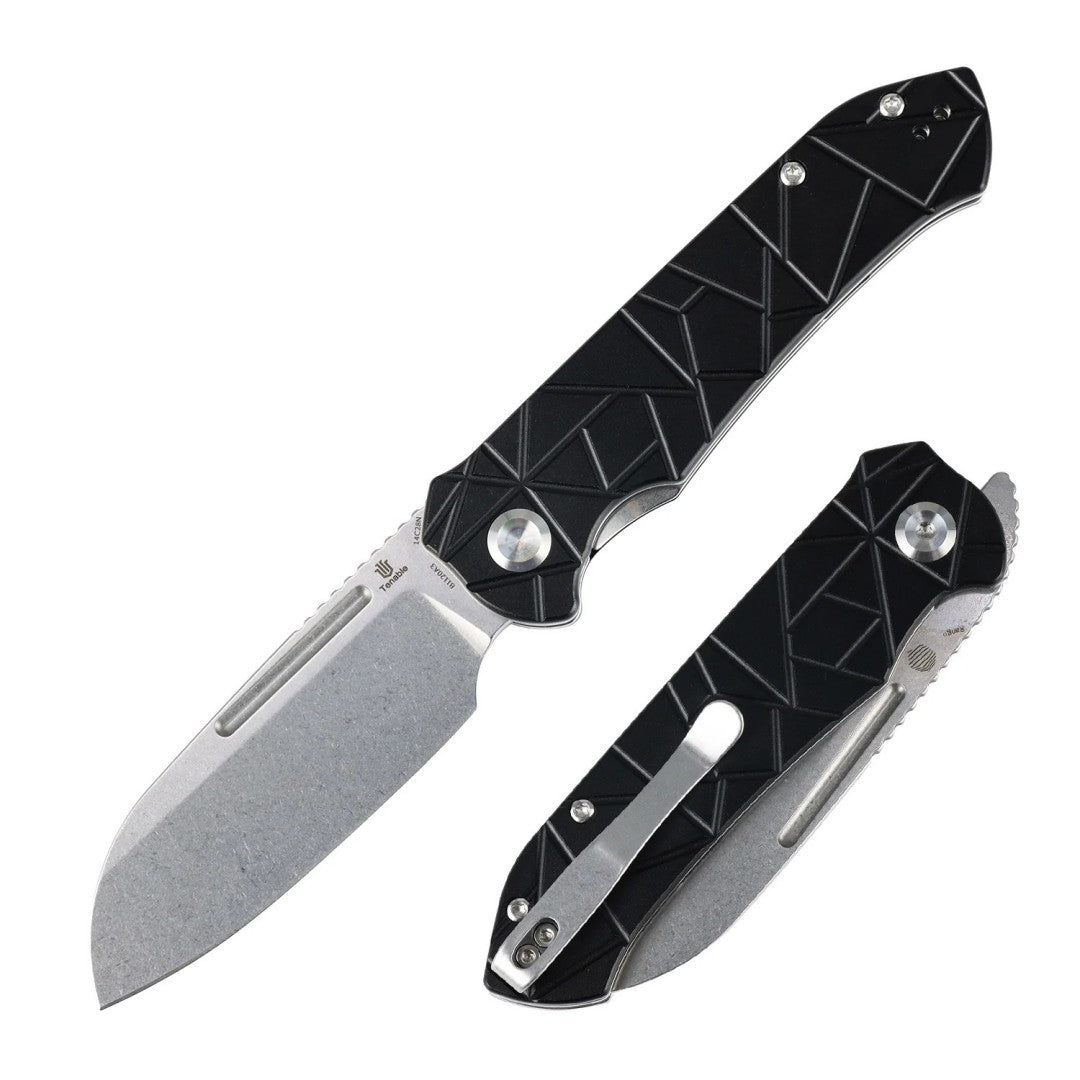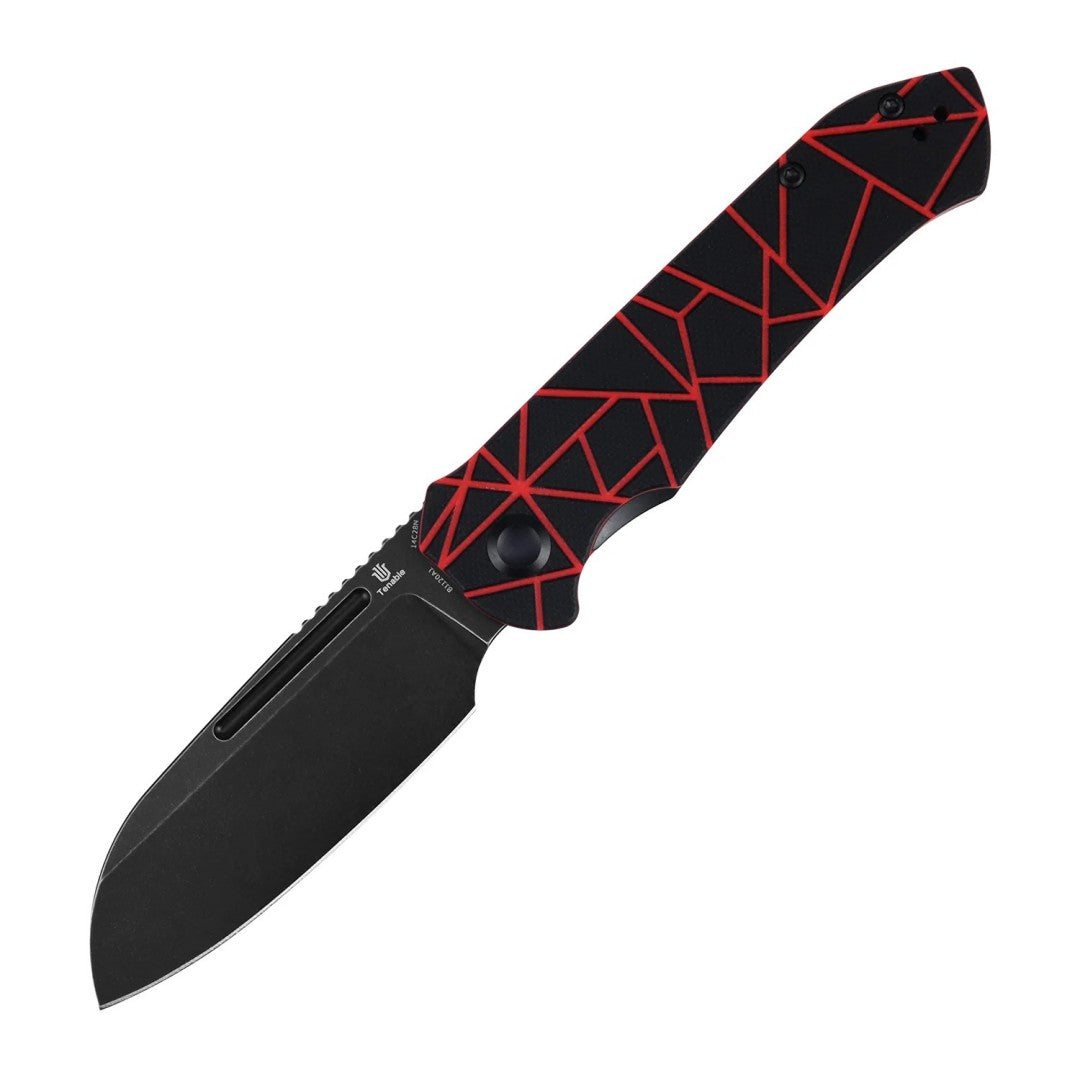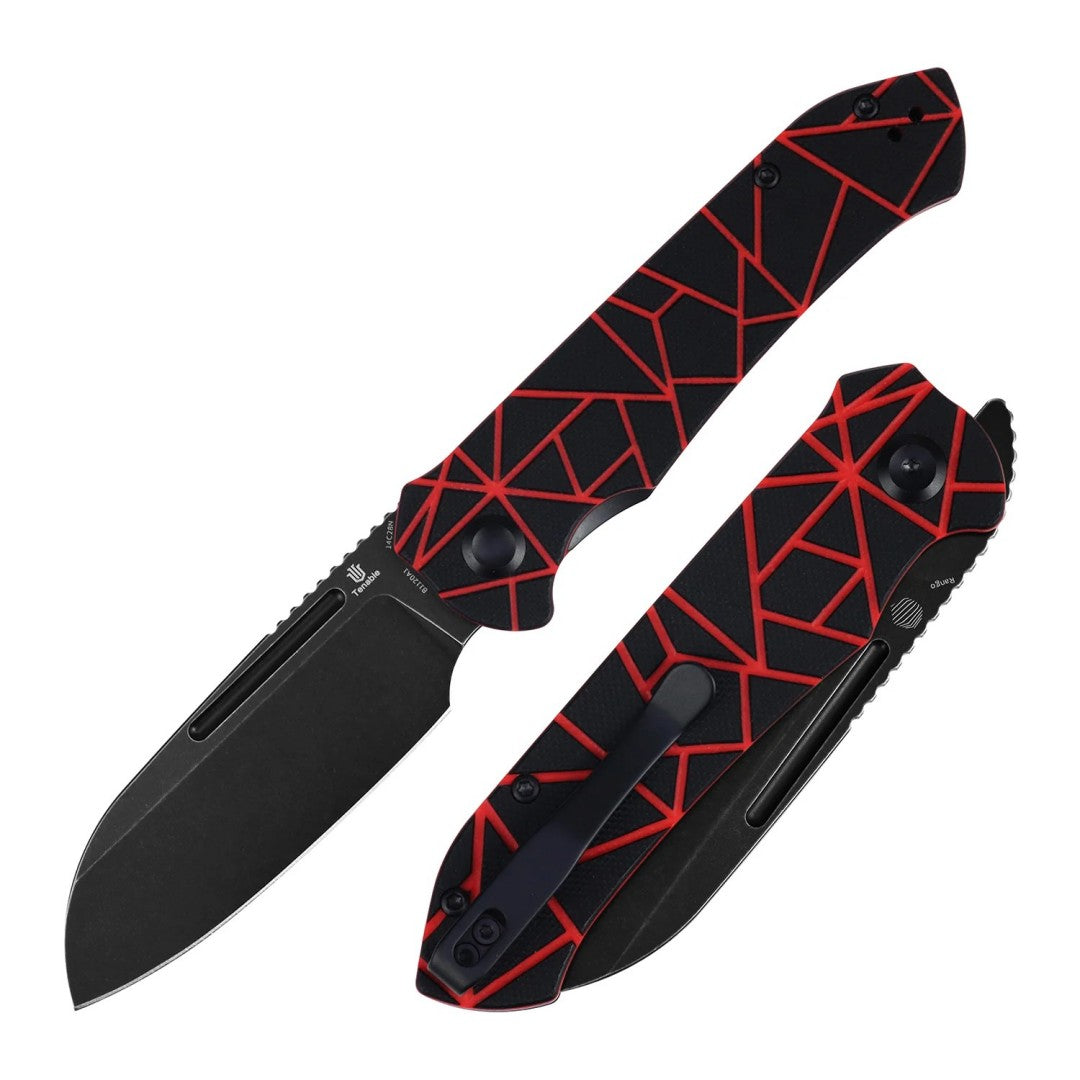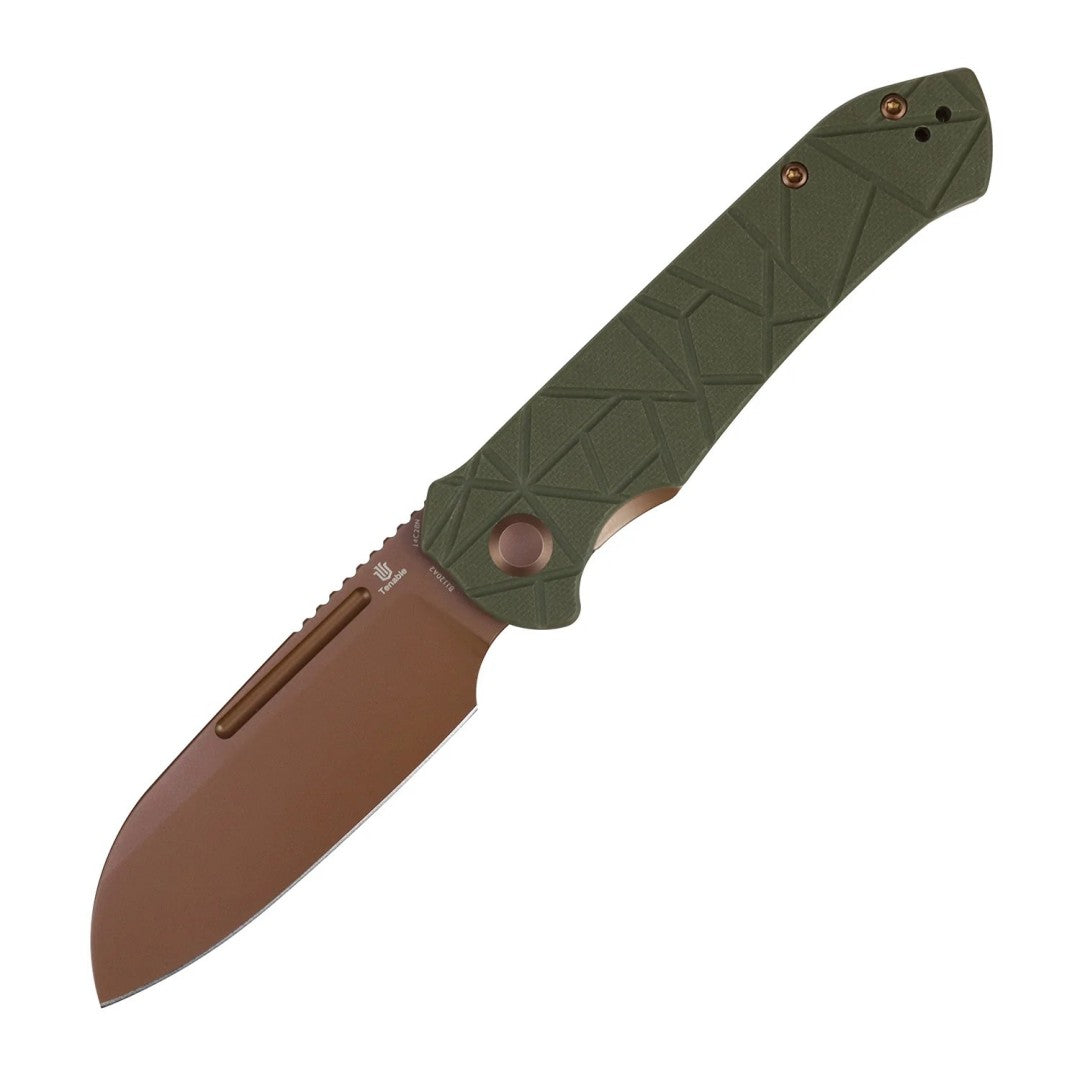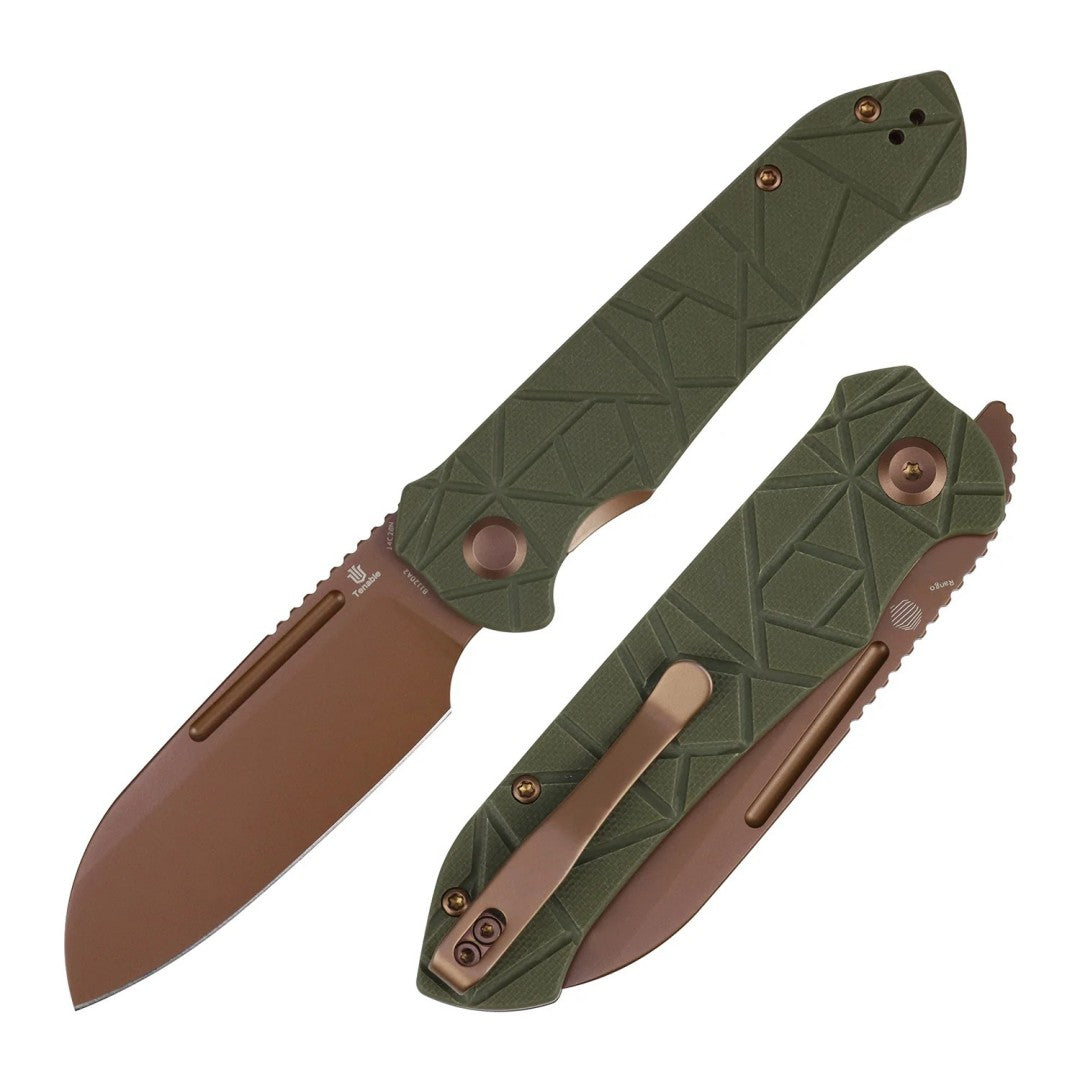
Lock mechanism architecture is the defining mechanical factor separating the various configurations of an ultra-compact folding knife. Because micro-cleavers condense substantial cutting leverage into a palm-sized chassis, the way the locking leaf arrests blade rotation influences everything from chassis thickness and weight balance to tactile ergonomics and field maintenance. On the Kansept Mini Korvid, designed in collaboration with custom toolmaker Justin Koch, users can choose between two distinct structural formats: a nested stainless steel Liner Lock and an integral solid titanium Frame Lock. Understanding their mechanical differences ensures you select the optimal locking platform for your everyday EDC requirements.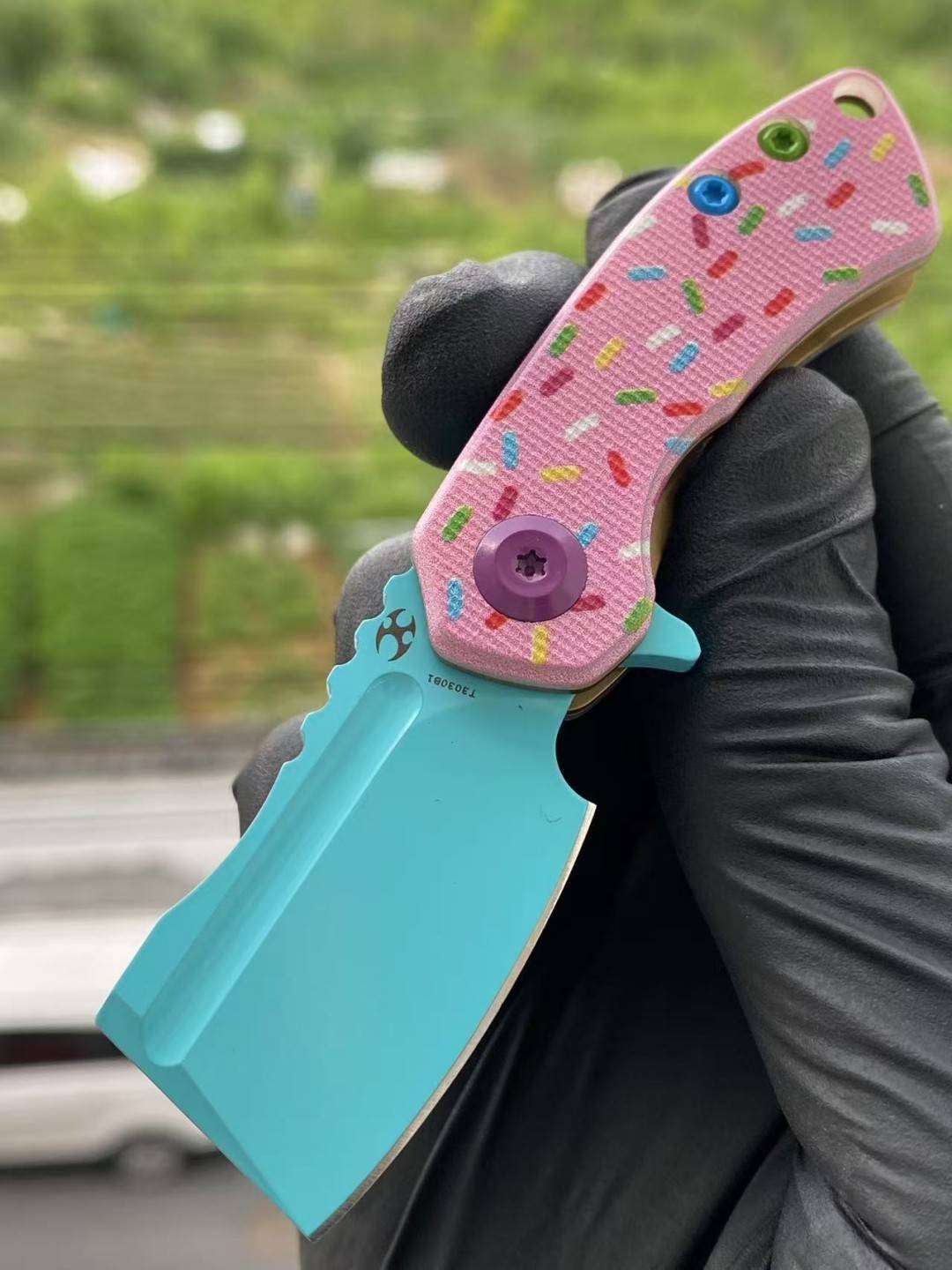
Architectural Breakdown: Nested Liners vs. Monolithic Frame
The core distinction between these two platforms lies in how the structural chassis is assembled around the blade tang.
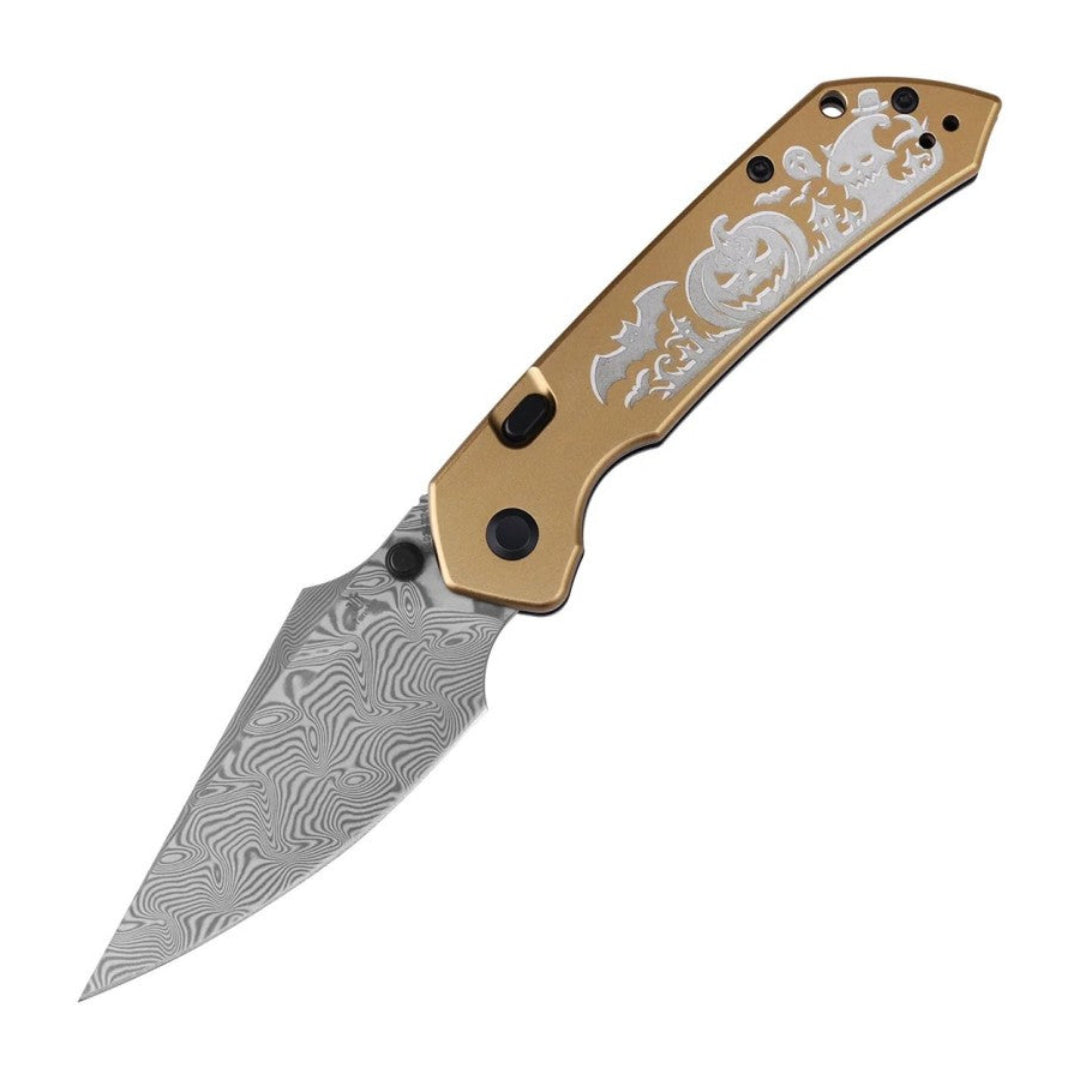
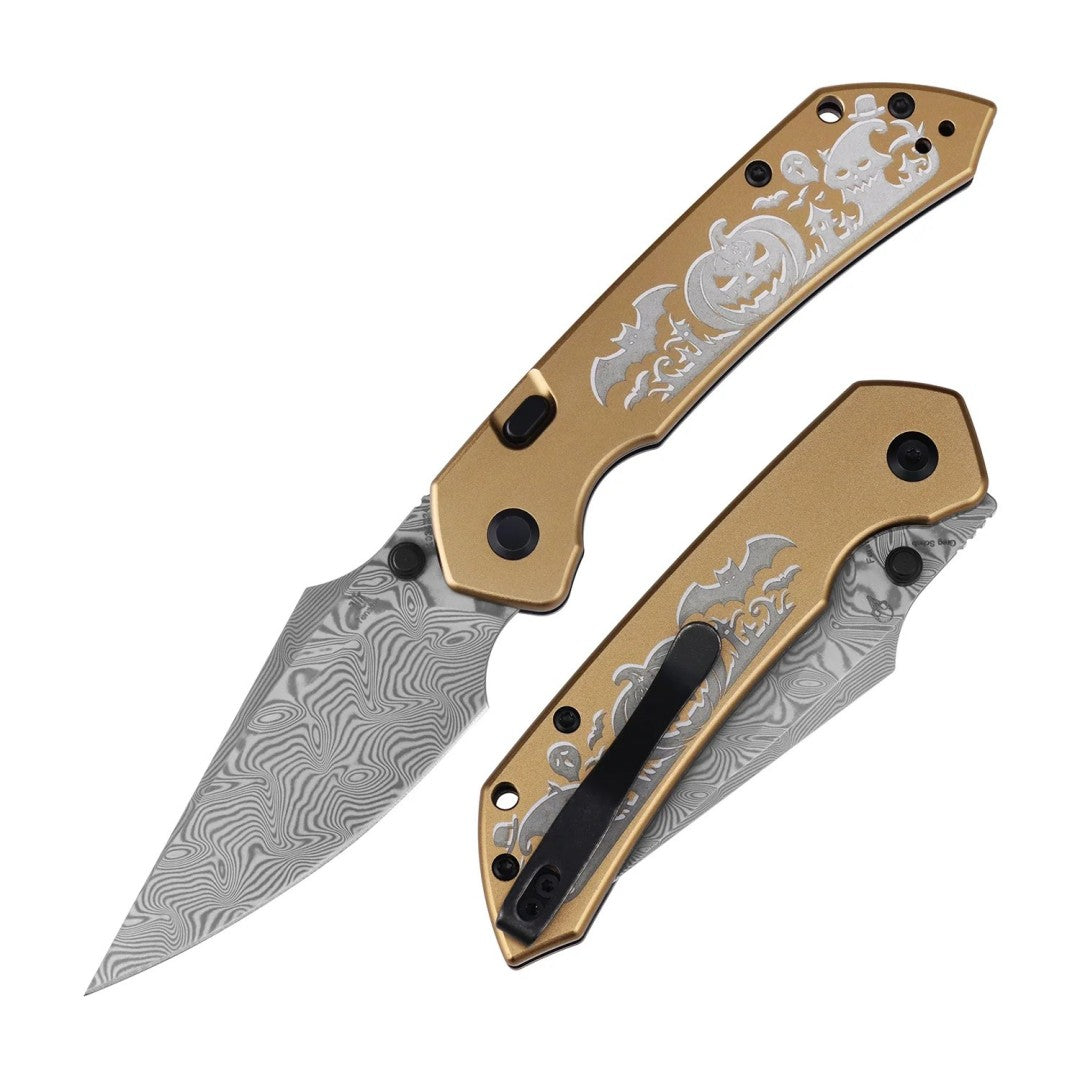
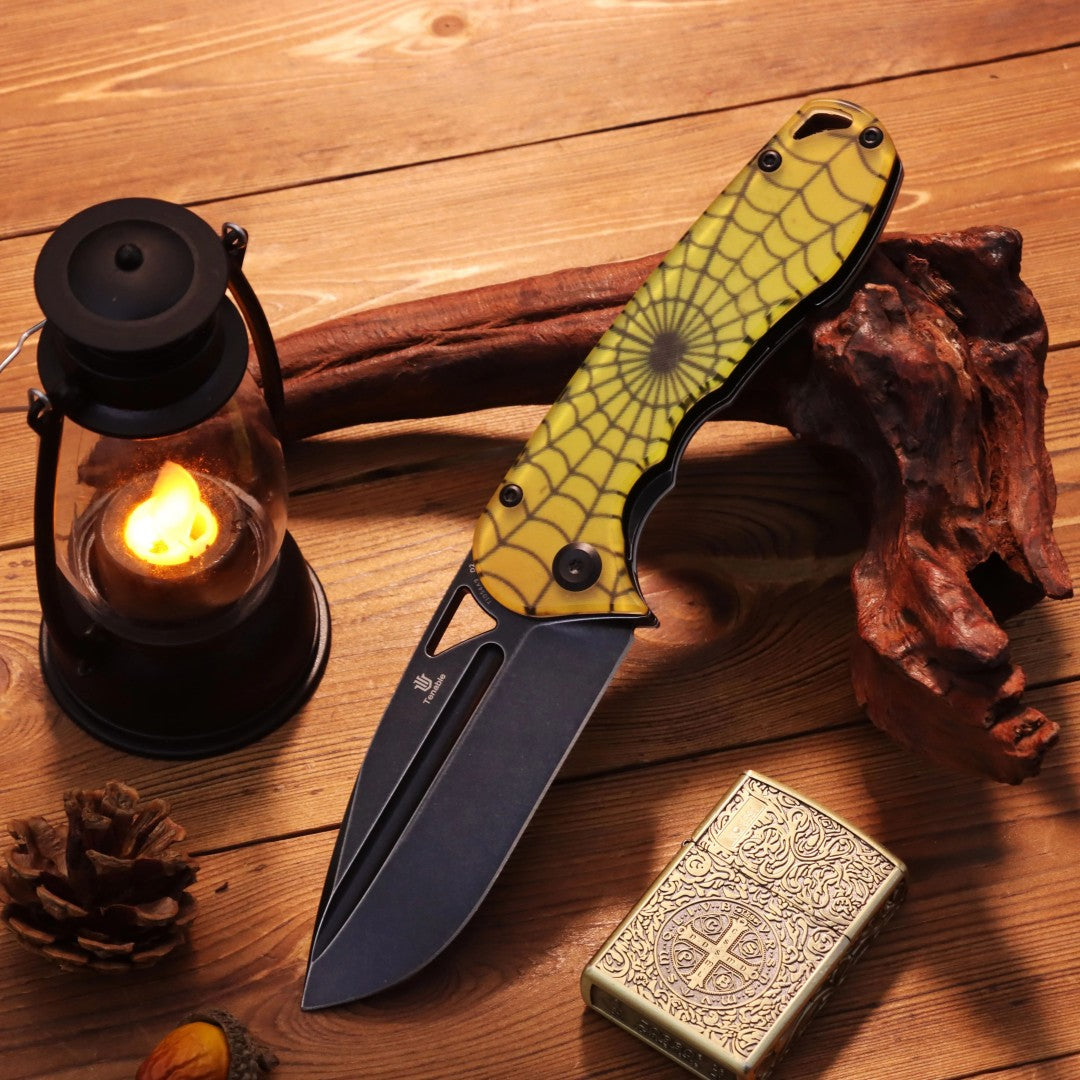
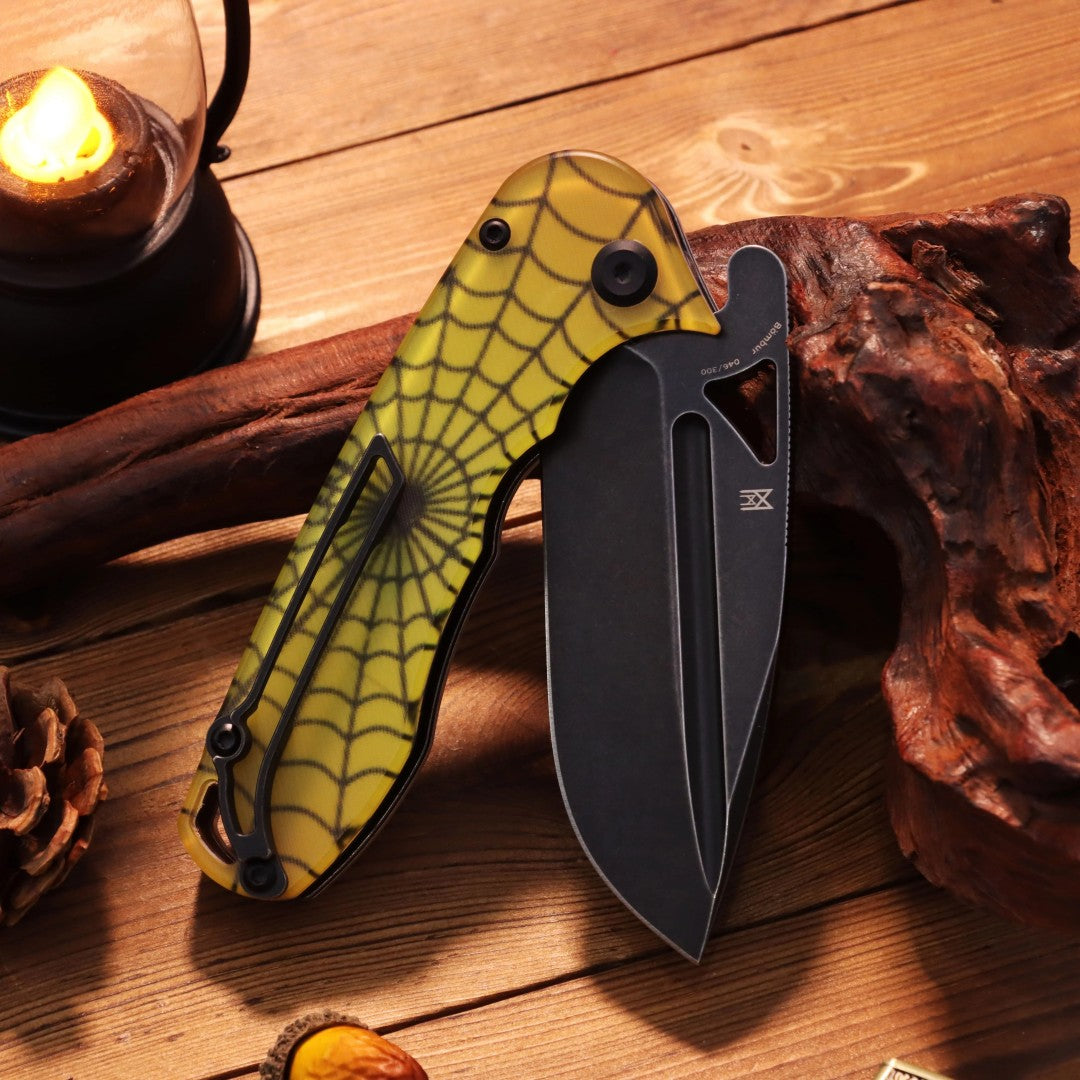
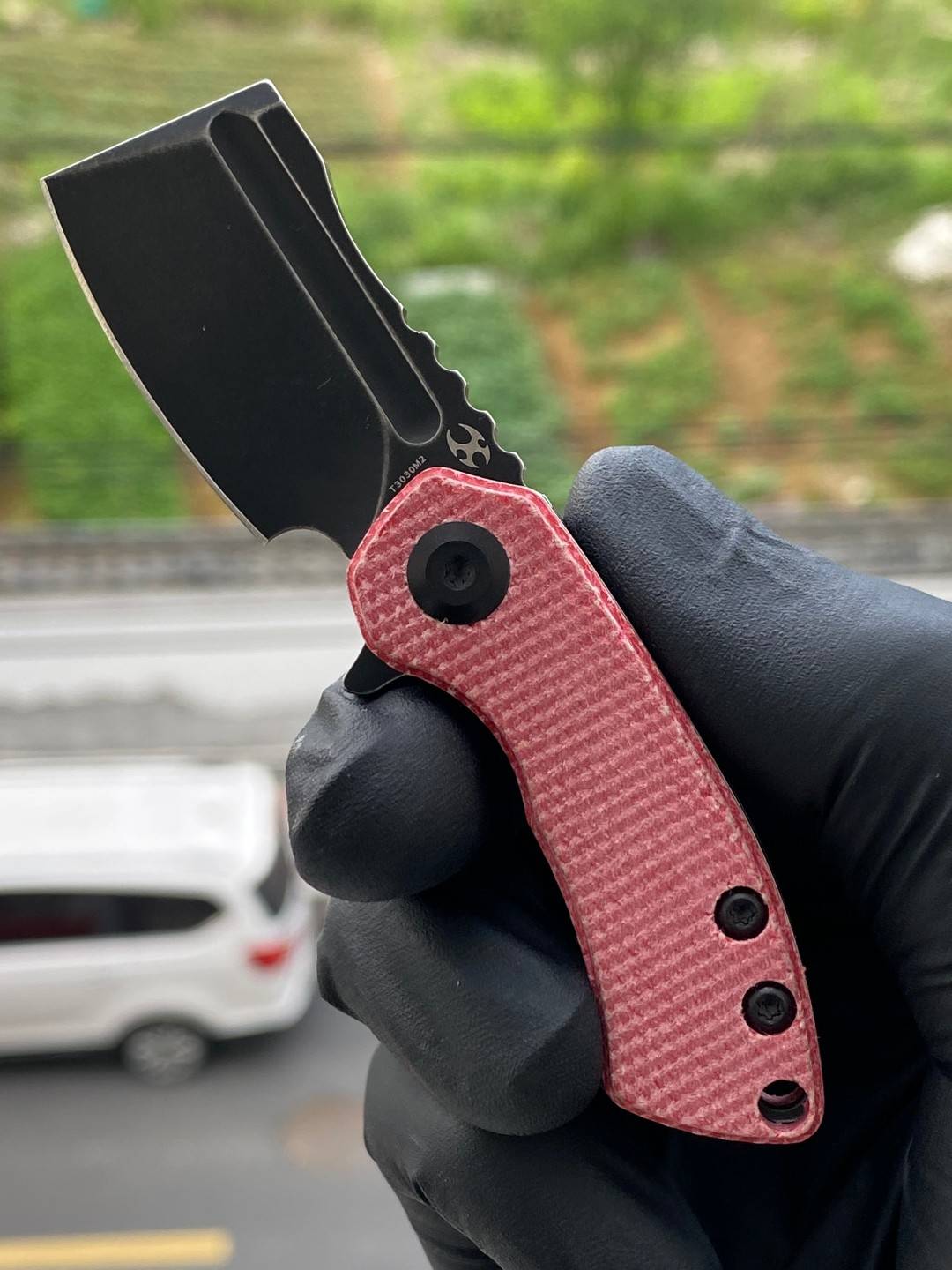
In the nested liner configuration, skeletonized stainless steel plates are pressed flush inside precision-milled interior pockets within the handle scales. The outer scale materials—such as G10, carbon fiber, Micarta, Ultem, or aluminum—form the structural exterior, sheltering the internal steel locking leaf from direct outside contact.
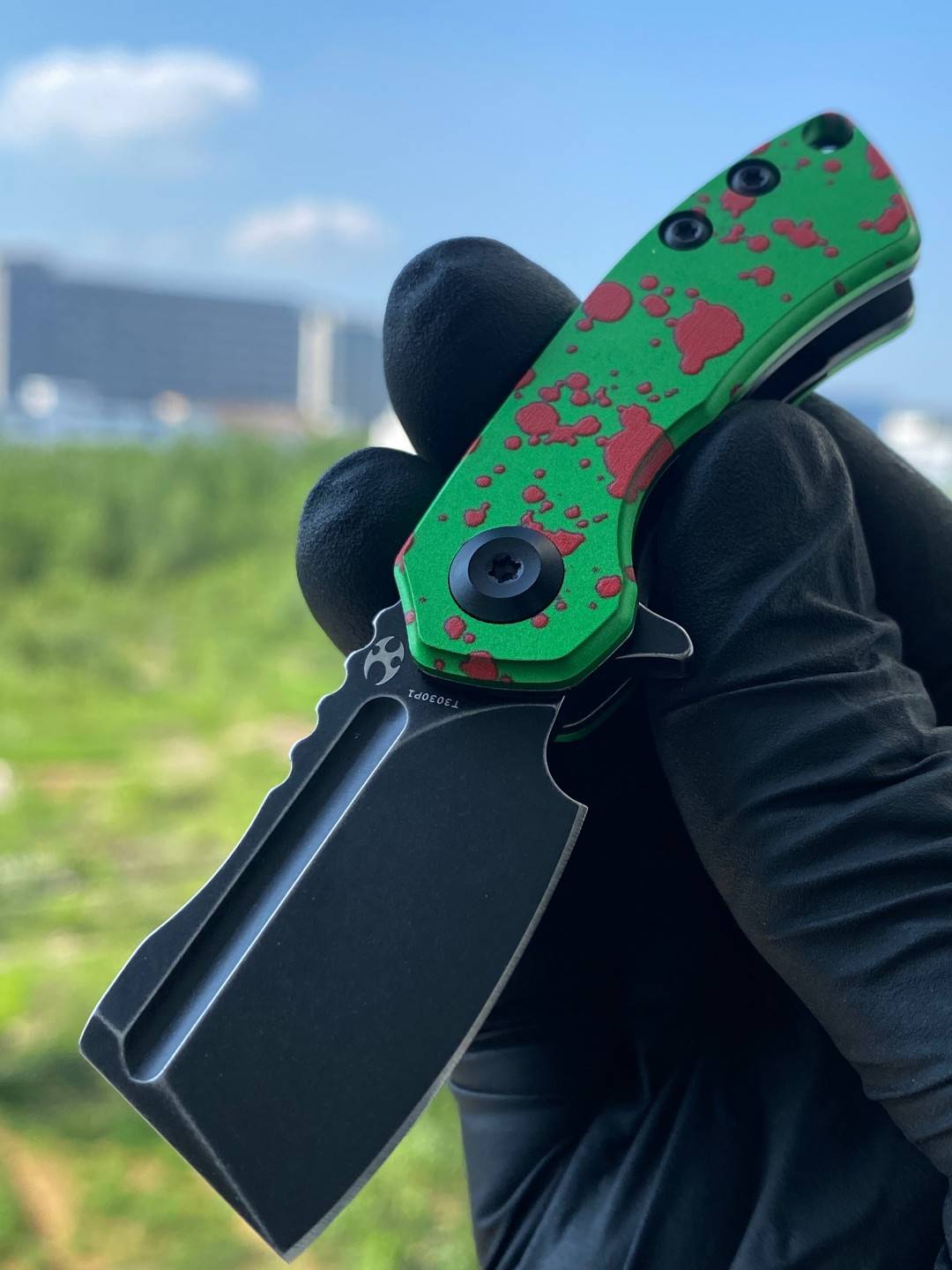
The frame lock variant eliminates separate internal steel liners entirely. The handle chassis is CNC-machined from solid slabs of Grade 5 titanium, with a precision relief channel cut directly into the lock-side slab to create an integral spring-loaded locking bar. The handle wall itself acts as the primary load-bearing lock.
Mechanical and Operational Comparison
Evaluating the technical differences between these two locking configurations illustrates how each mechanism affects performance, ergonomics, and daily pocket carry.
| Mechanical Parameter | Nested Stainless Liner Lock | Integral Titanium Frame Lock |
| Primary Lock Bar Material | Hardened Stainless Steel (~1.2 mm) | Solid Grade 5 Titanium Alloy (~3.0 mm) |
| Chassis Assembly Format | Skeletonized liners recessed in scales | Monolithic titanium slab construction |
| Handle Surface Symmetry | Identical scale materials on both sides | Asymmetrical (Presentation scale / Titanium lock bar) |
| Lockup Bias Under Grip | Independent of external finger pressure | Actively reinforced by user's palm grip |
| Average Total Knife Weight | ~1.20 oz – 1.35 oz (Material dependent) | ~1.40 oz (Solid metal density) |
| Handle Thermal Conductivity | Insulative / Warm touch (Composites) | Metallic / Conducts ambient temperature |
| Available Scale Variations | G10, Carbon Fiber, Micarta, Ultem, Aluminum | Solid Grade 5 Titanium (Anodized/Stonewashed) |
Biomechanics and In-Hand Ergonomics Under Load
The way each locking system interacts with the user’s hand during active utility cutting creates distinct ergonomic advantages.
Hand-Assisted Lockup Dynamics in the Frame Lock
The primary safety advantage of the solid titanium frame lock is its biomechanical synergy with the user's grip. During heavy downward push cuts through thick cardboard, heavy plastic strapping, or dense rubber, the fingers naturally wrap tight around the handle frame. Because the titanium lock bar forms the exterior of the handle, inward grip pressure continuously squeezes the lock leaf deeper across the blade tang ramp. This natural pressure prevents accidental disengagement during high-torque cutting chores.
Symmetrical Ergonomics and Thermal Neutrality in the Liner Lock
The nested liner lock excels in ergonomic balance, comfort, and material variety. Because the stainless locking plate is embedded beneath exterior scales, the knife maintains identical contours, surface textures, and colorways across both sides of the handle.
When paired with non-metallic scales like Micarta, carbon fiber, G10, or Ultem, the handle remains thermally neutral against bare hands in freezing winter weather or direct summer heat. Furthermore, the nested design isolates the lock leaf from accidental external interference, preventing the user's grip from inadvertently shifting lock tension during fine utility slicing.
Metallurgy Pairings and Deployment Kinematics
Manufactured under the high-precision quality control of Kansept, both locking variations across the wider Kansept Korvid series operate on caged ceramic ball bearing pivots for rapid, low-friction flipper deployment. These locking architectures are paired alongside specific blade alloys tailored to distinct utility tasks:
-
Balanced Utility Workhorse: The standard 154CM Blade is widely featured across nested liner lock configurations, offering dependable toughness, strong corrosion resistance, and fast field resharpening on basic pocket stones.
-
Particle Metallurgy Stamina: Flagship titanium frame locks and premium carbon fiber builds frequently incorporate CPM-S35VN powder steel, providing outstanding vanadium-niobium wear resistance and edge holding during extended abrasive cutting.
-
Artisanal Collector Pairings: Distinctive editions feature pattern-welded Damascus steel, creating high-contrast visual interplay against either polished composite scales or bead-blasted titanium frame slabs.
Choosing the Right Locking Mechanism for Your Pocket
Selecting between these two proven locking platforms comes down to how you prioritize chassis feel, carrying environment, and aesthetics.
The titanium frame lock is the definitive choice for users who demand monolithic metal rigidity, the mechanical security of grip-assisted lockup, and premium aerospace finishes like tumbled stonewash or multi-voltage anodization.
The nested liner lock is ideal for users seeking an ultra-lightweight footprint, symmetrical handle aesthetics, and diverse scale materials ranging from high-traction G10 and organic Micarta to retro-amber Ultem and sleek aircraft aluminum. Both platforms deliver rock-solid lockup stability, turning this compact micro-cleaver into an exceptionally capable cutting tool.