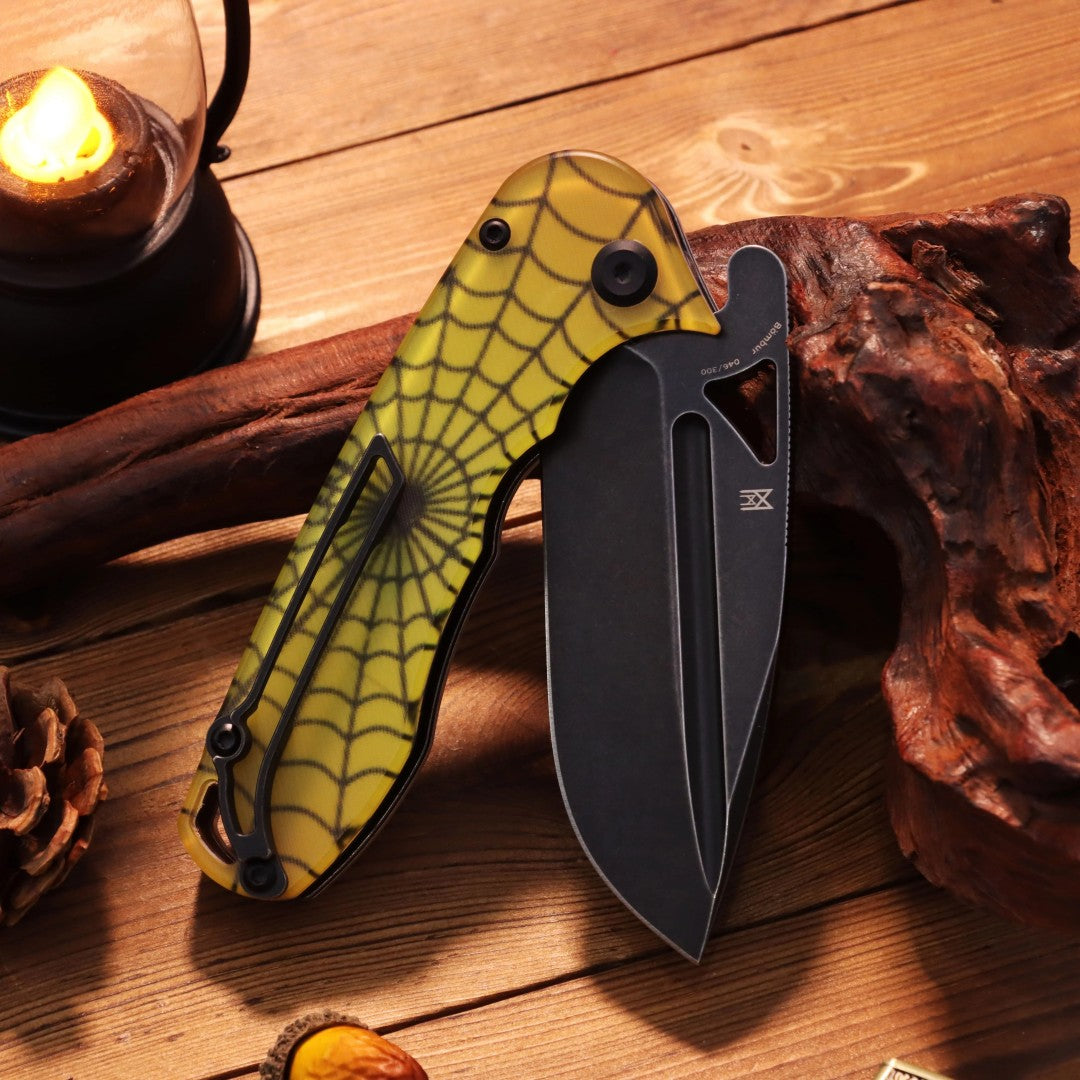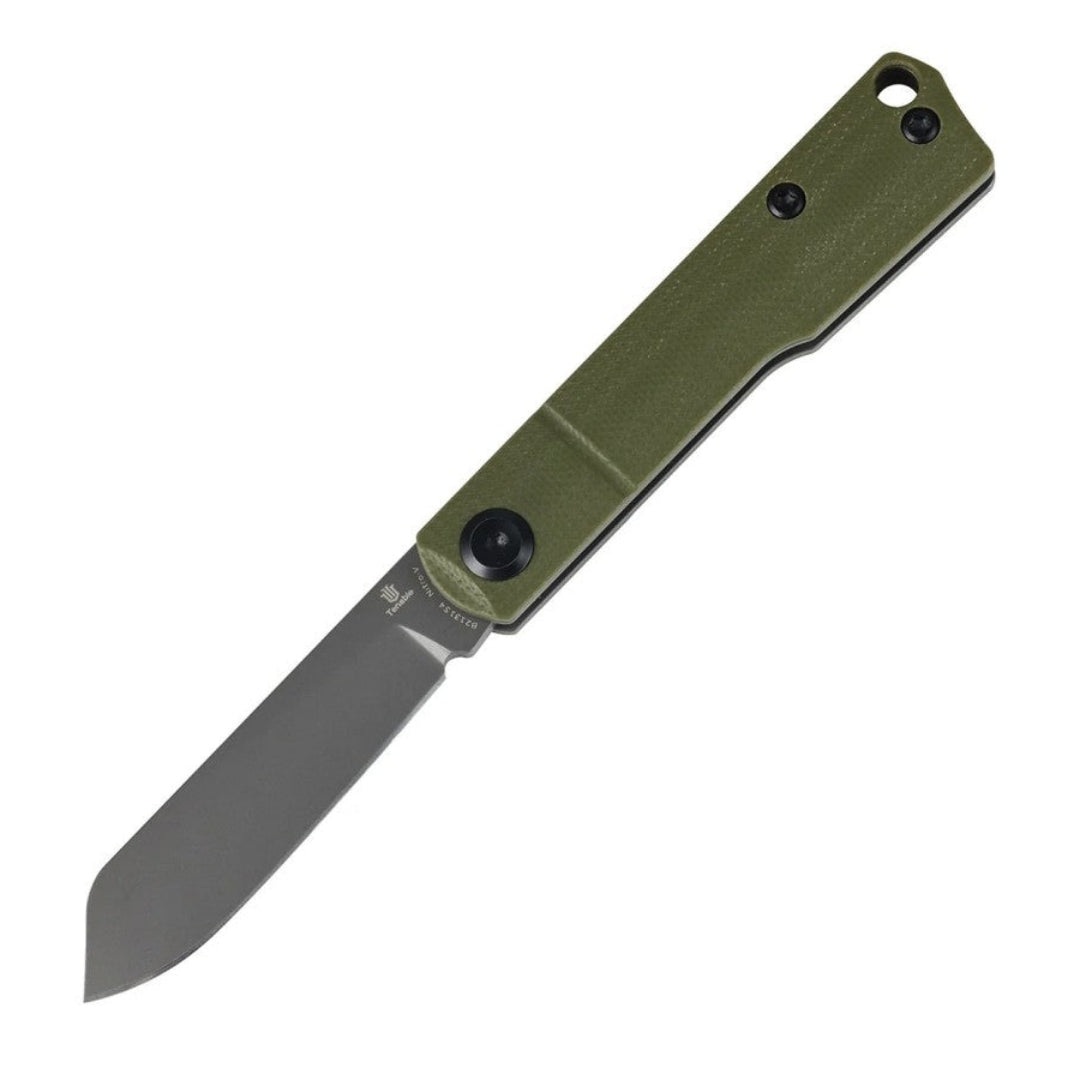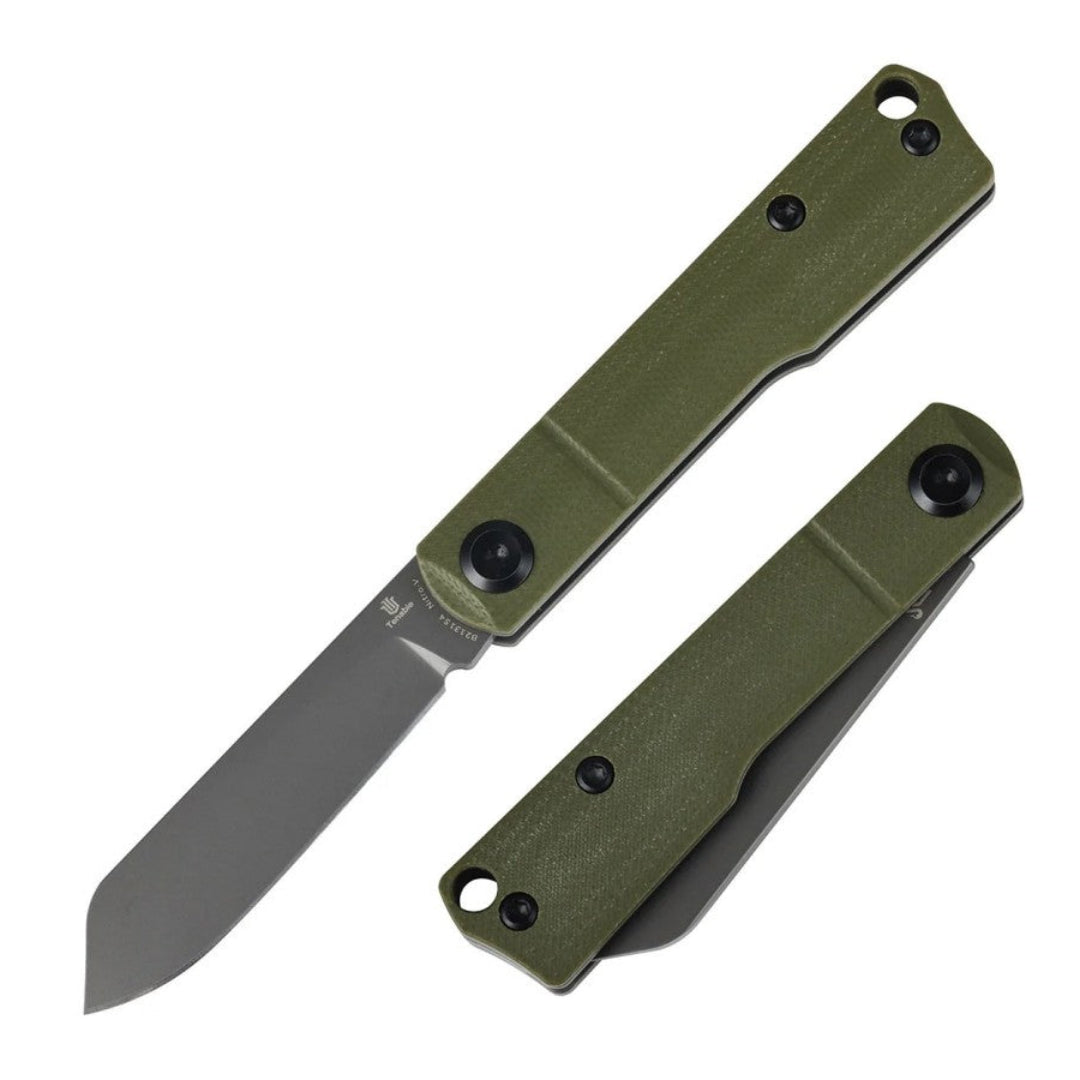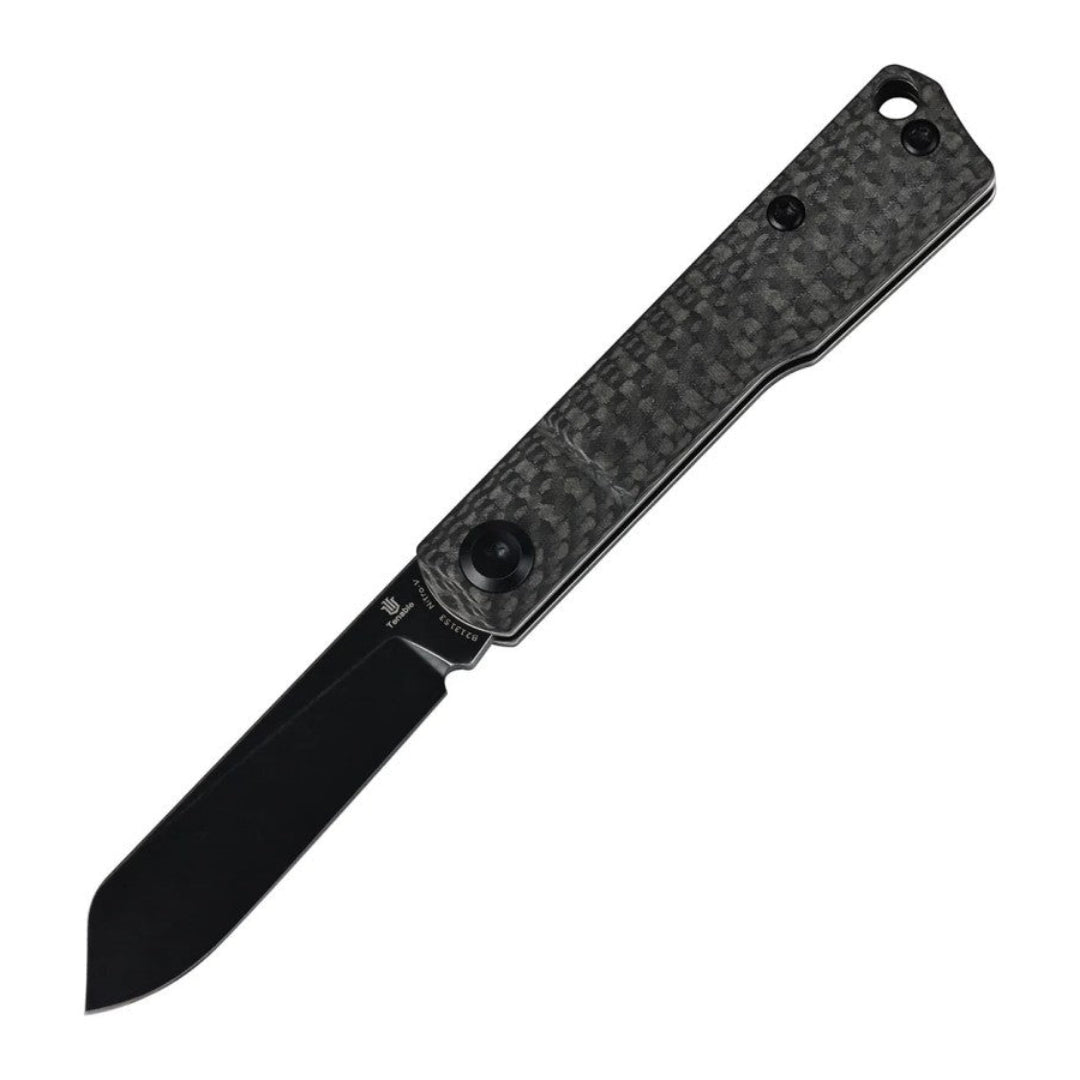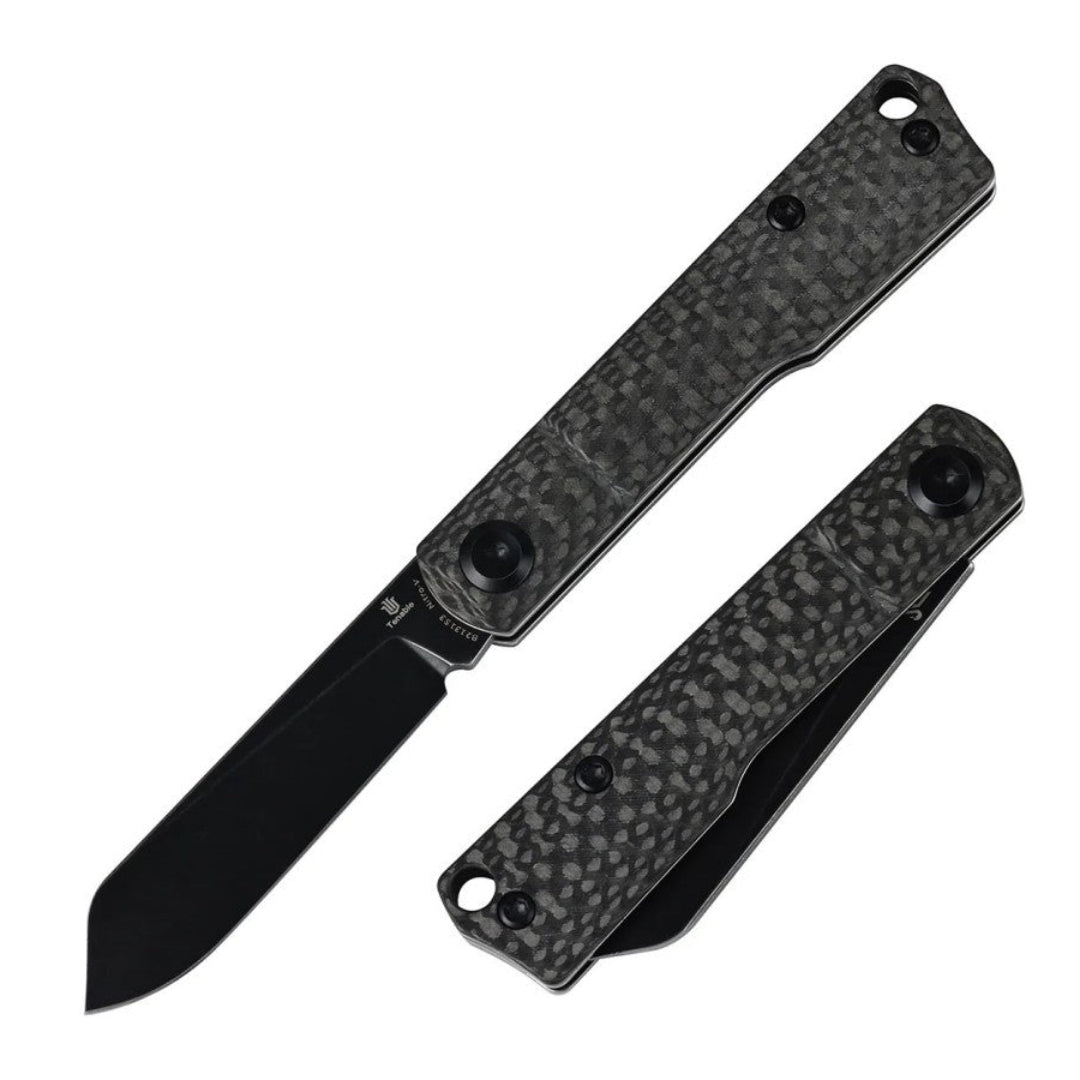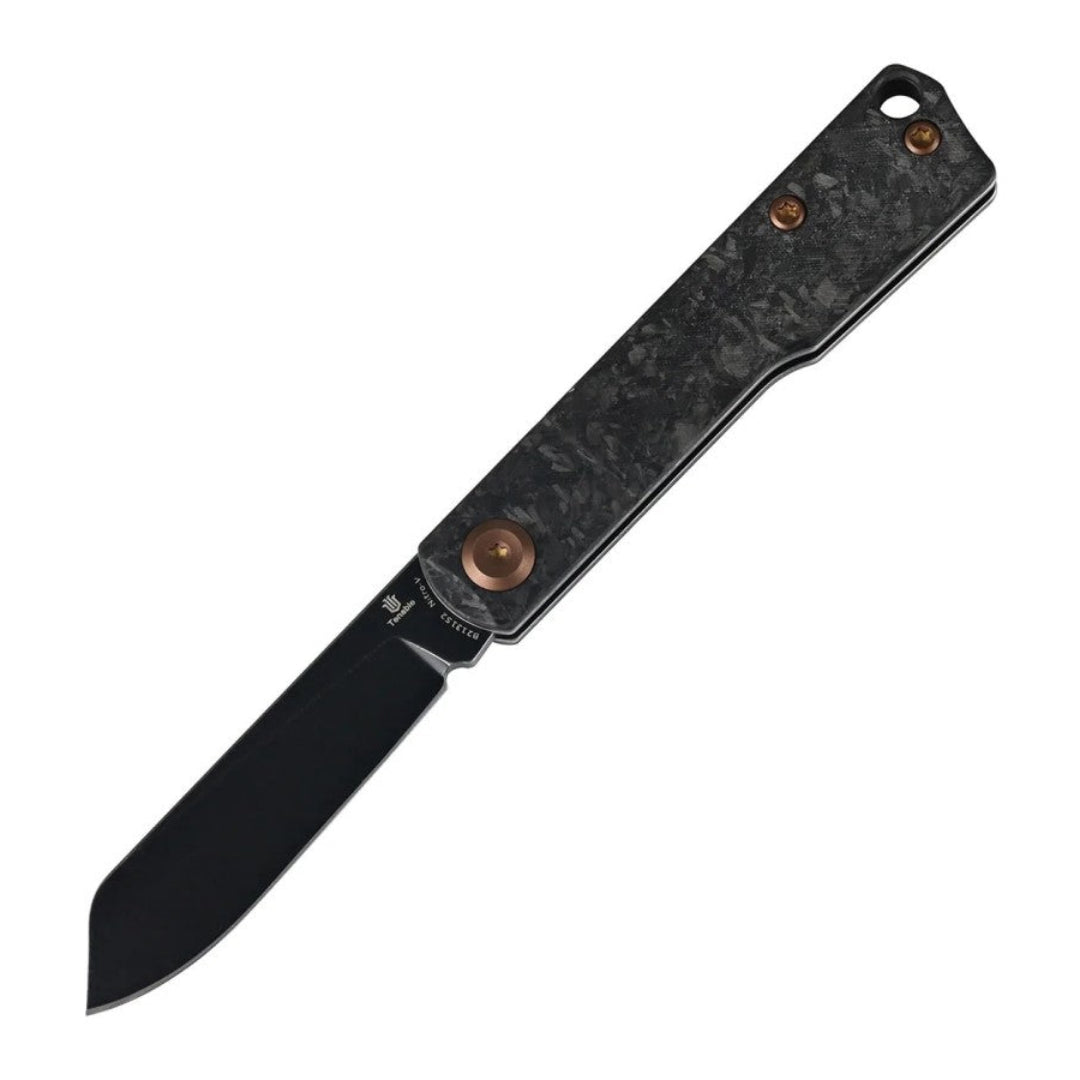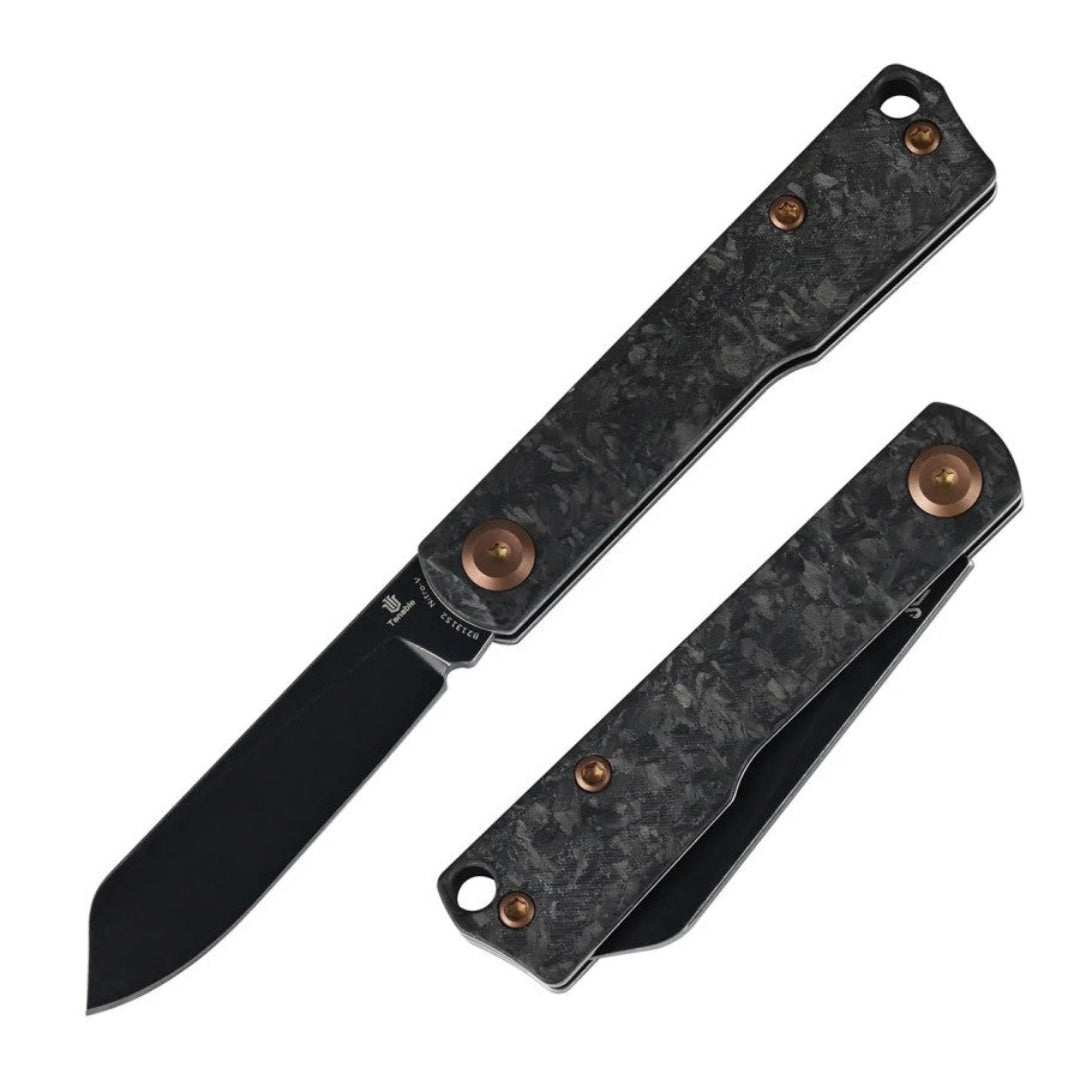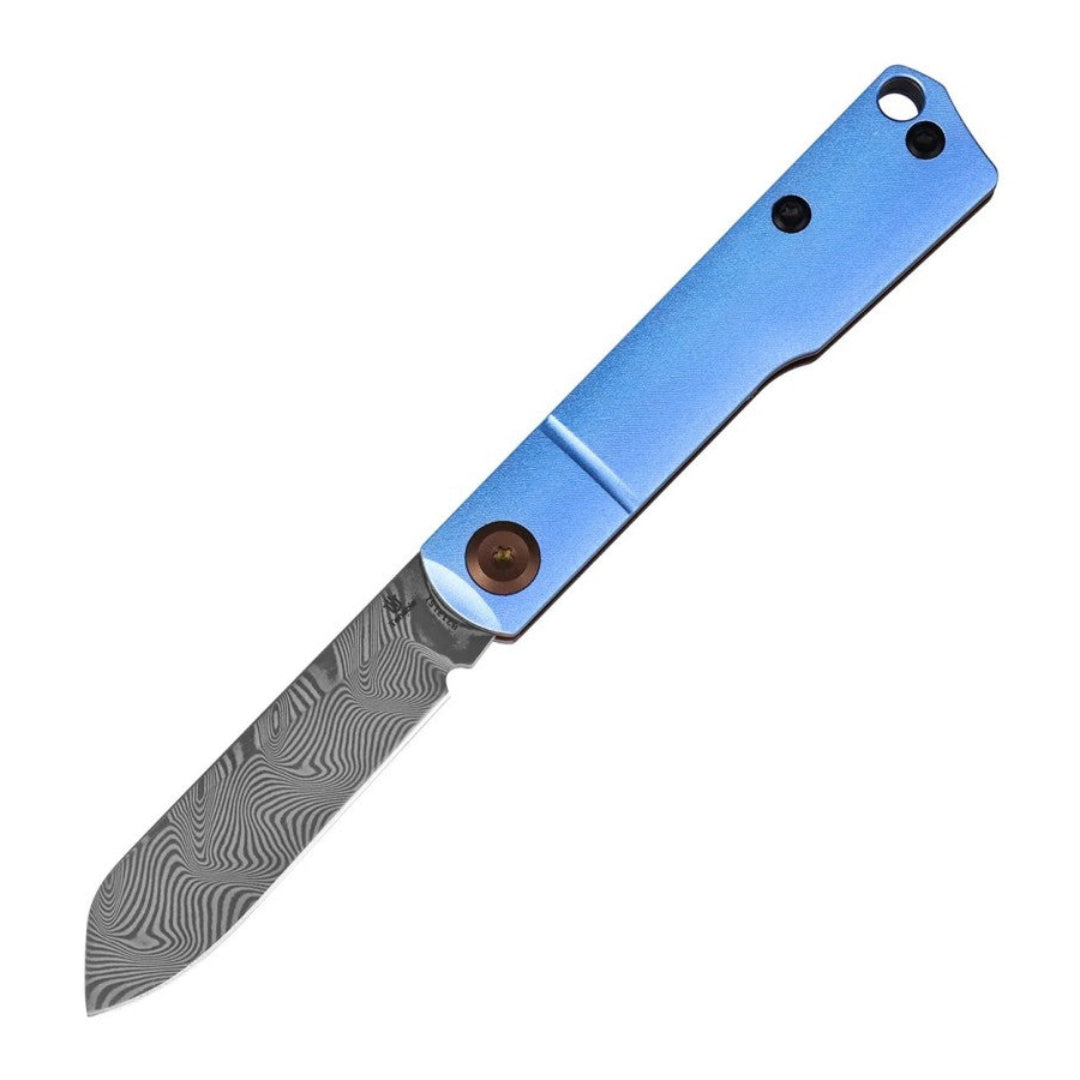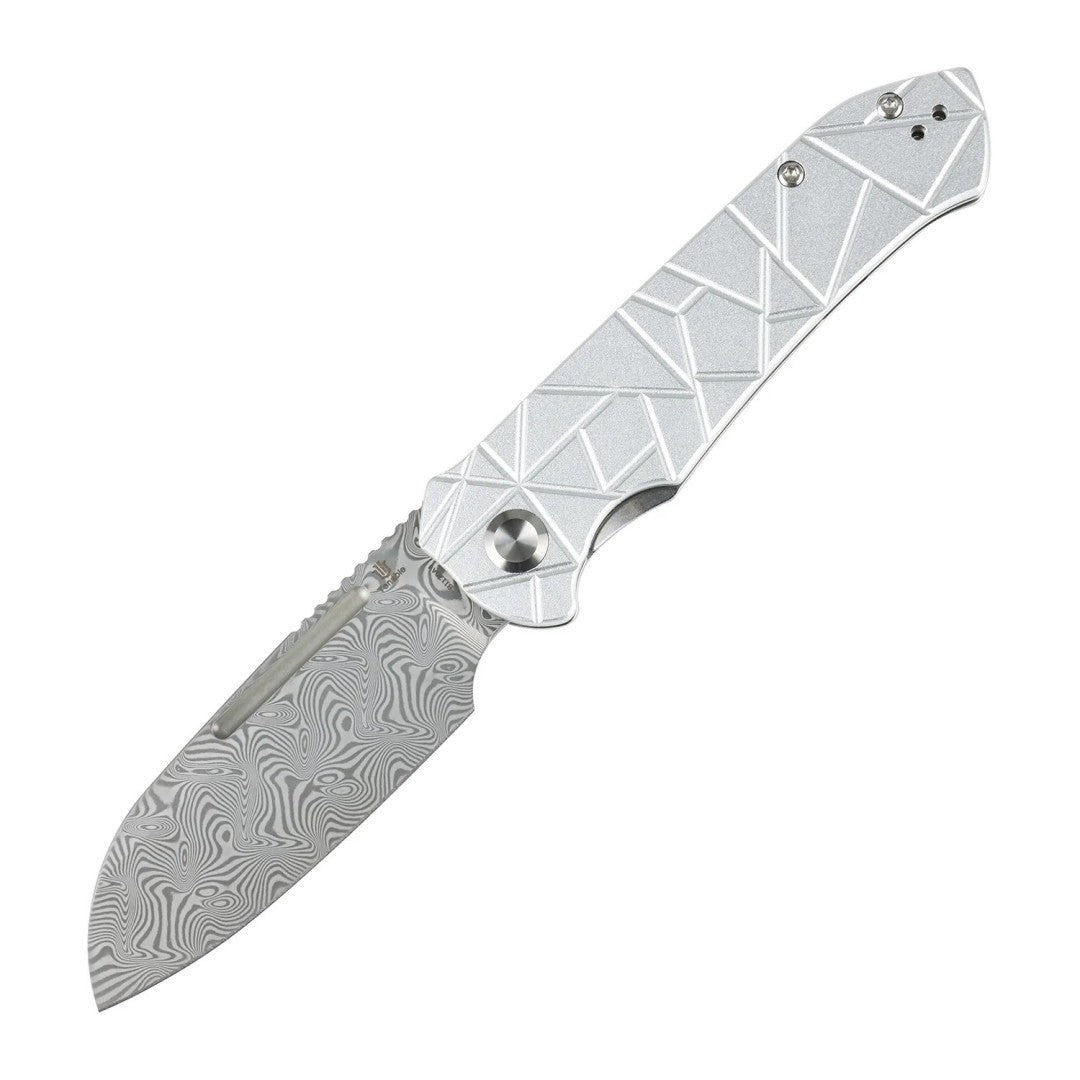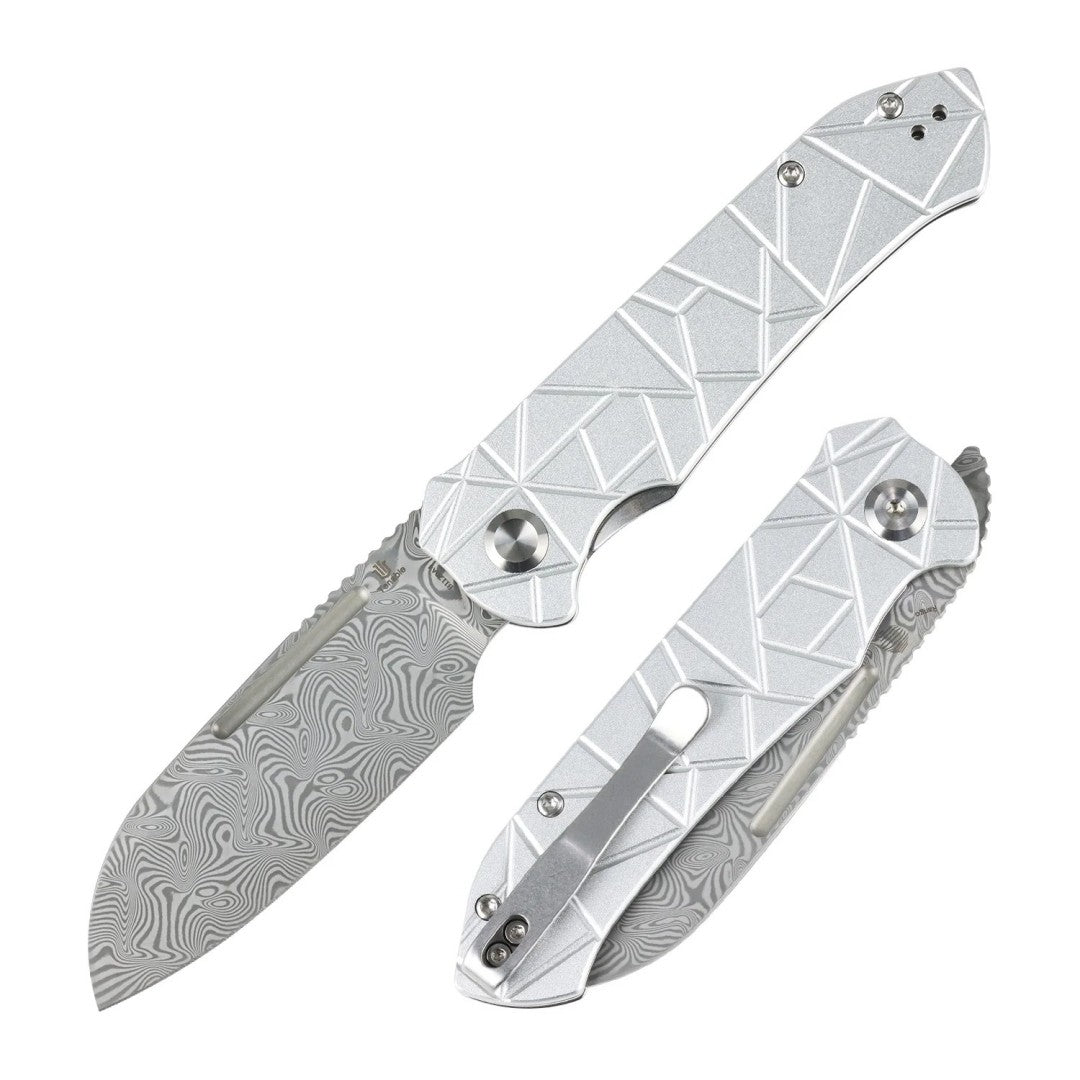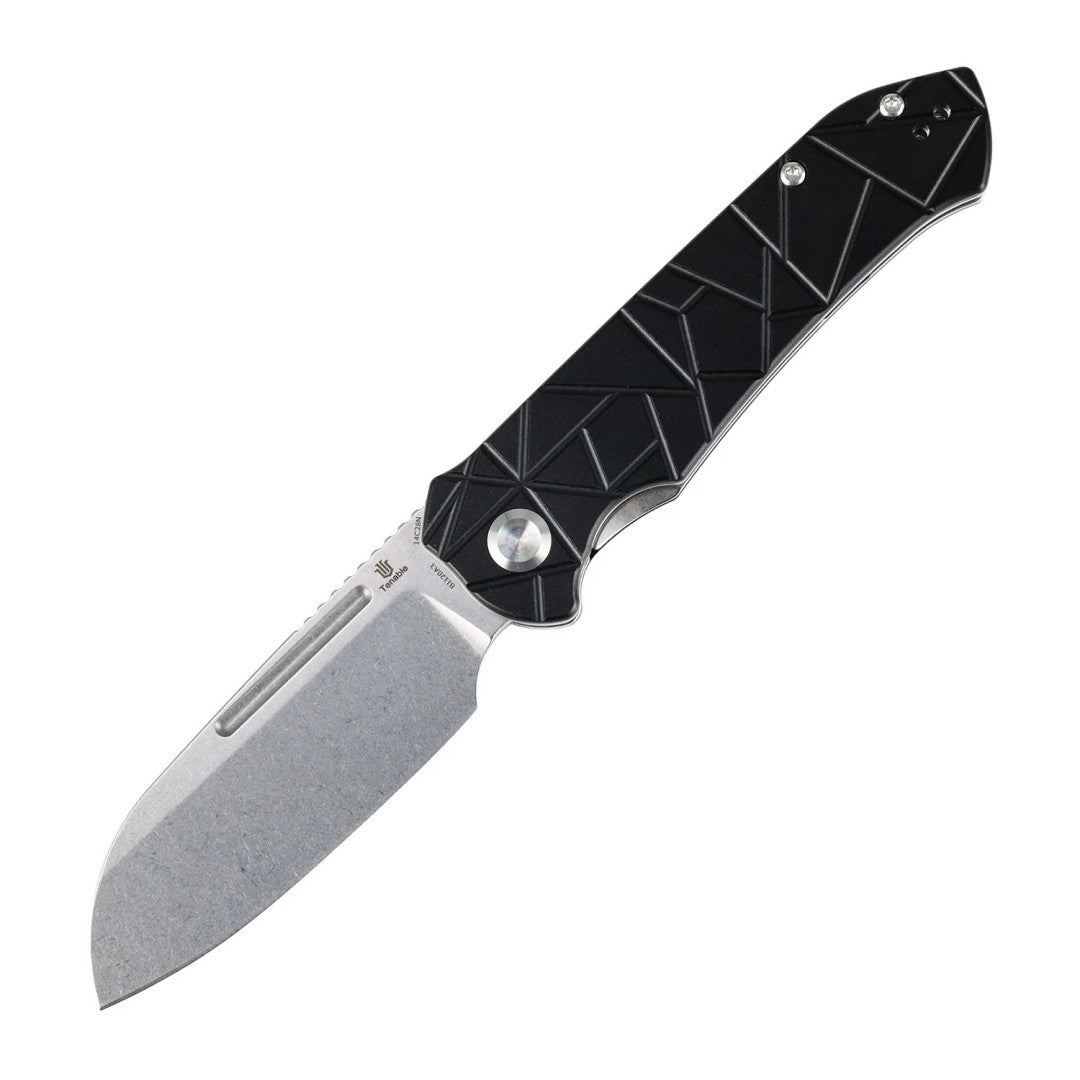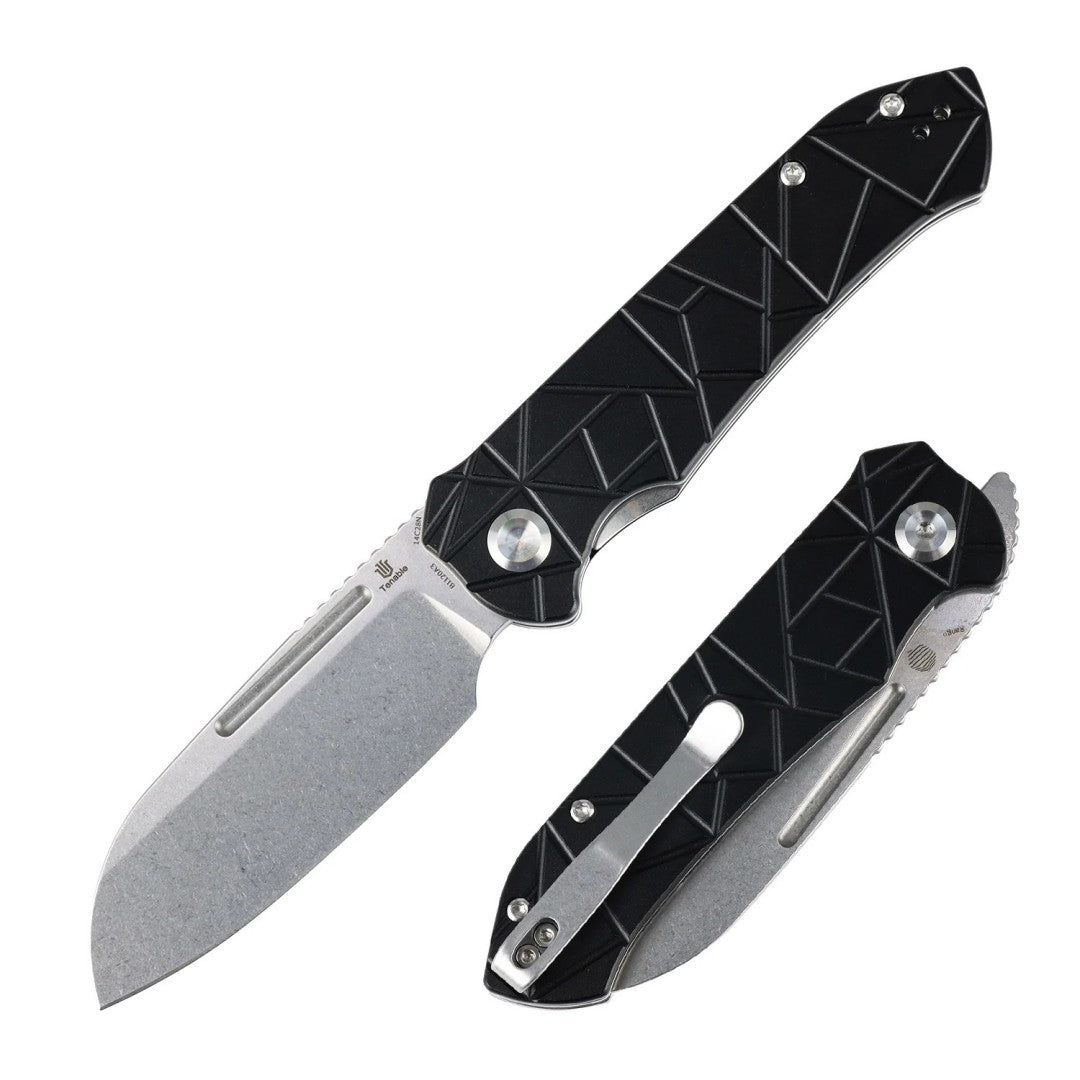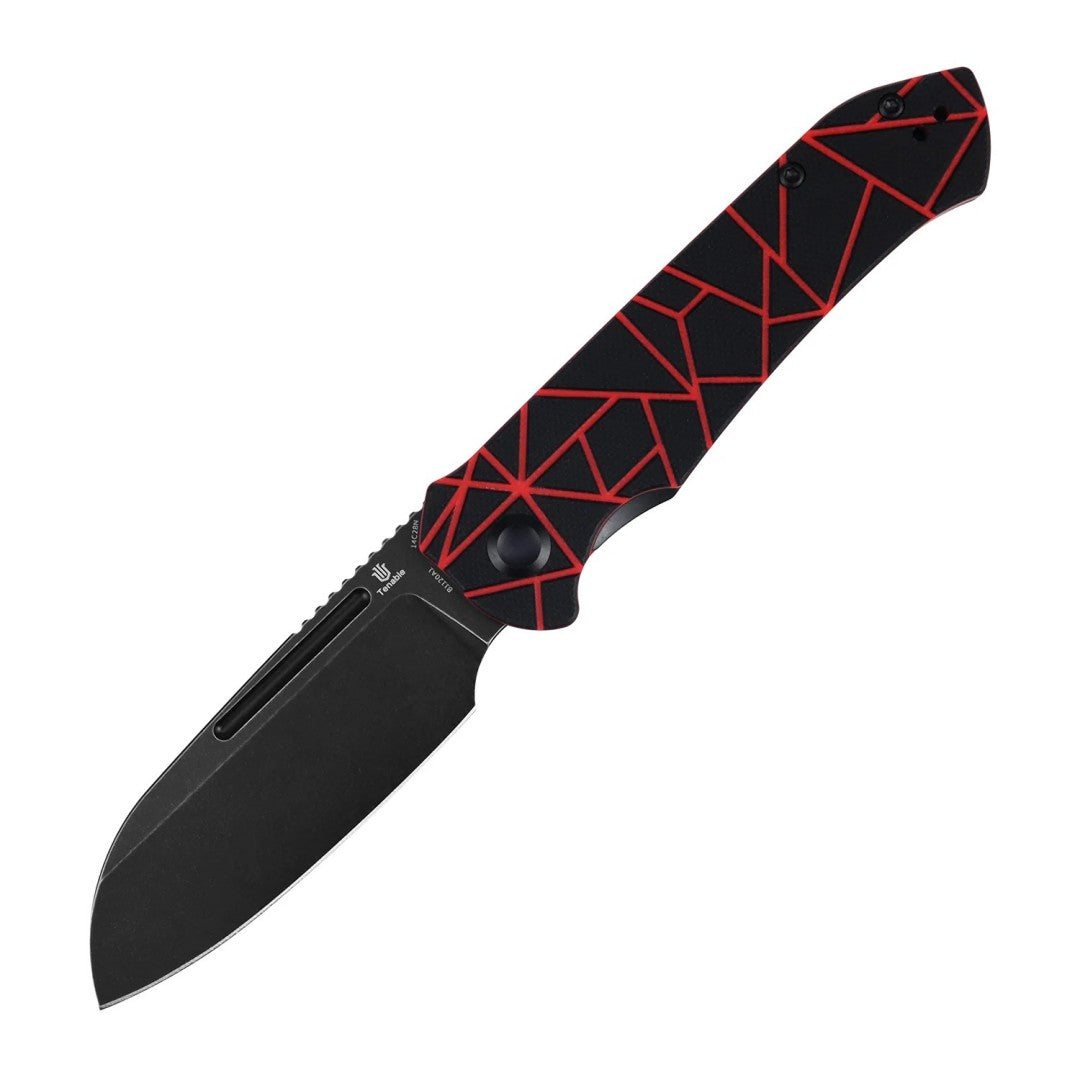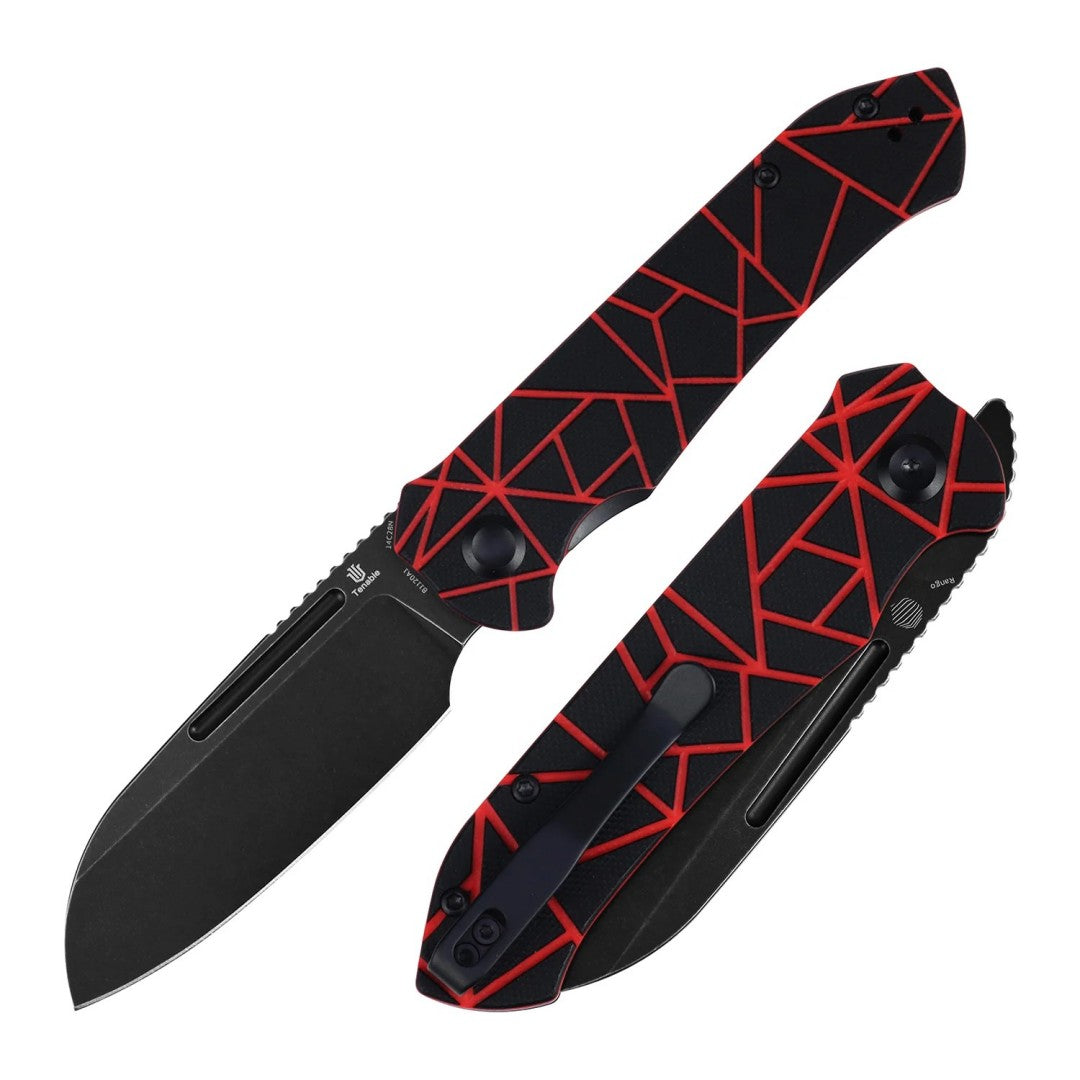
When professional collectors and field operators curate their daily carry rotation, they don't just look for aesthetic appeal; they hunt for EDC reliability that survives the scrutiny of real-world pressure. At the center of this conversation is the Kansept Falk, a folder that has redefined how enthusiasts perceive mechanical safety in a production-tier knife. Engineered by the visionaries at Kansept, this tool isn't merely an object of desire—it is a study in precision kinetic architecture. In this deep dive, we are deconstructing the engineering marvels behind its deployment and the vault-tight Liner Lock security that has made it a favorite among those who prioritize operational safety above all else.

The Kinetic Logic of Smooth Deployment
Security in a folder isn't just about how it stays closed; it is about how predictably it opens. If a blade requires erratic wrist-flicking or an unstable grip adjustment to deploy, you have already compromised your safety before the work begins.
The folder mitigates this risk through a highly calibrated, enclosed ceramic ball-bearing pivot assembly. Unlike traditional metal pivot systems, which can accumulate grit and create "drag" over time, the ceramic setup provides a zero-friction path for the blade. When you press the dual thumb studs, the resistance is linear, consistent, and—most importantly—predictable. By ensuring that the blade fires with the exact same authoritative "snap" every single time, the user develops the kind of muscle memory that is essential for working in high-stress environments. Your fingers never have to enter the arc of the blade, and your grip remains anchored firmly on the handle scales.
Anatomy of an Unyielding Lockup
The true test of a folding knife occurs the moment a heavy load is applied to the spine. To achieve maximum security, the design team focused on the mechanical interface where the lock bar meets the blade tang.
-
Optimized Geometry: The lock bar is meticulously angled to engage the tang at a consistent 25% depth. This early, deep engagement is intentional; it provides maximum surface-to-surface contact to dissipate force, yet it leaves ample room for the mechanism to adjust as the metal surfaces naturally "wear in" over years of heavy usage.
-
Structural Rigidity: The lock bar itself is crafted from hardened, high-grade stainless steel that resists deformation. Even under extreme lateral torque—the kind you might encounter when cutting through thick, stubborn synthetic materials—the bar refuses to flex, ensuring that the blade remains locked in a fixed, immobile state.
 The Human-Centric Geometry of Cédric Destombes
Safety is often compromised by "tactical" design choices—like overly aggressive finger grooves—that actually force the hand into uncomfortable, unstable positions. The designer behind this model took an entirely different approach.
By opting for a neutral, organic handle underbelly, the frame allows your palm to create a natural, high-friction interface with the handle materials. This is crucial for performance. Because your hand is never forced into a pre-set position, the handle adapts to your unique grip. When you are confident in your hold, you can apply force with controlled precision rather than brute, wild effort, significantly reducing the chances of accidental slips or uncontrolled blade paths.
Chassis Rigidity and Liner Integrity
A locking mechanism is only as reliable as the frame it is nested within. The workshop utilizes stainless steel liners that are deeply skeletonized to maintain a perfect weight balance of 3.73 ounces, but they do not sacrifice structural integrity to save weight.
These liners act as a rigid, immovable chassis for the locking mechanism. When the knife is fully deployed, the liners work in unison with the mechanism to form a complete, reinforced cage. This prevents "torsional flex"—the tendency of a handle to twist under heavy pressure. If the frame flexes, the lock bar can lose its engagement groove, leading to a catastrophic failure. By maintaining absolute structural rigidity, the manufacturer ensures that the security of your blade remains constant, regardless of the difficulty of your task.
The Precision-Tuned Detent
The final layer of safety is the detent system, which acts as the "gatekeeper" for your pocket. The detent ball is specifically tuned to hold the blade in the closed position with just enough tension to prevent "pocket-deployment"—that dangerous scenario where a blade opens partially while moving through a crowded pocket.
This requires a perfectly polished detent track. The transition from the closed, detent-held position to the open, lock-engaged position is entirely smooth. There is no "hitch" or hesitation. This allows the user to operate the knife with total, eyes-free confidence, knowing that the blade will only deploy when you consciously command it to.
 Final Verdict: Security as a Standard
Operational safety is the ultimate "hidden feature" of a great carry knife. When you carry this folder, you aren't just carrying a piece of steel; you are carrying a piece of mechanical engineering designed to keep you safe.
By harmonizing the frictionless deployment of ceramic bearings with the robust, vault-like integrity of a perfectly fitted locking system, the workshop has delivered a tool that performs with industrial-grade reliability. If you are tired of folders that feel unpredictable or flimsy under pressure, it is time to experience the difference that custom-level tolerances can make. Invest in a tool that respects the weight of your tasks and protects you with every deployment.