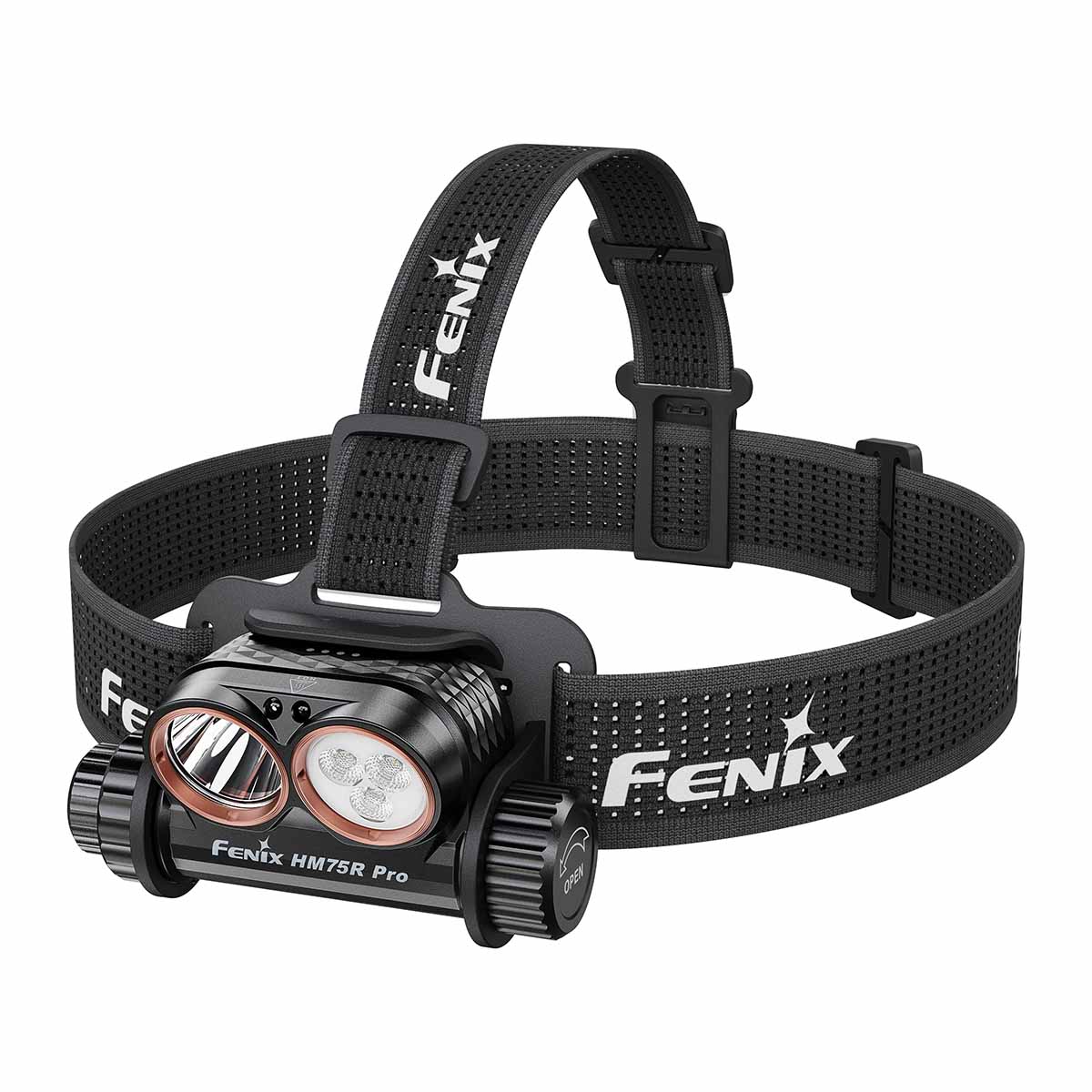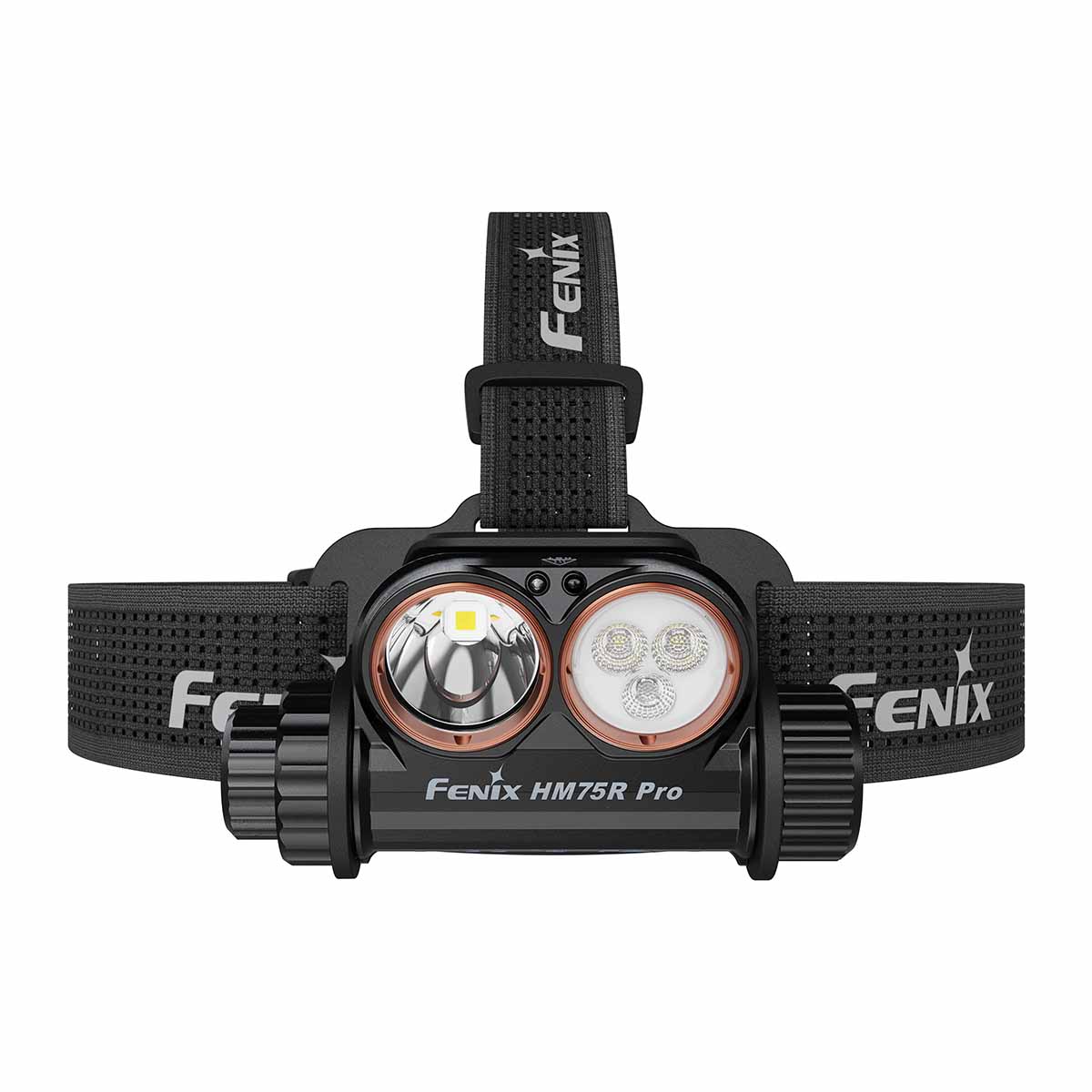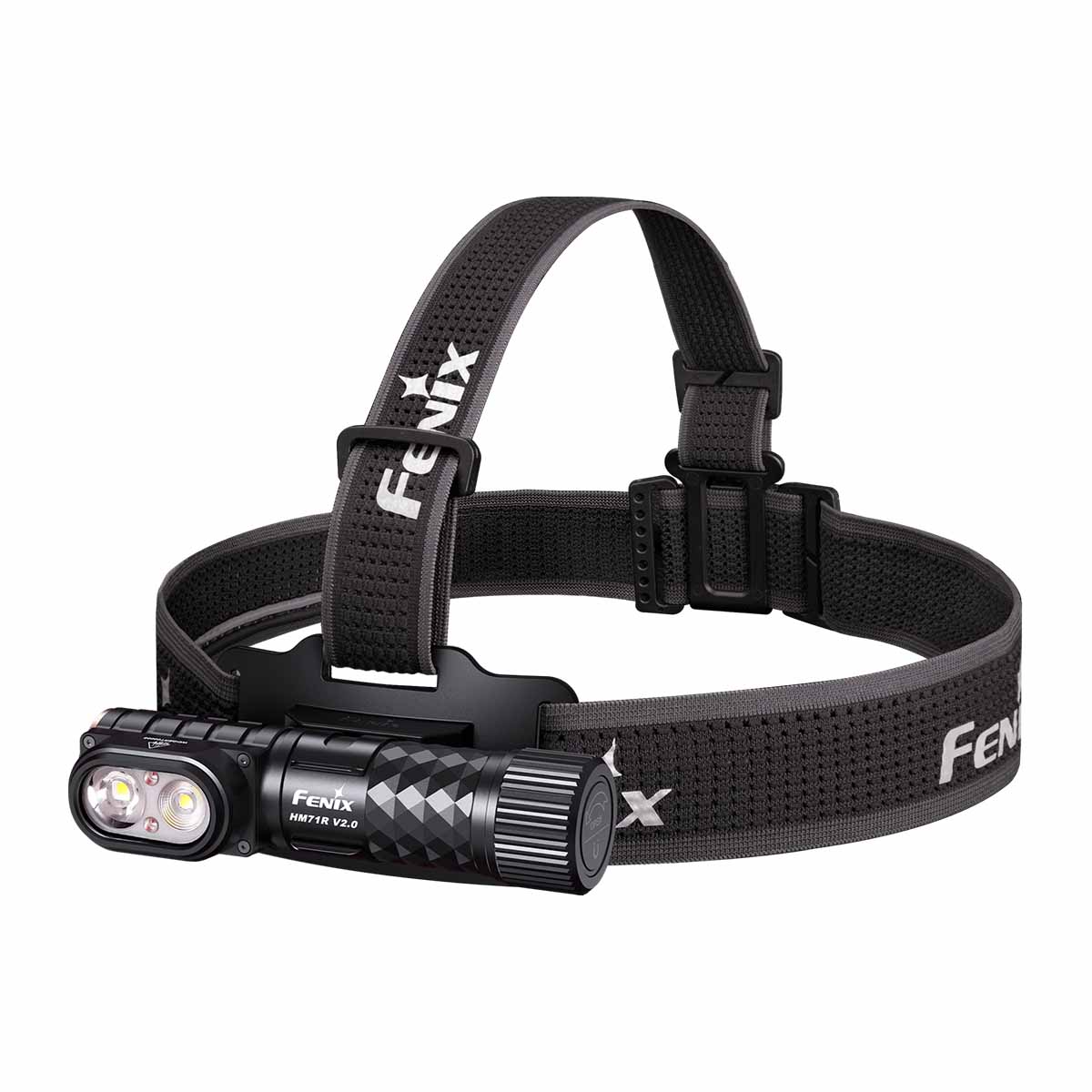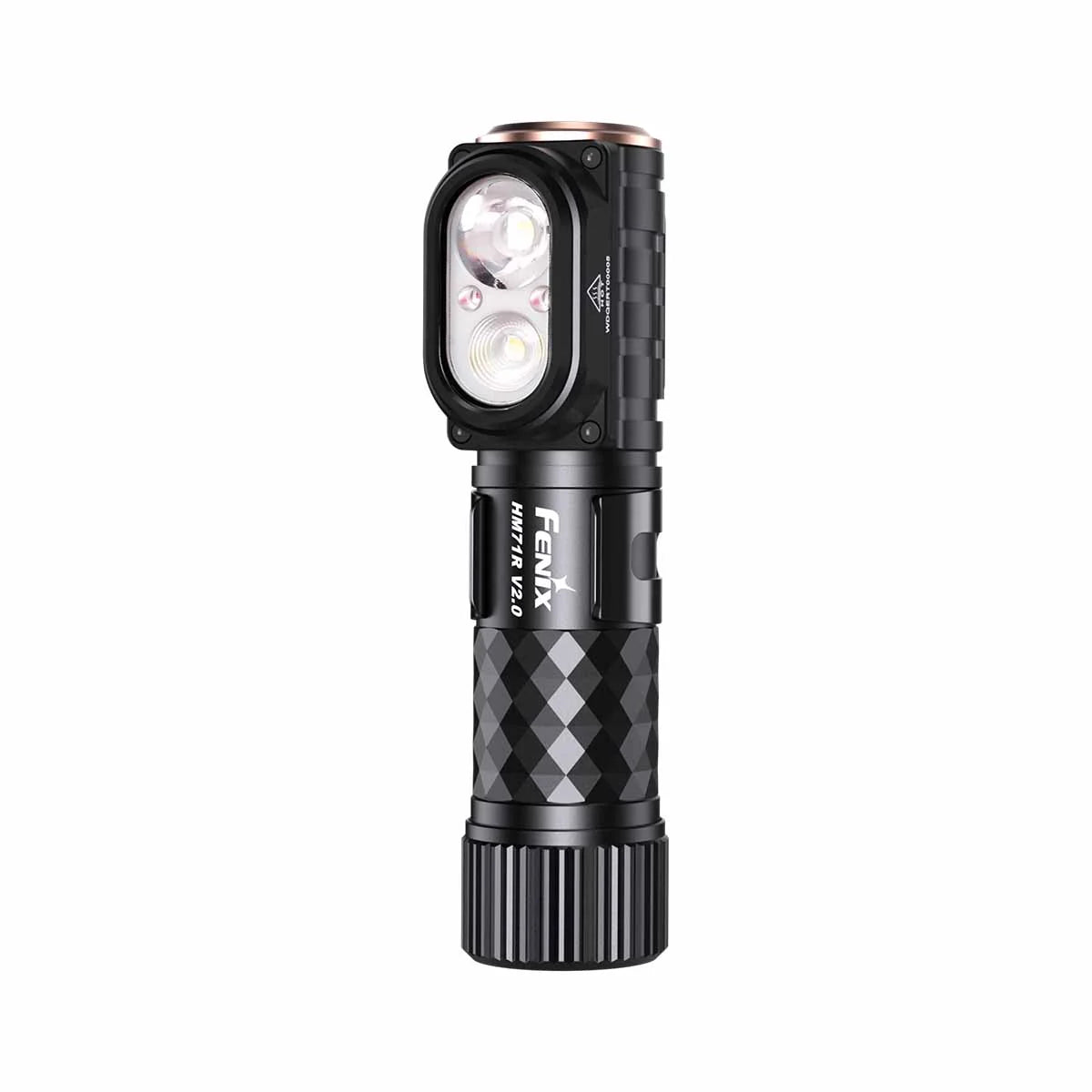

In a sudden, violent encounter, the difference between escaping unharmed and sustaining severe injury often comes down to fractions of a second. Under the surge of an adrenaline dump, the body undergoes intense physiological changes: tunnel vision sets in, heart rate spikes, and fine motor dexterity rapidly deteriorates. In these critical moments, fumbling through complex menus, clicking a switch multiple times, or twisting a bezel to find a defensive mode is a recipe for failure. A modern tactical flashlight engineered with a dedicated, one-step instant strobe mode bypasses cognitive lag entirely, providing an immediate, non-lethal defensive barrier that can stop an assailant in their tracks.
 The Physiology of Disorientation: How Strobe Overwhelms an Aggressor
Strobe defense is rooted in the biological vulnerabilities of human vision. In low-light environments, human eyes adapt through scotopic vision, dilating the pupils and relying on photoreceptor cells to capture whatever ambient light exists.
When thousands of lumens strike dark-adapted eyes, the optic nerve is instantly flooded with sensory data. A static high-beam light creates significant discomfort, but an intelligent, variable-frequency strobe (typically oscillating between 10Hz and 20Hz) creates a catastrophic sensory overload in the brain's visual cortex.
The Disorientation Cascade
-
Flashblindness: Photopigments in the retina are bleached in milliseconds, leaving temporary blind spots and afterimages that obscure vision for several seconds.
-
Loss of Depth Perception: Rapidly pulsating light eliminates smooth motion tracking. An attacker cannot judge distance, speed, or spatial orientation, rendering them unable to land a strike or lunge accurately.
-
Psychological Hesitation: The sudden wall of blinding, flickering light triggers an involuntary flinch response, forcing the assailant to shield their eyes or turn away, creating an immediate window for escape.
Why One-Step Mechanics Are Mandatory for Survival
Many general-purpose torches claim to feature a strobe mode, but accessing it requires a sequence: click on, tap three times, hold for two seconds, or cycle through eco, low, medium, and high settings. Under life-threatening pressure, fine motor coordination breaks down, making multi-click sequences impossible to execute reliably.
A true defensive illumination tool must operate on gross motor skills—instinctive physical actions like a hard, direct thumb press.
Dedicated tactical pioneers like Nextorch have perfected this with patented mechanical rotary selectors and dual-stage pressure pads, while Klarus built an international reputation among security personnel with their iconic dual-tail switch interface. Both approaches ensure that whether the light is turned off, set to low, or holstered, pressing the dedicated tactical control instantly unleashes maximum strobe with zero delay.
Interface Comparison: One-Step Strobe vs. Conventional Cycling
| Tactical Parameter | One-Step Instant Strobe System | Conventional Multi-Click Interface |
| Activation Latency | 0.05 seconds (Instant thumb press) | 1.5 to 3.0+ seconds (Cycle through modes) |
| Motor Skill Requirement | Gross motor (slamming thumb down) | Fine motor (precise multi-tapping) |
| Stress Failure Rate | Near zero (foolproof mechanical access) | High (accidental mode skipping under panic) |
| Tactical Readiness | Accessible directly from "OFF" state | Often requires turning the light on first |
| Target Disorientation | Immediate, unexpected sensory shock | Gradual escalation, giving target time to react |
The "Flash, Move, and Escape" Tactical Protocol
A tactical strobe is not a magic forcefield; it is a tool designed to create tactical advantages. In professional defensive training, illumination is paired with dynamic movement.
Break the Line of Sight
Never activate your strobe and stand motionless. An attacker’s last known visual information is your exact position when the light went off. Activate the instant strobe directly into the threat's eye line for one to two seconds, step decisively off the center line of attack (at a 45-degree angle), and disengage. The attacker will instinctively strike or lunge at where the light was, allowing you to bypass them and reach safety.
Avoid Self-Blinding in Confined Spaces
When deploying high-lumen strobes indoors, be conscious of white walls, mirrors, and reflective glass. Position the beam directly at the threat's upper torso and face rather than bouncing light off nearby obstacles that could impair your own night vision.
 Integrating Instant Strobe Into Your Daily Preparedness
While high-tech flat lights engineered by Nitecore offer incredible pocket comfort and customizable outputs for everyday routines, and bespoke makers like Jetbeam deliver smooth magnetic-ring interfaces for gear purists, a dedicated instant-access strobe remains a cornerstone of serious self-defense.
Carrying a purpose-built tactical torch as part of your daily EDC loadout gives you a non-lethal, legally unrestricted defensive capability across virtually any environment, from dark parking structures to international travel where other defensive tools are prohibited.
The Definitive Advantage in Personal Safety
Personal defense is about eliminating uncertainty and maximizing reaction speed. By removing complicated multi-step menus and relying on instantaneous, high-intensity optical disruption, a tactical light with a one-step instant strobe mode ensures that when danger appears in the dark, you control the encounter.