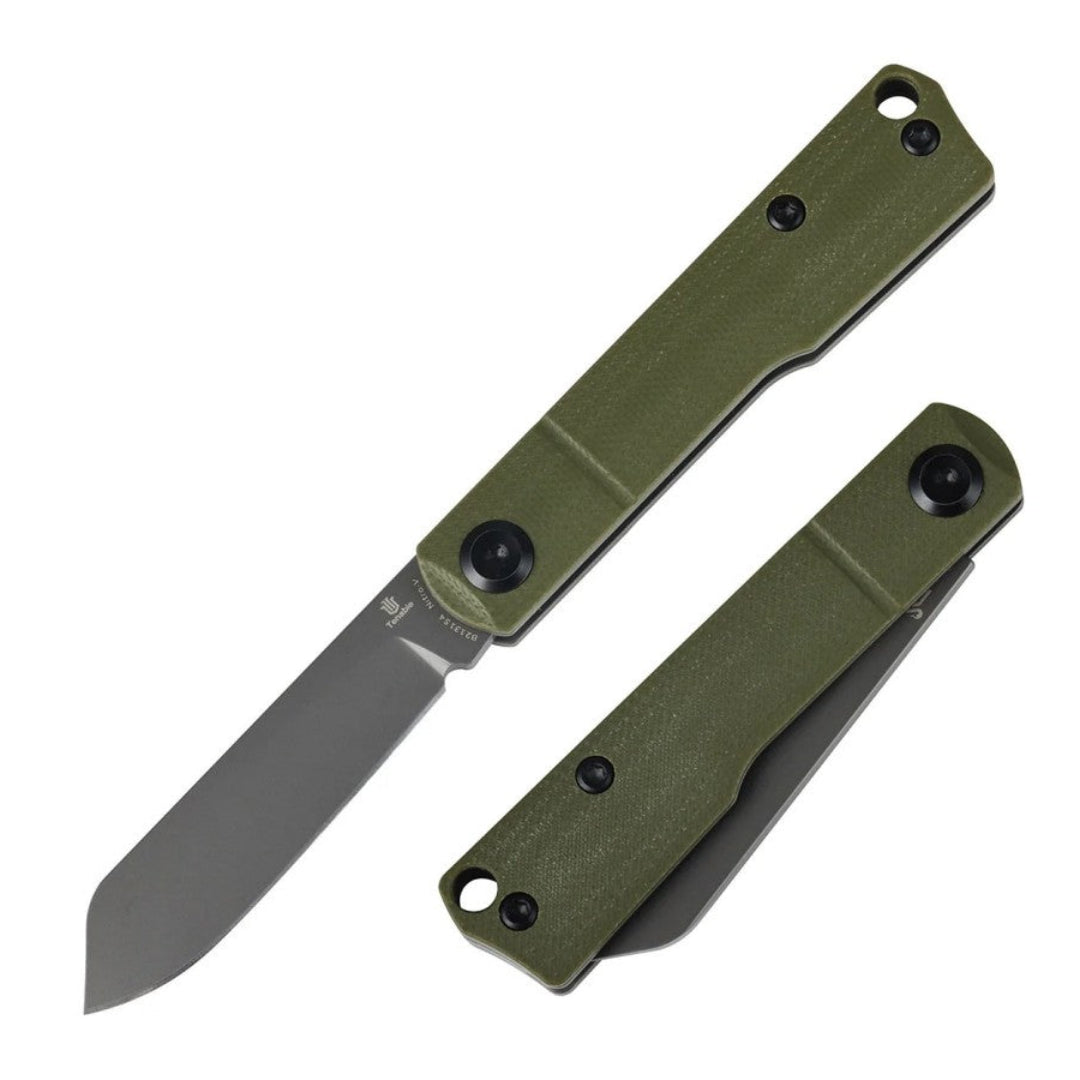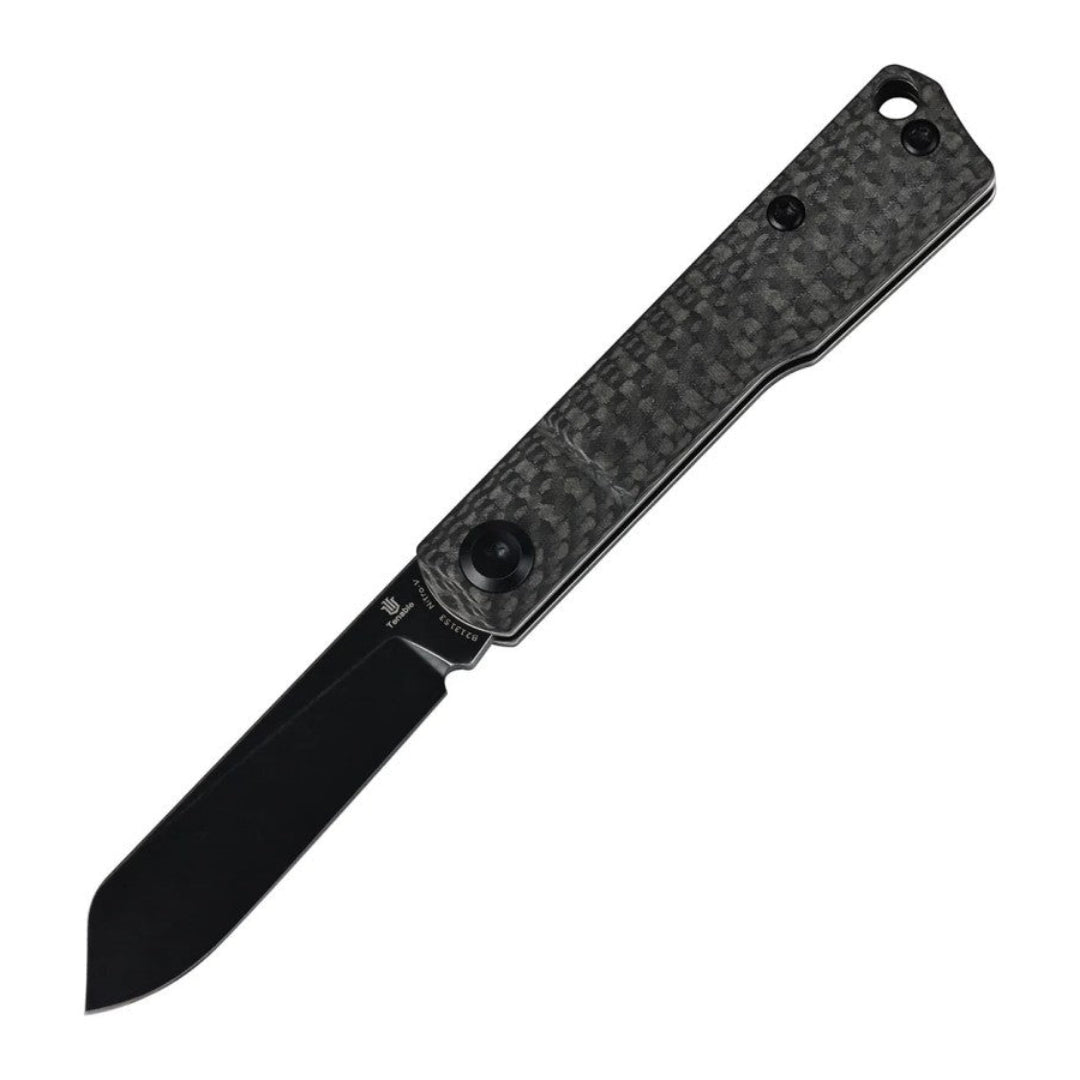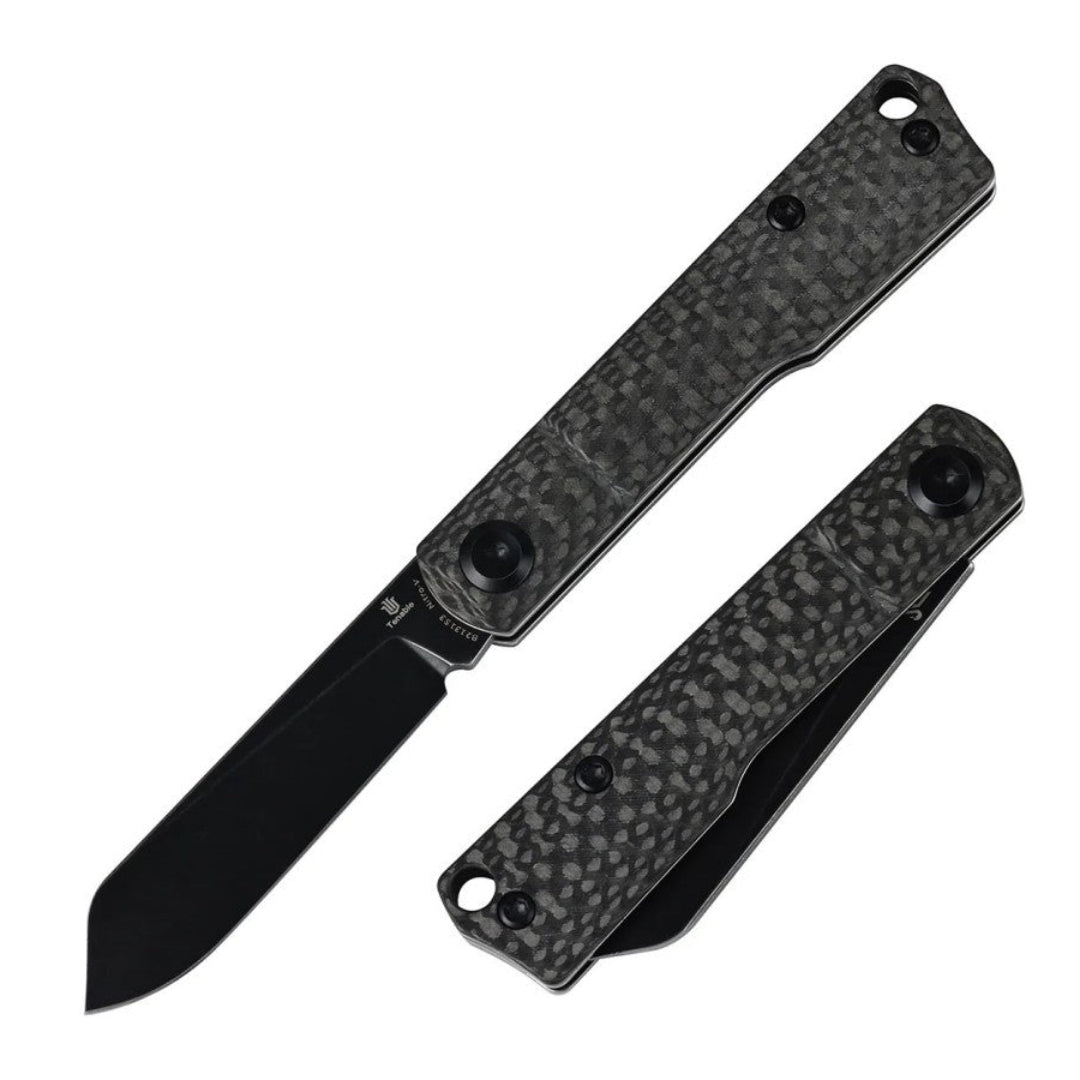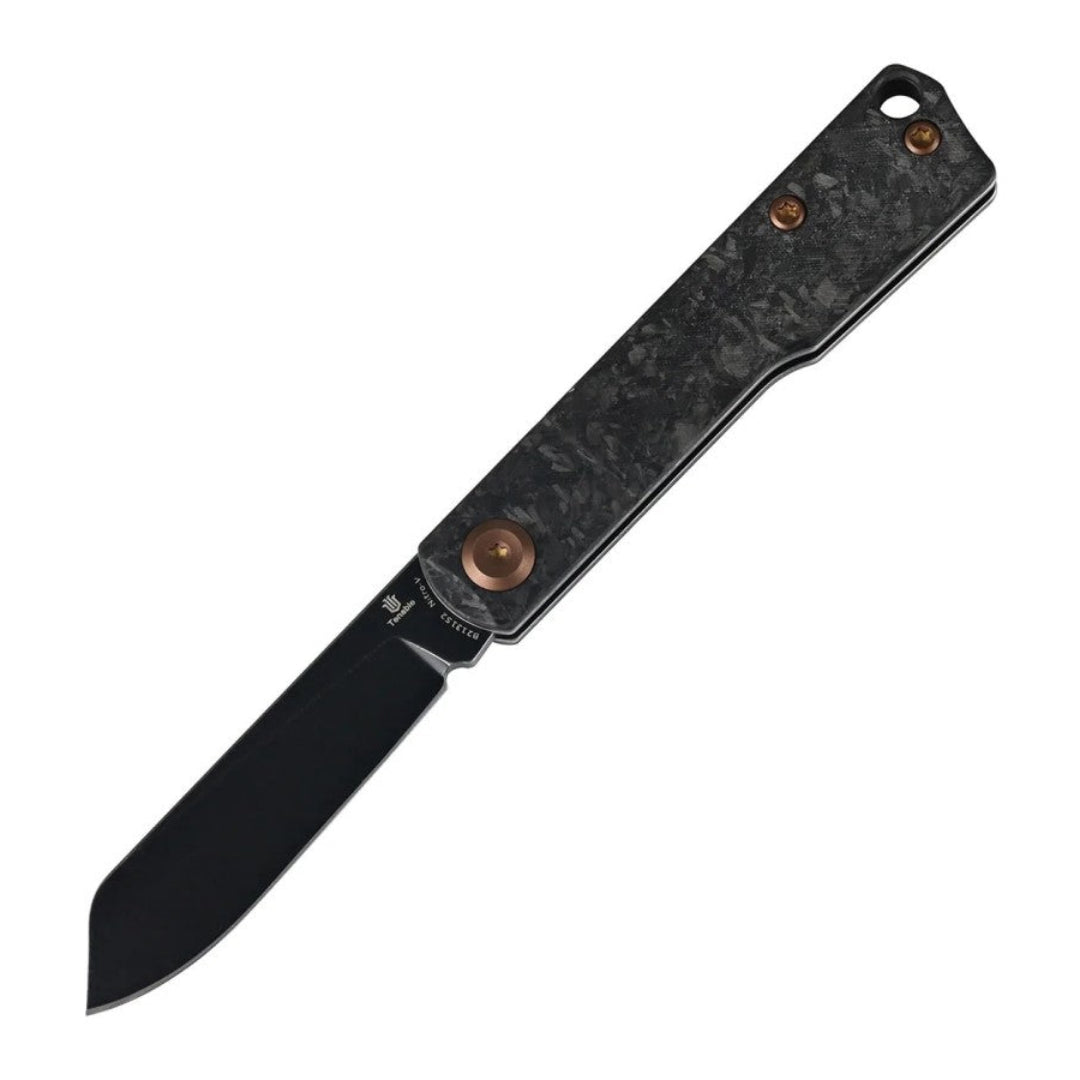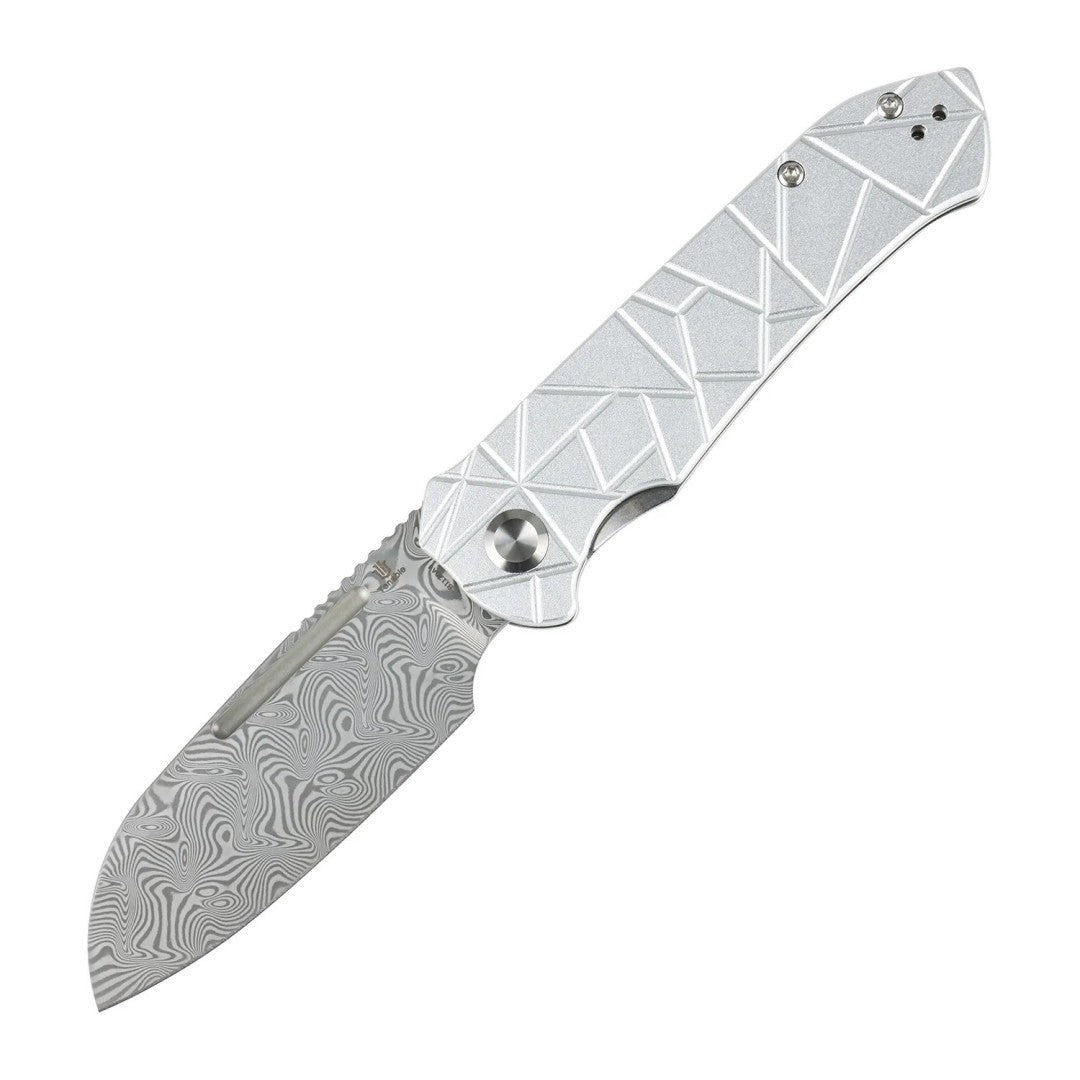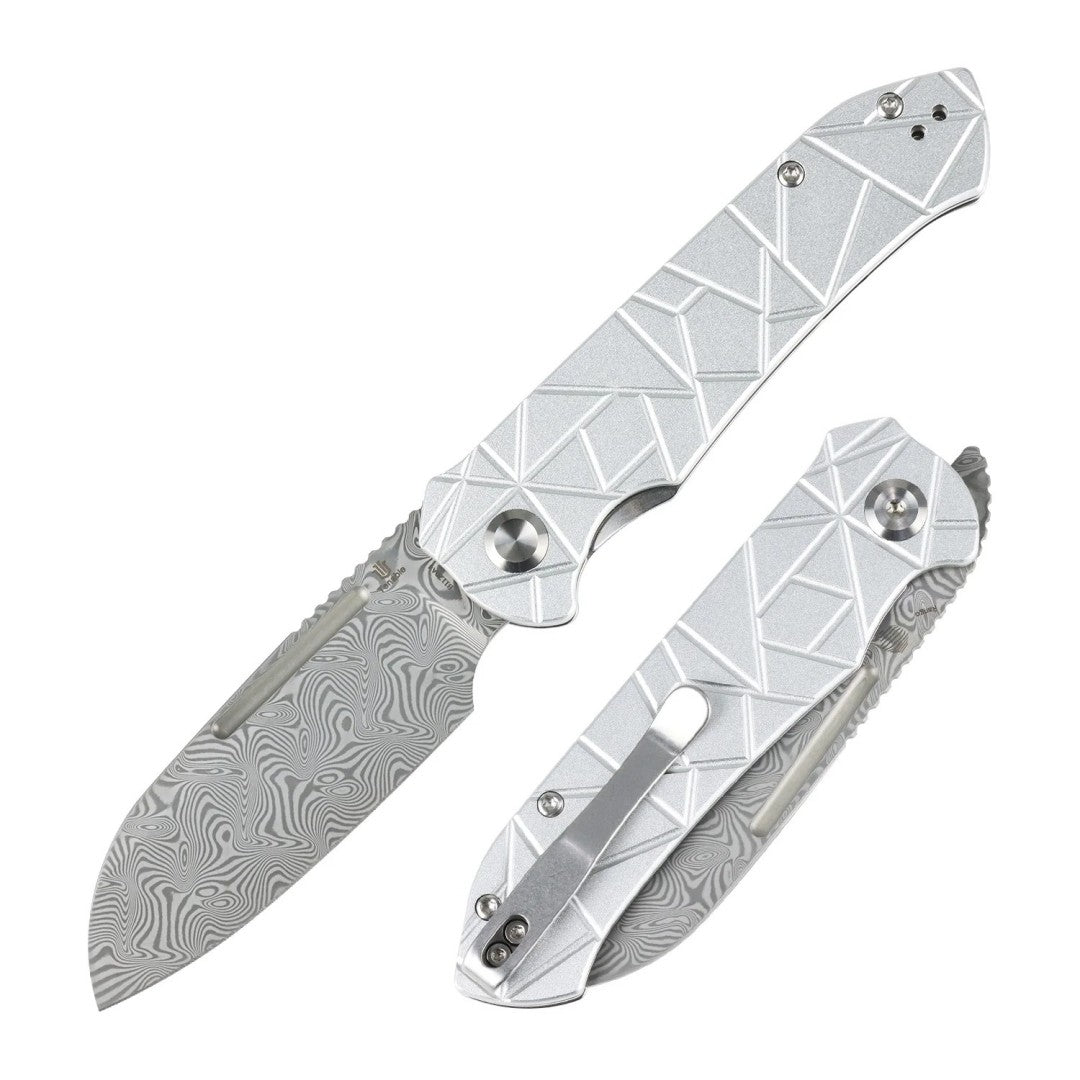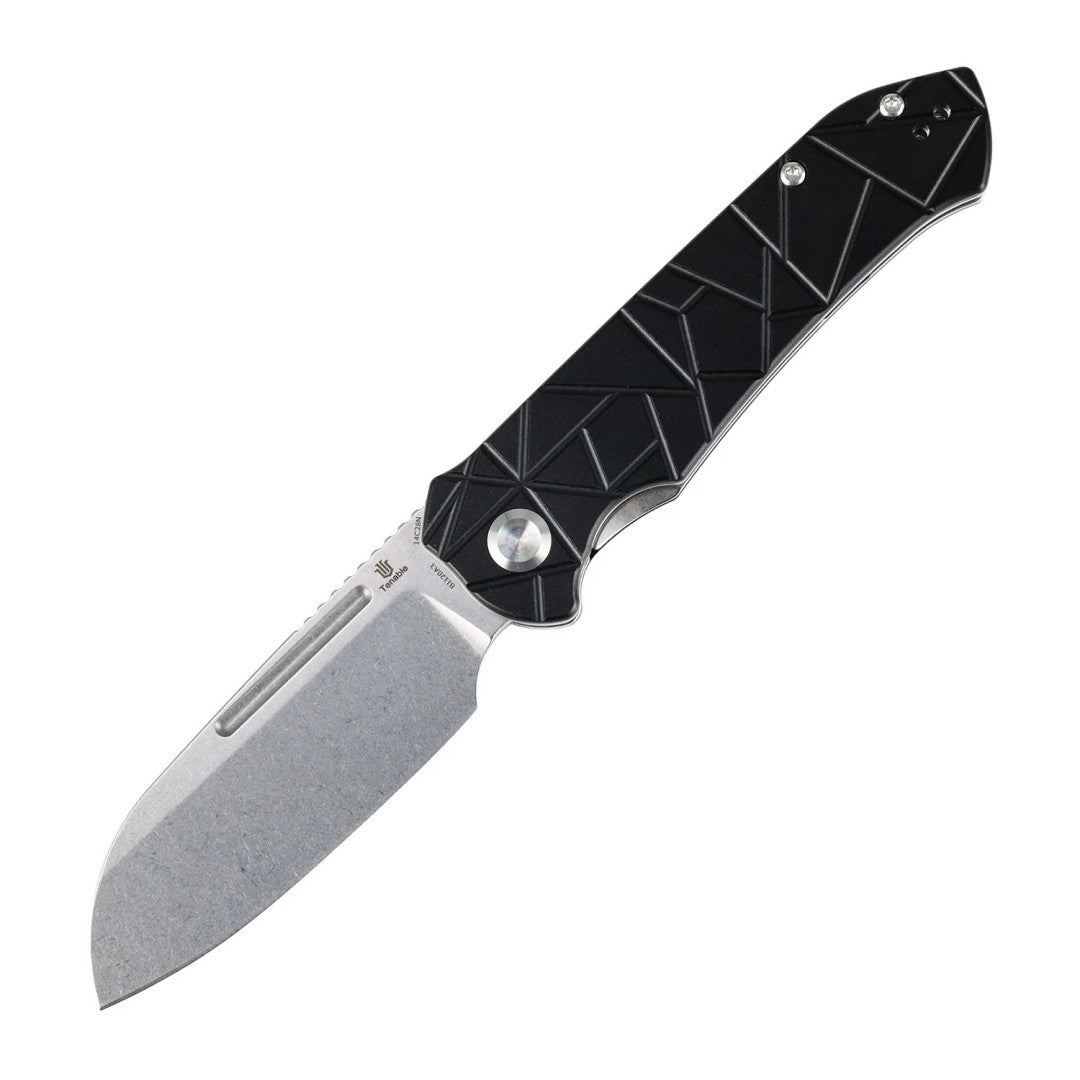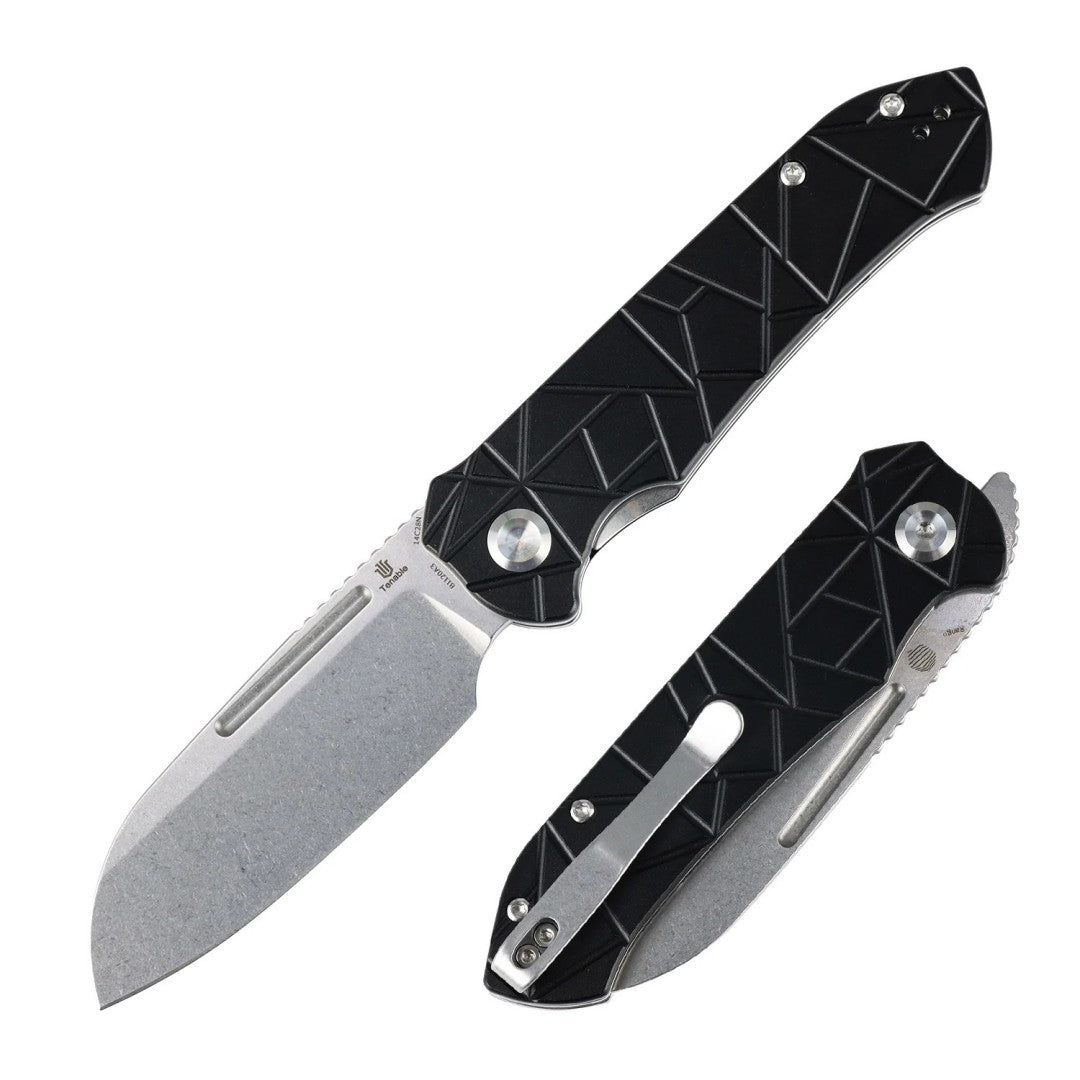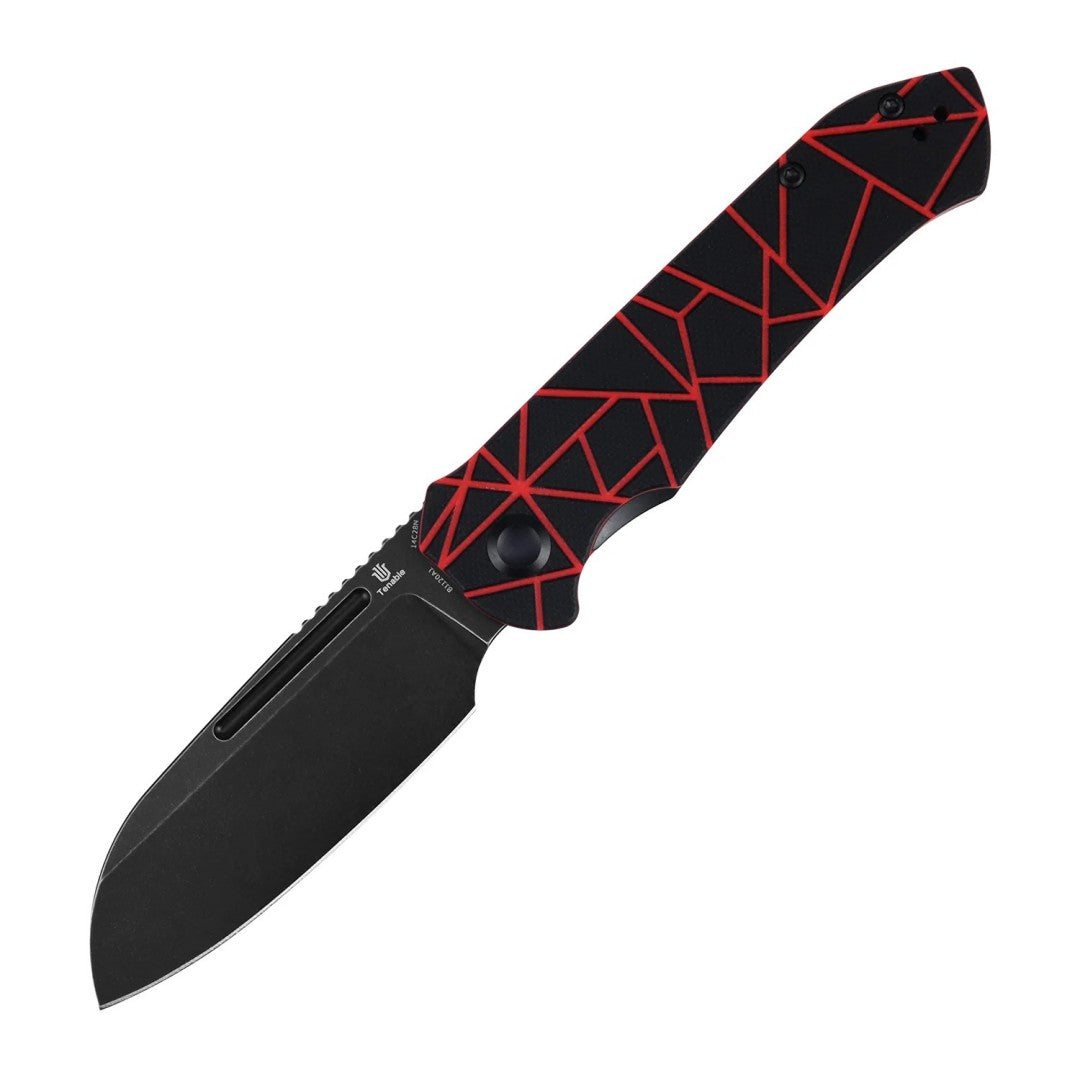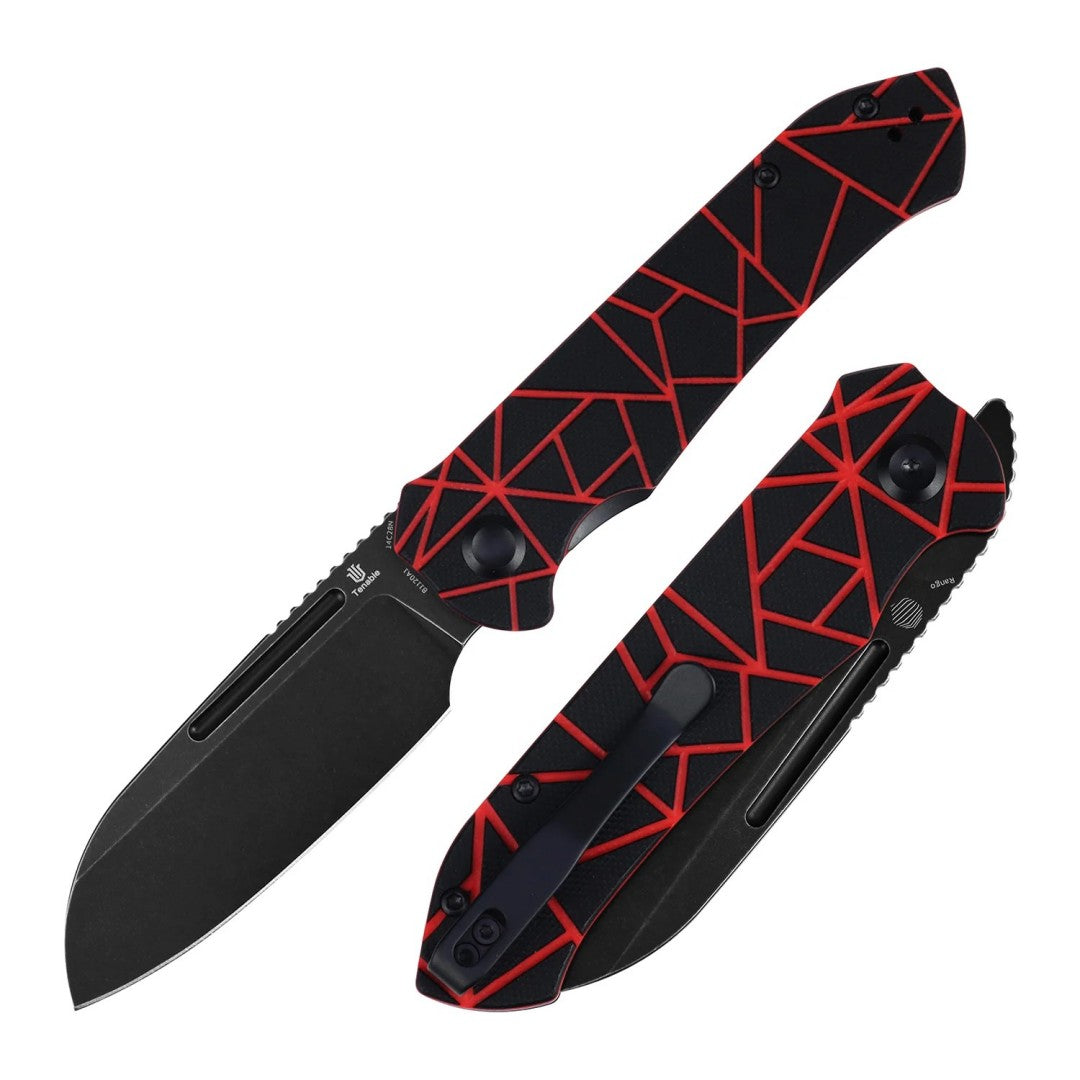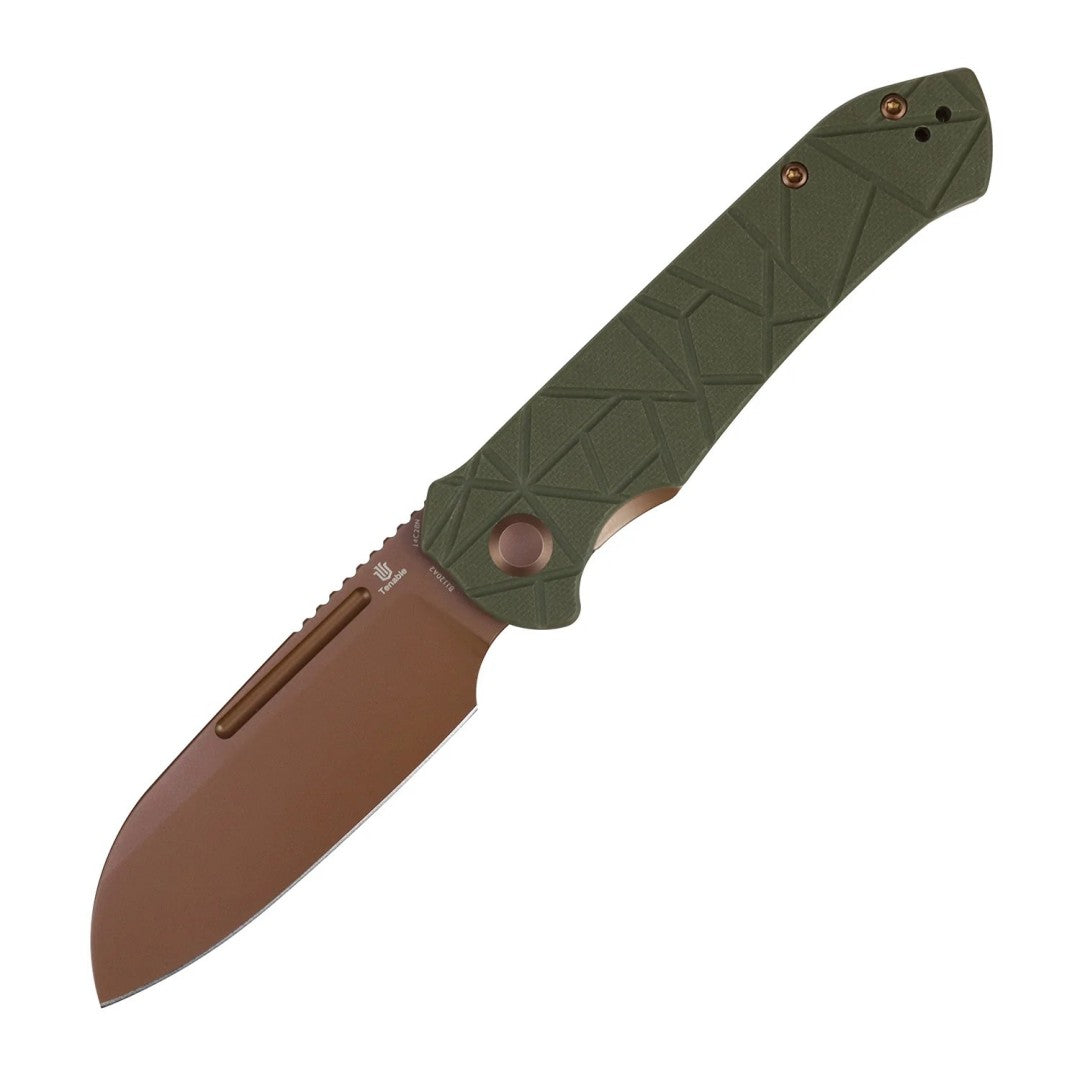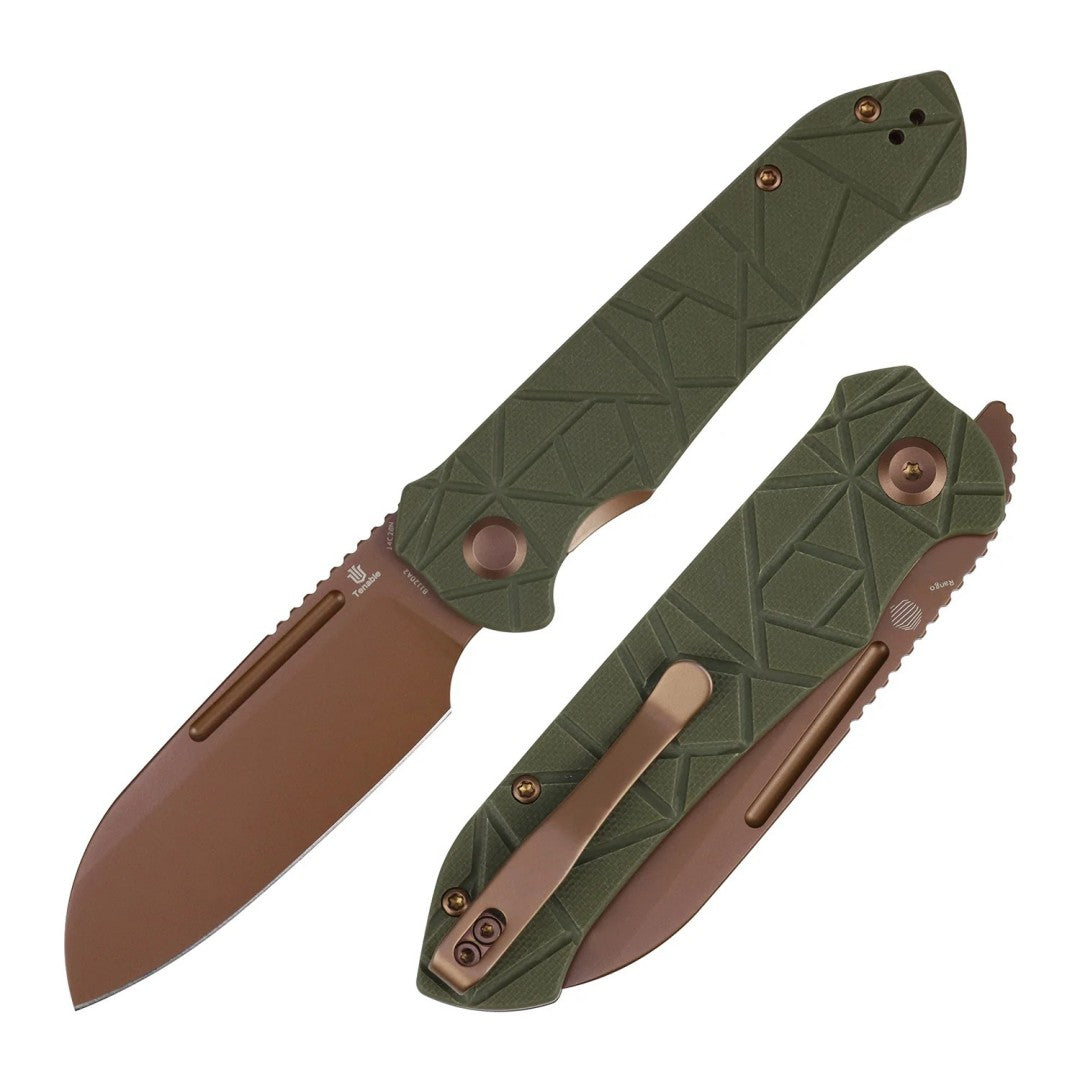

When choosing a pocket knife for everyday tasks, few components are as critical as the mechanism keeping the blade securely open. A knife's locking system directly dictates user safety, blade stability, and long-term durability under heavy use. For enthusiasts and everyday carry users considering the QSP Dolphin, understanding its locking mechanism provides valuable insight into how this folder handles daily cutting challenges.
Engineered by QSP, a brand renowned for blending high manufacturing standards with remarkable value, this model relies on a classic spring-bar locking design. Here is a complete guide to everything you need to know about how this locking setup works, why it performs so well, and how to maintain it.
Locking System Specifications
Evaluating a knife's locking mechanism begins with the hardware and materials that back it up. The table below highlights the structural parameters that support this knife's frame and lock assembly.
| Component / Parameter | Specification |
| Primary Lock Mechanism | Stainless Steel Liner Lock |
| Internal Frame | Full Skeletonized Stainless Steel Liners |
| Blade Steel | Swedish Sandvik 14C28N |
| Blade Surface Finish | High-Luster Mirror Polish |
| Pivot Mechanics | Caged Ceramic Ball Bearing System |
| Pocket Clip & Hardware | Stainless Steel (Tip-Up Carry) |
How the Locking Mechanism Works
The fundamental job of an internal lock bar is to prevent accidental blade closure during operation. When you deploy the blade using the index flipper tab, the blade rotates smoothly on its ceramic ball bearings. Once the blade reaches its fully open position, the tensioned steel lock bar springs inward, snapping firmly against the flat heel of the blade tang.
This mechanical arrangement creates a physical barrier that prevents the blade from pivoting backward toward your fingers. The engagement profile on this folder typically lands between 30% and 40% out of the box, providing a perfect balance:
-
Instant Solid Lockup: The lock bar seats flush against the blade tang, eliminating vertical blade play or side-to-side wobble.
-
Long-Term Wear Room: As metal surfaces naturally smooth out over years of deployment, the lock bar has plenty of room to travel inward gradually without causing loose lockup or lock slip.
-
Secure Pocket Retention: An integrated detent ball keeps the blade seated safely inside the handle cavity when closed, preventing unintended deployment inside your pocket.
 Safety and Structural Performance Under Pressure
Safety is paramount when using a pocket tool for strenuous cutting duties. Whether carving wood, cutting thick rope, or slicing through dense cardboard boxes, downward pressure on the cutting edge pushes the blade tang back against the lock bar.
The heat-treated stainless steel liners provide excellent rigidity under load. The lock bar geometry prevents the engagement face from slipping downward or failing under stress. Additionally, because the handle scales are contoured flush with the frame, your fingers naturally press against the handle during a firm grip, further holding the lock bar in place while you work.
Ergonomics and One-Handed Operation
While lock security keeps your fingers safe, smooth disengagement makes the tool a pleasure to use in fast-paced EDC environments. A locking mechanism that requires excessive force to push aside can cause thumb soreness after repeated use throughout the day.
The design team addressed this by machining a comfortable, scalloped access cutout on the presentation handle scale. This gives your thumb effortless access to the textured edge of the lock bar. Disengaging the lock requires light, controlled pressure, allowing the blade to drop smoothly onto your finger before closing safely single-handedly.
Proper Cleaning and Maintenance for Lock Longevity
To keep the locking mechanism operating with crisp mechanical precision, maintaining the inner frame is quick and easy:
-
Clear Away Debris: Dust, pocket lint, and tape residue can accumulate inside the handle channel. Use canned air or a small soft brush to sweep out dirt from around the lock face and detent ball track.
-
Keep the Pivot Lubricated: Apply a single small drop of light knife oil onto the ceramic ball bearings and detent ball to maintain silky opening action and smooth lock release.
-
Check Pivot Tension: Periodically check the main pivot screw using a T8 Torx driver to ensure proper alignment and tension, preventing blade play from developing over time.
 Summary
The locking mechanism on this folder combines time-tested engineering with precision machining. It offers absolute peace of mind during demanding cutting tasks while remaining fluid and effortless for one-handed operation. For users seeking a reliable, stylish, and safe pocket knife, this folder delivers dependable performance you can trust every day.