
Overview & First Impressions
Foraging is a knife job that most people discover by accident. You set out to pick mushrooms or wild garlic and find that the useful tool is not the largest blade you own but the one you can use kneeling in wet leaf litter with cold hands. A fixed blade with a short, controllable edge and a grippy handle does more for a forager than any folding knife, and the reason is simple: you are cutting at ground level, in the wet, usually with one hand.
Materials & Construction
Wet organic matter and soil are hard on steel, so corrosion resistance matters more than wear resistance here. 14C28N is close to ideal: a fine grained stainless with good toughness, easy sharpening, and enough chromium to survive a damp afternoon and a pocket full of soil without spotting overnight. It also takes a very keen edge at a relatively thin geometry, which is what you want when you are cutting stems rather than chopping wood.

Design & Details
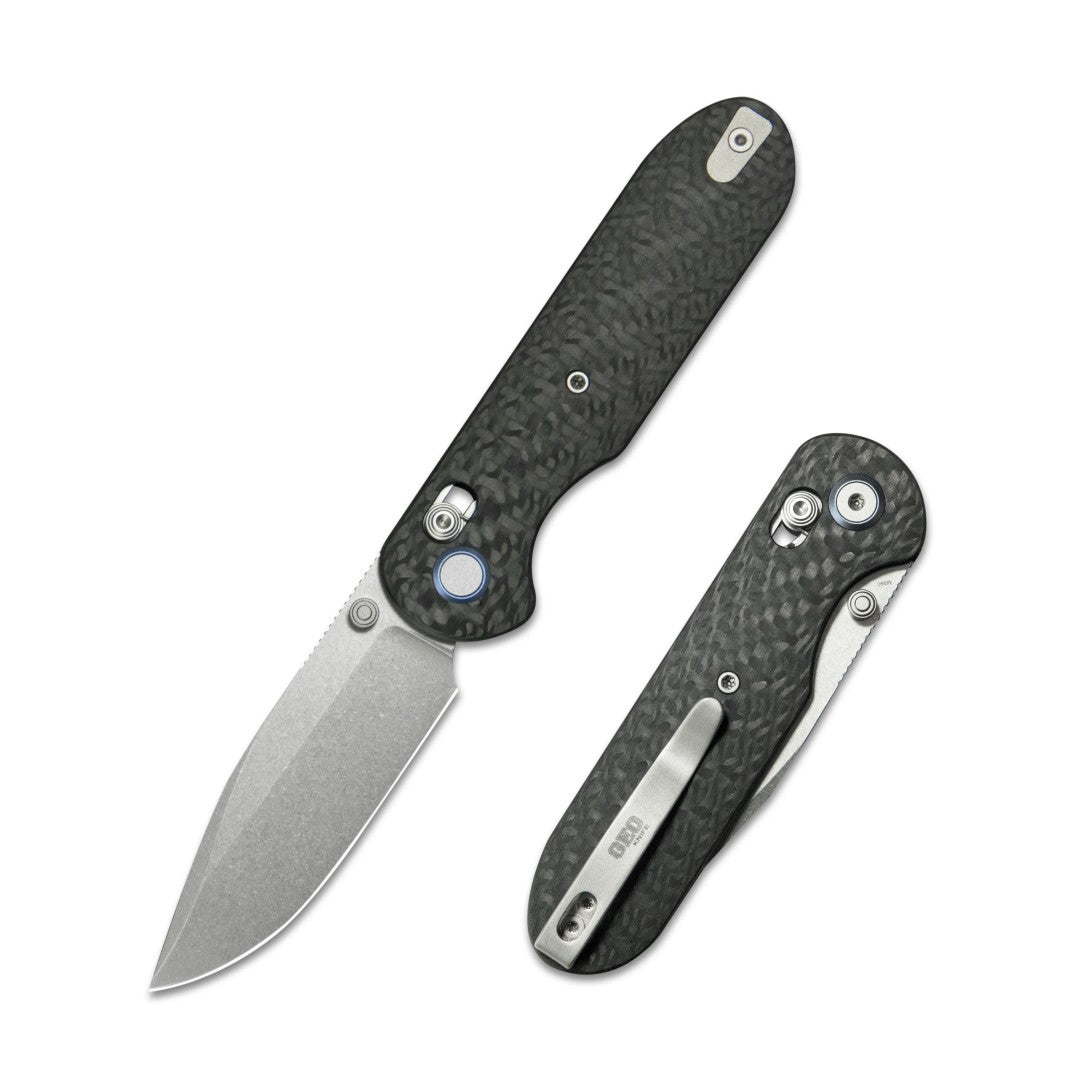
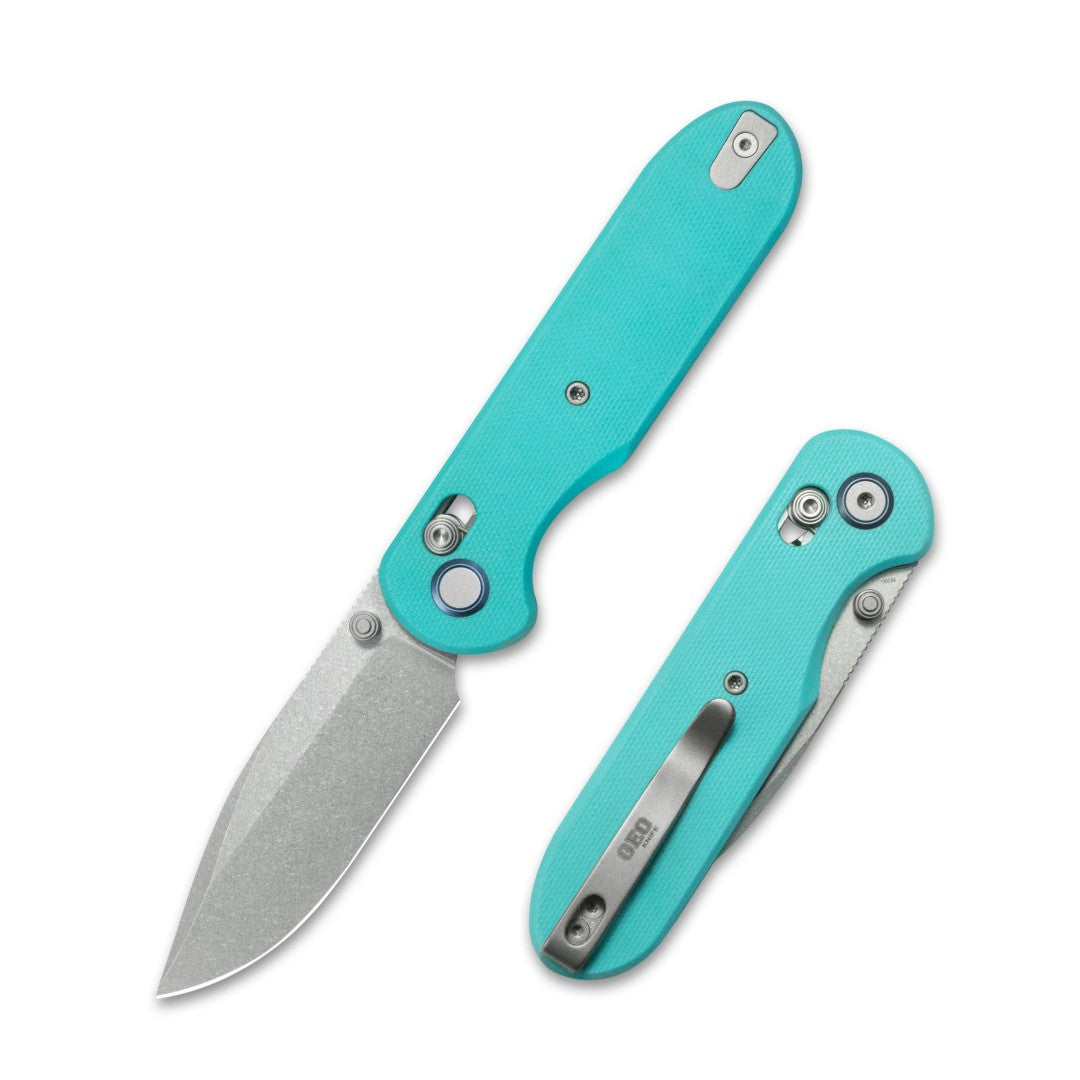
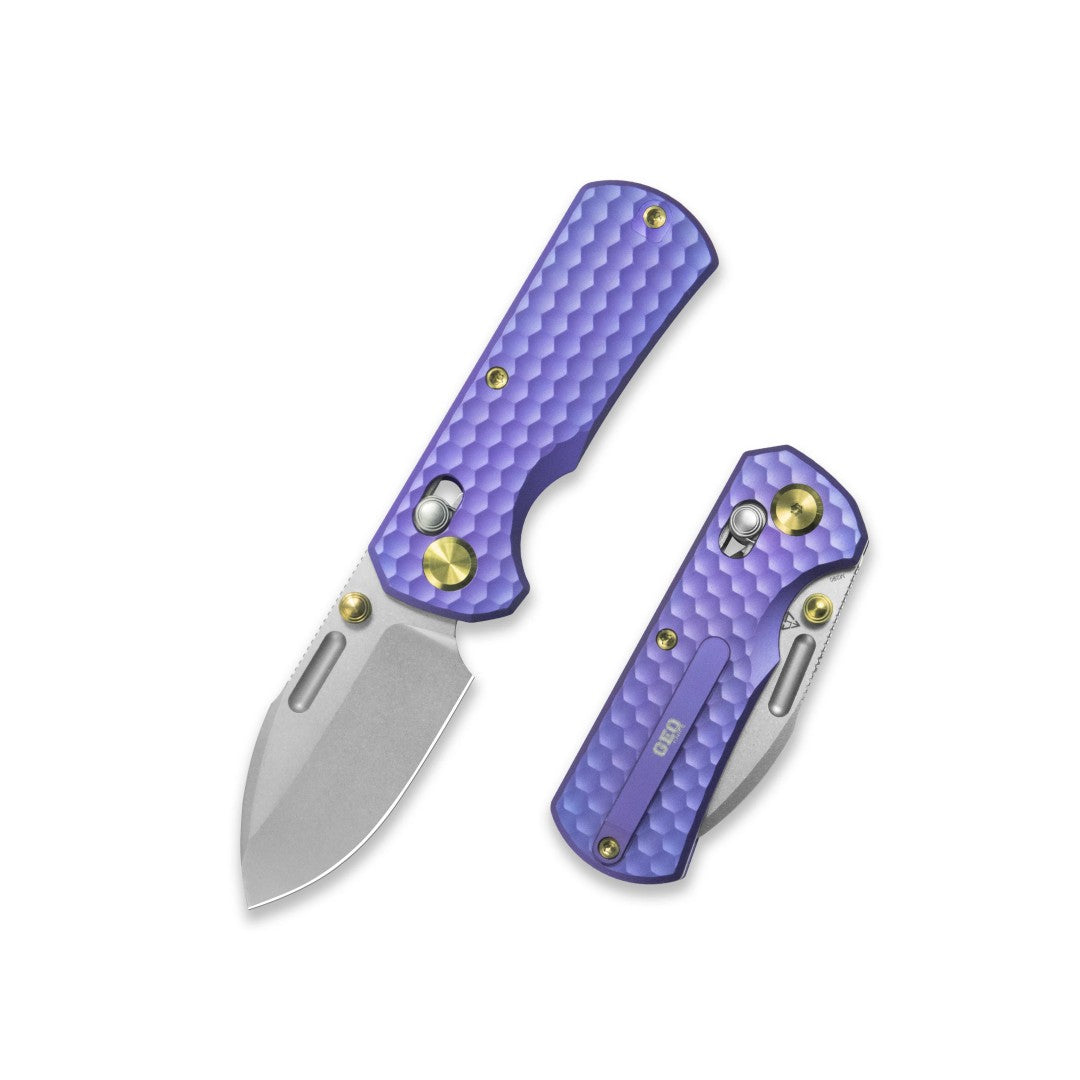
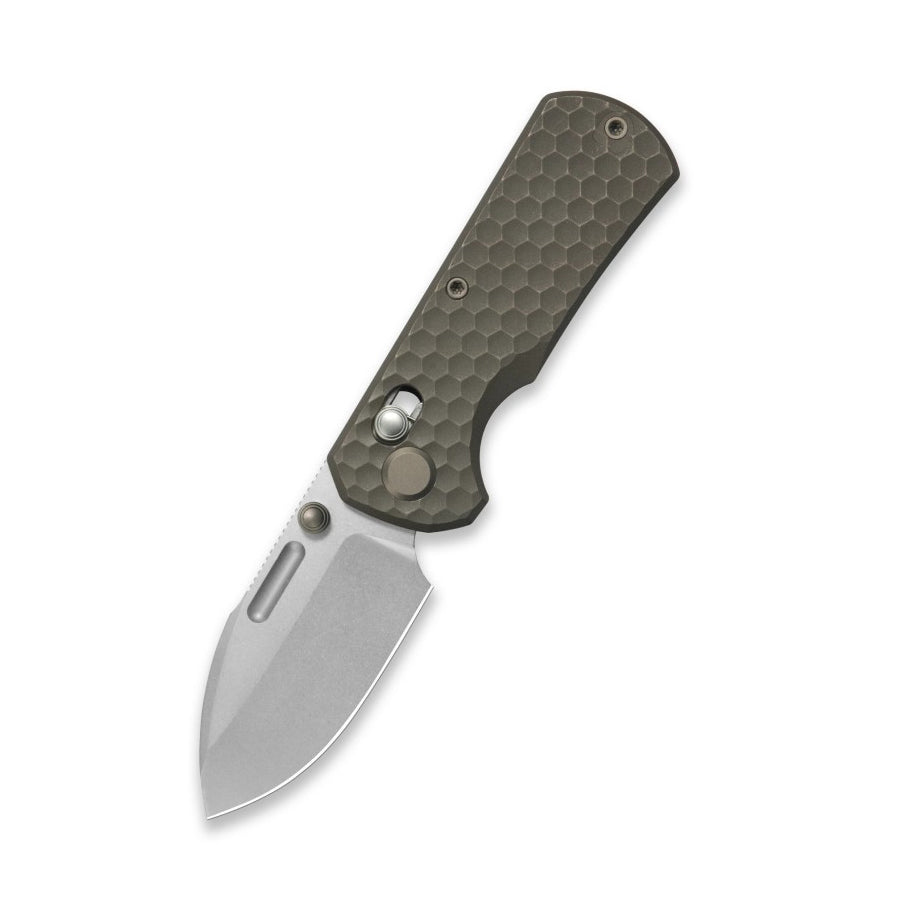
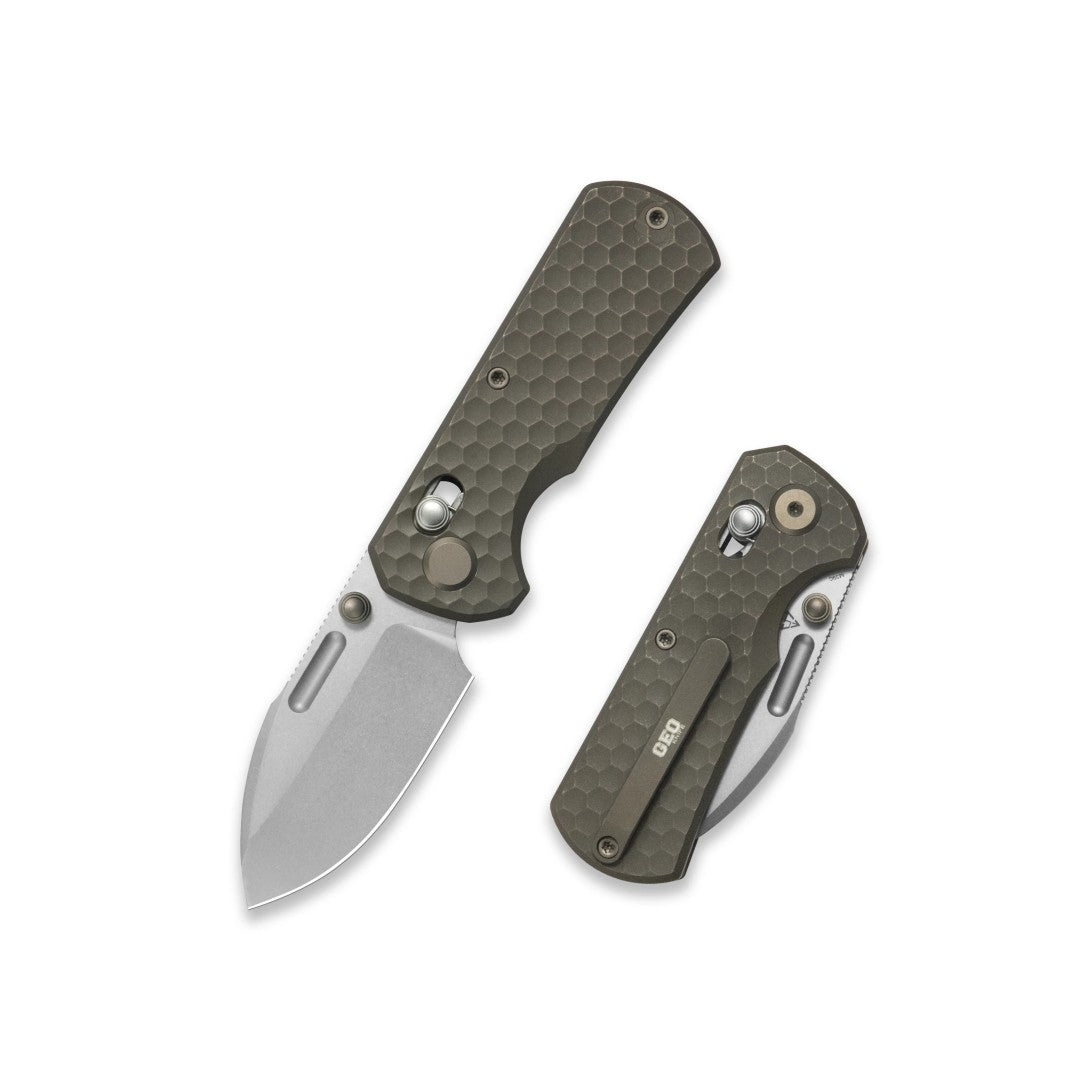
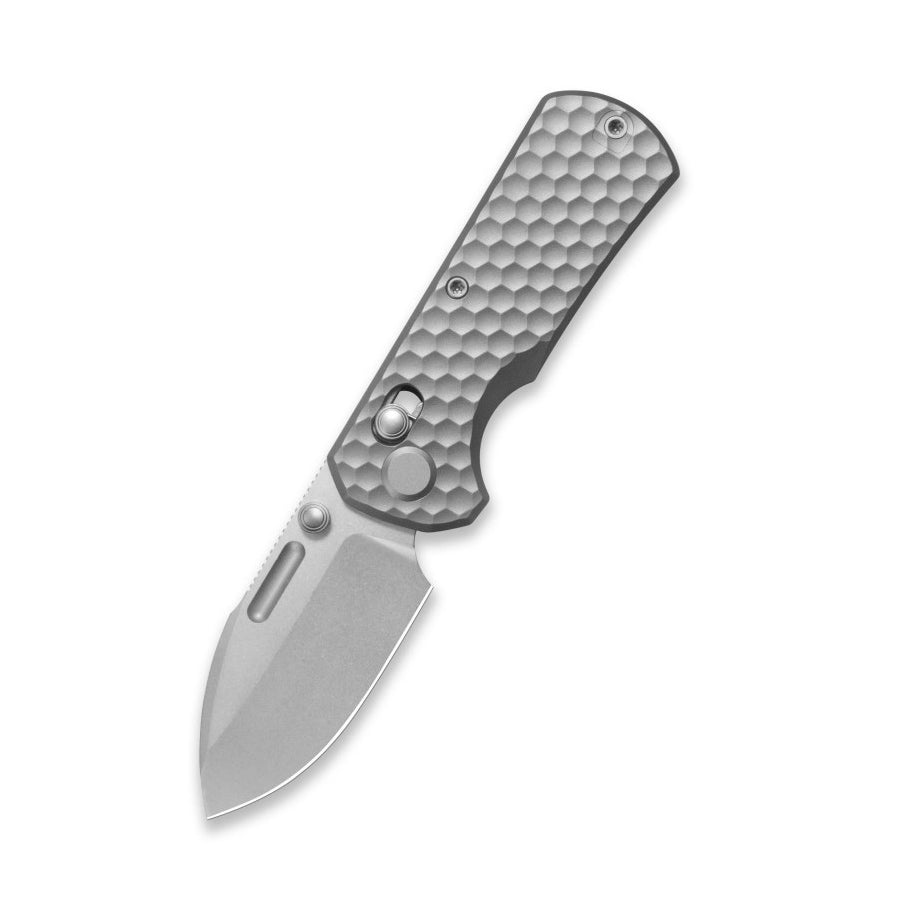
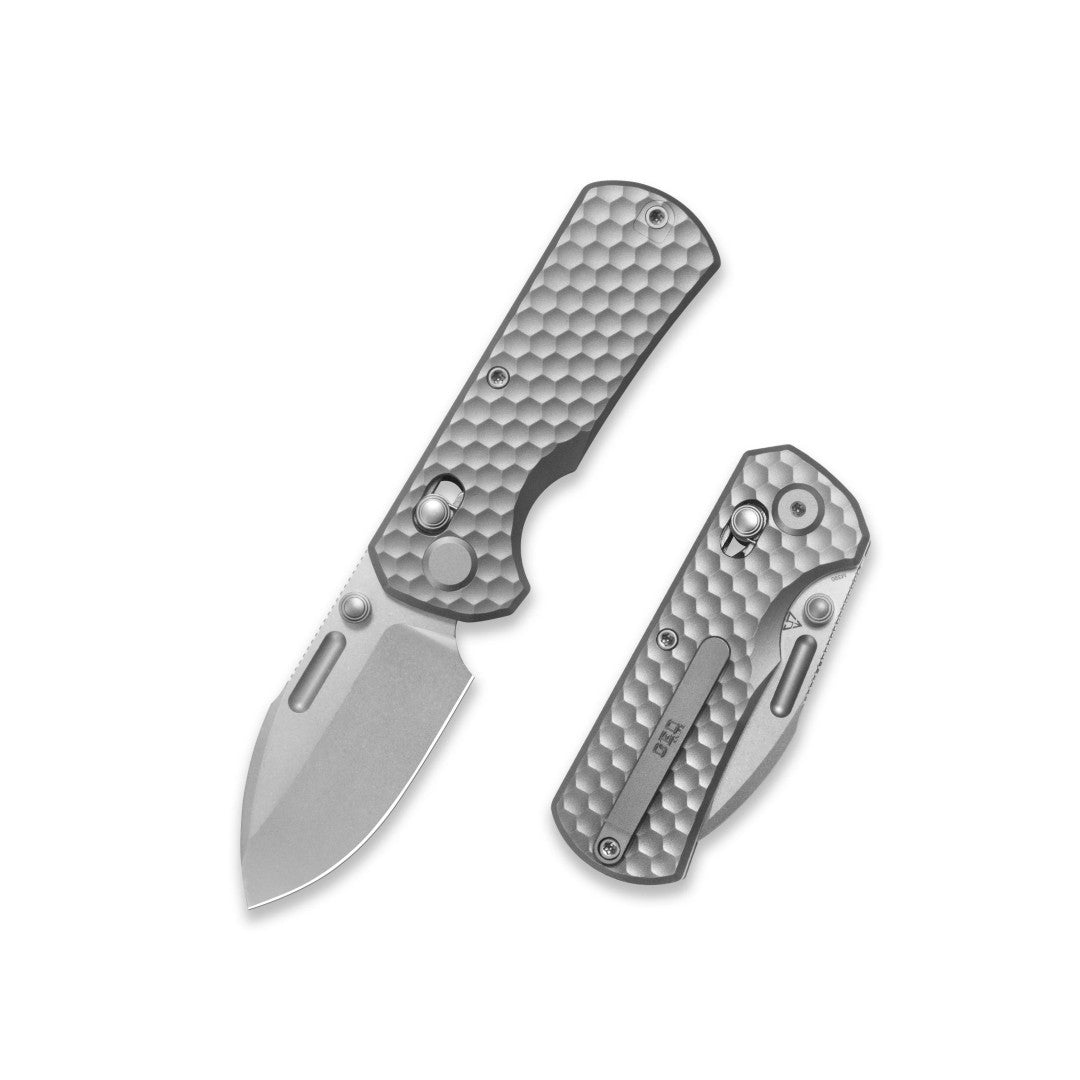
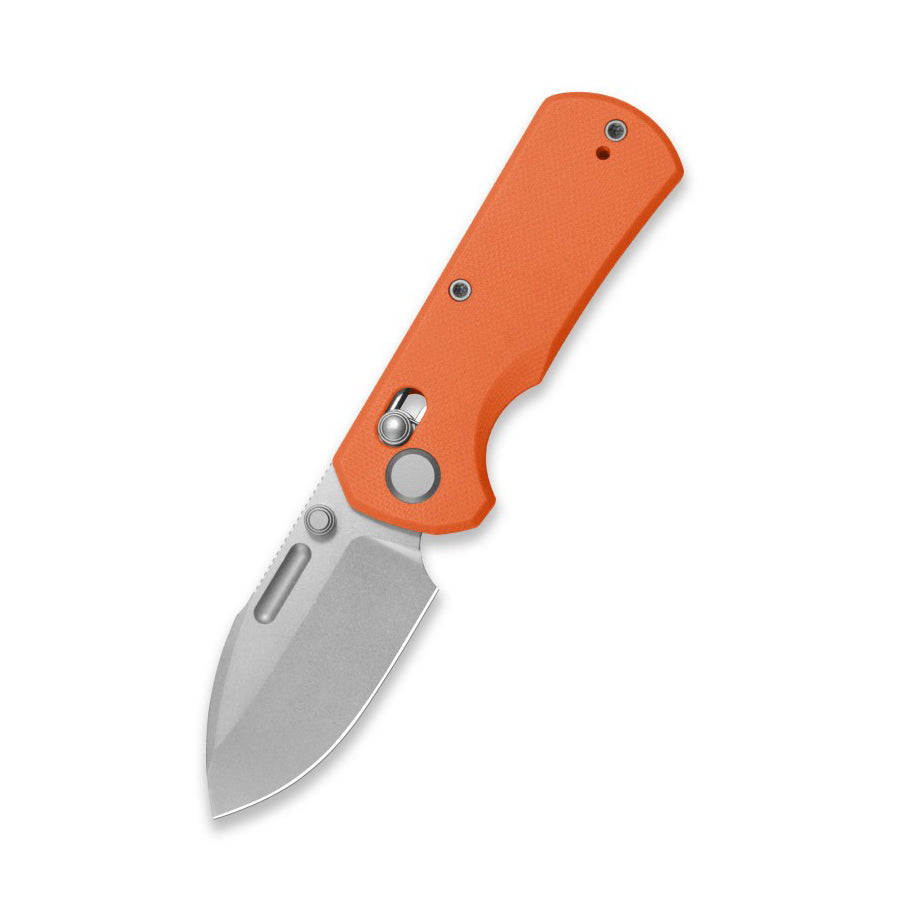
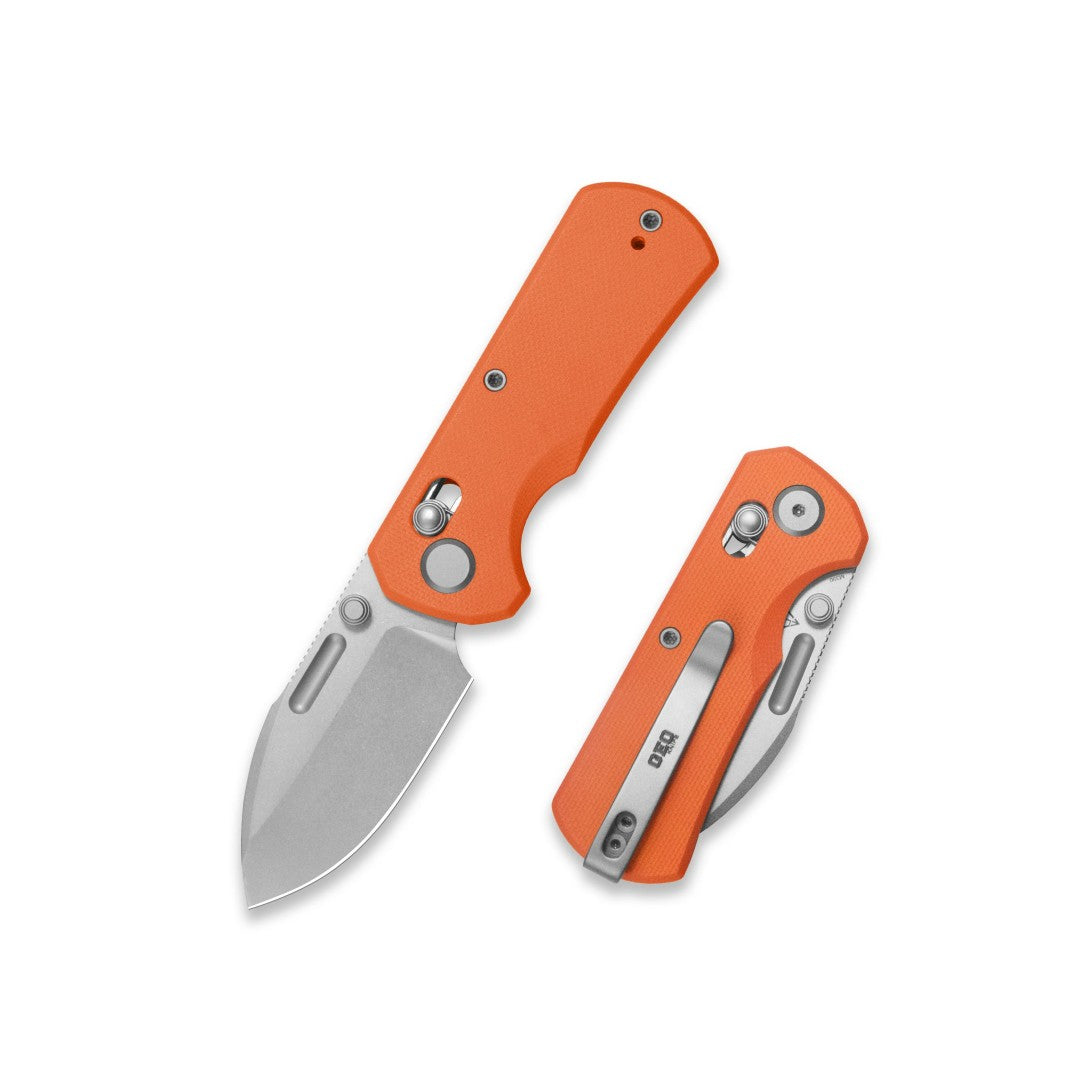
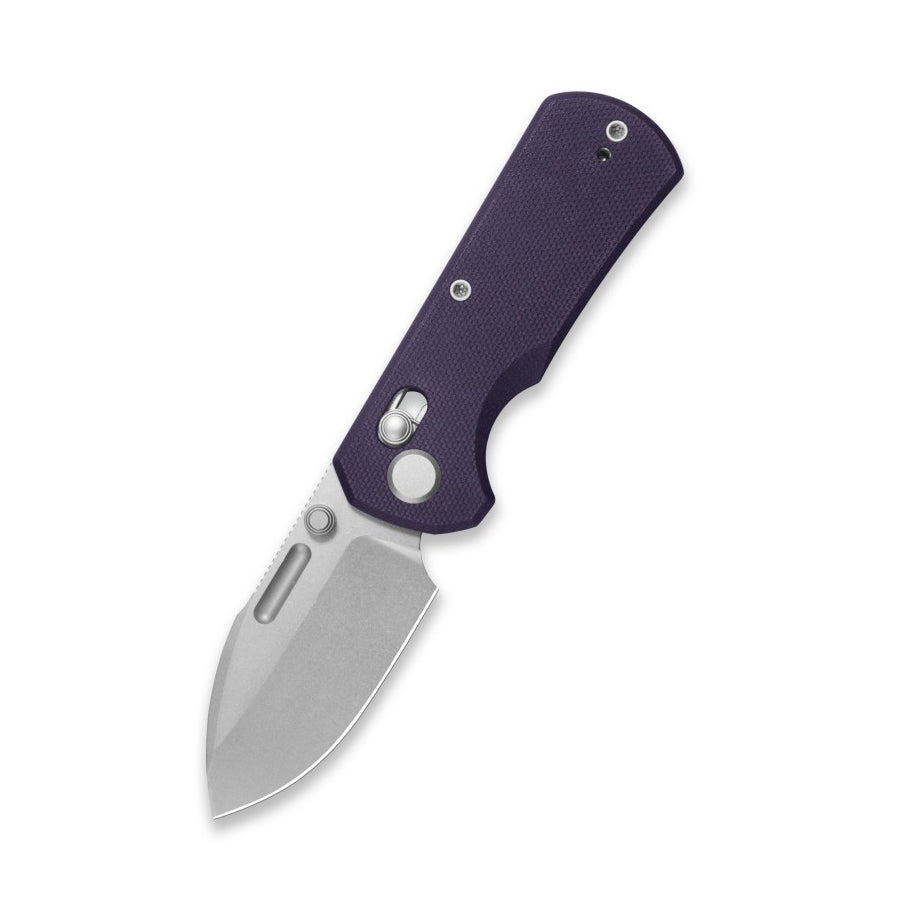
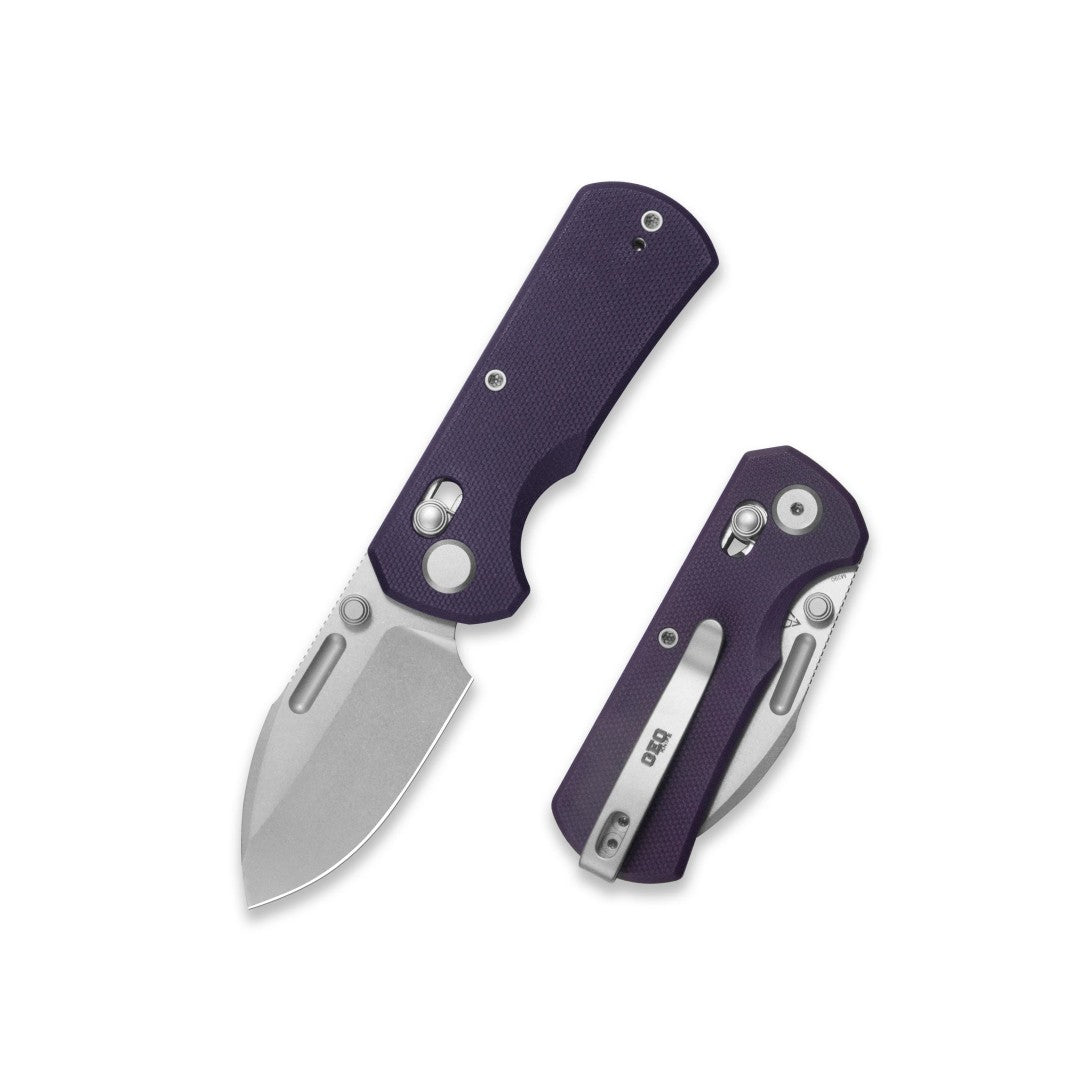
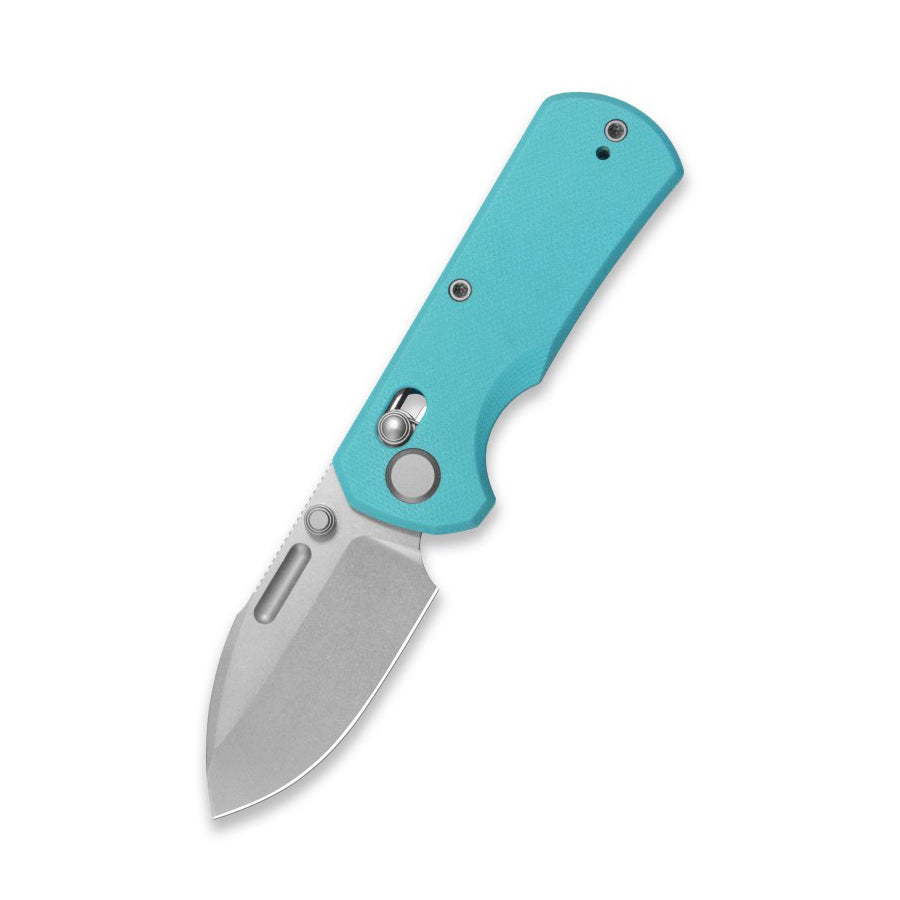
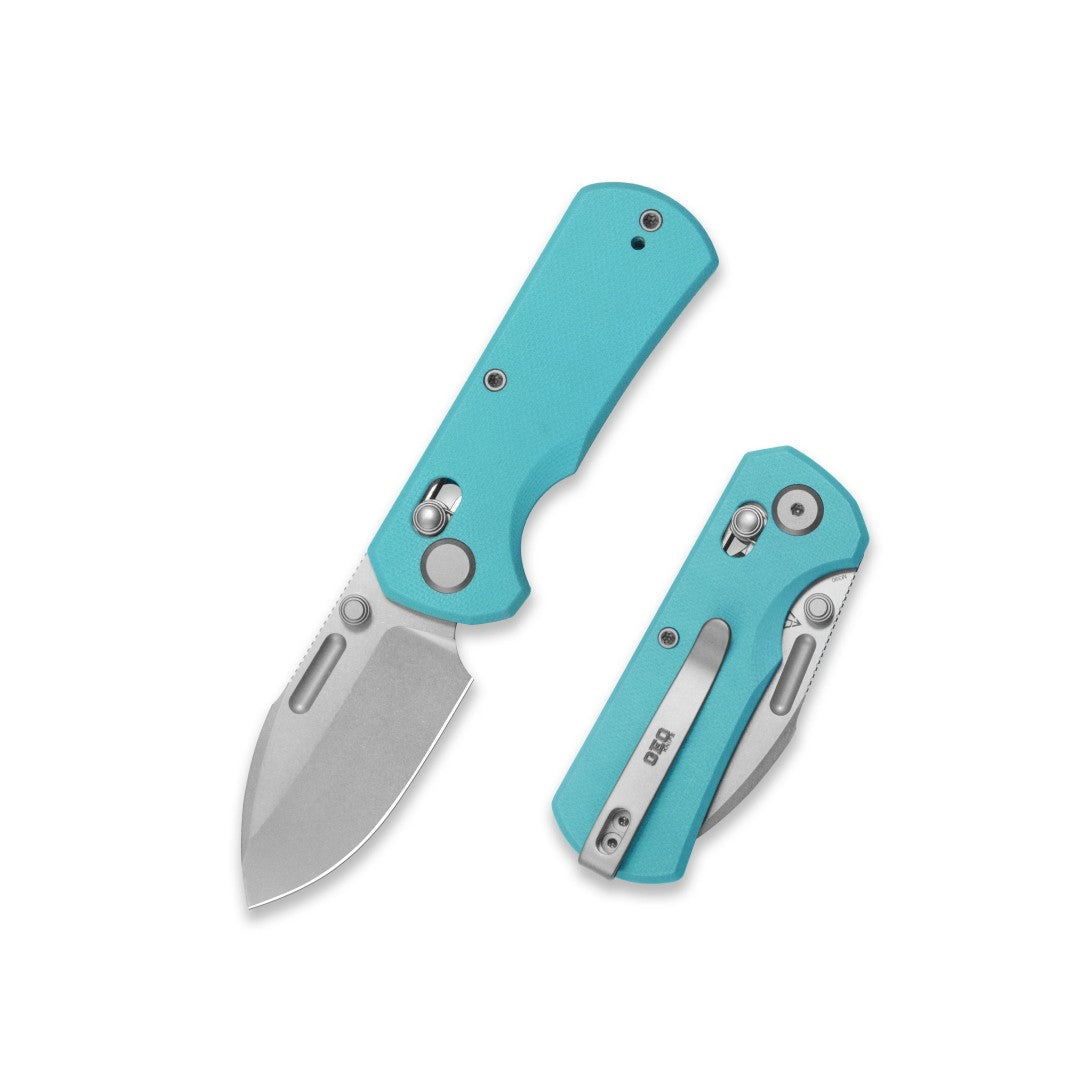
Look for a blade of roughly three inches with a full flat grind and a sharp but not fragile point. A scandi grind is excellent for wood craft but cuts soft stems less cleanly than a flat grind. Tenable knives shape the ToothPik as a compact, full tang tool with a thin profile, and a handle material such as micarta is a sensible choice because it stays grippy when it is muddy and dries out without swelling.
Real-World Use
Technique is everything. Cut mushrooms at the base rather than pulling them, which leaves the mycelium intact and keeps soil out of your basket. Slice rather than saw. Use the tip to loosen a plant you cannot reach, and keep the guiding hand well behind the edge. A short fixed blade is far safer in this position than a long one, because the tip cannot travel far enough to reach the hand that is holding the plant.

Ownership Notes
Field hygiene matters more than most foragers expect. Wipe the blade on grass, then clean it properly at home before it touches food, because soil and plant sap on a blade will transfer to whatever you prepare next. Dry the knife out of its sheath, and if you carry it in leather, be aware that a damp sheath is the fastest way to put spots on an otherwise corrosion resistant blade. Rinse, dry, oil, repeat. Foragers who pair a belt knife with their other EDC knives usually leave the folder in the pack and carry the Tenable ToothPik on the hip, because a blade that is already open when you kneel down is the one that actually gets used.
Who Is This For?
This suits foragers, mushroom hunters, wild food cooks and anyone who walks with a basket rather than a pack. It also suits gardeners and smallholders doing similar ground level cutting. If you only pick blackberries on a footpath, a small folding knife will do. If you are serious about what you collect, a short fixed blade belongs on your belt rather than in a bag.
Final Verdict
Short blade, fine grained stainless, flat grind, grippy handle, and a sheath you can clean. That is a foraging knife, and it costs far less than the equipment people usually buy first. Browse the compact fixed blade models at EdcMall to find one that suits your hands.
Shop the Tenable ToothPik G020A4 14C28N Fixed Blade at EdcMall