
Overview & First Impressions
Roadside kits are usually assembled after the first breakdown and improved after the second. The lesson from both is the same: the tool you need is the one you can find, in the dark, without emptying the boot onto the verge. That is why a good car kit is organised, minimal and inspected once a season, rather than a plastic crate of forgotten objects that has never been opened since it was bought.
Materials & Construction
A vehicle light has three jobs, and only one of them is lighting the engine bay. It must reach far enough to see a road sign from a lay by, run at a low mode for hours without draining, and survive being dropped on tarmac. Nitecore flashlights and similar brands publish runtime figures for exactly that reason, since a light that steps down after ninety seconds is no use for a prolonged repair.

Design & Details
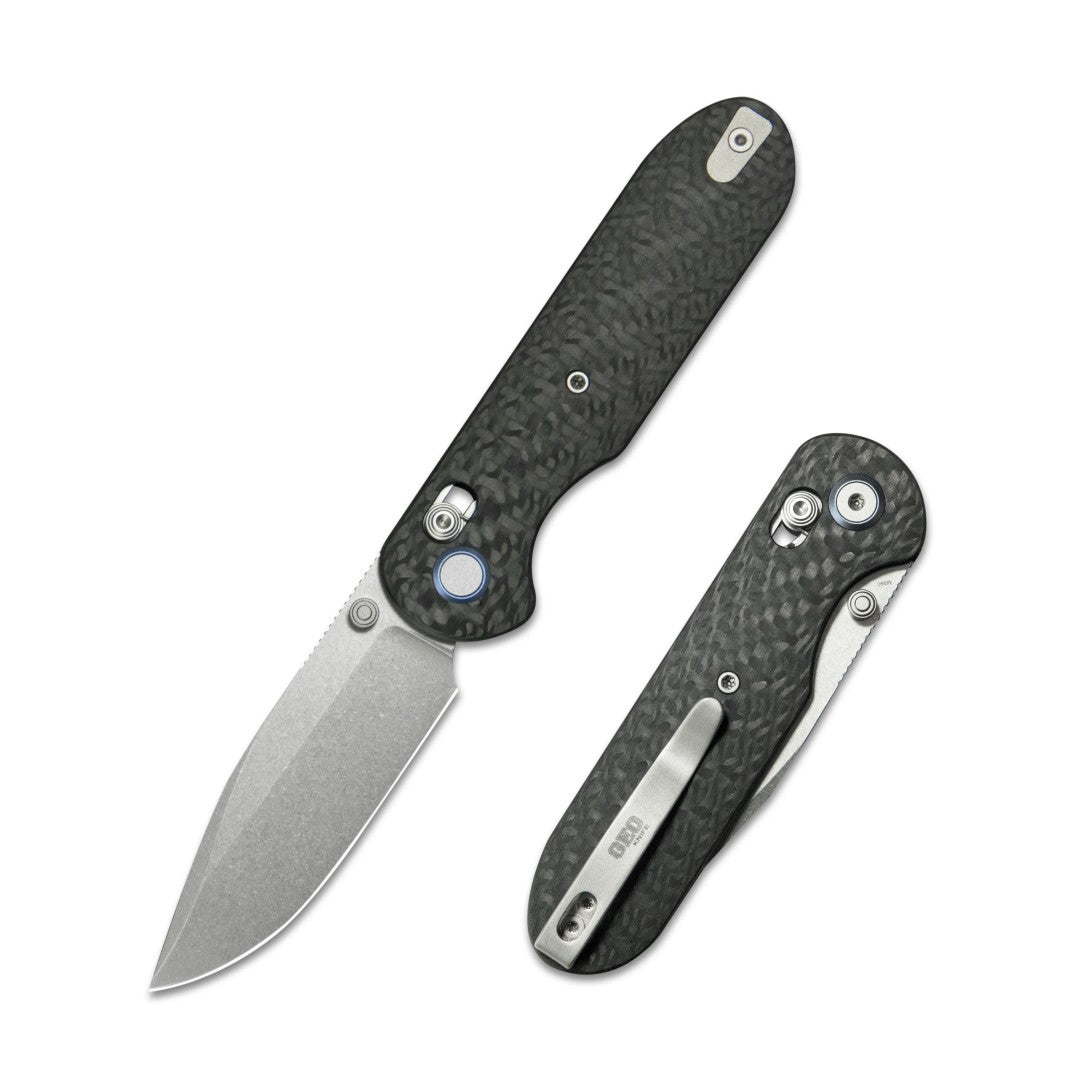
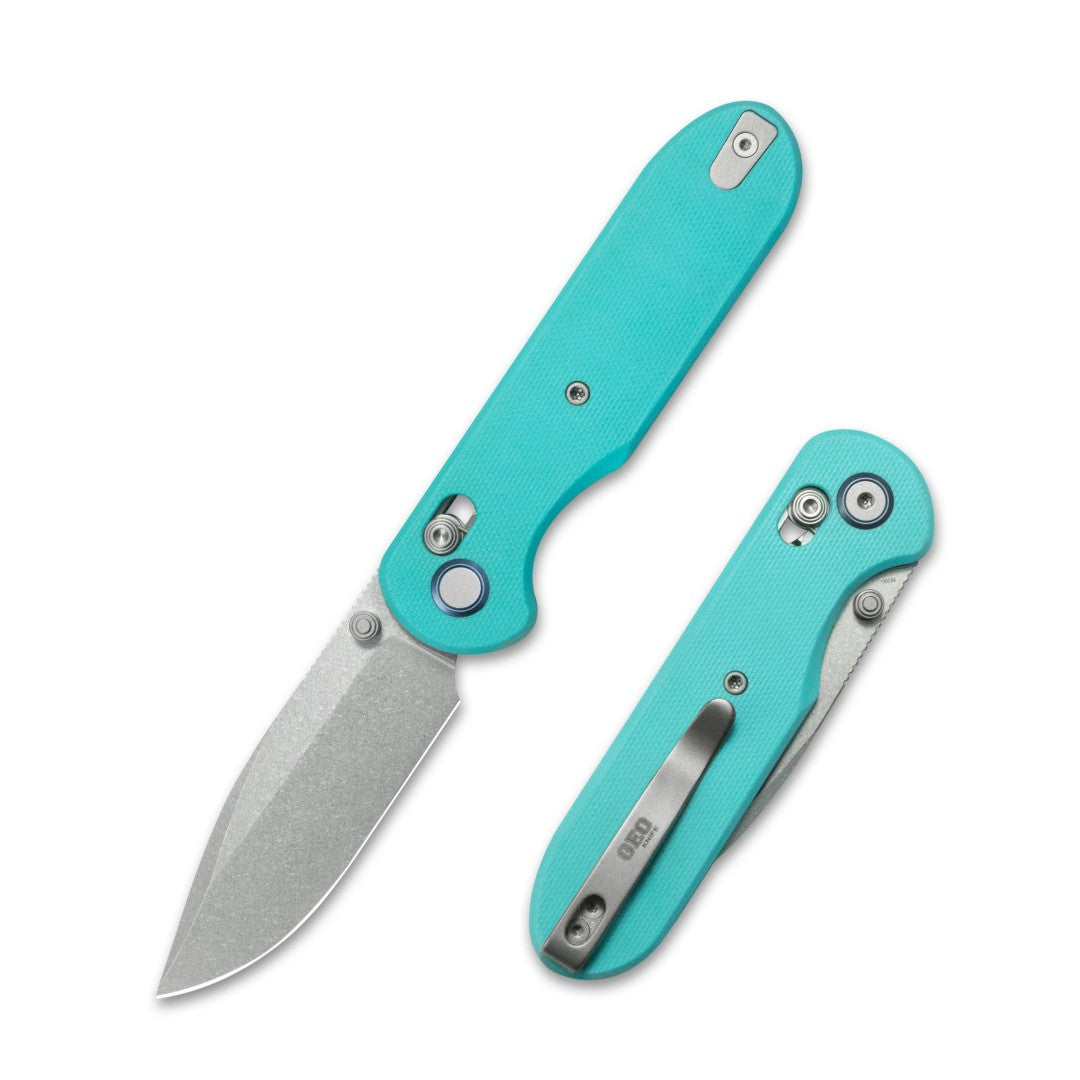
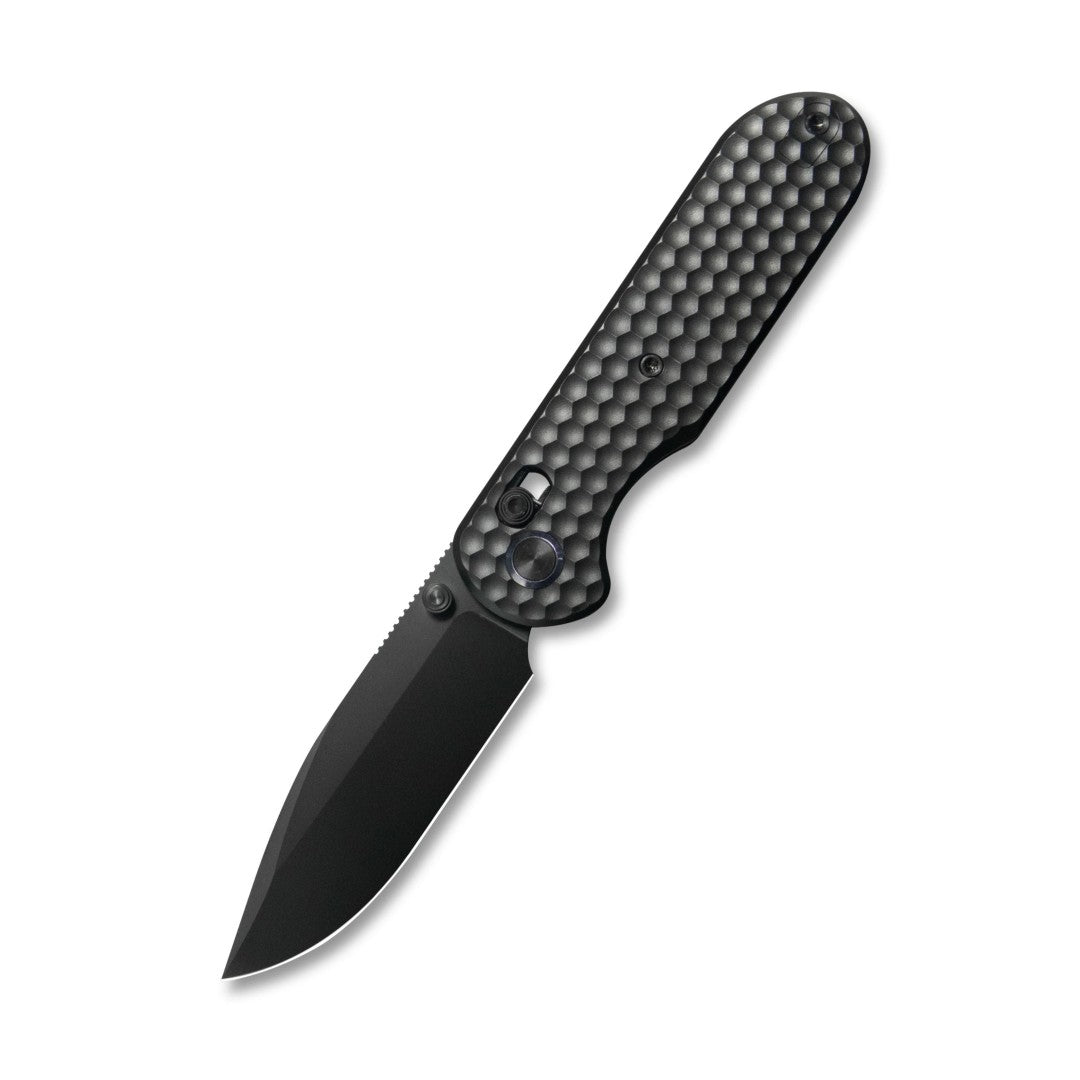
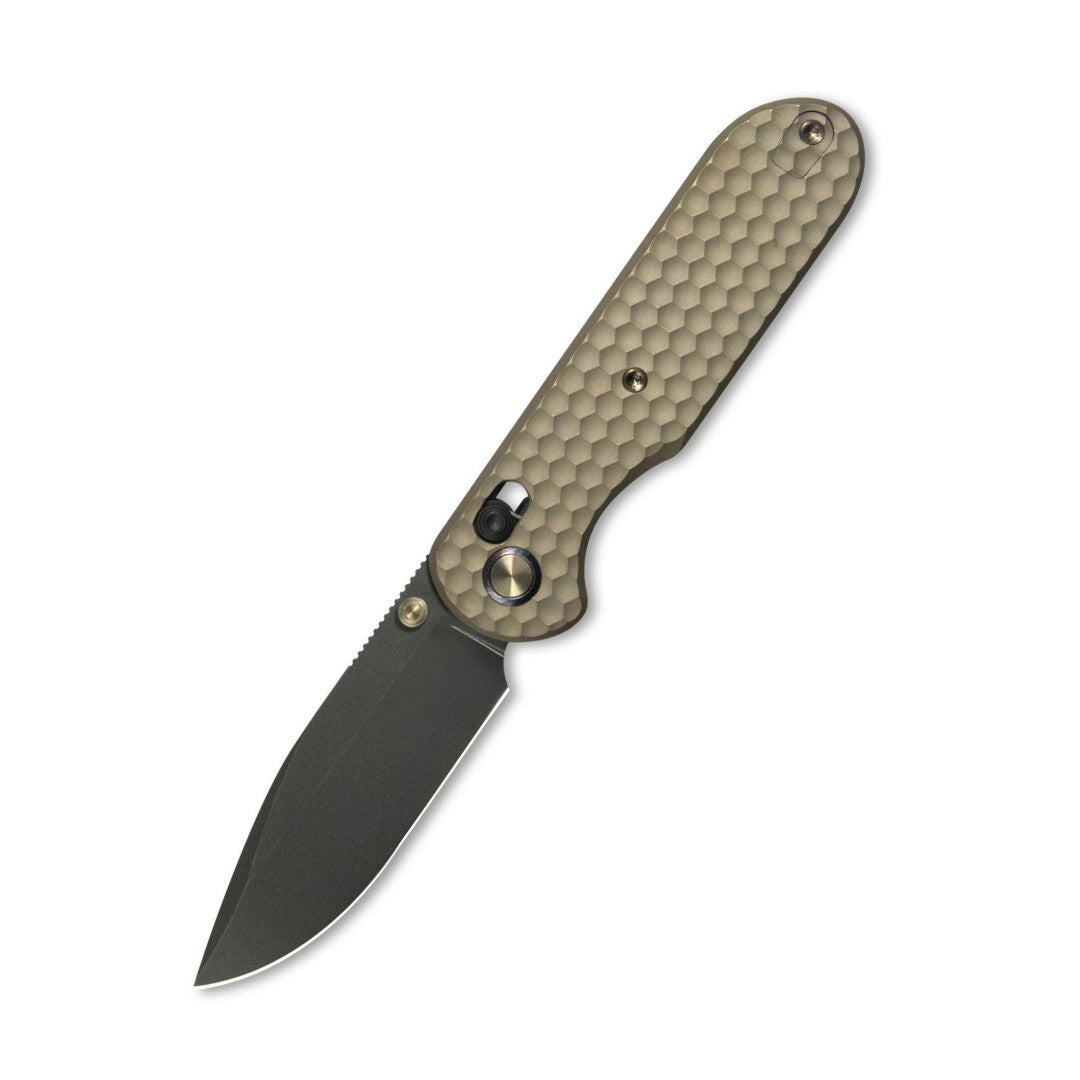
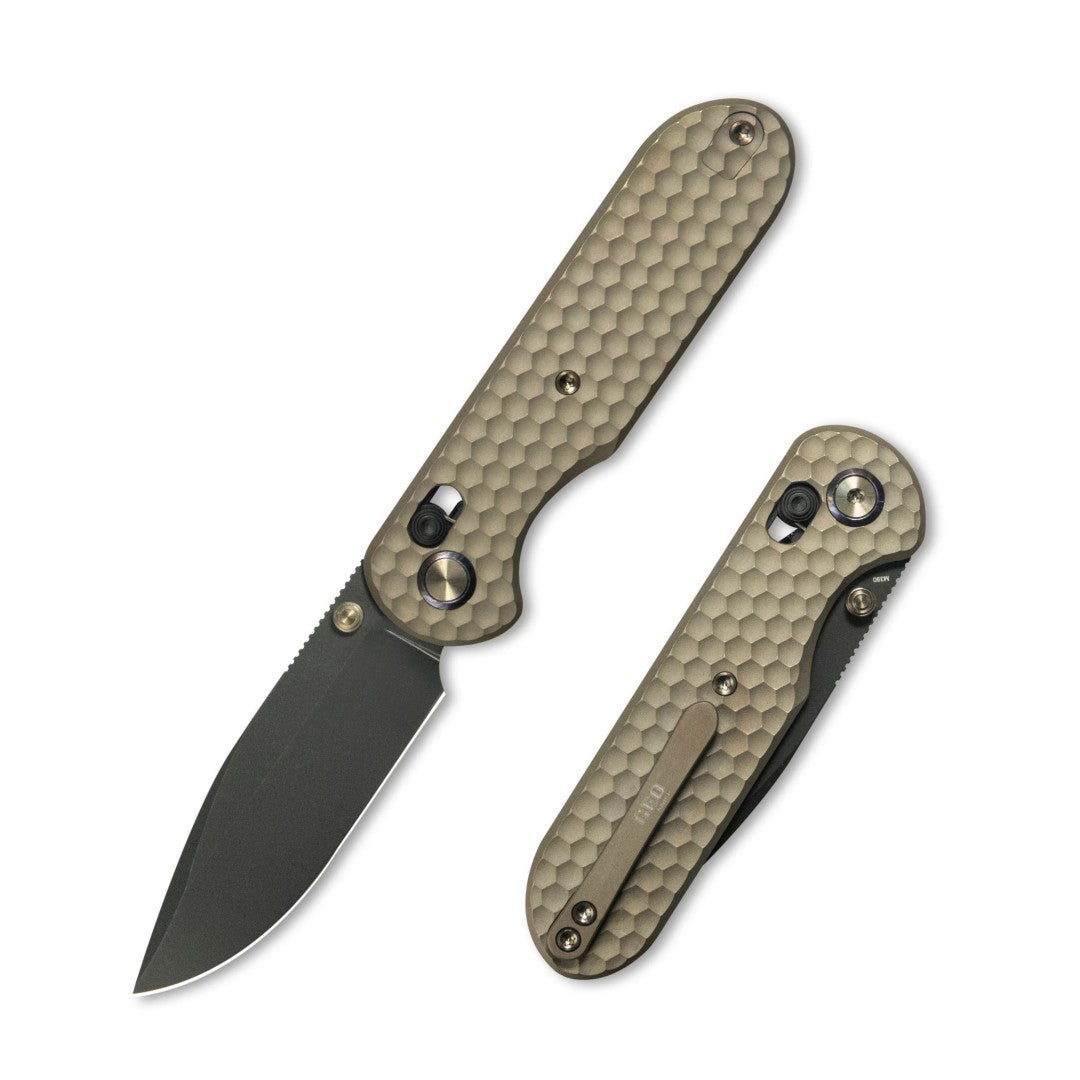
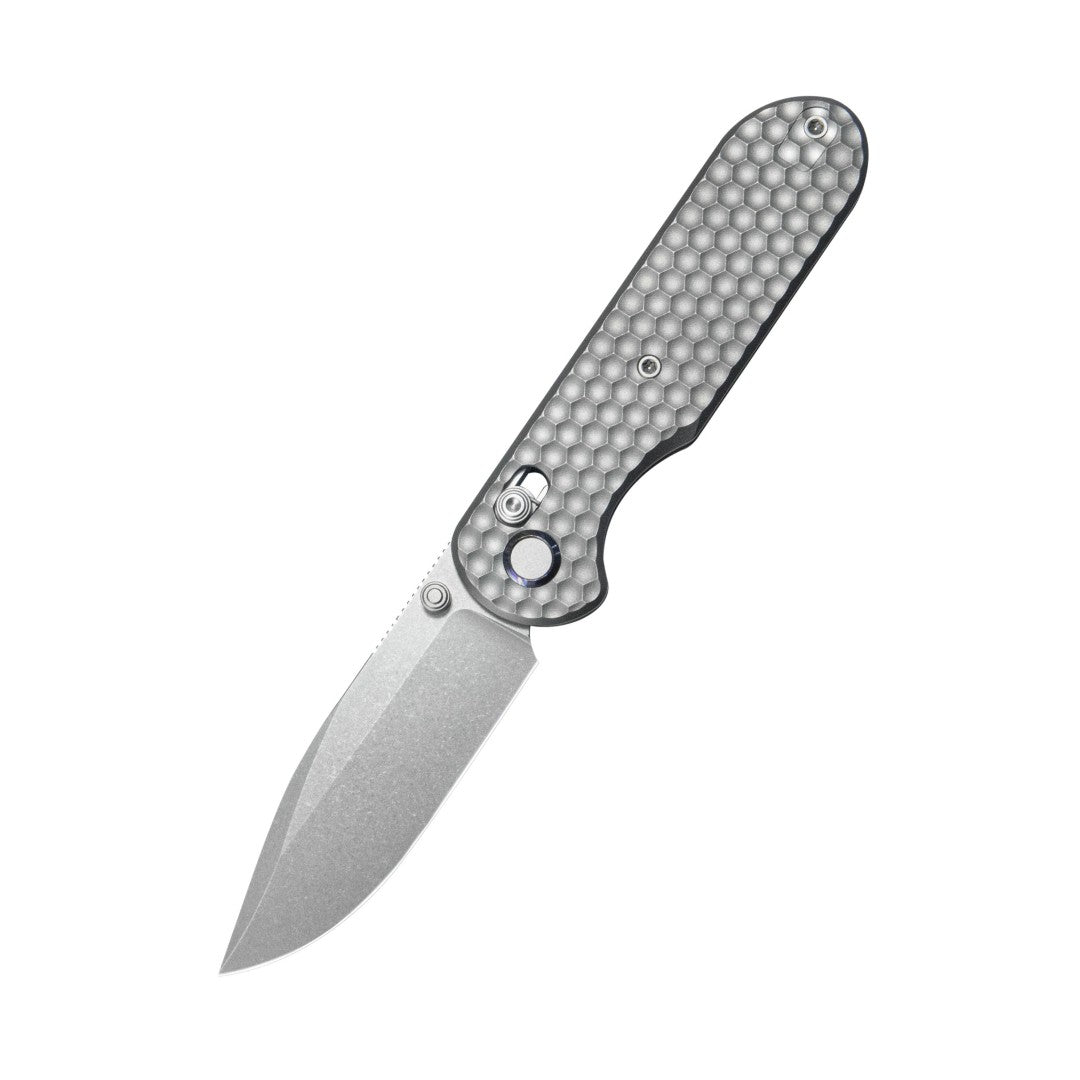
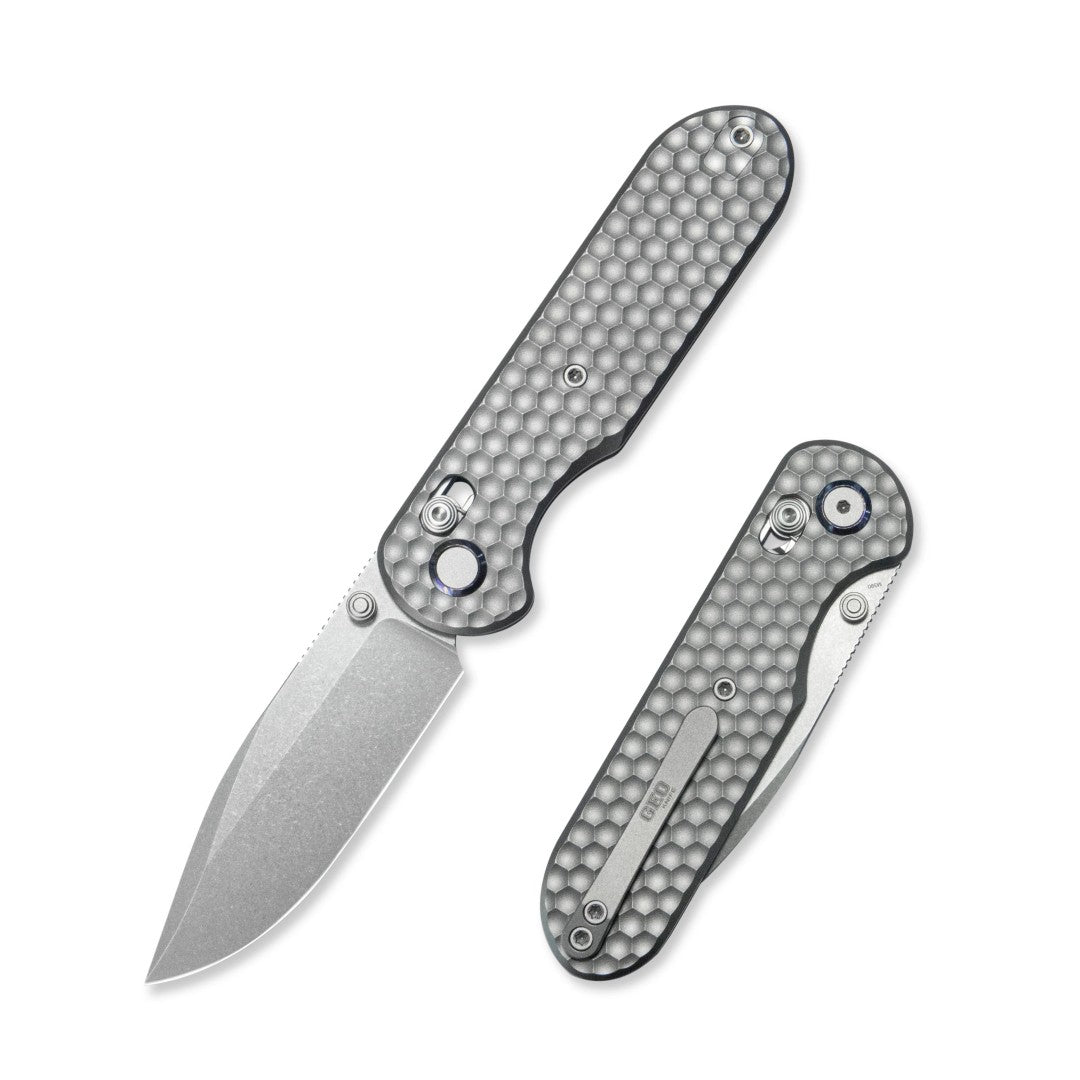
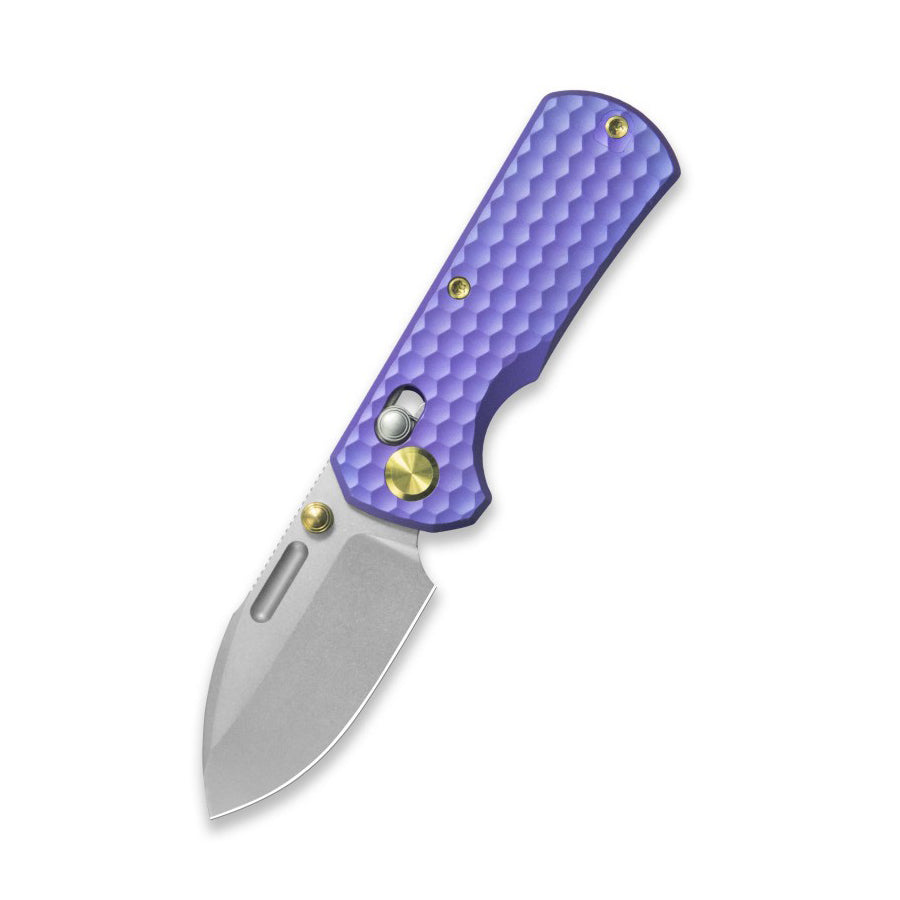
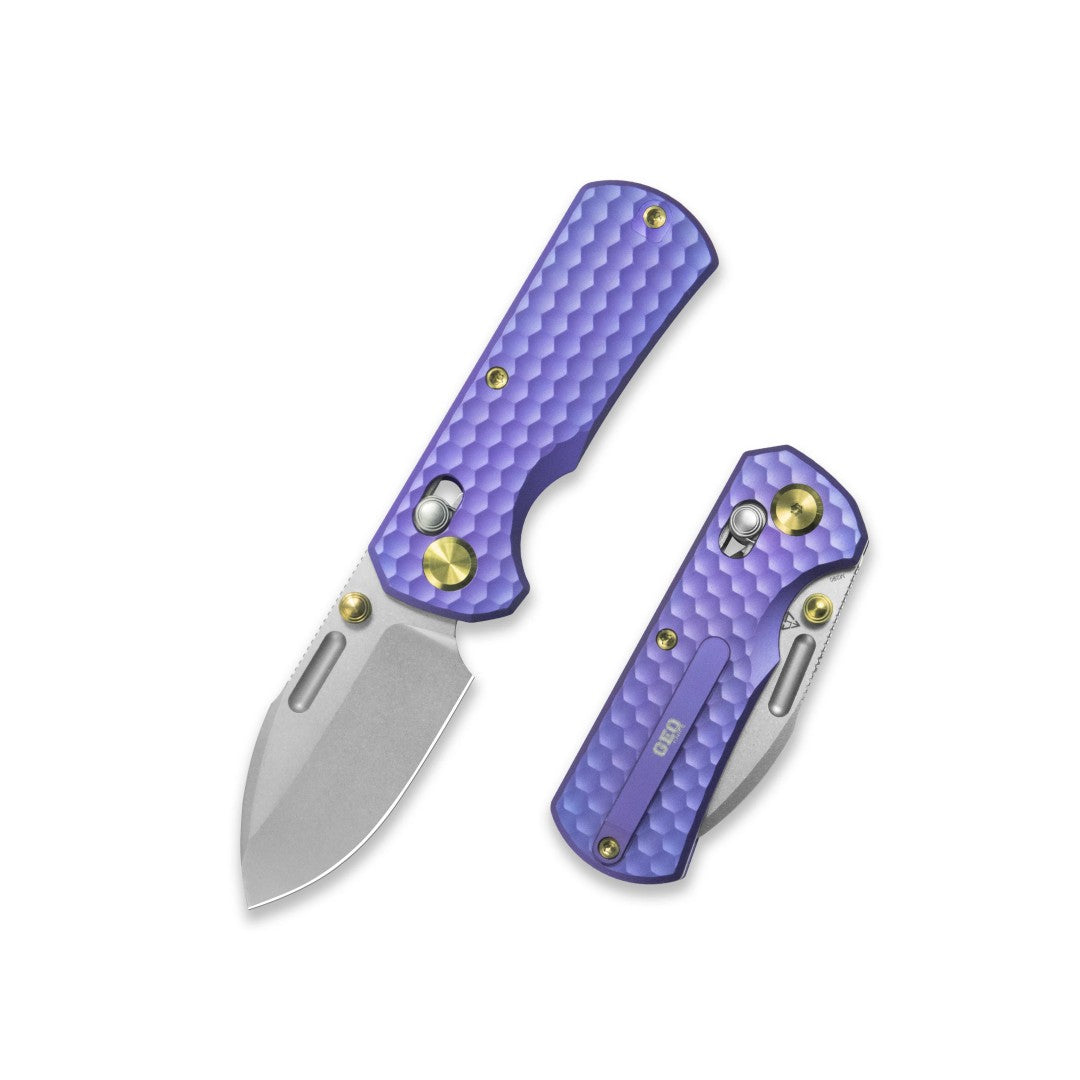
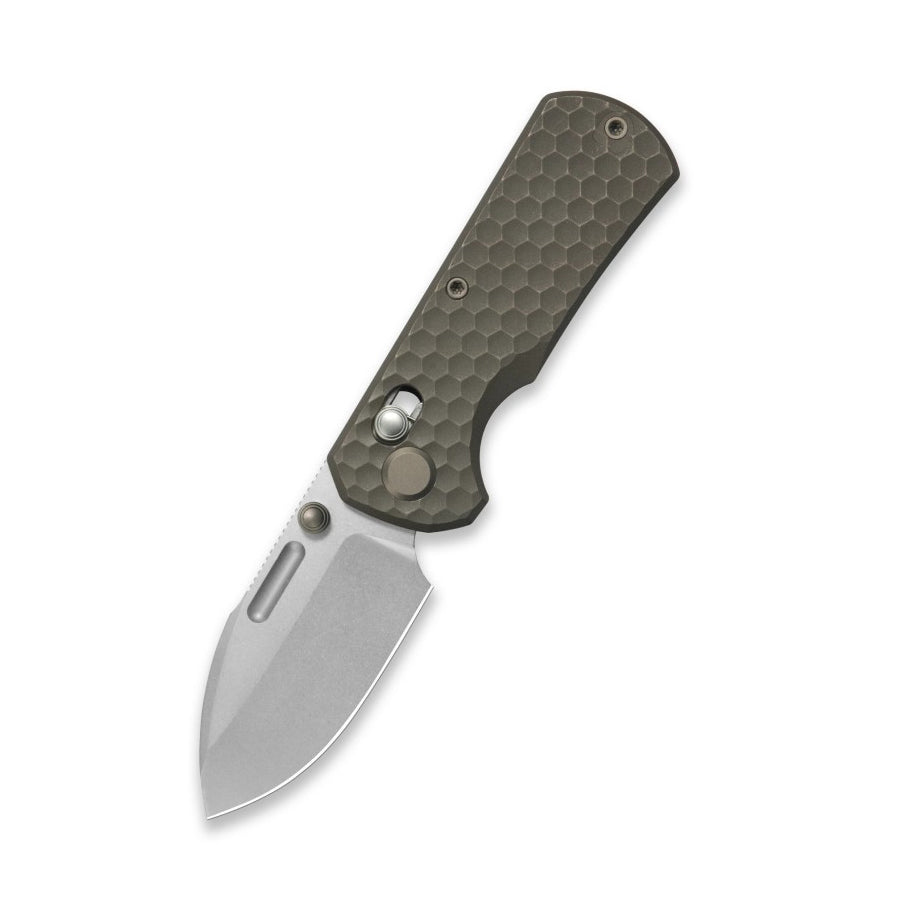
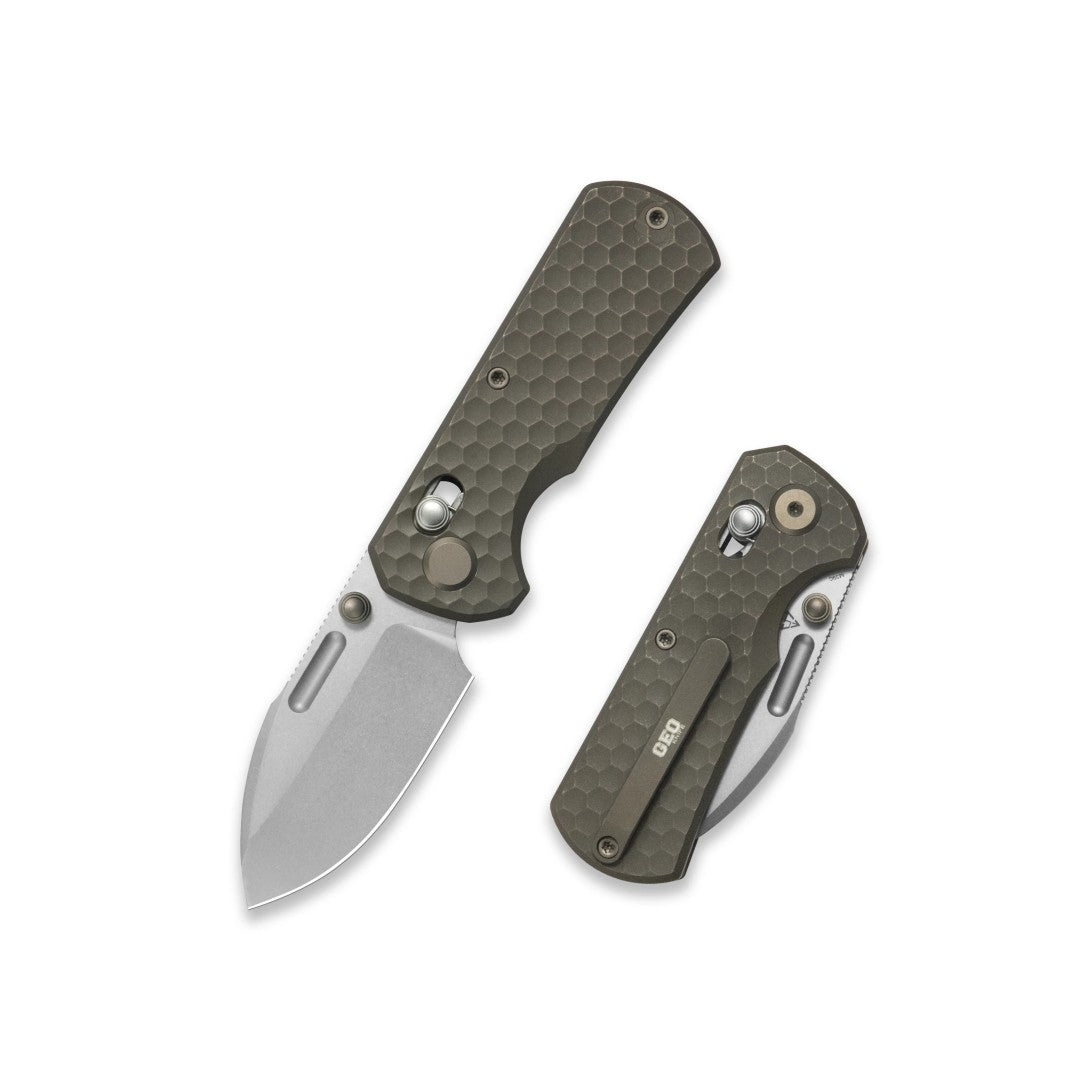
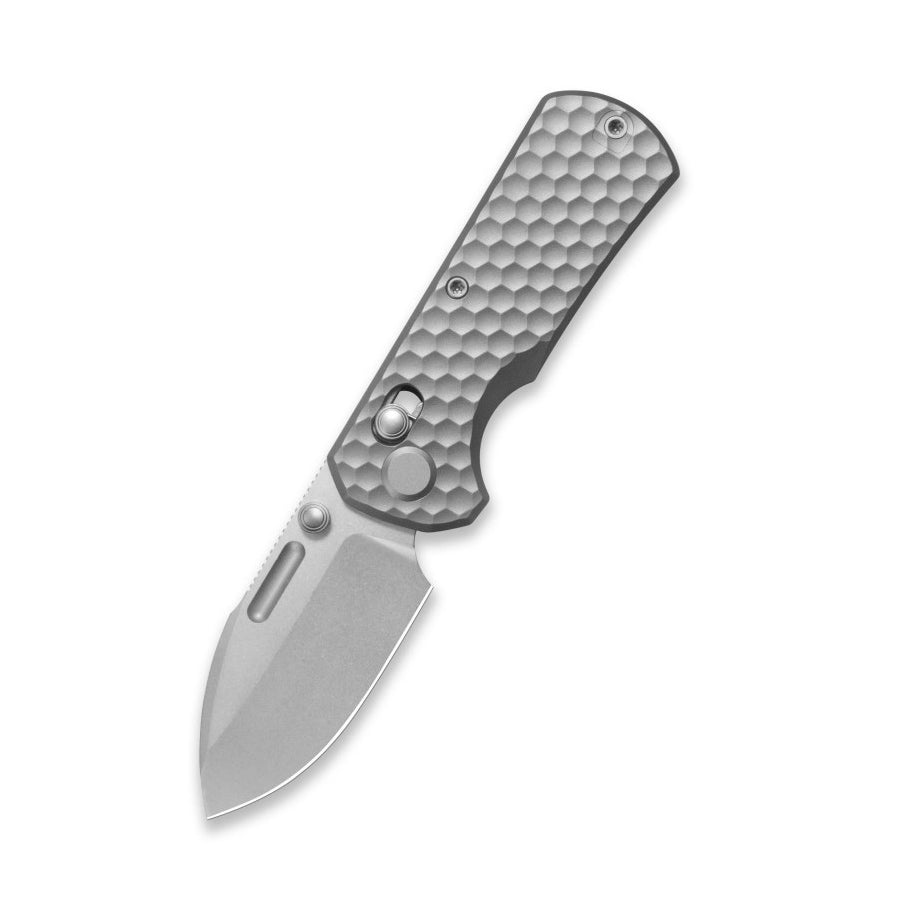
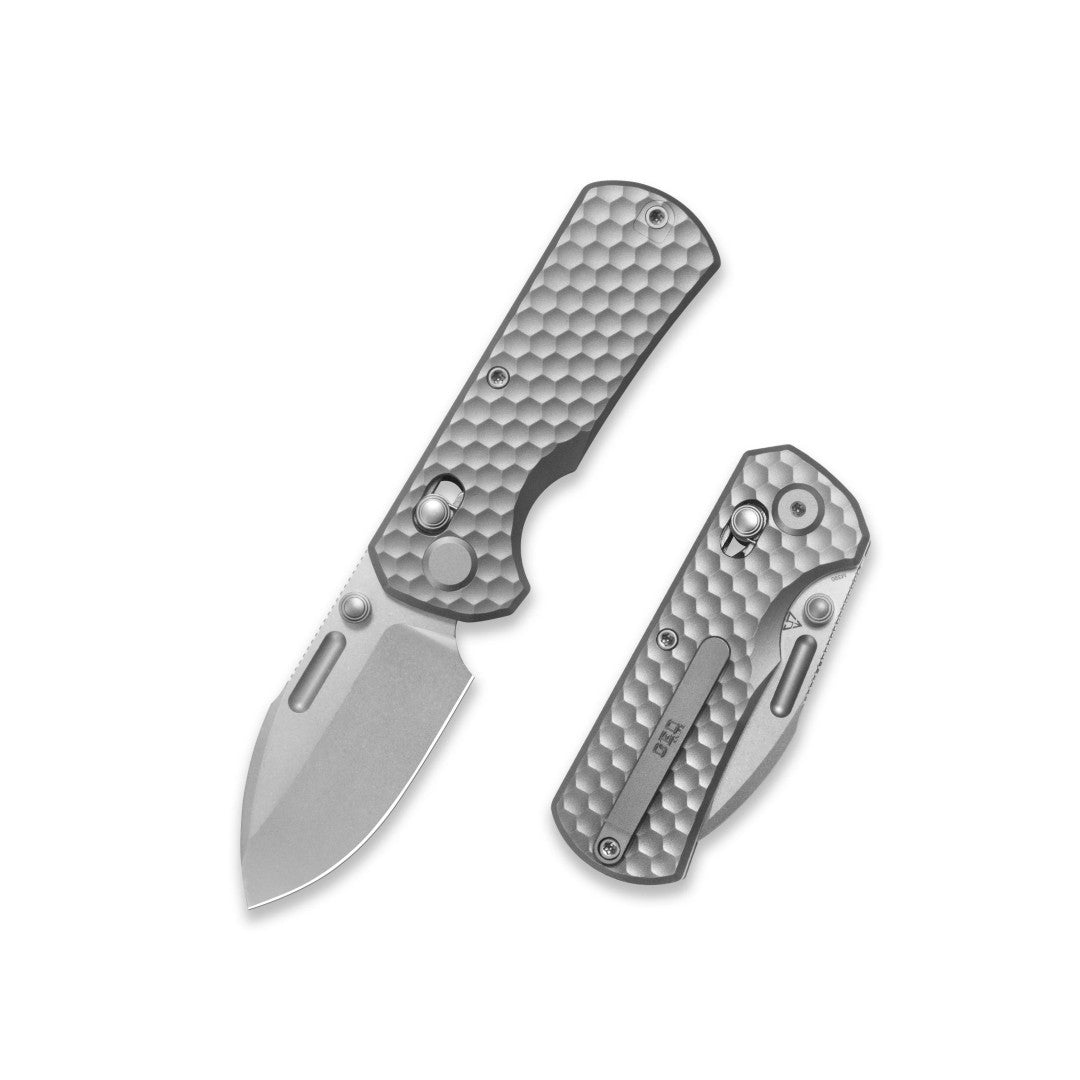
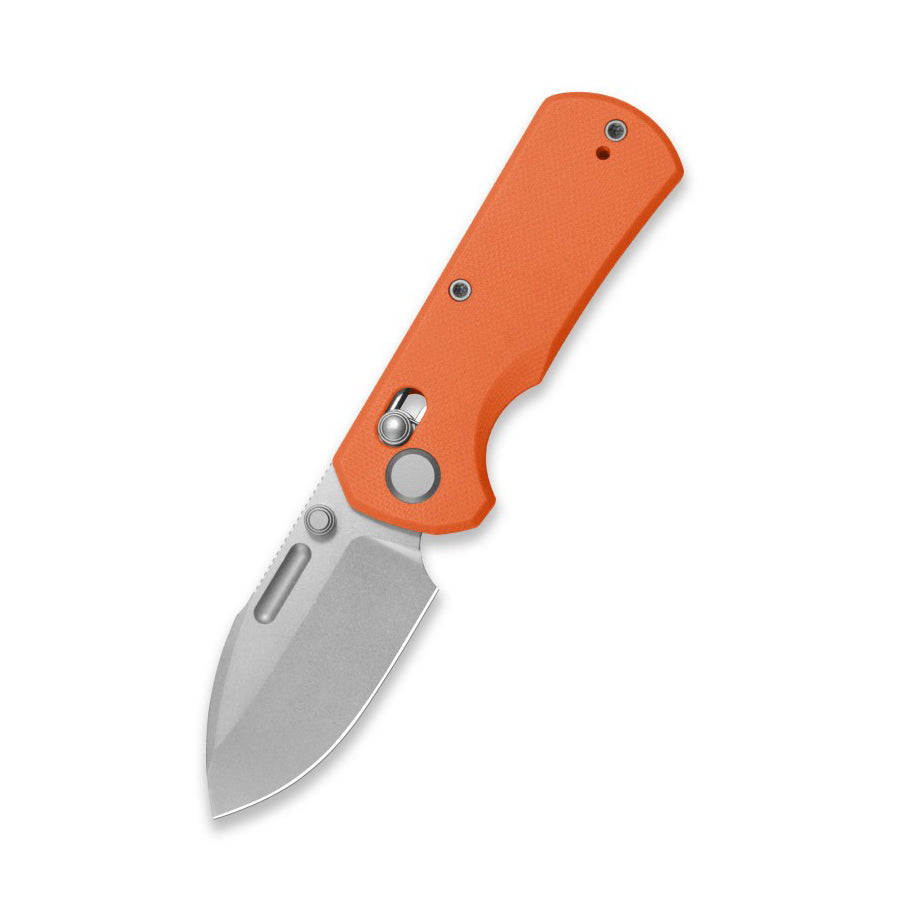
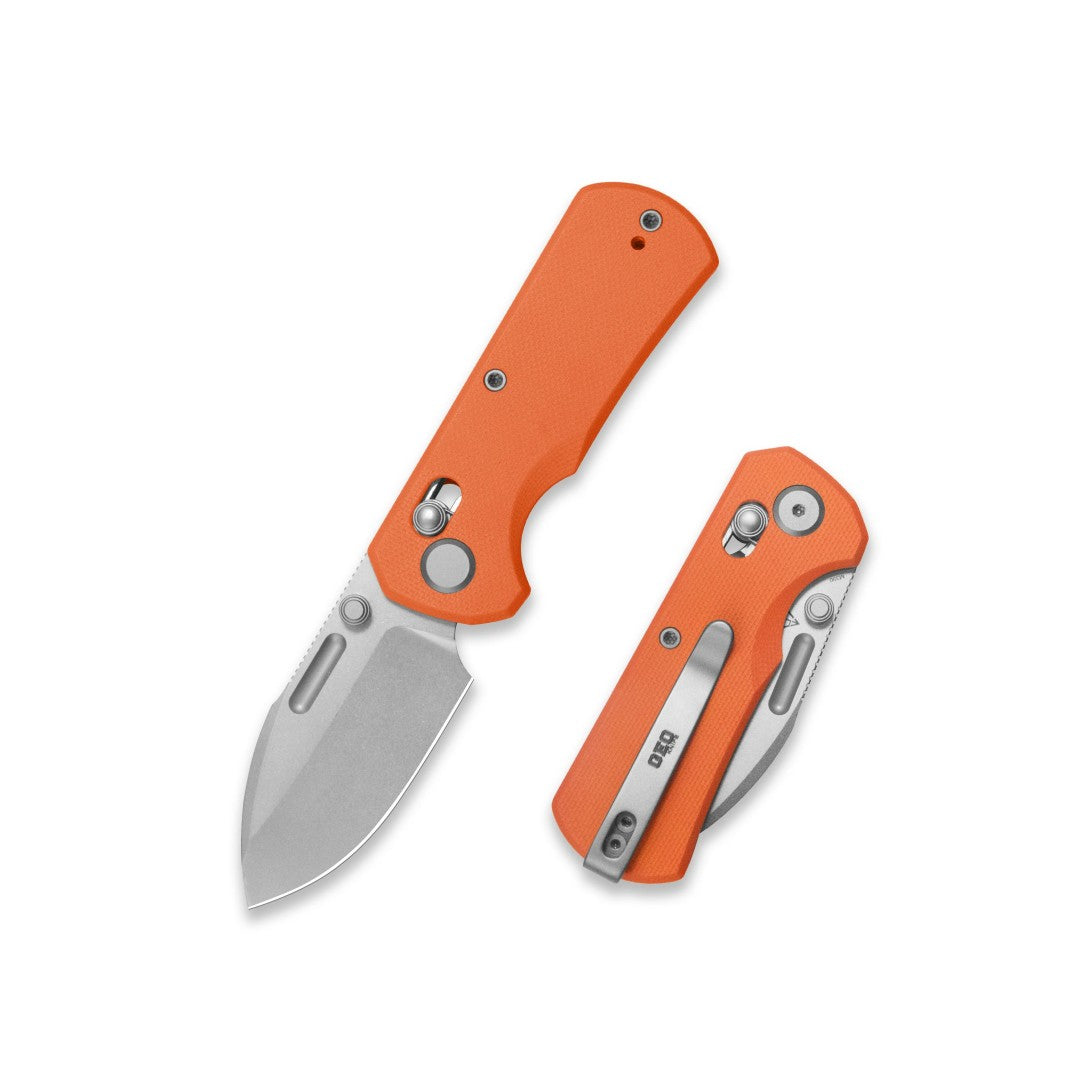
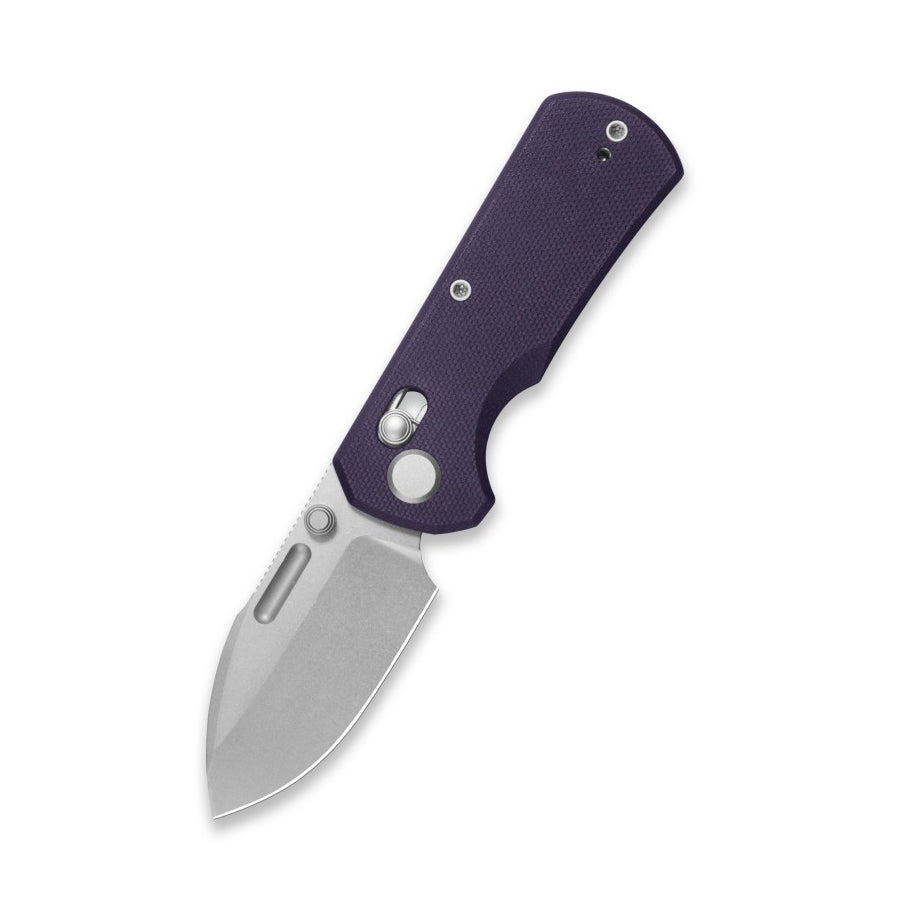
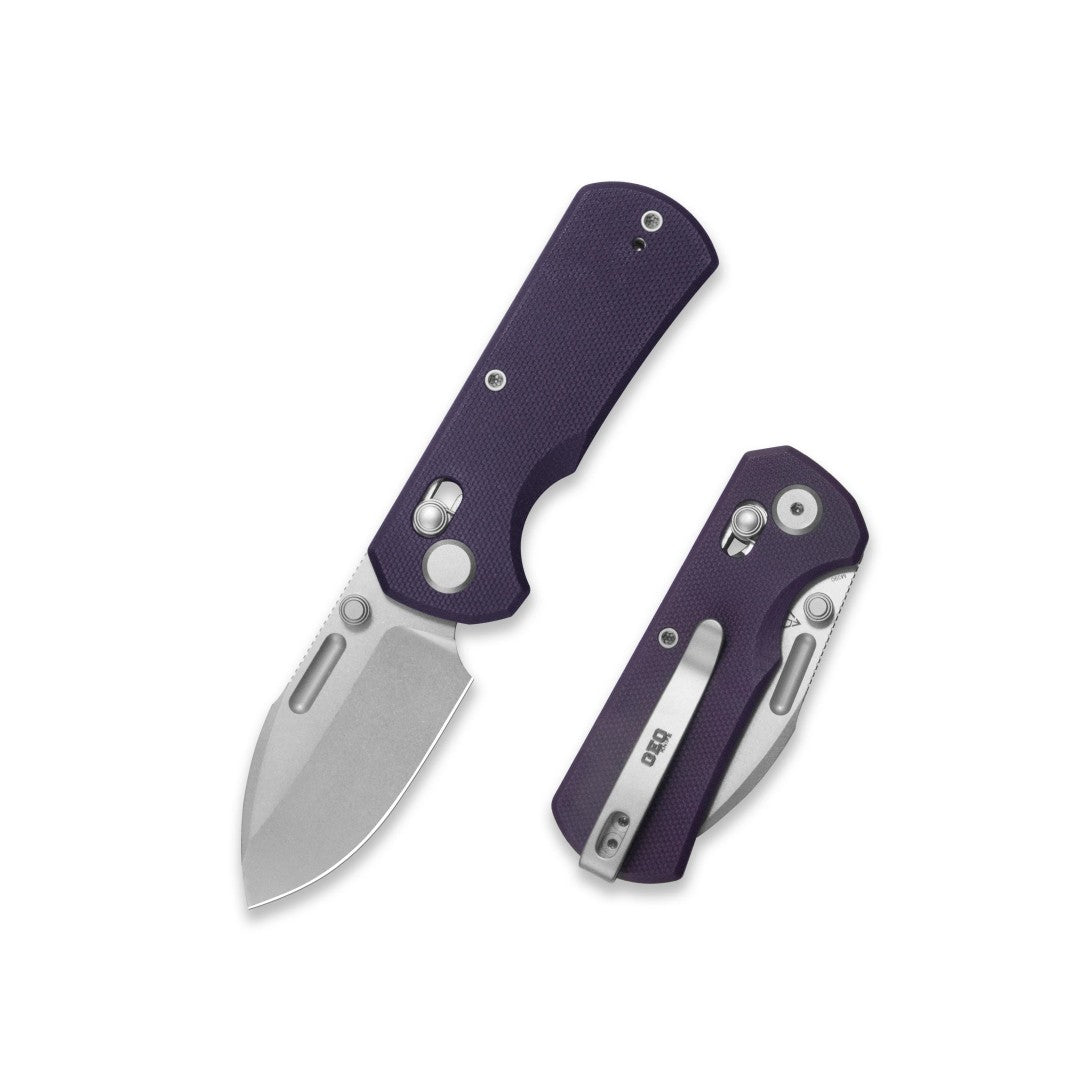
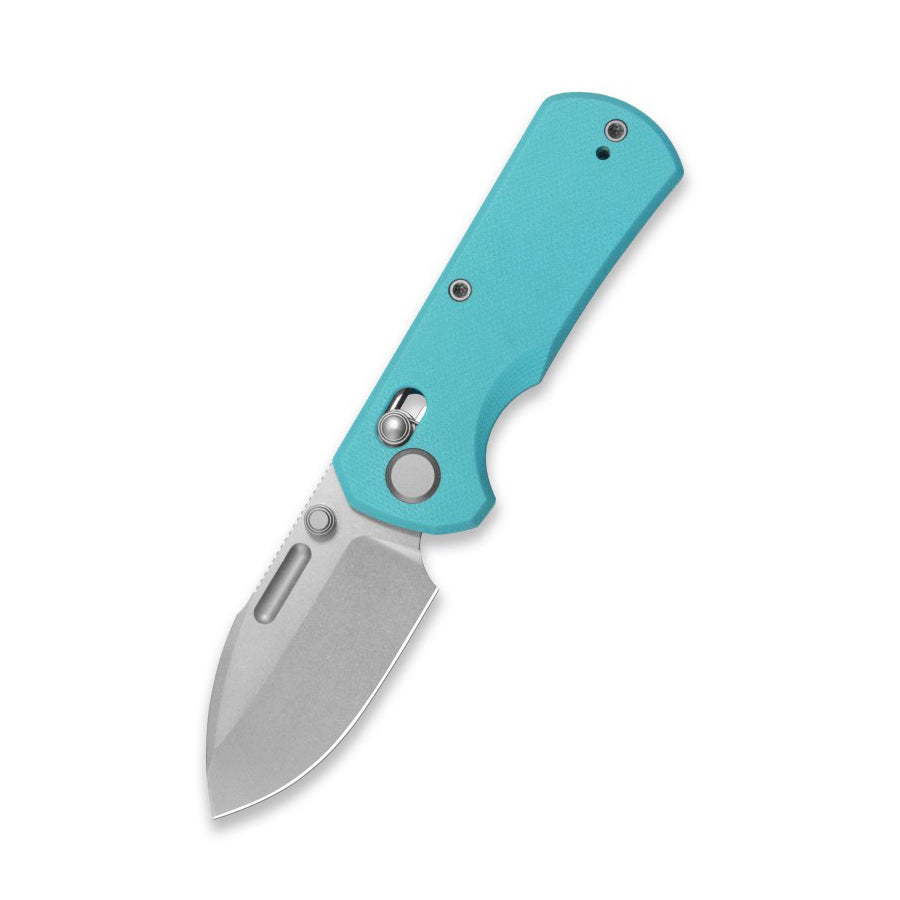
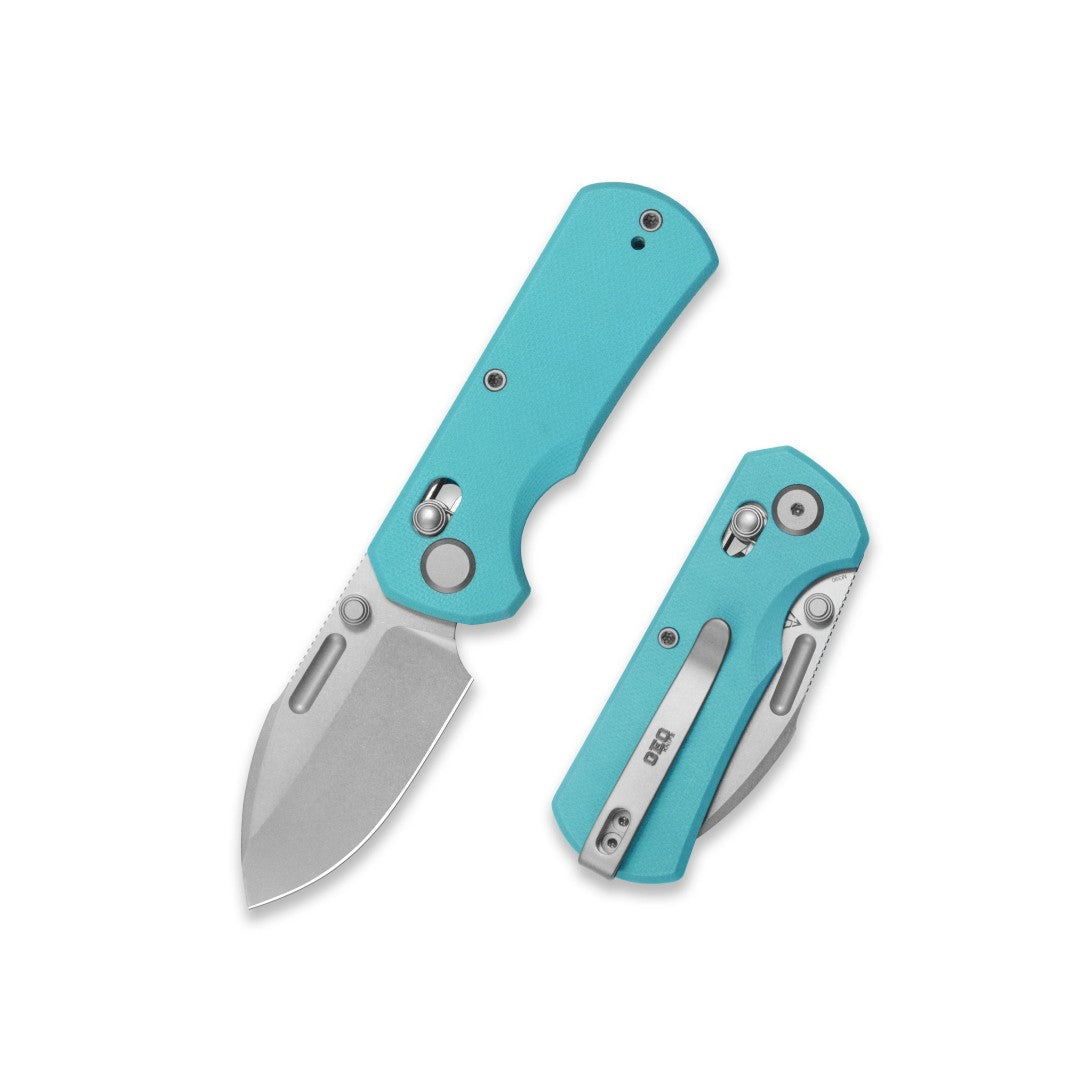
The kit itself should be flat enough to stow under a seat or in a wheel well. That means: one light with a rechargeable cell and a spare primary cell, a high visibility vest, a warning triangle, a tyre gauge, a pair of gloves, a folding knives blade for cutting tape and insulation, and a compact jump starter. Anything else is optional, and the optional items are what stop the essentials being findable.
Real-World Use
Practise using the kit once, in daylight, in your own driveway. Learn where the jack points are, whether your car has a locking wheel nut, and how the light behaves on its various modes. In an actual breakdown, get the vest on and the triangle out before you open the bonnet, and keep the light in a pocket rather than balanced on a slam panel where a gust of wind or a dropped bonnet will end it.

Ownership Notes
Seasonal checks take ten minutes. In autumn, test the light and the jump starter, check the gloves for holes, and replace the spare cell before winter rather than during it. In spring, replace anything that swelled or corroded over the cold months. An EDC knives blade left in a damp boot all winter will stain and stiffen unless it is wiped, oiled and kept in a sheath rather than loose in the crate. It is worth comparing Klarus flashlights with another compact EDC flashlight before you decide, because a vehicle kit rewards a light with a genuinely long low mode and a tailcap you can find by feel in the dark.
Who Is This For?
Every driver benefits, particularly anyone who covers long distances at night or drives with children. It matters most where phone signal is patchy or recovery times are long. If you own several lights, dedicate one to the vehicle and stop moving it between bags, because the light that lives in the car is the one that will be there when the car stops.
Final Verdict
One light, one blade, one vest, one jump starter, all in a flat pack under a seat and checked twice a year. Keep it small enough that you can actually find things in it. Browse the compact vehicle friendly lights at EdcMall and build the kit around them.