
Overview & First Impressions
Titanium is mentioned in almost every premium gear description and explained in almost none of them. There are several distinct alloys, and they behave very differently. The one that matters for knives, pry bars and pocket tools is grade 5, also sold as Ti-6Al-4V or TC4 in Chinese specification, and it is alloyed with six percent aluminium and four percent vanadium. That combination is what gives it the strength to weight ratio enthusiasts pay for, and it explains almost everything about how titanium gear feels in the hand.
Materials & Construction
Grade 5 titanium is roughly as strong as some steels at about half the weight, and it is effectively immune to the corrosion that plagues steel in a pocket. Pure grade 2 titanium is softer and more malleable, which suits jewellery and some bead work but makes a poor pry bar. Grade 5 holds a thread, resists galling reasonably well with lubrication, and takes anodising beautifully, which is why a pry bar such as the Kansept EDC PryOfSorts can be finished in bronze, blue or a lightning strike pattern that would be impossible on steel.

Design & Details
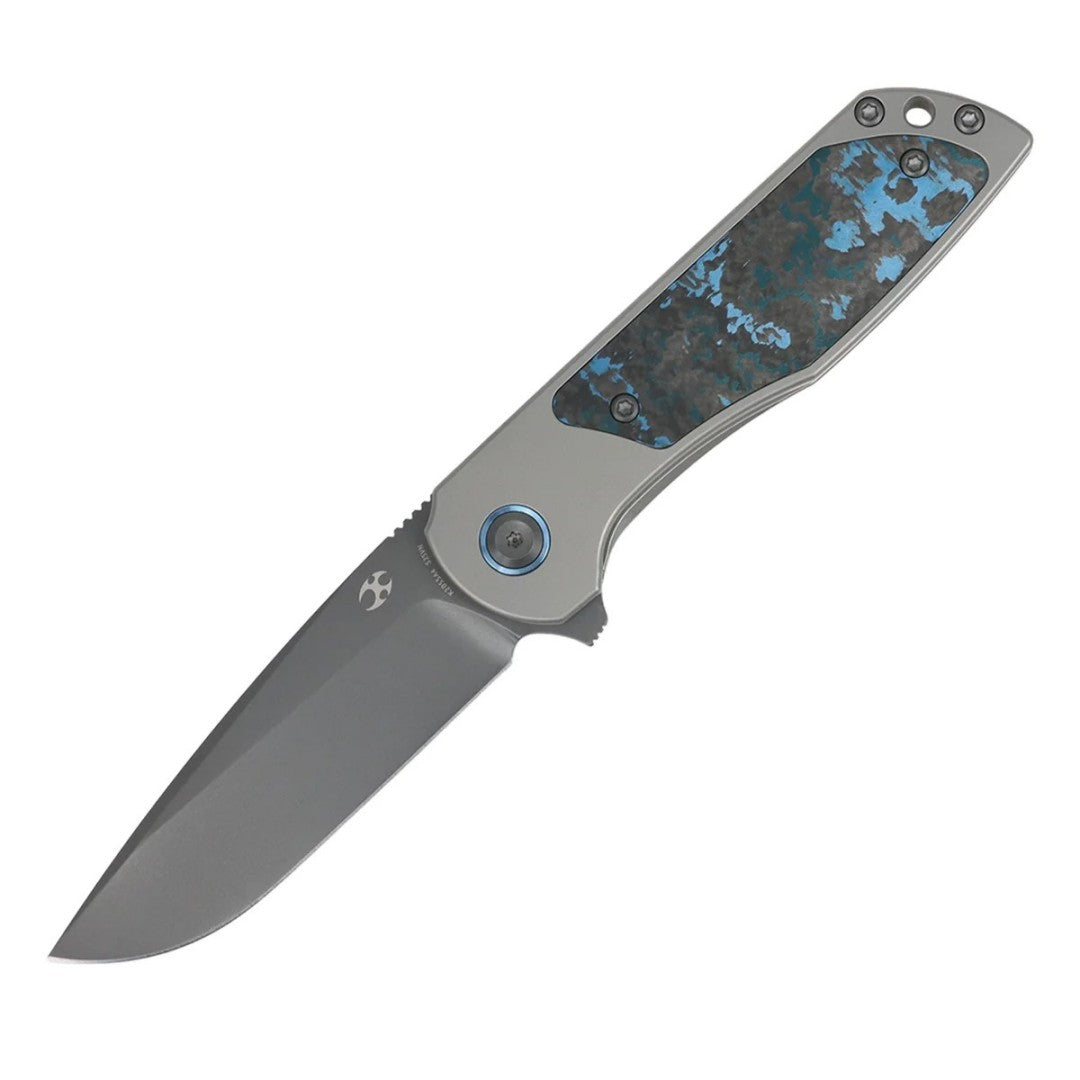
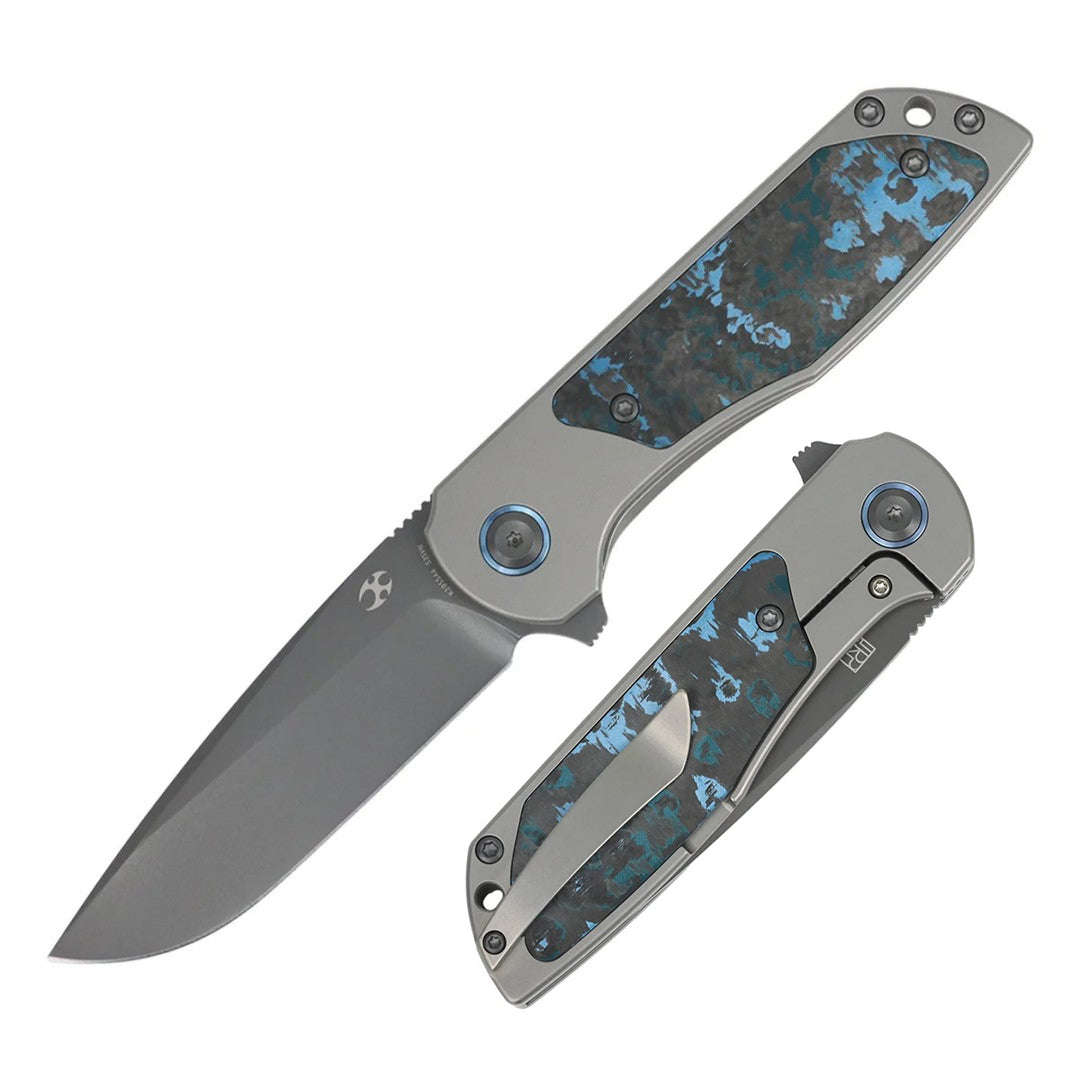
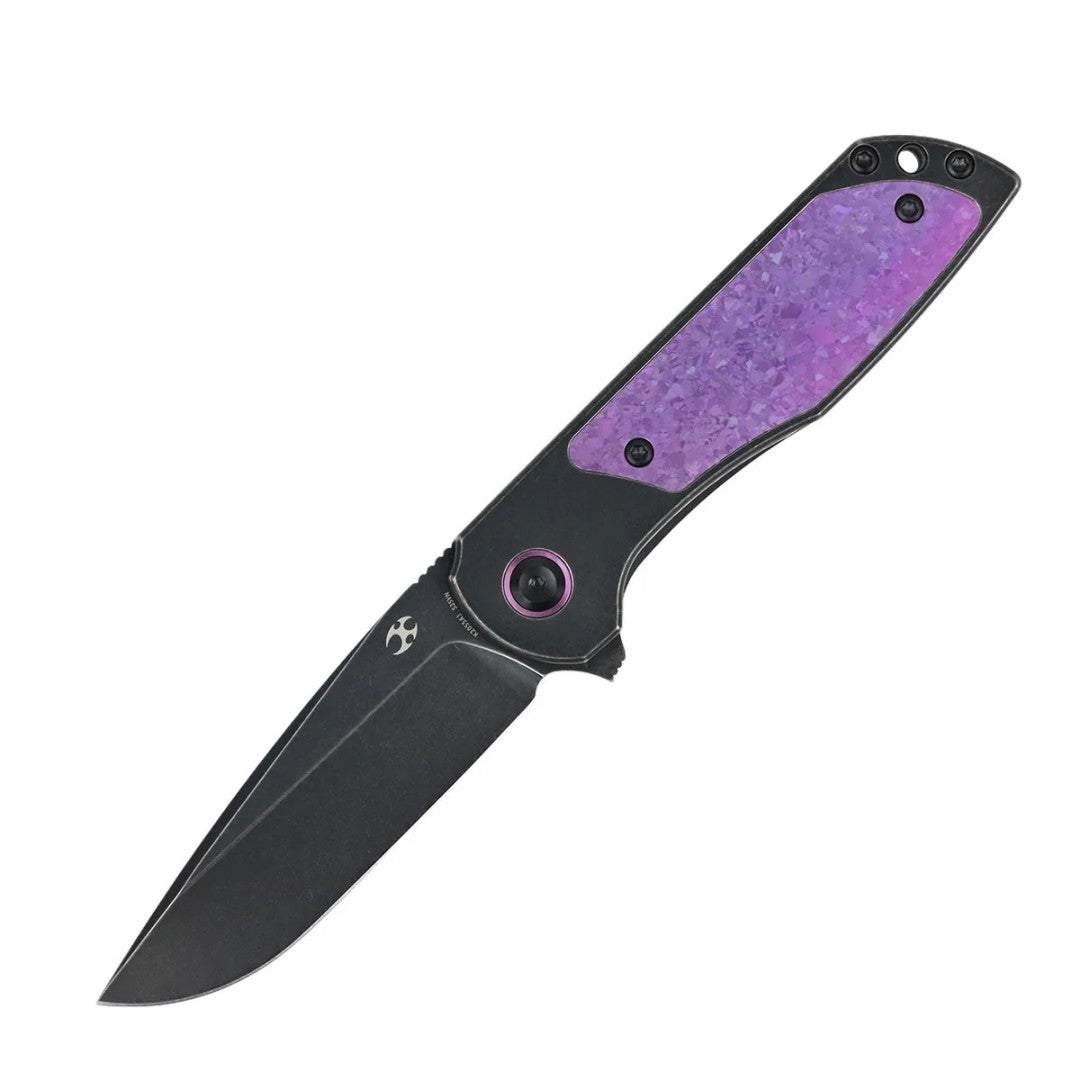
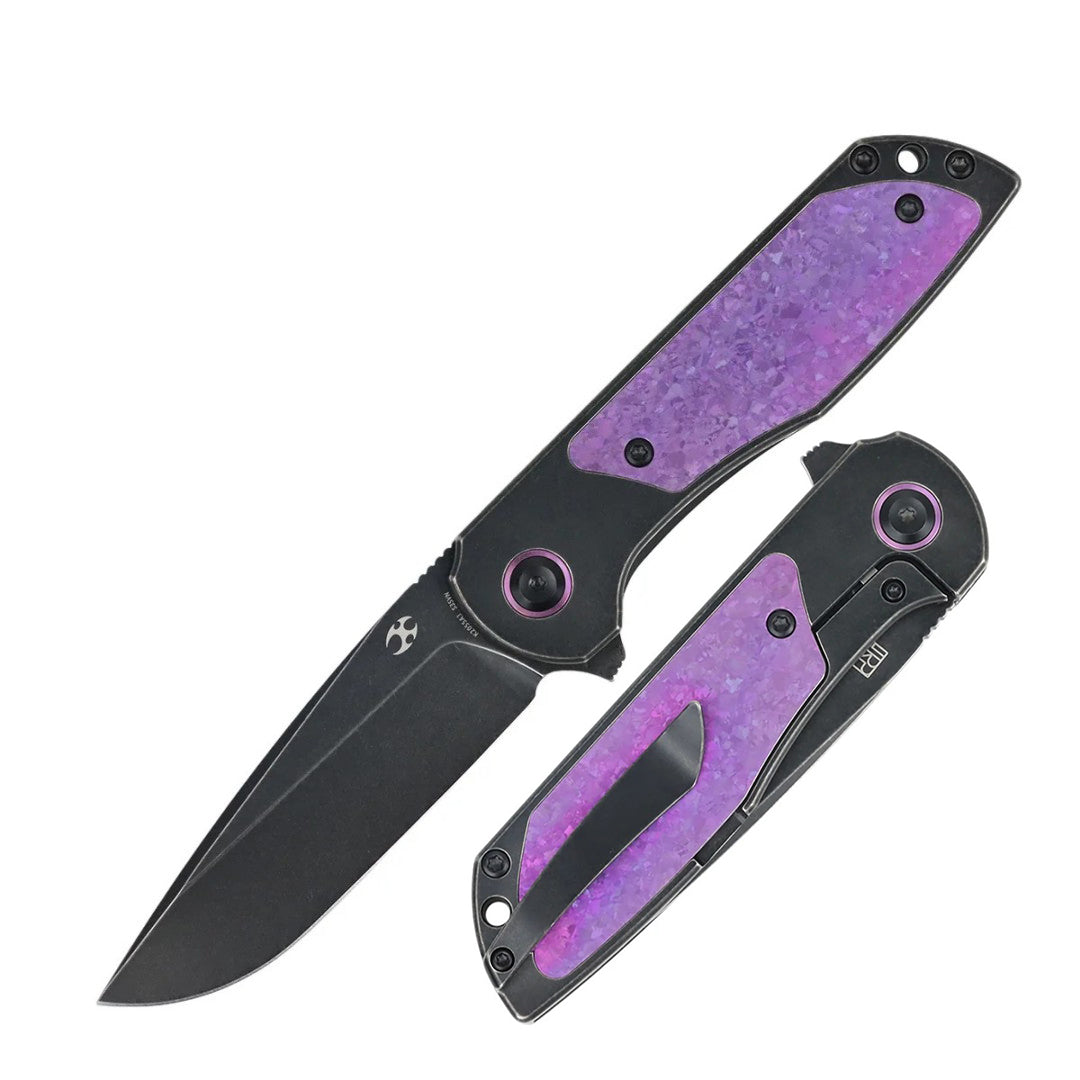
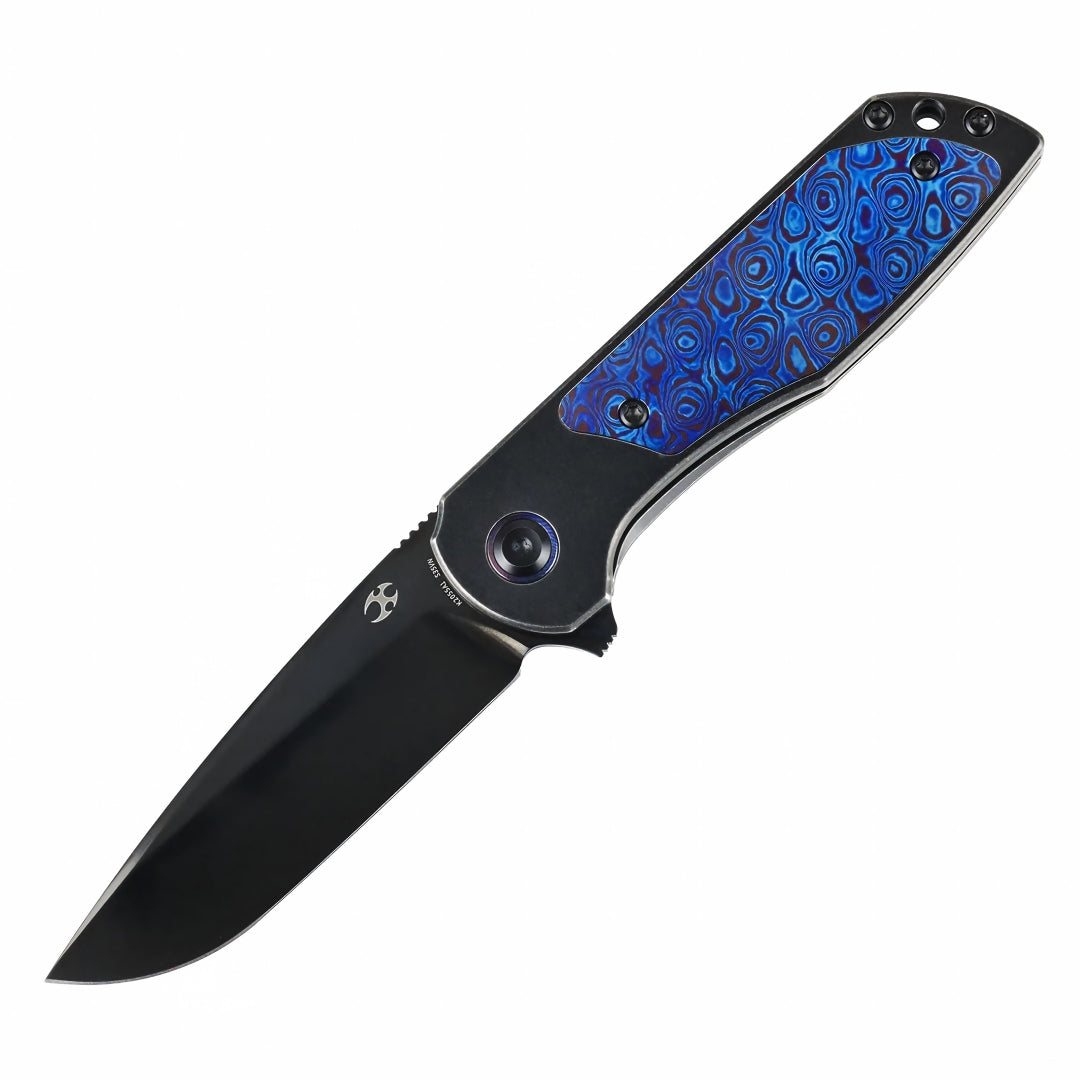
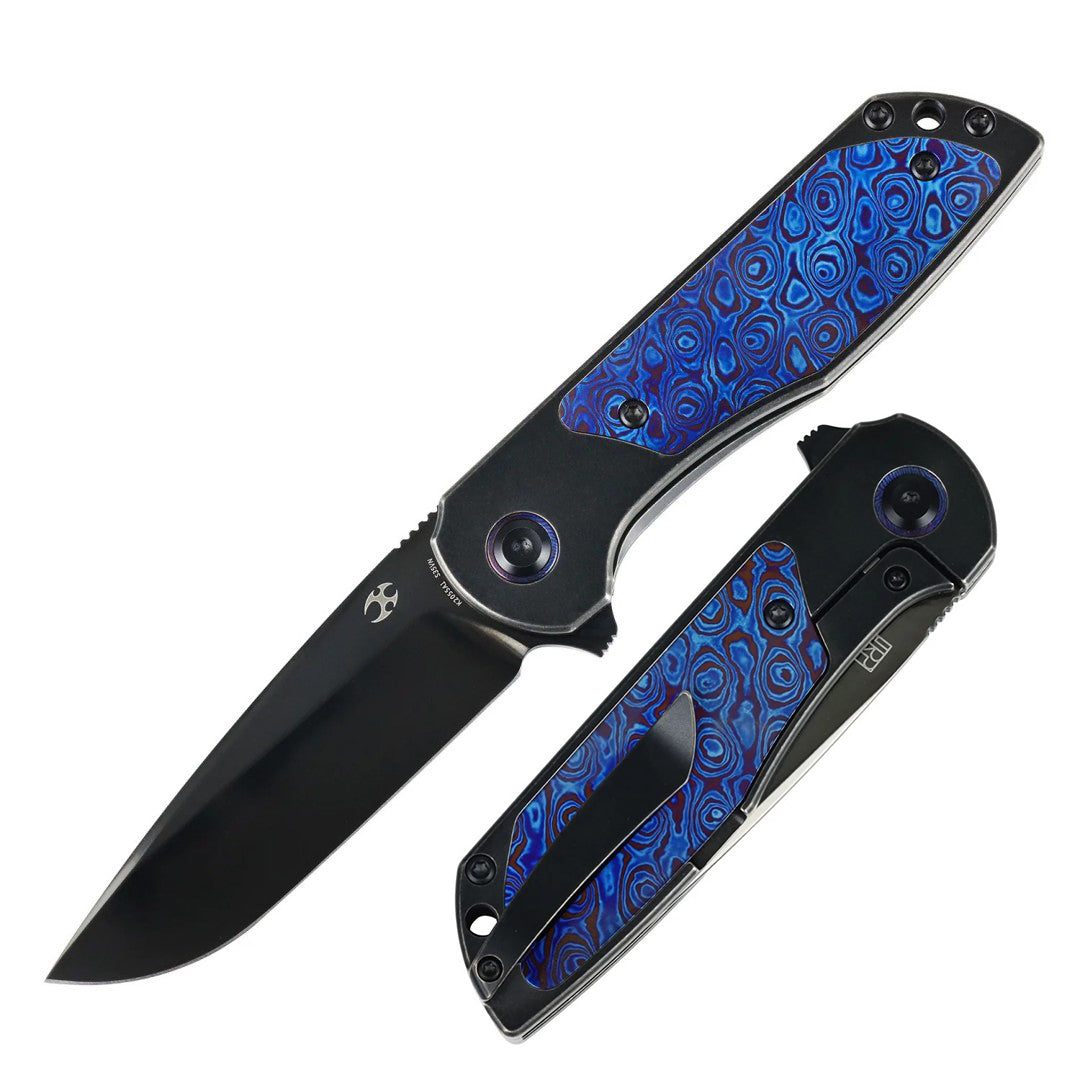
Titanium's weakness is that it is not particularly hard, so it scratches and it will not hold a cutting edge. That is why it appears in frames, scales, clips, bead bodies and pry tools rather than in blades. Kansept knives use it as a handle material on frame lock folders, where its flexibility and memory suit a lock bar perfectly, and as the body of small tools where the priority is corrosion resistance and weight rather than edge holding. Knowing where titanium belongs is more useful than knowing its specification.
Real-World Use
In daily carry, grade 5 titanium shows up as a lighter pocket, less rust and a distinctive anodised finish. It also feels different: warmer than steel in the cold, and noticeably less dense. The trade off is cost and scratch visibility, because an anodised surface shows wear more readily than a stonewashed steel one. For a pry bar or a clip, that is irrelevant. For a presentation piece, it is the whole point, and a lightning strike finish in particular changes character as the light moves across it.

Ownership Notes
If you own titanium gear, two habits will keep it looking sharp. Clean anodised surfaces with lukewarm water and a soft cloth rather than abrasive polish, because anodising is an oxide layer rather than a coating and aggressive cleaners remove it. Lubricate titanium threads and pivots lightly, since titanium can gall against itself when dry. Anyone building a rotation of EDC knives with titanium frames should keep a dedicated driver set, because titanium screws are softer than steel equivalents.
Who Is This For?
Titanium is worth the premium if you carry in a humid environment, want to reduce pocket weight, or simply enjoy the material. It is not worth it if you want the hardest, most durable surface available at the lowest price, in which case steel will serve you better. If you have never owned a titanium tool, a pry bar is the cheapest way to find out whether the material appeals before buying a full titanium folder.
Final Verdict
Grade 5, Ti-6Al-4V and TC4 describe the same alloy, and it earns its place in frames, clips and small tools rather than blades. Buy it for weight, corrosion resistance and finish, not for hardness. Start with a small pry bar, feel the difference, and decide from there. The Kansept EDC gear range at EdcMall shows how the material behaves in pocket tools.
Shop the Kansept EDC PryOfSorts C010A3 Titanium Multi-Tool at EdcMall