
Overview & First Impressions
Skinning and butchering look like the same job from a distance, and the tools are usually described as if one blade does both. They are not the same task. Skinning is a slicing job done on a hanging or quartered animal, where the blade rides between hide and meat and never touches bone. Butchering is a heavier job of breaking joints, separating primal cuts and working around gristle. A fixed blade that excels at one will frustrate you at the other, which is why serious hunters who process their own game end up carrying two edges rather than one compromise.
Materials & Construction
For skinning the priority is a thin, keen edge that glides through connective tissue, which generally means a shorter blade in a fine grained stainless such as D2 steel sharpened to a relatively narrow angle. For butchering you want more mass, a stiffer spine and a steel that tolerates contact with bone and cold fat without chipping. Most owners of EDC knives never push a blade this hard, which is why a light folder feels sharp in the kitchen and disappointing on a carcass. Match the alloy to the abuse, not to the brochure.

Design & Details
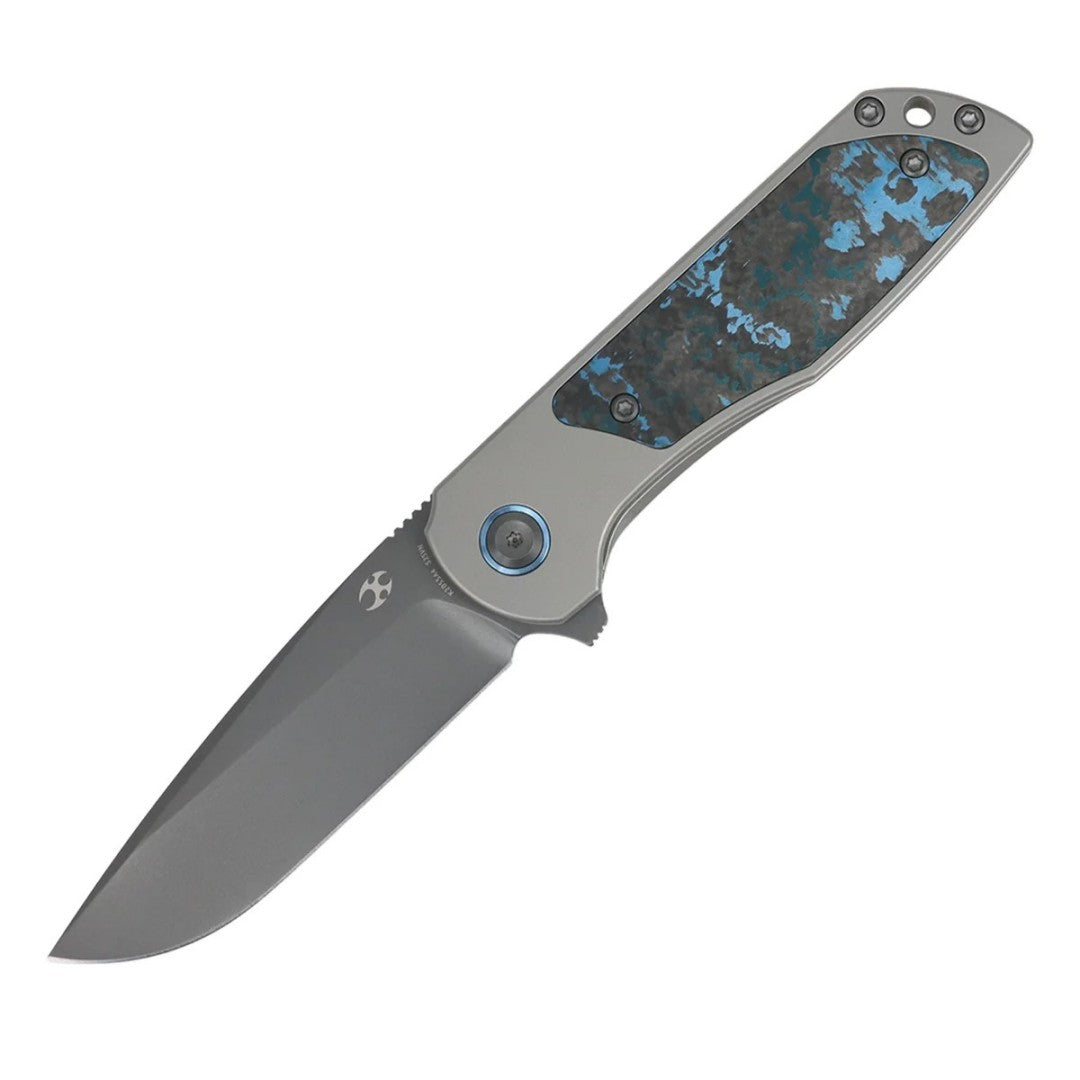
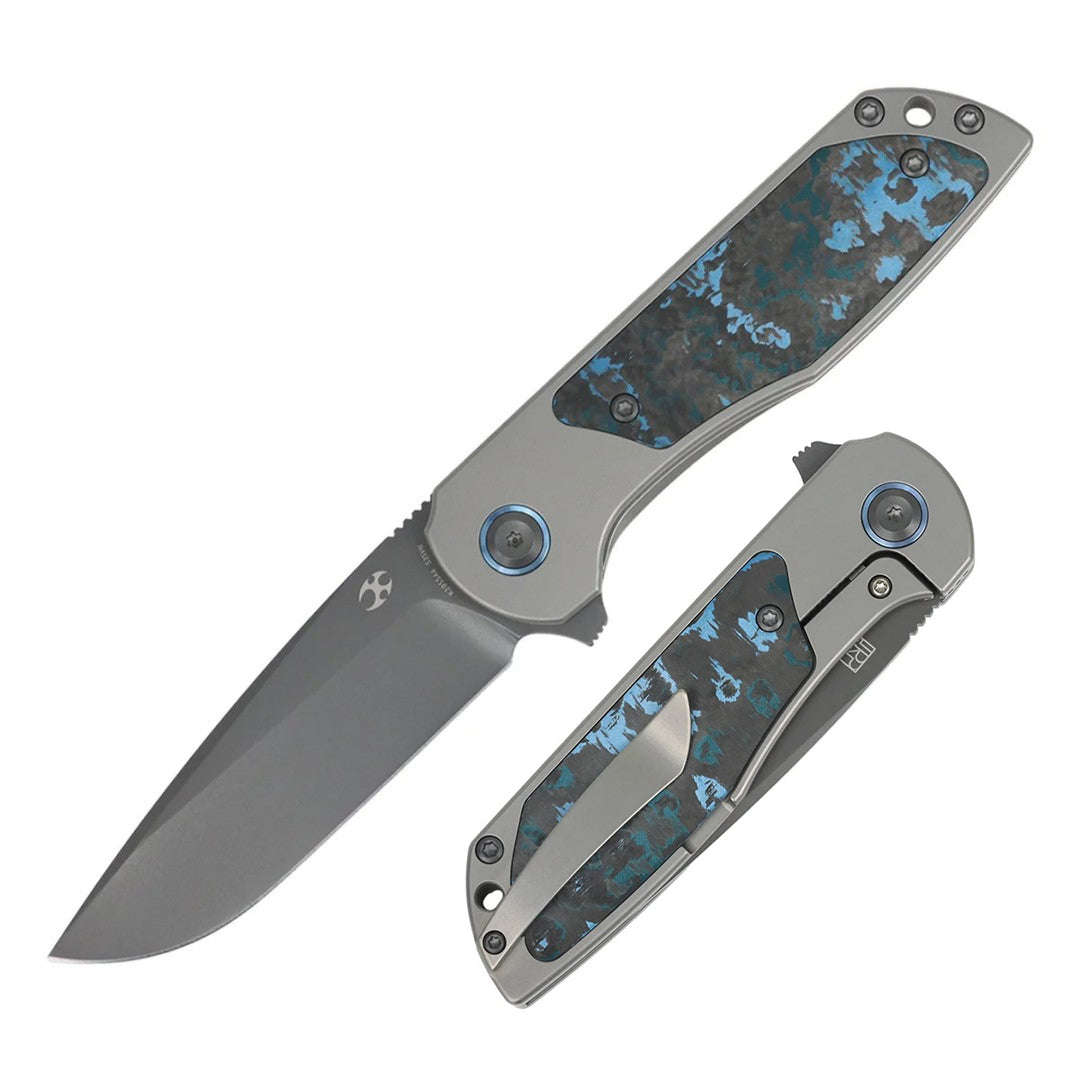
A dedicated skinner typically runs two and a half to four inches with a pronounced belly and a swept or dropped point, letting you keep the edge in the cut while the point trails away from the hide. A butcher pattern is longer, often five to seven inches, with a straighter edge and a taller blade so the whole cut can be made in one stroke. Handles matter just as much as shape: Tenable knives build the Foosa with a full tang, a palm swell and a positive guard, which is exactly the layout you want when your hands are slick with fat and the light is going.
Real-World Use
Skinning rewards a light touch. Start at the hock, work down the leg seams with the edge angled slightly away from the meat, and let the blade do the work rather than your wrist. Butchering rewards patience: follow the seams between muscle groups instead of cutting through them, and keep a second edge handy because a blade that has contacted bone will not slice hide cleanly afterwards. The Tenable Foosa handles the skinning half of that sequence superbly, and pairing it with a longer butcher blade covers the rest of the job without compromise.

Ownership Notes
Edge maintenance is where home processing is won or lost. Touch up the edge before each animal rather than during, because steeling a blade with fat on it simply burnishes the metal. A few passes on a ceramic rod after washing and drying keeps geometry true for years. Store both knives dry and out of the sheath, and never put a wet blade away in a leather sleeve, because leather holds moisture against steel and that is how a good tool quietly ruins itself over a winter.
Who Is This For?
This guide suits hunters who butcher at home, smallholders processing livestock, and anyone who has decided that a single do-everything knife is not actually doing everything. If your game is already processed by a butcher, a compact fixed blade is plenty. If you hang, skin and break down your own animals, buy a dedicated skinner first and add a butcher blade second. Buyers who already rotate EDC knives for daily carry will find the field kit a different discipline entirely.
Final Verdict
Treat skinning and butchering as two jobs and buy accordingly. A short, thin, keen fixed blade with a full tang for the hide, and a longer, stiffer blade for the carcass. Neither needs to be expensive, but both need to be sharp, dry and reachable with one hand. Browse the Tenable Foosa lineup at EdcMall to compare the blade shapes side by side before you commit.