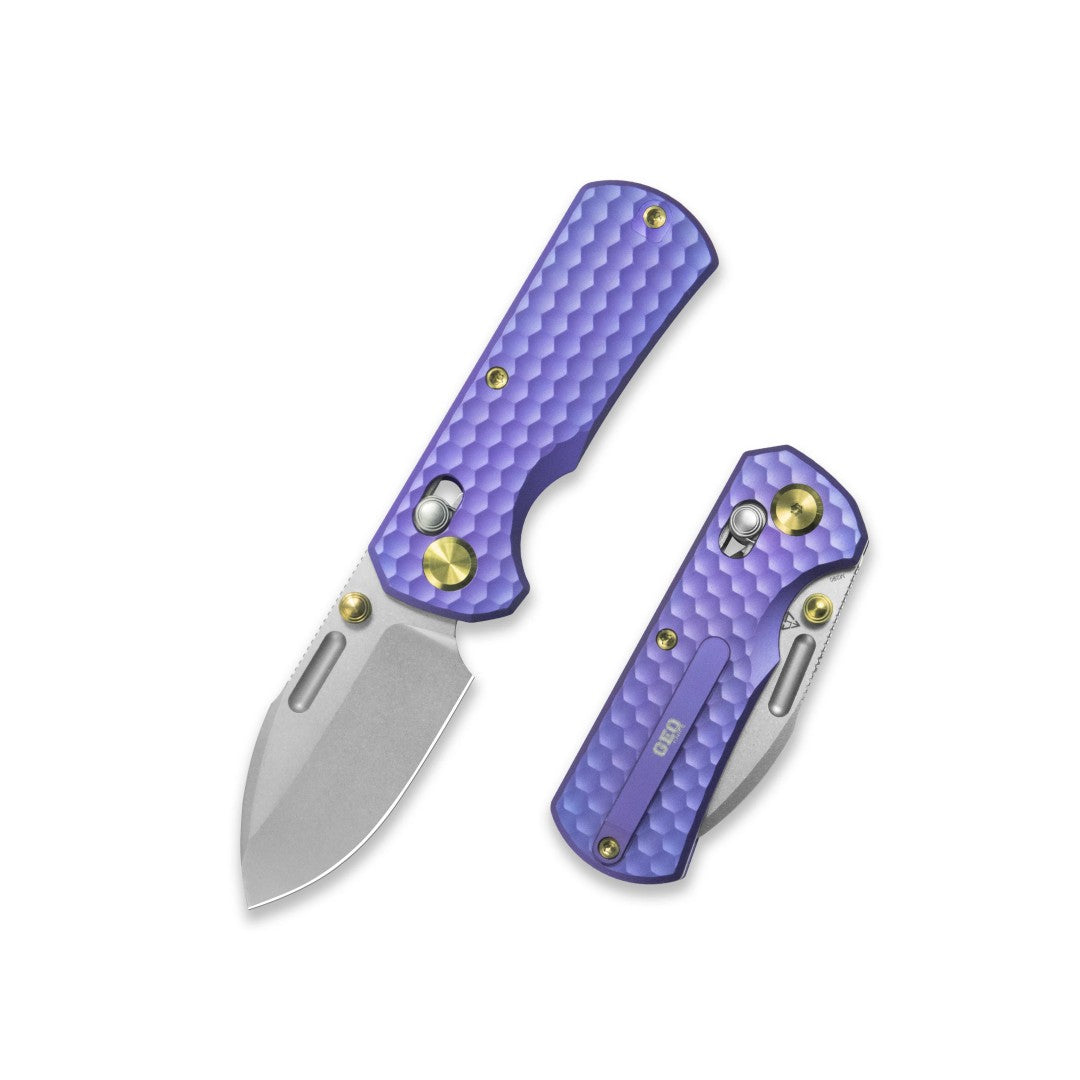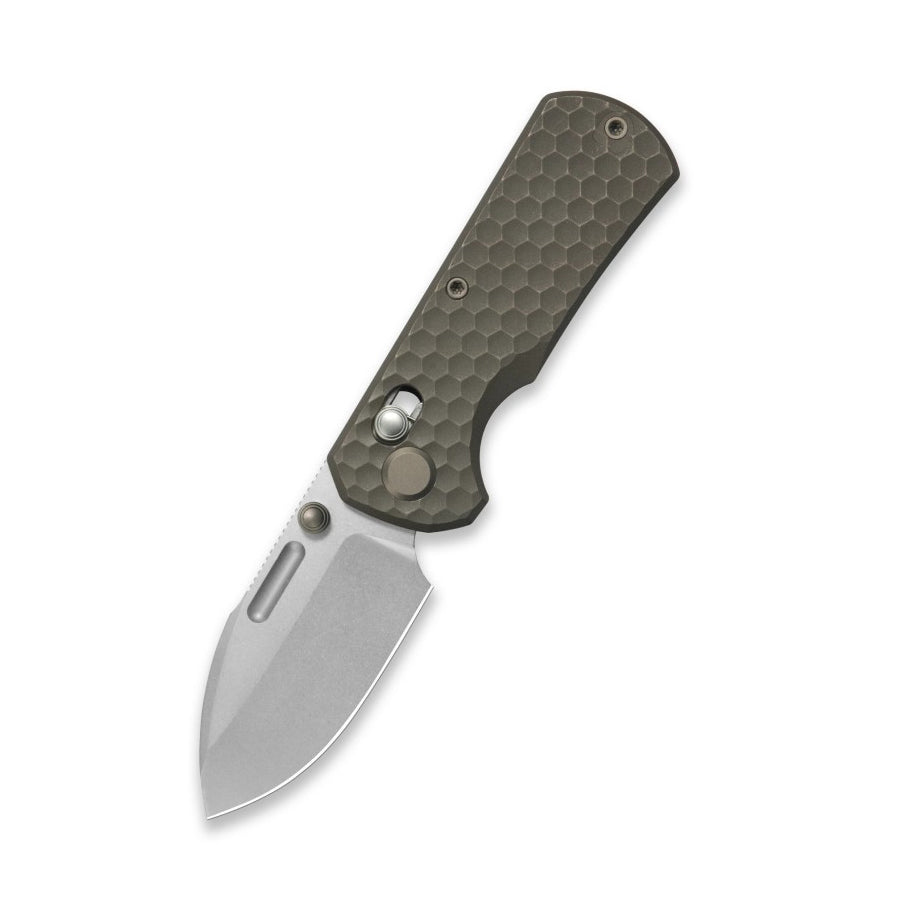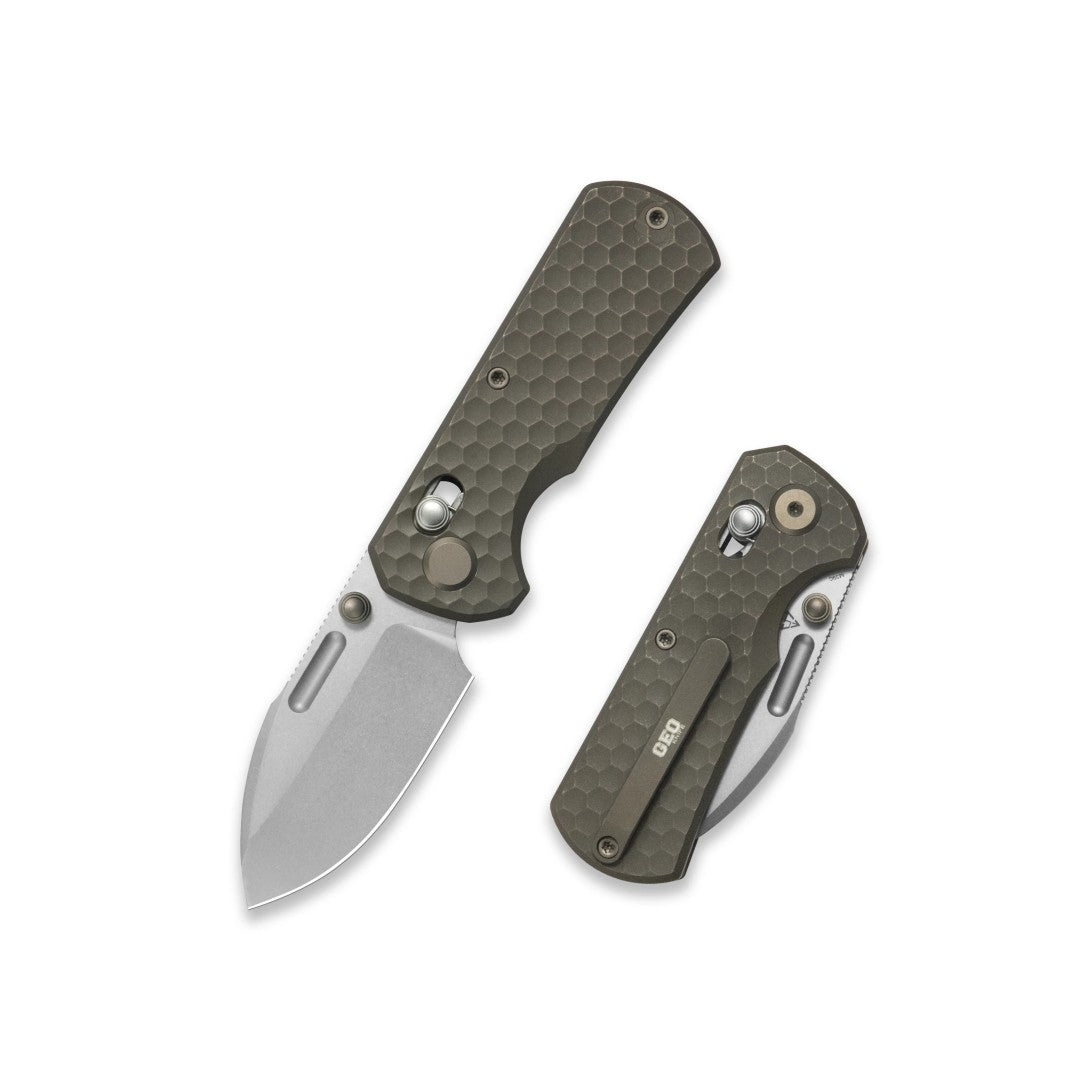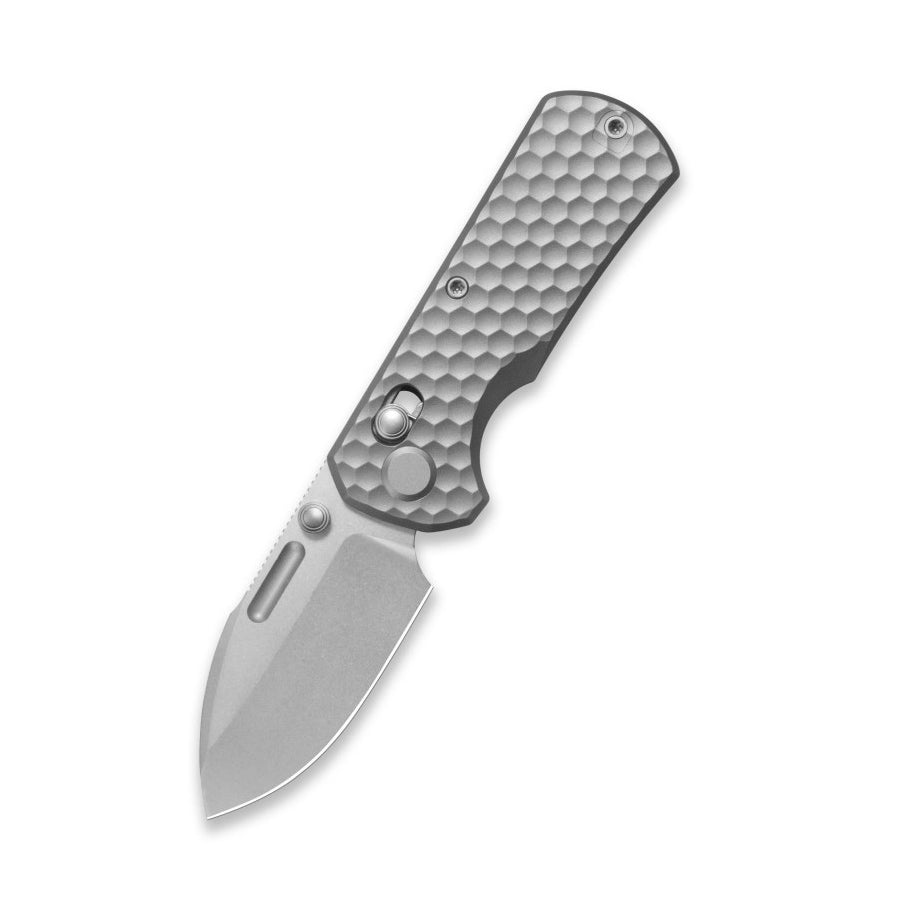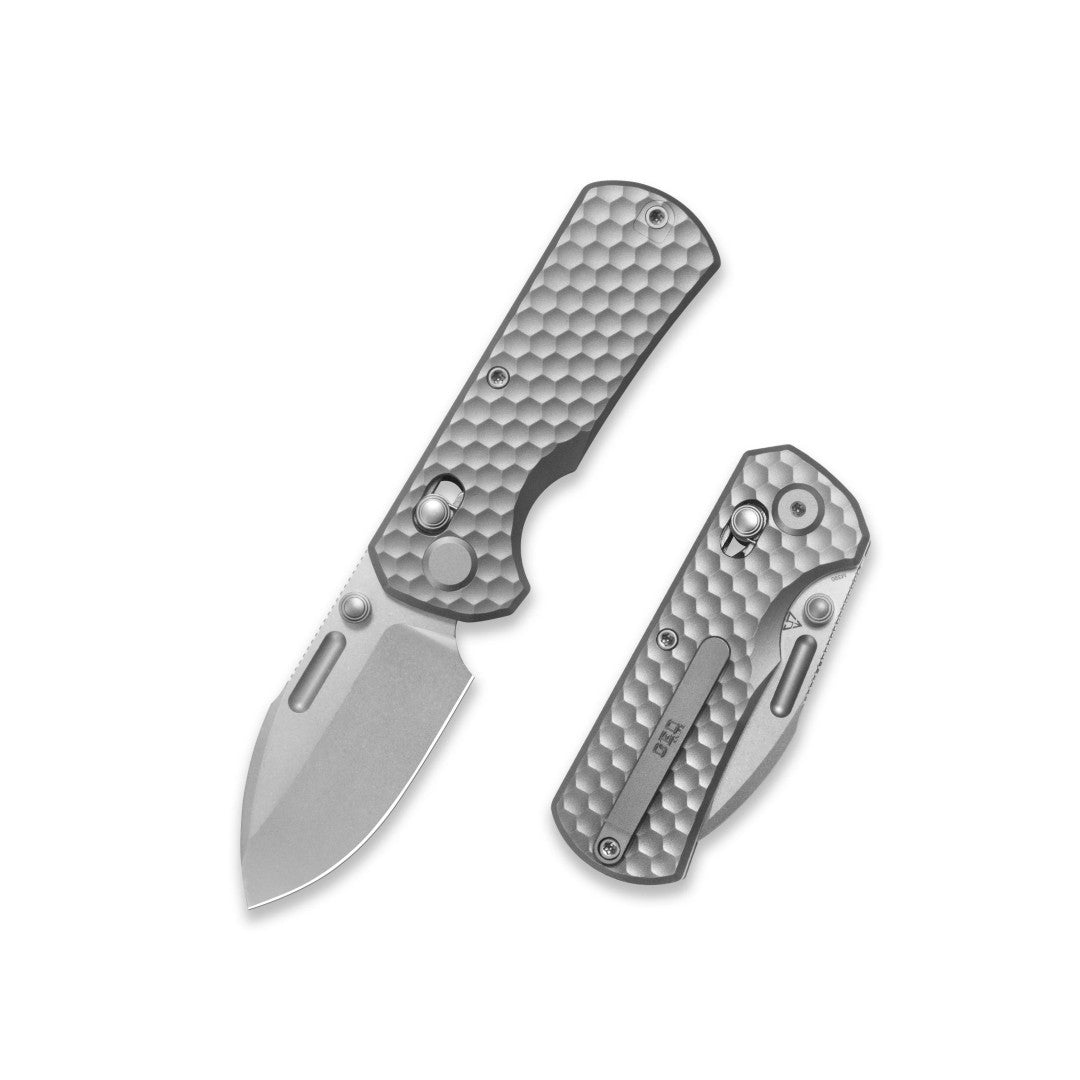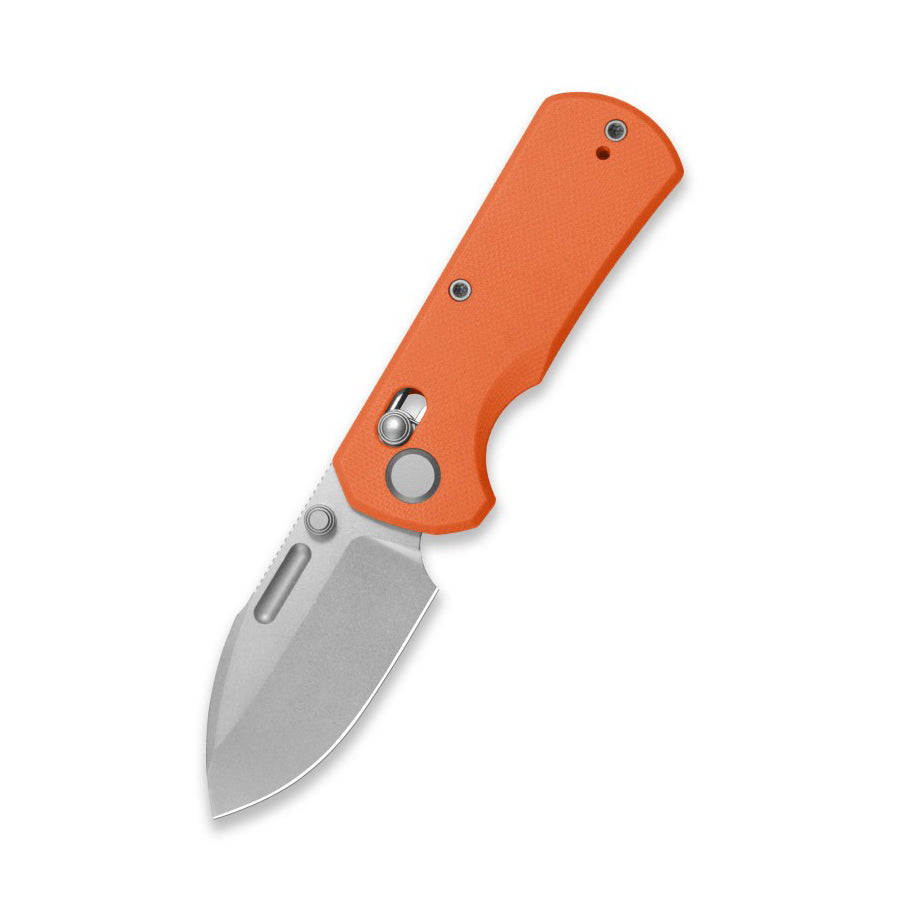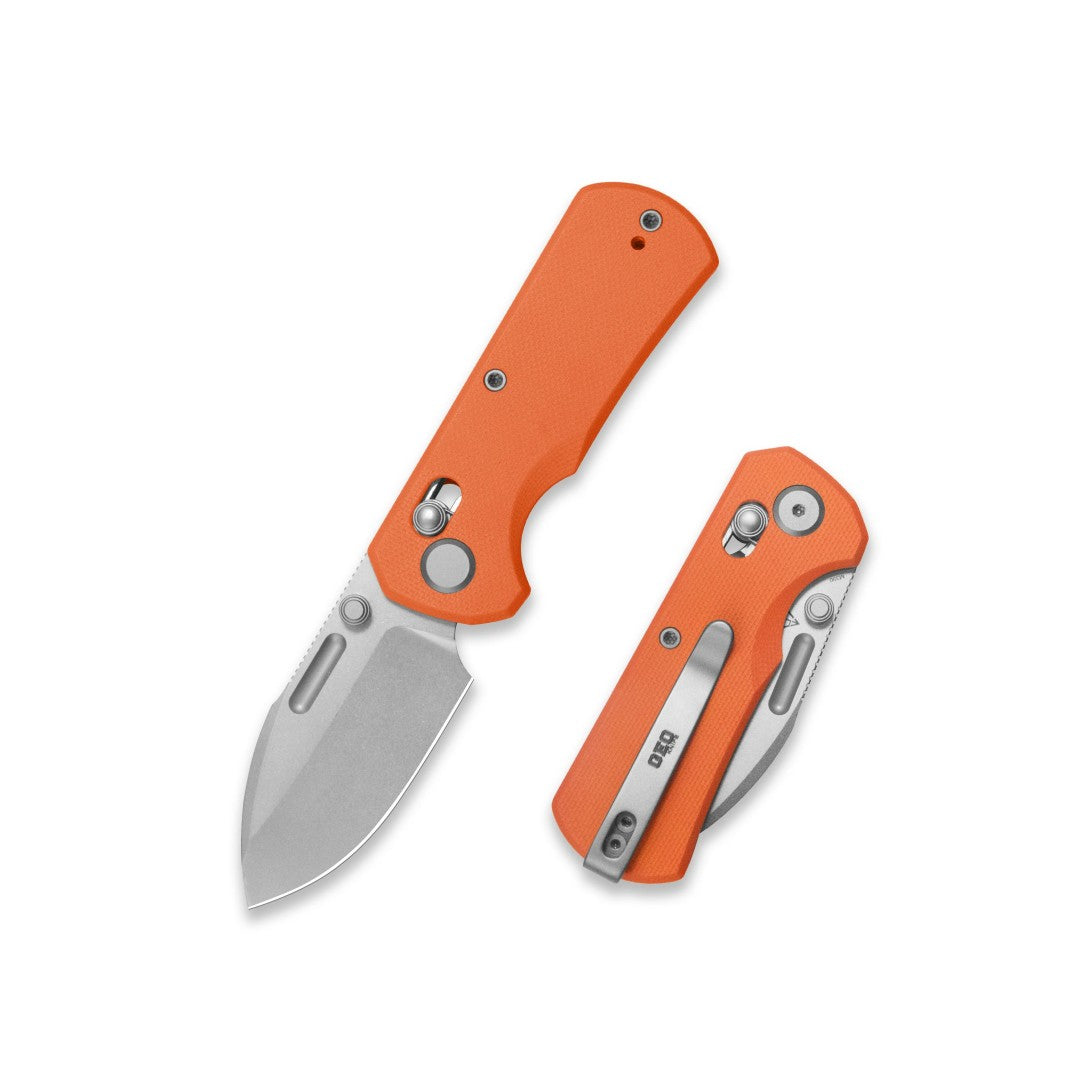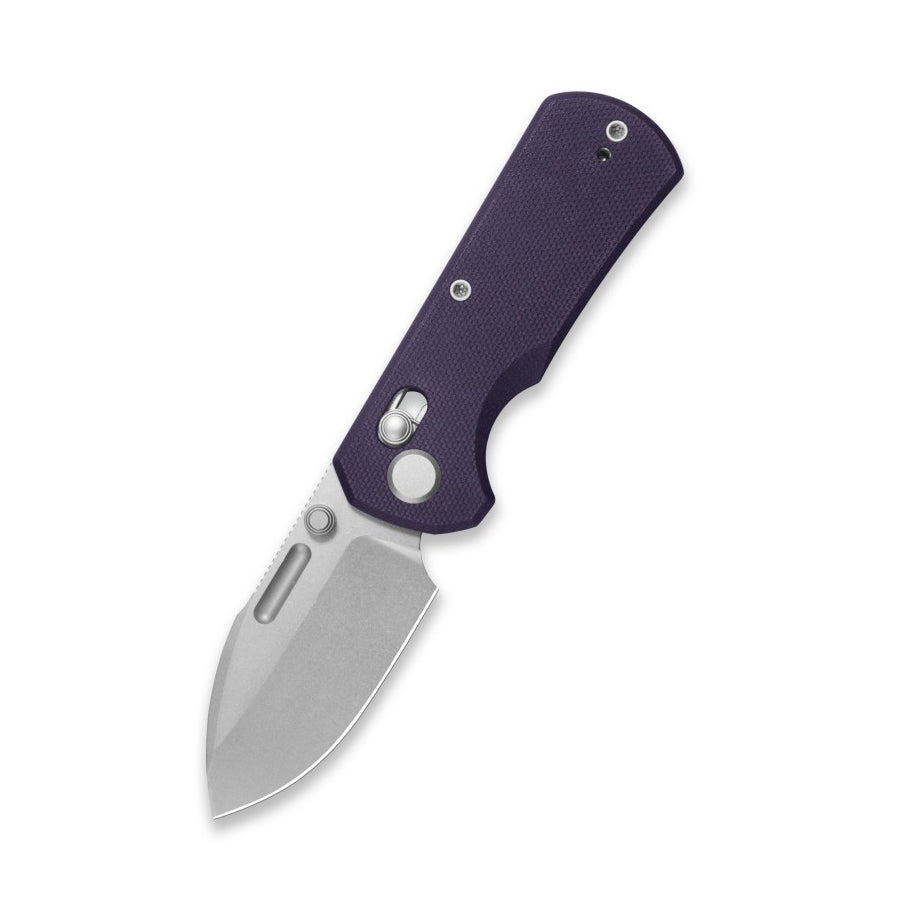

Overview & First Impressions
Every autumn the same argument returns to hunting forums: does a gut hook actually help, or is it a gimmick stamped into blades to sell knives? The honest answer is that it is a specialised tool inside a general one. Opened correctly, a gut hook slices the hide along the belly line without touching the paunch, which keeps the meat clean and the job short. Used badly, it snags, tears and frustrates. Knowing when to reach for it matters more than owning one.
Materials & Construction
Field dressing is wet, gritty, abrasive work, so steel choice decides how often you stop to sharpen. D2 steel remains the working classic here: its vanadium carbides resist the wear that hair, hide and dirt inflict on an edge, and it takes a working sharpness quickly on a coarse stone. It is semi stainless, so a wipe down at the truck matters. A stainless alternative suits hunters who hate maintenance, but many still prefer the toughness of D2 steel for belly work.

Design & Details
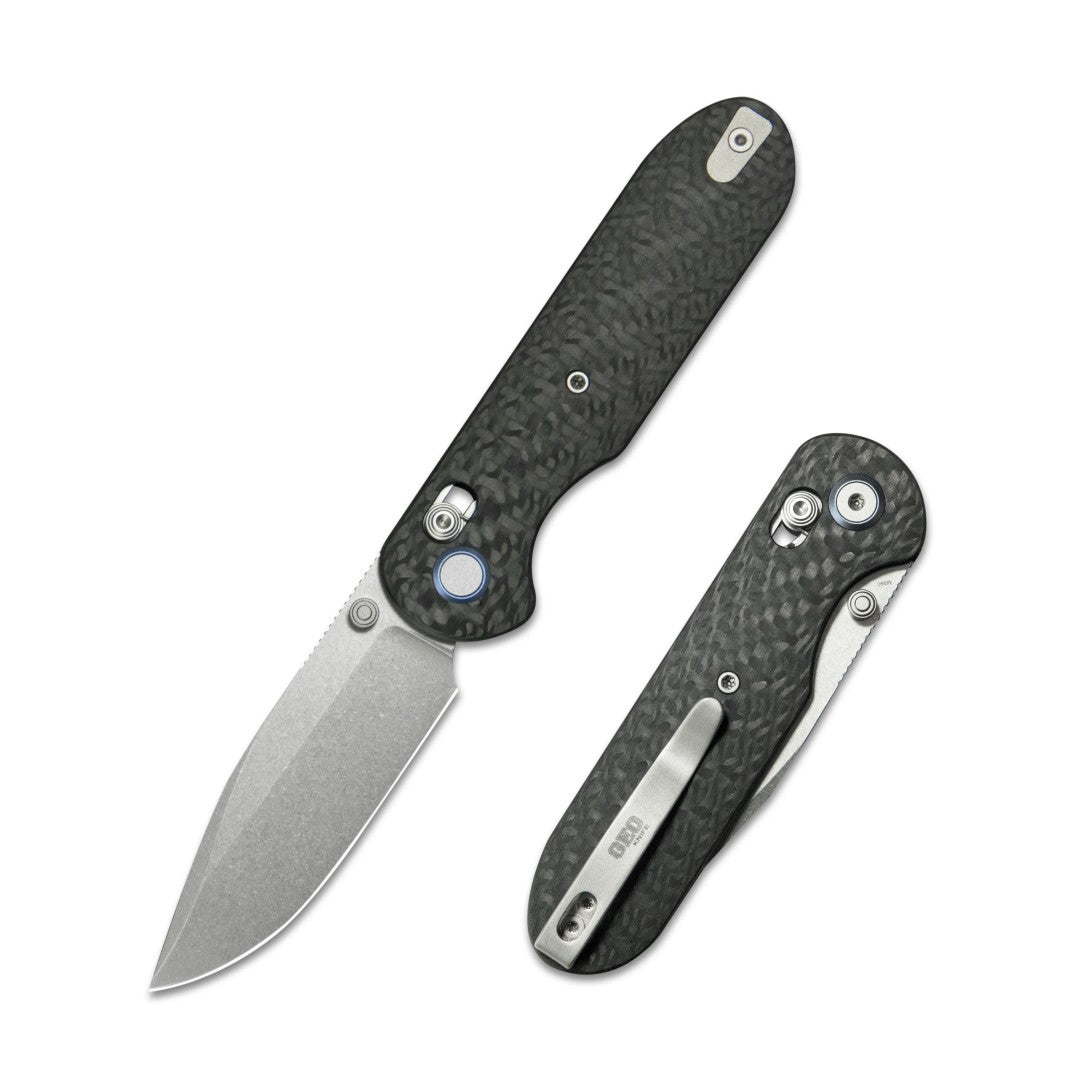
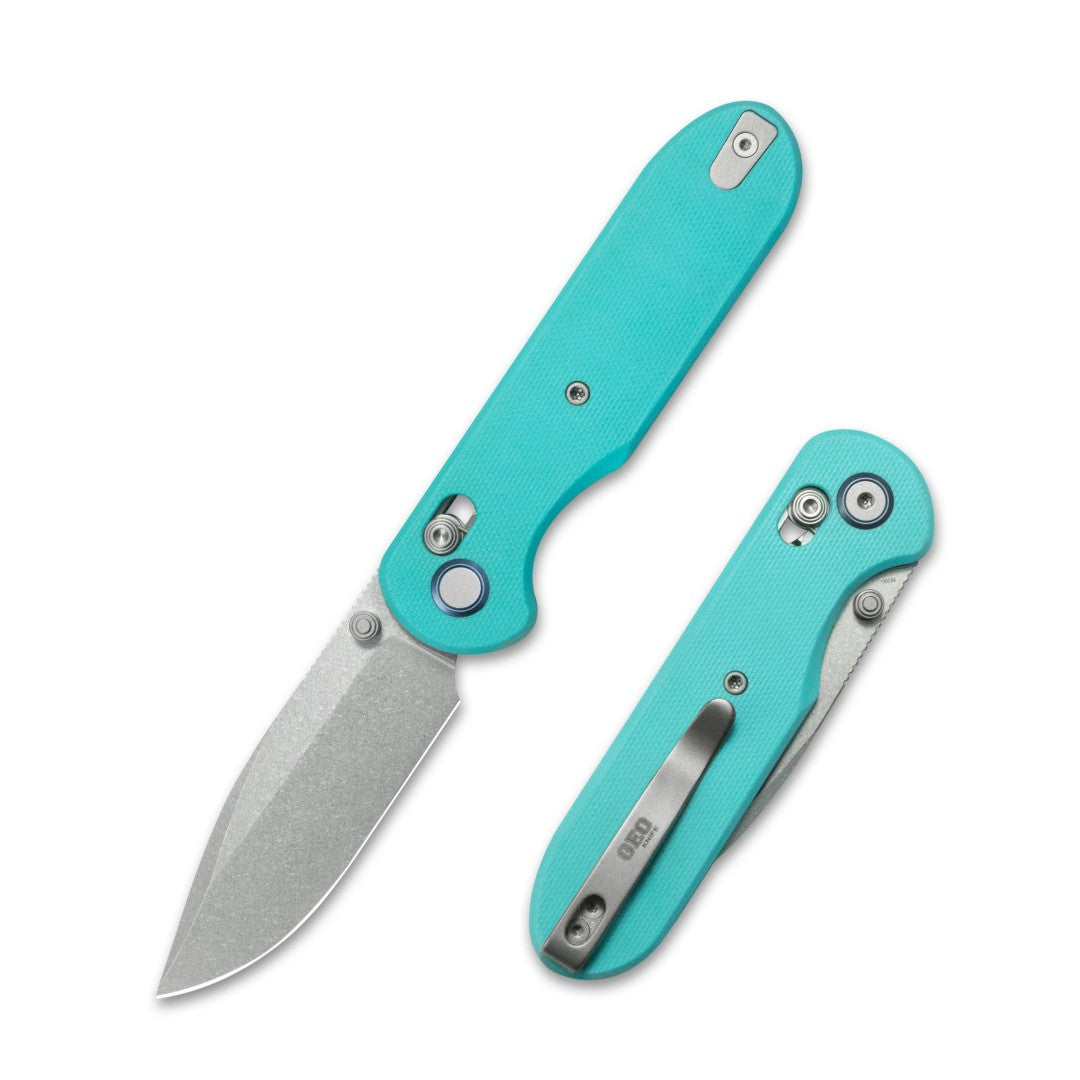
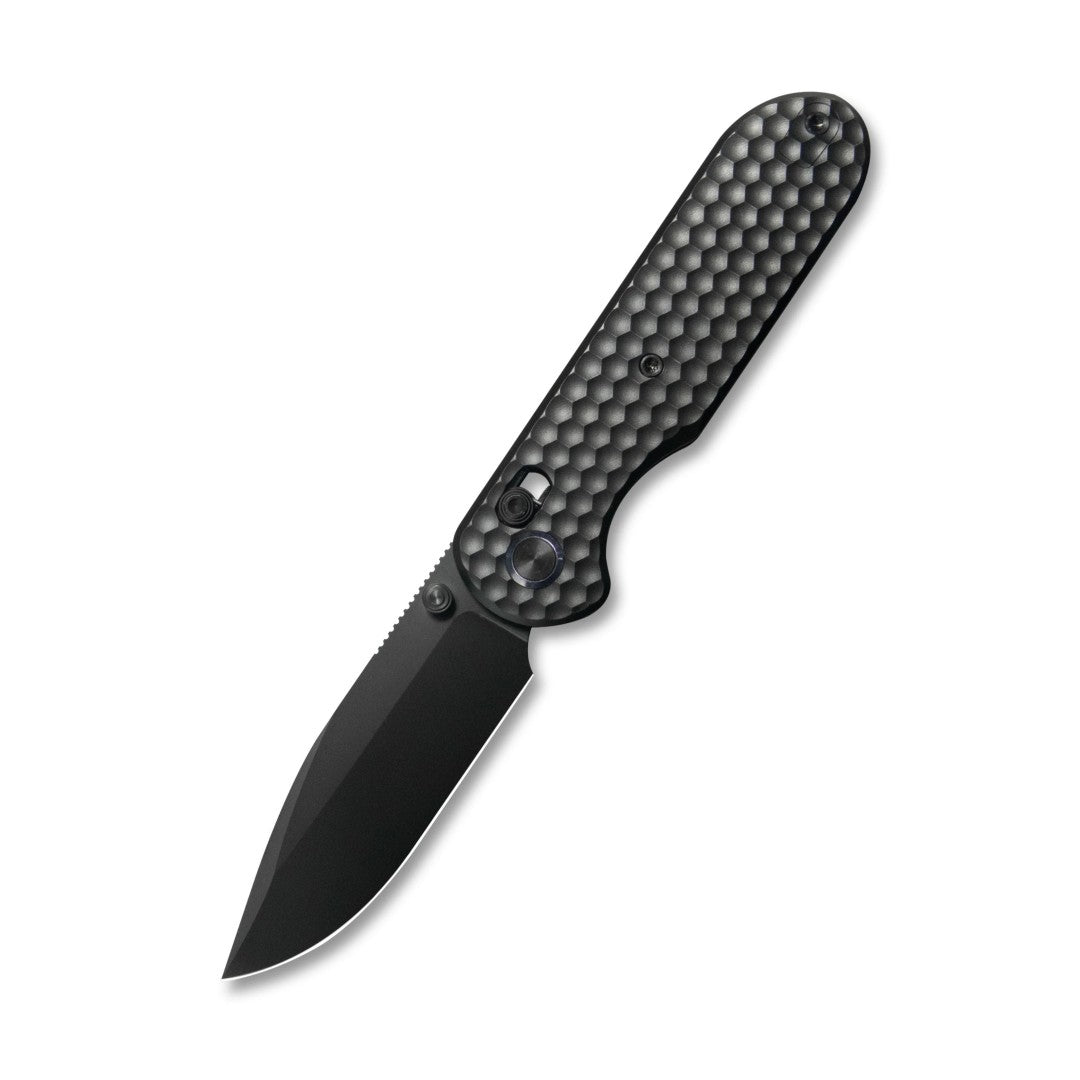
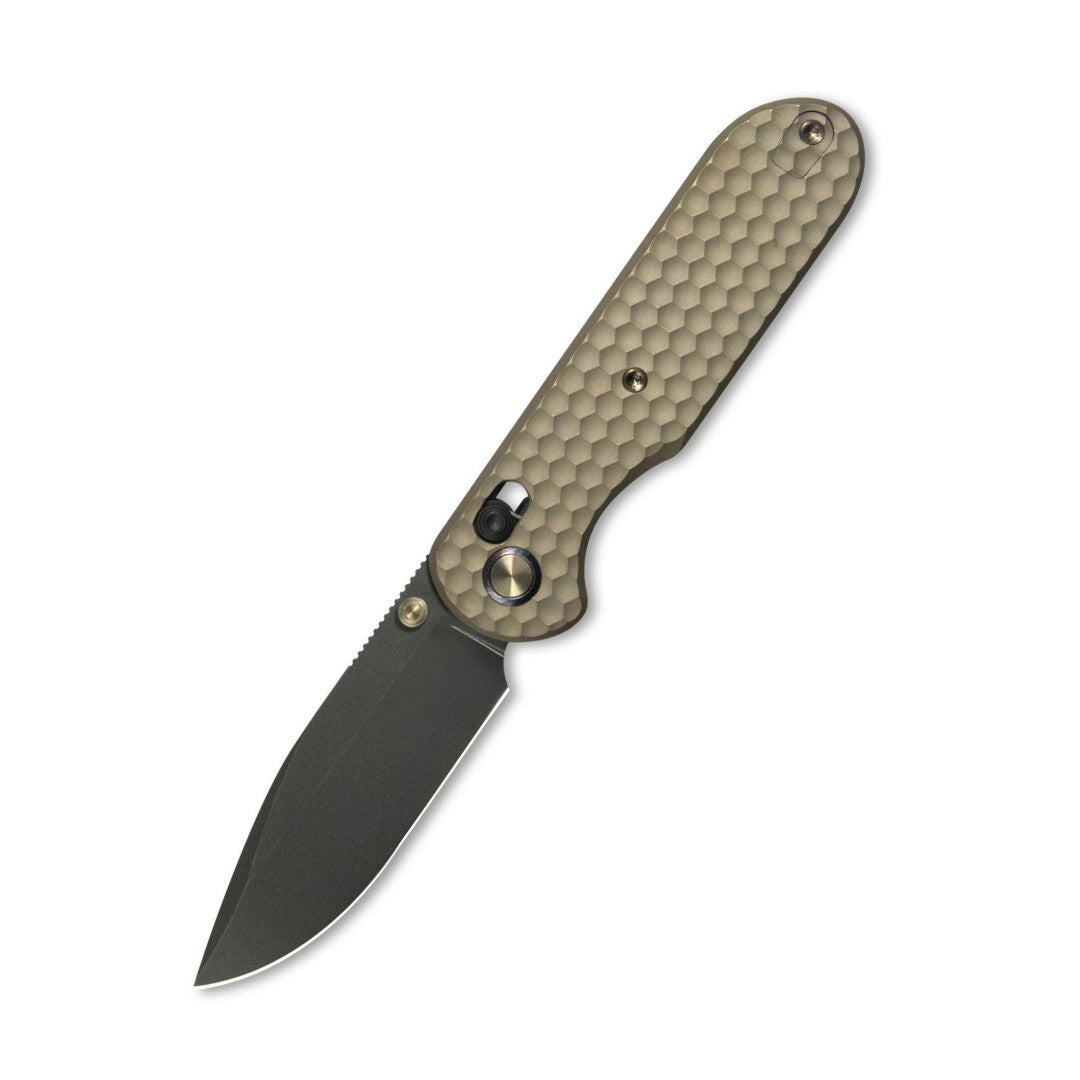
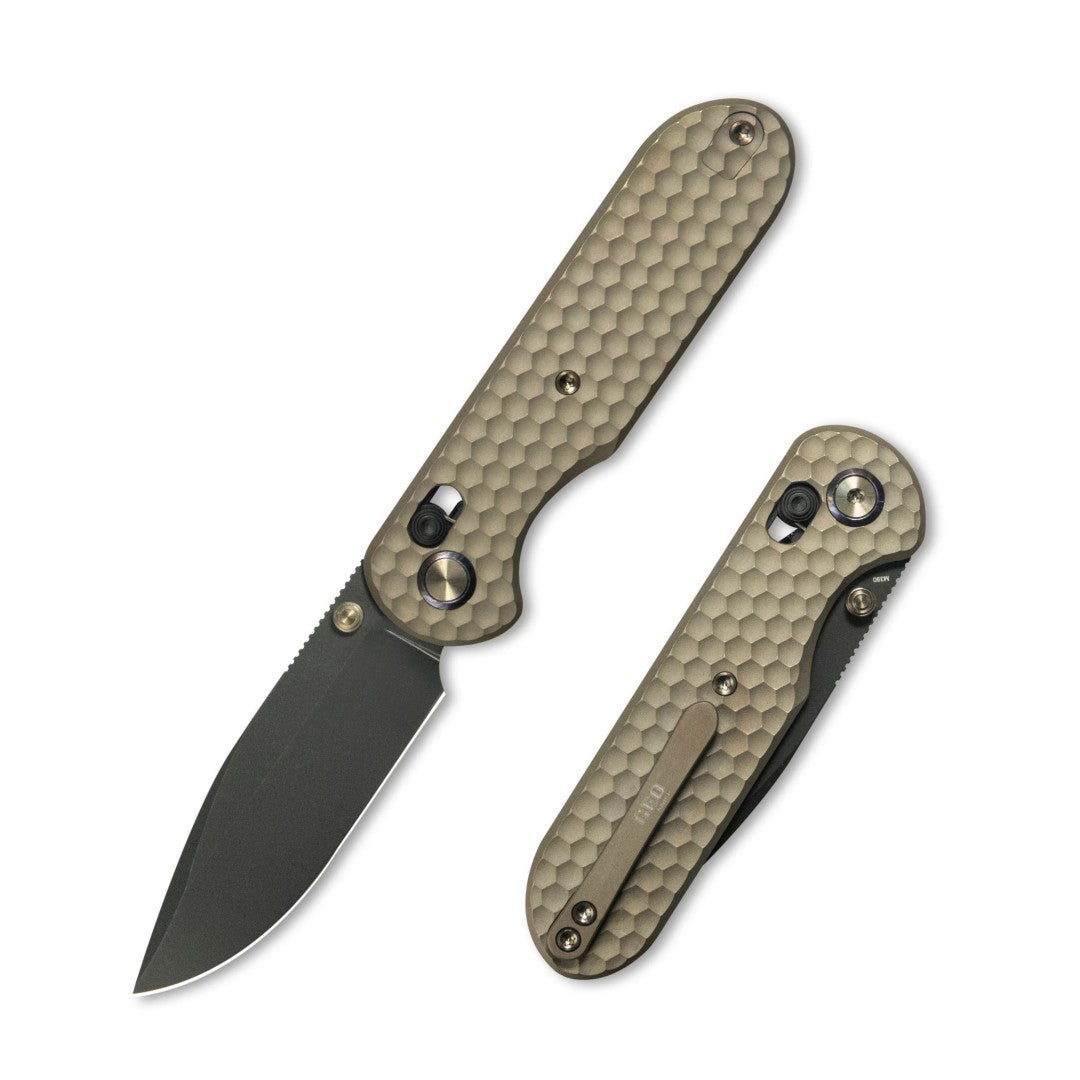
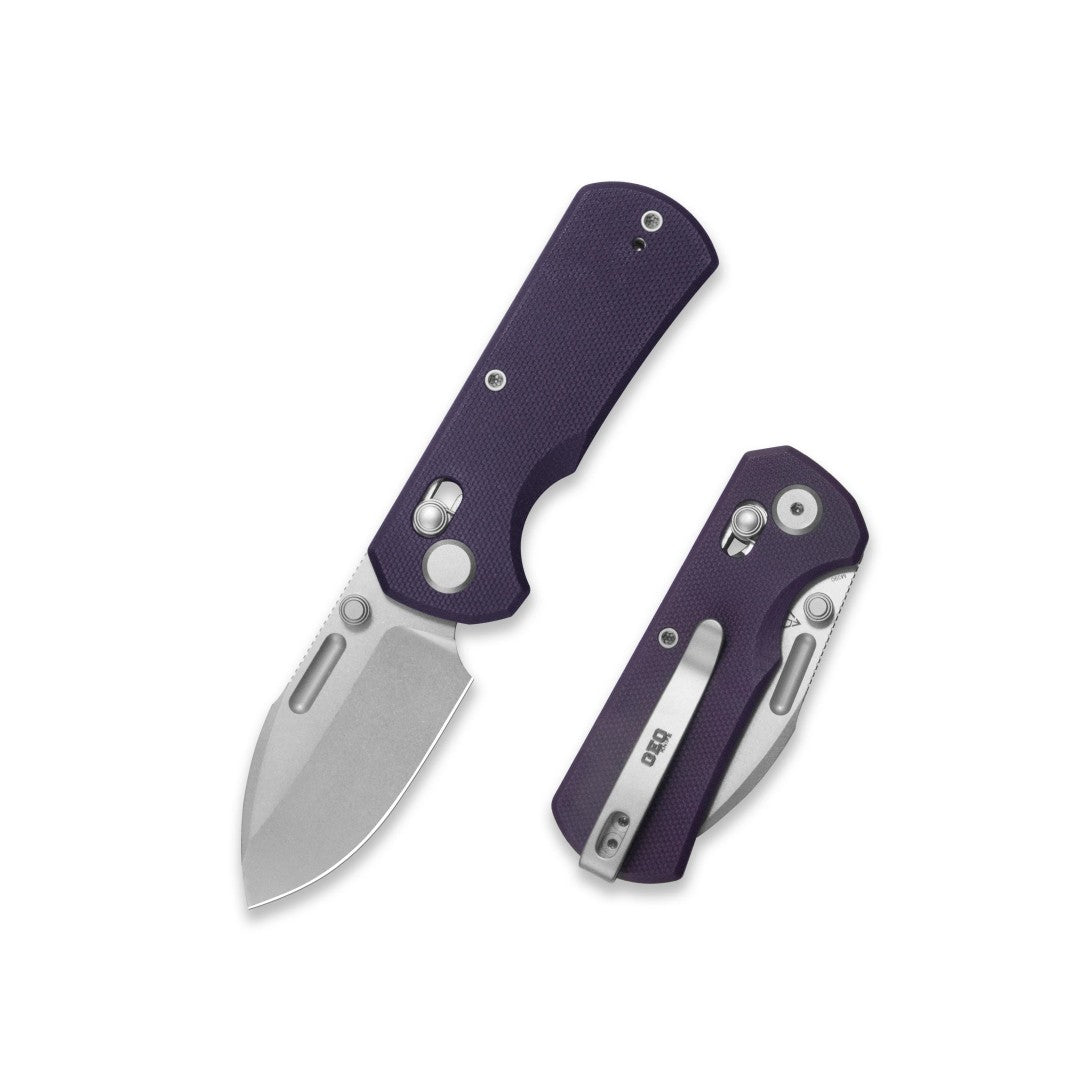
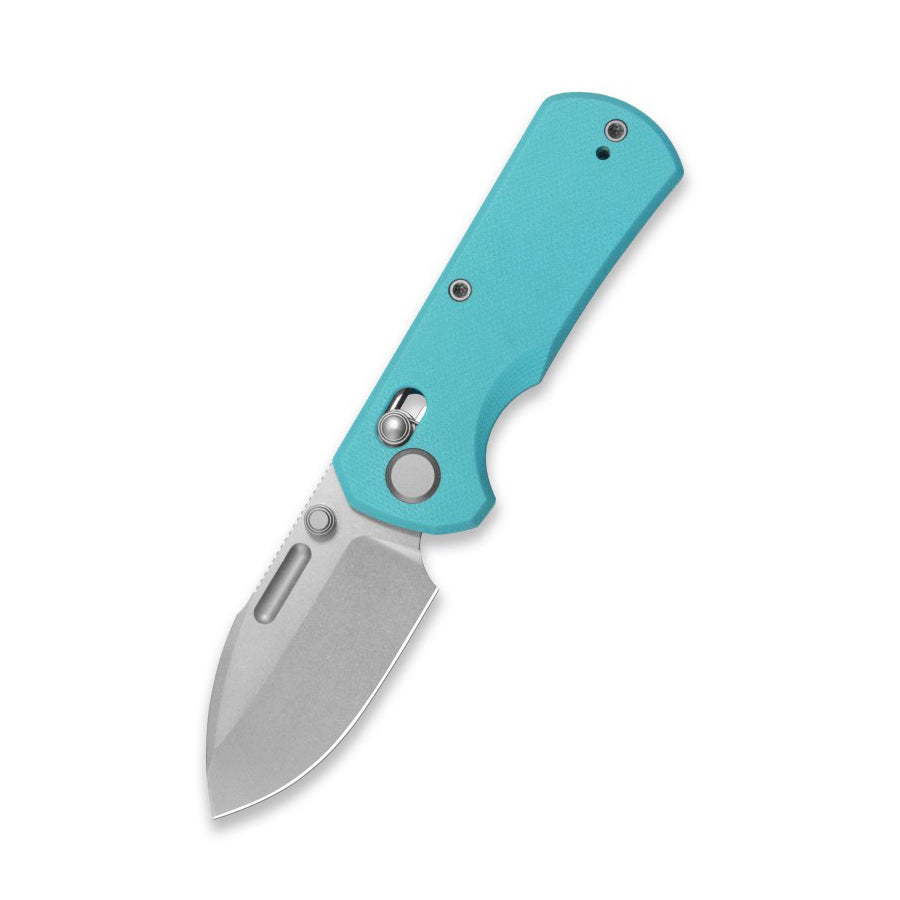
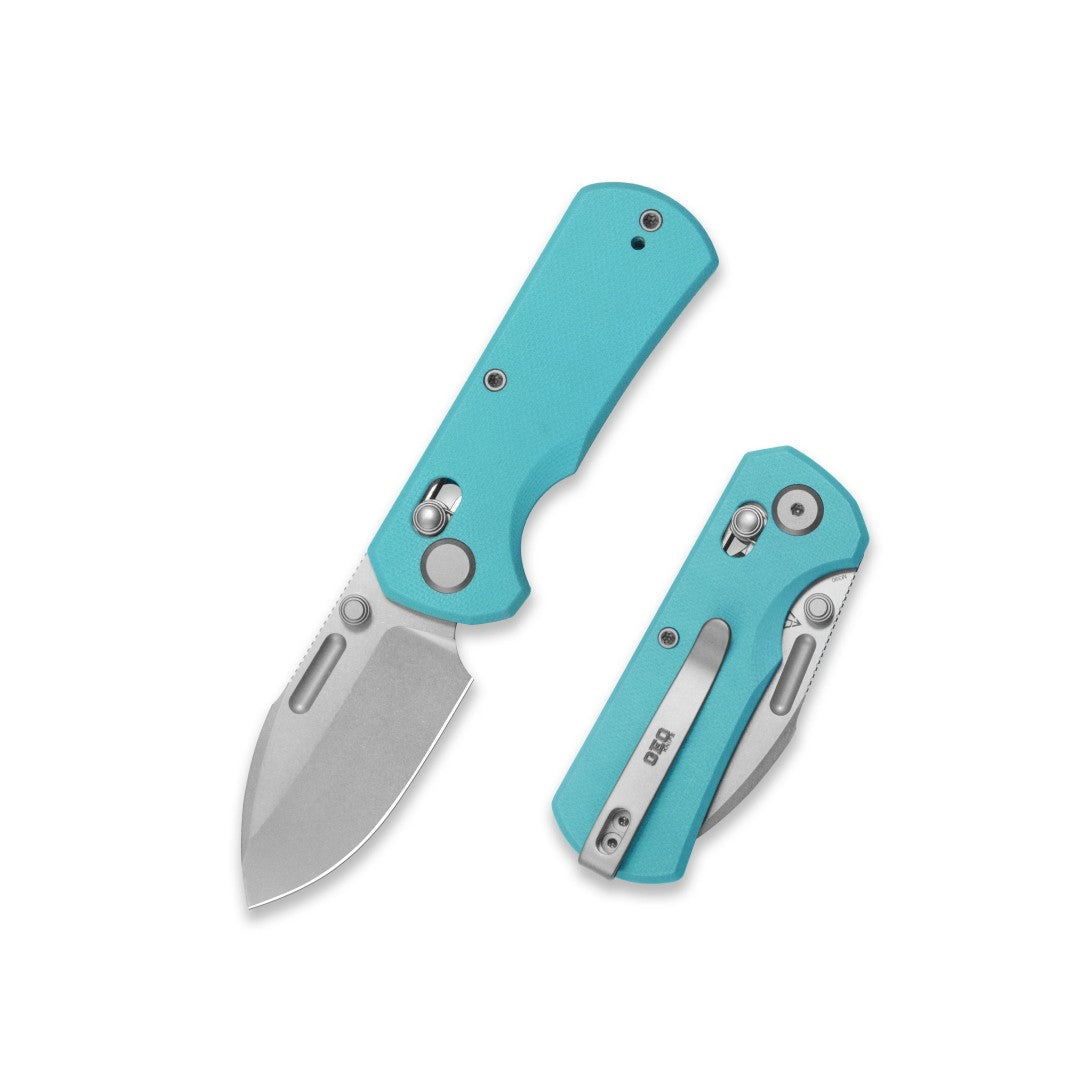
A good dressing knife pairs a generous belly with a point you can control inside the body cavity. The Kansept Parr takes that brief seriously: a compact fixed blade with a full belly, a comfortable micarta handle that stays grippy when wet, and a blade thin enough to follow the body wall without force. Whether you add a hook or not, a full tang fixed blade gives the confidence a folder never quite matches when both hands are occupied.
Real-World Use
Work in this order: open the hide with short strokes, use the hook along the midline if your blade has one, then switch back to the plain edge for everything else. The mistake most beginners make is rushing the initial opening, which is where the paunch gets nicked. Slow first, fast later. Keep a folding knives backup in the pack for caping and detail work, because a dressing blade gets dull fast and the last cuts deserve a keen edge.

Ownership Notes
Care after the field is simple but non negotiable. Rinse with warm water, dry immediately, and run the edge over a ceramic rod before the knife goes back in the sheath. Hide moisture finds every scratch in a finish. Hunters who process multiple animals in a season should carry a small strop in the cleaning kit, because ten passes between animals restores more edge than an hour of sharpening at the end of the day ever will.
Who Is This For?
This guide suits deer and elk hunters processing their own animals, guides who field dress several head a week, and newcomers buying their first serious hunting blade. If you only hunt behind an outfitter who handles the work, a smaller general knife is plenty. If you hunt thick country where pack weight matters, a compact fixed blade like this earns its slot easily.
Final Verdict
A gut hook is a useful second edge, not a magic feature; the knife around it matters far more. Choose a controllable point, a grippy handle and a steel that shrugs off grit, then practise on the first animal of the season. Compare the fixed blade options and EDC knives at EdcMall before you commit to one blade for every job.